


12071 Résultats
Classification:
livres
livres
Actions:
Prix:
$49.95
(disponible sur commande)
Résumé:
Dès sa parution en 1849, "Les Sept lampes de l'architecture" de John Ruskin a fait événement à la fois par ses illustrations et par ses thèses. Les premières sont reproduites ici telles que Ruskin les fit graver d'après ses propres dessins et les secondes sont de nouveau accessibles dans une traduction entièrement nouvelle et complète qui montre l'ampleur du projet(...)
$49.95
(disponible sur commande)
Résumé:
Dès sa parution en 1849, "Les Sept lampes de l'architecture" de John Ruskin a fait événement à la fois par ses illustrations et par ses thèses. Les premières sont reproduites ici telles que Ruskin les fit graver d'après ses propres dessins et les secondes sont de nouveau accessibles dans une traduction entièrement nouvelle et complète qui montre l'ampleur du projet(...)
Titre:
Les Sept lampes de l'architecture
Actions:
Prix:
$49.95
(disponible sur commande)
Résumé:
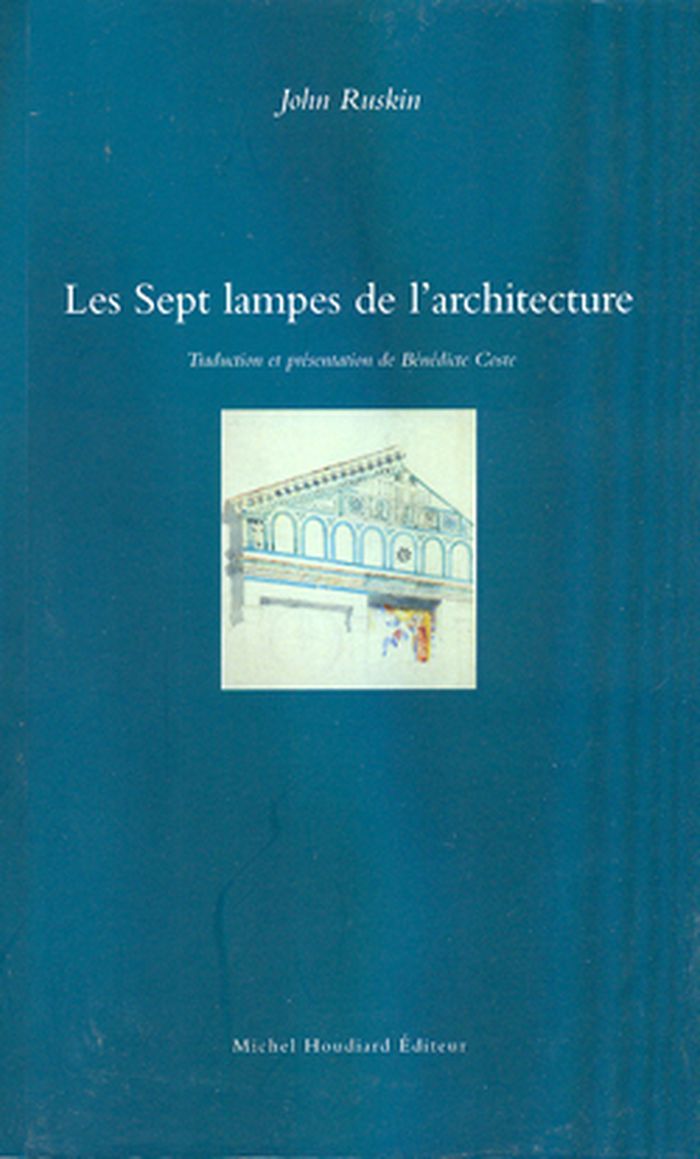
Dès sa parution en 1849, "Les Sept lampes de l'architecture" de John Ruskin a fait événement à la fois par ses illustrations et par ses thèses. Les premières sont reproduites ici telles que Ruskin les fit graver d'après ses propres dessins et les secondes sont de nouveau accessibles dans une traduction entièrement nouvelle et complète qui montre l'ampleur du projet animant un jeune homme à l'époque davantage connu pour ses analyses picturales et sa défense du peintre Turner. Pour Ruskin, l'architecture est avant tout d'ordre sensible, elle s'adresse à l'homme auquel elle a chargé de donner un lieu au-delà du simple abri. Elle est donc symbolique, elle est matérielle et elle est historique, se déployant à travers tous les « domaines de l'homme » pour conduire :celui-ci à la pleine réalisation de ses potentialités créatrices et politiques.
Les Sept lampes de l'architecture
Actions:
Prix:
$49.95
(disponible sur commande)
Résumé:
Dès sa parution en 1849, "Les Sept lampes de l'architecture" de John Ruskin a fait événement à la fois par ses illustrations et par ses thèses. Les premières sont reproduites ici telles que Ruskin les fit graver d'après ses propres dessins et les secondes sont de nouveau accessibles dans une traduction entièrement nouvelle et complète qui montre l'ampleur du projet animant un jeune homme à l'époque davantage connu pour ses analyses picturales et sa défense du peintre Turner. Pour Ruskin, l'architecture est avant tout d'ordre sensible, elle s'adresse à l'homme auquel elle a chargé de donner un lieu au-delà du simple abri. Elle est donc symbolique, elle est matérielle et elle est historique, se déployant à travers tous les « domaines de l'homme » pour conduire :celui-ci à la pleine réalisation de ses potentialités créatrices et politiques.
Classification:
livres
livres
Publication:
juin 2011
juin 2011
Sujet:
Théorie de l’architecture
Théorie de l’architecture
Classification:
livres
livres
Titre:
Architecture now ! 8
Architecture now ! 8
Actions:
Prix:
$49.95
(disponible sur commande)
Résumé:
"Architecture Now! 8" reviews new and exciting projects completed and under construction in the whole world. No style, no building type is ignored, making this volume a true compendium of what anybody interested in buildings today needs to know. From well-known figures such as Zaha Hadid, Ryue Nishizawa of SANAA fame and Thom Mayne of Morphosis, to rising stars like(...)
$49.95
(disponible sur commande)
Résumé:
"Architecture Now! 8" reviews new and exciting projects completed and under construction in the whole world. No style, no building type is ignored, making this volume a true compendium of what anybody interested in buildings today needs to know. From well-known figures such as Zaha Hadid, Ryue Nishizawa of SANAA fame and Thom Mayne of Morphosis, to rising stars like(...)
Titre:
Architecture now ! 8
Actions:
Prix:
$49.95
(disponible sur commande)
Résumé:
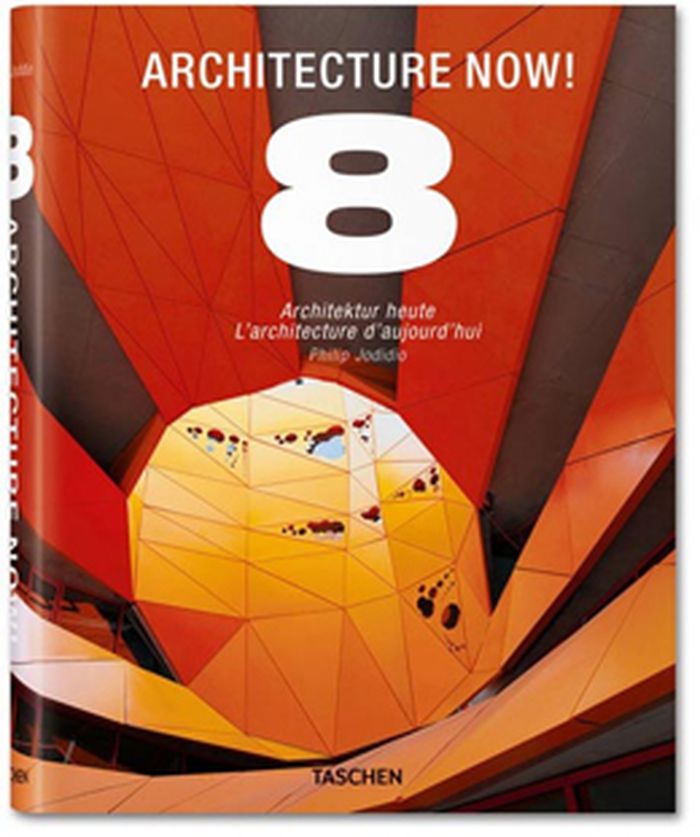
"Architecture Now! 8" reviews new and exciting projects completed and under construction in the whole world. No style, no building type is ignored, making this volume a true compendium of what anybody interested in buildings today needs to know. From well-known figures such as Zaha Hadid, Ryue Nishizawa of SANAA fame and Thom Mayne of Morphosis, to rising stars like Joshua Prince-Ramus (REX) and Sou Fujimoto and on to less-known architects who are the "stars" of tomorrow, like the Indians of Studio Mumbai, the Norwegian Todd Saunders, the Burkinabe Diebedo Francis Kere, and the Colombian Giancarlo Mazzanti, or the Chinese architect Li Xiaodong, they are all here and many more as well.
Architecture now ! 8
Actions:
Prix:
$49.95
(disponible sur commande)
Résumé:
"Architecture Now! 8" reviews new and exciting projects completed and under construction in the whole world. No style, no building type is ignored, making this volume a true compendium of what anybody interested in buildings today needs to know. From well-known figures such as Zaha Hadid, Ryue Nishizawa of SANAA fame and Thom Mayne of Morphosis, to rising stars like Joshua Prince-Ramus (REX) and Sou Fujimoto and on to less-known architects who are the "stars" of tomorrow, like the Indians of Studio Mumbai, the Norwegian Todd Saunders, the Burkinabe Diebedo Francis Kere, and the Colombian Giancarlo Mazzanti, or the Chinese architect Li Xiaodong, they are all here and many more as well.
Classification:
livres
livres
Publication:
avril 2012
avril 2012
Sujet:
Architecture contemporaine
Architecture contemporaine
Classification:
livres
livres
Titre:
Architecture of defeat
Architecture of defeat
Actions:
Prix:
$57.95
(disponible sur commande)
Résumé:
Kengo Kuma's ''Architecture of defeat,'' now available in English for the first time, explores events and architectural trends in the twentieth and twenty-first centuries in both Japan and beyond. It brings together a collection of essays which Kuma wrote after disasters such as the destruction of the World Trade Center in New York City on 9/11 and the earthquake and(...)
$57.95
(disponible sur commande)
Résumé:
Kengo Kuma's ''Architecture of defeat,'' now available in English for the first time, explores events and architectural trends in the twentieth and twenty-first centuries in both Japan and beyond. It brings together a collection of essays which Kuma wrote after disasters such as the destruction of the World Trade Center in New York City on 9/11 and the earthquake and(...)
Titre:
Architecture of defeat
Actions:
Prix:
$57.95
(disponible sur commande)
Résumé:
Kengo Kuma's ''Architecture of defeat,'' now available in English for the first time, explores events and architectural trends in the twentieth and twenty-first centuries in both Japan and beyond. It brings together a collection of essays which Kuma wrote after disasters such as the destruction of the World Trade Center in New York City on 9/11 and the earthquake and tsunami that obliterated much of the built landscape on Japan’s northern shore in a matter of minutes in 2011. Asking if we have been building in a manner that is too self-confident or arrogant, he examines architecture’s intrinsic- and often problematic- relationship to the powerful forces of contemporary politics, economics, consumerism, and technology, as well as its vital ties to society.
Architecture of defeat
Actions:
Prix:
$57.95
(disponible sur commande)
Résumé:
Kengo Kuma's ''Architecture of defeat,'' now available in English for the first time, explores events and architectural trends in the twentieth and twenty-first centuries in both Japan and beyond. It brings together a collection of essays which Kuma wrote after disasters such as the destruction of the World Trade Center in New York City on 9/11 and the earthquake and tsunami that obliterated much of the built landscape on Japan’s northern shore in a matter of minutes in 2011. Asking if we have been building in a manner that is too self-confident or arrogant, he examines architecture’s intrinsic- and often problematic- relationship to the powerful forces of contemporary politics, economics, consumerism, and technology, as well as its vital ties to society.
Classification:
livres
livres
Publication:
juin 2019
juin 2019
Sujet:
Théorie de l’architecture
Théorie de l’architecture
Classification:
livres
livres
Titre:
Green architecture today
Green architecture today
Actions:
Prix:
$59.95
(disponible sur commande)
Résumé:
Thirty international architects are selected for the leading role they’ve played in the professional development of modern sustainable architecture. Residential and commercial projects are offered as examples of the best new ideas in green living. 'Green Architecture today' presents an intriguing spectrum of offerings. Large-scale photos and detail shots are accompanied(...)
$59.95
(disponible sur commande)
Résumé:
Thirty international architects are selected for the leading role they’ve played in the professional development of modern sustainable architecture. Residential and commercial projects are offered as examples of the best new ideas in green living. 'Green Architecture today' presents an intriguing spectrum of offerings. Large-scale photos and detail shots are accompanied(...)
Titre:
Green architecture today
Actions:
Prix:
$59.95
(disponible sur commande)
Résumé:
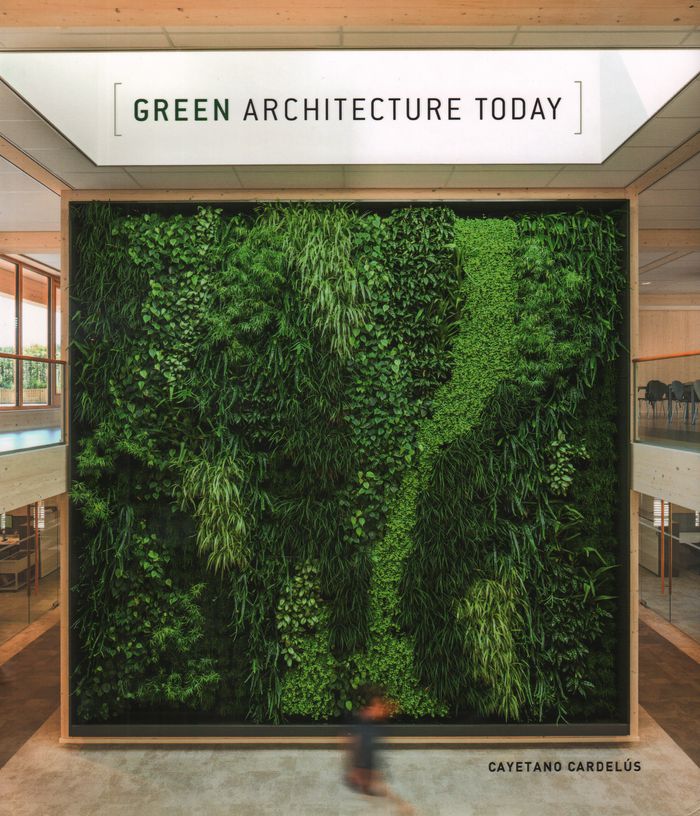
Thirty international architects are selected for the leading role they’ve played in the professional development of modern sustainable architecture. Residential and commercial projects are offered as examples of the best new ideas in green living. 'Green Architecture today' presents an intriguing spectrum of offerings. Large-scale photos and detail shots are accompanied by diagrams of sustainable features such as active and passive cooling and heating systems.
Green architecture today
Actions:
Prix:
$59.95
(disponible sur commande)
Résumé:
Thirty international architects are selected for the leading role they’ve played in the professional development of modern sustainable architecture. Residential and commercial projects are offered as examples of the best new ideas in green living. 'Green Architecture today' presents an intriguing spectrum of offerings. Large-scale photos and detail shots are accompanied by diagrams of sustainable features such as active and passive cooling and heating systems.
Classification:
livres
livres
Publication:
octobre 2018
octobre 2018
Sujet:
Architecture écologique
Architecture écologique
Classification:
livres
livres
Titre:
Architecture after COVID
Architecture after COVID
Actions:
Prix:
$41.95
(disponible sur commande)
Résumé:
This book explores the pandemic's transformative impacts upon the architectural profession. It raises new questions about the intertwined natures of architectural production, science, society, and spatial practice – questions which had lain latent in the profession for years, but which the COVID pandemic brought to the fore. The book explores how the pandemic modified(...)
$41.95
(disponible sur commande)
Résumé:
This book explores the pandemic's transformative impacts upon the architectural profession. It raises new questions about the intertwined natures of architectural production, science, society, and spatial practice – questions which had lain latent in the profession for years, but which the COVID pandemic brought to the fore. The book explores how the pandemic modified(...)
Titre:
Architecture after COVID
Actions:
Prix:
$41.95
(disponible sur commande)
Résumé:
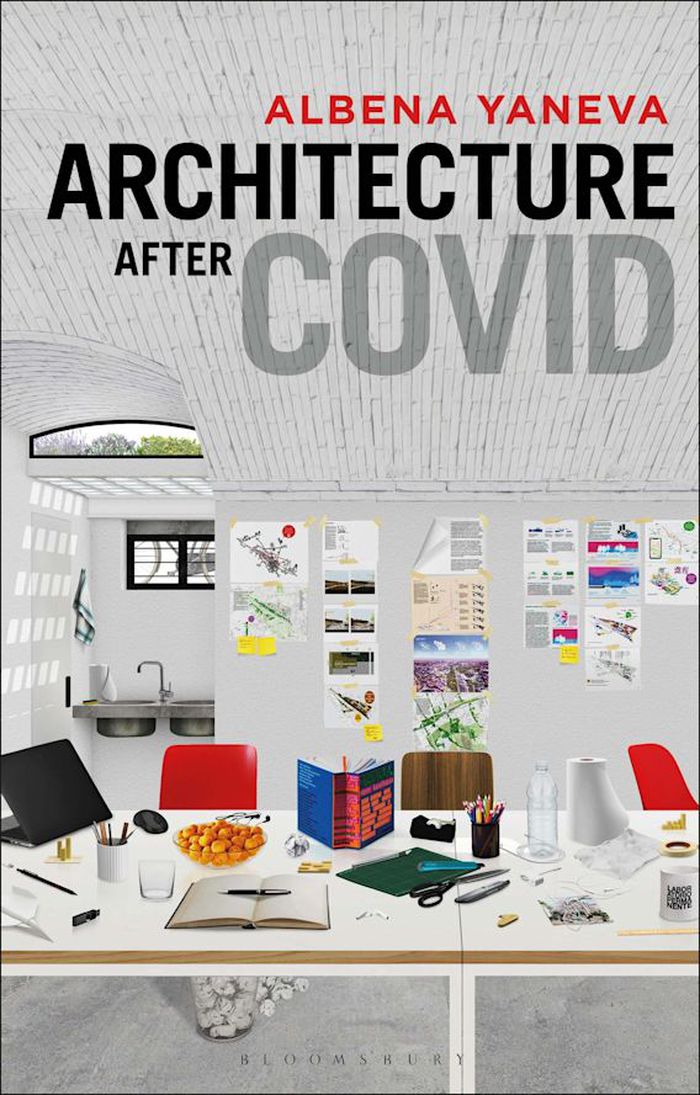
This book explores the pandemic's transformative impacts upon the architectural profession. It raises new questions about the intertwined natures of architectural production, science, society, and spatial practice – questions which had lain latent in the profession for years, but which the COVID pandemic brought to the fore. The book explores how the pandemic modified the spatial conventions of everyday life in the city, and looks in detail at how it has transformed building typologies. It also shows how the continuing risk of pandemics leads us to rethink the social dimension of architecture and urban design; and ultimately proposes a radical re-evaluation of the conditions of architectural practice – making a compelling argument about the changing agency of architectural design and the importance of designers in re-ordering the post-pandemic world.
Architecture after COVID
Actions:
Prix:
$41.95
(disponible sur commande)
Résumé:
This book explores the pandemic's transformative impacts upon the architectural profession. It raises new questions about the intertwined natures of architectural production, science, society, and spatial practice – questions which had lain latent in the profession for years, but which the COVID pandemic brought to the fore. The book explores how the pandemic modified the spatial conventions of everyday life in the city, and looks in detail at how it has transformed building typologies. It also shows how the continuing risk of pandemics leads us to rethink the social dimension of architecture and urban design; and ultimately proposes a radical re-evaluation of the conditions of architectural practice – making a compelling argument about the changing agency of architectural design and the importance of designers in re-ordering the post-pandemic world.
Classification:
livres
livres
Publication:
janvier 2023
janvier 2023
Sujet:
Théorie de l’architecture
Théorie de l’architecture
Classification:
livres
livres
Titre:
Why architecture matters
Why architecture matters
Actions:
Prix:
$28.99
(disponible sur commande)
Résumé:
This book is not a work of architectural history or a guide to the styles or an architectural dictionary, though it contains elements of all three. The purpose of this book is to 'come to grips with how things feel to us when we stand before them, with how architecture affects us emotionally as well as intellectually' - with its impact on our lives. 'Architecture begins(...)
$28.99
(disponible sur commande)
Résumé:
This book is not a work of architectural history or a guide to the styles or an architectural dictionary, though it contains elements of all three. The purpose of this book is to 'come to grips with how things feel to us when we stand before them, with how architecture affects us emotionally as well as intellectually' - with its impact on our lives. 'Architecture begins(...)
Titre:
Why architecture matters
Actions:
Prix:
$28.99
(disponible sur commande)
Résumé:
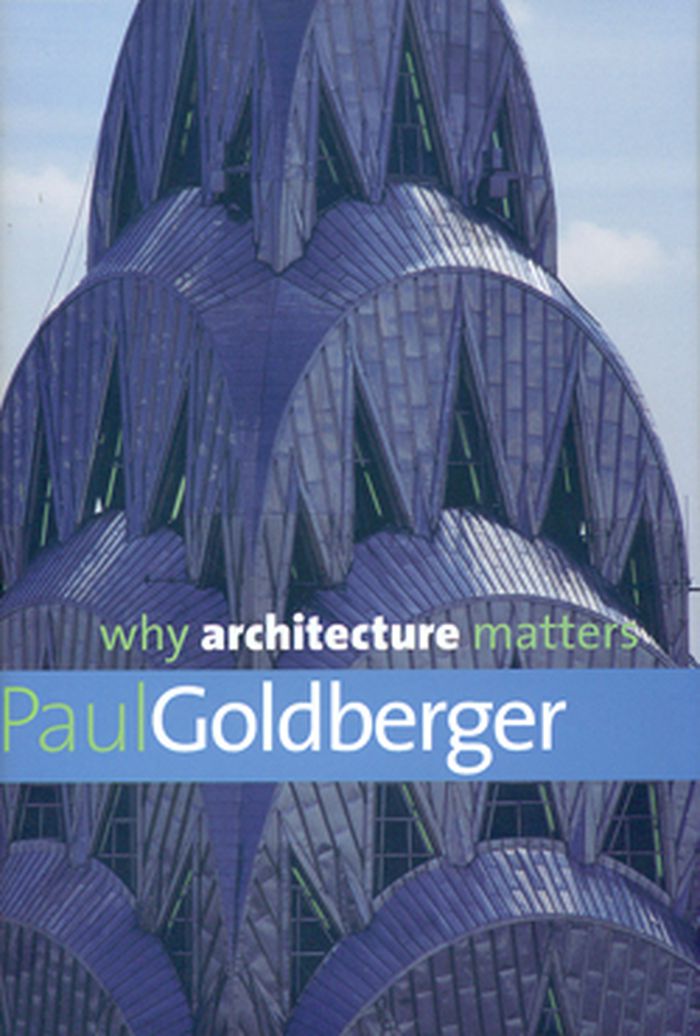
This book is not a work of architectural history or a guide to the styles or an architectural dictionary, though it contains elements of all three. The purpose of this book is to 'come to grips with how things feel to us when we stand before them, with how architecture affects us emotionally as well as intellectually' - with its impact on our lives. 'Architecture begins to matter', writes Paul Goldberger, 'when it brings delight and sadness and perplexity and awe along with a roof over our heads'.
Why architecture matters
Actions:
Prix:
$28.99
(disponible sur commande)
Résumé:
This book is not a work of architectural history or a guide to the styles or an architectural dictionary, though it contains elements of all three. The purpose of this book is to 'come to grips with how things feel to us when we stand before them, with how architecture affects us emotionally as well as intellectually' - with its impact on our lives. 'Architecture begins to matter', writes Paul Goldberger, 'when it brings delight and sadness and perplexity and awe along with a roof over our heads'.
Classification:
livres
livres
Publication:
novembre 2009
novembre 2009
Sujet:
Théorie de l’architecture
Théorie de l’architecture
Classification:
livres
livres
Actions:
Prix:
$19.95
(disponible sur commande)
Résumé:
Cet ouvrage questionne la manière dont l'architecture approche la narration pour constituer son objet. Dans cette réflexion, il ne s'agit pas de débusquer le récit ou une narrativité immédiate dans l'architecture, mais ce qui, dans cet art, tente et contribue, de manière médiate, à "dire" le monde : une iconologie de l'architecture dont quelques actes majeurs révèleront(...)
$19.95
(disponible sur commande)
Résumé:
Cet ouvrage questionne la manière dont l'architecture approche la narration pour constituer son objet. Dans cette réflexion, il ne s'agit pas de débusquer le récit ou une narrativité immédiate dans l'architecture, mais ce qui, dans cet art, tente et contribue, de manière médiate, à "dire" le monde : une iconologie de l'architecture dont quelques actes majeurs révèleront(...)
Titre:
Desseins narratifs de l'architecture
Actions:
Prix:
$19.95
(disponible sur commande)
Résumé:
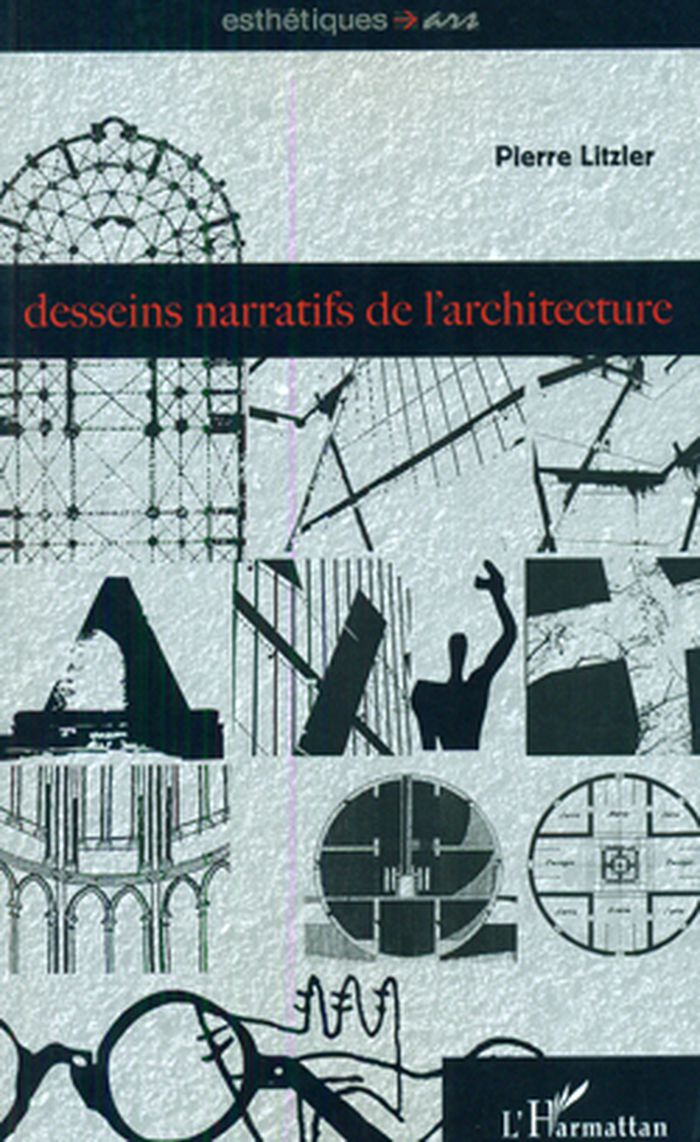
Cet ouvrage questionne la manière dont l'architecture approche la narration pour constituer son objet. Dans cette réflexion, il ne s'agit pas de débusquer le récit ou une narrativité immédiate dans l'architecture, mais ce qui, dans cet art, tente et contribue, de manière médiate, à "dire" le monde : une iconologie de l'architecture dont quelques actes majeurs révèleront ici les principaux desseins. En considérant le livre de pierres de l'architecture gothique, l'architecture parlante du siècle des lumières, l'espace indicible de l'architecture moderne, jusqu'aux récits programmatiques de l'architecture contemporaine, on voit se construire une trame narrative qui se reconfigure à chaque chapitre de l'histoire pour épouser les idéaux de chaque époque.
Desseins narratifs de l'architecture
Actions:
Prix:
$19.95
(disponible sur commande)
Résumé:
Cet ouvrage questionne la manière dont l'architecture approche la narration pour constituer son objet. Dans cette réflexion, il ne s'agit pas de débusquer le récit ou une narrativité immédiate dans l'architecture, mais ce qui, dans cet art, tente et contribue, de manière médiate, à "dire" le monde : une iconologie de l'architecture dont quelques actes majeurs révèleront ici les principaux desseins. En considérant le livre de pierres de l'architecture gothique, l'architecture parlante du siècle des lumières, l'espace indicible de l'architecture moderne, jusqu'aux récits programmatiques de l'architecture contemporaine, on voit se construire une trame narrative qui se reconfigure à chaque chapitre de l'histoire pour épouser les idéaux de chaque époque.
Classification:
livres
livres
Publication:
octobre 2009
octobre 2009
Sujet:
Théorie de l’architecture
Théorie de l’architecture
Classification:
livres
livres
Titre:
Signal. Image. Architecture.
Signal. Image. Architecture.
Actions:
Prix:
$25.00
(disponible sur commande)
Résumé:
Architecture is immersed in an immense cultural experiment called imaging. ?Yet the technical status and nature of that imaging must be reevaluated. What happens to the architectural mind when it stops pretending that electronic images of drawings made by computers are drawings? When it finally admits that imaging is not drawing, but is instead something that has already(...)
$25.00
(disponible sur commande)
Résumé:
Architecture is immersed in an immense cultural experiment called imaging. ?Yet the technical status and nature of that imaging must be reevaluated. What happens to the architectural mind when it stops pretending that electronic images of drawings made by computers are drawings? When it finally admits that imaging is not drawing, but is instead something that has already(...)
Titre:
Signal. Image. Architecture.
Actions:
Prix:
$25.00
(disponible sur commande)
Résumé:
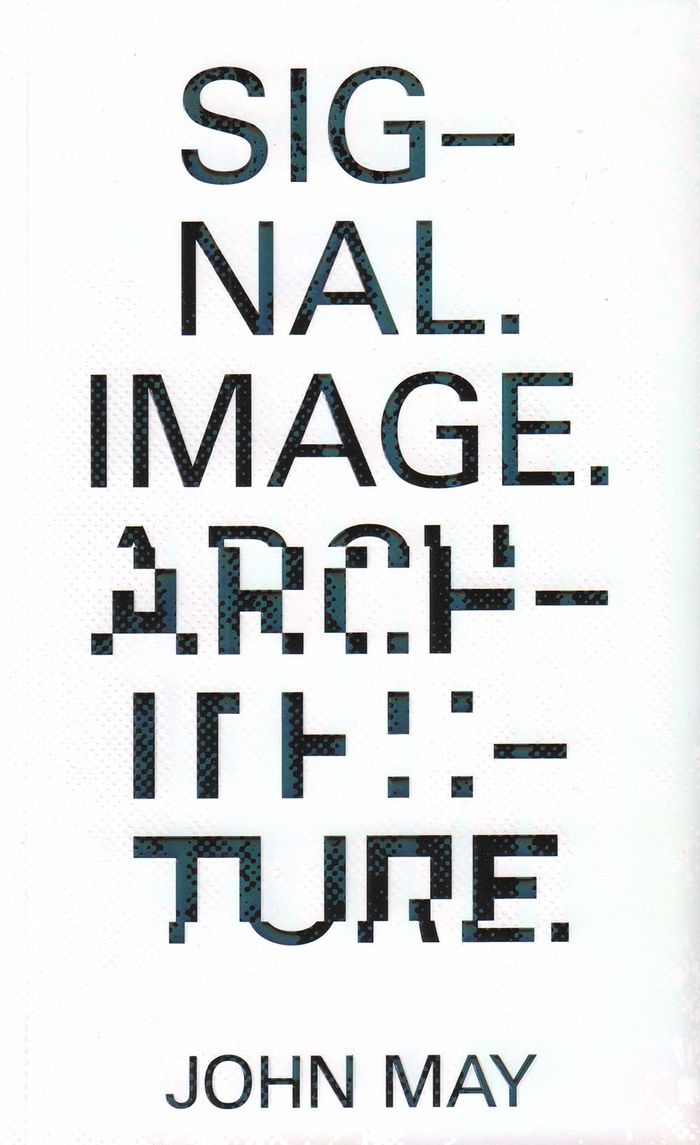
Architecture is immersed in an immense cultural experiment called imaging. ?Yet the technical status and nature of that imaging must be reevaluated. What happens to the architectural mind when it stops pretending that electronic images of drawings made by computers are drawings? When it finally admits that imaging is not drawing, but is instead something that has already obliterated drawing?
Signal. Image. Architecture.
Actions:
Prix:
$25.00
(disponible sur commande)
Résumé:
Architecture is immersed in an immense cultural experiment called imaging. ?Yet the technical status and nature of that imaging must be reevaluated. What happens to the architectural mind when it stops pretending that electronic images of drawings made by computers are drawings? When it finally admits that imaging is not drawing, but is instead something that has already obliterated drawing?
Classification:
livres
livres
Publication:
octobre 2019
octobre 2019
Sujet:
Architecture numérique
Architecture numérique
Classification:
livres
livres
Titre:
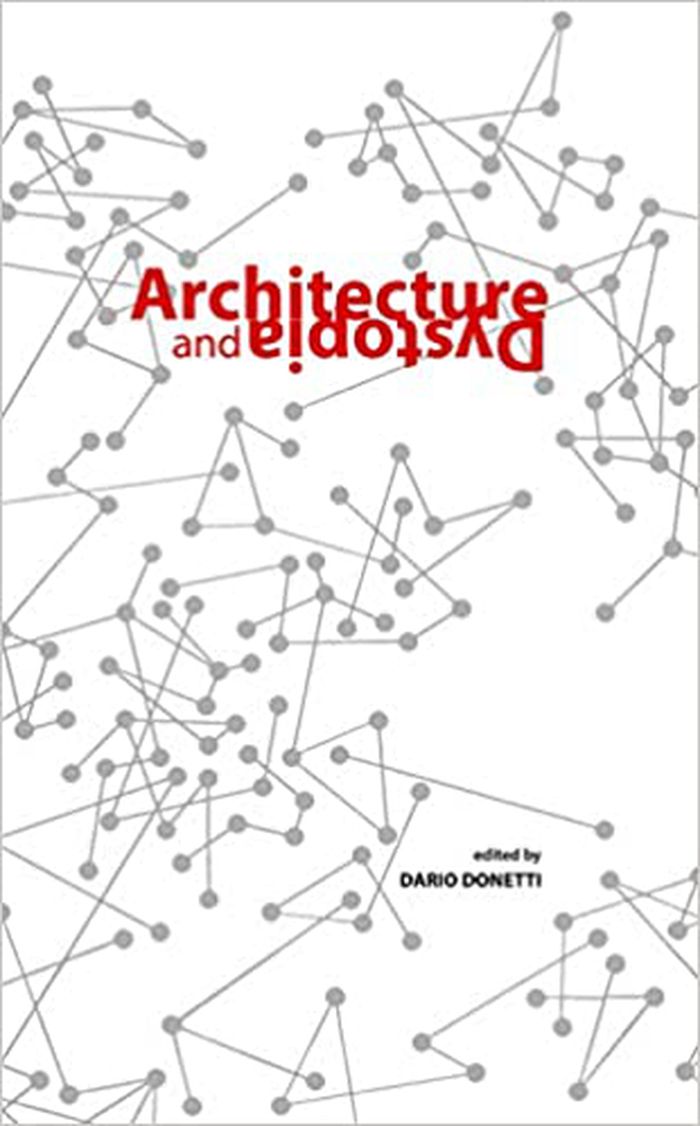
Architecture and dystopia
Architecture and dystopia
Actions:
Prix:
$45.00
(disponible sur commande)
Résumé:
As a response to the profound crisis of Western culture the emerged in the 1960s, radical artists from Italy, Austria, England and Japan called into question the foundations of modernist utopias. They transmuted the difficulties of capitalism into a repertory of startling images that revealed the disturbing realities of consumer society, even in those places still(...)
$45.00
(disponible sur commande)
Résumé:
As a response to the profound crisis of Western culture the emerged in the 1960s, radical artists from Italy, Austria, England and Japan called into question the foundations of modernist utopias. They transmuted the difficulties of capitalism into a repertory of startling images that revealed the disturbing realities of consumer society, even in those places still(...)
Titre:
Architecture and dystopia
Actions:
Prix:
$45.00
(disponible sur commande)
Résumé:
As a response to the profound crisis of Western culture the emerged in the 1960s, radical artists from Italy, Austria, England and Japan called into question the foundations of modernist utopias. They transmuted the difficulties of capitalism into a repertory of startling images that revealed the disturbing realities of consumer society, even in those places still resistant to the penetration of modern architecture, such as Superstudio and Archizoom’s Florence. Their model, though exhausted in the space of experimentation, went on to inspire a generation of architects, from the High Tech movement to Rem Koolhaas.. In the light of these examples, how to define a unified 'dystopian' method of design, i.e. a common ground for an architecture that, by its very nature, seems to resist systematization? Are the most recognizable architectural expressions of this theoretical framework — characterized by brazen displays of technology and structures of overwhelming scale — merely isolated cases, albeit of particular iconic power? Or do they belong to a wider landscape of antirational architectural projects? And to what extent are these disturbing expressions premised on the utopian tradition or, better yet, the conceptual model of 'negative thought'? The goal of this book is to respond to such questions, thus initiating an open dialogue about the legitimacy of this critical category.
Architecture and dystopia
Actions:
Prix:
$45.00
(disponible sur commande)
Résumé:
As a response to the profound crisis of Western culture the emerged in the 1960s, radical artists from Italy, Austria, England and Japan called into question the foundations of modernist utopias. They transmuted the difficulties of capitalism into a repertory of startling images that revealed the disturbing realities of consumer society, even in those places still resistant to the penetration of modern architecture, such as Superstudio and Archizoom’s Florence. Their model, though exhausted in the space of experimentation, went on to inspire a generation of architects, from the High Tech movement to Rem Koolhaas.. In the light of these examples, how to define a unified 'dystopian' method of design, i.e. a common ground for an architecture that, by its very nature, seems to resist systematization? Are the most recognizable architectural expressions of this theoretical framework — characterized by brazen displays of technology and structures of overwhelming scale — merely isolated cases, albeit of particular iconic power? Or do they belong to a wider landscape of antirational architectural projects? And to what extent are these disturbing expressions premised on the utopian tradition or, better yet, the conceptual model of 'negative thought'? The goal of this book is to respond to such questions, thus initiating an open dialogue about the legitimacy of this critical category.
Classification:
livres
livres
Publication:
décembre 2019
décembre 2019
Sujet:
Théorie de l’architecture
Théorie de l’architecture
Classification:
livres
livres
Actions:
Prix:
$65.00
(disponible sur commande)
Résumé:
Des structures primaires aux créations contemporaines, le rouge apparaît comme l’une des couleurs les plus traditionnelles et en même temps les plus avant-gardistes du monde construit. Ce livre présente une sélection de 150 édifices rouges – du Petersen Automotive Museum de LA et sa façade rouge cerise et argent au Musée historique d’État de Moscou et ses murs rouge(...)
$65.00
(disponible sur commande)
Résumé:
Des structures primaires aux créations contemporaines, le rouge apparaît comme l’une des couleurs les plus traditionnelles et en même temps les plus avant-gardistes du monde construit. Ce livre présente une sélection de 150 édifices rouges – du Petersen Automotive Museum de LA et sa façade rouge cerise et argent au Musée historique d’État de Moscou et ses murs rouge(...)
Titre:
Rouge : architecture monochrome
Actions:
Prix:
$65.00
(disponible sur commande)
Résumé:
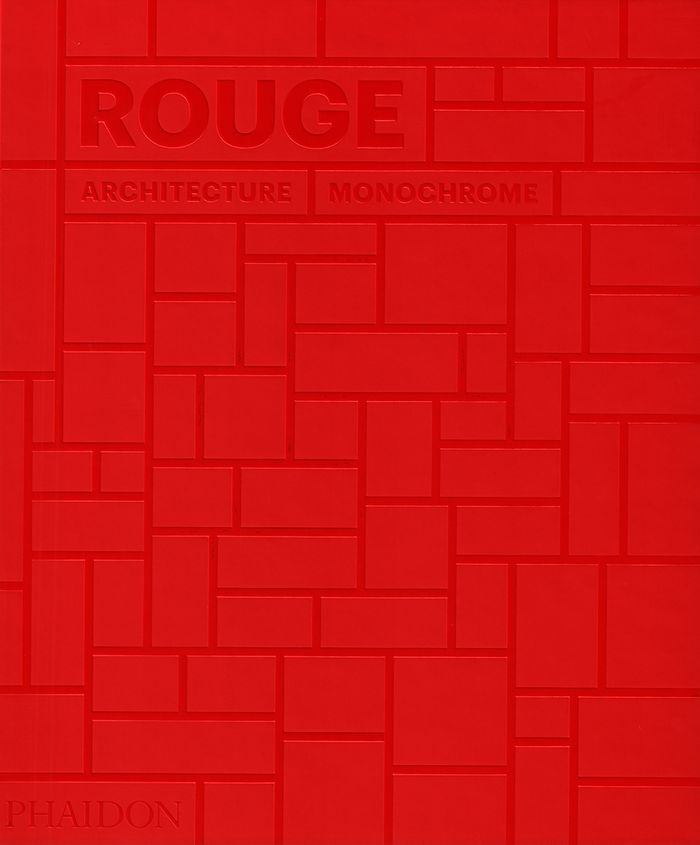
Des structures primaires aux créations contemporaines, le rouge apparaît comme l’une des couleurs les plus traditionnelles et en même temps les plus avant-gardistes du monde construit. Ce livre présente une sélection de 150 édifices rouges – du Petersen Automotive Museum de LA et sa façade rouge cerise et argent au Musée historique d’État de Moscou et ses murs rouge brique. Cet ouvrage invite à apprécier d’une autre manière le monde construit, avec pour seul et unique critère l’esthétique de la couleur rouge.
Rouge : architecture monochrome
Actions:
Prix:
$65.00
(disponible sur commande)
Résumé:
Des structures primaires aux créations contemporaines, le rouge apparaît comme l’une des couleurs les plus traditionnelles et en même temps les plus avant-gardistes du monde construit. Ce livre présente une sélection de 150 édifices rouges – du Petersen Automotive Museum de LA et sa façade rouge cerise et argent au Musée historique d’État de Moscou et ses murs rouge brique. Cet ouvrage invite à apprécier d’une autre manière le monde construit, avec pour seul et unique critère l’esthétique de la couleur rouge.
Classification:
livres
livres
Publication:
novembre 2018
novembre 2018
Sujet:
Architecture contemporaine
Architecture contemporaine


