


2052 Résultats
Classification:
livres
livres
Titre:
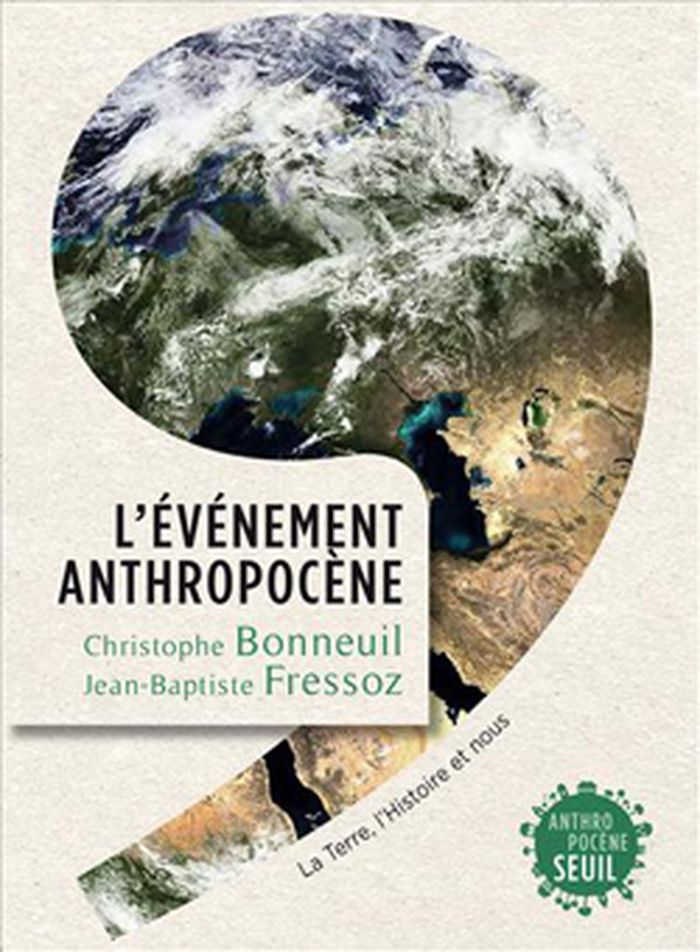
L'événement anthropocène
L'événement anthropocène
Actions:
Prix:
$24.95
(disponible sur commande)
Résumé:
Les scientifiques nous l’annoncent, la Terre est entrée dans une nouvelle époque : l’Anthropocène. Ce qui nous arrive n’est pas une crise environnementale, c’est une révolution géologique d’origine humaine. Depuis la révolution thermo-industrielle, notre planète a basculé vers un état inédit. Les traces de notre âge urbain, consumériste, chimique et nucléaire resteront(...)
$24.95
(disponible sur commande)
Résumé:
Les scientifiques nous l’annoncent, la Terre est entrée dans une nouvelle époque : l’Anthropocène. Ce qui nous arrive n’est pas une crise environnementale, c’est une révolution géologique d’origine humaine. Depuis la révolution thermo-industrielle, notre planète a basculé vers un état inédit. Les traces de notre âge urbain, consumériste, chimique et nucléaire resteront(...)
Sujet:
Architecture écologique
Architecture écologique
Publication:
janvier 2016
janvier 2016
Titre:
L'événement anthropocène
Actions:
Prix:
$24.95
(disponible sur commande)
Résumé:
Les scientifiques nous l’annoncent, la Terre est entrée dans une nouvelle époque : l’Anthropocène. Ce qui nous arrive n’est pas une crise environnementale, c’est une révolution géologique d’origine humaine. Depuis la révolution thermo-industrielle, notre planète a basculé vers un état inédit. Les traces de notre âge urbain, consumériste, chimique et nucléaire resteront des milliers voire des millions d’années dans les archives géologiques de la planète et soumettront les sociétés humaines à des difficultés considérables. Comment en sommes-nous arrivés là ? Faisant dialoguer science et histoire, les auteurs dressent l’inventaire écologique d’un modèle de développement devenu insoutenable, ébranlent bien des idées reçues sur notre prétendue « prise de conscience environnementale » et ouvrent des pistes pour vivre et agir politiquement dans l’Anthropocène.
L'événement anthropocène
Actions:
Prix:
$24.95
(disponible sur commande)
Résumé:
Les scientifiques nous l’annoncent, la Terre est entrée dans une nouvelle époque : l’Anthropocène. Ce qui nous arrive n’est pas une crise environnementale, c’est une révolution géologique d’origine humaine. Depuis la révolution thermo-industrielle, notre planète a basculé vers un état inédit. Les traces de notre âge urbain, consumériste, chimique et nucléaire resteront des milliers voire des millions d’années dans les archives géologiques de la planète et soumettront les sociétés humaines à des difficultés considérables. Comment en sommes-nous arrivés là ? Faisant dialoguer science et histoire, les auteurs dressent l’inventaire écologique d’un modèle de développement devenu insoutenable, ébranlent bien des idées reçues sur notre prétendue « prise de conscience environnementale » et ouvrent des pistes pour vivre et agir politiquement dans l’Anthropocène.
Classification:
livres
livres
Publication:
janvier 2016
janvier 2016
Sujet:
Architecture écologique
Architecture écologique
Classification:
livres
livres
Prix:
$32.00
(disponible sur commande)
Résumé:
The Earth has entered a new epoch: the Anthropocene. What we are facing is not only an environmental crisis, but a geological revolution of human origin. In two centuries, our planet has tipped into a state unknown for millions of years. How did we get to this point? Refuting the convenient view of a “human species” that upset the Earth system, unaware of what it was(...)
$32.00
(disponible sur commande)
Résumé:
The Earth has entered a new epoch: the Anthropocene. What we are facing is not only an environmental crisis, but a geological revolution of human origin. In two centuries, our planet has tipped into a state unknown for millions of years. How did we get to this point? Refuting the convenient view of a “human species” that upset the Earth system, unaware of what it was(...)
Sujet:
Architecture écologique
Architecture écologique
Publication:
mars 2016
mars 2016
Titre:
The Shock of the Anthropocene: The Earth, History and Us
Actions:
Prix:
$32.00
(disponible sur commande)
Résumé:
The Earth has entered a new epoch: the Anthropocene. What we are facing is not only an environmental crisis, but a geological revolution of human origin. In two centuries, our planet has tipped into a state unknown for millions of years. How did we get to this point? Refuting the convenient view of a “human species” that upset the Earth system, unaware of what it was doing, this book proposes the first critical history of the Anthropocene, shaking up many accepted ideas: about our supposedly recent “environmental awareness,” about previous challenges to industrialism, about the manufacture of ignorance and consumerism, about so-called energy transitions, as well as about the role of the military in environmental destruction. In a dialogue between science and history, The Shock of the Anthropocene dissects a new theoretical buzzword and explores paths for living and acting politically in this rapidly developing geological epoch.
The Shock of the Anthropocene: The Earth, History and Us
Actions:
Prix:
$32.00
(disponible sur commande)
Résumé:
The Earth has entered a new epoch: the Anthropocene. What we are facing is not only an environmental crisis, but a geological revolution of human origin. In two centuries, our planet has tipped into a state unknown for millions of years. How did we get to this point? Refuting the convenient view of a “human species” that upset the Earth system, unaware of what it was doing, this book proposes the first critical history of the Anthropocene, shaking up many accepted ideas: about our supposedly recent “environmental awareness,” about previous challenges to industrialism, about the manufacture of ignorance and consumerism, about so-called energy transitions, as well as about the role of the military in environmental destruction. In a dialogue between science and history, The Shock of the Anthropocene dissects a new theoretical buzzword and explores paths for living and acting politically in this rapidly developing geological epoch.
Classification:
livres
livres
Publication:
mars 2016
mars 2016
Sujet:
Architecture écologique
Architecture écologique
Classification:
livres
livres
Actions:
Prix:
$16.95
(disponible sur commande)
Résumé:
L’entreprise peut-elle s’affranchir de toutes obligations autres que légales et économiques vis-à-vis de son environnement social, humain, politique et écologique ? Cet ouvrage explicite les sens d’une notion au caractère souvent ambigu et complexe tant d’un point de vue théorique (quelles sont les limites de cette responsabilité ?) que dans sa pratique corporative(...)
$16.95
(disponible sur commande)
Résumé:
L’entreprise peut-elle s’affranchir de toutes obligations autres que légales et économiques vis-à-vis de son environnement social, humain, politique et écologique ? Cet ouvrage explicite les sens d’une notion au caractère souvent ambigu et complexe tant d’un point de vue théorique (quelles sont les limites de cette responsabilité ?) que dans sa pratique corporative(...)
Titre:
La responsabilité sociale de l'entreprise
Actions:
Prix:
$16.95
(disponible sur commande)
Résumé:
L’entreprise peut-elle s’affranchir de toutes obligations autres que légales et économiques vis-à-vis de son environnement social, humain, politique et écologique ? Cet ouvrage explicite les sens d’une notion au caractère souvent ambigu et complexe tant d’un point de vue théorique (quelles sont les limites de cette responsabilité ?) que dans sa pratique corporative (la RSE ne serait-elle qu’une nouvelle forme de communication marketing ?) et en présente les contours actuels.
La responsabilité sociale de l'entreprise
Actions:
Prix:
$16.95
(disponible sur commande)
Résumé:
L’entreprise peut-elle s’affranchir de toutes obligations autres que légales et économiques vis-à-vis de son environnement social, humain, politique et écologique ? Cet ouvrage explicite les sens d’une notion au caractère souvent ambigu et complexe tant d’un point de vue théorique (quelles sont les limites de cette responsabilité ?) que dans sa pratique corporative (la RSE ne serait-elle qu’une nouvelle forme de communication marketing ?) et en présente les contours actuels.
Classification:
livres
livres
Publication:
mars 2016
mars 2016
Sujet:
Architecture écologique
Architecture écologique
Classification:
livres
livres

Actions:
Prix:
$39.95
(disponible sur commande)
Résumé:
Cet ouvrage réunit 6 essais inédits de penseurs considérés chacun dans son domaine comme une référence au niveau international. Cette publication apportera sa contribution aux débats qui mobilisent notre époque à propos des conséquences globales de la crise écologique.
$39.95
(disponible sur commande)
Résumé:
Cet ouvrage réunit 6 essais inédits de penseurs considérés chacun dans son domaine comme une référence au niveau international. Cette publication apportera sa contribution aux débats qui mobilisent notre époque à propos des conséquences globales de la crise écologique.
Titre:
De l'univers clos au monde infini
Actions:
Prix:
$39.95
(disponible sur commande)
Résumé:
Cet ouvrage réunit 6 essais inédits de penseurs considérés chacun dans son domaine comme une référence au niveau international. Cette publication apportera sa contribution aux débats qui mobilisent notre époque à propos des conséquences globales de la crise écologique.
De l'univers clos au monde infini
Actions:
Prix:
$39.95
(disponible sur commande)
Résumé:
Cet ouvrage réunit 6 essais inédits de penseurs considérés chacun dans son domaine comme une référence au niveau international. Cette publication apportera sa contribution aux débats qui mobilisent notre époque à propos des conséquences globales de la crise écologique.
Classification:
livres
livres
Publication:
mars 2016
mars 2016
Sujet:
Architecture écologique
Architecture écologique
Classification:
livres
livres
Actions:
Prix:
$57.95
(disponible sur commande)
Résumé:
Pour des questions de budget mais également d'envie, 28 bâtisseurs aux profils divers témoignent dans cet ouvrage, depuis ceux qui font tout par eux-mêmes à ceux qui s'inscrivent dans des initiatives collectives et des démarches écologiques.
$57.95
(disponible sur commande)
Résumé:
Pour des questions de budget mais également d'envie, 28 bâtisseurs aux profils divers témoignent dans cet ouvrage, depuis ceux qui font tout par eux-mêmes à ceux qui s'inscrivent dans des initiatives collectives et des démarches écologiques.
Sujet:
Architecture écologique
Architecture écologique
Publication:
mars 2016
mars 2016
Titre:
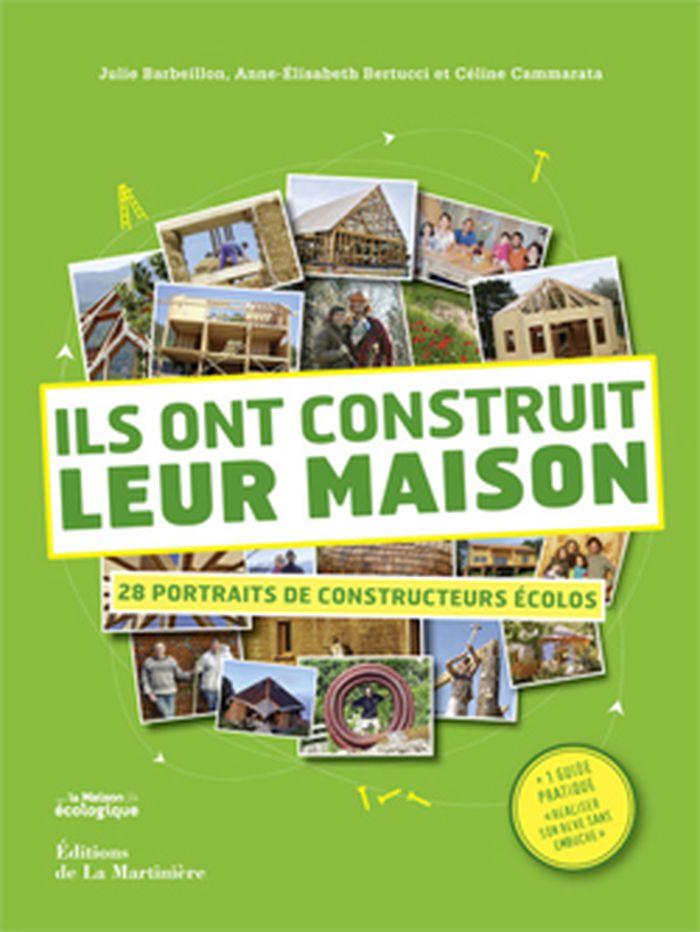
Ils ont construit leur maison
Actions:
Prix:
$57.95
(disponible sur commande)
Résumé:
Pour des questions de budget mais également d'envie, 28 bâtisseurs aux profils divers témoignent dans cet ouvrage, depuis ceux qui font tout par eux-mêmes à ceux qui s'inscrivent dans des initiatives collectives et des démarches écologiques.
Ils ont construit leur maison
Actions:
Prix:
$57.95
(disponible sur commande)
Résumé:
Pour des questions de budget mais également d'envie, 28 bâtisseurs aux profils divers témoignent dans cet ouvrage, depuis ceux qui font tout par eux-mêmes à ceux qui s'inscrivent dans des initiatives collectives et des démarches écologiques.
Classification:
livres
livres
Publication:
mars 2016
mars 2016
Sujet:
Architecture écologique
Architecture écologique
Classification:
livres
livres
Titre:
Ces ondes qui nous entourent
Ces ondes qui nous entourent
Actions:
Prix:
$27.00
(disponible sur commande)
Résumé:
Et si les téléphones mobiles étaient les nouvelles cigarettes ? Quand il s'agit de discréditer les études scientifiques, les méthodes de l'industrie des télécommunications d'aujourd'hui ressemblent étrangement à celles de l'industrie du tabac d'autrefois. Réagissant à la décision de l'Organisation mondiale de la santé de classer désormais les rayonnements émis par les(...)
$27.00
(disponible sur commande)
Résumé:
Et si les téléphones mobiles étaient les nouvelles cigarettes ? Quand il s'agit de discréditer les études scientifiques, les méthodes de l'industrie des télécommunications d'aujourd'hui ressemblent étrangement à celles de l'industrie du tabac d'autrefois. Réagissant à la décision de l'Organisation mondiale de la santé de classer désormais les rayonnements émis par les(...)
Titre:
Ces ondes qui nous entourent
Actions:
Prix:
$27.00
(disponible sur commande)
Résumé:
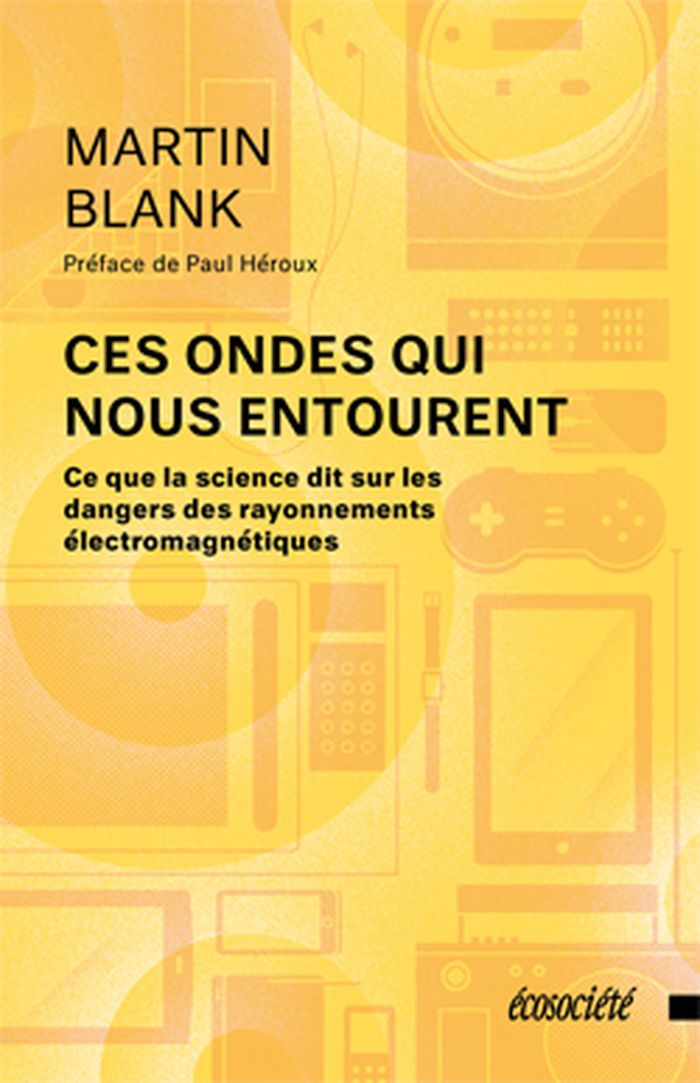
Et si les téléphones mobiles étaient les nouvelles cigarettes ? Quand il s'agit de discréditer les études scientifiques, les méthodes de l'industrie des télécommunications d'aujourd'hui ressemblent étrangement à celles de l'industrie du tabac d'autrefois. Réagissant à la décision de l'Organisation mondiale de la santé de classer désormais les rayonnements émis par les téléphones cellulaires comme « possiblement cancérogènes », en 2011, l'industrie des télécommunications n'a pas tardé à répliquer qu'il n'existait pas de « preuves concluantes » de la nocivité de ces rayonnements pour les humains, confortant ainsi les autorités dans leur refus d'adopter des normes de sécurité plus sévères. Lignes électriques, systèmes Wi-Fi, téléphones intelligents, fours à micro-ondes, ampoules électriques et autres objets d'usage courant... Le Dr Martin Blank nous dit pourtant qu'il y a lieu de s'inquiéter, car nous sommes exposés à un bombardement d'ondes comme jamais auparavant dans l'histoire de l'humanité. Dans cet essai percutant, l'auteur fait le point sur les connaissances scientifiques en ce qui concerne les effets biologiques d'une exposition à des rayonnements électromagnétiques non ionisants et non thermiques, et ce, à des niveaux bien en deçà des normes en vigueur. En matière de santé publique, cet expert international est d'avis que le principe de précaution devrait s'imposer. Avouant qu'il se passerait difficilement de son téléphone intelligent, le Dr Martin Blank reconnaît les bienfaits des nouvelles technologies et montre comment il est possible de s'en protéger tout en continuant d'en bénéficier. Clair, rigoureux et accessible, cet ouvrage est un incontournable pour bien comprendre les enjeux et les intérêts en cause en matière de rayonnement électromagnétique.
Ces ondes qui nous entourent
Actions:
Prix:
$27.00
(disponible sur commande)
Résumé:
Et si les téléphones mobiles étaient les nouvelles cigarettes ? Quand il s'agit de discréditer les études scientifiques, les méthodes de l'industrie des télécommunications d'aujourd'hui ressemblent étrangement à celles de l'industrie du tabac d'autrefois. Réagissant à la décision de l'Organisation mondiale de la santé de classer désormais les rayonnements émis par les téléphones cellulaires comme « possiblement cancérogènes », en 2011, l'industrie des télécommunications n'a pas tardé à répliquer qu'il n'existait pas de « preuves concluantes » de la nocivité de ces rayonnements pour les humains, confortant ainsi les autorités dans leur refus d'adopter des normes de sécurité plus sévères. Lignes électriques, systèmes Wi-Fi, téléphones intelligents, fours à micro-ondes, ampoules électriques et autres objets d'usage courant... Le Dr Martin Blank nous dit pourtant qu'il y a lieu de s'inquiéter, car nous sommes exposés à un bombardement d'ondes comme jamais auparavant dans l'histoire de l'humanité. Dans cet essai percutant, l'auteur fait le point sur les connaissances scientifiques en ce qui concerne les effets biologiques d'une exposition à des rayonnements électromagnétiques non ionisants et non thermiques, et ce, à des niveaux bien en deçà des normes en vigueur. En matière de santé publique, cet expert international est d'avis que le principe de précaution devrait s'imposer. Avouant qu'il se passerait difficilement de son téléphone intelligent, le Dr Martin Blank reconnaît les bienfaits des nouvelles technologies et montre comment il est possible de s'en protéger tout en continuant d'en bénéficier. Clair, rigoureux et accessible, cet ouvrage est un incontournable pour bien comprendre les enjeux et les intérêts en cause en matière de rayonnement électromagnétique.
Classification:
livres
livres
Publication:
avril 2016
avril 2016
Sujet:
Architecture écologique
Architecture écologique
Classification:
livres
livres
Titre:
CPULs: continuous productive urban landscapes, designing urban agriculture for sustainable cities
CPULs: continuous productive urban landscapes, designing urban agriculture for sustainable cities
Actions:
Prix:
$66.50
(disponible sur commande)
Résumé:
This book on urban design extends and develops the widely accepted 'compact city' solution. It provides a design proposal for a new kind of sustainable urban landscape: Urban Agriculture. By growing food within an urban rather than exclusively rural environment, urban agriculture would reduce the need for industrialized production, packaging and transportation of(...)
$66.50
(disponible sur commande)
Résumé:
This book on urban design extends and develops the widely accepted 'compact city' solution. It provides a design proposal for a new kind of sustainable urban landscape: Urban Agriculture. By growing food within an urban rather than exclusively rural environment, urban agriculture would reduce the need for industrialized production, packaging and transportation of(...)
Sujet:
Architecture écologique
Architecture écologique
Publication:
janvier 2005, Amsterdam, Boston, London
janvier 2005, Amsterdam, Boston, London
Titre:
CPULs: continuous productive urban landscapes, designing urban agriculture for sustainable cities
Actions:
Prix:
$66.50
(disponible sur commande)
Résumé:
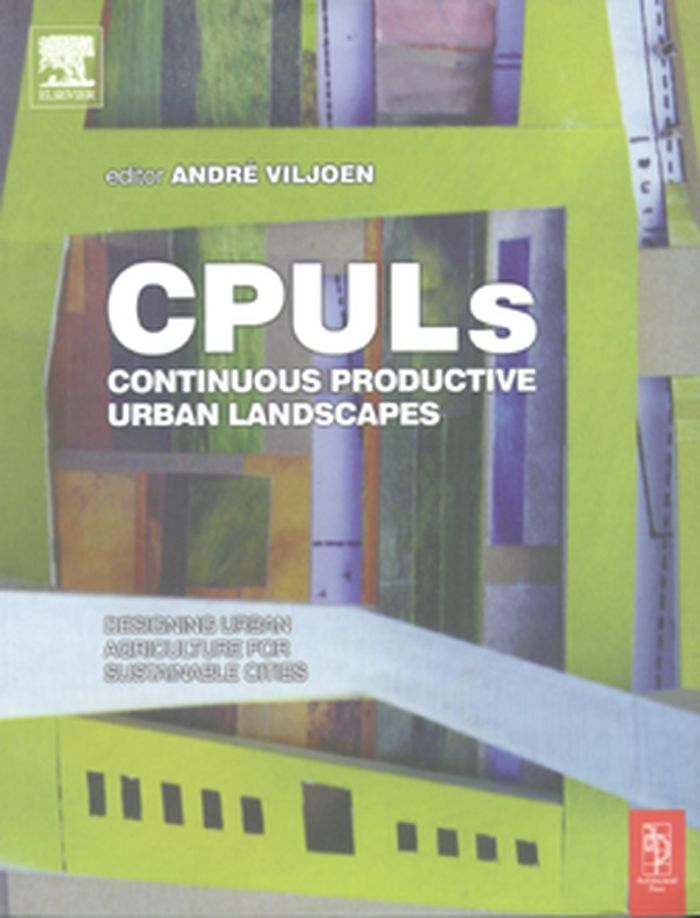
This book on urban design extends and develops the widely accepted 'compact city' solution. It provides a design proposal for a new kind of sustainable urban landscape: Urban Agriculture. By growing food within an urban rather than exclusively rural environment, urban agriculture would reduce the need for industrialized production, packaging and transportation of foodstuffs to the city dwelling consumers. The revolutionary and innovative concepts put forth in this book have potential to shape the future of our cities quality of life within them. Urban design is shown in practice through international case studies and the arguments presented are supported by quantified economic, environmental and social justifications.
CPULs: continuous productive urban landscapes, designing urban agriculture for sustainable cities
Actions:
Prix:
$66.50
(disponible sur commande)
Résumé:
This book on urban design extends and develops the widely accepted 'compact city' solution. It provides a design proposal for a new kind of sustainable urban landscape: Urban Agriculture. By growing food within an urban rather than exclusively rural environment, urban agriculture would reduce the need for industrialized production, packaging and transportation of foodstuffs to the city dwelling consumers. The revolutionary and innovative concepts put forth in this book have potential to shape the future of our cities quality of life within them. Urban design is shown in practice through international case studies and the arguments presented are supported by quantified economic, environmental and social justifications.
Classification:
livres
livres
Publication:
janvier 2005, Amsterdam, Boston, London
janvier 2005, Amsterdam, Boston, London
Sujet:
Architecture écologique
Architecture écologique
Classification:
livres
livres
Prix:
$23.95
(disponible sur commande)
Résumé:
For some people, their lawn is a source of pride, and for others, caring for their lawn is a chore. Yet for an increasing number of people, turf care is a cause of ecological anxiety. In Lawn People, author Paul Robbins, asks, "How did the needs of the grass come to be my own?" In his goal to get a clearer picture of why people and grasses do what they do, Robbins(...)
$23.95
(disponible sur commande)
Résumé:
For some people, their lawn is a source of pride, and for others, caring for their lawn is a chore. Yet for an increasing number of people, turf care is a cause of ecological anxiety. In Lawn People, author Paul Robbins, asks, "How did the needs of the grass come to be my own?" In his goal to get a clearer picture of why people and grasses do what they do, Robbins(...)
Titre:
Lawn People: how grasses, weeds and chemicals make us who we are
Actions:
Prix:
$23.95
(disponible sur commande)
Résumé:
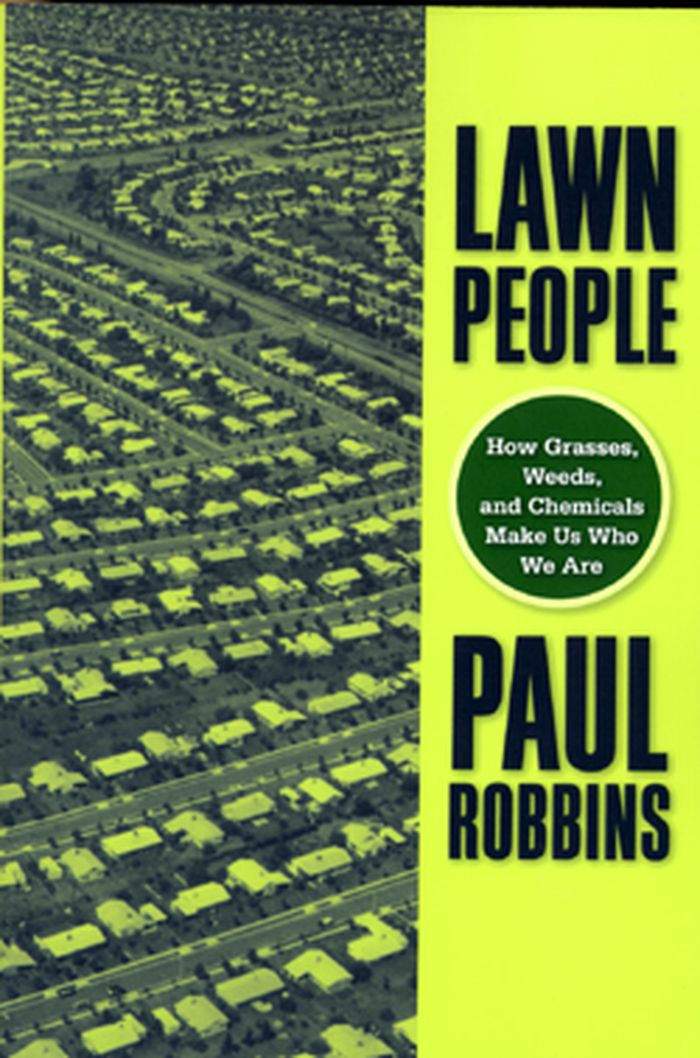
For some people, their lawn is a source of pride, and for others, caring for their lawn is a chore. Yet for an increasing number of people, turf care is a cause of ecological anxiety. In Lawn People, author Paul Robbins, asks, "How did the needs of the grass come to be my own?" In his goal to get a clearer picture of why people and grasses do what they do, Robbins interviews homeowners about their lawns, and uses national surveys, analysis from aerial photographs, and economic data to determine what people really feel about-and how they treat-their lawns. Lawn People places the lawn in its ecological, economic, and social context. Robbins considers the attention we pay our turfgrass-the chemicals we use to grow lawns, the hazards of turf care to our urban ecology, and its potential impact on water quality and household health. He also shows how the ecology of cities creates certain kinds of citizens, deftly contrasting man's control of the lawn with the lawn's control of man. Lawn People provides an intriguing examination of nature's influence on landscape management and on the ecosystem.
Lawn People: how grasses, weeds and chemicals make us who we are
Actions:
Prix:
$23.95
(disponible sur commande)
Résumé:
For some people, their lawn is a source of pride, and for others, caring for their lawn is a chore. Yet for an increasing number of people, turf care is a cause of ecological anxiety. In Lawn People, author Paul Robbins, asks, "How did the needs of the grass come to be my own?" In his goal to get a clearer picture of why people and grasses do what they do, Robbins interviews homeowners about their lawns, and uses national surveys, analysis from aerial photographs, and economic data to determine what people really feel about-and how they treat-their lawns. Lawn People places the lawn in its ecological, economic, and social context. Robbins considers the attention we pay our turfgrass-the chemicals we use to grow lawns, the hazards of turf care to our urban ecology, and its potential impact on water quality and household health. He also shows how the ecology of cities creates certain kinds of citizens, deftly contrasting man's control of the lawn with the lawn's control of man. Lawn People provides an intriguing examination of nature's influence on landscape management and on the ecosystem.
Classification:
livres
livres
Publication:
juin 2007, Philadelphie
juin 2007, Philadelphie
Sujet:
Architecture écologique
Architecture écologique
Classification:
livres
livres
Actions:
Prix:
$54.00
(disponible sur commande)
Résumé:
This third AD by the guest-editors of the highly successful Emergence and Techniques and Technologies in Morphogenetic Design titles shifts the morpho-ecological design project into the realm of performance. Whereas the dictionary definition of performance - to `carry out an action' or `to fulfill a task' - invokes a tired utilitarian debate, Hensel and Menges inject the(...)
$54.00
(disponible sur commande)
Résumé:
This third AD by the guest-editors of the highly successful Emergence and Techniques and Technologies in Morphogenetic Design titles shifts the morpho-ecological design project into the realm of performance. Whereas the dictionary definition of performance - to `carry out an action' or `to fulfill a task' - invokes a tired utilitarian debate, Hensel and Menges inject the(...)
Titre:
Architectural Design Versatility and Vicissitude
Actions:
Prix:
$54.00
(disponible sur commande)
Résumé:
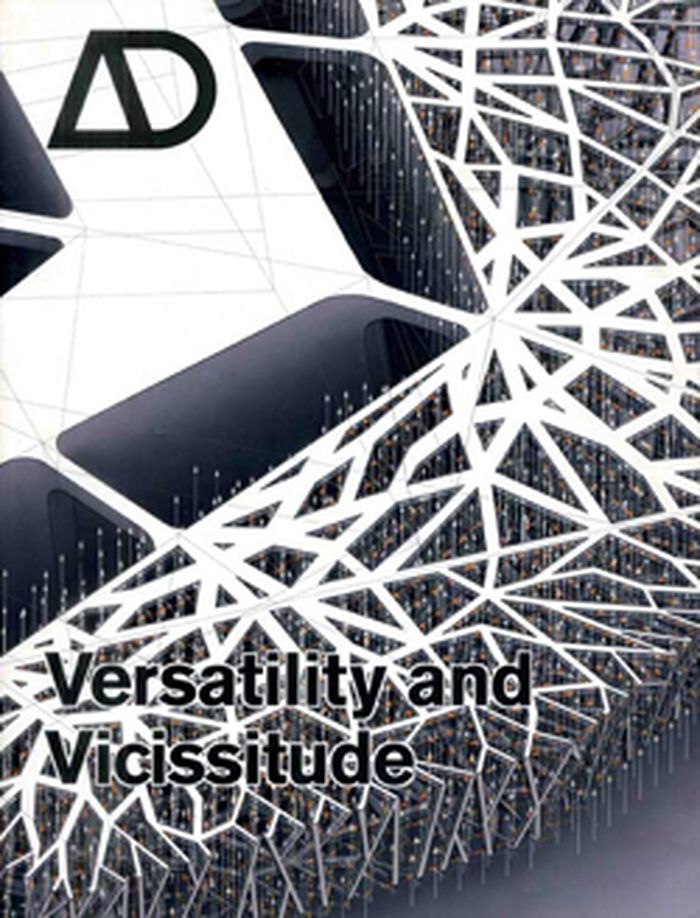
This third AD by the guest-editors of the highly successful Emergence and Techniques and Technologies in Morphogenetic Design titles shifts the morpho-ecological design project into the realm of performance. Whereas the dictionary definition of performance - to `carry out an action' or `to fulfill a task' - invokes a tired utilitarian debate, Hensel and Menges inject the meaning of the word `performance' with an entirely new life. In this context, form is redefined not as the shape of a material object alone, but as the multitude of effects, a milieu of conditions, modulations and microclimates that emanate from an object's exchange with its specific environment; a dynamic relationship that is perceived and interacted with by a subject. A synergetic employment of performance and morpho-ecological techniques combine to create integral design solutions that will render an alternative model for sustainability. This issue presents historical precursors and precedents for this approach, as well as the current state of the art of morpho-ecological design. Key contributors include: Klaus Bollinger and Manfred Grohmann of Bollinger & Grohmann, Aleksandra Jaeschke, OCEAN, Professor Remo Pedreschi, Defne Sunguroglu, Peter Trummer and Michael Weinstock.
Architectural Design Versatility and Vicissitude
Actions:
Prix:
$54.00
(disponible sur commande)
Résumé:
This third AD by the guest-editors of the highly successful Emergence and Techniques and Technologies in Morphogenetic Design titles shifts the morpho-ecological design project into the realm of performance. Whereas the dictionary definition of performance - to `carry out an action' or `to fulfill a task' - invokes a tired utilitarian debate, Hensel and Menges inject the meaning of the word `performance' with an entirely new life. In this context, form is redefined not as the shape of a material object alone, but as the multitude of effects, a milieu of conditions, modulations and microclimates that emanate from an object's exchange with its specific environment; a dynamic relationship that is perceived and interacted with by a subject. A synergetic employment of performance and morpho-ecological techniques combine to create integral design solutions that will render an alternative model for sustainability. This issue presents historical precursors and precedents for this approach, as well as the current state of the art of morpho-ecological design. Key contributors include: Klaus Bollinger and Manfred Grohmann of Bollinger & Grohmann, Aleksandra Jaeschke, OCEAN, Professor Remo Pedreschi, Defne Sunguroglu, Peter Trummer and Michael Weinstock.
Classification:
livres
livres
Publication:
mars 2008, London
mars 2008, London
Sujet:
Architecture écologique
Architecture écologique
Classification:
livres
livres
Prix:
$22.95
(disponible sur commande)
Résumé:
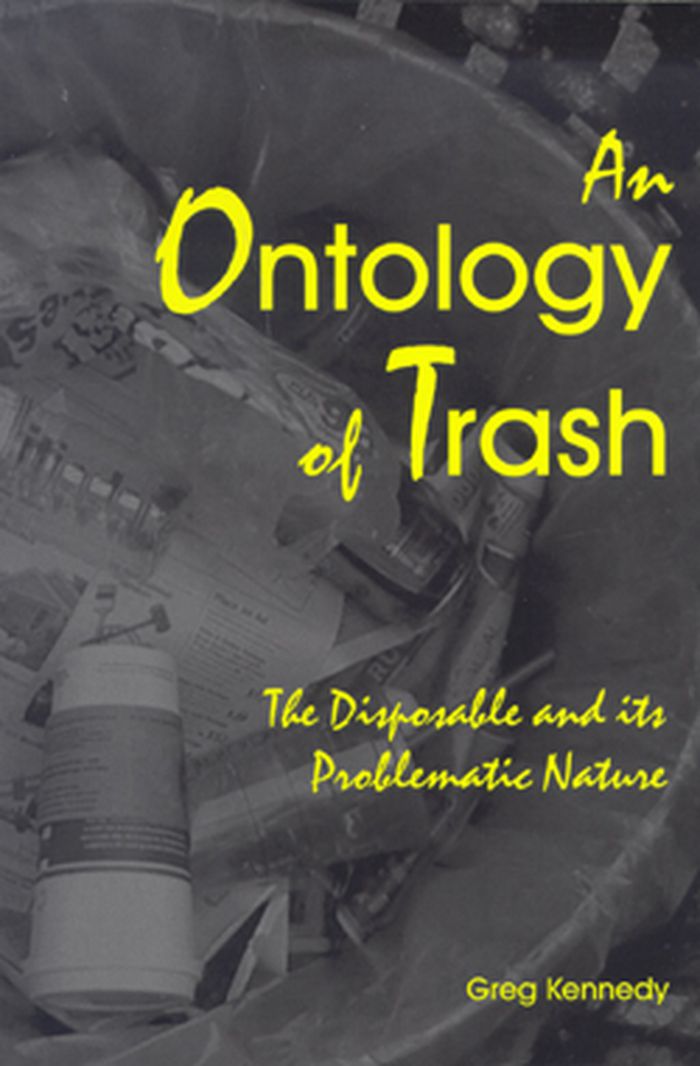
Plastic bags, newspapers, pizza boxes, razors, watches, diapers, toothbrushes ... What makes a thing disposable? Which of its properties allows us to treat it as if it did not matter, or as if it actually lacked matter? Why do so many objects appear to us as nothing more than brief flashes between checkout-line and landfill? In An Ontology of Trash, Greg Kennedy(...)
$22.95
(disponible sur commande)
Résumé:
Plastic bags, newspapers, pizza boxes, razors, watches, diapers, toothbrushes ... What makes a thing disposable? Which of its properties allows us to treat it as if it did not matter, or as if it actually lacked matter? Why do so many objects appear to us as nothing more than brief flashes between checkout-line and landfill? In An Ontology of Trash, Greg Kennedy(...)
Titre:
An ontolgy of trash: the disposable and its problematic nature
Actions:
Prix:
$22.95
(disponible sur commande)
Résumé:
Plastic bags, newspapers, pizza boxes, razors, watches, diapers, toothbrushes ... What makes a thing disposable? Which of its properties allows us to treat it as if it did not matter, or as if it actually lacked matter? Why do so many objects appear to us as nothing more than brief flashes between checkout-line and landfill? In An Ontology of Trash, Greg Kennedy inquires into the meaning of disposable objects and explores the nature of our prodigious refuse. He takes trash as a real ontological problem resulting from our unsettled relation to nature. The metaphysical drive from immanence to transcendence leaves us in an alien world of objects drained of meaningful physical presence. Consequently, they become interpreted as beings that somehow essentially lack being, and exist in our technological world only to disappear. Kennedy explores this problematic nature and looks for possibilities of salutary change.
An ontolgy of trash: the disposable and its problematic nature
Actions:
Prix:
$22.95
(disponible sur commande)
Résumé:
Plastic bags, newspapers, pizza boxes, razors, watches, diapers, toothbrushes ... What makes a thing disposable? Which of its properties allows us to treat it as if it did not matter, or as if it actually lacked matter? Why do so many objects appear to us as nothing more than brief flashes between checkout-line and landfill? In An Ontology of Trash, Greg Kennedy inquires into the meaning of disposable objects and explores the nature of our prodigious refuse. He takes trash as a real ontological problem resulting from our unsettled relation to nature. The metaphysical drive from immanence to transcendence leaves us in an alien world of objects drained of meaningful physical presence. Consequently, they become interpreted as beings that somehow essentially lack being, and exist in our technological world only to disappear. Kennedy explores this problematic nature and looks for possibilities of salutary change.
Classification:
livres
livres
Publication:
février 2008, Albany
février 2008, Albany
Sujet:
Architecture écologique
Architecture écologique


