


33566 Résultats
Classification:
documents textuels
documents textuels
Numéro de référence:
AP197.S1.SS9.003
Description:
The box is comprised of notes, articles, interviews, lectures, and keynote speeches by Kenneth Frampton. The materials are organized alphabetically by either title or the architect's last name, from FO-MO. Subjects and architects explored in these texts include: Norman Foster; interviews with Kenneth Frampton; Tony Fretton; Hiromi Fujii; Naum Gabo; Luca Gazzaniga; genesis of the Philharmonie; German aesthetic philosophy; German enlightenment; global architecture; Michael Graves; Eileen Gray; Dan Hanganu; John Hejduk; Herman Hertzberger; Anthony Hill; Stephen Holl; Hans Hollein; IBA housing in Berlin; invention of liberty; India; Arata Isozaki; Japanese architecture; Michel Kagan; Louis Kahn; Kritisher regionalism; Panos Koulermos; Le Corbusier; Adolf Loos; Anthony Lumsden; John McAslan; Richard Meier; and modernism.
AP197.S1.SS9.003
Description:
The box is comprised of notes, articles, interviews, lectures, and keynote speeches by Kenneth Frampton. The materials are organized alphabetically by either title or the architect's last name, from FO-MO. Subjects and architects explored in these texts include: Norman Foster; interviews with Kenneth Frampton; Tony Fretton; Hiromi Fujii; Naum Gabo; Luca Gazzaniga; genesis of the Philharmonie; German aesthetic philosophy; German enlightenment; global architecture; Michael Graves; Eileen Gray; Dan Hanganu; John Hejduk; Herman Hertzberger; Anthony Hill; Stephen Holl; Hans Hollein; IBA housing in Berlin; invention of liberty; India; Arata Isozaki; Japanese architecture; Michel Kagan; Louis Kahn; Kritisher regionalism; Panos Koulermos; Le Corbusier; Adolf Loos; Anthony Lumsden; John McAslan; Richard Meier; and modernism.
Personnes et institutions:
Date:
circa 1965-2015
circa 1965-2015
Titre:
Kenneth Frampton texts, articles and notes FO-MO
Actions:
AP197.S1.SS9.003
Description:
The box is comprised of notes, articles, interviews, lectures, and keynote speeches by Kenneth Frampton. The materials are organized alphabetically by either title or the architect's last name, from FO-MO. Subjects and architects explored in these texts include: Norman Foster; interviews with Kenneth Frampton; Tony Fretton; Hiromi Fujii; Naum Gabo; Luca Gazzaniga; genesis of the Philharmonie; German aesthetic philosophy; German enlightenment; global architecture; Michael Graves; Eileen Gray; Dan Hanganu; John Hejduk; Herman Hertzberger; Anthony Hill; Stephen Holl; Hans Hollein; IBA housing in Berlin; invention of liberty; India; Arata Isozaki; Japanese architecture; Michel Kagan; Louis Kahn; Kritisher regionalism; Panos Koulermos; Le Corbusier; Adolf Loos; Anthony Lumsden; John McAslan; Richard Meier; and modernism.
Kenneth Frampton texts, articles and notes FO-MO
Actions:
AP197.S1.SS9.003
Description:
The box is comprised of notes, articles, interviews, lectures, and keynote speeches by Kenneth Frampton. The materials are organized alphabetically by either title or the architect's last name, from FO-MO. Subjects and architects explored in these texts include: Norman Foster; interviews with Kenneth Frampton; Tony Fretton; Hiromi Fujii; Naum Gabo; Luca Gazzaniga; genesis of the Philharmonie; German aesthetic philosophy; German enlightenment; global architecture; Michael Graves; Eileen Gray; Dan Hanganu; John Hejduk; Herman Hertzberger; Anthony Hill; Stephen Holl; Hans Hollein; IBA housing in Berlin; invention of liberty; India; Arata Isozaki; Japanese architecture; Michel Kagan; Louis Kahn; Kritisher regionalism; Panos Koulermos; Le Corbusier; Adolf Loos; Anthony Lumsden; John McAslan; Richard Meier; and modernism.
Classification:
documents textuels
documents textuels
Date:
circa 1965-2015
circa 1965-2015
Personnes et institutions:
Classification:
documents textuels
documents textuels
Numéro de référence:
AP197.S1.SS9.015
Description:
The box contains drafts, final copies, correspondence and notes for various articles, book projects, interviews, keynote addresses, and lectures by Kenneth Frampton. The materials are organized in alphabetical order, from I-K. The largest portion of this box consists of: drafts and transcripts of interviews with Kenneth Frampton; drafts, articles, correspondence and research materials for an unpublished book project on Japanese Building Practices/Japanese Contemporary Architecture; correspondence and drafts for the Jerusalem Seminar in Architecture; and correspondence and notes for a Panos Koulermos book project. Other subjects and architects explored in these texts include Arata Isozaki, Kritsin Jaramund, Michael Kagan, Louis Kahn, Rem Koolhaas, Kengo Kuma, and Kisho Kurakawa.
AP197.S1.SS9.015
Description:
The box contains drafts, final copies, correspondence and notes for various articles, book projects, interviews, keynote addresses, and lectures by Kenneth Frampton. The materials are organized in alphabetical order, from I-K. The largest portion of this box consists of: drafts and transcripts of interviews with Kenneth Frampton; drafts, articles, correspondence and research materials for an unpublished book project on Japanese Building Practices/Japanese Contemporary Architecture; correspondence and drafts for the Jerusalem Seminar in Architecture; and correspondence and notes for a Panos Koulermos book project. Other subjects and architects explored in these texts include Arata Isozaki, Kritsin Jaramund, Michael Kagan, Louis Kahn, Rem Koolhaas, Kengo Kuma, and Kisho Kurakawa.
Personnes et institutions:
Date:
1985-2016
1985-2016
Titre:
Kenneth Frampton writings (I-K)
Actions:
AP197.S1.SS9.015
Description:
The box contains drafts, final copies, correspondence and notes for various articles, book projects, interviews, keynote addresses, and lectures by Kenneth Frampton. The materials are organized in alphabetical order, from I-K. The largest portion of this box consists of: drafts and transcripts of interviews with Kenneth Frampton; drafts, articles, correspondence and research materials for an unpublished book project on Japanese Building Practices/Japanese Contemporary Architecture; correspondence and drafts for the Jerusalem Seminar in Architecture; and correspondence and notes for a Panos Koulermos book project. Other subjects and architects explored in these texts include Arata Isozaki, Kritsin Jaramund, Michael Kagan, Louis Kahn, Rem Koolhaas, Kengo Kuma, and Kisho Kurakawa.
Kenneth Frampton writings (I-K)
Actions:
AP197.S1.SS9.015
Description:
The box contains drafts, final copies, correspondence and notes for various articles, book projects, interviews, keynote addresses, and lectures by Kenneth Frampton. The materials are organized in alphabetical order, from I-K. The largest portion of this box consists of: drafts and transcripts of interviews with Kenneth Frampton; drafts, articles, correspondence and research materials for an unpublished book project on Japanese Building Practices/Japanese Contemporary Architecture; correspondence and drafts for the Jerusalem Seminar in Architecture; and correspondence and notes for a Panos Koulermos book project. Other subjects and architects explored in these texts include Arata Isozaki, Kritsin Jaramund, Michael Kagan, Louis Kahn, Rem Koolhaas, Kengo Kuma, and Kisho Kurakawa.
Classification:
documents textuels
documents textuels
Date:
1985-2016
1985-2016
Personnes et institutions:
Classification:
documents textuels
documents textuels
Numéro de référence:
AP197.S3.012
Description:
The box is comprised of correspondence for the years 2015-2016. The box documents Frampton’s career as Ware professor at the Graduate School of Architecture, Planning and Preservation, Columbia University and his related professional activities. Correspondence in this box includes: offers of teaching positions; requests to write articles, reviews, books and recommendation letters; invitations to teach, present, or attend at lectures/symposiums/conferences; and requests to serve on juries. Correspondence relates to the following writings and lectures Frampton participated in: an essay for a monograph on O'Donnell + Tuomey, architects; a Nils Erik Wickberg lecture in Helinski; the Wood at Work conference; a review of George Baird's book; and Modern Architecture: a Critical History.
AP197.S3.012
Description:
The box is comprised of correspondence for the years 2015-2016. The box documents Frampton’s career as Ware professor at the Graduate School of Architecture, Planning and Preservation, Columbia University and his related professional activities. Correspondence in this box includes: offers of teaching positions; requests to write articles, reviews, books and recommendation letters; invitations to teach, present, or attend at lectures/symposiums/conferences; and requests to serve on juries. Correspondence relates to the following writings and lectures Frampton participated in: an essay for a monograph on O'Donnell + Tuomey, architects; a Nils Erik Wickberg lecture in Helinski; the Wood at Work conference; a review of George Baird's book; and Modern Architecture: a Critical History.
Personnes et institutions:
Date:
2015-2016
2015-2016
Titre:
Personal and professional correspondence from 2015-2016
Actions:
AP197.S3.012
Description:
The box is comprised of correspondence for the years 2015-2016. The box documents Frampton’s career as Ware professor at the Graduate School of Architecture, Planning and Preservation, Columbia University and his related professional activities. Correspondence in this box includes: offers of teaching positions; requests to write articles, reviews, books and recommendation letters; invitations to teach, present, or attend at lectures/symposiums/conferences; and requests to serve on juries. Correspondence relates to the following writings and lectures Frampton participated in: an essay for a monograph on O'Donnell + Tuomey, architects; a Nils Erik Wickberg lecture in Helinski; the Wood at Work conference; a review of George Baird's book; and Modern Architecture: a Critical History.
Personal and professional correspondence from 2015-2016
Actions:
AP197.S3.012
Description:
The box is comprised of correspondence for the years 2015-2016. The box documents Frampton’s career as Ware professor at the Graduate School of Architecture, Planning and Preservation, Columbia University and his related professional activities. Correspondence in this box includes: offers of teaching positions; requests to write articles, reviews, books and recommendation letters; invitations to teach, present, or attend at lectures/symposiums/conferences; and requests to serve on juries. Correspondence relates to the following writings and lectures Frampton participated in: an essay for a monograph on O'Donnell + Tuomey, architects; a Nils Erik Wickberg lecture in Helinski; the Wood at Work conference; a review of George Baird's book; and Modern Architecture: a Critical History.
Classification:
documents textuels
documents textuels
Date:
2015-2016
2015-2016
Personnes et institutions:
Actions:
Numéro de référence:
PH1990:0324.01-.05
Description:
- This set is comprised of 5 portfolios, each containing 31 photographs, except for volume 1, which contains 30 photographs, and volume 5, which contains 33 photographs. The portfolios consist of boxes made from brown cloth-covered boards with brown leather-covered spines. There are gold gilt inscriptions, the including volume numbers, on the spines of each portfolio. The interiors of the boxes are lined with grey paper. The photographs are mounted in mats made of white paper and cardboard. Most of the photographs have graphite inscriptions on the verso listing the name of the residence shown and sometimes the name of the architect or interior designer.
PH1990:0324.01-.05
Description:
- This set is comprised of 5 portfolios, each containing 31 photographs, except for volume 1, which contains 30 photographs, and volume 5, which contains 33 photographs. The portfolios consist of boxes made from brown cloth-covered boards with brown leather-covered spines. There are gold gilt inscriptions, the including volume numbers, on the spines of each portfolio. The interiors of the boxes are lined with grey paper. The photographs are mounted in mats made of white paper and cardboard. Most of the photographs have graphite inscriptions on the verso listing the name of the residence shown and sometimes the name of the architect or interior designer.
Personnes et institutions:
Sujet:
architecture, design d'intérieur
architecture, design d'intérieur
Date:
between ca. 1867 and 1890
between ca. 1867 and 1890
Titre:
Set of 5 portfolios, containing 155 photographs of residential architecture, by Bedford Lemere & Co., England, United Kingdom
Actions:
PH1990:0324.01-.05
Description:
- This set is comprised of 5 portfolios, each containing 31 photographs, except for volume 1, which contains 30 photographs, and volume 5, which contains 33 photographs. The portfolios consist of boxes made from brown cloth-covered boards with brown leather-covered spines. There are gold gilt inscriptions, the including volume numbers, on the spines of each portfolio. The interiors of the boxes are lined with grey paper. The photographs are mounted in mats made of white paper and cardboard. Most of the photographs have graphite inscriptions on the verso listing the name of the residence shown and sometimes the name of the architect or interior designer.
Set of 5 portfolios, containing 155 photographs of residential architecture, by Bedford Lemere & Co., England, United Kingdom
Actions:
PH1990:0324.01-.05
Description:
- This set is comprised of 5 portfolios, each containing 31 photographs, except for volume 1, which contains 30 photographs, and volume 5, which contains 33 photographs. The portfolios consist of boxes made from brown cloth-covered boards with brown leather-covered spines. There are gold gilt inscriptions, the including volume numbers, on the spines of each portfolio. The interiors of the boxes are lined with grey paper. The photographs are mounted in mats made of white paper and cardboard. Most of the photographs have graphite inscriptions on the verso listing the name of the residence shown and sometimes the name of the architect or interior designer.
Date:
between ca. 1867 and 1890
between ca. 1867 and 1890
Personnes et institutions:
Sujet:
architecture, design d'intérieur
architecture, design d'intérieur
Classification:
événements
événements
Actions:
Description:
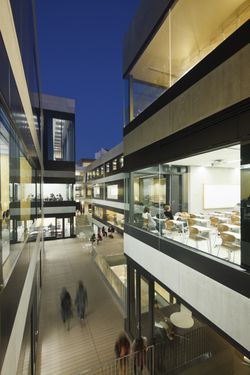
Dans cette causerie intitulée « Design the place for people to meet » (Concevoir le lieu pour que les gens se rencontrent), Manabu Chiba expliquera sa démarche de conception, soulignant la réalisation d’une architecture qui favorise les nouvelles interactions de lieu à lieu, de personne à personne et de personne à lieu. Son travail vise à révéler le contexte d’un(...)
Dans cette causerie intitulée « Design the place for people to meet » (Concevoir le lieu pour que les gens se rencontrent), Manabu Chiba expliquera sa démarche de conception, soulignant la réalisation d’une architecture qui favorise les nouvelles interactions de lieu à lieu, de personne à personne et de personne à lieu. Son travail vise à révéler le contexte d’un(...)
Date:
11 février 2016
11 février 2016
Titre:
Manabu Chiba veut vous parler
Actions:
Description:
Dans cette causerie intitulée « Design the place for people to meet » (Concevoir le lieu pour que les gens se rencontrent), Manabu Chiba expliquera sa démarche de conception, soulignant la réalisation d’une architecture qui favorise les nouvelles interactions de lieu à lieu, de personne à personne et de personne à lieu. Son travail vise à révéler le contexte d’un(...)
Manabu Chiba veut vous parler
Actions:
Description:
Dans cette causerie intitulée « Design the place for people to meet » (Concevoir le lieu pour que les gens se rencontrent), Manabu Chiba expliquera sa démarche de conception, soulignant la réalisation d’une architecture qui favorise les nouvelles interactions de lieu à lieu, de personne à personne et de personne à lieu. Son travail vise à révéler le contexte d’un(...)
Classification:
événements
événements
Date:
11 février 2016
11 février 2016
Classification:
événements
événements
Actions:
Description:
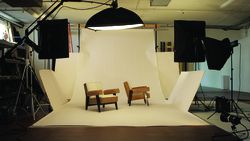
Dans son œuvre Provenance (2013), en images mobiles, l’artiste américaine Amie Siegel remonte à l’envers la route du commerce mondial de mobilier originaire de Chandigarh, à partir des résidences de collectionneurs européens et nord-américains, en passant par les ventes aux enchères, le processus de restauration, le transport outre-mer et, enfin, l’Inde. Le mobilier de(...)
Dans son œuvre Provenance (2013), en images mobiles, l’artiste américaine Amie Siegel remonte à l’envers la route du commerce mondial de mobilier originaire de Chandigarh, à partir des résidences de collectionneurs européens et nord-américains, en passant par les ventes aux enchères, le processus de restauration, le transport outre-mer et, enfin, l’Inde. Le mobilier de(...)
Date:
24 avril 2014 , 18h
24 avril 2014 , 18h
Titre:
Conférence de l’artiste : Amie Siegel, Provenance
Actions:
Description:
Dans son œuvre Provenance (2013), en images mobiles, l’artiste américaine Amie Siegel remonte à l’envers la route du commerce mondial de mobilier originaire de Chandigarh, à partir des résidences de collectionneurs européens et nord-américains, en passant par les ventes aux enchères, le processus de restauration, le transport outre-mer et, enfin, l’Inde. Le mobilier de(...)
Conférence de l’artiste : Amie Siegel, Provenance
Actions:
Description:
Dans son œuvre Provenance (2013), en images mobiles, l’artiste américaine Amie Siegel remonte à l’envers la route du commerce mondial de mobilier originaire de Chandigarh, à partir des résidences de collectionneurs européens et nord-américains, en passant par les ventes aux enchères, le processus de restauration, le transport outre-mer et, enfin, l’Inde. Le mobilier de(...)
Classification:
événements
événements
Date:
24 avril 2014
18h
24 avril 2014
18h
Niveau de description archivistique:
Projet
Projet
Actions:
Numéro de référence:
CI005.S1.1925.PR1
Description:
The Rotterdam building inspectorate, Bouwpolite & Woningdienst, rejected the original plans for the design of the Café de Unie by a private developer, and instead commissioned Oud, as municipal architect, to design the building on Calandplein. This design marked a departure for Oud from public and private buildings to the design of a commercial building. Oud's design incorporated advertisement from its conception as he designed a facade of boards, cement, and glass with an illuminated sign – this was in keeping with the contemporary aesthetic of De Stijl, which explored creative uses of advertisement. Oud designed the signs to be turned inward, to draw attention away from the surrounding buildings, and incorporated bright colours (Taverne et al. 2001, 342). Project series includes drawings of plans as well as photographs of exterior views and of the principal facade of the Café de Unie.
CI005.S1.1925.PR1
Description:
The Rotterdam building inspectorate, Bouwpolite & Woningdienst, rejected the original plans for the design of the Café de Unie by a private developer, and instead commissioned Oud, as municipal architect, to design the building on Calandplein. This design marked a departure for Oud from public and private buildings to the design of a commercial building. Oud's design incorporated advertisement from its conception as he designed a facade of boards, cement, and glass with an illuminated sign – this was in keeping with the contemporary aesthetic of De Stijl, which explored creative uses of advertisement. Oud designed the signs to be turned inward, to draw attention away from the surrounding buildings, and incorporated bright colours (Taverne et al. 2001, 342). Project series includes drawings of plans as well as photographs of exterior views and of the principal facade of the Café de Unie.
Personnes et institutions:
Date:
1925
1925
Titre:
Café de Unie, Rotterdam, Netherlands (1925)
Actions:
CI005.S1.1925.PR1
Description:
The Rotterdam building inspectorate, Bouwpolite & Woningdienst, rejected the original plans for the design of the Café de Unie by a private developer, and instead commissioned Oud, as municipal architect, to design the building on Calandplein. This design marked a departure for Oud from public and private buildings to the design of a commercial building. Oud's design incorporated advertisement from its conception as he designed a facade of boards, cement, and glass with an illuminated sign – this was in keeping with the contemporary aesthetic of De Stijl, which explored creative uses of advertisement. Oud designed the signs to be turned inward, to draw attention away from the surrounding buildings, and incorporated bright colours (Taverne et al. 2001, 342). Project series includes drawings of plans as well as photographs of exterior views and of the principal facade of the Café de Unie.
Café de Unie, Rotterdam, Netherlands (1925)
Actions:
CI005.S1.1925.PR1
Description:
The Rotterdam building inspectorate, Bouwpolite & Woningdienst, rejected the original plans for the design of the Café de Unie by a private developer, and instead commissioned Oud, as municipal architect, to design the building on Calandplein. This design marked a departure for Oud from public and private buildings to the design of a commercial building. Oud's design incorporated advertisement from its conception as he designed a facade of boards, cement, and glass with an illuminated sign – this was in keeping with the contemporary aesthetic of De Stijl, which explored creative uses of advertisement. Oud designed the signs to be turned inward, to draw attention away from the surrounding buildings, and incorporated bright colours (Taverne et al. 2001, 342). Project series includes drawings of plans as well as photographs of exterior views and of the principal facade of the Café de Unie.
Niveau de description archivistique:
project
project
Date:
1925
1925
Personnes et institutions:
Niveau de description archivistique:
Projet
Projet
Actions:
Numéro de référence:
CI005.S1.1949.PR1
Description:
Vredenburg Square – originally designed by H.P. Berlage in 1919 – had become problematic for traffic congestion; the problem was compounded by the erection of the Jaarbeurs Exhibition Complex. Utrecht city council commissioned Oud to design a square with architect C. Wegener Sleeswijk. Oud modified Sleeswijk's original expansion plan to create a design for a twelve-storey tower block that would take up less space and open up the southeast side of the square. In addition to the Jaarbeurs tower, Oud suggested placing more emphasis on the square's entrance. Oud also modified the traffic routes and created a semi-circular facade across from a secretariat. Although the city council approved Oud's plan in 1951, his design was unrealized as the council ultimately commissioned another architectural firm's design (Taverne et al. 2001, 472-473). Project series includes plans for the Vredenburg development.
CI005.S1.1949.PR1
Description:
Vredenburg Square – originally designed by H.P. Berlage in 1919 – had become problematic for traffic congestion; the problem was compounded by the erection of the Jaarbeurs Exhibition Complex. Utrecht city council commissioned Oud to design a square with architect C. Wegener Sleeswijk. Oud modified Sleeswijk's original expansion plan to create a design for a twelve-storey tower block that would take up less space and open up the southeast side of the square. In addition to the Jaarbeurs tower, Oud suggested placing more emphasis on the square's entrance. Oud also modified the traffic routes and created a semi-circular facade across from a secretariat. Although the city council approved Oud's plan in 1951, his design was unrealized as the council ultimately commissioned another architectural firm's design (Taverne et al. 2001, 472-473). Project series includes plans for the Vredenburg development.
Personnes et institutions:
Date:
1949-1961
1949-1961
Titre:
Urban Design, Vredenburg Mixed-Use Development, Utrecht, Netherlands (1949-1961)
Actions:
CI005.S1.1949.PR1
Description:
Vredenburg Square – originally designed by H.P. Berlage in 1919 – had become problematic for traffic congestion; the problem was compounded by the erection of the Jaarbeurs Exhibition Complex. Utrecht city council commissioned Oud to design a square with architect C. Wegener Sleeswijk. Oud modified Sleeswijk's original expansion plan to create a design for a twelve-storey tower block that would take up less space and open up the southeast side of the square. In addition to the Jaarbeurs tower, Oud suggested placing more emphasis on the square's entrance. Oud also modified the traffic routes and created a semi-circular facade across from a secretariat. Although the city council approved Oud's plan in 1951, his design was unrealized as the council ultimately commissioned another architectural firm's design (Taverne et al. 2001, 472-473). Project series includes plans for the Vredenburg development.
Urban Design, Vredenburg Mixed-Use Development, Utrecht, Netherlands (1949-1961)
Actions:
CI005.S1.1949.PR1
Description:
Vredenburg Square – originally designed by H.P. Berlage in 1919 – had become problematic for traffic congestion; the problem was compounded by the erection of the Jaarbeurs Exhibition Complex. Utrecht city council commissioned Oud to design a square with architect C. Wegener Sleeswijk. Oud modified Sleeswijk's original expansion plan to create a design for a twelve-storey tower block that would take up less space and open up the southeast side of the square. In addition to the Jaarbeurs tower, Oud suggested placing more emphasis on the square's entrance. Oud also modified the traffic routes and created a semi-circular facade across from a secretariat. Although the city council approved Oud's plan in 1951, his design was unrealized as the council ultimately commissioned another architectural firm's design (Taverne et al. 2001, 472-473). Project series includes plans for the Vredenburg development.
Niveau de description archivistique:
project
project
Date:
1949-1961
1949-1961
Personnes et institutions:
Niveau de description archivistique:
Projet
Projet
Actions:
Numéro de référence:
CI005.S1.1952.PR1
Description:
Oud was commissioned by the Bio Holiday Centre Foundation to create a rehabilitation centre for under-privileged children. While Oud was appointed as the sole project architect, he was advised by a committee of health care workers and a national construction advisory body, Bouwcentrum. Oud used the Bouwcentrum blueprint as a basis for his design. Oud's design featured pavilions, accommodation for 120 patients, staff accommodation, a sports building and a clinic. Ten pavilions were dedicated to children's accommodation. In Oud's revised plan of 1955, the main building, boiler house and sports building were prominently displayed and flanked by the pavilions. The boiler house/caretaker's dwelling were prominently positioned according to the client's wishes. Although Oud designed a chapel, it was not built (Taverne et al. 2001, 511-514). Project series contains a photograph of exterior view of the Bio Convalescent Centre
CI005.S1.1952.PR1
Description:
Oud was commissioned by the Bio Holiday Centre Foundation to create a rehabilitation centre for under-privileged children. While Oud was appointed as the sole project architect, he was advised by a committee of health care workers and a national construction advisory body, Bouwcentrum. Oud used the Bouwcentrum blueprint as a basis for his design. Oud's design featured pavilions, accommodation for 120 patients, staff accommodation, a sports building and a clinic. Ten pavilions were dedicated to children's accommodation. In Oud's revised plan of 1955, the main building, boiler house and sports building were prominently displayed and flanked by the pavilions. The boiler house/caretaker's dwelling were prominently positioned according to the client's wishes. Although Oud designed a chapel, it was not built (Taverne et al. 2001, 511-514). Project series contains a photograph of exterior view of the Bio Convalescent Centre
Personnes et institutions:
Date:
1952-1960
1952-1960
Titre:
Bio Convalescent Centre for Children, Arnheim, Netherlands (1952-1960)
Actions:
CI005.S1.1952.PR1
Description:
Oud was commissioned by the Bio Holiday Centre Foundation to create a rehabilitation centre for under-privileged children. While Oud was appointed as the sole project architect, he was advised by a committee of health care workers and a national construction advisory body, Bouwcentrum. Oud used the Bouwcentrum blueprint as a basis for his design. Oud's design featured pavilions, accommodation for 120 patients, staff accommodation, a sports building and a clinic. Ten pavilions were dedicated to children's accommodation. In Oud's revised plan of 1955, the main building, boiler house and sports building were prominently displayed and flanked by the pavilions. The boiler house/caretaker's dwelling were prominently positioned according to the client's wishes. Although Oud designed a chapel, it was not built (Taverne et al. 2001, 511-514). Project series contains a photograph of exterior view of the Bio Convalescent Centre
Bio Convalescent Centre for Children, Arnheim, Netherlands (1952-1960)
Actions:
CI005.S1.1952.PR1
Description:
Oud was commissioned by the Bio Holiday Centre Foundation to create a rehabilitation centre for under-privileged children. While Oud was appointed as the sole project architect, he was advised by a committee of health care workers and a national construction advisory body, Bouwcentrum. Oud used the Bouwcentrum blueprint as a basis for his design. Oud's design featured pavilions, accommodation for 120 patients, staff accommodation, a sports building and a clinic. Ten pavilions were dedicated to children's accommodation. In Oud's revised plan of 1955, the main building, boiler house and sports building were prominently displayed and flanked by the pavilions. The boiler house/caretaker's dwelling were prominently positioned according to the client's wishes. Although Oud designed a chapel, it was not built (Taverne et al. 2001, 511-514). Project series contains a photograph of exterior view of the Bio Convalescent Centre
Niveau de description archivistique:
project
project
Date:
1952-1960
1952-1960
Personnes et institutions:
Niveau de description archivistique:
Projet
Projet
Numéro de référence:
AP075.S1.1954.PR05
Description:
This project series documents Cornelia Hahn Oberlander's project for the Home '54 Design Competition for the Canadian Home Journal, in 1954. Oberlander worked on this proposal with architect Norman Rice, who designed the one-storey single-family house. The landscape design consists of a paved outdoor living space directly next to the living room with a curved fixed bench at the back of the house, as well as a quiet area with annual and perennial planting on the east edge of the site and a vegetable garden and sitting area facing the street. The project series contains only two presentation drawings showing floor plans, elevation and axonometric views of the house and landscape plans, and presentation panels of the same two drawings. Source: Herrington, Susan. Cornelia Hahn Oberlander: Making the Modern Landscape, University of Virginia Press, 2014, 304 pages.
AP075.S1.1954.PR05
Description:
This project series documents Cornelia Hahn Oberlander's project for the Home '54 Design Competition for the Canadian Home Journal, in 1954. Oberlander worked on this proposal with architect Norman Rice, who designed the one-storey single-family house. The landscape design consists of a paved outdoor living space directly next to the living room with a curved fixed bench at the back of the house, as well as a quiet area with annual and perennial planting on the east edge of the site and a vegetable garden and sitting area facing the street. The project series contains only two presentation drawings showing floor plans, elevation and axonometric views of the house and landscape plans, and presentation panels of the same two drawings. Source: Herrington, Susan. Cornelia Hahn Oberlander: Making the Modern Landscape, University of Virginia Press, 2014, 304 pages.
Personnes et institutions:
Date:
1954
1954
Titre:
Home '54 Design Competition, Canada (1954)
Actions:
AP075.S1.1954.PR05
Description:
This project series documents Cornelia Hahn Oberlander's project for the Home '54 Design Competition for the Canadian Home Journal, in 1954. Oberlander worked on this proposal with architect Norman Rice, who designed the one-storey single-family house. The landscape design consists of a paved outdoor living space directly next to the living room with a curved fixed bench at the back of the house, as well as a quiet area with annual and perennial planting on the east edge of the site and a vegetable garden and sitting area facing the street. The project series contains only two presentation drawings showing floor plans, elevation and axonometric views of the house and landscape plans, and presentation panels of the same two drawings. Source: Herrington, Susan. Cornelia Hahn Oberlander: Making the Modern Landscape, University of Virginia Press, 2014, 304 pages.
Home '54 Design Competition, Canada (1954)
Actions:
AP075.S1.1954.PR05
Description:
This project series documents Cornelia Hahn Oberlander's project for the Home '54 Design Competition for the Canadian Home Journal, in 1954. Oberlander worked on this proposal with architect Norman Rice, who designed the one-storey single-family house. The landscape design consists of a paved outdoor living space directly next to the living room with a curved fixed bench at the back of the house, as well as a quiet area with annual and perennial planting on the east edge of the site and a vegetable garden and sitting area facing the street. The project series contains only two presentation drawings showing floor plans, elevation and axonometric views of the house and landscape plans, and presentation panels of the same two drawings. Source: Herrington, Susan. Cornelia Hahn Oberlander: Making the Modern Landscape, University of Virginia Press, 2014, 304 pages.
Niveau de description archivistique:
Project
Project
Date:
1954
1954
Personnes et institutions:


