


1902 Résultats
Classification:
livres
livres
Actions:
Prix:
$42.00
(disponible sur commande)
Résumé:
In recent years building with stone has gained new significance, not only because of its impressive appearance, but also in the debate that has arisen in architecture between the monumental and the transparent. Principally used in façades, but also for interior design, natural stone - and even man-made stone such as concrete and bricks - is now being appreciated for its(...)
$42.00
(disponible sur commande)
Résumé:
In recent years building with stone has gained new significance, not only because of its impressive appearance, but also in the debate that has arisen in architecture between the monumental and the transparent. Principally used in façades, but also for interior design, natural stone - and even man-made stone such as concrete and bricks - is now being appreciated for its(...)
Titre:
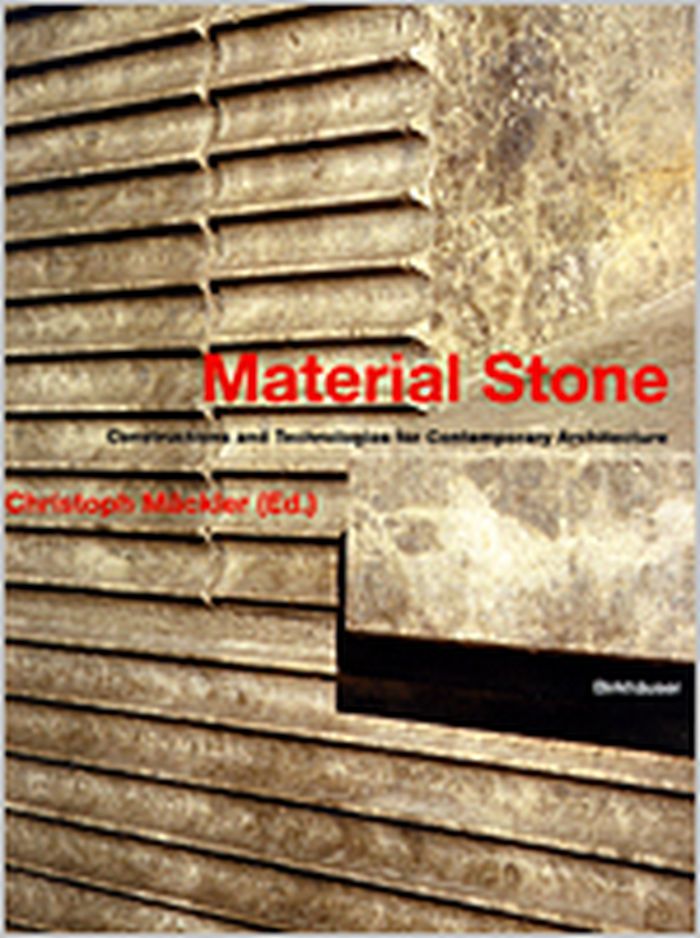
Material stone : Construction and technologies for contemporary architecture
Actions:
Prix:
$42.00
(disponible sur commande)
Résumé:
In recent years building with stone has gained new significance, not only because of its impressive appearance, but also in the debate that has arisen in architecture between the monumental and the transparent. Principally used in façades, but also for interior design, natural stone - and even man-made stone such as concrete and bricks - is now being appreciated for its high-quality performance. For international architects such as Michael Graves, Frank O. Gehry, Mario Botta or Richard Meier, this diverse material plays a major role. This publication examines the use of stone in contemporary architecture, drawing also on the work and experience of such great predecesors as Semper or Hoger. In thematic chapters, it presents the state of the art uses together with information on the extraction and treatment of stone. The emphasis of the book is laid on the many different kinds of natural stone, which come from a wide range of countries. Further chapters elucidate innovative applications of concrete and bricks, also illustrated by international examples. Contributions from Vittorio Magnago Lampugnani, Fritz Neumeyer and Stanislaus von Moos investigate stone as the enduring material of the town, consider its architectural expressiveness throughout history, and explore its significance as a surface material . A comprehensive appendix contains illustrations of some 70 kinds of natural stone, all of which are concisely documented, ensuring that this volume can be used as a reference for anybody interested in natural stone as a building material. Christoph Mäckler has been exploring stone as a building material both in architectural practice and in research for many years.
Material stone : Construction and technologies for contemporary architecture
Actions:
Prix:
$42.00
(disponible sur commande)
Résumé:
In recent years building with stone has gained new significance, not only because of its impressive appearance, but also in the debate that has arisen in architecture between the monumental and the transparent. Principally used in façades, but also for interior design, natural stone - and even man-made stone such as concrete and bricks - is now being appreciated for its high-quality performance. For international architects such as Michael Graves, Frank O. Gehry, Mario Botta or Richard Meier, this diverse material plays a major role. This publication examines the use of stone in contemporary architecture, drawing also on the work and experience of such great predecesors as Semper or Hoger. In thematic chapters, it presents the state of the art uses together with information on the extraction and treatment of stone. The emphasis of the book is laid on the many different kinds of natural stone, which come from a wide range of countries. Further chapters elucidate innovative applications of concrete and bricks, also illustrated by international examples. Contributions from Vittorio Magnago Lampugnani, Fritz Neumeyer and Stanislaus von Moos investigate stone as the enduring material of the town, consider its architectural expressiveness throughout history, and explore its significance as a surface material . A comprehensive appendix contains illustrations of some 70 kinds of natural stone, all of which are concisely documented, ensuring that this volume can be used as a reference for anybody interested in natural stone as a building material. Christoph Mäckler has been exploring stone as a building material both in architectural practice and in research for many years.
Classification:
livres
livres
Publication:
décembre 2003, Basel
décembre 2003, Basel
Sujet:
Matériaux et éclairage
Matériaux et éclairage
Classification:
livres
livres
Actions:
Prix:
$49.95
(disponible sur commande)
Résumé:
À travers la sélection d’environ quatre-vingts oeuvres des années nabis et parisiennes, des scènes de rue et d’intérieur, familiales ou plus intimes, avec notamment une séquence consacrée à sa compagne, Marthe, et jusqu’aux paysages du Cannet des années 1930-1940, est évoqué Bonnard, peintre « voyageur autour de sa maison » (Maurice Denis). Le parcours de l’exposition(...)
$49.95
(disponible sur commande)
Résumé:
À travers la sélection d’environ quatre-vingts oeuvres des années nabis et parisiennes, des scènes de rue et d’intérieur, familiales ou plus intimes, avec notamment une séquence consacrée à sa compagne, Marthe, et jusqu’aux paysages du Cannet des années 1930-1940, est évoqué Bonnard, peintre « voyageur autour de sa maison » (Maurice Denis). Le parcours de l’exposition(...)
Titre:
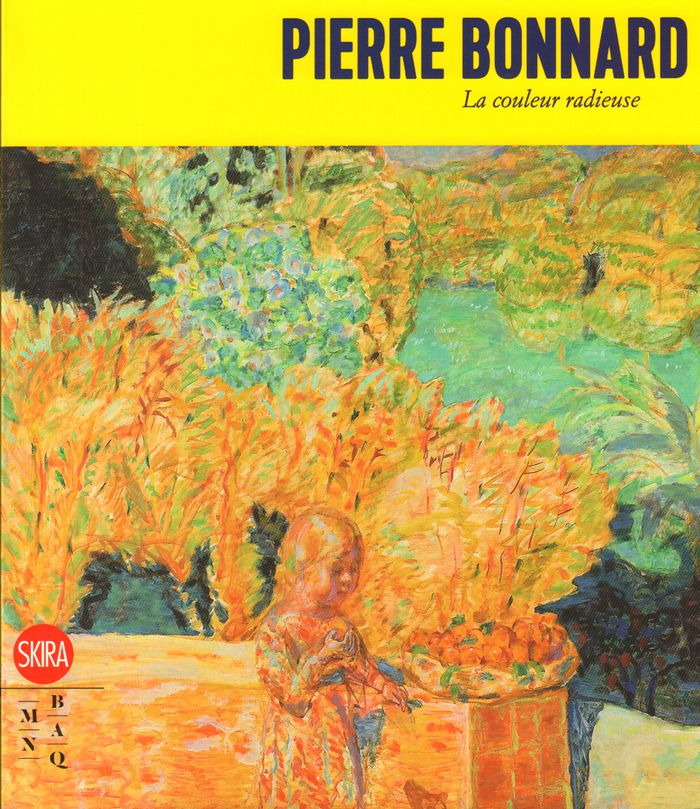
Pierre Bonnard : la couleur radieuse
Actions:
Prix:
$49.95
(disponible sur commande)
Résumé:
À travers la sélection d’environ quatre-vingts oeuvres des années nabis et parisiennes, des scènes de rue et d’intérieur, familiales ou plus intimes, avec notamment une séquence consacrée à sa compagne, Marthe, et jusqu’aux paysages du Cannet des années 1930-1940, est évoqué Bonnard, peintre « voyageur autour de sa maison » (Maurice Denis). Le parcours de l’exposition invite le visiteur dans l’intimité de l’artiste et de son processus créatif où, non sans un certain décalage nostalgique, le réel et son souvenir entrent en tension avec le pictural et les exigences propres au tableau et à sa surface. Bonnard, en explorant très tôt, et paradoxalement toujours dos au motif, dans l’atelier, une thématique et des schémas de composition renouvelés par ses audacieux cadrages, fait transiter sa peinture du foyer familial à celui de la couleur « qui agit », selon la belle formule que rappelait Antoine Terrasse. Le peintre exprime son obsession de « voir, voir vraiment » dans une peinture portée jusqu’à l’équilibre instable, au brouillage et à la rupture avec le visible ordinaire, quand les figures fantomatiques habitent les fonds et les périphéries des tableaux – quand elles ne jouent pas les caméléons dans des taches et strates colorées d’une extraordinaire complexité. Bonnard occupe une position singulière dans l’histoire de l’art de la première moitié du XXe siècle, tantôt comme avenant à l’impressionnisme tantôt comme jalon d’une tendance abstraite de la couleur qui s’ancre dans la figuration, tout en invitant pour aujourd’hui à « regarder le monde non pas à travers les yeux du peintre mais ceux de la peinture » (Peter Doig).
Pierre Bonnard : la couleur radieuse
Actions:
Prix:
$49.95
(disponible sur commande)
Résumé:
À travers la sélection d’environ quatre-vingts oeuvres des années nabis et parisiennes, des scènes de rue et d’intérieur, familiales ou plus intimes, avec notamment une séquence consacrée à sa compagne, Marthe, et jusqu’aux paysages du Cannet des années 1930-1940, est évoqué Bonnard, peintre « voyageur autour de sa maison » (Maurice Denis). Le parcours de l’exposition invite le visiteur dans l’intimité de l’artiste et de son processus créatif où, non sans un certain décalage nostalgique, le réel et son souvenir entrent en tension avec le pictural et les exigences propres au tableau et à sa surface. Bonnard, en explorant très tôt, et paradoxalement toujours dos au motif, dans l’atelier, une thématique et des schémas de composition renouvelés par ses audacieux cadrages, fait transiter sa peinture du foyer familial à celui de la couleur « qui agit », selon la belle formule que rappelait Antoine Terrasse. Le peintre exprime son obsession de « voir, voir vraiment » dans une peinture portée jusqu’à l’équilibre instable, au brouillage et à la rupture avec le visible ordinaire, quand les figures fantomatiques habitent les fonds et les périphéries des tableaux – quand elles ne jouent pas les caméléons dans des taches et strates colorées d’une extraordinaire complexité. Bonnard occupe une position singulière dans l’histoire de l’art de la première moitié du XXe siècle, tantôt comme avenant à l’impressionnisme tantôt comme jalon d’une tendance abstraite de la couleur qui s’ancre dans la figuration, tout en invitant pour aujourd’hui à « regarder le monde non pas à travers les yeux du peintre mais ceux de la peinture » (Peter Doig).
Classification:
livres
livres
Publication:
octobre 2016
octobre 2016
Classification:
livres
livres
Actions:
Prix:
$39.95
(disponible sur commande)
Résumé:
Paul Shepheard's previous book, What is Architecture?, was about making real, material things in the world -- landscapes, buildings, and machines. The Cultivated Wilderness is about those landscapes, and about the strategies that govern what we've done in shaping them.In the author's words, this book is about "seeing things that are too big to see." His emphasis on(...)
$39.95
(disponible sur commande)
Résumé:
Paul Shepheard's previous book, What is Architecture?, was about making real, material things in the world -- landscapes, buildings, and machines. The Cultivated Wilderness is about those landscapes, and about the strategies that govern what we've done in shaping them.In the author's words, this book is about "seeing things that are too big to see." His emphasis on(...)
Titre:
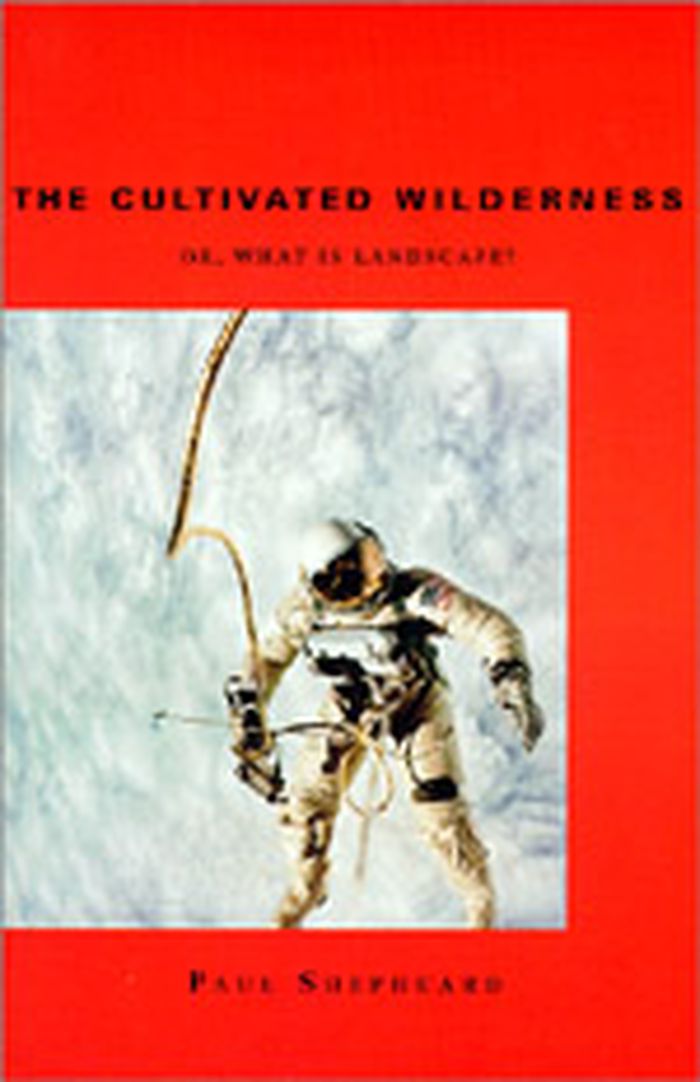
The cultivated wilderness or, what is landscape?
Actions:
Prix:
$39.95
(disponible sur commande)
Résumé:
Paul Shepheard's previous book, What is Architecture?, was about making real, material things in the world -- landscapes, buildings, and machines. The Cultivated Wilderness is about those landscapes, and about the strategies that govern what we've done in shaping them.In the author's words, this book is about "seeing things that are too big to see." His emphasis on strategy makes landscape fundamental -- he says that every architectural move is set in a landscape. Norman England, for example, was constructed as a network of strong points, in a strategy of occupation. The eighteenth-century grid cities of the New World reflect a strategy of reason. Our current strategy is the economic exploitation of the Earth, an intricately woven blanket of commerce that covers up a multitude of other possibilities, many other ways to treat the surface of the globe -- some of which are the landscapes revealed in this book.In a series of first-person narratives, reminiscent of his last book, the author pairs six landscapes, in order of descending scale from global to local, from the seven wonders of the ancient world to the condensed destruction of World War I's Western Front. In an engaging style, Shepheard takes the reader on an odyssey through these landscapes, meeting people and seeing places. He states that now, at the end of a century in which the appropriate landscape was sought but never found, the strategy of turning the land to profit is under review -- and offers this book as his contribution to that review.
The cultivated wilderness or, what is landscape?
Actions:
Prix:
$39.95
(disponible sur commande)
Résumé:
Paul Shepheard's previous book, What is Architecture?, was about making real, material things in the world -- landscapes, buildings, and machines. The Cultivated Wilderness is about those landscapes, and about the strategies that govern what we've done in shaping them.In the author's words, this book is about "seeing things that are too big to see." His emphasis on strategy makes landscape fundamental -- he says that every architectural move is set in a landscape. Norman England, for example, was constructed as a network of strong points, in a strategy of occupation. The eighteenth-century grid cities of the New World reflect a strategy of reason. Our current strategy is the economic exploitation of the Earth, an intricately woven blanket of commerce that covers up a multitude of other possibilities, many other ways to treat the surface of the globe -- some of which are the landscapes revealed in this book.In a series of first-person narratives, reminiscent of his last book, the author pairs six landscapes, in order of descending scale from global to local, from the seven wonders of the ancient world to the condensed destruction of World War I's Western Front. In an engaging style, Shepheard takes the reader on an odyssey through these landscapes, meeting people and seeing places. He states that now, at the end of a century in which the appropriate landscape was sought but never found, the strategy of turning the land to profit is under review -- and offers this book as his contribution to that review.
Classification:
livres
livres
Publication:
mars 1997, Cambridge, Mass.
mars 1997, Cambridge, Mass.
Sujet:
Théorie du paysage
Théorie du paysage
Classification:
livres
livres
Actions:
Prix:
$39.00
(disponible sur commande)
Résumé:
D’où vient le sens de la ville? Pourquoi et en quoi les villes diffèrent-elles les unes des autres? Comment naissent les significations urbaines? Et qu’est-ce que la ville, par delà la mince surface de notre temps présent? Pourquoi la ville s’oppose-t-elle à la nature? Comment la ville des architectes, la ville des poètes, la ville de la publicité, la ville des(...)
$39.00
(disponible sur commande)
Résumé:
D’où vient le sens de la ville? Pourquoi et en quoi les villes diffèrent-elles les unes des autres? Comment naissent les significations urbaines? Et qu’est-ce que la ville, par delà la mince surface de notre temps présent? Pourquoi la ville s’oppose-t-elle à la nature? Comment la ville des architectes, la ville des poètes, la ville de la publicité, la ville des(...)
Titre:
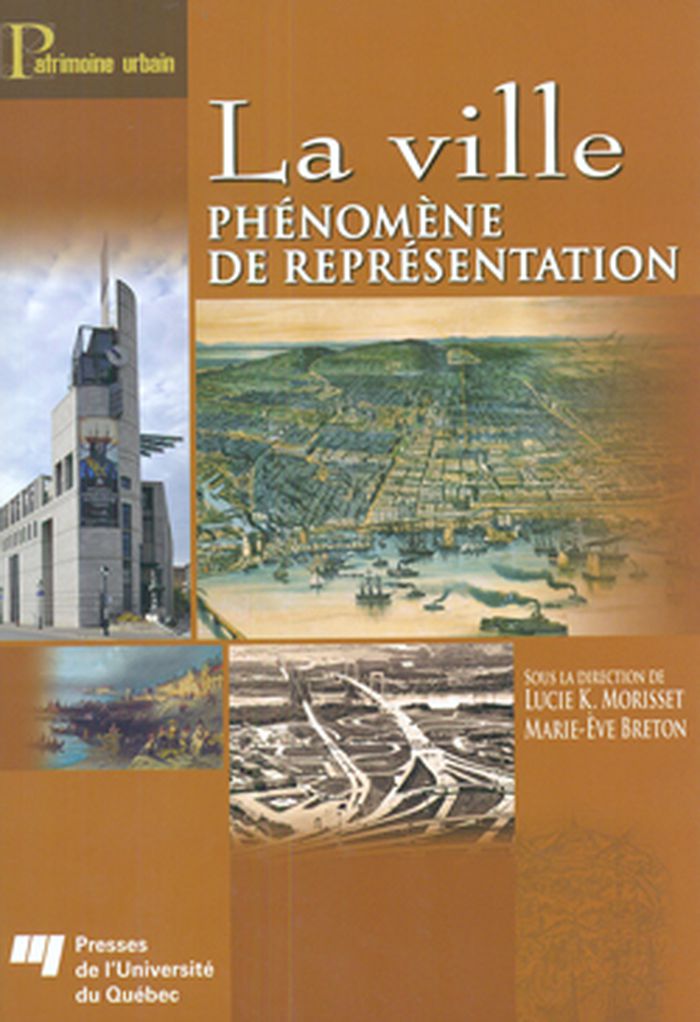
La ville phénomène de représentation
Actions:
Prix:
$39.00
(disponible sur commande)
Résumé:
D’où vient le sens de la ville? Pourquoi et en quoi les villes diffèrent-elles les unes des autres? Comment naissent les significations urbaines? Et qu’est-ce que la ville, par delà la mince surface de notre temps présent? Pourquoi la ville s’oppose-t-elle à la nature? Comment la ville des architectes, la ville des poètes, la ville de la publicité, la ville des aménagistes, la ville des chroniqueurs se comparent-elles? Quels sont les liens qui unissent la ville d’aujourd’hui à celle d’autrefois? Cet ouvrage propose quelques perspectives à propos de ces questions. Sous les horizons variés des sciences humaines et des lettres, on y aborde la ville comme un phénomène de représentation, c’est-à-dire comme un artefact culturel logé quelque part entre notre propre conscience et les idéaux de ceux qui l’ont imaginée, de ceux qui l’habitent et de ceux qui l’explorent. Les divers textes réunis dans ces pages s’attardent donc à exposer des approches et des contextes spéculatifs afin de recadrer les questionnements sur la genèse des espaces urbains et sur les relations, d’une part entre les villes et l’identité collective. Pour penser, comprendre et expliquer la ville sous ces dimensions, l’on aborde d’abord quelques considérations épistémologiques, pour interpeller ensuite la ville engendrée par le projet architectural et urbain. Suit l’examen, entre mythe et réalité, de la ville comme idéal variable, voire antinomique dès que l’on considère l’opposition historique entre milieux naturels et urbanisés. L’ouvrage se clôt enfin sur l’invention de la ville comme processus d’investissement de sens des paysages construits.
La ville phénomène de représentation
Actions:
Prix:
$39.00
(disponible sur commande)
Résumé:
D’où vient le sens de la ville? Pourquoi et en quoi les villes diffèrent-elles les unes des autres? Comment naissent les significations urbaines? Et qu’est-ce que la ville, par delà la mince surface de notre temps présent? Pourquoi la ville s’oppose-t-elle à la nature? Comment la ville des architectes, la ville des poètes, la ville de la publicité, la ville des aménagistes, la ville des chroniqueurs se comparent-elles? Quels sont les liens qui unissent la ville d’aujourd’hui à celle d’autrefois? Cet ouvrage propose quelques perspectives à propos de ces questions. Sous les horizons variés des sciences humaines et des lettres, on y aborde la ville comme un phénomène de représentation, c’est-à-dire comme un artefact culturel logé quelque part entre notre propre conscience et les idéaux de ceux qui l’ont imaginée, de ceux qui l’habitent et de ceux qui l’explorent. Les divers textes réunis dans ces pages s’attardent donc à exposer des approches et des contextes spéculatifs afin de recadrer les questionnements sur la genèse des espaces urbains et sur les relations, d’une part entre les villes et l’identité collective. Pour penser, comprendre et expliquer la ville sous ces dimensions, l’on aborde d’abord quelques considérations épistémologiques, pour interpeller ensuite la ville engendrée par le projet architectural et urbain. Suit l’examen, entre mythe et réalité, de la ville comme idéal variable, voire antinomique dès que l’on considère l’opposition historique entre milieux naturels et urbanisés. L’ouvrage se clôt enfin sur l’invention de la ville comme processus d’investissement de sens des paysages construits.
Classification:
livres
livres
Publication:
février 2011
février 2011
Sujet:
Théorie de l’urbanisme
Théorie de l’urbanisme
Classification:
livres
livres
Titre:
New retail
New retail
Actions:
Prix:
$89.95
(disponible sur commande)
Résumé:
about the book In the decades since the advent of the shopping mall, shopping has become synonymous with entertainment and the retail store a key player in establishing brand identity. In a growing trend, high-profile architects are designing provocative storefronts and interiors that create an aura of exclusivity, draw in customers, and attract media attention(...)
$89.95
(disponible sur commande)
Résumé:
about the book In the decades since the advent of the shopping mall, shopping has become synonymous with entertainment and the retail store a key player in establishing brand identity. In a growing trend, high-profile architects are designing provocative storefronts and interiors that create an aura of exclusivity, draw in customers, and attract media attention(...)
Publication:
mai 2005, London, New York
mai 2005, London, New York
Titre:
New retail
Actions:
Prix:
$89.95
(disponible sur commande)
Résumé:
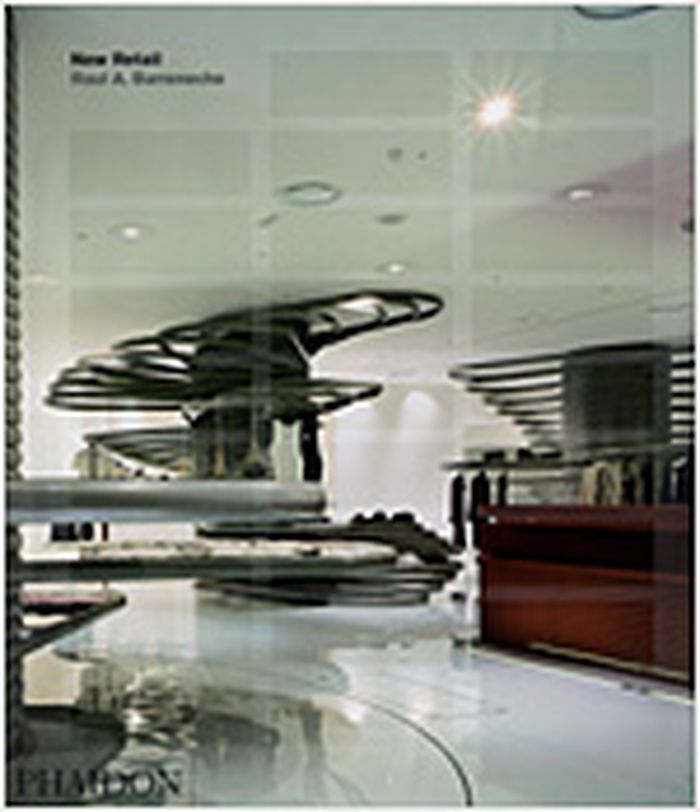
about the book In the decades since the advent of the shopping mall, shopping has become synonymous with entertainment and the retail store a key player in establishing brand identity. In a growing trend, high-profile architects are designing provocative storefronts and interiors that create an aura of exclusivity, draw in customers, and attract media attention rivaling the goods within. New Retail examines this phenomenon with an overview of 24 of the most innovative retail spaces built around the world in recent years, designed by high-profile international architects as well as smaller cutting-edge firms. Projects in the book include the Carlos Miele store in New York (Asymptote), three stores for Louis Vuitton in New York and Tokyo (Jun Aoki), Selfridges in Birmingham, the UK (Future Systems), two clothing boutiques in São Paulo (Isay Weinfeld), the Mandarina Duck store in Paris (NL Architects), and the Mpries Supermarket in Austria (Dominique Perrault), among others. More than 250 color photographs as well as floor plans and site plans showcase the architectural and interior design, lighting, and often experimental materials that create these ultimate retail spaces. For the Selfridges department store, for example, Future Systems clad the building with 15,000 aluminum disks attached to a sprayed concrete surface. In New York, the interior of the Carlos Miele store by Asymptote features a sensual, sculptural white ceiling of molded high-gloss PVC-based material. Each project is accompanied by a 500-to-700-word description that explains the design concept, site, program, and significant building technologies and materials. A general introduction discusses precedents to these projects and current issues in the architecture and design of retail spaces.
New retail
Actions:
Prix:
$89.95
(disponible sur commande)
Résumé:
about the book In the decades since the advent of the shopping mall, shopping has become synonymous with entertainment and the retail store a key player in establishing brand identity. In a growing trend, high-profile architects are designing provocative storefronts and interiors that create an aura of exclusivity, draw in customers, and attract media attention rivaling the goods within. New Retail examines this phenomenon with an overview of 24 of the most innovative retail spaces built around the world in recent years, designed by high-profile international architects as well as smaller cutting-edge firms. Projects in the book include the Carlos Miele store in New York (Asymptote), three stores for Louis Vuitton in New York and Tokyo (Jun Aoki), Selfridges in Birmingham, the UK (Future Systems), two clothing boutiques in São Paulo (Isay Weinfeld), the Mandarina Duck store in Paris (NL Architects), and the Mpries Supermarket in Austria (Dominique Perrault), among others. More than 250 color photographs as well as floor plans and site plans showcase the architectural and interior design, lighting, and often experimental materials that create these ultimate retail spaces. For the Selfridges department store, for example, Future Systems clad the building with 15,000 aluminum disks attached to a sprayed concrete surface. In New York, the interior of the Carlos Miele store by Asymptote features a sensual, sculptural white ceiling of molded high-gloss PVC-based material. Each project is accompanied by a 500-to-700-word description that explains the design concept, site, program, and significant building technologies and materials. A general introduction discusses precedents to these projects and current issues in the architecture and design of retail spaces.
Classification:
livres
livres
Publication:
mai 2005, London, New York
mai 2005, London, New York
Classification:
livres
livres
Actions:
Prix:
$46.95
(disponible sur commande)
Résumé:
"XXL-XS" represents the emerging discipline of ecological design by assembling a wide range of innovators with diverse interests. Geo-engineering, synthetic biology, construction site co-robotics, low-energy fabrication, up-cycling waste, minimally invasive design, living materials, and molecular self-assembly are just a few of the important advances explored in the book.(...)
$46.95
(disponible sur commande)
Résumé:
"XXL-XS" represents the emerging discipline of ecological design by assembling a wide range of innovators with diverse interests. Geo-engineering, synthetic biology, construction site co-robotics, low-energy fabrication, up-cycling waste, minimally invasive design, living materials, and molecular self-assembly are just a few of the important advances explored in the book.(...)
Titre:
XXL-XS: new directions on ecological design
Actions:
Prix:
$46.95
(disponible sur commande)
Résumé:
"XXL-XS" represents the emerging discipline of ecological design by assembling a wide range of innovators with diverse interests. Geo-engineering, synthetic biology, construction site co-robotics, low-energy fabrication, up-cycling waste, minimally invasive design, living materials, and molecular self-assembly are just a few of the important advances explored in the book. At one extreme are massive public works, at the other, micro to nano-sized interventions that can have equally profound impacts on our world. From terraforming to bio-manufacturing, a whole new generation of designers is proposing unique ways of confronting the difficult challenges ahead. In this way design becomes a totality of relationships that affects all disciplines, which can no-longer be thought of as self-contained fields, each handled separately by narrowly focused specialists. Globalization demands a restructuring of the profession, as we know it. This requires a new breed of generalists who can work across fields and engage research on multiple sites around the globe. Today we need planetary designers versed in the craft of integral design. Our thesis is therefore both global and performative in scope. We need an architecture that is more than just a constellation of bio-picturesque images, digitally generated surface effects, and conventional materials. We seek a holistic architecture that uses the best techniques to connect directly with existing natural systems while creating a renewed ecology that can sustain itself well into the future. Along these lines, many of the projects featured in this book simply abandon the old tropes and construction processes of the past by creating numerous green alternatives that proliferate along unexpected pathways.
XXL-XS: new directions on ecological design
Actions:
Prix:
$46.95
(disponible sur commande)
Résumé:
"XXL-XS" represents the emerging discipline of ecological design by assembling a wide range of innovators with diverse interests. Geo-engineering, synthetic biology, construction site co-robotics, low-energy fabrication, up-cycling waste, minimally invasive design, living materials, and molecular self-assembly are just a few of the important advances explored in the book. At one extreme are massive public works, at the other, micro to nano-sized interventions that can have equally profound impacts on our world. From terraforming to bio-manufacturing, a whole new generation of designers is proposing unique ways of confronting the difficult challenges ahead. In this way design becomes a totality of relationships that affects all disciplines, which can no-longer be thought of as self-contained fields, each handled separately by narrowly focused specialists. Globalization demands a restructuring of the profession, as we know it. This requires a new breed of generalists who can work across fields and engage research on multiple sites around the globe. Today we need planetary designers versed in the craft of integral design. Our thesis is therefore both global and performative in scope. We need an architecture that is more than just a constellation of bio-picturesque images, digitally generated surface effects, and conventional materials. We seek a holistic architecture that uses the best techniques to connect directly with existing natural systems while creating a renewed ecology that can sustain itself well into the future. Along these lines, many of the projects featured in this book simply abandon the old tropes and construction processes of the past by creating numerous green alternatives that proliferate along unexpected pathways.
Classification:
livres
livres
Publication:
juin 2017
juin 2017
Sujet:
Architecture écologique
Architecture écologique
Classification:
livres
livres
Prix:
$18.75
(disponible sur commande)
Résumé:
Le livre Ces oiseaux noirs présente un projet photographique explorant le paysage urbain du quartier Saint-Henri à Montréal. Cette exploration prend sa source dans la découverte de certains oiseaux noirs peints sur la surface des murs des rues et ruelles de ce quartier. Marque singulière au milieu des nombreux graffitis présents dans le paysage urbain, la peinture(...)
$18.75
(disponible sur commande)
Résumé:
Le livre Ces oiseaux noirs présente un projet photographique explorant le paysage urbain du quartier Saint-Henri à Montréal. Cette exploration prend sa source dans la découverte de certains oiseaux noirs peints sur la surface des murs des rues et ruelles de ce quartier. Marque singulière au milieu des nombreux graffitis présents dans le paysage urbain, la peinture(...)
Titre:
Louis Perreault : Ces oiseaux noirs / Rechercher St-Henri
Actions:
Prix:
$18.75
(disponible sur commande)
Résumé:
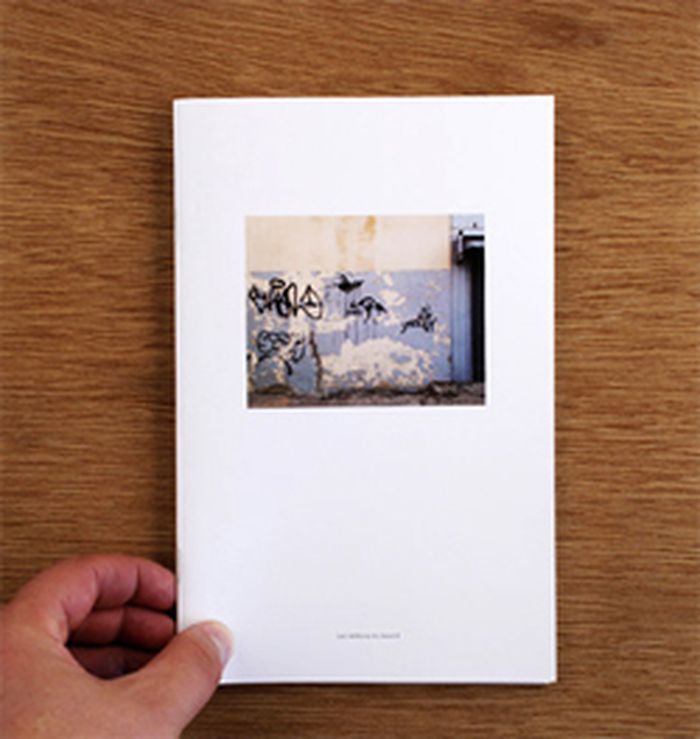
Le livre Ces oiseaux noirs présente un projet photographique explorant le paysage urbain du quartier Saint-Henri à Montréal. Cette exploration prend sa source dans la découverte de certains oiseaux noirs peints sur la surface des murs des rues et ruelles de ce quartier. Marque singulière au milieu des nombreux graffitis présents dans le paysage urbain, la peinture dégoulinante des oiseaux noirs a poussé le photographe Louis Perreault à partir à la recherche de leur créateur. S'en est suivi une quête qui amena le photographe à marcher chaque rue du quartier, photographiant au passage les lieux, les gens et les signes visuels distinctifs du territoire parcouru. Or, alors que la série d’images présente cette quête d'une manière plus ou moins chronologique, un récit de production accompagnant les images vient ajouter un aspect narratif au projet. À mesure que le lecteur découvre les images, il peut aussi suivre le parcours de réflexion suivi par l'artiste. Par cette cohabitation entre le récit et les images à caractère documentaire, Louis désire affirmer que bien que les images puissent « parler par elles-mêmes », elles sont toujours produites dans un contexte participant à la création du sens et de l'interprétation. Ce contexte, ici, devient une partie intégrante du travail, au même titre que les images elles-mêmes. Le récit raconte à la fois le parcours du photographe à travers le quartier, ses rencontres au fil des explorations et le développement d’une réflexion tentant de trouver une manière d’aborder des lieux sans nécessairement en exclure les éléments marginaux et discrets. Ainsi, ce récit oscille entre l’essai et la narration et il constitue, avec les images, un projet de recherche à la fois artistique et intellectuel.
Louis Perreault : Ces oiseaux noirs / Rechercher St-Henri
Actions:
Prix:
$18.75
(disponible sur commande)
Résumé:
Le livre Ces oiseaux noirs présente un projet photographique explorant le paysage urbain du quartier Saint-Henri à Montréal. Cette exploration prend sa source dans la découverte de certains oiseaux noirs peints sur la surface des murs des rues et ruelles de ce quartier. Marque singulière au milieu des nombreux graffitis présents dans le paysage urbain, la peinture dégoulinante des oiseaux noirs a poussé le photographe Louis Perreault à partir à la recherche de leur créateur. S'en est suivi une quête qui amena le photographe à marcher chaque rue du quartier, photographiant au passage les lieux, les gens et les signes visuels distinctifs du territoire parcouru. Or, alors que la série d’images présente cette quête d'une manière plus ou moins chronologique, un récit de production accompagnant les images vient ajouter un aspect narratif au projet. À mesure que le lecteur découvre les images, il peut aussi suivre le parcours de réflexion suivi par l'artiste. Par cette cohabitation entre le récit et les images à caractère documentaire, Louis désire affirmer que bien que les images puissent « parler par elles-mêmes », elles sont toujours produites dans un contexte participant à la création du sens et de l'interprétation. Ce contexte, ici, devient une partie intégrante du travail, au même titre que les images elles-mêmes. Le récit raconte à la fois le parcours du photographe à travers le quartier, ses rencontres au fil des explorations et le développement d’une réflexion tentant de trouver une manière d’aborder des lieux sans nécessairement en exclure les éléments marginaux et discrets. Ainsi, ce récit oscille entre l’essai et la narration et il constitue, avec les images, un projet de recherche à la fois artistique et intellectuel.
Classification:
livres
livres
Publication:
novembre 2012
novembre 2012
Sujet:
Consignation
Consignation
Classification:
livres
livres
Exemplaires:
Description:
312 pages : illustrations (some color) ; 25 cm
Description:
312 pages : illustrations (some color) ; 25 cm
Auteur:
Sujet:
Publication:
New York : Thames & Hudson, 2012.
New York : Thames & Hudson, 2012.
Titre:
Medieval modern : art out of time / Alexander Nagel.
Actions:
Exemplaires:
Description:
312 pages : illustrations (some color) ; 25 cm
Medieval modern : art out of time / Alexander Nagel.
Actions:
Exemplaires:
Description:
312 pages : illustrations (some color) ; 25 cm
Classification:
livres
livres
Publication:
New York : Thames & Hudson, 2012.
New York : Thames & Hudson, 2012.
Auteur:
Sujet:
Classification:
livres
livres
Actions:
Prix:
$33.95
(disponible sur commande)
Résumé:
Intrigued and inspired by the neon beer signs on shopfronts in his San Francisco neighborhood, Bruce Nauman created his first neon piece, "Window or wall sign", in 1967. He wanted, he said, to achieve "an art that would kind of disappear - that was supposed to not quite look like art." Light offered Nauman a medium both elusive and effervescent, but one that could also(...)
$33.95
(disponible sur commande)
Résumé:
Intrigued and inspired by the neon beer signs on shopfronts in his San Francisco neighborhood, Bruce Nauman created his first neon piece, "Window or wall sign", in 1967. He wanted, he said, to achieve "an art that would kind of disappear - that was supposed to not quite look like art." Light offered Nauman a medium both elusive and effervescent, but one that could also(...)
Publication:
janvier 2006, Milwaukee
janvier 2006, Milwaukee
Titre:
Elusive signs : Bruce Nauman works with light
Actions:
Prix:
$33.95
(disponible sur commande)
Résumé:
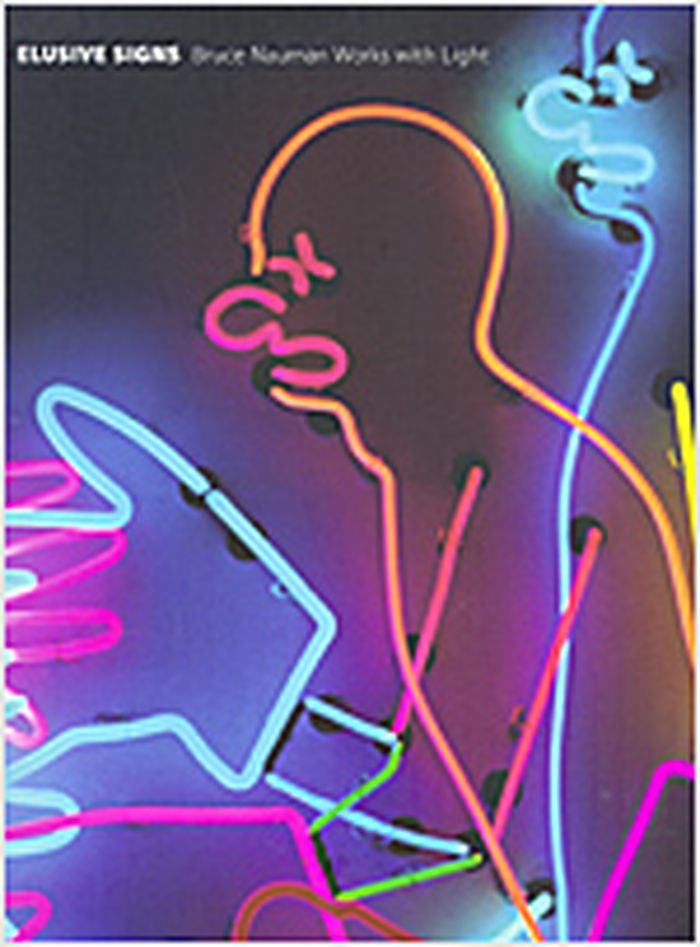
Intrigued and inspired by the neon beer signs on shopfronts in his San Francisco neighborhood, Bruce Nauman created his first neon piece, "Window or wall sign", in 1967. He wanted, he said, to achieve "an art that would kind of disappear - that was supposed to not quite look like art." Light offered Nauman a medium both elusive and effervescent, but one that could also aggressively convey a message. Over the first three decades of his career, Nauman used the medium of light to explore the twists and turns of perception, logic, and meaning with the earnest playfulness that characterizes all his art. "Elusive signs" focuses on the discrete body of Nauman's work that uses neon and fluorescent light in signs and room installations, and includes images of nearly all Nauman's work with light. After "Window or wall sign", Nauman embarked on a series of neons that grappled with the semiotics of body and identity, and with "My name as though it were written on the surface of the moon" (1968), he forces the viewer to contemplate the role of naming in forming identity. Language - signs and symbols - plays an important role in Nauman's art. His later neon works emphasize the neon as a sign, presenting provocative twists of language and offering harsh and humorous sociopolitical commentary in such pieces as "Run from fear, fun from rear" (1972). This series culminates in the monumental, billboard-size "One hundred live and die" (1984), which employs overwhelming scale to bombard the viewer with sardonic aphorisms. In the essays that accompany the images of Nauman's work, Joseph Ketner II of the Milwaukee Art Museum (which originated the exhibit this book accompanies) and critics Janet Kraynak and Gregory Volk analyze the works in light both as a body of work and as an access point to Nauman's entire career.
Elusive signs : Bruce Nauman works with light
Actions:
Prix:
$33.95
(disponible sur commande)
Résumé:
Intrigued and inspired by the neon beer signs on shopfronts in his San Francisco neighborhood, Bruce Nauman created his first neon piece, "Window or wall sign", in 1967. He wanted, he said, to achieve "an art that would kind of disappear - that was supposed to not quite look like art." Light offered Nauman a medium both elusive and effervescent, but one that could also aggressively convey a message. Over the first three decades of his career, Nauman used the medium of light to explore the twists and turns of perception, logic, and meaning with the earnest playfulness that characterizes all his art. "Elusive signs" focuses on the discrete body of Nauman's work that uses neon and fluorescent light in signs and room installations, and includes images of nearly all Nauman's work with light. After "Window or wall sign", Nauman embarked on a series of neons that grappled with the semiotics of body and identity, and with "My name as though it were written on the surface of the moon" (1968), he forces the viewer to contemplate the role of naming in forming identity. Language - signs and symbols - plays an important role in Nauman's art. His later neon works emphasize the neon as a sign, presenting provocative twists of language and offering harsh and humorous sociopolitical commentary in such pieces as "Run from fear, fun from rear" (1972). This series culminates in the monumental, billboard-size "One hundred live and die" (1984), which employs overwhelming scale to bombard the viewer with sardonic aphorisms. In the essays that accompany the images of Nauman's work, Joseph Ketner II of the Milwaukee Art Museum (which originated the exhibit this book accompanies) and critics Janet Kraynak and Gregory Volk analyze the works in light both as a body of work and as an access point to Nauman's entire career.
Classification:
livres
livres
Publication:
janvier 2006, Milwaukee
janvier 2006, Milwaukee
Classification:
livres
livres
Actions:
Prix:
$120.00
(disponible sur commande)
Résumé:
Whether from military necessity or unbridled curiosity, mapmakers since early antiquity have attempted to represent the configuration of the land about them. The Greeks paid homage to the landscape and struck its image on their coins. Medieval scholars viewed the (...)
$120.00
(disponible sur commande)
Résumé:
Whether from military necessity or unbridled curiosity, mapmakers since early antiquity have attempted to represent the configuration of the land about them. The Greeks paid homage to the landscape and struck its image on their coins. Medieval scholars viewed the (...)
Sujet:
Dessin d’architecture
Dessin d’architecture
Publication:
octobre 1999, New York
octobre 1999, New York
Titre:
Infinite perspectives : two thousand years of three-dimensional mapmaking
Actions:
Prix:
$120.00
(disponible sur commande)
Résumé:
Whether from military necessity or unbridled curiosity, mapmakers since early antiquity have attempted to represent the configuration of the land about them. The Greeks paid homage to the landscape and struck its image on their coins. Medieval scholars viewed the highest elevations as a boundary between the physical and the spiritual; the images they created of their sacred shrines and historic sites were drawn atop simple caricatures of mountains. Leonardo da Vinci's maps of Tuscany and other more realistic representations of landforms appeared during the Renaissance, thanks to a wealth of scientific study and new artistic methods. In the modern era, new techniques were invented as attempts to portray the three-dimensional world on a flat surface became more sophisticated. Hachuring, a system that involves shading with fine parallel or crossed lines, was developed with the use of copper plates; contour lines slowly replaced this technique in the nineteenth century. Lithography allowed for the introduction of color to the printing process, and multi-color tints were used to impart a sense of elevation. Aerial and satellite photography and the dawn of the digital era have yielded maps of unprecedented realism; today's computer technology allows planetary surfaces to be portrayed in three dimensions with a precision unimaginable to previous generations of mapmakers. "Infinite Perspectives" traces the artistic and scientific evolution of topographic representation from its origins to the present. Over 80 colour plates of some of the most significant maps ever made detail important advances in the portrayal of three dimensions in map form. The final section of the book contains 20 plates presenting a revolutionary cartographic technique that allows viewers wearing ordinary 3D glasses to view planetary surfaces without distortion. This invention, developed by the authors with Dr. Russell Ambroziak and named Infinite Perspective Projection, is currently in use by NASA and the Department of Defense. Included are maps of Mars, the Grand Canyon, and Mount McKinley, as well as one large fold-out map, suitable for framing; two pairs of the necessary 3D viewing glasses are also provided.
Infinite perspectives : two thousand years of three-dimensional mapmaking
Actions:
Prix:
$120.00
(disponible sur commande)
Résumé:
Whether from military necessity or unbridled curiosity, mapmakers since early antiquity have attempted to represent the configuration of the land about them. The Greeks paid homage to the landscape and struck its image on their coins. Medieval scholars viewed the highest elevations as a boundary between the physical and the spiritual; the images they created of their sacred shrines and historic sites were drawn atop simple caricatures of mountains. Leonardo da Vinci's maps of Tuscany and other more realistic representations of landforms appeared during the Renaissance, thanks to a wealth of scientific study and new artistic methods. In the modern era, new techniques were invented as attempts to portray the three-dimensional world on a flat surface became more sophisticated. Hachuring, a system that involves shading with fine parallel or crossed lines, was developed with the use of copper plates; contour lines slowly replaced this technique in the nineteenth century. Lithography allowed for the introduction of color to the printing process, and multi-color tints were used to impart a sense of elevation. Aerial and satellite photography and the dawn of the digital era have yielded maps of unprecedented realism; today's computer technology allows planetary surfaces to be portrayed in three dimensions with a precision unimaginable to previous generations of mapmakers. "Infinite Perspectives" traces the artistic and scientific evolution of topographic representation from its origins to the present. Over 80 colour plates of some of the most significant maps ever made detail important advances in the portrayal of three dimensions in map form. The final section of the book contains 20 plates presenting a revolutionary cartographic technique that allows viewers wearing ordinary 3D glasses to view planetary surfaces without distortion. This invention, developed by the authors with Dr. Russell Ambroziak and named Infinite Perspective Projection, is currently in use by NASA and the Department of Defense. Included are maps of Mars, the Grand Canyon, and Mount McKinley, as well as one large fold-out map, suitable for framing; two pairs of the necessary 3D viewing glasses are also provided.
Classification:
livres
livres
Publication:
octobre 1999, New York
octobre 1999, New York
Sujet:
Dessin d’architecture
Dessin d’architecture


