


202 Résultats
Classification:
livres
livres
Prix:
$63.00
(disponible sur commande)
Résumé:
This book is a comprehensive investigation into photographic works by artists from the African continent and its diaspora. Taking the politics of the “colonial gaze” as its starting point, Events of the Social looks at the diverse complexity of the nineteenth-century archive through a selection of vintage portraits, cartes de visite, postcards and album pages. Three(...)
$63.00
(disponible sur commande)
Résumé:
This book is a comprehensive investigation into photographic works by artists from the African continent and its diaspora. Taking the politics of the “colonial gaze” as its starting point, Events of the Social looks at the diverse complexity of the nineteenth-century archive through a selection of vintage portraits, cartes de visite, postcards and album pages. Three(...)
Titre:
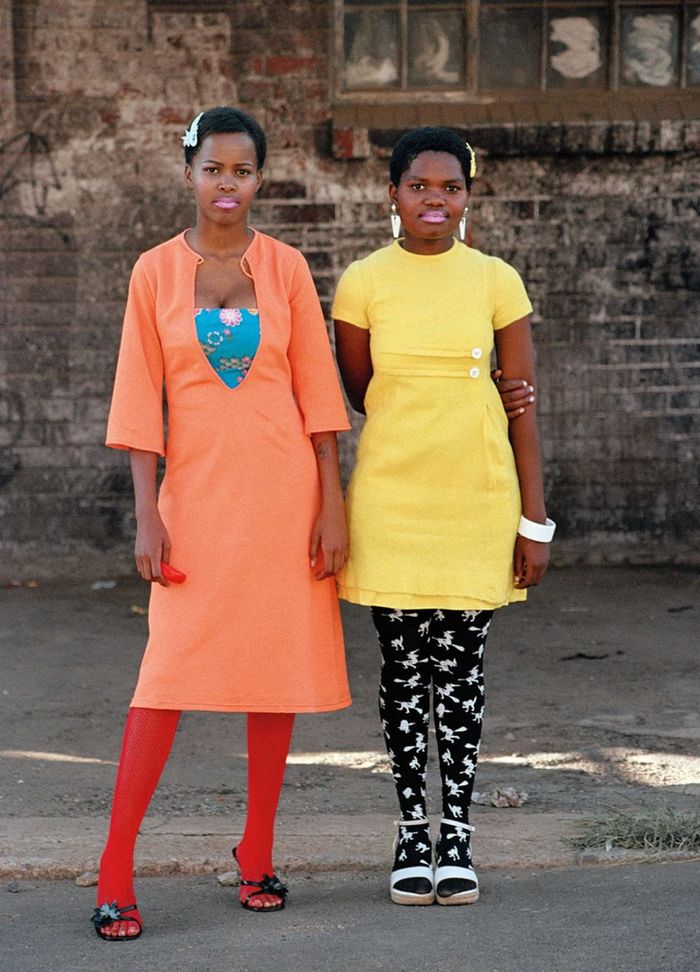
Events of the social: portraiture and collective agency
Actions:
Prix:
$63.00
(disponible sur commande)
Résumé:
This book is a comprehensive investigation into photographic works by artists from the African continent and its diaspora. Taking the politics of the “colonial gaze” as its starting point, Events of the Social looks at the diverse complexity of the nineteenth-century archive through a selection of vintage portraits, cartes de visite, postcards and album pages. Three generations of African artists from the 1940s till now then chart the changing features of African societies through portraiture, exploring notions of the self, gender, sexuality, race, social status and politics. The book also examines landscape and the built environment, showing how architecture and spatial planning convey social order and ideology while reflecting experiences of migration, colonialism, war and industrialization. Another group of artists, born after the mid-1970s, explores issues of social identity, lineage, questions of belonging and personal experiences.
Events of the social: portraiture and collective agency
Actions:
Prix:
$63.00
(disponible sur commande)
Résumé:
This book is a comprehensive investigation into photographic works by artists from the African continent and its diaspora. Taking the politics of the “colonial gaze” as its starting point, Events of the Social looks at the diverse complexity of the nineteenth-century archive through a selection of vintage portraits, cartes de visite, postcards and album pages. Three generations of African artists from the 1940s till now then chart the changing features of African societies through portraiture, exploring notions of the self, gender, sexuality, race, social status and politics. The book also examines landscape and the built environment, showing how architecture and spatial planning convey social order and ideology while reflecting experiences of migration, colonialism, war and industrialization. Another group of artists, born after the mid-1970s, explores issues of social identity, lineage, questions of belonging and personal experiences.
Classification:
livres
livres
Publication:
février 2023
février 2023
Sujet:
Photographie- collections
Photographie- collections
Classification:
livres
livres
Actions:
Prix:
$30.00
(disponible sur commande)
Résumé:
In an era of unprecedented mobility, people can now live and work not only in different places, but even in different countries. Binational Urbanism examines the lifestyle of these people who start a second life in a second city, in a second country, without saying goodbye to their first city. In a uniquely 21st-century diaspora, they live in constant transit between two(...)
$30.00
(disponible sur commande)
Résumé:
In an era of unprecedented mobility, people can now live and work not only in different places, but even in different countries. Binational Urbanism examines the lifestyle of these people who start a second life in a second city, in a second country, without saying goodbye to their first city. In a uniquely 21st-century diaspora, they live in constant transit between two(...)
Titre:
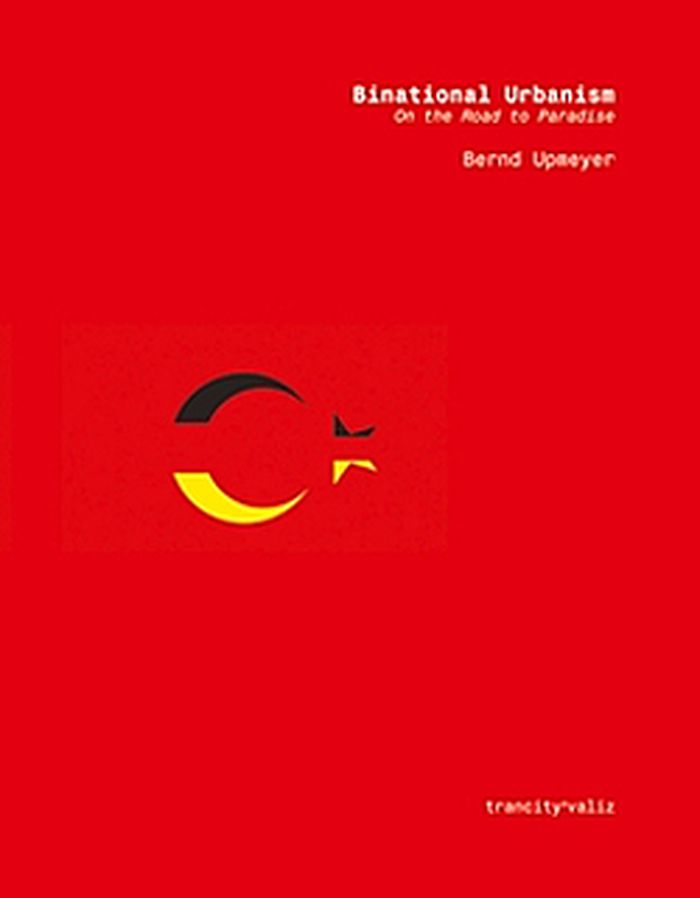
Binational urbanism: on the road to paradise
Actions:
Prix:
$30.00
(disponible sur commande)
Résumé:
In an era of unprecedented mobility, people can now live and work not only in different places, but even in different countries. Binational Urbanism examines the lifestyle of these people who start a second life in a second city, in a second country, without saying goodbye to their first city. In a uniquely 21st-century diaspora, they live in constant transit between two homes and two nations. "Binational urbanists" come from all strata of society, from the working class to the highly educated and cosmopolitan creative classes. For this volume, German architect Bernd Upmeyer interviewed people of Turkish origin living in Germany who commute regularly between cities in Germany and Turkey. From these interviews the author develops a theory of binational urbanism, concluding that it has the potential to become one of the most interesting forms of life in the 21st century.
Binational urbanism: on the road to paradise
Actions:
Prix:
$30.00
(disponible sur commande)
Résumé:
In an era of unprecedented mobility, people can now live and work not only in different places, but even in different countries. Binational Urbanism examines the lifestyle of these people who start a second life in a second city, in a second country, without saying goodbye to their first city. In a uniquely 21st-century diaspora, they live in constant transit between two homes and two nations. "Binational urbanists" come from all strata of society, from the working class to the highly educated and cosmopolitan creative classes. For this volume, German architect Bernd Upmeyer interviewed people of Turkish origin living in Germany who commute regularly between cities in Germany and Turkey. From these interviews the author develops a theory of binational urbanism, concluding that it has the potential to become one of the most interesting forms of life in the 21st century.
Classification:
livres
livres
Publication:
juillet 2015
juillet 2015
Sujet:
Théorie de l’urbanisme
Théorie de l’urbanisme
Classification:
livres
livres

Titre:
Among a sea of influences
Among a sea of influences
Actions:
Prix:
$27.00
(disponible en magasin)
Résumé:
This publication documents a series of workshops and conversations hosted by Wendy’s Subway and organized by English-Arabic bilingual magazine Makzhin editor Mirene Arsanios on questions of formative literary influences. Three female Arab writers were invited to choose and discuss ten books that shaped their understanding of poetry and translation. Notwithstanding the(...)
$27.00
(disponible en magasin)
Résumé:
This publication documents a series of workshops and conversations hosted by Wendy’s Subway and organized by English-Arabic bilingual magazine Makzhin editor Mirene Arsanios on questions of formative literary influences. Three female Arab writers were invited to choose and discuss ten books that shaped their understanding of poetry and translation. Notwithstanding the(...)
Titre:
Among a sea of influences
Actions:
Prix:
$27.00
(disponible en magasin)
Résumé:
This publication documents a series of workshops and conversations hosted by Wendy’s Subway and organized by English-Arabic bilingual magazine Makzhin editor Mirene Arsanios on questions of formative literary influences. Three female Arab writers were invited to choose and discuss ten books that shaped their understanding of poetry and translation. Notwithstanding the difficulty of the task, Marwa Helal, Mona Kareem, and Iman Mersal played along, selecting—among a sea of influences—authors and/or translators whose works were key to their own practice, and to their embodied understanding of what it means to write in Arabic from a female perspective. Asking what kind of writings are/were available to them, and which books or translations unseated their understanding of the world, Helal, Kareem, and Mersal discuss writing within the diaspora and across borders, radical publishing and translation networks, cultural and linguistic translation, vernacular language as resistance, and more.
Among a sea of influences
Actions:
Prix:
$27.00
(disponible en magasin)
Résumé:
This publication documents a series of workshops and conversations hosted by Wendy’s Subway and organized by English-Arabic bilingual magazine Makzhin editor Mirene Arsanios on questions of formative literary influences. Three female Arab writers were invited to choose and discuss ten books that shaped their understanding of poetry and translation. Notwithstanding the difficulty of the task, Marwa Helal, Mona Kareem, and Iman Mersal played along, selecting—among a sea of influences—authors and/or translators whose works were key to their own practice, and to their embodied understanding of what it means to write in Arabic from a female perspective. Asking what kind of writings are/were available to them, and which books or translations unseated their understanding of the world, Helal, Kareem, and Mersal discuss writing within the diaspora and across borders, radical publishing and translation networks, cultural and linguistic translation, vernacular language as resistance, and more.
Classification:
livres
livres
Publication:
juin 2021
juin 2021
Sujet:
Littérature et poésie
Littérature et poésie
Classification:
livres
livres
Titre:
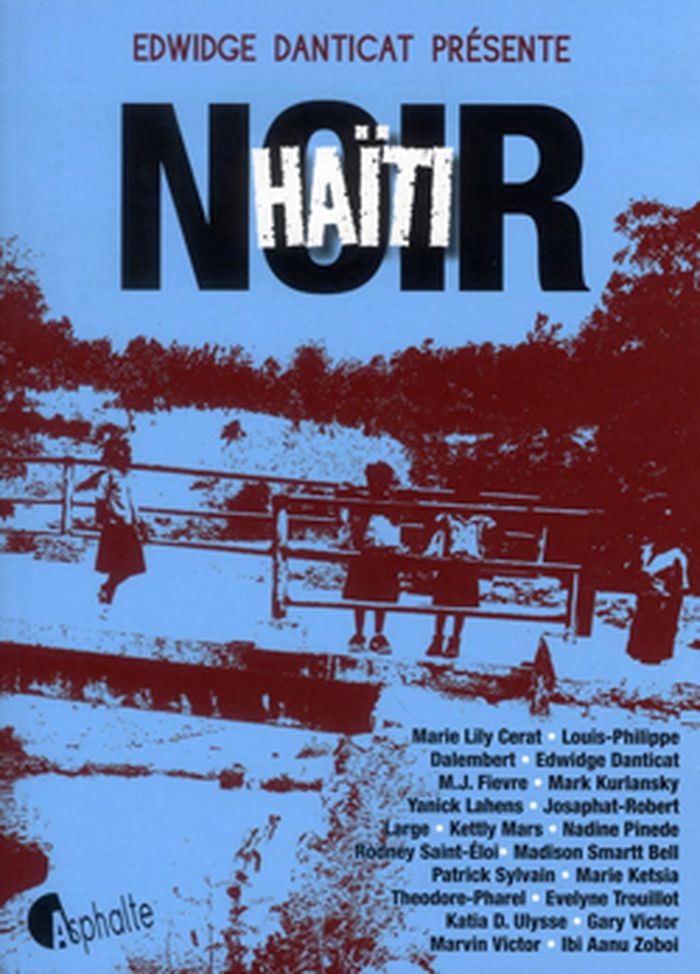
Haiti noir
Haiti noir
Actions:
Prix:
$35.95
(disponible sur commande)
Résumé:
Tragiquement connue pour son histoire violente et chaotique, ainsi que pour la catastrophe qui l'a frappé en 2010, Haïti est le pays le plus pauvre des Amériques - et l'un des plus riches sur le plan littéraire. Cette anthologie de dix-huit nouvelles, projet lancé avant le tremblement de terre, réaffirme le talent des auteurs contemporains haïtiens, qu'ils vivent sur(...)
$35.95
(disponible sur commande)
Résumé:
Tragiquement connue pour son histoire violente et chaotique, ainsi que pour la catastrophe qui l'a frappé en 2010, Haïti est le pays le plus pauvre des Amériques - et l'un des plus riches sur le plan littéraire. Cette anthologie de dix-huit nouvelles, projet lancé avant le tremblement de terre, réaffirme le talent des auteurs contemporains haïtiens, qu'ils vivent sur(...)
Titre:
Haiti noir
Actions:
Prix:
$35.95
(disponible sur commande)
Résumé:
Tragiquement connue pour son histoire violente et chaotique, ainsi que pour la catastrophe qui l'a frappé en 2010, Haïti est le pays le plus pauvre des Amériques - et l'un des plus riches sur le plan littéraire. Cette anthologie de dix-huit nouvelles, projet lancé avant le tremblement de terre, réaffirme le talent des auteurs contemporains haïtiens, qu'ils vivent sur place ou qu'ils soient issus de la diaspora, sur un terrain où ils ne sont pas forcément attendus : le genre noir. Sont représentés des auteurs aussi bien francophones qu'anglophones. Edwidge Danticat est née en Haïti en 1969. À l'âge de douze ans, elle part pour les États-Unis et rejoint ses parents à Brooklyn. Auteur de romans, d'essais, de nouvelles et de livres pour la jeunesse, elle a été récompensée par le National Book Critics Circle Award pour son livre Adieu mon frère. Son dernier texte publié est un essai sur l'artiste immigrant : Créer dangereusement.
Haiti noir
Actions:
Prix:
$35.95
(disponible sur commande)
Résumé:
Tragiquement connue pour son histoire violente et chaotique, ainsi que pour la catastrophe qui l'a frappé en 2010, Haïti est le pays le plus pauvre des Amériques - et l'un des plus riches sur le plan littéraire. Cette anthologie de dix-huit nouvelles, projet lancé avant le tremblement de terre, réaffirme le talent des auteurs contemporains haïtiens, qu'ils vivent sur place ou qu'ils soient issus de la diaspora, sur un terrain où ils ne sont pas forcément attendus : le genre noir. Sont représentés des auteurs aussi bien francophones qu'anglophones. Edwidge Danticat est née en Haïti en 1969. À l'âge de douze ans, elle part pour les États-Unis et rejoint ses parents à Brooklyn. Auteur de romans, d'essais, de nouvelles et de livres pour la jeunesse, elle a été récompensée par le National Book Critics Circle Award pour son livre Adieu mon frère. Son dernier texte publié est un essai sur l'artiste immigrant : Créer dangereusement.
Classification:
livres
livres
Publication:
janvier 2013
janvier 2013
Sujet:
Guides des villes
Guides des villes
Classification:
livres
livres
Titre:
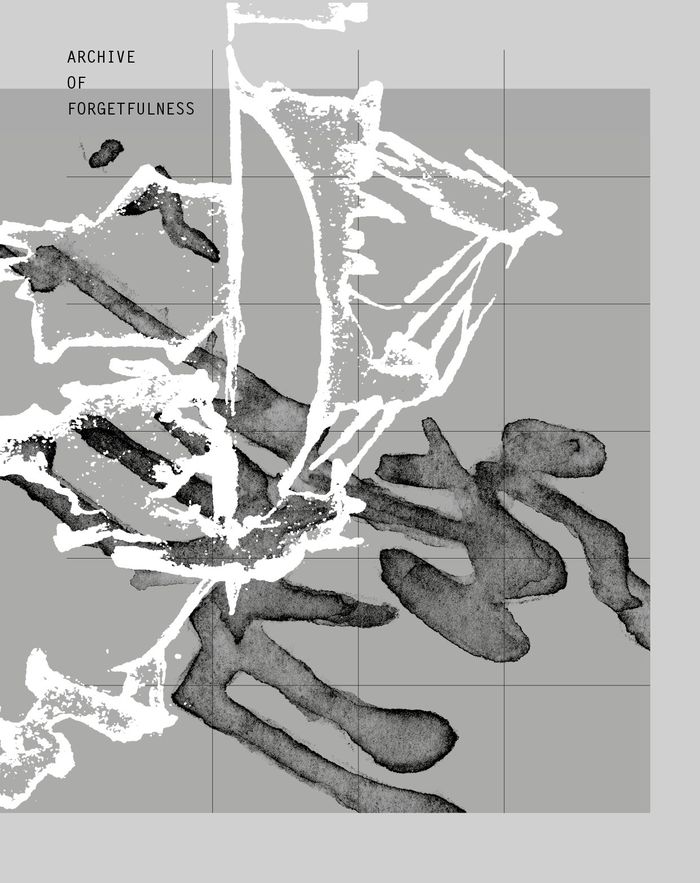
Archive of forgetfulness
Archive of forgetfulness
Actions:
Prix:
$42.00
(disponible en magasin)
Résumé:
''Archive of Forgetfulness'' is a catalogue of the pan-African digital exhibition and podcast series which ran from September 2020 and December 2021 at archiveofforgetfulness.com. The publication acts as a physical translation of the collection of work online, and opens up wider questions around archives, memory and forgetfulness. The project includes the work of(...)
$42.00
(disponible en magasin)
Résumé:
''Archive of Forgetfulness'' is a catalogue of the pan-African digital exhibition and podcast series which ran from September 2020 and December 2021 at archiveofforgetfulness.com. The publication acts as a physical translation of the collection of work online, and opens up wider questions around archives, memory and forgetfulness. The project includes the work of(...)
Titre:
Archive of forgetfulness
Actions:
Prix:
$42.00
(disponible en magasin)
Résumé:
''Archive of Forgetfulness'' is a catalogue of the pan-African digital exhibition and podcast series which ran from September 2020 and December 2021 at archiveofforgetfulness.com. The publication acts as a physical translation of the collection of work online, and opens up wider questions around archives, memory and forgetfulness. The project includes the work of fifty-six artists, cultural producers, curators, creative thinkers and researchers from the African continent and diaspora. The catalogue speaks to the four parts of this larger project, namely an eight-part podcast series, twenty-two art works submitted in response to an open call, five essays and six regionally curated projects. As a collection of work centred on the African continent, the various contributors interrogate archival gestures, raise questions on personal and political histories that emerge via infrastructures of mobility, and suggest ways of living and remembering for alternative possible futures. In these works, archival labour and memory work are understood as deeply political, personal and speculative.
Archive of forgetfulness
Actions:
Prix:
$42.00
(disponible en magasin)
Résumé:
''Archive of Forgetfulness'' is a catalogue of the pan-African digital exhibition and podcast series which ran from September 2020 and December 2021 at archiveofforgetfulness.com. The publication acts as a physical translation of the collection of work online, and opens up wider questions around archives, memory and forgetfulness. The project includes the work of fifty-six artists, cultural producers, curators, creative thinkers and researchers from the African continent and diaspora. The catalogue speaks to the four parts of this larger project, namely an eight-part podcast series, twenty-two art works submitted in response to an open call, five essays and six regionally curated projects. As a collection of work centred on the African continent, the various contributors interrogate archival gestures, raise questions on personal and political histories that emerge via infrastructures of mobility, and suggest ways of living and remembering for alternative possible futures. In these works, archival labour and memory work are understood as deeply political, personal and speculative.
Classification:
livres
livres
Publication:
juin 2023
juin 2023
Sujet:
Architecture contemporaine
Architecture contemporaine
Classification:
livres
livres

Titre:
They laid the foundation
They laid the foundation
Actions:
Prix:
$48.00
(disponible en magasin)
Résumé:
Beginning in the 1920s, and especially after the Nazis introduced the Nuremberg Race Laws in the 1930s, more than 130 Jewish architects chose to leave their native Germany and begin afresh in Palestine. Many of them, including Alex Baerwald and Harry Rosenthal, left behind significant buildings that were already central to the urban image of Berlin. Nevertheless, upon(...)
$48.00
(disponible en magasin)
Résumé:
Beginning in the 1920s, and especially after the Nazis introduced the Nuremberg Race Laws in the 1930s, more than 130 Jewish architects chose to leave their native Germany and begin afresh in Palestine. Many of them, including Alex Baerwald and Harry Rosenthal, left behind significant buildings that were already central to the urban image of Berlin. Nevertheless, upon(...)
Publication:
septembre 2007, New York
septembre 2007, New York
Titre:
They laid the foundation
Actions:
Prix:
$48.00
(disponible en magasin)
Résumé:
Beginning in the 1920s, and especially after the Nazis introduced the Nuremberg Race Laws in the 1930s, more than 130 Jewish architects chose to leave their native Germany and begin afresh in Palestine. Many of them, including Alex Baerwald and Harry Rosenthal, left behind significant buildings that were already central to the urban image of Berlin. Nevertheless, upon arriving in their new desert home, completely unaccustomed to the climate, the culture or the language, these Bauhaus-era repatriates set about laying the foundations of a new society with amazing vigor. This volume, assembled by the Israeli architect Myra Warhaftig, provides comprehensive documentation of works by this first generation of Jewish-Palestinean architects, including kibbutzim, villages and cities with housing developments, hospitals, schools, universities, theaters, administrative buildings, etc. It also includes documentation of the lives and works of many of the most entrepreneurial individuals to escape in the diaspora, who, along with their descendents, laid the foundations of modern-day Israel.
They laid the foundation
Actions:
Prix:
$48.00
(disponible en magasin)
Résumé:
Beginning in the 1920s, and especially after the Nazis introduced the Nuremberg Race Laws in the 1930s, more than 130 Jewish architects chose to leave their native Germany and begin afresh in Palestine. Many of them, including Alex Baerwald and Harry Rosenthal, left behind significant buildings that were already central to the urban image of Berlin. Nevertheless, upon arriving in their new desert home, completely unaccustomed to the climate, the culture or the language, these Bauhaus-era repatriates set about laying the foundations of a new society with amazing vigor. This volume, assembled by the Israeli architect Myra Warhaftig, provides comprehensive documentation of works by this first generation of Jewish-Palestinean architects, including kibbutzim, villages and cities with housing developments, hospitals, schools, universities, theaters, administrative buildings, etc. It also includes documentation of the lives and works of many of the most entrepreneurial individuals to escape in the diaspora, who, along with their descendents, laid the foundations of modern-day Israel.
Classification:
livres
livres
Publication:
septembre 2007, New York
septembre 2007, New York
Classification:
livres
livres
Titre:
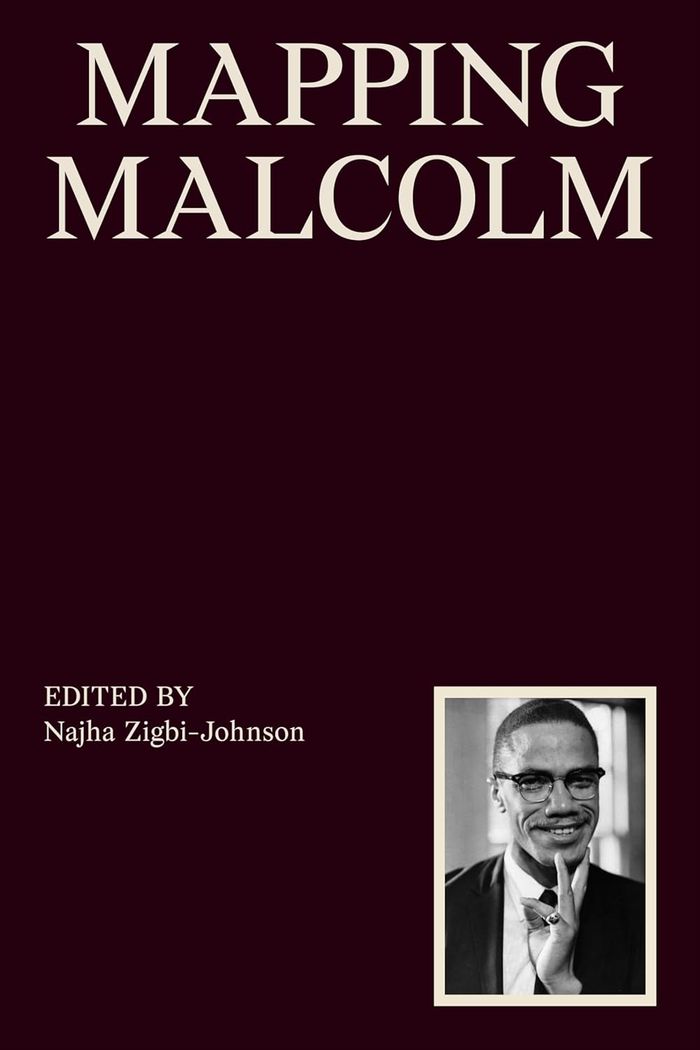
Mapping Malcolm
Mapping Malcolm
Actions:
Prix:
$38.00
(disponible en magasin)
Résumé:
"For Harlem is where he worked and where he struggled and fought—his home of homes, where his heart was, and where his people are." Nearly sixty years since the martyrdom of Malcolm X, these words from Ossie Davis’s eulogy remind us that Malcolm’s political and religious beliefs and conceptions of culture have profoundly shaped and been shaped by Harlem. "Mapping Malcolm"(...)
$38.00
(disponible en magasin)
Résumé:
"For Harlem is where he worked and where he struggled and fought—his home of homes, where his heart was, and where his people are." Nearly sixty years since the martyrdom of Malcolm X, these words from Ossie Davis’s eulogy remind us that Malcolm’s political and religious beliefs and conceptions of culture have profoundly shaped and been shaped by Harlem. "Mapping Malcolm"(...)
Titre:
Mapping Malcolm
Actions:
Prix:
$38.00
(disponible en magasin)
Résumé:
"For Harlem is where he worked and where he struggled and fought—his home of homes, where his heart was, and where his people are." Nearly sixty years since the martyrdom of Malcolm X, these words from Ossie Davis’s eulogy remind us that Malcolm’s political and religious beliefs and conceptions of culture have profoundly shaped and been shaped by Harlem. "Mapping Malcolm" continues the project of reinscribing Malcolm X’s memory and legacy in the present by exploring his commitment to community building and his articulation of a global power analysis as it continues to manifest across New York City today. More specifically, the book explores the limits and possibilities of the archive, the political, material, and philosophical legacy of the Black radical tradition, the Black diaspora, and the state. Oriented toward sovereignty and liberation, ''Mapping Malcolm'' brings together artists, community organizers, and scholars to consider the politics of Black space-making in Harlem through a range of historical, cultural, and anti-imperialist worldviews designed to offer new, reparatory pedagogical possibilities. Together, they reconfigure how we understand, employ, and carry forward Malcolm X’s sociopolitical, cross-cultural analyses of justice and power as an everyday praxis in the built environment and beyond.
Mapping Malcolm
Actions:
Prix:
$38.00
(disponible en magasin)
Résumé:
"For Harlem is where he worked and where he struggled and fought—his home of homes, where his heart was, and where his people are." Nearly sixty years since the martyrdom of Malcolm X, these words from Ossie Davis’s eulogy remind us that Malcolm’s political and religious beliefs and conceptions of culture have profoundly shaped and been shaped by Harlem. "Mapping Malcolm" continues the project of reinscribing Malcolm X’s memory and legacy in the present by exploring his commitment to community building and his articulation of a global power analysis as it continues to manifest across New York City today. More specifically, the book explores the limits and possibilities of the archive, the political, material, and philosophical legacy of the Black radical tradition, the Black diaspora, and the state. Oriented toward sovereignty and liberation, ''Mapping Malcolm'' brings together artists, community organizers, and scholars to consider the politics of Black space-making in Harlem through a range of historical, cultural, and anti-imperialist worldviews designed to offer new, reparatory pedagogical possibilities. Together, they reconfigure how we understand, employ, and carry forward Malcolm X’s sociopolitical, cross-cultural analyses of justice and power as an everyday praxis in the built environment and beyond.
Classification:
livres
livres
Publication:
mai 2024
mai 2024
Sujet:
Social
Social
Classification:
livres
livres
Actions:
Prix:
$44.95
(disponible sur commande)
Résumé:
Modelling Time: The Permanent Collection 1925–2014 chronicles the exhibition Model as Ruin at the House of Artists in Oslo, November 1 – December 15, 2013. Together with master students from the Oslo School of Architecture and Design, Mari Hvattum and Mari Lending brought a unique, modernist model collection out of the archives, re-exhibiting it at the venue that once(...)
$44.95
(disponible sur commande)
Résumé:
Modelling Time: The Permanent Collection 1925–2014 chronicles the exhibition Model as Ruin at the House of Artists in Oslo, November 1 – December 15, 2013. Together with master students from the Oslo School of Architecture and Design, Mari Hvattum and Mari Lending brought a unique, modernist model collection out of the archives, re-exhibiting it at the venue that once(...)
Titre:
Modelling time: the permanent collection 1925-2014
Actions:
Prix:
$44.95
(disponible sur commande)
Résumé:
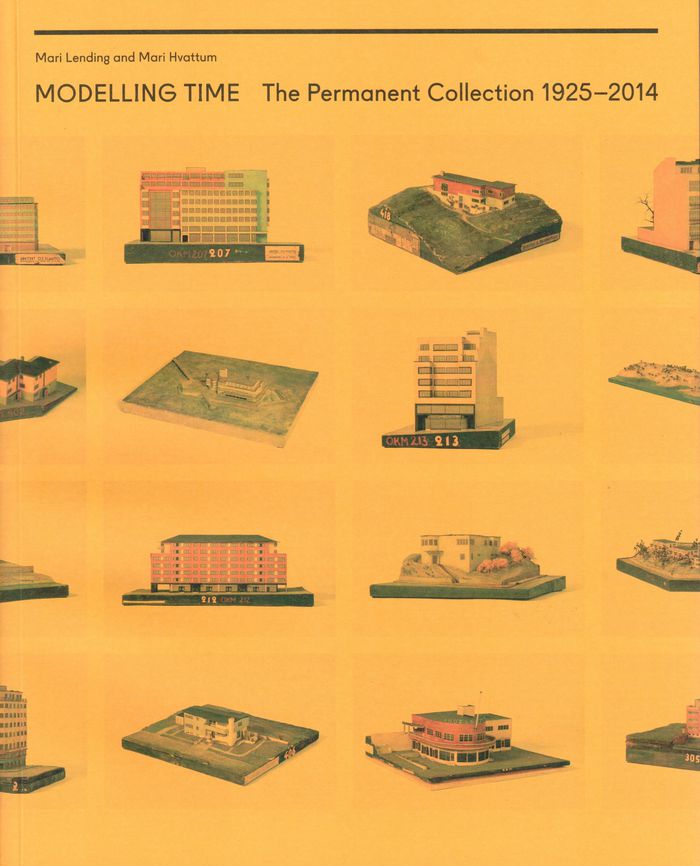
Modelling Time: The Permanent Collection 1925–2014 chronicles the exhibition Model as Ruin at the House of Artists in Oslo, November 1 – December 15, 2013. Together with master students from the Oslo School of Architecture and Design, Mari Hvattum and Mari Lending brought a unique, modernist model collection out of the archives, re-exhibiting it at the venue that once hosted its biggest ever display in 1931. The collection testifies to a different modernism; not white and austere but colourful, diverse, and full of detail. Modelling Time gives an in-depth portrayal of the so-called ‘Permanent Collection’ of Norwegian scale models, photographs and drawings, tracing its international trajectory of exhibitions from Brussels in 1927 to its last appearance at the World’s Fair in New York in 1939. The book documents the collection’s heydays as part of a vivid international modernist culture, as well as its archival diaspora as it falls into oblivion after WWII. In an extensive, archive-based essay editors Lending and Hvattum give the full context of the collection, while Juliane Derry and Jorge Otero-Pailos look into the models’ materiality and issues of decay. Model scholars and architecture curators Barry Bergdoll, Carson Chan, Pippo Ciorra, Oliver Elser, Juliet Koss, Andres Lepik, Adam Lowe, Wallis Miller, Jorge Otero-Pailos, Léa-Catherine Szacka, and Victor Plathe Tschudi presents a variety of perspectives inspired by the Oslo collection.
Modelling time: the permanent collection 1925-2014
Actions:
Prix:
$44.95
(disponible sur commande)
Résumé:
Modelling Time: The Permanent Collection 1925–2014 chronicles the exhibition Model as Ruin at the House of Artists in Oslo, November 1 – December 15, 2013. Together with master students from the Oslo School of Architecture and Design, Mari Hvattum and Mari Lending brought a unique, modernist model collection out of the archives, re-exhibiting it at the venue that once hosted its biggest ever display in 1931. The collection testifies to a different modernism; not white and austere but colourful, diverse, and full of detail. Modelling Time gives an in-depth portrayal of the so-called ‘Permanent Collection’ of Norwegian scale models, photographs and drawings, tracing its international trajectory of exhibitions from Brussels in 1927 to its last appearance at the World’s Fair in New York in 1939. The book documents the collection’s heydays as part of a vivid international modernist culture, as well as its archival diaspora as it falls into oblivion after WWII. In an extensive, archive-based essay editors Lending and Hvattum give the full context of the collection, while Juliane Derry and Jorge Otero-Pailos look into the models’ materiality and issues of decay. Model scholars and architecture curators Barry Bergdoll, Carson Chan, Pippo Ciorra, Oliver Elser, Juliet Koss, Andres Lepik, Adam Lowe, Wallis Miller, Jorge Otero-Pailos, Léa-Catherine Szacka, and Victor Plathe Tschudi presents a variety of perspectives inspired by the Oslo collection.
Classification:
livres
livres
Publication:
octobre 2016
octobre 2016
Sujet:
Maquettes
Maquettes
Classification:
livres
livres
Actions:
Prix:
$60.00
(disponible en magasin)
Résumé:
The concepts of "Indonesian architecture" and "architecture in Indonesia" are both quite difficult to pin down. For the architecture of this small country incorporates influences from many important cultures--from India, China and the Middle East to countries in the West--and is therefore extremely multifaceted. In fact, one might reasonably ask whether a "real"(...)
$60.00
(disponible en magasin)
Résumé:
The concepts of "Indonesian architecture" and "architecture in Indonesia" are both quite difficult to pin down. For the architecture of this small country incorporates influences from many important cultures--from India, China and the Middle East to countries in the West--and is therefore extremely multifaceted. In fact, one might reasonably ask whether a "real"(...)
Publication:
juillet 2007, Rotterdam
juillet 2007, Rotterdam
Titre:
The past in the present : Architecture in Indonesia
Actions:
Prix:
$60.00
(disponible en magasin)
Résumé:
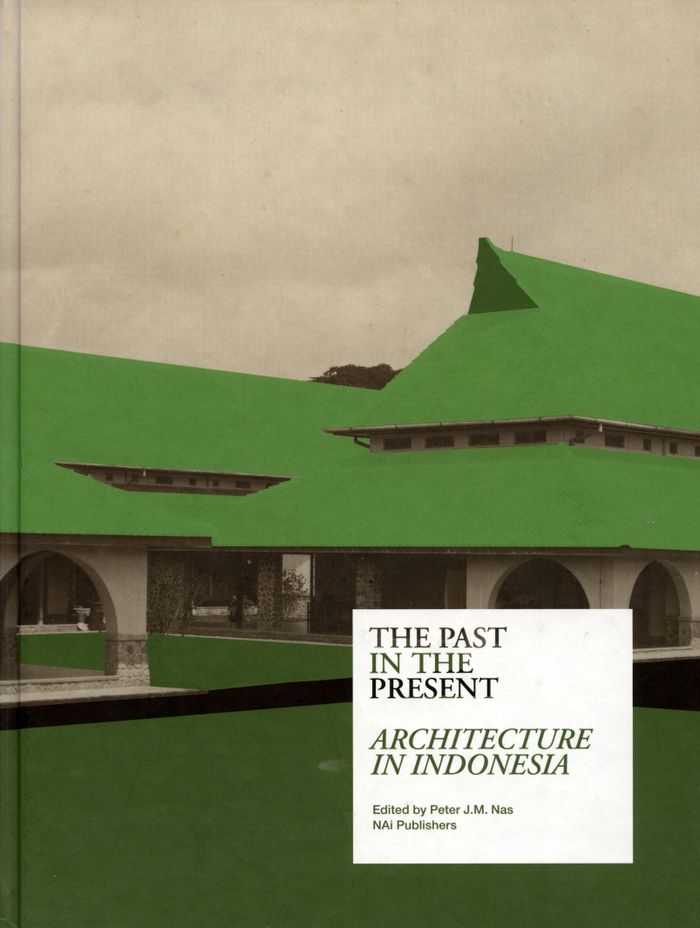
The concepts of "Indonesian architecture" and "architecture in Indonesia" are both quite difficult to pin down. For the architecture of this small country incorporates influences from many important cultures--from India, China and the Middle East to countries in the West--and is therefore extremely multifaceted. In fact, one might reasonably ask whether a "real" Indonesian architecture actually exists, even with reference to the country's vernacular work, which is highly diverse from an ethnic perspective in and of itself. The quest for an authentic Indonesian architecture has in fact been the subject of debate among architects there for many years, especially in regards to the work has been exported to other countries--in particular, its former colonizer, the Netherlands. (In fact, there is even a name for the hybrid style that originated during that era: Indische).This very nicely designed collection of illustrated essays, which features a special section of pictures and drawings of colonial architecture, provides a real sense of the diversity of building in modern-day Indonesia--while at the same time recognizing that such a perspective cannot be productive without taking history into account. With chapters on Modern Indonesian architecture, vernacular traditions, mosques, the effect of the Chinese diaspora, hybrid historic/contemporary Balinese architecture, the colonial period, Indische architecture and Art Deco and more, this publication provides an amazing overview and a long-overdue investigation of Indische work. Preface by Aaron Betsky.
The past in the present : Architecture in Indonesia
Actions:
Prix:
$60.00
(disponible en magasin)
Résumé:
The concepts of "Indonesian architecture" and "architecture in Indonesia" are both quite difficult to pin down. For the architecture of this small country incorporates influences from many important cultures--from India, China and the Middle East to countries in the West--and is therefore extremely multifaceted. In fact, one might reasonably ask whether a "real" Indonesian architecture actually exists, even with reference to the country's vernacular work, which is highly diverse from an ethnic perspective in and of itself. The quest for an authentic Indonesian architecture has in fact been the subject of debate among architects there for many years, especially in regards to the work has been exported to other countries--in particular, its former colonizer, the Netherlands. (In fact, there is even a name for the hybrid style that originated during that era: Indische).This very nicely designed collection of illustrated essays, which features a special section of pictures and drawings of colonial architecture, provides a real sense of the diversity of building in modern-day Indonesia--while at the same time recognizing that such a perspective cannot be productive without taking history into account. With chapters on Modern Indonesian architecture, vernacular traditions, mosques, the effect of the Chinese diaspora, hybrid historic/contemporary Balinese architecture, the colonial period, Indische architecture and Art Deco and more, this publication provides an amazing overview and a long-overdue investigation of Indische work. Preface by Aaron Betsky.
Classification:
livres
livres
Publication:
juillet 2007, Rotterdam
juillet 2007, Rotterdam
Classification:
livres
livres

Titre:
Vanishing British Columbia
Vanishing British Columbia
Actions:
Prix:
$39.95
(disponible sur commande)
Résumé:
The old buildings and historic places of British Columbia form a kind of “roadside memory,” a tangible link with stories of settlement, change, and abandonment that reflect the great themes of our history. With small towns declining and old rural properties changing, so little of the history of these places has been recorded in museums or archives, and so much of it may(...)
$39.95
(disponible sur commande)
Résumé:
The old buildings and historic places of British Columbia form a kind of “roadside memory,” a tangible link with stories of settlement, change, and abandonment that reflect the great themes of our history. With small towns declining and old rural properties changing, so little of the history of these places has been recorded in museums or archives, and so much of it may(...)
Sujet:
Architecture du Canada
Architecture du Canada
Publication:
octobre 2005, Vancouver Toronto Seattle
octobre 2005, Vancouver Toronto Seattle
Titre:
Vanishing British Columbia
Actions:
Prix:
$39.95
(disponible sur commande)
Résumé:
The old buildings and historic places of British Columbia form a kind of “roadside memory,” a tangible link with stories of settlement, change, and abandonment that reflect the great themes of our history. With small towns declining and old rural properties changing, so little of the history of these places has been recorded in museums or archives, and so much of it may disappear as families disperse and memories dim. More than a decade ago, Michael Kluckner began painting these dots on his personal map of the province in a watercolour sketchbook. In 1999, after he put a few of the sketches on his website, a network of correspondents emerged that eventually led him to the family letters, photo albums, and memories – all from a disappearing era of the province. Vanishing British Columbia is a record of these places and the stories they tell. It combines engaging and insightful historical commentary with over 160 of the author’s original paintings. It has an exceptional assortment of historic imagery, including old postcards, architectural plans, and photographs. The study of roadside memory demonstrates the visceral connection that people, especially those who are part of the rural-to-urban diaspora of modern times, have for the sites of their family memories. On a grander scale this approach leads to a broader understanding of more abstract historical themes and of the province’s history and culture. It also presents a compelling argument for stewardship of regional history in the face of urbanization and globalization.
Vanishing British Columbia
Actions:
Prix:
$39.95
(disponible sur commande)
Résumé:
The old buildings and historic places of British Columbia form a kind of “roadside memory,” a tangible link with stories of settlement, change, and abandonment that reflect the great themes of our history. With small towns declining and old rural properties changing, so little of the history of these places has been recorded in museums or archives, and so much of it may disappear as families disperse and memories dim. More than a decade ago, Michael Kluckner began painting these dots on his personal map of the province in a watercolour sketchbook. In 1999, after he put a few of the sketches on his website, a network of correspondents emerged that eventually led him to the family letters, photo albums, and memories – all from a disappearing era of the province. Vanishing British Columbia is a record of these places and the stories they tell. It combines engaging and insightful historical commentary with over 160 of the author’s original paintings. It has an exceptional assortment of historic imagery, including old postcards, architectural plans, and photographs. The study of roadside memory demonstrates the visceral connection that people, especially those who are part of the rural-to-urban diaspora of modern times, have for the sites of their family memories. On a grander scale this approach leads to a broader understanding of more abstract historical themes and of the province’s history and culture. It also presents a compelling argument for stewardship of regional history in the face of urbanization and globalization.
Classification:
livres
livres
Publication:
octobre 2005, Vancouver Toronto Seattle
octobre 2005, Vancouver Toronto Seattle
Sujet:
Architecture du Canada
Architecture du Canada


