


299 Résultats
Classification:
livres
livres

Prix:
$31.50
(disponible sur commande)
Résumé:
From Street Scene and Breakfast at Tiffany's to Rosemary's Baby, The Warriors, and 25th Hour , the sixteen essays in this book explore the cinematic representation of New York as a city of experience, as a locus of ideographic characters and spaces, as a city of moves and traps, and as a site of allurement and danger. Contributors consider the work of Woody Allen, Blake(...)
$31.50
(disponible sur commande)
Résumé:
From Street Scene and Breakfast at Tiffany's to Rosemary's Baby, The Warriors, and 25th Hour , the sixteen essays in this book explore the cinematic representation of New York as a city of experience, as a locus of ideographic characters and spaces, as a city of moves and traps, and as a site of allurement and danger. Contributors consider the work of Woody Allen, Blake(...)
Publication:
juillet 2007, New Brunswick New Jersey London
juillet 2007, New Brunswick New Jersey London
Titre:
City that never sleeps: New York and the filmic imagination
Actions:
Prix:
$31.50
(disponible sur commande)
Résumé:
From Street Scene and Breakfast at Tiffany's to Rosemary's Baby, The Warriors, and 25th Hour , the sixteen essays in this book explore the cinematic representation of New York as a city of experience, as a locus of ideographic characters and spaces, as a city of moves and traps, and as a site of allurement and danger. Contributors consider the work of Woody Allen, Blake Edwards, Alfred Hitchcock, Gregory La Cava, Spike Lee, Sidney Lumet, Vincente Minnelli, Roman Polanski, Martin Scorsese, Andy Warhol, and numerous others.
City that never sleeps: New York and the filmic imagination
Actions:
Prix:
$31.50
(disponible sur commande)
Résumé:
From Street Scene and Breakfast at Tiffany's to Rosemary's Baby, The Warriors, and 25th Hour , the sixteen essays in this book explore the cinematic representation of New York as a city of experience, as a locus of ideographic characters and spaces, as a city of moves and traps, and as a site of allurement and danger. Contributors consider the work of Woody Allen, Blake Edwards, Alfred Hitchcock, Gregory La Cava, Spike Lee, Sidney Lumet, Vincente Minnelli, Roman Polanski, Martin Scorsese, Andy Warhol, and numerous others.
Classification:
livres
livres
Publication:
juillet 2007, New Brunswick New Jersey London
juillet 2007, New Brunswick New Jersey London
Classification:
livres
livres
Prix:
$35.95
(disponible sur commande)
Résumé:
The city is one of the greatest unsung heroes in cinema -- a modernist inspiration for silent classics such as Metropolis (1926) and a dense urban jungle in The Matrix (1999) -- yet there have been few attempts to grasp the cultural and aesthetic nature of its role in film. This volume is an ambitious collection of writings and photo-essays discussing this complex yet(...)
$35.95
(disponible sur commande)
Résumé:
The city is one of the greatest unsung heroes in cinema -- a modernist inspiration for silent classics such as Metropolis (1926) and a dense urban jungle in The Matrix (1999) -- yet there have been few attempts to grasp the cultural and aesthetic nature of its role in film. This volume is an ambitious collection of writings and photo-essays discussing this complex yet(...)
Publication:
août 2008, London, New York
août 2008, London, New York
Titre:
Cities in transition: the moving image and the modern metropolis
Actions:
Prix:
$35.95
(disponible sur commande)
Résumé:
The city is one of the greatest unsung heroes in cinema -- a modernist inspiration for silent classics such as Metropolis (1926) and a dense urban jungle in The Matrix (1999) -- yet there have been few attempts to grasp the cultural and aesthetic nature of its role in film. This volume is an ambitious collection of writings and photo-essays discussing this complex yet enduring relationship, and how early cinema, digital technology and changing urban geographies have all impacted upon notions and representations of the modern city. Amongst the films discussed are Peeping Tom (1960), Performance (1970), Sans Soleil (1983) and Amores perros (2000). Contributions come from the fields of film studies, cultural theory, architecture and design, as well as filmmakers Patrick Keiller and Chris Petit. Andrew Webber is Reader in Modern German and Comparative Culture at Churchill College, University of Cambridge. He is the author of The European Avant-garde (2004). Emma Wilson is Reader in Contemporary French Literature and Film at Corpus Christi College, University of Cambridge. She is the author of Cinema's Missing Children (2003) and Alain Resnais (2006).
Cities in transition: the moving image and the modern metropolis
Actions:
Prix:
$35.95
(disponible sur commande)
Résumé:
The city is one of the greatest unsung heroes in cinema -- a modernist inspiration for silent classics such as Metropolis (1926) and a dense urban jungle in The Matrix (1999) -- yet there have been few attempts to grasp the cultural and aesthetic nature of its role in film. This volume is an ambitious collection of writings and photo-essays discussing this complex yet enduring relationship, and how early cinema, digital technology and changing urban geographies have all impacted upon notions and representations of the modern city. Amongst the films discussed are Peeping Tom (1960), Performance (1970), Sans Soleil (1983) and Amores perros (2000). Contributions come from the fields of film studies, cultural theory, architecture and design, as well as filmmakers Patrick Keiller and Chris Petit. Andrew Webber is Reader in Modern German and Comparative Culture at Churchill College, University of Cambridge. He is the author of The European Avant-garde (2004). Emma Wilson is Reader in Contemporary French Literature and Film at Corpus Christi College, University of Cambridge. She is the author of Cinema's Missing Children (2003) and Alain Resnais (2006).
Classification:
livres
livres
Publication:
août 2008, London, New York
août 2008, London, New York
Classification:
livres
livres
Actions:
Prix:
$56.50
(disponible sur commande)
Résumé:
The single-screen movie theaters that punctuated small-town America's main streets and city neighborhoods since the 1920s are all but gone. The well-dressed throng of moviegoers has vanished; the facades are boarded. In "Silent Screens", photographer Michael Putnam captures these once(...)
$56.50
(disponible sur commande)
Résumé:
The single-screen movie theaters that punctuated small-town America's main streets and city neighborhoods since the 1920s are all but gone. The well-dressed throng of moviegoers has vanished; the facades are boarded. In "Silent Screens", photographer Michael Putnam captures these once(...)
Publication:
juin 2000, Baltimore
juin 2000, Baltimore
Titre:
Silent screens : the decline and transformation of the American movie theater
Actions:
Prix:
$56.50
(disponible sur commande)
Résumé:
The single-screen movie theaters that punctuated small-town America's main streets and city neighborhoods since the 1920s are all but gone. The well-dressed throng of moviegoers has vanished; the facades are boarded. In "Silent Screens", photographer Michael Putnam captures these once prominent cinemas in decline and transformation. His photographs of abandoned movie houses and forlorn marquees are an elegy to this disappearing cultural icon. In the early 1980s, Putnam began photographing closed theaters, theaters that had been converted to other uses (a church, a swimming pool), theaters on the verge of collapse, theaters being demolished, and even vacant lots where theaters once stood. The result is an archive of images, large in quantity and geographically diffuse. Here is what has become of the Odeons, Strands, and Arcadias that existed as velvet and marble outposts of Hollywood drama next to barbershops, hardware stores, and five-and-dimes. Introduced by Robert Sklar, the starkly beautiful photographs are accompanied by original reminiscences on moviegoing by Peter Bogdanovich, Molly Haskell, Andrew Sarris, and Chester H. Liebs as well as excerpts from the works of poet John Hollander and writers Larry McMurtry and John Updike. Sklar begins by mapping the rise and fall of the local movie house, tracing the demise of small-town theaters to their role as bit players in the grand spectacle of Hollywood film distribution. "Under standard distribution practice," he writes, "a new film took from six months to a year to wend its way from picture palace to Podunk (the prints getting more and more frayed and scratched along the route). Even though the small-town theaters and their urban neighborhood counterparts made up the majority of the nation's movie houses, their significance, in terms of revenue returned to the major motion-picture companies that produced and distributed films, was paltry." In his essay, "Old Dreams," Last Picture Show director Peter Bogdanovich recalls the closing of New York City's great movie palaces -- the mammoth Roxy, the old Paramount near Times Square, the Capitol, and the Mayfair -- and the more innocent time in which they existed "when a quarter often bought you two features, a newsreel, a comedy short, a travelogue, a cartoon, a serial, and coming attractions." While the images in Putnam's book can be read as a metaphor for the death of many downtowns in America, "Silent Screens" goes beyond mere nostalgia to tell the important story of the disappearance of the single-screen theater, illuminating the layers of cultural and economic significance that still surround it.
Silent screens : the decline and transformation of the American movie theater
Actions:
Prix:
$56.50
(disponible sur commande)
Résumé:
The single-screen movie theaters that punctuated small-town America's main streets and city neighborhoods since the 1920s are all but gone. The well-dressed throng of moviegoers has vanished; the facades are boarded. In "Silent Screens", photographer Michael Putnam captures these once prominent cinemas in decline and transformation. His photographs of abandoned movie houses and forlorn marquees are an elegy to this disappearing cultural icon. In the early 1980s, Putnam began photographing closed theaters, theaters that had been converted to other uses (a church, a swimming pool), theaters on the verge of collapse, theaters being demolished, and even vacant lots where theaters once stood. The result is an archive of images, large in quantity and geographically diffuse. Here is what has become of the Odeons, Strands, and Arcadias that existed as velvet and marble outposts of Hollywood drama next to barbershops, hardware stores, and five-and-dimes. Introduced by Robert Sklar, the starkly beautiful photographs are accompanied by original reminiscences on moviegoing by Peter Bogdanovich, Molly Haskell, Andrew Sarris, and Chester H. Liebs as well as excerpts from the works of poet John Hollander and writers Larry McMurtry and John Updike. Sklar begins by mapping the rise and fall of the local movie house, tracing the demise of small-town theaters to their role as bit players in the grand spectacle of Hollywood film distribution. "Under standard distribution practice," he writes, "a new film took from six months to a year to wend its way from picture palace to Podunk (the prints getting more and more frayed and scratched along the route). Even though the small-town theaters and their urban neighborhood counterparts made up the majority of the nation's movie houses, their significance, in terms of revenue returned to the major motion-picture companies that produced and distributed films, was paltry." In his essay, "Old Dreams," Last Picture Show director Peter Bogdanovich recalls the closing of New York City's great movie palaces -- the mammoth Roxy, the old Paramount near Times Square, the Capitol, and the Mayfair -- and the more innocent time in which they existed "when a quarter often bought you two features, a newsreel, a comedy short, a travelogue, a cartoon, a serial, and coming attractions." While the images in Putnam's book can be read as a metaphor for the death of many downtowns in America, "Silent Screens" goes beyond mere nostalgia to tell the important story of the disappearance of the single-screen theater, illuminating the layers of cultural and economic significance that still surround it.
Classification:
livres
livres
Publication:
juin 2000, Baltimore
juin 2000, Baltimore
Classification:
livres
livres
Titre:
Cinematic city
Cinematic city
Actions:
Prix:
$52.95
(disponible sur commande)
Résumé:
Innovative and thought-provoking volume offering a wealth of insights into the cityscape, screenscape and the interconnections between the two. Illustrated throughout with movie stills, a diverse selection of film genres, cities and historical periods are examined by leading names in the field.
$52.95
(disponible sur commande)
Résumé:
Innovative and thought-provoking volume offering a wealth of insights into the cityscape, screenscape and the interconnections between the two. Illustrated throughout with movie stills, a diverse selection of film genres, cities and historical periods are examined by leading names in the field.
Titre:
Cinematic city
Actions:
Prix:
$52.95
(disponible sur commande)
Résumé:
Innovative and thought-provoking volume offering a wealth of insights into the cityscape, screenscape and the interconnections between the two. Illustrated throughout with movie stills, a diverse selection of film genres, cities and historical periods are examined by leading names in the field.
Cinematic city
Actions:
Prix:
$52.95
(disponible sur commande)
Résumé:
Innovative and thought-provoking volume offering a wealth of insights into the cityscape, screenscape and the interconnections between the two. Illustrated throughout with movie stills, a diverse selection of film genres, cities and historical periods are examined by leading names in the field.
Classification:
livres
livres
Publication:
mai 1997, London
mai 1997, London
Classification:
livres
livres
Titre:
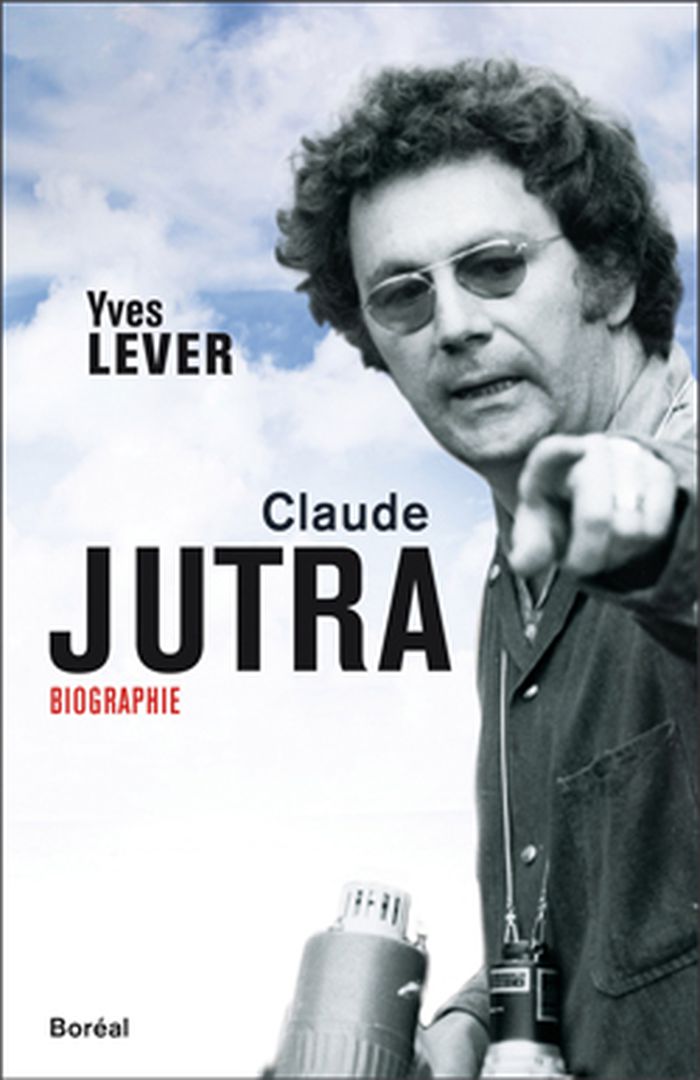
Claude Jutra
Claude Jutra
Actions:
Prix:
$29.95
(disponible sur commande)
Résumé:
Cette biographie du cinéaste Québecois Claude Jutra est le récit de la vie d'un homme complexe. C'est aussi une réévaluation critique de l'ouvre du cinéaste et un portrait de la venue au monde du cinéma québécois.
$29.95
(disponible sur commande)
Résumé:
Cette biographie du cinéaste Québecois Claude Jutra est le récit de la vie d'un homme complexe. C'est aussi une réévaluation critique de l'ouvre du cinéaste et un portrait de la venue au monde du cinéma québécois.
Titre:
Claude Jutra
Actions:
Prix:
$29.95
(disponible sur commande)
Résumé:
Cette biographie du cinéaste Québecois Claude Jutra est le récit de la vie d'un homme complexe. C'est aussi une réévaluation critique de l'ouvre du cinéaste et un portrait de la venue au monde du cinéma québécois.
Claude Jutra
Actions:
Prix:
$29.95
(disponible sur commande)
Résumé:
Cette biographie du cinéaste Québecois Claude Jutra est le récit de la vie d'un homme complexe. C'est aussi une réévaluation critique de l'ouvre du cinéaste et un portrait de la venue au monde du cinéma québécois.
Classification:
livres
livres
Publication:
février 2016
février 2016
Classification:
livres
livres
Prix:
$69.95
(disponible sur commande)
Résumé:
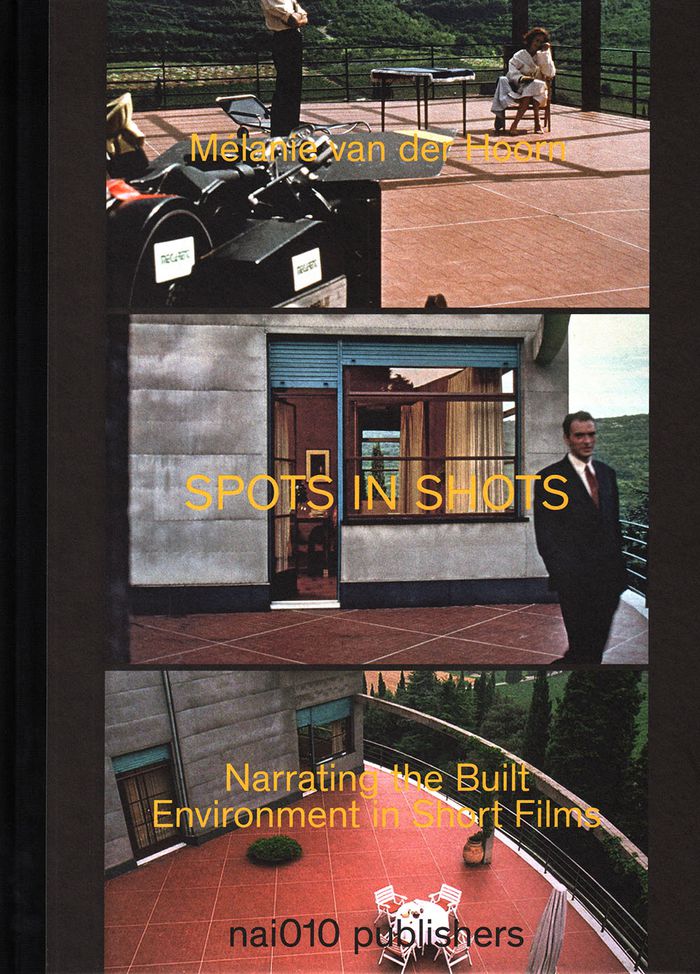
'Spots in Shots' explores a selection of little-known but fascinating short films made in Europe and the US between 1990 and 2017 that tell stories about architecture and urban development. Based on interviews with the filmmakers, the book asks how cinema can stir public interest in the oeuvres of architects.
$69.95
(disponible sur commande)
Résumé:
'Spots in Shots' explores a selection of little-known but fascinating short films made in Europe and the US between 1990 and 2017 that tell stories about architecture and urban development. Based on interviews with the filmmakers, the book asks how cinema can stir public interest in the oeuvres of architects.
Titre:
Spots in shots: narrating the built environment in short film
Actions:
Prix:
$69.95
(disponible sur commande)
Résumé:
'Spots in Shots' explores a selection of little-known but fascinating short films made in Europe and the US between 1990 and 2017 that tell stories about architecture and urban development. Based on interviews with the filmmakers, the book asks how cinema can stir public interest in the oeuvres of architects.
Spots in shots: narrating the built environment in short film
Actions:
Prix:
$69.95
(disponible sur commande)
Résumé:
'Spots in Shots' explores a selection of little-known but fascinating short films made in Europe and the US between 1990 and 2017 that tell stories about architecture and urban development. Based on interviews with the filmmakers, the book asks how cinema can stir public interest in the oeuvres of architects.
Classification:
livres
livres
Publication:
mars 2019
mars 2019
Classification:
livres
livres
Actions:
Prix:
$43.95
(disponible en magasin)
Résumé:
Once the province of film and media scholars, today the moving image is of broad concern to historians of art and architecture and designers of everything from websites to cities. As museums and galleries devote increasing space to video installations which no longer presuppose a fixed viewer, urban space becomes envisioned and planned through "fly throughs," and(...)
$43.95
(disponible en magasin)
Résumé:
Once the province of film and media scholars, today the moving image is of broad concern to historians of art and architecture and designers of everything from websites to cities. As museums and galleries devote increasing space to video installations which no longer presuppose a fixed viewer, urban space becomes envisioned and planned through "fly throughs," and(...)
Titre:
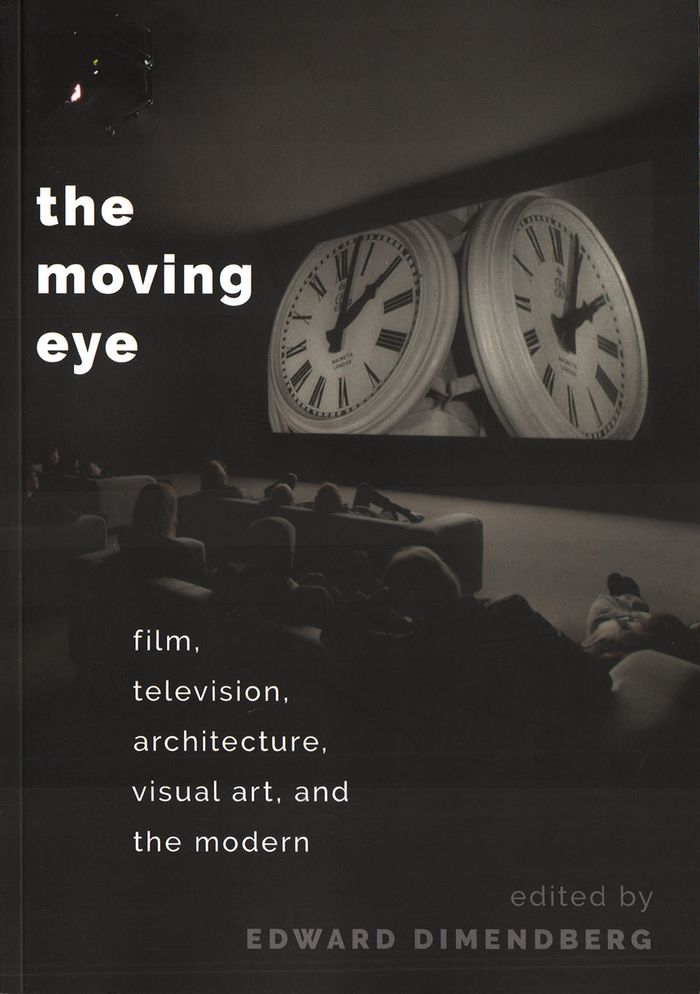
The moving eye: film, television, architecture, visual art, and the modern
Actions:
Prix:
$43.95
(disponible en magasin)
Résumé:
Once the province of film and media scholars, today the moving image is of broad concern to historians of art and architecture and designers of everything from websites to cities. As museums and galleries devote increasing space to video installations which no longer presuppose a fixed viewer, urban space becomes envisioned and planned through "fly throughs," and technologies such as GPS add data to the experience of travel, moving images have captured the attention of geographers and scholars across the humanities and social sciences. Their practice of "mobility studies" is remaking how we understand a contemporary world in relentless motion. Media theorist and historian Anne Friedberg (1952-2009) was among the first practitioners of visual studies to theorize the experience of vision in motion. Her books have become key points of reference in the discussion of the windows that frame images and the viewers in motion who perceive them. Although widely influential beyond her own discipline, Friedberg's work has never been the subject of an extended study. "The Moving Eye" gathers together essays by renowned thinkers in media studies, art history, architecture, and museum studies to consider the rich implications of her work for understanding film and video, new media, visual art, architecture, exhibition design, urban space, and virtual reality.
The moving eye: film, television, architecture, visual art, and the modern
Actions:
Prix:
$43.95
(disponible en magasin)
Résumé:
Once the province of film and media scholars, today the moving image is of broad concern to historians of art and architecture and designers of everything from websites to cities. As museums and galleries devote increasing space to video installations which no longer presuppose a fixed viewer, urban space becomes envisioned and planned through "fly throughs," and technologies such as GPS add data to the experience of travel, moving images have captured the attention of geographers and scholars across the humanities and social sciences. Their practice of "mobility studies" is remaking how we understand a contemporary world in relentless motion. Media theorist and historian Anne Friedberg (1952-2009) was among the first practitioners of visual studies to theorize the experience of vision in motion. Her books have become key points of reference in the discussion of the windows that frame images and the viewers in motion who perceive them. Although widely influential beyond her own discipline, Friedberg's work has never been the subject of an extended study. "The Moving Eye" gathers together essays by renowned thinkers in media studies, art history, architecture, and museum studies to consider the rich implications of her work for understanding film and video, new media, visual art, architecture, exhibition design, urban space, and virtual reality.
Classification:
livres
livres
Publication:
juin 2019
juin 2019
Classification:
livres
livres
Titre:
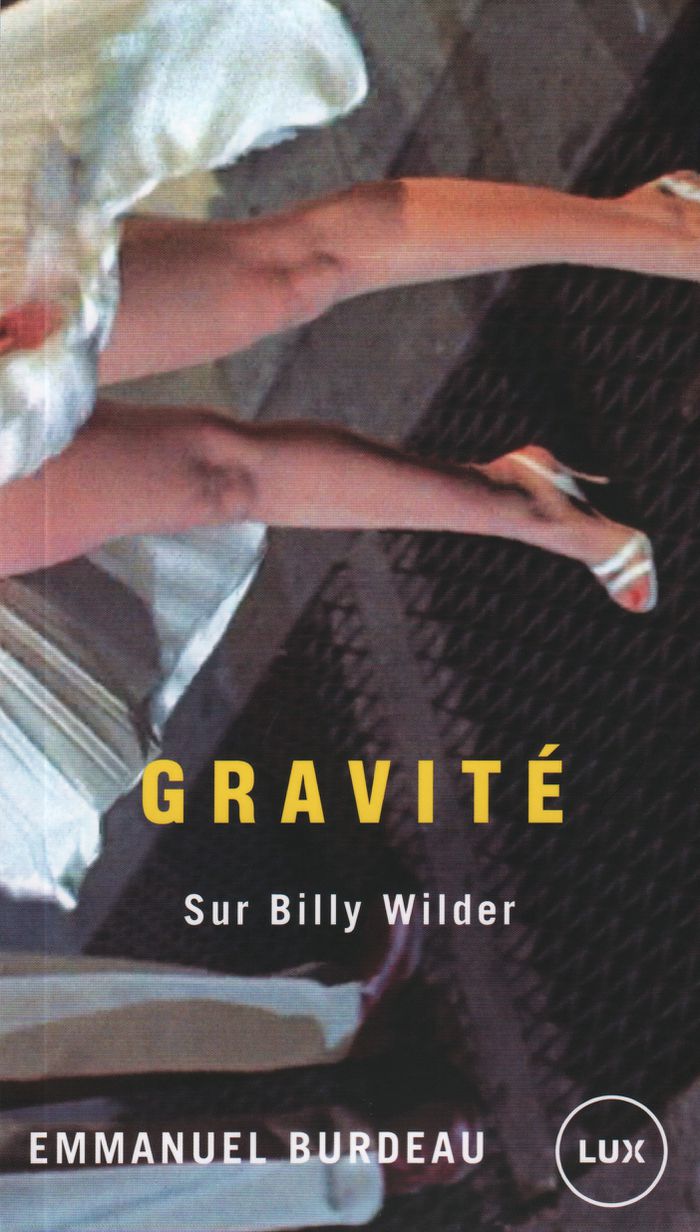
Gravité sur Billy Wilder
Gravité sur Billy Wilder
Actions:
Prix:
$24.95
(disponible sur commande)
Résumé:
Cynique, Billy Wilder ? On a coutume de le dire. Et grossier, voire vulgaire. Son cinéma est lourd, certes, mais d'une lourdeur littérale. Auteur de quelques-unes des comédies parmi les plus drôles de l'histoire, émule de Lubitsch, il est, par excellence, le cinéaste de la gravité. La force du terrestre et la pesanteur sont au coeur de ses films. Les mouvements et les(...)
$24.95
(disponible sur commande)
Résumé:
Cynique, Billy Wilder ? On a coutume de le dire. Et grossier, voire vulgaire. Son cinéma est lourd, certes, mais d'une lourdeur littérale. Auteur de quelques-unes des comédies parmi les plus drôles de l'histoire, émule de Lubitsch, il est, par excellence, le cinéaste de la gravité. La force du terrestre et la pesanteur sont au coeur de ses films. Les mouvements et les(...)
Titre:
Gravité sur Billy Wilder
Actions:
Prix:
$24.95
(disponible sur commande)
Résumé:
Cynique, Billy Wilder ? On a coutume de le dire. Et grossier, voire vulgaire. Son cinéma est lourd, certes, mais d'une lourdeur littérale. Auteur de quelques-unes des comédies parmi les plus drôles de l'histoire, émule de Lubitsch, il est, par excellence, le cinéaste de la gravité. La force du terrestre et la pesanteur sont au coeur de ses films. Les mouvements et les discours, le rire et la politique, tout est affaire de poids dans ''Certains l'aiment chaud,'' dans ''Sunset Boulevard'' comme dans ''Un, deux, trois.'' Wilder est moins un satiriste, en vérité, qu'un historien. Tantôt il analyse les origines et les évolutions de la société américaine, tantôt il décrit une Allemagne marquée par le nazisme. Aller de la gravité matérielle à la gravité historique est dès lors la trajectoire de ce livre, qui propose une vision inédite d'une oeuvre fondamentale.
Gravité sur Billy Wilder
Actions:
Prix:
$24.95
(disponible sur commande)
Résumé:
Cynique, Billy Wilder ? On a coutume de le dire. Et grossier, voire vulgaire. Son cinéma est lourd, certes, mais d'une lourdeur littérale. Auteur de quelques-unes des comédies parmi les plus drôles de l'histoire, émule de Lubitsch, il est, par excellence, le cinéaste de la gravité. La force du terrestre et la pesanteur sont au coeur de ses films. Les mouvements et les discours, le rire et la politique, tout est affaire de poids dans ''Certains l'aiment chaud,'' dans ''Sunset Boulevard'' comme dans ''Un, deux, trois.'' Wilder est moins un satiriste, en vérité, qu'un historien. Tantôt il analyse les origines et les évolutions de la société américaine, tantôt il décrit une Allemagne marquée par le nazisme. Aller de la gravité matérielle à la gravité historique est dès lors la trajectoire de ce livre, qui propose une vision inédite d'une oeuvre fondamentale.
Classification:
livres
livres
Publication:
mai 2019
mai 2019
Classification:
livres
livres
Prix:
$52.95
(disponible en magasin)
Résumé:
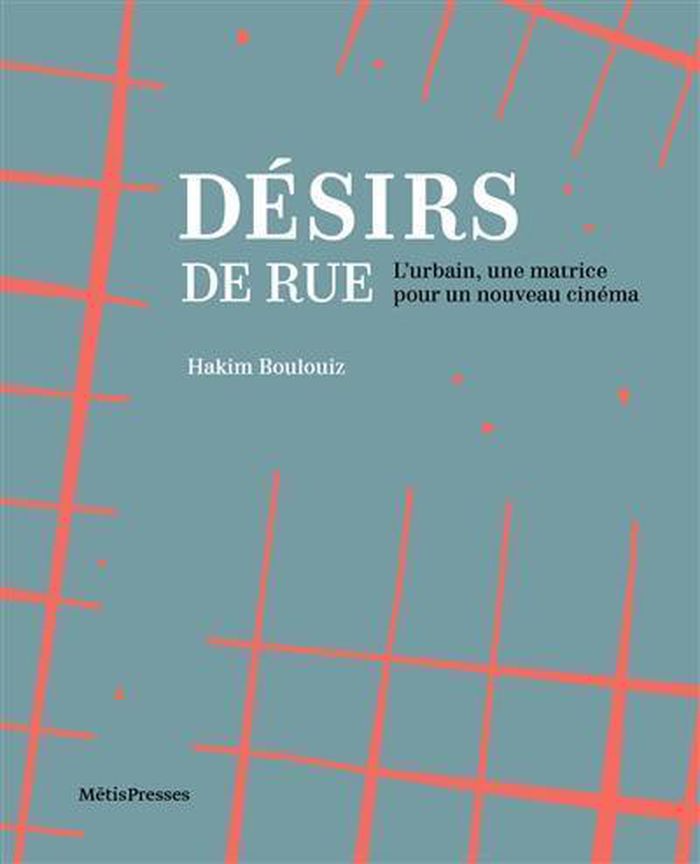
Une analyse des conséquences de l'acte de filmer dans la rue sur le cinéma. La Nouvelle Vague pose un regard inédit sur la ville dans laquelle la rue devient un acteur, une trame narrative ou un contexte politique. A travers l'étude de courts-métrages de J. Eustache, F. Truffaut ou encore de J.-L. Godard, l'auteur propose des définitions, des références et des anecdotes(...)
$52.95
(disponible en magasin)
Résumé:
Une analyse des conséquences de l'acte de filmer dans la rue sur le cinéma. La Nouvelle Vague pose un regard inédit sur la ville dans laquelle la rue devient un acteur, une trame narrative ou un contexte politique. A travers l'étude de courts-métrages de J. Eustache, F. Truffaut ou encore de J.-L. Godard, l'auteur propose des définitions, des références et des anecdotes(...)
Titre:
Désirs de rues : l'urbain, une matrice pour un nouveau cinéma
Actions:
Prix:
$52.95
(disponible en magasin)
Résumé:
Une analyse des conséquences de l'acte de filmer dans la rue sur le cinéma. La Nouvelle Vague pose un regard inédit sur la ville dans laquelle la rue devient un acteur, une trame narrative ou un contexte politique. A travers l'étude de courts-métrages de J. Eustache, F. Truffaut ou encore de J.-L. Godard, l'auteur propose des définitions, des références et des anecdotes mêlant théorie et pratique.
Désirs de rues : l'urbain, une matrice pour un nouveau cinéma
Actions:
Prix:
$52.95
(disponible en magasin)
Résumé:
Une analyse des conséquences de l'acte de filmer dans la rue sur le cinéma. La Nouvelle Vague pose un regard inédit sur la ville dans laquelle la rue devient un acteur, une trame narrative ou un contexte politique. A travers l'étude de courts-métrages de J. Eustache, F. Truffaut ou encore de J.-L. Godard, l'auteur propose des définitions, des références et des anecdotes mêlant théorie et pratique.
Classification:
livres
livres
Publication:
août 2019
août 2019
Classification:
livres
livres
Prix:
$37.95
(disponible sur commande)
Résumé:
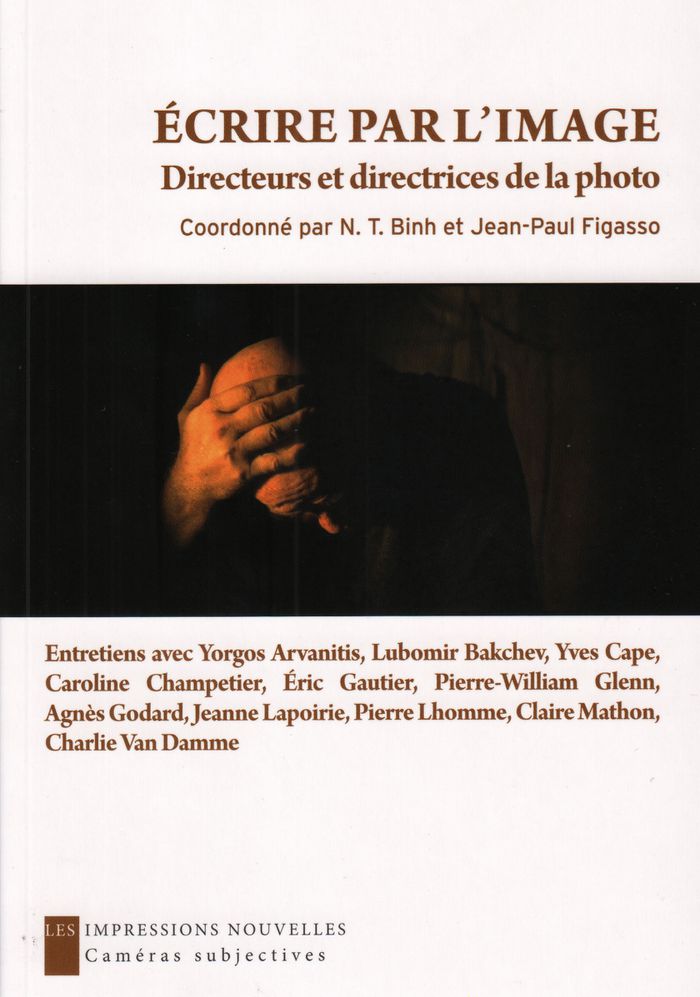
Les chefs opérateurs traduisent le récit en images. Ils contrôlent le cadre et les mouvements de caméra. Ils inventent ou domestiquent la lumière et s’en servent moins comme un pinceau que comme un stylo : c’est l’étymologie même du mot « photographie ». Cet ouvrage explore les secrets d’une profession et révèle la diversité des parcours. Il évoque l’alchimie des(...)
$37.95
(disponible sur commande)
Résumé:
Les chefs opérateurs traduisent le récit en images. Ils contrôlent le cadre et les mouvements de caméra. Ils inventent ou domestiquent la lumière et s’en servent moins comme un pinceau que comme un stylo : c’est l’étymologie même du mot « photographie ». Cet ouvrage explore les secrets d’une profession et révèle la diversité des parcours. Il évoque l’alchimie des(...)
Publication:
septembre 2019
septembre 2019
Titre:
Écrire par l'image : directeurs et directrices de la photo
Actions:
Prix:
$37.95
(disponible sur commande)
Résumé:
Les chefs opérateurs traduisent le récit en images. Ils contrôlent le cadre et les mouvements de caméra. Ils inventent ou domestiquent la lumière et s’en servent moins comme un pinceau que comme un stylo : c’est l’étymologie même du mot « photographie ». Cet ouvrage explore les secrets d’une profession et révèle la diversité des parcours. Il évoque l’alchimie des collaborations derrière la beauté et la cohérence des images en mouvement qui définissent le cinéma.
Écrire par l'image : directeurs et directrices de la photo
Actions:
Prix:
$37.95
(disponible sur commande)
Résumé:
Les chefs opérateurs traduisent le récit en images. Ils contrôlent le cadre et les mouvements de caméra. Ils inventent ou domestiquent la lumière et s’en servent moins comme un pinceau que comme un stylo : c’est l’étymologie même du mot « photographie ». Cet ouvrage explore les secrets d’une profession et révèle la diversité des parcours. Il évoque l’alchimie des collaborations derrière la beauté et la cohérence des images en mouvement qui définissent le cinéma.
Classification:
livres
livres
Publication:
septembre 2019
septembre 2019


