


209 Résultats
Classification:
livres
livres
Prix:
$45.00
(disponible sur commande)
Résumé:
"The limitless city" offers an accessible examination of the predominant form of land use in the United States today - the all too familiar pattern of commercial and residential development know as sprawl. Oliver Gillham, an architect and planner with more than twenty-five years of experience in the field, considers the history and development of sprawl and examines(...)
$45.00
(disponible sur commande)
Résumé:
"The limitless city" offers an accessible examination of the predominant form of land use in the United States today - the all too familiar pattern of commercial and residential development know as sprawl. Oliver Gillham, an architect and planner with more than twenty-five years of experience in the field, considers the history and development of sprawl and examines(...)
Titre:
The limetless city : a primer in the urban sprawl debate
Actions:
Prix:
$45.00
(disponible sur commande)
Résumé:
"The limitless city" offers an accessible examination of the predominant form of land use in the United States today - the all too familiar pattern of commercial and residential development know as sprawl. Oliver Gillham, an architect and planner with more than twenty-five years of experience in the field, considers the history and development of sprawl and examines current debates about the issue. The book offers a comprehensive definition of sprawl in America; traces the roots of sprawl and considers the factors that led to its preeminence as an urban and suburban form reviews both its negative impacts (loss of open space, increased pollution, gridlock) as well as its positive aspects (economic development, personal freedom, privacy); considers responses to sprawl including "smart growth," urban growth boundaries, regional planning, and the New Urbanism; looks at what can be done to improve and counterbalance sprawl. The author argues that whether we like it or not, sprawl is here to stay, and only by understanding where it came from and why it developed will we be able to successfully address the problems it has created and is likely to create in the future. "The limitless city" provides a realistic look at sprawl, with a frank recognition of its status as the predominant urban form in America, now and into the near future. Rather than railing against it, Gillham charts its probable future course while describing critical efforts that can be undertaken to improve the future of sprawl and our existing urban core areas.
The limetless city : a primer in the urban sprawl debate
Actions:
Prix:
$45.00
(disponible sur commande)
Résumé:
"The limitless city" offers an accessible examination of the predominant form of land use in the United States today - the all too familiar pattern of commercial and residential development know as sprawl. Oliver Gillham, an architect and planner with more than twenty-five years of experience in the field, considers the history and development of sprawl and examines current debates about the issue. The book offers a comprehensive definition of sprawl in America; traces the roots of sprawl and considers the factors that led to its preeminence as an urban and suburban form reviews both its negative impacts (loss of open space, increased pollution, gridlock) as well as its positive aspects (economic development, personal freedom, privacy); considers responses to sprawl including "smart growth," urban growth boundaries, regional planning, and the New Urbanism; looks at what can be done to improve and counterbalance sprawl. The author argues that whether we like it or not, sprawl is here to stay, and only by understanding where it came from and why it developed will we be able to successfully address the problems it has created and is likely to create in the future. "The limitless city" provides a realistic look at sprawl, with a frank recognition of its status as the predominant urban form in America, now and into the near future. Rather than railing against it, Gillham charts its probable future course while describing critical efforts that can be undertaken to improve the future of sprawl and our existing urban core areas.
Classification:
livres
livres
Publication:
mars 2002, Washington
mars 2002, Washington
Sujet:
Théorie de l’urbanisme
Théorie de l’urbanisme
Classification:
livres
livres
Actions:
Prix:
$32.95
(disponible sur commande)
Résumé:
This is a book about how information shapes the city : its sensory experience, its infrastructures anmd its placesé Urban data have become an integral part of public space, its discourses and controversies. Data generated either from the top-down by Open Government and Smart City initiatives, or from the bottom-up through citizen-led initiatives and civic protests. The(...)
$32.95
(disponible sur commande)
Résumé:
This is a book about how information shapes the city : its sensory experience, its infrastructures anmd its placesé Urban data have become an integral part of public space, its discourses and controversies. Data generated either from the top-down by Open Government and Smart City initiatives, or from the bottom-up through citizen-led initiatives and civic protests. The(...)
Titre:
Inscribing a square : urban data as public space
Actions:
Prix:
$32.95
(disponible sur commande)
Résumé:
This is a book about how information shapes the city : its sensory experience, its infrastructures anmd its placesé Urban data have become an integral part of public space, its discourses and controversies. Data generated either from the top-down by Open Government and Smart City initiatives, or from the bottom-up through citizen-led initiatives and civic protests. The book demonstrates how different groups work with urban information to make sens of their environment and how they employ this information to change the city.
Inscribing a square : urban data as public space
Actions:
Prix:
$32.95
(disponible sur commande)
Résumé:
This is a book about how information shapes the city : its sensory experience, its infrastructures anmd its placesé Urban data have become an integral part of public space, its discourses and controversies. Data generated either from the top-down by Open Government and Smart City initiatives, or from the bottom-up through citizen-led initiatives and civic protests. The book demonstrates how different groups work with urban information to make sens of their environment and how they employ this information to change the city.
Classification:
livres
livres
Publication:
juin 2012
juin 2012
Sujet:
Théorie de l’urbanisme
Théorie de l’urbanisme
Classification:
livres
livres
Actions:
Prix:
$35.95
(disponible sur commande)
Résumé:
This publication illustrates how structures can process information, make observations, and utilize tools to translate natural systems and create seamlessly integrated environments, from data-driven light installations, responsive sculptures, and performative materials, to smart highways, dynamic spaces, kinetic facades, and adaptive buildings. Ambitious projects from(...)
$35.95
(disponible sur commande)
Résumé:
This publication illustrates how structures can process information, make observations, and utilize tools to translate natural systems and create seamlessly integrated environments, from data-driven light installations, responsive sculptures, and performative materials, to smart highways, dynamic spaces, kinetic facades, and adaptive buildings. Ambitious projects from(...)
Titre:
Interactive architecture: adaptive world
Actions:
Prix:
$35.95
(disponible sur commande)
Résumé:
This publication illustrates how structures can process information, make observations, and utilize tools to translate natural systems and create seamlessly integrated environments, from data-driven light installations, responsive sculptures, and performative materials, to smart highways, dynamic spaces, kinetic facades, and adaptive buildings. Ambitious projects from around the world, including Abu Dhabi, Indianapolis, Los Angeles, New York City, San Francisco, Frankfurt, London, Paris, Sochi, and Zurich, are illuminated by photographs, diagrams, and renderings.
Interactive architecture: adaptive world
Actions:
Prix:
$35.95
(disponible sur commande)
Résumé:
This publication illustrates how structures can process information, make observations, and utilize tools to translate natural systems and create seamlessly integrated environments, from data-driven light installations, responsive sculptures, and performative materials, to smart highways, dynamic spaces, kinetic facades, and adaptive buildings. Ambitious projects from around the world, including Abu Dhabi, Indianapolis, Los Angeles, New York City, San Francisco, Frankfurt, London, Paris, Sochi, and Zurich, are illuminated by photographs, diagrams, and renderings.
Classification:
livres
livres
Publication:
juin 2016
juin 2016
Sujet:
Architecture contemporaine
Architecture contemporaine
Classification:
livres
livres

Prix:
$40.00
(disponible en magasin)
Résumé:
''Who owns the land?'' is a central question because space is a resource as vital as air and water. Today, however, data ownership has become just as relevant as the question of land ownership in the context of urban planning. Technology companies are entering the field of architecture with algorithm-driven planning methods and massive investments in infrastructures and(...)
$40.00
(disponible en magasin)
Résumé:
''Who owns the land?'' is a central question because space is a resource as vital as air and water. Today, however, data ownership has become just as relevant as the question of land ownership in the context of urban planning. Technology companies are entering the field of architecture with algorithm-driven planning methods and massive investments in infrastructures and(...)
Titre:
Arch+, The property issue: Politics of space and data.
Actions:
Prix:
$40.00
(disponible en magasin)
Résumé:
''Who owns the land?'' is a central question because space is a resource as vital as air and water. Today, however, data ownership has become just as relevant as the question of land ownership in the context of urban planning. Technology companies are entering the field of architecture with algorithm-driven planning methods and massive investments in infrastructures and smart cities. In their technocratic vision, citizens become users, architecture becomes an instrument of statistics, and concepts such as the city and society become mere algorithmic assemblages. This issue, co-edited by ARCH+, Arno Brandlhuber, and Olaf Grawert of station+/ETH Zurich, discusses the politics of space and data; the real and virtual assets of the city of the future.
Arch+, The property issue: Politics of space and data.
Actions:
Prix:
$40.00
(disponible en magasin)
Résumé:
''Who owns the land?'' is a central question because space is a resource as vital as air and water. Today, however, data ownership has become just as relevant as the question of land ownership in the context of urban planning. Technology companies are entering the field of architecture with algorithm-driven planning methods and massive investments in infrastructures and smart cities. In their technocratic vision, citizens become users, architecture becomes an instrument of statistics, and concepts such as the city and society become mere algorithmic assemblages. This issue, co-edited by ARCH+, Arno Brandlhuber, and Olaf Grawert of station+/ETH Zurich, discusses the politics of space and data; the real and virtual assets of the city of the future.
Classification:
livres
livres
Publication:
juin 2020
juin 2020
Sujet:
Revues
Revues
Classification:
livres
livres
Actions:
Prix:
$48.95
(disponible sur commande)
Résumé:
Pour André Lortie, les principes de l’urbanisme ne parviennent pas à résoudre la contradiction entre l’agencement des territoires et les enjeux actuels de protection de l’environnement et de développement soutenable. Afin de comprendre l’origine et les conséquences de cette disjonction, l’auteur explique comment l’urbanisme, dès son origine, a contribué au contrôle de la(...)
$48.95
(disponible sur commande)
Résumé:
Pour André Lortie, les principes de l’urbanisme ne parviennent pas à résoudre la contradiction entre l’agencement des territoires et les enjeux actuels de protection de l’environnement et de développement soutenable. Afin de comprendre l’origine et les conséquences de cette disjonction, l’auteur explique comment l’urbanisme, dès son origine, a contribué au contrôle de la(...)
Titre:
De quoi l'urbanisme est-il le projet ?
Actions:
Prix:
$48.95
(disponible sur commande)
Résumé:
Pour André Lortie, les principes de l’urbanisme ne parviennent pas à résoudre la contradiction entre l’agencement des territoires et les enjeux actuels de protection de l’environnement et de développement soutenable. Afin de comprendre l’origine et les conséquences de cette disjonction, l’auteur explique comment l’urbanisme, dès son origine, a contribué au contrôle de la société industrielle tout en intensifiant ses fonctions de production et de consommation. Il termine par une série d’orientations et de propositions aptes à échapper à ce déterminisme industrialiste et à sa nouvelle phase annoncée de la smart city.
De quoi l'urbanisme est-il le projet ?
Actions:
Prix:
$48.95
(disponible sur commande)
Résumé:
Pour André Lortie, les principes de l’urbanisme ne parviennent pas à résoudre la contradiction entre l’agencement des territoires et les enjeux actuels de protection de l’environnement et de développement soutenable. Afin de comprendre l’origine et les conséquences de cette disjonction, l’auteur explique comment l’urbanisme, dès son origine, a contribué au contrôle de la société industrielle tout en intensifiant ses fonctions de production et de consommation. Il termine par une série d’orientations et de propositions aptes à échapper à ce déterminisme industrialiste et à sa nouvelle phase annoncée de la smart city.
Classification:
livres
livres
Publication:
août 2023
août 2023
Sujet:
Théorie de l’urbanisme
Théorie de l’urbanisme
Classification:
livres
livres
Actions:
Prix:
$52.95
(disponible sur commande)
Résumé:
Ce livre est né d’une interrogation : les villes nouvelles des années 1960-1970 sont-elles toujours un concept pertinent? Elles sont réputées « nées dans les champs de betteraves », alors qu’il n’y en a plus dans les métropoles! L’actuelle urbanisation en modifie radicalement la donne. Le projet anglais de Milton Keynes, lancé en 1970 au nord de Londres, a été le(...)
$52.95
(disponible sur commande)
Résumé:
Ce livre est né d’une interrogation : les villes nouvelles des années 1960-1970 sont-elles toujours un concept pertinent? Elles sont réputées « nées dans les champs de betteraves », alors qu’il n’y en a plus dans les métropoles! L’actuelle urbanisation en modifie radicalement la donne. Le projet anglais de Milton Keynes, lancé en 1970 au nord de Londres, a été le(...)
Titre:
La success-story de Milton Keynes : Un avenir métapolitain pour les villes nouvelles ?
Actions:
Prix:
$52.95
(disponible sur commande)
Résumé:
Ce livre est né d’une interrogation : les villes nouvelles des années 1960-1970 sont-elles toujours un concept pertinent? Elles sont réputées « nées dans les champs de betteraves », alors qu’il n’y en a plus dans les métropoles! L’actuelle urbanisation en modifie radicalement la donne. Le projet anglais de Milton Keynes, lancé en 1970 au nord de Londres, a été le prototype d’une nouvelle vision aux grandes ambitions. Et celle-ci est devenue par son succès «la» cinquantenaire exemplaire. Le résultat est une «smart city» avant l’heure et écologique, de surcroît. Son succès multiforme, démographique, économique et scientifique, en fait le barycentre de l’écosystème universitaire et économiquement constitué avec ses prestigieuses voisines d’Oxbridge.
La success-story de Milton Keynes : Un avenir métapolitain pour les villes nouvelles ?
Actions:
Prix:
$52.95
(disponible sur commande)
Résumé:
Ce livre est né d’une interrogation : les villes nouvelles des années 1960-1970 sont-elles toujours un concept pertinent? Elles sont réputées « nées dans les champs de betteraves », alors qu’il n’y en a plus dans les métropoles! L’actuelle urbanisation en modifie radicalement la donne. Le projet anglais de Milton Keynes, lancé en 1970 au nord de Londres, a été le prototype d’une nouvelle vision aux grandes ambitions. Et celle-ci est devenue par son succès «la» cinquantenaire exemplaire. Le résultat est une «smart city» avant l’heure et écologique, de surcroît. Son succès multiforme, démographique, économique et scientifique, en fait le barycentre de l’écosystème universitaire et économiquement constitué avec ses prestigieuses voisines d’Oxbridge.
Classification:
livres
livres
Publication:
mars 2023
mars 2023
Sujet:
Théorie de l’urbanisme
Théorie de l’urbanisme
Classification:
livres
livres
Prix:
$15.00
(disponible sur commande)
Résumé:
Entre master planning inspiré de Dallas et tracé de Pyongyang (né du génie familial de dirigeants nord-coréens), se situe le cas d'Astana : la ville dont le nom kazakh signifie qu'elle est capitale. Depuis la fin de l'URSS et l'éveil de la Chine, la ville a été refondée en 1997 sur un plan de l'architecte métaboliste Kish Kurokawa. De ce centre décisionnel sous l'autorité(...)
$15.00
(disponible sur commande)
Résumé:
Entre master planning inspiré de Dallas et tracé de Pyongyang (né du génie familial de dirigeants nord-coréens), se situe le cas d'Astana : la ville dont le nom kazakh signifie qu'elle est capitale. Depuis la fin de l'URSS et l'éveil de la Chine, la ville a été refondée en 1997 sur un plan de l'architecte métaboliste Kish Kurokawa. De ce centre décisionnel sous l'autorité(...)
Titre:
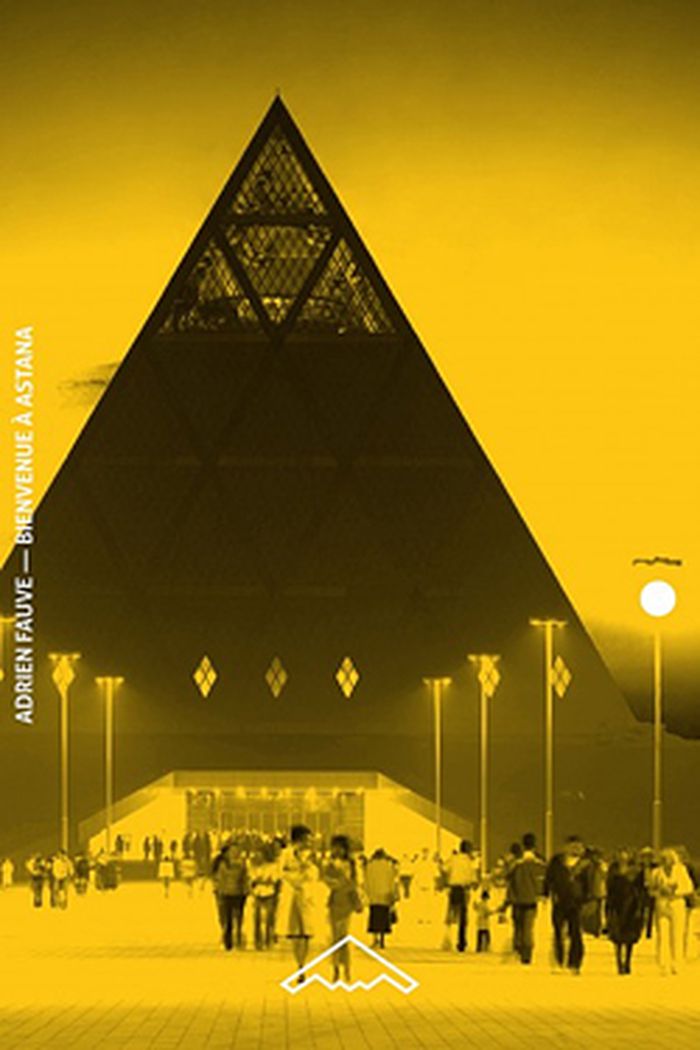
Bienvenue à Astana: la capitale des steppes... et du monde
Actions:
Prix:
$15.00
(disponible sur commande)
Résumé:
Entre master planning inspiré de Dallas et tracé de Pyongyang (né du génie familial de dirigeants nord-coréens), se situe le cas d'Astana : la ville dont le nom kazakh signifie qu'elle est capitale. Depuis la fin de l'URSS et l'éveil de la Chine, la ville a été refondée en 1997 sur un plan de l'architecte métaboliste Kish Kurokawa. De ce centre décisionnel sous l'autorité de Noursoultan Nazarbaïev, président du Kazakhstan depuis un quart de siècle, Astana gère la manne pétrolière en mer Caspienne et l'extraction d'uranium – dont le pays est le premier producteur mondial. Bref, officiellement, l'équipée d'Astana en fait certes la capitale des steppes – mais aussi l'accueillante smart city d'un Nouveau Millénaire de paix et de concorde œcuménique...
Bienvenue à Astana: la capitale des steppes... et du monde
Actions:
Prix:
$15.00
(disponible sur commande)
Résumé:
Entre master planning inspiré de Dallas et tracé de Pyongyang (né du génie familial de dirigeants nord-coréens), se situe le cas d'Astana : la ville dont le nom kazakh signifie qu'elle est capitale. Depuis la fin de l'URSS et l'éveil de la Chine, la ville a été refondée en 1997 sur un plan de l'architecte métaboliste Kish Kurokawa. De ce centre décisionnel sous l'autorité de Noursoultan Nazarbaïev, président du Kazakhstan depuis un quart de siècle, Astana gère la manne pétrolière en mer Caspienne et l'extraction d'uranium – dont le pays est le premier producteur mondial. Bref, officiellement, l'équipée d'Astana en fait certes la capitale des steppes – mais aussi l'accueillante smart city d'un Nouveau Millénaire de paix et de concorde œcuménique...
Classification:
livres
livres
Publication:
mars 2015
mars 2015
Sujet:
petits formats
petits formats
Classification:
livres
livres
Titre:
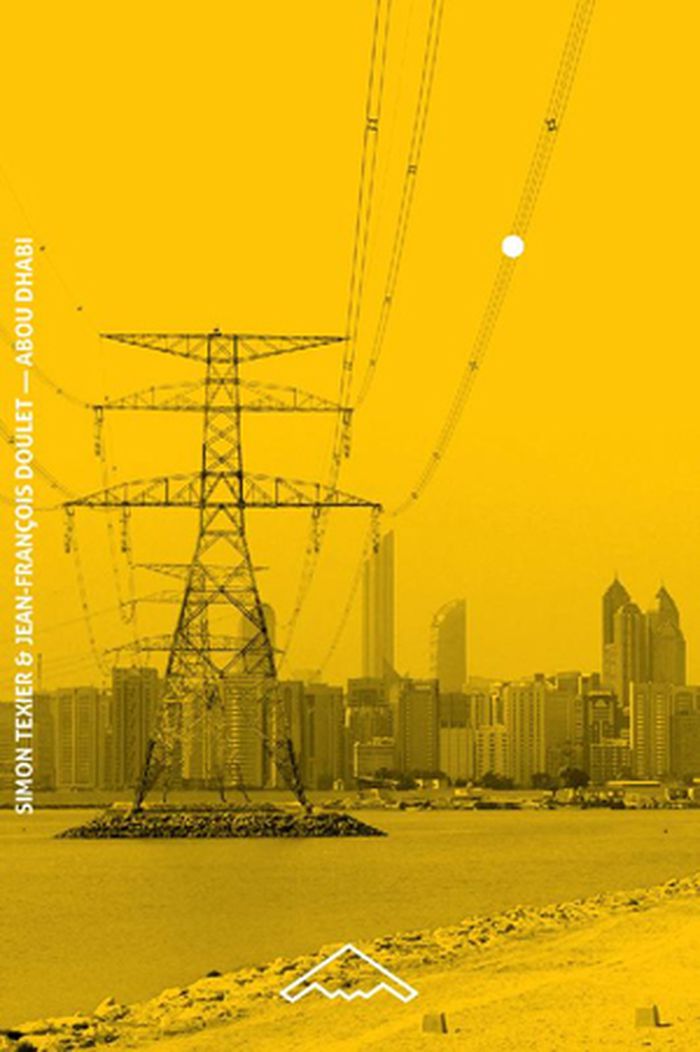
Abou Dhabi
Abou Dhabi
Actions:
Prix:
$18.00
(disponible en magasin)
Résumé:
En dépit de la Crise financière de 2008, l'aménagement d'Abou Dhabi – et de sa smart city de Masdar non loin de l'aéroport – se poursuit. Grâce à son ralentissement structurel, on assiste depuis peu à un basculement de la capitale des Émirats arabes unis (600 000 habitants, troisième ville après Dubaï et Charjah) d'un modèle de « pétro-urbanisme » calqué sur les villes(...)
$18.00
(disponible en magasin)
Résumé:
En dépit de la Crise financière de 2008, l'aménagement d'Abou Dhabi – et de sa smart city de Masdar non loin de l'aéroport – se poursuit. Grâce à son ralentissement structurel, on assiste depuis peu à un basculement de la capitale des Émirats arabes unis (600 000 habitants, troisième ville après Dubaï et Charjah) d'un modèle de « pétro-urbanisme » calqué sur les villes(...)
Titre:
Abou Dhabi
Actions:
Prix:
$18.00
(disponible en magasin)
Résumé:
En dépit de la Crise financière de 2008, l'aménagement d'Abou Dhabi – et de sa smart city de Masdar non loin de l'aéroport – se poursuit. Grâce à son ralentissement structurel, on assiste depuis peu à un basculement de la capitale des Émirats arabes unis (600 000 habitants, troisième ville après Dubaï et Charjah) d'un modèle de « pétro-urbanisme » calqué sur les villes américaines énergivores (superhighways de bitume, murs-rideaux de verre et megamalls climatisés), vers celui d'un modèle plus durable, culturel et touristique, symbole de « l'après-pétrole ». Et alors que l'« île des Musées » de Saadiyat prend peu à peu forme, Masdar teste la limite des écocités solaires. Un historien et un urbaniste déchiffrent ici cette mutation.
Abou Dhabi
Actions:
Prix:
$18.00
(disponible en magasin)
Résumé:
En dépit de la Crise financière de 2008, l'aménagement d'Abou Dhabi – et de sa smart city de Masdar non loin de l'aéroport – se poursuit. Grâce à son ralentissement structurel, on assiste depuis peu à un basculement de la capitale des Émirats arabes unis (600 000 habitants, troisième ville après Dubaï et Charjah) d'un modèle de « pétro-urbanisme » calqué sur les villes américaines énergivores (superhighways de bitume, murs-rideaux de verre et megamalls climatisés), vers celui d'un modèle plus durable, culturel et touristique, symbole de « l'après-pétrole ». Et alors que l'« île des Musées » de Saadiyat prend peu à peu forme, Masdar teste la limite des écocités solaires. Un historien et un urbaniste déchiffrent ici cette mutation.
Classification:
livres
livres
Publication:
avril 2016
avril 2016
Sujet:
petits formats
petits formats
Classification:
livres
livres
Titre:
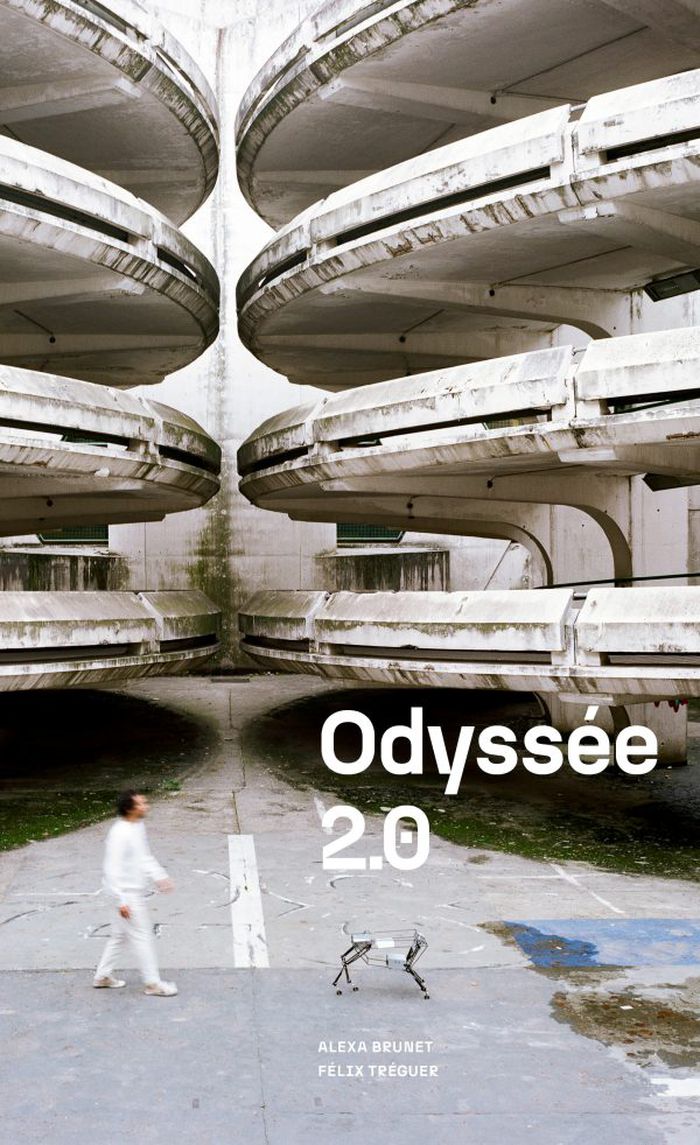
Alexa Brunet : Odyssée 2.0
Alexa Brunet : Odyssée 2.0
Actions:
Prix:
$71.95
(disponible sur commande)
Résumé:
Odyssée 2.0 est un parcours photographique librement inspiré du mythe d’Homère qui suit les pérégrinations d’Ulysse au sein de la Technopolis, une « Smart City » fictive et dystopique. À travers une série de mises en scène reprenant les étapes-clés de l’Odyssée d’Homère, ce travail aborde les problématiques inhérentes à la prolifération des technologies numériques. Dans(...)
$71.95
(disponible sur commande)
Résumé:
Odyssée 2.0 est un parcours photographique librement inspiré du mythe d’Homère qui suit les pérégrinations d’Ulysse au sein de la Technopolis, une « Smart City » fictive et dystopique. À travers une série de mises en scène reprenant les étapes-clés de l’Odyssée d’Homère, ce travail aborde les problématiques inhérentes à la prolifération des technologies numériques. Dans(...)
Titre:
Alexa Brunet : Odyssée 2.0
Actions:
Prix:
$71.95
(disponible sur commande)
Résumé:
Odyssée 2.0 est un parcours photographique librement inspiré du mythe d’Homère qui suit les pérégrinations d’Ulysse au sein de la Technopolis, une « Smart City » fictive et dystopique. À travers une série de mises en scène reprenant les étapes-clés de l’Odyssée d’Homère, ce travail aborde les problématiques inhérentes à la prolifération des technologies numériques. Dans un parti pris photographique reposant sur le choix de l’argentique et des trucages low tech, notre anti-héros explore plusieurs facettes de nos vies connectées telles que l’économie de surveillance, la banalisation des drones, la sexualité virtuelle ou encore la police prédictive. Ce projet éditorial conjugue ainsi les formes d’expression et les temporalités pour inviter à une réflexion critique sur la «technologisation» croissante du contrôle social.
Alexa Brunet : Odyssée 2.0
Actions:
Prix:
$71.95
(disponible sur commande)
Résumé:
Odyssée 2.0 est un parcours photographique librement inspiré du mythe d’Homère qui suit les pérégrinations d’Ulysse au sein de la Technopolis, une « Smart City » fictive et dystopique. À travers une série de mises en scène reprenant les étapes-clés de l’Odyssée d’Homère, ce travail aborde les problématiques inhérentes à la prolifération des technologies numériques. Dans un parti pris photographique reposant sur le choix de l’argentique et des trucages low tech, notre anti-héros explore plusieurs facettes de nos vies connectées telles que l’économie de surveillance, la banalisation des drones, la sexualité virtuelle ou encore la police prédictive. Ce projet éditorial conjugue ainsi les formes d’expression et les temporalités pour inviter à une réflexion critique sur la «technologisation» croissante du contrôle social.
Classification:
livres
livres
Publication:
août 2023
août 2023
Sujet:
Monographies photo
Monographies photo
Classification:
livres
livres
Actions:
Prix:
$100.00
(disponible sur commande)
Résumé:
With the recent recognition of Chandigarh's Capitol Complex as a UNESCO World Heritage Site, the spotlight on its creator, Le Corbusier considered the 20th century's greatest architect-planner attains a more illustrious glow. Against this backdrop, "Le Corbusier Rediscovered": Chandigarh and Beyond weaves together an anthology of inspired essays by eminent, global experts(...)
$100.00
(disponible sur commande)
Résumé:
With the recent recognition of Chandigarh's Capitol Complex as a UNESCO World Heritage Site, the spotlight on its creator, Le Corbusier considered the 20th century's greatest architect-planner attains a more illustrious glow. Against this backdrop, "Le Corbusier Rediscovered": Chandigarh and Beyond weaves together an anthology of inspired essays by eminent, global experts(...)
Titre:
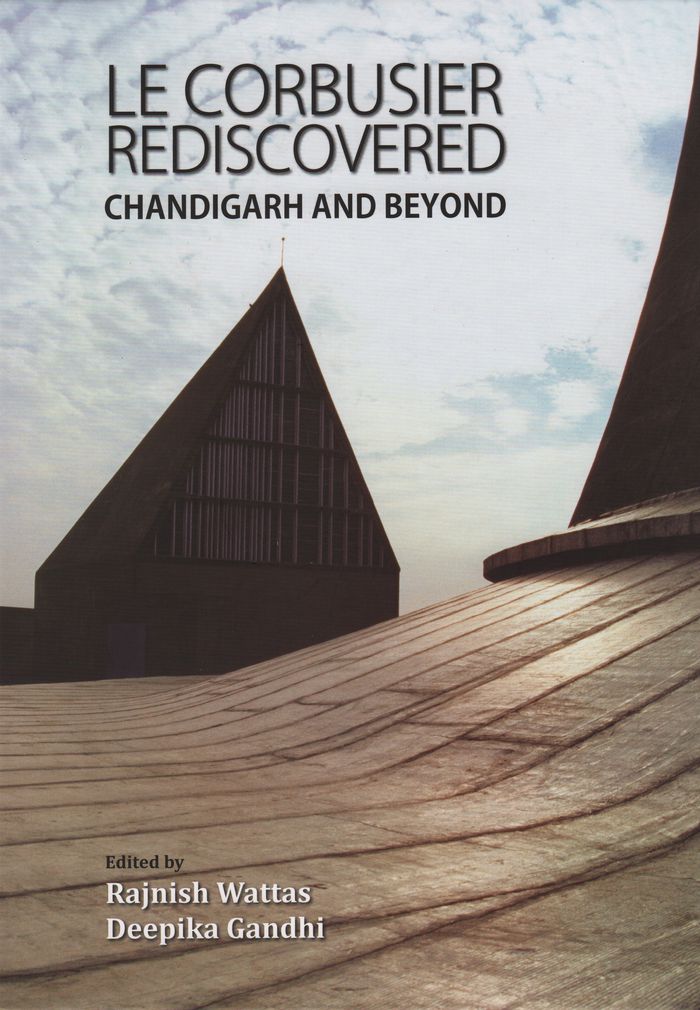
Le Corbusier rediscovered: Chandigarh and beyond
Actions:
Prix:
$100.00
(disponible sur commande)
Résumé:
With the recent recognition of Chandigarh's Capitol Complex as a UNESCO World Heritage Site, the spotlight on its creator, Le Corbusier considered the 20th century's greatest architect-planner attains a more illustrious glow. Against this backdrop, "Le Corbusier Rediscovered": Chandigarh and Beyond weaves together an anthology of inspired essays by eminent, global experts on Corbusier's life, ideas and work, both in Chandigarh and at other places. The diverse yet interlinked themes forming a composite compendium, rediscover the timelessness of Corbusier's architecture and revisit his impact in India and the world over. Current issues like conservation of Chandigarh's architectural heritage, future strategies for its growth and the Smart City model for Indian urbanization are also addressed. The book is imbued with a patina of historicity imparted by the inclusion of some rare archival images and texts.
Le Corbusier rediscovered: Chandigarh and beyond
Actions:
Prix:
$100.00
(disponible sur commande)
Résumé:
With the recent recognition of Chandigarh's Capitol Complex as a UNESCO World Heritage Site, the spotlight on its creator, Le Corbusier considered the 20th century's greatest architect-planner attains a more illustrious glow. Against this backdrop, "Le Corbusier Rediscovered": Chandigarh and Beyond weaves together an anthology of inspired essays by eminent, global experts on Corbusier's life, ideas and work, both in Chandigarh and at other places. The diverse yet interlinked themes forming a composite compendium, rediscover the timelessness of Corbusier's architecture and revisit his impact in India and the world over. Current issues like conservation of Chandigarh's architectural heritage, future strategies for its growth and the Smart City model for Indian urbanization are also addressed. The book is imbued with a patina of historicity imparted by the inclusion of some rare archival images and texts.
Classification:
livres
livres
Publication:
mai 2018
mai 2018
Sujet:
Architecture, monographies
Architecture, monographies


