


5801 Résultats
Classification:
livres
livres
Actions:
Exemplaires:
Description:
127 pages illustrations, plans 27 cm
Description:
127 pages illustrations, plans 27 cm
Auteur:
Sujet:
Publication:
New York, W.T. Comstock [©1908]
New York, W.T. Comstock [©1908]
Titre:
Two-family and twin houses; consisting of a variety of designs contributed by leading architects in all parts of the country, showing the latest ideas in planning this class of dwellings in city, village and suburbs, together with very complete descriptions covering all the latest improvements in sanitation, heating, lighting, etc. Two detailed specifications, elaborately illustrated, accompanied by full descriptive text, selected and comp. by the editor of the "Architects' and builders' magazine."
Actions:
Exemplaires:
Description:
127 pages illustrations, plans 27 cm
Two-family and twin houses; consisting of a variety of designs contributed by leading architects in all parts of the country, showing the latest ideas in planning this class of dwellings in city, village and suburbs, together with very complete descriptions covering all the latest improvements in sanitation, heating, lighting, etc. Two detailed specifications, elaborately illustrated, accompanied by full descriptive text, selected and comp. by the editor of the "Architects' and builders' magazine."
Actions:
Exemplaires:
Description:
127 pages illustrations, plans 27 cm
Classification:
livres
livres
Publication:
New York, W.T. Comstock [©1908]
New York, W.T. Comstock [©1908]
Auteur:
Sujet:
Classification:
livres
livres
Actions:
Sujet:
Publication:
Gauss PDF 2010
Gauss PDF 2010
Classification:
livres
livres
Publication:
Gauss PDF 2010
Gauss PDF 2010
Sujet:
Classification:
livres
livres
Actions:
Exemplaires:
Description:
2 volumes (xxviii, 1409 pages) : illustrations ; 26 cm.
Description:
2 volumes (xxviii, 1409 pages) : illustrations ; 26 cm.
Auteur:
Sujet:
Publication:
Newark, Del. : Publication Office of the American Section of the International Solar Energy Society, [1980]
Newark, Del. : Publication Office of the American Section of the International Solar Energy Society, [1980]
Titre:
Proceedings of the 5th National Passive Solar Conference : October 19-26, 1980, Amherst, Massachusetts / editors, John Hayes, Rachel Snyder.
Actions:
Exemplaires:
Description:
2 volumes (xxviii, 1409 pages) : illustrations ; 26 cm.
Proceedings of the 5th National Passive Solar Conference : October 19-26, 1980, Amherst, Massachusetts / editors, John Hayes, Rachel Snyder.
Actions:
Exemplaires:
Description:
2 volumes (xxviii, 1409 pages) : illustrations ; 26 cm.
Classification:
livres
livres
Publication:
Newark, Del. : Publication Office of the American Section of the International Solar Energy Society, [1980]
Newark, Del. : Publication Office of the American Section of the International Solar Energy Society, [1980]
Auteur:
Sujet:
Classification:
livres
livres
Actions:
Exemplaires:
Description:
121 pages : illustrations, plans ; 27 cm
Description:
121 pages : illustrations, plans ; 27 cm
Auteur:
Sujet:
Publication:
New York : The William T. Comstock Co., ©1911.
New York : The William T. Comstock Co., ©1911.
Titre:
Garages and motor boat houses : comprising a large number of designs for both private and commercial buildings, showing the latest ideas in their planning and construction, for the country, suburban towns and cities, also motor boat houses, the designs are contributed by architects from different sections of the United States / compiled by Wm. Phillips Comstock, editor of the "Architects' and Builders' Magazine."
Actions:
Exemplaires:
Description:
121 pages : illustrations, plans ; 27 cm
Garages and motor boat houses : comprising a large number of designs for both private and commercial buildings, showing the latest ideas in their planning and construction, for the country, suburban towns and cities, also motor boat houses, the designs are contributed by architects from different sections of the United States / compiled by Wm. Phillips Comstock, editor of the "Architects' and Builders' Magazine."
Actions:
Exemplaires:
Description:
121 pages : illustrations, plans ; 27 cm
Classification:
livres
livres
Publication:
New York : The William T. Comstock Co., ©1911.
New York : The William T. Comstock Co., ©1911.
Auteur:
Sujet:
Classification:
livres
livres
Actions:
Exemplaires:
Description:
xii, 222 pages : illustrations (some color) ; 28 cm
Description:
xii, 222 pages : illustrations (some color) ; 28 cm
Auteur:
Sujet:
Publication:
Charlottesville : University of Virginia Press, [2016]
Charlottesville : University of Virginia Press, [2016]
Titre:
Cartooning the landscape / Chip Sullivan.
Actions:
Exemplaires:
Description:
xii, 222 pages : illustrations (some color) ; 28 cm
Cartooning the landscape / Chip Sullivan.
Actions:
Exemplaires:
Description:
xii, 222 pages : illustrations (some color) ; 28 cm
Classification:
livres
livres
Publication:
Charlottesville : University of Virginia Press, [2016]
Charlottesville : University of Virginia Press, [2016]
Auteur:
Sujet:
Classification:
périodiques
périodiques
Titre:
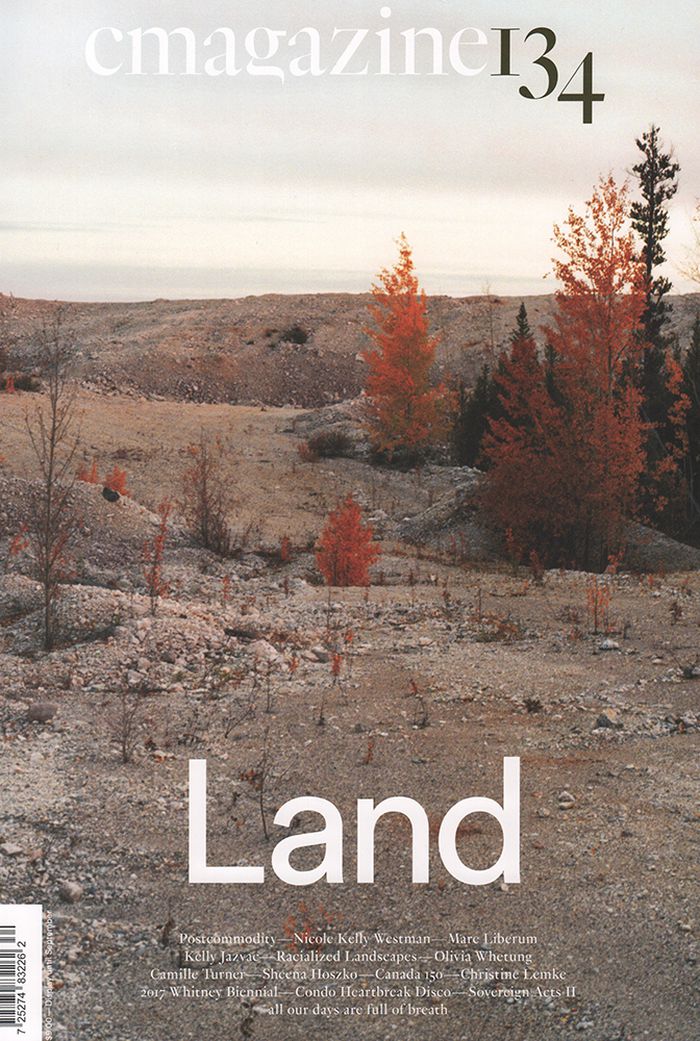
c magazine 134
c magazine 134
Actions:
Prix:
$9.00
(disponible sur commande)
Résumé:
Issue 134 of cmagazine.
$9.00
(disponible sur commande)
Résumé:
Issue 134 of cmagazine.
Titre:
c magazine 134
Actions:
Prix:
$9.00
(disponible sur commande)
Résumé:
Issue 134 of cmagazine.
c magazine 134
Actions:
Prix:
$9.00
(disponible sur commande)
Résumé:
Issue 134 of cmagazine.
Classification:
périodiques
périodiques
Publication:
juin 2017
juin 2017
Sujet:
Revues
Revues
Classification:
livres
livres
Titre:
Precarious reader.
Precarious reader.
Actions:
Exemplaires:
Description:
96 pages : illustrations ; 23 cm
Description:
96 pages : illustrations ; 23 cm
Auteur:
Sujet:
Publication:
London : Mute Publishing Ltd, ©2005.
London : Mute Publishing Ltd, ©2005.
Classification:
livres
livres
Publication:
London : Mute Publishing Ltd, ©2005.
London : Mute Publishing Ltd, ©2005.
Auteur:
Sujet:
Classification:
périodiques
périodiques
Titre:
The American music teacher.
The American music teacher.
Actions:
Description:
1 online resource (volumes) illustrations, portraits
Auteur:
Sujet:
Publication:
[Cincinnati, Ohio, etc.] Music Teachers' National Association.
[Cincinnati, Ohio, etc.] Music Teachers' National Association.
Titre:
The American music teacher.
Actions:
Description:
1 online resource (volumes) illustrations, portraits
The American music teacher.
Actions:
Description:
1 online resource (volumes) illustrations, portraits
Classification:
périodiques
périodiques
Publication:
[Cincinnati, Ohio, etc.] Music Teachers' National Association.
[Cincinnati, Ohio, etc.] Music Teachers' National Association.
Auteur:
Sujet:
Classification:
audio
audio
Titre:
Dustin Guastella.
Dustin Guastella.
Actions:
Description:
1 online resource.
Auteur:
Sujet:
Publication:
[Place of publication not identified] : Joshua Citarella, 2026.
[Place of publication not identified] : Joshua Citarella, 2026.
Classification:
audio
audio
Publication:
[Place of publication not identified] : Joshua Citarella, 2026.
[Place of publication not identified] : Joshua Citarella, 2026.
Auteur:
Sujet:
Classification:
périodiques
périodiques
Actions:
Prix:
$26.50
(disponible sur commande)
Résumé:
The recently appointed artistic director of Dior Homme, Kris van Assche, has created his own unique collection of images as guest curator of A Magazine. His presentation draws heavily on people and influences that have intrigued and influenced him within the creative process such as Gaëtan Bernard, Sarah Moon and Nan Goldin. Also poetic and romantic influences are(...)
$26.50
(disponible sur commande)
Résumé:
The recently appointed artistic director of Dior Homme, Kris van Assche, has created his own unique collection of images as guest curator of A Magazine. His presentation draws heavily on people and influences that have intrigued and influenced him within the creative process such as Gaëtan Bernard, Sarah Moon and Nan Goldin. Also poetic and romantic influences are(...)
Titre:
A magazine #7: Kris Van Assche
Actions:
Prix:
$26.50
(disponible sur commande)
Résumé:
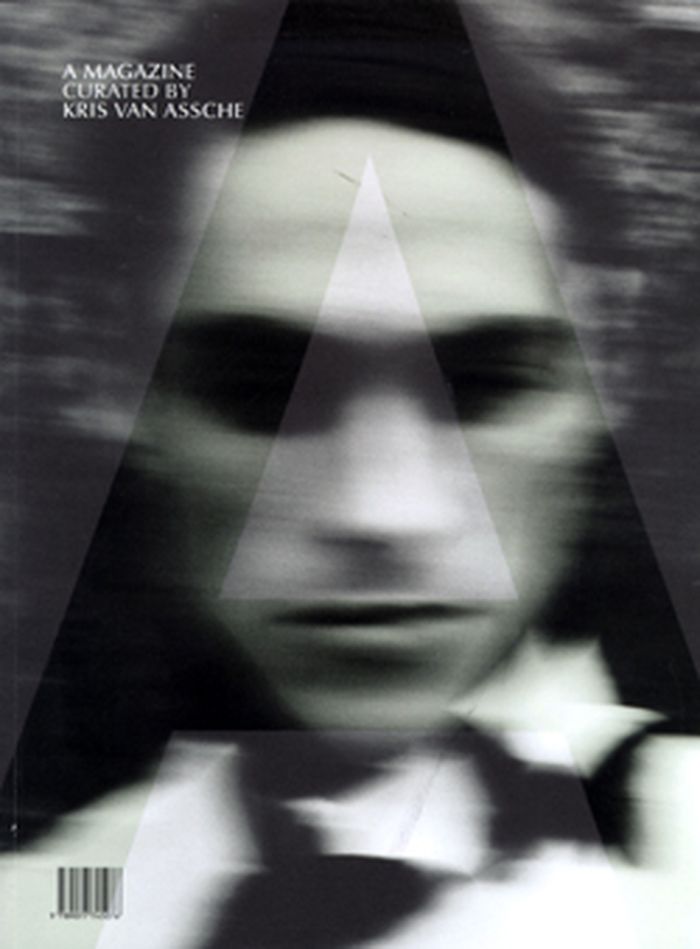
The recently appointed artistic director of Dior Homme, Kris van Assche, has created his own unique collection of images as guest curator of A Magazine. His presentation draws heavily on people and influences that have intrigued and influenced him within the creative process such as Gaëtan Bernard, Sarah Moon and Nan Goldin. Also poetic and romantic influences are explored through works from the artists duo Parkeharrison, and director Jeff Burton.
A magazine #7: Kris Van Assche
Actions:
Prix:
$26.50
(disponible sur commande)
Résumé:
The recently appointed artistic director of Dior Homme, Kris van Assche, has created his own unique collection of images as guest curator of A Magazine. His presentation draws heavily on people and influences that have intrigued and influenced him within the creative process such as Gaëtan Bernard, Sarah Moon and Nan Goldin. Also poetic and romantic influences are explored through works from the artists duo Parkeharrison, and director Jeff Burton.
Classification:
périodiques
périodiques
Publication:
juin 2008, Florence
juin 2008, Florence
Sujet:
Revues
Revues


