


2036 Résultats
Classification:
périodiques
périodiques
Titre:
Cabinet 23: fruits
Cabinet 23: fruits
Actions:
Prix:
$11.00
(disponible en magasin)
Résumé:
Cabinet is an award-winning quarterly magazine of art and culture that confounds expectations of what is typically meant by the words "art," "culture," and sometimes even "magazine." Like the 17th-century cabinet of curiosities to which its name alludes, Cabinet is as interested in the margins of culture as its center. Presenting wide-ranging, multi-disciplinary content(...)
$11.00
(disponible en magasin)
Résumé:
Cabinet is an award-winning quarterly magazine of art and culture that confounds expectations of what is typically meant by the words "art," "culture," and sometimes even "magazine." Like the 17th-century cabinet of curiosities to which its name alludes, Cabinet is as interested in the margins of culture as its center. Presenting wide-ranging, multi-disciplinary content(...)
Titre:
Cabinet 23: fruits
Actions:
Prix:
$11.00
(disponible en magasin)
Résumé:
Cabinet is an award-winning quarterly magazine of art and culture that confounds expectations of what is typically meant by the words "art," "culture," and sometimes even "magazine." Like the 17th-century cabinet of curiosities to which its name alludes, Cabinet is as interested in the margins of culture as its center. Presenting wide-ranging, multi-disciplinary content in each issue through the varied formats of regular columns, essays, interviews, and special artist projects, Cabinet's hybrid sensibility merges the popular appeal of an arts periodical, the visually engaging style of a design magazine, and the in-depth exploration of a scholarly journal. Playful and serious, exuberant and committed, Cabinet's omnivorous appetite for understanding the world makes each of its issues a valuable sourcebook of ideas for a wide range of readers, from artists and designers to scientists and historians. In an age of increasing specialization, Cabinet looks to previous models of the well-rounded thinker to forge a new type of magazine for the intellectually curious reader of the future.
Cabinet 23: fruits
Actions:
Prix:
$11.00
(disponible en magasin)
Résumé:
Cabinet is an award-winning quarterly magazine of art and culture that confounds expectations of what is typically meant by the words "art," "culture," and sometimes even "magazine." Like the 17th-century cabinet of curiosities to which its name alludes, Cabinet is as interested in the margins of culture as its center. Presenting wide-ranging, multi-disciplinary content in each issue through the varied formats of regular columns, essays, interviews, and special artist projects, Cabinet's hybrid sensibility merges the popular appeal of an arts periodical, the visually engaging style of a design magazine, and the in-depth exploration of a scholarly journal. Playful and serious, exuberant and committed, Cabinet's omnivorous appetite for understanding the world makes each of its issues a valuable sourcebook of ideas for a wide range of readers, from artists and designers to scientists and historians. In an age of increasing specialization, Cabinet looks to previous models of the well-rounded thinker to forge a new type of magazine for the intellectually curious reader of the future.
Classification:
périodiques
périodiques
Publication:
novembre 2006, New York
novembre 2006, New York
Sujet:
Revues
Revues
Classification:
périodiques
périodiques
Actions:
Prix:
$12.00
(disponible sur commande)
Résumé:
Cabinet is an award-winning quarterly magazine of art and culture that confounds expectations of what is typically meant by the words "art," "culture," and sometimes even "magazine." Like the 17th-century cabinet of curiosities to which its name alludes, Cabinet is as interested in the margins of culture as its center. Presenting wide-ranging, multi-disciplinary content(...)
$12.00
(disponible sur commande)
Résumé:
Cabinet is an award-winning quarterly magazine of art and culture that confounds expectations of what is typically meant by the words "art," "culture," and sometimes even "magazine." Like the 17th-century cabinet of curiosities to which its name alludes, Cabinet is as interested in the margins of culture as its center. Presenting wide-ranging, multi-disciplinary content(...)
Titre:
Cabinet 19: chance, fall 2005
Actions:
Prix:
$12.00
(disponible sur commande)
Résumé:
Cabinet is an award-winning quarterly magazine of art and culture that confounds expectations of what is typically meant by the words "art," "culture," and sometimes even "magazine." Like the 17th-century cabinet of curiosities to which its name alludes, Cabinet is as interested in the margins of culture as its center. Presenting wide-ranging, multi-disciplinary content in each issue through the varied formats of regular columns, essays, interviews, and special artist projects, Cabinet's hybrid sensibility merges the popular appeal of an arts periodical, the visually engaging style of a design magazine, and the in-depth exploration of a scholarly journal. Playful and serious, exuberant and committed, Cabinet's omnivorous appetite for understanding the world makes each of its issues a valuable sourcebook of ideas for a wide range of readers, from artists and designers to scientists and historians. In an age of increasing specialization, Cabinet looks to previous models of the well-rounded thinker to forge a new type of magazine for the intellectually curious reader of the future.
Cabinet 19: chance, fall 2005
Actions:
Prix:
$12.00
(disponible sur commande)
Résumé:
Cabinet is an award-winning quarterly magazine of art and culture that confounds expectations of what is typically meant by the words "art," "culture," and sometimes even "magazine." Like the 17th-century cabinet of curiosities to which its name alludes, Cabinet is as interested in the margins of culture as its center. Presenting wide-ranging, multi-disciplinary content in each issue through the varied formats of regular columns, essays, interviews, and special artist projects, Cabinet's hybrid sensibility merges the popular appeal of an arts periodical, the visually engaging style of a design magazine, and the in-depth exploration of a scholarly journal. Playful and serious, exuberant and committed, Cabinet's omnivorous appetite for understanding the world makes each of its issues a valuable sourcebook of ideas for a wide range of readers, from artists and designers to scientists and historians. In an age of increasing specialization, Cabinet looks to previous models of the well-rounded thinker to forge a new type of magazine for the intellectually curious reader of the future.
Classification:
périodiques
périodiques
Publication:
janvier 2006, New York
janvier 2006, New York
Sujet:
Revues
Revues
Classification:
périodiques
périodiques
Actions:
Prix:
$11.00
(disponible sur commande)
Résumé:
Cabinet is an award-winning quarterly magazine of art and culture that confounds expectations of what is typically meant by the words "art," "culture," and sometimes even "magazine." Like the 17th-century cabinet of curiosities to which its name alludes, Cabinet is as interested in the margins of culture as its center. Presenting wide-ranging, multi-disciplinary content(...)
$11.00
(disponible sur commande)
Résumé:
Cabinet is an award-winning quarterly magazine of art and culture that confounds expectations of what is typically meant by the words "art," "culture," and sometimes even "magazine." Like the 17th-century cabinet of curiosities to which its name alludes, Cabinet is as interested in the margins of culture as its center. Presenting wide-ranging, multi-disciplinary content(...)
Titre:
Cabinet 17: laughter, spring 2005
Actions:
Prix:
$11.00
(disponible sur commande)
Résumé:
Cabinet is an award-winning quarterly magazine of art and culture that confounds expectations of what is typically meant by the words "art," "culture," and sometimes even "magazine." Like the 17th-century cabinet of curiosities to which its name alludes, Cabinet is as interested in the margins of culture as its center. Presenting wide-ranging, multi-disciplinary content in each issue through the varied formats of regular columns, essays, interviews, and special artist projects, Cabinet's hybrid sensibility merges the popular appeal of an arts periodical, the visually engaging style of a design magazine, and the in-depth exploration of a scholarly journal. Playful and serious, exuberant and committed, Cabinet's omnivorous appetite for understanding the world makes each of its issues a valuable sourcebook of ideas for a wide range of readers, from artists and designers to scientists and historians. In an age of increasing specialization, Cabinet looks to previous models of the well-rounded thinker to forge a new type of magazine for the intellectually curious reader of the future.
Cabinet 17: laughter, spring 2005
Actions:
Prix:
$11.00
(disponible sur commande)
Résumé:
Cabinet is an award-winning quarterly magazine of art and culture that confounds expectations of what is typically meant by the words "art," "culture," and sometimes even "magazine." Like the 17th-century cabinet of curiosities to which its name alludes, Cabinet is as interested in the margins of culture as its center. Presenting wide-ranging, multi-disciplinary content in each issue through the varied formats of regular columns, essays, interviews, and special artist projects, Cabinet's hybrid sensibility merges the popular appeal of an arts periodical, the visually engaging style of a design magazine, and the in-depth exploration of a scholarly journal. Playful and serious, exuberant and committed, Cabinet's omnivorous appetite for understanding the world makes each of its issues a valuable sourcebook of ideas for a wide range of readers, from artists and designers to scientists and historians. In an age of increasing specialization, Cabinet looks to previous models of the well-rounded thinker to forge a new type of magazine for the intellectually curious reader of the future.
Classification:
périodiques
périodiques
Publication:
avril 2005, New York
avril 2005, New York
Sujet:
Revues
Revues
Classification:
périodiques
périodiques
Actions:
Prix:
$11.00
(disponible sur commande)
Résumé:
Cabinet is an award-winning quarterly magazine of art and culture that confounds expectations of what is typically meant by the words "art," "culture," and sometimes even "magazine." Like the 17th-century cabinet of curiosities to which its name alludes, Cabinet is as interested in the margins of culture as its center. Presenting wide-ranging, multi-disciplinary content(...)
$11.00
(disponible sur commande)
Résumé:
Cabinet is an award-winning quarterly magazine of art and culture that confounds expectations of what is typically meant by the words "art," "culture," and sometimes even "magazine." Like the 17th-century cabinet of curiosities to which its name alludes, Cabinet is as interested in the margins of culture as its center. Presenting wide-ranging, multi-disciplinary content(...)
Titre:
Cabinet 16: the sea, winter 2005
Actions:
Prix:
$11.00
(disponible sur commande)
Résumé:
Cabinet is an award-winning quarterly magazine of art and culture that confounds expectations of what is typically meant by the words "art," "culture," and sometimes even "magazine." Like the 17th-century cabinet of curiosities to which its name alludes, Cabinet is as interested in the margins of culture as its center. Presenting wide-ranging, multi-disciplinary content in each issue through the varied formats of regular columns, essays, interviews, and special artist projects, Cabinet's hybrid sensibility merges the popular appeal of an arts periodical, the visually engaging style of a design magazine, and the in-depth exploration of a scholarly journal. Playful and serious, exuberant and committed, Cabinet's omnivorous appetite for understanding the world makes each of its issues a valuable sourcebook of ideas for a wide range of readers, from artists and designers to scientists and historians. In an age of increasing specialization, Cabinet looks to previous models of the well-rounded thinker to forge a new type of magazine for the intellectually curious reader of the future.
Cabinet 16: the sea, winter 2005
Actions:
Prix:
$11.00
(disponible sur commande)
Résumé:
Cabinet is an award-winning quarterly magazine of art and culture that confounds expectations of what is typically meant by the words "art," "culture," and sometimes even "magazine." Like the 17th-century cabinet of curiosities to which its name alludes, Cabinet is as interested in the margins of culture as its center. Presenting wide-ranging, multi-disciplinary content in each issue through the varied formats of regular columns, essays, interviews, and special artist projects, Cabinet's hybrid sensibility merges the popular appeal of an arts periodical, the visually engaging style of a design magazine, and the in-depth exploration of a scholarly journal. Playful and serious, exuberant and committed, Cabinet's omnivorous appetite for understanding the world makes each of its issues a valuable sourcebook of ideas for a wide range of readers, from artists and designers to scientists and historians. In an age of increasing specialization, Cabinet looks to previous models of the well-rounded thinker to forge a new type of magazine for the intellectually curious reader of the future.
Classification:
périodiques
périodiques
Publication:
janvier 2005, New York
janvier 2005, New York
Sujet:
Revues
Revues
Classification:
livres
livres
Titre:
Cabinet 14: doubles,
Cabinet 14: doubles,
Actions:
Prix:
$11.00
(disponible sur commande)
Résumé:
Cabinet is an award-winning quarterly magazine of art and culture that confounds expectations of what is typically meant by the words "art," "culture," and sometimes even "magazine." Like the 17th-century cabinet of curiosities to which its name alludes, Cabinet is as interested in the margins of culture as its center. Presenting wide-ranging, multi-disciplinary content(...)
$11.00
(disponible sur commande)
Résumé:
Cabinet is an award-winning quarterly magazine of art and culture that confounds expectations of what is typically meant by the words "art," "culture," and sometimes even "magazine." Like the 17th-century cabinet of curiosities to which its name alludes, Cabinet is as interested in the margins of culture as its center. Presenting wide-ranging, multi-disciplinary content(...)
Titre:
Cabinet 14: doubles,
Actions:
Prix:
$11.00
(disponible sur commande)
Résumé:
Cabinet is an award-winning quarterly magazine of art and culture that confounds expectations of what is typically meant by the words "art," "culture," and sometimes even "magazine." Like the 17th-century cabinet of curiosities to which its name alludes, Cabinet is as interested in the margins of culture as its center. Presenting wide-ranging, multi-disciplinary content in each issue through the varied formats of regular columns, essays, interviews, and special artist projects, Cabinet's hybrid sensibility merges the popular appeal of an arts periodical, the visually engaging style of a design magazine, and the in-depth exploration of a scholarly journal. Playful and serious, exuberant and committed, Cabinet's omnivorous appetite for understanding the world makes each of its issues a valuable sourcebook of ideas for a wide range of readers, from artists and designers to scientists and historians. In an age of increasing specialization, Cabinet looks to previous models of the well-rounded thinker to forge a new type of magazine for the intellectually curious reader of the future.
Cabinet 14: doubles,
Actions:
Prix:
$11.00
(disponible sur commande)
Résumé:
Cabinet is an award-winning quarterly magazine of art and culture that confounds expectations of what is typically meant by the words "art," "culture," and sometimes even "magazine." Like the 17th-century cabinet of curiosities to which its name alludes, Cabinet is as interested in the margins of culture as its center. Presenting wide-ranging, multi-disciplinary content in each issue through the varied formats of regular columns, essays, interviews, and special artist projects, Cabinet's hybrid sensibility merges the popular appeal of an arts periodical, the visually engaging style of a design magazine, and the in-depth exploration of a scholarly journal. Playful and serious, exuberant and committed, Cabinet's omnivorous appetite for understanding the world makes each of its issues a valuable sourcebook of ideas for a wide range of readers, from artists and designers to scientists and historians. In an age of increasing specialization, Cabinet looks to previous models of the well-rounded thinker to forge a new type of magazine for the intellectually curious reader of the future.
Classification:
livres
livres
Publication:
février 2004, New York
février 2004, New York
Classification:
livres
livres
Titre:
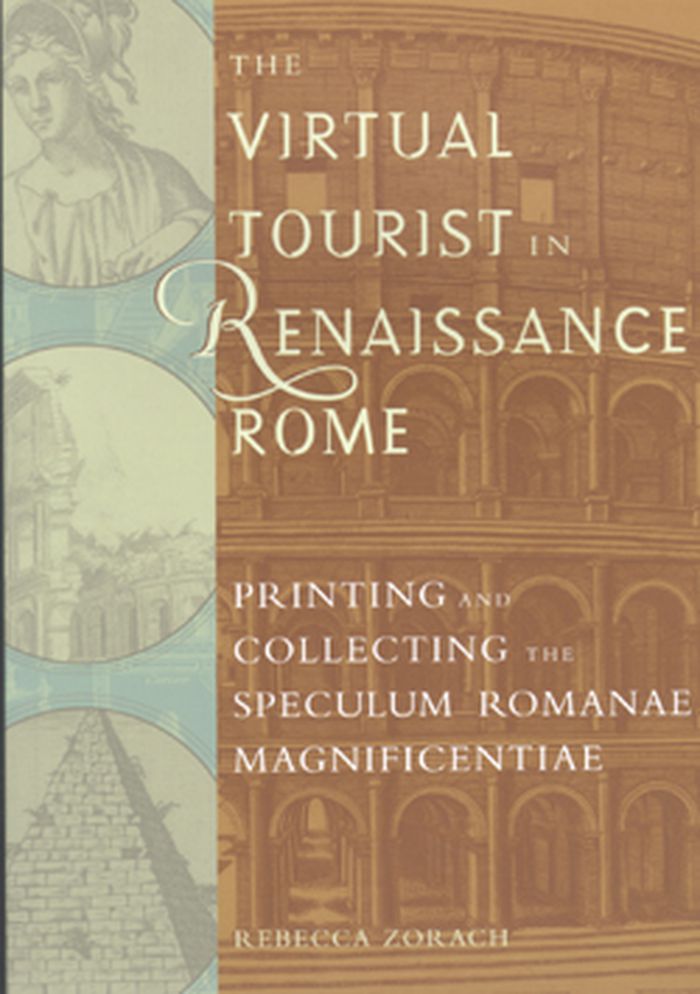
The virtual tourist in Renaissance Rome: printing and collecting the speculum romanae magnificentiae
The virtual tourist in Renaissance Rome: printing and collecting the speculum romanae magnificentiae
Actions:
Prix:
$25.00
(disponible sur commande)
Résumé:
In 1540 Antonio Lafreri, a native of Besancon transplanted to Rome, began publishing maps and other printed images that depicted major monuments and antiquities in Rome. These prints - of statues and ruined landscapes, inscriptions and ornaments, reconstructed monuments and urban denizens - evoked ancient Rome and appealed to the taste for classical antiquity that defined(...)
$25.00
(disponible sur commande)
Résumé:
In 1540 Antonio Lafreri, a native of Besancon transplanted to Rome, began publishing maps and other printed images that depicted major monuments and antiquities in Rome. These prints - of statues and ruined landscapes, inscriptions and ornaments, reconstructed monuments and urban denizens - evoked ancient Rome and appealed to the taste for classical antiquity that defined(...)
Titre:
The virtual tourist in Renaissance Rome: printing and collecting the speculum romanae magnificentiae
Actions:
Prix:
$25.00
(disponible sur commande)
Résumé:
In 1540 Antonio Lafreri, a native of Besancon transplanted to Rome, began publishing maps and other printed images that depicted major monuments and antiquities in Rome. These prints - of statues and ruined landscapes, inscriptions and ornaments, reconstructed monuments and urban denizens - evoked ancient Rome and appealed to the taste for classical antiquity that defined the Renaissance. \Collections of these prints came to be known as the "Speculum Romanae Magnificentiae", the "Mirror of Roman Magnificence." Published in conjunction with an exhibition of the University of Chicago Library's "Speculum Romanae Magnificentiae", the largest collection of its kind in the world, "The Virtual Tourist in Renaissance Rome" places these prints in their historical context and examines their publishing history. Editor Rebecca Zorach traces their journey from their creators and publishers to pilgrims, collectors, antiquarians, and dealers - "virtual tourists" who, over several centuries, revisited and reinvented the Renaissance image of Rome. A marvelous exploration of a rich collection of engravings and etchings, this illustrated volume will fascinate anyone interested in Renaissance Rome, the history of print collecting, the reception of antiquity, and tourism.
The virtual tourist in Renaissance Rome: printing and collecting the speculum romanae magnificentiae
Actions:
Prix:
$25.00
(disponible sur commande)
Résumé:
In 1540 Antonio Lafreri, a native of Besancon transplanted to Rome, began publishing maps and other printed images that depicted major monuments and antiquities in Rome. These prints - of statues and ruined landscapes, inscriptions and ornaments, reconstructed monuments and urban denizens - evoked ancient Rome and appealed to the taste for classical antiquity that defined the Renaissance. \Collections of these prints came to be known as the "Speculum Romanae Magnificentiae", the "Mirror of Roman Magnificence." Published in conjunction with an exhibition of the University of Chicago Library's "Speculum Romanae Magnificentiae", the largest collection of its kind in the world, "The Virtual Tourist in Renaissance Rome" places these prints in their historical context and examines their publishing history. Editor Rebecca Zorach traces their journey from their creators and publishers to pilgrims, collectors, antiquarians, and dealers - "virtual tourists" who, over several centuries, revisited and reinvented the Renaissance image of Rome. A marvelous exploration of a rich collection of engravings and etchings, this illustrated volume will fascinate anyone interested in Renaissance Rome, the history of print collecting, the reception of antiquity, and tourism.
Classification:
livres
livres
Publication:
février 2008
février 2008
Classification:
livres
livres
Actions:
Prix:
$60.00
(disponible sur commande)
Résumé:
Critical theories such as those of the Frankfurt School of the twenties and thirties gave rise to a complex and sophisticated critique of modernity and modernism. The history and theory of twentieth-century architecture, which developed rather independently of (...)
$60.00
(disponible sur commande)
Résumé:
Critical theories such as those of the Frankfurt School of the twenties and thirties gave rise to a complex and sophisticated critique of modernity and modernism. The history and theory of twentieth-century architecture, which developed rather independently of (...)
Titre:
Architecture and modernity : a critique
Actions:
Prix:
$60.00
(disponible sur commande)
Résumé:
Critical theories such as those of the Frankfurt School of the twenties and thirties gave rise to a complex and sophisticated critique of modernity and modernism. The history and theory of twentieth-century architecture, which developed rather independently of this rich tradition, appear naive and unbalanced in comparison. In this exploration of the relationship between modernity, dwelling, and architecture, Hilde Heynen attempts to bridge this gap between the discourse of the modern movement and cultural theories of modernity. On one hand, she discusses architecture from the perspective of critical theory, and on the other she modifies positions within critical theory by linking them with architecture. She assesses architecture as a cultural field that structures daily life and that embodies major contradictions inherent in modernity, arguing that architecture nonetheless has a certain capacity to adopt a critical stance vis-à-vis modernity. The book provides architectural students with an introduction to the discourse of critical theory. The subchapters on Walter Benjamin, Ernst Bloch, Theodor Adorno, and the Venice School (Tafuri, Dal Co, Cacciari) can be studied independently.
Architecture and modernity : a critique
Actions:
Prix:
$60.00
(disponible sur commande)
Résumé:
Critical theories such as those of the Frankfurt School of the twenties and thirties gave rise to a complex and sophisticated critique of modernity and modernism. The history and theory of twentieth-century architecture, which developed rather independently of this rich tradition, appear naive and unbalanced in comparison. In this exploration of the relationship between modernity, dwelling, and architecture, Hilde Heynen attempts to bridge this gap between the discourse of the modern movement and cultural theories of modernity. On one hand, she discusses architecture from the perspective of critical theory, and on the other she modifies positions within critical theory by linking them with architecture. She assesses architecture as a cultural field that structures daily life and that embodies major contradictions inherent in modernity, arguing that architecture nonetheless has a certain capacity to adopt a critical stance vis-à-vis modernity. The book provides architectural students with an introduction to the discourse of critical theory. The subchapters on Walter Benjamin, Ernst Bloch, Theodor Adorno, and the Venice School (Tafuri, Dal Co, Cacciari) can be studied independently.
Classification:
livres
livres
Publication:
novembre 1998, Cambridge, Mass.
novembre 1998, Cambridge, Mass.
Sujet:
Théorie de l’architecture
Théorie de l’architecture
Classification:
livres
livres
Titre:
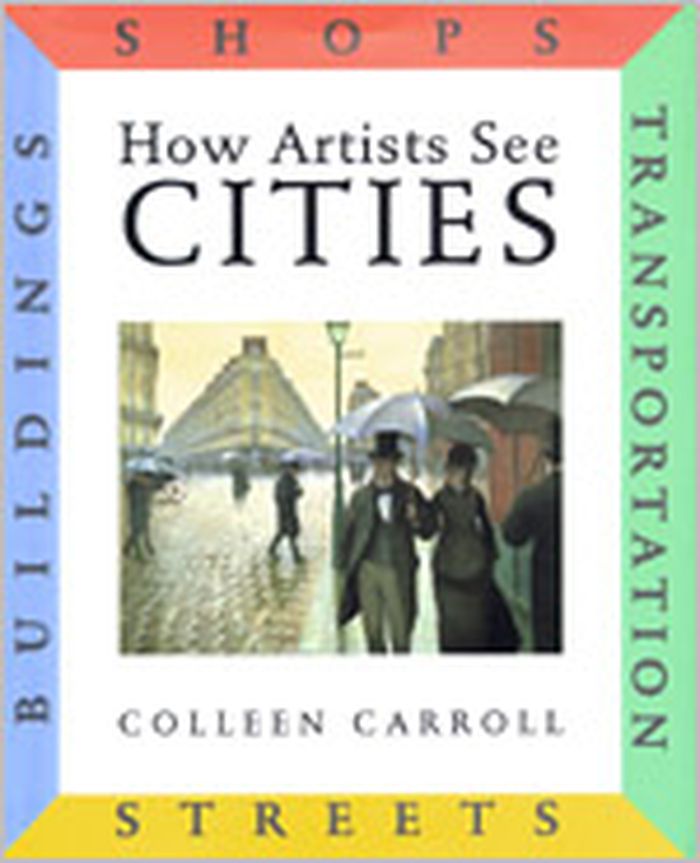
How artists see cities
How artists see cities
Actions:
Prix:
$17.50
(disponible sur commande)
Résumé:
How Artists See is a breakthrough series of interactive, inquiry-based books designed to teach children about the world by looking at art and about art by looking at the world. Author Colleen Carroll's engaging, conversational text is filled with thought-provoking questions and imaginative activities that spark children's natural curiosity both about the subject of the(...)
$17.50
(disponible sur commande)
Résumé:
How Artists See is a breakthrough series of interactive, inquiry-based books designed to teach children about the world by looking at art and about art by looking at the world. Author Colleen Carroll's engaging, conversational text is filled with thought-provoking questions and imaginative activities that spark children's natural curiosity both about the subject of the(...)
Titre:
How artists see cities
Actions:
Prix:
$17.50
(disponible sur commande)
Résumé:
How Artists See is a breakthrough series of interactive, inquiry-based books designed to teach children about the world by looking at art and about art by looking at the world. Author Colleen Carroll's engaging, conversational text is filled with thought-provoking questions and imaginative activities that spark children's natural curiosity both about the subject of the artwork they are looking at and about the way it was created. This direct, interactive approach to art-and to the world-promotes self-exploration, self-discovery, and self-expression. How Artists See Cities introduces basic artistic concepts, styles, and techniques. For children who want to know more about the artists whose works appear in each book, biographies are provided at the end, along with suggestions for further reading and an international list of museums where each artist's works can be seen. As children begin to understand the multitude of ways that artists see, they will deepen their appreciation of art and artists, of the world around them, and of their own unique vision.
How artists see cities
Actions:
Prix:
$17.50
(disponible sur commande)
Résumé:
How Artists See is a breakthrough series of interactive, inquiry-based books designed to teach children about the world by looking at art and about art by looking at the world. Author Colleen Carroll's engaging, conversational text is filled with thought-provoking questions and imaginative activities that spark children's natural curiosity both about the subject of the artwork they are looking at and about the way it was created. This direct, interactive approach to art-and to the world-promotes self-exploration, self-discovery, and self-expression. How Artists See Cities introduces basic artistic concepts, styles, and techniques. For children who want to know more about the artists whose works appear in each book, biographies are provided at the end, along with suggestions for further reading and an international list of museums where each artist's works can be seen. As children begin to understand the multitude of ways that artists see, they will deepen their appreciation of art and artists, of the world around them, and of their own unique vision.
Classification:
livres
livres
Publication:
janvier 1900, New York
janvier 1900, New York
Sujet:
Littérature jeunesse
Littérature jeunesse
Classification:
livres
livres
Actions:
Prix:
$35.50
(disponible sur commande)
Résumé:
Critical theories such as those of the Frankfurt School of the twenties and thirties gave rise to a complex and sophisticated critique of modernity and modernism. The history and theory of twentieth-century architecture, which developed rather independently of (...)
$35.50
(disponible sur commande)
Résumé:
Critical theories such as those of the Frankfurt School of the twenties and thirties gave rise to a complex and sophisticated critique of modernity and modernism. The history and theory of twentieth-century architecture, which developed rather independently of (...)
Titre:
Architecture and modernity : a critique
Actions:
Prix:
$35.50
(disponible sur commande)
Résumé:
Critical theories such as those of the Frankfurt School of the twenties and thirties gave rise to a complex and sophisticated critique of modernity and modernism. The history and theory of twentieth-century architecture, which developed rather independently of this rich tradition, appear naive and unbalanced in comparison. In this exploration of the relationship between modernity, dwelling, and architecture, Hilde Heynen attempts to bridge this gap between the discourse of the modern movement and cultural theories of modernity. On one hand, she discusses architecture from the perspective of critical theory, and on the other she modifies positions within critical theory by linking them with architecture. She assesses architecture as a cultural field that structures daily life and that embodies major contradictions inherent in modernity, arguing that architecture nonetheless has a certain capacity to adopt a critical stance vis-à-vis modernity. The book provides architectural students with an introduction to the discourse of critical theory. The subchapters on Walter Benjamin, Ernst Bloch, Theodor Adorno, and the Venice School (Tafuri, Dal Co, Cacciari) can be studied independently.
Architecture and modernity : a critique
Actions:
Prix:
$35.50
(disponible sur commande)
Résumé:
Critical theories such as those of the Frankfurt School of the twenties and thirties gave rise to a complex and sophisticated critique of modernity and modernism. The history and theory of twentieth-century architecture, which developed rather independently of this rich tradition, appear naive and unbalanced in comparison. In this exploration of the relationship between modernity, dwelling, and architecture, Hilde Heynen attempts to bridge this gap between the discourse of the modern movement and cultural theories of modernity. On one hand, she discusses architecture from the perspective of critical theory, and on the other she modifies positions within critical theory by linking them with architecture. She assesses architecture as a cultural field that structures daily life and that embodies major contradictions inherent in modernity, arguing that architecture nonetheless has a certain capacity to adopt a critical stance vis-à-vis modernity. The book provides architectural students with an introduction to the discourse of critical theory. The subchapters on Walter Benjamin, Ernst Bloch, Theodor Adorno, and the Venice School (Tafuri, Dal Co, Cacciari) can be studied independently.
Classification:
livres
livres
Publication:
avril 2000, Cambridge, Mass.
avril 2000, Cambridge, Mass.
Sujet:
Théorie de l’architecture
Théorie de l’architecture
Classification:
livres
livres
Titre:
Francis Alÿs Fabiola
Francis Alÿs Fabiola
Actions:
Prix:
$35.00
(disponible sur commande)
Résumé:
Mexico City–based artist Francis Alÿs (b. 1959) has assembled a group of paintings depicting Saint Fabiola, a 4th-century saint who gave up all earthly possessions and devoted herself to the practice of Christian asceticism. All of the pictures in the collection are based on an original work—now lost—by the 19th-century French artist Jean-Jacques Henner. Alÿs's collection(...)
$35.00
(disponible sur commande)
Résumé:
Mexico City–based artist Francis Alÿs (b. 1959) has assembled a group of paintings depicting Saint Fabiola, a 4th-century saint who gave up all earthly possessions and devoted herself to the practice of Christian asceticism. All of the pictures in the collection are based on an original work—now lost—by the 19th-century French artist Jean-Jacques Henner. Alÿs's collection(...)
Publication:
mars 2008, New York, New Haven, London
mars 2008, New York, New Haven, London
Titre:
Francis Alÿs Fabiola
Actions:
Prix:
$35.00
(disponible sur commande)
Résumé:
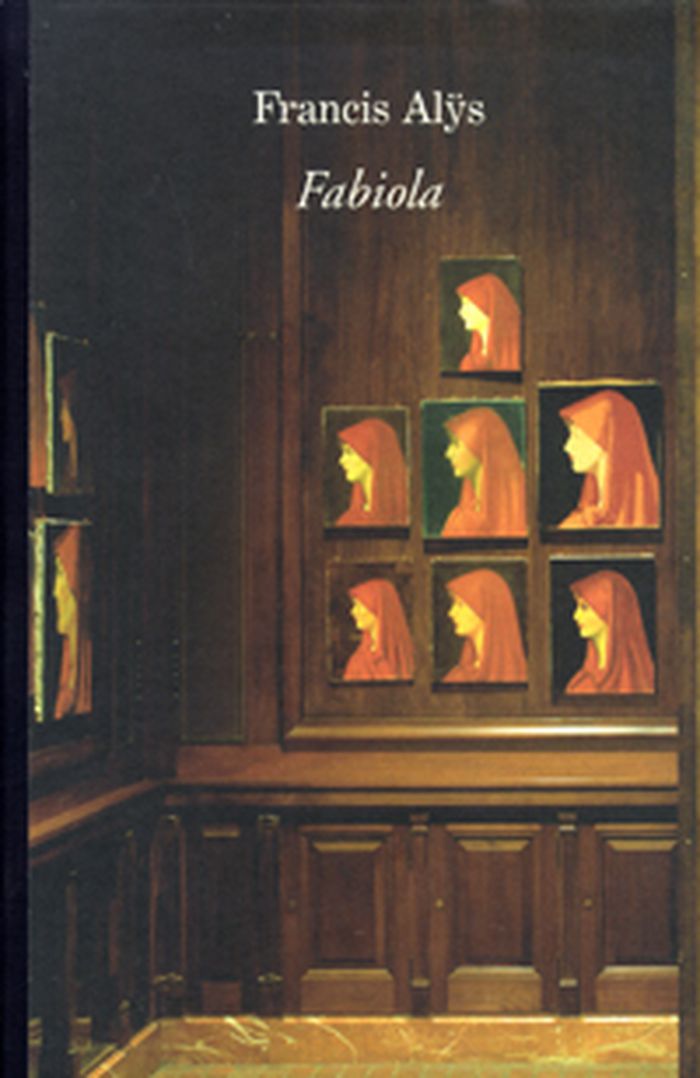
Mexico City–based artist Francis Alÿs (b. 1959) has assembled a group of paintings depicting Saint Fabiola, a 4th-century saint who gave up all earthly possessions and devoted herself to the practice of Christian asceticism. All of the pictures in the collection are based on an original work—now lost—by the 19th-century French artist Jean-Jacques Henner. Alÿs's collection of Fabiola portraits, numbering in the hundreds and painted by amateurs and professionals alike, is the focus of this intriguing book. Not only does it examine the artist’s exploration of collecting practices, but the publication also offers an unusual window into aesthetic, sociological, and anthropological values of the past century. In addition to cataloguing each of the Fabiola works, the book includes Saint Jerome’s eulogy for Fabiola (the primary source for Fabiola’s biography), followed by an interpretive text on evolving hagiographies and saints’ vitae, an analysis of the role of iconographic imagery in the practice of Catholicism, and art historical essays that focus on Alÿs’s practice.
Francis Alÿs Fabiola
Actions:
Prix:
$35.00
(disponible sur commande)
Résumé:
Mexico City–based artist Francis Alÿs (b. 1959) has assembled a group of paintings depicting Saint Fabiola, a 4th-century saint who gave up all earthly possessions and devoted herself to the practice of Christian asceticism. All of the pictures in the collection are based on an original work—now lost—by the 19th-century French artist Jean-Jacques Henner. Alÿs's collection of Fabiola portraits, numbering in the hundreds and painted by amateurs and professionals alike, is the focus of this intriguing book. Not only does it examine the artist’s exploration of collecting practices, but the publication also offers an unusual window into aesthetic, sociological, and anthropological values of the past century. In addition to cataloguing each of the Fabiola works, the book includes Saint Jerome’s eulogy for Fabiola (the primary source for Fabiola’s biography), followed by an interpretive text on evolving hagiographies and saints’ vitae, an analysis of the role of iconographic imagery in the practice of Catholicism, and art historical essays that focus on Alÿs’s practice.
Classification:
livres
livres
Publication:
mars 2008, New York, New Haven, London
mars 2008, New York, New Haven, London


