


2017 Résultats
Classification:
livres
livres
Actions:
Prix:
$170.95
(disponible sur commande)
Résumé:
Basel-based architects Daniel Buchner and Andreas Bründler established their studio in 1997 and soon gained wide recognition for their designs. Today, Buchner Bründler Architects ranks among the leading Swiss firms of the younger generation. This book, their second major monograph, features around fifteen completed projects from 2010 to 2020. The selection comprises new(...)
$170.95
(disponible sur commande)
Résumé:
Basel-based architects Daniel Buchner and Andreas Bründler established their studio in 1997 and soon gained wide recognition for their designs. Today, Buchner Bründler Architects ranks among the leading Swiss firms of the younger generation. This book, their second major monograph, features around fifteen completed projects from 2010 to 2020. The selection comprises new(...)
Titre:
Buchner Brundler: Buildings II
Actions:
Prix:
$170.95
(disponible sur commande)
Résumé:
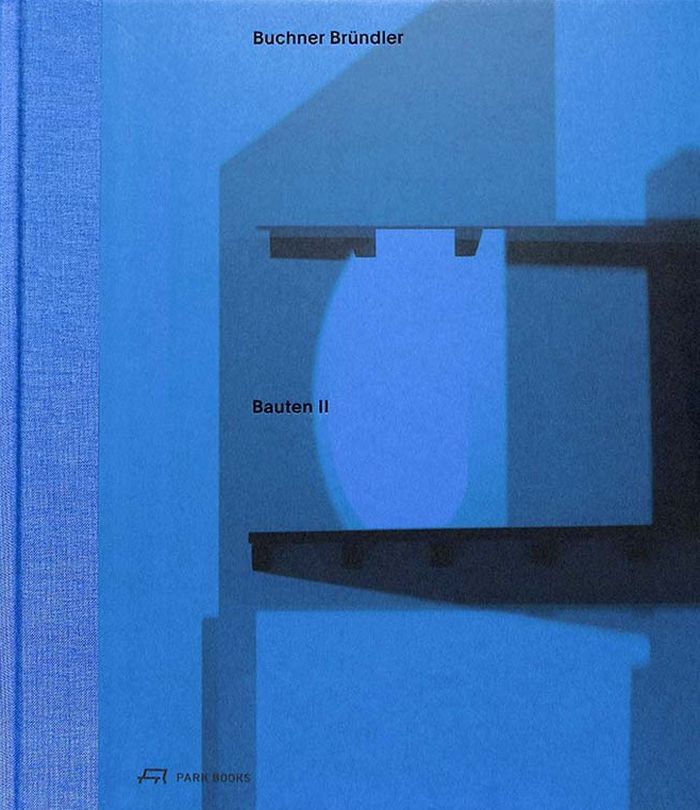
Basel-based architects Daniel Buchner and Andreas Bründler established their studio in 1997 and soon gained wide recognition for their designs. Today, Buchner Bründler Architects ranks among the leading Swiss firms of the younger generation. This book, their second major monograph, features around fifteen completed projects from 2010 to 2020. The selection comprises new buildings as well as significant reconstructions, with a focus on housing designs of various sizes and types in Switzerland and Germany. This is supplemented by a heavily illustrated survey of another fifty buildings and unrealized projects. In total, this volume features some 1,500 photographs, sketches, plans, and visualizations. Yet ''Buchner Bründler: Buildings II'' does not merely bring together images of individual buildings. Instead, it places them in a larger context with concise texts that explore as well historic, social, and economical aspects of the specific location. Moreover, the renowned Swiss book designer Ludovic Balland and his collaborator Annina Schepping have experimented with a range of photographic methods and techniques.
Buchner Brundler: Buildings II
Actions:
Prix:
$170.95
(disponible sur commande)
Résumé:
Basel-based architects Daniel Buchner and Andreas Bründler established their studio in 1997 and soon gained wide recognition for their designs. Today, Buchner Bründler Architects ranks among the leading Swiss firms of the younger generation. This book, their second major monograph, features around fifteen completed projects from 2010 to 2020. The selection comprises new buildings as well as significant reconstructions, with a focus on housing designs of various sizes and types in Switzerland and Germany. This is supplemented by a heavily illustrated survey of another fifty buildings and unrealized projects. In total, this volume features some 1,500 photographs, sketches, plans, and visualizations. Yet ''Buchner Bründler: Buildings II'' does not merely bring together images of individual buildings. Instead, it places them in a larger context with concise texts that explore as well historic, social, and economical aspects of the specific location. Moreover, the renowned Swiss book designer Ludovic Balland and his collaborator Annina Schepping have experimented with a range of photographic methods and techniques.
Classification:
livres
livres
Publication:
janvier 2023
janvier 2023
Sujet:
Architecture, monographies
Architecture, monographies
Classification:
livres
livres
Actions:
Prix:
$65.00
(disponible en magasin)
Résumé:
Bertrand Goldberg (1913-1997) was a visionary Chicago architect whose designs for housing, urban planning, and industrial design made a distinctive mark in the modern era. This handsome publication, the first to focus in-depth on the entirety of Goldberg's life and work, traces his development from his early Bauhaus training to his notable architectural achievements.(...)
$65.00
(disponible en magasin)
Résumé:
Bertrand Goldberg (1913-1997) was a visionary Chicago architect whose designs for housing, urban planning, and industrial design made a distinctive mark in the modern era. This handsome publication, the first to focus in-depth on the entirety of Goldberg's life and work, traces his development from his early Bauhaus training to his notable architectural achievements.(...)
Titre:
Bertrand Goldberg: architecture of invention
Actions:
Prix:
$65.00
(disponible en magasin)
Résumé:
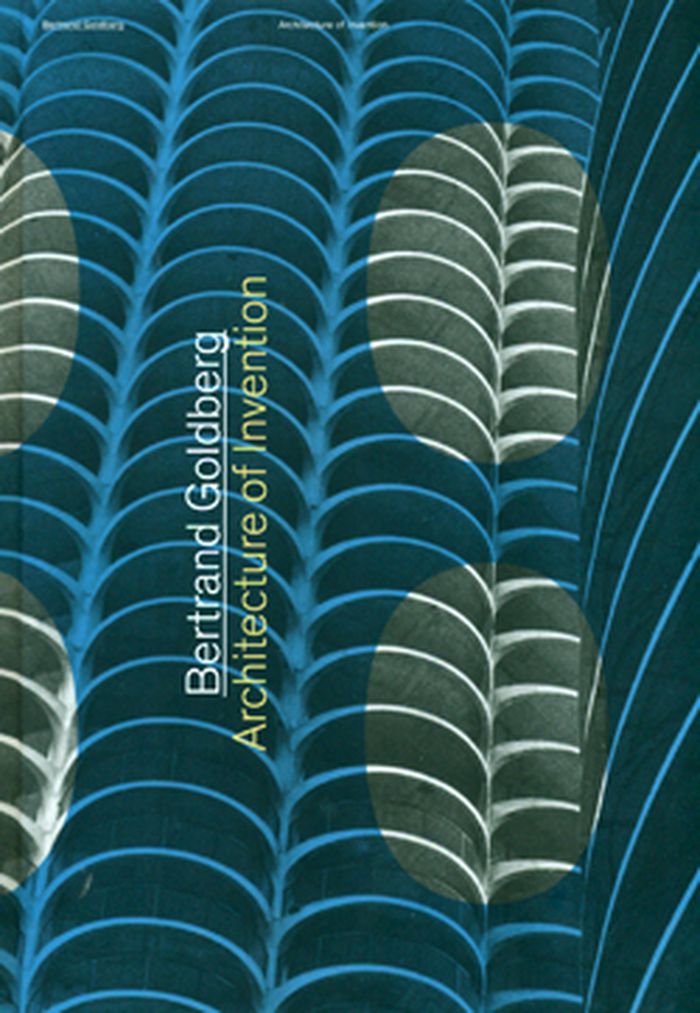
Bertrand Goldberg (1913-1997) was a visionary Chicago architect whose designs for housing, urban planning, and industrial design made a distinctive mark in the modern era. This handsome publication, the first to focus in-depth on the entirety of Goldberg's life and work, traces his development from his early Bauhaus training to his notable architectural achievements. Featuring previously unpublished material, it also includes Goldberg's plans for unrealized projects as well as his collaborations with other prominent modern architects, such as Ludwig Mies van der Rohe and Buckminster Fuller. Goldberg's interest in the social dimension of architecture was reflected in many of his cutting-edge designs. In 1959, he conceived the plan for his most iconic structure, the sixty-story Marina City residential towers, in the heart of downtown Chicago. He created a number of hospitals that offered a new paradigm for how patients and staff interacted within the space. Goldberg's progressive designs also extended to schools, prefabricated structures, and furniture.
Bertrand Goldberg: architecture of invention
Actions:
Prix:
$65.00
(disponible en magasin)
Résumé:
Bertrand Goldberg (1913-1997) was a visionary Chicago architect whose designs for housing, urban planning, and industrial design made a distinctive mark in the modern era. This handsome publication, the first to focus in-depth on the entirety of Goldberg's life and work, traces his development from his early Bauhaus training to his notable architectural achievements. Featuring previously unpublished material, it also includes Goldberg's plans for unrealized projects as well as his collaborations with other prominent modern architects, such as Ludwig Mies van der Rohe and Buckminster Fuller. Goldberg's interest in the social dimension of architecture was reflected in many of his cutting-edge designs. In 1959, he conceived the plan for his most iconic structure, the sixty-story Marina City residential towers, in the heart of downtown Chicago. He created a number of hospitals that offered a new paradigm for how patients and staff interacted within the space. Goldberg's progressive designs also extended to schools, prefabricated structures, and furniture.
Classification:
livres
livres
Publication:
octobre 2011
octobre 2011
Sujet:
Architecture, monographies
Architecture, monographies
Classification:
livres
livres
Actions:
Prix:
$25.95
(disponible sur commande)
Résumé:
Much has been written about Britain's trailblazing post-1970s privatization program, but the biggest privatization of them all has until now escaped scrutiny: the privatization of land. Since Margaret Thatcher took power in 1979, and hidden from the public eye, about 10 per cent of the entire British land mass, including some of its most valuable real estate, has passed(...)
$25.95
(disponible sur commande)
Résumé:
Much has been written about Britain's trailblazing post-1970s privatization program, but the biggest privatization of them all has until now escaped scrutiny: the privatization of land. Since Margaret Thatcher took power in 1979, and hidden from the public eye, about 10 per cent of the entire British land mass, including some of its most valuable real estate, has passed(...)
Titre:
The new enclosure: the appropriation of public land in neoliberal Britain
Actions:
Prix:
$25.95
(disponible sur commande)
Résumé:
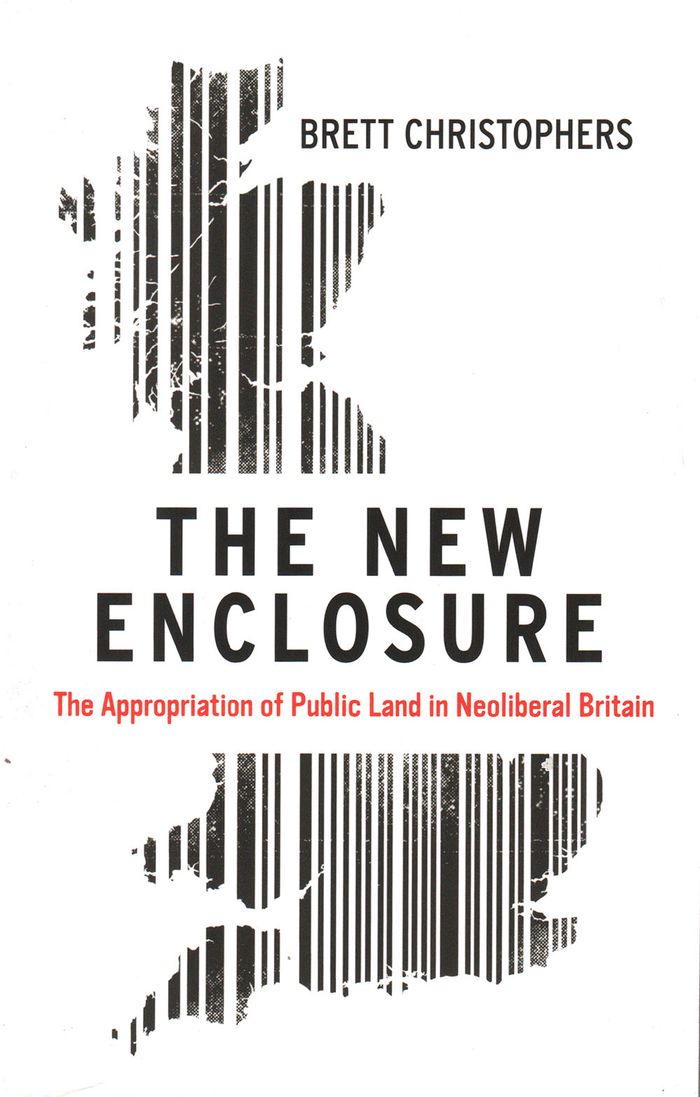
Much has been written about Britain's trailblazing post-1970s privatization program, but the biggest privatization of them all has until now escaped scrutiny: the privatization of land. Since Margaret Thatcher took power in 1979, and hidden from the public eye, about 10 per cent of the entire British land mass, including some of its most valuable real estate, has passed from public to private hands. Forest land, defence land, health service land and above all else local authority land- for farming and school sports, for recreation and housing - has been sold off en masse. Why? How? And with what social, economic and political consequences? “The New Enclosure” provides the first ever study of this profoundly significant phenomenon, situating it as a centrepiece of neoliberalism in Britain and as a successor programme to the original eighteenth-century enclosures. With more public land still slated for disposal, the book identifies the stakes and asks what, if anything, can and should be done.
The new enclosure: the appropriation of public land in neoliberal Britain
Actions:
Prix:
$25.95
(disponible sur commande)
Résumé:
Much has been written about Britain's trailblazing post-1970s privatization program, but the biggest privatization of them all has until now escaped scrutiny: the privatization of land. Since Margaret Thatcher took power in 1979, and hidden from the public eye, about 10 per cent of the entire British land mass, including some of its most valuable real estate, has passed from public to private hands. Forest land, defence land, health service land and above all else local authority land- for farming and school sports, for recreation and housing - has been sold off en masse. Why? How? And with what social, economic and political consequences? “The New Enclosure” provides the first ever study of this profoundly significant phenomenon, situating it as a centrepiece of neoliberalism in Britain and as a successor programme to the original eighteenth-century enclosures. With more public land still slated for disposal, the book identifies the stakes and asks what, if anything, can and should be done.
Classification:
livres
livres
Publication:
novembre 2019
novembre 2019
Sujet:
Paysages urbains
Paysages urbains
Classification:
livres
livres
Titre:
Valerio Olgiati: Villa Além
Valerio Olgiati: Villa Além
Actions:
Prix:
$95.00
(disponible en magasin)
Résumé:
"For many years, my wife Tamara and I had been searching for a place for which we could leave our current home in the Swiss mountains on social, cultural and climatic grounds. In the Alentejo region in Portugal, we found the perfect situation. A wonderful climate, a wide empty landscape and an existing culture that we like. Here, we spend a couple of months a year. From(...)
$95.00
(disponible en magasin)
Résumé:
"For many years, my wife Tamara and I had been searching for a place for which we could leave our current home in the Swiss mountains on social, cultural and climatic grounds. In the Alentejo region in Portugal, we found the perfect situation. A wonderful climate, a wide empty landscape and an existing culture that we like. Here, we spend a couple of months a year. From(...)
Titre:
Valerio Olgiati: Villa Além
Actions:
Prix:
$95.00
(disponible en magasin)
Résumé:
"For many years, my wife Tamara and I had been searching for a place for which we could leave our current home in the Swiss mountains on social, cultural and climatic grounds. In the Alentejo region in Portugal, we found the perfect situation. A wonderful climate, a wide empty landscape and an existing culture that we like. Here, we spend a couple of months a year. From here, we work – my wife is also an architect – close to our office in Flims. The basic idea and the all-influencing aim of our project was to create a garden, even more than a shelter, which, of course, we also have. The form of our house indeed should not primarily express ‘shelter’. It is the ‘garden’ that has to essentially find its form and that we want to experience. To date, three main forms are known to me in terms of housing. The first, ‘urban living’, I understand as living in the dense fabric of an urban setting. Then, ‘suburban living’, which takes place in a typical one-family home with a small garden in suburbia, and finally, ‘country living’, where people live socially and infrastructurally connected at large rural intervals. We excluded all three of these forms for our house. This was not what we were looking for. Our home is far away from the next town. It is disconnected in every respect. There is only the vast empty landscape around us. In Villa Além, a sense of loneliness and independence arises. It is a real retreat. I was looking for a term for this type of housing and have arrived at ‘landscape living’." – Valerio Olgiati
Valerio Olgiati: Villa Além
Actions:
Prix:
$95.00
(disponible en magasin)
Résumé:
"For many years, my wife Tamara and I had been searching for a place for which we could leave our current home in the Swiss mountains on social, cultural and climatic grounds. In the Alentejo region in Portugal, we found the perfect situation. A wonderful climate, a wide empty landscape and an existing culture that we like. Here, we spend a couple of months a year. From here, we work – my wife is also an architect – close to our office in Flims. The basic idea and the all-influencing aim of our project was to create a garden, even more than a shelter, which, of course, we also have. The form of our house indeed should not primarily express ‘shelter’. It is the ‘garden’ that has to essentially find its form and that we want to experience. To date, three main forms are known to me in terms of housing. The first, ‘urban living’, I understand as living in the dense fabric of an urban setting. Then, ‘suburban living’, which takes place in a typical one-family home with a small garden in suburbia, and finally, ‘country living’, where people live socially and infrastructurally connected at large rural intervals. We excluded all three of these forms for our house. This was not what we were looking for. Our home is far away from the next town. It is disconnected in every respect. There is only the vast empty landscape around us. In Villa Além, a sense of loneliness and independence arises. It is a real retreat. I was looking for a term for this type of housing and have arrived at ‘landscape living’." – Valerio Olgiati
Classification:
livres
livres
Publication:
janvier 2016
janvier 2016
Sujet:
Architecture, monographies
Architecture, monographies
Classification:
livres
livres
Titre:
Rhythm in architecture
Rhythm in architecture
Actions:
Prix:
$29.95
(disponible sur commande)
Résumé:
"Rhythm in Architecture" is the first ever translation into English of a key early Modernist text, written by the celebrated Soviet Constructivist architect Moisei Ginzburg and first published in Russian as Ritm v Arkhitekture in 1923. Ginzburg is most famous for his Narkomfin Building in Moscow, completed in 1932, which he described as a “social-condenser”: a radical(...)
$29.95
(disponible sur commande)
Résumé:
"Rhythm in Architecture" is the first ever translation into English of a key early Modernist text, written by the celebrated Soviet Constructivist architect Moisei Ginzburg and first published in Russian as Ritm v Arkhitekture in 1923. Ginzburg is most famous for his Narkomfin Building in Moscow, completed in 1932, which he described as a “social-condenser”: a radical(...)
Titre:
Rhythm in architecture
Actions:
Prix:
$29.95
(disponible sur commande)
Résumé:
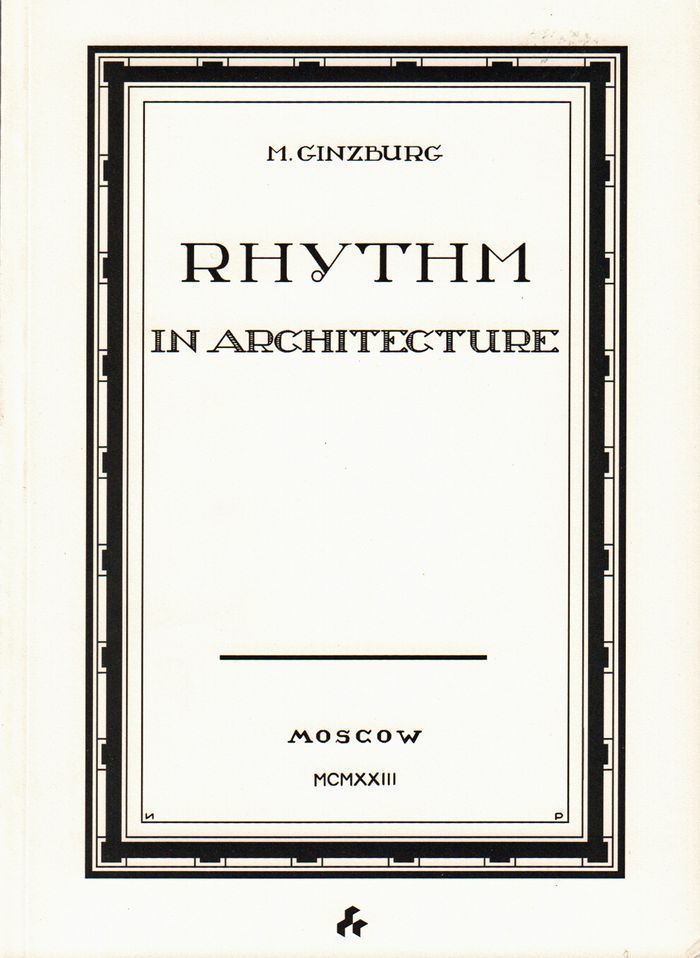
"Rhythm in Architecture" is the first ever translation into English of a key early Modernist text, written by the celebrated Soviet Constructivist architect Moisei Ginzburg and first published in Russian as Ritm v Arkhitekture in 1923. Ginzburg is most famous for his Narkomfin Building in Moscow, completed in 1932, which he described as a “social-condenser”: a radical experiment in communal living. While Ginzburg’s second book Style and Epoch, published in 1924, is often seen as the manifesto for Russian Constructivism, Rhythm in Architecture?which preceded it?can be seen as his attempt to create a synthesis in thinking about architecture as a whole, seeking to show how “the true essence of all works of architecture” are ”inspired by the laws of rhythm”. "Rhythm in Architecture" is republished in cooperation with the Ginzburg Design Practice run by Moisei Ginzburg’s grandson, Aleksey and his partner Natalia Shilova. It is the first of a planned series of reprints of Ginzburg’s four books, Home, 1934 and Industrialising Housing Construction, 1937 as well as Style and Epoch, 1924?the only one previously available in English.
Rhythm in architecture
Actions:
Prix:
$29.95
(disponible sur commande)
Résumé:
"Rhythm in Architecture" is the first ever translation into English of a key early Modernist text, written by the celebrated Soviet Constructivist architect Moisei Ginzburg and first published in Russian as Ritm v Arkhitekture in 1923. Ginzburg is most famous for his Narkomfin Building in Moscow, completed in 1932, which he described as a “social-condenser”: a radical experiment in communal living. While Ginzburg’s second book Style and Epoch, published in 1924, is often seen as the manifesto for Russian Constructivism, Rhythm in Architecture?which preceded it?can be seen as his attempt to create a synthesis in thinking about architecture as a whole, seeking to show how “the true essence of all works of architecture” are ”inspired by the laws of rhythm”. "Rhythm in Architecture" is republished in cooperation with the Ginzburg Design Practice run by Moisei Ginzburg’s grandson, Aleksey and his partner Natalia Shilova. It is the first of a planned series of reprints of Ginzburg’s four books, Home, 1934 and Industrialising Housing Construction, 1937 as well as Style and Epoch, 1924?the only one previously available in English.
Classification:
livres
livres
Publication:
janvier 2017
janvier 2017
Sujet:
Théorie de l’architecture
Théorie de l’architecture
Classification:
livres
livres
Actions:
Prix:
$43.95
(disponible sur commande)
Résumé:
This publication is a comprehensive reader analysing the role of modern architecture, city planning and consumption in the construction of the Swedish welfare state. The book draws mainly from the formative phase of the Swedish model, but also on European and American examples, and attempts to highlight the contradictions and complexities of the process of modernisation.(...)
$43.95
(disponible sur commande)
Résumé:
This publication is a comprehensive reader analysing the role of modern architecture, city planning and consumption in the construction of the Swedish welfare state. The book draws mainly from the formative phase of the Swedish model, but also on European and American examples, and attempts to highlight the contradictions and complexities of the process of modernisation.(...)
Titre:
Swedish modernism : architecture, consumption and the welfare state
Actions:
Prix:
$43.95
(disponible sur commande)
Résumé:
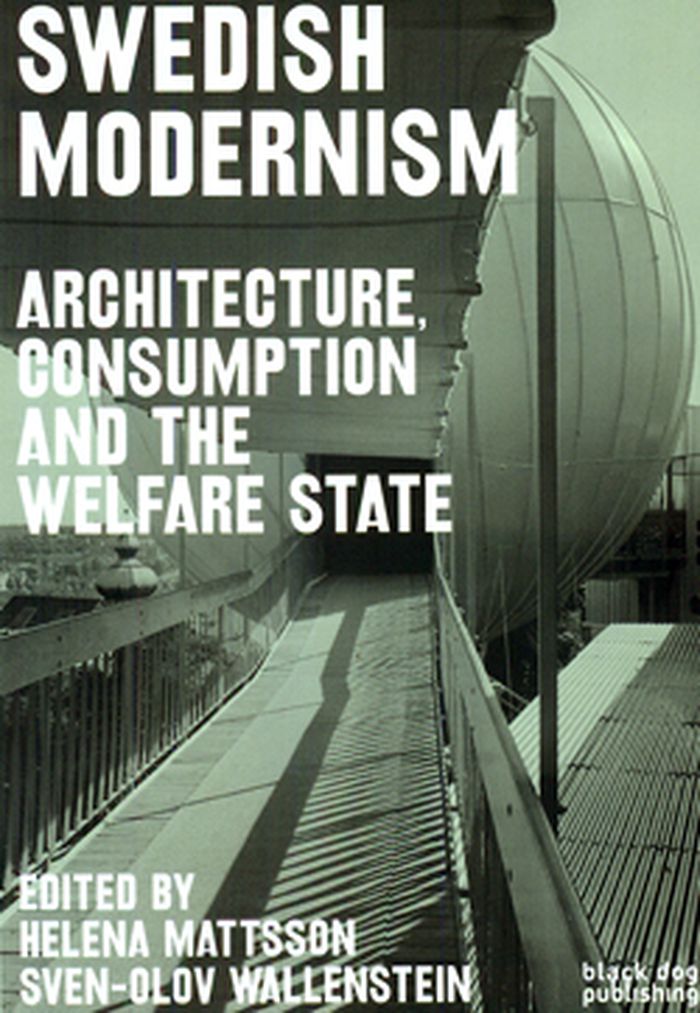
This publication is a comprehensive reader analysing the role of modern architecture, city planning and consumption in the construction of the Swedish welfare state. The book draws mainly from the formative phase of the Swedish model, but also on European and American examples, and attempts to highlight the contradictions and complexities of the process of modernisation. The book provides an in-depth, multilayered account of the process of modernisation; whilst also highlighting the difficulties found. The debate is enriched from a diverse range of contributors including architects, researchers and leading academics from across the globe. It includes an introduction from Helena Mattsson and Sven-Olov Wallenstein and contributions from academics from New York’s Columbia University and London’s UCL; alongside architects in the field. The essays explore the construction of the welfare state, contextualising this in relation to the political and social factors of the time, consumers and spectacles — from housing to national marketing programmes. Specific case studies are featured and the reader ends with a section dealing with the more general problem of historiography.
Swedish modernism : architecture, consumption and the welfare state
Actions:
Prix:
$43.95
(disponible sur commande)
Résumé:
This publication is a comprehensive reader analysing the role of modern architecture, city planning and consumption in the construction of the Swedish welfare state. The book draws mainly from the formative phase of the Swedish model, but also on European and American examples, and attempts to highlight the contradictions and complexities of the process of modernisation. The book provides an in-depth, multilayered account of the process of modernisation; whilst also highlighting the difficulties found. The debate is enriched from a diverse range of contributors including architects, researchers and leading academics from across the globe. It includes an introduction from Helena Mattsson and Sven-Olov Wallenstein and contributions from academics from New York’s Columbia University and London’s UCL; alongside architects in the field. The essays explore the construction of the welfare state, contextualising this in relation to the political and social factors of the time, consumers and spectacles — from housing to national marketing programmes. Specific case studies are featured and the reader ends with a section dealing with the more general problem of historiography.
Classification:
livres
livres
Publication:
juin 2010
juin 2010
Sujet:
Théorie de l’urbanisme
Théorie de l’urbanisme
Classification:
livres
livres
Actions:
Prix:
$45.00
(disponible en magasin)
Résumé:
This book documents two complementary urban realities that have played a fundamental role in the imagination, definition and redefinition of the twentieth-century modern city. Shifting away from an understanding of architecture as the construction of monumental masterpieces, the texts collected here assemble the narratives behind the public spaces, housing and social(...)
$45.00
(disponible en magasin)
Résumé:
This book documents two complementary urban realities that have played a fundamental role in the imagination, definition and redefinition of the twentieth-century modern city. Shifting away from an understanding of architecture as the construction of monumental masterpieces, the texts collected here assemble the narratives behind the public spaces, housing and social(...)
Titre:
Casablanca Chandigarh: a report on modernization
Actions:
Prix:
$45.00
(disponible en magasin)
Résumé:
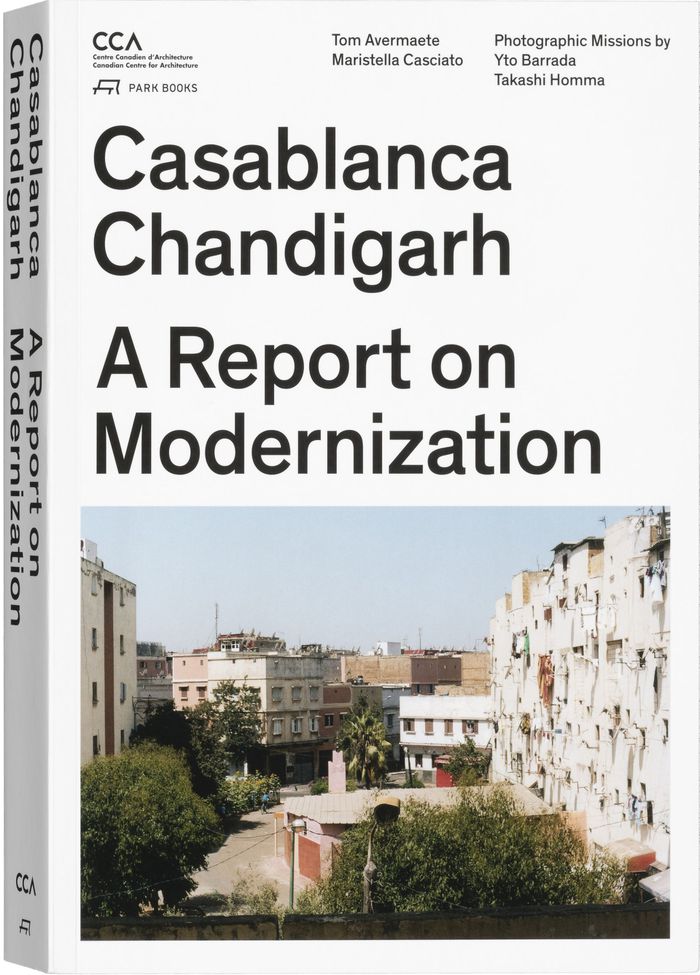
This book documents two complementary urban realities that have played a fundamental role in the imagination, definition and redefinition of the twentieth-century modern city. Shifting away from an understanding of architecture as the construction of monumental masterpieces, the texts collected here assemble the narratives behind the public spaces, housing and social facilities in these two cities, where modern plans have proven unexpectedly resilient and adaptable over time. This perspective is reinforced through visual contributions by Yto Barrada and Takashi Homma—two photographers especially invested in capturing everyday urban life. In a world marked by decolonization and Cold War politics, Casablanca and Chandigarh appear simultaneously as exponents of and countercurrents to modernization and its development perspectives. The book’s three chapters set the context for reading Casablanca and Chandigarh as the results of nuanced, dynamic processes of international exchange driven by the engagement and expertise of a new class of design professionals. As a dossier of actors, alignments and agendas, the book contributes to an alternative historiography of post-war urbanism and to recent reflections on the impact of transnational practice.
Casablanca Chandigarh: a report on modernization
Actions:
Prix:
$45.00
(disponible en magasin)
Résumé:
This book documents two complementary urban realities that have played a fundamental role in the imagination, definition and redefinition of the twentieth-century modern city. Shifting away from an understanding of architecture as the construction of monumental masterpieces, the texts collected here assemble the narratives behind the public spaces, housing and social facilities in these two cities, where modern plans have proven unexpectedly resilient and adaptable over time. This perspective is reinforced through visual contributions by Yto Barrada and Takashi Homma—two photographers especially invested in capturing everyday urban life. In a world marked by decolonization and Cold War politics, Casablanca and Chandigarh appear simultaneously as exponents of and countercurrents to modernization and its development perspectives. The book’s three chapters set the context for reading Casablanca and Chandigarh as the results of nuanced, dynamic processes of international exchange driven by the engagement and expertise of a new class of design professionals. As a dossier of actors, alignments and agendas, the book contributes to an alternative historiography of post-war urbanism and to recent reflections on the impact of transnational practice.
Classification:
livres
livres
Publication:
janvier 2014
janvier 2014
Sujet:
Publications du CCA
Publications du CCA
Classification:
livres
livres
Actions:
Prix:
$28.95
(disponible sur commande)
Résumé:
The shift in the ideological winds toward a "free-market" economy has brought profound effects in urban areas. "The neoliberal city" presents an overview of the effect of these changes on today's cities. The term "neoliberalism" was originally used in reference to a set of practices that first-world institutions like the IMF and World Bank impose on third-world countries(...)
$28.95
(disponible sur commande)
Résumé:
The shift in the ideological winds toward a "free-market" economy has brought profound effects in urban areas. "The neoliberal city" presents an overview of the effect of these changes on today's cities. The term "neoliberalism" was originally used in reference to a set of practices that first-world institutions like the IMF and World Bank impose on third-world countries(...)
Titre:
The neoliberal city : governance, ideology, and development in american urbanism
Actions:
Prix:
$28.95
(disponible sur commande)
Résumé:
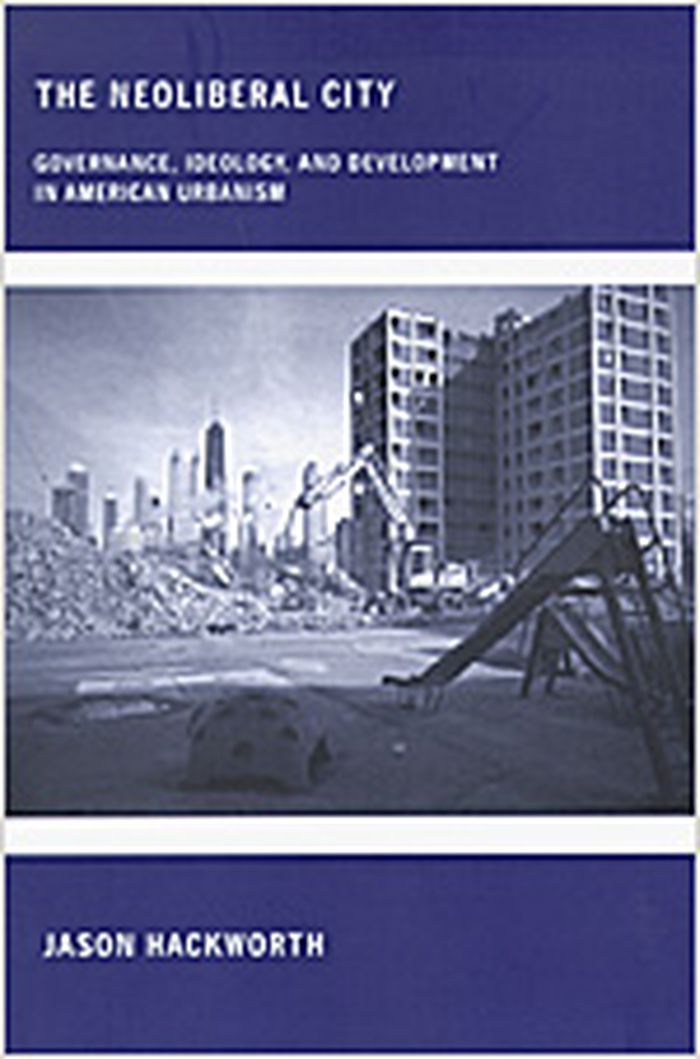
The shift in the ideological winds toward a "free-market" economy has brought profound effects in urban areas. "The neoliberal city" presents an overview of the effect of these changes on today's cities. The term "neoliberalism" was originally used in reference to a set of practices that first-world institutions like the IMF and World Bank impose on third-world countries and cities. The support of unimpeded trade and individual freedoms and the discouragement of state regulation and social spending are the putative centerpieces of this vision. More and more, though, people have come to recognize that first-world cities are undergoing the same processes. In "The neoliberal city", Jason Hackworth argues that neoliberal policies are in fact having a profound effect on the nature and direction of urbanization in the United States and other wealthy countries, and that much can be learned from studying its effect. He explores the impact that neoliberalism has had on three aspects of urbanization in the United States: governance, urban form, and social movements. The American inner city is seen as a crucial battle zone for the wider neoliberal transition primarily because it embodies neoliberalism's antithesis, Keynesian egalitarian liberalism. Focusing on issues such as gentrification in New York City; public-housing policy in New York, Chicago, and Seattle; downtown redevelopment in Phoenix; and urban-landscape change in New Brunswick, N.J., Hackworth shows us how material and symbolic changes to institutions, neighborhoods, and entire urban regions can be traced in part to the rise of neoliberalism.
The neoliberal city : governance, ideology, and development in american urbanism
Actions:
Prix:
$28.95
(disponible sur commande)
Résumé:
The shift in the ideological winds toward a "free-market" economy has brought profound effects in urban areas. "The neoliberal city" presents an overview of the effect of these changes on today's cities. The term "neoliberalism" was originally used in reference to a set of practices that first-world institutions like the IMF and World Bank impose on third-world countries and cities. The support of unimpeded trade and individual freedoms and the discouragement of state regulation and social spending are the putative centerpieces of this vision. More and more, though, people have come to recognize that first-world cities are undergoing the same processes. In "The neoliberal city", Jason Hackworth argues that neoliberal policies are in fact having a profound effect on the nature and direction of urbanization in the United States and other wealthy countries, and that much can be learned from studying its effect. He explores the impact that neoliberalism has had on three aspects of urbanization in the United States: governance, urban form, and social movements. The American inner city is seen as a crucial battle zone for the wider neoliberal transition primarily because it embodies neoliberalism's antithesis, Keynesian egalitarian liberalism. Focusing on issues such as gentrification in New York City; public-housing policy in New York, Chicago, and Seattle; downtown redevelopment in Phoenix; and urban-landscape change in New Brunswick, N.J., Hackworth shows us how material and symbolic changes to institutions, neighborhoods, and entire urban regions can be traced in part to the rise of neoliberalism.
Classification:
livres
livres
Publication:
décembre 2006, Ithaca, London
décembre 2006, Ithaca, London
Sujet:
Théorie de l’urbanisme
Théorie de l’urbanisme
Classification:
livres
livres
Prix:
$34.95
(disponible sur commande)
Résumé:
"Buildings that Last" provides the layperson with a basis for participating in the discussion about sustainable housing. This book is not about bricks and adobe, nor about cladding with aluminum or glass, nor about the difference between natural and mechanical ventilation. While these are all important aspects of sustainable building, the real key is for the partners in(...)
$34.95
(disponible sur commande)
Résumé:
"Buildings that Last" provides the layperson with a basis for participating in the discussion about sustainable housing. This book is not about bricks and adobe, nor about cladding with aluminum or glass, nor about the difference between natural and mechanical ventilation. While these are all important aspects of sustainable building, the real key is for the partners in(...)
Sujet:
Architecture écologique
Architecture écologique
Publication:
mars 2004, Rotterdam
mars 2004, Rotterdam
Titre:
Buildings that last : guidelines for strategic thinking
Actions:
Prix:
$34.95
(disponible sur commande)
Résumé:
"Buildings that Last" provides the layperson with a basis for participating in the discussion about sustainable housing. This book is not about bricks and adobe, nor about cladding with aluminum or glass, nor about the difference between natural and mechanical ventilation. While these are all important aspects of sustainable building, the real key is for the partners in the construction process--including the commissioning bodies--to consider early on the physical, social, and cultural environment in which they want to be accommodated. This first thinking stage can lead to the unearthing of surprising solutions that are considerably more sustainable than what has been the norm until now. Real estate is still too often thought of as a question of meeting the demand for floor space in square meters (or feet, depending)--and little else. Buildings that Last includes examples of studies into the construction of offices for 2040, when buildings will hopefully have an environmental impact that is 95% less than was the norm at the end of the last century. Today's top-scoring projects are also reviewed--the results show that we still have a long way to go in sustaining sustainable development.
Buildings that last : guidelines for strategic thinking
Actions:
Prix:
$34.95
(disponible sur commande)
Résumé:
"Buildings that Last" provides the layperson with a basis for participating in the discussion about sustainable housing. This book is not about bricks and adobe, nor about cladding with aluminum or glass, nor about the difference between natural and mechanical ventilation. While these are all important aspects of sustainable building, the real key is for the partners in the construction process--including the commissioning bodies--to consider early on the physical, social, and cultural environment in which they want to be accommodated. This first thinking stage can lead to the unearthing of surprising solutions that are considerably more sustainable than what has been the norm until now. Real estate is still too often thought of as a question of meeting the demand for floor space in square meters (or feet, depending)--and little else. Buildings that Last includes examples of studies into the construction of offices for 2040, when buildings will hopefully have an environmental impact that is 95% less than was the norm at the end of the last century. Today's top-scoring projects are also reviewed--the results show that we still have a long way to go in sustaining sustainable development.
Classification:
livres
livres
Publication:
mars 2004, Rotterdam
mars 2004, Rotterdam
Sujet:
Architecture écologique
Architecture écologique
Classification:
livres
livres
Actions:
Prix:
$39.99
(disponible sur commande)
Résumé:
The region is back in town. Galloping urbanization has pushed beyond historical notions of metropolitanism. City-regions have experienced, in Edward Soja’s terms, “an epochal shift in the nature of the city and the urbanization process, marking the beginning of the end of the modern metropolis as we knew it.” "Governing cities through regions" broadens and deepens our(...)
$39.99
(disponible sur commande)
Résumé:
The region is back in town. Galloping urbanization has pushed beyond historical notions of metropolitanism. City-regions have experienced, in Edward Soja’s terms, “an epochal shift in the nature of the city and the urbanization process, marking the beginning of the end of the modern metropolis as we knew it.” "Governing cities through regions" broadens and deepens our(...)
Sujet:
Théorie de l’urbanisme
Théorie de l’urbanisme
Publication:
décembre 2016
décembre 2016
Titre:
Governing cities through regions: Canadian and European perspectives
Actions:
Prix:
$39.99
(disponible sur commande)
Résumé:
The region is back in town. Galloping urbanization has pushed beyond historical notions of metropolitanism. City-regions have experienced, in Edward Soja’s terms, “an epochal shift in the nature of the city and the urbanization process, marking the beginning of the end of the modern metropolis as we knew it.” "Governing cities through regions" broadens and deepens our understanding of metropolitan governance through an innovative comparative project that engages with Anglo-American, French, and German literatures on the subject of regional governance. It expands the comparative angle from issues of economic competiveness and social cohesion to topical and relevant fields such as housing and transportation, and it expands comparative work on municipal governance to the regional scale. With contributions from established and emerging international scholars of urban and regional governance, the volume covers conceptual topics and case studies that contrast the experience of a range of Canadian metropolitan regions with a strong selection of European regions. It starts from assumptions of limited conversion among regions across the Atlantic but is keenly aware of the remarkable differences in urban regions’ path dependencies in which the larger processes of globalization and neo-liberalization are situated and materialized.
Governing cities through regions: Canadian and European perspectives
Actions:
Prix:
$39.99
(disponible sur commande)
Résumé:
The region is back in town. Galloping urbanization has pushed beyond historical notions of metropolitanism. City-regions have experienced, in Edward Soja’s terms, “an epochal shift in the nature of the city and the urbanization process, marking the beginning of the end of the modern metropolis as we knew it.” "Governing cities through regions" broadens and deepens our understanding of metropolitan governance through an innovative comparative project that engages with Anglo-American, French, and German literatures on the subject of regional governance. It expands the comparative angle from issues of economic competiveness and social cohesion to topical and relevant fields such as housing and transportation, and it expands comparative work on municipal governance to the regional scale. With contributions from established and emerging international scholars of urban and regional governance, the volume covers conceptual topics and case studies that contrast the experience of a range of Canadian metropolitan regions with a strong selection of European regions. It starts from assumptions of limited conversion among regions across the Atlantic but is keenly aware of the remarkable differences in urban regions’ path dependencies in which the larger processes of globalization and neo-liberalization are situated and materialized.
Classification:
livres
livres
Publication:
décembre 2016
décembre 2016
Sujet:
Théorie de l’urbanisme
Théorie de l’urbanisme


