


2017 Résultats
Classification:
livres
livres
Actions:
Prix:
$59.50
(disponible sur commande)
Résumé:
From the targeted demolition of Mostar's Stari-Most Bridge in 1993 to the physical and social havoc caused by the 2004 Boxing Day Tsunami, the history of cities is often a history of destruction and reconstruction. But what political and aesthetic criteria should guide us in the rebuilding of cities devastated by war and natural calamities? This publication points to(...)
$59.50
(disponible sur commande)
Résumé:
From the targeted demolition of Mostar's Stari-Most Bridge in 1993 to the physical and social havoc caused by the 2004 Boxing Day Tsunami, the history of cities is often a history of destruction and reconstruction. But what political and aesthetic criteria should guide us in the rebuilding of cities devastated by war and natural calamities? This publication points to(...)
Titre:
Architects without frontiers: war, reconstruction and design responsibility
Actions:
Prix:
$59.50
(disponible sur commande)
Résumé:
From the targeted demolition of Mostar's Stari-Most Bridge in 1993 to the physical and social havoc caused by the 2004 Boxing Day Tsunami, the history of cities is often a history of destruction and reconstruction. But what political and aesthetic criteria should guide us in the rebuilding of cities devastated by war and natural calamities? This publication points to the potential for architects to play important roles in post-war relief and reconstruction. Charlesworth suggests that architects and design professionals have a significant opportunity to assist peace-making and reconstruction efforts in the period immediately after conflict or disaster, when much of the housing, hospital, educational, transport, civic and business infrastructure has been destroyed or badly damaged. Through selected case studies, Charlesworth examines the role of architects, planners, urban designers and landscape architects in three cities following conflict - Beirut, Nicosia and Mostar - three cities where the mental and physical scars of violent conflict still remain. This book expands the traditional role of the architect from 'hero' to 'peacemaker' and discusses how design educators can stretch their wings to encompass the proliferating agendas and sites of civil unrest.
Architects without frontiers: war, reconstruction and design responsibility
Actions:
Prix:
$59.50
(disponible sur commande)
Résumé:
From the targeted demolition of Mostar's Stari-Most Bridge in 1993 to the physical and social havoc caused by the 2004 Boxing Day Tsunami, the history of cities is often a history of destruction and reconstruction. But what political and aesthetic criteria should guide us in the rebuilding of cities devastated by war and natural calamities? This publication points to the potential for architects to play important roles in post-war relief and reconstruction. Charlesworth suggests that architects and design professionals have a significant opportunity to assist peace-making and reconstruction efforts in the period immediately after conflict or disaster, when much of the housing, hospital, educational, transport, civic and business infrastructure has been destroyed or badly damaged. Through selected case studies, Charlesworth examines the role of architects, planners, urban designers and landscape architects in three cities following conflict - Beirut, Nicosia and Mostar - three cities where the mental and physical scars of violent conflict still remain. This book expands the traditional role of the architect from 'hero' to 'peacemaker' and discusses how design educators can stretch their wings to encompass the proliferating agendas and sites of civil unrest.
Classification:
livres
livres
Publication:
avril 2006
avril 2006
Sujet:
Théorie de l’architecture
Théorie de l’architecture
Classification:
livres
livres
Actions:
Prix:
$55.00
(disponible sur commande)
Résumé:
What if we stopped dividing the US and Mexico, and instead saw the border as one region? This book envisions the cultural and industrial cohesion of the area. At a moment when migration has returned as a hot-button political issue and NAFTA is being renegotiated as the USMC, political discourse has exaggerated differences on either side of the shared US/Mexico border. But(...)
$55.00
(disponible sur commande)
Résumé:
What if we stopped dividing the US and Mexico, and instead saw the border as one region? This book envisions the cultural and industrial cohesion of the area. At a moment when migration has returned as a hot-button political issue and NAFTA is being renegotiated as the USMC, political discourse has exaggerated differences on either side of the shared US/Mexico border. But(...)
Publication:
décembre 2020
décembre 2020
Titre:
Two sides of the border: reimagining the region
Actions:
Prix:
$55.00
(disponible sur commande)
Résumé:
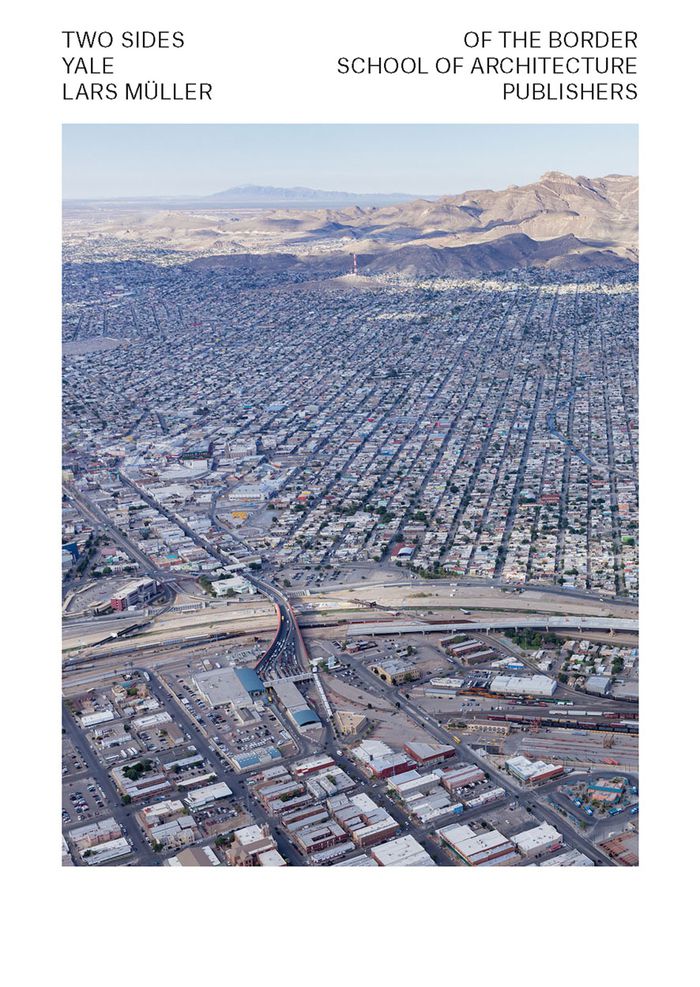
What if we stopped dividing the US and Mexico, and instead saw the border as one region? This book envisions the cultural and industrial cohesion of the area. At a moment when migration has returned as a hot-button political issue and NAFTA is being renegotiated as the USMC, political discourse has exaggerated differences on either side of the shared US/Mexico border. But what if we stopped dividing the United States and Mexico into two separate nations, and instead studied their shared histories, cultures and economies, acknowledging them as parts of a single region? In 2018, under the direction of Mexican architect Tatiana Bilbao, 13 architecture studios and their students across the United States and Mexico undertook the monumental task of attempting to rethink the US/Mexico border as a complex and dynamic, but also cohesive and integrated, region. ''Two sides of the border'' envisions the borderlands through five themes: creative industries and local production, migration, housing and cities, territorial economies and tourism. Building on a long shared history in the region, the projects in this volume use design and architecture to address social, political and ecological concerns along our shared border.
Two sides of the border: reimagining the region
Actions:
Prix:
$55.00
(disponible sur commande)
Résumé:
What if we stopped dividing the US and Mexico, and instead saw the border as one region? This book envisions the cultural and industrial cohesion of the area. At a moment when migration has returned as a hot-button political issue and NAFTA is being renegotiated as the USMC, political discourse has exaggerated differences on either side of the shared US/Mexico border. But what if we stopped dividing the United States and Mexico into two separate nations, and instead studied their shared histories, cultures and economies, acknowledging them as parts of a single region? In 2018, under the direction of Mexican architect Tatiana Bilbao, 13 architecture studios and their students across the United States and Mexico undertook the monumental task of attempting to rethink the US/Mexico border as a complex and dynamic, but also cohesive and integrated, region. ''Two sides of the border'' envisions the borderlands through five themes: creative industries and local production, migration, housing and cities, territorial economies and tourism. Building on a long shared history in the region, the projects in this volume use design and architecture to address social, political and ecological concerns along our shared border.
Classification:
livres
livres
Publication:
décembre 2020
décembre 2020
Classification:
livres
livres
Actions:
Prix:
$25.00
(disponible sur commande)
Résumé:
Cornelia Hahn Oberlander (1921-2021) ws among the most eminent landscape architects in the world, known for many projects in Canada and abroad. ''Genius Loci,'' meaning the protective spirit of a place, is embodied in the seven decade span of her work. Her landscape designs demonstrate her desire to create terrains that are less an interruption and more an amplification(...)
$25.00
(disponible sur commande)
Résumé:
Cornelia Hahn Oberlander (1921-2021) ws among the most eminent landscape architects in the world, known for many projects in Canada and abroad. ''Genius Loci,'' meaning the protective spirit of a place, is embodied in the seven decade span of her work. Her landscape designs demonstrate her desire to create terrains that are less an interruption and more an amplification(...)
Titre:
MODIFIE Cooking sections: Salmon A Red Herring
Actions:
Prix:
$25.00
(disponible sur commande)
Résumé:
Cornelia Hahn Oberlander (1921-2021) ws among the most eminent landscape architects in the world, known for many projects in Canada and abroad. ''Genius Loci,'' meaning the protective spirit of a place, is embodied in the seven decade span of her work. Her landscape designs demonstrate her desire to create terrains that are less an interruption and more an amplification of what already exists on a site. Her training in modernist design and a desire to connect people with nature is immediately apparent in her landscapes. At a time when our relationship to the earth is of paramount importance, Oberlander’s projects reveal consistent and significant stewardship of the natural environment. Many of her designs—even those from 50 years ago—remain largely unchanged, testaments to her technical skill, research techniques, and judicious selection of flora. This bilingual book derives from an exhibition at the West Vancouver Art Museum, introduing projects by Oberlander, and presented in four sections devoted to playgrounds, social housing, public projects, and residential projects, showing photography of the places alongside her sketches, plans, and research proposals. The book includes contributions by Oberlander and the exhibition curators, Susan Herrington and Eva Matsuzaki.
MODIFIE Cooking sections: Salmon A Red Herring
Actions:
Prix:
$25.00
(disponible sur commande)
Résumé:
Cornelia Hahn Oberlander (1921-2021) ws among the most eminent landscape architects in the world, known for many projects in Canada and abroad. ''Genius Loci,'' meaning the protective spirit of a place, is embodied in the seven decade span of her work. Her landscape designs demonstrate her desire to create terrains that are less an interruption and more an amplification of what already exists on a site. Her training in modernist design and a desire to connect people with nature is immediately apparent in her landscapes. At a time when our relationship to the earth is of paramount importance, Oberlander’s projects reveal consistent and significant stewardship of the natural environment. Many of her designs—even those from 50 years ago—remain largely unchanged, testaments to her technical skill, research techniques, and judicious selection of flora. This bilingual book derives from an exhibition at the West Vancouver Art Museum, introduing projects by Oberlander, and presented in four sections devoted to playgrounds, social housing, public projects, and residential projects, showing photography of the places alongside her sketches, plans, and research proposals. The book includes contributions by Oberlander and the exhibition curators, Susan Herrington and Eva Matsuzaki.
Classification:
livres
livres
Publication:
janvier 2021
janvier 2021
Classification:
livres
livres
Actions:
Prix:
$70.00
(disponible sur commande)
Résumé:
Inspired by the rise of environmental psychology and increasing support for behavioral research after the Second World War, new initiatives at the federal, state, and local levels looked to influence the human psyche through form, or elicit desired behaviors with environmental incentives, implementing what Joy Knoblauch calls 'psychological functionalism.' Recruited by(...)
$70.00
(disponible sur commande)
Résumé:
Inspired by the rise of environmental psychology and increasing support for behavioral research after the Second World War, new initiatives at the federal, state, and local levels looked to influence the human psyche through form, or elicit desired behaviors with environmental incentives, implementing what Joy Knoblauch calls 'psychological functionalism.' Recruited by(...)
Titre:
The architecture of good behaviour
Actions:
Prix:
$70.00
(disponible sur commande)
Résumé:
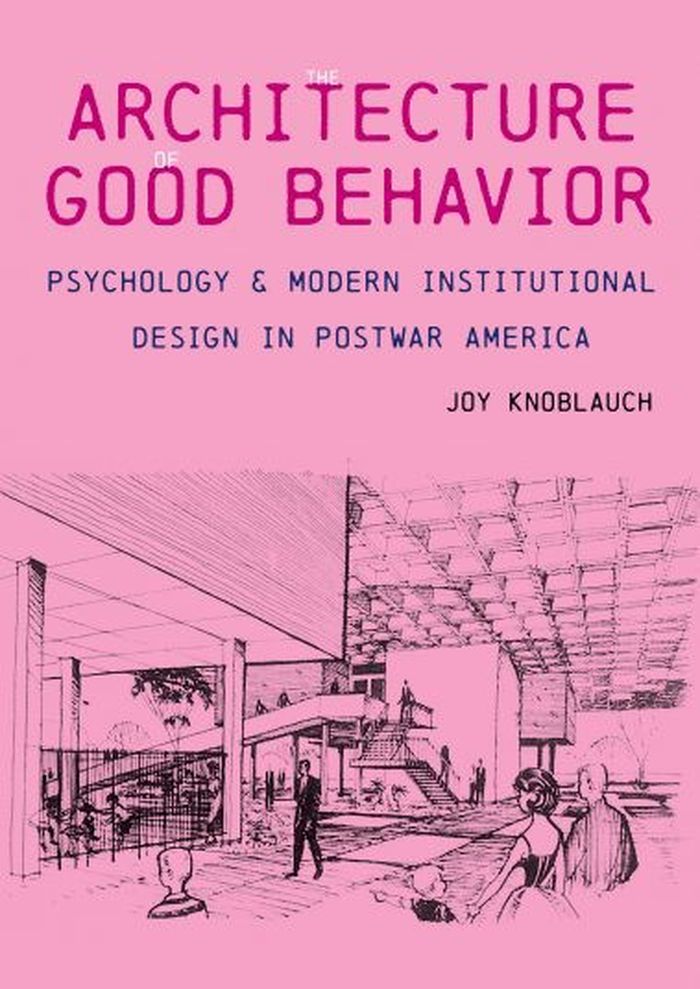
Inspired by the rise of environmental psychology and increasing support for behavioral research after the Second World War, new initiatives at the federal, state, and local levels looked to influence the human psyche through form, or elicit desired behaviors with environmental incentives, implementing what Joy Knoblauch calls 'psychological functionalism.' Recruited by federal construction and research programs for institutional reform and expansion — which included hospitals, mental health centers, prisons, and public housing—architects theorized new ways to control behavior and make it more functional by exercising soft power, or power through persuasion, with their designs. In the 1960s – 1970s era of anti-institutional sentiment, they hoped to offer an enlightened, palatable, more humane solution to larger social problems related to health, mental health, justice, and security of the population by applying psychological expertise to institutional design. In turn, Knoblauch argues, architects gained new roles as researchers, organizers, and writers while theories of confinement, territory, and surveillance proliferated. 'The Architecture of Good Behavior' explores psychological functionalism as a political tool and the architectural projects funded by a postwar nation in its efforts to govern, exert control over, and ultimately pacify its patients, prisoners, and residents.
The architecture of good behaviour
Actions:
Prix:
$70.00
(disponible sur commande)
Résumé:
Inspired by the rise of environmental psychology and increasing support for behavioral research after the Second World War, new initiatives at the federal, state, and local levels looked to influence the human psyche through form, or elicit desired behaviors with environmental incentives, implementing what Joy Knoblauch calls 'psychological functionalism.' Recruited by federal construction and research programs for institutional reform and expansion — which included hospitals, mental health centers, prisons, and public housing—architects theorized new ways to control behavior and make it more functional by exercising soft power, or power through persuasion, with their designs. In the 1960s – 1970s era of anti-institutional sentiment, they hoped to offer an enlightened, palatable, more humane solution to larger social problems related to health, mental health, justice, and security of the population by applying psychological expertise to institutional design. In turn, Knoblauch argues, architects gained new roles as researchers, organizers, and writers while theories of confinement, territory, and surveillance proliferated. 'The Architecture of Good Behavior' explores psychological functionalism as a political tool and the architectural projects funded by a postwar nation in its efforts to govern, exert control over, and ultimately pacify its patients, prisoners, and residents.
Classification:
livres
livres
Publication:
juin 2020
juin 2020
Sujet:
Théorie de l’architecture
Théorie de l’architecture
Classification:
livres
livres
Titre:
Hybrid factory, hybrid city
Hybrid factory, hybrid city
Actions:
Prix:
$54.95
(disponible sur commande)
Résumé:
Now that urban industry is often clean, green, small, and quiet it can be integrated at the city and building scale with other uses. Although little explored as of yet, we don’t yet know what this new hybrid will look like and how can it support new entrepreneurs, equitable jobs, and vital urban forms? How can hybrid models change with new technologies, sustainable(...)
$54.95
(disponible sur commande)
Résumé:
Now that urban industry is often clean, green, small, and quiet it can be integrated at the city and building scale with other uses. Although little explored as of yet, we don’t yet know what this new hybrid will look like and how can it support new entrepreneurs, equitable jobs, and vital urban forms? How can hybrid models change with new technologies, sustainable(...)
Titre:
Hybrid factory, hybrid city
Actions:
Prix:
$54.95
(disponible sur commande)
Résumé:
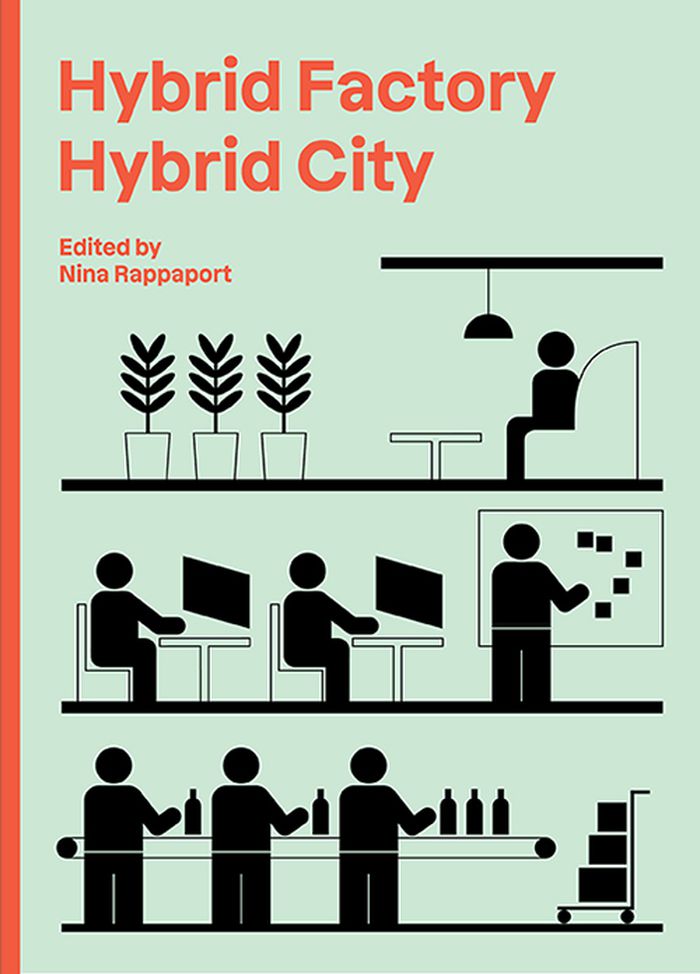
Now that urban industry is often clean, green, small, and quiet it can be integrated at the city and building scale with other uses. Although little explored as of yet, we don’t yet know what this new hybrid will look like and how can it support new entrepreneurs, equitable jobs, and vital urban forms? How can hybrid models change with new technologies, sustainable manufacturing, and advanced production systems to create new open city? Can we break the planning and land-use patterns of segregated zoning by class and function and encourage mixed-use zoning that transforms new building and zoning codes and this the mix in the city? These questions and more are addressed in Hybrid Factory / Hybrid City, through a collection of essays by participants in the eponymous symposium organized by Nina Rappaport at the Future Urban Legacy Lab of the Politecnico di Torino. Divided into two sections, the essays describes projects and research by architects and urbanists regarding the aura of industry and its smells, its place in relationship to the body, building structures, logistics centers, reused factory buildings, and their current and future potential for mixed-use. Social and economic equity can be integrated through light manufacturing jobs, community uses, and affordable housing.
Hybrid factory, hybrid city
Actions:
Prix:
$54.95
(disponible sur commande)
Résumé:
Now that urban industry is often clean, green, small, and quiet it can be integrated at the city and building scale with other uses. Although little explored as of yet, we don’t yet know what this new hybrid will look like and how can it support new entrepreneurs, equitable jobs, and vital urban forms? How can hybrid models change with new technologies, sustainable manufacturing, and advanced production systems to create new open city? Can we break the planning and land-use patterns of segregated zoning by class and function and encourage mixed-use zoning that transforms new building and zoning codes and this the mix in the city? These questions and more are addressed in Hybrid Factory / Hybrid City, through a collection of essays by participants in the eponymous symposium organized by Nina Rappaport at the Future Urban Legacy Lab of the Politecnico di Torino. Divided into two sections, the essays describes projects and research by architects and urbanists regarding the aura of industry and its smells, its place in relationship to the body, building structures, logistics centers, reused factory buildings, and their current and future potential for mixed-use. Social and economic equity can be integrated through light manufacturing jobs, community uses, and affordable housing.
Classification:
livres
livres
Publication:
mars 2023
mars 2023
Sujet:
Théorie de l’urbanisme
Théorie de l’urbanisme
Classification:
livres
livres
Actions:
Prix:
$49.95
(disponible sur commande)
Résumé:
What makes Italian Brutalist buildings different to their counterparts in other countries? Containing over 140 exclusive photographs-- ranging from private homes to churches and cemeteries via football stadiums-- across every region of the country, ''Brutalist Italy'' is the first publication to focus entirely on this subject. Architectural photographers Roberto Conte and(...)
$49.95
(disponible sur commande)
Résumé:
What makes Italian Brutalist buildings different to their counterparts in other countries? Containing over 140 exclusive photographs-- ranging from private homes to churches and cemeteries via football stadiums-- across every region of the country, ''Brutalist Italy'' is the first publication to focus entirely on this subject. Architectural photographers Roberto Conte and(...)
Titre:
Brutalist Italy: Concrete architecture from the Alps to the Mediterranean Sea
Actions:
Prix:
$49.95
(disponible sur commande)
Résumé:
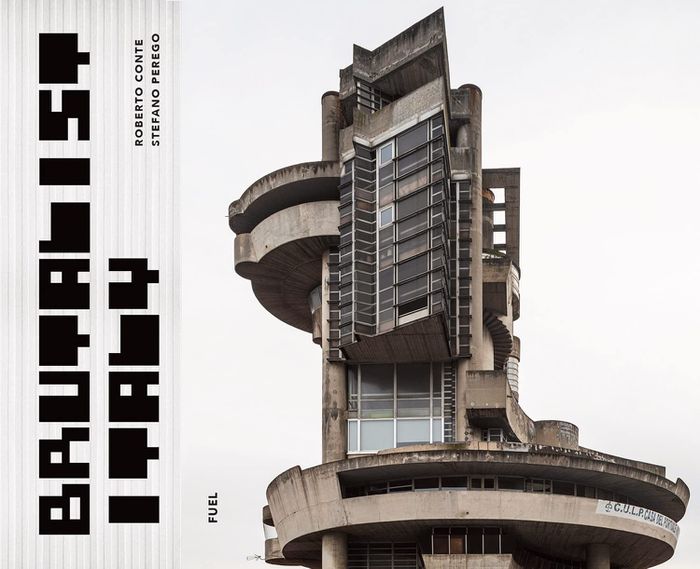
What makes Italian Brutalist buildings different to their counterparts in other countries? Containing over 140 exclusive photographs-- ranging from private homes to churches and cemeteries via football stadiums-- across every region of the country, ''Brutalist Italy'' is the first publication to focus entirely on this subject. Architectural photographers Roberto Conte and Stefano Perego (authors of Soviet Asia) have spent the past five years traveling over 12,000 miles documenting the monumental concrete structures of their native country. Brutalism-- with its minimalist aesthetic, favoring raw materials and structural elements over decorative design-- has a complex relationship with Italian history. After World War II, Italian architects were keen to distance themselves from fascism, without rejecting the architectural modernism that had flourished during that era. They developed a form of contemporary architecture that engaged with traditional methods and materials, drawing on uncontaminated historical references. This plurality of pasts assimilated into new constructions is a recurring feature of the country’s Brutalist buildings, imparting to them a unique identity. From the imposing social housing of Le Vele di Scampia to the celestial Our Lady of Tears Sanctuary, Syracuse, ''Brutalist Italy'' collects the most compelling examples of this extraordinary architecture for the first time in a single volume.
Brutalist Italy: Concrete architecture from the Alps to the Mediterranean Sea
Actions:
Prix:
$49.95
(disponible sur commande)
Résumé:
What makes Italian Brutalist buildings different to their counterparts in other countries? Containing over 140 exclusive photographs-- ranging from private homes to churches and cemeteries via football stadiums-- across every region of the country, ''Brutalist Italy'' is the first publication to focus entirely on this subject. Architectural photographers Roberto Conte and Stefano Perego (authors of Soviet Asia) have spent the past five years traveling over 12,000 miles documenting the monumental concrete structures of their native country. Brutalism-- with its minimalist aesthetic, favoring raw materials and structural elements over decorative design-- has a complex relationship with Italian history. After World War II, Italian architects were keen to distance themselves from fascism, without rejecting the architectural modernism that had flourished during that era. They developed a form of contemporary architecture that engaged with traditional methods and materials, drawing on uncontaminated historical references. This plurality of pasts assimilated into new constructions is a recurring feature of the country’s Brutalist buildings, imparting to them a unique identity. From the imposing social housing of Le Vele di Scampia to the celestial Our Lady of Tears Sanctuary, Syracuse, ''Brutalist Italy'' collects the most compelling examples of this extraordinary architecture for the first time in a single volume.
Classification:
livres
livres
Publication:
septembre 2023
septembre 2023
Sujet:
Brutalisme
Brutalisme
Classification:
livres
livres
Actions:
Prix:
$28.95
(disponible sur commande)
Résumé:
In this volume of the Critical Spatial Practice series, Dennis Pohl locates the origin of Europe's dependency on carbon and nuclear power in the postwar architectural designs and energy policies of the European Community. Since the 1950s, architects have proposed territorial, regional, and urban development plans that served the European political project. They(...)
$28.95
(disponible sur commande)
Résumé:
In this volume of the Critical Spatial Practice series, Dennis Pohl locates the origin of Europe's dependency on carbon and nuclear power in the postwar architectural designs and energy policies of the European Community. Since the 1950s, architects have proposed territorial, regional, and urban development plans that served the European political project. They(...)
Titre:
Building carbon europe: Coal, steel and nuclear power. Critical spatial practice
Actions:
Prix:
$28.95
(disponible sur commande)
Résumé:
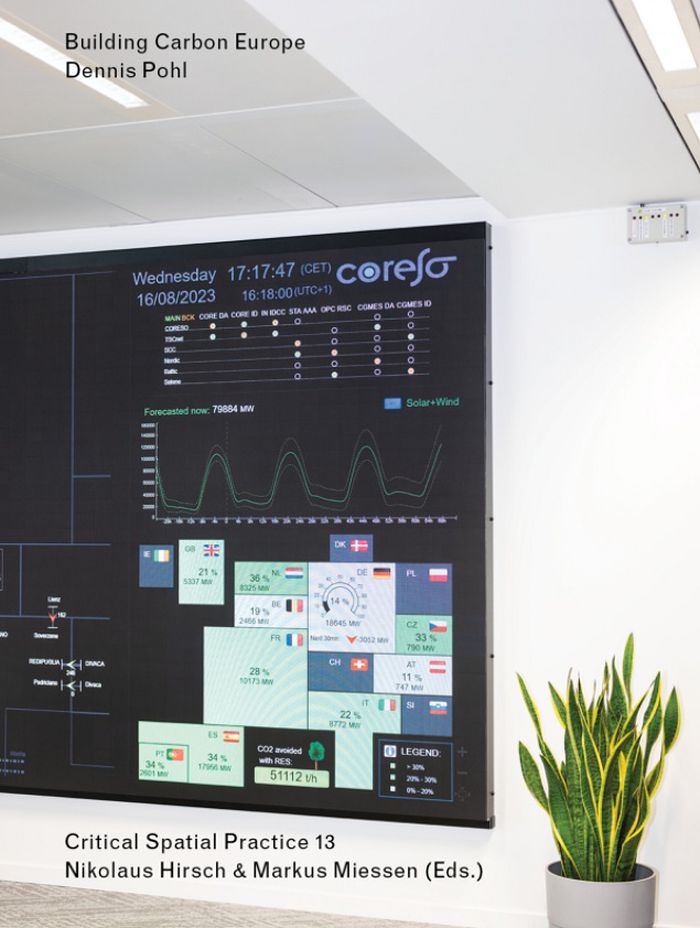
In this volume of the Critical Spatial Practice series, Dennis Pohl locates the origin of Europe's dependency on carbon and nuclear power in the postwar architectural designs and energy policies of the European Community. Since the 1950s, architects have proposed territorial, regional, and urban development plans that served the European political project. They collaborated with the European Coal and Steel Community in an effort to render the steel building industry as efficient as the car industry; they incorporated the ideas of infinite nuclear energy, as promoted by the European Atomic Energy Community, into their designs. This book demonstrates how architecture served the political economy of postwar Europe as a means of turning coal, steel, and radioactivity into tools of European governance. Architectural design enabled EU institutions to support social policies and worker housing within the coal and steel industry as well as to promote a new pan-European lifestyle based on nuclear energy. In other words, architecture powered Europe's larger infrastructural, economic, and cultural network. Pohl's work not only sheds light on how architecture has contributed to the carbonization of Europe, it also highlights the environmental issue, which challenges both architectural criticism and historiography in the era of the Anthropocene.
Building carbon europe: Coal, steel and nuclear power. Critical spatial practice
Actions:
Prix:
$28.95
(disponible sur commande)
Résumé:
In this volume of the Critical Spatial Practice series, Dennis Pohl locates the origin of Europe's dependency on carbon and nuclear power in the postwar architectural designs and energy policies of the European Community. Since the 1950s, architects have proposed territorial, regional, and urban development plans that served the European political project. They collaborated with the European Coal and Steel Community in an effort to render the steel building industry as efficient as the car industry; they incorporated the ideas of infinite nuclear energy, as promoted by the European Atomic Energy Community, into their designs. This book demonstrates how architecture served the political economy of postwar Europe as a means of turning coal, steel, and radioactivity into tools of European governance. Architectural design enabled EU institutions to support social policies and worker housing within the coal and steel industry as well as to promote a new pan-European lifestyle based on nuclear energy. In other words, architecture powered Europe's larger infrastructural, economic, and cultural network. Pohl's work not only sheds light on how architecture has contributed to the carbonization of Europe, it also highlights the environmental issue, which challenges both architectural criticism and historiography in the era of the Anthropocene.
Classification:
livres
livres
Publication:
avril 2024
avril 2024
Sujet:
Théorie de l’architecture
Théorie de l’architecture
Classification:
livres
livres
Titre:
House and home in modern Japan : architecture, domestic space, and bourgeois culture, 1880-1930
House and home in modern Japan : architecture, domestic space, and bourgeois culture, 1880-1930
Actions:
Prix:
$31.50
(disponible sur commande)
Résumé:
A house is a site, the bounds and focus of a community. It is also an artefact, a material extension of its occupants' lives. This book takes the Japanese house in both senses, as site and as artefact, and explores the spaces, commodities, and conceptions of community associated with it in the modern era. As Japan modernized, the principles that had traditionally(...)
$31.50
(disponible sur commande)
Résumé:
A house is a site, the bounds and focus of a community. It is also an artefact, a material extension of its occupants' lives. This book takes the Japanese house in both senses, as site and as artefact, and explores the spaces, commodities, and conceptions of community associated with it in the modern era. As Japan modernized, the principles that had traditionally(...)
Sujet:
Histoire jusqu'à 1900, Asie
Histoire jusqu'à 1900, Asie
Publication:
septembre 2005, Cambridge, Massachusetts
septembre 2005, Cambridge, Massachusetts
Titre:
House and home in modern Japan : architecture, domestic space, and bourgeois culture, 1880-1930
Actions:
Prix:
$31.50
(disponible sur commande)
Résumé:
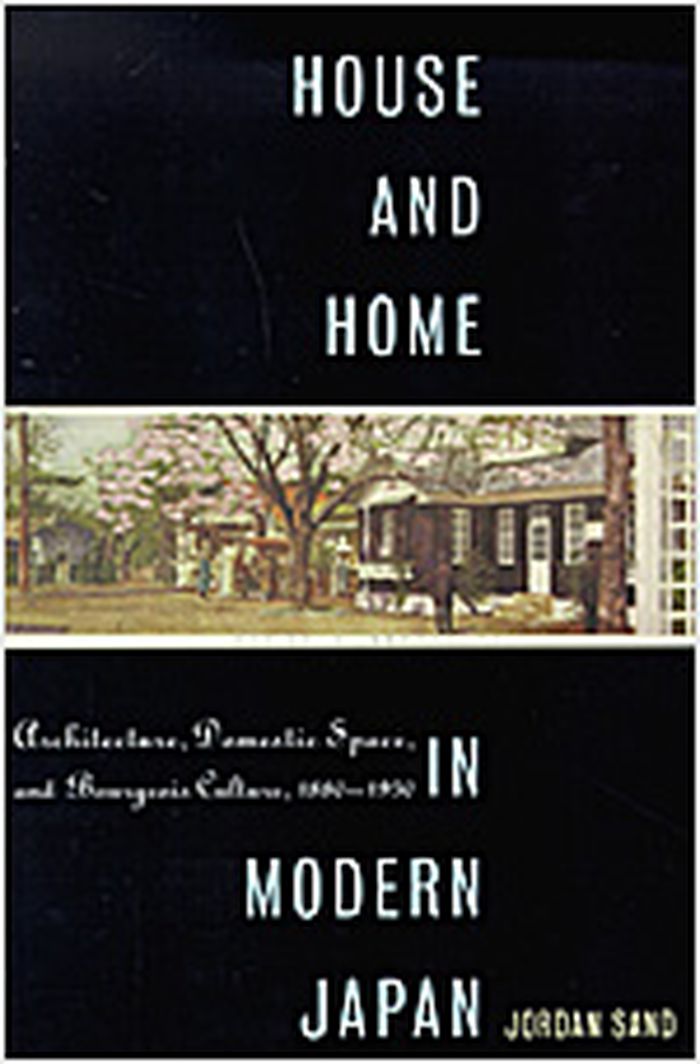
A house is a site, the bounds and focus of a community. It is also an artefact, a material extension of its occupants' lives. This book takes the Japanese house in both senses, as site and as artefact, and explores the spaces, commodities, and conceptions of community associated with it in the modern era. As Japan modernized, the principles that had traditionally related house and family began to break down. Even where the traditional class markers surrounding the house persisted, they became vessels for new meanings, as housing was resituated in a new nexus of relations. The house as artefact and the artefacts it housed were affected in turn. The construction and ornament of houses ceased to be stable indications of their occupants' social status, the home became a means of personal expression, and the act of dwelling was reconceived in terms of consumption. Amid the breakdown of inherited meanings and the fluidity of modern society, not only did the increased diversity of commodities lead to material elaboration of dwellings, but home itself became an object of special attention, its importance emphasized in writing, invoked in politics, and articulated in architectural design. The aim of this book is to show the features of this culture of the home as it took shape in Japan.
House and home in modern Japan : architecture, domestic space, and bourgeois culture, 1880-1930
Actions:
Prix:
$31.50
(disponible sur commande)
Résumé:
A house is a site, the bounds and focus of a community. It is also an artefact, a material extension of its occupants' lives. This book takes the Japanese house in both senses, as site and as artefact, and explores the spaces, commodities, and conceptions of community associated with it in the modern era. As Japan modernized, the principles that had traditionally related house and family began to break down. Even where the traditional class markers surrounding the house persisted, they became vessels for new meanings, as housing was resituated in a new nexus of relations. The house as artefact and the artefacts it housed were affected in turn. The construction and ornament of houses ceased to be stable indications of their occupants' social status, the home became a means of personal expression, and the act of dwelling was reconceived in terms of consumption. Amid the breakdown of inherited meanings and the fluidity of modern society, not only did the increased diversity of commodities lead to material elaboration of dwellings, but home itself became an object of special attention, its importance emphasized in writing, invoked in politics, and articulated in architectural design. The aim of this book is to show the features of this culture of the home as it took shape in Japan.
Classification:
livres
livres
Publication:
septembre 2005, Cambridge, Massachusetts
septembre 2005, Cambridge, Massachusetts
Sujet:
Histoire jusqu'à 1900, Asie
Histoire jusqu'à 1900, Asie
Classification:
livres
livres
Prix:
$85.00
(disponible sur commande)
Résumé:
The city in the twenty-first century faces major challenges, including social and economic stratification, wasteful consumption of resources, transportation congestion, and environmental degradation. More than half of the world’s population lives in cities and major metropolitan areas, and in the next two decades the number of city dwellers is estimated to reach five(...)
$85.00
(disponible sur commande)
Résumé:
The city in the twenty-first century faces major challenges, including social and economic stratification, wasteful consumption of resources, transportation congestion, and environmental degradation. More than half of the world’s population lives in cities and major metropolitan areas, and in the next two decades the number of city dwellers is estimated to reach five(...)
Titre:
Sustainable urbanism and beyond: rethinking cities for the future
Actions:
Prix:
$85.00
(disponible sur commande)
Résumé:
The city in the twenty-first century faces major challenges, including social and economic stratification, wasteful consumption of resources, transportation congestion, and environmental degradation. More than half of the world’s population lives in cities and major metropolitan areas, and in the next two decades the number of city dwellers is estimated to reach five billion. This puts enormous pressures on transportation systems, housing stock, and infrastructure such as energy, waste, and water, which directly influences the emissions of greenhouse gases. As the long emergency awaits us, urgent questions remain: How will our cities survive? How can we combat and reconcile urban growth with sustainable use of resources for future generations to thrive? Where and how urbanism comes into the picture and what “sustainable” urban forms can do in light of these events are some of the issues Sustainable Urbanism and Beyond explores. With more than sixty essays, including contributions by Andrés Duany, Saskia Sassen, Peter Newman, Douglas Farr, Henry Cisneros, Peter Hall, Sharon Zukin, Peter Eisenman, and others, this book is a unique perspective on architecture, urban planning, environmental and urban design, exploring ways for raising quality of life and the standard of living in a new modern era by creating better and more viable places to live.
Sustainable urbanism and beyond: rethinking cities for the future
Actions:
Prix:
$85.00
(disponible sur commande)
Résumé:
The city in the twenty-first century faces major challenges, including social and economic stratification, wasteful consumption of resources, transportation congestion, and environmental degradation. More than half of the world’s population lives in cities and major metropolitan areas, and in the next two decades the number of city dwellers is estimated to reach five billion. This puts enormous pressures on transportation systems, housing stock, and infrastructure such as energy, waste, and water, which directly influences the emissions of greenhouse gases. As the long emergency awaits us, urgent questions remain: How will our cities survive? How can we combat and reconcile urban growth with sustainable use of resources for future generations to thrive? Where and how urbanism comes into the picture and what “sustainable” urban forms can do in light of these events are some of the issues Sustainable Urbanism and Beyond explores. With more than sixty essays, including contributions by Andrés Duany, Saskia Sassen, Peter Newman, Douglas Farr, Henry Cisneros, Peter Hall, Sharon Zukin, Peter Eisenman, and others, this book is a unique perspective on architecture, urban planning, environmental and urban design, exploring ways for raising quality of life and the standard of living in a new modern era by creating better and more viable places to live.
Classification:
livres
livres
Publication:
avril 2012
avril 2012
Sujet:
Théorie de l’urbanisme
Théorie de l’urbanisme
Classification:
livres
livres

Actions:
Prix:
$43.95
(disponible sur commande)
Résumé:
Over the past twenty years, an abundance of art forms have emerged that use aesthetics to affect social dynamics. These works are often produced by collectives or come out of a community context; they emphasize participation, dialogue, and action, and appear in situations ranging from theater to activism to urban planning to visual art to health care. Engaged with the(...)
$43.95
(disponible sur commande)
Résumé:
Over the past twenty years, an abundance of art forms have emerged that use aesthetics to affect social dynamics. These works are often produced by collectives or come out of a community context; they emphasize participation, dialogue, and action, and appear in situations ranging from theater to activism to urban planning to visual art to health care. Engaged with the(...)
Titre:
Living as form : socially engaged art from 1991-2011
Actions:
Prix:
$43.95
(disponible sur commande)
Résumé:
Over the past twenty years, an abundance of art forms have emerged that use aesthetics to affect social dynamics. These works are often produced by collectives or come out of a community context; they emphasize participation, dialogue, and action, and appear in situations ranging from theater to activism to urban planning to visual art to health care. Engaged with the texture of living, these art works often blur the line between art and life. This book offers the first global portrait of a complex and exciting mode of cultural production — one that has virtually redefined contemporary art practice. This publication grew out of a major exhibition at Creative Time in New York City. Like the exhibition, the book is a landmark survey of more than 100 projects selected by a thirty-person curatorial advisory team; each project is documented by a selection of color images. The artists include the Danish collective Superflex, who empower communities to challenge corporate interest; Turner Prize nominee Jeremy Deller, creator of socially and politically charged performance works; Women on Waves, who provide abortion services and information to women in regions where the procedure is illegal; and Santiágo Cirugeda, an architect who builds temporary structures to solve housing problems.
Living as form : socially engaged art from 1991-2011
Actions:
Prix:
$43.95
(disponible sur commande)
Résumé:
Over the past twenty years, an abundance of art forms have emerged that use aesthetics to affect social dynamics. These works are often produced by collectives or come out of a community context; they emphasize participation, dialogue, and action, and appear in situations ranging from theater to activism to urban planning to visual art to health care. Engaged with the texture of living, these art works often blur the line between art and life. This book offers the first global portrait of a complex and exciting mode of cultural production — one that has virtually redefined contemporary art practice. This publication grew out of a major exhibition at Creative Time in New York City. Like the exhibition, the book is a landmark survey of more than 100 projects selected by a thirty-person curatorial advisory team; each project is documented by a selection of color images. The artists include the Danish collective Superflex, who empower communities to challenge corporate interest; Turner Prize nominee Jeremy Deller, creator of socially and politically charged performance works; Women on Waves, who provide abortion services and information to women in regions where the procedure is illegal; and Santiágo Cirugeda, an architect who builds temporary structures to solve housing problems.
Classification:
livres
livres
Publication:
mars 2012
mars 2012


