


2095 Résultats
Classification:
livres
livres
Actions:
Exemplaires:
Description:
xii, 413 pages : illustrations, maps ; 24 cm
Description:
xii, 413 pages : illustrations, maps ; 24 cm
Auteur:
Sujet:
Publication:
Cambridge, Mass. : MIT Press, ©2011.
Cambridge, Mass. : MIT Press, ©2011.
Titre:
A landscape history of New England / edited by Blake Harrison and Richard W. Judd.
Actions:
Exemplaires:
Description:
xii, 413 pages : illustrations, maps ; 24 cm
A landscape history of New England / edited by Blake Harrison and Richard W. Judd.
Actions:
Exemplaires:
Description:
xii, 413 pages : illustrations, maps ; 24 cm
Classification:
livres
livres
Publication:
Cambridge, Mass. : MIT Press, ©2011.
Cambridge, Mass. : MIT Press, ©2011.
Auteur:
Sujet:
Classification:
livres
livres
Prix:
$30.95
(disponible sur commande)
Résumé:
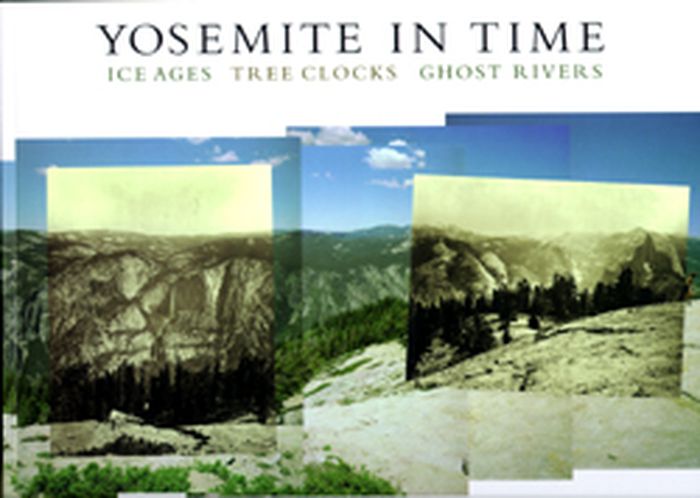
These photographs and essays reconsider the iconic status of Yosemite in America's conception of wilderness, examining how the place was appropriated by its early Euro-American visitors and showing how conceptions of landscape have altered and how land has changed, or not, over time.
$30.95
(disponible sur commande)
Résumé:
These photographs and essays reconsider the iconic status of Yosemite in America's conception of wilderness, examining how the place was appropriated by its early Euro-American visitors and showing how conceptions of landscape have altered and how land has changed, or not, over time.
Titre:
Yosemite in time: ice ages, tree clocks, ghost rivers
Actions:
Prix:
$30.95
(disponible sur commande)
Résumé:
These photographs and essays reconsider the iconic status of Yosemite in America's conception of wilderness, examining how the place was appropriated by its early Euro-American visitors and showing how conceptions of landscape have altered and how land has changed, or not, over time.
Yosemite in time: ice ages, tree clocks, ghost rivers
Actions:
Prix:
$30.95
(disponible sur commande)
Résumé:
These photographs and essays reconsider the iconic status of Yosemite in America's conception of wilderness, examining how the place was appropriated by its early Euro-American visitors and showing how conceptions of landscape have altered and how land has changed, or not, over time.
Classification:
livres
livres
Publication:
février 2008, San Antonio
février 2008, San Antonio
Sujet:
Jardins
Jardins
Classification:
livres
livres
Actions:
Prix:
$42.00
(disponible en magasin)
Résumé:
American homes are typically made of lumber and plywood delivered by a global system of ruthless extraction, or of concrete and steel, which are even worse for the planet. Wood is often the most sustainable material for building, but we need to protect diverse forests as much as we desperately need more houses. Brian Donahue addresses this modern conundrum by(...)
$42.00
(disponible en magasin)
Résumé:
American homes are typically made of lumber and plywood delivered by a global system of ruthless extraction, or of concrete and steel, which are even worse for the planet. Wood is often the most sustainable material for building, but we need to protect diverse forests as much as we desperately need more houses. Brian Donahue addresses this modern conundrum by(...)
Titre:
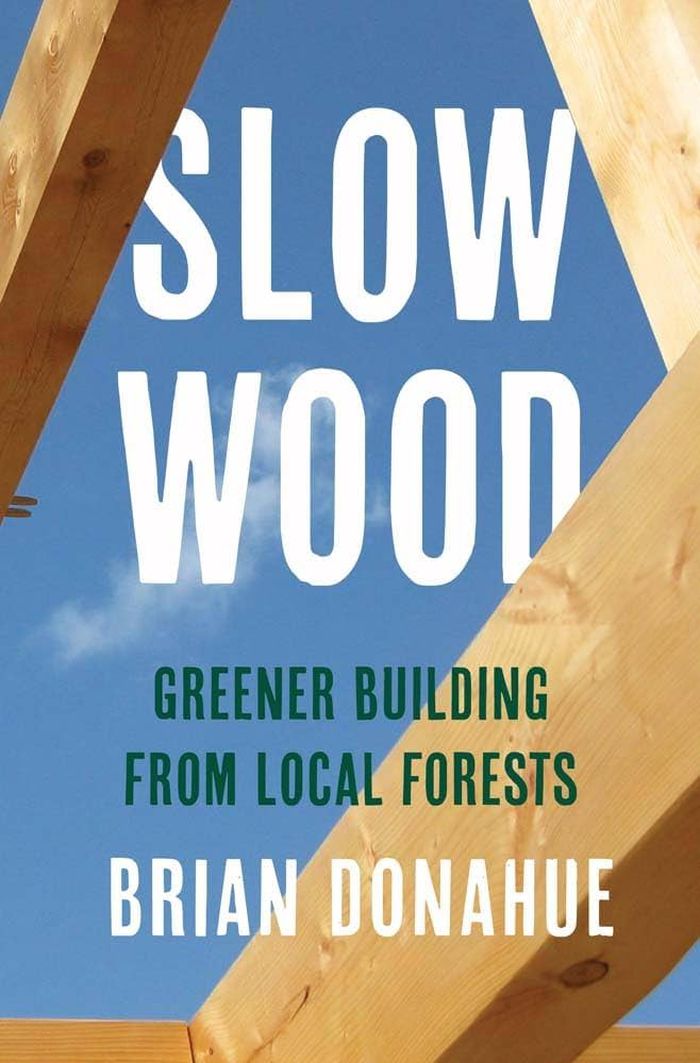
Slow wood: Greener building from local forests
Actions:
Prix:
$42.00
(disponible en magasin)
Résumé:
American homes are typically made of lumber and plywood delivered by a global system of ruthless extraction, or of concrete and steel, which are even worse for the planet. Wood is often the most sustainable material for building, but we need to protect diverse forests as much as we desperately need more houses. Brian Donahue addresses this modern conundrum by documenting his experiences building a timber frame home from the wood growing on his family farm, practicing “worst first” forestry. Through the stories of the trees he used (sugar maple, black cherry, black birch, and hemlock), and some he didn’t (white pine and red oak), the book also explores the history of Americans’ relationship with their forests.
Slow wood: Greener building from local forests
Actions:
Prix:
$42.00
(disponible en magasin)
Résumé:
American homes are typically made of lumber and plywood delivered by a global system of ruthless extraction, or of concrete and steel, which are even worse for the planet. Wood is often the most sustainable material for building, but we need to protect diverse forests as much as we desperately need more houses. Brian Donahue addresses this modern conundrum by documenting his experiences building a timber frame home from the wood growing on his family farm, practicing “worst first” forestry. Through the stories of the trees he used (sugar maple, black cherry, black birch, and hemlock), and some he didn’t (white pine and red oak), the book also explores the history of Americans’ relationship with their forests.
Classification:
livres
livres
Publication:
février 2025
février 2025
Sujet:
Constructions en bois
Constructions en bois
Classification:
livres
livres
Actions:
Prix:
$53.00
(disponible en magasin)
Résumé:
If there is, indeed, nothing lovelier than a tree, Connecticut-based artist Bryan Nash Gill (1961-2013) showed us why. Creating prints from cross sections of trees, Gill revealed the sublime power locked inside their arboreal rings, patterns not only of great beauty but also a year-by-year record of the life and times of the fallen or damaged logs. The artist rescued the(...)
$53.00
(disponible en magasin)
Résumé:
If there is, indeed, nothing lovelier than a tree, Connecticut-based artist Bryan Nash Gill (1961-2013) showed us why. Creating prints from cross sections of trees, Gill revealed the sublime power locked inside their arboreal rings, patterns not only of great beauty but also a year-by-year record of the life and times of the fallen or damaged logs. The artist rescued the(...)
Titre:
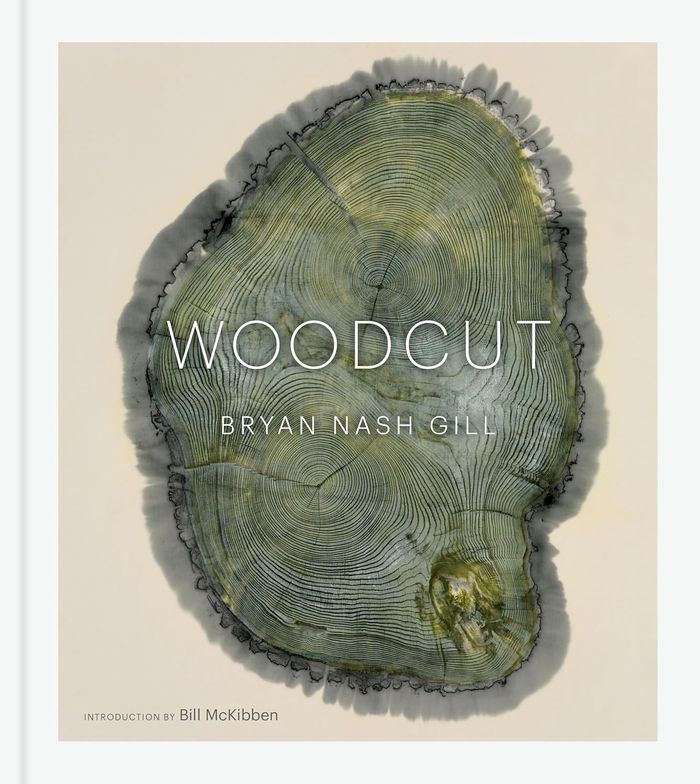
Bryan Nash Gill: Woodcut (updated edition)
Actions:
Prix:
$53.00
(disponible en magasin)
Résumé:
If there is, indeed, nothing lovelier than a tree, Connecticut-based artist Bryan Nash Gill (1961-2013) showed us why. Creating prints from cross sections of trees, Gill revealed the sublime power locked inside their arboreal rings, patterns not only of great beauty but also a year-by-year record of the life and times of the fallen or damaged logs. The artist rescued the wood from the property surrounding his studio and neighboring land, extracted and prepared blocks of various species--including ash, maple, oak, spruce, and willow--and then printed them by carefully following and pressing the contours of the rings until the intricate designs transferred from tree to paper.
Bryan Nash Gill: Woodcut (updated edition)
Actions:
Prix:
$53.00
(disponible en magasin)
Résumé:
If there is, indeed, nothing lovelier than a tree, Connecticut-based artist Bryan Nash Gill (1961-2013) showed us why. Creating prints from cross sections of trees, Gill revealed the sublime power locked inside their arboreal rings, patterns not only of great beauty but also a year-by-year record of the life and times of the fallen or damaged logs. The artist rescued the wood from the property surrounding his studio and neighboring land, extracted and prepared blocks of various species--including ash, maple, oak, spruce, and willow--and then printed them by carefully following and pressing the contours of the rings until the intricate designs transferred from tree to paper.
Classification:
livres
livres
Publication:
octobre 2024
octobre 2024
Sujet:
Faune et flore
Faune et flore
Classification:
livres
livres
Titre:
Winter
Winter
Actions:
Prix:
$24.95
(disponible en magasin)
Résumé:
A work with no place for the superfluous : the fast, essential pencil stroke and concise, bare text throw us into what seems above all to be a sensory experience. It is winter in person that opens the doors and page after page envelops us in the vast and silent whiteness of the cloud-filled sky, and then in a blinding expanse of freezing snow. Aoi Huber Kono plunges us(...)
$24.95
(disponible en magasin)
Résumé:
A work with no place for the superfluous : the fast, essential pencil stroke and concise, bare text throw us into what seems above all to be a sensory experience. It is winter in person that opens the doors and page after page envelops us in the vast and silent whiteness of the cloud-filled sky, and then in a blinding expanse of freezing snow. Aoi Huber Kono plunges us(...)
Titre:
Winter
Actions:
Prix:
$24.95
(disponible en magasin)
Résumé:
A work with no place for the superfluous : the fast, essential pencil stroke and concise, bare text throw us into what seems above all to be a sensory experience. It is winter in person that opens the doors and page after page envelops us in the vast and silent whiteness of the cloud-filled sky, and then in a blinding expanse of freezing snow. Aoi Huber Kono plunges us into an atmosphere that seems paralysed in the poetry of the cold to then allow us to discover with equal surprise that underneath is a world throbbing with life. Who is hiding among the snow-covered trees? To find out we have to follow the footsteps in the snow.
Winter
Actions:
Prix:
$24.95
(disponible en magasin)
Résumé:
A work with no place for the superfluous : the fast, essential pencil stroke and concise, bare text throw us into what seems above all to be a sensory experience. It is winter in person that opens the doors and page after page envelops us in the vast and silent whiteness of the cloud-filled sky, and then in a blinding expanse of freezing snow. Aoi Huber Kono plunges us into an atmosphere that seems paralysed in the poetry of the cold to then allow us to discover with equal surprise that underneath is a world throbbing with life. Who is hiding among the snow-covered trees? To find out we have to follow the footsteps in the snow.
Classification:
livres
livres
Publication:
janvier 2004, Mantova
janvier 2004, Mantova
Sujet:
Littérature jeunesse
Littérature jeunesse
Classification:
livres
livres
Actions:
Prix:
$10.00
(disponible en magasin)
Résumé:
For Domicile Conjugal – a title borrowed from François Truffaut's movie of 1970 – Katagiri ( Sapporo, 1977 ) selects details from drawings made during the course of 2008. Her first published book focuses on architecture from a richly illustrated world built upon since 2003. Drawn freehand and without drafts, Katagiri's skillful pen drawings give birth to a dimension(...)
$10.00
(disponible en magasin)
Résumé:
For Domicile Conjugal – a title borrowed from François Truffaut's movie of 1970 – Katagiri ( Sapporo, 1977 ) selects details from drawings made during the course of 2008. Her first published book focuses on architecture from a richly illustrated world built upon since 2003. Drawn freehand and without drafts, Katagiri's skillful pen drawings give birth to a dimension(...)
Titre:
Yuka Katagiri domicile conjugal
Actions:
Prix:
$10.00
(disponible en magasin)
Résumé:
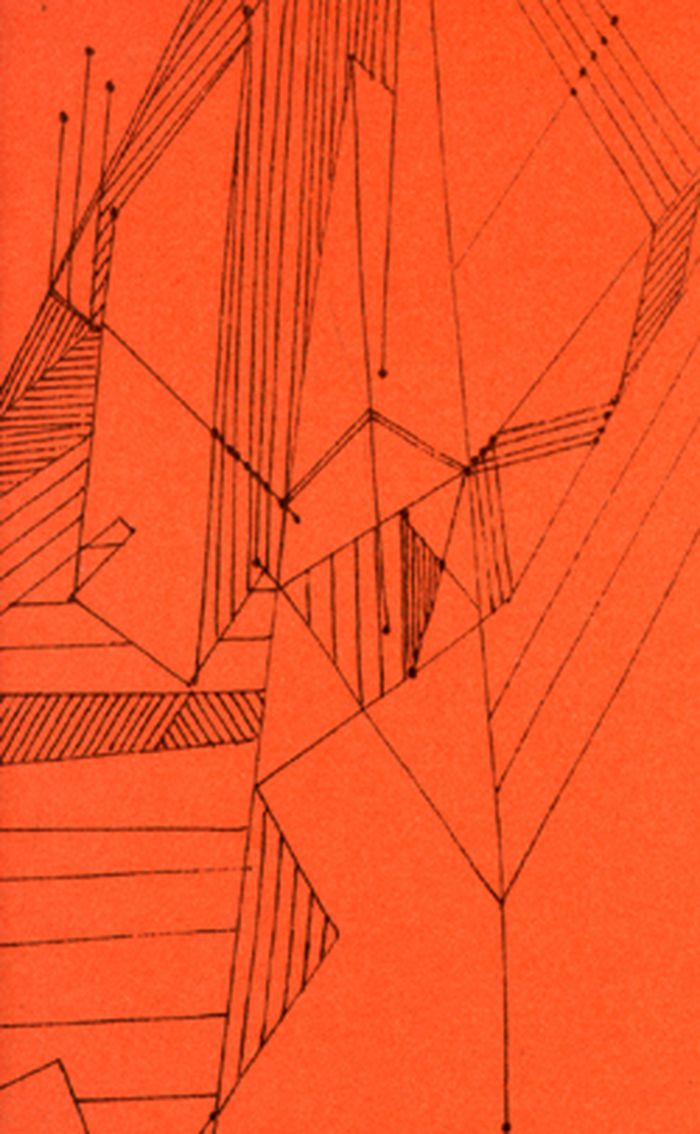
For Domicile Conjugal – a title borrowed from François Truffaut's movie of 1970 – Katagiri ( Sapporo, 1977 ) selects details from drawings made during the course of 2008. Her first published book focuses on architecture from a richly illustrated world built upon since 2003. Drawn freehand and without drafts, Katagiri's skillful pen drawings give birth to a dimension populated by people and intelligent animals, hanging in the balance of the playful physics unique to her craft. The staple ingredients of traditional Japanese art – mountains, trees, architecture and daily activity – are present but free of the structured compositions and realism. Instead we find a collision between the eccentricity of the west and the precision of the eastern tradition.
Yuka Katagiri domicile conjugal
Actions:
Prix:
$10.00
(disponible en magasin)
Résumé:
For Domicile Conjugal – a title borrowed from François Truffaut's movie of 1970 – Katagiri ( Sapporo, 1977 ) selects details from drawings made during the course of 2008. Her first published book focuses on architecture from a richly illustrated world built upon since 2003. Drawn freehand and without drafts, Katagiri's skillful pen drawings give birth to a dimension populated by people and intelligent animals, hanging in the balance of the playful physics unique to her craft. The staple ingredients of traditional Japanese art – mountains, trees, architecture and daily activity – are present but free of the structured compositions and realism. Instead we find a collision between the eccentricity of the west and the precision of the eastern tradition.
Classification:
livres
livres
Publication:
mars 2009, Zurich
mars 2009, Zurich
Classification:
livres
livres
Actions:
Prix:
$81.50
(disponible sur commande)
Résumé:
''Reciprocal landscapes: stories of material movements'' traces five everyday landscape construction materials – fertilizer, stone, steel, trees, and wood – from seminal public landscapes in New York City, back to where they came from. Drawing from archival documents, photographs, and field trips, the author brings these two separate landscapes – the material’s source and(...)
$81.50
(disponible sur commande)
Résumé:
''Reciprocal landscapes: stories of material movements'' traces five everyday landscape construction materials – fertilizer, stone, steel, trees, and wood – from seminal public landscapes in New York City, back to where they came from. Drawing from archival documents, photographs, and field trips, the author brings these two separate landscapes – the material’s source and(...)
Titre:
Reciprocal landscapes: stories of material movements
Actions:
Prix:
$81.50
(disponible sur commande)
Résumé:
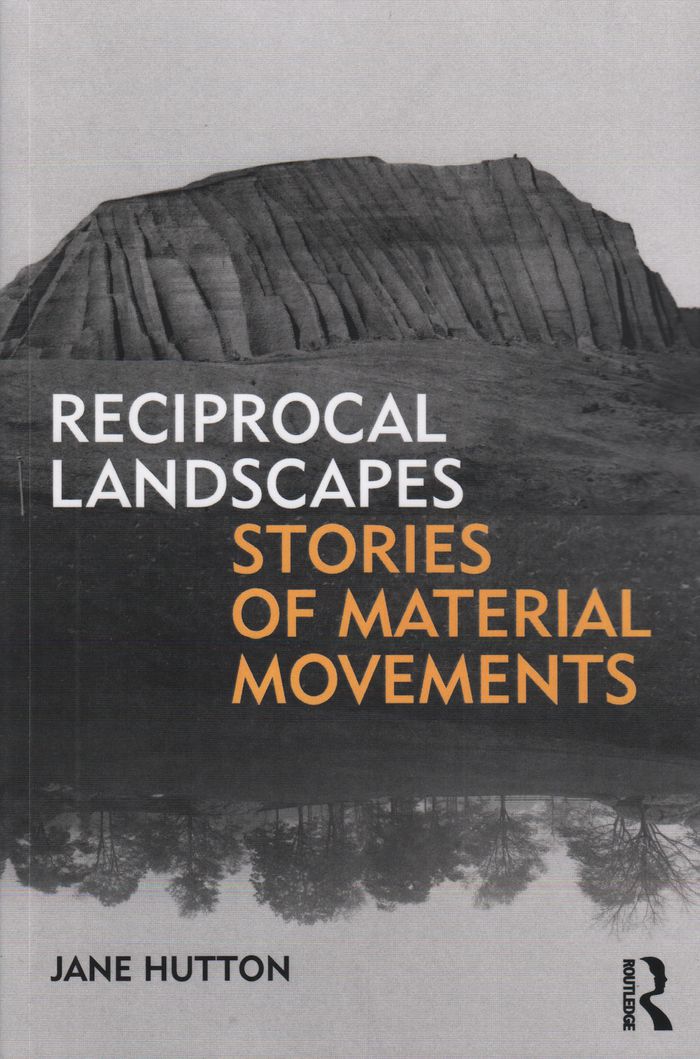
''Reciprocal landscapes: stories of material movements'' traces five everyday landscape construction materials – fertilizer, stone, steel, trees, and wood – from seminal public landscapes in New York City, back to where they came from. Drawing from archival documents, photographs, and field trips, the author brings these two separate landscapes – the material’s source and the urban site where the material ended up – together, exploring themes of unequal ecological exchange, labor, and material flows. This book considers the social, political, and ecological entanglements of material practice, challenging readers to think of materials not as inert products but as continuous with land and the people that shape them, and to reimagine forms of construction in solidarity with people, other species, and landscapes elsewhere.
Reciprocal landscapes: stories of material movements
Actions:
Prix:
$81.50
(disponible sur commande)
Résumé:
''Reciprocal landscapes: stories of material movements'' traces five everyday landscape construction materials – fertilizer, stone, steel, trees, and wood – from seminal public landscapes in New York City, back to where they came from. Drawing from archival documents, photographs, and field trips, the author brings these two separate landscapes – the material’s source and the urban site where the material ended up – together, exploring themes of unequal ecological exchange, labor, and material flows. This book considers the social, political, and ecological entanglements of material practice, challenging readers to think of materials not as inert products but as continuous with land and the people that shape them, and to reimagine forms of construction in solidarity with people, other species, and landscapes elsewhere.
Classification:
livres
livres
Publication:
octobre 2019
octobre 2019
Sujet:
Théorie du paysage
Théorie du paysage
Classification:
périodiques
périodiques
Titre:
Spacing winter 2018
Spacing winter 2018
Actions:
Prix:
$9.00
(disponible sur commande)
Résumé:
The winter 2018 edition of Spacing takes a swing at sports and how local athletics have shaped neighbourhoods, transportation planning, and Toronto’s narrative. Our contributors examine a variety of topic such as the spectacular local rise of lucha libre, how to accommodate the rise of new sports on old athletic facilities (cricket, bike polo), and how the City plans(...)
$9.00
(disponible sur commande)
Résumé:
The winter 2018 edition of Spacing takes a swing at sports and how local athletics have shaped neighbourhoods, transportation planning, and Toronto’s narrative. Our contributors examine a variety of topic such as the spectacular local rise of lucha libre, how to accommodate the rise of new sports on old athletic facilities (cricket, bike polo), and how the City plans(...)
Titre:
Spacing winter 2018
Actions:
Prix:
$9.00
(disponible sur commande)
Résumé:
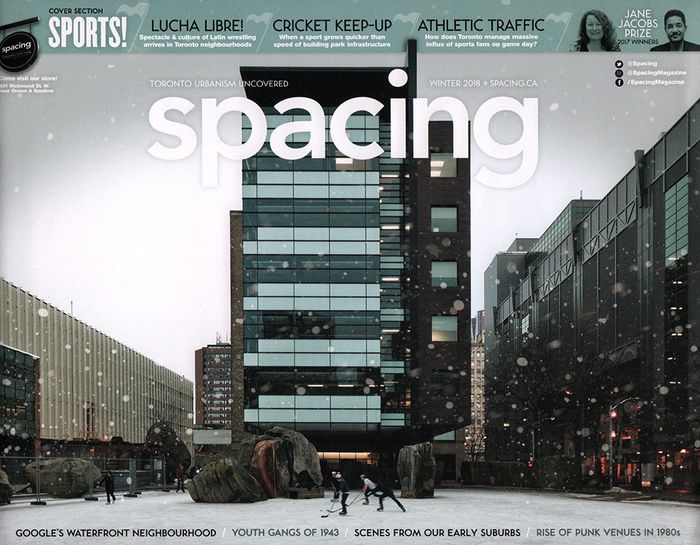
The winter 2018 edition of Spacing takes a swing at sports and how local athletics have shaped neighbourhoods, transportation planning, and Toronto’s narrative. Our contributors examine a variety of topic such as the spectacular local rise of lucha libre, how to accommodate the rise of new sports on old athletic facilities (cricket, bike polo), and how the City plans traffic management during major sporting events. Other features tackled in the magazine include the changing nature of street trees, the rise of punk venues in 1980s Toronto, how the city worked with youth gangs in the 1940s, and the search for the fabled “Toronto House” painted by Group of Seven artist Lawren Harris.
Spacing winter 2018
Actions:
Prix:
$9.00
(disponible sur commande)
Résumé:
The winter 2018 edition of Spacing takes a swing at sports and how local athletics have shaped neighbourhoods, transportation planning, and Toronto’s narrative. Our contributors examine a variety of topic such as the spectacular local rise of lucha libre, how to accommodate the rise of new sports on old athletic facilities (cricket, bike polo), and how the City plans traffic management during major sporting events. Other features tackled in the magazine include the changing nature of street trees, the rise of punk venues in 1980s Toronto, how the city worked with youth gangs in the 1940s, and the search for the fabled “Toronto House” painted by Group of Seven artist Lawren Harris.
Classification:
périodiques
périodiques
Publication:
décembre 2017
décembre 2017
Sujet:
Revues
Revues
Classification:
livres
livres
Prix:
$31.95
(disponible en magasin)
Résumé:
In "The Emerald City", Dan Willis takes us on a flight of imagination that paradoxically never strays far from the most tangible, even intimate subjects. His essays range from the Tower of Babel to the Wizard of Oz, from Christo to Christmas trees, from the "lightness of(...)
$31.95
(disponible en magasin)
Résumé:
In "The Emerald City", Dan Willis takes us on a flight of imagination that paradoxically never strays far from the most tangible, even intimate subjects. His essays range from the Tower of Babel to the Wizard of Oz, from Christo to Christmas trees, from the "lightness of(...)
Publication:
juin 1999, New York
juin 1999, New York
Titre:
The emerald city and other essays on the architectural imagination
Actions:
Prix:
$31.95
(disponible en magasin)
Résumé:
In "The Emerald City", Dan Willis takes us on a flight of imagination that paradoxically never strays far from the most tangible, even intimate subjects. His essays range from the Tower of Babel to the Wizard of Oz, from Christo to Christmas trees, from the "lightness of being" to the "weight of architecture." This ultimately optimistic book suggests that architecture is as vital as ever. The texts draw equally from literary sources, architectural practice, philosophical analyses, pop culture, and everyday experiences. Willis's perspective as a writer, architect, artist, and teacher informs his work; his texts are at once reflective and proactive, as they challenge readers to rethink their participation in the built environment.
The emerald city and other essays on the architectural imagination
Actions:
Prix:
$31.95
(disponible en magasin)
Résumé:
In "The Emerald City", Dan Willis takes us on a flight of imagination that paradoxically never strays far from the most tangible, even intimate subjects. His essays range from the Tower of Babel to the Wizard of Oz, from Christo to Christmas trees, from the "lightness of being" to the "weight of architecture." This ultimately optimistic book suggests that architecture is as vital as ever. The texts draw equally from literary sources, architectural practice, philosophical analyses, pop culture, and everyday experiences. Willis's perspective as a writer, architect, artist, and teacher informs his work; his texts are at once reflective and proactive, as they challenge readers to rethink their participation in the built environment.
Classification:
livres
livres
Publication:
juin 1999, New York
juin 1999, New York
Classification:
livres
livres
Titre:
Isik Kaya: Second nature
Isik Kaya: Second nature
Actions:
Prix:
$73.95
(disponible sur commande)
Résumé:
With the uprise of mobile devices, the infrastructural needs of the telecommunication industry have exploded, and since the 1980s, cell towers have started to fill the planet. The scenery changed dramatically when an antenna was transformed into an artificial pine tree for the first time in 1992. Since then, this kind of camouflage has evolved into a global phenomenon(...)
$73.95
(disponible sur commande)
Résumé:
With the uprise of mobile devices, the infrastructural needs of the telecommunication industry have exploded, and since the 1980s, cell towers have started to fill the planet. The scenery changed dramatically when an antenna was transformed into an artificial pine tree for the first time in 1992. Since then, this kind of camouflage has evolved into a global phenomenon(...)
Titre:
Isik Kaya: Second nature
Actions:
Prix:
$73.95
(disponible sur commande)
Résumé:
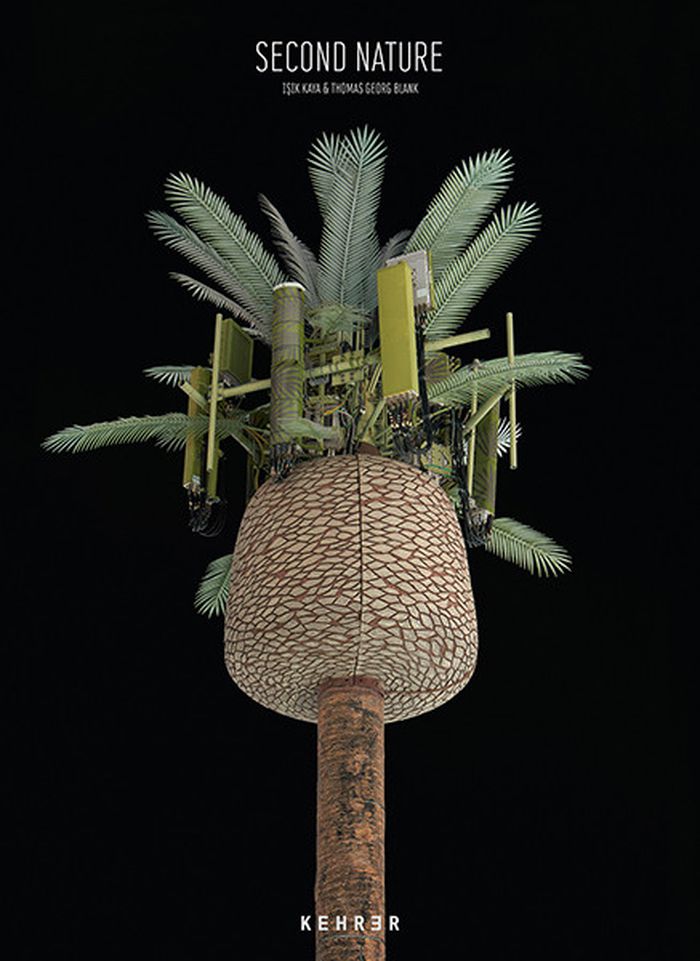
With the uprise of mobile devices, the infrastructural needs of the telecommunication industry have exploded, and since the 1980s, cell towers have started to fill the planet. The scenery changed dramatically when an antenna was transformed into an artificial pine tree for the first time in 1992. Since then, this kind of camouflage has evolved into a global phenomenon that raises fundamental questions about the relationship between humans and nature. The images from the series Second Nature focus on cell tower trees that became part of the Southern California landscape. The series depicts these artefacts of the digital age as, in Amy Clarke's words, a societal preference for fake aesthetics over ugly reality.
Isik Kaya: Second nature
Actions:
Prix:
$73.95
(disponible sur commande)
Résumé:
With the uprise of mobile devices, the infrastructural needs of the telecommunication industry have exploded, and since the 1980s, cell towers have started to fill the planet. The scenery changed dramatically when an antenna was transformed into an artificial pine tree for the first time in 1992. Since then, this kind of camouflage has evolved into a global phenomenon that raises fundamental questions about the relationship between humans and nature. The images from the series Second Nature focus on cell tower trees that became part of the Southern California landscape. The series depicts these artefacts of the digital age as, in Amy Clarke's words, a societal preference for fake aesthetics over ugly reality.
Classification:
livres
livres
Publication:
août 2022
août 2022
Sujet:
Monographies photo
Monographies photo


