


33505 Résultats
Niveau de description archivistique:
Sous-série
Sous-série
Numéro de référence:
AP075.S3.SS1
Description:
This sub-series documents Cornelia Hahn Oberlander's involvement in professionnal associations or other professionnal engagements related to architecture, urban planning, environment or art and design from the early 1950s to the end of the 2010s. It related to Oberlander's membership to associations and committees, like the National Capital Commission or the Smith College Botanic Garden Committee. It also comprises Oberlander involvement in various jury selections, including for design competitions, such as the Nathan Phillips Square Revitalization design competition in the mid-2000s. Sub-series also documents Oberlander attendance to conferences or seminars, such as landscape architects associations or conferences on sustainable development. The sub-series also contains records of conferences and talks Oberlander gave, either about her projects, on landscape architecture, on play and play environments, or on sustainable architecture. It also includes Oberlander's research and writings for her own publications or articles she wrote. The sub-series contains documents related to associations and committees, such as correspondence, Oberlander's notes and minutes of meetings. It contains documents related to her for jury selection work, such as invitation to participate to a jury selection, correspondence, and documents related to the selection process. The sub-series also comprises Oberlander's documents from her attendance to conferences and seminars, such as correspondence, event planning, travel organization, and conferences proceedings. Documents related to talks and conferences given by Oberlander comprises research material, Oberlander's notes, draft and final versions of texts, and a few photographs or sound and video recording of the events. Finally, the sub-series contains Oberlander's writtings, such as her research, draft versions of her writings and correspondence.
AP075.S3.SS1
Description:
This sub-series documents Cornelia Hahn Oberlander's involvement in professionnal associations or other professionnal engagements related to architecture, urban planning, environment or art and design from the early 1950s to the end of the 2010s. It related to Oberlander's membership to associations and committees, like the National Capital Commission or the Smith College Botanic Garden Committee. It also comprises Oberlander involvement in various jury selections, including for design competitions, such as the Nathan Phillips Square Revitalization design competition in the mid-2000s. Sub-series also documents Oberlander attendance to conferences or seminars, such as landscape architects associations or conferences on sustainable development. The sub-series also contains records of conferences and talks Oberlander gave, either about her projects, on landscape architecture, on play and play environments, or on sustainable architecture. It also includes Oberlander's research and writings for her own publications or articles she wrote. The sub-series contains documents related to associations and committees, such as correspondence, Oberlander's notes and minutes of meetings. It contains documents related to her for jury selection work, such as invitation to participate to a jury selection, correspondence, and documents related to the selection process. The sub-series also comprises Oberlander's documents from her attendance to conferences and seminars, such as correspondence, event planning, travel organization, and conferences proceedings. Documents related to talks and conferences given by Oberlander comprises research material, Oberlander's notes, draft and final versions of texts, and a few photographs or sound and video recording of the events. Finally, the sub-series contains Oberlander's writtings, such as her research, draft versions of her writings and correspondence.
Personnes et institutions:
Date:
1949-2019
1949-2019
Titre:
Professional associations and engagements
Actions:
AP075.S3.SS1
Description:
This sub-series documents Cornelia Hahn Oberlander's involvement in professionnal associations or other professionnal engagements related to architecture, urban planning, environment or art and design from the early 1950s to the end of the 2010s. It related to Oberlander's membership to associations and committees, like the National Capital Commission or the Smith College Botanic Garden Committee. It also comprises Oberlander involvement in various jury selections, including for design competitions, such as the Nathan Phillips Square Revitalization design competition in the mid-2000s. Sub-series also documents Oberlander attendance to conferences or seminars, such as landscape architects associations or conferences on sustainable development. The sub-series also contains records of conferences and talks Oberlander gave, either about her projects, on landscape architecture, on play and play environments, or on sustainable architecture. It also includes Oberlander's research and writings for her own publications or articles she wrote. The sub-series contains documents related to associations and committees, such as correspondence, Oberlander's notes and minutes of meetings. It contains documents related to her for jury selection work, such as invitation to participate to a jury selection, correspondence, and documents related to the selection process. The sub-series also comprises Oberlander's documents from her attendance to conferences and seminars, such as correspondence, event planning, travel organization, and conferences proceedings. Documents related to talks and conferences given by Oberlander comprises research material, Oberlander's notes, draft and final versions of texts, and a few photographs or sound and video recording of the events. Finally, the sub-series contains Oberlander's writtings, such as her research, draft versions of her writings and correspondence.
Professional associations and engagements
Actions:
AP075.S3.SS1
Description:
This sub-series documents Cornelia Hahn Oberlander's involvement in professionnal associations or other professionnal engagements related to architecture, urban planning, environment or art and design from the early 1950s to the end of the 2010s. It related to Oberlander's membership to associations and committees, like the National Capital Commission or the Smith College Botanic Garden Committee. It also comprises Oberlander involvement in various jury selections, including for design competitions, such as the Nathan Phillips Square Revitalization design competition in the mid-2000s. Sub-series also documents Oberlander attendance to conferences or seminars, such as landscape architects associations or conferences on sustainable development. The sub-series also contains records of conferences and talks Oberlander gave, either about her projects, on landscape architecture, on play and play environments, or on sustainable architecture. It also includes Oberlander's research and writings for her own publications or articles she wrote. The sub-series contains documents related to associations and committees, such as correspondence, Oberlander's notes and minutes of meetings. It contains documents related to her for jury selection work, such as invitation to participate to a jury selection, correspondence, and documents related to the selection process. The sub-series also comprises Oberlander's documents from her attendance to conferences and seminars, such as correspondence, event planning, travel organization, and conferences proceedings. Documents related to talks and conferences given by Oberlander comprises research material, Oberlander's notes, draft and final versions of texts, and a few photographs or sound and video recording of the events. Finally, the sub-series contains Oberlander's writtings, such as her research, draft versions of her writings and correspondence.
Niveau de description archivistique:
Sub-series
Sub-series
Date:
1949-2019
1949-2019
Personnes et institutions:
Niveau de description archivistique:
Série(s)
Série(s)
Titre:
George Rohault de Fleury
George Rohault de Fleury
Numéro de référence:
CI001.S3
Description:
The CCA's Rohault de Fleury collection includes two of Georges' historical and archeological studies of medieval Italian architecture: 'Les Monuments de Pise au Moyen', 1866 (DR1974:028:001:066) and 'La Toscane au Moyen Age Lettres sur L' Architecture Civile et Militaire en 1400' 2 vols.,1874 (DR1974:0002:039 and DR1974:0002:040). 'Monuments de Pise au Moyen Age' is an atlas consisting solely of 66 prints of Pisan architecture, sculpture, and painting. The section on architecture is the largest, and is divided into three sections for the Lombard, Roman, and Gothic periods. The accompanying text, and an identical atlas of prints, is located in the CCA library. 'La Toscane au Moyen Age Lettres...' is a history of Tuscan civil and military architecture to 1400. The text is in the form of a fictitious correspondence between Raimond du Temple, a famous architect of the Louvre under Charles V, and his son Charles who is traveling through Tuscany. The text is accompanied by photomechanical illustrations, mostly sketches of scenes from bas-reliefs and manuscripts, and a few of built structures. The CCA library has two sets of a related publication entitled 'La Toscane au Moyen Age architecture civile et militaire' 2 vols. These earlier and larger publications are probably the source for some of the text and plates of 'La Toscane au Moyen Age Lettres...'. The introductory remarks, to 'La Toscane au Moyen Age Lettres..' and to the text (CCA library) of the 'Monuments de Pise au Moyen Age' are particularly informative as they provide an insight into Georges Rohault de Fleury's interpretation of historical periods of artistic renewal, decline, and decadence, and their didactic relationship to contemporary architectural and religious concerns.
CI001.S3
Description:
The CCA's Rohault de Fleury collection includes two of Georges' historical and archeological studies of medieval Italian architecture: 'Les Monuments de Pise au Moyen', 1866 (DR1974:028:001:066) and 'La Toscane au Moyen Age Lettres sur L' Architecture Civile et Militaire en 1400' 2 vols.,1874 (DR1974:0002:039 and DR1974:0002:040). 'Monuments de Pise au Moyen Age' is an atlas consisting solely of 66 prints of Pisan architecture, sculpture, and painting. The section on architecture is the largest, and is divided into three sections for the Lombard, Roman, and Gothic periods. The accompanying text, and an identical atlas of prints, is located in the CCA library. 'La Toscane au Moyen Age Lettres...' is a history of Tuscan civil and military architecture to 1400. The text is in the form of a fictitious correspondence between Raimond du Temple, a famous architect of the Louvre under Charles V, and his son Charles who is traveling through Tuscany. The text is accompanied by photomechanical illustrations, mostly sketches of scenes from bas-reliefs and manuscripts, and a few of built structures. The CCA library has two sets of a related publication entitled 'La Toscane au Moyen Age architecture civile et militaire' 2 vols. These earlier and larger publications are probably the source for some of the text and plates of 'La Toscane au Moyen Age Lettres...'. The introductory remarks, to 'La Toscane au Moyen Age Lettres..' and to the text (CCA library) of the 'Monuments de Pise au Moyen Age' are particularly informative as they provide an insight into Georges Rohault de Fleury's interpretation of historical periods of artistic renewal, decline, and decadence, and their didactic relationship to contemporary architectural and religious concerns.
Personnes et institutions:
Date:
1866, 1874
1866, 1874
Titre:
George Rohault de Fleury
CI001.S3
Description:
The CCA's Rohault de Fleury collection includes two of Georges' historical and archeological studies of medieval Italian architecture: 'Les Monuments de Pise au Moyen', 1866 (DR1974:028:001:066) and 'La Toscane au Moyen Age Lettres sur L' Architecture Civile et Militaire en 1400' 2 vols.,1874 (DR1974:0002:039 and DR1974:0002:040). 'Monuments de Pise au Moyen Age' is an atlas consisting solely of 66 prints of Pisan architecture, sculpture, and painting. The section on architecture is the largest, and is divided into three sections for the Lombard, Roman, and Gothic periods. The accompanying text, and an identical atlas of prints, is located in the CCA library. 'La Toscane au Moyen Age Lettres...' is a history of Tuscan civil and military architecture to 1400. The text is in the form of a fictitious correspondence between Raimond du Temple, a famous architect of the Louvre under Charles V, and his son Charles who is traveling through Tuscany. The text is accompanied by photomechanical illustrations, mostly sketches of scenes from bas-reliefs and manuscripts, and a few of built structures. The CCA library has two sets of a related publication entitled 'La Toscane au Moyen Age architecture civile et militaire' 2 vols. These earlier and larger publications are probably the source for some of the text and plates of 'La Toscane au Moyen Age Lettres...'. The introductory remarks, to 'La Toscane au Moyen Age Lettres..' and to the text (CCA library) of the 'Monuments de Pise au Moyen Age' are particularly informative as they provide an insight into Georges Rohault de Fleury's interpretation of historical periods of artistic renewal, decline, and decadence, and their didactic relationship to contemporary architectural and religious concerns.
George Rohault de Fleury
CI001.S3
Description:
The CCA's Rohault de Fleury collection includes two of Georges' historical and archeological studies of medieval Italian architecture: 'Les Monuments de Pise au Moyen', 1866 (DR1974:028:001:066) and 'La Toscane au Moyen Age Lettres sur L' Architecture Civile et Militaire en 1400' 2 vols.,1874 (DR1974:0002:039 and DR1974:0002:040). 'Monuments de Pise au Moyen Age' is an atlas consisting solely of 66 prints of Pisan architecture, sculpture, and painting. The section on architecture is the largest, and is divided into three sections for the Lombard, Roman, and Gothic periods. The accompanying text, and an identical atlas of prints, is located in the CCA library. 'La Toscane au Moyen Age Lettres...' is a history of Tuscan civil and military architecture to 1400. The text is in the form of a fictitious correspondence between Raimond du Temple, a famous architect of the Louvre under Charles V, and his son Charles who is traveling through Tuscany. The text is accompanied by photomechanical illustrations, mostly sketches of scenes from bas-reliefs and manuscripts, and a few of built structures. The CCA library has two sets of a related publication entitled 'La Toscane au Moyen Age architecture civile et militaire' 2 vols. These earlier and larger publications are probably the source for some of the text and plates of 'La Toscane au Moyen Age Lettres...'. The introductory remarks, to 'La Toscane au Moyen Age Lettres..' and to the text (CCA library) of the 'Monuments de Pise au Moyen Age' are particularly informative as they provide an insight into Georges Rohault de Fleury's interpretation of historical periods of artistic renewal, decline, and decadence, and their didactic relationship to contemporary architectural and religious concerns.
Niveau de description archivistique:
Series 3
Series 3
Date:
1866, 1874
1866, 1874
Personnes et institutions:
Niveau de description archivistique:
Sous-série
Sous-série
Numéro de référence:
CI001.S1.D3
Description:
The urban and public architecture of Hubert Rohault de Fleury is insightful concerning both the stylistic directions of utilitarian architecture in France and the structure and role of the government architectural services (1) in the Empire and the Restoration. The drawings in the CCA collection depict built and unbuilt projects undertaken in the context of Hubert's positions in the government architectural services as well as private commissions. Hubert's principal official positions related to three branches of the French government: the Préfecture de la police, the Conseil général des hospices and the Conseil des Bâtiments Civils, a "division" of the Ministère de l'interieur. Hubert's work for the Préfecture de la police (which was also responsible for the gendarmerie and the sapeurs-pompiers barracks) is represented in the CCA collection by projects for four gendarmerie barracks (1821-1830) and alterations to the Préfecture de la Police (1833 ?) and nearby prison in Paris (1819)(DR1974:0002:016:001-070 / DR1974:0002:011:001-089 and DR1974:0002: 015:001-070). The drawings in these albums emphasize the planning (or re-arrangement) of the interior spaces. The album for the Préfecture de la police also includes record drawings for prisons in England and France as background material for Hubert's work and/or related to reports for the Conseil des Bâtiments Civils, which had an active role in the design of prisons throughout France during the early years of the nineteenth century (2). Although the CCA collection has no drawings directly related to Hubert's position as the architecte des hospices (3), drawings and prints are included for his earlier ideal hospitals (ca. 1810) (DR1974:0002:008:001-077). These projects continue the late 17th and 18th century tradition of monumental geometrically laid-out ideal hospitals. This album also contains prints and drawings of medical buildings by other architects (probably reference material), and drawings of Hubert's unexecuted proposal for the re-development of the École de médecine (Paris) and the surrounding buildings and urban spaces. Hubert was the architecte de l'École de medicine (4); a position that probably related to his work for the Ministère d'Interieur, which would have been responsible for this building. In general, Hubert's role and responsibilities within the Ministère de l'interieur and the associated Conseil de Bâtiment Civils (especially prior to his appointment to the position of inspecteur gènèral in 1830) are the least clear of his government positions. In addition to the École de medicine album, two other albums contain projects relating to the Ministère de l'Interieur: two proposals for Place Louis XV commissioned by the Ministre de l'interieur, Duc Decazes in 1821 (DR1974:0002:037:001-031), and drawings for the conversion or renovation of several Parisian hôtel particuliers (probably between 1810 and ca. 1820) including those used by the Ministère de l'interieur, Ministère de la Guerre and the Ministère des affaires étrangères (DR1974:0002;011:001-089). On other government commission of significance is represented in the CCA collection. In 1819, Hubert Rohault de Fleury in collaboration with Etienne Hyppolite Godde was commissioned to direct the restoration of the Thermes de Julien located under the Hôtel de Cluny. The CCA collection includes several letters and drawings, and a report related to this commission (DR1974:0002 :037:001-031). Hubert's private urban projects, mostly commissioned by private entrepreneurs or societies, were concerned with the expansion of the infrastructure of Paris and the surrounding communities as well as, to some extent, larger issues of urban development. One album contains projects dating from between 1819 and 1836 related horses - an essential part of 19th century urban life (5): a stud-farm (Haras de Madrid, Bois de Boulogne), an auction house and an infirmary (Clos St. Charles, Clos d'équarrissage, fôret de Bondy) and three slaughterhouses (Plaine de Grenelle, an unnamed project and La Villete (6))(DR1974:0002:014:001-104). These album also includes developmental studies for a new quartier of Paris - Nouveau Quartier Poissonière (the site of today's 10e arrondissement). A second album (ca. 1825) includes designs for a "maison de blanchisseur", an "entrepot de vins" with adjacent "guingette" and designs for structures at Parc de Clichy - a reservoir, a washhouse and a manège (DR1974:0002:009:001-079) (7). The drawings in these albums are particularly informative regarding the materials, structures and mechanical systems utilized. As with most of his government commissions, for these buildings, Hubert adopted a sparse architectural syntax of pared-down classical motifs and regimented plans grounded in the ideas of Durand and commonly used in utilitarian buildings during the 19th century. (1) These are discussed in some detail in Chapter 2 of David Van Zanten, 'Building Paris' (Cambridge: Cambridge University Press, 1994). (2) Van Zanten, 'Building Paris', 51-52. (3) The Cabinet des Estampes at the Musée Carnavalet in Paris has drawings related to Hubert's work for the Conseil général des hospices. (4) Evidence of this position is based on inscriptions on drawings in album, DR1974:0002:008:001-77. (5) Bergdoll, 4. (6) The La Villete slaughterhouse was designed by Charles Rohault de Fleury. (7) The source(s) of these commissions is unknown.
CI001.S1.D3
Description:
The urban and public architecture of Hubert Rohault de Fleury is insightful concerning both the stylistic directions of utilitarian architecture in France and the structure and role of the government architectural services (1) in the Empire and the Restoration. The drawings in the CCA collection depict built and unbuilt projects undertaken in the context of Hubert's positions in the government architectural services as well as private commissions. Hubert's principal official positions related to three branches of the French government: the Préfecture de la police, the Conseil général des hospices and the Conseil des Bâtiments Civils, a "division" of the Ministère de l'interieur. Hubert's work for the Préfecture de la police (which was also responsible for the gendarmerie and the sapeurs-pompiers barracks) is represented in the CCA collection by projects for four gendarmerie barracks (1821-1830) and alterations to the Préfecture de la Police (1833 ?) and nearby prison in Paris (1819)(DR1974:0002:016:001-070 / DR1974:0002:011:001-089 and DR1974:0002: 015:001-070). The drawings in these albums emphasize the planning (or re-arrangement) of the interior spaces. The album for the Préfecture de la police also includes record drawings for prisons in England and France as background material for Hubert's work and/or related to reports for the Conseil des Bâtiments Civils, which had an active role in the design of prisons throughout France during the early years of the nineteenth century (2). Although the CCA collection has no drawings directly related to Hubert's position as the architecte des hospices (3), drawings and prints are included for his earlier ideal hospitals (ca. 1810) (DR1974:0002:008:001-077). These projects continue the late 17th and 18th century tradition of monumental geometrically laid-out ideal hospitals. This album also contains prints and drawings of medical buildings by other architects (probably reference material), and drawings of Hubert's unexecuted proposal for the re-development of the École de médecine (Paris) and the surrounding buildings and urban spaces. Hubert was the architecte de l'École de medicine (4); a position that probably related to his work for the Ministère d'Interieur, which would have been responsible for this building. In general, Hubert's role and responsibilities within the Ministère de l'interieur and the associated Conseil de Bâtiment Civils (especially prior to his appointment to the position of inspecteur gènèral in 1830) are the least clear of his government positions. In addition to the École de medicine album, two other albums contain projects relating to the Ministère de l'Interieur: two proposals for Place Louis XV commissioned by the Ministre de l'interieur, Duc Decazes in 1821 (DR1974:0002:037:001-031), and drawings for the conversion or renovation of several Parisian hôtel particuliers (probably between 1810 and ca. 1820) including those used by the Ministère de l'interieur, Ministère de la Guerre and the Ministère des affaires étrangères (DR1974:0002;011:001-089). On other government commission of significance is represented in the CCA collection. In 1819, Hubert Rohault de Fleury in collaboration with Etienne Hyppolite Godde was commissioned to direct the restoration of the Thermes de Julien located under the Hôtel de Cluny. The CCA collection includes several letters and drawings, and a report related to this commission (DR1974:0002 :037:001-031). Hubert's private urban projects, mostly commissioned by private entrepreneurs or societies, were concerned with the expansion of the infrastructure of Paris and the surrounding communities as well as, to some extent, larger issues of urban development. One album contains projects dating from between 1819 and 1836 related horses - an essential part of 19th century urban life (5): a stud-farm (Haras de Madrid, Bois de Boulogne), an auction house and an infirmary (Clos St. Charles, Clos d'équarrissage, fôret de Bondy) and three slaughterhouses (Plaine de Grenelle, an unnamed project and La Villete (6))(DR1974:0002:014:001-104). These album also includes developmental studies for a new quartier of Paris - Nouveau Quartier Poissonière (the site of today's 10e arrondissement). A second album (ca. 1825) includes designs for a "maison de blanchisseur", an "entrepot de vins" with adjacent "guingette" and designs for structures at Parc de Clichy - a reservoir, a washhouse and a manège (DR1974:0002:009:001-079) (7). The drawings in these albums are particularly informative regarding the materials, structures and mechanical systems utilized. As with most of his government commissions, for these buildings, Hubert adopted a sparse architectural syntax of pared-down classical motifs and regimented plans grounded in the ideas of Durand and commonly used in utilitarian buildings during the 19th century. (1) These are discussed in some detail in Chapter 2 of David Van Zanten, 'Building Paris' (Cambridge: Cambridge University Press, 1994). (2) Van Zanten, 'Building Paris', 51-52. (3) The Cabinet des Estampes at the Musée Carnavalet in Paris has drawings related to Hubert's work for the Conseil général des hospices. (4) Evidence of this position is based on inscriptions on drawings in album, DR1974:0002:008:001-77. (5) Bergdoll, 4. (6) The La Villete slaughterhouse was designed by Charles Rohault de Fleury. (7) The source(s) of these commissions is unknown.
Personnes et institutions:
Date:
1754-1875
1754-1875
Titre:
Public and Urban architecture
CI001.S1.D3
Description:
The urban and public architecture of Hubert Rohault de Fleury is insightful concerning both the stylistic directions of utilitarian architecture in France and the structure and role of the government architectural services (1) in the Empire and the Restoration. The drawings in the CCA collection depict built and unbuilt projects undertaken in the context of Hubert's positions in the government architectural services as well as private commissions. Hubert's principal official positions related to three branches of the French government: the Préfecture de la police, the Conseil général des hospices and the Conseil des Bâtiments Civils, a "division" of the Ministère de l'interieur. Hubert's work for the Préfecture de la police (which was also responsible for the gendarmerie and the sapeurs-pompiers barracks) is represented in the CCA collection by projects for four gendarmerie barracks (1821-1830) and alterations to the Préfecture de la Police (1833 ?) and nearby prison in Paris (1819)(DR1974:0002:016:001-070 / DR1974:0002:011:001-089 and DR1974:0002: 015:001-070). The drawings in these albums emphasize the planning (or re-arrangement) of the interior spaces. The album for the Préfecture de la police also includes record drawings for prisons in England and France as background material for Hubert's work and/or related to reports for the Conseil des Bâtiments Civils, which had an active role in the design of prisons throughout France during the early years of the nineteenth century (2). Although the CCA collection has no drawings directly related to Hubert's position as the architecte des hospices (3), drawings and prints are included for his earlier ideal hospitals (ca. 1810) (DR1974:0002:008:001-077). These projects continue the late 17th and 18th century tradition of monumental geometrically laid-out ideal hospitals. This album also contains prints and drawings of medical buildings by other architects (probably reference material), and drawings of Hubert's unexecuted proposal for the re-development of the École de médecine (Paris) and the surrounding buildings and urban spaces. Hubert was the architecte de l'École de medicine (4); a position that probably related to his work for the Ministère d'Interieur, which would have been responsible for this building. In general, Hubert's role and responsibilities within the Ministère de l'interieur and the associated Conseil de Bâtiment Civils (especially prior to his appointment to the position of inspecteur gènèral in 1830) are the least clear of his government positions. In addition to the École de medicine album, two other albums contain projects relating to the Ministère de l'Interieur: two proposals for Place Louis XV commissioned by the Ministre de l'interieur, Duc Decazes in 1821 (DR1974:0002:037:001-031), and drawings for the conversion or renovation of several Parisian hôtel particuliers (probably between 1810 and ca. 1820) including those used by the Ministère de l'interieur, Ministère de la Guerre and the Ministère des affaires étrangères (DR1974:0002;011:001-089). On other government commission of significance is represented in the CCA collection. In 1819, Hubert Rohault de Fleury in collaboration with Etienne Hyppolite Godde was commissioned to direct the restoration of the Thermes de Julien located under the Hôtel de Cluny. The CCA collection includes several letters and drawings, and a report related to this commission (DR1974:0002 :037:001-031). Hubert's private urban projects, mostly commissioned by private entrepreneurs or societies, were concerned with the expansion of the infrastructure of Paris and the surrounding communities as well as, to some extent, larger issues of urban development. One album contains projects dating from between 1819 and 1836 related horses - an essential part of 19th century urban life (5): a stud-farm (Haras de Madrid, Bois de Boulogne), an auction house and an infirmary (Clos St. Charles, Clos d'équarrissage, fôret de Bondy) and three slaughterhouses (Plaine de Grenelle, an unnamed project and La Villete (6))(DR1974:0002:014:001-104). These album also includes developmental studies for a new quartier of Paris - Nouveau Quartier Poissonière (the site of today's 10e arrondissement). A second album (ca. 1825) includes designs for a "maison de blanchisseur", an "entrepot de vins" with adjacent "guingette" and designs for structures at Parc de Clichy - a reservoir, a washhouse and a manège (DR1974:0002:009:001-079) (7). The drawings in these albums are particularly informative regarding the materials, structures and mechanical systems utilized. As with most of his government commissions, for these buildings, Hubert adopted a sparse architectural syntax of pared-down classical motifs and regimented plans grounded in the ideas of Durand and commonly used in utilitarian buildings during the 19th century. (1) These are discussed in some detail in Chapter 2 of David Van Zanten, 'Building Paris' (Cambridge: Cambridge University Press, 1994). (2) Van Zanten, 'Building Paris', 51-52. (3) The Cabinet des Estampes at the Musée Carnavalet in Paris has drawings related to Hubert's work for the Conseil général des hospices. (4) Evidence of this position is based on inscriptions on drawings in album, DR1974:0002:008:001-77. (5) Bergdoll, 4. (6) The La Villete slaughterhouse was designed by Charles Rohault de Fleury. (7) The source(s) of these commissions is unknown.
Public and Urban architecture
CI001.S1.D3
Description:
The urban and public architecture of Hubert Rohault de Fleury is insightful concerning both the stylistic directions of utilitarian architecture in France and the structure and role of the government architectural services (1) in the Empire and the Restoration. The drawings in the CCA collection depict built and unbuilt projects undertaken in the context of Hubert's positions in the government architectural services as well as private commissions. Hubert's principal official positions related to three branches of the French government: the Préfecture de la police, the Conseil général des hospices and the Conseil des Bâtiments Civils, a "division" of the Ministère de l'interieur. Hubert's work for the Préfecture de la police (which was also responsible for the gendarmerie and the sapeurs-pompiers barracks) is represented in the CCA collection by projects for four gendarmerie barracks (1821-1830) and alterations to the Préfecture de la Police (1833 ?) and nearby prison in Paris (1819)(DR1974:0002:016:001-070 / DR1974:0002:011:001-089 and DR1974:0002: 015:001-070). The drawings in these albums emphasize the planning (or re-arrangement) of the interior spaces. The album for the Préfecture de la police also includes record drawings for prisons in England and France as background material for Hubert's work and/or related to reports for the Conseil des Bâtiments Civils, which had an active role in the design of prisons throughout France during the early years of the nineteenth century (2). Although the CCA collection has no drawings directly related to Hubert's position as the architecte des hospices (3), drawings and prints are included for his earlier ideal hospitals (ca. 1810) (DR1974:0002:008:001-077). These projects continue the late 17th and 18th century tradition of monumental geometrically laid-out ideal hospitals. This album also contains prints and drawings of medical buildings by other architects (probably reference material), and drawings of Hubert's unexecuted proposal for the re-development of the École de médecine (Paris) and the surrounding buildings and urban spaces. Hubert was the architecte de l'École de medicine (4); a position that probably related to his work for the Ministère d'Interieur, which would have been responsible for this building. In general, Hubert's role and responsibilities within the Ministère de l'interieur and the associated Conseil de Bâtiment Civils (especially prior to his appointment to the position of inspecteur gènèral in 1830) are the least clear of his government positions. In addition to the École de medicine album, two other albums contain projects relating to the Ministère de l'Interieur: two proposals for Place Louis XV commissioned by the Ministre de l'interieur, Duc Decazes in 1821 (DR1974:0002:037:001-031), and drawings for the conversion or renovation of several Parisian hôtel particuliers (probably between 1810 and ca. 1820) including those used by the Ministère de l'interieur, Ministère de la Guerre and the Ministère des affaires étrangères (DR1974:0002;011:001-089). On other government commission of significance is represented in the CCA collection. In 1819, Hubert Rohault de Fleury in collaboration with Etienne Hyppolite Godde was commissioned to direct the restoration of the Thermes de Julien located under the Hôtel de Cluny. The CCA collection includes several letters and drawings, and a report related to this commission (DR1974:0002 :037:001-031). Hubert's private urban projects, mostly commissioned by private entrepreneurs or societies, were concerned with the expansion of the infrastructure of Paris and the surrounding communities as well as, to some extent, larger issues of urban development. One album contains projects dating from between 1819 and 1836 related horses - an essential part of 19th century urban life (5): a stud-farm (Haras de Madrid, Bois de Boulogne), an auction house and an infirmary (Clos St. Charles, Clos d'équarrissage, fôret de Bondy) and three slaughterhouses (Plaine de Grenelle, an unnamed project and La Villete (6))(DR1974:0002:014:001-104). These album also includes developmental studies for a new quartier of Paris - Nouveau Quartier Poissonière (the site of today's 10e arrondissement). A second album (ca. 1825) includes designs for a "maison de blanchisseur", an "entrepot de vins" with adjacent "guingette" and designs for structures at Parc de Clichy - a reservoir, a washhouse and a manège (DR1974:0002:009:001-079) (7). The drawings in these albums are particularly informative regarding the materials, structures and mechanical systems utilized. As with most of his government commissions, for these buildings, Hubert adopted a sparse architectural syntax of pared-down classical motifs and regimented plans grounded in the ideas of Durand and commonly used in utilitarian buildings during the 19th century. (1) These are discussed in some detail in Chapter 2 of David Van Zanten, 'Building Paris' (Cambridge: Cambridge University Press, 1994). (2) Van Zanten, 'Building Paris', 51-52. (3) The Cabinet des Estampes at the Musée Carnavalet in Paris has drawings related to Hubert's work for the Conseil général des hospices. (4) Evidence of this position is based on inscriptions on drawings in album, DR1974:0002:008:001-77. (5) Bergdoll, 4. (6) The La Villete slaughterhouse was designed by Charles Rohault de Fleury. (7) The source(s) of these commissions is unknown.
Niveau de description archivistique:
File 3
File 3
Date:
1754-1875
1754-1875
Personnes et institutions:
Classification:
archives
Niveau de description archivistique:
Fonds
archives
Niveau de description archivistique:
Fonds
Titre:
Fonds Brian Boigon
Fonds Brian Boigon
Numéro de référence:
AP188
Résumé:
The Brian Boigon fonds, 1981–2015, documents various creative and professional projects by artist and data-architect, Brian Boigon. The majority of the fonds documents the multidisciplinary symposium series Culture Lab. Material in the fonds also documents Boigon’s research into cartoon movement in cyberspace in the form of both the Cartoon Regulators and Spillville. The fonds also contains records pertaining to Boigon’s web design company, Roller Coaster Studios. The records in the fonds largely consist of research and planning material, photographs and AV recordings documenting the projects, and sketches by Boigon and others.
AP188
Résumé:
The Brian Boigon fonds, 1981–2015, documents various creative and professional projects by artist and data-architect, Brian Boigon. The majority of the fonds documents the multidisciplinary symposium series Culture Lab. Material in the fonds also documents Boigon’s research into cartoon movement in cyberspace in the form of both the Cartoon Regulators and Spillville. The fonds also contains records pertaining to Boigon’s web design company, Roller Coaster Studios. The records in the fonds largely consist of research and planning material, photographs and AV recordings documenting the projects, and sketches by Boigon and others.
Personnes et institutions:
Date:
1981 - 2015
1981 - 2015
Titre:
Fonds Brian Boigon
Actions:
AP188
Résumé:
The Brian Boigon fonds, 1981–2015, documents various creative and professional projects by artist and data-architect, Brian Boigon. The majority of the fonds documents the multidisciplinary symposium series Culture Lab. Material in the fonds also documents Boigon’s research into cartoon movement in cyberspace in the form of both the Cartoon Regulators and Spillville. The fonds also contains records pertaining to Boigon’s web design company, Roller Coaster Studios. The records in the fonds largely consist of research and planning material, photographs and AV recordings documenting the projects, and sketches by Boigon and others.
Fonds Brian Boigon
Actions:
AP188
Résumé:
The Brian Boigon fonds, 1981–2015, documents various creative and professional projects by artist and data-architect, Brian Boigon. The majority of the fonds documents the multidisciplinary symposium series Culture Lab. Material in the fonds also documents Boigon’s research into cartoon movement in cyberspace in the form of both the Cartoon Regulators and Spillville. The fonds also contains records pertaining to Boigon’s web design company, Roller Coaster Studios. The records in the fonds largely consist of research and planning material, photographs and AV recordings documenting the projects, and sketches by Boigon and others.
Classification:
archives
Niveau de description archivistique:
Fonds
archives
Niveau de description archivistique:
Fonds
Date:
1981 - 2015
1981 - 2015
Personnes et institutions:
Classification:
événements
événements
Actions:
Description:
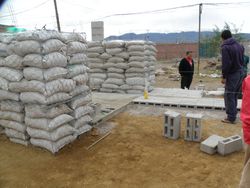
Arturo Ortiz Struck décrit les frontières de la construction légale et autorisée dans le contexte de Mexico :« Afin de nous forger une opinion critique sur la production d’espace et d’architecture dans cet environnement, nous devrions commencer par deux principes fondamentaux. Le premier établit que les espaces reflètent qui nous sommes, et ils traduisent nos habitudes(...)
Arturo Ortiz Struck décrit les frontières de la construction légale et autorisée dans le contexte de Mexico :« Afin de nous forger une opinion critique sur la production d’espace et d’architecture dans cet environnement, nous devrions commencer par deux principes fondamentaux. Le premier établit que les espaces reflètent qui nous sommes, et ils traduisent nos habitudes(...)
Localisation:
Théâtre Paul-Desmarais
Théâtre Paul-Desmarais
Date:
10 mai 2012 , 19h
10 mai 2012 , 19h
Titre:
L'enseignement de... Mexico : Arturo Ortiz Struck
Actions:
Description:
Arturo Ortiz Struck décrit les frontières de la construction légale et autorisée dans le contexte de Mexico :« Afin de nous forger une opinion critique sur la production d’espace et d’architecture dans cet environnement, nous devrions commencer par deux principes fondamentaux. Le premier établit que les espaces reflètent qui nous sommes, et ils traduisent nos habitudes(...)
L'enseignement de... Mexico : Arturo Ortiz Struck
Actions:
Description:
Arturo Ortiz Struck décrit les frontières de la construction légale et autorisée dans le contexte de Mexico :« Afin de nous forger une opinion critique sur la production d’espace et d’architecture dans cet environnement, nous devrions commencer par deux principes fondamentaux. Le premier établit que les espaces reflètent qui nous sommes, et ils traduisent nos habitudes(...)
Classification:
événements
événements
Date:
10 mai 2012
19h
10 mai 2012
19h
Localisation:
Théâtre Paul-Desmarais
Théâtre Paul-Desmarais
Niveau de description archivistique:
Projet
Projet
Titre:
Two Tree Island
Two Tree Island
Numéro de référence:
AP144.S2.D84
Description:
File documents an unexecuted project for Two Tree Island, the last uninhabited island in the Thames Estuary, in Essex, England. Cedric Price collaborated with Yorke Rosenberg Mardall Architects (YMR) on the project for client David Keddie, to develop a 178-hectare site on the island which encompassed both existing and reclaimed land, some of which was reserved under a trust for nature conservation. Early proposals showed residential areas, commercial, as well as, industrial zones, and facilities for recreation and leisure activities, including a marina. The final design proposed a much smaller residential area and harbour and included larger conservation and marshland areas in response to local concerns. The project was rejected and a portion of Two Tree Island was leased to the Nature Conservancy (NERC). An Appeal and Public Enquiry lodged by the client was subsequently indefinitely postponed. The architects produced several versions of a consultant's report, created a 'logbook' for the project, and published a brochure and promotional material for a public meeting. Existing conditions and reference material in the file includes maps of the area showing locations for a photo survey; Port of Authority of London plans showing water depths at various locations; a drawing of Marine Island, Essex; and a collage of photos of the area mounted on a board. Sketches by Cedric Price show development plans for the island and explore alternate "open" and "closed" configurations for the basin. Sketch sections show established maximum flood heights on the proposed schemes (see sketches in Works II, p. 86). A series of schematic drawings by YMR develop preliminary schemes exploring alternate layouts in relation to the primary basin configuration. A perspective drawing shows a view of the site from the main road to the island. Design development drawings include both original drawings and reprographic copies and include bird's-eye view perspective sketches; diagrams showing "domestic development" and projected "typical patterning"; and diagrammatic plans/charts showing existing and reclaimed areas, compatibility of activities, and degrees of accessibility (see typical diagram in Works II, p. 87). Other design development drawings include standard plans, sections and elevations, as well as site plans, land-use plans for the marina, plans showing alternate layouts for the marina dock, plans showing Thames tidal defences, site sections, and breakwater profiles. Working drawings for the marina by consulting engineers Sir Frederick Snow and Partners include survey plans, detailed sections illustrating the reinforcement and stabilization of the marine bed, and task sequencing diagrams and charts. Publication and presentation material includes photographs of rendered perspectives, over 18 watercolour renderings of Two Tree Island by Cedric Price, and a mock-up for a 13-page brochure or report summarizing the project. Many drawings are also included in the textual records, which also include Cedric Price's diary on the project. Some material in this file was published in 'Cedric Price-Works II' (London: Architectural Press, 1984), 72, 86-87. Material in this file was produced between 1963 and 1989, but predominantly between 1971 and 1974. Cedric Price's office lists the following firms as the main consultants for this project: Felix J. Samuely & Partners and Sir Frederick Snow & Partners, Consulting Engineers; Baker Wilkins & Smith, Quantity Surveyors; Prof. Peter Cowan, Director, Joint Unit for Planning Research; Prof. Peter Willmott, Director Institute of Community Studies; Prof. G. P. Wibberley, Professor of Countryside Planning, University of London; M. A. B. Boddington, Rural Planning Services. One drawing in DR1995:0255:011-021 is attributed to Costain Civil Engineering Ltd. File contains cartographic materials, conceptual drawings, design development drawings, presentation drawings, consultant drawings, model, and textual records.
AP144.S2.D84
Description:
File documents an unexecuted project for Two Tree Island, the last uninhabited island in the Thames Estuary, in Essex, England. Cedric Price collaborated with Yorke Rosenberg Mardall Architects (YMR) on the project for client David Keddie, to develop a 178-hectare site on the island which encompassed both existing and reclaimed land, some of which was reserved under a trust for nature conservation. Early proposals showed residential areas, commercial, as well as, industrial zones, and facilities for recreation and leisure activities, including a marina. The final design proposed a much smaller residential area and harbour and included larger conservation and marshland areas in response to local concerns. The project was rejected and a portion of Two Tree Island was leased to the Nature Conservancy (NERC). An Appeal and Public Enquiry lodged by the client was subsequently indefinitely postponed. The architects produced several versions of a consultant's report, created a 'logbook' for the project, and published a brochure and promotional material for a public meeting. Existing conditions and reference material in the file includes maps of the area showing locations for a photo survey; Port of Authority of London plans showing water depths at various locations; a drawing of Marine Island, Essex; and a collage of photos of the area mounted on a board. Sketches by Cedric Price show development plans for the island and explore alternate "open" and "closed" configurations for the basin. Sketch sections show established maximum flood heights on the proposed schemes (see sketches in Works II, p. 86). A series of schematic drawings by YMR develop preliminary schemes exploring alternate layouts in relation to the primary basin configuration. A perspective drawing shows a view of the site from the main road to the island. Design development drawings include both original drawings and reprographic copies and include bird's-eye view perspective sketches; diagrams showing "domestic development" and projected "typical patterning"; and diagrammatic plans/charts showing existing and reclaimed areas, compatibility of activities, and degrees of accessibility (see typical diagram in Works II, p. 87). Other design development drawings include standard plans, sections and elevations, as well as site plans, land-use plans for the marina, plans showing alternate layouts for the marina dock, plans showing Thames tidal defences, site sections, and breakwater profiles. Working drawings for the marina by consulting engineers Sir Frederick Snow and Partners include survey plans, detailed sections illustrating the reinforcement and stabilization of the marine bed, and task sequencing diagrams and charts. Publication and presentation material includes photographs of rendered perspectives, over 18 watercolour renderings of Two Tree Island by Cedric Price, and a mock-up for a 13-page brochure or report summarizing the project. Many drawings are also included in the textual records, which also include Cedric Price's diary on the project. Some material in this file was published in 'Cedric Price-Works II' (London: Architectural Press, 1984), 72, 86-87. Material in this file was produced between 1963 and 1989, but predominantly between 1971 and 1974. Cedric Price's office lists the following firms as the main consultants for this project: Felix J. Samuely & Partners and Sir Frederick Snow & Partners, Consulting Engineers; Baker Wilkins & Smith, Quantity Surveyors; Prof. Peter Cowan, Director, Joint Unit for Planning Research; Prof. Peter Willmott, Director Institute of Community Studies; Prof. G. P. Wibberley, Professor of Countryside Planning, University of London; M. A. B. Boddington, Rural Planning Services. One drawing in DR1995:0255:011-021 is attributed to Costain Civil Engineering Ltd. File contains cartographic materials, conceptual drawings, design development drawings, presentation drawings, consultant drawings, model, and textual records.
Personnes et institutions:
Date:
1963-1989, predominant 1971-1974
1963-1989, predominant 1971-1974
Titre:
Two Tree Island
Actions:
AP144.S2.D84
Description:
File documents an unexecuted project for Two Tree Island, the last uninhabited island in the Thames Estuary, in Essex, England. Cedric Price collaborated with Yorke Rosenberg Mardall Architects (YMR) on the project for client David Keddie, to develop a 178-hectare site on the island which encompassed both existing and reclaimed land, some of which was reserved under a trust for nature conservation. Early proposals showed residential areas, commercial, as well as, industrial zones, and facilities for recreation and leisure activities, including a marina. The final design proposed a much smaller residential area and harbour and included larger conservation and marshland areas in response to local concerns. The project was rejected and a portion of Two Tree Island was leased to the Nature Conservancy (NERC). An Appeal and Public Enquiry lodged by the client was subsequently indefinitely postponed. The architects produced several versions of a consultant's report, created a 'logbook' for the project, and published a brochure and promotional material for a public meeting. Existing conditions and reference material in the file includes maps of the area showing locations for a photo survey; Port of Authority of London plans showing water depths at various locations; a drawing of Marine Island, Essex; and a collage of photos of the area mounted on a board. Sketches by Cedric Price show development plans for the island and explore alternate "open" and "closed" configurations for the basin. Sketch sections show established maximum flood heights on the proposed schemes (see sketches in Works II, p. 86). A series of schematic drawings by YMR develop preliminary schemes exploring alternate layouts in relation to the primary basin configuration. A perspective drawing shows a view of the site from the main road to the island. Design development drawings include both original drawings and reprographic copies and include bird's-eye view perspective sketches; diagrams showing "domestic development" and projected "typical patterning"; and diagrammatic plans/charts showing existing and reclaimed areas, compatibility of activities, and degrees of accessibility (see typical diagram in Works II, p. 87). Other design development drawings include standard plans, sections and elevations, as well as site plans, land-use plans for the marina, plans showing alternate layouts for the marina dock, plans showing Thames tidal defences, site sections, and breakwater profiles. Working drawings for the marina by consulting engineers Sir Frederick Snow and Partners include survey plans, detailed sections illustrating the reinforcement and stabilization of the marine bed, and task sequencing diagrams and charts. Publication and presentation material includes photographs of rendered perspectives, over 18 watercolour renderings of Two Tree Island by Cedric Price, and a mock-up for a 13-page brochure or report summarizing the project. Many drawings are also included in the textual records, which also include Cedric Price's diary on the project. Some material in this file was published in 'Cedric Price-Works II' (London: Architectural Press, 1984), 72, 86-87. Material in this file was produced between 1963 and 1989, but predominantly between 1971 and 1974. Cedric Price's office lists the following firms as the main consultants for this project: Felix J. Samuely & Partners and Sir Frederick Snow & Partners, Consulting Engineers; Baker Wilkins & Smith, Quantity Surveyors; Prof. Peter Cowan, Director, Joint Unit for Planning Research; Prof. Peter Willmott, Director Institute of Community Studies; Prof. G. P. Wibberley, Professor of Countryside Planning, University of London; M. A. B. Boddington, Rural Planning Services. One drawing in DR1995:0255:011-021 is attributed to Costain Civil Engineering Ltd. File contains cartographic materials, conceptual drawings, design development drawings, presentation drawings, consultant drawings, model, and textual records.
Two Tree Island
Actions:
AP144.S2.D84
Description:
File documents an unexecuted project for Two Tree Island, the last uninhabited island in the Thames Estuary, in Essex, England. Cedric Price collaborated with Yorke Rosenberg Mardall Architects (YMR) on the project for client David Keddie, to develop a 178-hectare site on the island which encompassed both existing and reclaimed land, some of which was reserved under a trust for nature conservation. Early proposals showed residential areas, commercial, as well as, industrial zones, and facilities for recreation and leisure activities, including a marina. The final design proposed a much smaller residential area and harbour and included larger conservation and marshland areas in response to local concerns. The project was rejected and a portion of Two Tree Island was leased to the Nature Conservancy (NERC). An Appeal and Public Enquiry lodged by the client was subsequently indefinitely postponed. The architects produced several versions of a consultant's report, created a 'logbook' for the project, and published a brochure and promotional material for a public meeting. Existing conditions and reference material in the file includes maps of the area showing locations for a photo survey; Port of Authority of London plans showing water depths at various locations; a drawing of Marine Island, Essex; and a collage of photos of the area mounted on a board. Sketches by Cedric Price show development plans for the island and explore alternate "open" and "closed" configurations for the basin. Sketch sections show established maximum flood heights on the proposed schemes (see sketches in Works II, p. 86). A series of schematic drawings by YMR develop preliminary schemes exploring alternate layouts in relation to the primary basin configuration. A perspective drawing shows a view of the site from the main road to the island. Design development drawings include both original drawings and reprographic copies and include bird's-eye view perspective sketches; diagrams showing "domestic development" and projected "typical patterning"; and diagrammatic plans/charts showing existing and reclaimed areas, compatibility of activities, and degrees of accessibility (see typical diagram in Works II, p. 87). Other design development drawings include standard plans, sections and elevations, as well as site plans, land-use plans for the marina, plans showing alternate layouts for the marina dock, plans showing Thames tidal defences, site sections, and breakwater profiles. Working drawings for the marina by consulting engineers Sir Frederick Snow and Partners include survey plans, detailed sections illustrating the reinforcement and stabilization of the marine bed, and task sequencing diagrams and charts. Publication and presentation material includes photographs of rendered perspectives, over 18 watercolour renderings of Two Tree Island by Cedric Price, and a mock-up for a 13-page brochure or report summarizing the project. Many drawings are also included in the textual records, which also include Cedric Price's diary on the project. Some material in this file was published in 'Cedric Price-Works II' (London: Architectural Press, 1984), 72, 86-87. Material in this file was produced between 1963 and 1989, but predominantly between 1971 and 1974. Cedric Price's office lists the following firms as the main consultants for this project: Felix J. Samuely & Partners and Sir Frederick Snow & Partners, Consulting Engineers; Baker Wilkins & Smith, Quantity Surveyors; Prof. Peter Cowan, Director, Joint Unit for Planning Research; Prof. Peter Willmott, Director Institute of Community Studies; Prof. G. P. Wibberley, Professor of Countryside Planning, University of London; M. A. B. Boddington, Rural Planning Services. One drawing in DR1995:0255:011-021 is attributed to Costain Civil Engineering Ltd. File contains cartographic materials, conceptual drawings, design development drawings, presentation drawings, consultant drawings, model, and textual records.
Niveau de description archivistique:
File 84
File 84
Date:
1963-1989, predominant 1971-1974
1963-1989, predominant 1971-1974
Personnes et institutions:
Classification:
archives
Niveau de description archivistique:
Fonds
archives
Niveau de description archivistique:
Fonds
Numéro de référence:
AP198
Résumé:
The Kivi Sotamaa OCEAN North project records, 1997-2000, consist of born-digital files, drawings, photographs, and physical models that document two projects by the OCEAN North collective: Jyväskylä Music and Arts Centre (competition, 1997) and Tölöö Football Stadium (competition, 1997). The archive also includes born-digital reference materials on 14 projects from the collective, including the two projects mentioned above.
AP198
Résumé:
The Kivi Sotamaa OCEAN North project records, 1997-2000, consist of born-digital files, drawings, photographs, and physical models that document two projects by the OCEAN North collective: Jyväskylä Music and Arts Centre (competition, 1997) and Tölöö Football Stadium (competition, 1997). The archive also includes born-digital reference materials on 14 projects from the collective, including the two projects mentioned above.
Personnes et institutions:
Date:
1997-2000
1997-2000
Titre:
Documents d’archives de Kivi Sotamaa pour les projets de OCEAN North
Actions:
AP198
Résumé:
The Kivi Sotamaa OCEAN North project records, 1997-2000, consist of born-digital files, drawings, photographs, and physical models that document two projects by the OCEAN North collective: Jyväskylä Music and Arts Centre (competition, 1997) and Tölöö Football Stadium (competition, 1997). The archive also includes born-digital reference materials on 14 projects from the collective, including the two projects mentioned above.
Documents d’archives de Kivi Sotamaa pour les projets de OCEAN North
Actions:
AP198
Résumé:
The Kivi Sotamaa OCEAN North project records, 1997-2000, consist of born-digital files, drawings, photographs, and physical models that document two projects by the OCEAN North collective: Jyväskylä Music and Arts Centre (competition, 1997) and Tölöö Football Stadium (competition, 1997). The archive also includes born-digital reference materials on 14 projects from the collective, including the two projects mentioned above.
Classification:
archives
Niveau de description archivistique:
Fonds
archives
Niveau de description archivistique:
Fonds
Date:
1997-2000
1997-2000
Personnes et institutions:
Niveau de description archivistique:
Projet
Projet
Titre:
IBA
IBA
Numéro de référence:
AP143.S4.D32
Description:
File documents the partially executed project for the Restricted International Competition "South Friedrichstadt as a Place to Live and Work," West Berlin (now Berlin), West Germany (now in Germany). Material in this file was produced between 1980 and 1988. File documents the design for one of four urban blocks in the area of the Kochstrasse and Friedrichstrasse, Berlin. The competition required the preservation of three existing structures and the construction of mixed-used buildings on vacant lots. The architect develops an overall strategy to occupy the urban block by extending the geometry of the three existing buildings onto the site (DR1991:0018:002; DR1991:0018:004-006), on which he overlays what he calls the "Mercator grid", an orthogonal grid oriented according to the compass (DR1991:0018:016). The "el structures" used by Eisenman in House X, House 11a, and the Cannaregio project reappear in plan, and later as forms emerging from the square compartments delimited by the "Mercator grid", this time developed three-dimensionally (House X, 1975-1977, DR1994:0138:001-1546; House 11a, 1978, DR1994:0139:001-303; Cannaregio project, 1978, DR1991:0017:001-094). After finalizing the urban concept, Eisenman concentrates his efforts on the planning of individual buildings, developing the massing of the building facing Kochstrasse in a series of axonometrics (DR1991:0018:088-092), sections (DR1991:0018:088) and facade studies (DR1991:0018:204-210). A series of scrolled drawings study the L-shaped elements and thin slabs with characteristically gridded surfaces found in House X (DR1991:0018:204 and DR1991:0018:209-210). File contains record drawings, conceptual drawings, design development drawings, schematic drawings, competition drawings, presentation drawings, photographic material, and textual records.
AP143.S4.D32
Description:
File documents the partially executed project for the Restricted International Competition "South Friedrichstadt as a Place to Live and Work," West Berlin (now Berlin), West Germany (now in Germany). Material in this file was produced between 1980 and 1988. File documents the design for one of four urban blocks in the area of the Kochstrasse and Friedrichstrasse, Berlin. The competition required the preservation of three existing structures and the construction of mixed-used buildings on vacant lots. The architect develops an overall strategy to occupy the urban block by extending the geometry of the three existing buildings onto the site (DR1991:0018:002; DR1991:0018:004-006), on which he overlays what he calls the "Mercator grid", an orthogonal grid oriented according to the compass (DR1991:0018:016). The "el structures" used by Eisenman in House X, House 11a, and the Cannaregio project reappear in plan, and later as forms emerging from the square compartments delimited by the "Mercator grid", this time developed three-dimensionally (House X, 1975-1977, DR1994:0138:001-1546; House 11a, 1978, DR1994:0139:001-303; Cannaregio project, 1978, DR1991:0017:001-094). After finalizing the urban concept, Eisenman concentrates his efforts on the planning of individual buildings, developing the massing of the building facing Kochstrasse in a series of axonometrics (DR1991:0018:088-092), sections (DR1991:0018:088) and facade studies (DR1991:0018:204-210). A series of scrolled drawings study the L-shaped elements and thin slabs with characteristically gridded surfaces found in House X (DR1991:0018:204 and DR1991:0018:209-210). File contains record drawings, conceptual drawings, design development drawings, schematic drawings, competition drawings, presentation drawings, photographic material, and textual records.
Personnes et institutions:
Date:
1980-1988
1980-1988
Titre:
IBA
Actions:
AP143.S4.D32
Description:
File documents the partially executed project for the Restricted International Competition "South Friedrichstadt as a Place to Live and Work," West Berlin (now Berlin), West Germany (now in Germany). Material in this file was produced between 1980 and 1988. File documents the design for one of four urban blocks in the area of the Kochstrasse and Friedrichstrasse, Berlin. The competition required the preservation of three existing structures and the construction of mixed-used buildings on vacant lots. The architect develops an overall strategy to occupy the urban block by extending the geometry of the three existing buildings onto the site (DR1991:0018:002; DR1991:0018:004-006), on which he overlays what he calls the "Mercator grid", an orthogonal grid oriented according to the compass (DR1991:0018:016). The "el structures" used by Eisenman in House X, House 11a, and the Cannaregio project reappear in plan, and later as forms emerging from the square compartments delimited by the "Mercator grid", this time developed three-dimensionally (House X, 1975-1977, DR1994:0138:001-1546; House 11a, 1978, DR1994:0139:001-303; Cannaregio project, 1978, DR1991:0017:001-094). After finalizing the urban concept, Eisenman concentrates his efforts on the planning of individual buildings, developing the massing of the building facing Kochstrasse in a series of axonometrics (DR1991:0018:088-092), sections (DR1991:0018:088) and facade studies (DR1991:0018:204-210). A series of scrolled drawings study the L-shaped elements and thin slabs with characteristically gridded surfaces found in House X (DR1991:0018:204 and DR1991:0018:209-210). File contains record drawings, conceptual drawings, design development drawings, schematic drawings, competition drawings, presentation drawings, photographic material, and textual records.
IBA
Actions:
AP143.S4.D32
Description:
File documents the partially executed project for the Restricted International Competition "South Friedrichstadt as a Place to Live and Work," West Berlin (now Berlin), West Germany (now in Germany). Material in this file was produced between 1980 and 1988. File documents the design for one of four urban blocks in the area of the Kochstrasse and Friedrichstrasse, Berlin. The competition required the preservation of three existing structures and the construction of mixed-used buildings on vacant lots. The architect develops an overall strategy to occupy the urban block by extending the geometry of the three existing buildings onto the site (DR1991:0018:002; DR1991:0018:004-006), on which he overlays what he calls the "Mercator grid", an orthogonal grid oriented according to the compass (DR1991:0018:016). The "el structures" used by Eisenman in House X, House 11a, and the Cannaregio project reappear in plan, and later as forms emerging from the square compartments delimited by the "Mercator grid", this time developed three-dimensionally (House X, 1975-1977, DR1994:0138:001-1546; House 11a, 1978, DR1994:0139:001-303; Cannaregio project, 1978, DR1991:0017:001-094). After finalizing the urban concept, Eisenman concentrates his efforts on the planning of individual buildings, developing the massing of the building facing Kochstrasse in a series of axonometrics (DR1991:0018:088-092), sections (DR1991:0018:088) and facade studies (DR1991:0018:204-210). A series of scrolled drawings study the L-shaped elements and thin slabs with characteristically gridded surfaces found in House X (DR1991:0018:204 and DR1991:0018:209-210). File contains record drawings, conceptual drawings, design development drawings, schematic drawings, competition drawings, presentation drawings, photographic material, and textual records.
Niveau de description archivistique:
File 32
File 32
Date:
1980-1988
1980-1988
Personnes et institutions:
Niveau de description archivistique:
Série(s)
Série(s)
Titre:
Professional papers
Professional papers
Numéro de référence:
AP206.S3
Description:
The Professional papers series, circa 1950-2008, records the professional activities of Aditya Prakash throughout his career up until his death in 2008. His work in architecture, art, photography, academia and theatre are documented through textual records, drawings, photographic materials, ephemera, books, serials and sound recordings. The earliest materials in this series show Prakash’s interest in architectural photography early in his career through photographs, slides, and negatives taken by him. These materials, dating from before 1970, show most prominently his projects, people, villages and cityscapes. Materials dating from after 1968 show Prakash’s move into academia and his solo architectural career. During this time, the records document Prakash’s research interests on subjects such as urbanization, Chandigarh, the Modular and the environment, through drawings, newspaper articles, government and committee reports, correspondence and presentation materials. Likewise, his teaching is recorded through overhead transparencies, drawings and notes. The series also shows Prakash’s involvement in the professional community, including event photographs, correspondence and records documenting conferences, events and his discussion group Our Get Togethers. Correspondence with architect Charles Correa and frequent letters between Prakash and writer Mulk Raj Anand are of note here. Apart from his architectural career, Prakash’s work as a modern artist is well recorded through drawings, sketchbooks, and photographic reproductions of his art, mostly dating from after 1980. His interest in art as well as his community involvement are documented through exhibition ephemera, correspondence, and exhibition reviews and writings on his artwork. His role as the president of the Lalit Kala Akademi is also documented through publications, event photographs and correspondence. Finally, Prakash’s involvement in theatre, specifically with his amateur theatre troop Abhinet, is captured through scripts, photographs of performances and play reviews.
AP206.S3
Description:
The Professional papers series, circa 1950-2008, records the professional activities of Aditya Prakash throughout his career up until his death in 2008. His work in architecture, art, photography, academia and theatre are documented through textual records, drawings, photographic materials, ephemera, books, serials and sound recordings. The earliest materials in this series show Prakash’s interest in architectural photography early in his career through photographs, slides, and negatives taken by him. These materials, dating from before 1970, show most prominently his projects, people, villages and cityscapes. Materials dating from after 1968 show Prakash’s move into academia and his solo architectural career. During this time, the records document Prakash’s research interests on subjects such as urbanization, Chandigarh, the Modular and the environment, through drawings, newspaper articles, government and committee reports, correspondence and presentation materials. Likewise, his teaching is recorded through overhead transparencies, drawings and notes. The series also shows Prakash’s involvement in the professional community, including event photographs, correspondence and records documenting conferences, events and his discussion group Our Get Togethers. Correspondence with architect Charles Correa and frequent letters between Prakash and writer Mulk Raj Anand are of note here. Apart from his architectural career, Prakash’s work as a modern artist is well recorded through drawings, sketchbooks, and photographic reproductions of his art, mostly dating from after 1980. His interest in art as well as his community involvement are documented through exhibition ephemera, correspondence, and exhibition reviews and writings on his artwork. His role as the president of the Lalit Kala Akademi is also documented through publications, event photographs and correspondence. Finally, Prakash’s involvement in theatre, specifically with his amateur theatre troop Abhinet, is captured through scripts, photographs of performances and play reviews.
Personnes et institutions:
Date:
circa 1950-2008
circa 1950-2008
Titre:
Professional papers
Actions:
AP206.S3
Description:
The Professional papers series, circa 1950-2008, records the professional activities of Aditya Prakash throughout his career up until his death in 2008. His work in architecture, art, photography, academia and theatre are documented through textual records, drawings, photographic materials, ephemera, books, serials and sound recordings. The earliest materials in this series show Prakash’s interest in architectural photography early in his career through photographs, slides, and negatives taken by him. These materials, dating from before 1970, show most prominently his projects, people, villages and cityscapes. Materials dating from after 1968 show Prakash’s move into academia and his solo architectural career. During this time, the records document Prakash’s research interests on subjects such as urbanization, Chandigarh, the Modular and the environment, through drawings, newspaper articles, government and committee reports, correspondence and presentation materials. Likewise, his teaching is recorded through overhead transparencies, drawings and notes. The series also shows Prakash’s involvement in the professional community, including event photographs, correspondence and records documenting conferences, events and his discussion group Our Get Togethers. Correspondence with architect Charles Correa and frequent letters between Prakash and writer Mulk Raj Anand are of note here. Apart from his architectural career, Prakash’s work as a modern artist is well recorded through drawings, sketchbooks, and photographic reproductions of his art, mostly dating from after 1980. His interest in art as well as his community involvement are documented through exhibition ephemera, correspondence, and exhibition reviews and writings on his artwork. His role as the president of the Lalit Kala Akademi is also documented through publications, event photographs and correspondence. Finally, Prakash’s involvement in theatre, specifically with his amateur theatre troop Abhinet, is captured through scripts, photographs of performances and play reviews.
Professional papers
Actions:
AP206.S3
Description:
The Professional papers series, circa 1950-2008, records the professional activities of Aditya Prakash throughout his career up until his death in 2008. His work in architecture, art, photography, academia and theatre are documented through textual records, drawings, photographic materials, ephemera, books, serials and sound recordings. The earliest materials in this series show Prakash’s interest in architectural photography early in his career through photographs, slides, and negatives taken by him. These materials, dating from before 1970, show most prominently his projects, people, villages and cityscapes. Materials dating from after 1968 show Prakash’s move into academia and his solo architectural career. During this time, the records document Prakash’s research interests on subjects such as urbanization, Chandigarh, the Modular and the environment, through drawings, newspaper articles, government and committee reports, correspondence and presentation materials. Likewise, his teaching is recorded through overhead transparencies, drawings and notes. The series also shows Prakash’s involvement in the professional community, including event photographs, correspondence and records documenting conferences, events and his discussion group Our Get Togethers. Correspondence with architect Charles Correa and frequent letters between Prakash and writer Mulk Raj Anand are of note here. Apart from his architectural career, Prakash’s work as a modern artist is well recorded through drawings, sketchbooks, and photographic reproductions of his art, mostly dating from after 1980. His interest in art as well as his community involvement are documented through exhibition ephemera, correspondence, and exhibition reviews and writings on his artwork. His role as the president of the Lalit Kala Akademi is also documented through publications, event photographs and correspondence. Finally, Prakash’s involvement in theatre, specifically with his amateur theatre troop Abhinet, is captured through scripts, photographs of performances and play reviews.
Niveau de description archivistique:
Series
Series
Date:
circa 1950-2008
circa 1950-2008
Personnes et institutions:
Niveau de description archivistique:
Projet
Projet
Numéro de référence:
AP018.S1.1969.PR04
Description:
This project series documents the master plan for the future Art Gallery of Ontario (AGO) expansion projects in Toronto in 1969. The office identified the project number as 69035. This project outlines the complete master plan for future expansions of the gallery. For decades, the AGO, under its previous name, The Art Gallery of Toronto, consisted of the nineteenth century Grange mansion and a gallery to its north. The project shows the growth of the AGO from two small buildings surrounded by parks to a much larger two storey building that would touch Dundas Street to the north, Beverly Street to the West, and McCaul Street and the Ontario College of Art to the East. In total, three stages were proposed in this plan to increase the AGO sevenfold from 32,000 square feet of gallery space to 253,000 square feet. In addition, a parking lot was proposed in the Dundas Street Mall to the east of the gallery. Originally, the stages were known in the documentation as Phases I, II, III, and IA but their names evolved with the project. Each stage was eventually given its own project number by the office and the original master plan documented in this project series changed in size and design over the years. This project contract was originally given to John B. Parkin Associates. However, John C. Parkin continued the project under his new firm, Parkin Architects Planners, after parting ways with partner John B. Parkin in 1971. The project is recorded through drawings, including presentation boards, dating from 1965-1978. The majority of these are original drawings showing the design planning of the art gallery.
AP018.S1.1969.PR04
Description:
This project series documents the master plan for the future Art Gallery of Ontario (AGO) expansion projects in Toronto in 1969. The office identified the project number as 69035. This project outlines the complete master plan for future expansions of the gallery. For decades, the AGO, under its previous name, The Art Gallery of Toronto, consisted of the nineteenth century Grange mansion and a gallery to its north. The project shows the growth of the AGO from two small buildings surrounded by parks to a much larger two storey building that would touch Dundas Street to the north, Beverly Street to the West, and McCaul Street and the Ontario College of Art to the East. In total, three stages were proposed in this plan to increase the AGO sevenfold from 32,000 square feet of gallery space to 253,000 square feet. In addition, a parking lot was proposed in the Dundas Street Mall to the east of the gallery. Originally, the stages were known in the documentation as Phases I, II, III, and IA but their names evolved with the project. Each stage was eventually given its own project number by the office and the original master plan documented in this project series changed in size and design over the years. This project contract was originally given to John B. Parkin Associates. However, John C. Parkin continued the project under his new firm, Parkin Architects Planners, after parting ways with partner John B. Parkin in 1971. The project is recorded through drawings, including presentation boards, dating from 1965-1978. The majority of these are original drawings showing the design planning of the art gallery.
Personnes et institutions:
Date:
1965-1981
1965-1981
Titre:
Art Gallery of Ontario, The Master Plan, Toronto (1969)
Actions:
AP018.S1.1969.PR04
Description:
This project series documents the master plan for the future Art Gallery of Ontario (AGO) expansion projects in Toronto in 1969. The office identified the project number as 69035. This project outlines the complete master plan for future expansions of the gallery. For decades, the AGO, under its previous name, The Art Gallery of Toronto, consisted of the nineteenth century Grange mansion and a gallery to its north. The project shows the growth of the AGO from two small buildings surrounded by parks to a much larger two storey building that would touch Dundas Street to the north, Beverly Street to the West, and McCaul Street and the Ontario College of Art to the East. In total, three stages were proposed in this plan to increase the AGO sevenfold from 32,000 square feet of gallery space to 253,000 square feet. In addition, a parking lot was proposed in the Dundas Street Mall to the east of the gallery. Originally, the stages were known in the documentation as Phases I, II, III, and IA but their names evolved with the project. Each stage was eventually given its own project number by the office and the original master plan documented in this project series changed in size and design over the years. This project contract was originally given to John B. Parkin Associates. However, John C. Parkin continued the project under his new firm, Parkin Architects Planners, after parting ways with partner John B. Parkin in 1971. The project is recorded through drawings, including presentation boards, dating from 1965-1978. The majority of these are original drawings showing the design planning of the art gallery.
Art Gallery of Ontario, The Master Plan, Toronto (1969)
Actions:
AP018.S1.1969.PR04
Description:
This project series documents the master plan for the future Art Gallery of Ontario (AGO) expansion projects in Toronto in 1969. The office identified the project number as 69035. This project outlines the complete master plan for future expansions of the gallery. For decades, the AGO, under its previous name, The Art Gallery of Toronto, consisted of the nineteenth century Grange mansion and a gallery to its north. The project shows the growth of the AGO from two small buildings surrounded by parks to a much larger two storey building that would touch Dundas Street to the north, Beverly Street to the West, and McCaul Street and the Ontario College of Art to the East. In total, three stages were proposed in this plan to increase the AGO sevenfold from 32,000 square feet of gallery space to 253,000 square feet. In addition, a parking lot was proposed in the Dundas Street Mall to the east of the gallery. Originally, the stages were known in the documentation as Phases I, II, III, and IA but their names evolved with the project. Each stage was eventually given its own project number by the office and the original master plan documented in this project series changed in size and design over the years. This project contract was originally given to John B. Parkin Associates. However, John C. Parkin continued the project under his new firm, Parkin Architects Planners, after parting ways with partner John B. Parkin in 1971. The project is recorded through drawings, including presentation boards, dating from 1965-1978. The majority of these are original drawings showing the design planning of the art gallery.
Niveau de description archivistique:
Project
Project
Date:
1965-1981
1965-1981
Personnes et institutions:


