


206 Résultats
Classification:
livres
livres
Titre:
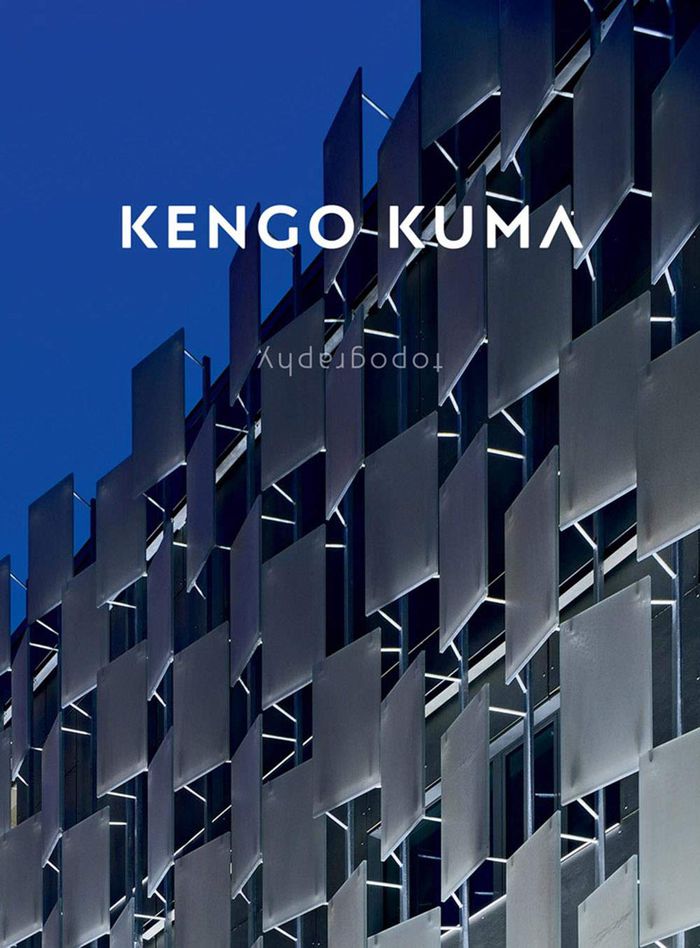
Kengo Kuma: Topography
Kengo Kuma: Topography
Actions:
Prix:
$100.00
(disponible en magasin)
Résumé:
Kengo Kuma is a globally acclaimed Japanese architect whose prodigious output possesses an inherent respect and value of materials and environment, often creating a harmonious balance between building and landscape. He masterfully engages both architectural experimentation and traditional Japanese design with twenty-first-century technology, resulting in highly advanced(...)
$100.00
(disponible en magasin)
Résumé:
Kengo Kuma is a globally acclaimed Japanese architect whose prodigious output possesses an inherent respect and value of materials and environment, often creating a harmonious balance between building and landscape. He masterfully engages both architectural experimentation and traditional Japanese design with twenty-first-century technology, resulting in highly advanced(...)
Titre:
Kengo Kuma: Topography
Actions:
Prix:
$100.00
(disponible en magasin)
Résumé:
Kengo Kuma is a globally acclaimed Japanese architect whose prodigious output possesses an inherent respect and value of materials and environment, often creating a harmonious balance between building and landscape. He masterfully engages both architectural experimentation and traditional Japanese design with twenty-first-century technology, resulting in highly advanced yet beautifully simple, gentle, human-scaled buildings. Often ranked among other esteemed architects, such as Shigeru Ban, Tadao Ando, Kazuyo Sejima, or Kenzo Tange, Kuma is always in search of new materials to replace concrete and steel, and seeks a new approach for architecture in a post-industrial society, fusing interior and exterior realms to make spaces that create a calming and tranquil atmosphere. Known for his prolific writing, Kuma is constantly re-engaging with different aspects of the architectural discipline, whether it be construction or representation in order to give further progress to his ideas. This volume showcases close to forty high-profile works by Kengo Kuma & Associates (based in Tokyo and Paris), focusing on some of his most recognised works, including the Asakusa Culture and Tourism Center in Tokyo, the Mont Blanc Base Camp project, the Great Bamboo Wall, as well as progress for the design for Tokyo's main stadium for the 2020 Olympic Games.
Kengo Kuma: Topography
Actions:
Prix:
$100.00
(disponible en magasin)
Résumé:
Kengo Kuma is a globally acclaimed Japanese architect whose prodigious output possesses an inherent respect and value of materials and environment, often creating a harmonious balance between building and landscape. He masterfully engages both architectural experimentation and traditional Japanese design with twenty-first-century technology, resulting in highly advanced yet beautifully simple, gentle, human-scaled buildings. Often ranked among other esteemed architects, such as Shigeru Ban, Tadao Ando, Kazuyo Sejima, or Kenzo Tange, Kuma is always in search of new materials to replace concrete and steel, and seeks a new approach for architecture in a post-industrial society, fusing interior and exterior realms to make spaces that create a calming and tranquil atmosphere. Known for his prolific writing, Kuma is constantly re-engaging with different aspects of the architectural discipline, whether it be construction or representation in order to give further progress to his ideas. This volume showcases close to forty high-profile works by Kengo Kuma & Associates (based in Tokyo and Paris), focusing on some of his most recognised works, including the Asakusa Culture and Tourism Center in Tokyo, the Mont Blanc Base Camp project, the Great Bamboo Wall, as well as progress for the design for Tokyo's main stadium for the 2020 Olympic Games.
Classification:
livres
livres
Publication:
mars 2021
mars 2021
Sujet:
Architecture, monographies
Architecture, monographies
Classification:
livres
livres
Actions:
Prix:
$54.95
(disponible sur commande)
Résumé:
Recognizing that buildings are a major contributor to global warming and the critical role of embodied versus operational carbon, the book focuses on houses built from materials that either sequester carbon (plants), use materials with very low embodied carbon (earth and stone) or reuse substantial amounts of existing materials. Organized by those materials (wood,(...)
$54.95
(disponible sur commande)
Résumé:
Recognizing that buildings are a major contributor to global warming and the critical role of embodied versus operational carbon, the book focuses on houses built from materials that either sequester carbon (plants), use materials with very low embodied carbon (earth and stone) or reuse substantial amounts of existing materials. Organized by those materials (wood,(...)
Publication:
janvier 2023
janvier 2023
Titre:
Manual of biogenic house sections
Actions:
Prix:
$54.95
(disponible sur commande)
Résumé:
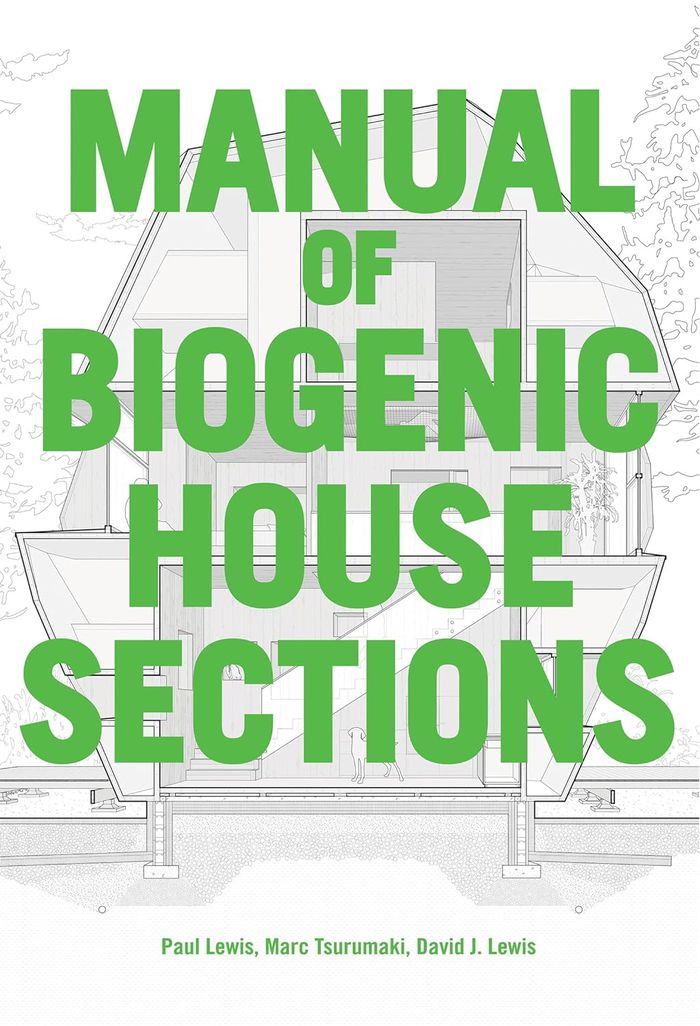
Recognizing that buildings are a major contributor to global warming and the critical role of embodied versus operational carbon, the book focuses on houses built from materials that either sequester carbon (plants), use materials with very low embodied carbon (earth and stone) or reuse substantial amounts of existing materials. Organized by those materials (wood, bamboo, straw, hemp, cork, earth, brick, stone and re-use), and incorporating life cycle diagrams demonstrating how the raw material is processed into building components, the book shows how the unique properties of each material can transform the ways architects conceive the sections of houses. The house was selected as the vehicle for these investigations due to its scale, its role as a site of architectural experimentation, and its ubiquity. Building on the techniques of the "Manual of section," the book is comprised of newly generated cross-sectional drawings of fifty-five recent, modestly sized houses from around the world, making legible the tectonics and materials used in their construction. Each house is also shown through exploded axonometric, construction photographs and color photographs of the exterior and interior. Introductory essays set up the importance of embodied carbon, the role of vernacular plant-based construction and the problems of contemporary house construction. Drawing connections between the architecture of the house, environmental systems and material economies, the book seeks to change how we build now and for the future.
Manual of biogenic house sections
Actions:
Prix:
$54.95
(disponible sur commande)
Résumé:
Recognizing that buildings are a major contributor to global warming and the critical role of embodied versus operational carbon, the book focuses on houses built from materials that either sequester carbon (plants), use materials with very low embodied carbon (earth and stone) or reuse substantial amounts of existing materials. Organized by those materials (wood, bamboo, straw, hemp, cork, earth, brick, stone and re-use), and incorporating life cycle diagrams demonstrating how the raw material is processed into building components, the book shows how the unique properties of each material can transform the ways architects conceive the sections of houses. The house was selected as the vehicle for these investigations due to its scale, its role as a site of architectural experimentation, and its ubiquity. Building on the techniques of the "Manual of section," the book is comprised of newly generated cross-sectional drawings of fifty-five recent, modestly sized houses from around the world, making legible the tectonics and materials used in their construction. Each house is also shown through exploded axonometric, construction photographs and color photographs of the exterior and interior. Introductory essays set up the importance of embodied carbon, the role of vernacular plant-based construction and the problems of contemporary house construction. Drawing connections between the architecture of the house, environmental systems and material economies, the book seeks to change how we build now and for the future.
Classification:
livres
livres
Publication:
janvier 2023
janvier 2023
Classification:
livres
livres
Titre:
Shigeru Ban
Shigeru Ban
Actions:
Prix:
$99.95
(disponible sur commande)
Résumé:
Based in Japan and one of an emerging generation of young, world-class architects, Shigeru Ban designs and builds graceful, serene structures using modest materials such as cardboard, paper tubes, bamboo, and prefabricated wood. His buildings are sometimes soaring and birdlike, sometimes simple, grounded, and evocative of the Japanese aesthetic, but always they are(...)
$99.95
(disponible sur commande)
Résumé:
Based in Japan and one of an emerging generation of young, world-class architects, Shigeru Ban designs and builds graceful, serene structures using modest materials such as cardboard, paper tubes, bamboo, and prefabricated wood. His buildings are sometimes soaring and birdlike, sometimes simple, grounded, and evocative of the Japanese aesthetic, but always they are(...)
Sujet:
Architecture, monographies
Architecture, monographies
Publication:
octobre 2003, London / New York
octobre 2003, London / New York
Titre:
Shigeru Ban
Actions:
Prix:
$99.95
(disponible sur commande)
Résumé:
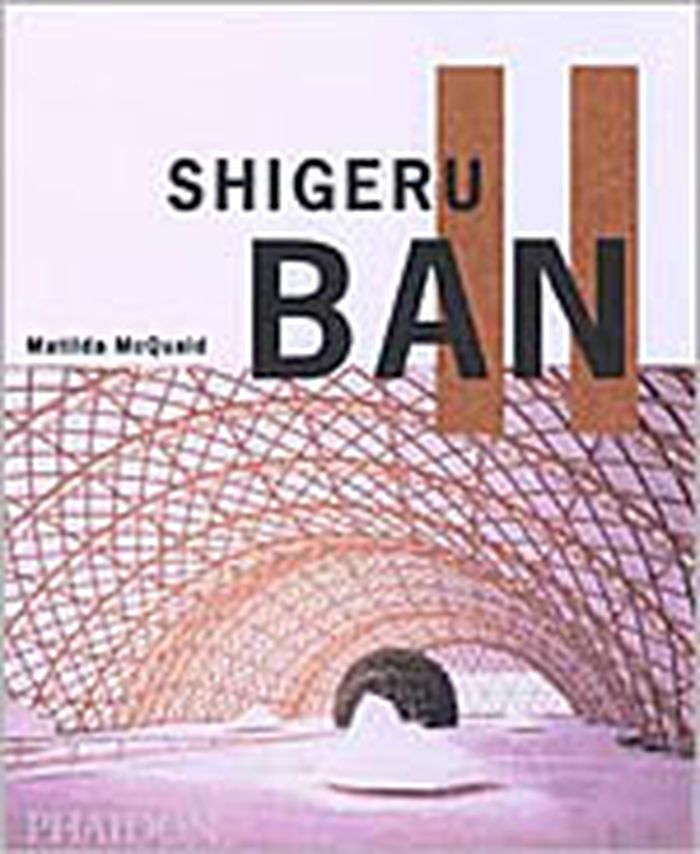
Based in Japan and one of an emerging generation of young, world-class architects, Shigeru Ban designs and builds graceful, serene structures using modest materials such as cardboard, paper tubes, bamboo, and prefabricated wood. His buildings are sometimes soaring and birdlike, sometimes simple, grounded, and evocative of the Japanese aesthetic, but always they are integrated with and respectful of their surrounding environment. Ban has designed projects at both ends of the client spectrum: from one-room temporary houses of paper tubes for earthquake refugees worldwide to a 14,000 square-foot country house in Sharon, Connecticut – his first U.S. commission. His humanitarian efforts and his interest in recyclable, affordable, natural materials have won praise and attention from museums and critics in America and Europe. Ban’s Curtain Wall House was a favorite entry in the Museum of Modern Art’s “Un-Private House” exhibition in 1999; he has gone on to design a museum for children in Japan, a canal museum in France, and a private art museum in Belgium; he was included in the 2000 and 2002 Venice Biennale, and created the Japan Pavilion for the Expo 2000 in Hannover, Germany. He was a member of the Think team of architects selected in February 2003 as one of two finalist teams to compete for the commission to design the new World Trade Center site in New York.
Shigeru Ban
Actions:
Prix:
$99.95
(disponible sur commande)
Résumé:
Based in Japan and one of an emerging generation of young, world-class architects, Shigeru Ban designs and builds graceful, serene structures using modest materials such as cardboard, paper tubes, bamboo, and prefabricated wood. His buildings are sometimes soaring and birdlike, sometimes simple, grounded, and evocative of the Japanese aesthetic, but always they are integrated with and respectful of their surrounding environment. Ban has designed projects at both ends of the client spectrum: from one-room temporary houses of paper tubes for earthquake refugees worldwide to a 14,000 square-foot country house in Sharon, Connecticut – his first U.S. commission. His humanitarian efforts and his interest in recyclable, affordable, natural materials have won praise and attention from museums and critics in America and Europe. Ban’s Curtain Wall House was a favorite entry in the Museum of Modern Art’s “Un-Private House” exhibition in 1999; he has gone on to design a museum for children in Japan, a canal museum in France, and a private art museum in Belgium; he was included in the 2000 and 2002 Venice Biennale, and created the Japan Pavilion for the Expo 2000 in Hannover, Germany. He was a member of the Think team of architects selected in February 2003 as one of two finalist teams to compete for the commission to design the new World Trade Center site in New York.
Classification:
livres
livres
Publication:
octobre 2003, London / New York
octobre 2003, London / New York
Sujet:
Architecture, monographies
Architecture, monographies
Classification:
livres
livres
Prix:
$64.99
(disponible sur commande)
Résumé:
This publication combines traditional natural materials and modern construction methods. From adobe to straw bales, traditional building materials are being adapted to meet code-required standards for health and safety in contemporary buildings around the world. Not only are they cost effective and environmentally friendly, but, when used correctly, these natural(...)
$64.99
(disponible sur commande)
Résumé:
This publication combines traditional natural materials and modern construction methods. From adobe to straw bales, traditional building materials are being adapted to meet code-required standards for health and safety in contemporary buildings around the world. Not only are they cost effective and environmentally friendly, but, when used correctly, these natural(...)
Sujet:
Architecture écologique
Architecture écologique
Publication:
avril 2005, Chichester
avril 2005, Chichester
Titre:
Alternative construction : contemporary natural building methods
Actions:
Prix:
$64.99
(disponible sur commande)
Résumé:
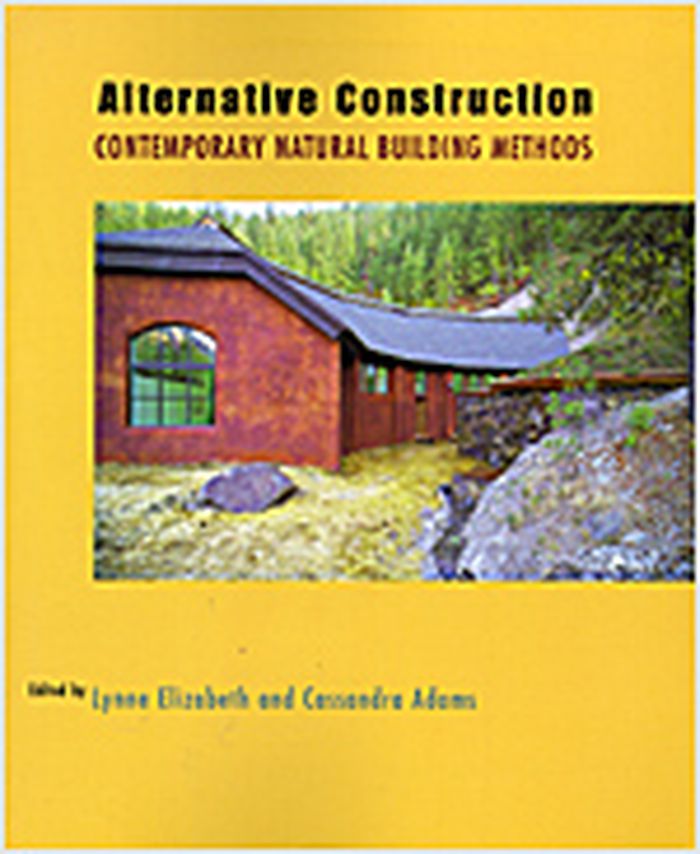
This publication combines traditional natural materials and modern construction methods. From adobe to straw bales, traditional building materials are being adapted to meet code-required standards for health and safety in contemporary buildings around the world. Not only are they cost effective and environmentally friendly, but, when used correctly, these natural alternatives match the strength and durability of many mainstream construction materials. This book examines a broad range of traditional and modern natural construction methods, including straw-bale, light-clay, cob, adobe, rammed earth and pisé, earthbag, earth-sheltered, bamboo, and hybrid systems. It also covers key ecological design principles, as well as current engineering and building code requirements. Experts on each building system have contributed core chapters that explore the history, development, climatic appropriateness, environmental benefits, performance characteristics, construction techniques, and structural design principles for each method. More than 200 visuals depict both construction processes and completed structures. An extensive resource guide shows where to go for further information, training, and research. In an increasingly resource-conscious era, alternative construction is truly an idea whose time has come. Whether you're an architect, designer, student, or homeowner, this book will help you to combine indigenous building materials with modern construction systems and design standards to create low-impact, high-quality buildings that meet the highest levels of comfort, health, and safety.
Alternative construction : contemporary natural building methods
Actions:
Prix:
$64.99
(disponible sur commande)
Résumé:
This publication combines traditional natural materials and modern construction methods. From adobe to straw bales, traditional building materials are being adapted to meet code-required standards for health and safety in contemporary buildings around the world. Not only are they cost effective and environmentally friendly, but, when used correctly, these natural alternatives match the strength and durability of many mainstream construction materials. This book examines a broad range of traditional and modern natural construction methods, including straw-bale, light-clay, cob, adobe, rammed earth and pisé, earthbag, earth-sheltered, bamboo, and hybrid systems. It also covers key ecological design principles, as well as current engineering and building code requirements. Experts on each building system have contributed core chapters that explore the history, development, climatic appropriateness, environmental benefits, performance characteristics, construction techniques, and structural design principles for each method. More than 200 visuals depict both construction processes and completed structures. An extensive resource guide shows where to go for further information, training, and research. In an increasingly resource-conscious era, alternative construction is truly an idea whose time has come. Whether you're an architect, designer, student, or homeowner, this book will help you to combine indigenous building materials with modern construction systems and design standards to create low-impact, high-quality buildings that meet the highest levels of comfort, health, and safety.
Classification:
livres
livres
Publication:
avril 2005, Chichester
avril 2005, Chichester
Sujet:
Architecture écologique
Architecture écologique
Classification:
livres
livres
Titre:
Zero yen houses
Zero yen houses
Actions:
Prix:
$75.00
(disponible sur commande)
Résumé:
A lean-to in an urban park, featuring a blue tarpaulin roof, a hinged door, and a bamboo blind. A car-shaped cardboard hut, lashed together with rope and sitting on a dolly. Temporary lodging under a bridge, incorporating a piece of playground equipment into its design. Each of these structures is an example of what Japanese artist and architect Kyohei Sakaguchi calls a(...)
$75.00
(disponible sur commande)
Résumé:
A lean-to in an urban park, featuring a blue tarpaulin roof, a hinged door, and a bamboo blind. A car-shaped cardboard hut, lashed together with rope and sitting on a dolly. Temporary lodging under a bridge, incorporating a piece of playground equipment into its design. Each of these structures is an example of what Japanese artist and architect Kyohei Sakaguchi calls a(...)
Titre:
Zero yen houses
Actions:
Prix:
$75.00
(disponible sur commande)
Résumé:
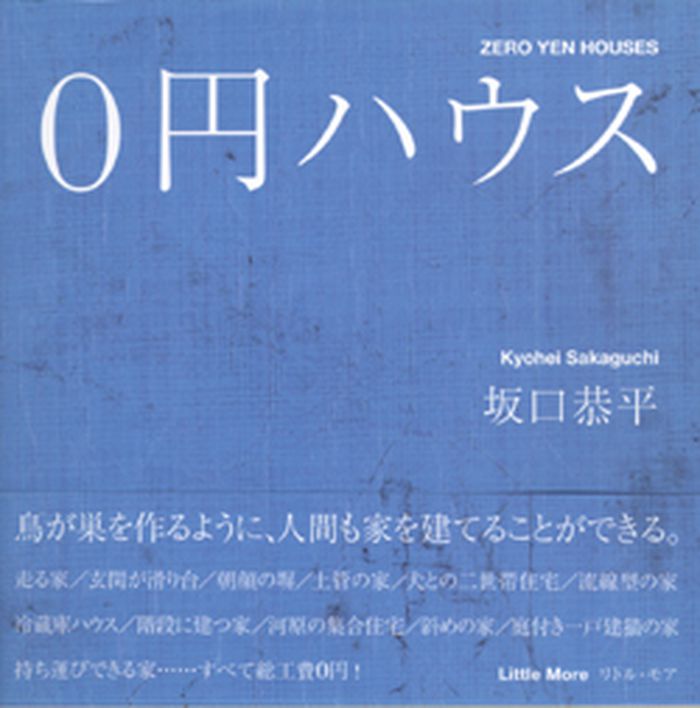
A lean-to in an urban park, featuring a blue tarpaulin roof, a hinged door, and a bamboo blind. A car-shaped cardboard hut, lashed together with rope and sitting on a dolly. Temporary lodging under a bridge, incorporating a piece of playground equipment into its design. Each of these structures is an example of what Japanese artist and architect Kyohei Sakaguchi calls a "zero-yen house".Built by the homeless of Tokyo, Osaka, and Nagoya, zero-yen houses employ discarded and found materials, including pieces of wood and corrugated roofing, temple ornaments, blankets, shipping pallets, an umbrella, and those ubiquitous blue tarps. They also incorporate into their assembly the imminence of their disassembly: at any moment, they may have to be taken apart and moved.Since his days as a university student at the turn of the millennium, Sakaguchi has been studying the kinds of shelters that street people have created for themselves in Japan's three largest cities. Based in Tokyo, he appears to be obsessed with this peculiar and transient form of "vernacular architecture". Sakaguchi uses images, descriptions, and even facsimiles of the improvised homes of the homeless as a way of celebrating human resourcefulness and ingenuity. These dwellings, he tells us, are worthy of our interest and admiration rather than our indifference, our scorn, or even our pity. They can instruct us on an approach to architecture that is the reverse of overconsumption and resource depletion.
Zero yen houses
Actions:
Prix:
$75.00
(disponible sur commande)
Résumé:
A lean-to in an urban park, featuring a blue tarpaulin roof, a hinged door, and a bamboo blind. A car-shaped cardboard hut, lashed together with rope and sitting on a dolly. Temporary lodging under a bridge, incorporating a piece of playground equipment into its design. Each of these structures is an example of what Japanese artist and architect Kyohei Sakaguchi calls a "zero-yen house".Built by the homeless of Tokyo, Osaka, and Nagoya, zero-yen houses employ discarded and found materials, including pieces of wood and corrugated roofing, temple ornaments, blankets, shipping pallets, an umbrella, and those ubiquitous blue tarps. They also incorporate into their assembly the imminence of their disassembly: at any moment, they may have to be taken apart and moved.Since his days as a university student at the turn of the millennium, Sakaguchi has been studying the kinds of shelters that street people have created for themselves in Japan's three largest cities. Based in Tokyo, he appears to be obsessed with this peculiar and transient form of "vernacular architecture". Sakaguchi uses images, descriptions, and even facsimiles of the improvised homes of the homeless as a way of celebrating human resourcefulness and ingenuity. These dwellings, he tells us, are worthy of our interest and admiration rather than our indifference, our scorn, or even our pity. They can instruct us on an approach to architecture that is the reverse of overconsumption and resource depletion.
Classification:
livres
livres
Publication:
janvier 2004, Tokyo
janvier 2004, Tokyo
Sujet:
Architecture résidentielle
Architecture résidentielle
Classification:
livres
livres
Titre:
Minka, my farmhouse in Japan
Minka, my farmhouse in Japan
Actions:
Prix:
$27.95
(disponible sur commande)
Résumé:
In 1959 the journalist John Roderick joined the Tokyo bureau of the Associated Press. There, he befriended a Japanese family, the Takishitas. After musing offhandedly that he would like to one day have his own house in Japan, the family unbeknownst to John set out to grant his wish. They found Roderick a 250-year-old minka, or hand-built farmhouse, with a thatched roof(...)
$27.95
(disponible sur commande)
Résumé:
In 1959 the journalist John Roderick joined the Tokyo bureau of the Associated Press. There, he befriended a Japanese family, the Takishitas. After musing offhandedly that he would like to one day have his own house in Japan, the family unbeknownst to John set out to grant his wish. They found Roderick a 250-year-old minka, or hand-built farmhouse, with a thatched roof(...)
Publication:
novembre 2007, New York
novembre 2007, New York
Titre:
Minka, my farmhouse in Japan
Actions:
Prix:
$27.95
(disponible sur commande)
Résumé:
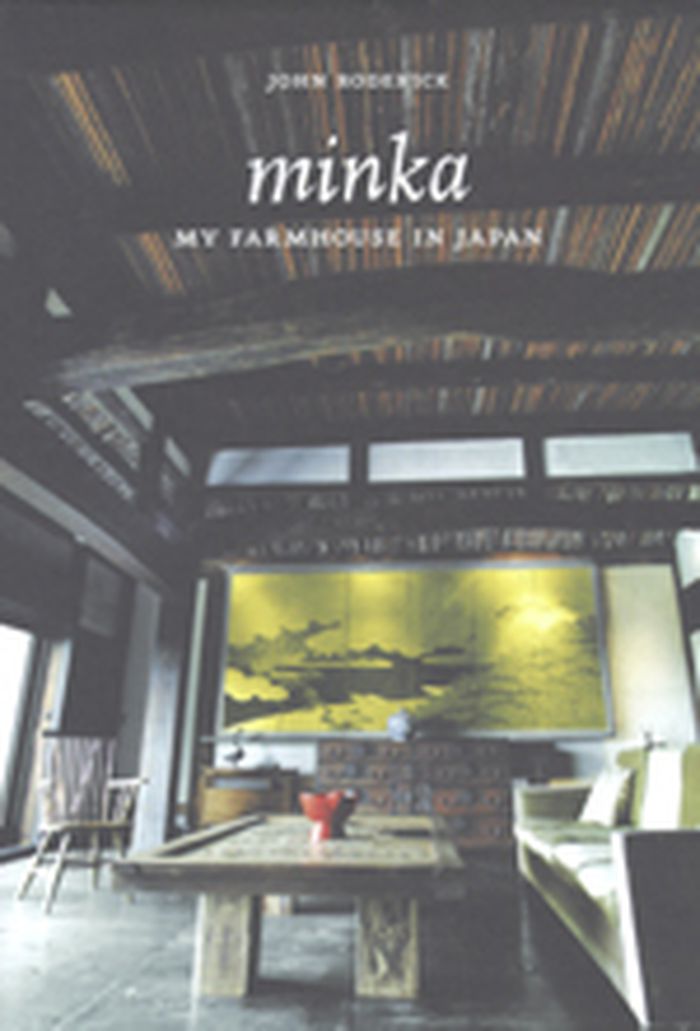
In 1959 the journalist John Roderick joined the Tokyo bureau of the Associated Press. There, he befriended a Japanese family, the Takishitas. After musing offhandedly that he would like to one day have his own house in Japan, the family unbeknownst to John set out to grant his wish. They found Roderick a 250-year-old minka, or hand-built farmhouse, with a thatched roof and held together entirely by wooden pegs and joinery. It was about to be washed away by flooding and was being offered for only fourteen dollars. Roderick graciously bought the house, but was privately dismayed at the prospect of living in this enormous old relic lacking heating, bathing, plumbing, and proper kitchen facilities. So the minka was dismantled and stored, where Roderick secretly hoped it would stay, as it did for several years. But Roderick's reverence for natural materials and his appreciation of traditional Japanese and Shinto craftsmanship eventually got the better of him. Before long a team of experienced carpenters were hoisting massive beams, laying wide wooden floors, and attaching the split-bamboo ceiling. In just forty days they rebuilt the house on a hill overlooking Kamakura, the ancient capital of Japan. Working together, they renovated the farmhouse, adding features such as floor-to-ceiling sliding glass doors and a modern kitchen, bath, and toilet. From these humble beginnings, Roderick's minka has become internationally known and has hosted such luminaries as Senator Hillary Clinton. John Roderick's architectural memoir "Minka" tells the compelling and often poignant story of how one man fell in love with the people, culture, and ancient building traditions of Japan, and reminds us all about the importance of craftsmanship and the meaning of place and home in the process.
Minka, my farmhouse in Japan
Actions:
Prix:
$27.95
(disponible sur commande)
Résumé:
In 1959 the journalist John Roderick joined the Tokyo bureau of the Associated Press. There, he befriended a Japanese family, the Takishitas. After musing offhandedly that he would like to one day have his own house in Japan, the family unbeknownst to John set out to grant his wish. They found Roderick a 250-year-old minka, or hand-built farmhouse, with a thatched roof and held together entirely by wooden pegs and joinery. It was about to be washed away by flooding and was being offered for only fourteen dollars. Roderick graciously bought the house, but was privately dismayed at the prospect of living in this enormous old relic lacking heating, bathing, plumbing, and proper kitchen facilities. So the minka was dismantled and stored, where Roderick secretly hoped it would stay, as it did for several years. But Roderick's reverence for natural materials and his appreciation of traditional Japanese and Shinto craftsmanship eventually got the better of him. Before long a team of experienced carpenters were hoisting massive beams, laying wide wooden floors, and attaching the split-bamboo ceiling. In just forty days they rebuilt the house on a hill overlooking Kamakura, the ancient capital of Japan. Working together, they renovated the farmhouse, adding features such as floor-to-ceiling sliding glass doors and a modern kitchen, bath, and toilet. From these humble beginnings, Roderick's minka has become internationally known and has hosted such luminaries as Senator Hillary Clinton. John Roderick's architectural memoir "Minka" tells the compelling and often poignant story of how one man fell in love with the people, culture, and ancient building traditions of Japan, and reminds us all about the importance of craftsmanship and the meaning of place and home in the process.
Classification:
livres
livres
Publication:
novembre 2007, New York
novembre 2007, New York


