


247 Résultats
Classification:
livres
livres
Actions:
Prix:
$66.00
(disponible sur commande)
Résumé:
This book offers a critical look at the territory that today forms the state of Israel and the lasting historical role of agriculture, which sprang from the Neolithic revolution in the Middle East, had for a wide range of aspects of human social and ecological development. Topics considered include agriculture’s role in territorial appropriation and domestication, in(...)
$66.00
(disponible sur commande)
Résumé:
This book offers a critical look at the territory that today forms the state of Israel and the lasting historical role of agriculture, which sprang from the Neolithic revolution in the Middle East, had for a wide range of aspects of human social and ecological development. Topics considered include agriculture’s role in territorial appropriation and domestication, in(...)
Publication:
avril 2018
avril 2018
Titre:
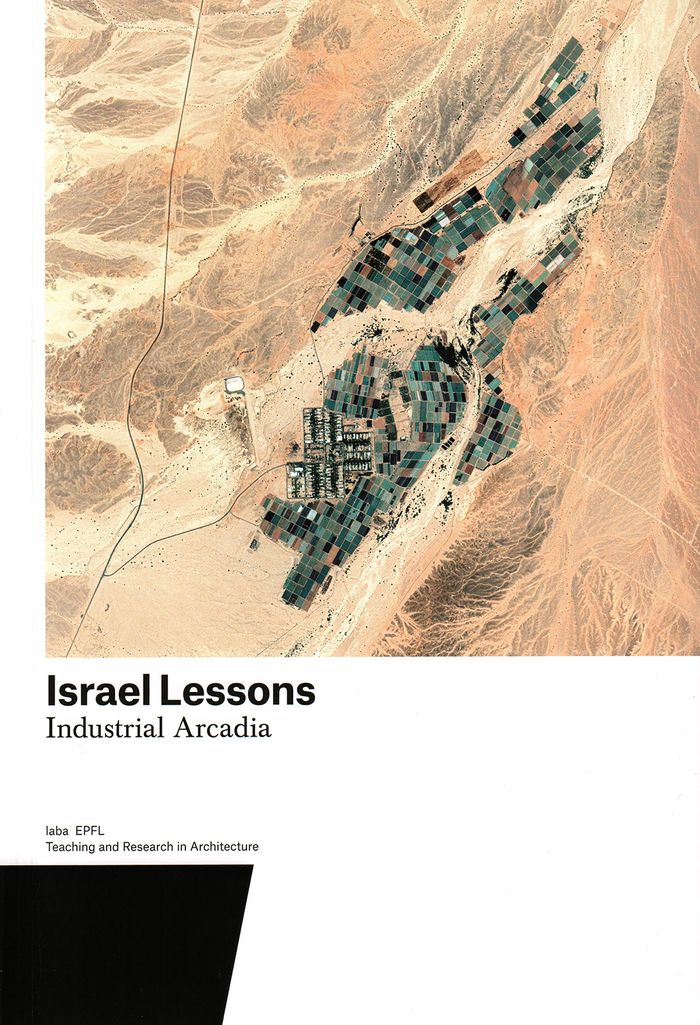
Israel lessons: industrial Arcadia. Teaching and research in architecture
Actions:
Prix:
$66.00
(disponible sur commande)
Résumé:
This book offers a critical look at the territory that today forms the state of Israel and the lasting historical role of agriculture, which sprang from the Neolithic revolution in the Middle East, had for a wide range of aspects of human social and ecological development. Topics considered include agriculture’s role in territorial appropriation and domestication, in structuring the development of urbanization, in creating a national homeland narrative for the Jewish state, and in changing the climate. "Israel Lessons" explores in particular the three major types of Israeli agricultural development: vernacular Palestinian/Bedouin, socialist utopian Kibbutz/Moshav, and contemporary high-tech desert farming. Presenting findings through text matched to striking images, graphics, and maps, and featuring proposals for architectural intervetions, it demonstrates how facts and narratives related to agriculture and the climate crisis are intertwined with geopolitics and sectarian ideals of an earthly paradise.
Israel lessons: industrial Arcadia. Teaching and research in architecture
Actions:
Prix:
$66.00
(disponible sur commande)
Résumé:
This book offers a critical look at the territory that today forms the state of Israel and the lasting historical role of agriculture, which sprang from the Neolithic revolution in the Middle East, had for a wide range of aspects of human social and ecological development. Topics considered include agriculture’s role in territorial appropriation and domestication, in structuring the development of urbanization, in creating a national homeland narrative for the Jewish state, and in changing the climate. "Israel Lessons" explores in particular the three major types of Israeli agricultural development: vernacular Palestinian/Bedouin, socialist utopian Kibbutz/Moshav, and contemporary high-tech desert farming. Presenting findings through text matched to striking images, graphics, and maps, and featuring proposals for architectural intervetions, it demonstrates how facts and narratives related to agriculture and the climate crisis are intertwined with geopolitics and sectarian ideals of an earthly paradise.
Classification:
livres
livres
Publication:
avril 2018
avril 2018
Classification:
livres
livres
Actions:
Prix:
$25.95
(disponible sur commande)
Résumé:
We are living in the Anthropocene—an era of dramatic and violent climate change featuring warming oceans, melting icecaps, extreme weather events, habitat loss, species extinction, and more. What will life be like in a climate-changed world? In ''Tomorrow’s parties,'' science fiction authors speculate how we might be able to live and even thrive through the advancing(...)
$25.95
(disponible sur commande)
Résumé:
We are living in the Anthropocene—an era of dramatic and violent climate change featuring warming oceans, melting icecaps, extreme weather events, habitat loss, species extinction, and more. What will life be like in a climate-changed world? In ''Tomorrow’s parties,'' science fiction authors speculate how we might be able to live and even thrive through the advancing(...)
Titre:
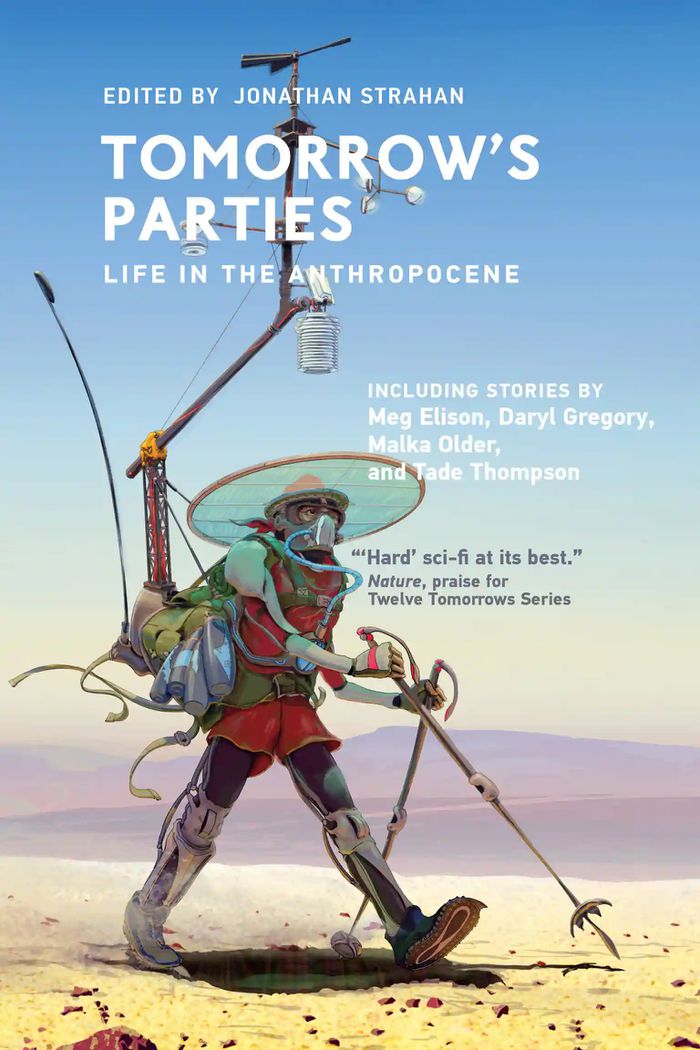
Tomorrow's parties: Life in the Anthropocene
Actions:
Prix:
$25.95
(disponible sur commande)
Résumé:
We are living in the Anthropocene—an era of dramatic and violent climate change featuring warming oceans, melting icecaps, extreme weather events, habitat loss, species extinction, and more. What will life be like in a climate-changed world? In ''Tomorrow’s parties,'' science fiction authors speculate how we might be able to live and even thrive through the advancing Anthropocene. In ten original stories by writers from around the world, an interview with celebrated writer Kim Stanley Robinson, and a series of intricate and elegant artworks by Sean Bodley, ''Tomorrow’s parties'' takes rational optimism as a moral imperative, or at least a pragmatic alternative to despair. In these stories—by writers from the United Kingdom, the United States, Nigeria, China, Bangladesh, and Australia—a young man steals from delivery drones; a political community lives on an island made of ocean-borne plastic waste; and a climate change denier tries to unmask ''crisis actors.'' Climate-changed life also has its pleasures and epiphanies, as when a father in Africa works to make his son’s dreams of ''Viking adventure'' a reality, and an IT professional dispatched to a distant village encounters a marvelous predigital fungal network. Contributors include Pascall Prize for Criticism winner James Bradley, Hugo Award winners Greg Egan and Sarah Gailey, Philip K Dick Award winner Meg Elison, and New York Times bestselling author Daryl Gregory.
Tomorrow's parties: Life in the Anthropocene
Actions:
Prix:
$25.95
(disponible sur commande)
Résumé:
We are living in the Anthropocene—an era of dramatic and violent climate change featuring warming oceans, melting icecaps, extreme weather events, habitat loss, species extinction, and more. What will life be like in a climate-changed world? In ''Tomorrow’s parties,'' science fiction authors speculate how we might be able to live and even thrive through the advancing Anthropocene. In ten original stories by writers from around the world, an interview with celebrated writer Kim Stanley Robinson, and a series of intricate and elegant artworks by Sean Bodley, ''Tomorrow’s parties'' takes rational optimism as a moral imperative, or at least a pragmatic alternative to despair. In these stories—by writers from the United Kingdom, the United States, Nigeria, China, Bangladesh, and Australia—a young man steals from delivery drones; a political community lives on an island made of ocean-borne plastic waste; and a climate change denier tries to unmask ''crisis actors.'' Climate-changed life also has its pleasures and epiphanies, as when a father in Africa works to make his son’s dreams of ''Viking adventure'' a reality, and an IT professional dispatched to a distant village encounters a marvelous predigital fungal network. Contributors include Pascall Prize for Criticism winner James Bradley, Hugo Award winners Greg Egan and Sarah Gailey, Philip K Dick Award winner Meg Elison, and New York Times bestselling author Daryl Gregory.
Classification:
livres
livres
Publication:
août 2022
août 2022
Sujet:
Littérature et poésie
Littérature et poésie
Classification:
périodiques
périodiques
Actions:
Prix:
$30.00
(disponible en magasin)
Résumé:
At a time marked by the climate crisis and violent conflicts, an increasing number of architects are turning to impermanence and adaptability to show an alternate path to tackle the fragility and scarcity affecting our planet. Counter to the neoliberal appetite for abundance and the delirium of indefinite growth, this issue explores the relationship between nature and(...)
$30.00
(disponible en magasin)
Résumé:
At a time marked by the climate crisis and violent conflicts, an increasing number of architects are turning to impermanence and adaptability to show an alternate path to tackle the fragility and scarcity affecting our planet. Counter to the neoliberal appetite for abundance and the delirium of indefinite growth, this issue explores the relationship between nature and(...)
Titre:
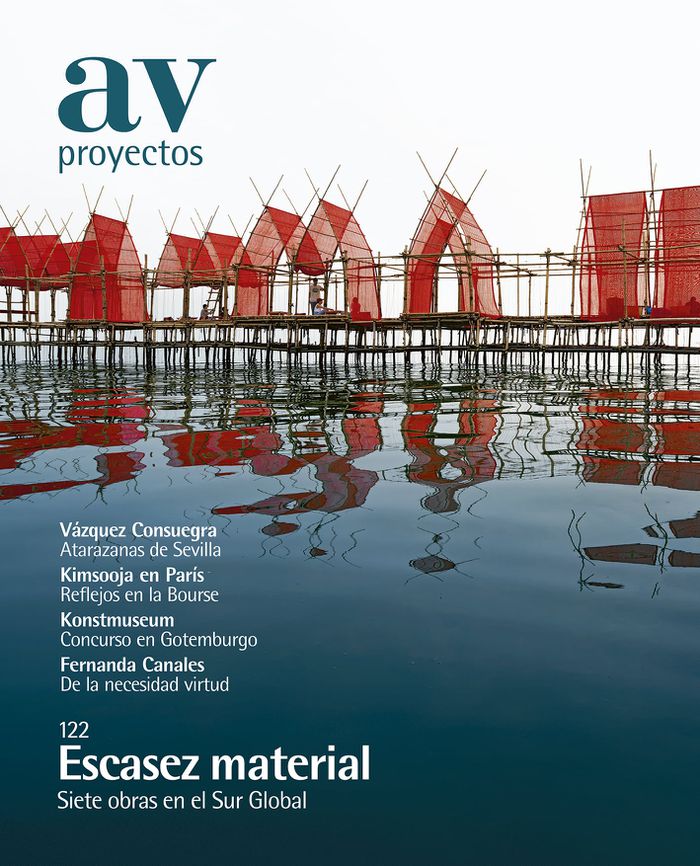
AV Proyectos 122: Escasez Material
Actions:
Prix:
$30.00
(disponible en magasin)
Résumé:
At a time marked by the climate crisis and violent conflicts, an increasing number of architects are turning to impermanence and adaptability to show an alternate path to tackle the fragility and scarcity affecting our planet. Counter to the neoliberal appetite for abundance and the delirium of indefinite growth, this issue explores the relationship between nature and economy. It examines the social construction of scarcity, finding in certain communities signs of resilience and adaptative intelligence. Case studies in Thailand, India, Iran, Rwanda, Niger, Colombia, and Ecuador serve to illuminate this new path. Also in this issue, an interview with Mexican architect Fernanda Canales.
AV Proyectos 122: Escasez Material
Actions:
Prix:
$30.00
(disponible en magasin)
Résumé:
At a time marked by the climate crisis and violent conflicts, an increasing number of architects are turning to impermanence and adaptability to show an alternate path to tackle the fragility and scarcity affecting our planet. Counter to the neoliberal appetite for abundance and the delirium of indefinite growth, this issue explores the relationship between nature and economy. It examines the social construction of scarcity, finding in certain communities signs of resilience and adaptative intelligence. Case studies in Thailand, India, Iran, Rwanda, Niger, Colombia, and Ecuador serve to illuminate this new path. Also in this issue, an interview with Mexican architect Fernanda Canales.
Classification:
périodiques
périodiques
Publication:
juillet 2024
juillet 2024
Sujet:
Revues
Revues
Classification:
livres
livres
Actions:
Prix:
$28.00
(disponible en magasin)
Résumé:
In the age of the Anthropocene, in which humanity acts on cycles and systems with all its power and capital, architecture and energy together mean more than operational or embodied energy, active and passive solutions. In the face of the climate crisis, beyond the phase-out of fossil fuels, architecture has a mediating role; it is about socio-cultural rethinking.(...)
$28.00
(disponible en magasin)
Résumé:
In the age of the Anthropocene, in which humanity acts on cycles and systems with all its power and capital, architecture and energy together mean more than operational or embodied energy, active and passive solutions. In the face of the climate crisis, beyond the phase-out of fossil fuels, architecture has a mediating role; it is about socio-cultural rethinking.(...)
Titre:
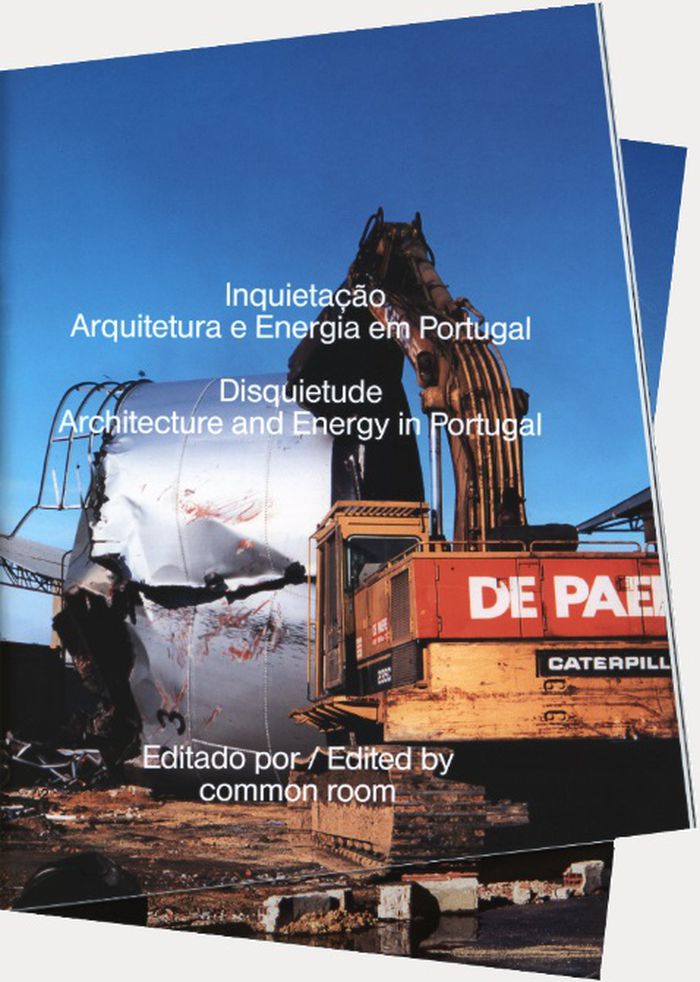
Disquietude: Architecture and energy in Portugal
Actions:
Prix:
$28.00
(disponible en magasin)
Résumé:
In the age of the Anthropocene, in which humanity acts on cycles and systems with all its power and capital, architecture and energy together mean more than operational or embodied energy, active and passive solutions. In the face of the climate crisis, beyond the phase-out of fossil fuels, architecture has a mediating role; it is about socio-cultural rethinking. Disquietude addresses the entanglement between architecture and energy in the 20th century, using Portugal as an example. Featuring different local Portuguese voices, the publication identifies the potential for a transition that could be local, sustainable, diverse, and just and be meaningful also in an international perspective.
Disquietude: Architecture and energy in Portugal
Actions:
Prix:
$28.00
(disponible en magasin)
Résumé:
In the age of the Anthropocene, in which humanity acts on cycles and systems with all its power and capital, architecture and energy together mean more than operational or embodied energy, active and passive solutions. In the face of the climate crisis, beyond the phase-out of fossil fuels, architecture has a mediating role; it is about socio-cultural rethinking. Disquietude addresses the entanglement between architecture and energy in the 20th century, using Portugal as an example. Featuring different local Portuguese voices, the publication identifies the potential for a transition that could be local, sustainable, diverse, and just and be meaningful also in an international perspective.
Classification:
livres
livres
Publication:
février 2023
février 2023
Classification:
livres
livres
Prix:
$65.95
(disponible en magasin)
Résumé:
What would a postcarbon future look like? What would it take to build and maintain a more just, regenerative world? How would it feel to live--and to thrive--in that world? Around the globe, people are transforming their social, ecological, and economic systems in response to the climate crisis. This book guides readers through 29 of these exemplary works, which span 43(...)
$65.95
(disponible en magasin)
Résumé:
What would a postcarbon future look like? What would it take to build and maintain a more just, regenerative world? How would it feel to live--and to thrive--in that world? Around the globe, people are transforming their social, ecological, and economic systems in response to the climate crisis. This book guides readers through 29 of these exemplary works, which span 43(...)
Sujet:
L'écologie de l'architecure
L'écologie de l'architecure
Publication:
juillet 2026
juillet 2026
Titre:
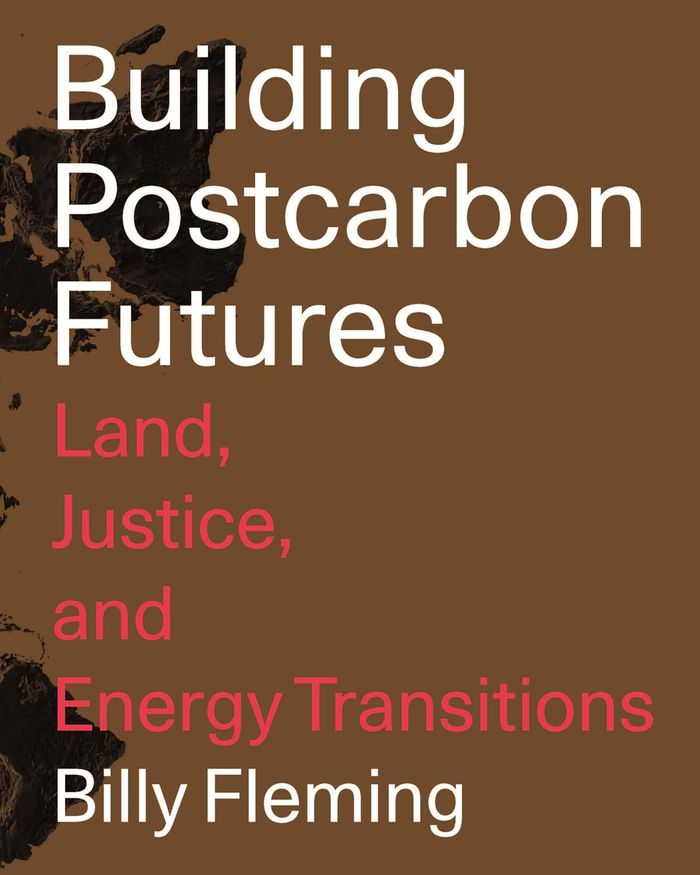
Building postcarbon futures: Land, justice, and energy transitions
Actions:
Prix:
$65.95
(disponible en magasin)
Résumé:
What would a postcarbon future look like? What would it take to build and maintain a more just, regenerative world? How would it feel to live--and to thrive--in that world? Around the globe, people are transforming their social, ecological, and economic systems in response to the climate crisis. This book guides readers through 29 of these exemplary works, which span 43 nations and 6 continents. From Cuba to Kiribati, Iceland to the Andes, the prairies of North America to the expanding Gobi Desert, these case studies foreground the tactics and modes of practice being employed, often by marginalized peoples, to create more humane, hospitable places.
Building postcarbon futures: Land, justice, and energy transitions
Actions:
Prix:
$65.95
(disponible en magasin)
Résumé:
What would a postcarbon future look like? What would it take to build and maintain a more just, regenerative world? How would it feel to live--and to thrive--in that world? Around the globe, people are transforming their social, ecological, and economic systems in response to the climate crisis. This book guides readers through 29 of these exemplary works, which span 43 nations and 6 continents. From Cuba to Kiribati, Iceland to the Andes, the prairies of North America to the expanding Gobi Desert, these case studies foreground the tactics and modes of practice being employed, often by marginalized peoples, to create more humane, hospitable places.
Classification:
livres
livres
Publication:
juillet 2026
juillet 2026
Sujet:
L'écologie de l'architecure
L'écologie de l'architecure
Classification:
périodiques
périodiques
Actions:
Prix:
$86.95
(disponible en magasin)
Résumé:
The climate crisis has meant a return to the principles of traditional construction and the use of passive systems, with the purpose of achieving maximum comfort with a minimum environmental impact using strategies such as solar orientation, form factor, or wind patterns. AV Monographs collects sixteen houses designed according to this bioclimatic approach to respond to a(...)
$86.95
(disponible en magasin)
Résumé:
The climate crisis has meant a return to the principles of traditional construction and the use of passive systems, with the purpose of achieving maximum comfort with a minimum environmental impact using strategies such as solar orientation, form factor, or wind patterns. AV Monographs collects sixteen houses designed according to this bioclimatic approach to respond to a(...)
Titre:
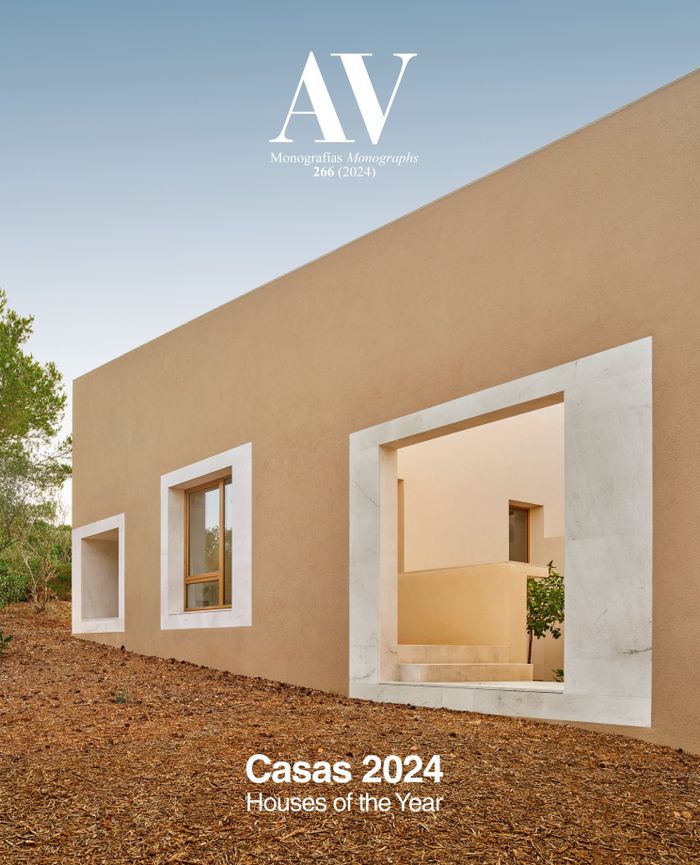
AV Monographs 266: Houses 2024
Actions:
Prix:
$86.95
(disponible en magasin)
Résumé:
The climate crisis has meant a return to the principles of traditional construction and the use of passive systems, with the purpose of achieving maximum comfort with a minimum environmental impact using strategies such as solar orientation, form factor, or wind patterns. AV Monographs collects sixteen houses designed according to this bioclimatic approach to respond to a huge variety of situations, from the intense heat of the African coast to the heavy snowfall of northern Europe, via the tropical rain of Southeast Asia, the marked seasonality in some areas of South America or China, and the mild temperatures in Central America and the Mediterranean.
AV Monographs 266: Houses 2024
Actions:
Prix:
$86.95
(disponible en magasin)
Résumé:
The climate crisis has meant a return to the principles of traditional construction and the use of passive systems, with the purpose of achieving maximum comfort with a minimum environmental impact using strategies such as solar orientation, form factor, or wind patterns. AV Monographs collects sixteen houses designed according to this bioclimatic approach to respond to a huge variety of situations, from the intense heat of the African coast to the heavy snowfall of northern Europe, via the tropical rain of Southeast Asia, the marked seasonality in some areas of South America or China, and the mild temperatures in Central America and the Mediterranean.
Classification:
périodiques
périodiques
Publication:
août 2024
août 2024
Sujet:
Revues
Revues
Classification:
livres
livres

Prix:
$47.50
(disponible sur commande)
Résumé:
Ecological crisis has driven contemporary artists to engage with waste in its most non-biodegradable forms: plastics, e-waste, toxic waste, garbage hermetically sealed in landfills. In this provocative and original book, Amanda Boetzkes links the increasing visualization of waste in contemporary art to the rise of the global oil economy and the emergence of ecological(...)
$47.50
(disponible sur commande)
Résumé:
Ecological crisis has driven contemporary artists to engage with waste in its most non-biodegradable forms: plastics, e-waste, toxic waste, garbage hermetically sealed in landfills. In this provocative and original book, Amanda Boetzkes links the increasing visualization of waste in contemporary art to the rise of the global oil economy and the emergence of ecological(...)
Titre:
Plastic capitalism: contemporary art and the drive to waste
Actions:
Prix:
$47.50
(disponible sur commande)
Résumé:
Ecological crisis has driven contemporary artists to engage with waste in its most non-biodegradable forms: plastics, e-waste, toxic waste, garbage hermetically sealed in landfills. In this provocative and original book, Amanda Boetzkes links the increasing visualization of waste in contemporary art to the rise of the global oil economy and the emergence of ecological thinking. Often, when art is analyzed in relation to the political, scientific, or ecological climate, it is considered merely illustrative. Boetzkes argues that art is constitutive of an ecological consciousness, not simply an extension of it. The visual culture of waste is central to the study of the ecological condition.
Plastic capitalism: contemporary art and the drive to waste
Actions:
Prix:
$47.50
(disponible sur commande)
Résumé:
Ecological crisis has driven contemporary artists to engage with waste in its most non-biodegradable forms: plastics, e-waste, toxic waste, garbage hermetically sealed in landfills. In this provocative and original book, Amanda Boetzkes links the increasing visualization of waste in contemporary art to the rise of the global oil economy and the emergence of ecological thinking. Often, when art is analyzed in relation to the political, scientific, or ecological climate, it is considered merely illustrative. Boetzkes argues that art is constitutive of an ecological consciousness, not simply an extension of it. The visual culture of waste is central to the study of the ecological condition.
Classification:
livres
livres
Publication:
mars 2019
mars 2019
Sujet:
Théorie de l’art
Théorie de l’art
Classification:
périodiques
périodiques
Actions:
Prix:
$98.95
(disponible en magasin)
Résumé:
The world came to a standstill in the year 2020. Aside from the health crisis presented by the global pandemic, the economic catastrophe deepened peoples’ suffering and uncertainty in a tense climate of political polarisation. In his introduction, editor Luis Fernández-Galiano analyses the year’s main architectural events and key topical issues in a chronicle of four(...)
$98.95
(disponible en magasin)
Résumé:
The world came to a standstill in the year 2020. Aside from the health crisis presented by the global pandemic, the economic catastrophe deepened peoples’ suffering and uncertainty in a tense climate of political polarisation. In his introduction, editor Luis Fernández-Galiano analyses the year’s main architectural events and key topical issues in a chronicle of four(...)
Titre:
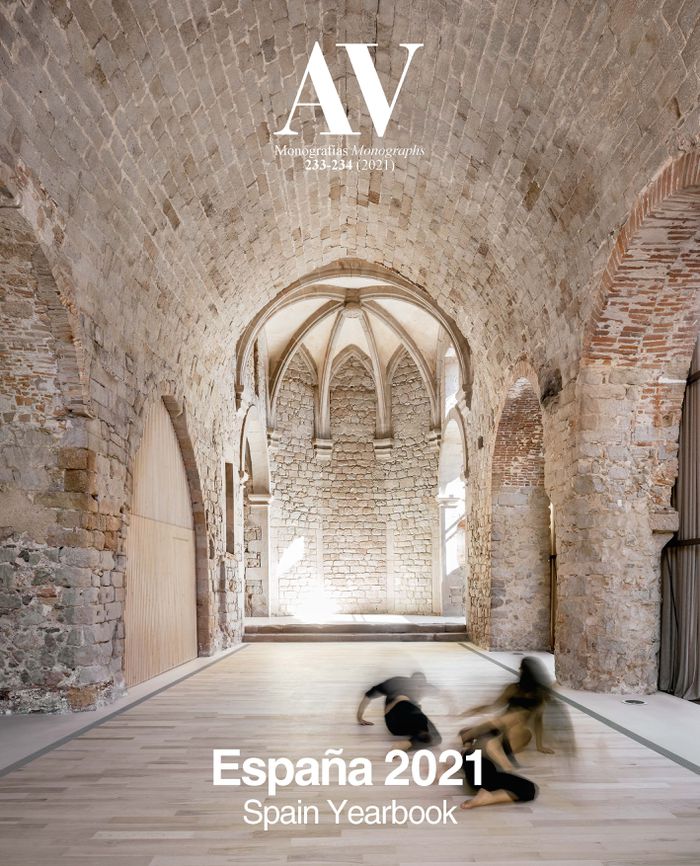
AV Monographs 233-234 : Spain 2021
Actions:
Prix:
$98.95
(disponible en magasin)
Résumé:
The world came to a standstill in the year 2020. Aside from the health crisis presented by the global pandemic, the economic catastrophe deepened peoples’ suffering and uncertainty in a tense climate of political polarisation. In his introduction, editor Luis Fernández-Galiano analyses the year’s main architectural events and key topical issues in a chronicle of four seasons. The yearbook presents a selection of 24 buildings that reflect the discipline’s current panorama in Spain, categorised as destinations, industrial spaces, cultural or social projects, edifices for education, and collective alternatives. Other features reflect on a year like no other, but with hope for the future.
AV Monographs 233-234 : Spain 2021
Actions:
Prix:
$98.95
(disponible en magasin)
Résumé:
The world came to a standstill in the year 2020. Aside from the health crisis presented by the global pandemic, the economic catastrophe deepened peoples’ suffering and uncertainty in a tense climate of political polarisation. In his introduction, editor Luis Fernández-Galiano analyses the year’s main architectural events and key topical issues in a chronicle of four seasons. The yearbook presents a selection of 24 buildings that reflect the discipline’s current panorama in Spain, categorised as destinations, industrial spaces, cultural or social projects, edifices for education, and collective alternatives. Other features reflect on a year like no other, but with hope for the future.
Classification:
périodiques
périodiques
Publication:
juillet 2021
juillet 2021
Sujet:
Revues
Revues
Classification:
livres
livres
Actions:
Prix:
$41.95
(disponible en magasin)
Résumé:
In Bangladesh, climate change causes frequent flooding, forcing countless people to find new homes. In response, Bangladeshi architect Marina Tabassum (born 1968) and her team have developed the Khudi Bari (small house): a low-cost structure that can be assembled, disassembled, transported and reassembled in another location by the inhabitants themselves. This publication(...)
$41.95
(disponible en magasin)
Résumé:
In Bangladesh, climate change causes frequent flooding, forcing countless people to find new homes. In response, Bangladeshi architect Marina Tabassum (born 1968) and her team have developed the Khudi Bari (small house): a low-cost structure that can be assembled, disassembled, transported and reassembled in another location by the inhabitants themselves. This publication(...)
Sujet:
Architecture, monographies
Architecture, monographies
Publication:
septembre 2025
septembre 2025
Titre:
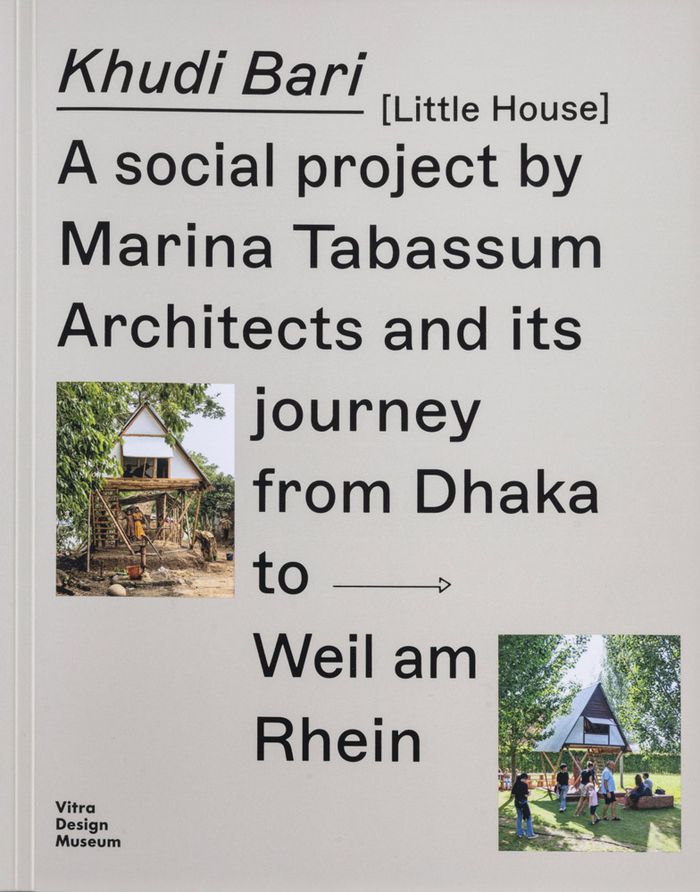
Khudi Barri: A Social Project by Marina Tabassum Architects from Dhaka to Weil am Rhein
Actions:
Prix:
$41.95
(disponible en magasin)
Résumé:
In Bangladesh, climate change causes frequent flooding, forcing countless people to find new homes. In response, Bangladeshi architect Marina Tabassum (born 1968) and her team have developed the Khudi Bari (small house): a low-cost structure that can be assembled, disassembled, transported and reassembled in another location by the inhabitants themselves. This publication contains texts, photographs and illustrations of a Khudi Bari erected on the Vitra Campus in Weil am Rhein, Germany, as an example of a concrete response to problems exacerbated by the climate crisis. Says Tabassum: "Inspiration for this mobile house is rooted in the vernacular style of dwelling that can be found in Bangladesh. These structures are created in the manner of a flatpack system and are generally built along the majestic Padma, Jamuna and Meghna rivers. The houses have a wooden frame structure and corrugated metal facades and roofs, which can be dismantled and relocated in the aftermath of riverbank erosion and reassembled by their owners once they have found a new place to build."
Khudi Barri: A Social Project by Marina Tabassum Architects from Dhaka to Weil am Rhein
Actions:
Prix:
$41.95
(disponible en magasin)
Résumé:
In Bangladesh, climate change causes frequent flooding, forcing countless people to find new homes. In response, Bangladeshi architect Marina Tabassum (born 1968) and her team have developed the Khudi Bari (small house): a low-cost structure that can be assembled, disassembled, transported and reassembled in another location by the inhabitants themselves. This publication contains texts, photographs and illustrations of a Khudi Bari erected on the Vitra Campus in Weil am Rhein, Germany, as an example of a concrete response to problems exacerbated by the climate crisis. Says Tabassum: "Inspiration for this mobile house is rooted in the vernacular style of dwelling that can be found in Bangladesh. These structures are created in the manner of a flatpack system and are generally built along the majestic Padma, Jamuna and Meghna rivers. The houses have a wooden frame structure and corrugated metal facades and roofs, which can be dismantled and relocated in the aftermath of riverbank erosion and reassembled by their owners once they have found a new place to build."
Classification:
livres
livres
Publication:
septembre 2025
septembre 2025
Sujet:
Architecture, monographies
Architecture, monographies
Classification:
livres
livres
Actions:
Prix:
$64.95
(disponible en magasin)
Résumé:
''Arctic Practices: Design for a Changing World'' emerges at a critical juncture wherein the very stability of Arctic ecosystems hangs in a precarious balance induced, almost entirely, by humans. This volume assembles forty-six contributors—designers, educators, artists, photographers, filmmakers, some Indigenous, some residents, and some visitors to the Circumpolar(...)
$64.95
(disponible en magasin)
Résumé:
''Arctic Practices: Design for a Changing World'' emerges at a critical juncture wherein the very stability of Arctic ecosystems hangs in a precarious balance induced, almost entirely, by humans. This volume assembles forty-six contributors—designers, educators, artists, photographers, filmmakers, some Indigenous, some residents, and some visitors to the Circumpolar(...)
Sujet:
Architecture contemporaine
Architecture contemporaine
Publication:
octobre 2025
octobre 2025
Titre:
Arctic practices: design for a changing world
Actions:
Prix:
$64.95
(disponible en magasin)
Résumé:
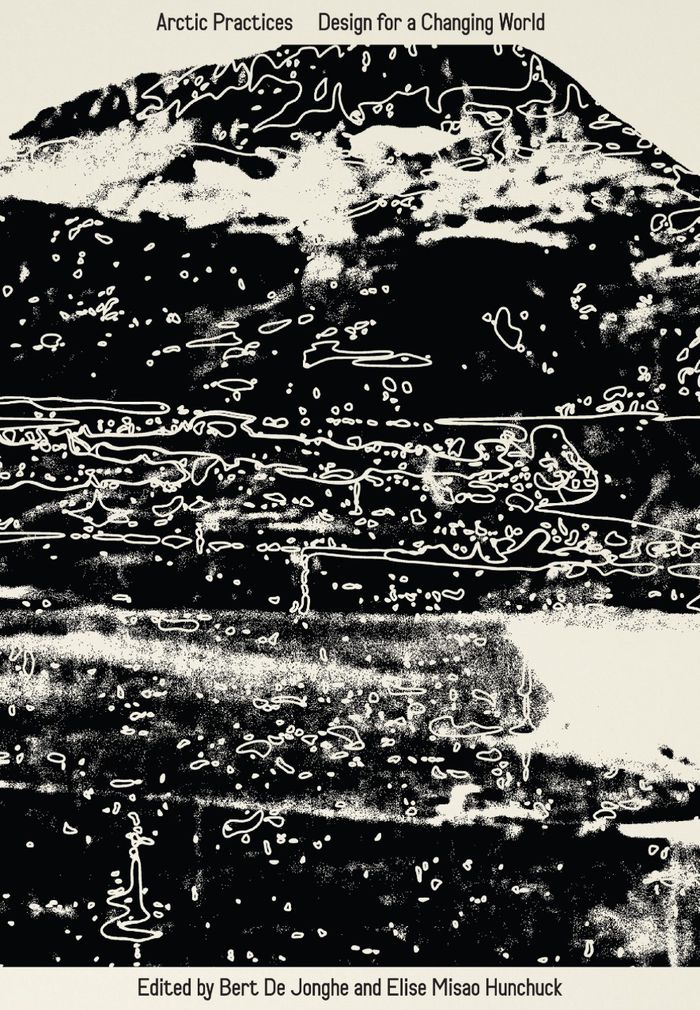
''Arctic Practices: Design for a Changing World'' emerges at a critical juncture wherein the very stability of Arctic ecosystems hangs in a precarious balance induced, almost entirely, by humans. This volume assembles forty-six contributors—designers, educators, artists, photographers, filmmakers, some Indigenous, some residents, and some visitors to the Circumpolar North—to create a polyvocal assembly of Arctic practices. ''Arctic Practices'' stands as both documentation and provocation—an attempt to record current practices while simultaneously imagining new possibilities for Arctic design in an age of crisis. By bringing diverse voices and perspectives together, this publication hopes to contribute to an emerging discourse that recognizes the urgency of climate action and the necessity of anticolonial practice in Arctic contexts.
Arctic practices: design for a changing world
Actions:
Prix:
$64.95
(disponible en magasin)
Résumé:
''Arctic Practices: Design for a Changing World'' emerges at a critical juncture wherein the very stability of Arctic ecosystems hangs in a precarious balance induced, almost entirely, by humans. This volume assembles forty-six contributors—designers, educators, artists, photographers, filmmakers, some Indigenous, some residents, and some visitors to the Circumpolar North—to create a polyvocal assembly of Arctic practices. ''Arctic Practices'' stands as both documentation and provocation—an attempt to record current practices while simultaneously imagining new possibilities for Arctic design in an age of crisis. By bringing diverse voices and perspectives together, this publication hopes to contribute to an emerging discourse that recognizes the urgency of climate action and the necessity of anticolonial practice in Arctic contexts.
Classification:
livres
livres
Publication:
octobre 2025
octobre 2025
Sujet:
Architecture contemporaine
Architecture contemporaine


