


2529 Résultats
Classification:
livres
livres
Actions:
Prix:
$36.95
(disponible sur commande)
Résumé:
« On a encore le temps », c’est ce que sous-entendent ceux qui négligent le sujet du climat. Les mêmes affirment souvent que l’humanité trouvera les solutions technologiques pour stabiliser le climat. D’autres, au contraire, considèrent qu’il est « déjà trop tard ». Ces deux raisonnements opposés aboutissent à un même malentendu… Vu du citoyen, le double message, soit «(...)
$36.95
(disponible sur commande)
Résumé:
« On a encore le temps », c’est ce que sous-entendent ceux qui négligent le sujet du climat. Les mêmes affirment souvent que l’humanité trouvera les solutions technologiques pour stabiliser le climat. D’autres, au contraire, considèrent qu’il est « déjà trop tard ». Ces deux raisonnements opposés aboutissent à un même malentendu… Vu du citoyen, le double message, soit «(...)
Titre:
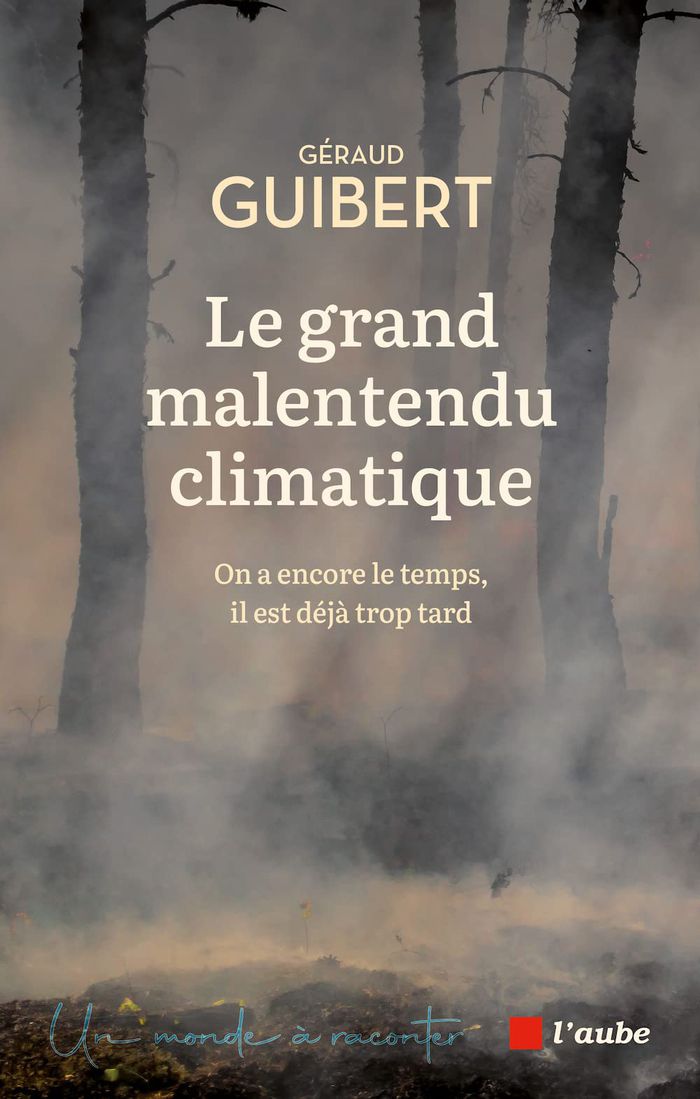
Le grand malentendu climatique : On a encore le temps, il est déjà trops tard
Actions:
Prix:
$36.95
(disponible sur commande)
Résumé:
« On a encore le temps », c’est ce que sous-entendent ceux qui négligent le sujet du climat. Les mêmes affirment souvent que l’humanité trouvera les solutions technologiques pour stabiliser le climat. D’autres, au contraire, considèrent qu’il est « déjà trop tard ». Ces deux raisonnements opposés aboutissent à un même malentendu… Vu du citoyen, le double message, soit « on a le temps », soit « c’est trop tard », fait croire qu’il n’y a pas, ou plus, de vraie urgence. Dans cet ouvrage, l’auteur prend la hauteur nécessaire pour sortir de ces postures contre-productives et dresser un juste bilan de la situation : nous sommes entrés dans un contexte pré-révolutionnaire, une phase préalable à un basculement obligatoire vers un autre modèle de société et de développement. Un livre pédagogique et puissant pour sonner la mobilisation générale.
Le grand malentendu climatique : On a encore le temps, il est déjà trops tard
Actions:
Prix:
$36.95
(disponible sur commande)
Résumé:
« On a encore le temps », c’est ce que sous-entendent ceux qui négligent le sujet du climat. Les mêmes affirment souvent que l’humanité trouvera les solutions technologiques pour stabiliser le climat. D’autres, au contraire, considèrent qu’il est « déjà trop tard ». Ces deux raisonnements opposés aboutissent à un même malentendu… Vu du citoyen, le double message, soit « on a le temps », soit « c’est trop tard », fait croire qu’il n’y a pas, ou plus, de vraie urgence. Dans cet ouvrage, l’auteur prend la hauteur nécessaire pour sortir de ces postures contre-productives et dresser un juste bilan de la situation : nous sommes entrés dans un contexte pré-révolutionnaire, une phase préalable à un basculement obligatoire vers un autre modèle de société et de développement. Un livre pédagogique et puissant pour sonner la mobilisation générale.
Classification:
livres
livres
Publication:
mai 2023
mai 2023
Classification:
livres
livres
Actions:
Prix:
$24.95
(disponible en magasin)
Résumé:
En quoi la nécessité pour l'être humain de maintenir la température du corps à 37 °C engendre-t-elle l'apparition de l'architecture ? Comment un simple grenier à blé devient-il la ville ? Pourquoi l'iode a-t-il provoqué l'urbanisation du littoral ?. Dans cet ouvrage, l'architecte Philippe Rahm met en lumière les causes physiques, biologiques, climatiques ou sanitaires qui(...)
$24.95
(disponible en magasin)
Résumé:
En quoi la nécessité pour l'être humain de maintenir la température du corps à 37 °C engendre-t-elle l'apparition de l'architecture ? Comment un simple grenier à blé devient-il la ville ? Pourquoi l'iode a-t-il provoqué l'urbanisation du littoral ?. Dans cet ouvrage, l'architecte Philippe Rahm met en lumière les causes physiques, biologiques, climatiques ou sanitaires qui(...)
Titre:
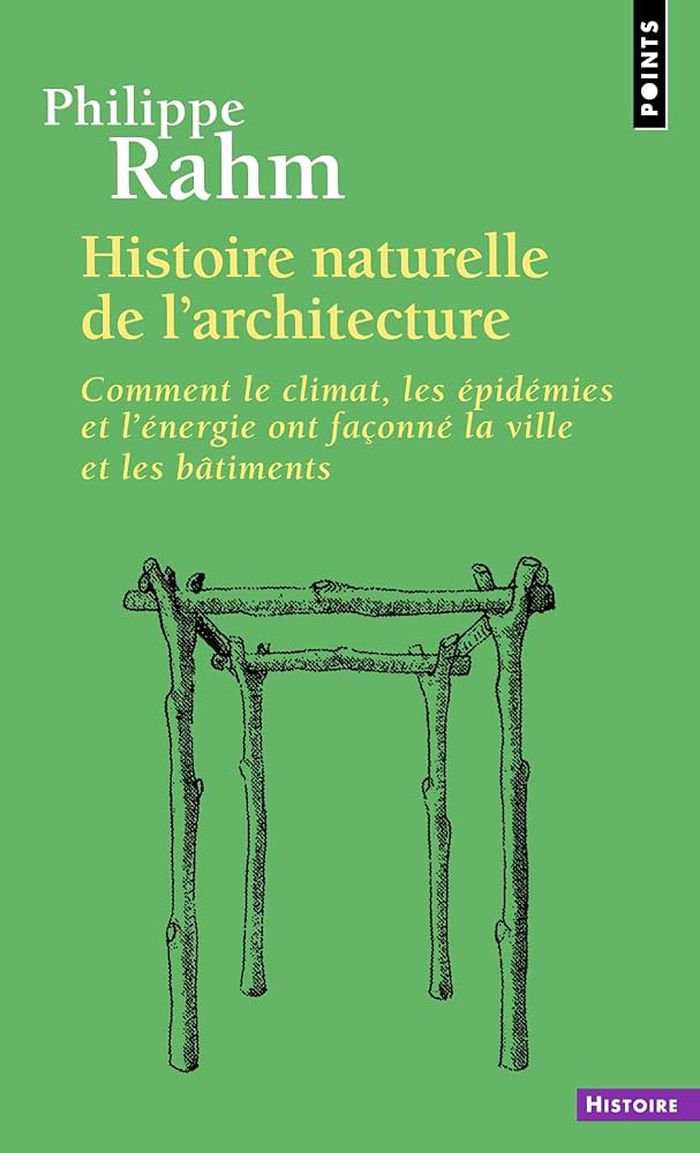
Histoire naturelle de l'architecture : Comment le climat, les épidémies et l'énergie ont façonné la ville et les bâtiments
Actions:
Prix:
$24.95
(disponible en magasin)
Résumé:
En quoi la nécessité pour l'être humain de maintenir la température du corps à 37 °C engendre-t-elle l'apparition de l'architecture ? Comment un simple grenier à blé devient-il la ville ? Pourquoi l'iode a-t-il provoqué l'urbanisation du littoral ?. Dans cet ouvrage, l'architecte Philippe Rahm met en lumière les causes physiques, biologiques, climatiques ou sanitaires qui ont influencé l'histoire architecturale et provoqué le surgissement de ses diverses formes, de la préhistoire à nos jours. Relire l'histoire de l'architecture à partir de ces données naturelles longtemps ignorées par l'historiographie du XXe siècle permet d'affronter les défis environnementaux majeurs de notre siècle et de mieux construire dorénavant face à l'urgence climatique.
Histoire naturelle de l'architecture : Comment le climat, les épidémies et l'énergie ont façonné la ville et les bâtiments
Actions:
Prix:
$24.95
(disponible en magasin)
Résumé:
En quoi la nécessité pour l'être humain de maintenir la température du corps à 37 °C engendre-t-elle l'apparition de l'architecture ? Comment un simple grenier à blé devient-il la ville ? Pourquoi l'iode a-t-il provoqué l'urbanisation du littoral ?. Dans cet ouvrage, l'architecte Philippe Rahm met en lumière les causes physiques, biologiques, climatiques ou sanitaires qui ont influencé l'histoire architecturale et provoqué le surgissement de ses diverses formes, de la préhistoire à nos jours. Relire l'histoire de l'architecture à partir de ces données naturelles longtemps ignorées par l'historiographie du XXe siècle permet d'affronter les défis environnementaux majeurs de notre siècle et de mieux construire dorénavant face à l'urgence climatique.
Classification:
livres
livres
Publication:
janvier 2024
janvier 2024
Sujet:
Théorie de l’architecture
Théorie de l’architecture
Classification:
livres
livres
Actions:
Prix:
$58.00
(disponible sur commande)
Résumé:
ÉPUISÉ/NON AVAILABLE Cette publication met en lumière les causes naturelles, physiques, biologiques ou climatiques qui ont influencé le déroulé de l’histoire architecturale et provoqué le surgissement de ses figures, de la préhistoire à nos jours. Induite par un contexte d’accès massif et facile à l’énergie, celle du charbon puis du pétrole, et par les progrès de la(...)
$58.00
(disponible sur commande)
Résumé:
ÉPUISÉ/NON AVAILABLE Cette publication met en lumière les causes naturelles, physiques, biologiques ou climatiques qui ont influencé le déroulé de l’histoire architecturale et provoqué le surgissement de ses figures, de la préhistoire à nos jours. Induite par un contexte d’accès massif et facile à l’énergie, celle du charbon puis du pétrole, et par les progrès de la(...)
Titre:
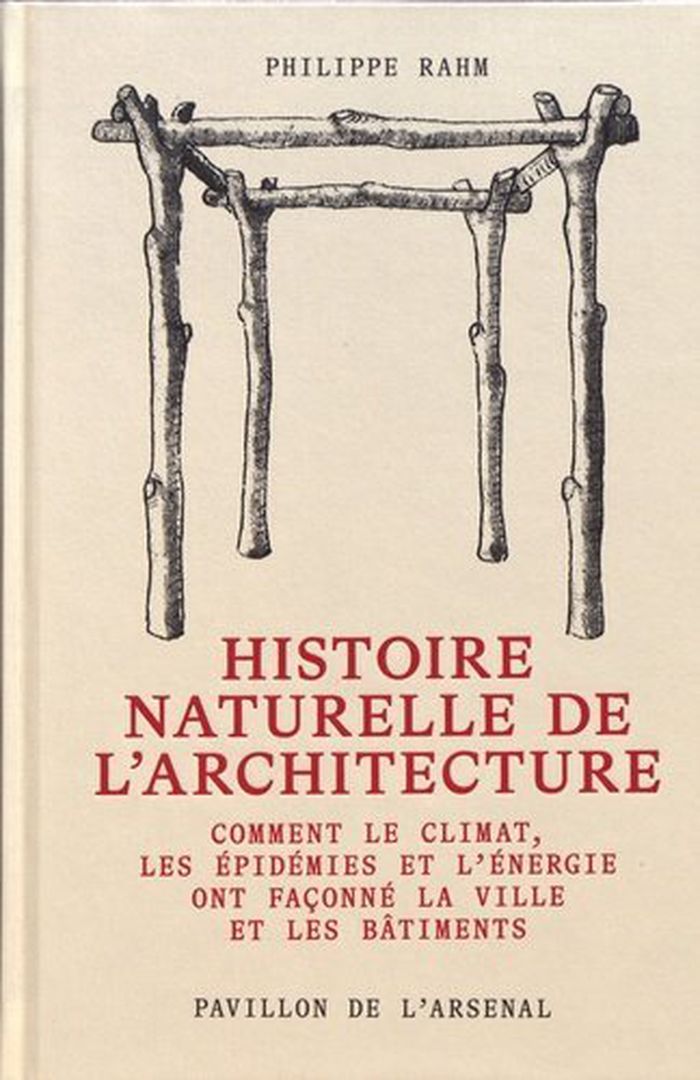
Histoire naturelle de l'architecture : comment le climat, les épidémies et et l’énergie ont façonné la ville et les bâtiments
Actions:
Prix:
$58.00
(disponible sur commande)
Résumé:
ÉPUISÉ/NON AVAILABLE Cette publication met en lumière les causes naturelles, physiques, biologiques ou climatiques qui ont influencé le déroulé de l’histoire architecturale et provoqué le surgissement de ses figures, de la préhistoire à nos jours. Induite par un contexte d’accès massif et facile à l’énergie, celle du charbon puis du pétrole, et par les progrès de la médecine (avec l’invention des vaccins et des antibiotiques), l’historiographie politique, sociale et culturelle a, au XXe siècle, largement ignoré les faits physiques, géographiques, climatiques et bactériologiques qui ont façonné de façon décisive, à travers les siècles, les formes architecturales et urbaines. Relire l’histoire de l’architecture à partir de ces données objectives, matérielles, réelles permet d’affronter les défis environnementaux majeurs de notre siècle et de mieux construire, aujourd’hui, face à l’urgence climatique.
Histoire naturelle de l'architecture : comment le climat, les épidémies et et l’énergie ont façonné la ville et les bâtiments
Actions:
Prix:
$58.00
(disponible sur commande)
Résumé:
ÉPUISÉ/NON AVAILABLE Cette publication met en lumière les causes naturelles, physiques, biologiques ou climatiques qui ont influencé le déroulé de l’histoire architecturale et provoqué le surgissement de ses figures, de la préhistoire à nos jours. Induite par un contexte d’accès massif et facile à l’énergie, celle du charbon puis du pétrole, et par les progrès de la médecine (avec l’invention des vaccins et des antibiotiques), l’historiographie politique, sociale et culturelle a, au XXe siècle, largement ignoré les faits physiques, géographiques, climatiques et bactériologiques qui ont façonné de façon décisive, à travers les siècles, les formes architecturales et urbaines. Relire l’histoire de l’architecture à partir de ces données objectives, matérielles, réelles permet d’affronter les défis environnementaux majeurs de notre siècle et de mieux construire, aujourd’hui, face à l’urgence climatique.
Classification:
livres
livres
Publication:
octobre 2020
octobre 2020
Sujet:
Théorie de l’architecture
Théorie de l’architecture
Classification:
livres
livres
Prix:
$11.95
(disponible sur commande)
Résumé:
Landscapes are all around us, but most of us know very little about how they have developed, what goes on in them, and how they react to changing climates, tectonics, and human activities. Examining what landscape is, and how we use a range of ideas and techniques to study it, Andrew Goudie and Heather Viles demonstrate how scientists have built on classic(...)
$11.95
(disponible sur commande)
Résumé:
Landscapes are all around us, but most of us know very little about how they have developed, what goes on in them, and how they react to changing climates, tectonics, and human activities. Examining what landscape is, and how we use a range of ideas and techniques to study it, Andrew Goudie and Heather Viles demonstrate how scientists have built on classic(...)
Titre:
Landscape and geomorphology: A very short Introduction
Actions:
Prix:
$11.95
(disponible sur commande)
Résumé:
Landscapes are all around us, but most of us know very little about how they have developed, what goes on in them, and how they react to changing climates, tectonics, and human activities. Examining what landscape is, and how we use a range of ideas and techniques to study it, Andrew Goudie and Heather Viles demonstrate how scientists have built on classic methods--pioneered by the great researchers of the nineteenth century--to shed new light on our planet. Using examples from around the world, including New Zealand, the Tibetan Plateau, and the deserts of the Middle East, they examine some of the key controls on landscape today such as tectonics and climate, as well as humans and the living world. They also discuss some major "landscape detectives" from the past, including Charles Darwin, who did some important, but often overlooked, research on landscape. Concluding with the cultural importance of landscape, and exploring how this has led to the conservation of much "earth heritage," they delve into the future and look at how we can predict the response of landscapes to the projected climate change.
Landscape and geomorphology: A very short Introduction
Actions:
Prix:
$11.95
(disponible sur commande)
Résumé:
Landscapes are all around us, but most of us know very little about how they have developed, what goes on in them, and how they react to changing climates, tectonics, and human activities. Examining what landscape is, and how we use a range of ideas and techniques to study it, Andrew Goudie and Heather Viles demonstrate how scientists have built on classic methods--pioneered by the great researchers of the nineteenth century--to shed new light on our planet. Using examples from around the world, including New Zealand, the Tibetan Plateau, and the deserts of the Middle East, they examine some of the key controls on landscape today such as tectonics and climate, as well as humans and the living world. They also discuss some major "landscape detectives" from the past, including Charles Darwin, who did some important, but often overlooked, research on landscape. Concluding with the cultural importance of landscape, and exploring how this has led to the conservation of much "earth heritage," they delve into the future and look at how we can predict the response of landscapes to the projected climate change.
Classification:
livres
livres
Publication:
septembre 2010
septembre 2010
Sujet:
Théorie du paysage
Théorie du paysage
Classification:
livres
livres
Prix:
$100.99
(disponible sur commande)
Résumé:
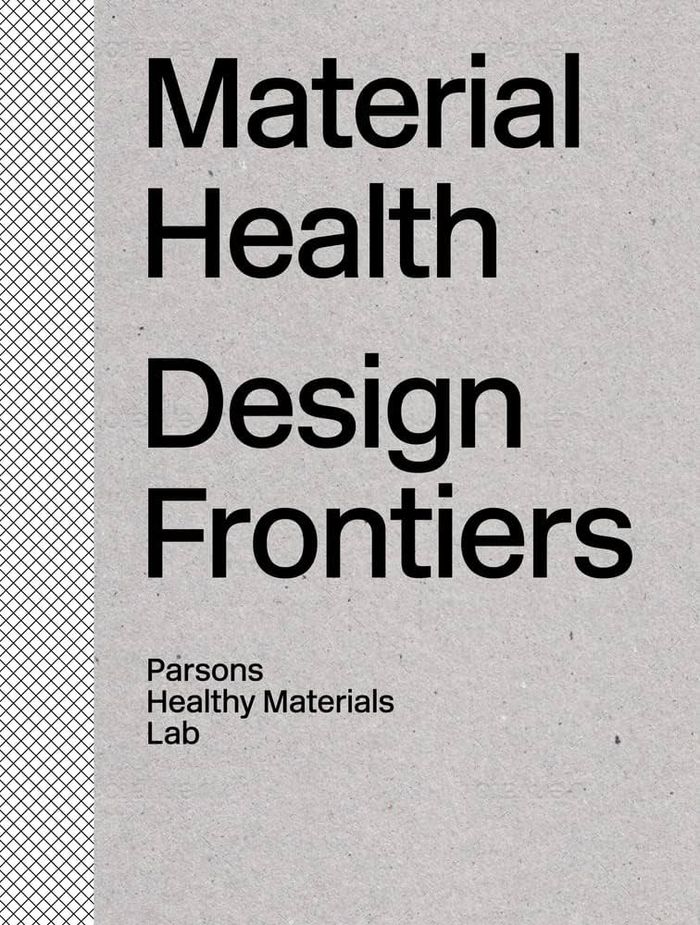
Exploring critical topics of material health in this era of climate crisis, "Material health" argues that there is an urgent need for new paths and practices in architecture and design in order to create healthier futures for everyone. From a multi-disciplinary perspective, it offers an overview of how design is taught and shapes our future, and how this could be(...)
$100.99
(disponible sur commande)
Résumé:
Exploring critical topics of material health in this era of climate crisis, "Material health" argues that there is an urgent need for new paths and practices in architecture and design in order to create healthier futures for everyone. From a multi-disciplinary perspective, it offers an overview of how design is taught and shapes our future, and how this could be(...)
Titre:
Material health design frontiers: Parsons healthy materials lab
Actions:
Prix:
$100.99
(disponible sur commande)
Résumé:
Exploring critical topics of material health in this era of climate crisis, "Material health" argues that there is an urgent need for new paths and practices in architecture and design in order to create healthier futures for everyone. From a multi-disciplinary perspective, it offers an overview of how design is taught and shapes our future, and how this could be radically changed through a deeper understanding of the fundamental issues threatening our planet and human species.
Material health design frontiers: Parsons healthy materials lab
Actions:
Prix:
$100.99
(disponible sur commande)
Résumé:
Exploring critical topics of material health in this era of climate crisis, "Material health" argues that there is an urgent need for new paths and practices in architecture and design in order to create healthier futures for everyone. From a multi-disciplinary perspective, it offers an overview of how design is taught and shapes our future, and how this could be radically changed through a deeper understanding of the fundamental issues threatening our planet and human species.
Classification:
livres
livres
Publication:
février 2023
février 2023
Sujet:
Architecture contemporaine
Architecture contemporaine
Classification:
livres
livres
Actions:
Prix:
$62.95
(disponible en magasin)
Résumé:
During the years of the Great Depression in America, modernist designers developed products and lifestyle conceptes intended for middle-class-not elite-consumers. In this book, Kristina Wilson coins the term "livable modernism" to describe this school of design. Wilson discusses the relation of modernism to the cultural and economic climate of the Depression and(...)
$62.95
(disponible en magasin)
Résumé:
During the years of the Great Depression in America, modernist designers developed products and lifestyle conceptes intended for middle-class-not elite-consumers. In this book, Kristina Wilson coins the term "livable modernism" to describe this school of design. Wilson discusses the relation of modernism to the cultural and economic climate of the Depression and(...)
Titre:
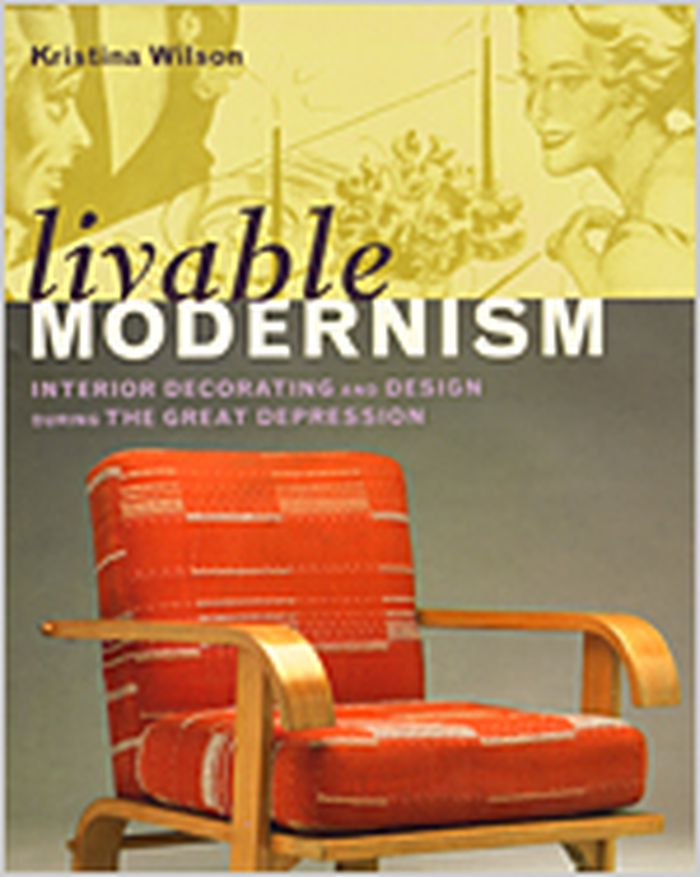
Livable modernism : interior decorating and design during the great depression
Actions:
Prix:
$62.95
(disponible en magasin)
Résumé:
During the years of the Great Depression in America, modernist designers developed products and lifestyle conceptes intended for middle-class-not elite-consumers. In this book, Kristina Wilson coins the term "livable modernism" to describe this school of design. Wilson discusses the relation of modernism to the cultural and economic climate of the Depression and examines the sophisticated marketing strategies of the movement that coincided with a period of tremendous growth for print magazines and advertising industry.
Livable modernism : interior decorating and design during the great depression
Actions:
Prix:
$62.95
(disponible en magasin)
Résumé:
During the years of the Great Depression in America, modernist designers developed products and lifestyle conceptes intended for middle-class-not elite-consumers. In this book, Kristina Wilson coins the term "livable modernism" to describe this school of design. Wilson discusses the relation of modernism to the cultural and economic climate of the Depression and examines the sophisticated marketing strategies of the movement that coincided with a period of tremendous growth for print magazines and advertising industry.
Classification:
livres
livres
Publication:
novembre 2004, New Haven
novembre 2004, New Haven
Sujet:
Design d’intérieur
Design d’intérieur
Classification:
livres
livres
Actions:
Prix:
$82.50
(disponible sur commande)
Résumé:
"New Bamboo" is a color portfolio of contemporary structures and decorative designs demonstrating the appeal of building with natural materials. Properly treated, bamboo is as reliable as prime-grade hardwoods, beautiful in its own right, and suitable for commercial and residential structures in any climate. This is an anthology of bamboo construction by various(...)
$82.50
(disponible sur commande)
Résumé:
"New Bamboo" is a color portfolio of contemporary structures and decorative designs demonstrating the appeal of building with natural materials. Properly treated, bamboo is as reliable as prime-grade hardwoods, beautiful in its own right, and suitable for commercial and residential structures in any climate. This is an anthology of bamboo construction by various(...)
Titre:
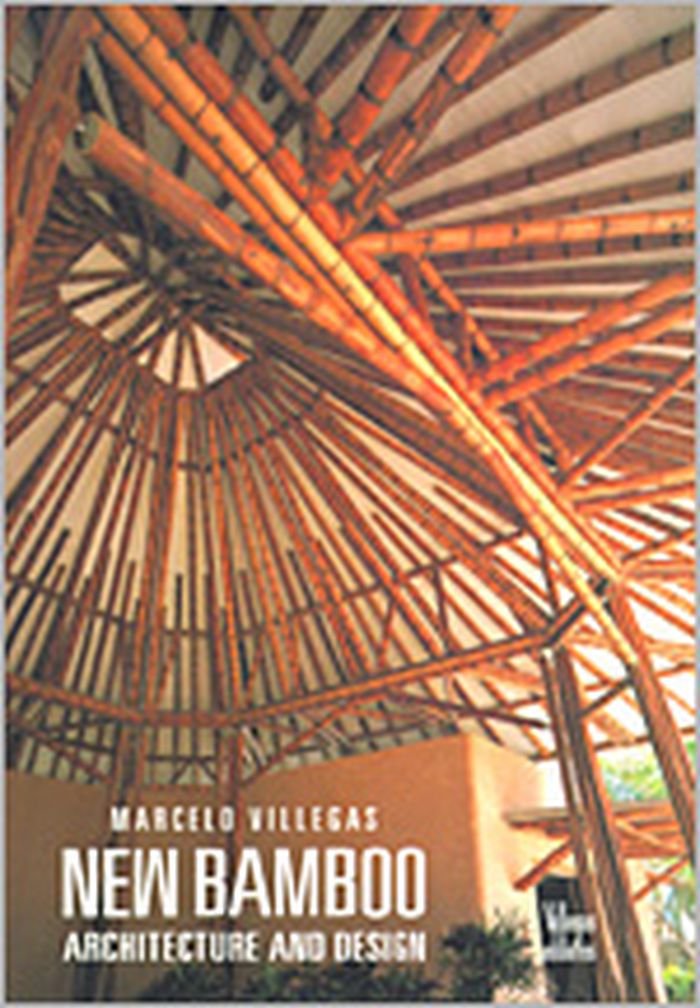
New bamboo : architecture and design
Actions:
Prix:
$82.50
(disponible sur commande)
Résumé:
"New Bamboo" is a color portfolio of contemporary structures and decorative designs demonstrating the appeal of building with natural materials. Properly treated, bamboo is as reliable as prime-grade hardwoods, beautiful in its own right, and suitable for commercial and residential structures in any climate. This is an anthology of bamboo construction by various experts and it showcases projects in Mexico, Brazil, Ecuador, Panama, and Colombia, where bamboo has been used as a traditional construction material for centuries.
New bamboo : architecture and design
Actions:
Prix:
$82.50
(disponible sur commande)
Résumé:
"New Bamboo" is a color portfolio of contemporary structures and decorative designs demonstrating the appeal of building with natural materials. Properly treated, bamboo is as reliable as prime-grade hardwoods, beautiful in its own right, and suitable for commercial and residential structures in any climate. This is an anthology of bamboo construction by various experts and it showcases projects in Mexico, Brazil, Ecuador, Panama, and Colombia, where bamboo has been used as a traditional construction material for centuries.
Classification:
livres
livres
Publication:
juillet 2003, Bogota
juillet 2003, Bogota
Sujet:
Architecture écologique
Architecture écologique
Classification:
livres
livres
Titre:
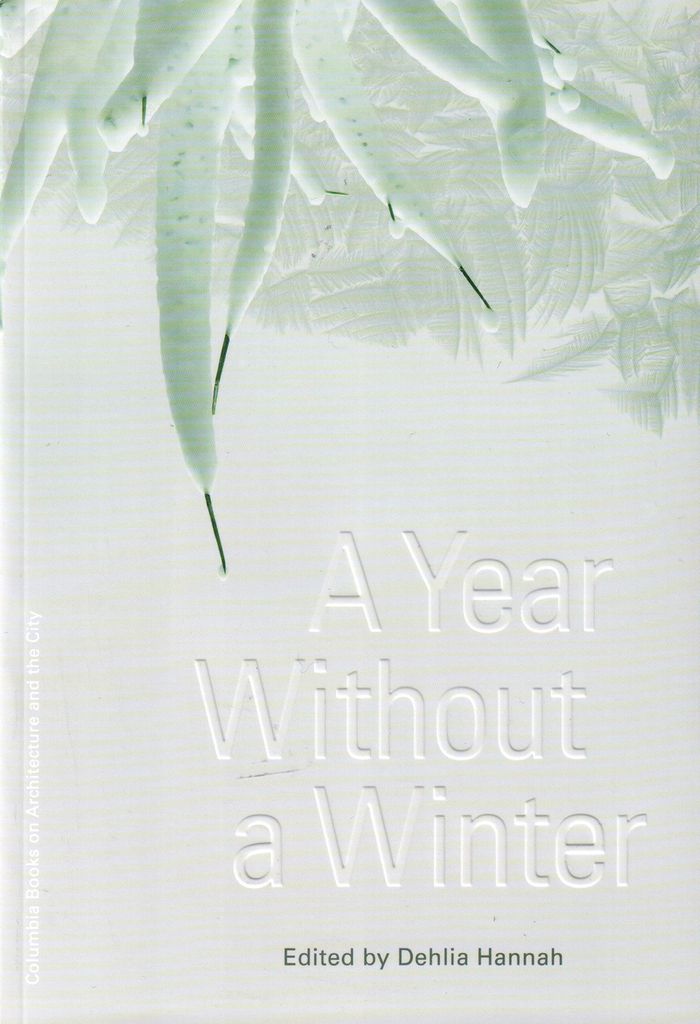
A year without winter
A year without winter
Actions:
Prix:
$30.00
(disponible sur commande)
Résumé:
"A Year Without a Winter" brings together science fiction, history, visual art, and exploration. Inspired by the literary ‘dare’ that would give birth to Mary Shelley’s "Frankenstein" amidst the aftermath of a massive volcanic eruption, and today, by the utopian architecture of Paolo Soleri and the Arizona desert, expeditions to Antarctica and Indonesia, this collection(...)
$30.00
(disponible sur commande)
Résumé:
"A Year Without a Winter" brings together science fiction, history, visual art, and exploration. Inspired by the literary ‘dare’ that would give birth to Mary Shelley’s "Frankenstein" amidst the aftermath of a massive volcanic eruption, and today, by the utopian architecture of Paolo Soleri and the Arizona desert, expeditions to Antarctica and Indonesia, this collection(...)
Titre:
A year without winter
Actions:
Prix:
$30.00
(disponible sur commande)
Résumé:
"A Year Without a Winter" brings together science fiction, history, visual art, and exploration. Inspired by the literary ‘dare’ that would give birth to Mary Shelley’s "Frankenstein" amidst the aftermath of a massive volcanic eruption, and today, by the utopian architecture of Paolo Soleri and the Arizona desert, expeditions to Antarctica and Indonesia, this collection reframes the relationship among climate, crisis, and creation. This book is a collective thought experiment retracing an inverted path through narrative extremes.
A year without winter
Actions:
Prix:
$30.00
(disponible sur commande)
Résumé:
"A Year Without a Winter" brings together science fiction, history, visual art, and exploration. Inspired by the literary ‘dare’ that would give birth to Mary Shelley’s "Frankenstein" amidst the aftermath of a massive volcanic eruption, and today, by the utopian architecture of Paolo Soleri and the Arizona desert, expeditions to Antarctica and Indonesia, this collection reframes the relationship among climate, crisis, and creation. This book is a collective thought experiment retracing an inverted path through narrative extremes.
Classification:
livres
livres
Publication:
décembre 2018
décembre 2018
Classification:
livres
livres
Actions:
Prix:
$312.00
(disponible sur commande)
Résumé:
The primary reference for architectural graphics, updated and accessible online. Architectural Graphic Standards is the unsurpassed reference for building design and construction professionals. This new twelfth edition features: Up-to-date codes and standards, with over 300 new drawings, tables, and diagrams New coverage of building resiliency, emphasizing the(...)
$312.00
(disponible sur commande)
Résumé:
The primary reference for architectural graphics, updated and accessible online. Architectural Graphic Standards is the unsurpassed reference for building design and construction professionals. This new twelfth edition features: Up-to-date codes and standards, with over 300 new drawings, tables, and diagrams New coverage of building resiliency, emphasizing the(...)
Publication:
mars 2016
mars 2016
Titre:
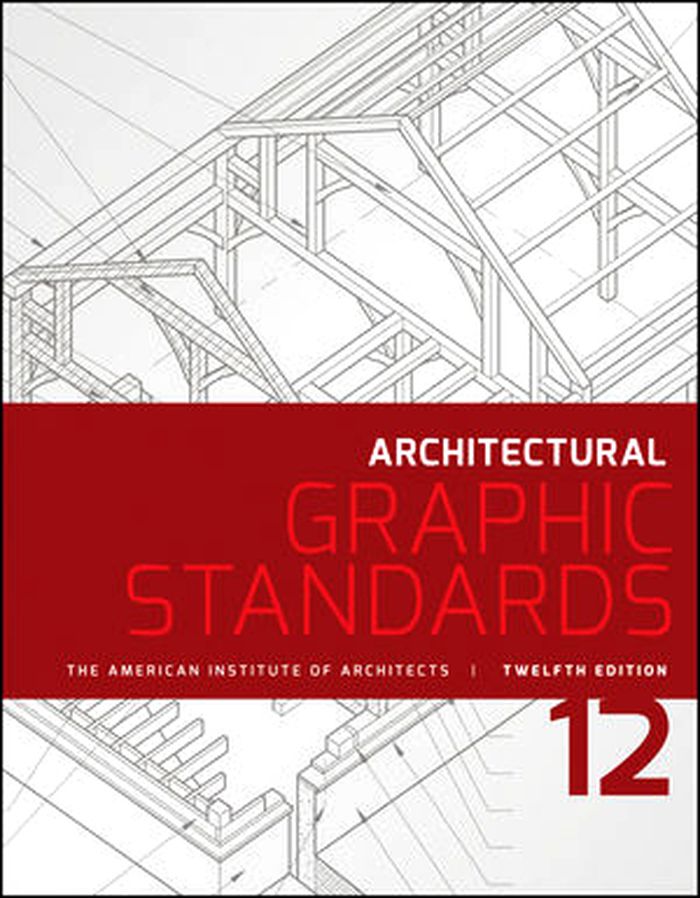
Architectural graphic standards, 12th edition
Actions:
Prix:
$312.00
(disponible sur commande)
Résumé:
The primary reference for architectural graphics, updated and accessible online. Architectural Graphic Standards is the unsurpassed reference for building design and construction professionals. This new twelfth edition features: Up-to-date codes and standards, with over 300 new drawings, tables, and diagrams New coverage of building resiliency, emphasizing the building envelope Material properties and performance analyses, with expanded materials selection Environmental factors including climate, thermal comfort, daylighting, and acoustics Sustainability and Universal Design principles integrated throughout the text
Architectural graphic standards, 12th edition
Actions:
Prix:
$312.00
(disponible sur commande)
Résumé:
The primary reference for architectural graphics, updated and accessible online. Architectural Graphic Standards is the unsurpassed reference for building design and construction professionals. This new twelfth edition features: Up-to-date codes and standards, with over 300 new drawings, tables, and diagrams New coverage of building resiliency, emphasizing the building envelope Material properties and performance analyses, with expanded materials selection Environmental factors including climate, thermal comfort, daylighting, and acoustics Sustainability and Universal Design principles integrated throughout the text
Classification:
livres
livres
Publication:
mars 2016
mars 2016
Classification:
livres
livres

Actions:
Prix:
$64.95
(disponible sur commande)
Résumé:
Álvaro’s Siza’s public housing projects, designed at great scale and complexity against the backdrop of the Portuguese Revolution, obliged him to articulate a position that was nuanced and ideologically forceful. Such projects developed over long periods, in response to shifts in policy, funding and political climate. For an architect whose work develops always through(...)
$64.95
(disponible sur commande)
Résumé:
Álvaro’s Siza’s public housing projects, designed at great scale and complexity against the backdrop of the Portuguese Revolution, obliged him to articulate a position that was nuanced and ideologically forceful. Such projects developed over long periods, in response to shifts in policy, funding and political climate. For an architect whose work develops always through(...)
Titre:
Seven early sketchbooks: Álvaro Siza Vieira
Actions:
Prix:
$64.95
(disponible sur commande)
Résumé:
Álvaro’s Siza’s public housing projects, designed at great scale and complexity against the backdrop of the Portuguese Revolution, obliged him to articulate a position that was nuanced and ideologically forceful. Such projects developed over long periods, in response to shifts in policy, funding and political climate. For an architect whose work develops always through the iterative sketch, this challenging process, combined with the scale and cultural ambition of the projects themselves, produced the densest imaginable mass of drawings.
Seven early sketchbooks: Álvaro Siza Vieira
Actions:
Prix:
$64.95
(disponible sur commande)
Résumé:
Álvaro’s Siza’s public housing projects, designed at great scale and complexity against the backdrop of the Portuguese Revolution, obliged him to articulate a position that was nuanced and ideologically forceful. Such projects developed over long periods, in response to shifts in policy, funding and political climate. For an architect whose work develops always through the iterative sketch, this challenging process, combined with the scale and cultural ambition of the projects themselves, produced the densest imaginable mass of drawings.
Classification:
livres
livres
Publication:
juillet 2018
juillet 2018
Sujet:
Architecture, monographies
Architecture, monographies


