


2142 Résultats
Classification:
livres
livres
Actions:
Prix:
$23.95
(disponible sur commande)
Résumé:
These illustrated essays address the full span of Genzken’s work, from the elegant floor sculptures with which she began her career to the assemblages, bursting with color and bristling with bric-a-brac, that she has produced since the beginning of the millennium. The texts, by writers including Yve-Alain Bois, Benjamin H. D. Buchloh, and the artist herself, consider her(...)
$23.95
(disponible sur commande)
Résumé:
These illustrated essays address the full span of Genzken’s work, from the elegant floor sculptures with which she began her career to the assemblages, bursting with color and bristling with bric-a-brac, that she has produced since the beginning of the millennium. The texts, by writers including Yve-Alain Bois, Benjamin H. D. Buchloh, and the artist herself, consider her(...)
Titre:
October files 17 : Isa Genzken
Actions:
Prix:
$23.95
(disponible sur commande)
Résumé:
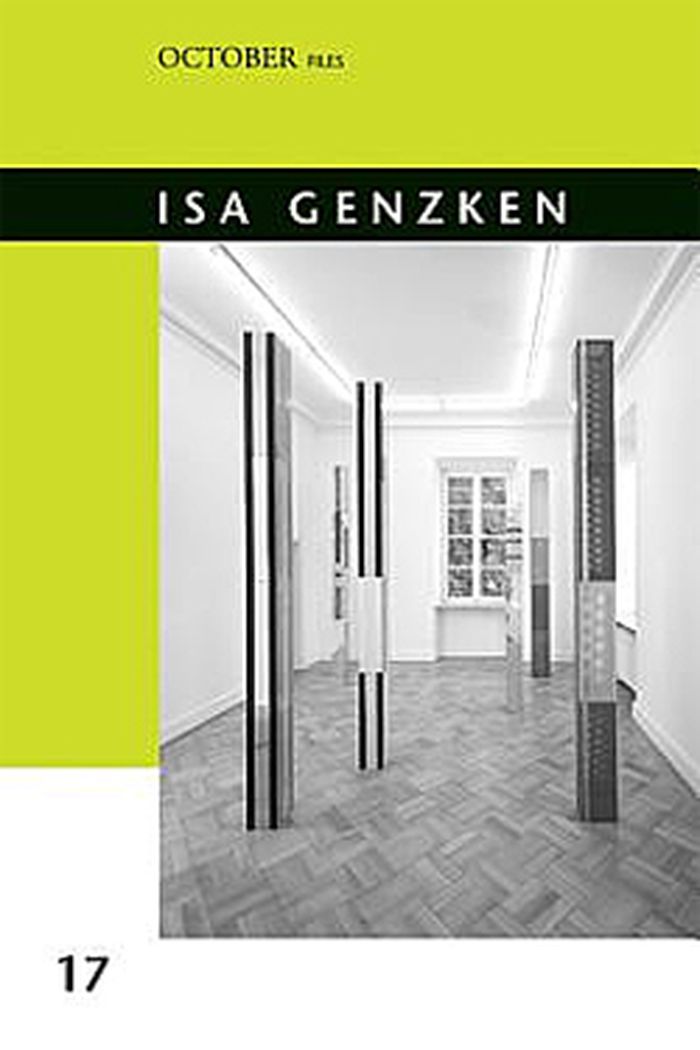
These illustrated essays address the full span of Genzken’s work, from the elegant floor sculptures with which she began her career to the assemblages, bursting with color and bristling with bric-a-brac, that she has produced since the beginning of the millennium. The texts, by writers including Yve-Alain Bois, Benjamin H. D. Buchloh, and the artist herself, consider her formation in the West German milieu; her critique of conventions of architecture, reconstruction, and memorialization; her sympathy with mass culture; and her ongoing interrogation of public and private spheres. Two texts appear in English for the first time, including a quasi-autobiographical screenplay written by Genzken in 1993.
October files 17 : Isa Genzken
Actions:
Prix:
$23.95
(disponible sur commande)
Résumé:
These illustrated essays address the full span of Genzken’s work, from the elegant floor sculptures with which she began her career to the assemblages, bursting with color and bristling with bric-a-brac, that she has produced since the beginning of the millennium. The texts, by writers including Yve-Alain Bois, Benjamin H. D. Buchloh, and the artist herself, consider her formation in the West German milieu; her critique of conventions of architecture, reconstruction, and memorialization; her sympathy with mass culture; and her ongoing interrogation of public and private spheres. Two texts appear in English for the first time, including a quasi-autobiographical screenplay written by Genzken in 1993.
Classification:
livres
livres
Publication:
mars 2015
mars 2015
Classification:
livres
livres
Titre:
Habitat marocain documents
Habitat marocain documents
Actions:
Prix:
$59.95
(disponible sur commande)
Résumé:
Casablanca’s Habitat Marocain housing project was built between 1954 and 1956 by Swiss architects Jean Hentsch and André Studer, part of the major postwar reconstruction and expansion undertaken by the French colonial administration after World War II. The building was intended to house local inhabitants rather than European expats, and that intention guided the(...)
$59.95
(disponible sur commande)
Résumé:
Casablanca’s Habitat Marocain housing project was built between 1954 and 1956 by Swiss architects Jean Hentsch and André Studer, part of the major postwar reconstruction and expansion undertaken by the French colonial administration after World War II. The building was intended to house local inhabitants rather than European expats, and that intention guided the(...)
Titre:
Habitat marocain documents
Actions:
Prix:
$59.95
(disponible sur commande)
Résumé:
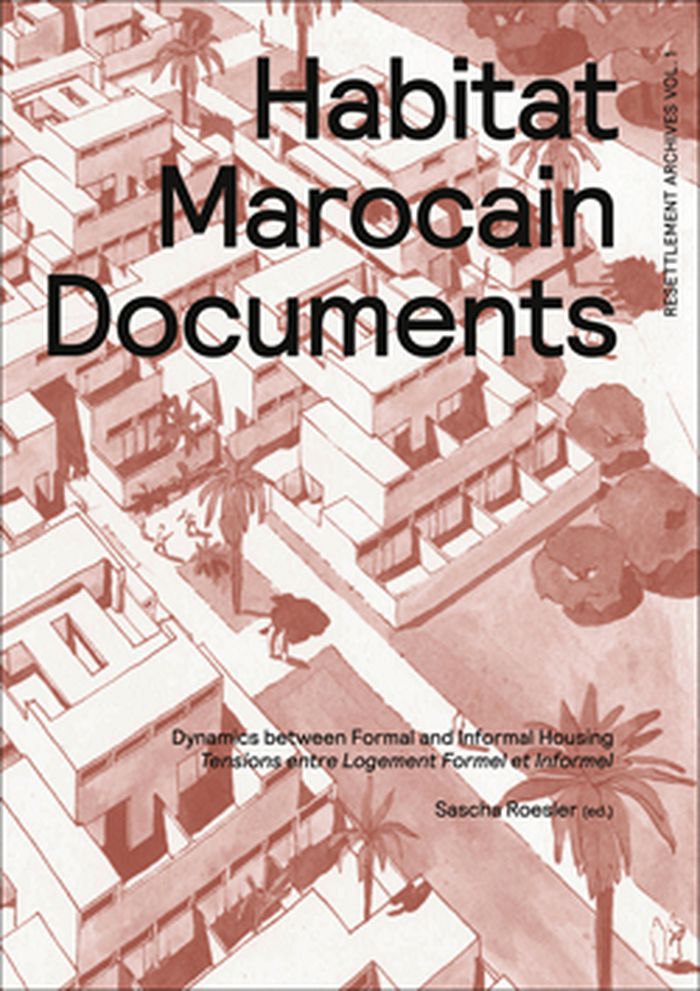
Casablanca’s Habitat Marocain housing project was built between 1954 and 1956 by Swiss architects Jean Hentsch and André Studer, part of the major postwar reconstruction and expansion undertaken by the French colonial administration after World War II. The building was intended to house local inhabitants rather than European expats, and that intention guided the architects in their design, which reflected a number of ethnographic assumptions about the Moroccan populace. This richly illustrated book explores the process of designing and building Habitat Marocain, illustrating the complicated interplay of ethnographic imagination and design synthesis, as well as the increasingly informal further development of the project after it was officially completed.
Habitat marocain documents
Actions:
Prix:
$59.95
(disponible sur commande)
Résumé:
Casablanca’s Habitat Marocain housing project was built between 1954 and 1956 by Swiss architects Jean Hentsch and André Studer, part of the major postwar reconstruction and expansion undertaken by the French colonial administration after World War II. The building was intended to house local inhabitants rather than European expats, and that intention guided the architects in their design, which reflected a number of ethnographic assumptions about the Moroccan populace. This richly illustrated book explores the process of designing and building Habitat Marocain, illustrating the complicated interplay of ethnographic imagination and design synthesis, as well as the increasingly informal further development of the project after it was officially completed.
Classification:
livres
livres
Publication:
août 2015
août 2015
Sujet:
Logements collectifs
Logements collectifs
Classification:
livres
livres
Actions:
Prix:
$39.95
(disponible en magasin)
Résumé:
"Up in the air" tells the story of Britain’s multi-storey council housing from its beginnings to the present day. Throughout its history, high rise has been a symbol of the welfare state for better or worse. Here, Holly Smith tells a new story from the perspective of those who lived there, exploring how residents grappled with this brave new world above the old skyline.(...)
$39.95
(disponible en magasin)
Résumé:
"Up in the air" tells the story of Britain’s multi-storey council housing from its beginnings to the present day. Throughout its history, high rise has been a symbol of the welfare state for better or worse. Here, Holly Smith tells a new story from the perspective of those who lived there, exploring how residents grappled with this brave new world above the old skyline.(...)
Titre:
Up in the air: A history of high rise Britain
Actions:
Prix:
$39.95
(disponible en magasin)
Résumé:
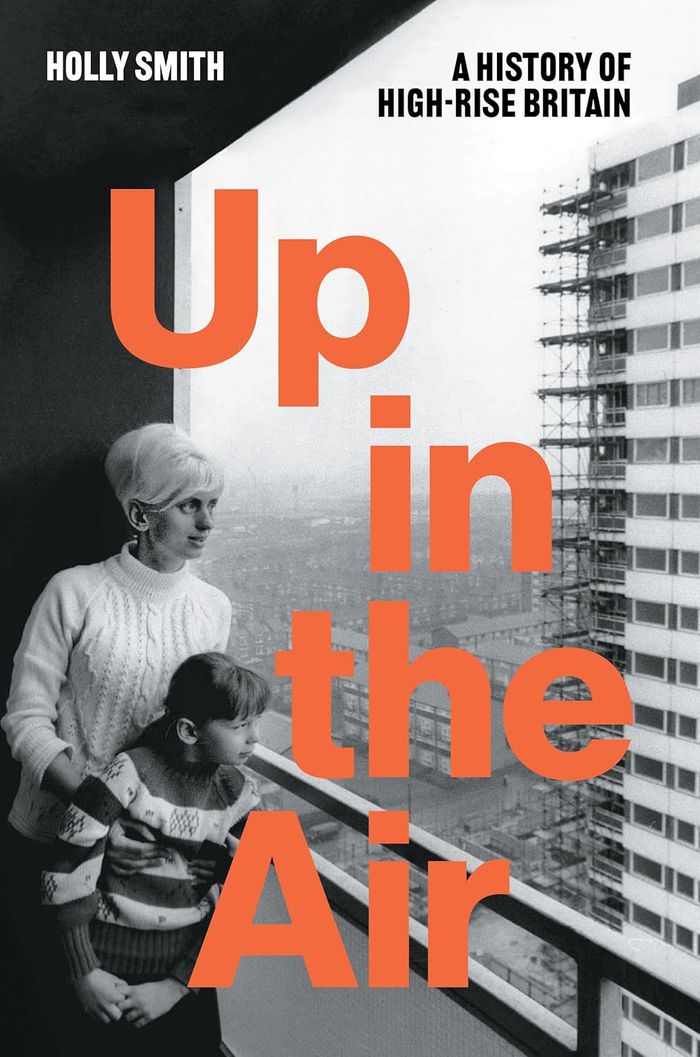
"Up in the air" tells the story of Britain’s multi-storey council housing from its beginnings to the present day. Throughout its history, high rise has been a symbol of the welfare state for better or worse. Here, Holly Smith tells a new story from the perspective of those who lived there, exploring how residents grappled with this brave new world above the old skyline. Through a series of historical moments based upon prize-winning research, we confront the human story of high-rise Britain. Interrogating the complex inheritance of mid-century urban reconstruction, Smith shows how these buildings became a crucible for the welfare state’s reimagination over the decades.
Up in the air: A history of high rise Britain
Actions:
Prix:
$39.95
(disponible en magasin)
Résumé:
"Up in the air" tells the story of Britain’s multi-storey council housing from its beginnings to the present day. Throughout its history, high rise has been a symbol of the welfare state for better or worse. Here, Holly Smith tells a new story from the perspective of those who lived there, exploring how residents grappled with this brave new world above the old skyline. Through a series of historical moments based upon prize-winning research, we confront the human story of high-rise Britain. Interrogating the complex inheritance of mid-century urban reconstruction, Smith shows how these buildings became a crucible for the welfare state’s reimagination over the decades.
Classification:
livres
livres
Publication:
novembre 2025
novembre 2025
Sujet:
Théorie de l’architecture
Théorie de l’architecture
Classification:
livres
livres
Actions:
Prix:
$38.00
(disponible sur commande)
Résumé:
At no time in recent history have architecture, urban planning, rehabilitation and reconstruction been as important to the Islamic World as they are today. Since 1977, the triennial Aga Khan Award has celebrated outstanding contributions to architectural design, logical construction and the revivification of hisoric cities. In this, the ninth Award cycle, the jury(...)
$38.00
(disponible sur commande)
Résumé:
At no time in recent history have architecture, urban planning, rehabilitation and reconstruction been as important to the Islamic World as they are today. Since 1977, the triennial Aga Khan Award has celebrated outstanding contributions to architectural design, logical construction and the revivification of hisoric cities. In this, the ninth Award cycle, the jury(...)
Sujet:
Histoire jusqu'à 1900, Asie
Histoire jusqu'à 1900, Asie
Publication:
avril 2005, London
avril 2005, London
Titre:
Architecture and polyphony : building in the Islamic world today - the Aga Khan Award for Architecture, the ninth award cycle
Actions:
Prix:
$38.00
(disponible sur commande)
Résumé:
At no time in recent history have architecture, urban planning, rehabilitation and reconstruction been as important to the Islamic World as they are today. Since 1977, the triennial Aga Khan Award has celebrated outstanding contributions to architectural design, logical construction and the revivification of hisoric cities. In this, the ninth Award cycle, the jury has selected seven projects to reflect the rich diversity of Muslim architecture today : Biblioteca Alexandrina - Alexandria, Egypt; Gando Primary School - Gando, Burkina Faso; Sandbag Shelter Prototypes - Various locations; Restoration of Al-Abbas Mosque - Asnaf, Yemen; Old City of Jerusalem Revitalization Program - Old City, Jerusalem; B2 House - Ayvacik, Turkey; Petronus Towers - Kuala Lumpur, Malaysia.
Architecture and polyphony : building in the Islamic world today - the Aga Khan Award for Architecture, the ninth award cycle
Actions:
Prix:
$38.00
(disponible sur commande)
Résumé:
At no time in recent history have architecture, urban planning, rehabilitation and reconstruction been as important to the Islamic World as they are today. Since 1977, the triennial Aga Khan Award has celebrated outstanding contributions to architectural design, logical construction and the revivification of hisoric cities. In this, the ninth Award cycle, the jury has selected seven projects to reflect the rich diversity of Muslim architecture today : Biblioteca Alexandrina - Alexandria, Egypt; Gando Primary School - Gando, Burkina Faso; Sandbag Shelter Prototypes - Various locations; Restoration of Al-Abbas Mosque - Asnaf, Yemen; Old City of Jerusalem Revitalization Program - Old City, Jerusalem; B2 House - Ayvacik, Turkey; Petronus Towers - Kuala Lumpur, Malaysia.
Classification:
livres
livres
Publication:
avril 2005, London
avril 2005, London
Sujet:
Histoire jusqu'à 1900, Asie
Histoire jusqu'à 1900, Asie
Classification:
livres
livres
Actions:
Prix:
$100.00
(disponible sur commande)
Résumé:
Wolfgang Sonne examines the relationship between city planning and politics. He analyzes a handful of exemplary cities: Washington, D.C., Berlin, Canberra, and New Delhi - each of which underwent major reconstruction during the years spanning the turn of the twentieth century and the advent of World War I. He also discusses the failed plans for the World Centre of(...)
$100.00
(disponible sur commande)
Résumé:
Wolfgang Sonne examines the relationship between city planning and politics. He analyzes a handful of exemplary cities: Washington, D.C., Berlin, Canberra, and New Delhi - each of which underwent major reconstruction during the years spanning the turn of the twentieth century and the advent of World War I. He also discusses the failed plans for the World Centre of(...)
Titre:
Representing the state : capital city planning in the early twentieth century
Actions:
Prix:
$100.00
(disponible sur commande)
Résumé:
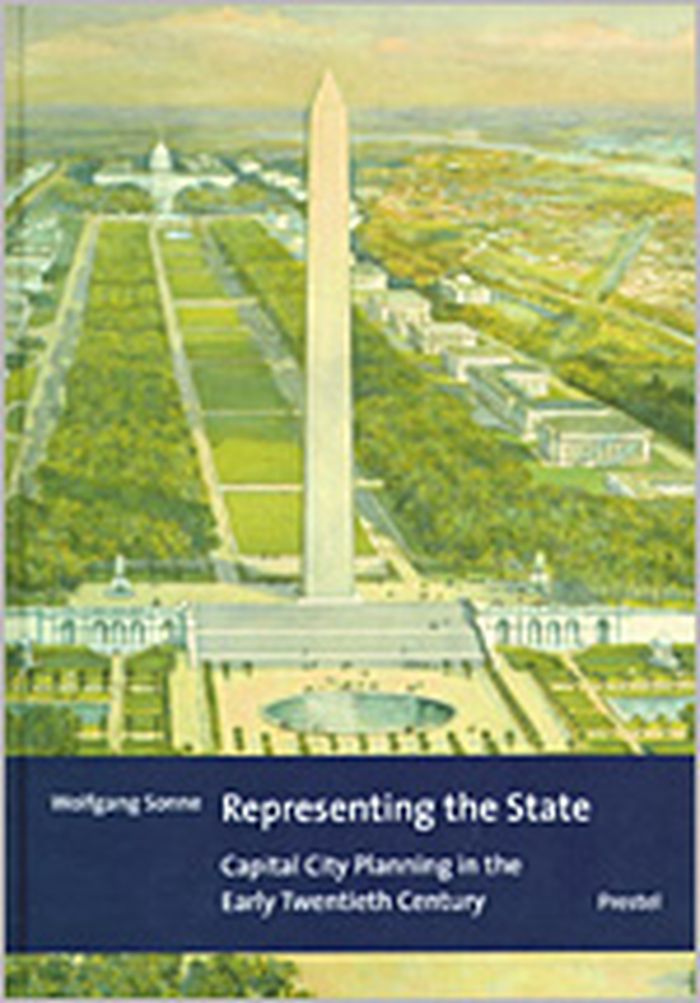
Wolfgang Sonne examines the relationship between city planning and politics. He analyzes a handful of exemplary cities: Washington, D.C., Berlin, Canberra, and New Delhi - each of which underwent major reconstruction during the years spanning the turn of the twentieth century and the advent of World War I. He also discusses the failed plans for the World Centre of Communication, an attempt at creating an international city of peace in 1913. Because this era was marked by the heyday of Imperialism and its related illusions of grandeur, the book evokes the clashing and melding of political and architectural ideals - a conundrum that continues to plague city planners today.
Representing the state : capital city planning in the early twentieth century
Actions:
Prix:
$100.00
(disponible sur commande)
Résumé:
Wolfgang Sonne examines the relationship between city planning and politics. He analyzes a handful of exemplary cities: Washington, D.C., Berlin, Canberra, and New Delhi - each of which underwent major reconstruction during the years spanning the turn of the twentieth century and the advent of World War I. He also discusses the failed plans for the World Centre of Communication, an attempt at creating an international city of peace in 1913. Because this era was marked by the heyday of Imperialism and its related illusions of grandeur, the book evokes the clashing and melding of political and architectural ideals - a conundrum that continues to plague city planners today.
Classification:
livres
livres
Publication:
novembre 2003, Munich / London
novembre 2003, Munich / London
Sujet:
Théorie de l’urbanisme
Théorie de l’urbanisme
Classification:
livres
livres
Prix:
$72.95
(disponible sur commande)
Résumé:
Après l'inscription par l'Unesco du centre-ville du Havre au Patrimoine mondial de l'humanité en juillet 2005, cette anthologie vient compléter, en donnant la parole à l'architecte, le travail de réévaluation de l'œuvre de Perret effectué depuis une vingtaine d'années. Les 88 documents sélectionnés pour cette anthologie présentent l'essentiel de l'expression publique de(...)
$72.95
(disponible sur commande)
Résumé:
Après l'inscription par l'Unesco du centre-ville du Havre au Patrimoine mondial de l'humanité en juillet 2005, cette anthologie vient compléter, en donnant la parole à l'architecte, le travail de réévaluation de l'œuvre de Perret effectué depuis une vingtaine d'années. Les 88 documents sélectionnés pour cette anthologie présentent l'essentiel de l'expression publique de(...)
Sujet:
Architecture, monographies
Architecture, monographies
Publication:
avril 2006, Paris
avril 2006, Paris
Titre:
Auguste Perret : anthologie des écrits, conférences et entretiens
Actions:
Prix:
$72.95
(disponible sur commande)
Résumé:
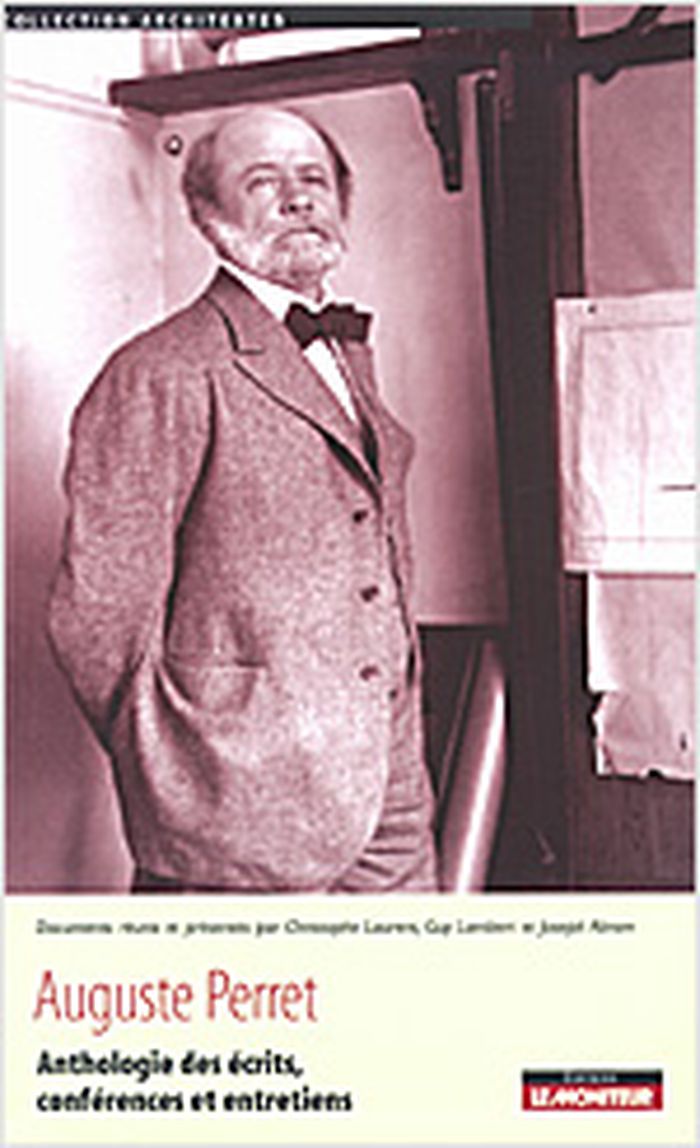
Après l'inscription par l'Unesco du centre-ville du Havre au Patrimoine mondial de l'humanité en juillet 2005, cette anthologie vient compléter, en donnant la parole à l'architecte, le travail de réévaluation de l'œuvre de Perret effectué depuis une vingtaine d'années. Les 88 documents sélectionnés pour cette anthologie présentent l'essentiel de l'expression publique de l'architecte : textes inédits ou publiés de son vivant, entretiens, transcriptions d'émissions radiophoniques ou de conférences, brouillons d'articles ou longs essais... Présence des thèmes chers à l'architecte : vérité de la construction, plaidoiries pour le béton armé et la modernité, refus de l'ornement, critiques de l'académisme, du régionalisme, de l'Art déco et des avant-gardes, urbanisme, Reconstruction, poésie de l'architecture.
Auguste Perret : anthologie des écrits, conférences et entretiens
Actions:
Prix:
$72.95
(disponible sur commande)
Résumé:
Après l'inscription par l'Unesco du centre-ville du Havre au Patrimoine mondial de l'humanité en juillet 2005, cette anthologie vient compléter, en donnant la parole à l'architecte, le travail de réévaluation de l'œuvre de Perret effectué depuis une vingtaine d'années. Les 88 documents sélectionnés pour cette anthologie présentent l'essentiel de l'expression publique de l'architecte : textes inédits ou publiés de son vivant, entretiens, transcriptions d'émissions radiophoniques ou de conférences, brouillons d'articles ou longs essais... Présence des thèmes chers à l'architecte : vérité de la construction, plaidoiries pour le béton armé et la modernité, refus de l'ornement, critiques de l'académisme, du régionalisme, de l'Art déco et des avant-gardes, urbanisme, Reconstruction, poésie de l'architecture.
Classification:
livres
livres
Publication:
avril 2006, Paris
avril 2006, Paris
Sujet:
Architecture, monographies
Architecture, monographies
Classification:
livres
livres
Exemplaires:
Description:
xii, 278 pages : illustrations (some color), maps ; 29 cm
Description:
xii, 278 pages : illustrations (some color), maps ; 29 cm
Auteur:
Sujet:
Publication:
New Haven : Yale University Press, ©1998.
New Haven : Yale University Press, ©1998.
Titre:
On Alberti and the Art of Building / Robert Tavernor.
Actions:
Exemplaires:
Description:
xii, 278 pages : illustrations (some color), maps ; 29 cm
On Alberti and the Art of Building / Robert Tavernor.
Actions:
Exemplaires:
Description:
xii, 278 pages : illustrations (some color), maps ; 29 cm
Classification:
livres
livres
Publication:
New Haven : Yale University Press, ©1998.
New Haven : Yale University Press, ©1998.
Auteur:
Sujet:
Classification:
livres
livres
Titre:
Pour la ville
Pour la ville
Actions:
Prix:
$16.95
(disponible sur commande)
Résumé:
La ville devrait être l’un des points centraux des propositions politiques. Or, paradoxalement elle est absente des paroles de l’agora. Mais ce silence n’est-il pas finalement à l’image de la vulgate de beaucoup de nos contemporains : une ville dévoreuse d’espace, source de pollution et de mal-être, créatrice et victime des atteintes environnementales, indissociablement(...)
$16.95
(disponible sur commande)
Résumé:
La ville devrait être l’un des points centraux des propositions politiques. Or, paradoxalement elle est absente des paroles de l’agora. Mais ce silence n’est-il pas finalement à l’image de la vulgate de beaucoup de nos contemporains : une ville dévoreuse d’espace, source de pollution et de mal-être, créatrice et victime des atteintes environnementales, indissociablement(...)
Titre:
Pour la ville
Actions:
Prix:
$16.95
(disponible sur commande)
Résumé:
La ville devrait être l’un des points centraux des propositions politiques. Or, paradoxalement elle est absente des paroles de l’agora. Mais ce silence n’est-il pas finalement à l’image de la vulgate de beaucoup de nos contemporains : une ville dévoreuse d’espace, source de pollution et de mal-être, créatrice et victime des atteintes environnementales, indissociablement liée au vertige productiviste et à la montée de l’exclusion et de la violence ? C’est contre cette idéologie anti-urbaine et cet aveuglement amnésique que cet essai voudrait s’inscrire : non seulement la ville fut inséparable de la reconstruction de notre progrès et de notre prospérité après la guerre, mais elle est au cœur des défis de la France d’aujourd’hui.
Pour la ville
Actions:
Prix:
$16.95
(disponible sur commande)
Résumé:
La ville devrait être l’un des points centraux des propositions politiques. Or, paradoxalement elle est absente des paroles de l’agora. Mais ce silence n’est-il pas finalement à l’image de la vulgate de beaucoup de nos contemporains : une ville dévoreuse d’espace, source de pollution et de mal-être, créatrice et victime des atteintes environnementales, indissociablement liée au vertige productiviste et à la montée de l’exclusion et de la violence ? C’est contre cette idéologie anti-urbaine et cet aveuglement amnésique que cet essai voudrait s’inscrire : non seulement la ville fut inséparable de la reconstruction de notre progrès et de notre prospérité après la guerre, mais elle est au cœur des défis de la France d’aujourd’hui.
Classification:
livres
livres
Publication:
avril 2012
avril 2012
Sujet:
Théorie de l’urbanisme
Théorie de l’urbanisme
Classification:
livres
livres

Actions:
Prix:
$47.00
(disponible en magasin)
Résumé:
While he was working to complete the Allmannajuvet Zinc Mine Museum in southern Norway in 2016, Swiss architect Peter Zumthor asked Norwegian architectural historian Mari Lending to engage in a dialogue about the project. In meandering, impressionistic style, and drawing on their favorite writers, such as Johann Peter Hebel, Stendhal, Nabokov, and T. S. Eliot, their(...)
$47.00
(disponible en magasin)
Résumé:
While he was working to complete the Allmannajuvet Zinc Mine Museum in southern Norway in 2016, Swiss architect Peter Zumthor asked Norwegian architectural historian Mari Lending to engage in a dialogue about the project. In meandering, impressionistic style, and drawing on their favorite writers, such as Johann Peter Hebel, Stendhal, Nabokov, and T. S. Eliot, their(...)
Titre:
Zumthor: A feeling of history
Actions:
Prix:
$47.00
(disponible en magasin)
Résumé:
While he was working to complete the Allmannajuvet Zinc Mine Museum in southern Norway in 2016, Swiss architect Peter Zumthor asked Norwegian architectural historian Mari Lending to engage in a dialogue about the project. In meandering, impressionistic style, and drawing on their favorite writers, such as Johann Peter Hebel, Stendhal, Nabokov, and T. S. Eliot, their exchanges explore how history, time, and temporalities reverberate across Zumthor’s oeuvre. Looking back, Zumthor ponders on how a feeling of history has informed his attempts at emotional reconstruction by means of building, from architectural interventions in dramatic landscapes to his design for the redevelopment of the Los Angeles County Museum of Art, which conceived the building on a suitably grand urban scale.
Zumthor: A feeling of history
Actions:
Prix:
$47.00
(disponible en magasin)
Résumé:
While he was working to complete the Allmannajuvet Zinc Mine Museum in southern Norway in 2016, Swiss architect Peter Zumthor asked Norwegian architectural historian Mari Lending to engage in a dialogue about the project. In meandering, impressionistic style, and drawing on their favorite writers, such as Johann Peter Hebel, Stendhal, Nabokov, and T. S. Eliot, their exchanges explore how history, time, and temporalities reverberate across Zumthor’s oeuvre. Looking back, Zumthor ponders on how a feeling of history has informed his attempts at emotional reconstruction by means of building, from architectural interventions in dramatic landscapes to his design for the redevelopment of the Los Angeles County Museum of Art, which conceived the building on a suitably grand urban scale.
Classification:
livres
livres
Publication:
octobre 2018
octobre 2018
Sujet:
Architecture, monographies
Architecture, monographies
Classification:
livres
livres
Prix:
$42.00
(disponible sur commande)
Résumé:
''Anarchy's Brief Summer'' brings anarchism to life by focusing on the charismatic leader Buenaventura Durruti (1896–1936), who became a key figure in the Spanish Civil War after a militant and adventurous youth. The basis of the book is a compilation of texts: personal testimony, interviews with survivors, contemporary documents, memoirs, and academic assessments. They(...)
$42.00
(disponible sur commande)
Résumé:
''Anarchy's Brief Summer'' brings anarchism to life by focusing on the charismatic leader Buenaventura Durruti (1896–1936), who became a key figure in the Spanish Civil War after a militant and adventurous youth. The basis of the book is a compilation of texts: personal testimony, interviews with survivors, contemporary documents, memoirs, and academic assessments. They(...)
Titre:
Anarchy's brief summer: the life and death of Buenaventura Durruti
Actions:
Prix:
$42.00
(disponible sur commande)
Résumé:
''Anarchy's Brief Summer'' brings anarchism to life by focusing on the charismatic leader Buenaventura Durruti (1896–1936), who became a key figure in the Spanish Civil War after a militant and adventurous youth. The basis of the book is a compilation of texts: personal testimony, interviews with survivors, contemporary documents, memoirs, and academic assessments. They are all linked by Enzenberger's own assessment in a series of glosses—a literary form that is somewhere between retelling and reconstruction—with the contradiction between fiction and fact reflecting the political contradictions of the Spanish Revolution. On the trail of forgotten, half-suppressed struggles, ''Anarchy's Brief Summer'' offers a unique portrait of a revolutionary movement that is largely unknown outside Spain.
Anarchy's brief summer: the life and death of Buenaventura Durruti
Actions:
Prix:
$42.00
(disponible sur commande)
Résumé:
''Anarchy's Brief Summer'' brings anarchism to life by focusing on the charismatic leader Buenaventura Durruti (1896–1936), who became a key figure in the Spanish Civil War after a militant and adventurous youth. The basis of the book is a compilation of texts: personal testimony, interviews with survivors, contemporary documents, memoirs, and academic assessments. They are all linked by Enzenberger's own assessment in a series of glosses—a literary form that is somewhere between retelling and reconstruction—with the contradiction between fiction and fact reflecting the political contradictions of the Spanish Revolution. On the trail of forgotten, half-suppressed struggles, ''Anarchy's Brief Summer'' offers a unique portrait of a revolutionary movement that is largely unknown outside Spain.
Classification:
livres
livres
Publication:
janvier 2019
janvier 2019
Sujet:
Littérature et poésie
Littérature et poésie


