


2091 Résultats
Classification:
livres
livres
Prix:
$69.95
(disponible sur commande)
Résumé:
This volume considers how contemporary photographers have responded to the US military’s impact on the domestic environment since the 1970s, a dynamic period for environmental activism as well as for photography. This catalogue presents a lively range of voices at the intersection of art, environmentalism, militarism, photography, and politics. Alongside interviews with(...)
$69.95
(disponible sur commande)
Résumé:
This volume considers how contemporary photographers have responded to the US military’s impact on the domestic environment since the 1970s, a dynamic period for environmental activism as well as for photography. This catalogue presents a lively range of voices at the intersection of art, environmentalism, militarism, photography, and politics. Alongside interviews with(...)
Titre:
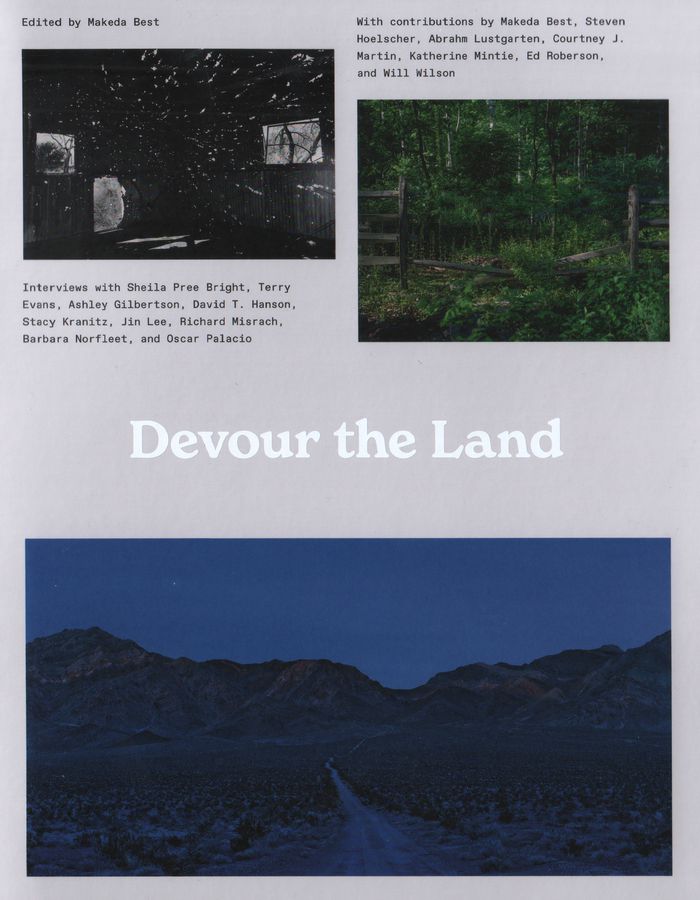
Devour the land: War and american landscape photography since 1970
Actions:
Prix:
$69.95
(disponible sur commande)
Résumé:
This volume considers how contemporary photographers have responded to the US military’s impact on the domestic environment since the 1970s, a dynamic period for environmental activism as well as for photography. This catalogue presents a lively range of voices at the intersection of art, environmentalism, militarism, photography, and politics. Alongside interviews with prominent contemporary artists working in the landscape photography tradition, the images speak to photographers’ varied motivations, personal experiences, and artistic approaches. The result is a surprising picture of the ways violence and warfare surround us. Although most modern combat has taken place abroad, the US domestic landscape bears the footprint of armed conflict—much of the environmental damage we live with today was caused by our own military and the expansive network of industries supporting its work.
Devour the land: War and american landscape photography since 1970
Actions:
Prix:
$69.95
(disponible sur commande)
Résumé:
This volume considers how contemporary photographers have responded to the US military’s impact on the domestic environment since the 1970s, a dynamic period for environmental activism as well as for photography. This catalogue presents a lively range of voices at the intersection of art, environmentalism, militarism, photography, and politics. Alongside interviews with prominent contemporary artists working in the landscape photography tradition, the images speak to photographers’ varied motivations, personal experiences, and artistic approaches. The result is a surprising picture of the ways violence and warfare surround us. Although most modern combat has taken place abroad, the US domestic landscape bears the footprint of armed conflict—much of the environmental damage we live with today was caused by our own military and the expansive network of industries supporting its work.
Classification:
livres
livres
Publication:
janvier 2022
janvier 2022
Sujet:
Photographie par région
Photographie par région
Classification:
livres
livres

Titre:
Agustín Hernández: Praxis
Agustín Hernández: Praxis
Actions:
Prix:
$54.95
(disponible sur commande)
Résumé:
Born in 1924, Agusti´n Herna´ndez came of age as an architect in Mexico as modernist ideas coalesced with a renewed pride in the country’s past. He was a frontrunner in combining the symbols, myths, and urban planning principles of pre-Columbian civilisations to create imposing architectural monuments that even today retain their avant-garde nature—from the military(...)
$54.95
(disponible sur commande)
Résumé:
Born in 1924, Agusti´n Herna´ndez came of age as an architect in Mexico as modernist ideas coalesced with a renewed pride in the country’s past. He was a frontrunner in combining the symbols, myths, and urban planning principles of pre-Columbian civilisations to create imposing architectural monuments that even today retain their avant-garde nature—from the military(...)
Titre:
Agustín Hernández: Praxis
Actions:
Prix:
$54.95
(disponible sur commande)
Résumé:
Born in 1924, Agusti´n Herna´ndez came of age as an architect in Mexico as modernist ideas coalesced with a renewed pride in the country’s past. He was a frontrunner in combining the symbols, myths, and urban planning principles of pre-Columbian civilisations to create imposing architectural monuments that even today retain their avant-garde nature—from the military academy he built as a modern-day Mayan ceremonial ground to the remote meditation centre commissioned by his sister, based on the symbolism of the snake, and the studio-home that he built for himself in 1975: Praxis, a geometric treehouse that still towers over the Bosques de las Lomas neighbourhood of Mexico City. Original photography by Ryan Lowry. Texts by Tezontle Studio & Luis Orozco Madero, Carlota Pérez-Jofre, and Enrique Giner de los Ríos.
Agustín Hernández: Praxis
Actions:
Prix:
$54.95
(disponible sur commande)
Résumé:
Born in 1924, Agusti´n Herna´ndez came of age as an architect in Mexico as modernist ideas coalesced with a renewed pride in the country’s past. He was a frontrunner in combining the symbols, myths, and urban planning principles of pre-Columbian civilisations to create imposing architectural monuments that even today retain their avant-garde nature—from the military academy he built as a modern-day Mayan ceremonial ground to the remote meditation centre commissioned by his sister, based on the symbolism of the snake, and the studio-home that he built for himself in 1975: Praxis, a geometric treehouse that still towers over the Bosques de las Lomas neighbourhood of Mexico City. Original photography by Ryan Lowry. Texts by Tezontle Studio & Luis Orozco Madero, Carlota Pérez-Jofre, and Enrique Giner de los Ríos.
Classification:
livres
livres
Publication:
mars 2020
mars 2020
Sujet:
Architecture, monographies
Architecture, monographies
Classification:
livres
livres
Titre:
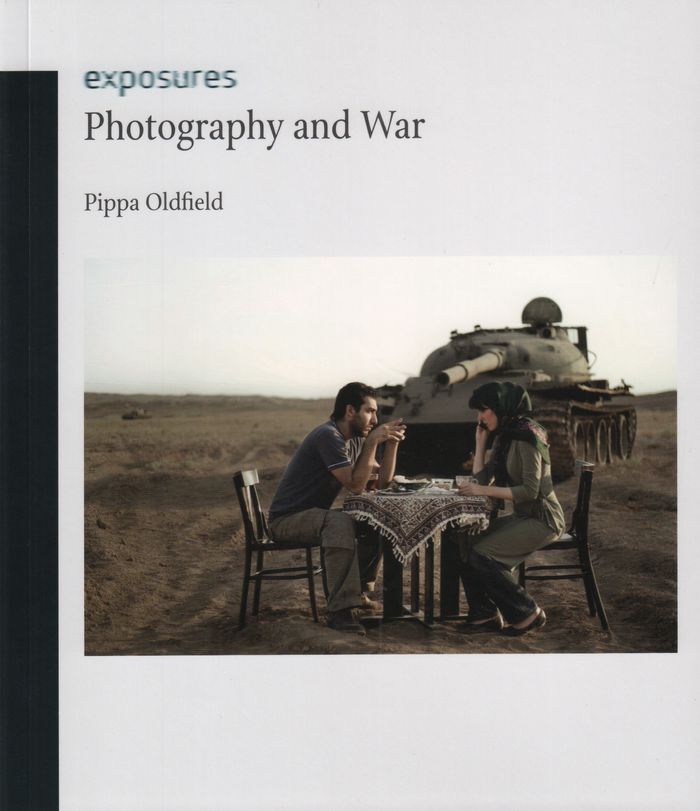
Photography and war
Photography and war
Actions:
Prix:
$48.00
(disponible sur commande)
Résumé:
There are countless books on war photography, most of them focusing on dramatic images made by photojournalists in combat zones. "Photography and War" instead proposes a radically expanded notion of war photography, one that encompasses a far broader terrain of geographies, chronologies, practices, and viewpoints. Pippa Oldfied considers photography’s fundamental role in(...)
$48.00
(disponible sur commande)
Résumé:
There are countless books on war photography, most of them focusing on dramatic images made by photojournalists in combat zones. "Photography and War" instead proposes a radically expanded notion of war photography, one that encompasses a far broader terrain of geographies, chronologies, practices, and viewpoints. Pippa Oldfied considers photography’s fundamental role in(...)
Titre:
Photography and war
Actions:
Prix:
$48.00
(disponible sur commande)
Résumé:
There are countless books on war photography, most of them focusing on dramatic images made by photojournalists in combat zones. "Photography and War" instead proposes a radically expanded notion of war photography, one that encompasses a far broader terrain of geographies, chronologies, practices, and viewpoints. Pippa Oldfied considers photography’s fundamental role in military reconnaissance, propaganda, and protest, as well as the exposure of war crimes and the memorialization of war, among other themes. While iconic images by well-known names such as Roger Fenton and Robert Capa are included, the viewpoints of people who have historically been overlooked—women and photographers from diasporic and non-Western backgrounds—are significantly gathered here. As a result, this book offers a nuanced and more inclusive understanding of war as a far-reaching undertaking in which anyone might be implicated and affected.
Photography and war
Actions:
Prix:
$48.00
(disponible sur commande)
Résumé:
There are countless books on war photography, most of them focusing on dramatic images made by photojournalists in combat zones. "Photography and War" instead proposes a radically expanded notion of war photography, one that encompasses a far broader terrain of geographies, chronologies, practices, and viewpoints. Pippa Oldfied considers photography’s fundamental role in military reconnaissance, propaganda, and protest, as well as the exposure of war crimes and the memorialization of war, among other themes. While iconic images by well-known names such as Roger Fenton and Robert Capa are included, the viewpoints of people who have historically been overlooked—women and photographers from diasporic and non-Western backgrounds—are significantly gathered here. As a result, this book offers a nuanced and more inclusive understanding of war as a far-reaching undertaking in which anyone might be implicated and affected.
Classification:
livres
livres
Publication:
décembre 2019
décembre 2019
Sujet:
Théorie de la photographie
Théorie de la photographie
Classification:
livres
livres
Titre:
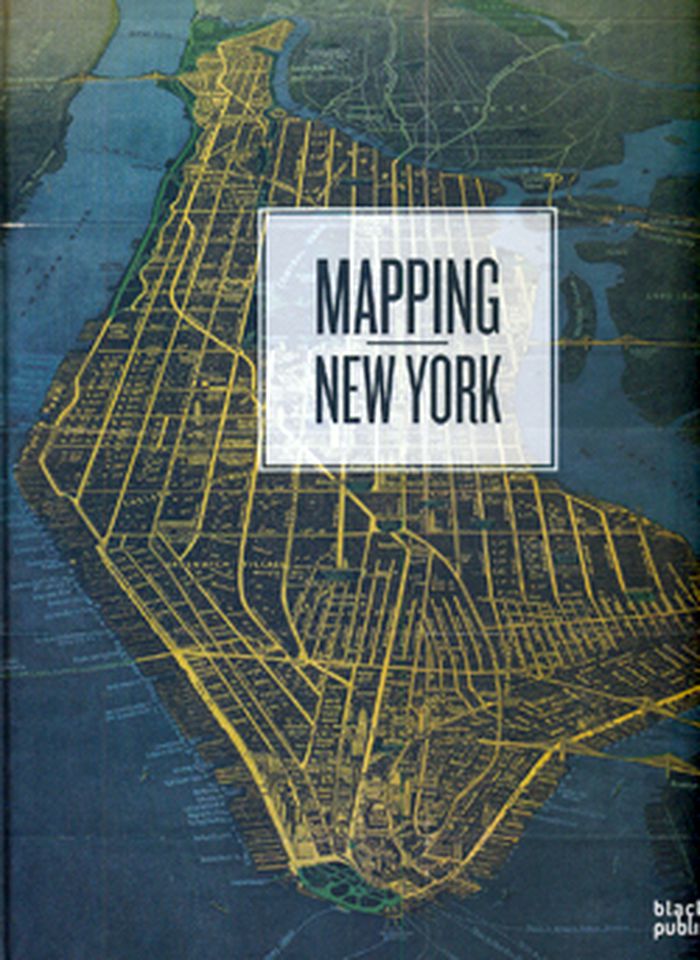
Mapping New York
Mapping New York
Actions:
Prix:
$49.95
(disponible sur commande)
Résumé:
A beautifully illustrated book with distinctive maps dating back to the 16th Century, when New York was known as New Amsterdam and founded by the Dutch as a commercial trading post, right up to the present day. Mapping New York provides a pictorial history of the city – both documenting it as a leader in commerce and as one of the most built up urban areas in the world.(...)
$49.95
(disponible sur commande)
Résumé:
A beautifully illustrated book with distinctive maps dating back to the 16th Century, when New York was known as New Amsterdam and founded by the Dutch as a commercial trading post, right up to the present day. Mapping New York provides a pictorial history of the city – both documenting it as a leader in commerce and as one of the most built up urban areas in the world.(...)
Titre:
Mapping New York
Actions:
Prix:
$49.95
(disponible sur commande)
Résumé:
A beautifully illustrated book with distinctive maps dating back to the 16th Century, when New York was known as New Amsterdam and founded by the Dutch as a commercial trading post, right up to the present day. Mapping New York provides a pictorial history of the city – both documenting it as a leader in commerce and as one of the most built up urban areas in the world. This book focuses on maps from the 20th and 21st century, thematically arranged with maps on population, military, water, transport, commerce, crime, as well as planning and developing maps, and boundaries of the five boroughs. Featuring well known graphics such as the New York City subway map, artists’ representations include Claes Oldenburg’s Soft Manhattan #1: Postal Codes from 1966 and the poem, “Manhattan,” in the shape of the city by Howard Horowitz.
Mapping New York
Actions:
Prix:
$49.95
(disponible sur commande)
Résumé:
A beautifully illustrated book with distinctive maps dating back to the 16th Century, when New York was known as New Amsterdam and founded by the Dutch as a commercial trading post, right up to the present day. Mapping New York provides a pictorial history of the city – both documenting it as a leader in commerce and as one of the most built up urban areas in the world. This book focuses on maps from the 20th and 21st century, thematically arranged with maps on population, military, water, transport, commerce, crime, as well as planning and developing maps, and boundaries of the five boroughs. Featuring well known graphics such as the New York City subway map, artists’ representations include Claes Oldenburg’s Soft Manhattan #1: Postal Codes from 1966 and the poem, “Manhattan,” in the shape of the city by Howard Horowitz.
Classification:
livres
livres
Publication:
octobre 2009
octobre 2009
Classification:
livres
livres

Titre:
Land, protest. and politics: the Landless Movement and the struggle for Agrarian reform in Brazil
Land, protest. and politics: the Landless Movement and the struggle for Agrarian reform in Brazil
Actions:
Prix:
$49.95
(disponible sur commande)
Résumé:
Brazil is a country of extreme inequalities, one of the most important of which is the acute concentration of rural land ownership. In recent decades, however, poor landless workers have mounted a major challenge to this state of affairs. A broad grassroots social movement led by the Movement of Landless Rural Workers (MST) has mobilized hundreds of thousands of families(...)
$49.95
(disponible sur commande)
Résumé:
Brazil is a country of extreme inequalities, one of the most important of which is the acute concentration of rural land ownership. In recent decades, however, poor landless workers have mounted a major challenge to this state of affairs. A broad grassroots social movement led by the Movement of Landless Rural Workers (MST) has mobilized hundreds of thousands of families(...)
Titre:
Land, protest. and politics: the Landless Movement and the struggle for Agrarian reform in Brazil
Actions:
Prix:
$49.95
(disponible sur commande)
Résumé:
Brazil is a country of extreme inequalities, one of the most important of which is the acute concentration of rural land ownership. In recent decades, however, poor landless workers have mounted a major challenge to this state of affairs. A broad grassroots social movement led by the Movement of Landless Rural Workers (MST) has mobilized hundreds of thousands of families to pressure authorities for land reform through mass protest. This book explores the evolution of the landless movement from its birth during the twilight years of Brazil's military dictatorship through the first government of Luiz In cio Lula da Silva. It uses this case to test a number of major theoretical perspectives on social movements and engages in a critical dialogue with both contemporary political opportunity theory and Mancur Olson's classic economic theory of collective action.
Land, protest. and politics: the Landless Movement and the struggle for Agrarian reform in Brazil
Actions:
Prix:
$49.95
(disponible sur commande)
Résumé:
Brazil is a country of extreme inequalities, one of the most important of which is the acute concentration of rural land ownership. In recent decades, however, poor landless workers have mounted a major challenge to this state of affairs. A broad grassroots social movement led by the Movement of Landless Rural Workers (MST) has mobilized hundreds of thousands of families to pressure authorities for land reform through mass protest. This book explores the evolution of the landless movement from its birth during the twilight years of Brazil's military dictatorship through the first government of Luiz In cio Lula da Silva. It uses this case to test a number of major theoretical perspectives on social movements and engages in a critical dialogue with both contemporary political opportunity theory and Mancur Olson's classic economic theory of collective action.
Classification:
livres
livres
Publication:
juillet 2011
juillet 2011
Classification:
livres
livres
Titre:
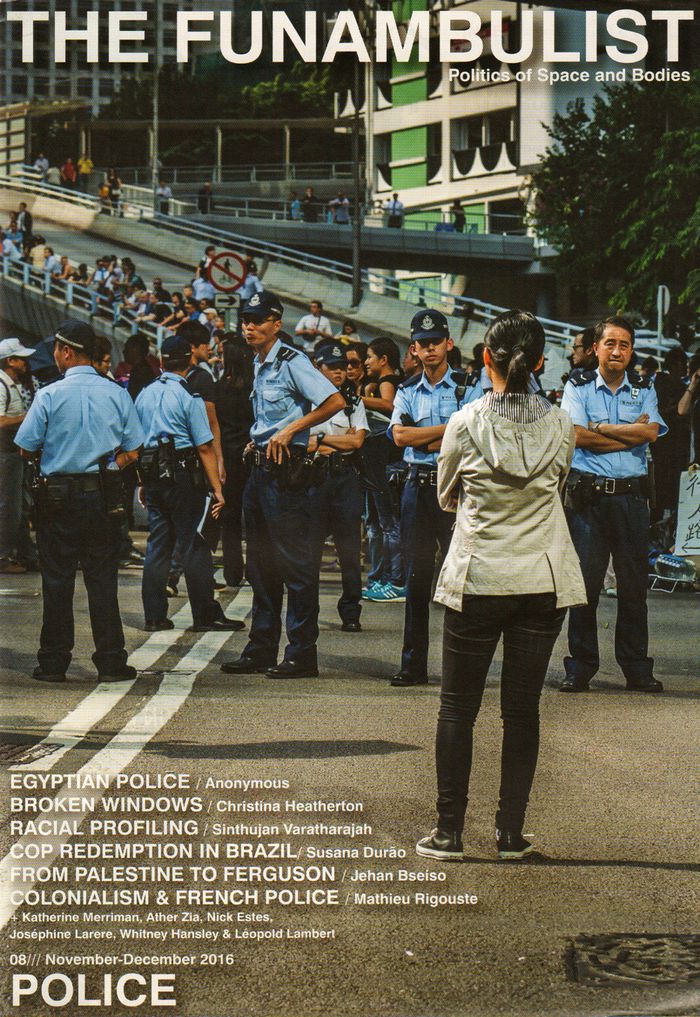
The Funambulist 8: Police
The Funambulist 8: Police
Actions:
Prix:
$17.95
(disponible sur commande)
Résumé:
This eighth issue of The Funambulist Magazine, dedicated to the police, can be read in continuity with Issue 04 (March-April 2016), which was focused on carceral environments. Its axiomatic editorial line is resolutely the same: just as there cannot be “better prisons,” there cannot be “better police,” at least not within the logics through which they are currently(...)
$17.95
(disponible sur commande)
Résumé:
This eighth issue of The Funambulist Magazine, dedicated to the police, can be read in continuity with Issue 04 (March-April 2016), which was focused on carceral environments. Its axiomatic editorial line is resolutely the same: just as there cannot be “better prisons,” there cannot be “better police,” at least not within the logics through which they are currently(...)
Titre:
The Funambulist 8: Police
Actions:
Prix:
$17.95
(disponible sur commande)
Résumé:
This eighth issue of The Funambulist Magazine, dedicated to the police, can be read in continuity with Issue 04 (March-April 2016), which was focused on carceral environments. Its axiomatic editorial line is resolutely the same: just as there cannot be “better prisons,” there cannot be “better police,” at least not within the logics through which they are currently operating in a majority of the world’s societies. In this regard, the numerous murders of Native and Black bodies by the United States police, the violence of the Apartheid police in Jerusalem against Palestinians, the murderous operations of the Brazilian military police in the favelas, or the legalized abuse of power by the French and Turkish police during ongoing states of emergency; not as “police brutality” that would require reforms but, rather, as the very essence of policing itself, which calls for abolition.
The Funambulist 8: Police
Actions:
Prix:
$17.95
(disponible sur commande)
Résumé:
This eighth issue of The Funambulist Magazine, dedicated to the police, can be read in continuity with Issue 04 (March-April 2016), which was focused on carceral environments. Its axiomatic editorial line is resolutely the same: just as there cannot be “better prisons,” there cannot be “better police,” at least not within the logics through which they are currently operating in a majority of the world’s societies. In this regard, the numerous murders of Native and Black bodies by the United States police, the violence of the Apartheid police in Jerusalem against Palestinians, the murderous operations of the Brazilian military police in the favelas, or the legalized abuse of power by the French and Turkish police during ongoing states of emergency; not as “police brutality” that would require reforms but, rather, as the very essence of policing itself, which calls for abolition.
Classification:
livres
livres
Publication:
novembre 2016
novembre 2016
Sujet:
Revues
Revues
Classification:
livres
livres
Titre:
Fallen empires
Fallen empires
Actions:
Prix:
$55.00
(disponible sur commande)
Résumé:
Extensively covered by the media, debated by the governments of the world and claimed by vying religions, Israel is a remarkable case study for understanding the rise and fall of empires. By highlighting the country's historic architecture and its highly contentious ruins, Israeli photographer Shai Kremer (born 1974) questions how these sites figure today in the discourse(...)
$55.00
(disponible sur commande)
Résumé:
Extensively covered by the media, debated by the governments of the world and claimed by vying religions, Israel is a remarkable case study for understanding the rise and fall of empires. By highlighting the country's historic architecture and its highly contentious ruins, Israeli photographer Shai Kremer (born 1974) questions how these sites figure today in the discourse(...)
Titre:
Fallen empires
Actions:
Prix:
$55.00
(disponible sur commande)
Résumé:
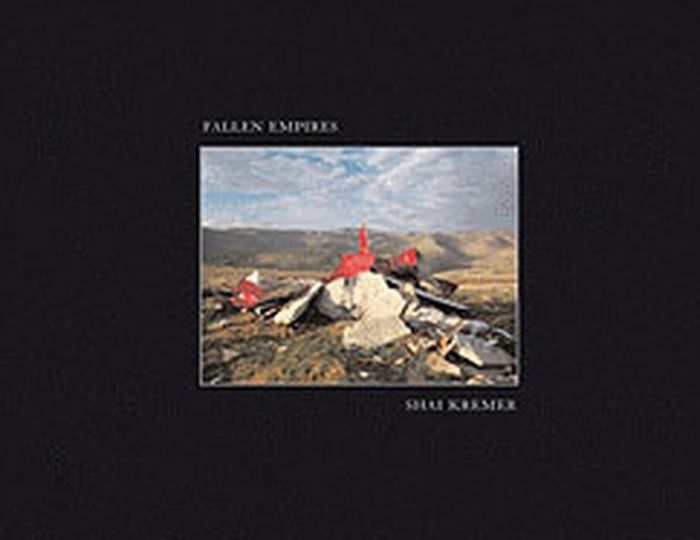
Extensively covered by the media, debated by the governments of the world and claimed by vying religions, Israel is a remarkable case study for understanding the rise and fall of empires. By highlighting the country's historic architecture and its highly contentious ruins, Israeli photographer Shai Kremer (born 1974) questions how these sites figure today in the discourse of the Israeli-Palestinian conflict and the future of the nation. This publication invites viewers to consider new relationships between the histories and identities assembled and disassembled in the creation of modern Israel. As Kremer explains, “Israel is overloaded with sediments of past empires. More than half of the current IDF (Israel Defense Forces) strongholds rest on the ruins of military sites of former empires. The recycling of these spaces, from one conqueror to the next, shows how most empires tried to conquer and rule this land, with one similar outcome: they eventually failed.”
Fallen empires
Actions:
Prix:
$55.00
(disponible sur commande)
Résumé:
Extensively covered by the media, debated by the governments of the world and claimed by vying religions, Israel is a remarkable case study for understanding the rise and fall of empires. By highlighting the country's historic architecture and its highly contentious ruins, Israeli photographer Shai Kremer (born 1974) questions how these sites figure today in the discourse of the Israeli-Palestinian conflict and the future of the nation. This publication invites viewers to consider new relationships between the histories and identities assembled and disassembled in the creation of modern Israel. As Kremer explains, “Israel is overloaded with sediments of past empires. More than half of the current IDF (Israel Defense Forces) strongholds rest on the ruins of military sites of former empires. The recycling of these spaces, from one conqueror to the next, shows how most empires tried to conquer and rule this land, with one similar outcome: they eventually failed.”
Classification:
livres
livres
Publication:
juillet 2011
juillet 2011
Sujet:
Monographies photo
Monographies photo
Classification:
livres
livres
Actions:
Prix:
$50.00
(disponible sur commande)
Résumé:
Infra, Richard Mosse’s first book, offers a radical rethinking of how to depict a conflict as complex and intractable as that of the ongoing war in the Democratic Republic of Congo. Mosse photographs both the rich topography, inscribed with the traces of conflicting interests, as well as rebel groups of constantly shifting allegiances at war with the Congolese national(...)
$50.00
(disponible sur commande)
Résumé:
Infra, Richard Mosse’s first book, offers a radical rethinking of how to depict a conflict as complex and intractable as that of the ongoing war in the Democratic Republic of Congo. Mosse photographs both the rich topography, inscribed with the traces of conflicting interests, as well as rebel groups of constantly shifting allegiances at war with the Congolese national(...)
Titre:
Infra: photographs by Richard Mosse
Actions:
Prix:
$50.00
(disponible sur commande)
Résumé:
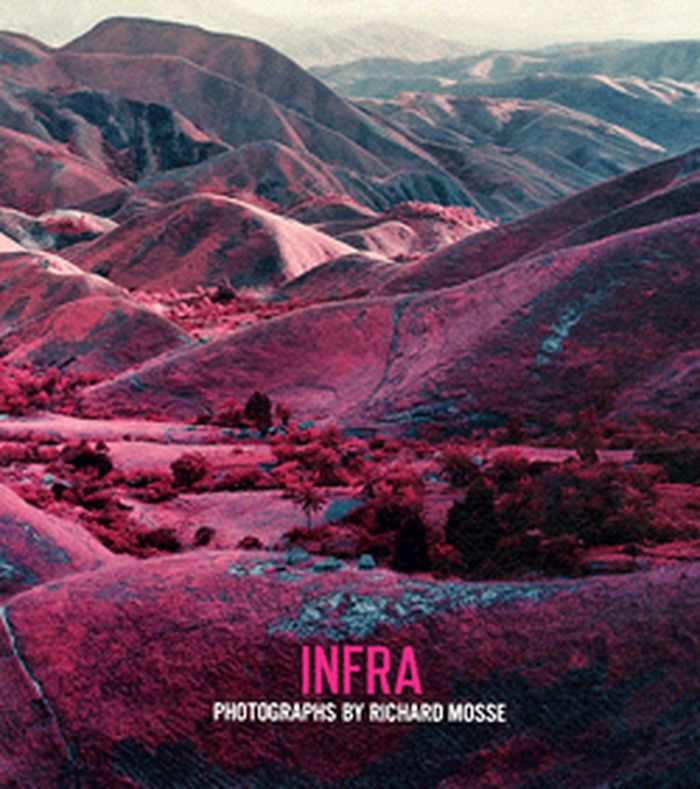
Infra, Richard Mosse’s first book, offers a radical rethinking of how to depict a conflict as complex and intractable as that of the ongoing war in the Democratic Republic of Congo. Mosse photographs both the rich topography, inscribed with the traces of conflicting interests, as well as rebel groups of constantly shifting allegiances at war with the Congolese national army (itself a patchwork of recently integrated warlords and their militias). For centuries, the Congo has repeatedly compelled and defied the western imagination. Mosse brings to this subject the use of a discontinued aerial surveillance film, a type of color infrared film called Kodak Aerochrome. The film, originally developed for military reconnaissance, registers an invisible spectrum of infrared light, rendering the green landscape in vivid hues of lavender, crimson and hot pink. The results offer a fevered inflation of the traditional reportage document, underlining the growing tension between art, fiction and photojournalism.
Infra: photographs by Richard Mosse
Actions:
Prix:
$50.00
(disponible sur commande)
Résumé:
Infra, Richard Mosse’s first book, offers a radical rethinking of how to depict a conflict as complex and intractable as that of the ongoing war in the Democratic Republic of Congo. Mosse photographs both the rich topography, inscribed with the traces of conflicting interests, as well as rebel groups of constantly shifting allegiances at war with the Congolese national army (itself a patchwork of recently integrated warlords and their militias). For centuries, the Congo has repeatedly compelled and defied the western imagination. Mosse brings to this subject the use of a discontinued aerial surveillance film, a type of color infrared film called Kodak Aerochrome. The film, originally developed for military reconnaissance, registers an invisible spectrum of infrared light, rendering the green landscape in vivid hues of lavender, crimson and hot pink. The results offer a fevered inflation of the traditional reportage document, underlining the growing tension between art, fiction and photojournalism.
Classification:
livres
livres
Publication:
février 2012
février 2012
Sujet:
Monographies photo
Monographies photo
Classification:
livres
livres
Actions:
Prix:
$16.95
(disponible sur commande)
Résumé:
Erin Hogan hit the road in her Volkswagen Jetta and headed west from Chicago in search of the monuments of American land art: a salty coil of rocks, four hundred stainless steel poles, a gash in a mesa, four concrete tubes, and military sheds filled with cubes. Her journey took her through the states of Utah, Nevada, New Mexico, Arizona, and Texas. Spiral Jetta is a(...)
$16.95
(disponible sur commande)
Résumé:
Erin Hogan hit the road in her Volkswagen Jetta and headed west from Chicago in search of the monuments of American land art: a salty coil of rocks, four hundred stainless steel poles, a gash in a mesa, four concrete tubes, and military sheds filled with cubes. Her journey took her through the states of Utah, Nevada, New Mexico, Arizona, and Texas. Spiral Jetta is a(...)
Titre:
Spiral Jetta: a road trip through the land art of the American west
Actions:
Prix:
$16.95
(disponible sur commande)
Résumé:
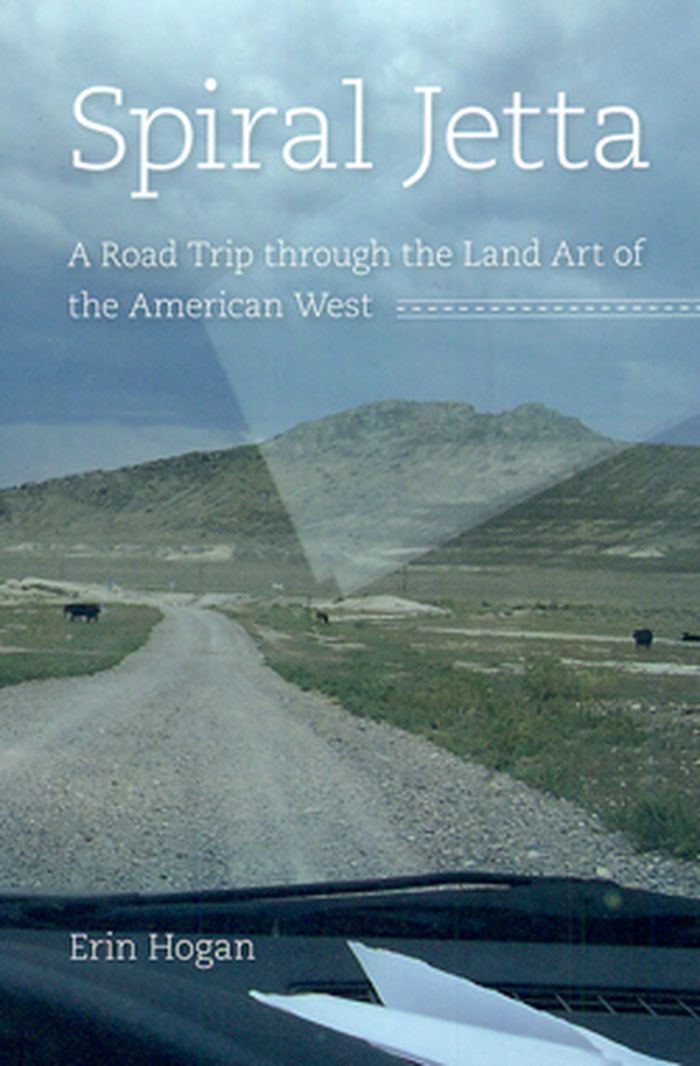
Erin Hogan hit the road in her Volkswagen Jetta and headed west from Chicago in search of the monuments of American land art: a salty coil of rocks, four hundred stainless steel poles, a gash in a mesa, four concrete tubes, and military sheds filled with cubes. Her journey took her through the states of Utah, Nevada, New Mexico, Arizona, and Texas. Spiral Jetta is a chronicle of this journey. A lapsed art historian and devoted urbanite, Hogan initially sought firsthand experience of the monumental earthworks of the 1970s and the 1980s—Robert Smithson’s Spiral Jetty, Nancy Holt’s Sun Tunnels, Walter De Maria’s Lightning Field, James Turrell’s Roden Crater, Michael Heizer’s Double Negative, and the contemporary art mecca of Marfa, Texas. Armed with spotty directions, no compass, and less-than-desert-appropriate clothing, she found most of what she was looking for and then some.
Spiral Jetta: a road trip through the land art of the American west
Actions:
Prix:
$16.95
(disponible sur commande)
Résumé:
Erin Hogan hit the road in her Volkswagen Jetta and headed west from Chicago in search of the monuments of American land art: a salty coil of rocks, four hundred stainless steel poles, a gash in a mesa, four concrete tubes, and military sheds filled with cubes. Her journey took her through the states of Utah, Nevada, New Mexico, Arizona, and Texas. Spiral Jetta is a chronicle of this journey. A lapsed art historian and devoted urbanite, Hogan initially sought firsthand experience of the monumental earthworks of the 1970s and the 1980s—Robert Smithson’s Spiral Jetty, Nancy Holt’s Sun Tunnels, Walter De Maria’s Lightning Field, James Turrell’s Roden Crater, Michael Heizer’s Double Negative, and the contemporary art mecca of Marfa, Texas. Armed with spotty directions, no compass, and less-than-desert-appropriate clothing, she found most of what she was looking for and then some.
Classification:
livres
livres
Publication:
octobre 2009, Chicago
octobre 2009, Chicago
Sujet:
Land Art
Land Art
Classification:
livres
livres
Actions:
Prix:
$24.00
(disponible sur commande)
Résumé:
A decimated Shiite shrine in Iraq. The smoking World Trade Center site. The scorched cityscape of 1945 Dresden. Among the most indelible scars left by war is the destroyed landscapes, and such architectural devastation damages far more than mere buildings. Robert Bevan argues here that shattered buildings are not merely “collateral damage,” but rather calculated acts of(...)
$24.00
(disponible sur commande)
Résumé:
A decimated Shiite shrine in Iraq. The smoking World Trade Center site. The scorched cityscape of 1945 Dresden. Among the most indelible scars left by war is the destroyed landscapes, and such architectural devastation damages far more than mere buildings. Robert Bevan argues here that shattered buildings are not merely “collateral damage,” but rather calculated acts of(...)
Publication:
février 2007, London
février 2007, London
Titre:
The destruction of memory : Architecture at war
Actions:
Prix:
$24.00
(disponible sur commande)
Résumé:
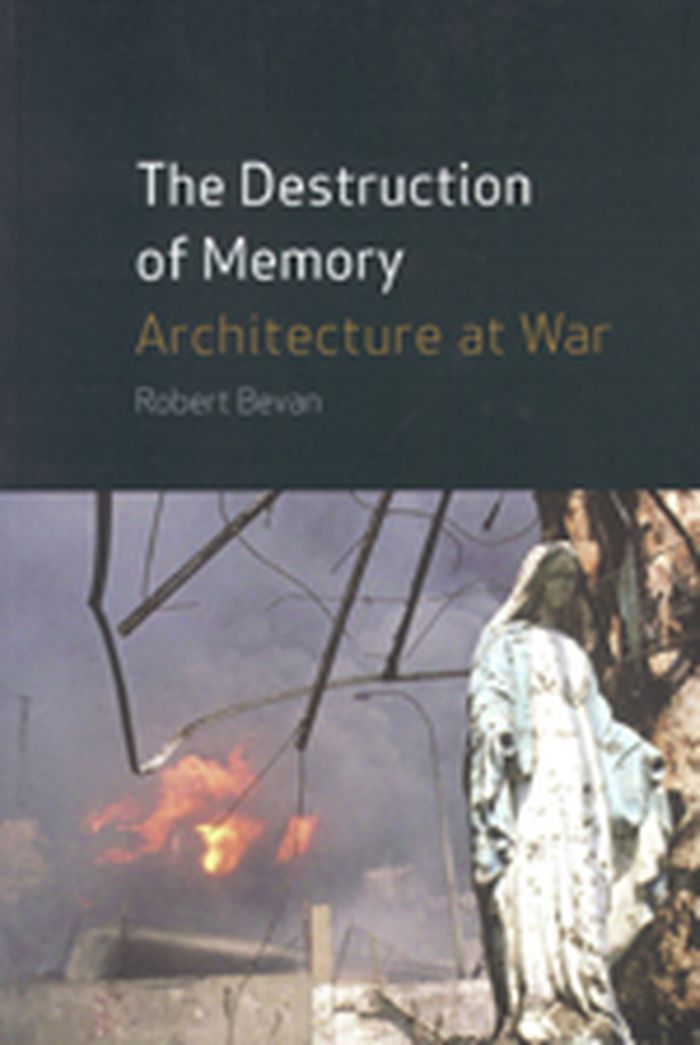
A decimated Shiite shrine in Iraq. The smoking World Trade Center site. The scorched cityscape of 1945 Dresden. Among the most indelible scars left by war is the destroyed landscapes, and such architectural devastation damages far more than mere buildings. Robert Bevan argues here that shattered buildings are not merely “collateral damage,” but rather calculated acts of cultural annihilation. From Hitler’s Kristallnacht to the toppling of Saddam Hussein’s statue in the Iraq War, Bevan deftly sifts through military campaigns and their tactics throughout history, and analyzes the cultural impact and catastrophic consequences of architectural destruction. For Bevan, these actions are nothing less than cultural genocide. Ultimately, Bevan forcefully argues for the prosecution of nations that purposely flout established international treaties against destroyed architecture. A passionate and thought-provoking cri de coeur, The Destruction of Memory raises questions about the costs of war that run deeper than blood and money.
The destruction of memory : Architecture at war
Actions:
Prix:
$24.00
(disponible sur commande)
Résumé:
A decimated Shiite shrine in Iraq. The smoking World Trade Center site. The scorched cityscape of 1945 Dresden. Among the most indelible scars left by war is the destroyed landscapes, and such architectural devastation damages far more than mere buildings. Robert Bevan argues here that shattered buildings are not merely “collateral damage,” but rather calculated acts of cultural annihilation. From Hitler’s Kristallnacht to the toppling of Saddam Hussein’s statue in the Iraq War, Bevan deftly sifts through military campaigns and their tactics throughout history, and analyzes the cultural impact and catastrophic consequences of architectural destruction. For Bevan, these actions are nothing less than cultural genocide. Ultimately, Bevan forcefully argues for the prosecution of nations that purposely flout established international treaties against destroyed architecture. A passionate and thought-provoking cri de coeur, The Destruction of Memory raises questions about the costs of war that run deeper than blood and money.
Classification:
livres
livres
Publication:
février 2007, London
février 2007, London


