


2091 Résultats
Classification:
livres
livres
Actions:
Prix:
$34.99
(disponible en magasin)
Résumé:
''Fortress Power'' presents a genealogy of fortification as a material and political technology intent on obstruction, tracing its implementation across battlefields, borders, and urban environments. Drawing on the influential work of philosophers Michel Foucault and Giorgio Agamben, Derek S. Denman places the fortress alongside the archetypes of the prison and the camp,(...)
$34.99
(disponible en magasin)
Résumé:
''Fortress Power'' presents a genealogy of fortification as a material and political technology intent on obstruction, tracing its implementation across battlefields, borders, and urban environments. Drawing on the influential work of philosophers Michel Foucault and Giorgio Agamben, Derek S. Denman places the fortress alongside the archetypes of the prison and the camp,(...)
Titre:
Fortress power: Hostile designs and the politics of spatial control
Actions:
Prix:
$34.99
(disponible en magasin)
Résumé:
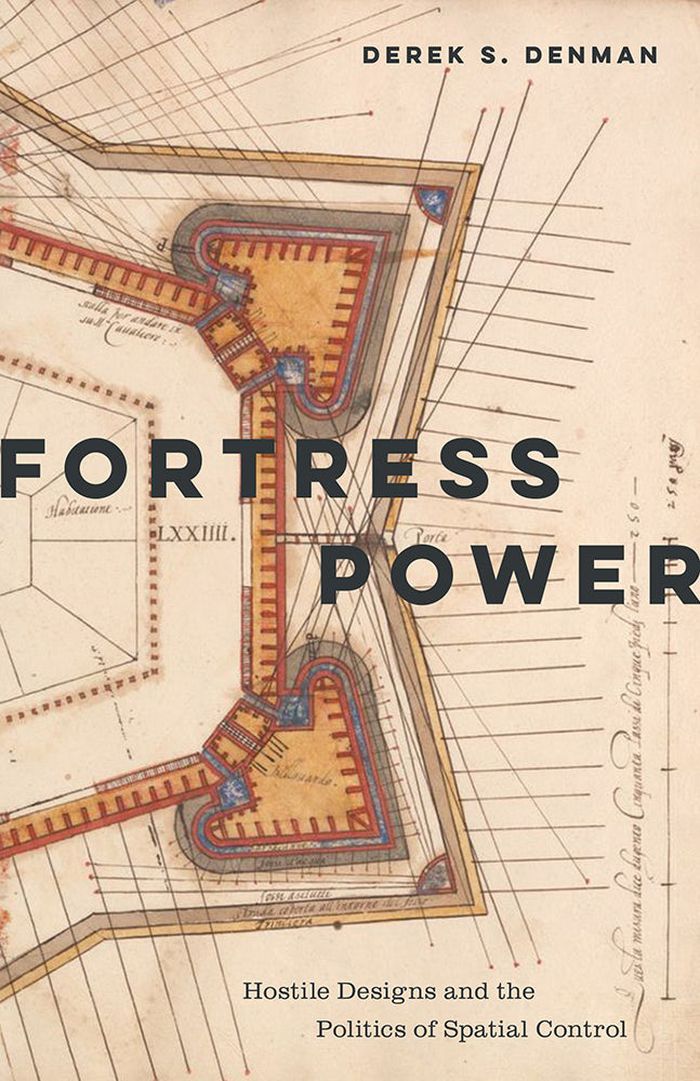
''Fortress Power'' presents a genealogy of fortification as a material and political technology intent on obstruction, tracing its implementation across battlefields, borders, and urban environments. Drawing on the influential work of philosophers Michel Foucault and Giorgio Agamben, Derek S. Denman places the fortress alongside the archetypes of the prison and the camp, citing them as paradigmatic of how space is transformed into a tool of domination and control. Focusing on the defensive architecture of bastion fortresses, urban design, and border landscapes, ''Fortress Power'' charts the rise of a form of governance grounded in hostility, extending the scope of its subject from a piece of military construction to a much broader political concept. Detailing how power manifests in everything from city centers to international boundaries, the book analyzes the logic of fortification as it moves through various contexts in the advancement of surveillance, exploitation, warfare, and political authority.
Fortress power: Hostile designs and the politics of spatial control
Actions:
Prix:
$34.99
(disponible en magasin)
Résumé:
''Fortress Power'' presents a genealogy of fortification as a material and political technology intent on obstruction, tracing its implementation across battlefields, borders, and urban environments. Drawing on the influential work of philosophers Michel Foucault and Giorgio Agamben, Derek S. Denman places the fortress alongside the archetypes of the prison and the camp, citing them as paradigmatic of how space is transformed into a tool of domination and control. Focusing on the defensive architecture of bastion fortresses, urban design, and border landscapes, ''Fortress Power'' charts the rise of a form of governance grounded in hostility, extending the scope of its subject from a piece of military construction to a much broader political concept. Detailing how power manifests in everything from city centers to international boundaries, the book analyzes the logic of fortification as it moves through various contexts in the advancement of surveillance, exploitation, warfare, and political authority.
Classification:
livres
livres
Publication:
juillet 2025
juillet 2025
Sujet:
Théorie de l’architecture
Théorie de l’architecture
Classification:
livres
livres
Actions:
Prix:
$160.00
(disponible en magasin)
Résumé:
This book presents a set of buildings--27 dormitories, two school buildings, one gymnasium, one chapel, and one maintenance building--the parcel of land they stood on, the people that inhabited them, the temporal space they occupied, the agendas they housed, and the forces that shaped and reshaped them. The buildings established on the southern edge of the small Utah town(...)
$160.00
(disponible en magasin)
Résumé:
This book presents a set of buildings--27 dormitories, two school buildings, one gymnasium, one chapel, and one maintenance building--the parcel of land they stood on, the people that inhabited them, the temporal space they occupied, the agendas they housed, and the forces that shaped and reshaped them. The buildings established on the southern edge of the small Utah town(...)
Titre:
Eagle Village: A deep mapping of fallow architecture
Actions:
Prix:
$160.00
(disponible en magasin)
Résumé:
This book presents a set of buildings--27 dormitories, two school buildings, one gymnasium, one chapel, and one maintenance building--the parcel of land they stood on, the people that inhabited them, the temporal space they occupied, the agendas they housed, and the forces that shaped and reshaped them. The buildings established on the southern edge of the small Utah town of Brigham City, were built as a military hospital by the United States Department of War, repurposed as an off-reservation boarding school by the Bureau of Indian Affairs, and reimagined as a New Urbanist townhome community by a New York-based developer. The photographs visually track the material traces of the boarding school era, what was emerging from the years the property lay fallow, what was to become as the buildings began their transition to a colorful townhome community, and what would emerge after the buildings were demolished.
Eagle Village: A deep mapping of fallow architecture
Actions:
Prix:
$160.00
(disponible en magasin)
Résumé:
This book presents a set of buildings--27 dormitories, two school buildings, one gymnasium, one chapel, and one maintenance building--the parcel of land they stood on, the people that inhabited them, the temporal space they occupied, the agendas they housed, and the forces that shaped and reshaped them. The buildings established on the southern edge of the small Utah town of Brigham City, were built as a military hospital by the United States Department of War, repurposed as an off-reservation boarding school by the Bureau of Indian Affairs, and reimagined as a New Urbanist townhome community by a New York-based developer. The photographs visually track the material traces of the boarding school era, what was emerging from the years the property lay fallow, what was to become as the buildings began their transition to a colorful townhome community, and what would emerge after the buildings were demolished.
Classification:
livres
livres
Publication:
décembre 2025
décembre 2025
Sujet:
Monographies photo
Monographies photo
Classification:
livres
livres
Prix:
$25.95
(disponible sur commande)
Résumé:
The Earth has entered a new epoch: the Anthropocene. What we are facing is not only an environmental crisis, but a geological revolution of human origin. In two centuries, our planet has tipped into a state unknown for millions of years. How did we get to this point? Refuting the convenient view of a “human species” that upset the Earth system, unaware of what it was(...)
$25.95
(disponible sur commande)
Résumé:
The Earth has entered a new epoch: the Anthropocene. What we are facing is not only an environmental crisis, but a geological revolution of human origin. In two centuries, our planet has tipped into a state unknown for millions of years. How did we get to this point? Refuting the convenient view of a “human species” that upset the Earth system, unaware of what it was(...)
Publication:
avril 2017
avril 2017
Titre:
The shock of the anthropocene: the earth, history and us
Actions:
Prix:
$25.95
(disponible sur commande)
Résumé:
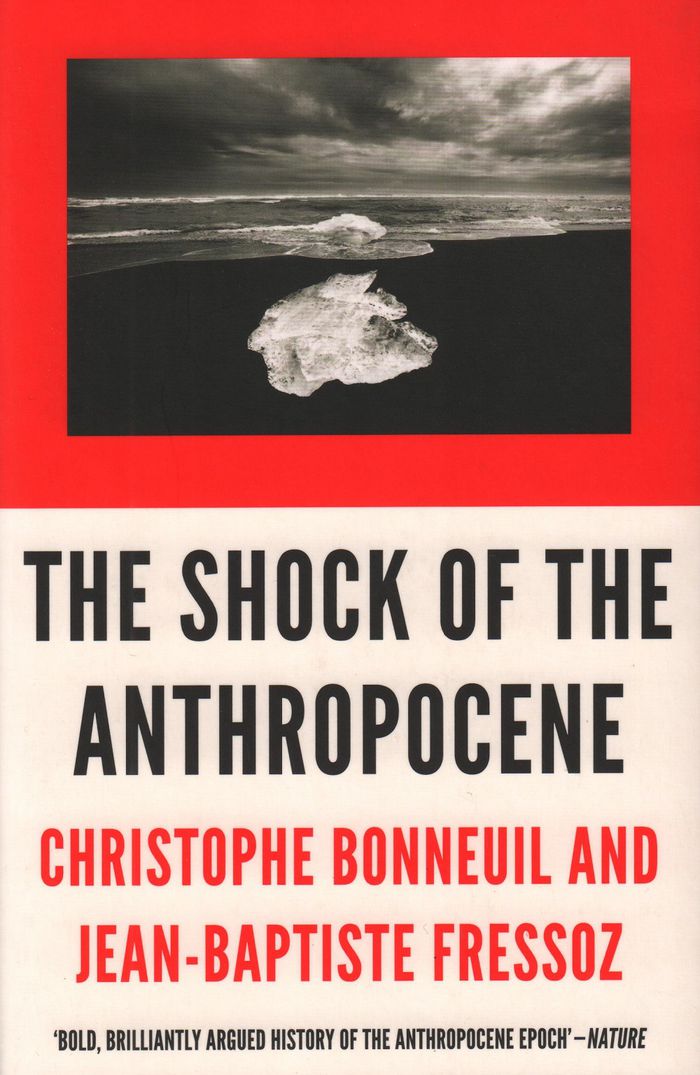
The Earth has entered a new epoch: the Anthropocene. What we are facing is not only an environmental crisis, but a geological revolution of human origin. In two centuries, our planet has tipped into a state unknown for millions of years. How did we get to this point? Refuting the convenient view of a “human species” that upset the Earth system, unaware of what it was doing, this book proposes the first critical history of the Anthropocene, shaking up many accepted ideas: about our supposedly recent “environmental awareness,” about previous challenges to industrialism, about the manufacture of ignorance and consumerism, about so-called energy transitions, as well as about the role of the military in environmental destruction. In a dialogue between science and history, The Shock of the Anthropocene dissects a new theoretical buzzword and explores paths for living and acting politically in this rapidly developing geological epoch.
The shock of the anthropocene: the earth, history and us
Actions:
Prix:
$25.95
(disponible sur commande)
Résumé:
The Earth has entered a new epoch: the Anthropocene. What we are facing is not only an environmental crisis, but a geological revolution of human origin. In two centuries, our planet has tipped into a state unknown for millions of years. How did we get to this point? Refuting the convenient view of a “human species” that upset the Earth system, unaware of what it was doing, this book proposes the first critical history of the Anthropocene, shaking up many accepted ideas: about our supposedly recent “environmental awareness,” about previous challenges to industrialism, about the manufacture of ignorance and consumerism, about so-called energy transitions, as well as about the role of the military in environmental destruction. In a dialogue between science and history, The Shock of the Anthropocene dissects a new theoretical buzzword and explores paths for living and acting politically in this rapidly developing geological epoch.
Classification:
livres
livres
Publication:
avril 2017
avril 2017
Classification:
livres
livres
Prix:
$32.00
(disponible sur commande)
Résumé:
The Earth has entered a new epoch: the Anthropocene. What we are facing is not only an environmental crisis, but a geological revolution of human origin. In two centuries, our planet has tipped into a state unknown for millions of years. How did we get to this point? Refuting the convenient view of a “human species” that upset the Earth system, unaware of what it was(...)
$32.00
(disponible sur commande)
Résumé:
The Earth has entered a new epoch: the Anthropocene. What we are facing is not only an environmental crisis, but a geological revolution of human origin. In two centuries, our planet has tipped into a state unknown for millions of years. How did we get to this point? Refuting the convenient view of a “human species” that upset the Earth system, unaware of what it was(...)
Sujet:
Architecture écologique
Architecture écologique
Publication:
mars 2016
mars 2016
Titre:
The Shock of the Anthropocene: The Earth, History and Us
Actions:
Prix:
$32.00
(disponible sur commande)
Résumé:
The Earth has entered a new epoch: the Anthropocene. What we are facing is not only an environmental crisis, but a geological revolution of human origin. In two centuries, our planet has tipped into a state unknown for millions of years. How did we get to this point? Refuting the convenient view of a “human species” that upset the Earth system, unaware of what it was doing, this book proposes the first critical history of the Anthropocene, shaking up many accepted ideas: about our supposedly recent “environmental awareness,” about previous challenges to industrialism, about the manufacture of ignorance and consumerism, about so-called energy transitions, as well as about the role of the military in environmental destruction. In a dialogue between science and history, The Shock of the Anthropocene dissects a new theoretical buzzword and explores paths for living and acting politically in this rapidly developing geological epoch.
The Shock of the Anthropocene: The Earth, History and Us
Actions:
Prix:
$32.00
(disponible sur commande)
Résumé:
The Earth has entered a new epoch: the Anthropocene. What we are facing is not only an environmental crisis, but a geological revolution of human origin. In two centuries, our planet has tipped into a state unknown for millions of years. How did we get to this point? Refuting the convenient view of a “human species” that upset the Earth system, unaware of what it was doing, this book proposes the first critical history of the Anthropocene, shaking up many accepted ideas: about our supposedly recent “environmental awareness,” about previous challenges to industrialism, about the manufacture of ignorance and consumerism, about so-called energy transitions, as well as about the role of the military in environmental destruction. In a dialogue between science and history, The Shock of the Anthropocene dissects a new theoretical buzzword and explores paths for living and acting politically in this rapidly developing geological epoch.
Classification:
livres
livres
Publication:
mars 2016
mars 2016
Sujet:
Architecture écologique
Architecture écologique
Classification:
livres
livres
Actions:
Prix:
$45.95
(disponible en magasin)
Résumé:
Is there an enduring bond between philosophical thought and the earth, or is philosophy’s task to escape the planetary horizon? And what is the connection between the empirical earth, the contingent material support of human thinking, and the abstract ‘world’ that is the condition for a ‘whole’ of thought? Real and imaginary geographies and cartographies have played a(...)
$45.95
(disponible en magasin)
Résumé:
Is there an enduring bond between philosophical thought and the earth, or is philosophy’s task to escape the planetary horizon? And what is the connection between the empirical earth, the contingent material support of human thinking, and the abstract ‘world’ that is the condition for a ‘whole’ of thought? Real and imaginary geographies and cartographies have played a(...)
Publication:
décembre 2012
décembre 2012
Titre:
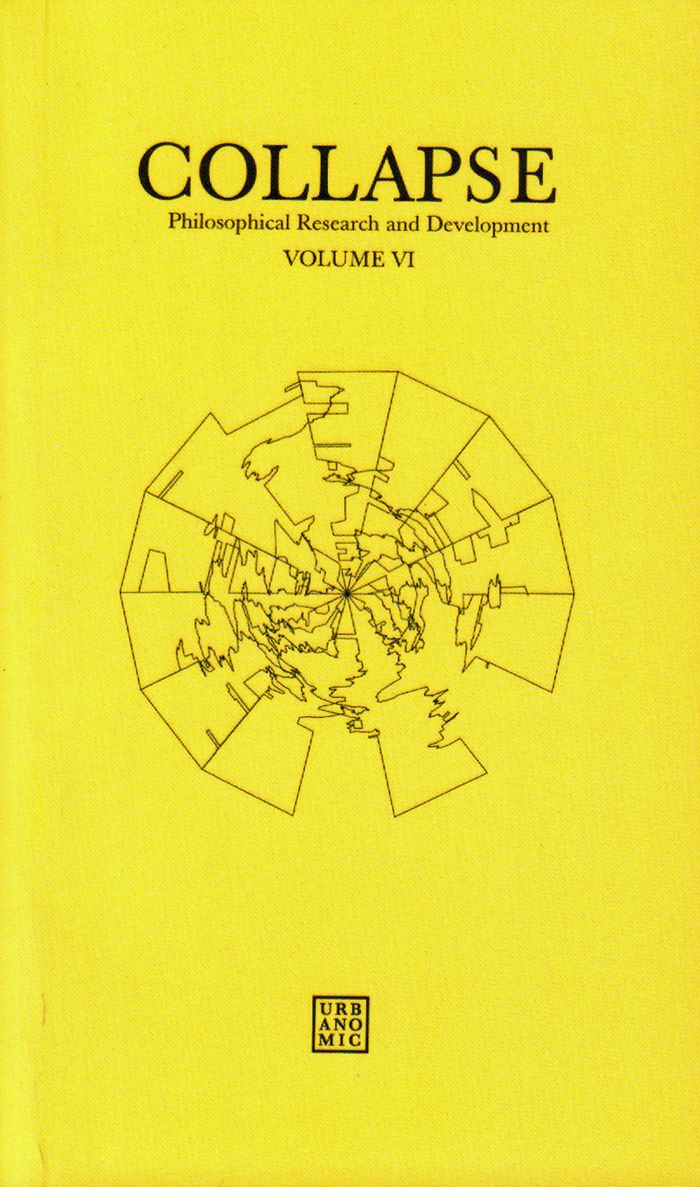
Collapse: philosophical research and development,: geo/philosophy, volume VI
Actions:
Prix:
$45.95
(disponible en magasin)
Résumé:
Is there an enduring bond between philosophical thought and the earth, or is philosophy’s task to escape the planetary horizon? And what is the connection between the empirical earth, the contingent material support of human thinking, and the abstract ‘world’ that is the condition for a ‘whole’ of thought? Real and imaginary geographies and cartographies have played a dual role in philosophy, serving both as governing metaphor and as ultimate grounding for philosophical thought; but urgent contemporary concerns introduce new problems for geophilosophy: planetary political, technological, military, and financial mutations have scrambled territorial formations, and scientific predictions now present us with the apocalyptic scenario of a planet without human thought. Collapse VI brings together philosophers, theorists, eco-critics, leading scientific experts in climate change, and artists whose work interrogates the link between philosophical thought, geography and cartography, in order to create a portrait of the present state of ‘planetary thought’.
Collapse: philosophical research and development,: geo/philosophy, volume VI
Actions:
Prix:
$45.95
(disponible en magasin)
Résumé:
Is there an enduring bond between philosophical thought and the earth, or is philosophy’s task to escape the planetary horizon? And what is the connection between the empirical earth, the contingent material support of human thinking, and the abstract ‘world’ that is the condition for a ‘whole’ of thought? Real and imaginary geographies and cartographies have played a dual role in philosophy, serving both as governing metaphor and as ultimate grounding for philosophical thought; but urgent contemporary concerns introduce new problems for geophilosophy: planetary political, technological, military, and financial mutations have scrambled territorial formations, and scientific predictions now present us with the apocalyptic scenario of a planet without human thought. Collapse VI brings together philosophers, theorists, eco-critics, leading scientific experts in climate change, and artists whose work interrogates the link between philosophical thought, geography and cartography, in order to create a portrait of the present state of ‘planetary thought’.
Classification:
livres
livres
Publication:
décembre 2012
décembre 2012
Classification:
livres
livres
Actions:
Prix:
$76.50
(disponible sur commande)
Résumé:
Ludwig Wittgenstein’s way to the Tractatus Logico-Philosophicus, one of the ground-breaking works in the history of philosophy, can rightly be termed an Odyssey. Both in terms of his movements and his intellectual development in the course of writing it, the Tractatus incorporated an exciting, improbable journey. A compendium of scholars has come together at the 100th(...)
$76.50
(disponible sur commande)
Résumé:
Ludwig Wittgenstein’s way to the Tractatus Logico-Philosophicus, one of the ground-breaking works in the history of philosophy, can rightly be termed an Odyssey. Both in terms of his movements and his intellectual development in the course of writing it, the Tractatus incorporated an exciting, improbable journey. A compendium of scholars has come together at the 100th(...)
Titre:
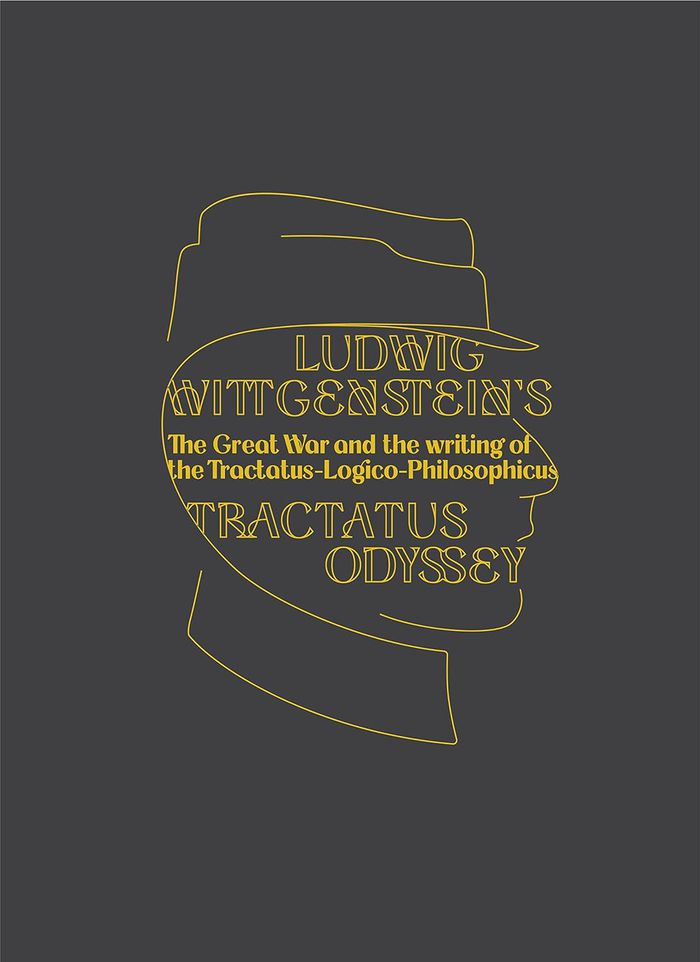
Ludwig Wittgenstein's Tractatus Odyssey
Actions:
Prix:
$76.50
(disponible sur commande)
Résumé:
Ludwig Wittgenstein’s way to the Tractatus Logico-Philosophicus, one of the ground-breaking works in the history of philosophy, can rightly be termed an Odyssey. Both in terms of his movements and his intellectual development in the course of writing it, the Tractatus incorporated an exciting, improbable journey. A compendium of scholars has come together at the 100th anniversary of the work’s first official publication in 1922 to detail the main stations in Wittgenstein’s life that would entirely transform philosophy. The years 1912 to 1922 are illuminated through photos, military maps, and letters against the backdrop of one of the most dramatic periods in world history. The complex theory of language developed by Wittgenstein In the Tractatus had an enormous influence not only on philosophy, but extended also to literature, music, film, painting, architecture, anthropology, and economics. Its uniqueness and rigor challenge our perceptions to this day.
Ludwig Wittgenstein's Tractatus Odyssey
Actions:
Prix:
$76.50
(disponible sur commande)
Résumé:
Ludwig Wittgenstein’s way to the Tractatus Logico-Philosophicus, one of the ground-breaking works in the history of philosophy, can rightly be termed an Odyssey. Both in terms of his movements and his intellectual development in the course of writing it, the Tractatus incorporated an exciting, improbable journey. A compendium of scholars has come together at the 100th anniversary of the work’s first official publication in 1922 to detail the main stations in Wittgenstein’s life that would entirely transform philosophy. The years 1912 to 1922 are illuminated through photos, military maps, and letters against the backdrop of one of the most dramatic periods in world history. The complex theory of language developed by Wittgenstein In the Tractatus had an enormous influence not only on philosophy, but extended also to literature, music, film, painting, architecture, anthropology, and economics. Its uniqueness and rigor challenge our perceptions to this day.
Classification:
livres
livres
Publication:
novembre 2021
novembre 2021
Sujet:
Théorie/ philosophie
Théorie/ philosophie
Classification:
livres
livres
Actions:
Prix:
$27.95
(disponible sur commande)
Résumé:
With the invention of telecommunications technologies in the late nineteenth century, the radio-electric spectrum became a tool for rethinking the world in which we live. The emission of radio waves did away with physical distances, crossing borders and cultures and acting as a powerful catalyst for trade. Moreover, the radio spectrum is the invisible infrastructure on(...)
$27.95
(disponible sur commande)
Résumé:
With the invention of telecommunications technologies in the late nineteenth century, the radio-electric spectrum became a tool for rethinking the world in which we live. The emission of radio waves did away with physical distances, crossing borders and cultures and acting as a powerful catalyst for trade. Moreover, the radio spectrum is the invisible infrastructure on(...)
Titre:
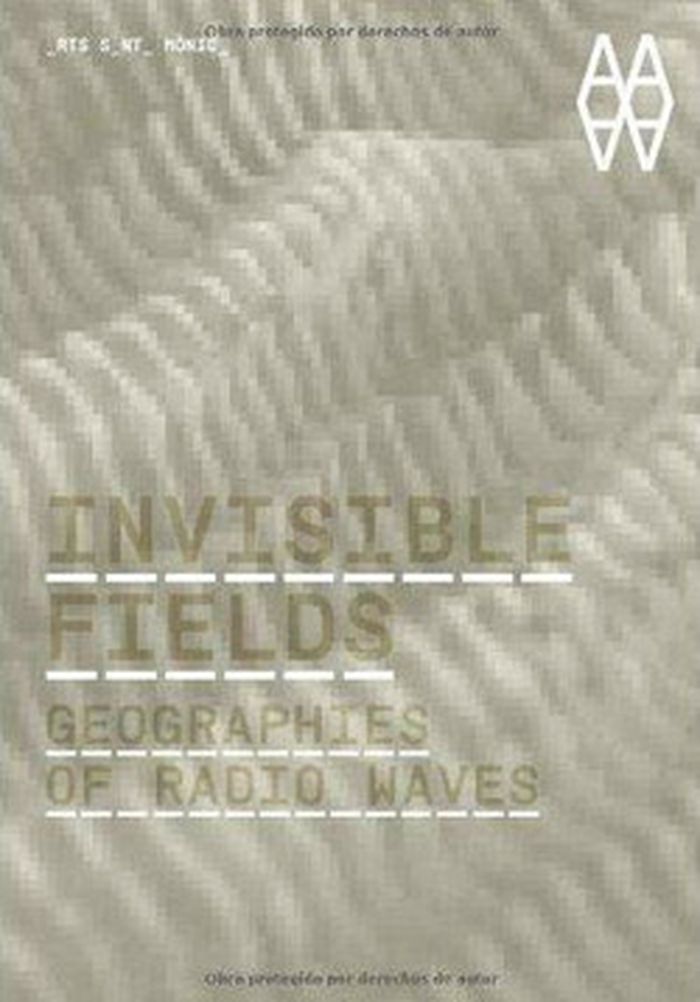
Invisible fields: geographies of radio waves
Actions:
Prix:
$27.95
(disponible sur commande)
Résumé:
With the invention of telecommunications technologies in the late nineteenth century, the radio-electric spectrum became a tool for rethinking the world in which we live. The emission of radio waves did away with physical distances, crossing borders and cultures and acting as a powerful catalyst for trade. Moreover, the radio spectrum is the invisible infrastructure on which our information and communication technologies have been built. The history of its scientific discovery and how it was gradually colonized by the media, the military complex, and activists and hackers is one of the most fascinating stories of the twentieth century. The future uses of the radio-electric spectrum in the twenty-first century and its new potential are being decided now, with the end of analogue TV broadcasting worldwide marking the most important transformation of uses in the radio-electric space in decades. This catalog sets out to examine these issues and shed a little light on intriguing stories about radio-electric spectrum.
Invisible fields: geographies of radio waves
Actions:
Prix:
$27.95
(disponible sur commande)
Résumé:
With the invention of telecommunications technologies in the late nineteenth century, the radio-electric spectrum became a tool for rethinking the world in which we live. The emission of radio waves did away with physical distances, crossing borders and cultures and acting as a powerful catalyst for trade. Moreover, the radio spectrum is the invisible infrastructure on which our information and communication technologies have been built. The history of its scientific discovery and how it was gradually colonized by the media, the military complex, and activists and hackers is one of the most fascinating stories of the twentieth century. The future uses of the radio-electric spectrum in the twenty-first century and its new potential are being decided now, with the end of analogue TV broadcasting worldwide marking the most important transformation of uses in the radio-electric space in decades. This catalog sets out to examine these issues and shed a little light on intriguing stories about radio-electric spectrum.
Classification:
livres
livres
Publication:
mai 2012
mai 2012
Sujet:
Épistémologie et réseau
Épistémologie et réseau
Classification:
livres
livres

Actions:
Prix:
$65.95
(disponible sur commande)
Résumé:
The landscape and people of the American Midwest have captivated photographer Terry Evans (b. 1944) throughout her forty-year photographic career. Evans has a deep connection to her native region, which she has explored from a variety of visual and thematic perspectives. Heartland traces the evolution of Evans’s vision, beginning in the early 1970s with her social(...)
$65.95
(disponible sur commande)
Résumé:
The landscape and people of the American Midwest have captivated photographer Terry Evans (b. 1944) throughout her forty-year photographic career. Evans has a deep connection to her native region, which she has explored from a variety of visual and thematic perspectives. Heartland traces the evolution of Evans’s vision, beginning in the early 1970s with her social(...)
Sujet:
Monographies photo
Monographies photo
Publication:
octobre 2012
octobre 2012
Titre:
Heartland: the photographs of Terry Evans
Actions:
Prix:
$65.95
(disponible sur commande)
Résumé:
The landscape and people of the American Midwest have captivated photographer Terry Evans (b. 1944) throughout her forty-year photographic career. Evans has a deep connection to her native region, which she has explored from a variety of visual and thematic perspectives. Heartland traces the evolution of Evans’s vision, beginning in the early 1970s with her social documentary images of people in Kansas. She became a landscape photographer in 1978, focusing on the grasses, land, and skies of the prairie; this was followed by an aerial survey of the entire Great Plains, from Texas to Canada. She has also photographed Chicago from the air, an abandoned military site, small-town life in Kansas, and historical samples of prairie flora and fauna from Chicago’s Field Museum. More recently, she has documented the steel industry in the Midwest and oil and gas drilling in North Dakota. This illustrated book examines all of these works, which together reveal the enduring beauty of the prairie landscape.
Heartland: the photographs of Terry Evans
Actions:
Prix:
$65.95
(disponible sur commande)
Résumé:
The landscape and people of the American Midwest have captivated photographer Terry Evans (b. 1944) throughout her forty-year photographic career. Evans has a deep connection to her native region, which she has explored from a variety of visual and thematic perspectives. Heartland traces the evolution of Evans’s vision, beginning in the early 1970s with her social documentary images of people in Kansas. She became a landscape photographer in 1978, focusing on the grasses, land, and skies of the prairie; this was followed by an aerial survey of the entire Great Plains, from Texas to Canada. She has also photographed Chicago from the air, an abandoned military site, small-town life in Kansas, and historical samples of prairie flora and fauna from Chicago’s Field Museum. More recently, she has documented the steel industry in the Midwest and oil and gas drilling in North Dakota. This illustrated book examines all of these works, which together reveal the enduring beauty of the prairie landscape.
Classification:
livres
livres
Publication:
octobre 2012
octobre 2012
Sujet:
Monographies photo
Monographies photo
Classification:
livres
livres

Titre:
Cyberfeminism index
Cyberfeminism index
Actions:
Prix:
$62.00
(disponible sur commande)
Résumé:
When learning about internet history, we are taught to focus on engineering, the military-industrial complex and the grandfathers who created the architecture and protocol, but the internet is not only a network of cables, servers and computers. It is an environment that shapes and is shaped by its inhabitants and their use.The creation and use of this Index is a social(...)
$62.00
(disponible sur commande)
Résumé:
When learning about internet history, we are taught to focus on engineering, the military-industrial complex and the grandfathers who created the architecture and protocol, but the internet is not only a network of cables, servers and computers. It is an environment that shapes and is shaped by its inhabitants and their use.The creation and use of this Index is a social(...)
Titre:
Cyberfeminism index
Actions:
Prix:
$62.00
(disponible sur commande)
Résumé:
When learning about internet history, we are taught to focus on engineering, the military-industrial complex and the grandfathers who created the architecture and protocol, but the internet is not only a network of cables, servers and computers. It is an environment that shapes and is shaped by its inhabitants and their use.The creation and use of this Index is a social and political act. It takes the name cyberfeminism as an umbrella, complicates it and pushes it into plain sight. Edited by designer, professor and researcher Mindy Seu (who began the project during a fellowship at the Harvard Law School’s Berkman Klein Center for the Internet & Society, later presenting it at the New Museum), it includes more than 1,000 short entries of radical techno-critical activism in a variety of media, including excerpts from academic articles and scholarly texts; descriptions of hackerspaces, digital rights activist groups, bio-hacktivism; and depictions of feminist net art and new media art.
Cyberfeminism index
Actions:
Prix:
$62.00
(disponible sur commande)
Résumé:
When learning about internet history, we are taught to focus on engineering, the military-industrial complex and the grandfathers who created the architecture and protocol, but the internet is not only a network of cables, servers and computers. It is an environment that shapes and is shaped by its inhabitants and their use.The creation and use of this Index is a social and political act. It takes the name cyberfeminism as an umbrella, complicates it and pushes it into plain sight. Edited by designer, professor and researcher Mindy Seu (who began the project during a fellowship at the Harvard Law School’s Berkman Klein Center for the Internet & Society, later presenting it at the New Museum), it includes more than 1,000 short entries of radical techno-critical activism in a variety of media, including excerpts from academic articles and scholarly texts; descriptions of hackerspaces, digital rights activist groups, bio-hacktivism; and depictions of feminist net art and new media art.
Classification:
livres
livres
Publication:
octobre 2022
octobre 2022
Classification:
livres
livres

Titre:
Shomei Tomatsu
Shomei Tomatsu
Actions:
Prix:
$92.50
(disponible sur commande)
Résumé:
Casting a cold eye on postwar Japan, the raw, grainy and impressionistic photography of Shomei Tomatsu practically defined Japanese photography in the second half of the 20th century, greatly influencing Daido Moriyama, Nobuyoshi Araki and Takuma Nakihara. His best-known images are his portraits of people and street scenes from the 1950s, when the country struggled to(...)
$92.50
(disponible sur commande)
Résumé:
Casting a cold eye on postwar Japan, the raw, grainy and impressionistic photography of Shomei Tomatsu practically defined Japanese photography in the second half of the 20th century, greatly influencing Daido Moriyama, Nobuyoshi Araki and Takuma Nakihara. His best-known images are his portraits of people and street scenes from the 1950s, when the country struggled to(...)
Titre:
Shomei Tomatsu
Actions:
Prix:
$92.50
(disponible sur commande)
Résumé:
Casting a cold eye on postwar Japan, the raw, grainy and impressionistic photography of Shomei Tomatsu practically defined Japanese photography in the second half of the 20th century, greatly influencing Daido Moriyama, Nobuyoshi Araki and Takuma Nakihara. His best-known images are his portraits of people and street scenes from the 1950s, when the country struggled to recover from World War II and US military presence was ubiquitous; his photographs of 1960s Japan; and throughout his career, his images of Okinawa, where he died in 2012. Tomatsu's most famous single photograph is probably Melted Bottle, Nagasaki, 1961, which depicts a beer bottle rendered grotesquely biomorphic by the nuclear blast that devastated Nagasaki on August 9, 1945. The American photographer and writer Leo Rubinfien described Tomatsu's Nagasaki images as "sad, haggard facts," noting that "beneath the surface there was a grief so great that any overt expression of sympathy would have been an insult."
Shomei Tomatsu
Actions:
Prix:
$92.50
(disponible sur commande)
Résumé:
Casting a cold eye on postwar Japan, the raw, grainy and impressionistic photography of Shomei Tomatsu practically defined Japanese photography in the second half of the 20th century, greatly influencing Daido Moriyama, Nobuyoshi Araki and Takuma Nakihara. His best-known images are his portraits of people and street scenes from the 1950s, when the country struggled to recover from World War II and US military presence was ubiquitous; his photographs of 1960s Japan; and throughout his career, his images of Okinawa, where he died in 2012. Tomatsu's most famous single photograph is probably Melted Bottle, Nagasaki, 1961, which depicts a beer bottle rendered grotesquely biomorphic by the nuclear blast that devastated Nagasaki on August 9, 1945. The American photographer and writer Leo Rubinfien described Tomatsu's Nagasaki images as "sad, haggard facts," noting that "beneath the surface there was a grief so great that any overt expression of sympathy would have been an insult."
Classification:
livres
livres
Publication:
septembre 2018
septembre 2018
Sujet:
Monographies photo
Monographies photo


