


2142 Résultats
Classification:
livres
livres
Actions:
Prix:
$74.95
(disponible sur commande)
Résumé:
Ce livre regroupe une sélection de bâtiments qui en région Grand Est ont obtenu le label « patrimoine du XXe siècle », devenu depuis le 7 juillet 2016 le label « architecture contemporaine remarquable ». Dus à des architectes de renom international (Renzo Piano, Jean Nouvel), à des maîtres d’œuvre plus modestes ou à des ingénieurs, les exemples proposés sont soit(...)
$74.95
(disponible sur commande)
Résumé:
Ce livre regroupe une sélection de bâtiments qui en région Grand Est ont obtenu le label « patrimoine du XXe siècle », devenu depuis le 7 juillet 2016 le label « architecture contemporaine remarquable ». Dus à des architectes de renom international (Renzo Piano, Jean Nouvel), à des maîtres d’œuvre plus modestes ou à des ingénieurs, les exemples proposés sont soit(...)
Sujet:
Architecture contemporaine
Architecture contemporaine
Publication:
mars 2018
mars 2018
Titre:
Architecture du XXe siècle, Grand Est
Actions:
Prix:
$74.95
(disponible sur commande)
Résumé:
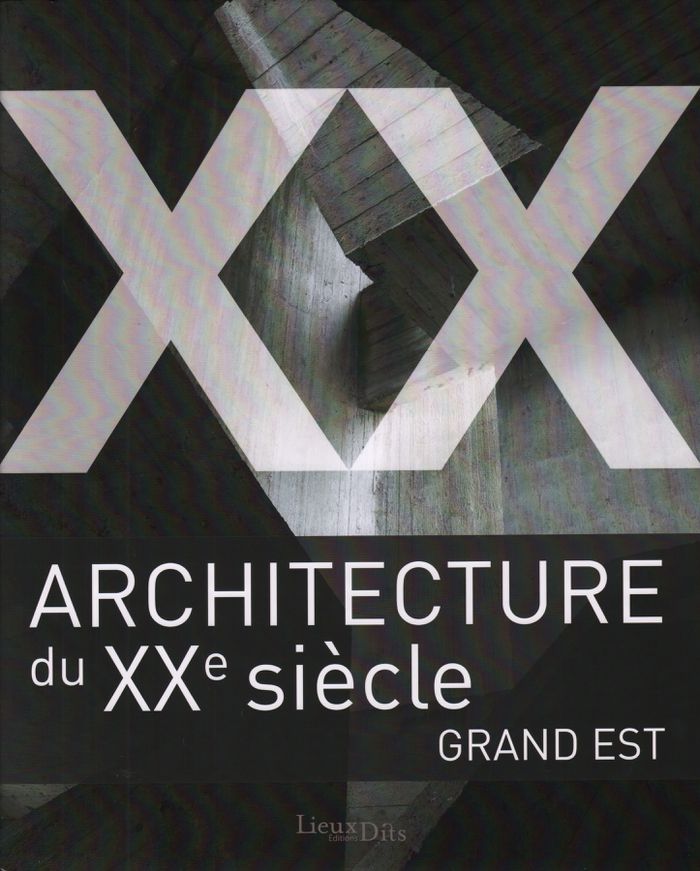
Ce livre regroupe une sélection de bâtiments qui en région Grand Est ont obtenu le label « patrimoine du XXe siècle », devenu depuis le 7 juillet 2016 le label « architecture contemporaine remarquable ». Dus à des architectes de renom international (Renzo Piano, Jean Nouvel), à des maîtres d’œuvre plus modestes ou à des ingénieurs, les exemples proposés sont soit exceptionnels dans leur programme (la Cour européenne des droits de l’homme à Strasbourg ou l’attraction « Anaconda » du parc Walygator, près de Metz) soit parfaitement représentatifs d’une typologie singulière à certains moments du siècle (comme la Reconstruction post-conflits, la construction de grands sièges sociaux d’entreprises dans les années 1970 ou les piscines Tournesol) et font appel à des matériaux et des techniques de mise en œuvre variés.
Architecture du XXe siècle, Grand Est
Actions:
Prix:
$74.95
(disponible sur commande)
Résumé:
Ce livre regroupe une sélection de bâtiments qui en région Grand Est ont obtenu le label « patrimoine du XXe siècle », devenu depuis le 7 juillet 2016 le label « architecture contemporaine remarquable ». Dus à des architectes de renom international (Renzo Piano, Jean Nouvel), à des maîtres d’œuvre plus modestes ou à des ingénieurs, les exemples proposés sont soit exceptionnels dans leur programme (la Cour européenne des droits de l’homme à Strasbourg ou l’attraction « Anaconda » du parc Walygator, près de Metz) soit parfaitement représentatifs d’une typologie singulière à certains moments du siècle (comme la Reconstruction post-conflits, la construction de grands sièges sociaux d’entreprises dans les années 1970 ou les piscines Tournesol) et font appel à des matériaux et des techniques de mise en œuvre variés.
Classification:
livres
livres
Publication:
mars 2018
mars 2018
Sujet:
Architecture contemporaine
Architecture contemporaine
Classification:
livres
livres
Actions:
Prix:
$41.95
(disponible sur commande)
Résumé:
A l'interrogation — qu'est-ce que la philosophie ? — Giorgio Agamben répond dans ce livre, qui constitue en quelque sorte une somme de sa pensée, non pas directement, mais à travers cinq essais qui offrent chacun une sorte d'emblème : la Voix, le Dicible, l'Exigence, le Préambule, la Muse. Dans chacun de ces textes, et selon un geste qui définit sa méthode, enquête(...)
$41.95
(disponible sur commande)
Résumé:
A l'interrogation — qu'est-ce que la philosophie ? — Giorgio Agamben répond dans ce livre, qui constitue en quelque sorte une somme de sa pensée, non pas directement, mais à travers cinq essais qui offrent chacun une sorte d'emblème : la Voix, le Dicible, l'Exigence, le Préambule, la Muse. Dans chacun de ces textes, et selon un geste qui définit sa méthode, enquête(...)
Titre:
Qu'est-ce que la philosophie ?
Actions:
Prix:
$41.95
(disponible sur commande)
Résumé:
A l'interrogation — qu'est-ce que la philosophie ? — Giorgio Agamben répond dans ce livre, qui constitue en quelque sorte une somme de sa pensée, non pas directement, mais à travers cinq essais qui offrent chacun une sorte d'emblème : la Voix, le Dicible, l'Exigence, le Préambule, la Muse. Dans chacun de ces textes, et selon un geste qui définit sa méthode, enquête archéologique et enquête théorique s'entrelacent de manière indissociable : à la patiente reconstruction de la façon dont a été inventé le concept de langue répond la tentative de reconduire la pensée en son lieu propre : la voix ; à une interprétation inédite de l'idée platonicienne correspond une considération lucide du rapport entre science et philosophie et de la crise décisive qu'elles traversent l'une et l'autre à notre époque.
Qu'est-ce que la philosophie ?
Actions:
Prix:
$41.95
(disponible sur commande)
Résumé:
A l'interrogation — qu'est-ce que la philosophie ? — Giorgio Agamben répond dans ce livre, qui constitue en quelque sorte une somme de sa pensée, non pas directement, mais à travers cinq essais qui offrent chacun une sorte d'emblème : la Voix, le Dicible, l'Exigence, le Préambule, la Muse. Dans chacun de ces textes, et selon un geste qui définit sa méthode, enquête archéologique et enquête théorique s'entrelacent de manière indissociable : à la patiente reconstruction de la façon dont a été inventé le concept de langue répond la tentative de reconduire la pensée en son lieu propre : la voix ; à une interprétation inédite de l'idée platonicienne correspond une considération lucide du rapport entre science et philosophie et de la crise décisive qu'elles traversent l'une et l'autre à notre époque.
Classification:
livres
livres
Publication:
octobre 2018
octobre 2018
Sujet:
Théorie/ philosophie
Théorie/ philosophie
Classification:
livres
livres
Actions:
Prix:
$89.95
(disponible sur commande)
Résumé:
D’abord grand reporter, Raymond Depardon s’est affirmé, au cours de ces décennies, par ses livres, ses expositions et ses films, comme un artiste majeur. Depuis 1961 et jusqu’en 2013, il a photographié régulièrement Berlin. Dans ce livre, il fait revivre la construction du Mur, les visites de Robert Kennedy et de la reine Elisabeth, le congrès Tunix des intellectuels(...)
$89.95
(disponible sur commande)
Résumé:
D’abord grand reporter, Raymond Depardon s’est affirmé, au cours de ces décennies, par ses livres, ses expositions et ses films, comme un artiste majeur. Depuis 1961 et jusqu’en 2013, il a photographié régulièrement Berlin. Dans ce livre, il fait revivre la construction du Mur, les visites de Robert Kennedy et de la reine Elisabeth, le congrès Tunix des intellectuels(...)
Titre:
Berlin: fragments d'une histoire allemande
Actions:
Prix:
$89.95
(disponible sur commande)
Résumé:
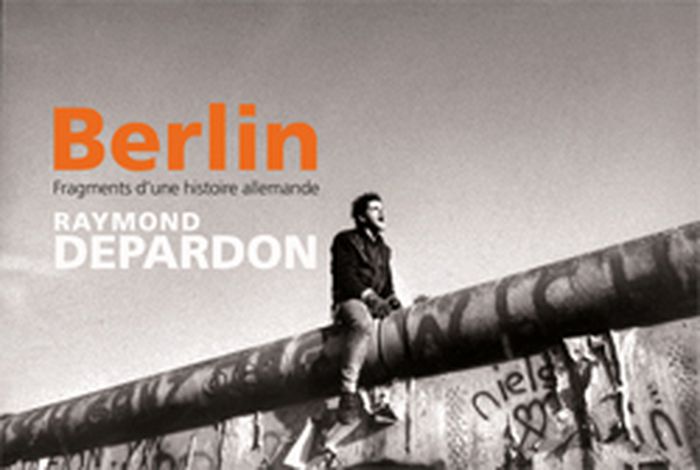
D’abord grand reporter, Raymond Depardon s’est affirmé, au cours de ces décennies, par ses livres, ses expositions et ses films, comme un artiste majeur. Depuis 1961 et jusqu’en 2013, il a photographié régulièrement Berlin. Dans ce livre, il fait revivre la construction du Mur, les visites de Robert Kennedy et de la reine Elisabeth, le congrès Tunix des intellectuels européens qui marque le début des mouvements alternatifs, la chute du Mur, la ville en friche puis la reconstruction des deux côtés d’une frontière abolie mais jamais complètement effacée, et enfin le Berlin d’aujourd’hui. Moments forts de l’Histoire ou du quotidien des Berlinois, tout est saisi par un regard très personnel qui s’attache d’abord aux hommes et femmes, célèbres ou anonymes.
Berlin: fragments d'une histoire allemande
Actions:
Prix:
$89.95
(disponible sur commande)
Résumé:
D’abord grand reporter, Raymond Depardon s’est affirmé, au cours de ces décennies, par ses livres, ses expositions et ses films, comme un artiste majeur. Depuis 1961 et jusqu’en 2013, il a photographié régulièrement Berlin. Dans ce livre, il fait revivre la construction du Mur, les visites de Robert Kennedy et de la reine Elisabeth, le congrès Tunix des intellectuels européens qui marque le début des mouvements alternatifs, la chute du Mur, la ville en friche puis la reconstruction des deux côtés d’une frontière abolie mais jamais complètement effacée, et enfin le Berlin d’aujourd’hui. Moments forts de l’Histoire ou du quotidien des Berlinois, tout est saisi par un regard très personnel qui s’attache d’abord aux hommes et femmes, célèbres ou anonymes.
Classification:
livres
livres
Publication:
décembre 2014
décembre 2014
Sujet:
Monographies photo
Monographies photo
Classification:
livres
livres
Actions:
Prix:
$130.00
(disponible sur commande)
Résumé:
In ''Paperwork and the Will of Capital'', Taryn Simon (born 1975)--one of the most original and challenging conceptual artists of our time--brings together geopolitics, horticultural science and the art of still life to investigate how the stagecraft of power is created, performed, marketed and maintained. At signings of political accords, contracts, treaties and decrees(...)
$130.00
(disponible sur commande)
Résumé:
In ''Paperwork and the Will of Capital'', Taryn Simon (born 1975)--one of the most original and challenging conceptual artists of our time--brings together geopolitics, horticultural science and the art of still life to investigate how the stagecraft of power is created, performed, marketed and maintained. At signings of political accords, contracts, treaties and decrees(...)
Titre:
Taryn Simon: paperwork and the will of capital
Actions:
Prix:
$130.00
(disponible sur commande)
Résumé:
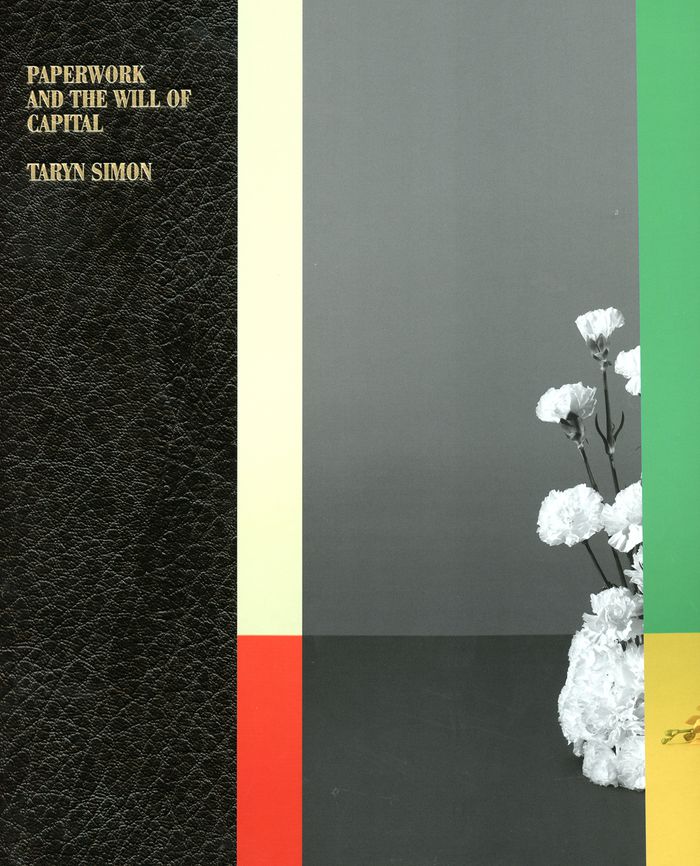
In ''Paperwork and the Will of Capital'', Taryn Simon (born 1975)--one of the most original and challenging conceptual artists of our time--brings together geopolitics, horticultural science and the art of still life to investigate how the stagecraft of power is created, performed, marketed and maintained. At signings of political accords, contracts, treaties and decrees determining some of the gravest issues of our time, powerful men flank floral centerpieces curated to convey the importance of the signatories and represented institutions. Simon reconstituted and photographed the flower arrangements from archival images of key events; she then dried and pressed the flowers as herbarium specimens. This sumptuous book, part nature study, part metaphor, bears witness to an elaborate and intriguing process of artistic deconstruction and reconstruction.
Taryn Simon: paperwork and the will of capital
Actions:
Prix:
$130.00
(disponible sur commande)
Résumé:
In ''Paperwork and the Will of Capital'', Taryn Simon (born 1975)--one of the most original and challenging conceptual artists of our time--brings together geopolitics, horticultural science and the art of still life to investigate how the stagecraft of power is created, performed, marketed and maintained. At signings of political accords, contracts, treaties and decrees determining some of the gravest issues of our time, powerful men flank floral centerpieces curated to convey the importance of the signatories and represented institutions. Simon reconstituted and photographed the flower arrangements from archival images of key events; she then dried and pressed the flowers as herbarium specimens. This sumptuous book, part nature study, part metaphor, bears witness to an elaborate and intriguing process of artistic deconstruction and reconstruction.
Classification:
livres
livres
Publication:
août 2016
août 2016
Classification:
livres
livres
Actions:
Prix:
$154.00
(disponible sur commande)
Résumé:
Presentations and analyses of Kahn's essential realized buildings are the focal point of this book, from the early work, which has gained recognition only in recent years, to the large-scale projects for the capital buildings of Bangladesh in Dhaka and the (...)
$154.00
(disponible sur commande)
Résumé:
Presentations and analyses of Kahn's essential realized buildings are the focal point of this book, from the early work, which has gained recognition only in recent years, to the large-scale projects for the capital buildings of Bangladesh in Dhaka and the (...)
Titre:
Louis I. Kahn : the idea of order
Actions:
Prix:
$154.00
(disponible sur commande)
Résumé:
Presentations and analyses of Kahn's essential realized buildings are the focal point of this book, from the early work, which has gained recognition only in recent years, to the large-scale projects for the capital buildings of Bangladesh in Dhaka and the Indian Institute of Management in Ahmedabad. The book's starting point is the reconstruction of the design process of the buildings according to their plans and elevations. Kahn's distinctive modernism, exemplified in projects such as the Richards Laboratories in Philadelphia, Pennsylvania, and the Kimbell Art Museum in Fort Worth, Texas, is traced to its most simple and basic geometric shapes and is developed in fascinating complexity. The drawings, made exclusively for this publication, are combined with previously unpublished photographs.
Louis I. Kahn : the idea of order
Actions:
Prix:
$154.00
(disponible sur commande)
Résumé:
Presentations and analyses of Kahn's essential realized buildings are the focal point of this book, from the early work, which has gained recognition only in recent years, to the large-scale projects for the capital buildings of Bangladesh in Dhaka and the Indian Institute of Management in Ahmedabad. The book's starting point is the reconstruction of the design process of the buildings according to their plans and elevations. Kahn's distinctive modernism, exemplified in projects such as the Richards Laboratories in Philadelphia, Pennsylvania, and the Kimbell Art Museum in Fort Worth, Texas, is traced to its most simple and basic geometric shapes and is developed in fascinating complexity. The drawings, made exclusively for this publication, are combined with previously unpublished photographs.
Classification:
livres
livres
Publication:
juin 1998, Basel
juin 1998, Basel
Sujet:
Architecture, monographies
Architecture, monographies
Classification:
livres
livres
Actions:
Prix:
$79.95
(disponible sur commande)
Résumé:
Presentations and analyses of Kahn's essential realized buildings are the focal point of this book, from the early work, which has gained recognition only in recent years, to the large-scale projects for the capital buildings of Bangladesh in Dhaka and the (...)
$79.95
(disponible sur commande)
Résumé:
Presentations and analyses of Kahn's essential realized buildings are the focal point of this book, from the early work, which has gained recognition only in recent years, to the large-scale projects for the capital buildings of Bangladesh in Dhaka and the (...)
Titre:
Louis I. Kahn : the idea of order
Actions:
Prix:
$79.95
(disponible sur commande)
Résumé:
Presentations and analyses of Kahn's essential realized buildings are the focal point of this book, from the early work, which has gained recognition only in recent years, to the large-scale projects for the capital buildings of Bangladesh in Dhaka and the Indian Institute of Management in Ahmedabad. The book's starting point is the reconstruction of the design process of the buildings according to their plans and elevations. Kahn's distinctive modernism, exemplified in projects such as the Richards Laboratories in Philadelphia, Pennsylvania, and the Kimbell Art Museum in Fort Worth, Texas, is traced to its most simple and basic geometric shapes and is developed in fascinating complexity. The drawings, made exclusively for this publication, are combined with previously unpublished photographs.
Louis I. Kahn : the idea of order
Actions:
Prix:
$79.95
(disponible sur commande)
Résumé:
Presentations and analyses of Kahn's essential realized buildings are the focal point of this book, from the early work, which has gained recognition only in recent years, to the large-scale projects for the capital buildings of Bangladesh in Dhaka and the Indian Institute of Management in Ahmedabad. The book's starting point is the reconstruction of the design process of the buildings according to their plans and elevations. Kahn's distinctive modernism, exemplified in projects such as the Richards Laboratories in Philadelphia, Pennsylvania, and the Kimbell Art Museum in Fort Worth, Texas, is traced to its most simple and basic geometric shapes and is developed in fascinating complexity. The drawings, made exclusively for this publication, are combined with previously unpublished photographs.
Classification:
livres
livres
Publication:
mars 2001, Basel
mars 2001, Basel
Sujet:
Architecture, monographies
Architecture, monographies
Classification:
livres
livres
Titre:
Mégantic
Mégantic
Actions:
Prix:
$45.00
(disponible en magasin)
Résumé:
Mégantic est une parution qui inaugure la nouvelle série de livres photographiques publiés par VU, centre de diffusion et de production de la photographie. L'accident ferroviaire de Lac-Mégantic a incité le photographe montréalais Benoit Aquin à parcourir les lieux bordant le périmètre érigé aux pourtours du centre-ville, détruit par les multiples explosions de wagons(...)
$45.00
(disponible en magasin)
Résumé:
Mégantic est une parution qui inaugure la nouvelle série de livres photographiques publiés par VU, centre de diffusion et de production de la photographie. L'accident ferroviaire de Lac-Mégantic a incité le photographe montréalais Benoit Aquin à parcourir les lieux bordant le périmètre érigé aux pourtours du centre-ville, détruit par les multiples explosions de wagons(...)
Titre:
Mégantic
Actions:
Prix:
$45.00
(disponible en magasin)
Résumé:
Mégantic est une parution qui inaugure la nouvelle série de livres photographiques publiés par VU, centre de diffusion et de production de la photographie. L'accident ferroviaire de Lac-Mégantic a incité le photographe montréalais Benoit Aquin à parcourir les lieux bordant le périmètre érigé aux pourtours du centre-ville, détruit par les multiples explosions de wagons remplis de pétrole brut. Mégantic présente une série de photographies qui constatent des blessures et relatent des événements vécus depuis le déraillement survenu dans la nuit du 6 juillet 2013 - des premiers dommages matériels aux efforts de nettoyage et de reconstruction, des deuils innommables jusqu'aux soulèvements populaires. Aquin prête ses images à la mobilisation des citoyens aux prises avec une situation dont les résolutions apparaissent encore loin dans l'horizon.
Mégantic
Actions:
Prix:
$45.00
(disponible en magasin)
Résumé:
Mégantic est une parution qui inaugure la nouvelle série de livres photographiques publiés par VU, centre de diffusion et de production de la photographie. L'accident ferroviaire de Lac-Mégantic a incité le photographe montréalais Benoit Aquin à parcourir les lieux bordant le périmètre érigé aux pourtours du centre-ville, détruit par les multiples explosions de wagons remplis de pétrole brut. Mégantic présente une série de photographies qui constatent des blessures et relatent des événements vécus depuis le déraillement survenu dans la nuit du 6 juillet 2013 - des premiers dommages matériels aux efforts de nettoyage et de reconstruction, des deuils innommables jusqu'aux soulèvements populaires. Aquin prête ses images à la mobilisation des citoyens aux prises avec une situation dont les résolutions apparaissent encore loin dans l'horizon.
Classification:
livres
livres
Publication:
décembre 2015
décembre 2015
Sujet:
Monographies photo
Monographies photo
Classification:
livres
livres
Titre:
Beyrouth dans ses ruines
Beyrouth dans ses ruines
Actions:
Prix:
$46.95
(disponible en magasin)
Résumé:
Comment, au-delà du symbole, les ruines deviennent un enjeu artistique. Depuis le début des années 1990 (fin de la guerre civile), Beyrouth connaît de profondes transformations. Instabilité politique, conflits armés, entreprises de reconstruction et spéculation foncière font de la ville un territoire en mutation permanente. Après avoir abordé la notion de patrimoine au(...)
$46.95
(disponible en magasin)
Résumé:
Comment, au-delà du symbole, les ruines deviennent un enjeu artistique. Depuis le début des années 1990 (fin de la guerre civile), Beyrouth connaît de profondes transformations. Instabilité politique, conflits armés, entreprises de reconstruction et spéculation foncière font de la ville un territoire en mutation permanente. Après avoir abordé la notion de patrimoine au(...)
Titre:
Beyrouth dans ses ruines
Actions:
Prix:
$46.95
(disponible en magasin)
Résumé:
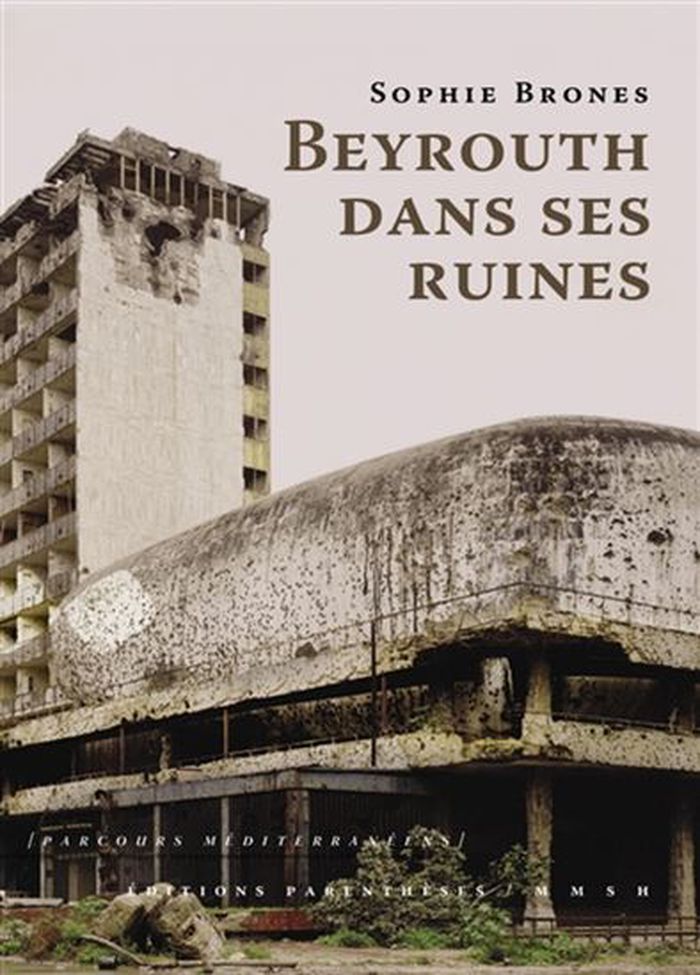
Comment, au-delà du symbole, les ruines deviennent un enjeu artistique. Depuis le début des années 1990 (fin de la guerre civile), Beyrouth connaît de profondes transformations. Instabilité politique, conflits armés, entreprises de reconstruction et spéculation foncière font de la ville un territoire en mutation permanente. Après avoir abordé la notion de patrimoine au Liban depuis 1840, l’autrice a identifié les formes d’une poétique des ruines – photographique, notamment - dont l’ambiguïté réside dans sa capacité à élever au rang de catégorie esthétique les traces d’une violence destructrice. Urbanistes, architectes, défenseurs du patrimoine, anciens propriétaires ou usagers de ces quartiers expriment attachement ou désaffection, faisant émerger des conceptions ordinaires ou savantes des objets urbains familiers comme des lieux symboliques de la ville.
Beyrouth dans ses ruines
Actions:
Prix:
$46.95
(disponible en magasin)
Résumé:
Comment, au-delà du symbole, les ruines deviennent un enjeu artistique. Depuis le début des années 1990 (fin de la guerre civile), Beyrouth connaît de profondes transformations. Instabilité politique, conflits armés, entreprises de reconstruction et spéculation foncière font de la ville un territoire en mutation permanente. Après avoir abordé la notion de patrimoine au Liban depuis 1840, l’autrice a identifié les formes d’une poétique des ruines – photographique, notamment - dont l’ambiguïté réside dans sa capacité à élever au rang de catégorie esthétique les traces d’une violence destructrice. Urbanistes, architectes, défenseurs du patrimoine, anciens propriétaires ou usagers de ces quartiers expriment attachement ou désaffection, faisant émerger des conceptions ordinaires ou savantes des objets urbains familiers comme des lieux symboliques de la ville.
Classification:
livres
livres
Publication:
juin 2020
juin 2020
Classification:
livres
livres
Actions:
Prix:
$80.00
(disponible sur commande)
Résumé:
Architect Hugh Maaskant (1907-1977) played a major role in modern Dutch architecture. He designed revolutionary, complex, large-scale buildings with metropolitan allure, like the Groothandelsgebouw and the Euromast in Rotterdam and the Scheveningen Pier. In Maaskant: Architect of Progress architecture historian and Maaskant expert Michelle Provoost places Maaskant in an(...)
$80.00
(disponible sur commande)
Résumé:
Architect Hugh Maaskant (1907-1977) played a major role in modern Dutch architecture. He designed revolutionary, complex, large-scale buildings with metropolitan allure, like the Groothandelsgebouw and the Euromast in Rotterdam and the Scheveningen Pier. In Maaskant: Architect of Progress architecture historian and Maaskant expert Michelle Provoost places Maaskant in an(...)
Titre:
Hugh Maaskant: architect of progress
Actions:
Prix:
$80.00
(disponible sur commande)
Résumé:
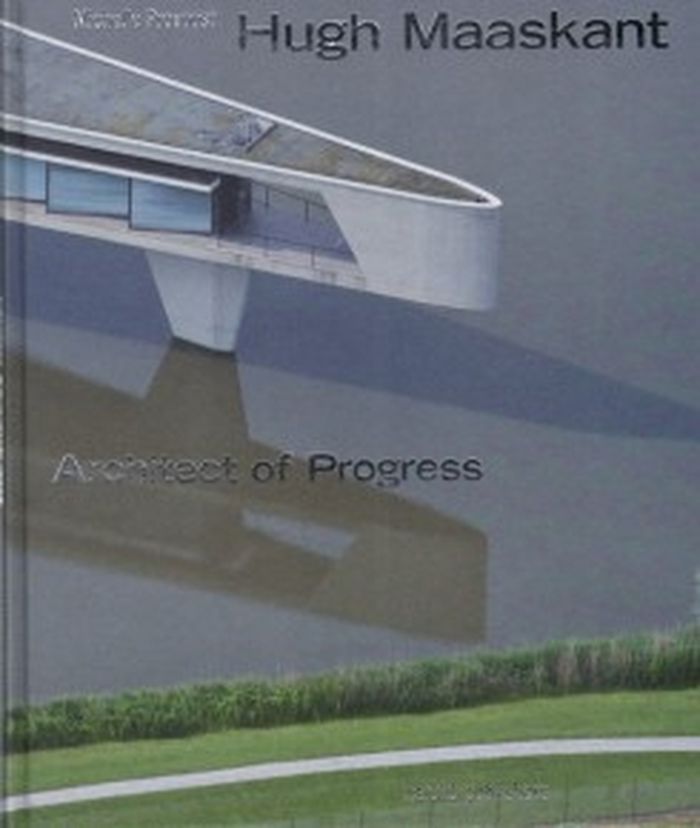
Architect Hugh Maaskant (1907-1977) played a major role in modern Dutch architecture. He designed revolutionary, complex, large-scale buildings with metropolitan allure, like the Groothandelsgebouw and the Euromast in Rotterdam and the Scheveningen Pier. In Maaskant: Architect of Progress architecture historian and Maaskant expert Michelle Provoost places Maaskant in an international and historical perspective. Hugh Maaskant is considered the godfather and forerunner of the generation of Winy Maas (MVRDV), Adriaan Geuze (West 8), Willem Jan Neutelings and Rem Koolhaas. Yet he was underappreciated for many years. Provoost describes Maaskant’s work as part of the optimistic, stimulating aspect of post-war reconstruction and the exciting world of the 1960s. She also places him in the context of Dutch architecture, both of his time and of later generations, particularly the ‘Super Dutch’.
Hugh Maaskant: architect of progress
Actions:
Prix:
$80.00
(disponible sur commande)
Résumé:
Architect Hugh Maaskant (1907-1977) played a major role in modern Dutch architecture. He designed revolutionary, complex, large-scale buildings with metropolitan allure, like the Groothandelsgebouw and the Euromast in Rotterdam and the Scheveningen Pier. In Maaskant: Architect of Progress architecture historian and Maaskant expert Michelle Provoost places Maaskant in an international and historical perspective. Hugh Maaskant is considered the godfather and forerunner of the generation of Winy Maas (MVRDV), Adriaan Geuze (West 8), Willem Jan Neutelings and Rem Koolhaas. Yet he was underappreciated for many years. Provoost describes Maaskant’s work as part of the optimistic, stimulating aspect of post-war reconstruction and the exciting world of the 1960s. She also places him in the context of Dutch architecture, both of his time and of later generations, particularly the ‘Super Dutch’.
Classification:
livres
livres
Publication:
septembre 2012
septembre 2012
Sujet:
Architecture, monographies
Architecture, monographies
Classification:
livres
livres
Prix:
$41.95
(disponible sur commande)
Résumé:
A l'occasion du bicentenaire de la naissance du duc d'Aumale, le catalogue de l'exposition présente sa collection de photographies et donne notamment à voir le château de Chantilly, dont il a hérité en 1830. Sans héritier direct depuis la mort de son dernier fils en 1872, le duc commande à Claudius Couton une couverture photographique de Chantilly, puis fait reconstruire(...)
$41.95
(disponible sur commande)
Résumé:
A l'occasion du bicentenaire de la naissance du duc d'Aumale, le catalogue de l'exposition présente sa collection de photographies et donne notamment à voir le château de Chantilly, dont il a hérité en 1830. Sans héritier direct depuis la mort de son dernier fils en 1872, le duc commande à Claudius Couton une couverture photographique de Chantilly, puis fait reconstruire(...)
Titre:
Le Duc d'Aumale et Chantilly : Photographies du XIXe siècle
Actions:
Prix:
$41.95
(disponible sur commande)
Résumé:
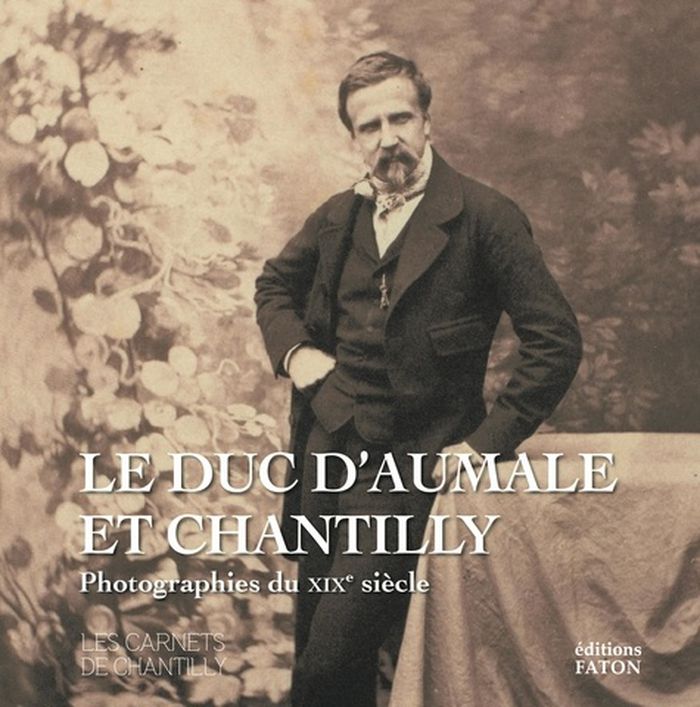
A l'occasion du bicentenaire de la naissance du duc d'Aumale, le catalogue de l'exposition présente sa collection de photographies et donne notamment à voir le château de Chantilly, dont il a hérité en 1830. Sans héritier direct depuis la mort de son dernier fils en 1872, le duc commande à Claudius Couton une couverture photographique de Chantilly, puis fait reconstruire à partir de 1875 par l'architecte Honoré Daumet le Grand Château mutilé depuis la Révolution. Après la reconstruction, il confie en 1885 à Alphonse Chalot, un enfant de Chantilly, les prises de vues du château, témoignage irremplaçable sur la genèse de son accrochage. Ayant installé ses collections dans le château, il lègue le musée Condé à l'Institut de France en 1884, avec interdiction de prêter ses collections et de modifier sa présentation.
Le Duc d'Aumale et Chantilly : Photographies du XIXe siècle
Actions:
Prix:
$41.95
(disponible sur commande)
Résumé:
A l'occasion du bicentenaire de la naissance du duc d'Aumale, le catalogue de l'exposition présente sa collection de photographies et donne notamment à voir le château de Chantilly, dont il a hérité en 1830. Sans héritier direct depuis la mort de son dernier fils en 1872, le duc commande à Claudius Couton une couverture photographique de Chantilly, puis fait reconstruire à partir de 1875 par l'architecte Honoré Daumet le Grand Château mutilé depuis la Révolution. Après la reconstruction, il confie en 1885 à Alphonse Chalot, un enfant de Chantilly, les prises de vues du château, témoignage irremplaçable sur la genèse de son accrochage. Ayant installé ses collections dans le château, il lègue le musée Condé à l'Institut de France en 1884, avec interdiction de prêter ses collections et de modifier sa présentation.
Classification:
livres
livres
Publication:
janvier 2023
janvier 2023
Sujet:
Photographie par région
Photographie par région


