


2048 Résultats
Classification:
livres
livres
Titre:
A culture of stone
A culture of stone
Actions:
Prix:
$27.95
(disponible sur commande)
Résumé:
A major contribution to both art history and Latin American studies, A Culture of Stone offers new insights into Inka culture and the interpretation of non-Western art. Carolyn Dean focuses on rock outcrops masterfully integrated into Inka architecture, exquisitely worked masonry, and freestanding sacred rocks, explaining how certain stones took on lives of their own and(...)
$27.95
(disponible sur commande)
Résumé:
A major contribution to both art history and Latin American studies, A Culture of Stone offers new insights into Inka culture and the interpretation of non-Western art. Carolyn Dean focuses on rock outcrops masterfully integrated into Inka architecture, exquisitely worked masonry, and freestanding sacred rocks, explaining how certain stones took on lives of their own and(...)
Publication:
novembre 2010
novembre 2010
Titre:
A culture of stone
Actions:
Prix:
$27.95
(disponible sur commande)
Résumé:
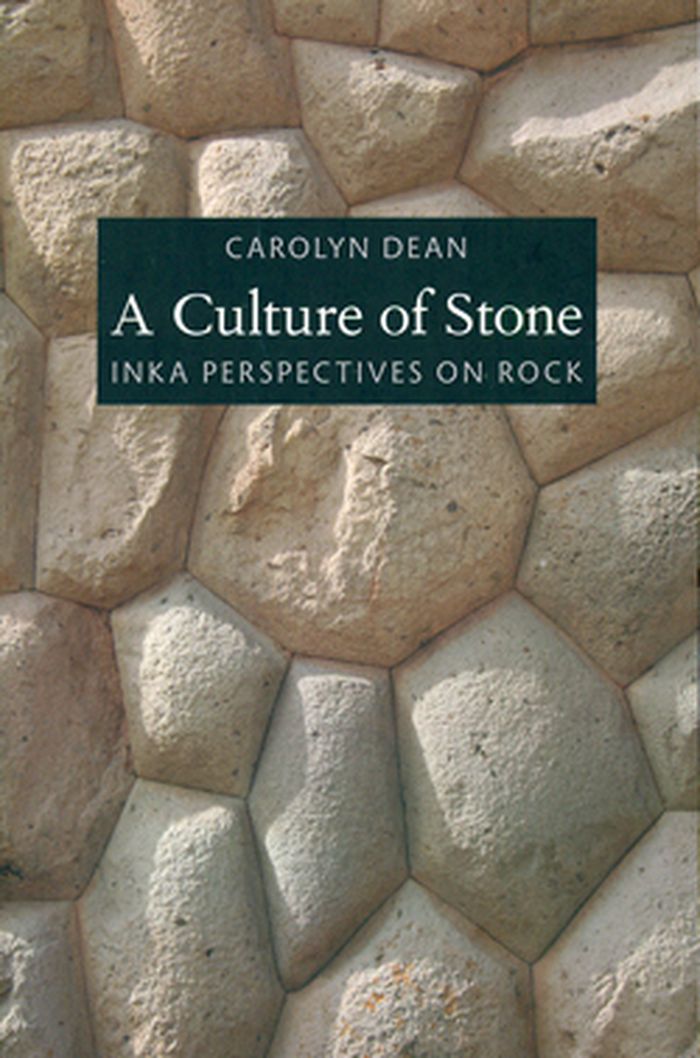
A major contribution to both art history and Latin American studies, A Culture of Stone offers new insights into Inka culture and the interpretation of non-Western art. Carolyn Dean focuses on rock outcrops masterfully integrated into Inka architecture, exquisitely worked masonry, and freestanding sacred rocks, explaining how certain stones took on lives of their own and played a vital role in the unfolding of Inka history. Examining the multiple uses of stone, she argues that the Inka understood building in stone as a way of ordering the chaos of unordered nature, converting untamed spaces into domesticated places, and laying claim to new territories. Dean contends that understanding what the rocks signified requires seeing them as the Inka saw them: as potentially animate, sentient, and sacred. Through careful analysis of Inka stonework, colonial-period accounts of the Inka, and contemporary ethnographic and folkloric studies of indigenous Andean culture, Dean reconstructs the relationships between stonework and other aspects of Inka life, including imperial expansion, worship, and agriculture. She also scrutinizes meanings imposed on Inka stone by the colonial Spanish and, later, by tourism and the tourist industry.
A culture of stone
Actions:
Prix:
$27.95
(disponible sur commande)
Résumé:
A major contribution to both art history and Latin American studies, A Culture of Stone offers new insights into Inka culture and the interpretation of non-Western art. Carolyn Dean focuses on rock outcrops masterfully integrated into Inka architecture, exquisitely worked masonry, and freestanding sacred rocks, explaining how certain stones took on lives of their own and played a vital role in the unfolding of Inka history. Examining the multiple uses of stone, she argues that the Inka understood building in stone as a way of ordering the chaos of unordered nature, converting untamed spaces into domesticated places, and laying claim to new territories. Dean contends that understanding what the rocks signified requires seeing them as the Inka saw them: as potentially animate, sentient, and sacred. Through careful analysis of Inka stonework, colonial-period accounts of the Inka, and contemporary ethnographic and folkloric studies of indigenous Andean culture, Dean reconstructs the relationships between stonework and other aspects of Inka life, including imperial expansion, worship, and agriculture. She also scrutinizes meanings imposed on Inka stone by the colonial Spanish and, later, by tourism and the tourist industry.
Classification:
livres
livres
Publication:
novembre 2010
novembre 2010
Classification:
livres
livres
Titre:
Chandigarh is in India
Chandigarh is in India
Actions:
Prix:
$84.00
(disponible sur commande)
Résumé:
Chandigarh is in India tells the stories of the city of Chandigarh through the works of Indian and Western artists. The Swiss-French architect Le Corbusier's weathered buildings have long circulated as the dominant image of Chandigarh. However, there is much else that is of importance behind and alongside his buildings.Seeking to present differing articulations by artists(...)
$84.00
(disponible sur commande)
Résumé:
Chandigarh is in India tells the stories of the city of Chandigarh through the works of Indian and Western artists. The Swiss-French architect Le Corbusier's weathered buildings have long circulated as the dominant image of Chandigarh. However, there is much else that is of importance behind and alongside his buildings.Seeking to present differing articulations by artists(...)
Titre:
Chandigarh is in India
Actions:
Prix:
$84.00
(disponible sur commande)
Résumé:
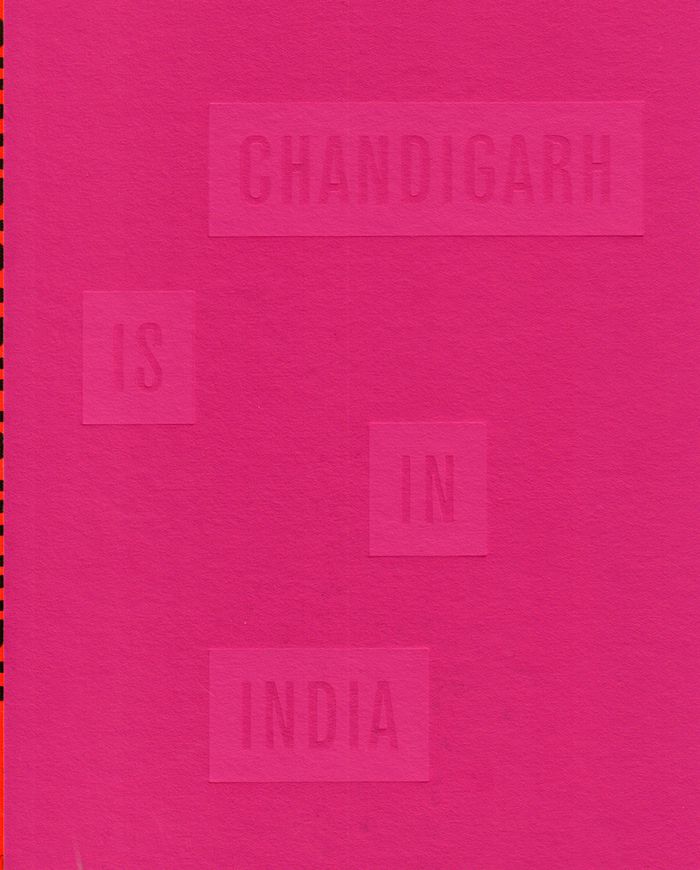
Chandigarh is in India tells the stories of the city of Chandigarh through the works of Indian and Western artists. The Swiss-French architect Le Corbusier's weathered buildings have long circulated as the dominant image of Chandigarh. However, there is much else that is of importance behind and alongside his buildings.Seeking to present differing articulations by artists about Chandigarh, the book consciously makes room for all the freely associative, fantastical and complex responses that make this city so beguiling. It explores how the architecture and the city itself have been used, adopted and adapted in the creative process. Featured artists include Cyprien Gaillard, Dominique Gonzalez-Foerster, Gavin Hipkins, Madan Mahatta, Manuel Bougot, Pradeep Dalal, Seher Shah, Shezad Dawood, Thukral and Tagra, and Yamini Nayar.
Chandigarh is in India
Actions:
Prix:
$84.00
(disponible sur commande)
Résumé:
Chandigarh is in India tells the stories of the city of Chandigarh through the works of Indian and Western artists. The Swiss-French architect Le Corbusier's weathered buildings have long circulated as the dominant image of Chandigarh. However, there is much else that is of importance behind and alongside his buildings.Seeking to present differing articulations by artists about Chandigarh, the book consciously makes room for all the freely associative, fantastical and complex responses that make this city so beguiling. It explores how the architecture and the city itself have been used, adopted and adapted in the creative process. Featured artists include Cyprien Gaillard, Dominique Gonzalez-Foerster, Gavin Hipkins, Madan Mahatta, Manuel Bougot, Pradeep Dalal, Seher Shah, Shezad Dawood, Thukral and Tagra, and Yamini Nayar.
Classification:
livres
livres
Publication:
avril 2016
avril 2016
Classification:
livres
livres
Titre:
The masons of Djenné
The masons of Djenné
Actions:
Prix:
$34.95
(disponible sur commande)
Résumé:
The town of Djenne on the Bani River in Mali has been a thriving settlement for more than two millennia. Renowned for its mud-brick architecture, monumental mosque, and merchant-traders' houses, Djenne remains one of Africa's most distinctive cities. Trevor Marchand signs on as a builder's apprentice and takes readers on his journey from raw labourer to skilled craftsman.(...)
$34.95
(disponible sur commande)
Résumé:
The town of Djenne on the Bani River in Mali has been a thriving settlement for more than two millennia. Renowned for its mud-brick architecture, monumental mosque, and merchant-traders' houses, Djenne remains one of Africa's most distinctive cities. Trevor Marchand signs on as a builder's apprentice and takes readers on his journey from raw labourer to skilled craftsman.(...)
Titre:
The masons of Djenné
Actions:
Prix:
$34.95
(disponible sur commande)
Résumé:
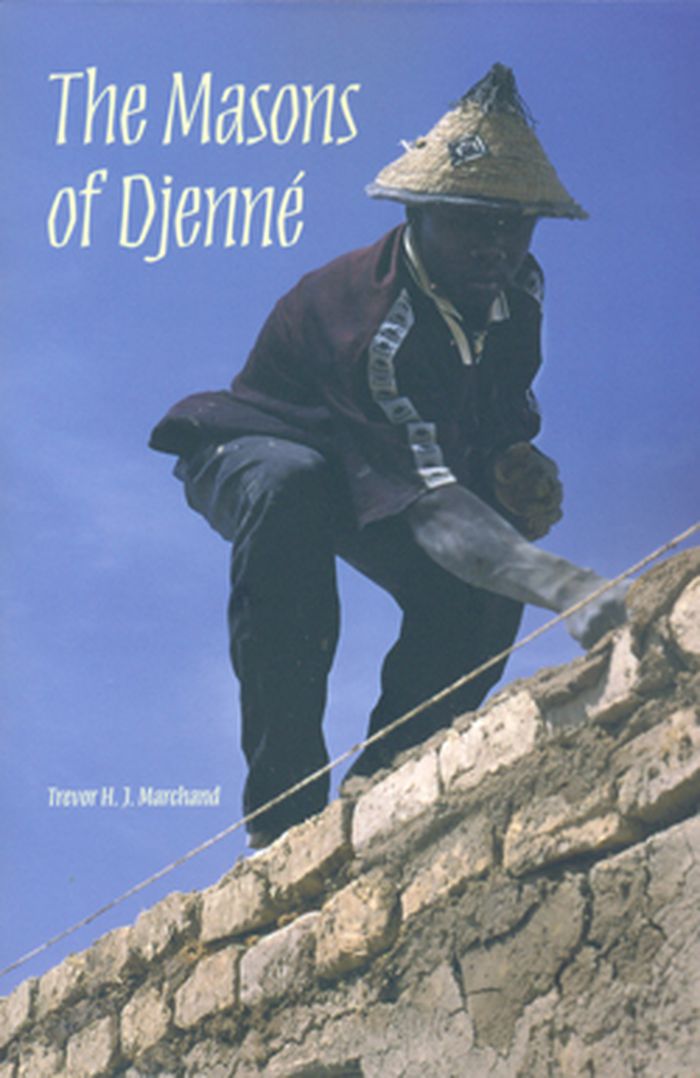
The town of Djenne on the Bani River in Mali has been a thriving settlement for more than two millennia. Renowned for its mud-brick architecture, monumental mosque, and merchant-traders' houses, Djenne remains one of Africa's most distinctive cities. Trevor Marchand signs on as a builder's apprentice and takes readers on his journey from raw labourer to skilled craftsman. He explores the professional associations of masons, their social networks, training regimes, and changing fortunes. With his fellow builders, he produces mud bricks and plasters, constructs walls and ceilings, and sculpts rooftop crenellations using specialized tools. Marchand describes the raising of a mud-brick house and explores the technical, social, and magical processes involved in making buildings and renewing the unique urban environment of Djenne.
The masons of Djenné
Actions:
Prix:
$34.95
(disponible sur commande)
Résumé:
The town of Djenne on the Bani River in Mali has been a thriving settlement for more than two millennia. Renowned for its mud-brick architecture, monumental mosque, and merchant-traders' houses, Djenne remains one of Africa's most distinctive cities. Trevor Marchand signs on as a builder's apprentice and takes readers on his journey from raw labourer to skilled craftsman. He explores the professional associations of masons, their social networks, training regimes, and changing fortunes. With his fellow builders, he produces mud bricks and plasters, constructs walls and ceilings, and sculpts rooftop crenellations using specialized tools. Marchand describes the raising of a mud-brick house and explores the technical, social, and magical processes involved in making buildings and renewing the unique urban environment of Djenne.
Classification:
livres
livres
Publication:
mai 2009
mai 2009
Classification:
livres
livres
Actions:
Prix:
$44.95
(disponible sur commande)
Résumé:
In this anthropological history, Mary E. Hancock examines the politics of public memory in the southern Indian city of Chennai. Once a colonial port, Chennai is now poised to become a centre for India's "new economy" of information technology, export processing, and back-office services. State and local governments promote tourism and a heritage-conscious cityscape to(...)
$44.95
(disponible sur commande)
Résumé:
In this anthropological history, Mary E. Hancock examines the politics of public memory in the southern Indian city of Chennai. Once a colonial port, Chennai is now poised to become a centre for India's "new economy" of information technology, export processing, and back-office services. State and local governments promote tourism and a heritage-conscious cityscape to(...)
Publication:
décembre 2008, Bloomington, Indianapolis
décembre 2008, Bloomington, Indianapolis
Titre:
The politics of heritage from Madras to Chennai
Actions:
Prix:
$44.95
(disponible sur commande)
Résumé:
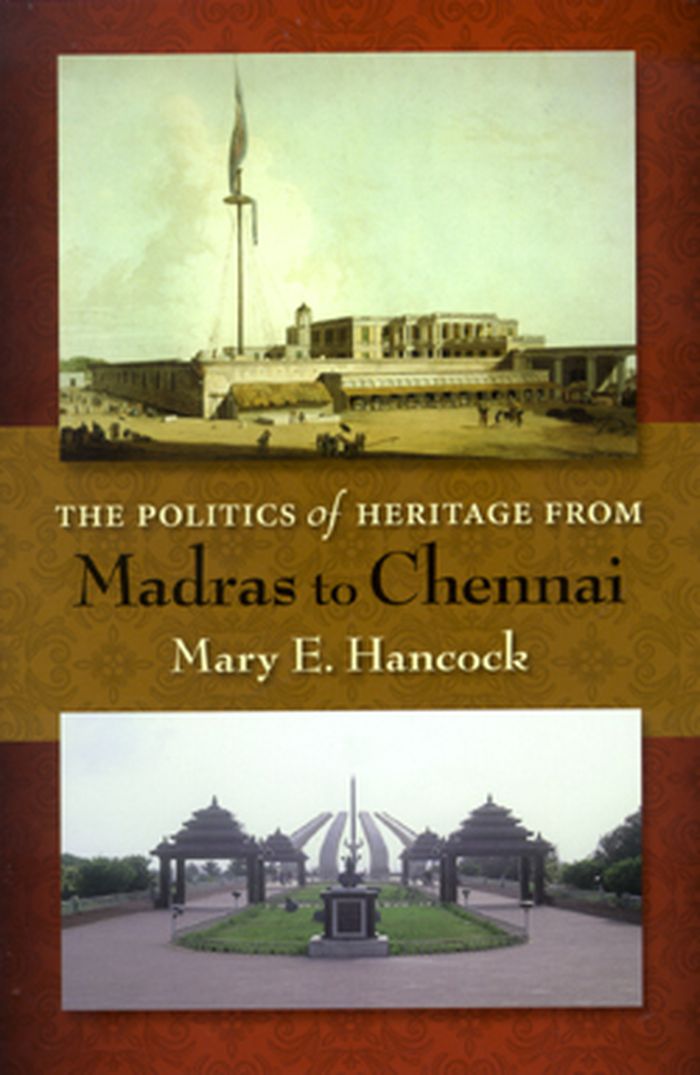
In this anthropological history, Mary E. Hancock examines the politics of public memory in the southern Indian city of Chennai. Once a colonial port, Chennai is now poised to become a centre for India's "new economy" of information technology, export processing, and back-office services. State and local governments promote tourism and a heritage-conscious cityscape to make Chennai a recognizable "brand" among investment and travel destinations. Using a range of textual, visual, architectural, and ethnographic sources, Hancock grapples with the question of how people in Chennai remember and represent their past, considering the political and economic contexts and implications of those memory practices. Working from specific sites, including a historic district created around an ancient Hindu temple, a living history museum, neo-traditional and vernacular architecture, and political memorials, Hancock examines the spatialization of memory under the conditions of neo-liberalism.
The politics of heritage from Madras to Chennai
Actions:
Prix:
$44.95
(disponible sur commande)
Résumé:
In this anthropological history, Mary E. Hancock examines the politics of public memory in the southern Indian city of Chennai. Once a colonial port, Chennai is now poised to become a centre for India's "new economy" of information technology, export processing, and back-office services. State and local governments promote tourism and a heritage-conscious cityscape to make Chennai a recognizable "brand" among investment and travel destinations. Using a range of textual, visual, architectural, and ethnographic sources, Hancock grapples with the question of how people in Chennai remember and represent their past, considering the political and economic contexts and implications of those memory practices. Working from specific sites, including a historic district created around an ancient Hindu temple, a living history museum, neo-traditional and vernacular architecture, and political memorials, Hancock examines the spatialization of memory under the conditions of neo-liberalism.
Classification:
livres
livres
Publication:
décembre 2008, Bloomington, Indianapolis
décembre 2008, Bloomington, Indianapolis
Classification:
livres
livres
Prix:
$72.00
(disponible sur commande)
Résumé:
Dès la conquête, les occupants ibériques, espagnols d'abord, portugais ensuite, ont développé une stratégie de création de villes dans les somptueux paysages latino-américains. Localisation, fondation, urbanisme, architecture et peuplement, rien ne fut laissé au hasard. Que ce soit dans les sites vierges ou sur les emplacements des anciennes cités précolombiennes,(...)
$72.00
(disponible sur commande)
Résumé:
Dès la conquête, les occupants ibériques, espagnols d'abord, portugais ensuite, ont développé une stratégie de création de villes dans les somptueux paysages latino-américains. Localisation, fondation, urbanisme, architecture et peuplement, rien ne fut laissé au hasard. Que ce soit dans les sites vierges ou sur les emplacements des anciennes cités précolombiennes,(...)
Publication:
janvier 1900, Bruxelles
janvier 1900, Bruxelles
Titre:
Cruauté & utopie : villes et paysages d'Amérique latine
Actions:
Prix:
$72.00
(disponible sur commande)
Résumé:
Dès la conquête, les occupants ibériques, espagnols d'abord, portugais ensuite, ont développé une stratégie de création de villes dans les somptueux paysages latino-américains. Localisation, fondation, urbanisme, architecture et peuplement, rien ne fut laissé au hasard. Que ce soit dans les sites vierges ou sur les emplacements des anciennes cités précolombiennes, règlements, lois et théories étaient à l'œuvre sous la férule des dirigeants pour assurer le pouvoir de Dieu et du Roi pour le bien des colons et des indigènes. Les échanges et influences réciproques entre l' « ancien » et le « nouveau » monde vont jusqu'à nos jours transformer utopies et réalités dans un fantastique laboratoire grandeur nature. La plus récente expérience en fut la modernité, courant international qui permit aux latino-américains, par son application locale, de s'inventer une identité contemporaine. Sous la direction de Jean-François Lejeune, des spécialistes américains et européens explorent cinq siècles de vies et de villes.
Cruauté & utopie : villes et paysages d'Amérique latine
Actions:
Prix:
$72.00
(disponible sur commande)
Résumé:
Dès la conquête, les occupants ibériques, espagnols d'abord, portugais ensuite, ont développé une stratégie de création de villes dans les somptueux paysages latino-américains. Localisation, fondation, urbanisme, architecture et peuplement, rien ne fut laissé au hasard. Que ce soit dans les sites vierges ou sur les emplacements des anciennes cités précolombiennes, règlements, lois et théories étaient à l'œuvre sous la férule des dirigeants pour assurer le pouvoir de Dieu et du Roi pour le bien des colons et des indigènes. Les échanges et influences réciproques entre l' « ancien » et le « nouveau » monde vont jusqu'à nos jours transformer utopies et réalités dans un fantastique laboratoire grandeur nature. La plus récente expérience en fut la modernité, courant international qui permit aux latino-américains, par son application locale, de s'inventer une identité contemporaine. Sous la direction de Jean-François Lejeune, des spécialistes américains et européens explorent cinq siècles de vies et de villes.
Classification:
livres
livres
Publication:
janvier 1900, Bruxelles
janvier 1900, Bruxelles
Classification:
livres
livres
Actions:
Prix:
$44.50
(disponible sur commande)
Résumé:
"Chandigarh rethink" captures the rich, ongoing discourse on radically transforming urbanities within the Global South with specific reference to India's social, historical, economic and cultural repositioning. It examines urban edge 'figures' and their rural 'grounds', relevant not just to Chandigarh, but also to cities in general, while suggesting narrative strategies(...)
$44.50
(disponible sur commande)
Résumé:
"Chandigarh rethink" captures the rich, ongoing discourse on radically transforming urbanities within the Global South with specific reference to India's social, historical, economic and cultural repositioning. It examines urban edge 'figures' and their rural 'grounds', relevant not just to Chandigarh, but also to cities in general, while suggesting narrative strategies(...)
Titre:
Chandigarh rethink: transforming ruralities & edeg(ness) in global urbanities
Actions:
Prix:
$44.50
(disponible sur commande)
Résumé:
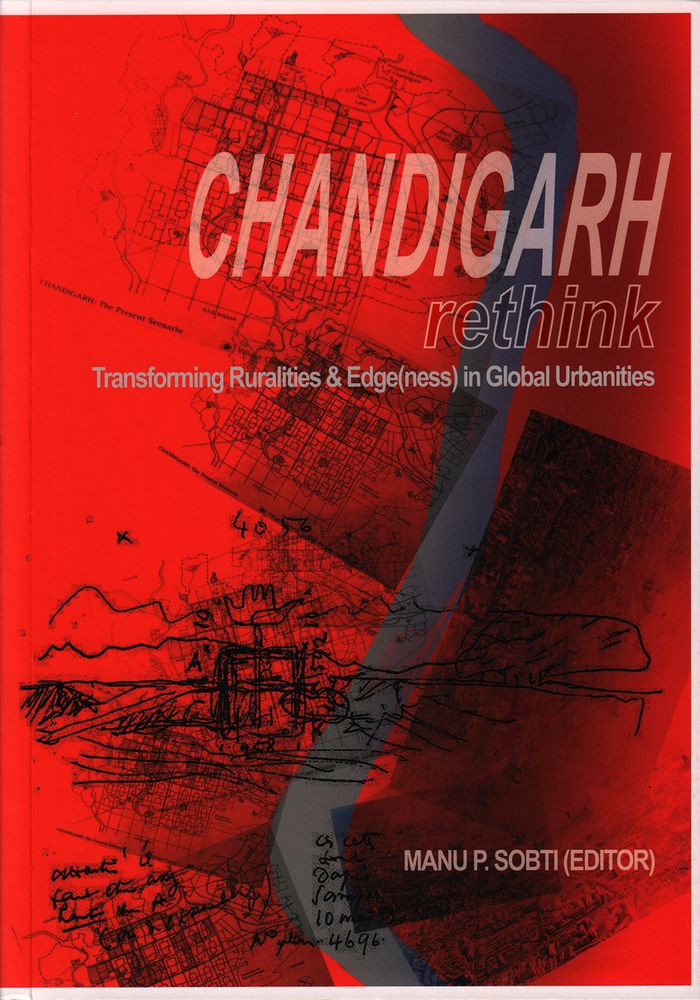
"Chandigarh rethink" captures the rich, ongoing discourse on radically transforming urbanities within the Global South with specific reference to India's social, historical, economic and cultural repositioning. It examines urban edge 'figures' and their rural 'grounds', relevant not just to Chandigarh, but also to cities in general, while suggesting narrative strategies via provocative design studio design work. These introspections are framed within themed contributions from a globally recognized group of scholars who represent the diverse disciplines of architecture, planning, urban design, landscape ecologies and the humanities. As a topical publication on global urbanities transforming a 'signature' urban project, "Chandigarh rethink" anticipates the Buildings-Landscapes-Cultures (blc) program and SARUP's efforts to uniquely aligning urban research, pedagogy and critical design practice towards examining global urbanities that continue to defy normative urban analysis. Beyond serving as an exemplar for globally aware architectural schools nationwide and beyond, it is also directed to serve as an instructive primer for design students and instructors examining global urban sites.
Chandigarh rethink: transforming ruralities & edeg(ness) in global urbanities
Actions:
Prix:
$44.50
(disponible sur commande)
Résumé:
"Chandigarh rethink" captures the rich, ongoing discourse on radically transforming urbanities within the Global South with specific reference to India's social, historical, economic and cultural repositioning. It examines urban edge 'figures' and their rural 'grounds', relevant not just to Chandigarh, but also to cities in general, while suggesting narrative strategies via provocative design studio design work. These introspections are framed within themed contributions from a globally recognized group of scholars who represent the diverse disciplines of architecture, planning, urban design, landscape ecologies and the humanities. As a topical publication on global urbanities transforming a 'signature' urban project, "Chandigarh rethink" anticipates the Buildings-Landscapes-Cultures (blc) program and SARUP's efforts to uniquely aligning urban research, pedagogy and critical design practice towards examining global urbanities that continue to defy normative urban analysis. Beyond serving as an exemplar for globally aware architectural schools nationwide and beyond, it is also directed to serve as an instructive primer for design students and instructors examining global urban sites.
Classification:
livres
livres
Publication:
juin 2017
juin 2017
Classification:
livres
livres
Prix:
$130.00
(disponible sur commande)
Résumé:
Designated by King George V to replace Calcutta as capital of British India, New Delhi was constructed between 1912 and 1929 under the eye of architect Sir Edward Lutyens who sought to bring to this British colony a sense of classicism, order, and institutional beauty. With more than 300 colour and black and white illustrations, plans and photographs, this book presents(...)
$130.00
(disponible sur commande)
Résumé:
Designated by King George V to replace Calcutta as capital of British India, New Delhi was constructed between 1912 and 1929 under the eye of architect Sir Edward Lutyens who sought to bring to this British colony a sense of classicism, order, and institutional beauty. With more than 300 colour and black and white illustrations, plans and photographs, this book presents(...)
Publication:
octobre 2002, Munich
octobre 2002, Munich
Titre:
Imperial Delhi : the British capital of the Indian Empire
Actions:
Prix:
$130.00
(disponible sur commande)
Résumé:
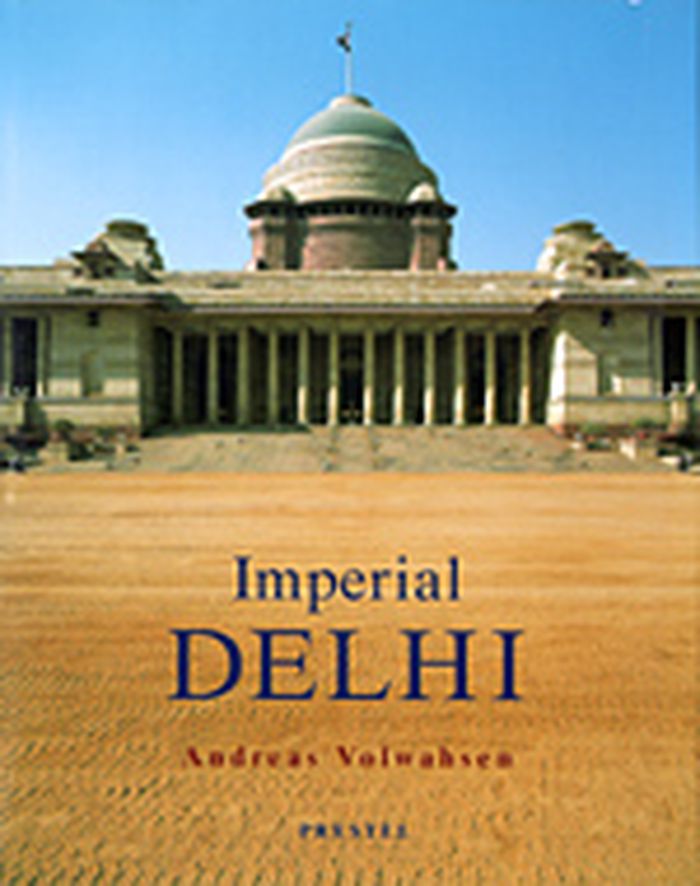
Designated by King George V to replace Calcutta as capital of British India, New Delhi was constructed between 1912 and 1929 under the eye of architect Sir Edward Lutyens who sought to bring to this British colony a sense of classicism, order, and institutional beauty. With more than 300 colour and black and white illustrations, plans and photographs, this book presents the most comprehensive examination to date of how this city was envisioned, planned, and constructed. From the massive war memorial arch and resplendent sandstone and marble government house to the spacious gardens and the gloriously imposing Viceroy's House, the evidence of Lutyen’s architectural genius is everywhere throughout New Delhi. As architectural historian Andreas Volwahsen discusses the importance of Lutyen’s work he provides a fascinating account of the making of a city: the contentious debates and cultural considerations, the inspiration and the painstaking construction, and finally the ways in which New Delhi has evolved into a modern city. With the growing interest in the preservation of historic sights worldwide, this magnificently detailed yet highly accessible history is certain to become a classic in the fields of architecture and urban design.
Imperial Delhi : the British capital of the Indian Empire
Actions:
Prix:
$130.00
(disponible sur commande)
Résumé:
Designated by King George V to replace Calcutta as capital of British India, New Delhi was constructed between 1912 and 1929 under the eye of architect Sir Edward Lutyens who sought to bring to this British colony a sense of classicism, order, and institutional beauty. With more than 300 colour and black and white illustrations, plans and photographs, this book presents the most comprehensive examination to date of how this city was envisioned, planned, and constructed. From the massive war memorial arch and resplendent sandstone and marble government house to the spacious gardens and the gloriously imposing Viceroy's House, the evidence of Lutyen’s architectural genius is everywhere throughout New Delhi. As architectural historian Andreas Volwahsen discusses the importance of Lutyen’s work he provides a fascinating account of the making of a city: the contentious debates and cultural considerations, the inspiration and the painstaking construction, and finally the ways in which New Delhi has evolved into a modern city. With the growing interest in the preservation of historic sights worldwide, this magnificently detailed yet highly accessible history is certain to become a classic in the fields of architecture and urban design.
Classification:
livres
livres
Publication:
octobre 2002, Munich
octobre 2002, Munich
Classification:
livres
livres
Titre:
La case obus
La case obus
Actions:
Prix:
$54.95
(disponible sur commande)
Résumé:
La case obus est cette forme architecturale si singulière qu’elle avait marqué André Gide et Marc Allégret lors de leur séjour en Afrique (Carnets du Congo, 1927). Notées par tous les voyageurs et missionnaires comme formes inédites, ces architectures ont été attestées dans le Nord Cameroun et au Tchad, régions des Musgums, peuple de pêcheurs et d’éleveurs de poneys,(...)
$54.95
(disponible sur commande)
Résumé:
La case obus est cette forme architecturale si singulière qu’elle avait marqué André Gide et Marc Allégret lors de leur séjour en Afrique (Carnets du Congo, 1927). Notées par tous les voyageurs et missionnaires comme formes inédites, ces architectures ont été attestées dans le Nord Cameroun et au Tchad, régions des Musgums, peuple de pêcheurs et d’éleveurs de poneys,(...)
Publication:
mars 2004, Marseille
mars 2004, Marseille
Titre:
La case obus
Actions:
Prix:
$54.95
(disponible sur commande)
Résumé:
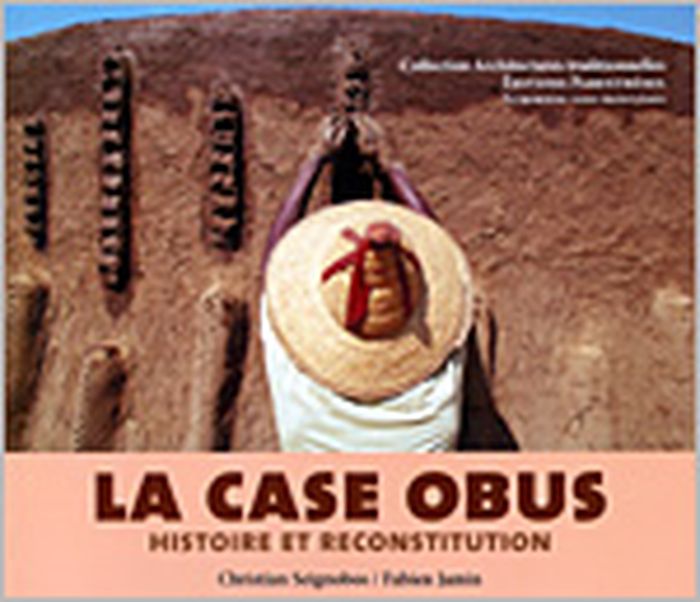
La case obus est cette forme architecturale si singulière qu’elle avait marqué André Gide et Marc Allégret lors de leur séjour en Afrique (Carnets du Congo, 1927). Notées par tous les voyageurs et missionnaires comme formes inédites, ces architectures ont été attestées dans le Nord Cameroun et au Tchad, régions des Musgums, peuple de pêcheurs et d’éleveurs de poneys, avant de disparaître.Véritable curiosité coloniale, elles ont suscité de nombreuses descriptions imagées : « poterie cuite par le soleil ardent », « pains de sucre », « coquille d’œuf » ; mais le terme « case obus » s’est vite imposé, à cause de la métaphore de l’obus pour les premiers observateurs, tous militaires. Ces cases étaient construites dans un mélange de terre et d’herbe, sur un plan circulaire, par superposition d’assises successives, pour des unités pouvant atteindre quinze à vingt mètres de hauteur. Cet ouvrage propose une redécouverte de cette architecture. D’abord par une approche historique du peuple Musgum et des formes d’habitat rencontrées dans la région. Ensuite par le compte rendu d’un chantier-école mené par Patrimoine sans frontières, qui a conduit à la construction de cinq cases obus grâce à une redécouverte des savoir-faire locaux. Outre la description détaillée des techniques constructives originales que cette forme spectaculaire impose, le livre aborde les problèmes liés à la transmission des savoirs dans les sociétés traditionnelles et à la résurgence puis l’appropriation d’espaces inscrits dans la mémoire collective des Musgums.
La case obus
Actions:
Prix:
$54.95
(disponible sur commande)
Résumé:
La case obus est cette forme architecturale si singulière qu’elle avait marqué André Gide et Marc Allégret lors de leur séjour en Afrique (Carnets du Congo, 1927). Notées par tous les voyageurs et missionnaires comme formes inédites, ces architectures ont été attestées dans le Nord Cameroun et au Tchad, régions des Musgums, peuple de pêcheurs et d’éleveurs de poneys, avant de disparaître.Véritable curiosité coloniale, elles ont suscité de nombreuses descriptions imagées : « poterie cuite par le soleil ardent », « pains de sucre », « coquille d’œuf » ; mais le terme « case obus » s’est vite imposé, à cause de la métaphore de l’obus pour les premiers observateurs, tous militaires. Ces cases étaient construites dans un mélange de terre et d’herbe, sur un plan circulaire, par superposition d’assises successives, pour des unités pouvant atteindre quinze à vingt mètres de hauteur. Cet ouvrage propose une redécouverte de cette architecture. D’abord par une approche historique du peuple Musgum et des formes d’habitat rencontrées dans la région. Ensuite par le compte rendu d’un chantier-école mené par Patrimoine sans frontières, qui a conduit à la construction de cinq cases obus grâce à une redécouverte des savoir-faire locaux. Outre la description détaillée des techniques constructives originales que cette forme spectaculaire impose, le livre aborde les problèmes liés à la transmission des savoirs dans les sociétés traditionnelles et à la résurgence puis l’appropriation d’espaces inscrits dans la mémoire collective des Musgums.
Classification:
livres
livres
Publication:
mars 2004, Marseille
mars 2004, Marseille


