


2091 Résultats
Classification:
livres
livres
Prix:
$30.00
(disponible sur commande)
Résumé:
Nye looks at America's development of its electrical grid, which made large-scale power failures possible; military blackouts before and during World War II ("The silence was the big surprise of the blackout, the darkness discounted," wrote Harold Ross in The New Yorker in 1942); New York City's contrasting 1965 and 1977 blackout experiences (the first characterized by(...)
$30.00
(disponible sur commande)
Résumé:
Nye looks at America's development of its electrical grid, which made large-scale power failures possible; military blackouts before and during World War II ("The silence was the big surprise of the blackout, the darkness discounted," wrote Harold Ross in The New Yorker in 1942); New York City's contrasting 1965 and 1977 blackout experiences (the first characterized by(...)
Titre:
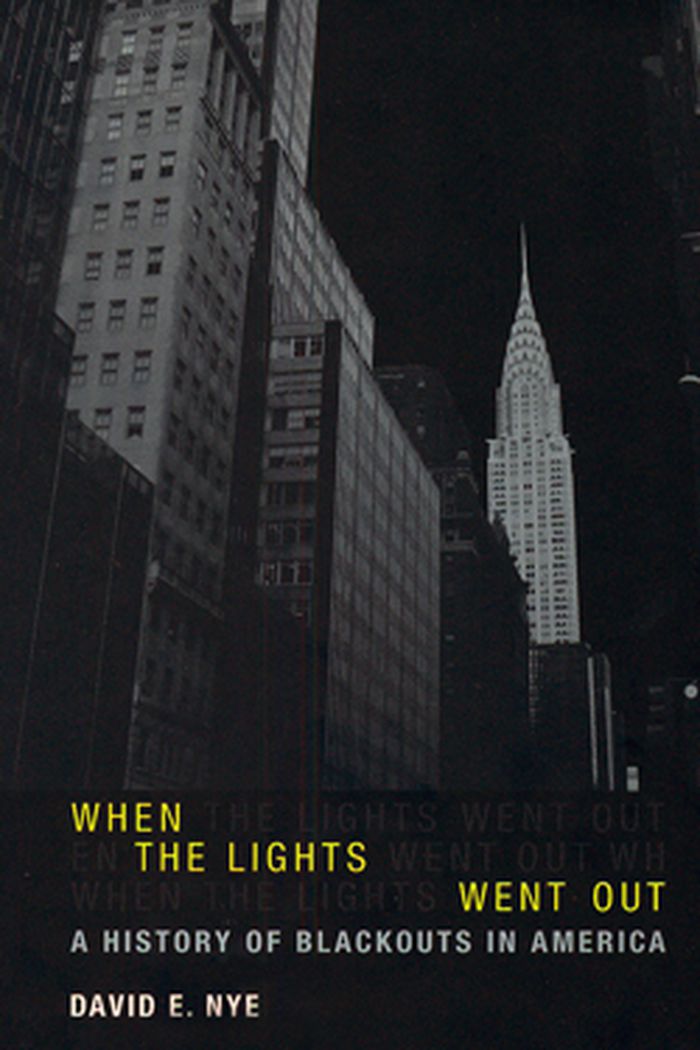
When the lights went out, a history of blackouts in America
Actions:
Prix:
$30.00
(disponible sur commande)
Résumé:
Nye looks at America's development of its electrical grid, which made large-scale power failures possible; military blackouts before and during World War II ("The silence was the big surprise of the blackout, the darkness discounted," wrote Harold Ross in The New Yorker in 1942); New York City's contrasting 1965 and 1977 blackout experiences (the first characterized by cooperation, the second by looting and disorder); the growth in consumer demand that led to rolling blackouts made worse by energy traders' market manipulations; blackouts caused by terrorist attacks and sabotage; and, finally, the "greenout" (exemplified by the new tradition of "Earth Hour"), a voluntary reduction organized by environmental organizations. Blackouts, writes Nye, are breaks in the flow of social time that reveal much about the trajectory of American history. Each time one occurs, Americans confront their essential condition—not as isolated individuals, but as a community that increasingly binds itself together with electrical wires and signals.
When the lights went out, a history of blackouts in America
Actions:
Prix:
$30.00
(disponible sur commande)
Résumé:
Nye looks at America's development of its electrical grid, which made large-scale power failures possible; military blackouts before and during World War II ("The silence was the big surprise of the blackout, the darkness discounted," wrote Harold Ross in The New Yorker in 1942); New York City's contrasting 1965 and 1977 blackout experiences (the first characterized by cooperation, the second by looting and disorder); the growth in consumer demand that led to rolling blackouts made worse by energy traders' market manipulations; blackouts caused by terrorist attacks and sabotage; and, finally, the "greenout" (exemplified by the new tradition of "Earth Hour"), a voluntary reduction organized by environmental organizations. Blackouts, writes Nye, are breaks in the flow of social time that reveal much about the trajectory of American history. Each time one occurs, Americans confront their essential condition—not as isolated individuals, but as a community that increasingly binds itself together with electrical wires and signals.
Classification:
livres
livres
Publication:
mars 2010
mars 2010
Sujet:
Théorie de l’urbanisme
Théorie de l’urbanisme
Classification:
livres
livres
Actions:
Prix:
$46.95
(disponible sur commande)
Résumé:
This guide is a celebration of the works of professional architects in three South African metropolitan centres, namely Cape Town, Durban and the Johannesburg/Pretoria Axis. The content ranges from the early years of European settlement, where architects were trained by the military schools of engineering, through the period of apprenticeship either to a recognised(...)
$46.95
(disponible sur commande)
Résumé:
This guide is a celebration of the works of professional architects in three South African metropolitan centres, namely Cape Town, Durban and the Johannesburg/Pretoria Axis. The content ranges from the early years of European settlement, where architects were trained by the military schools of engineering, through the period of apprenticeship either to a recognised(...)
Titre:
South Africa architectural guide
Actions:
Prix:
$46.95
(disponible sur commande)
Résumé:
This guide is a celebration of the works of professional architects in three South African metropolitan centres, namely Cape Town, Durban and the Johannesburg/Pretoria Axis. The content ranges from the early years of European settlement, where architects were trained by the military schools of engineering, through the period of apprenticeship either to a recognised practicing architect or in public works, to the twentieth century and beyond, where architects were regulated as professionals by legislation, as was their education. The projects selected are all secular, being either in the public domain or eye, and therefore readily accessible. This guide is structured along main themes, each historically located. Each episode or project type featured is highlighted by a representative from each metropolitan centre, each being discussed in broader detail alongside similar contemporaneous local examples. In total the guide features over a hundred-and-fifty projects with all salient information as to their dates of construction, designers and locality (by way of QR codes).
South Africa architectural guide
Actions:
Prix:
$46.95
(disponible sur commande)
Résumé:
This guide is a celebration of the works of professional architects in three South African metropolitan centres, namely Cape Town, Durban and the Johannesburg/Pretoria Axis. The content ranges from the early years of European settlement, where architects were trained by the military schools of engineering, through the period of apprenticeship either to a recognised practicing architect or in public works, to the twentieth century and beyond, where architects were regulated as professionals by legislation, as was their education. The projects selected are all secular, being either in the public domain or eye, and therefore readily accessible. This guide is structured along main themes, each historically located. Each episode or project type featured is highlighted by a representative from each metropolitan centre, each being discussed in broader detail alongside similar contemporaneous local examples. In total the guide features over a hundred-and-fifty projects with all salient information as to their dates of construction, designers and locality (by way of QR codes).
Classification:
livres
livres
Publication:
juillet 2014
juillet 2014
Sujet:
Guides des villes
Guides des villes
Classification:
livres
livres
Titre:
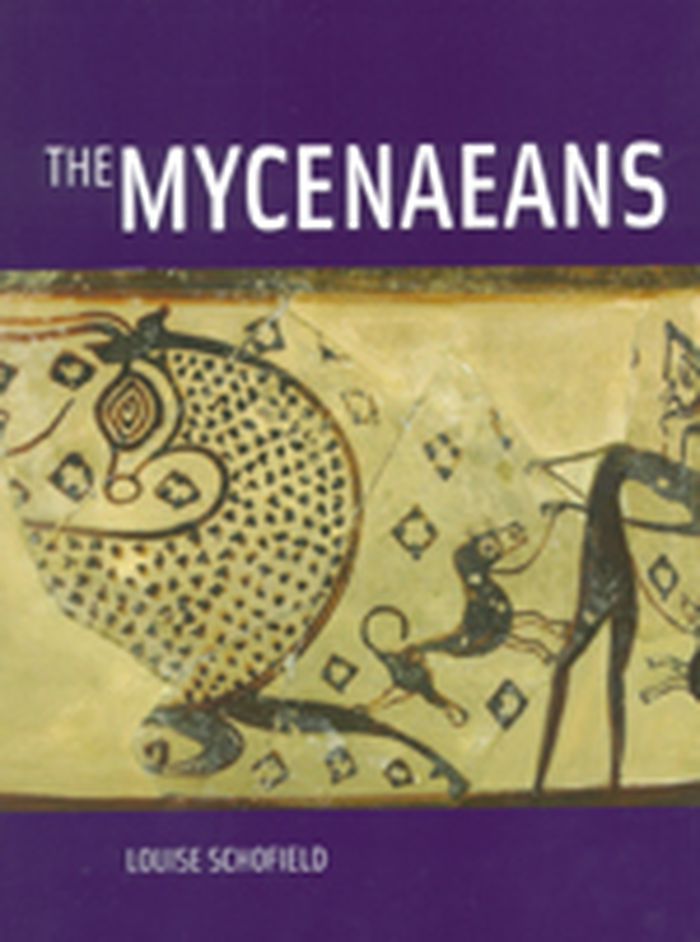
The Mycenaeans
The Mycenaeans
Actions:
Prix:
$40.00
(disponible sur commande)
Résumé:
For almost three thousand years, the Mycenaeans, ancestors of the classical Greeks, lay lost and forgotten beneath the soil of Greece. In 1876, however, a German businessman, Heinrich Schliemann, in his search for the great Mycenaean king Agamemnon and other heroes of the Trojan War, made an astounding discovery in Mycenae: inside the monumental Lion Gate he discovered(...)
$40.00
(disponible sur commande)
Résumé:
For almost three thousand years, the Mycenaeans, ancestors of the classical Greeks, lay lost and forgotten beneath the soil of Greece. In 1876, however, a German businessman, Heinrich Schliemann, in his search for the great Mycenaean king Agamemnon and other heroes of the Trojan War, made an astounding discovery in Mycenae: inside the monumental Lion Gate he discovered(...)
Titre:
The Mycenaeans
Actions:
Prix:
$40.00
(disponible sur commande)
Résumé:
For almost three thousand years, the Mycenaeans, ancestors of the classical Greeks, lay lost and forgotten beneath the soil of Greece. In 1876, however, a German businessman, Heinrich Schliemann, in his search for the great Mycenaean king Agamemnon and other heroes of the Trojan War, made an astounding discovery in Mycenae: inside the monumental Lion Gate he discovered shaft graves belonging to a warrior elite, many of whom were buried wearing striking gold funerary masks and armor. In this authoritative new survey, Schofield examines these initial discoveries and other material evidence from Mycenaean culture, including painted pottery, documents in Linear B script, and the remains of fortress-palaces, all of which have yielded important information about the social hierarchies, religion, and military and trading activities of this wealthy and sophisticated culture. The author also considers the factual basis for the Mycenaeans' legendary links with the Trojan War and the various explanations for the eventual decline of their civilization.
The Mycenaeans
Actions:
Prix:
$40.00
(disponible sur commande)
Résumé:
For almost three thousand years, the Mycenaeans, ancestors of the classical Greeks, lay lost and forgotten beneath the soil of Greece. In 1876, however, a German businessman, Heinrich Schliemann, in his search for the great Mycenaean king Agamemnon and other heroes of the Trojan War, made an astounding discovery in Mycenae: inside the monumental Lion Gate he discovered shaft graves belonging to a warrior elite, many of whom were buried wearing striking gold funerary masks and armor. In this authoritative new survey, Schofield examines these initial discoveries and other material evidence from Mycenaean culture, including painted pottery, documents in Linear B script, and the remains of fortress-palaces, all of which have yielded important information about the social hierarchies, religion, and military and trading activities of this wealthy and sophisticated culture. The author also considers the factual basis for the Mycenaeans' legendary links with the Trojan War and the various explanations for the eventual decline of their civilization.
Classification:
livres
livres
Publication:
janvier 2001, Los Angeles
janvier 2001, Los Angeles
Sujet:
Théorie de l’architecture
Théorie de l’architecture
Classification:
livres
livres
Titre:
British Watchtowers
British Watchtowers
Actions:
Prix:
$28.95
(disponible en magasin)
Résumé:
Observation, whether by the human eye or the eye of a surveillance camera, requires an architectural structure that elevates the viewer into a position of advantage. The system of Iron Age hill forts, built across Britain from around 500 B.C., used natural promontories to survey the surrounding landscape; 2000 years later the British army used a similar system of(...)
$28.95
(disponible en magasin)
Résumé:
Observation, whether by the human eye or the eye of a surveillance camera, requires an architectural structure that elevates the viewer into a position of advantage. The system of Iron Age hill forts, built across Britain from around 500 B.C., used natural promontories to survey the surrounding landscape; 2000 years later the British army used a similar system of(...)
Titre:
British Watchtowers
Actions:
Prix:
$28.95
(disponible en magasin)
Résumé:
Observation, whether by the human eye or the eye of a surveillance camera, requires an architectural structure that elevates the viewer into a position of advantage. The system of Iron Age hill forts, built across Britain from around 500 B.C., used natural promontories to survey the surrounding landscape; 2000 years later the British army used a similar system of watchtowers to survey the occupied territories of Northern Ireland. These high tech towers, constructed in the mid 1980s, primarily in the mountainous border region of South Armagh, were landmarks in a 30-year conflict in and over Northern Ireland, euphemistically called "The Troubles." The Towers were finally demolished between 2003 and 2007 as part of the British government's "demilitarization" program for Northern Ireland. For over a year Donovan Wylie photographed these towers, working entirely from an elevated position enabled by military helicopter, observing the observers and ensuring that their actions were not forgotten.
British Watchtowers
Actions:
Prix:
$28.95
(disponible en magasin)
Résumé:
Observation, whether by the human eye or the eye of a surveillance camera, requires an architectural structure that elevates the viewer into a position of advantage. The system of Iron Age hill forts, built across Britain from around 500 B.C., used natural promontories to survey the surrounding landscape; 2000 years later the British army used a similar system of watchtowers to survey the occupied territories of Northern Ireland. These high tech towers, constructed in the mid 1980s, primarily in the mountainous border region of South Armagh, were landmarks in a 30-year conflict in and over Northern Ireland, euphemistically called "The Troubles." The Towers were finally demolished between 2003 and 2007 as part of the British government's "demilitarization" program for Northern Ireland. For over a year Donovan Wylie photographed these towers, working entirely from an elevated position enabled by military helicopter, observing the observers and ensuring that their actions were not forgotten.
Classification:
livres
livres
Publication:
septembre 2007, Gottingen
septembre 2007, Gottingen
Sujet:
Monographies photo
Monographies photo
Classification:
livres
livres
Prix:
$53.95
(disponible sur commande)
Résumé:
Dependent on the extractive practices of fossil-fueled industrial capitalism, chemical photography’s emulsions and films were highly sensitive to polluted atmospheres, and photographic companies had to work hard to control this sensitivity. Drawing on histories of empire, coal, and chemistry and from the archives of British photographic manufacturer Ilford Limited,(...)
$53.95
(disponible sur commande)
Résumé:
Dependent on the extractive practices of fossil-fueled industrial capitalism, chemical photography’s emulsions and films were highly sensitive to polluted atmospheres, and photographic companies had to work hard to control this sensitivity. Drawing on histories of empire, coal, and chemistry and from the archives of British photographic manufacturer Ilford Limited,(...)
Titre:
A dirty history of photography: Chemistry, fog, and empire
Actions:
Prix:
$53.95
(disponible sur commande)
Résumé:
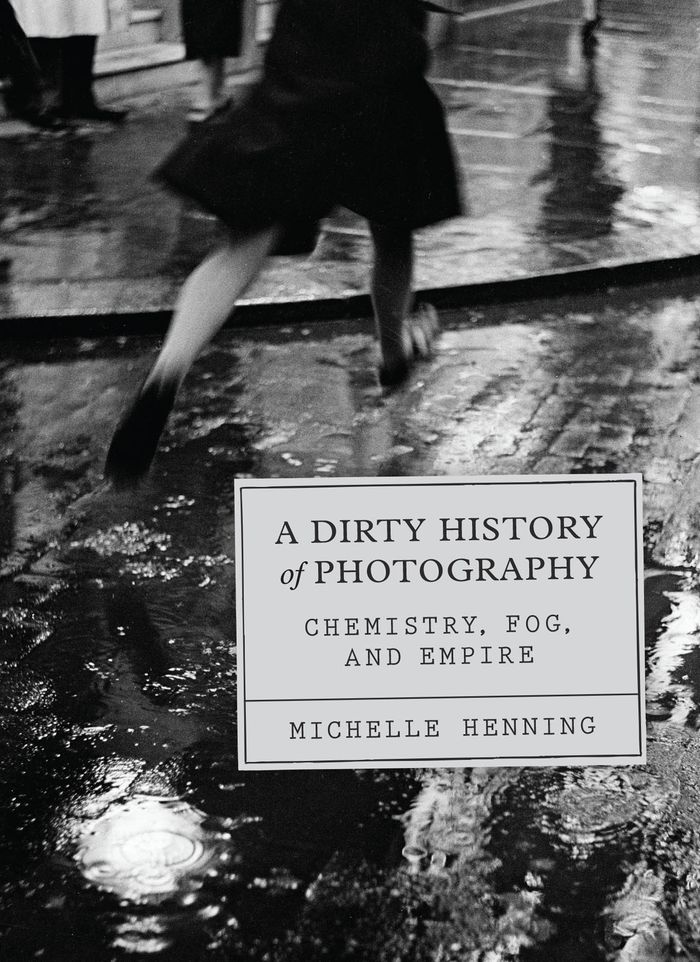
Dependent on the extractive practices of fossil-fueled industrial capitalism, chemical photography’s emulsions and films were highly sensitive to polluted atmospheres, and photographic companies had to work hard to control this sensitivity. Drawing on histories of empire, coal, and chemistry and from the archives of British photographic manufacturer Ilford Limited, Michelle Henning exposes the ways photography shaped how we see and understand the atmosphere while leaving its toxic residues in the air, soil, and water. Structured as thirty-six short chapters and with over seventy illustrations, this innovative book begins in interwar London, follows the supply of Ilford products to photographers on the West African coast, and considers photography as a military technology linked to the development of chemical warfare. Combining close readings of photographs with discussions of low-light, tropical, and aerial photography, Henning examines the extraction and development of photographic materials, their role in the current environmental crisis, and how they have shaped experiences of time and the environment.
A dirty history of photography: Chemistry, fog, and empire
Actions:
Prix:
$53.95
(disponible sur commande)
Résumé:
Dependent on the extractive practices of fossil-fueled industrial capitalism, chemical photography’s emulsions and films were highly sensitive to polluted atmospheres, and photographic companies had to work hard to control this sensitivity. Drawing on histories of empire, coal, and chemistry and from the archives of British photographic manufacturer Ilford Limited, Michelle Henning exposes the ways photography shaped how we see and understand the atmosphere while leaving its toxic residues in the air, soil, and water. Structured as thirty-six short chapters and with over seventy illustrations, this innovative book begins in interwar London, follows the supply of Ilford products to photographers on the West African coast, and considers photography as a military technology linked to the development of chemical warfare. Combining close readings of photographs with discussions of low-light, tropical, and aerial photography, Henning examines the extraction and development of photographic materials, their role in the current environmental crisis, and how they have shaped experiences of time and the environment.
Classification:
livres
livres
Publication:
janvier 2026
janvier 2026
Sujet:
Monographies photo
Monographies photo
Classification:
livres
livres
Actions:
Prix:
$30.00
(disponible sur commande)
Résumé:
"Geography of the gaze" offers a new history and theory of how the way we look at things influences what we see. Focusing on Western Europe from the seventeenth to the nineteenth century, Renzo Dibbini shows how developments in science, art, mapping, and visual epistemology affected the way natural and artificial landscapes were perceived and portrayed. He begins with(...)
$30.00
(disponible sur commande)
Résumé:
"Geography of the gaze" offers a new history and theory of how the way we look at things influences what we see. Focusing on Western Europe from the seventeenth to the nineteenth century, Renzo Dibbini shows how developments in science, art, mapping, and visual epistemology affected the way natural and artificial landscapes were perceived and portrayed. He begins with(...)
Sujet:
Théorie du paysage
Théorie du paysage
Publication:
avril 2002, Chicago
avril 2002, Chicago
Titre:
Geography of the gaze : urban and rural vision in early modern Europe
Actions:
Prix:
$30.00
(disponible sur commande)
Résumé:
"Geography of the gaze" offers a new history and theory of how the way we look at things influences what we see. Focusing on Western Europe from the seventeenth to the nineteenth century, Renzo Dibbini shows how developments in science, art, mapping, and visual epistemology affected the way natural and artificial landscapes were perceived and portrayed. He begins with the idea of the "view" explaining its role in the invention of landscape painting and in the definition of landscape as a cultural space. Among other topics, Dubbini explores how the descriptive and pictorial techniques used in mariners' charts, view-oriented atlases, military cartography, and garden design were linked to the proliferation of highly realistic paintings of landscapes and city scenes; how the "picturesque" system for defining and composing landscapes affected not just art but also archaeology and engineering; and how the ever-changing modern cityspaces inspired new ways of seeing and representing the urban scene in Impressionist painting, photography, and stereoscopy. Transladed by Lydia G. Cochrane.
Geography of the gaze : urban and rural vision in early modern Europe
Actions:
Prix:
$30.00
(disponible sur commande)
Résumé:
"Geography of the gaze" offers a new history and theory of how the way we look at things influences what we see. Focusing on Western Europe from the seventeenth to the nineteenth century, Renzo Dibbini shows how developments in science, art, mapping, and visual epistemology affected the way natural and artificial landscapes were perceived and portrayed. He begins with the idea of the "view" explaining its role in the invention of landscape painting and in the definition of landscape as a cultural space. Among other topics, Dubbini explores how the descriptive and pictorial techniques used in mariners' charts, view-oriented atlases, military cartography, and garden design were linked to the proliferation of highly realistic paintings of landscapes and city scenes; how the "picturesque" system for defining and composing landscapes affected not just art but also archaeology and engineering; and how the ever-changing modern cityspaces inspired new ways of seeing and representing the urban scene in Impressionist painting, photography, and stereoscopy. Transladed by Lydia G. Cochrane.
Classification:
livres
livres
Publication:
avril 2002, Chicago
avril 2002, Chicago
Sujet:
Théorie du paysage
Théorie du paysage
Classification:
livres
livres
Actions:
Prix:
$34.95
(disponible en magasin)
Résumé:
Studies of the radical environmental politics of the 1960s have tended to downplay the extent to which much of that countercultural intellectual and social ferment continued into the 1970s and 1980s. Canadian Countercultures and the Environment adds to our knowledge of this understudied period. This collection contributes a sustained analysis of the beginning of major(...)
$34.95
(disponible en magasin)
Résumé:
Studies of the radical environmental politics of the 1960s have tended to downplay the extent to which much of that countercultural intellectual and social ferment continued into the 1970s and 1980s. Canadian Countercultures and the Environment adds to our knowledge of this understudied period. This collection contributes a sustained analysis of the beginning of major(...)
Titre:
Canadian countercultures and the environment
Actions:
Prix:
$34.95
(disponible en magasin)
Résumé:
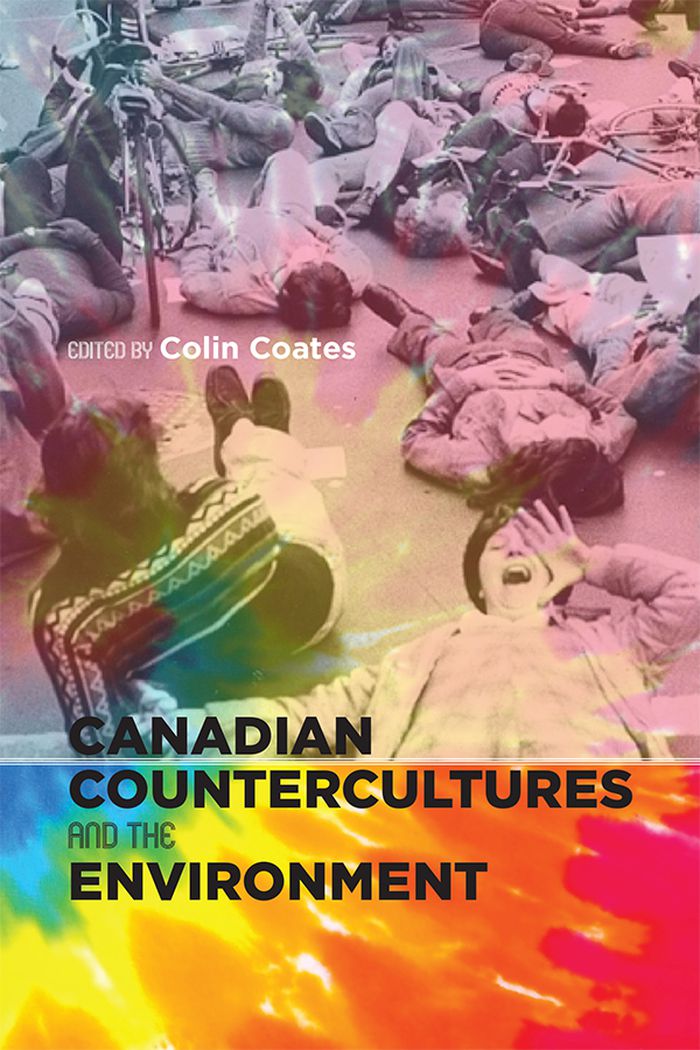
Studies of the radical environmental politics of the 1960s have tended to downplay the extent to which much of that countercultural intellectual and social ferment continued into the 1970s and 1980s. Canadian Countercultures and the Environment adds to our knowledge of this understudied period. This collection contributes a sustained analysis of the beginning of major environmental debates in this era and examines a range of issues related to broad environmental concerns, topics which emerged as key concerns in the context of Cold War military investments and experiments, the oil crisis of the 1970s, debates over gendered roles, and the increasing attention to urban pollution and pesticide use. No other publication dealing with this period covers the wide range of environmental topics (among others, activism, midwifery, organic farming, recycling, urban cycling, and communal living) or geographic locales, from Yukon to Atlantic Canada. Together, they demonstrate how this period influenced and informed environmental action and issues in ways that have had a long-term impact on Canadian society.
Canadian countercultures and the environment
Actions:
Prix:
$34.95
(disponible en magasin)
Résumé:
Studies of the radical environmental politics of the 1960s have tended to downplay the extent to which much of that countercultural intellectual and social ferment continued into the 1970s and 1980s. Canadian Countercultures and the Environment adds to our knowledge of this understudied period. This collection contributes a sustained analysis of the beginning of major environmental debates in this era and examines a range of issues related to broad environmental concerns, topics which emerged as key concerns in the context of Cold War military investments and experiments, the oil crisis of the 1970s, debates over gendered roles, and the increasing attention to urban pollution and pesticide use. No other publication dealing with this period covers the wide range of environmental topics (among others, activism, midwifery, organic farming, recycling, urban cycling, and communal living) or geographic locales, from Yukon to Atlantic Canada. Together, they demonstrate how this period influenced and informed environmental action and issues in ways that have had a long-term impact on Canadian society.
Classification:
livres
livres
Publication:
mars 2016
mars 2016
Sujet:
Architecture du Canada
Architecture du Canada
Classification:
livres
livres
Actions:
Prix:
$48.00
(disponible sur commande)
Résumé:
Using facts, anecdotes, and personal observation, architect and longtime advocate for the preservation of American architecture Harvey H. Kaiser leads the reader through more than 200 places of interest across the United States. Covering the entire nation and presented by region, this book takes the reader on a journey through recognizable icons such as the Statue of(...)
$48.00
(disponible sur commande)
Résumé:
Using facts, anecdotes, and personal observation, architect and longtime advocate for the preservation of American architecture Harvey H. Kaiser leads the reader through more than 200 places of interest across the United States. Covering the entire nation and presented by region, this book takes the reader on a journey through recognizable icons such as the Statue of(...)
Titre:
The national park architecture sourcebook
Actions:
Prix:
$48.00
(disponible sur commande)
Résumé:
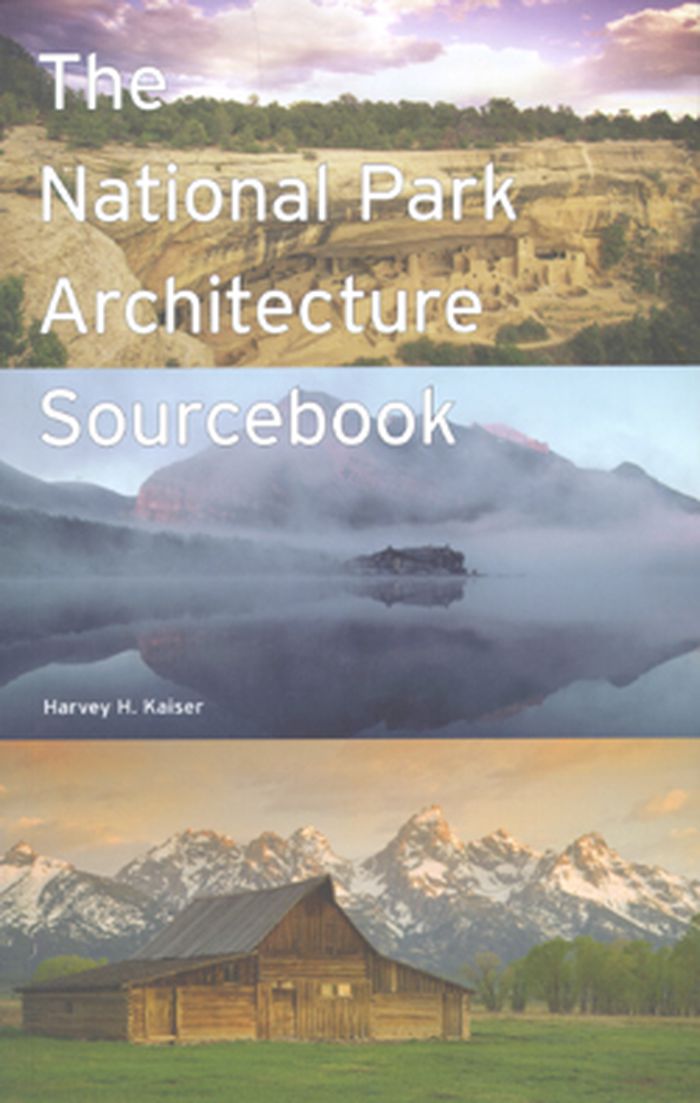
Using facts, anecdotes, and personal observation, architect and longtime advocate for the preservation of American architecture Harvey H. Kaiser leads the reader through more than 200 places of interest across the United States. Covering the entire nation and presented by region, this book takes the reader on a journey through recognizable icons such as the Statue of Liberty, Mount Rushmore, Lincoln Memorial, Jefferson National Expansion Memorial Arch, and the USS Arizona. The extraordinary rustic buildings of the National Parks at Yellowstone, Carter Lake, Yosemite, and the Grand Canyon are explored as well as frontier military forts and trading posts like Fort Sumter, Bent's Old Fort, and Fort Clatsop. There are the southwestern sites of the mysterious Anasazi and Chaco cultures and missions of San Antonio, Tumacacori, Pecos, and Salinas Pueblo. Kaiser's descriptions let readers not only feel as if they have shared the experience of these places but also gain a solid understanding of why the architecture is significant to American history.
The national park architecture sourcebook
Actions:
Prix:
$48.00
(disponible sur commande)
Résumé:
Using facts, anecdotes, and personal observation, architect and longtime advocate for the preservation of American architecture Harvey H. Kaiser leads the reader through more than 200 places of interest across the United States. Covering the entire nation and presented by region, this book takes the reader on a journey through recognizable icons such as the Statue of Liberty, Mount Rushmore, Lincoln Memorial, Jefferson National Expansion Memorial Arch, and the USS Arizona. The extraordinary rustic buildings of the National Parks at Yellowstone, Carter Lake, Yosemite, and the Grand Canyon are explored as well as frontier military forts and trading posts like Fort Sumter, Bent's Old Fort, and Fort Clatsop. There are the southwestern sites of the mysterious Anasazi and Chaco cultures and missions of San Antonio, Tumacacori, Pecos, and Salinas Pueblo. Kaiser's descriptions let readers not only feel as if they have shared the experience of these places but also gain a solid understanding of why the architecture is significant to American history.
Classification:
livres
livres
Publication:
mai 2008, New York
mai 2008, New York
Sujet:
Bouffe
Bouffe
Classification:
livres
livres
Actions:
Prix:
$40.95
(disponible sur commande)
Résumé:
Jerusalem currently stands at the center of a violent controversy that threatens the stability of both the Middle East and the world. This volatility, observes Annabel Jane Wharton, is only the most recent manifestation of a centuries-old obsession with the control of the Holy City—military occupation and pilgrimage being two familiar forms of “ownership.” Wharton makes(...)
$40.95
(disponible sur commande)
Résumé:
Jerusalem currently stands at the center of a violent controversy that threatens the stability of both the Middle East and the world. This volatility, observes Annabel Jane Wharton, is only the most recent manifestation of a centuries-old obsession with the control of the Holy City—military occupation and pilgrimage being two familiar forms of “ownership.” Wharton makes(...)
Publication:
janvier 1900, Chicago
janvier 1900, Chicago
Titre:
Selling Jerusalem : relics, replicas, theme parks
Actions:
Prix:
$40.95
(disponible sur commande)
Résumé:
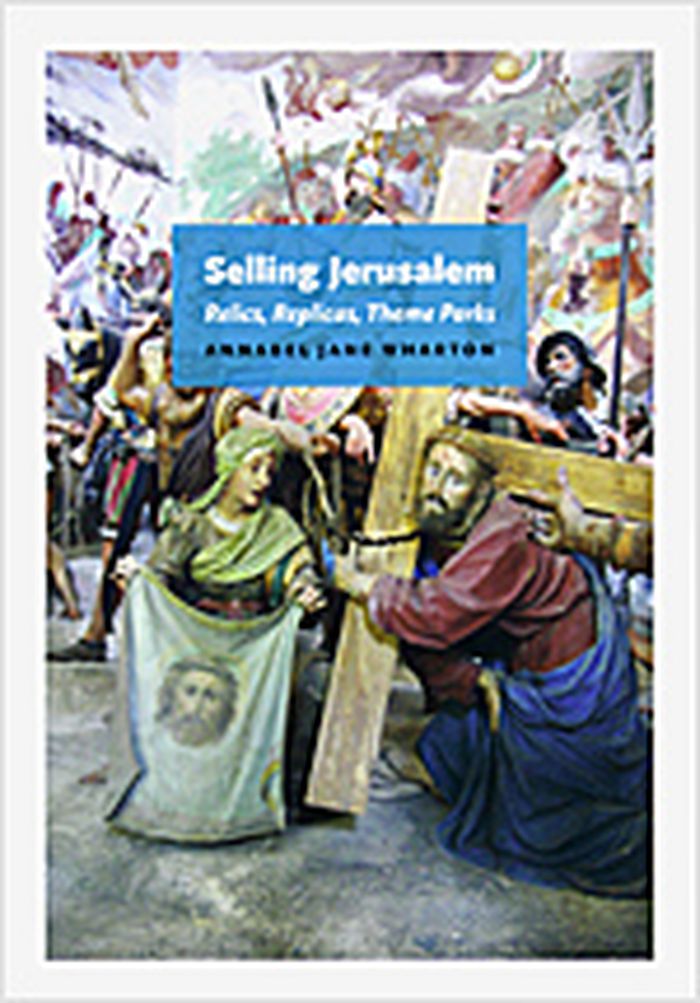
Jerusalem currently stands at the center of a violent controversy that threatens the stability of both the Middle East and the world. This volatility, observes Annabel Jane Wharton, is only the most recent manifestation of a centuries-old obsession with the control of the Holy City—military occupation and pilgrimage being two familiar forms of “ownership.” Wharton makes the innovative argument here that the West has also sought to possess Jerusalem by acquiring its representations. From relics of the True Cross and Templar replicas of the Holy Sepulchre to Franciscan recreations of the Passion to nineteenth-century mass-produced prints and contemporary theme parks, Wharton describes the evolving forms by which the city has been possessed in the West. She also maps those changing embodiments of the Holy City against shifts in the western market. From the gift-and-barter economy of the early Middle Ages to contemporary globalization, both money and the representations of Jerusalem have become progressively incorporeal, abstract, illusionistic, and virtual.
Selling Jerusalem : relics, replicas, theme parks
Actions:
Prix:
$40.95
(disponible sur commande)
Résumé:
Jerusalem currently stands at the center of a violent controversy that threatens the stability of both the Middle East and the world. This volatility, observes Annabel Jane Wharton, is only the most recent manifestation of a centuries-old obsession with the control of the Holy City—military occupation and pilgrimage being two familiar forms of “ownership.” Wharton makes the innovative argument here that the West has also sought to possess Jerusalem by acquiring its representations. From relics of the True Cross and Templar replicas of the Holy Sepulchre to Franciscan recreations of the Passion to nineteenth-century mass-produced prints and contemporary theme parks, Wharton describes the evolving forms by which the city has been possessed in the West. She also maps those changing embodiments of the Holy City against shifts in the western market. From the gift-and-barter economy of the early Middle Ages to contemporary globalization, both money and the representations of Jerusalem have become progressively incorporeal, abstract, illusionistic, and virtual.
Classification:
livres
livres
Publication:
janvier 1900, Chicago
janvier 1900, Chicago
Classification:
livres
livres
Titre:
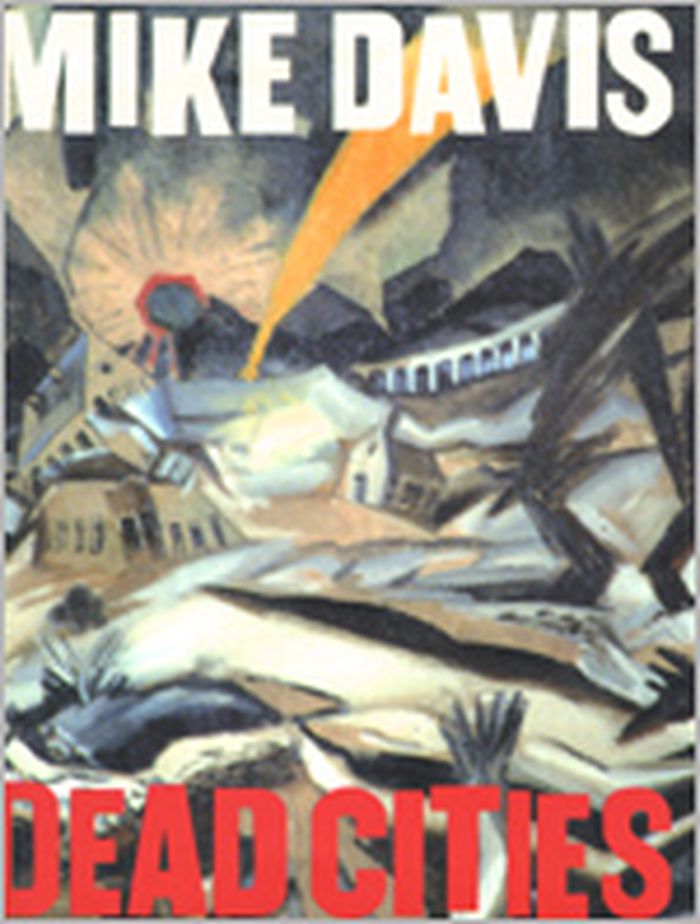
Dead cities and other tales
Dead cities and other tales
Actions:
Prix:
$44.95
(disponible sur commande)
Résumé:
In his most syncretic writing yet, radical urban theorist Mike Davis explores the combat zone that is contemporary urban America, a ceaseless battle waged both within cities and against nature. Using environmental science as his frame of understanding, Davis examines themes of urban life today—white flight, deindustrialization, housing and job segregation and(...)
$44.95
(disponible sur commande)
Résumé:
In his most syncretic writing yet, radical urban theorist Mike Davis explores the combat zone that is contemporary urban America, a ceaseless battle waged both within cities and against nature. Using environmental science as his frame of understanding, Davis examines themes of urban life today—white flight, deindustrialization, housing and job segregation and(...)
Titre:
Dead cities and other tales
Actions:
Prix:
$44.95
(disponible sur commande)
Résumé:
In his most syncretic writing yet, radical urban theorist Mike Davis explores the combat zone that is contemporary urban America, a ceaseless battle waged both within cities and against nature. Using environmental science as his frame of understanding, Davis examines themes of urban life today—white flight, deindustrialization, housing and job segregation and discrimination, and federal policy—and looks at areas he calls "national sacrifice zones," military landscapes that simulated warfare and arms production have rendered uninhabitable. Davis begins our apocalyptically inflected tour with a trip to New York’s Ground Zero. He then takes us to "German Village," a Utah wasteland that was once a test site for Allied science advisors to rehearse the perfect plan for destroying Berlin, and to the diabolic miracle of Las Vegas, where environmental terrorism is practiced in the name of urban development. Davis also hits Los Angeles, the frontline of the "Second Civil War" sparked by American apartheid, and which lies waiting to be ignited in cities across the country.
Dead cities and other tales
Actions:
Prix:
$44.95
(disponible sur commande)
Résumé:
In his most syncretic writing yet, radical urban theorist Mike Davis explores the combat zone that is contemporary urban America, a ceaseless battle waged both within cities and against nature. Using environmental science as his frame of understanding, Davis examines themes of urban life today—white flight, deindustrialization, housing and job segregation and discrimination, and federal policy—and looks at areas he calls "national sacrifice zones," military landscapes that simulated warfare and arms production have rendered uninhabitable. Davis begins our apocalyptically inflected tour with a trip to New York’s Ground Zero. He then takes us to "German Village," a Utah wasteland that was once a test site for Allied science advisors to rehearse the perfect plan for destroying Berlin, and to the diabolic miracle of Las Vegas, where environmental terrorism is practiced in the name of urban development. Davis also hits Los Angeles, the frontline of the "Second Civil War" sparked by American apartheid, and which lies waiting to be ignited in cities across the country.
Classification:
livres
livres
Publication:
septembre 2002, New York
septembre 2002, New York
Sujet:
Théorie de l’urbanisme
Théorie de l’urbanisme


