


33582 Résultats
Classification:
dessins
dessins
Actions:
Numéro de référence:
DR1989:0015:012
Description:
- This incomplete set of numbered contract drawings, DR1989:0015:012 - DR1989:0015:016, have the same scale, colour-coding, title format and script. With the exception of this drawing, which was probably cut down, the sheets are of similar dimensions and are signed by the architect in the l.r. corner. DR1989:0015:013 - DR1989:0015:016 are keyed to this drawing. - This work is part of a group of drawings and reprographic prints of drawings for St. Peter's Home, Woking, and St. Peter's Convent, Woking, from the offices of John Loughborough Pearson and Frank Loughborough Pearson (DR1989:0015:011 - DR1989:0015:085 R/V). Composed of contract and working drawings including plans, site plans, sections, and elevations dated between 1881 and 1936, these drawings were sold at auction by the convent along with those for the older institution of St. Peter's Home, Kilburn (DR1989:0015:001 - DR1989:0015:010). Both St. Peter's Home, Kilburn, and St. Peter's Home, Woking were commissioned from John Loughborough Pearson by Benjamin Lancaster. The alterations to the Home at Kilburn were commissioned on behalf of Lancaster's wife, who founded the home and a lay nursing order which ran it. The institution at Woking was founded by Lancaster as a home for incurables in 1882 and dedicated to the memory of his deceased wife (Quiney 67-68, 254-255, and 284). It was probably first known as St. Peter's Home, Woking, not becoming a convent until ca. 1934.
DR1989:0015:012
Description:
- This incomplete set of numbered contract drawings, DR1989:0015:012 - DR1989:0015:016, have the same scale, colour-coding, title format and script. With the exception of this drawing, which was probably cut down, the sheets are of similar dimensions and are signed by the architect in the l.r. corner. DR1989:0015:013 - DR1989:0015:016 are keyed to this drawing. - This work is part of a group of drawings and reprographic prints of drawings for St. Peter's Home, Woking, and St. Peter's Convent, Woking, from the offices of John Loughborough Pearson and Frank Loughborough Pearson (DR1989:0015:011 - DR1989:0015:085 R/V). Composed of contract and working drawings including plans, site plans, sections, and elevations dated between 1881 and 1936, these drawings were sold at auction by the convent along with those for the older institution of St. Peter's Home, Kilburn (DR1989:0015:001 - DR1989:0015:010). Both St. Peter's Home, Kilburn, and St. Peter's Home, Woking were commissioned from John Loughborough Pearson by Benjamin Lancaster. The alterations to the Home at Kilburn were commissioned on behalf of Lancaster's wife, who founded the home and a lay nursing order which ran it. The institution at Woking was founded by Lancaster as a home for incurables in 1882 and dedicated to the memory of his deceased wife (Quiney 67-68, 254-255, and 284). It was probably first known as St. Peter's Home, Woking, not becoming a convent until ca. 1934.
Personnes et institutions:
Sujet:
architecture
architecture
Date:
1882 ?
1882 ?
Titre:
St. Peter's Home, Woking: Ground plan
Actions:
DR1989:0015:012
Description:
- This incomplete set of numbered contract drawings, DR1989:0015:012 - DR1989:0015:016, have the same scale, colour-coding, title format and script. With the exception of this drawing, which was probably cut down, the sheets are of similar dimensions and are signed by the architect in the l.r. corner. DR1989:0015:013 - DR1989:0015:016 are keyed to this drawing. - This work is part of a group of drawings and reprographic prints of drawings for St. Peter's Home, Woking, and St. Peter's Convent, Woking, from the offices of John Loughborough Pearson and Frank Loughborough Pearson (DR1989:0015:011 - DR1989:0015:085 R/V). Composed of contract and working drawings including plans, site plans, sections, and elevations dated between 1881 and 1936, these drawings were sold at auction by the convent along with those for the older institution of St. Peter's Home, Kilburn (DR1989:0015:001 - DR1989:0015:010). Both St. Peter's Home, Kilburn, and St. Peter's Home, Woking were commissioned from John Loughborough Pearson by Benjamin Lancaster. The alterations to the Home at Kilburn were commissioned on behalf of Lancaster's wife, who founded the home and a lay nursing order which ran it. The institution at Woking was founded by Lancaster as a home for incurables in 1882 and dedicated to the memory of his deceased wife (Quiney 67-68, 254-255, and 284). It was probably first known as St. Peter's Home, Woking, not becoming a convent until ca. 1934.
St. Peter's Home, Woking: Ground plan
Actions:
DR1989:0015:012
Description:
- This incomplete set of numbered contract drawings, DR1989:0015:012 - DR1989:0015:016, have the same scale, colour-coding, title format and script. With the exception of this drawing, which was probably cut down, the sheets are of similar dimensions and are signed by the architect in the l.r. corner. DR1989:0015:013 - DR1989:0015:016 are keyed to this drawing. - This work is part of a group of drawings and reprographic prints of drawings for St. Peter's Home, Woking, and St. Peter's Convent, Woking, from the offices of John Loughborough Pearson and Frank Loughborough Pearson (DR1989:0015:011 - DR1989:0015:085 R/V). Composed of contract and working drawings including plans, site plans, sections, and elevations dated between 1881 and 1936, these drawings were sold at auction by the convent along with those for the older institution of St. Peter's Home, Kilburn (DR1989:0015:001 - DR1989:0015:010). Both St. Peter's Home, Kilburn, and St. Peter's Home, Woking were commissioned from John Loughborough Pearson by Benjamin Lancaster. The alterations to the Home at Kilburn were commissioned on behalf of Lancaster's wife, who founded the home and a lay nursing order which ran it. The institution at Woking was founded by Lancaster as a home for incurables in 1882 and dedicated to the memory of his deceased wife (Quiney 67-68, 254-255, and 284). It was probably first known as St. Peter's Home, Woking, not becoming a convent until ca. 1934.
Classification:
dessins
dessins
Date:
1882 ?
1882 ?
Personnes et institutions:
Sujet:
architecture
architecture
Classification:
dessins, photographies
dessins, photographies
Actions:
Numéro de référence:
PH1998:0013:001-048
Description:
- All of the projects in album PH1998:0013:001-048 were designed by Solomon Lisagor, some in collaboration with other architects, from 1923 through 1938 for various locations in Soviet Union. The photographs and magazine clippings show drawings and models for and views of twenty projects including: the Palace of Soviets, Moscow (10 pages); the Ordzhonikidze Sanatorium for the Ministry of the Oil Industry in Kislovodsk, Soviet Union (now Russia) (8 pages); the "Worker" RZhSKT [the "Worker" Worker's Housing Construction Cooperative Trust] in Saratov, Soviet Union (now Russia) (5 pages); the Limeny resort, Crimea, Soviet Union (now Ukraine) (4 pages); the Rostov Institute of Engineers of Transport [?], Rostov-on-Don, Soviet Union (now Russia) (3 pages); the House-commune of transitional type, Rostokino, Moscow (3 pages); a Building of People's Commissariat for Heavy Industry (Narkomtyazhprom), Moscow (3 pages); a Type F unit apartment, 8 Gogolevskii Boulevard, Moscow (2 pages); a development scheme for the southern coast of Crimea, Soviet Union (now Ukraine) (2 pages). Several other projects are represented on single album pages: a workers settlement in Kashira, a circus, and a Red Army Dormitory; a Sovtorgflot building, Arkhangel'sk, Soviet Union (now Russia); a typical experimental single-family house; prefabricated housing; a single-family house, a public rest room and two bus stops; a development scheme for the Ufa region, Bashkir Autonomous Soviet Socialist Republic, Soviet Union (now Ufa, Bashkortostan, Russia); and housing constructed from larger stone blocks [krupnye kamennye bloki]. One of the album pages is unused.
PH1998:0013:001-048
Description:
- All of the projects in album PH1998:0013:001-048 were designed by Solomon Lisagor, some in collaboration with other architects, from 1923 through 1938 for various locations in Soviet Union. The photographs and magazine clippings show drawings and models for and views of twenty projects including: the Palace of Soviets, Moscow (10 pages); the Ordzhonikidze Sanatorium for the Ministry of the Oil Industry in Kislovodsk, Soviet Union (now Russia) (8 pages); the "Worker" RZhSKT [the "Worker" Worker's Housing Construction Cooperative Trust] in Saratov, Soviet Union (now Russia) (5 pages); the Limeny resort, Crimea, Soviet Union (now Ukraine) (4 pages); the Rostov Institute of Engineers of Transport [?], Rostov-on-Don, Soviet Union (now Russia) (3 pages); the House-commune of transitional type, Rostokino, Moscow (3 pages); a Building of People's Commissariat for Heavy Industry (Narkomtyazhprom), Moscow (3 pages); a Type F unit apartment, 8 Gogolevskii Boulevard, Moscow (2 pages); a development scheme for the southern coast of Crimea, Soviet Union (now Ukraine) (2 pages). Several other projects are represented on single album pages: a workers settlement in Kashira, a circus, and a Red Army Dormitory; a Sovtorgflot building, Arkhangel'sk, Soviet Union (now Russia); a typical experimental single-family house; prefabricated housing; a single-family house, a public rest room and two bus stops; a development scheme for the Ufa region, Bashkir Autonomous Soviet Socialist Republic, Soviet Union (now Ufa, Bashkortostan, Russia); and housing constructed from larger stone blocks [krupnye kamennye bloki]. One of the album pages is unused.
Personnes et institutions:
Sujet:
architecture
architecture
Date:
between 1923 and 1943
between 1923 and 1943
Titre:
Album of photographs and magazine clippings of projects by Solomon Lisagor, some designed in collaboration with other architects, Soviet Union (now in Russia and Ukraine)
Actions:
PH1998:0013:001-048
Description:
- All of the projects in album PH1998:0013:001-048 were designed by Solomon Lisagor, some in collaboration with other architects, from 1923 through 1938 for various locations in Soviet Union. The photographs and magazine clippings show drawings and models for and views of twenty projects including: the Palace of Soviets, Moscow (10 pages); the Ordzhonikidze Sanatorium for the Ministry of the Oil Industry in Kislovodsk, Soviet Union (now Russia) (8 pages); the "Worker" RZhSKT [the "Worker" Worker's Housing Construction Cooperative Trust] in Saratov, Soviet Union (now Russia) (5 pages); the Limeny resort, Crimea, Soviet Union (now Ukraine) (4 pages); the Rostov Institute of Engineers of Transport [?], Rostov-on-Don, Soviet Union (now Russia) (3 pages); the House-commune of transitional type, Rostokino, Moscow (3 pages); a Building of People's Commissariat for Heavy Industry (Narkomtyazhprom), Moscow (3 pages); a Type F unit apartment, 8 Gogolevskii Boulevard, Moscow (2 pages); a development scheme for the southern coast of Crimea, Soviet Union (now Ukraine) (2 pages). Several other projects are represented on single album pages: a workers settlement in Kashira, a circus, and a Red Army Dormitory; a Sovtorgflot building, Arkhangel'sk, Soviet Union (now Russia); a typical experimental single-family house; prefabricated housing; a single-family house, a public rest room and two bus stops; a development scheme for the Ufa region, Bashkir Autonomous Soviet Socialist Republic, Soviet Union (now Ufa, Bashkortostan, Russia); and housing constructed from larger stone blocks [krupnye kamennye bloki]. One of the album pages is unused.
Album of photographs and magazine clippings of projects by Solomon Lisagor, some designed in collaboration with other architects, Soviet Union (now in Russia and Ukraine)
Actions:
PH1998:0013:001-048
Description:
- All of the projects in album PH1998:0013:001-048 were designed by Solomon Lisagor, some in collaboration with other architects, from 1923 through 1938 for various locations in Soviet Union. The photographs and magazine clippings show drawings and models for and views of twenty projects including: the Palace of Soviets, Moscow (10 pages); the Ordzhonikidze Sanatorium for the Ministry of the Oil Industry in Kislovodsk, Soviet Union (now Russia) (8 pages); the "Worker" RZhSKT [the "Worker" Worker's Housing Construction Cooperative Trust] in Saratov, Soviet Union (now Russia) (5 pages); the Limeny resort, Crimea, Soviet Union (now Ukraine) (4 pages); the Rostov Institute of Engineers of Transport [?], Rostov-on-Don, Soviet Union (now Russia) (3 pages); the House-commune of transitional type, Rostokino, Moscow (3 pages); a Building of People's Commissariat for Heavy Industry (Narkomtyazhprom), Moscow (3 pages); a Type F unit apartment, 8 Gogolevskii Boulevard, Moscow (2 pages); a development scheme for the southern coast of Crimea, Soviet Union (now Ukraine) (2 pages). Several other projects are represented on single album pages: a workers settlement in Kashira, a circus, and a Red Army Dormitory; a Sovtorgflot building, Arkhangel'sk, Soviet Union (now Russia); a typical experimental single-family house; prefabricated housing; a single-family house, a public rest room and two bus stops; a development scheme for the Ufa region, Bashkir Autonomous Soviet Socialist Republic, Soviet Union (now Ufa, Bashkortostan, Russia); and housing constructed from larger stone blocks [krupnye kamennye bloki]. One of the album pages is unused.
Classification:
dessins, photographies
dessins, photographies
Date:
between 1923 and 1943
between 1923 and 1943
Personnes et institutions:
Sujet:
architecture
architecture
Numéro de référence:
PH1979:0162.05
Description:
This album has title pages and a list of plates (as follows): Monographie du Nouvel Opéra de Paris Le Nouvel Opéra de Paris par Charles Garnier. Architecte Membre de l'Institut. Volume I. Paris, Librairie Générale de l'Architecture et des Travaux Publics. Ducher et Cie Éditeurs. 51, rue des Écoles, 51, 1880. Table des Planches Volume I 1-2. - Façade principale 3-4. - Façade latérale (côté du Pavillon du chef de l'État) 5. - Façade postérieure 6-7. - Plan du sous-sol 8. - Plan du rez-de-chaussée 9. - Plan à l'étage des Baignoires 10-11. - Plan du premier étage 12. - Plan à la hauteur des Troisièmes Loges 13. - Plafond à la hauteur du plafond de la Salle 14. - Détails du plafond du Foyer 15. - Détails du plafond de la Salle 16. - Plan à la hauteur des toitures 17-18. - Coupe longitudinale 19. - Coupes diverses sur les Galeries latérales 20. - Coupe sur le Pavillon du chef de l'État 21. - Coupes transversales passant par la Loggia 22. - Coupes transversales passant par le Grand Foyer 23. - Coupes transversales passant par l'Avant-foyer 24. - Coupes transversales passant par le grand Escalier 25. - Coupes transversales passant sur la Salle 26. - Coupes transversales passant sur la Scène 27. - Coupes transversales passant par le Foyer de la danse 28. - Détails de la façade principale 29. - Détails de la façade du Couronnement des avant-corps 30. - Détails de la façade du Grand fronton de la Scène 31. - Détails de la façade latérale. - Entrée du Pavillon du chef de l'État 32. - Détails de la façade latérale. - Clef des arcades et lucarnes des Pavillons 33. - Détails de la façade latérale. - Couverture de la Salle; Amortissements du dôme du Pavillon du chef de l'État 34. - Clôtures latérales. - Grandes colonnes rostrales 35. - Clôtures latérales. - Petites colonnes rostrales 36. - Candélabres (côté de l'entrée du public en voiture) 37. - Détails de la façade postérieure 38. - Clôture de la cour (façade postérieure) 39. - Détails divers extérieurs. - Amortissements et grande baie 40. - Grand ascenseur pour le service de la Scène
PH1979:0162.05
Description:
This album has title pages and a list of plates (as follows): Monographie du Nouvel Opéra de Paris Le Nouvel Opéra de Paris par Charles Garnier. Architecte Membre de l'Institut. Volume I. Paris, Librairie Générale de l'Architecture et des Travaux Publics. Ducher et Cie Éditeurs. 51, rue des Écoles, 51, 1880. Table des Planches Volume I 1-2. - Façade principale 3-4. - Façade latérale (côté du Pavillon du chef de l'État) 5. - Façade postérieure 6-7. - Plan du sous-sol 8. - Plan du rez-de-chaussée 9. - Plan à l'étage des Baignoires 10-11. - Plan du premier étage 12. - Plan à la hauteur des Troisièmes Loges 13. - Plafond à la hauteur du plafond de la Salle 14. - Détails du plafond du Foyer 15. - Détails du plafond de la Salle 16. - Plan à la hauteur des toitures 17-18. - Coupe longitudinale 19. - Coupes diverses sur les Galeries latérales 20. - Coupe sur le Pavillon du chef de l'État 21. - Coupes transversales passant par la Loggia 22. - Coupes transversales passant par le Grand Foyer 23. - Coupes transversales passant par l'Avant-foyer 24. - Coupes transversales passant par le grand Escalier 25. - Coupes transversales passant sur la Salle 26. - Coupes transversales passant sur la Scène 27. - Coupes transversales passant par le Foyer de la danse 28. - Détails de la façade principale 29. - Détails de la façade du Couronnement des avant-corps 30. - Détails de la façade du Grand fronton de la Scène 31. - Détails de la façade latérale. - Entrée du Pavillon du chef de l'État 32. - Détails de la façade latérale. - Clef des arcades et lucarnes des Pavillons 33. - Détails de la façade latérale. - Couverture de la Salle; Amortissements du dôme du Pavillon du chef de l'État 34. - Clôtures latérales. - Grandes colonnes rostrales 35. - Clôtures latérales. - Petites colonnes rostrales 36. - Candélabres (côté de l'entrée du public en voiture) 37. - Détails de la façade postérieure 38. - Clôture de la cour (façade postérieure) 39. - Détails divers extérieurs. - Amortissements et grande baie 40. - Grand ascenseur pour le service de la Scène
Personnes et institutions:
Date:
1880
1880
Titre:
Le Nouvel Opéra de Paris par Charles Garnier, Volume I
Actions:
PH1979:0162.05
Description:
This album has title pages and a list of plates (as follows): Monographie du Nouvel Opéra de Paris Le Nouvel Opéra de Paris par Charles Garnier. Architecte Membre de l'Institut. Volume I. Paris, Librairie Générale de l'Architecture et des Travaux Publics. Ducher et Cie Éditeurs. 51, rue des Écoles, 51, 1880. Table des Planches Volume I 1-2. - Façade principale 3-4. - Façade latérale (côté du Pavillon du chef de l'État) 5. - Façade postérieure 6-7. - Plan du sous-sol 8. - Plan du rez-de-chaussée 9. - Plan à l'étage des Baignoires 10-11. - Plan du premier étage 12. - Plan à la hauteur des Troisièmes Loges 13. - Plafond à la hauteur du plafond de la Salle 14. - Détails du plafond du Foyer 15. - Détails du plafond de la Salle 16. - Plan à la hauteur des toitures 17-18. - Coupe longitudinale 19. - Coupes diverses sur les Galeries latérales 20. - Coupe sur le Pavillon du chef de l'État 21. - Coupes transversales passant par la Loggia 22. - Coupes transversales passant par le Grand Foyer 23. - Coupes transversales passant par l'Avant-foyer 24. - Coupes transversales passant par le grand Escalier 25. - Coupes transversales passant sur la Salle 26. - Coupes transversales passant sur la Scène 27. - Coupes transversales passant par le Foyer de la danse 28. - Détails de la façade principale 29. - Détails de la façade du Couronnement des avant-corps 30. - Détails de la façade du Grand fronton de la Scène 31. - Détails de la façade latérale. - Entrée du Pavillon du chef de l'État 32. - Détails de la façade latérale. - Clef des arcades et lucarnes des Pavillons 33. - Détails de la façade latérale. - Couverture de la Salle; Amortissements du dôme du Pavillon du chef de l'État 34. - Clôtures latérales. - Grandes colonnes rostrales 35. - Clôtures latérales. - Petites colonnes rostrales 36. - Candélabres (côté de l'entrée du public en voiture) 37. - Détails de la façade postérieure 38. - Clôture de la cour (façade postérieure) 39. - Détails divers extérieurs. - Amortissements et grande baie 40. - Grand ascenseur pour le service de la Scène
Le Nouvel Opéra de Paris par Charles Garnier, Volume I
Actions:
PH1979:0162.05
Description:
This album has title pages and a list of plates (as follows): Monographie du Nouvel Opéra de Paris Le Nouvel Opéra de Paris par Charles Garnier. Architecte Membre de l'Institut. Volume I. Paris, Librairie Générale de l'Architecture et des Travaux Publics. Ducher et Cie Éditeurs. 51, rue des Écoles, 51, 1880. Table des Planches Volume I 1-2. - Façade principale 3-4. - Façade latérale (côté du Pavillon du chef de l'État) 5. - Façade postérieure 6-7. - Plan du sous-sol 8. - Plan du rez-de-chaussée 9. - Plan à l'étage des Baignoires 10-11. - Plan du premier étage 12. - Plan à la hauteur des Troisièmes Loges 13. - Plafond à la hauteur du plafond de la Salle 14. - Détails du plafond du Foyer 15. - Détails du plafond de la Salle 16. - Plan à la hauteur des toitures 17-18. - Coupe longitudinale 19. - Coupes diverses sur les Galeries latérales 20. - Coupe sur le Pavillon du chef de l'État 21. - Coupes transversales passant par la Loggia 22. - Coupes transversales passant par le Grand Foyer 23. - Coupes transversales passant par l'Avant-foyer 24. - Coupes transversales passant par le grand Escalier 25. - Coupes transversales passant sur la Salle 26. - Coupes transversales passant sur la Scène 27. - Coupes transversales passant par le Foyer de la danse 28. - Détails de la façade principale 29. - Détails de la façade du Couronnement des avant-corps 30. - Détails de la façade du Grand fronton de la Scène 31. - Détails de la façade latérale. - Entrée du Pavillon du chef de l'État 32. - Détails de la façade latérale. - Clef des arcades et lucarnes des Pavillons 33. - Détails de la façade latérale. - Couverture de la Salle; Amortissements du dôme du Pavillon du chef de l'État 34. - Clôtures latérales. - Grandes colonnes rostrales 35. - Clôtures latérales. - Petites colonnes rostrales 36. - Candélabres (côté de l'entrée du public en voiture) 37. - Détails de la façade postérieure 38. - Clôture de la cour (façade postérieure) 39. - Détails divers extérieurs. - Amortissements et grande baie 40. - Grand ascenseur pour le service de la Scène
Date:
1880
1880
Personnes et institutions:
Classification:
dessins, documents textuels, oeuvres d'art
dessins, documents textuels, oeuvres d'art
Actions:
Numéro de référence:
DR1974:0002:010:001-048
Description:
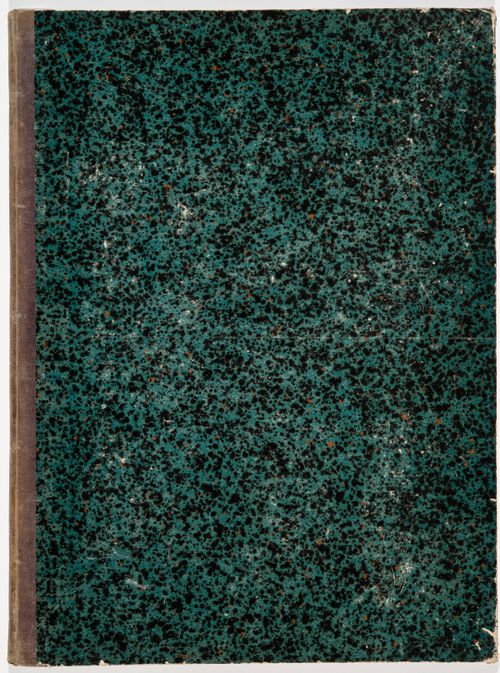
- This album contains original designs - mostly preliminary drawings - by Charles and possibly Hubert Rohault de Fleury for theatres and miscellaneous projects, record drawings and prints of French, and perhaps Italian, theatres, and prints for a diverse collection of other French subjects. Drawings and prints for theatres include: traced plans, perhaps of Italian theatres; preliminary plans for theatres designed by Charles Rohault de Fleury; a plan of Théâtre de variétés, Paris, signed by the architect, Jacques Cellérier; prints of Théâtre de l'Odéon, Paris, designed by Charles de Wailly and Marie-Joseph Peyre; a print of Théâtre de la Porte Saint-Martin, Paris, designed by Nicolas Lenoir; a proposal for an opera house, Paris, by Hector Horeau with a plan and perspective; and an engraving of the inscription for the first stone of the Grand-Théâtre, Lyon, designed by Antoine-Marie Chenavard and Jean Pollet. The remaining prints in the album date from the 18th and 19th centuries and include: a competition entry by Louis-Pierre Baltard for a monument at Bordeaux dedicated to the triumphs of the Republican army and to peace; a stable for the Czarina commissioned by Peter I and designed by François Bruant; decorations by Victor Louis for the "fêtes de paix" of 1763 and the inauguration of an equestrian statue of Louis XV for the Théâtre italien dedicated to the Marquis de Marigny; a funerary temple by Louis-Jean Desprez dedicated to Voltaire; a stable with two manèges by Jean François de Neufforge; a competition entry for an obelisk for Pont-Neuf, Paris, by Thomas Pierre Baraguay; a plan and two engravings of the Cirque for the Confédération générale, 14 July 1790, on the Champ-de-Mars; an advertising flyer for Louis Ambroise Dubut's book, "Architecture civile: maison de ville et de campagne"; and a prospectus and print of the Néothermes, rue de la Victoire, Paris, designed by Jean Charles Bringol. Three design drawings are for two projects by Charles Rohault de Fleury - an iron arcade for boulevard du Temple, Paris, and a bathroom or public bath (DR1974:0002:010:013, DR1974:0002:010:014 and DR1974:0002:010:044). A finished drawing for entrance gates (DR1974:0002:010:047) and unidentified sketches and notes (DR1974:0002:010:019 - DR1974:0002:010:022) are by either Hubert or Charles Rohault de Fleury.
DR1974:0002:010:001-048
Description:
- This album contains original designs - mostly preliminary drawings - by Charles and possibly Hubert Rohault de Fleury for theatres and miscellaneous projects, record drawings and prints of French, and perhaps Italian, theatres, and prints for a diverse collection of other French subjects. Drawings and prints for theatres include: traced plans, perhaps of Italian theatres; preliminary plans for theatres designed by Charles Rohault de Fleury; a plan of Théâtre de variétés, Paris, signed by the architect, Jacques Cellérier; prints of Théâtre de l'Odéon, Paris, designed by Charles de Wailly and Marie-Joseph Peyre; a print of Théâtre de la Porte Saint-Martin, Paris, designed by Nicolas Lenoir; a proposal for an opera house, Paris, by Hector Horeau with a plan and perspective; and an engraving of the inscription for the first stone of the Grand-Théâtre, Lyon, designed by Antoine-Marie Chenavard and Jean Pollet. The remaining prints in the album date from the 18th and 19th centuries and include: a competition entry by Louis-Pierre Baltard for a monument at Bordeaux dedicated to the triumphs of the Republican army and to peace; a stable for the Czarina commissioned by Peter I and designed by François Bruant; decorations by Victor Louis for the "fêtes de paix" of 1763 and the inauguration of an equestrian statue of Louis XV for the Théâtre italien dedicated to the Marquis de Marigny; a funerary temple by Louis-Jean Desprez dedicated to Voltaire; a stable with two manèges by Jean François de Neufforge; a competition entry for an obelisk for Pont-Neuf, Paris, by Thomas Pierre Baraguay; a plan and two engravings of the Cirque for the Confédération générale, 14 July 1790, on the Champ-de-Mars; an advertising flyer for Louis Ambroise Dubut's book, "Architecture civile: maison de ville et de campagne"; and a prospectus and print of the Néothermes, rue de la Victoire, Paris, designed by Jean Charles Bringol. Three design drawings are for two projects by Charles Rohault de Fleury - an iron arcade for boulevard du Temple, Paris, and a bathroom or public bath (DR1974:0002:010:013, DR1974:0002:010:014 and DR1974:0002:010:044). A finished drawing for entrance gates (DR1974:0002:010:047) and unidentified sketches and notes (DR1974:0002:010:019 - DR1974:0002:010:022) are by either Hubert or Charles Rohault de Fleury.
Personnes et institutions:
Sujet:
architecture, architecture temporaire, design d'intérieur, militaire, urbanisme
architecture, architecture temporaire, design d'intérieur, militaire, urbanisme
Date:
drawings executed ca. 1790-1868, manuscripts 1802-1868, printed 1717-1868
drawings executed ca. 1790-1868, manuscripts 1802-1868, printed 1717-1868
Titre:
Album of drawings, prints, and manuscripts of theatres and of French projects for buildings, monuments and temporary structures, and drawings and prints by Hubert and Charles Rohault de Fleury for theatres and miscellaneous projects
Actions:
DR1974:0002:010:001-048
Description:
- This album contains original designs - mostly preliminary drawings - by Charles and possibly Hubert Rohault de Fleury for theatres and miscellaneous projects, record drawings and prints of French, and perhaps Italian, theatres, and prints for a diverse collection of other French subjects. Drawings and prints for theatres include: traced plans, perhaps of Italian theatres; preliminary plans for theatres designed by Charles Rohault de Fleury; a plan of Théâtre de variétés, Paris, signed by the architect, Jacques Cellérier; prints of Théâtre de l'Odéon, Paris, designed by Charles de Wailly and Marie-Joseph Peyre; a print of Théâtre de la Porte Saint-Martin, Paris, designed by Nicolas Lenoir; a proposal for an opera house, Paris, by Hector Horeau with a plan and perspective; and an engraving of the inscription for the first stone of the Grand-Théâtre, Lyon, designed by Antoine-Marie Chenavard and Jean Pollet. The remaining prints in the album date from the 18th and 19th centuries and include: a competition entry by Louis-Pierre Baltard for a monument at Bordeaux dedicated to the triumphs of the Republican army and to peace; a stable for the Czarina commissioned by Peter I and designed by François Bruant; decorations by Victor Louis for the "fêtes de paix" of 1763 and the inauguration of an equestrian statue of Louis XV for the Théâtre italien dedicated to the Marquis de Marigny; a funerary temple by Louis-Jean Desprez dedicated to Voltaire; a stable with two manèges by Jean François de Neufforge; a competition entry for an obelisk for Pont-Neuf, Paris, by Thomas Pierre Baraguay; a plan and two engravings of the Cirque for the Confédération générale, 14 July 1790, on the Champ-de-Mars; an advertising flyer for Louis Ambroise Dubut's book, "Architecture civile: maison de ville et de campagne"; and a prospectus and print of the Néothermes, rue de la Victoire, Paris, designed by Jean Charles Bringol. Three design drawings are for two projects by Charles Rohault de Fleury - an iron arcade for boulevard du Temple, Paris, and a bathroom or public bath (DR1974:0002:010:013, DR1974:0002:010:014 and DR1974:0002:010:044). A finished drawing for entrance gates (DR1974:0002:010:047) and unidentified sketches and notes (DR1974:0002:010:019 - DR1974:0002:010:022) are by either Hubert or Charles Rohault de Fleury.
Album of drawings, prints, and manuscripts of theatres and of French projects for buildings, monuments and temporary structures, and drawings and prints by Hubert and Charles Rohault de Fleury for theatres and miscellaneous projects
Actions:
DR1974:0002:010:001-048
Description:
- This album contains original designs - mostly preliminary drawings - by Charles and possibly Hubert Rohault de Fleury for theatres and miscellaneous projects, record drawings and prints of French, and perhaps Italian, theatres, and prints for a diverse collection of other French subjects. Drawings and prints for theatres include: traced plans, perhaps of Italian theatres; preliminary plans for theatres designed by Charles Rohault de Fleury; a plan of Théâtre de variétés, Paris, signed by the architect, Jacques Cellérier; prints of Théâtre de l'Odéon, Paris, designed by Charles de Wailly and Marie-Joseph Peyre; a print of Théâtre de la Porte Saint-Martin, Paris, designed by Nicolas Lenoir; a proposal for an opera house, Paris, by Hector Horeau with a plan and perspective; and an engraving of the inscription for the first stone of the Grand-Théâtre, Lyon, designed by Antoine-Marie Chenavard and Jean Pollet. The remaining prints in the album date from the 18th and 19th centuries and include: a competition entry by Louis-Pierre Baltard for a monument at Bordeaux dedicated to the triumphs of the Republican army and to peace; a stable for the Czarina commissioned by Peter I and designed by François Bruant; decorations by Victor Louis for the "fêtes de paix" of 1763 and the inauguration of an equestrian statue of Louis XV for the Théâtre italien dedicated to the Marquis de Marigny; a funerary temple by Louis-Jean Desprez dedicated to Voltaire; a stable with two manèges by Jean François de Neufforge; a competition entry for an obelisk for Pont-Neuf, Paris, by Thomas Pierre Baraguay; a plan and two engravings of the Cirque for the Confédération générale, 14 July 1790, on the Champ-de-Mars; an advertising flyer for Louis Ambroise Dubut's book, "Architecture civile: maison de ville et de campagne"; and a prospectus and print of the Néothermes, rue de la Victoire, Paris, designed by Jean Charles Bringol. Three design drawings are for two projects by Charles Rohault de Fleury - an iron arcade for boulevard du Temple, Paris, and a bathroom or public bath (DR1974:0002:010:013, DR1974:0002:010:014 and DR1974:0002:010:044). A finished drawing for entrance gates (DR1974:0002:010:047) and unidentified sketches and notes (DR1974:0002:010:019 - DR1974:0002:010:022) are by either Hubert or Charles Rohault de Fleury.
Classification:
dessins, documents textuels, oeuvres d'art
dessins, documents textuels, oeuvres d'art
Date:
drawings executed ca. 1790-1868, manuscripts 1802-1868, printed 1717-1868
drawings executed ca. 1790-1868, manuscripts 1802-1868, printed 1717-1868
Personnes et institutions:
Sujet:
architecture, architecture temporaire, design d'intérieur, militaire, urbanisme
architecture, architecture temporaire, design d'intérieur, militaire, urbanisme
Classification:
archives
Niveau de description archivistique:
Fonds
archives
Niveau de description archivistique:
Fonds
Titre:
Fonds Milton Parc
Fonds Milton Parc
Numéro de référence:
AP025
Résumé:
The Milton Parc fonds, 1969 – 1989, documents the Société du patrimoine urbaine de Montréal’s (SPUM) planning, design and renovation of Montreal’s historic Milton Parc neighbourhood. Recognized as one of the largest co-operative rehabilitation projects completed in Canada, the Milton Parc housing project (1979-1982) renovated over 135 historic buildings and 597 dwelling units within Milton Parc’s 6-block radius. The fonds consists of the following materials: approximately 600 drawings, 85 l.m. of textual records, 0.6 l.m. of slides, 0.6 l.m.of photographs, 8 posters, 3 seals, 2 models, 2 rubber stamps, and 2 audio cassettes.
AP025
Résumé:
The Milton Parc fonds, 1969 – 1989, documents the Société du patrimoine urbaine de Montréal’s (SPUM) planning, design and renovation of Montreal’s historic Milton Parc neighbourhood. Recognized as one of the largest co-operative rehabilitation projects completed in Canada, the Milton Parc housing project (1979-1982) renovated over 135 historic buildings and 597 dwelling units within Milton Parc’s 6-block radius. The fonds consists of the following materials: approximately 600 drawings, 85 l.m. of textual records, 0.6 l.m. of slides, 0.6 l.m.of photographs, 8 posters, 3 seals, 2 models, 2 rubber stamps, and 2 audio cassettes.
Personnes et institutions:
Date:
1962-1989
1962-1989
Titre:
Fonds Milton Parc
Actions:
AP025
Résumé:
The Milton Parc fonds, 1969 – 1989, documents the Société du patrimoine urbaine de Montréal’s (SPUM) planning, design and renovation of Montreal’s historic Milton Parc neighbourhood. Recognized as one of the largest co-operative rehabilitation projects completed in Canada, the Milton Parc housing project (1979-1982) renovated over 135 historic buildings and 597 dwelling units within Milton Parc’s 6-block radius. The fonds consists of the following materials: approximately 600 drawings, 85 l.m. of textual records, 0.6 l.m. of slides, 0.6 l.m.of photographs, 8 posters, 3 seals, 2 models, 2 rubber stamps, and 2 audio cassettes.
Fonds Milton Parc
Actions:
AP025
Résumé:
The Milton Parc fonds, 1969 – 1989, documents the Société du patrimoine urbaine de Montréal’s (SPUM) planning, design and renovation of Montreal’s historic Milton Parc neighbourhood. Recognized as one of the largest co-operative rehabilitation projects completed in Canada, the Milton Parc housing project (1979-1982) renovated over 135 historic buildings and 597 dwelling units within Milton Parc’s 6-block radius. The fonds consists of the following materials: approximately 600 drawings, 85 l.m. of textual records, 0.6 l.m. of slides, 0.6 l.m.of photographs, 8 posters, 3 seals, 2 models, 2 rubber stamps, and 2 audio cassettes.
Classification:
archives
Niveau de description archivistique:
Fonds
archives
Niveau de description archivistique:
Fonds
Date:
1962-1989
1962-1989
Personnes et institutions:
Classification:
documents textuels, graphique
Quantité:
11 textual record(s) and ephemera
documents textuels, graphique
Quantité:
11 textual record(s) and ephemera
Actions:
Numéro de référence:
DR1987:0866:001-011
Description:
- This group of correspondence, clippings and a copy of a resolution was compiled by the architect, Lloyd Wright, for his own record while he was persuing the commission for the Los Angeles Municipal Airport, Mines Field, California. While Wright received the approval of the Municipal Art Commission, his design was ultimately rejected by the Airport Committee in favour of a Spanish Colonial design. The correspondence is composed of carbon copies and mimeographs of a letter sent to the Municipal Art Commission requesting that the commission consider his design. There are several copies of this letter, probably because it was sent to individual committee members and a copy was made of each letter. Of the newspaper clippings, three relate to the Mines Field project; the most significant is a half-page spread with photographs of both Lloyd Wright's project and the successful Spanish Colonial design. Also on the same page are photographs of four of people involved in the commission, including Lloyd Wright, a councilman, a member of the art commission, and the airport manager. The two other Mines Field clippings announce the completion of an aircraft factory at Mines Field and the completion of the municipal airport within thirty days. The unrelated clipping announces a model airport to be built in Chicago. Also included with these documents are a copy of the resolution made by the Municipal Art Commission recommending Wright's design to the Airport Committee and an envelope addressed to Clifford Henderson, Director of Municipal Airports, City of Los Angeles.
DR1987:0866:001-011
Description:
- This group of correspondence, clippings and a copy of a resolution was compiled by the architect, Lloyd Wright, for his own record while he was persuing the commission for the Los Angeles Municipal Airport, Mines Field, California. While Wright received the approval of the Municipal Art Commission, his design was ultimately rejected by the Airport Committee in favour of a Spanish Colonial design. The correspondence is composed of carbon copies and mimeographs of a letter sent to the Municipal Art Commission requesting that the commission consider his design. There are several copies of this letter, probably because it was sent to individual committee members and a copy was made of each letter. Of the newspaper clippings, three relate to the Mines Field project; the most significant is a half-page spread with photographs of both Lloyd Wright's project and the successful Spanish Colonial design. Also on the same page are photographs of four of people involved in the commission, including Lloyd Wright, a councilman, a member of the art commission, and the airport manager. The two other Mines Field clippings announce the completion of an aircraft factory at Mines Field and the completion of the municipal airport within thirty days. The unrelated clipping announces a model airport to be built in Chicago. Also included with these documents are a copy of the resolution made by the Municipal Art Commission recommending Wright's design to the Airport Committee and an envelope addressed to Clifford Henderson, Director of Municipal Airports, City of Los Angeles.
Personnes et institutions:
Sujet:
architecture
architecture
Date:
printed 1929
printed 1929
Titre:
Los Angeles Municipal Airport: Newspaper clippings, copies of a letter and a copy of a resolution relating to Lloyd Wright's design
Actions:
DR1987:0866:001-011
Description:
- This group of correspondence, clippings and a copy of a resolution was compiled by the architect, Lloyd Wright, for his own record while he was persuing the commission for the Los Angeles Municipal Airport, Mines Field, California. While Wright received the approval of the Municipal Art Commission, his design was ultimately rejected by the Airport Committee in favour of a Spanish Colonial design. The correspondence is composed of carbon copies and mimeographs of a letter sent to the Municipal Art Commission requesting that the commission consider his design. There are several copies of this letter, probably because it was sent to individual committee members and a copy was made of each letter. Of the newspaper clippings, three relate to the Mines Field project; the most significant is a half-page spread with photographs of both Lloyd Wright's project and the successful Spanish Colonial design. Also on the same page are photographs of four of people involved in the commission, including Lloyd Wright, a councilman, a member of the art commission, and the airport manager. The two other Mines Field clippings announce the completion of an aircraft factory at Mines Field and the completion of the municipal airport within thirty days. The unrelated clipping announces a model airport to be built in Chicago. Also included with these documents are a copy of the resolution made by the Municipal Art Commission recommending Wright's design to the Airport Committee and an envelope addressed to Clifford Henderson, Director of Municipal Airports, City of Los Angeles.
Los Angeles Municipal Airport: Newspaper clippings, copies of a letter and a copy of a resolution relating to Lloyd Wright's design
Actions:
DR1987:0866:001-011
Description:
- This group of correspondence, clippings and a copy of a resolution was compiled by the architect, Lloyd Wright, for his own record while he was persuing the commission for the Los Angeles Municipal Airport, Mines Field, California. While Wright received the approval of the Municipal Art Commission, his design was ultimately rejected by the Airport Committee in favour of a Spanish Colonial design. The correspondence is composed of carbon copies and mimeographs of a letter sent to the Municipal Art Commission requesting that the commission consider his design. There are several copies of this letter, probably because it was sent to individual committee members and a copy was made of each letter. Of the newspaper clippings, three relate to the Mines Field project; the most significant is a half-page spread with photographs of both Lloyd Wright's project and the successful Spanish Colonial design. Also on the same page are photographs of four of people involved in the commission, including Lloyd Wright, a councilman, a member of the art commission, and the airport manager. The two other Mines Field clippings announce the completion of an aircraft factory at Mines Field and the completion of the municipal airport within thirty days. The unrelated clipping announces a model airport to be built in Chicago. Also included with these documents are a copy of the resolution made by the Municipal Art Commission recommending Wright's design to the Airport Committee and an envelope addressed to Clifford Henderson, Director of Municipal Airports, City of Los Angeles.
Classification:
documents textuels, graphique
Quantité:
11 textual record(s) and ephemera
documents textuels, graphique
Quantité:
11 textual record(s) and ephemera
Date:
printed 1929
printed 1929
Personnes et institutions:
Sujet:
architecture
architecture
Classification:
dessins
dessins
Actions:
Numéro de référence:
DR1989:0015:013
Description:
- This incomplete set of numbered contract drawings, DR1989:0015:012 - DR1989:0015:016, have the same scale, colour-coding, title format and script. With the exception of the ground plan DR1989:0015:012, which was probably cut down, the sheets are of similar dimensions and are signed by the architect in the l.r. corner. DR1989:0015:012 - DR1989:0015:016 are keyed to the ground plan, DR1989:0015:012. - This work is part of a group of drawings and reprographic prints of drawings for St. Peter's Home, Woking, and St. Peter's Convent, Woking, from the offices of John Loughborough Pearson and Frank Loughborough Pearson (DR1989:0015:011 - DR1989:0015:085 R/V). Composed of contract and working drawings including plans, site plans, sections, and elevations dated between 1881 and 1936, these drawings were sold at auction by the convent along with those for the older institution of St. Peter's Home, Kilburn (DR1989:0015:001 - DR1989:0015:010). Both St. Peter's Home, Kilburn, and St. Peter's Home, Woking were commissioned from John Loughborough Pearson by Benjamin Lancaster. The alterations to the Home at Kilburn were commissioned on behalf of Lancaster's wife, who founded the home and a lay nursing order which ran it. The institution at Woking was founded by Lancaster as a home for incurables in 1882 and dedicated to the memory of his deceased wife (Quiney 67-68, 254-255, and 284). It was probably first known as St. Peter's Home, Woking, not becoming a convent until ca. 1934.
DR1989:0015:013
Description:
- This incomplete set of numbered contract drawings, DR1989:0015:012 - DR1989:0015:016, have the same scale, colour-coding, title format and script. With the exception of the ground plan DR1989:0015:012, which was probably cut down, the sheets are of similar dimensions and are signed by the architect in the l.r. corner. DR1989:0015:012 - DR1989:0015:016 are keyed to the ground plan, DR1989:0015:012. - This work is part of a group of drawings and reprographic prints of drawings for St. Peter's Home, Woking, and St. Peter's Convent, Woking, from the offices of John Loughborough Pearson and Frank Loughborough Pearson (DR1989:0015:011 - DR1989:0015:085 R/V). Composed of contract and working drawings including plans, site plans, sections, and elevations dated between 1881 and 1936, these drawings were sold at auction by the convent along with those for the older institution of St. Peter's Home, Kilburn (DR1989:0015:001 - DR1989:0015:010). Both St. Peter's Home, Kilburn, and St. Peter's Home, Woking were commissioned from John Loughborough Pearson by Benjamin Lancaster. The alterations to the Home at Kilburn were commissioned on behalf of Lancaster's wife, who founded the home and a lay nursing order which ran it. The institution at Woking was founded by Lancaster as a home for incurables in 1882 and dedicated to the memory of his deceased wife (Quiney 67-68, 254-255, and 284). It was probably first known as St. Peter's Home, Woking, not becoming a convent until ca. 1934.
Personnes et institutions:
Sujet:
architecture
architecture
Date:
1882 ?
1882 ?
Titre:
St. Peter's Home, Woking: First floor plan
Actions:
DR1989:0015:013
Description:
- This incomplete set of numbered contract drawings, DR1989:0015:012 - DR1989:0015:016, have the same scale, colour-coding, title format and script. With the exception of the ground plan DR1989:0015:012, which was probably cut down, the sheets are of similar dimensions and are signed by the architect in the l.r. corner. DR1989:0015:012 - DR1989:0015:016 are keyed to the ground plan, DR1989:0015:012. - This work is part of a group of drawings and reprographic prints of drawings for St. Peter's Home, Woking, and St. Peter's Convent, Woking, from the offices of John Loughborough Pearson and Frank Loughborough Pearson (DR1989:0015:011 - DR1989:0015:085 R/V). Composed of contract and working drawings including plans, site plans, sections, and elevations dated between 1881 and 1936, these drawings were sold at auction by the convent along with those for the older institution of St. Peter's Home, Kilburn (DR1989:0015:001 - DR1989:0015:010). Both St. Peter's Home, Kilburn, and St. Peter's Home, Woking were commissioned from John Loughborough Pearson by Benjamin Lancaster. The alterations to the Home at Kilburn were commissioned on behalf of Lancaster's wife, who founded the home and a lay nursing order which ran it. The institution at Woking was founded by Lancaster as a home for incurables in 1882 and dedicated to the memory of his deceased wife (Quiney 67-68, 254-255, and 284). It was probably first known as St. Peter's Home, Woking, not becoming a convent until ca. 1934.
St. Peter's Home, Woking: First floor plan
Actions:
DR1989:0015:013
Description:
- This incomplete set of numbered contract drawings, DR1989:0015:012 - DR1989:0015:016, have the same scale, colour-coding, title format and script. With the exception of the ground plan DR1989:0015:012, which was probably cut down, the sheets are of similar dimensions and are signed by the architect in the l.r. corner. DR1989:0015:012 - DR1989:0015:016 are keyed to the ground plan, DR1989:0015:012. - This work is part of a group of drawings and reprographic prints of drawings for St. Peter's Home, Woking, and St. Peter's Convent, Woking, from the offices of John Loughborough Pearson and Frank Loughborough Pearson (DR1989:0015:011 - DR1989:0015:085 R/V). Composed of contract and working drawings including plans, site plans, sections, and elevations dated between 1881 and 1936, these drawings were sold at auction by the convent along with those for the older institution of St. Peter's Home, Kilburn (DR1989:0015:001 - DR1989:0015:010). Both St. Peter's Home, Kilburn, and St. Peter's Home, Woking were commissioned from John Loughborough Pearson by Benjamin Lancaster. The alterations to the Home at Kilburn were commissioned on behalf of Lancaster's wife, who founded the home and a lay nursing order which ran it. The institution at Woking was founded by Lancaster as a home for incurables in 1882 and dedicated to the memory of his deceased wife (Quiney 67-68, 254-255, and 284). It was probably first known as St. Peter's Home, Woking, not becoming a convent until ca. 1934.
Classification:
dessins
dessins
Date:
1882 ?
1882 ?
Personnes et institutions:
Sujet:
architecture
architecture
Classification:
dessins
dessins
Actions:
Numéro de référence:
DR1989:0015:014
Description:
- This incomplete set of numbered contract drawings, DR1989:0015:012 - DR1989:0015:016, have the same scale, colour-coding, title format and script. With the exception of the ground plan DR1989:0015:012, which was probably cut down, the sheets are of similar dimensions and are signed by the architect in the l.r. corner. DR1989:0015:012 - DR1989:0015:016 are keyed to the ground plan, DR1989:0015:012. - This work is part of a group of drawings and reprographic prints of drawings for St. Peter's Home, Woking, and St. Peter's Convent, Woking, from the offices of John Loughborough Pearson and Frank Loughborough Pearson (DR1989:0015:011 - DR1989:0015:085 R/V). Composed of contract and working drawings including plans, site plans, sections, and elevations dated between 1881 and 1936, these drawings were sold at auction by the convent along with those for the older institution of St. Peter's Home, Kilburn (DR1989:0015:001 - DR1989:0015:010). Both St. Peter's Home, Kilburn, and St. Peter's Home, Woking were commissioned from John Loughborough Pearson by Benjamin Lancaster. The alterations to the Home at Kilburn were commissioned on behalf of Lancaster's wife, who founded the home and a lay nursing order which ran it. The institution at Woking was founded by Lancaster as a home for incurables in 1882 and dedicated to the memory of his deceased wife (Quiney 67-68, 254-255, and 284). It was probably first known as St. Peter's Home, Woking, not becoming a convent until ca. 1934.
DR1989:0015:014
Description:
- This incomplete set of numbered contract drawings, DR1989:0015:012 - DR1989:0015:016, have the same scale, colour-coding, title format and script. With the exception of the ground plan DR1989:0015:012, which was probably cut down, the sheets are of similar dimensions and are signed by the architect in the l.r. corner. DR1989:0015:012 - DR1989:0015:016 are keyed to the ground plan, DR1989:0015:012. - This work is part of a group of drawings and reprographic prints of drawings for St. Peter's Home, Woking, and St. Peter's Convent, Woking, from the offices of John Loughborough Pearson and Frank Loughborough Pearson (DR1989:0015:011 - DR1989:0015:085 R/V). Composed of contract and working drawings including plans, site plans, sections, and elevations dated between 1881 and 1936, these drawings were sold at auction by the convent along with those for the older institution of St. Peter's Home, Kilburn (DR1989:0015:001 - DR1989:0015:010). Both St. Peter's Home, Kilburn, and St. Peter's Home, Woking were commissioned from John Loughborough Pearson by Benjamin Lancaster. The alterations to the Home at Kilburn were commissioned on behalf of Lancaster's wife, who founded the home and a lay nursing order which ran it. The institution at Woking was founded by Lancaster as a home for incurables in 1882 and dedicated to the memory of his deceased wife (Quiney 67-68, 254-255, and 284). It was probably first known as St. Peter's Home, Woking, not becoming a convent until ca. 1934.
Personnes et institutions:
Sujet:
architecture
architecture
Date:
1882 ?
1882 ?
Titre:
St. Peter's Home, Woking: West elevation
Actions:
DR1989:0015:014
Description:
- This incomplete set of numbered contract drawings, DR1989:0015:012 - DR1989:0015:016, have the same scale, colour-coding, title format and script. With the exception of the ground plan DR1989:0015:012, which was probably cut down, the sheets are of similar dimensions and are signed by the architect in the l.r. corner. DR1989:0015:012 - DR1989:0015:016 are keyed to the ground plan, DR1989:0015:012. - This work is part of a group of drawings and reprographic prints of drawings for St. Peter's Home, Woking, and St. Peter's Convent, Woking, from the offices of John Loughborough Pearson and Frank Loughborough Pearson (DR1989:0015:011 - DR1989:0015:085 R/V). Composed of contract and working drawings including plans, site plans, sections, and elevations dated between 1881 and 1936, these drawings were sold at auction by the convent along with those for the older institution of St. Peter's Home, Kilburn (DR1989:0015:001 - DR1989:0015:010). Both St. Peter's Home, Kilburn, and St. Peter's Home, Woking were commissioned from John Loughborough Pearson by Benjamin Lancaster. The alterations to the Home at Kilburn were commissioned on behalf of Lancaster's wife, who founded the home and a lay nursing order which ran it. The institution at Woking was founded by Lancaster as a home for incurables in 1882 and dedicated to the memory of his deceased wife (Quiney 67-68, 254-255, and 284). It was probably first known as St. Peter's Home, Woking, not becoming a convent until ca. 1934.
St. Peter's Home, Woking: West elevation
Actions:
DR1989:0015:014
Description:
- This incomplete set of numbered contract drawings, DR1989:0015:012 - DR1989:0015:016, have the same scale, colour-coding, title format and script. With the exception of the ground plan DR1989:0015:012, which was probably cut down, the sheets are of similar dimensions and are signed by the architect in the l.r. corner. DR1989:0015:012 - DR1989:0015:016 are keyed to the ground plan, DR1989:0015:012. - This work is part of a group of drawings and reprographic prints of drawings for St. Peter's Home, Woking, and St. Peter's Convent, Woking, from the offices of John Loughborough Pearson and Frank Loughborough Pearson (DR1989:0015:011 - DR1989:0015:085 R/V). Composed of contract and working drawings including plans, site plans, sections, and elevations dated between 1881 and 1936, these drawings were sold at auction by the convent along with those for the older institution of St. Peter's Home, Kilburn (DR1989:0015:001 - DR1989:0015:010). Both St. Peter's Home, Kilburn, and St. Peter's Home, Woking were commissioned from John Loughborough Pearson by Benjamin Lancaster. The alterations to the Home at Kilburn were commissioned on behalf of Lancaster's wife, who founded the home and a lay nursing order which ran it. The institution at Woking was founded by Lancaster as a home for incurables in 1882 and dedicated to the memory of his deceased wife (Quiney 67-68, 254-255, and 284). It was probably first known as St. Peter's Home, Woking, not becoming a convent until ca. 1934.
Classification:
dessins
dessins
Date:
1882 ?
1882 ?
Personnes et institutions:
Sujet:
architecture
architecture
Classification:
dessins
dessins
Actions:
Numéro de référence:
DR1989:0015:015
Description:
- This incomplete set of numbered contract drawings, DR1989:0015:012 - DR1989:0015:016, have the same scale, colour-coding, title format and script. With the exception of the ground plan DR1989:0015:012, which was probably cut down, the sheets are of similar dimensions and are signed by the architect in the l.r. corner. DR1989:0015:012 - DR1989:0015:016 are keyed to the ground plan, DR1989:0015:012. - This work is part of a group of drawings and reprographic prints of drawings for St. Peter's Home, Woking, and St. Peter's Convent, Woking, from the offices of John Loughborough Pearson and Frank Loughborough Pearson (DR1989:0015:011 - DR1989:0015:085 R/V). Composed of contract and working drawings including plans, site plans, sections, and elevations dated between 1881 and 1936, these drawings were sold at auction by the convent along with those for the older institution of St. Peter's Home, Kilburn (DR1989:0015:001 - DR1989:0015:010). Both St. Peter's Home, Kilburn, and St. Peter's Home, Woking were commissioned from John Loughborough Pearson by Benjamin Lancaster. The alterations to the Home at Kilburn were commissioned on behalf of Lancaster's wife, who founded the home and a lay nursing order which ran it. The institution at Woking was founded by Lancaster as a home for incurables in 1882 and dedicated to the memory of his deceased wife (Quiney 67-68, 254-255, and 284). It was probably first known as St. Peter's Home, Woking, not becoming a convent until ca. 1934.
DR1989:0015:015
Description:
- This incomplete set of numbered contract drawings, DR1989:0015:012 - DR1989:0015:016, have the same scale, colour-coding, title format and script. With the exception of the ground plan DR1989:0015:012, which was probably cut down, the sheets are of similar dimensions and are signed by the architect in the l.r. corner. DR1989:0015:012 - DR1989:0015:016 are keyed to the ground plan, DR1989:0015:012. - This work is part of a group of drawings and reprographic prints of drawings for St. Peter's Home, Woking, and St. Peter's Convent, Woking, from the offices of John Loughborough Pearson and Frank Loughborough Pearson (DR1989:0015:011 - DR1989:0015:085 R/V). Composed of contract and working drawings including plans, site plans, sections, and elevations dated between 1881 and 1936, these drawings were sold at auction by the convent along with those for the older institution of St. Peter's Home, Kilburn (DR1989:0015:001 - DR1989:0015:010). Both St. Peter's Home, Kilburn, and St. Peter's Home, Woking were commissioned from John Loughborough Pearson by Benjamin Lancaster. The alterations to the Home at Kilburn were commissioned on behalf of Lancaster's wife, who founded the home and a lay nursing order which ran it. The institution at Woking was founded by Lancaster as a home for incurables in 1882 and dedicated to the memory of his deceased wife (Quiney 67-68, 254-255, and 284). It was probably first known as St. Peter's Home, Woking, not becoming a convent until ca. 1934.
Personnes et institutions:
Sujet:
architecture
architecture
Date:
1882 ?
1882 ?
Titre:
St. Peter's Home, Woking: South elevation
Actions:
DR1989:0015:015
Description:
- This incomplete set of numbered contract drawings, DR1989:0015:012 - DR1989:0015:016, have the same scale, colour-coding, title format and script. With the exception of the ground plan DR1989:0015:012, which was probably cut down, the sheets are of similar dimensions and are signed by the architect in the l.r. corner. DR1989:0015:012 - DR1989:0015:016 are keyed to the ground plan, DR1989:0015:012. - This work is part of a group of drawings and reprographic prints of drawings for St. Peter's Home, Woking, and St. Peter's Convent, Woking, from the offices of John Loughborough Pearson and Frank Loughborough Pearson (DR1989:0015:011 - DR1989:0015:085 R/V). Composed of contract and working drawings including plans, site plans, sections, and elevations dated between 1881 and 1936, these drawings were sold at auction by the convent along with those for the older institution of St. Peter's Home, Kilburn (DR1989:0015:001 - DR1989:0015:010). Both St. Peter's Home, Kilburn, and St. Peter's Home, Woking were commissioned from John Loughborough Pearson by Benjamin Lancaster. The alterations to the Home at Kilburn were commissioned on behalf of Lancaster's wife, who founded the home and a lay nursing order which ran it. The institution at Woking was founded by Lancaster as a home for incurables in 1882 and dedicated to the memory of his deceased wife (Quiney 67-68, 254-255, and 284). It was probably first known as St. Peter's Home, Woking, not becoming a convent until ca. 1934.
St. Peter's Home, Woking: South elevation
Actions:
DR1989:0015:015
Description:
- This incomplete set of numbered contract drawings, DR1989:0015:012 - DR1989:0015:016, have the same scale, colour-coding, title format and script. With the exception of the ground plan DR1989:0015:012, which was probably cut down, the sheets are of similar dimensions and are signed by the architect in the l.r. corner. DR1989:0015:012 - DR1989:0015:016 are keyed to the ground plan, DR1989:0015:012. - This work is part of a group of drawings and reprographic prints of drawings for St. Peter's Home, Woking, and St. Peter's Convent, Woking, from the offices of John Loughborough Pearson and Frank Loughborough Pearson (DR1989:0015:011 - DR1989:0015:085 R/V). Composed of contract and working drawings including plans, site plans, sections, and elevations dated between 1881 and 1936, these drawings were sold at auction by the convent along with those for the older institution of St. Peter's Home, Kilburn (DR1989:0015:001 - DR1989:0015:010). Both St. Peter's Home, Kilburn, and St. Peter's Home, Woking were commissioned from John Loughborough Pearson by Benjamin Lancaster. The alterations to the Home at Kilburn were commissioned on behalf of Lancaster's wife, who founded the home and a lay nursing order which ran it. The institution at Woking was founded by Lancaster as a home for incurables in 1882 and dedicated to the memory of his deceased wife (Quiney 67-68, 254-255, and 284). It was probably first known as St. Peter's Home, Woking, not becoming a convent until ca. 1934.
Classification:
dessins
dessins
Date:
1882 ?
1882 ?
Personnes et institutions:
Sujet:
architecture
architecture
Classification:
dessins
dessins
Actions:
Numéro de référence:
DR1989:0015:016
Description:
- This incomplete set of numbered contract drawings, DR1989:0015:012 - DR1989:0015:016, have the same scale, colour-coding, title format and script. With the exception of the ground plan DR1989:0015:012, which was probably cut down, the sheets are of similar dimensions and are signed by the architect in the l.r. corner. DR1989:0015:012 - DR1989:0015:016 are keyed to the ground plan, DR1989:0015:012. - This work is part of a group of drawings and reprographic prints of drawings for St. Peter's Home, Woking, and St. Peter's Convent, Woking, from the offices of John Loughborough Pearson and Frank Loughborough Pearson (DR1989:0015:011 - DR1989:0015:085 R/V). Composed of contract and working drawings including plans, site plans, sections, and elevations dated between 1881 and 1936, these drawings were sold at auction by the convent along with those for the older institution of St. Peter's Home, Kilburn (DR1989:0015:001 - DR1989:0015:010). Both St. Peter's Home, Kilburn, and St. Peter's Home, Woking were commissioned from John Loughborough Pearson by Benjamin Lancaster. The alterations to the Home at Kilburn were commissioned on behalf of Lancaster's wife, who founded the home and a lay nursing order which ran it. The institution at Woking was founded by Lancaster as a home for incurables in 1882 and dedicated to the memory of his deceased wife (Quiney 67-68, 254-255, and 284). It was probably first known as St. Peter's Home, Woking, not becoming a convent until ca. 1934.
DR1989:0015:016
Description:
- This incomplete set of numbered contract drawings, DR1989:0015:012 - DR1989:0015:016, have the same scale, colour-coding, title format and script. With the exception of the ground plan DR1989:0015:012, which was probably cut down, the sheets are of similar dimensions and are signed by the architect in the l.r. corner. DR1989:0015:012 - DR1989:0015:016 are keyed to the ground plan, DR1989:0015:012. - This work is part of a group of drawings and reprographic prints of drawings for St. Peter's Home, Woking, and St. Peter's Convent, Woking, from the offices of John Loughborough Pearson and Frank Loughborough Pearson (DR1989:0015:011 - DR1989:0015:085 R/V). Composed of contract and working drawings including plans, site plans, sections, and elevations dated between 1881 and 1936, these drawings were sold at auction by the convent along with those for the older institution of St. Peter's Home, Kilburn (DR1989:0015:001 - DR1989:0015:010). Both St. Peter's Home, Kilburn, and St. Peter's Home, Woking were commissioned from John Loughborough Pearson by Benjamin Lancaster. The alterations to the Home at Kilburn were commissioned on behalf of Lancaster's wife, who founded the home and a lay nursing order which ran it. The institution at Woking was founded by Lancaster as a home for incurables in 1882 and dedicated to the memory of his deceased wife (Quiney 67-68, 254-255, and 284). It was probably first known as St. Peter's Home, Woking, not becoming a convent until ca. 1934.
Personnes et institutions:
Sujet:
architecture
architecture
Date:
1882 ?
1882 ?
Titre:
St. Peter's Home, Woking: Section looking west
Actions:
DR1989:0015:016
Description:
- This incomplete set of numbered contract drawings, DR1989:0015:012 - DR1989:0015:016, have the same scale, colour-coding, title format and script. With the exception of the ground plan DR1989:0015:012, which was probably cut down, the sheets are of similar dimensions and are signed by the architect in the l.r. corner. DR1989:0015:012 - DR1989:0015:016 are keyed to the ground plan, DR1989:0015:012. - This work is part of a group of drawings and reprographic prints of drawings for St. Peter's Home, Woking, and St. Peter's Convent, Woking, from the offices of John Loughborough Pearson and Frank Loughborough Pearson (DR1989:0015:011 - DR1989:0015:085 R/V). Composed of contract and working drawings including plans, site plans, sections, and elevations dated between 1881 and 1936, these drawings were sold at auction by the convent along with those for the older institution of St. Peter's Home, Kilburn (DR1989:0015:001 - DR1989:0015:010). Both St. Peter's Home, Kilburn, and St. Peter's Home, Woking were commissioned from John Loughborough Pearson by Benjamin Lancaster. The alterations to the Home at Kilburn were commissioned on behalf of Lancaster's wife, who founded the home and a lay nursing order which ran it. The institution at Woking was founded by Lancaster as a home for incurables in 1882 and dedicated to the memory of his deceased wife (Quiney 67-68, 254-255, and 284). It was probably first known as St. Peter's Home, Woking, not becoming a convent until ca. 1934.
St. Peter's Home, Woking: Section looking west
Actions:
DR1989:0015:016
Description:
- This incomplete set of numbered contract drawings, DR1989:0015:012 - DR1989:0015:016, have the same scale, colour-coding, title format and script. With the exception of the ground plan DR1989:0015:012, which was probably cut down, the sheets are of similar dimensions and are signed by the architect in the l.r. corner. DR1989:0015:012 - DR1989:0015:016 are keyed to the ground plan, DR1989:0015:012. - This work is part of a group of drawings and reprographic prints of drawings for St. Peter's Home, Woking, and St. Peter's Convent, Woking, from the offices of John Loughborough Pearson and Frank Loughborough Pearson (DR1989:0015:011 - DR1989:0015:085 R/V). Composed of contract and working drawings including plans, site plans, sections, and elevations dated between 1881 and 1936, these drawings were sold at auction by the convent along with those for the older institution of St. Peter's Home, Kilburn (DR1989:0015:001 - DR1989:0015:010). Both St. Peter's Home, Kilburn, and St. Peter's Home, Woking were commissioned from John Loughborough Pearson by Benjamin Lancaster. The alterations to the Home at Kilburn were commissioned on behalf of Lancaster's wife, who founded the home and a lay nursing order which ran it. The institution at Woking was founded by Lancaster as a home for incurables in 1882 and dedicated to the memory of his deceased wife (Quiney 67-68, 254-255, and 284). It was probably first known as St. Peter's Home, Woking, not becoming a convent until ca. 1934.
Classification:
dessins
dessins
Date:
1882 ?
1882 ?
Personnes et institutions:
Sujet:
architecture
architecture


