


2142 Résultats
Classification:
livres
livres
Actions:
Prix:
$75.00
(disponible en magasin)
Résumé:
Finding your way around Sami building culture and architecture can be a challenge, as the material is scattered and sometimes inaccessible. This book is intended as both an introduction and a guide to deepening one's knowledge of the subject - in North Sami, Norwegian and English. In October 2021, the National Museum opened an exhibition of architect and artist Joar(...)
$75.00
(disponible en magasin)
Résumé:
Finding your way around Sami building culture and architecture can be a challenge, as the material is scattered and sometimes inaccessible. This book is intended as both an introduction and a guide to deepening one's knowledge of the subject - in North Sami, Norwegian and English. In October 2021, the National Museum opened an exhibition of architect and artist Joar(...)
Titre:
Huksendaidda: Architecture in Sapmi
Actions:
Prix:
$75.00
(disponible en magasin)
Résumé:
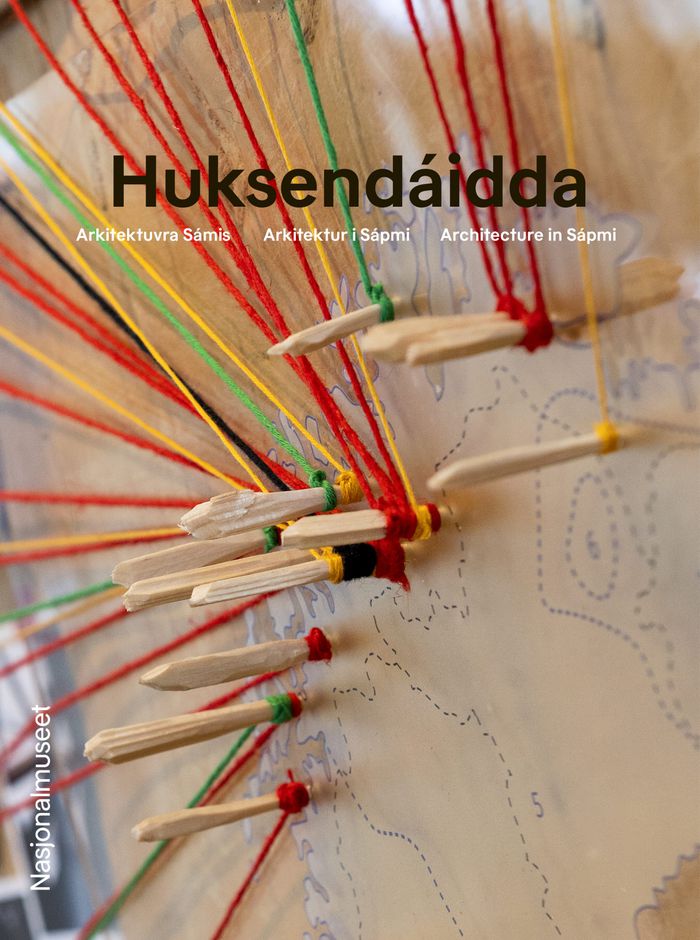
Finding your way around Sami building culture and architecture can be a challenge, as the material is scattered and sometimes inaccessible. This book is intended as both an introduction and a guide to deepening one's knowledge of the subject - in North Sami, Norwegian and English. In October 2021, the National Museum opened an exhibition of architect and artist Joar Nango's nomadic architectural library Girjegumpi. During the opening weekend, the museum organized a seminar on Sami architecture, and the lectures from the seminar are the basis for the book. Here you can read more about Nango's work Girjegumpi, Sami building practices, the treatment of the Sami in the history of architecture in Norway, how reconstruction and Norwegianization went hand in hand, the phenomenon of kjempelávvu, and also get an overview of Sami architecture on the Norwegian side of Sápmi.
Huksendaidda: Architecture in Sapmi
Actions:
Prix:
$75.00
(disponible en magasin)
Résumé:
Finding your way around Sami building culture and architecture can be a challenge, as the material is scattered and sometimes inaccessible. This book is intended as both an introduction and a guide to deepening one's knowledge of the subject - in North Sami, Norwegian and English. In October 2021, the National Museum opened an exhibition of architect and artist Joar Nango's nomadic architectural library Girjegumpi. During the opening weekend, the museum organized a seminar on Sami architecture, and the lectures from the seminar are the basis for the book. Here you can read more about Nango's work Girjegumpi, Sami building practices, the treatment of the Sami in the history of architecture in Norway, how reconstruction and Norwegianization went hand in hand, the phenomenon of kjempelávvu, and also get an overview of Sami architecture on the Norwegian side of Sápmi.
Classification:
livres
livres
Publication:
janvier 2022
janvier 2022
Sujet:
Architecture autochtone
Architecture autochtone
Classification:
livres
livres
Actions:
Prix:
$119.00
(disponible en magasin)
Résumé:
Following "Adjaye: Works 1995-2007", this second volume looks back on the impressive portfolio of work created by architect David Adjaye between 2007 and 2015. During the years covered in this book, the acclaimed architect embraced expansive projects, taking him outside Europe to work on major ventures, such as the Museum of Contemporary Art in Denver and the Moscow(...)
$119.00
(disponible en magasin)
Résumé:
Following "Adjaye: Works 1995-2007", this second volume looks back on the impressive portfolio of work created by architect David Adjaye between 2007 and 2015. During the years covered in this book, the acclaimed architect embraced expansive projects, taking him outside Europe to work on major ventures, such as the Museum of Contemporary Art in Denver and the Moscow(...)
Titre:
Adjaye: Works 2007-2015. House, pavilions, installations, buildings
Actions:
Prix:
$119.00
(disponible en magasin)
Résumé:
Following "Adjaye: Works 1995-2007", this second volume looks back on the impressive portfolio of work created by architect David Adjaye between 2007 and 2015. During the years covered in this book, the acclaimed architect embraced expansive projects, taking him outside Europe to work on major ventures, such as the Museum of Contemporary Art in Denver and the Moscow School of Management Skolkovo. Designing buildings around the world, including two projects connected with the post-Katrina reconstruction program in New Orleans, Adjaye carefully tailored his approach to each place, sensitive to the important role architecture plays in affirming a sense of community and identity. This volume brings together these recent projects and presents them with new analyses and personal insights from the architect, including detailed drawing and site plans and stunning color photography, demonstrating the originality of Adjaye’s talents.
Adjaye: Works 2007-2015. House, pavilions, installations, buildings
Actions:
Prix:
$119.00
(disponible en magasin)
Résumé:
Following "Adjaye: Works 1995-2007", this second volume looks back on the impressive portfolio of work created by architect David Adjaye between 2007 and 2015. During the years covered in this book, the acclaimed architect embraced expansive projects, taking him outside Europe to work on major ventures, such as the Museum of Contemporary Art in Denver and the Moscow School of Management Skolkovo. Designing buildings around the world, including two projects connected with the post-Katrina reconstruction program in New Orleans, Adjaye carefully tailored his approach to each place, sensitive to the important role architecture plays in affirming a sense of community and identity. This volume brings together these recent projects and presents them with new analyses and personal insights from the architect, including detailed drawing and site plans and stunning color photography, demonstrating the originality of Adjaye’s talents.
Classification:
livres
livres
Publication:
octobre 2022
octobre 2022
Sujet:
Architecture, monographies
Architecture, monographies
Classification:
livres
livres
Actions:
Prix:
$51.95
(disponible sur commande)
Résumé:
Much of our understanding of the origins and early development of the Greek architectural order is based on the writings of ancient authors, such as Virtruvius, and those of modern interpreters. Traditionally, the archaeological evidence has been viewed secondarily and often made to fit within a literary context, despite contradictions that occur. Barbara Barletta's study(...)
$51.95
(disponible sur commande)
Résumé:
Much of our understanding of the origins and early development of the Greek architectural order is based on the writings of ancient authors, such as Virtruvius, and those of modern interpreters. Traditionally, the archaeological evidence has been viewed secondarily and often made to fit within a literary context, despite contradictions that occur. Barbara Barletta's study(...)
Titre:
The origins of the Greek architectural orders
Actions:
Prix:
$51.95
(disponible sur commande)
Résumé:
Much of our understanding of the origins and early development of the Greek architectural order is based on the writings of ancient authors, such as Virtruvius, and those of modern interpreters. Traditionally, the archaeological evidence has been viewed secondarily and often made to fit within a literary context, despite contradictions that occur. Barbara Barletta's study examines both forms of evidence in an effort to reconcile the two sources, as well as to offer a coherent reconstruction of the origins and early development of the Greek architectural orders. Beginning with the pre-canonical material, she demonstrates that the relatively late emergence of the Doric and Ionic orders arose from contributions of separate regions of the Greek world, rather than a single center. Barletta's reinterpretations of the evidence also assigns greater importance to the often overlooked contributions of Western Greece and the Cycladic Islands.
The origins of the Greek architectural orders
Actions:
Prix:
$51.95
(disponible sur commande)
Résumé:
Much of our understanding of the origins and early development of the Greek architectural order is based on the writings of ancient authors, such as Virtruvius, and those of modern interpreters. Traditionally, the archaeological evidence has been viewed secondarily and often made to fit within a literary context, despite contradictions that occur. Barbara Barletta's study examines both forms of evidence in an effort to reconcile the two sources, as well as to offer a coherent reconstruction of the origins and early development of the Greek architectural orders. Beginning with the pre-canonical material, she demonstrates that the relatively late emergence of the Doric and Ionic orders arose from contributions of separate regions of the Greek world, rather than a single center. Barletta's reinterpretations of the evidence also assigns greater importance to the often overlooked contributions of Western Greece and the Cycladic Islands.
Classification:
livres
livres
Publication:
septembre 2009
septembre 2009
Classification:
livres
livres
Actions:
Prix:
$78.95
(disponible sur commande)
Résumé:
The contributors to this volume, devoted entirely to Mies van der Rohe’s Barcelona Pavilion of 1929, address here for the first time the forgotten contexts of the Pavilion’s genesis. Habitually thought of as an abstract, unpolluted, and splendidly isolated building—a precursor of Mies’s American period—the Pavilion is revealed here as a thoroughly European work, perhaps(...)
$78.95
(disponible sur commande)
Résumé:
The contributors to this volume, devoted entirely to Mies van der Rohe’s Barcelona Pavilion of 1929, address here for the first time the forgotten contexts of the Pavilion’s genesis. Habitually thought of as an abstract, unpolluted, and splendidly isolated building—a precursor of Mies’s American period—the Pavilion is revealed here as a thoroughly European work, perhaps(...)
Titre:
Mies van der Rohe: Barcelona-1929
Actions:
Prix:
$78.95
(disponible sur commande)
Résumé:
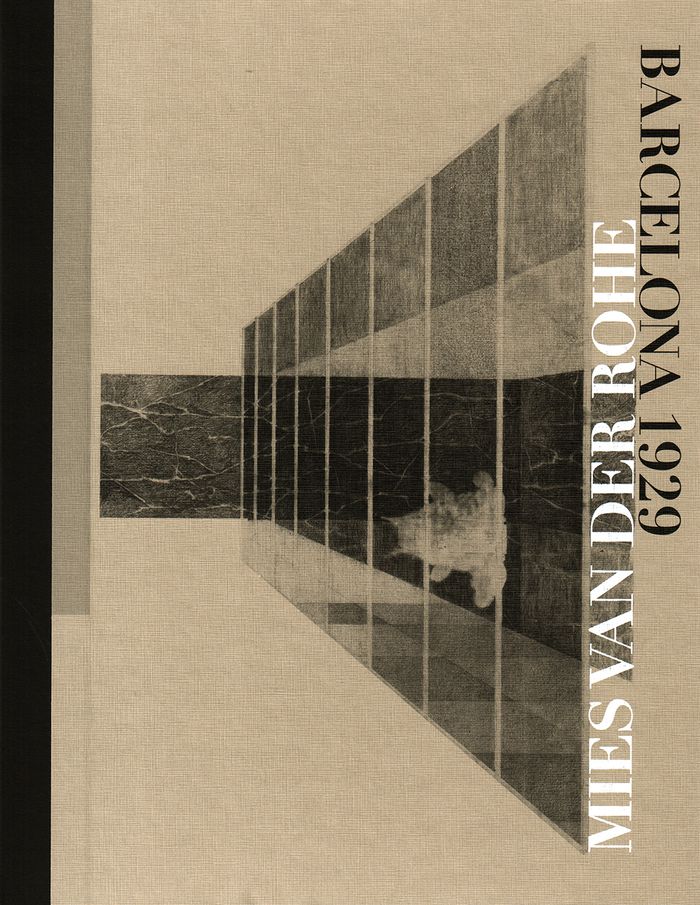
The contributors to this volume, devoted entirely to Mies van der Rohe’s Barcelona Pavilion of 1929, address here for the first time the forgotten contexts of the Pavilion’s genesis. Habitually thought of as an abstract, unpolluted, and splendidly isolated building—a precursor of Mies’s American period—the Pavilion is revealed here as a thoroughly European work, perhaps less pristine but more authentic. Mies and Lilly Reich were commissioned to design not only the Pavilion but also more than one hundred thousand square feet of German stands spread throughout the Exposition. By examining that work in addition to the Pavilion itself, the contributors present a far-reaching reinterpretation of the whole. They also explore connections with the mass media, highlight the work’s antecedents and meaning in the history of architecture, and analyze the current pavilion, a reconstruction of the original built in 1986.
Mies van der Rohe: Barcelona-1929
Actions:
Prix:
$78.95
(disponible sur commande)
Résumé:
The contributors to this volume, devoted entirely to Mies van der Rohe’s Barcelona Pavilion of 1929, address here for the first time the forgotten contexts of the Pavilion’s genesis. Habitually thought of as an abstract, unpolluted, and splendidly isolated building—a precursor of Mies’s American period—the Pavilion is revealed here as a thoroughly European work, perhaps less pristine but more authentic. Mies and Lilly Reich were commissioned to design not only the Pavilion but also more than one hundred thousand square feet of German stands spread throughout the Exposition. By examining that work in addition to the Pavilion itself, the contributors present a far-reaching reinterpretation of the whole. They also explore connections with the mass media, highlight the work’s antecedents and meaning in the history of architecture, and analyze the current pavilion, a reconstruction of the original built in 1986.
Classification:
livres
livres
Publication:
avril 2018
avril 2018
Sujet:
Architecture, monographies
Architecture, monographies
Classification:
livres
livres
Actions:
Prix:
$49.95
(disponible sur commande)
Résumé:
Jean Bossu (1912-1983) fait partie des disciples de Le Corbusier dont l'oeuvre est restée longtemps méconnue. Auteur d'innombrables projets et enseignant charismatique, il fut toute sa carrière durant un homme à la fois engagé dans le combat moderne et totalement libre. Son chef-d'oeuvre, le centre Saint-Réparatus à Orléansville (Algérie), a été détruit en 1980 lors d'un(...)
$49.95
(disponible sur commande)
Résumé:
Jean Bossu (1912-1983) fait partie des disciples de Le Corbusier dont l'oeuvre est restée longtemps méconnue. Auteur d'innombrables projets et enseignant charismatique, il fut toute sa carrière durant un homme à la fois engagé dans le combat moderne et totalement libre. Son chef-d'oeuvre, le centre Saint-Réparatus à Orléansville (Algérie), a été détruit en 1980 lors d'un(...)
Titre:
Jean Bossu: une trajectoire moderne singulière
Actions:
Prix:
$49.95
(disponible sur commande)
Résumé:
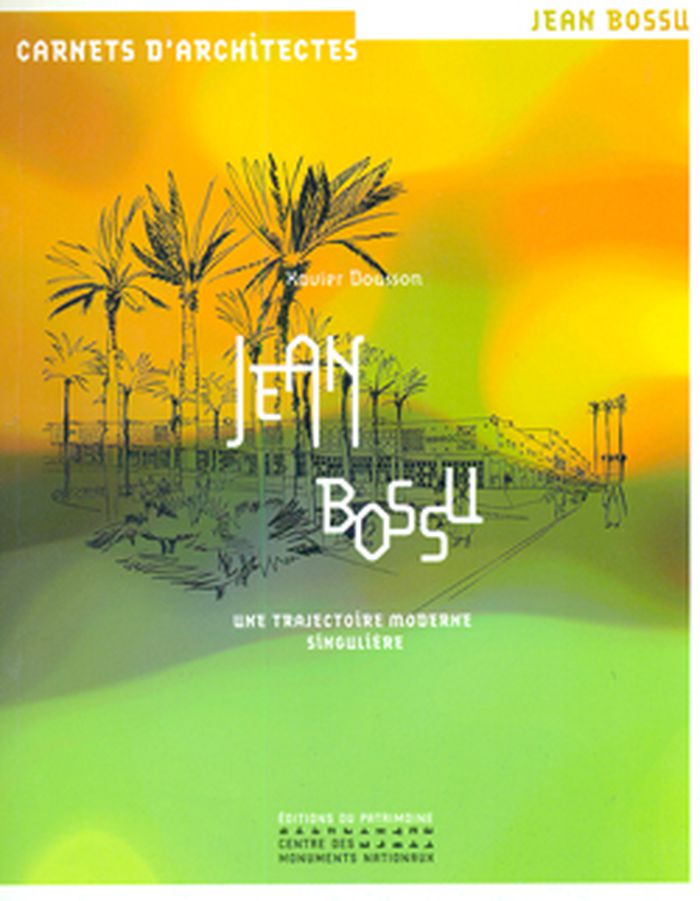
Jean Bossu (1912-1983) fait partie des disciples de Le Corbusier dont l'oeuvre est restée longtemps méconnue. Auteur d'innombrables projets et enseignant charismatique, il fut toute sa carrière durant un homme à la fois engagé dans le combat moderne et totalement libre. Son chef-d'oeuvre, le centre Saint-Réparatus à Orléansville (Algérie), a été détruit en 1980 lors d'un tremblement de terre. Comme en bien d'autres occasions, l'architecte y avait montré sa capacité à marier architecture vernaculaire et modernisme. Ses maisons individuelles. sur la côte vendéenne, sa contribution à la reconstruction en Picardie, ses réalisations à La Réunion et en Algérie, son fascinant projet théorique pour une artère résidentielle, enfin son inaltérable foi dans l'architecture, en font l'une des figures les plus attachantes de son temps. Cet ouvrage est la première monographie qui lui est consacrée.
Jean Bossu: une trajectoire moderne singulière
Actions:
Prix:
$49.95
(disponible sur commande)
Résumé:
Jean Bossu (1912-1983) fait partie des disciples de Le Corbusier dont l'oeuvre est restée longtemps méconnue. Auteur d'innombrables projets et enseignant charismatique, il fut toute sa carrière durant un homme à la fois engagé dans le combat moderne et totalement libre. Son chef-d'oeuvre, le centre Saint-Réparatus à Orléansville (Algérie), a été détruit en 1980 lors d'un tremblement de terre. Comme en bien d'autres occasions, l'architecte y avait montré sa capacité à marier architecture vernaculaire et modernisme. Ses maisons individuelles. sur la côte vendéenne, sa contribution à la reconstruction en Picardie, ses réalisations à La Réunion et en Algérie, son fascinant projet théorique pour une artère résidentielle, enfin son inaltérable foi dans l'architecture, en font l'une des figures les plus attachantes de son temps. Cet ouvrage est la première monographie qui lui est consacrée.
Classification:
livres
livres
Publication:
avril 2014
avril 2014
Sujet:
Architecture, monographies
Architecture, monographies
Classification:
livres
livres

Actions:
Prix:
$15.00
(disponible sur commande)
Résumé:
À la mort de Lénine en 1924, les mouvements de l'avant-garde architecturale, dont le constructivisme, vibrent à l'unisson de la Révolution de 1917. Depuis 1921, ils apportent leur écot à la Nouvelle Politique Économique, au Plan d'électrification de l'URSS et essayent de définir une « esthétique communiste » au service du prolétaire et de la kolkhozienne. L'Union(...)
$15.00
(disponible sur commande)
Résumé:
À la mort de Lénine en 1924, les mouvements de l'avant-garde architecturale, dont le constructivisme, vibrent à l'unisson de la Révolution de 1917. Depuis 1921, ils apportent leur écot à la Nouvelle Politique Économique, au Plan d'électrification de l'URSS et essayent de définir une « esthétique communiste » au service du prolétaire et de la kolkhozienne. L'Union(...)
Publication:
novembre 2012
novembre 2012
Titre:
Le prix de Rome : le 'grand tour' des architectes soviétiques sous Mussolini
Actions:
Prix:
$15.00
(disponible sur commande)
Résumé:
À la mort de Lénine en 1924, les mouvements de l'avant-garde architecturale, dont le constructivisme, vibrent à l'unisson de la Révolution de 1917. Depuis 1921, ils apportent leur écot à la Nouvelle Politique Économique, au Plan d'électrification de l'URSS et essayent de définir une « esthétique communiste » au service du prolétaire et de la kolkhozienne. L'Union Soviétique, l'Allemagne et les États-Unis forment alors la troïka de l'Internationale moderniste. Le premier plan quinquennal est lancé en 1928. Villes nouvelles et chantiers industriels tournent à plein régime. Davantage préoccupé par ces grands chantiers, Staline semble se désintéresser de l'enjeu architectural. Pourtant, à partir du concours pour le Palais des Soviets (1932) et de l'adoption du Plan Général de reconstruction de Moscou (1935), la Rome éternelle va devenir, au prix d'un face-à-face avec l'Italie fasciste, un « modèle » de réalisme socialiste inattendu...
Le prix de Rome : le 'grand tour' des architectes soviétiques sous Mussolini
Actions:
Prix:
$15.00
(disponible sur commande)
Résumé:
À la mort de Lénine en 1924, les mouvements de l'avant-garde architecturale, dont le constructivisme, vibrent à l'unisson de la Révolution de 1917. Depuis 1921, ils apportent leur écot à la Nouvelle Politique Économique, au Plan d'électrification de l'URSS et essayent de définir une « esthétique communiste » au service du prolétaire et de la kolkhozienne. L'Union Soviétique, l'Allemagne et les États-Unis forment alors la troïka de l'Internationale moderniste. Le premier plan quinquennal est lancé en 1928. Villes nouvelles et chantiers industriels tournent à plein régime. Davantage préoccupé par ces grands chantiers, Staline semble se désintéresser de l'enjeu architectural. Pourtant, à partir du concours pour le Palais des Soviets (1932) et de l'adoption du Plan Général de reconstruction de Moscou (1935), la Rome éternelle va devenir, au prix d'un face-à-face avec l'Italie fasciste, un « modèle » de réalisme socialiste inattendu...
Classification:
livres
livres
Publication:
novembre 2012
novembre 2012
Classification:
livres
livres
Actions:
Prix:
$120.00
(disponible sur commande)
Résumé:
This second volume of Hatje Cantz’s Josef Paul Kleihues catalogue raisonné encompasses the most active years of this prominent German architect’s career, from 1981 to 1995. Kleihues (1933–2004) was the head of the highly respected Internationale Bauausstellung (International Architectural Show, IBA) in Berlin from 1979 to 1987; following German reunification, he was(...)
$120.00
(disponible sur commande)
Résumé:
This second volume of Hatje Cantz’s Josef Paul Kleihues catalogue raisonné encompasses the most active years of this prominent German architect’s career, from 1981 to 1995. Kleihues (1933–2004) was the head of the highly respected Internationale Bauausstellung (International Architectural Show, IBA) in Berlin from 1979 to 1987; following German reunification, he was(...)
Sujet:
Architecture, monographies
Architecture, monographies
Publication:
septembre 2013
septembre 2013
Titre:
Josef Paul Kleihues: works 1981-1995
Actions:
Prix:
$120.00
(disponible sur commande)
Résumé:
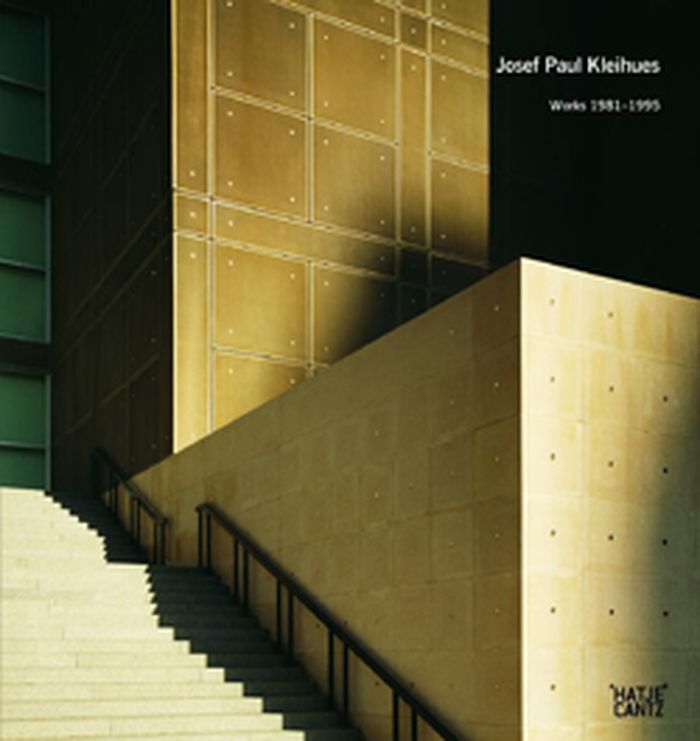
This second volume of Hatje Cantz’s Josef Paul Kleihues catalogue raisonné encompasses the most active years of this prominent German architect’s career, from 1981 to 1995. Kleihues (1933–2004) was the head of the highly respected Internationale Bauausstellung (International Architectural Show, IBA) in Berlin from 1979 to 1987; following German reunification, he was arguably the most influential architect in the re-envisioning of the capital, and his concept of “critical reconstruction” influenced an entire generation of architects. Among his many buildings of note are the Regent Hotel (formerly the Four Seasons Hotel) at the Gendarmenmarkt, and his tower, the Kantdreieck, with its famous “shark fin” on the roof. Kleihues has received international recognition for his museum buildings in particular, such as the redesigned Deichtorhalle, the Hamburger Bahnhof and the new building of the Museum of Contemporary Art in Chicago.
Josef Paul Kleihues: works 1981-1995
Actions:
Prix:
$120.00
(disponible sur commande)
Résumé:
This second volume of Hatje Cantz’s Josef Paul Kleihues catalogue raisonné encompasses the most active years of this prominent German architect’s career, from 1981 to 1995. Kleihues (1933–2004) was the head of the highly respected Internationale Bauausstellung (International Architectural Show, IBA) in Berlin from 1979 to 1987; following German reunification, he was arguably the most influential architect in the re-envisioning of the capital, and his concept of “critical reconstruction” influenced an entire generation of architects. Among his many buildings of note are the Regent Hotel (formerly the Four Seasons Hotel) at the Gendarmenmarkt, and his tower, the Kantdreieck, with its famous “shark fin” on the roof. Kleihues has received international recognition for his museum buildings in particular, such as the redesigned Deichtorhalle, the Hamburger Bahnhof and the new building of the Museum of Contemporary Art in Chicago.
Classification:
livres
livres
Publication:
septembre 2013
septembre 2013
Sujet:
Architecture, monographies
Architecture, monographies
Classification:
livres
livres
Titre:
(Re)naissances
(Re)naissances
Actions:
Prix:
$47.95
(disponible sur commande)
Résumé:
Le Centre hospitalier du Vexin est un lieu singulier par sa géographie et son histoire. Aujourd'hui spécialisé dans les soins de suite et de rééducation et la prise en charge du handicap lourd, cet hôpital fut à l'origine, en 1930, un sanotarium à l'architecture révolutionnaire, se dévelopanat en tros grands bâtiments de béton construits au ilieu d'une forêt. Situé loin(...)
$47.95
(disponible sur commande)
Résumé:
Le Centre hospitalier du Vexin est un lieu singulier par sa géographie et son histoire. Aujourd'hui spécialisé dans les soins de suite et de rééducation et la prise en charge du handicap lourd, cet hôpital fut à l'origine, en 1930, un sanotarium à l'architecture révolutionnaire, se dévelopanat en tros grands bâtiments de béton construits au ilieu d'une forêt. Situé loin(...)
Sujet:
Monographies photo
Monographies photo
Publication:
juin 2006, Plancoët
juin 2006, Plancoët
Titre:
(Re)naissances
Actions:
Prix:
$47.95
(disponible sur commande)
Résumé:
Le Centre hospitalier du Vexin est un lieu singulier par sa géographie et son histoire. Aujourd'hui spécialisé dans les soins de suite et de rééducation et la prise en charge du handicap lourd, cet hôpital fut à l'origine, en 1930, un sanotarium à l'architecture révolutionnaire, se dévelopanat en tros grands bâtiments de béton construits au ilieu d'une forêt. Situé loin des grandes villes, il fur utilisé pendant la seconde guerre mondiale comme camp de prsonniers de 1940 à 1943. La police française y interna des communistes et des résistants dont beaucoup furent déportés dans les camps de concentration. Gwendal Bescond, photographe, Catherine Déréthé, compositrice sonore, et Nolwenn Assolant, écrivaine, évoquent ce site où l'on passe en un instant d'un univers de traces fantomatiques à un lieu dédié à la reconstruction du corps et qui mêle l'histoire collective à la mémoire individuelle.
(Re)naissances
Actions:
Prix:
$47.95
(disponible sur commande)
Résumé:
Le Centre hospitalier du Vexin est un lieu singulier par sa géographie et son histoire. Aujourd'hui spécialisé dans les soins de suite et de rééducation et la prise en charge du handicap lourd, cet hôpital fut à l'origine, en 1930, un sanotarium à l'architecture révolutionnaire, se dévelopanat en tros grands bâtiments de béton construits au ilieu d'une forêt. Situé loin des grandes villes, il fur utilisé pendant la seconde guerre mondiale comme camp de prsonniers de 1940 à 1943. La police française y interna des communistes et des résistants dont beaucoup furent déportés dans les camps de concentration. Gwendal Bescond, photographe, Catherine Déréthé, compositrice sonore, et Nolwenn Assolant, écrivaine, évoquent ce site où l'on passe en un instant d'un univers de traces fantomatiques à un lieu dédié à la reconstruction du corps et qui mêle l'histoire collective à la mémoire individuelle.
Classification:
livres
livres
Publication:
juin 2006, Plancoët
juin 2006, Plancoët
Sujet:
Monographies photo
Monographies photo
Classification:
livres
livres

Actions:
Prix:
$35.95
(disponible en magasin)
Résumé:
Some of the largest architecture firms have effectively become war corporations. At the same time as designing Olympic parks and world-famous buildings, they have constructed military bases, maintained weaponry, and trained personnel for wars in which hundreds of thousands of people have been killed. In some conflicts, the same firms have been contracted from invasion to(...)
$35.95
(disponible en magasin)
Résumé:
Some of the largest architecture firms have effectively become war corporations. At the same time as designing Olympic parks and world-famous buildings, they have constructed military bases, maintained weaponry, and trained personnel for wars in which hundreds of thousands of people have been killed. In some conflicts, the same firms have been contracted from invasion to(...)
Titre:
Architecture for warfare: How corporations profit from destruction and rerconstruction
Actions:
Prix:
$35.95
(disponible en magasin)
Résumé:
Some of the largest architecture firms have effectively become war corporations. At the same time as designing Olympic parks and world-famous buildings, they have constructed military bases, maintained weaponry, and trained personnel for wars in which hundreds of thousands of people have been killed. In some conflicts, the same firms have been contracted from invasion to reconstruction, including facilitating military attacks, rebuilding war-damaged infrastructure, and establishing new governments. Architecture for Warfare tells the story of a form of multidisciplinary corporation that employs architects skilled in designing structures alongside former military personnel with experience handling live-fire weapons. It highlights the tensions and contradictions within these architecture-led firms that claim to make the world a better place. The book combines personal narrative with detailed research to reveal unsettling relations between design, planning, and armed conflict.
Architecture for warfare: How corporations profit from destruction and rerconstruction
Actions:
Prix:
$35.95
(disponible en magasin)
Résumé:
Some of the largest architecture firms have effectively become war corporations. At the same time as designing Olympic parks and world-famous buildings, they have constructed military bases, maintained weaponry, and trained personnel for wars in which hundreds of thousands of people have been killed. In some conflicts, the same firms have been contracted from invasion to reconstruction, including facilitating military attacks, rebuilding war-damaged infrastructure, and establishing new governments. Architecture for Warfare tells the story of a form of multidisciplinary corporation that employs architects skilled in designing structures alongside former military personnel with experience handling live-fire weapons. It highlights the tensions and contradictions within these architecture-led firms that claim to make the world a better place. The book combines personal narrative with detailed research to reveal unsettling relations between design, planning, and armed conflict.
Classification:
livres
livres
Publication:
avril 2026
avril 2026
Sujet:
Théorie de l’architecture
Théorie de l’architecture
Classification:
livres
livres
Actions:
Prix:
$24.95
(disponible sur commande)
Résumé:
Qu’est-ce qu’un jardin, de quel type d’espace s’agit-il, quelle est sa forme temporelle, de quelles pièces et morceaux doit-il se composer pour avoir droit au nom de « jardin » ? En distinguant le jardin de son frère ennemi, le paysage, en évitant de le soumettre à la contagion des « beaux jardins », en essayant d’aller à l’élémentaire, ce petit traité tente de fixer(...)
$24.95
(disponible sur commande)
Résumé:
Qu’est-ce qu’un jardin, de quel type d’espace s’agit-il, quelle est sa forme temporelle, de quelles pièces et morceaux doit-il se composer pour avoir droit au nom de « jardin » ? En distinguant le jardin de son frère ennemi, le paysage, en évitant de le soumettre à la contagion des « beaux jardins », en essayant d’aller à l’élémentaire, ce petit traité tente de fixer(...)
Titre:
Petit traité du jardin ordinaire
Actions:
Prix:
$24.95
(disponible sur commande)
Résumé:
Qu’est-ce qu’un jardin, de quel type d’espace s’agit-il, quelle est sa forme temporelle, de quelles pièces et morceaux doit-il se composer pour avoir droit au nom de « jardin » ? En distinguant le jardin de son frère ennemi, le paysage, en évitant de le soumettre à la contagion des « beaux jardins », en essayant d’aller à l’élémentaire, ce petit traité tente de fixer pour un moment l’objet jardin, objet toujours en mouvement, toujours inachevé, et dont la composition subtile réclame un prudent dosage. Mais qu’il se montre dans son ingénuité ou qu’il s’expose comme une œuvre contemporaine, le jardin répond à une loi qui le met à part dans les productions humaines : celle de l’anentropie, ce travail incessant de reconstruction, de rapiècement, de rétablissement patient à partir des restes, par lequel le jardinier compose avec la mort.
Petit traité du jardin ordinaire
Actions:
Prix:
$24.95
(disponible sur commande)
Résumé:
Qu’est-ce qu’un jardin, de quel type d’espace s’agit-il, quelle est sa forme temporelle, de quelles pièces et morceaux doit-il se composer pour avoir droit au nom de « jardin » ? En distinguant le jardin de son frère ennemi, le paysage, en évitant de le soumettre à la contagion des « beaux jardins », en essayant d’aller à l’élémentaire, ce petit traité tente de fixer pour un moment l’objet jardin, objet toujours en mouvement, toujours inachevé, et dont la composition subtile réclame un prudent dosage. Mais qu’il se montre dans son ingénuité ou qu’il s’expose comme une œuvre contemporaine, le jardin répond à une loi qui le met à part dans les productions humaines : celle de l’anentropie, ce travail incessant de reconstruction, de rapiècement, de rétablissement patient à partir des restes, par lequel le jardinier compose avec la mort.
Classification:
livres
livres
Publication:
avril 2003, Paris
avril 2003, Paris
Sujet:
Théorie du paysage
Théorie du paysage


