


2092 Résultats
Classification:
livres
livres
Actions:
Prix:
$67.95
(disponible sur commande)
Résumé:
Upon his death, Stéphane Mallarmé (1842–98) left hundreds of notes on an unrealized great work he called ''The Book.'' Housed in a clear Plexiglas box, this card-deck conception of his project draws from that material, and from other writings alluding to its possible forms, including a letter in which he describes ''a book that is architectural... The orphic explanation(...)
$67.95
(disponible sur commande)
Résumé:
Upon his death, Stéphane Mallarmé (1842–98) left hundreds of notes on an unrealized great work he called ''The Book.'' Housed in a clear Plexiglas box, this card-deck conception of his project draws from that material, and from other writings alluding to its possible forms, including a letter in which he describes ''a book that is architectural... The orphic explanation(...)
Titre:
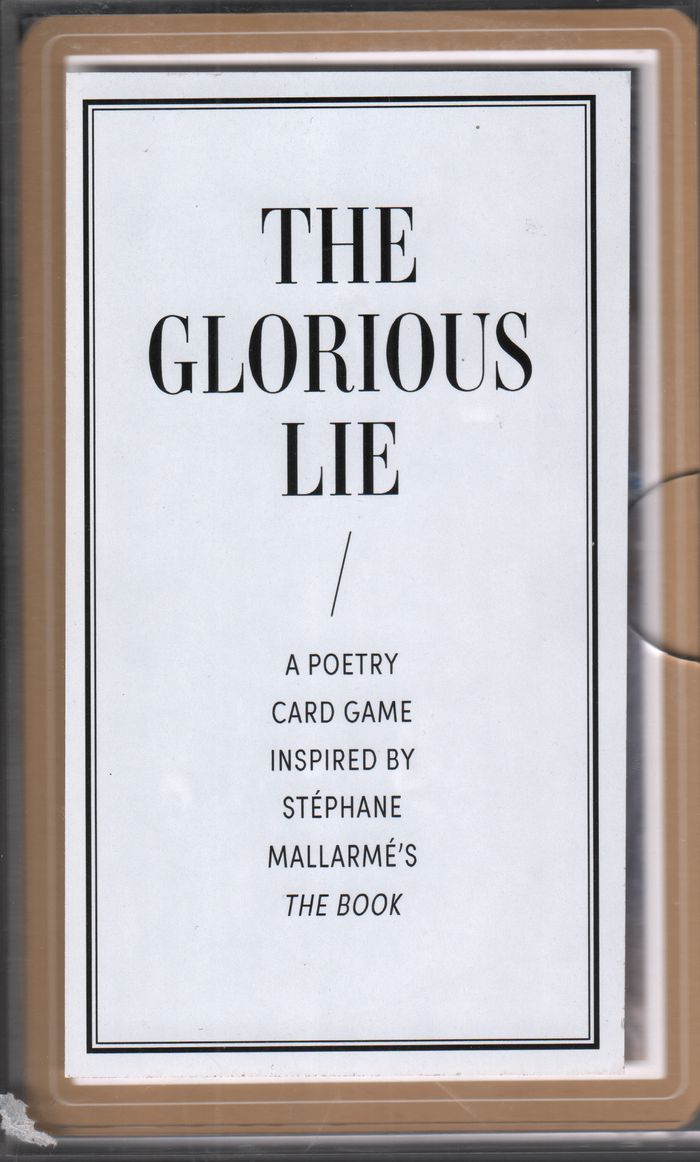
The glorious lie/The gloy of the lie : A poetry card game inspired by Stéphane Mallarmé's ''The Book''
Actions:
Prix:
$67.95
(disponible sur commande)
Résumé:
Upon his death, Stéphane Mallarmé (1842–98) left hundreds of notes on an unrealized great work he called ''The Book.'' Housed in a clear Plexiglas box, this card-deck conception of his project draws from that material, and from other writings alluding to its possible forms, including a letter in which he describes ''a book that is architectural... The orphic explanation of the Earth, which is the sole duty of the poet, and the literary game par excellence.'' The title of this game derives from another letter in which Mallarmé writes, ''perhaps the title of my volume of lyric poetry will be 'The Glory of the Lie, or The Glorious Lie.' ” Each deck contains 48 cards: three with artwork on each side, and 45 with words or phrases on each side. The size of the cards, their gold edging and the physical housing of the decks in the box reflect descriptions and clues in Mallarmé’s notes. The manner of playing the game is left open, but quotes and diagrams by Mallarmé in the accompanying 20-page booklet point to the idea of pulling cards from each of the four decks and laying them out for one reading, then flipping the cards over for a second reading. The image cards function like the Arcana of Tarot, providing a visual language equal to the word cards. The readings might be used to create poetry or, like Tarot, to divine or illuminate.
The glorious lie/The gloy of the lie : A poetry card game inspired by Stéphane Mallarmé's ''The Book''
Actions:
Prix:
$67.95
(disponible sur commande)
Résumé:
Upon his death, Stéphane Mallarmé (1842–98) left hundreds of notes on an unrealized great work he called ''The Book.'' Housed in a clear Plexiglas box, this card-deck conception of his project draws from that material, and from other writings alluding to its possible forms, including a letter in which he describes ''a book that is architectural... The orphic explanation of the Earth, which is the sole duty of the poet, and the literary game par excellence.'' The title of this game derives from another letter in which Mallarmé writes, ''perhaps the title of my volume of lyric poetry will be 'The Glory of the Lie, or The Glorious Lie.' ” Each deck contains 48 cards: three with artwork on each side, and 45 with words or phrases on each side. The size of the cards, their gold edging and the physical housing of the decks in the box reflect descriptions and clues in Mallarmé’s notes. The manner of playing the game is left open, but quotes and diagrams by Mallarmé in the accompanying 20-page booklet point to the idea of pulling cards from each of the four decks and laying them out for one reading, then flipping the cards over for a second reading. The image cards function like the Arcana of Tarot, providing a visual language equal to the word cards. The readings might be used to create poetry or, like Tarot, to divine or illuminate.
Classification:
livres
livres
Publication:
juillet 2022
juillet 2022
Sujet:
Littérature et poésie
Littérature et poésie
Classification:
livres
livres
Actions:
Prix:
$48.00
(disponible sur commande)
Résumé:
The Space Race was an exhilirating moment in history, alternately frighten-ing, thrilling, awe-inspiring, and ultimately, sublime. Its most enigmatic element was the competition. The Soviets seemed less technologically sophisticated (at least from the American perspective) but in fact won many of the races: first satellite to orbit the earth; first man in space; first(...)
$48.00
(disponible sur commande)
Résumé:
The Space Race was an exhilirating moment in history, alternately frighten-ing, thrilling, awe-inspiring, and ultimately, sublime. Its most enigmatic element was the competition. The Soviets seemed less technologically sophisticated (at least from the American perspective) but in fact won many of the races: first satellite to orbit the earth; first man in space; first(...)
Titre:
Kosmos: a portrait of the Russian Space Age
Actions:
Prix:
$48.00
(disponible sur commande)
Résumé:
The Space Race was an exhilirating moment in history, alternately frighten-ing, thrilling, awe-inspiring, and ultimately, sublime. Its most enigmatic element was the competition. The Soviets seemed less technologically sophisticated (at least from the American perspective) but in fact won many of the races: first satellite to orbit the earth; first man in space; first unmanned landings on Mars, Venus, and the Moon; first woman in space; most powerful rockets; and, until its recent fiery death, the most long-lived space station to name but a few. The inherent contradictions of the age--the mixture of technologies high and low, of nostalgia and progress, of pathos and promise--are revealed in Kosmos, Adam Bartos's astonishing photographic survey of the Soviet space program. Bartos' fascination with this subject led him to seek out places like the bedroom where Yuri Gagarian slept the night before his history-making flight into space, located in the Baiknour Cosmodrome, the one-time top-secret space complex in the Kazakh desert. Bartos also takes us inside the cockpit of the Merkur space capsule, used to ferry crew members and supplies to the super-secret Almaz orbital space stations, and behind the changing screens cosmonauts used before being fitted for their space suits at Zvezda, the chief manufacturer of Soviet life-support systems. In total, Kosmos presents over 100 of Bartos's photographs, rich with the incongruities of the history, science, culture, and politics of the Space Age.
Kosmos: a portrait of the Russian Space Age
Actions:
Prix:
$48.00
(disponible sur commande)
Résumé:
The Space Race was an exhilirating moment in history, alternately frighten-ing, thrilling, awe-inspiring, and ultimately, sublime. Its most enigmatic element was the competition. The Soviets seemed less technologically sophisticated (at least from the American perspective) but in fact won many of the races: first satellite to orbit the earth; first man in space; first unmanned landings on Mars, Venus, and the Moon; first woman in space; most powerful rockets; and, until its recent fiery death, the most long-lived space station to name but a few. The inherent contradictions of the age--the mixture of technologies high and low, of nostalgia and progress, of pathos and promise--are revealed in Kosmos, Adam Bartos's astonishing photographic survey of the Soviet space program. Bartos' fascination with this subject led him to seek out places like the bedroom where Yuri Gagarian slept the night before his history-making flight into space, located in the Baiknour Cosmodrome, the one-time top-secret space complex in the Kazakh desert. Bartos also takes us inside the cockpit of the Merkur space capsule, used to ferry crew members and supplies to the super-secret Almaz orbital space stations, and behind the changing screens cosmonauts used before being fitted for their space suits at Zvezda, the chief manufacturer of Soviet life-support systems. In total, Kosmos presents over 100 of Bartos's photographs, rich with the incongruities of the history, science, culture, and politics of the Space Age.
Classification:
livres
livres
Publication:
novembre 2001
novembre 2001
Sujet:
Monographies photo
Monographies photo
Classification:
livres
livres
Titre:
The city and the city
The city and the city
Actions:
Prix:
$30.00
(disponible sur commande)
Résumé:
Author China Miéville delivers an existential thriller set in a city unlike any other – real or imagined. When a murdered woman is found in the city of Beszel, somewhere at the edge of Europe, it looks to be a routine case for Inspector Tyador Borlú of the Extreme Crime Squad. But as he investigates, the evidence points to conspiracies far stranger and more deadly than(...)
$30.00
(disponible sur commande)
Résumé:
Author China Miéville delivers an existential thriller set in a city unlike any other – real or imagined. When a murdered woman is found in the city of Beszel, somewhere at the edge of Europe, it looks to be a routine case for Inspector Tyador Borlú of the Extreme Crime Squad. But as he investigates, the evidence points to conspiracies far stranger and more deadly than(...)
Titre:
The city and the city
Actions:
Prix:
$30.00
(disponible sur commande)
Résumé:
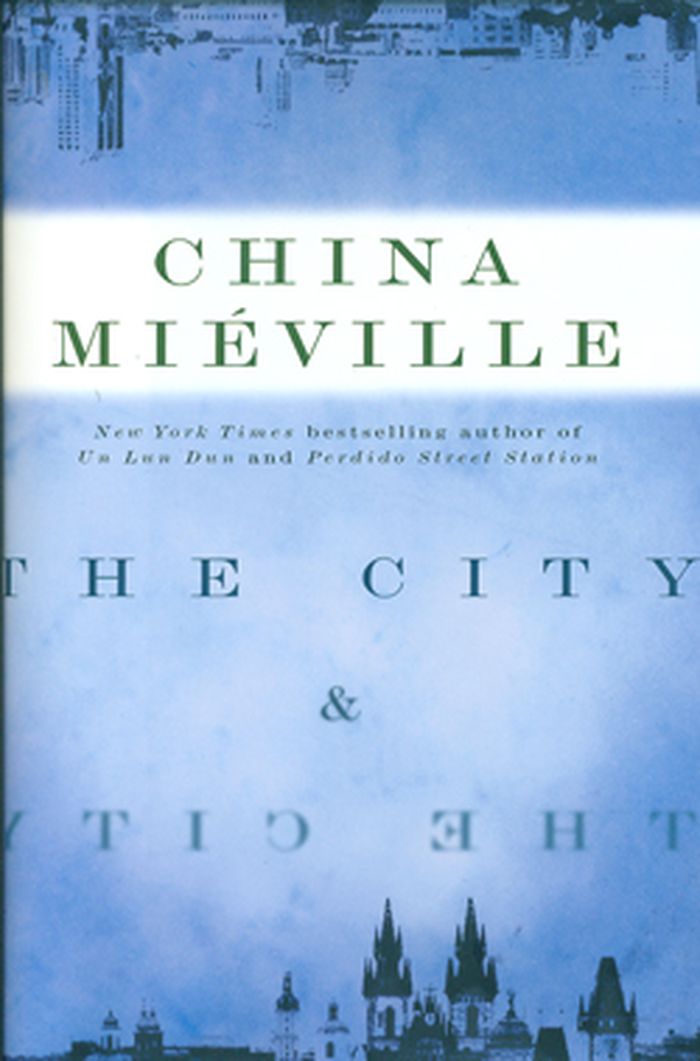
Author China Miéville delivers an existential thriller set in a city unlike any other – real or imagined. When a murdered woman is found in the city of Beszel, somewhere at the edge of Europe, it looks to be a routine case for Inspector Tyador Borlú of the Extreme Crime Squad. But as he investigates, the evidence points to conspiracies far stranger and more deadly than anything he could have imagined. Borlú must travel from the decaying Beszel to the only metropolis on Earth as strange as his own. This is a border crossing like no other, a journey as psychic as it is physical, a shift in perception, a seeing of the unseen. His destination is Beszel’s equal, rival, and intimate neighbor, the rich and vibrant city of Ul Qoma. With Ul Qoman detective Qussim Dhatt, and struggling with his own transition, Borlú is enmeshed in a sordid underworld of rabid nationalists intent on destroying their neighboring city, and unificationists who dream of dissolving the two into one. As the detectives uncover the dead woman’s secrets, they begin to suspect a truth that could cost them and those they care about more than their lives. What stands against them are murderous powers in Beszel and in Ul Qoma: and, most terrifying of all, that which lies between these two cities. Casting shades of Kafka and Philip K. Dick, Raymond Chandler and 1984, "The City & the City" is a murder mystery taken to dazzling metaphysical and artistic heights.
The city and the city
Actions:
Prix:
$30.00
(disponible sur commande)
Résumé:
Author China Miéville delivers an existential thriller set in a city unlike any other – real or imagined. When a murdered woman is found in the city of Beszel, somewhere at the edge of Europe, it looks to be a routine case for Inspector Tyador Borlú of the Extreme Crime Squad. But as he investigates, the evidence points to conspiracies far stranger and more deadly than anything he could have imagined. Borlú must travel from the decaying Beszel to the only metropolis on Earth as strange as his own. This is a border crossing like no other, a journey as psychic as it is physical, a shift in perception, a seeing of the unseen. His destination is Beszel’s equal, rival, and intimate neighbor, the rich and vibrant city of Ul Qoma. With Ul Qoman detective Qussim Dhatt, and struggling with his own transition, Borlú is enmeshed in a sordid underworld of rabid nationalists intent on destroying their neighboring city, and unificationists who dream of dissolving the two into one. As the detectives uncover the dead woman’s secrets, they begin to suspect a truth that could cost them and those they care about more than their lives. What stands against them are murderous powers in Beszel and in Ul Qoma: and, most terrifying of all, that which lies between these two cities. Casting shades of Kafka and Philip K. Dick, Raymond Chandler and 1984, "The City & the City" is a murder mystery taken to dazzling metaphysical and artistic heights.
Classification:
livres
livres
Publication:
mai 2009
mai 2009
Sujet:
Situationnisme
Situationnisme
Classification:
livres
livres
Actions:
Prix:
$54.95
(disponible sur commande)
Résumé:
The projects brought together in this book refer to new architectures applied on locations that have experienced, firstly, sporadic warfare; secondly, areas where the earth has functioned as a source of geological workings; and thirdly, marginal territories and urban environments that have undergone industrial development. This initial structure proposes, then, three(...)
$54.95
(disponible sur commande)
Résumé:
The projects brought together in this book refer to new architectures applied on locations that have experienced, firstly, sporadic warfare; secondly, areas where the earth has functioned as a source of geological workings; and thirdly, marginal territories and urban environments that have undergone industrial development. This initial structure proposes, then, three(...)
Titre:
Afterwards: remaking landscapes
Actions:
Prix:
$54.95
(disponible sur commande)
Résumé:
The projects brought together in this book refer to new architectures applied on locations that have experienced, firstly, sporadic warfare; secondly, areas where the earth has functioned as a source of geological workings; and thirdly, marginal territories and urban environments that have undergone industrial development. This initial structure proposes, then, three categories as points of reference for linking the contents, with sufficient flexibility for the final argument to be seen via other intersecting readings, tracing associations from one category to another. Thus, apart from the deliberate intensity of each intervention, and far from anchoring this in one or another group according to its nature, we present a wide range of projects hand led in terms of their specific singularities, while emphasizing their abilities and their potential to embrace new uses. Other documents are also presented to strengthen this argument, documents that provide alternatives to the architectural discipline and serve as possible comparable approaches: from the journalistic record to the clearly artistic contribution, taking in the scientific report. These documents will speak (also in terms of their particular uniqueness) of the abstraction and universalization of the degraded territory independently of the moment, its nature and causes. What, finally, the schemes presented share is that in terms of their execution they span a generally extended period of time; on top of that, the participation of institutions and administrative bodies as major sponsors; and, along with an impact on the contemporary landscape, a set of differentiated strategies and mechanisms of intervention
Afterwards: remaking landscapes
Actions:
Prix:
$54.95
(disponible sur commande)
Résumé:
The projects brought together in this book refer to new architectures applied on locations that have experienced, firstly, sporadic warfare; secondly, areas where the earth has functioned as a source of geological workings; and thirdly, marginal territories and urban environments that have undergone industrial development. This initial structure proposes, then, three categories as points of reference for linking the contents, with sufficient flexibility for the final argument to be seen via other intersecting readings, tracing associations from one category to another. Thus, apart from the deliberate intensity of each intervention, and far from anchoring this in one or another group according to its nature, we present a wide range of projects hand led in terms of their specific singularities, while emphasizing their abilities and their potential to embrace new uses. Other documents are also presented to strengthen this argument, documents that provide alternatives to the architectural discipline and serve as possible comparable approaches: from the journalistic record to the clearly artistic contribution, taking in the scientific report. These documents will speak (also in terms of their particular uniqueness) of the abstraction and universalization of the degraded territory independently of the moment, its nature and causes. What, finally, the schemes presented share is that in terms of their execution they span a generally extended period of time; on top of that, the participation of institutions and administrative bodies as major sponsors; and, along with an impact on the contemporary landscape, a set of differentiated strategies and mechanisms of intervention
Classification:
livres
livres
Publication:
janvier 1900, Barcelona
janvier 1900, Barcelona
Sujet:
Jardins
Jardins
Classification:
livres
livres
Titre:
Immaterialism
Immaterialism
Actions:
Prix:
$13.95
(disponible en magasin)
Résumé:
What objects exist in the social world and how should we understand them? Is a specific Pizza Hut restaurant as real as the employees, tables, napkins and pizzas of which it is composed, and as real as the Pizza Hut corporation with its headquarters in Wichita, the United States, the planet Earth and the social and economic impact of the restaurant on the lives of its(...)
$13.95
(disponible en magasin)
Résumé:
What objects exist in the social world and how should we understand them? Is a specific Pizza Hut restaurant as real as the employees, tables, napkins and pizzas of which it is composed, and as real as the Pizza Hut corporation with its headquarters in Wichita, the United States, the planet Earth and the social and economic impact of the restaurant on the lives of its(...)
Titre:
Immaterialism
Actions:
Prix:
$13.95
(disponible en magasin)
Résumé:
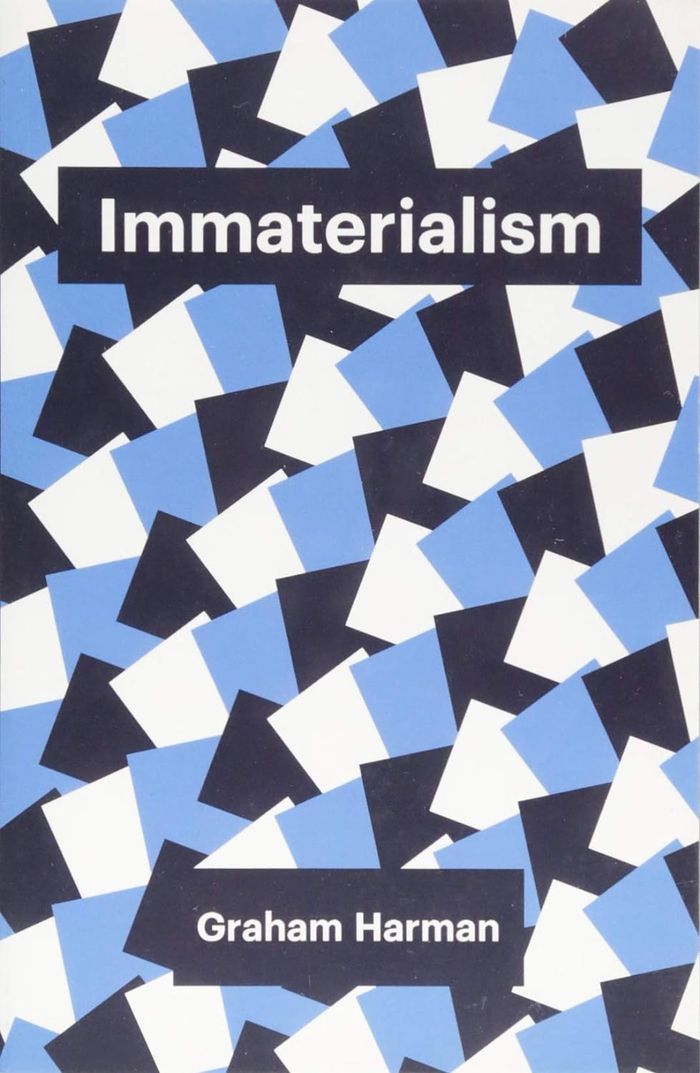
What objects exist in the social world and how should we understand them? Is a specific Pizza Hut restaurant as real as the employees, tables, napkins and pizzas of which it is composed, and as real as the Pizza Hut corporation with its headquarters in Wichita, the United States, the planet Earth and the social and economic impact of the restaurant on the lives of its employees and customers? In this book the founder of object-oriented philosophy develops his approach in order to shed light on the nature and status of objects in social life. While it is often assumed that an interest in objects amounts to a form of materialism, Harman rejects this view and develops instead an "immaterialist" method. By examining the work of leading contemporary thinkers such as Bruno Latour and Levi Bryant, he develops a forceful critique of "actor-network theory." In an extended discussion of Leibniz’s famous example of the Dutch East India Company, Harman argues that this company qualifies for objecthood neither through "what it is" or "what it does," but through its irreducibility to either of these forms. The phases of its life, argues Harman, are not demarcated primarily by dramatic incidents but by moments of symbiosis, a term he draws from the biologist Lynn Margulis. This book provides a key counterpoint to the now ubiquitous social theories of constant change, holistic networks, performative identities, and the construction of things by human practice. It will appeal to anyone interested in cutting-edge debates in philosophy and social and cultural theory.
Immaterialism
Actions:
Prix:
$13.95
(disponible en magasin)
Résumé:
What objects exist in the social world and how should we understand them? Is a specific Pizza Hut restaurant as real as the employees, tables, napkins and pizzas of which it is composed, and as real as the Pizza Hut corporation with its headquarters in Wichita, the United States, the planet Earth and the social and economic impact of the restaurant on the lives of its employees and customers? In this book the founder of object-oriented philosophy develops his approach in order to shed light on the nature and status of objects in social life. While it is often assumed that an interest in objects amounts to a form of materialism, Harman rejects this view and develops instead an "immaterialist" method. By examining the work of leading contemporary thinkers such as Bruno Latour and Levi Bryant, he develops a forceful critique of "actor-network theory." In an extended discussion of Leibniz’s famous example of the Dutch East India Company, Harman argues that this company qualifies for objecthood neither through "what it is" or "what it does," but through its irreducibility to either of these forms. The phases of its life, argues Harman, are not demarcated primarily by dramatic incidents but by moments of symbiosis, a term he draws from the biologist Lynn Margulis. This book provides a key counterpoint to the now ubiquitous social theories of constant change, holistic networks, performative identities, and the construction of things by human practice. It will appeal to anyone interested in cutting-edge debates in philosophy and social and cultural theory.
Classification:
livres
livres
Publication:
février 2016
février 2016
Sujet:
Théorie/ philosophie
Théorie/ philosophie
Classification:
livres
livres
Titre:
Nozone x: forecast
Nozone x: forecast
Actions:
Prix:
$27.95
(disponible sur commande)
Résumé:
Conspiracy theories, pending Ice Ages, potential revolutions, viral epidemics, and other doomsday prophecies: wherever you look–from the cover of Time magazine to the weird weather outside your window–the message seems universal: the Earth our children inherit will certainly be nothing like the one we currently inhabit. UN reports and newspaper articles are illustrated(...)
$27.95
(disponible sur commande)
Résumé:
Conspiracy theories, pending Ice Ages, potential revolutions, viral epidemics, and other doomsday prophecies: wherever you look–from the cover of Time magazine to the weird weather outside your window–the message seems universal: the Earth our children inherit will certainly be nothing like the one we currently inhabit. UN reports and newspaper articles are illustrated(...)
Publication:
septembre 2008, New York
septembre 2008, New York
Titre:
Nozone x: forecast
Actions:
Prix:
$27.95
(disponible sur commande)
Résumé:
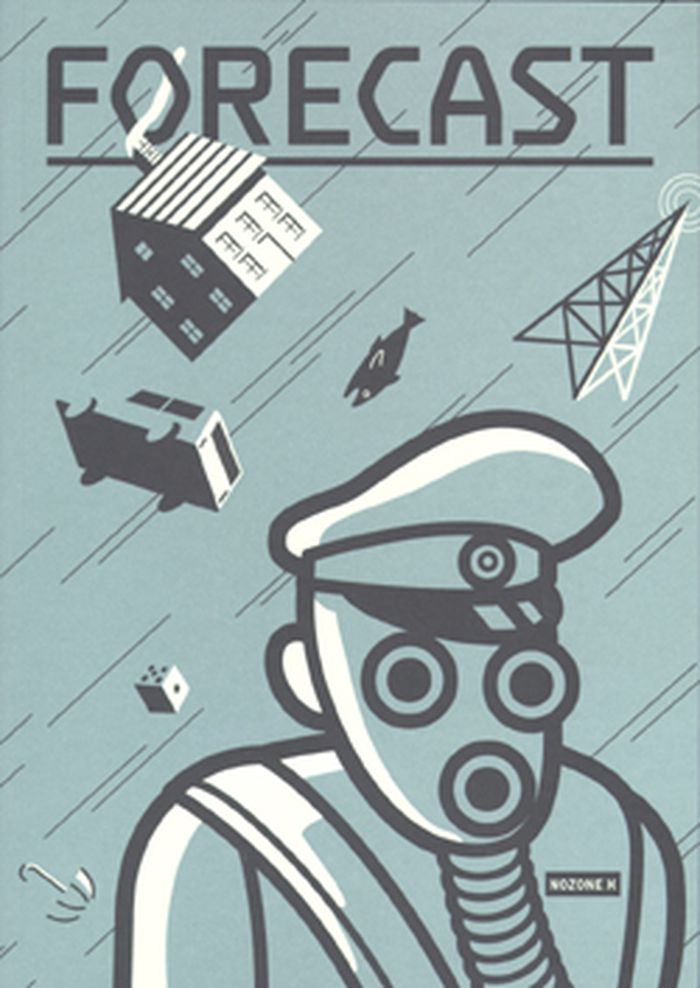
Conspiracy theories, pending Ice Ages, potential revolutions, viral epidemics, and other doomsday prophecies: wherever you look–from the cover of Time magazine to the weird weather outside your window–the message seems universal: the Earth our children inherit will certainly be nothing like the one we currently inhabit. UN reports and newspaper articles are illustrated with dry charts and graphs predicting technological, economic, and ecological transformations that are already dramatically altering the way we live. Forecast revisualizes these abstractions about everything from our environment to our waistlines, from the stock market to the Middle East through the eyes of cartoonists and graphic designers who have made comics with a conscience: Ward Sutton imagines a nation divided into a red and a blue zone; Paula Scher maps out the Northern Hemisphere of 2100; Elizabeth Amon interviews New Yorker journalist Elizabeth Kolbert on global warming; and Tom Tomorrow looks back on the legacy of Bush-Cheney. Ultimately, Forecast is an optimistic book: using humor, it encourages all of us to take responsibility for predictions of the future and to take action to affect change. Forecast is the latest installment of Nozone. Featured in the Cooper Hewitt's Design Triennial, Nozone is a decade-old political graphic design and comics zine, edited around a theme. Nicholas Blechman is principal of Knickerbocker Design in New York City and art director of the New York Times Book Review. He is the editor of Empire and co-author of Evil, both published by Princeton Architectural Press. Blechman is publisher of the award-winning political underground magazine Nozone.
Nozone x: forecast
Actions:
Prix:
$27.95
(disponible sur commande)
Résumé:
Conspiracy theories, pending Ice Ages, potential revolutions, viral epidemics, and other doomsday prophecies: wherever you look–from the cover of Time magazine to the weird weather outside your window–the message seems universal: the Earth our children inherit will certainly be nothing like the one we currently inhabit. UN reports and newspaper articles are illustrated with dry charts and graphs predicting technological, economic, and ecological transformations that are already dramatically altering the way we live. Forecast revisualizes these abstractions about everything from our environment to our waistlines, from the stock market to the Middle East through the eyes of cartoonists and graphic designers who have made comics with a conscience: Ward Sutton imagines a nation divided into a red and a blue zone; Paula Scher maps out the Northern Hemisphere of 2100; Elizabeth Amon interviews New Yorker journalist Elizabeth Kolbert on global warming; and Tom Tomorrow looks back on the legacy of Bush-Cheney. Ultimately, Forecast is an optimistic book: using humor, it encourages all of us to take responsibility for predictions of the future and to take action to affect change. Forecast is the latest installment of Nozone. Featured in the Cooper Hewitt's Design Triennial, Nozone is a decade-old political graphic design and comics zine, edited around a theme. Nicholas Blechman is principal of Knickerbocker Design in New York City and art director of the New York Times Book Review. He is the editor of Empire and co-author of Evil, both published by Princeton Architectural Press. Blechman is publisher of the award-winning political underground magazine Nozone.
Classification:
livres
livres
Publication:
septembre 2008, New York
septembre 2008, New York
Classification:
livres
livres
Actions:
Prix:
$30.00
(disponible sur commande)
Résumé:
Amidst city concrete and suburban sprawl, Americans are discovering new ways to reconnect with the natural world. From community gardens in New York's Lower East Side to homeless shelters in California, the search for a more sustainable future has led grassroots groups to a profound reconnection to place and to the natural world. Studies of the health consequences of(...)
$30.00
(disponible sur commande)
Résumé:
Amidst city concrete and suburban sprawl, Americans are discovering new ways to reconnect with the natural world. From community gardens in New York's Lower East Side to homeless shelters in California, the search for a more sustainable future has led grassroots groups to a profound reconnection to place and to the natural world. Studies of the health consequences of(...)
Titre:
Urban place : reconnecting with the natural world
Actions:
Prix:
$30.00
(disponible sur commande)
Résumé:
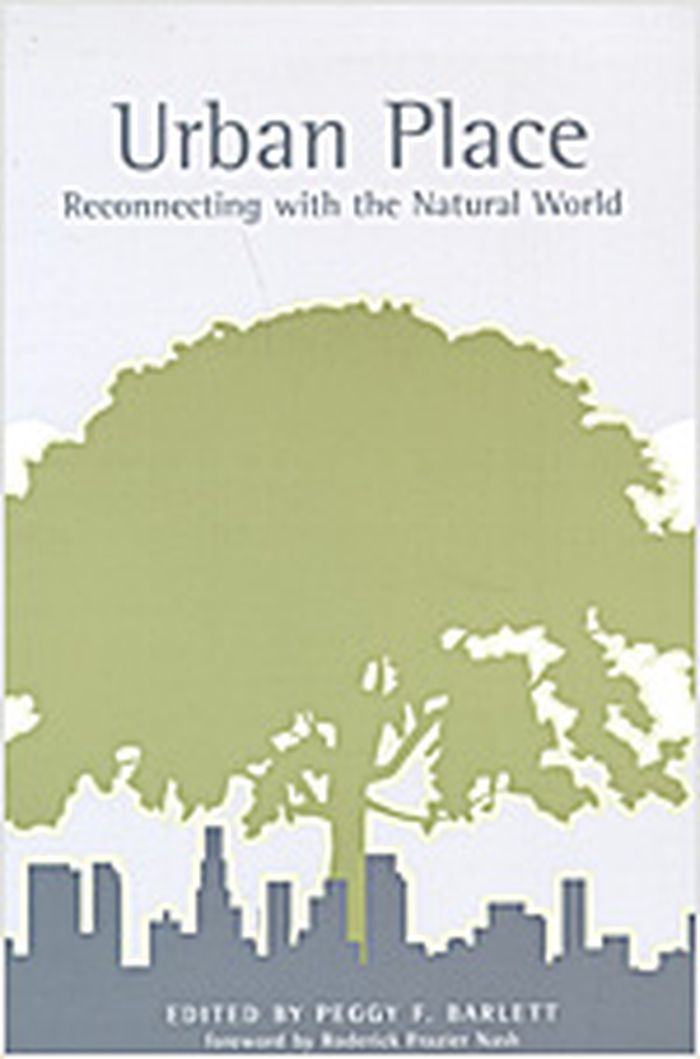
Amidst city concrete and suburban sprawl, Americans are discovering new ways to reconnect with the natural world. From community gardens in New York's Lower East Side to homeless shelters in California, the search for a more sustainable future has led grassroots groups to a profound reconnection to place and to the natural world. Studies of the health consequences of renewing a connection with nature support the urgency of providing green surroundings as cities expand and the majority of the earth's population lives in urban areas. Medical research results, from groups as diverse as healthy volunteers, surgery patients, and heart attack survivors, suggest that contact with nature may improve health and well-being. Engagement with nearby natural places also provides restoration from mental fatigue and support for more resilient and cooperative behavior. Aspects of stronger community life are fostered by access to nature, suggesting that there are significant social as well as physical and psychological benefits from connection with the natural world. This volume brings together research from anthropology, sociology, public health, psychology, and landscape architecture to highlight how awareness of locale and a meaningful renewal of attachment with the earth are connected to delight in learning about nature as well as to civic action and new forms of community. Community garden coalitions, organic market advocates, and greenspace preservationists resist the power of global forces, enacting visions of a different future. Their creative efforts tell a story of a constructive and dynamic middle ground between private plots and public action, between human health and ecosystem health, between individual attachment and urban sustainability.
Urban place : reconnecting with the natural world
Actions:
Prix:
$30.00
(disponible sur commande)
Résumé:
Amidst city concrete and suburban sprawl, Americans are discovering new ways to reconnect with the natural world. From community gardens in New York's Lower East Side to homeless shelters in California, the search for a more sustainable future has led grassroots groups to a profound reconnection to place and to the natural world. Studies of the health consequences of renewing a connection with nature support the urgency of providing green surroundings as cities expand and the majority of the earth's population lives in urban areas. Medical research results, from groups as diverse as healthy volunteers, surgery patients, and heart attack survivors, suggest that contact with nature may improve health and well-being. Engagement with nearby natural places also provides restoration from mental fatigue and support for more resilient and cooperative behavior. Aspects of stronger community life are fostered by access to nature, suggesting that there are significant social as well as physical and psychological benefits from connection with the natural world. This volume brings together research from anthropology, sociology, public health, psychology, and landscape architecture to highlight how awareness of locale and a meaningful renewal of attachment with the earth are connected to delight in learning about nature as well as to civic action and new forms of community. Community garden coalitions, organic market advocates, and greenspace preservationists resist the power of global forces, enacting visions of a different future. Their creative efforts tell a story of a constructive and dynamic middle ground between private plots and public action, between human health and ecosystem health, between individual attachment and urban sustainability.
Classification:
livres
livres
Publication:
janvier 1900, Cambridge, London
janvier 1900, Cambridge, London
Sujet:
Théorie de l’urbanisme
Théorie de l’urbanisme
Classification:
livres
livres
Titre:
Notes on the Underground
Notes on the Underground
Actions:
Prix:
$24.95
(disponible sur commande)
Résumé:
The underground has always played a prominent role in human imaginings, both as a place of refuge and as a source of fear. The late nineteenth century saw a new fascination with the underground as Western societies tried to cope with the pervasive changes of a new social and technological order. In Notes on the Underground, Rosalind Williams takes us inside that critical(...)
$24.95
(disponible sur commande)
Résumé:
The underground has always played a prominent role in human imaginings, both as a place of refuge and as a source of fear. The late nineteenth century saw a new fascination with the underground as Western societies tried to cope with the pervasive changes of a new social and technological order. In Notes on the Underground, Rosalind Williams takes us inside that critical(...)
Titre:
Notes on the Underground
Actions:
Prix:
$24.95
(disponible sur commande)
Résumé:
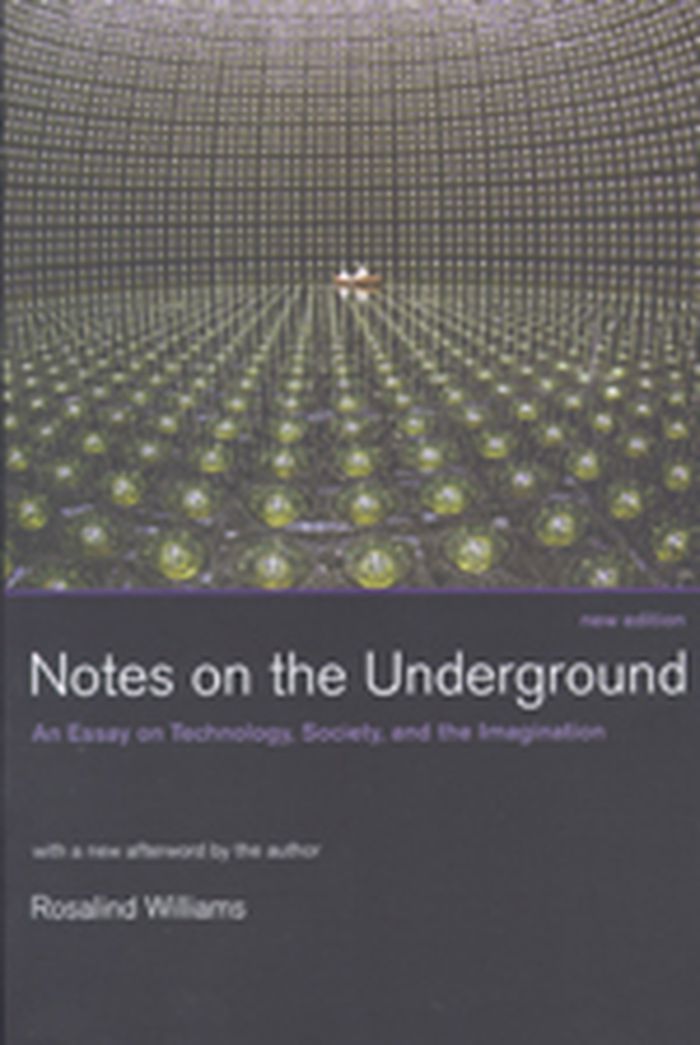
The underground has always played a prominent role in human imaginings, both as a place of refuge and as a source of fear. The late nineteenth century saw a new fascination with the underground as Western societies tried to cope with the pervasive changes of a new social and technological order. In Notes on the Underground, Rosalind Williams takes us inside that critical historical moment, giving equal coverage to actual and imaginary undergrounds. She looks at the real-life invasions of the underground that occurred as modern urban infrastructures of sewers and subways were laid, and at the simultaneous archaeological excavations that were unearthing both human history and the planet’s deep past. She also examines the subterranean stories of Verne, Wells, Forster, Hugo, Bulwer-Lytton, and other writers who proposed alternative visions of the coming technological civilization. Williams argues that these imagined and real underground environments provide models of human life in a world dominated by human presence and offer a prophetic look at today’s technology-dominated society. In a new afterword written for this edition, Williams points out that her book traces the emergence in the nineteenth century of what we would now call an environmental consciousness--an awareness that there will be consequences when humans live in a sealed, finite environment. Today we are more aware than ever of our limited biosphere and how vulnerable it is. Notes on the Underground, now even more than when it first appeared, offers a guide to the human, cultural, and technical consequences of what Williams calls "the human empire on earth."
Notes on the Underground
Actions:
Prix:
$24.95
(disponible sur commande)
Résumé:
The underground has always played a prominent role in human imaginings, both as a place of refuge and as a source of fear. The late nineteenth century saw a new fascination with the underground as Western societies tried to cope with the pervasive changes of a new social and technological order. In Notes on the Underground, Rosalind Williams takes us inside that critical historical moment, giving equal coverage to actual and imaginary undergrounds. She looks at the real-life invasions of the underground that occurred as modern urban infrastructures of sewers and subways were laid, and at the simultaneous archaeological excavations that were unearthing both human history and the planet’s deep past. She also examines the subterranean stories of Verne, Wells, Forster, Hugo, Bulwer-Lytton, and other writers who proposed alternative visions of the coming technological civilization. Williams argues that these imagined and real underground environments provide models of human life in a world dominated by human presence and offer a prophetic look at today’s technology-dominated society. In a new afterword written for this edition, Williams points out that her book traces the emergence in the nineteenth century of what we would now call an environmental consciousness--an awareness that there will be consequences when humans live in a sealed, finite environment. Today we are more aware than ever of our limited biosphere and how vulnerable it is. Notes on the Underground, now even more than when it first appeared, offers a guide to the human, cultural, and technical consequences of what Williams calls "the human empire on earth."
Classification:
livres
livres
Publication:
mars 2008, Cambridge
mars 2008, Cambridge
Sujet:
Théorie de l’architecture
Théorie de l’architecture
Classification:
livres
livres
Actions:
Prix:
$39.95
(disponible sur commande)
Résumé:
Paul Shepheard's previous book, What is Architecture?, was about making real, material things in the world -- landscapes, buildings, and machines. The Cultivated Wilderness is about those landscapes, and about the strategies that govern what we've done in shaping them.In the author's words, this book is about "seeing things that are too big to see." His emphasis on(...)
$39.95
(disponible sur commande)
Résumé:
Paul Shepheard's previous book, What is Architecture?, was about making real, material things in the world -- landscapes, buildings, and machines. The Cultivated Wilderness is about those landscapes, and about the strategies that govern what we've done in shaping them.In the author's words, this book is about "seeing things that are too big to see." His emphasis on(...)
Titre:
The cultivated wilderness or, what is landscape?
Actions:
Prix:
$39.95
(disponible sur commande)
Résumé:
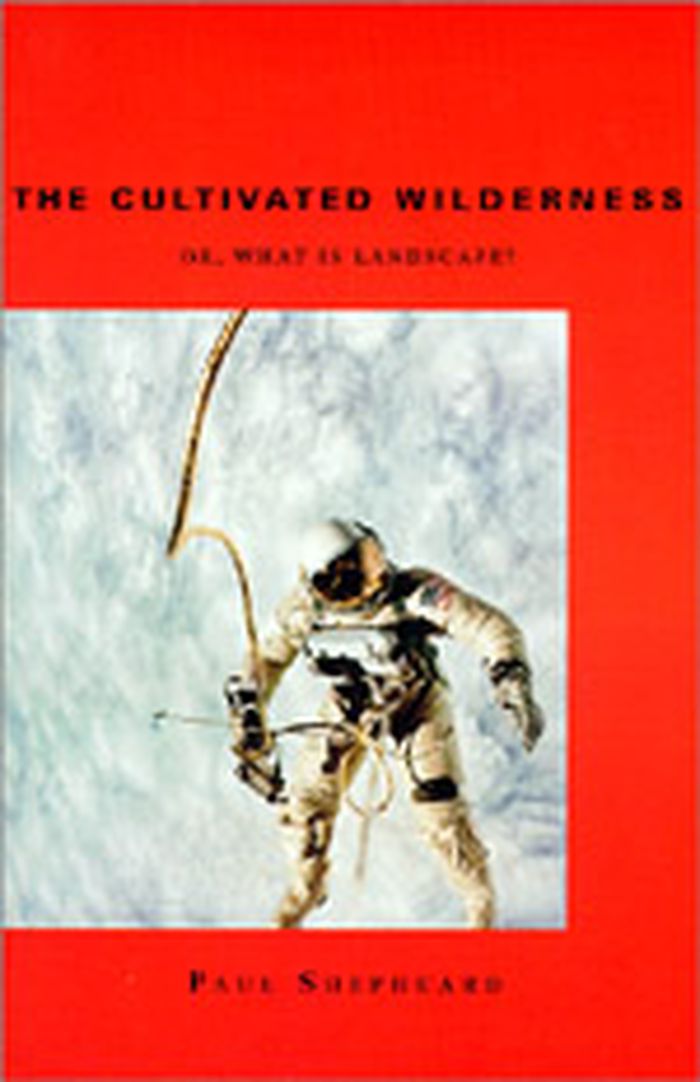
Paul Shepheard's previous book, What is Architecture?, was about making real, material things in the world -- landscapes, buildings, and machines. The Cultivated Wilderness is about those landscapes, and about the strategies that govern what we've done in shaping them.In the author's words, this book is about "seeing things that are too big to see." His emphasis on strategy makes landscape fundamental -- he says that every architectural move is set in a landscape. Norman England, for example, was constructed as a network of strong points, in a strategy of occupation. The eighteenth-century grid cities of the New World reflect a strategy of reason. Our current strategy is the economic exploitation of the Earth, an intricately woven blanket of commerce that covers up a multitude of other possibilities, many other ways to treat the surface of the globe -- some of which are the landscapes revealed in this book.In a series of first-person narratives, reminiscent of his last book, the author pairs six landscapes, in order of descending scale from global to local, from the seven wonders of the ancient world to the condensed destruction of World War I's Western Front. In an engaging style, Shepheard takes the reader on an odyssey through these landscapes, meeting people and seeing places. He states that now, at the end of a century in which the appropriate landscape was sought but never found, the strategy of turning the land to profit is under review -- and offers this book as his contribution to that review.
The cultivated wilderness or, what is landscape?
Actions:
Prix:
$39.95
(disponible sur commande)
Résumé:
Paul Shepheard's previous book, What is Architecture?, was about making real, material things in the world -- landscapes, buildings, and machines. The Cultivated Wilderness is about those landscapes, and about the strategies that govern what we've done in shaping them.In the author's words, this book is about "seeing things that are too big to see." His emphasis on strategy makes landscape fundamental -- he says that every architectural move is set in a landscape. Norman England, for example, was constructed as a network of strong points, in a strategy of occupation. The eighteenth-century grid cities of the New World reflect a strategy of reason. Our current strategy is the economic exploitation of the Earth, an intricately woven blanket of commerce that covers up a multitude of other possibilities, many other ways to treat the surface of the globe -- some of which are the landscapes revealed in this book.In a series of first-person narratives, reminiscent of his last book, the author pairs six landscapes, in order of descending scale from global to local, from the seven wonders of the ancient world to the condensed destruction of World War I's Western Front. In an engaging style, Shepheard takes the reader on an odyssey through these landscapes, meeting people and seeing places. He states that now, at the end of a century in which the appropriate landscape was sought but never found, the strategy of turning the land to profit is under review -- and offers this book as his contribution to that review.
Classification:
livres
livres
Publication:
mars 1997, Cambridge, Mass.
mars 1997, Cambridge, Mass.
Sujet:
Théorie du paysage
Théorie du paysage
Classification:
livres
livres
Titre:
Antarctic resolution
Antarctic resolution
Actions:
Prix:
$110.00
(disponible sur commande)
Résumé:
Accounting for approximately 10% of the land mass of Planet Earth, the Antarctic is a global commons we collectively neglect. Far from being a pristine natural landscape, the continent is a contested territory which conceals resources that might prove irresistible in a world with ever-increasing population growth. The 26 quadrillion tons of ice accumulated on its bedrock,(...)
$110.00
(disponible sur commande)
Résumé:
Accounting for approximately 10% of the land mass of Planet Earth, the Antarctic is a global commons we collectively neglect. Far from being a pristine natural landscape, the continent is a contested territory which conceals resources that might prove irresistible in a world with ever-increasing population growth. The 26 quadrillion tons of ice accumulated on its bedrock,(...)
Titre:
Antarctic resolution
Actions:
Prix:
$110.00
(disponible sur commande)
Résumé:
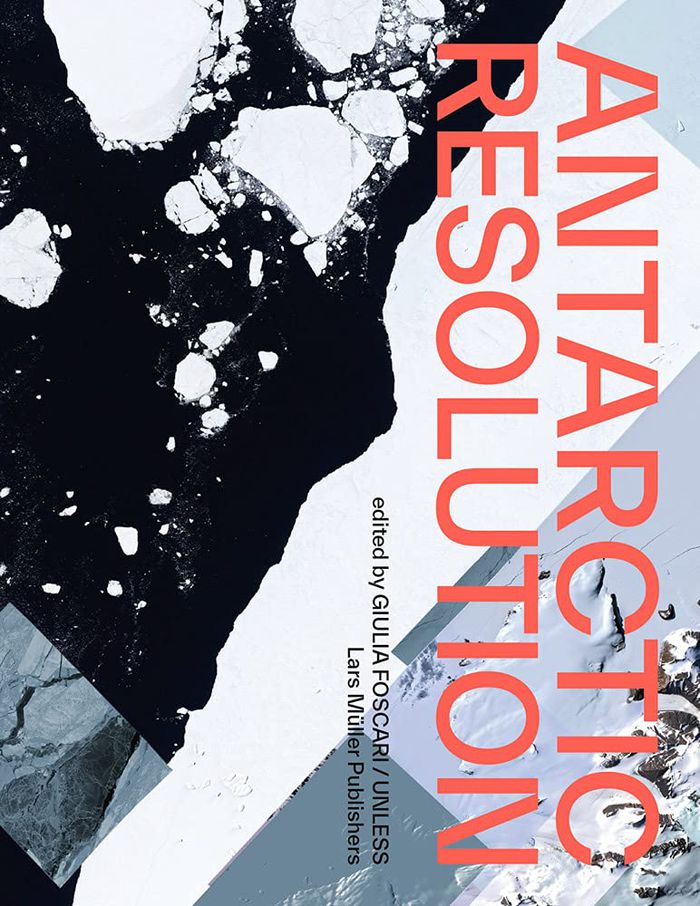
Accounting for approximately 10% of the land mass of Planet Earth, the Antarctic is a global commons we collectively neglect. Far from being a pristine natural landscape, the continent is a contested territory which conceals resources that might prove irresistible in a world with ever-increasing population growth. The 26 quadrillion tons of ice accumulated on its bedrock, equivalent to around 70% of the fresh water on our planet, represent at once the most significant repository of scientific data available, providing crucial information for future environmental policies, and the greatest menace to global coastal settlements threatened by the rise in sea levels induced by anthropogenic global warming. ''Antarctic Resolution'' advocates the rejection of the pixelated view of Antarctica offered to us by big data companies and urges the construction of a high-resolution image focusing on the continent’s unique geography, unparalleled scientific potential, contemporary geopolitical significance, experimental governance system and its extreme inhabitation model. Only the concerted determination of a transnational network of multidisciplinary polar experts—represented here in the form of authored texts, photographic essays and data-based visual portfolios—could construct such an image and reveal the intricate web of growing economic and strategic interests, tensions and international rivalries, which are enveloped in darkness, as is the continent for six months of the year. Learning from Antarctica’s spirit of cooperation, ''Antarctic Resolution'' aspires to launch a platform, an agency for change, where citizens can undertake a true Antarctic resolution and engage in a unanimous effort—independent of nation—to shape the future of the Antarctic and, in turn, of our planet.
Antarctic resolution
Actions:
Prix:
$110.00
(disponible sur commande)
Résumé:
Accounting for approximately 10% of the land mass of Planet Earth, the Antarctic is a global commons we collectively neglect. Far from being a pristine natural landscape, the continent is a contested territory which conceals resources that might prove irresistible in a world with ever-increasing population growth. The 26 quadrillion tons of ice accumulated on its bedrock, equivalent to around 70% of the fresh water on our planet, represent at once the most significant repository of scientific data available, providing crucial information for future environmental policies, and the greatest menace to global coastal settlements threatened by the rise in sea levels induced by anthropogenic global warming. ''Antarctic Resolution'' advocates the rejection of the pixelated view of Antarctica offered to us by big data companies and urges the construction of a high-resolution image focusing on the continent’s unique geography, unparalleled scientific potential, contemporary geopolitical significance, experimental governance system and its extreme inhabitation model. Only the concerted determination of a transnational network of multidisciplinary polar experts—represented here in the form of authored texts, photographic essays and data-based visual portfolios—could construct such an image and reveal the intricate web of growing economic and strategic interests, tensions and international rivalries, which are enveloped in darkness, as is the continent for six months of the year. Learning from Antarctica’s spirit of cooperation, ''Antarctic Resolution'' aspires to launch a platform, an agency for change, where citizens can undertake a true Antarctic resolution and engage in a unanimous effort—independent of nation—to shape the future of the Antarctic and, in turn, of our planet.
Classification:
livres
livres
Publication:
août 2021
août 2021
Sujet:
Architecture contemporaine
Architecture contemporaine


