


2140 Résultats
Classification:
livres
livres
Actions:
Prix:
$25.95
(disponible sur commande)
Résumé:
Much has been written about Britain's trailblazing post-1970s privatization program, but the biggest privatization of them all has until now escaped scrutiny: the privatization of land. Since Margaret Thatcher took power in 1979, and hidden from the public eye, about 10 per cent of the entire British land mass, including some of its most valuable real estate, has passed(...)
$25.95
(disponible sur commande)
Résumé:
Much has been written about Britain's trailblazing post-1970s privatization program, but the biggest privatization of them all has until now escaped scrutiny: the privatization of land. Since Margaret Thatcher took power in 1979, and hidden from the public eye, about 10 per cent of the entire British land mass, including some of its most valuable real estate, has passed(...)
Titre:
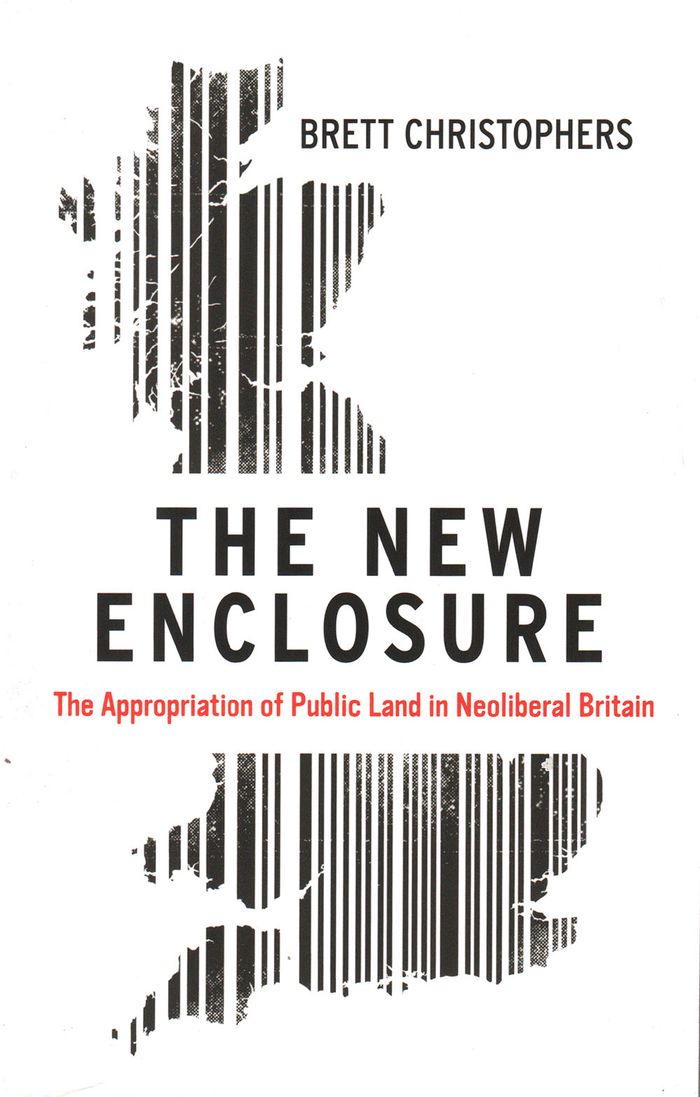
The new enclosure: the appropriation of public land in neoliberal Britain
Actions:
Prix:
$25.95
(disponible sur commande)
Résumé:
Much has been written about Britain's trailblazing post-1970s privatization program, but the biggest privatization of them all has until now escaped scrutiny: the privatization of land. Since Margaret Thatcher took power in 1979, and hidden from the public eye, about 10 per cent of the entire British land mass, including some of its most valuable real estate, has passed from public to private hands. Forest land, defence land, health service land and above all else local authority land- for farming and school sports, for recreation and housing - has been sold off en masse. Why? How? And with what social, economic and political consequences? “The New Enclosure” provides the first ever study of this profoundly significant phenomenon, situating it as a centrepiece of neoliberalism in Britain and as a successor programme to the original eighteenth-century enclosures. With more public land still slated for disposal, the book identifies the stakes and asks what, if anything, can and should be done.
The new enclosure: the appropriation of public land in neoliberal Britain
Actions:
Prix:
$25.95
(disponible sur commande)
Résumé:
Much has been written about Britain's trailblazing post-1970s privatization program, but the biggest privatization of them all has until now escaped scrutiny: the privatization of land. Since Margaret Thatcher took power in 1979, and hidden from the public eye, about 10 per cent of the entire British land mass, including some of its most valuable real estate, has passed from public to private hands. Forest land, defence land, health service land and above all else local authority land- for farming and school sports, for recreation and housing - has been sold off en masse. Why? How? And with what social, economic and political consequences? “The New Enclosure” provides the first ever study of this profoundly significant phenomenon, situating it as a centrepiece of neoliberalism in Britain and as a successor programme to the original eighteenth-century enclosures. With more public land still slated for disposal, the book identifies the stakes and asks what, if anything, can and should be done.
Classification:
livres
livres
Publication:
novembre 2019
novembre 2019
Sujet:
Paysages urbains
Paysages urbains
Classification:
livres
livres
Actions:
Prix:
$26.00
(disponible sur commande)
Résumé:
Shaped by immigration, globalization, and demographics, our hub cities demonstrate what's best about Canada: our commitment to education, tolerance, culture, and innovation. Since the early 1990s, however, troubling trends have threatened to undermine our much-envied quality of life. Large urban centres are experiencing a widening gap between rich and poor, mounting(...)
$26.00
(disponible sur commande)
Résumé:
Shaped by immigration, globalization, and demographics, our hub cities demonstrate what's best about Canada: our commitment to education, tolerance, culture, and innovation. Since the early 1990s, however, troubling trends have threatened to undermine our much-envied quality of life. Large urban centres are experiencing a widening gap between rich and poor, mounting(...)
Titre:
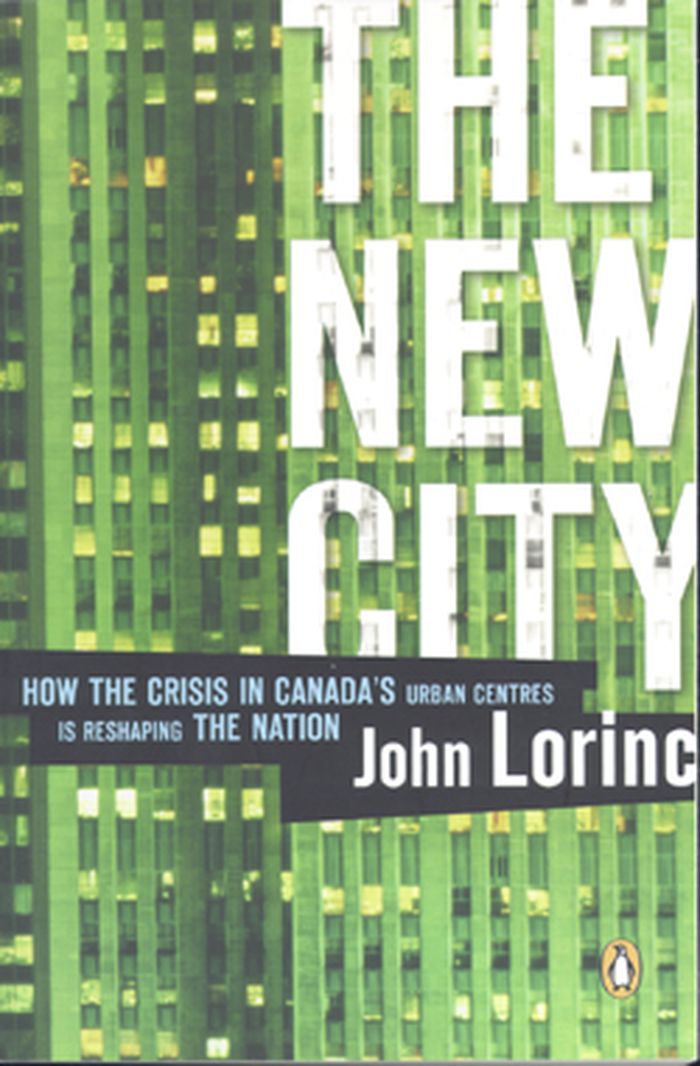
The New City: how the crisis in Canada's urban centres is reshaping the nation
Actions:
Prix:
$26.00
(disponible sur commande)
Résumé:
Shaped by immigration, globalization, and demographics, our hub cities demonstrate what's best about Canada: our commitment to education, tolerance, culture, and innovation. Since the early 1990s, however, troubling trends have threatened to undermine our much-envied quality of life. Large urban centres are experiencing a widening gap between rich and poor, mounting levels of violence, and sprawl-induced health and environmental damage. Well-trained immigrants struggle to find suitable jobs and decent housing, while big-city schools suffer from underfunding. Local governments lack the resources and political clout to act decisively. In The New City, award-winning urban affairs writer John Lorinc offers a compelling vision of how to make Canada's metropolitan centres sustainable, livable, and competitive in a world dominated by powerful mega-cities. Incisive and broad-ranging, this is a timely reminder that all Canadians must confront urban issues if the country is to succeed in the tumultuous economy of the 21st century.
The New City: how the crisis in Canada's urban centres is reshaping the nation
Actions:
Prix:
$26.00
(disponible sur commande)
Résumé:
Shaped by immigration, globalization, and demographics, our hub cities demonstrate what's best about Canada: our commitment to education, tolerance, culture, and innovation. Since the early 1990s, however, troubling trends have threatened to undermine our much-envied quality of life. Large urban centres are experiencing a widening gap between rich and poor, mounting levels of violence, and sprawl-induced health and environmental damage. Well-trained immigrants struggle to find suitable jobs and decent housing, while big-city schools suffer from underfunding. Local governments lack the resources and political clout to act decisively. In The New City, award-winning urban affairs writer John Lorinc offers a compelling vision of how to make Canada's metropolitan centres sustainable, livable, and competitive in a world dominated by powerful mega-cities. Incisive and broad-ranging, this is a timely reminder that all Canadians must confront urban issues if the country is to succeed in the tumultuous economy of the 21st century.
Classification:
livres
livres
Publication:
mars 2006, Toronto
mars 2006, Toronto
Sujet:
Théorie de l’urbanisme
Théorie de l’urbanisme
Classification:
livres
livres
Actions:
Prix:
$34.95
(disponible sur commande)
Résumé:
Thomas Jefferson, third president of the United States, felt that the founding and design of the University of Virginia in 1819 was his most lasting achievement. Jefferson's Academical Village centers on the Rotunda, the Lawn, and ten neoclassical Pavilions. Today, (...)
$34.95
(disponible sur commande)
Résumé:
Thomas Jefferson, third president of the United States, felt that the founding and design of the University of Virginia in 1819 was his most lasting achievement. Jefferson's Academical Village centers on the Rotunda, the Lawn, and ten neoclassical Pavilions. Today, (...)
Publication:
avril 1999, New York
avril 1999, New York
Titre:
University of Virginia : the campus guide
Actions:
Prix:
$34.95
(disponible sur commande)
Résumé:
Thomas Jefferson, third president of the United States, felt that the founding and design of the University of Virginia in 1819 was his most lasting achievement. Jefferson's Academical Village centers on the Rotunda, the Lawn, and ten neoclassical Pavilions. Today, spanning 1,065 acres and the 80 buildings described in this guide, the campus features major architectural works by McKim, Mead & White, Michael Graves, Robert A.M. Stern, Hugh Stubbins, Hartman-Cox, and Tod Williams and Billie Tsien. Historians Richard Guy Wilson and Sara A. Butler take the reader on a tour of the University's heritage and recent works, from Jefferson's highly ordered nineteenth-century village to the suburban postmodern campus of the late twentieth century. Three-dimensional maps locate featured buildings on the campus and six sub-districts: The Lawn; Central Grounds; West Grounds; Health Sciences Center; Rugby Road and Carr's Hill; North Grounds; and Observatory Hill. Archival photographs and drawings recapture fragments of "lost" buildings and recall notable historic moments.
University of Virginia : the campus guide
Actions:
Prix:
$34.95
(disponible sur commande)
Résumé:
Thomas Jefferson, third president of the United States, felt that the founding and design of the University of Virginia in 1819 was his most lasting achievement. Jefferson's Academical Village centers on the Rotunda, the Lawn, and ten neoclassical Pavilions. Today, spanning 1,065 acres and the 80 buildings described in this guide, the campus features major architectural works by McKim, Mead & White, Michael Graves, Robert A.M. Stern, Hugh Stubbins, Hartman-Cox, and Tod Williams and Billie Tsien. Historians Richard Guy Wilson and Sara A. Butler take the reader on a tour of the University's heritage and recent works, from Jefferson's highly ordered nineteenth-century village to the suburban postmodern campus of the late twentieth century. Three-dimensional maps locate featured buildings on the campus and six sub-districts: The Lawn; Central Grounds; West Grounds; Health Sciences Center; Rugby Road and Carr's Hill; North Grounds; and Observatory Hill. Archival photographs and drawings recapture fragments of "lost" buildings and recall notable historic moments.
Classification:
livres
livres
Publication:
avril 1999, New York
avril 1999, New York
Classification:
livres
livres
Titre:
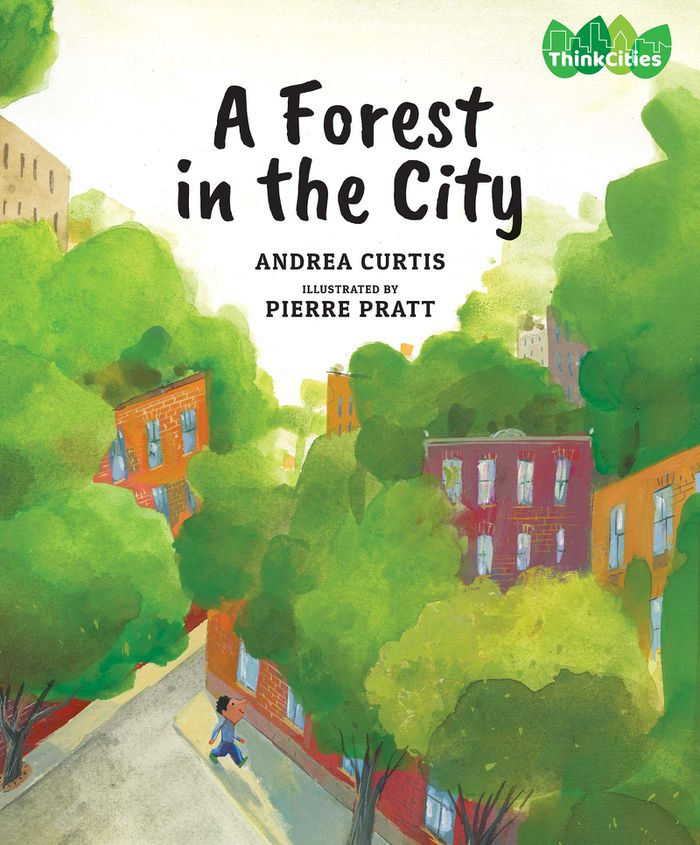
A forest in the city
A forest in the city
Actions:
Prix:
$19.95
(disponible sur commande)
Résumé:
''A forest in the city'' looks at the urban forest, starting with a bird’s-eye view of the tree canopy, then swooping down to street level, digging deep into the ground, then moving up through a tree’s trunk, back into the leaves and branches. Trees make our cities more beautiful and provide shade but they also fight climate change and pollution, benefit our health and(...)
$19.95
(disponible sur commande)
Résumé:
''A forest in the city'' looks at the urban forest, starting with a bird’s-eye view of the tree canopy, then swooping down to street level, digging deep into the ground, then moving up through a tree’s trunk, back into the leaves and branches. Trees make our cities more beautiful and provide shade but they also fight climate change and pollution, benefit our health and(...)
Titre:
A forest in the city
Actions:
Prix:
$19.95
(disponible sur commande)
Résumé:
''A forest in the city'' looks at the urban forest, starting with a bird’s-eye view of the tree canopy, then swooping down to street level, digging deep into the ground, then moving up through a tree’s trunk, back into the leaves and branches. Trees make our cities more beautiful and provide shade but they also fight climate change and pollution, benefit our health and connections to one another, provide food and shelter for wildlife, and much more. Yet city trees face an abundance of problems, such as the abundance of concrete, poor soil and challenging light conditions. So how can we create a healthy environment for city trees? Urban foresters are trying to create better growing conditions, plant diverse species, and maintain trees as they age. These strategies, and more, reveal that the urban forest is a complex system—''A forest in the city'' shows readers we are a part of it. Includes a list of activities to help the urban forest and a glossary.
A forest in the city
Actions:
Prix:
$19.95
(disponible sur commande)
Résumé:
''A forest in the city'' looks at the urban forest, starting with a bird’s-eye view of the tree canopy, then swooping down to street level, digging deep into the ground, then moving up through a tree’s trunk, back into the leaves and branches. Trees make our cities more beautiful and provide shade but they also fight climate change and pollution, benefit our health and connections to one another, provide food and shelter for wildlife, and much more. Yet city trees face an abundance of problems, such as the abundance of concrete, poor soil and challenging light conditions. So how can we create a healthy environment for city trees? Urban foresters are trying to create better growing conditions, plant diverse species, and maintain trees as they age. These strategies, and more, reveal that the urban forest is a complex system—''A forest in the city'' shows readers we are a part of it. Includes a list of activities to help the urban forest and a glossary.
Classification:
livres
livres
Publication:
avril 2020
avril 2020
Sujet:
Littérature jeunesse
Littérature jeunesse
Classification:
livres
livres

Prix:
$149.95
(disponible sur commande)
Résumé:
On the occasion of its fiftieth anniversary, the Josef and Anni Albers Foundation publishes You can go anywhere. This collection of essays by Foundation staff and collaborators reveals the broad scope of how the nonprofit has carried on the legacy of the Alberses over the years. After an introduction exploring the Foundation's history, You can go anywhere features a wide(...)
$149.95
(disponible sur commande)
Résumé:
On the occasion of its fiftieth anniversary, the Josef and Anni Albers Foundation publishes You can go anywhere. This collection of essays by Foundation staff and collaborators reveals the broad scope of how the nonprofit has carried on the legacy of the Alberses over the years. After an introduction exploring the Foundation's history, You can go anywhere features a wide(...)
Publication:
juin 2022
juin 2022
Titre:
You can go anywhere: The Josef and Anni Albers Foundation at 50
Actions:
Prix:
$149.95
(disponible sur commande)
Résumé:
On the occasion of its fiftieth anniversary, the Josef and Anni Albers Foundation publishes You can go anywhere. This collection of essays by Foundation staff and collaborators reveals the broad scope of how the nonprofit has carried on the legacy of the Alberses over the years. After an introduction exploring the Foundation's history, You can go anywhere features a wide range of essays by people from around the world who have contributed to the Foundation's work, such as architects Manuel Herz and Toshiko Mori; designers Paul Smith and Christopher Farr; and curators, museum directors, and staff members. The book is richly illustrated with photos by Iwan Baan, Giovanni Hänninen, and Sofia Verzbolovskis, as well as archival material and art by the Alberses. The heart of the book is devoted to the Foundation's many donations to international museums, including rarely shown works of art. In 2005, the Foundation supported the creation of the humanitarian organization Le Korsa, which helps local communities in Senegal, through health services, education, agriculture, and culture programs. Essays about Le Korsa are sure to inspire the art world, public institutions, and philanthropists.On the occasion of its fiftieth anniversary, the Josef and Anni Albers Foundation publishes You can go anywhere. This collection of essays by Foundation staff and collaborators reveals the broad scope of how the nonprofit has carried on the legacy of the Alberses over the years. After an introduction exploring the Foundation's history, You can go anywhere features a wide range of essays by people from around the world who have contributed to the Foundation's work, such as architects Manuel Herz and Toshiko Mori; designers Paul Smith and Christopher Farr; and curators, museum directors, and staff members. The book is richly illustrated with photos by Iwan Baan, Giovanni Hänninen, and Sofia Verzbolovskis, as well as archival material and art by the Alberses. The heart of the book is devoted to the Foundation's many donations to international museums, including rarely shown works of art. In 2005, the Foundation supported the creation of the humanitarian organization Le Korsa, which helps local communities in Senegal, through health services, education, agriculture, and culture programs. Essays about Le Korsa are sure to inspire the art world, public institutions, and philanthropists.
You can go anywhere: The Josef and Anni Albers Foundation at 50
Actions:
Prix:
$149.95
(disponible sur commande)
Résumé:
On the occasion of its fiftieth anniversary, the Josef and Anni Albers Foundation publishes You can go anywhere. This collection of essays by Foundation staff and collaborators reveals the broad scope of how the nonprofit has carried on the legacy of the Alberses over the years. After an introduction exploring the Foundation's history, You can go anywhere features a wide range of essays by people from around the world who have contributed to the Foundation's work, such as architects Manuel Herz and Toshiko Mori; designers Paul Smith and Christopher Farr; and curators, museum directors, and staff members. The book is richly illustrated with photos by Iwan Baan, Giovanni Hänninen, and Sofia Verzbolovskis, as well as archival material and art by the Alberses. The heart of the book is devoted to the Foundation's many donations to international museums, including rarely shown works of art. In 2005, the Foundation supported the creation of the humanitarian organization Le Korsa, which helps local communities in Senegal, through health services, education, agriculture, and culture programs. Essays about Le Korsa are sure to inspire the art world, public institutions, and philanthropists.On the occasion of its fiftieth anniversary, the Josef and Anni Albers Foundation publishes You can go anywhere. This collection of essays by Foundation staff and collaborators reveals the broad scope of how the nonprofit has carried on the legacy of the Alberses over the years. After an introduction exploring the Foundation's history, You can go anywhere features a wide range of essays by people from around the world who have contributed to the Foundation's work, such as architects Manuel Herz and Toshiko Mori; designers Paul Smith and Christopher Farr; and curators, museum directors, and staff members. The book is richly illustrated with photos by Iwan Baan, Giovanni Hänninen, and Sofia Verzbolovskis, as well as archival material and art by the Alberses. The heart of the book is devoted to the Foundation's many donations to international museums, including rarely shown works of art. In 2005, the Foundation supported the creation of the humanitarian organization Le Korsa, which helps local communities in Senegal, through health services, education, agriculture, and culture programs. Essays about Le Korsa are sure to inspire the art world, public institutions, and philanthropists.
Classification:
livres
livres
Publication:
juin 2022
juin 2022
Classification:
livres
livres
Titre:
Climatic Architecture
Climatic Architecture
Actions:
Prix:
$88.00
(disponible sur commande)
Résumé:
Architecture and urbanism were traditionally based on climate and health, as we can read in the treatises of Vitruvius, Palladio or Alberti, where exposure to wind and sun, variations in temperature and humidity influenced the forms of cities and buildings. These fundamental causes of urban planning and buildings were ignored in the second half of the 20th century thanks(...)
$88.00
(disponible sur commande)
Résumé:
Architecture and urbanism were traditionally based on climate and health, as we can read in the treatises of Vitruvius, Palladio or Alberti, where exposure to wind and sun, variations in temperature and humidity influenced the forms of cities and buildings. These fundamental causes of urban planning and buildings were ignored in the second half of the 20th century thanks(...)
Titre:
Climatic Architecture
Actions:
Prix:
$88.00
(disponible sur commande)
Résumé:
Architecture and urbanism were traditionally based on climate and health, as we can read in the treatises of Vitruvius, Palladio or Alberti, where exposure to wind and sun, variations in temperature and humidity influenced the forms of cities and buildings. These fundamental causes of urban planning and buildings were ignored in the second half of the 20th century thanks to the enormous use of fossil energy by heating and air conditioning systems, pumps and refrigerators, that today cause the greenhouse effect and global warming. The fight against climate change forces architects and urban designers to take seriously the climatic issue in order to base their design on its the local climatic context and energy resources. Faced with the climatic challenge of the 21st century, we propose to reset our discipline on its intrinsic atmospheric qualities, where air, light, heat or humidity are recognized are real materials of building, convection, thermal conduction, evaporation, emissivity, or effusivity are becoming design tools for composing architecture and cities, and through materialism dialectic, are able to revolutionize esthetic and social values.
Climatic Architecture
Actions:
Prix:
$88.00
(disponible sur commande)
Résumé:
Architecture and urbanism were traditionally based on climate and health, as we can read in the treatises of Vitruvius, Palladio or Alberti, where exposure to wind and sun, variations in temperature and humidity influenced the forms of cities and buildings. These fundamental causes of urban planning and buildings were ignored in the second half of the 20th century thanks to the enormous use of fossil energy by heating and air conditioning systems, pumps and refrigerators, that today cause the greenhouse effect and global warming. The fight against climate change forces architects and urban designers to take seriously the climatic issue in order to base their design on its the local climatic context and energy resources. Faced with the climatic challenge of the 21st century, we propose to reset our discipline on its intrinsic atmospheric qualities, where air, light, heat or humidity are recognized are real materials of building, convection, thermal conduction, evaporation, emissivity, or effusivity are becoming design tools for composing architecture and cities, and through materialism dialectic, are able to revolutionize esthetic and social values.
Classification:
livres
livres
Publication:
novembre 2023
novembre 2023
Sujet:
Architecture, monographies
Architecture, monographies
Classification:
livres
livres
Actions:
Prix:
$5.95
(disponible sur commande)
Résumé:
In this first English-language edition of Oscar Niemeyer’s memoirs, the architect reveals how his many passions – among them his large family, many friends, the sensuous landscape of Brazil, women, communism, art and literature – have influenced his life and in turn inspired his architecture. Born in Rio de Janeiro, Niemeyer graduated from the National School of Fine Arts(...)
$5.95
(disponible sur commande)
Résumé:
In this first English-language edition of Oscar Niemeyer’s memoirs, the architect reveals how his many passions – among them his large family, many friends, the sensuous landscape of Brazil, women, communism, art and literature – have influenced his life and in turn inspired his architecture. Born in Rio de Janeiro, Niemeyer graduated from the National School of Fine Arts(...)
Titre:
The curves of time : the memoirs of Oscar Niemeyer
Actions:
Prix:
$5.95
(disponible sur commande)
Résumé:
In this first English-language edition of Oscar Niemeyer’s memoirs, the architect reveals how his many passions – among them his large family, many friends, the sensuous landscape of Brazil, women, communism, art and literature – have influenced his life and in turn inspired his architecture. Born in Rio de Janeiro, Niemeyer graduated from the National School of Fine Arts in 1934. As a student he worked in the office of Lucio Costa, and on graduation he began collaborating with Le Corbusier on a new Ministry of Education and Health Building in Rio. Yet in contrast to the International Style, Niemeyer’s curvilinear forms reflected Brazil’s lush, undulating landscape and the emotive style of its music and dance. Here Niemeyer recounts his life in an informal, fluid narrative that moves from his childhood in Rio to friendships with intellectuals and politicians such as Jean-Paul Sartre and Fidel Castro, to tales of adventurous road trips. The book includes forty sketches by Niemeyer executed specially for these memoirs, a chronology of his life and career, notes and an index.
The curves of time : the memoirs of Oscar Niemeyer
Actions:
Prix:
$5.95
(disponible sur commande)
Résumé:
In this first English-language edition of Oscar Niemeyer’s memoirs, the architect reveals how his many passions – among them his large family, many friends, the sensuous landscape of Brazil, women, communism, art and literature – have influenced his life and in turn inspired his architecture. Born in Rio de Janeiro, Niemeyer graduated from the National School of Fine Arts in 1934. As a student he worked in the office of Lucio Costa, and on graduation he began collaborating with Le Corbusier on a new Ministry of Education and Health Building in Rio. Yet in contrast to the International Style, Niemeyer’s curvilinear forms reflected Brazil’s lush, undulating landscape and the emotive style of its music and dance. Here Niemeyer recounts his life in an informal, fluid narrative that moves from his childhood in Rio to friendships with intellectuals and politicians such as Jean-Paul Sartre and Fidel Castro, to tales of adventurous road trips. The book includes forty sketches by Niemeyer executed specially for these memoirs, a chronology of his life and career, notes and an index.
Classification:
livres
livres
Publication:
octobre 2000, London
octobre 2000, London
Sujet:
livres soldés
livres soldés
Classification:
livres
livres
Actions:
Prix:
$79.00
(disponible sur commande)
Résumé:
Completed in 2019, the Swatch and Omega Campus in Biel (Bienne), Switzerland, is a magnificent example of technology, design, and environmental sustainability working in concert to create a space that promotes the health of users and the planet. This book illustrates every aspect of the project, including drawings, plans, and numerous interior and exterior photographs.(...)
$79.00
(disponible sur commande)
Résumé:
Completed in 2019, the Swatch and Omega Campus in Biel (Bienne), Switzerland, is a magnificent example of technology, design, and environmental sustainability working in concert to create a space that promotes the health of users and the planet. This book illustrates every aspect of the project, including drawings, plans, and numerous interior and exterior photographs.(...)
Titre:
Shigeru Ban Architects: Swatch and Omega Campus
Actions:
Prix:
$79.00
(disponible sur commande)
Résumé:
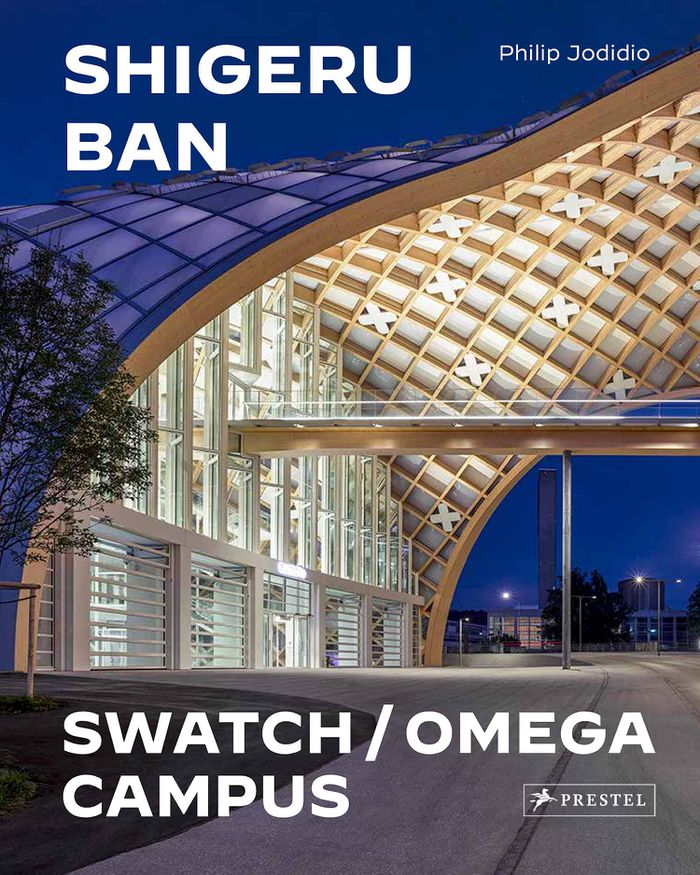
Completed in 2019, the Swatch and Omega Campus in Biel (Bienne), Switzerland, is a magnificent example of technology, design, and environmental sustainability working in concert to create a space that promotes the health of users and the planet. This book illustrates every aspect of the project, including drawings, plans, and numerous interior and exterior photographs. Pritzker Prize-winning architect Shigeru Ban has experienced firsthand the trauma of natural disasters, which he has addressed in numerous emergency-relief projects. With the Swatch and Omega campus, Ban demonstrates how sustainable architecture can benefit industry as well, and why he promotes timber as the planet's only truly renewable resource. Philip Jodidio introduces readers to the buildings' ingenious and cutting-edge features--a serpentine, cocoon-like facade that echoes the playful elements of the Swatch brand; a gridshell roof structure consisting of thousands of precisely interlocking timber pieces. The Omega buildings with their clean straight lines are equally innovative and express the contrast between the two related brands. A feat of forward-thinking architecture, this corporate headquarters represents a benchmark for future building projects around the world.
Shigeru Ban Architects: Swatch and Omega Campus
Actions:
Prix:
$79.00
(disponible sur commande)
Résumé:
Completed in 2019, the Swatch and Omega Campus in Biel (Bienne), Switzerland, is a magnificent example of technology, design, and environmental sustainability working in concert to create a space that promotes the health of users and the planet. This book illustrates every aspect of the project, including drawings, plans, and numerous interior and exterior photographs. Pritzker Prize-winning architect Shigeru Ban has experienced firsthand the trauma of natural disasters, which he has addressed in numerous emergency-relief projects. With the Swatch and Omega campus, Ban demonstrates how sustainable architecture can benefit industry as well, and why he promotes timber as the planet's only truly renewable resource. Philip Jodidio introduces readers to the buildings' ingenious and cutting-edge features--a serpentine, cocoon-like facade that echoes the playful elements of the Swatch brand; a gridshell roof structure consisting of thousands of precisely interlocking timber pieces. The Omega buildings with their clean straight lines are equally innovative and express the contrast between the two related brands. A feat of forward-thinking architecture, this corporate headquarters represents a benchmark for future building projects around the world.
Classification:
livres
livres
Publication:
janvier 2022
janvier 2022
Sujet:
Architecture, monographies
Architecture, monographies
Classification:
livres
livres
Prix:
$63.95
(disponible sur commande)
Résumé:
One of the ten largest cities in the world, São Paulo faces huge challenges in urban infrastructure. Yet despite the daunting task of supporting a population of more than twenty million, the Brazilian metropolis has since the 1950s maintained a policy of public and private investment in communal infrastructure, thus providing inclusive places and spaces for all its(...)
$63.95
(disponible sur commande)
Résumé:
One of the ten largest cities in the world, São Paulo faces huge challenges in urban infrastructure. Yet despite the daunting task of supporting a population of more than twenty million, the Brazilian metropolis has since the 1950s maintained a policy of public and private investment in communal infrastructure, thus providing inclusive places and spaces for all its(...)
Publication:
février 2020
février 2020
Titre:
Access for all: Sao Paulo's architectural infrastructures
Actions:
Prix:
$63.95
(disponible sur commande)
Résumé:
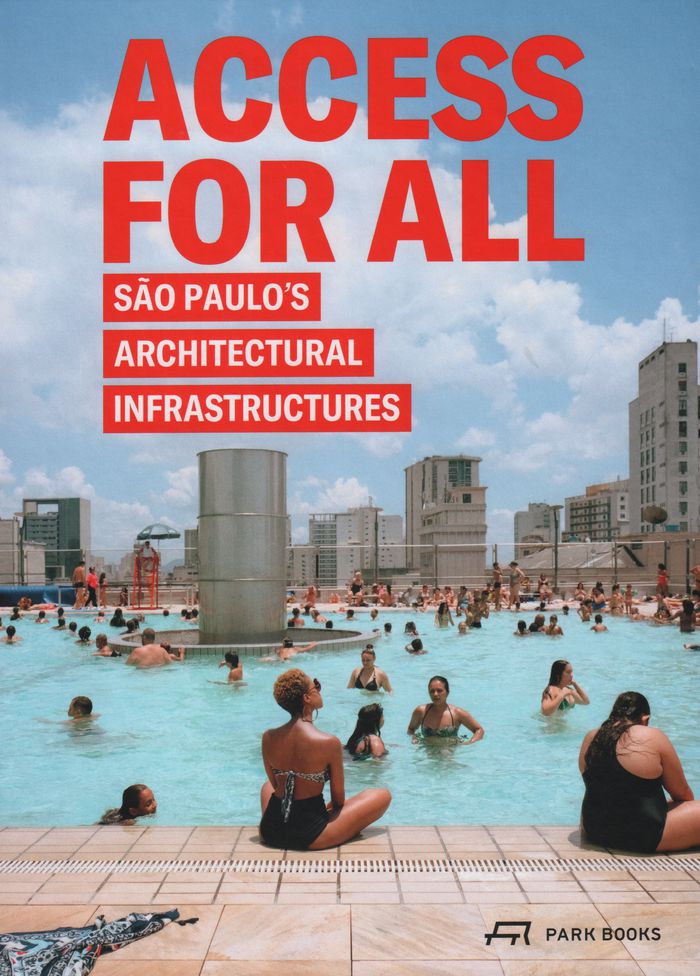
One of the ten largest cities in the world, São Paulo faces huge challenges in urban infrastructure. Yet despite the daunting task of supporting a population of more than twenty million, the Brazilian metropolis has since the 1950s maintained a policy of public and private investment in communal infrastructure, thus providing inclusive places and spaces for all its population. While many cities emulate Bilbao and other destinations by funding signature buildings by celebrated architects to attract tourists, São Paulo consistently and persistently funds programs aimed at social sustainability for its permanent residents. 'Access for All' demonstrates how architecture and infrastructure can contribute to a city’s urban development in multiple ways. Featuring a selection of buildings and projects from across seven decades, it takes readers through the city’s distinctive approach to urban infrastructure. The featured spaces range from a simple canopy over a public park to spaces for education, health care, sports and culture, and more. Beyond serving a specific purpose, one of the key roles of these spaces is to be accessible places for people to spend time together.
Access for all: Sao Paulo's architectural infrastructures
Actions:
Prix:
$63.95
(disponible sur commande)
Résumé:
One of the ten largest cities in the world, São Paulo faces huge challenges in urban infrastructure. Yet despite the daunting task of supporting a population of more than twenty million, the Brazilian metropolis has since the 1950s maintained a policy of public and private investment in communal infrastructure, thus providing inclusive places and spaces for all its population. While many cities emulate Bilbao and other destinations by funding signature buildings by celebrated architects to attract tourists, São Paulo consistently and persistently funds programs aimed at social sustainability for its permanent residents. 'Access for All' demonstrates how architecture and infrastructure can contribute to a city’s urban development in multiple ways. Featuring a selection of buildings and projects from across seven decades, it takes readers through the city’s distinctive approach to urban infrastructure. The featured spaces range from a simple canopy over a public park to spaces for education, health care, sports and culture, and more. Beyond serving a specific purpose, one of the key roles of these spaces is to be accessible places for people to spend time together.
Classification:
livres
livres
Publication:
février 2020
février 2020
Classification:
livres
livres
Titre:
Spacing Summer 2017
Spacing Summer 2017
Actions:
Prix:
$9.00
(disponible sur commande)
Résumé:
We all know the role of public parks in the health and vitality of a major city: they provide space for recreation, help reduce the impact of harmful greenhouse gas emissions, and absorb runoff from heavy thaws or storms. Parks also help make a city more equal: they provide greenery, amenities, and spaces to socialize to all people, regardless of income or status. But in(...)
$9.00
(disponible sur commande)
Résumé:
We all know the role of public parks in the health and vitality of a major city: they provide space for recreation, help reduce the impact of harmful greenhouse gas emissions, and absorb runoff from heavy thaws or storms. Parks also help make a city more equal: they provide greenery, amenities, and spaces to socialize to all people, regardless of income or status. But in(...)
Titre:
Spacing Summer 2017
Actions:
Prix:
$9.00
(disponible sur commande)
Résumé:
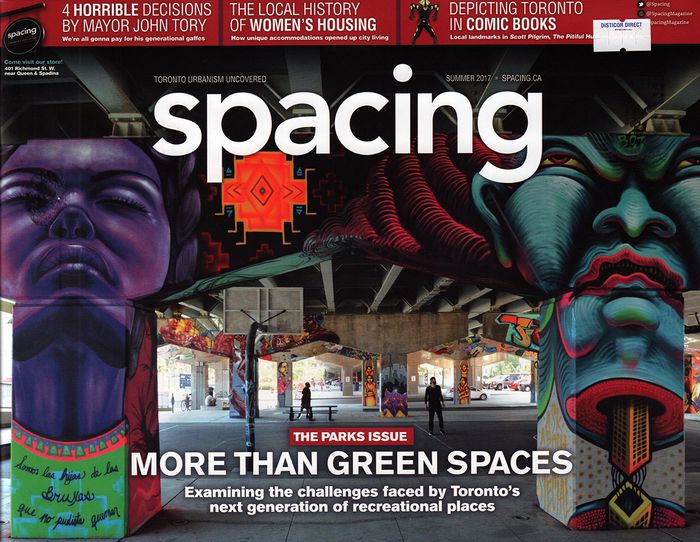
We all know the role of public parks in the health and vitality of a major city: they provide space for recreation, help reduce the impact of harmful greenhouse gas emissions, and absorb runoff from heavy thaws or storms. Parks also help make a city more equal: they provide greenery, amenities, and spaces to socialize to all people, regardless of income or status. But in a quickly intensifying city with soaring property values, Toronto is hard-pressed to create the parkland necessary to accommodate the needs of a growing population. Our contributors explore these themes in our 20-page cover section. You’ll also find engaging articles on the neurological reasons why we respond to certain architecture styles, how purpose-built apartments after World War I opened up independent city-living for women, where all of the building permits have been issued in the city over the last 20 years, why local comic artists are using Toronto as the setting in their stories, and how Mayor John Tory has made four horrible decisions that Torontonians will have to live with for generations.
Spacing Summer 2017
Actions:
Prix:
$9.00
(disponible sur commande)
Résumé:
We all know the role of public parks in the health and vitality of a major city: they provide space for recreation, help reduce the impact of harmful greenhouse gas emissions, and absorb runoff from heavy thaws or storms. Parks also help make a city more equal: they provide greenery, amenities, and spaces to socialize to all people, regardless of income or status. But in a quickly intensifying city with soaring property values, Toronto is hard-pressed to create the parkland necessary to accommodate the needs of a growing population. Our contributors explore these themes in our 20-page cover section. You’ll also find engaging articles on the neurological reasons why we respond to certain architecture styles, how purpose-built apartments after World War I opened up independent city-living for women, where all of the building permits have been issued in the city over the last 20 years, why local comic artists are using Toronto as the setting in their stories, and how Mayor John Tory has made four horrible decisions that Torontonians will have to live with for generations.
Classification:
livres
livres
Publication:
juillet 2017
juillet 2017
Sujet:
Revues
Revues


