


299 Résultats
Classification:
livres
livres

Actions:
Prix:
$20.95
(disponible sur commande)
Résumé:
Marc Augé was eleven or twelve years old when he first saw Casablanca. The film-with its recurring scenes of waiting, menace, and flight-occupies a significant place in Augé's own memory of his uprooted childhood and the wartime exploits of his family. Seamlessly weaving together film criticism and memoir, Casablanca moves between Augé's insights into the filmgoing(...)
$20.95
(disponible sur commande)
Résumé:
Marc Augé was eleven or twelve years old when he first saw Casablanca. The film-with its recurring scenes of waiting, menace, and flight-occupies a significant place in Augé's own memory of his uprooted childhood and the wartime exploits of his family. Seamlessly weaving together film criticism and memoir, Casablanca moves between Augé's insights into the filmgoing(...)
Titre:
Casablanca: movies and memory
Actions:
Prix:
$20.95
(disponible sur commande)
Résumé:
Marc Augé was eleven or twelve years old when he first saw Casablanca. The film-with its recurring scenes of waiting, menace, and flight-occupies a significant place in Augé's own memory of his uprooted childhood and the wartime exploits of his family. Seamlessly weaving together film criticism and memoir, Casablanca moves between Augé's insights into the filmgoing experience and his reflections on his own life, the collective trauma of France's wartime history, and how such events as the fall of Paris, the exodus of refugees, and the Occupation-all depicted in the film-were lived and are remembered.
Casablanca: movies and memory
Actions:
Prix:
$20.95
(disponible sur commande)
Résumé:
Marc Augé was eleven or twelve years old when he first saw Casablanca. The film-with its recurring scenes of waiting, menace, and flight-occupies a significant place in Augé's own memory of his uprooted childhood and the wartime exploits of his family. Seamlessly weaving together film criticism and memoir, Casablanca moves between Augé's insights into the filmgoing experience and his reflections on his own life, the collective trauma of France's wartime history, and how such events as the fall of Paris, the exodus of refugees, and the Occupation-all depicted in the film-were lived and are remembered.
Classification:
livres
livres
Publication:
octobre 2009
octobre 2009
Classification:
livres
livres
Actions:
Prix:
$60.00
(disponible sur commande)
Résumé:
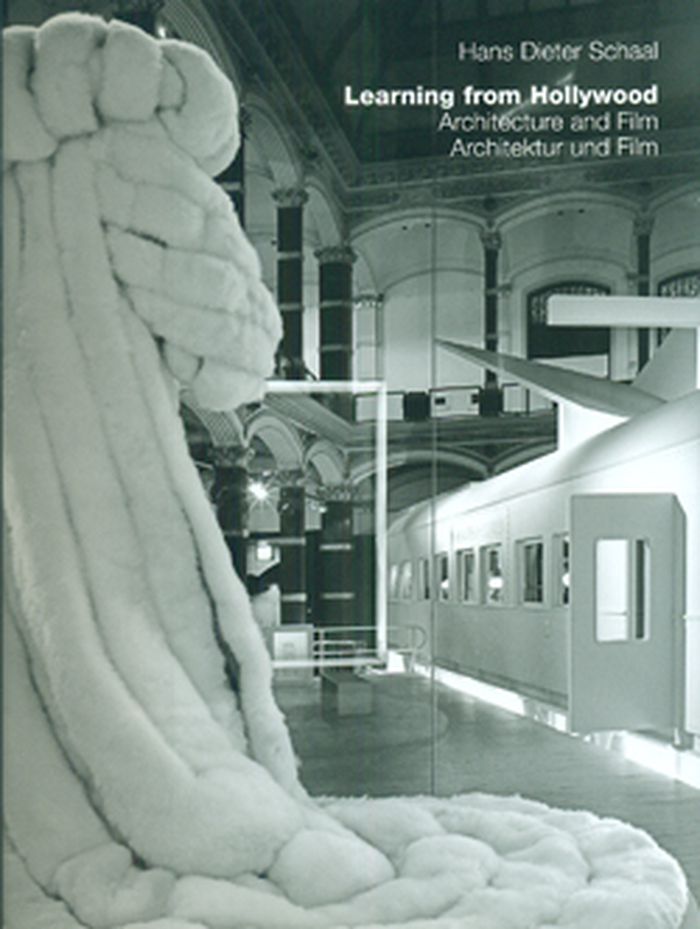
Hollywood is not only the secret world capital of dreams and the fictions of the subconscious, but also the capital of architecture. Hollywood is the Rome and the Versailles of the 20th and 21st centuries. A new awareness of space spanning the entire world was created here. These backgrounds, stage sets and filmic spaces are indelibly fixed in every spectator's mind.
$60.00
(disponible sur commande)
Résumé:
Hollywood is not only the secret world capital of dreams and the fictions of the subconscious, but also the capital of architecture. Hollywood is the Rome and the Versailles of the 20th and 21st centuries. A new awareness of space spanning the entire world was created here. These backgrounds, stage sets and filmic spaces are indelibly fixed in every spectator's mind.
Titre:
Learning from Hollywood: Architecture and film
Actions:
Prix:
$60.00
(disponible sur commande)
Résumé:
Hollywood is not only the secret world capital of dreams and the fictions of the subconscious, but also the capital of architecture. Hollywood is the Rome and the Versailles of the 20th and 21st centuries. A new awareness of space spanning the entire world was created here. These backgrounds, stage sets and filmic spaces are indelibly fixed in every spectator's mind.
Learning from Hollywood: Architecture and film
Actions:
Prix:
$60.00
(disponible sur commande)
Résumé:
Hollywood is not only the secret world capital of dreams and the fictions of the subconscious, but also the capital of architecture. Hollywood is the Rome and the Versailles of the 20th and 21st centuries. A new awareness of space spanning the entire world was created here. These backgrounds, stage sets and filmic spaces are indelibly fixed in every spectator's mind.
Classification:
livres
livres
Publication:
novembre 2010
novembre 2010
Classification:
livres
livres
Titre:
Le cinéma aujourd'hui
Le cinéma aujourd'hui
Actions:
Prix:
$69.95
(disponible sur commande)
Résumé:
Le Cinéma aujourd'hui présente un panorama du cinéma international et des films qui se sont imposés sur nos écrans au cours des trente dernières années. L'auteur s'intéresse tout d'abord au nouvel Hollywood : ses réalisateurs et ses genres, et cette capacité à réagir aux changements qui lui a permis de conserver sa position dominante. Les films hollywoodiens sont vus par(...)
$69.95
(disponible sur commande)
Résumé:
Le Cinéma aujourd'hui présente un panorama du cinéma international et des films qui se sont imposés sur nos écrans au cours des trente dernières années. L'auteur s'intéresse tout d'abord au nouvel Hollywood : ses réalisateurs et ses genres, et cette capacité à réagir aux changements qui lui a permis de conserver sa position dominante. Les films hollywoodiens sont vus par(...)
Titre:
Le cinéma aujourd'hui
Actions:
Prix:
$69.95
(disponible sur commande)
Résumé:
Le Cinéma aujourd'hui présente un panorama du cinéma international et des films qui se sont imposés sur nos écrans au cours des trente dernières années. L'auteur s'intéresse tout d'abord au nouvel Hollywood : ses réalisateurs et ses genres, et cette capacité à réagir aux changements qui lui a permis de conserver sa position dominante. Les films hollywoodiens sont vus par des millions de spectateurs de tous pays, pas seulement pour leur qualité de production, mais aussi parce qu'ils touchent les rêves et l'imagination de chacun. L'auteur se tourne ensuite vers les autres lieux de production, l'Europe de l'Ouest et de l'Est, l'Afrique du Nord et l'Amérique latine, les pays d'Océanie et l'industrie indienne du cinéma, appelée Bollywood. Des réalisateurs aussi influents que Steven Spielberg, Chen Kaige ou Jean-Luc Godard côtoient une nouvelle génération d'artistes comme Paul Thomas Anderson, Lukas Moodysson et Samira Makhmalbaf.
Le cinéma aujourd'hui
Actions:
Prix:
$69.95
(disponible sur commande)
Résumé:
Le Cinéma aujourd'hui présente un panorama du cinéma international et des films qui se sont imposés sur nos écrans au cours des trente dernières années. L'auteur s'intéresse tout d'abord au nouvel Hollywood : ses réalisateurs et ses genres, et cette capacité à réagir aux changements qui lui a permis de conserver sa position dominante. Les films hollywoodiens sont vus par des millions de spectateurs de tous pays, pas seulement pour leur qualité de production, mais aussi parce qu'ils touchent les rêves et l'imagination de chacun. L'auteur se tourne ensuite vers les autres lieux de production, l'Europe de l'Ouest et de l'Est, l'Afrique du Nord et l'Amérique latine, les pays d'Océanie et l'industrie indienne du cinéma, appelée Bollywood. Des réalisateurs aussi influents que Steven Spielberg, Chen Kaige ou Jean-Luc Godard côtoient une nouvelle génération d'artistes comme Paul Thomas Anderson, Lukas Moodysson et Samira Makhmalbaf.
Classification:
livres
livres
Publication:
janvier 2004
janvier 2004
Classification:
livres
livres
Actions:
Prix:
$24.99
(disponible sur commande)
Résumé:
C'est à Berlin, en 1926, que le réalisateur russe S. M. Eisenstein découvre l'utilisation architecturale du verre et la place qu'il occupe dans un certain nombre d'utopies de réconciliation sociale (Gropius, Mies van der Rohe, Le Corbusier…). C'est alors qu'il envisage de réaliser Glass House, un projet inabouti dont il ne reste aujourd'hui que ses notes de travail,(...)
$24.99
(disponible sur commande)
Résumé:
C'est à Berlin, en 1926, que le réalisateur russe S. M. Eisenstein découvre l'utilisation architecturale du verre et la place qu'il occupe dans un certain nombre d'utopies de réconciliation sociale (Gropius, Mies van der Rohe, Le Corbusier…). C'est alors qu'il envisage de réaliser Glass House, un projet inabouti dont il ne reste aujourd'hui que ses notes de travail,(...)
Titre:
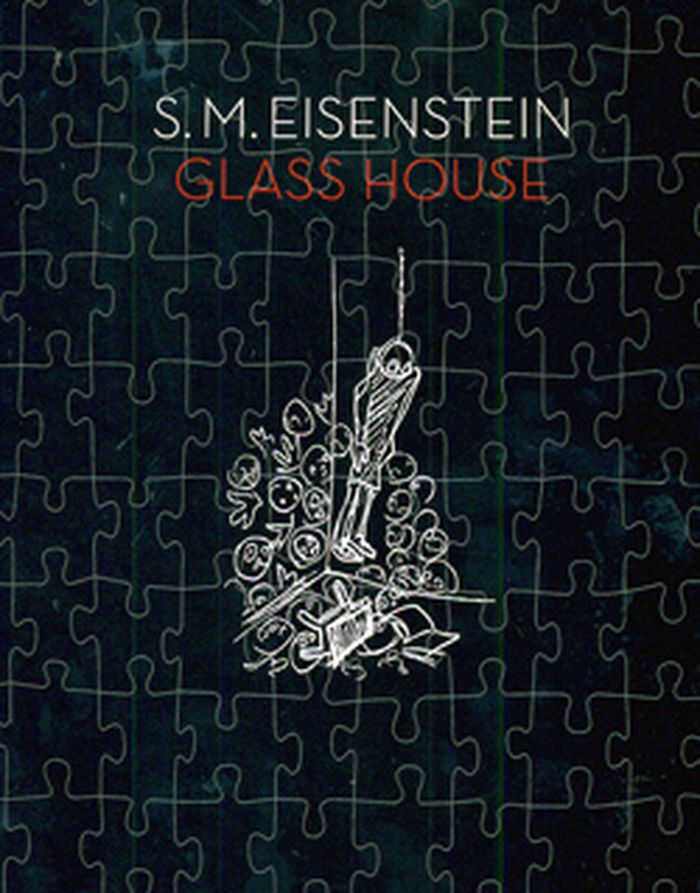
Glass house: du projet de film au film comme projet S. M. Eisenstein
Actions:
Prix:
$24.99
(disponible sur commande)
Résumé:
C'est à Berlin, en 1926, que le réalisateur russe S. M. Eisenstein découvre l'utilisation architecturale du verre et la place qu'il occupe dans un certain nombre d'utopies de réconciliation sociale (Gropius, Mies van der Rohe, Le Corbusier…). C'est alors qu'il envisage de réaliser Glass House, un projet inabouti dont il ne reste aujourd'hui que ses notes de travail, publiées dans cet ouvrage. Un projet pourtant tenté à Hollywood lorsqu'Eisenstein imagina la conception d'un gratte-ciel en verre où tous seraient soumis au regard de tous, où chacun serait renvoyé à sa solitude par soumission aux valeurs capitalistes, et où la question de l'aliénation sociale se mêlerait à celle du «trouble dans le genre» au travers de personnages venus tout droit de la tradition berlinoise du cabaret. Charlie Chaplin, fasciné par cette anti-utopie où lumière et transparence aboutissent à la coercition et à la mort, avait alors soutenu le réalisateur russe. Ce n'est donc pas un hasard si, dans Le Dictateur, Hinckel avoue à Napaloni être amateur de «moderne» et vouloir mettre partout des parois et plafonds en verre. Mais Glass House fut également un projet de cinéma : un cinéma échappant aux lois de la pesanteur, à l'héritage de la peinture naturaliste et à l'architecture traditionnelle, qui conduisit Eisenstein à une réflexion esthétique sur les thèmes du polycentrisme et de l'hétérotopie – thèmes que l'art moderne et contemporain ne cesseront jamais de travailler.
Glass house: du projet de film au film comme projet S. M. Eisenstein
Actions:
Prix:
$24.99
(disponible sur commande)
Résumé:
C'est à Berlin, en 1926, que le réalisateur russe S. M. Eisenstein découvre l'utilisation architecturale du verre et la place qu'il occupe dans un certain nombre d'utopies de réconciliation sociale (Gropius, Mies van der Rohe, Le Corbusier…). C'est alors qu'il envisage de réaliser Glass House, un projet inabouti dont il ne reste aujourd'hui que ses notes de travail, publiées dans cet ouvrage. Un projet pourtant tenté à Hollywood lorsqu'Eisenstein imagina la conception d'un gratte-ciel en verre où tous seraient soumis au regard de tous, où chacun serait renvoyé à sa solitude par soumission aux valeurs capitalistes, et où la question de l'aliénation sociale se mêlerait à celle du «trouble dans le genre» au travers de personnages venus tout droit de la tradition berlinoise du cabaret. Charlie Chaplin, fasciné par cette anti-utopie où lumière et transparence aboutissent à la coercition et à la mort, avait alors soutenu le réalisateur russe. Ce n'est donc pas un hasard si, dans Le Dictateur, Hinckel avoue à Napaloni être amateur de «moderne» et vouloir mettre partout des parois et plafonds en verre. Mais Glass House fut également un projet de cinéma : un cinéma échappant aux lois de la pesanteur, à l'héritage de la peinture naturaliste et à l'architecture traditionnelle, qui conduisit Eisenstein à une réflexion esthétique sur les thèmes du polycentrisme et de l'hétérotopie – thèmes que l'art moderne et contemporain ne cesseront jamais de travailler.
Classification:
livres
livres
Publication:
décembre 2009
décembre 2009
Classification:
livres
livres
Actions:
Prix:
$29.99
(disponible sur commande)
Résumé:
Broadway avenue in downtown Los Angeles holds an extraordinary collection of twelve once-luxurious and now abandoned film-palaces, built between 1910 and 1931. In most cities worldwide, such a concentration of cinemas would have been demolished long ago - here however the buildings have survived the end of film-projection intact, some of their interiors ruined and gutted,(...)
$29.99
(disponible sur commande)
Résumé:
Broadway avenue in downtown Los Angeles holds an extraordinary collection of twelve once-luxurious and now abandoned film-palaces, built between 1910 and 1931. In most cities worldwide, such a concentration of cinemas would have been demolished long ago - here however the buildings have survived the end of film-projection intact, some of their interiors ruined and gutted,(...)
Titre:
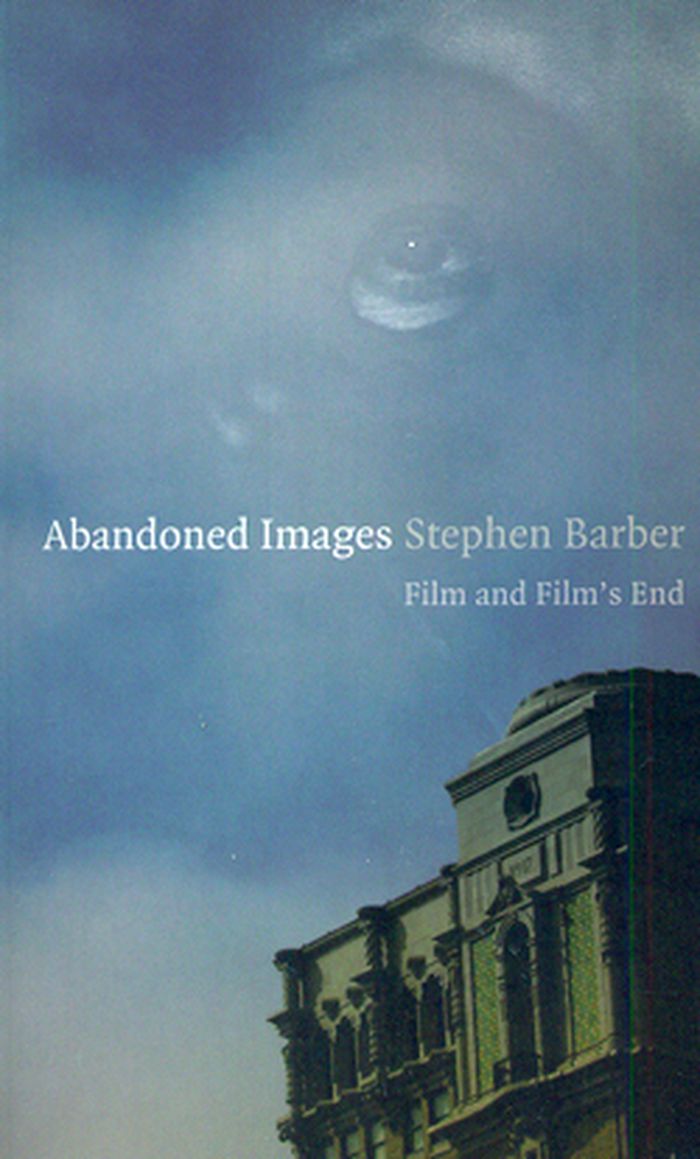
Abandoned images: film and film's end
Actions:
Prix:
$29.99
(disponible sur commande)
Résumé:
Broadway avenue in downtown Los Angeles holds an extraordinary collection of twelve once-luxurious and now abandoned film-palaces, built between 1910 and 1931. In most cities worldwide, such a concentration of cinemas would have been demolished long ago - here however the buildings have survived the end of film-projection intact, some of their interiors ruined and gutted, others transformed and re-used as churches, nightclubs and storage spaces. Stephen Barber begins with an exploration of these remarkable derelicts, and broadens to ask questions about the abandonment of film itself.
Abandoned images: film and film's end
Actions:
Prix:
$29.99
(disponible sur commande)
Résumé:
Broadway avenue in downtown Los Angeles holds an extraordinary collection of twelve once-luxurious and now abandoned film-palaces, built between 1910 and 1931. In most cities worldwide, such a concentration of cinemas would have been demolished long ago - here however the buildings have survived the end of film-projection intact, some of their interiors ruined and gutted, others transformed and re-used as churches, nightclubs and storage spaces. Stephen Barber begins with an exploration of these remarkable derelicts, and broadens to ask questions about the abandonment of film itself.
Classification:
livres
livres
Publication:
février 2010
février 2010
Classification:
livres
livres
Titre:
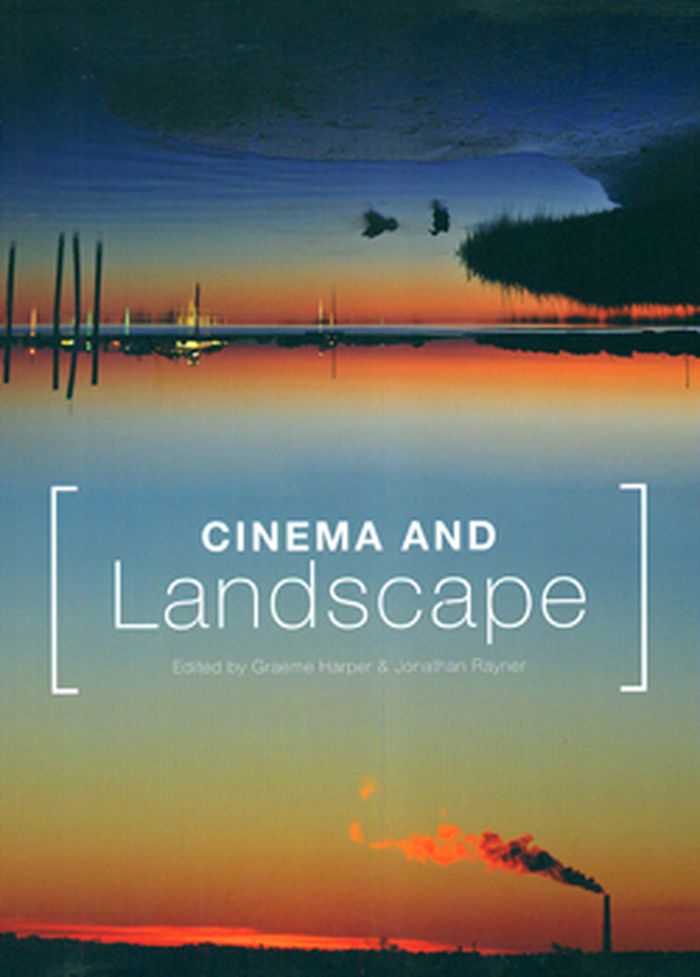
Cinema and landscape
Cinema and landscape
Actions:
Prix:
$29.95
(disponible sur commande)
Résumé:
The notion of landscape is a complex one, but it has been central to the art and artistry of the cinema. After all, what is the French New Wave without Paris? What are the films of Sidney Lumet, Woody Allen, Martin Scorsese, and Spike Lee without New York? Cinema and Landscape frames contemporary film landscapes across the world, in an exploration of screen aesthetics and(...)
$29.95
(disponible sur commande)
Résumé:
The notion of landscape is a complex one, but it has been central to the art and artistry of the cinema. After all, what is the French New Wave without Paris? What are the films of Sidney Lumet, Woody Allen, Martin Scorsese, and Spike Lee without New York? Cinema and Landscape frames contemporary film landscapes across the world, in an exploration of screen aesthetics and(...)
Publication:
février 2010
février 2010
Titre:
Cinema and landscape
Actions:
Prix:
$29.95
(disponible sur commande)
Résumé:
The notion of landscape is a complex one, but it has been central to the art and artistry of the cinema. After all, what is the French New Wave without Paris? What are the films of Sidney Lumet, Woody Allen, Martin Scorsese, and Spike Lee without New York? Cinema and Landscape frames contemporary film landscapes across the world, in an exploration of screen aesthetics and national ideology, film form and cultural geography, cinematic representation and the human environment. This volume both extends the existing field of film studies and stakes claims to overlapping, contested territories in the humanities and social sciences.
Cinema and landscape
Actions:
Prix:
$29.95
(disponible sur commande)
Résumé:
The notion of landscape is a complex one, but it has been central to the art and artistry of the cinema. After all, what is the French New Wave without Paris? What are the films of Sidney Lumet, Woody Allen, Martin Scorsese, and Spike Lee without New York? Cinema and Landscape frames contemporary film landscapes across the world, in an exploration of screen aesthetics and national ideology, film form and cultural geography, cinematic representation and the human environment. This volume both extends the existing field of film studies and stakes claims to overlapping, contested territories in the humanities and social sciences.
Classification:
livres
livres
Publication:
février 2010
février 2010
Classification:
livres
livres
Actions:
Prix:
$39.50
(disponible sur commande)
Résumé:
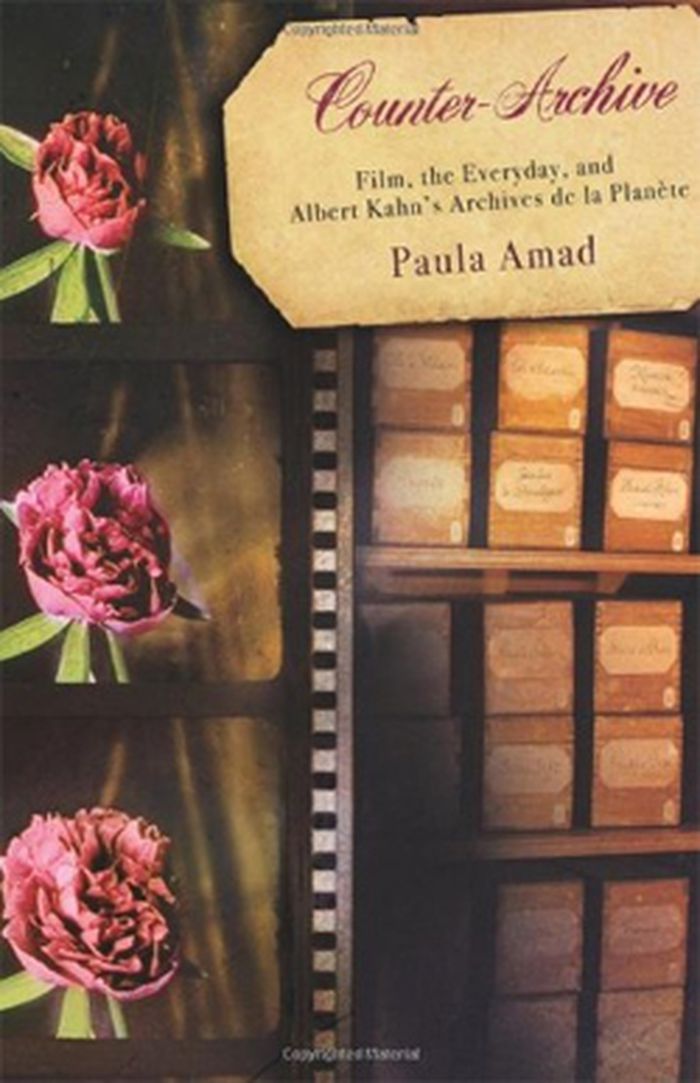
Tucked away in a garden on the edge of Paris is a multimedia archive like no other: Albert Kahn's Archives de la Planète (1908-1931). The first comprehensive study of Kahn's films, Counter-Archive also offers a vital historical perspective on debates involving archives, media, and memory.
$39.50
(disponible sur commande)
Résumé:
Tucked away in a garden on the edge of Paris is a multimedia archive like no other: Albert Kahn's Archives de la Planète (1908-1931). The first comprehensive study of Kahn's films, Counter-Archive also offers a vital historical perspective on debates involving archives, media, and memory.
Titre:
Counter-archive: Film, the everyday, and Albert Kahn's archives de lal Planète
Actions:
Prix:
$39.50
(disponible sur commande)
Résumé:
Tucked away in a garden on the edge of Paris is a multimedia archive like no other: Albert Kahn's Archives de la Planète (1908-1931). The first comprehensive study of Kahn's films, Counter-Archive also offers a vital historical perspective on debates involving archives, media, and memory.
Counter-archive: Film, the everyday, and Albert Kahn's archives de lal Planète
Actions:
Prix:
$39.50
(disponible sur commande)
Résumé:
Tucked away in a garden on the edge of Paris is a multimedia archive like no other: Albert Kahn's Archives de la Planète (1908-1931). The first comprehensive study of Kahn's films, Counter-Archive also offers a vital historical perspective on debates involving archives, media, and memory.
Classification:
livres
livres
Publication:
août 2010
août 2010
Classification:
livres
livres
Actions:
Prix:
$37.95
(disponible en magasin)
Résumé:
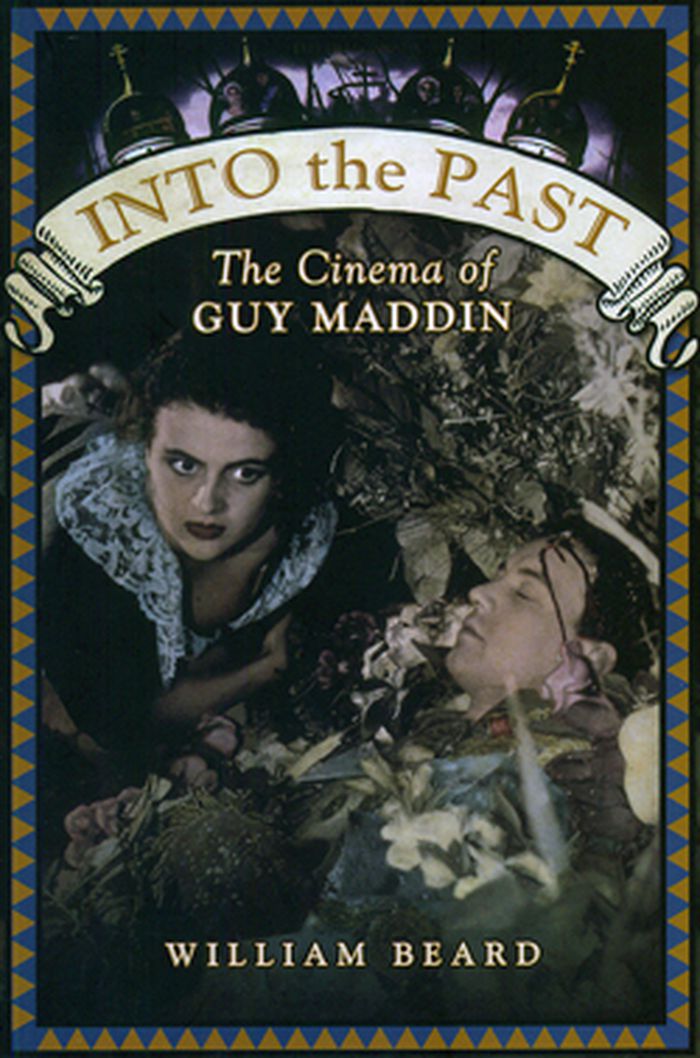
Into the Past provides a complete and systematic critical commentary on each of Maddin's feature films and shorts, from his 1986 debut film The Dead Father through to his highly successful 2008 full-length 'docu-fantasia' My Winnipeg.
$37.95
(disponible en magasin)
Résumé:
Into the Past provides a complete and systematic critical commentary on each of Maddin's feature films and shorts, from his 1986 debut film The Dead Father through to his highly successful 2008 full-length 'docu-fantasia' My Winnipeg.
Titre:
Into the past: the cinema of Guy Maddin
Actions:
Prix:
$37.95
(disponible en magasin)
Résumé:
Into the Past provides a complete and systematic critical commentary on each of Maddin's feature films and shorts, from his 1986 debut film The Dead Father through to his highly successful 2008 full-length 'docu-fantasia' My Winnipeg.
Into the past: the cinema of Guy Maddin
Actions:
Prix:
$37.95
(disponible en magasin)
Résumé:
Into the Past provides a complete and systematic critical commentary on each of Maddin's feature films and shorts, from his 1986 debut film The Dead Father through to his highly successful 2008 full-length 'docu-fantasia' My Winnipeg.
Classification:
livres
livres
Publication:
mai 2010
mai 2010
Classification:
livres
livres
Titre:
Cinema architecture
Cinema architecture
Actions:
Prix:
$78.00
(disponible sur commande)
Résumé:
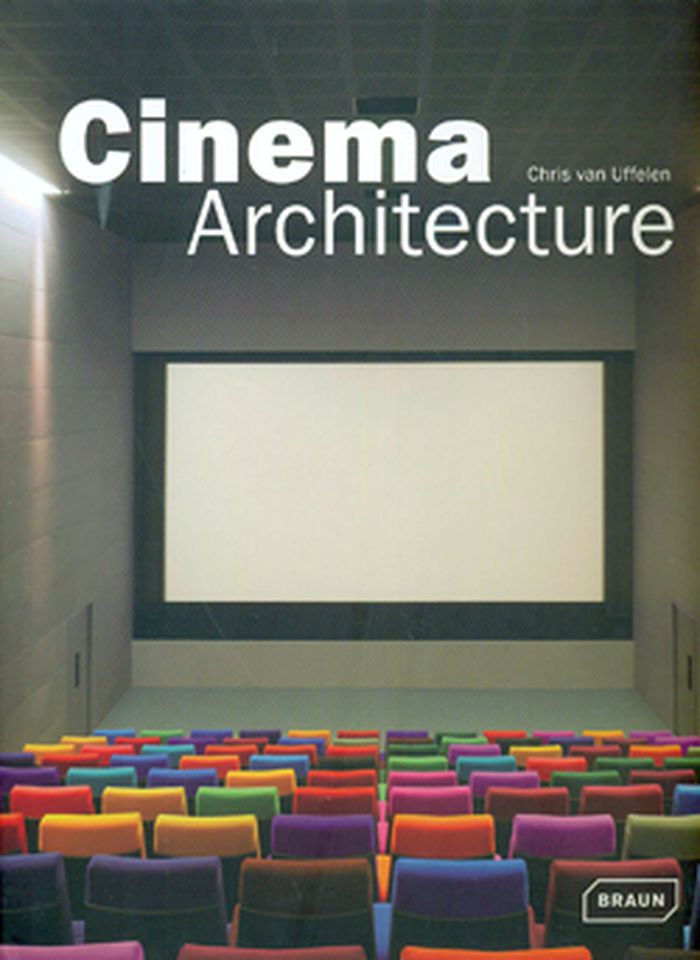
Cinema Architecture explores different types of movie theatres. These range from self-contained buildings to cinemas that are components of entertainment or cultural centres, cinemas that are outside of their usual context, for instance in hotels, as well as multi-functional mobile screening constructions. The volume also focusses on the interior design which spans from(...)
$78.00
(disponible sur commande)
Résumé:
Cinema Architecture explores different types of movie theatres. These range from self-contained buildings to cinemas that are components of entertainment or cultural centres, cinemas that are outside of their usual context, for instance in hotels, as well as multi-functional mobile screening constructions. The volume also focusses on the interior design which spans from(...)
Titre:
Cinema architecture
Actions:
Prix:
$78.00
(disponible sur commande)
Résumé:
Cinema Architecture explores different types of movie theatres. These range from self-contained buildings to cinemas that are components of entertainment or cultural centres, cinemas that are outside of their usual context, for instance in hotels, as well as multi-functional mobile screening constructions. The volume also focusses on the interior design which spans from flamboyant, luxurious and opulent to minimalist, modern and refined.
Cinema architecture
Actions:
Prix:
$78.00
(disponible sur commande)
Résumé:
Cinema Architecture explores different types of movie theatres. These range from self-contained buildings to cinemas that are components of entertainment or cultural centres, cinemas that are outside of their usual context, for instance in hotels, as well as multi-functional mobile screening constructions. The volume also focusses on the interior design which spans from flamboyant, luxurious and opulent to minimalist, modern and refined.
Classification:
livres
livres
Publication:
décembre 2009
décembre 2009
Classification:
livres
livres
Prix:
$86.00
(disponible sur commande)
Résumé:
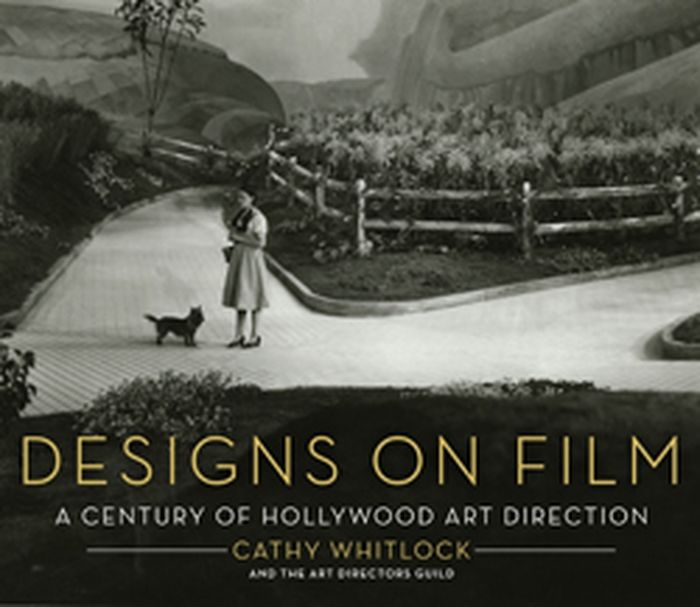
Drawing on insights from the most prominent Hollywood production designers and the historical knowledge of the venerable Art Directors Guild, Designs on Filmdelves into the detailed process of how sets are imagined, drawn, built, and decorated.
$86.00
(disponible sur commande)
Résumé:
Drawing on insights from the most prominent Hollywood production designers and the historical knowledge of the venerable Art Directors Guild, Designs on Filmdelves into the detailed process of how sets are imagined, drawn, built, and decorated.
Titre:
Designs on film: A century of Hollywood art direction
Actions:
Prix:
$86.00
(disponible sur commande)
Résumé:
Drawing on insights from the most prominent Hollywood production designers and the historical knowledge of the venerable Art Directors Guild, Designs on Filmdelves into the detailed process of how sets are imagined, drawn, built, and decorated.
Designs on film: A century of Hollywood art direction
Actions:
Prix:
$86.00
(disponible sur commande)
Résumé:
Drawing on insights from the most prominent Hollywood production designers and the historical knowledge of the venerable Art Directors Guild, Designs on Filmdelves into the detailed process of how sets are imagined, drawn, built, and decorated.
Classification:
livres
livres
Publication:
décembre 2010
décembre 2010


