


2142 Résultats
Classification:
livres
livres
Actions:
Prix:
$34.95
(disponible sur commande)
Résumé:
Faut-il rappeler qu'André Chastel, grand historien d'art, professeur au Collège de France, a aussi été l'un des chroniqueurs les plus en vue du journal Le Monde? De 1945 à 1988, il y a publié plus de 1500 articles; on trouvera ici un choix de ceux qu'il a consacrés à l'architecture et au patrimoine. Ses articles savaient créer l'événement pour un public assidu, et ils(...)
$34.95
(disponible sur commande)
Résumé:
Faut-il rappeler qu'André Chastel, grand historien d'art, professeur au Collège de France, a aussi été l'un des chroniqueurs les plus en vue du journal Le Monde? De 1945 à 1988, il y a publié plus de 1500 articles; on trouvera ici un choix de ceux qu'il a consacrés à l'architecture et au patrimoine. Ses articles savaient créer l'événement pour un public assidu, et ils(...)
Titre:
André Chastel : architecture et patimoine, choix de chroniques parues dans Le Monde
Actions:
Prix:
$34.95
(disponible sur commande)
Résumé:
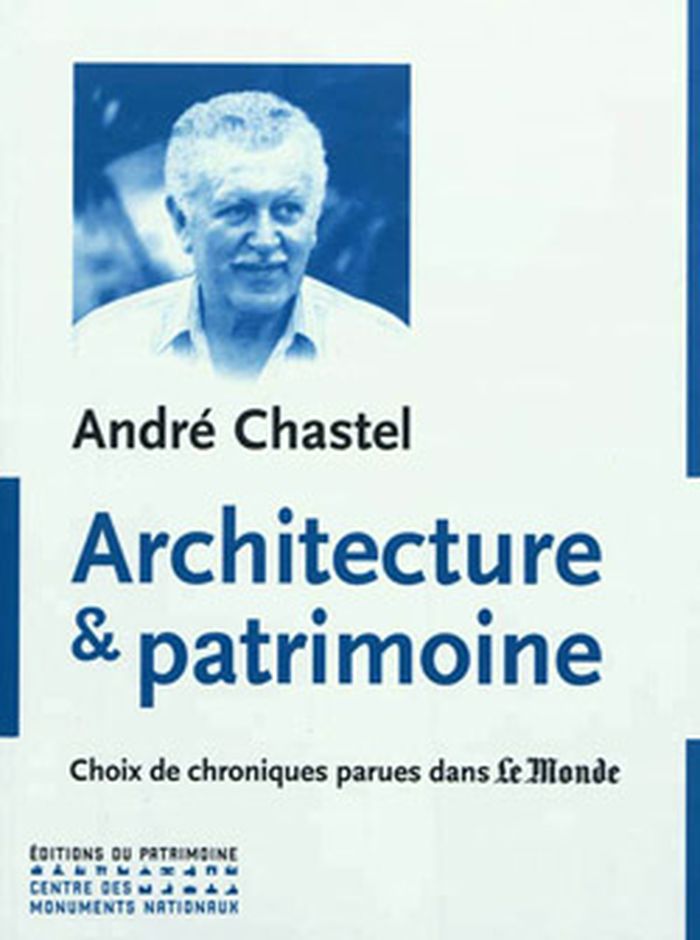
Faut-il rappeler qu'André Chastel, grand historien d'art, professeur au Collège de France, a aussi été l'un des chroniqueurs les plus en vue du journal Le Monde? De 1945 à 1988, il y a publié plus de 1500 articles; on trouvera ici un choix de ceux qu'il a consacrés à l'architecture et au patrimoine. Ses articles savaient créer l'événement pour un public assidu, et ils contribuèrent puissamment à susciter une conscience patrimoniale en France. Dès les années de la Reconstruction et tout au long des Trente Glorieuses, on lit dans son action l'engagement d'un homme pour le patrimoine n'est-il pas à l'origine de l'Inventaire général des monuments et des richesses artistiques de la France, créé en 1964 ? Toujours en alerte, c'est lui qui s'engage pour la sauvegarde de la villa Savoye, l'avenir des Halles, la restauration d'Avignon. A l'occasion du centenaire de sa naissance, la présente réédition rend de nouveau accessibles ces pages d'une écriture superbe, aussi précise qu'incisive, où se devine un sentiment profond d'appartenance au territoire. "L'amour [du patrimoine] se manifeste de façon instinctive dans la conscience des terroirs et de façon éclairée dans la démarche du savoir", écrivait-il en 1983.
André Chastel : architecture et patimoine, choix de chroniques parues dans Le Monde
Actions:
Prix:
$34.95
(disponible sur commande)
Résumé:
Faut-il rappeler qu'André Chastel, grand historien d'art, professeur au Collège de France, a aussi été l'un des chroniqueurs les plus en vue du journal Le Monde? De 1945 à 1988, il y a publié plus de 1500 articles; on trouvera ici un choix de ceux qu'il a consacrés à l'architecture et au patrimoine. Ses articles savaient créer l'événement pour un public assidu, et ils contribuèrent puissamment à susciter une conscience patrimoniale en France. Dès les années de la Reconstruction et tout au long des Trente Glorieuses, on lit dans son action l'engagement d'un homme pour le patrimoine n'est-il pas à l'origine de l'Inventaire général des monuments et des richesses artistiques de la France, créé en 1964 ? Toujours en alerte, c'est lui qui s'engage pour la sauvegarde de la villa Savoye, l'avenir des Halles, la restauration d'Avignon. A l'occasion du centenaire de sa naissance, la présente réédition rend de nouveau accessibles ces pages d'une écriture superbe, aussi précise qu'incisive, où se devine un sentiment profond d'appartenance au territoire. "L'amour [du patrimoine] se manifeste de façon instinctive dans la conscience des terroirs et de façon éclairée dans la démarche du savoir", écrivait-il en 1983.
Classification:
livres
livres
Publication:
août 2012
août 2012
Classification:
livres
livres
Titre:
Neues Museum
Neues Museum
Actions:
Prix:
$50.00
(disponible sur commande)
Résumé:
The Neues Museum - an important mid-nineteenth century example of Neoclassical architecture and the centerpiece of Berlin's Museum Island - was badly damaged during World War II. From 1997-2009, British architect David Chipperfield worked to restore the structure - which was originally completed by Friedrich August Stueler in 1859 - to its pre-war function. Located behind(...)
$50.00
(disponible sur commande)
Résumé:
The Neues Museum - an important mid-nineteenth century example of Neoclassical architecture and the centerpiece of Berlin's Museum Island - was badly damaged during World War II. From 1997-2009, British architect David Chipperfield worked to restore the structure - which was originally completed by Friedrich August Stueler in 1859 - to its pre-war function. Located behind(...)
Sujet:
Architecture, monographies
Architecture, monographies
Publication:
septembre 2009
septembre 2009
Titre:
Neues Museum
Actions:
Prix:
$50.00
(disponible sur commande)
Résumé:
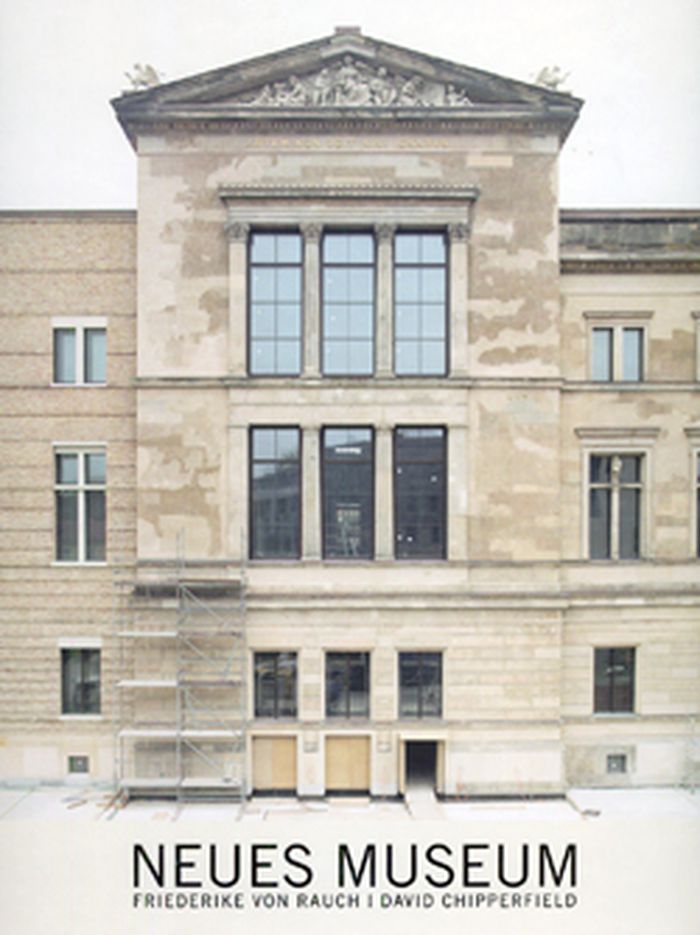
The Neues Museum - an important mid-nineteenth century example of Neoclassical architecture and the centerpiece of Berlin's Museum Island - was badly damaged during World War II. From 1997-2009, British architect David Chipperfield worked to restore the structure - which was originally completed by Friedrich August Stueler in 1859 - to its pre-war function. Located behind the Altes Museum, the space housed the Egyptian Collection. Chipperfield's controversial plans followed a principle of conservation (or amalgamation) rather than reconstruction; he preserved the skeleton of the original building, with its elaborate finishes, attractive brickwork, frescoes and ornamentation, merging and contrasting these characteristics with his own subtle interpolations of clean white lines and quiet geometrical structures. The results are astounding, setting new standards in the field and opening up exciting possibilities for museum conversions. This volume celebrates Chipperfield's work in a series of images by the Berlin-based architectural photographer Friederike von Rauch. Von Rauch is well known for her unusual and exacting approach to architectural photography : eschewing digital technology and only using natural light, she presents a crisp and vibrant series of images that eloquently tell the story of Chipperfield's unorthodox but successful restoration.
Neues Museum
Actions:
Prix:
$50.00
(disponible sur commande)
Résumé:
The Neues Museum - an important mid-nineteenth century example of Neoclassical architecture and the centerpiece of Berlin's Museum Island - was badly damaged during World War II. From 1997-2009, British architect David Chipperfield worked to restore the structure - which was originally completed by Friedrich August Stueler in 1859 - to its pre-war function. Located behind the Altes Museum, the space housed the Egyptian Collection. Chipperfield's controversial plans followed a principle of conservation (or amalgamation) rather than reconstruction; he preserved the skeleton of the original building, with its elaborate finishes, attractive brickwork, frescoes and ornamentation, merging and contrasting these characteristics with his own subtle interpolations of clean white lines and quiet geometrical structures. The results are astounding, setting new standards in the field and opening up exciting possibilities for museum conversions. This volume celebrates Chipperfield's work in a series of images by the Berlin-based architectural photographer Friederike von Rauch. Von Rauch is well known for her unusual and exacting approach to architectural photography : eschewing digital technology and only using natural light, she presents a crisp and vibrant series of images that eloquently tell the story of Chipperfield's unorthodox but successful restoration.
Classification:
livres
livres
Publication:
septembre 2009
septembre 2009
Sujet:
Architecture, monographies
Architecture, monographies
Classification:
livres
livres
Prix:
$27.95
(disponible en magasin)
Résumé:
As London emerged from the devastation of the Second World War, planners and policymakers sought to rebuild the city in ways that would reshape the behavior of its citizens as much as it would its buildings and infrastructure—a program defined by a strong emphasis on civic order and conservative values of national community. One of the groups most significantly affected(...)
$27.95
(disponible en magasin)
Résumé:
As London emerged from the devastation of the Second World War, planners and policymakers sought to rebuild the city in ways that would reshape the behavior of its citizens as much as it would its buildings and infrastructure—a program defined by a strong emphasis on civic order and conservative values of national community. One of the groups most significantly affected(...)
Titre:
The spiv and the architect: unruly life in postwar London
Actions:
Prix:
$27.95
(disponible en magasin)
Résumé:
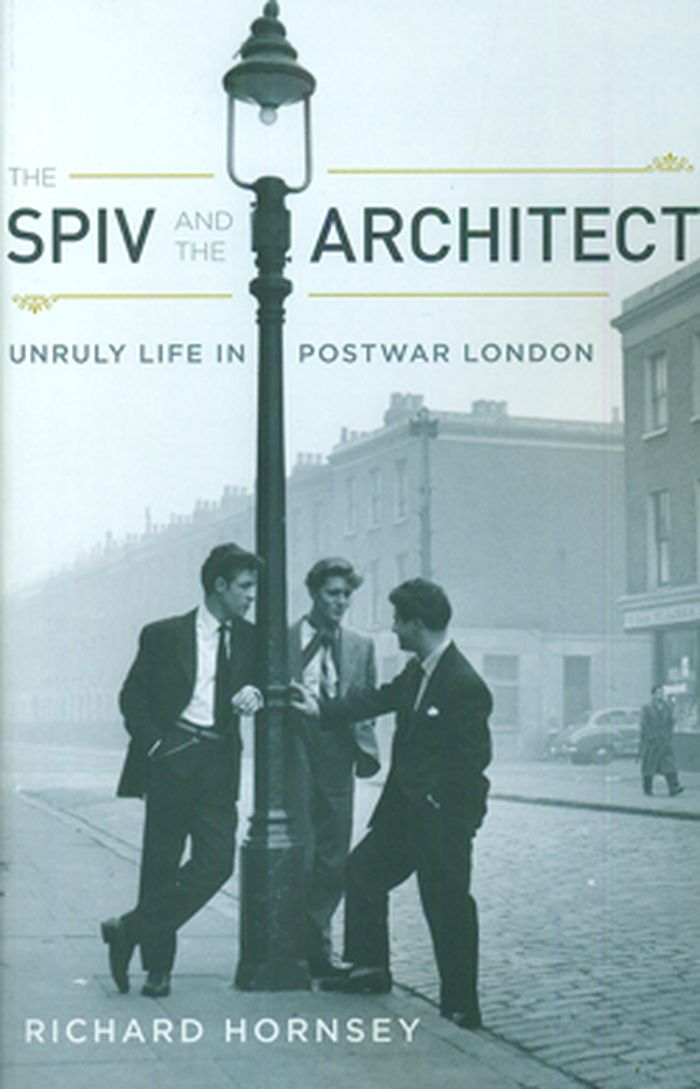
As London emerged from the devastation of the Second World War, planners and policymakers sought to rebuild the city in ways that would reshape the behavior of its citizens as much as it would its buildings and infrastructure—a program defined by a strong emphasis on civic order and conservative values of national community. One of the groups most significantly affected by this new, moralistic climate of reformation and renewal was queer men, whom the police, the media, and lawmakers targeted as an urgent urban problem by marking their lives and desires as criminal and deviant. Richard Hornsey examines how queer men legitimized, resisted, and reinvented this ambitious reconstruction program, which extended from the design of basic public spaces and municipal libraries to private living rooms and home decor. From their association with the urban stereotype of the spiv (slang for a young petty criminal who lived by his wits and shirked legitimate work) and vilification in the tabloids as perverts to the assimilated homosexuals within reformist psychology, Hornsey details how these efforts to transform London fundamentally restructured the experiences and identities of gay men in the city and throughout the country.
The spiv and the architect: unruly life in postwar London
Actions:
Prix:
$27.95
(disponible en magasin)
Résumé:
As London emerged from the devastation of the Second World War, planners and policymakers sought to rebuild the city in ways that would reshape the behavior of its citizens as much as it would its buildings and infrastructure—a program defined by a strong emphasis on civic order and conservative values of national community. One of the groups most significantly affected by this new, moralistic climate of reformation and renewal was queer men, whom the police, the media, and lawmakers targeted as an urgent urban problem by marking their lives and desires as criminal and deviant. Richard Hornsey examines how queer men legitimized, resisted, and reinvented this ambitious reconstruction program, which extended from the design of basic public spaces and municipal libraries to private living rooms and home decor. From their association with the urban stereotype of the spiv (slang for a young petty criminal who lived by his wits and shirked legitimate work) and vilification in the tabloids as perverts to the assimilated homosexuals within reformist psychology, Hornsey details how these efforts to transform London fundamentally restructured the experiences and identities of gay men in the city and throughout the country.
Classification:
livres
livres
Publication:
avril 2010
avril 2010
Classification:
livres
livres
Titre:
Fernand Pouillon
Fernand Pouillon
Actions:
Prix:
$34.95
(disponible sur commande)
Résumé:
Fernand Pouillon (1912-1986) est assurément la figure la plus romanesque du XXe siècle. Les fastes de sa vie privée et ses démêlés judiciaires ont défrayé la chronique. Ils ont aussi motivé l'écriture de deux ouvrages cultes, Les Pierres sauvages (1964) et Mémoires d'un architecte (1968), qui révèlent un remarquable conteur. L'oeuvre bâtie, elle, est exceptionnelle par(...)
$34.95
(disponible sur commande)
Résumé:
Fernand Pouillon (1912-1986) est assurément la figure la plus romanesque du XXe siècle. Les fastes de sa vie privée et ses démêlés judiciaires ont défrayé la chronique. Ils ont aussi motivé l'écriture de deux ouvrages cultes, Les Pierres sauvages (1964) et Mémoires d'un architecte (1968), qui révèlent un remarquable conteur. L'oeuvre bâtie, elle, est exceptionnelle par(...)
Titre:
Fernand Pouillon
Actions:
Prix:
$34.95
(disponible sur commande)
Résumé:
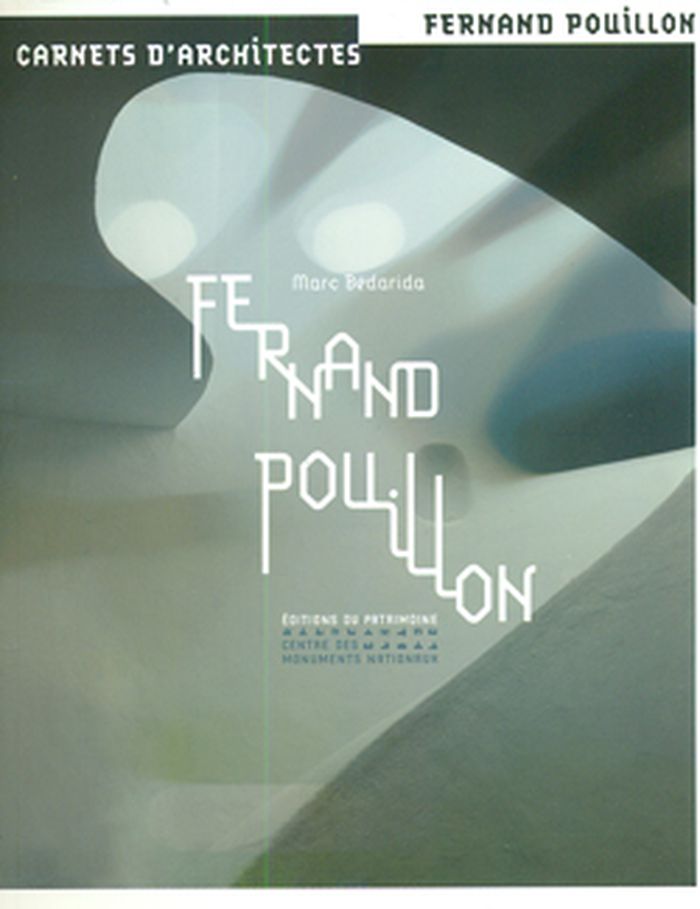
Fernand Pouillon (1912-1986) est assurément la figure la plus romanesque du XXe siècle. Les fastes de sa vie privée et ses démêlés judiciaires ont défrayé la chronique. Ils ont aussi motivé l'écriture de deux ouvrages cultes, Les Pierres sauvages (1964) et Mémoires d'un architecte (1968), qui révèlent un remarquable conteur. L'oeuvre bâtie, elle, est exceptionnelle par son ampleur, ses qualités de composition et de construction. Mis au ban de sa profession pour avoir osé défier l'industrie du béton armé, Fernand Pouillon a démontré, en Provence d'abord, puis en Algérie, dans la région parisienne et en Iran, la compatibilité de la construction en pierre de taille et du logement de masse. La reconstruction du Vieux-Port de Marseille, la résidence Climat de France à Alger, celles du Point-du-Jour à Boulogne-Billancourt et du Parc à Meudon constituent aujourd'hui des repères importants dans l'histoire de l'habitat. Cet ouvrage propose un regard nouveau sur l'architecte et présente des projets, ignorés ou méconnus : maisons industrialisées, plan d'urbanisme de Créteil et projet d'extension de Saint-Tropez... Il apporte quantité d'éléments inédits sur l'oeuvre, qui se révèle plus que jamais d'une extraordinaire riche et d'une étonnante diversité.
Fernand Pouillon
Actions:
Prix:
$34.95
(disponible sur commande)
Résumé:
Fernand Pouillon (1912-1986) est assurément la figure la plus romanesque du XXe siècle. Les fastes de sa vie privée et ses démêlés judiciaires ont défrayé la chronique. Ils ont aussi motivé l'écriture de deux ouvrages cultes, Les Pierres sauvages (1964) et Mémoires d'un architecte (1968), qui révèlent un remarquable conteur. L'oeuvre bâtie, elle, est exceptionnelle par son ampleur, ses qualités de composition et de construction. Mis au ban de sa profession pour avoir osé défier l'industrie du béton armé, Fernand Pouillon a démontré, en Provence d'abord, puis en Algérie, dans la région parisienne et en Iran, la compatibilité de la construction en pierre de taille et du logement de masse. La reconstruction du Vieux-Port de Marseille, la résidence Climat de France à Alger, celles du Point-du-Jour à Boulogne-Billancourt et du Parc à Meudon constituent aujourd'hui des repères importants dans l'histoire de l'habitat. Cet ouvrage propose un regard nouveau sur l'architecte et présente des projets, ignorés ou méconnus : maisons industrialisées, plan d'urbanisme de Créteil et projet d'extension de Saint-Tropez... Il apporte quantité d'éléments inédits sur l'oeuvre, qui se révèle plus que jamais d'une extraordinaire riche et d'une étonnante diversité.
Classification:
livres
livres
Publication:
janvier 2013
janvier 2013
Sujet:
Architecture, monographies
Architecture, monographies
Classification:
livres
livres
Actions:
Prix:
$32.95
(disponible sur commande)
Résumé:
Le 15 avril 2019, sous les yeux sidérés du monde entier, Notre- Dame de Paris brûlait. Si cet incendie est indiscutablement d’origine accidentelle, toutes les conditions pour qu’il survienne et prenne les dimensions que l’on connaît étaient réunies : un entretien insuffisant du monument, des économies effectuées aux dépens de la sécurité, un système anti-incendie peu(...)
$32.95
(disponible sur commande)
Résumé:
Le 15 avril 2019, sous les yeux sidérés du monde entier, Notre- Dame de Paris brûlait. Si cet incendie est indiscutablement d’origine accidentelle, toutes les conditions pour qu’il survienne et prenne les dimensions que l’on connaît étaient réunies : un entretien insuffisant du monument, des économies effectuées aux dépens de la sécurité, un système anti-incendie peu(...)
Titre:
Notre-Dame : Une affaire d'état
Actions:
Prix:
$32.95
(disponible sur commande)
Résumé:
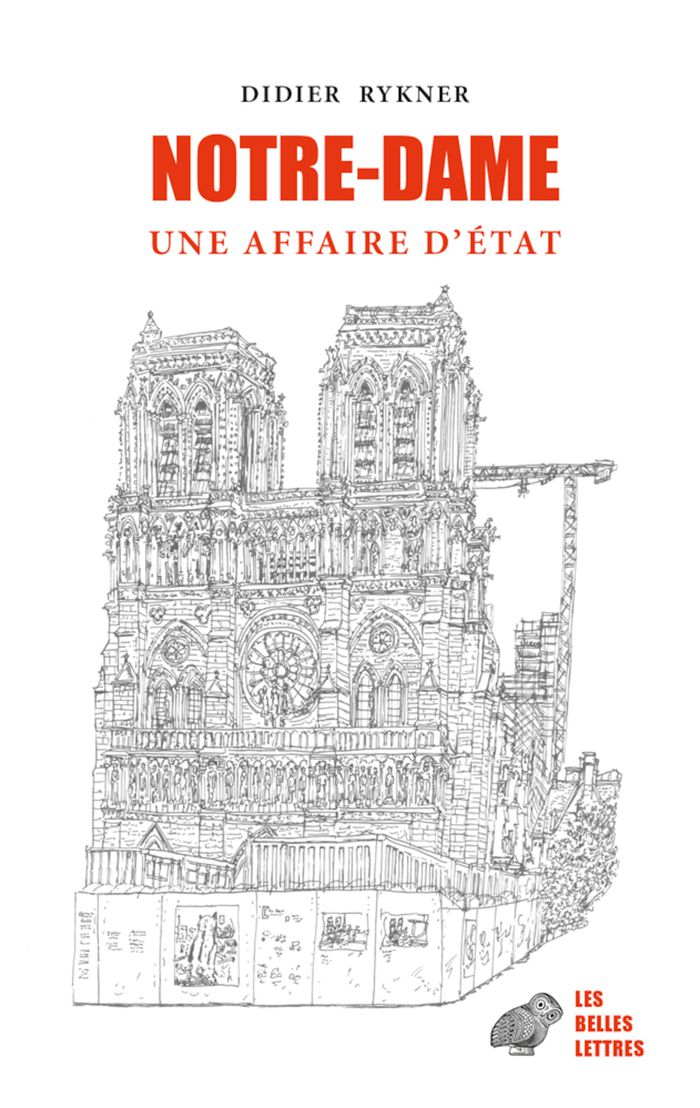
Le 15 avril 2019, sous les yeux sidérés du monde entier, Notre- Dame de Paris brûlait. Si cet incendie est indiscutablement d’origine accidentelle, toutes les conditions pour qu’il survienne et prenne les dimensions que l’on connaît étaient réunies : un entretien insuffisant du monument, des économies effectuées aux dépens de la sécurité, un système anti-incendie peu performant et un chantier de restauration qui constituait un facteur de risques supplémentaires. À travers le récit des faits, Didier Rykner s’intéresse à tous les aspects de ce drame. Comment a-t-il été possible et quelles en sont les causes probables? Pourquoi a-t-il suscité autant de polémiques (les dons des grands mécènes, les délais, la reconstruction de la flèche, la loi d’exception, la pollution au plomb…), dont certaines (la question des abords ou les fouilles archéologiques) sont toujours d’actualité? Didier Rykner montre que le chantier de restauration se déroule malgré tout dans de bonnes conditions, avec un espoir de pouvoir entrer bientôt dans un édifice qui ne sera pas « plus beau » qu’avant, mais qui sera dans un état de conservation beaucoup plus satisfaisant, dont on aimerait qu’il soit aussi celui des autres monuments historiques.
Notre-Dame : Une affaire d'état
Actions:
Prix:
$32.95
(disponible sur commande)
Résumé:
Le 15 avril 2019, sous les yeux sidérés du monde entier, Notre- Dame de Paris brûlait. Si cet incendie est indiscutablement d’origine accidentelle, toutes les conditions pour qu’il survienne et prenne les dimensions que l’on connaît étaient réunies : un entretien insuffisant du monument, des économies effectuées aux dépens de la sécurité, un système anti-incendie peu performant et un chantier de restauration qui constituait un facteur de risques supplémentaires. À travers le récit des faits, Didier Rykner s’intéresse à tous les aspects de ce drame. Comment a-t-il été possible et quelles en sont les causes probables? Pourquoi a-t-il suscité autant de polémiques (les dons des grands mécènes, les délais, la reconstruction de la flèche, la loi d’exception, la pollution au plomb…), dont certaines (la question des abords ou les fouilles archéologiques) sont toujours d’actualité? Didier Rykner montre que le chantier de restauration se déroule malgré tout dans de bonnes conditions, avec un espoir de pouvoir entrer bientôt dans un édifice qui ne sera pas « plus beau » qu’avant, mais qui sera dans un état de conservation beaucoup plus satisfaisant, dont on aimerait qu’il soit aussi celui des autres monuments historiques.
Classification:
livres
livres
Publication:
novembre 2023
novembre 2023
Classification:
livres
livres
Actions:
Prix:
$69.95
(disponible en magasin)
Résumé:
Architectural design and the curatorial share a non-disciplinary background, and aim to assemble diverse forms of knowledge rather than specializing. Inherently transdisciplinary, then, they are at odds with the increasing division of labor in all fields of knowledge and practice. In the face of professionalization, which limits our capacity to intervene comprehensively,(...)
$69.95
(disponible en magasin)
Résumé:
Architectural design and the curatorial share a non-disciplinary background, and aim to assemble diverse forms of knowledge rather than specializing. Inherently transdisciplinary, then, they are at odds with the increasing division of labor in all fields of knowledge and practice. In the face of professionalization, which limits our capacity to intervene comprehensively,(...)
Titre:
Curatorial design: A place between
Actions:
Prix:
$69.95
(disponible en magasin)
Résumé:
Architectural design and the curatorial share a non-disciplinary background, and aim to assemble diverse forms of knowledge rather than specializing. Inherently transdisciplinary, then, they are at odds with the increasing division of labor in all fields of knowledge and practice. In the face of professionalization, which limits our capacity to intervene comprehensively, design and the curatorial challenge specialization and produce relational knowledge. They intend to create an in-between place, as together they form a novel practice that—in combining heterogenous forms of knowledge—takes center stage rather than serving as a moderator or mediator of sorts. What unites them is the assertion of a relational form, the autonomy of which consists precisely in teasing out relations between different elements. What happens to architectural design when it consciously enters a relationship with the curatorial? The book is aimed at practitioners and educators in the field of architecture and design, as well as curators and exhibition makers. It contains three photo series by Armin Linke that accompany the three sections of the book: "Public School for Architecture", "Total Reconstruction," and "Designing for Co-Habitation."
Curatorial design: A place between
Actions:
Prix:
$69.95
(disponible en magasin)
Résumé:
Architectural design and the curatorial share a non-disciplinary background, and aim to assemble diverse forms of knowledge rather than specializing. Inherently transdisciplinary, then, they are at odds with the increasing division of labor in all fields of knowledge and practice. In the face of professionalization, which limits our capacity to intervene comprehensively, design and the curatorial challenge specialization and produce relational knowledge. They intend to create an in-between place, as together they form a novel practice that—in combining heterogenous forms of knowledge—takes center stage rather than serving as a moderator or mediator of sorts. What unites them is the assertion of a relational form, the autonomy of which consists precisely in teasing out relations between different elements. What happens to architectural design when it consciously enters a relationship with the curatorial? The book is aimed at practitioners and educators in the field of architecture and design, as well as curators and exhibition makers. It contains three photo series by Armin Linke that accompany the three sections of the book: "Public School for Architecture", "Total Reconstruction," and "Designing for Co-Habitation."
Classification:
livres
livres
Publication:
mars 2025
mars 2025
Sujet:
Muséologie
Muséologie
Classification:
livres
livres
Actions:
Prix:
$105.00
(disponible sur commande)
Résumé:
Josef Paul Kleihues (1933–2004) was one of the most prolific architects of postwar Germany, famous both as the Director of the International Building Exhibition Berlin in 1987 and for his design for the Museum of Contemporary Art in Chicago. He was also known for his sensitive interventions into older buildings, an instance of which is the former Hamburger Bahnhof - now(...)
$105.00
(disponible sur commande)
Résumé:
Josef Paul Kleihues (1933–2004) was one of the most prolific architects of postwar Germany, famous both as the Director of the International Building Exhibition Berlin in 1987 and for his design for the Museum of Contemporary Art in Chicago. He was also known for his sensitive interventions into older buildings, an instance of which is the former Hamburger Bahnhof - now(...)
Titre:
Josef Paul Kleihues: works 1966-1980 Vol. 1
Actions:
Prix:
$105.00
(disponible sur commande)
Résumé:
Josef Paul Kleihues (1933–2004) was one of the most prolific architects of postwar Germany, famous both as the Director of the International Building Exhibition Berlin in 1987 and for his design for the Museum of Contemporary Art in Chicago. He was also known for his sensitive interventions into older buildings, an instance of which is the former Hamburger Bahnhof - now the Museum für Gegenwart - in Berlin, where Kleihues intermixed glass walls and light installations by the American Minimalist Dan Flavin with the building’s original nineteenth-century Neoclassical design. (His reconstruction was widely deemed to rival or even surpass Gae Aulenti's overhaul of the interior of the Musée d'Orsay in Paris.) This first volume of a three-part monograph presents projects up to 1980, including the highly acclaimed Berlin Sanitation Department and the Neukölln Hospital. Even in these early works, Kleihues’ practical, problem-solving approach is already evident, indicating his readiness to reflect on the traditional approaches of Modern architecture and his capacity to expand them in interesting ways. This very generously illustrated volume was designed by Kleihues himself, just before his death in 2004.
Josef Paul Kleihues: works 1966-1980 Vol. 1
Actions:
Prix:
$105.00
(disponible sur commande)
Résumé:
Josef Paul Kleihues (1933–2004) was one of the most prolific architects of postwar Germany, famous both as the Director of the International Building Exhibition Berlin in 1987 and for his design for the Museum of Contemporary Art in Chicago. He was also known for his sensitive interventions into older buildings, an instance of which is the former Hamburger Bahnhof - now the Museum für Gegenwart - in Berlin, where Kleihues intermixed glass walls and light installations by the American Minimalist Dan Flavin with the building’s original nineteenth-century Neoclassical design. (His reconstruction was widely deemed to rival or even surpass Gae Aulenti's overhaul of the interior of the Musée d'Orsay in Paris.) This first volume of a three-part monograph presents projects up to 1980, including the highly acclaimed Berlin Sanitation Department and the Neukölln Hospital. Even in these early works, Kleihues’ practical, problem-solving approach is already evident, indicating his readiness to reflect on the traditional approaches of Modern architecture and his capacity to expand them in interesting ways. This very generously illustrated volume was designed by Kleihues himself, just before his death in 2004.
Classification:
livres
livres
Publication:
mars 2008, Ostfildern
mars 2008, Ostfildern
Sujet:
Architecture, monographies
Architecture, monographies
Classification:
livres
livres
Titre:
Theo Van Doesburg
Theo Van Doesburg
Actions:
Prix:
$84.95
(disponible sur commande)
Résumé:
A la fin de la Première Guerre mondiale, les avant-gardes européennes sont porteuses d'une volonté de changement et d'un espoir d'avenir meilleur. Plus que tout autre, Theo van Doesburg (1883-1931) participe à cet effort de reconstruction en élargissant l'esthétique néo-plastique de Piet Mondrian à toutes les disciplines : peinture, sculpture, architecture et arts(...)
$84.95
(disponible sur commande)
Résumé:
A la fin de la Première Guerre mondiale, les avant-gardes européennes sont porteuses d'une volonté de changement et d'un espoir d'avenir meilleur. Plus que tout autre, Theo van Doesburg (1883-1931) participe à cet effort de reconstruction en élargissant l'esthétique néo-plastique de Piet Mondrian à toutes les disciplines : peinture, sculpture, architecture et arts(...)
Titre:
Theo Van Doesburg
Actions:
Prix:
$84.95
(disponible sur commande)
Résumé:
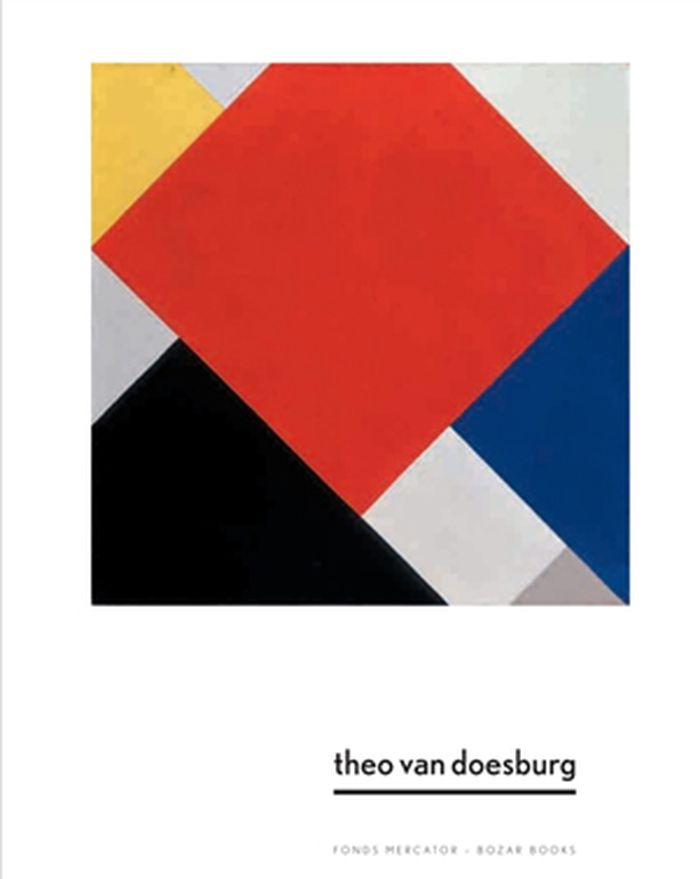
A la fin de la Première Guerre mondiale, les avant-gardes européennes sont porteuses d'une volonté de changement et d'un espoir d'avenir meilleur. Plus que tout autre, Theo van Doesburg (1883-1931) participe à cet effort de reconstruction en élargissant l'esthétique néo-plastique de Piet Mondrian à toutes les disciplines : peinture, sculpture, architecture et arts appliqués. Theo van Doesburg propose une véritable révolution, qui vise à transformer le monde de chaque individu, à créer une nouvelle expression de l'art, qui soit en interaction avec la complexité de la vie et avec l'évolution des sciences et des techniques. Sa démarche en constante évolution convoque des mouvances a priori incompatibles comme le dadaïsme et le néoplasticisme et tend à promouvoir l'innovation, ce qu'atteste son évolution vers l'élémentarisme, puis vers l'Art Concret. Pour défendre son projet à un niveau international, Van Doesburg, également fondateur du mouvement et de la revue De Stijl, a su fédérer tous les artistes qui comptaient. Il est reconnu autant pour ses réalisations plastiques que pour sa façon d'accomplir un idéal philosophique, artistique et collectif. La notoriété internationale de nombreux artistes, dont celle de Mondrian, en bénéficiera largement.
Theo Van Doesburg
Actions:
Prix:
$84.95
(disponible sur commande)
Résumé:
A la fin de la Première Guerre mondiale, les avant-gardes européennes sont porteuses d'une volonté de changement et d'un espoir d'avenir meilleur. Plus que tout autre, Theo van Doesburg (1883-1931) participe à cet effort de reconstruction en élargissant l'esthétique néo-plastique de Piet Mondrian à toutes les disciplines : peinture, sculpture, architecture et arts appliqués. Theo van Doesburg propose une véritable révolution, qui vise à transformer le monde de chaque individu, à créer une nouvelle expression de l'art, qui soit en interaction avec la complexité de la vie et avec l'évolution des sciences et des techniques. Sa démarche en constante évolution convoque des mouvances a priori incompatibles comme le dadaïsme et le néoplasticisme et tend à promouvoir l'innovation, ce qu'atteste son évolution vers l'élémentarisme, puis vers l'Art Concret. Pour défendre son projet à un niveau international, Van Doesburg, également fondateur du mouvement et de la revue De Stijl, a su fédérer tous les artistes qui comptaient. Il est reconnu autant pour ses réalisations plastiques que pour sa façon d'accomplir un idéal philosophique, artistique et collectif. La notoriété internationale de nombreux artistes, dont celle de Mondrian, en bénéficiera largement.
Classification:
livres
livres
Publication:
avril 2016
avril 2016
Classification:
livres
livres
Prix:
$26.00
(disponible sur commande)
Résumé:
Newark's volatile past is infamous. The city has become synonymous with the Black Power movement and urban crisis. Its history reveals a vibrant and contentious political culture punctuated by traditional civic pride and an understudied tradition of protest in the black community. Newark charts this important city's place in the nation, from its founding in 1666 by a(...)
$26.00
(disponible sur commande)
Résumé:
Newark's volatile past is infamous. The city has become synonymous with the Black Power movement and urban crisis. Its history reveals a vibrant and contentious political culture punctuated by traditional civic pride and an understudied tradition of protest in the black community. Newark charts this important city's place in the nation, from its founding in 1666 by a(...)
Titre:
Newark: a history of race, rights, and riots in America
Actions:
Prix:
$26.00
(disponible sur commande)
Résumé:
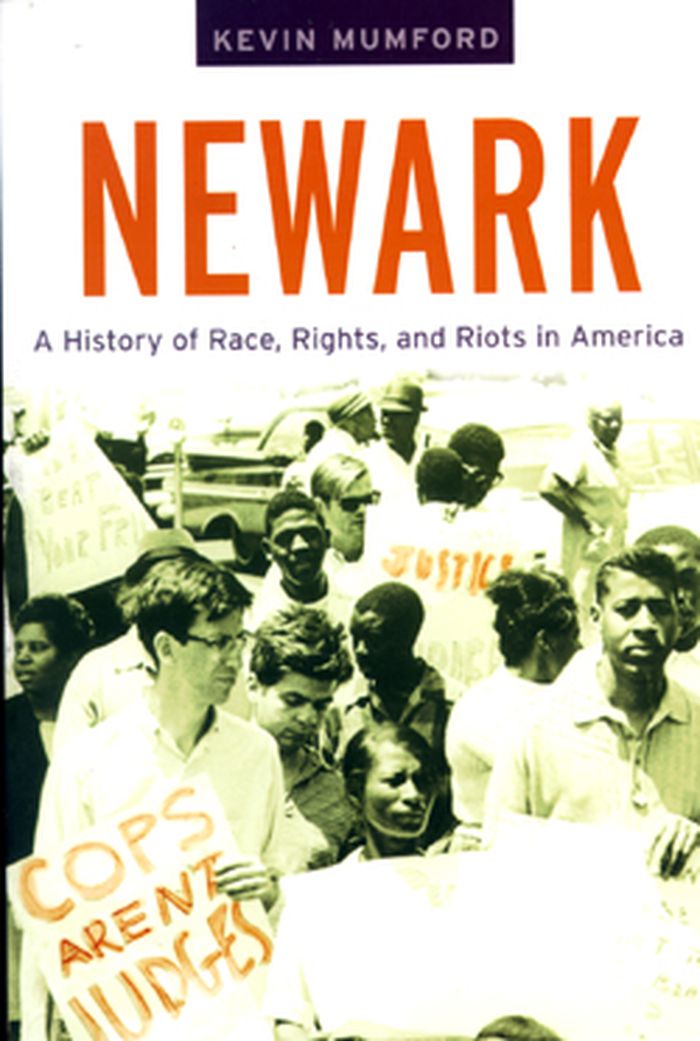
Newark's volatile past is infamous. The city has become synonymous with the Black Power movement and urban crisis. Its history reveals a vibrant and contentious political culture punctuated by traditional civic pride and an understudied tradition of protest in the black community. Newark charts this important city's place in the nation, from its founding in 1666 by a dissident Puritan as a refuge from intolerance, through the days of Jim Crow and World War II civil rights activism, to the height of postwar integration and the election of its first black mayor. In this broad and balanced history of Newark, Kevin Mumford applies the concept of the public sphere to the problem of race relations, demonstrating how political ideas and print culture were instrumental in shaping African American consciousness. He draws on both public and personal archives, interpreting official documents-such as newspapers, commission testimony, and government records-alongside interviews, political flyers, meeting minutes, and rare photos. From the migration out of the south to the rise of public housing and ethnic conflict, Newark explains the impact of African Americans on the reconstruction of American cities in the twentieth century.
Newark: a history of race, rights, and riots in America
Actions:
Prix:
$26.00
(disponible sur commande)
Résumé:
Newark's volatile past is infamous. The city has become synonymous with the Black Power movement and urban crisis. Its history reveals a vibrant and contentious political culture punctuated by traditional civic pride and an understudied tradition of protest in the black community. Newark charts this important city's place in the nation, from its founding in 1666 by a dissident Puritan as a refuge from intolerance, through the days of Jim Crow and World War II civil rights activism, to the height of postwar integration and the election of its first black mayor. In this broad and balanced history of Newark, Kevin Mumford applies the concept of the public sphere to the problem of race relations, demonstrating how political ideas and print culture were instrumental in shaping African American consciousness. He draws on both public and personal archives, interpreting official documents-such as newspapers, commission testimony, and government records-alongside interviews, political flyers, meeting minutes, and rare photos. From the migration out of the south to the rise of public housing and ethnic conflict, Newark explains the impact of African Americans on the reconstruction of American cities in the twentieth century.
Classification:
livres
livres
Publication:
novembre 2008, New York
novembre 2008, New York
Sujet:
Théorie/ philosophie
Théorie/ philosophie
Classification:
livres
livres
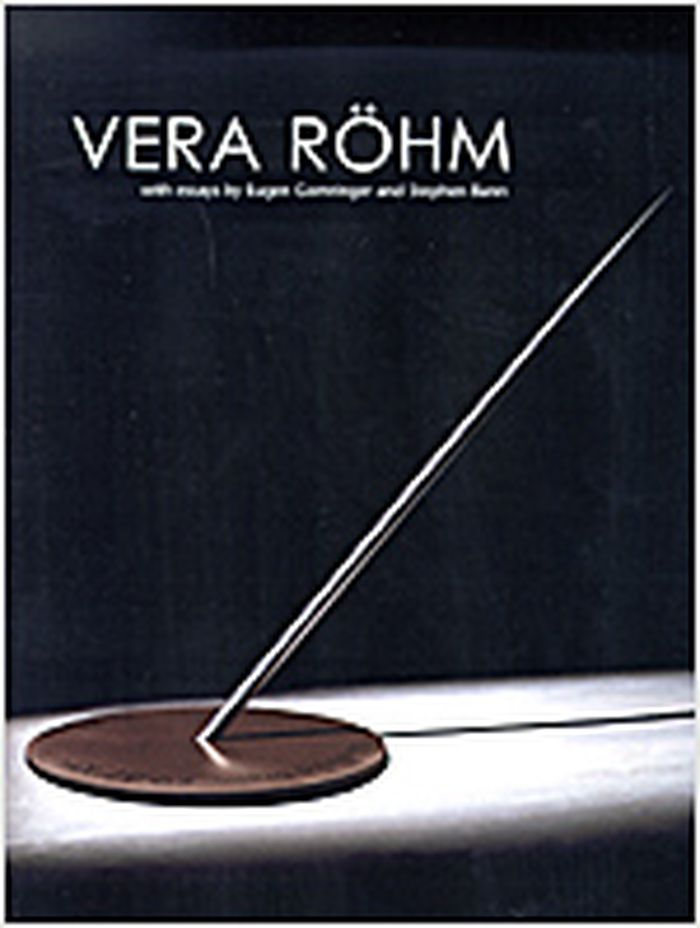
Titre:
Vera Röhm
Vera Röhm
Actions:
Prix:
$36.50
(disponible sur commande)
Résumé:
Vera Röhm’s name comes up in discussions of contemporary constructive art as an unorthodox example of the sculptural approach. Since the beginning of her artistic career she has been concerned with a repertoire of elementary geometric shapes. Her approach plays upon different kinds of distortion: incisions, cross-sections, mutilation and restoration/reconstruction; which(...)
$36.50
(disponible sur commande)
Résumé:
Vera Röhm’s name comes up in discussions of contemporary constructive art as an unorthodox example of the sculptural approach. Since the beginning of her artistic career she has been concerned with a repertoire of elementary geometric shapes. Her approach plays upon different kinds of distortion: incisions, cross-sections, mutilation and restoration/reconstruction; which(...)
Publication:
avril 2006, London
avril 2006, London
Titre:
Vera Röhm
Actions:
Prix:
$36.50
(disponible sur commande)
Résumé:
Vera Röhm’s name comes up in discussions of contemporary constructive art as an unorthodox example of the sculptural approach. Since the beginning of her artistic career she has been concerned with a repertoire of elementary geometric shapes. Her approach plays upon different kinds of distortion: incisions, cross-sections, mutilation and restoration/reconstruction; which bring about an increased richness of form and complexity, and challenge the viewer’s imagination. Metamorphosis of materials in "Integrations", multiplication of shapes in "Shadow Objects", not to forget her photographs of the Jaipur Observatory – all of these offer unexpected angles on the real world. When her works include written words – as is the case with her cube-series bearing the inscription "Night Is The Shadow of The Earth" – this can be associated with Concrete Poetry. Her work in general also falls within the tradition of Constructivism, although there is an almost temperamental inclination to geometrical form, which is always manifest in the rich variations of shape that inform her sculptures. This first comprehensive presentation of the artist’s work in the English language is accompanied by essays by the poet and critic Eugen Gomringer and the art historian Stephen Bann.
Vera Röhm
Actions:
Prix:
$36.50
(disponible sur commande)
Résumé:
Vera Röhm’s name comes up in discussions of contemporary constructive art as an unorthodox example of the sculptural approach. Since the beginning of her artistic career she has been concerned with a repertoire of elementary geometric shapes. Her approach plays upon different kinds of distortion: incisions, cross-sections, mutilation and restoration/reconstruction; which bring about an increased richness of form and complexity, and challenge the viewer’s imagination. Metamorphosis of materials in "Integrations", multiplication of shapes in "Shadow Objects", not to forget her photographs of the Jaipur Observatory – all of these offer unexpected angles on the real world. When her works include written words – as is the case with her cube-series bearing the inscription "Night Is The Shadow of The Earth" – this can be associated with Concrete Poetry. Her work in general also falls within the tradition of Constructivism, although there is an almost temperamental inclination to geometrical form, which is always manifest in the rich variations of shape that inform her sculptures. This first comprehensive presentation of the artist’s work in the English language is accompanied by essays by the poet and critic Eugen Gomringer and the art historian Stephen Bann.
Classification:
livres
livres
Publication:
avril 2006, London
avril 2006, London


