


2142 Résultats
Classification:
livres
livres
Prix:
$79.95
(disponible sur commande)
Résumé:
La médiocrité esthétique et le fonctionnalisme primaire de la reconstruction post 1945 sécrète une crise durable qui affecte l’architecture et l’urbanisme dans l’ensemble du monde occidental. A la "Cité radieuse" des années 1930 succède, au milieu du siècle, une nouvelle utopie la "Mégastructure". Hybride colossal traversant des territoires sans frontières, elle règle du(...)
$79.95
(disponible sur commande)
Résumé:
La médiocrité esthétique et le fonctionnalisme primaire de la reconstruction post 1945 sécrète une crise durable qui affecte l’architecture et l’urbanisme dans l’ensemble du monde occidental. A la "Cité radieuse" des années 1930 succède, au milieu du siècle, une nouvelle utopie la "Mégastructure". Hybride colossal traversant des territoires sans frontières, elle règle du(...)
Publication:
octobre 2004, Paris
octobre 2004, Paris
Titre:
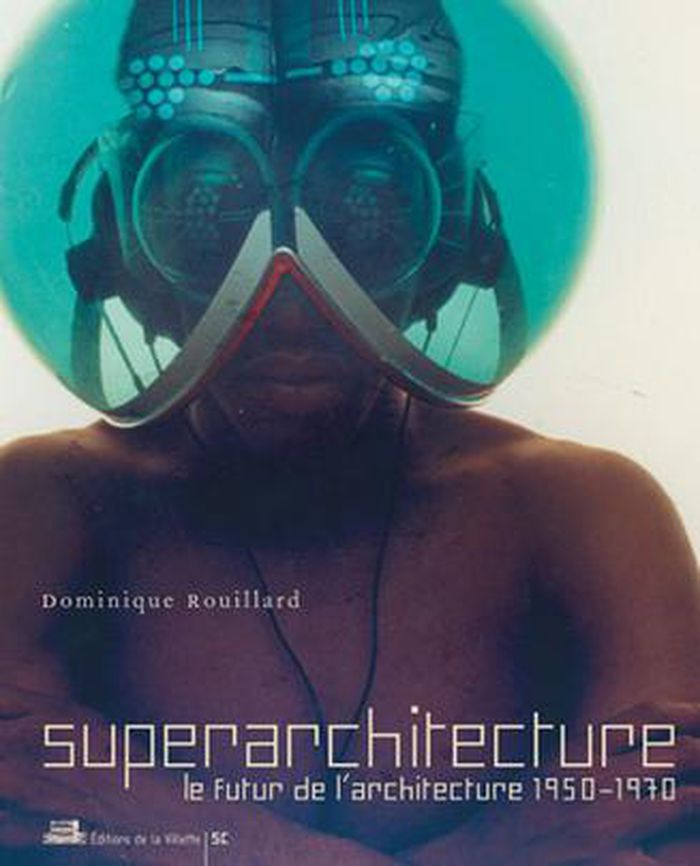
Superarchitecture : le futur de l'architecture 1950-1970
Actions:
Prix:
$79.95
(disponible sur commande)
Résumé:
La médiocrité esthétique et le fonctionnalisme primaire de la reconstruction post 1945 sécrète une crise durable qui affecte l’architecture et l’urbanisme dans l’ensemble du monde occidental. A la "Cité radieuse" des années 1930 succède, au milieu du siècle, une nouvelle utopie la "Mégastructure". Hybride colossal traversant des territoires sans frontières, elle règle du même élan, et l’architecture, et l’urbanisme, et les infrastructures. Mais l’engouement pour ces grandes machines sensées résoudre les problèmes à l’échelle planétaire s’émousse durant les sixties. La "Mégastructure" cède le pas à l’"Architecture radicale", ce faisant on assiste au basculement d’une approche de l’architecture dont les références sont le besoin et la construction à une autre dont les références sont l’immédiateté et la consommation, les objets mobiles et le plaisir du corps. Cette transformation correspond au passage d’une architecture conçue en terme de progrès social et de bonheur humain, à une architecture de la révélation du monde existant. Première monographie exhaustive sur la période, Superarchitecture est abondamment illustrée à l’aide d’une iconographie originale issue des archives des Smithson, d’Hollein, de Fuller, Friedman, Archigram, Price, Archizoom, Superstudio, etc. De l’utopie critique qui se dégage des projets de ces acteurs et de la puissance évocatrice de leurs dessins, les architectes contemporains comme Koolhaas, Tschumi ou MRDV se sont fortement inspirés pour construire leur univers conceptuel.
Superarchitecture : le futur de l'architecture 1950-1970
Actions:
Prix:
$79.95
(disponible sur commande)
Résumé:
La médiocrité esthétique et le fonctionnalisme primaire de la reconstruction post 1945 sécrète une crise durable qui affecte l’architecture et l’urbanisme dans l’ensemble du monde occidental. A la "Cité radieuse" des années 1930 succède, au milieu du siècle, une nouvelle utopie la "Mégastructure". Hybride colossal traversant des territoires sans frontières, elle règle du même élan, et l’architecture, et l’urbanisme, et les infrastructures. Mais l’engouement pour ces grandes machines sensées résoudre les problèmes à l’échelle planétaire s’émousse durant les sixties. La "Mégastructure" cède le pas à l’"Architecture radicale", ce faisant on assiste au basculement d’une approche de l’architecture dont les références sont le besoin et la construction à une autre dont les références sont l’immédiateté et la consommation, les objets mobiles et le plaisir du corps. Cette transformation correspond au passage d’une architecture conçue en terme de progrès social et de bonheur humain, à une architecture de la révélation du monde existant. Première monographie exhaustive sur la période, Superarchitecture est abondamment illustrée à l’aide d’une iconographie originale issue des archives des Smithson, d’Hollein, de Fuller, Friedman, Archigram, Price, Archizoom, Superstudio, etc. De l’utopie critique qui se dégage des projets de ces acteurs et de la puissance évocatrice de leurs dessins, les architectes contemporains comme Koolhaas, Tschumi ou MRDV se sont fortement inspirés pour construire leur univers conceptuel.
Classification:
livres
livres
Publication:
octobre 2004, Paris
octobre 2004, Paris
Classification:
livres
livres

Actions:
Prix:
$47.00
(disponible sur commande)
Résumé:
After the success of the recent touring exhibition "My Complement, My Enemy, My Oppressor, My Love", Kara Walker's silhouetted cut-out figures are a now-familiar but still pungent presence in contemporary art, reenacting uncomfortable, often violent episodes in American race relations and reprising, in their formal simplicity, the ways in which marginalized identities are(...)
$47.00
(disponible sur commande)
Résumé:
After the success of the recent touring exhibition "My Complement, My Enemy, My Oppressor, My Love", Kara Walker's silhouetted cut-out figures are a now-familiar but still pungent presence in contemporary art, reenacting uncomfortable, often violent episodes in American race relations and reprising, in their formal simplicity, the ways in which marginalized identities are(...)
Titre:
Kara Walker : bureau of refugees
Actions:
Prix:
$47.00
(disponible sur commande)
Résumé:
After the success of the recent touring exhibition "My Complement, My Enemy, My Oppressor, My Love", Kara Walker's silhouetted cut-out figures are a now-familiar but still pungent presence in contemporary art, reenacting uncomfortable, often violent episodes in American race relations and reprising, in their formal simplicity, the ways in which marginalized identities are reduced and distorted into readily legible, caricatured forms. Walker's art continues, in other words, to pose awkward questions straightforwardly. Her imagery derives from the visual language of the antebellum South and the tradition of the minstrel show, which she directs to more disquieting ends. Where her source material parodied African-American culture with a terrifyingly casual jocularity - permitting white Americans to vicariously transgress their own taboos by depicting social chaos and unbridled sexuality - Walker applies that jocularity to her depictions of violence against African-Americans, lending them a hollow, almost slapstick character that is very much at odds with their original function. This latest book features work from a new series that addresses, among other themes, the atrocities committed against former slaves after the Emancipation Proclamation of 1863 and the Reconstruction program implemented by Congress between 1866 and 1877. These narratives are elaborated into or against geometric scenarios more abstract and compacted than previous sequences by Walker, and with a more extensive use of color.
Kara Walker : bureau of refugees
Actions:
Prix:
$47.00
(disponible sur commande)
Résumé:
After the success of the recent touring exhibition "My Complement, My Enemy, My Oppressor, My Love", Kara Walker's silhouetted cut-out figures are a now-familiar but still pungent presence in contemporary art, reenacting uncomfortable, often violent episodes in American race relations and reprising, in their formal simplicity, the ways in which marginalized identities are reduced and distorted into readily legible, caricatured forms. Walker's art continues, in other words, to pose awkward questions straightforwardly. Her imagery derives from the visual language of the antebellum South and the tradition of the minstrel show, which she directs to more disquieting ends. Where her source material parodied African-American culture with a terrifyingly casual jocularity - permitting white Americans to vicariously transgress their own taboos by depicting social chaos and unbridled sexuality - Walker applies that jocularity to her depictions of violence against African-Americans, lending them a hollow, almost slapstick character that is very much at odds with their original function. This latest book features work from a new series that addresses, among other themes, the atrocities committed against former slaves after the Emancipation Proclamation of 1863 and the Reconstruction program implemented by Congress between 1866 and 1877. These narratives are elaborated into or against geometric scenarios more abstract and compacted than previous sequences by Walker, and with a more extensive use of color.
Classification:
livres
livres
Publication:
septembre 2008, Milano
septembre 2008, Milano
Classification:
livres
livres
Titre:
Displaying the marvelous : Marcel Duchamp, Salvador Dali, and Surrealist exhibition installations
Displaying the marvelous : Marcel Duchamp, Salvador Dali, and Surrealist exhibition installations
Actions:
Prix:
$52.50
(disponible sur commande)
Résumé:
Surrealism in its late phase often abandoned neutral exhibition spaces in favor of environments that embodied subjective ideologies. These exhibitions offered startled viewers an early version of installation art before the form existed as such. In Displaying the (...)
$52.50
(disponible sur commande)
Résumé:
Surrealism in its late phase often abandoned neutral exhibition spaces in favor of environments that embodied subjective ideologies. These exhibitions offered startled viewers an early version of installation art before the form existed as such. In Displaying the (...)
Titre:
Displaying the marvelous : Marcel Duchamp, Salvador Dali, and Surrealist exhibition installations
Actions:
Prix:
$52.50
(disponible sur commande)
Résumé:
Surrealism in its late phase often abandoned neutral exhibition spaces in favor of environments that embodied subjective ideologies. These exhibitions offered startled viewers an early version of installation art before the form existed as such. In Displaying the Marvelous, Lewis Kachur explores this development by analyzing three elaborate Surrealist installations created between 1938 and 1942. The first two, the "Exposition Internationale du Surréalisme" (1938) and the "Dream of Venus" at the New York World's Fair (1939), dealt with the fetishization of the female body. The third, "First Papers of Surrealism" (1942), focused not on the figure but on the entire expanse of the exhibition space, thus contributing to the development of nonfigurative art in New York. Kachur presents a full visual and verbal reconstruction of each of the exhibitions, evoking the sequence that the contemporary viewer would have encountered. The book considers Marcel Duchamp and Salvador Dalí, two artists who are not usually compared, within a common framework. Duchamp specialized in frustrating the spectator, using his ironic wit to call into question the definition of the work of art. Dalí was a master at disorienting the senses by establishing and then undermining everyday spatial and object properties. The Surrealist challenge, as voiced by André Breton, was to evoke the marvelous. Duchamp and Dalí extended that challenge to the physical and commercial realm of the exhibition installation.
Displaying the marvelous : Marcel Duchamp, Salvador Dali, and Surrealist exhibition installations
Actions:
Prix:
$52.50
(disponible sur commande)
Résumé:
Surrealism in its late phase often abandoned neutral exhibition spaces in favor of environments that embodied subjective ideologies. These exhibitions offered startled viewers an early version of installation art before the form existed as such. In Displaying the Marvelous, Lewis Kachur explores this development by analyzing three elaborate Surrealist installations created between 1938 and 1942. The first two, the "Exposition Internationale du Surréalisme" (1938) and the "Dream of Venus" at the New York World's Fair (1939), dealt with the fetishization of the female body. The third, "First Papers of Surrealism" (1942), focused not on the figure but on the entire expanse of the exhibition space, thus contributing to the development of nonfigurative art in New York. Kachur presents a full visual and verbal reconstruction of each of the exhibitions, evoking the sequence that the contemporary viewer would have encountered. The book considers Marcel Duchamp and Salvador Dalí, two artists who are not usually compared, within a common framework. Duchamp specialized in frustrating the spectator, using his ironic wit to call into question the definition of the work of art. Dalí was a master at disorienting the senses by establishing and then undermining everyday spatial and object properties. The Surrealist challenge, as voiced by André Breton, was to evoke the marvelous. Duchamp and Dalí extended that challenge to the physical and commercial realm of the exhibition installation.
Classification:
livres
livres
Publication:
juin 2001, Cambridge, Mass.
juin 2001, Cambridge, Mass.
Classification:
livres
livres
Actions:
Prix:
$76.95
(disponible en magasin)
Résumé:
Durant sa vie, Le Corbusier a construit seulement cinq unités d'habitation - à Marseille, Rezé, Berlin, Briey et Firminy -, bien peu en regard des soixante-dix que l'architecte a conçues et qui devaient apporter, avec ce nouveau modèle typologique d'habitat, une véritable révolution dans l'aménagement urbain. Si ces réalisations font figure d'exceptions, elles(...)
$76.95
(disponible en magasin)
Résumé:
Durant sa vie, Le Corbusier a construit seulement cinq unités d'habitation - à Marseille, Rezé, Berlin, Briey et Firminy -, bien peu en regard des soixante-dix que l'architecte a conçues et qui devaient apporter, avec ce nouveau modèle typologique d'habitat, une véritable révolution dans l'aménagement urbain. Si ces réalisations font figure d'exceptions, elles(...)
Sujet:
Architecture, monographies
Architecture, monographies
Publication:
novembre 2022
novembre 2022
Titre:
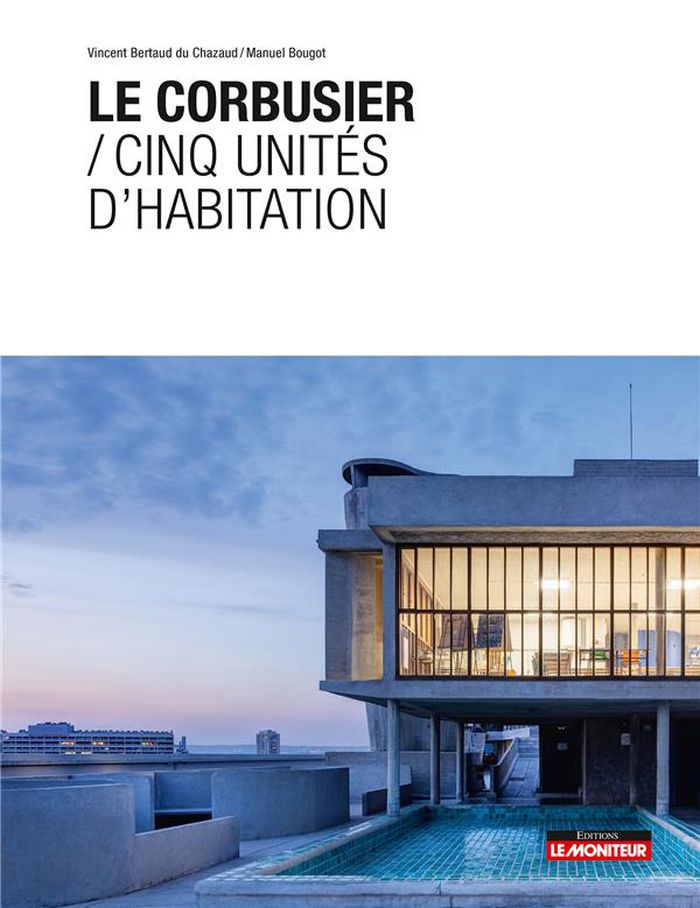
Le Corbusier : Cinq unités d'habitation
Actions:
Prix:
$76.95
(disponible en magasin)
Résumé:
Durant sa vie, Le Corbusier a construit seulement cinq unités d'habitation - à Marseille, Rezé, Berlin, Briey et Firminy -, bien peu en regard des soixante-dix que l'architecte a conçues et qui devaient apporter, avec ce nouveau modèle typologique d'habitat, une véritable révolution dans l'aménagement urbain. Si ces réalisations font figure d'exceptions, elles appartiennent déjà à l'histoire sociale et culturelle du XX° siècle : en effet, elles répondent à un contexte de pénurie de logements durant la période de la reconstruction (Marseille et Rezé) et celui de l'industrialisation de régions sidérurgiques et minières (Firminy et Briey) ; d'autre part, elles s'inscrivent dans la poursuite du Mouvement moderne des années 1930, qui trouve après-guerre un terrain favorable pour s'exprimer à grande échelle (Interbau 57 à Berlin). Manifestations d'un idéal de vie moderne qui promeut le développement de nouveaux équipements dans les logements (eau courante, chauffage central, cuisine équipée...) et de services collectifs dans l'immeuble (commerce, école, équipement sportif, théâtre en plein air), les unités d'habitation ont su s'adapter aux changements jusqu'à s'inscrire résolument dans la contemporanéité, mais aussi comme un patrimoine architectural. Cet ouvrage retrace leur histoire en présentant le contexte de leur commande, le déroulement du chantier ainsi que leur vie et leurs évolutions. Les photographies accompagnant les textes, fruits d'un dialogue entre les habitants et les auteurs, montrent combien le combat de Le Corbusier pour le logement social reste vivant et que son utopie est devenue une réalité évolutive.
Le Corbusier : Cinq unités d'habitation
Actions:
Prix:
$76.95
(disponible en magasin)
Résumé:
Durant sa vie, Le Corbusier a construit seulement cinq unités d'habitation - à Marseille, Rezé, Berlin, Briey et Firminy -, bien peu en regard des soixante-dix que l'architecte a conçues et qui devaient apporter, avec ce nouveau modèle typologique d'habitat, une véritable révolution dans l'aménagement urbain. Si ces réalisations font figure d'exceptions, elles appartiennent déjà à l'histoire sociale et culturelle du XX° siècle : en effet, elles répondent à un contexte de pénurie de logements durant la période de la reconstruction (Marseille et Rezé) et celui de l'industrialisation de régions sidérurgiques et minières (Firminy et Briey) ; d'autre part, elles s'inscrivent dans la poursuite du Mouvement moderne des années 1930, qui trouve après-guerre un terrain favorable pour s'exprimer à grande échelle (Interbau 57 à Berlin). Manifestations d'un idéal de vie moderne qui promeut le développement de nouveaux équipements dans les logements (eau courante, chauffage central, cuisine équipée...) et de services collectifs dans l'immeuble (commerce, école, équipement sportif, théâtre en plein air), les unités d'habitation ont su s'adapter aux changements jusqu'à s'inscrire résolument dans la contemporanéité, mais aussi comme un patrimoine architectural. Cet ouvrage retrace leur histoire en présentant le contexte de leur commande, le déroulement du chantier ainsi que leur vie et leurs évolutions. Les photographies accompagnant les textes, fruits d'un dialogue entre les habitants et les auteurs, montrent combien le combat de Le Corbusier pour le logement social reste vivant et que son utopie est devenue une réalité évolutive.
Classification:
livres
livres
Publication:
novembre 2022
novembre 2022
Sujet:
Architecture, monographies
Architecture, monographies
Classification:
livres
livres
Actions:
Prix:
$24.50
(disponible sur commande)
Résumé:
The successful conversion and expansion of abandoned buildings and relics from the industrial past have been the mission of Atelier Deshaus from Shanghai since 2001. The question of how formerly closed industrial complexes can be transformed into new, attractive places for the public is the core theme of this exhibition. It focuses on the transformation along the Huangpu(...)
$24.50
(disponible sur commande)
Résumé:
The successful conversion and expansion of abandoned buildings and relics from the industrial past have been the mission of Atelier Deshaus from Shanghai since 2001. The question of how formerly closed industrial complexes can be transformed into new, attractive places for the public is the core theme of this exhibition. It focuses on the transformation along the Huangpu(...)
Titre:
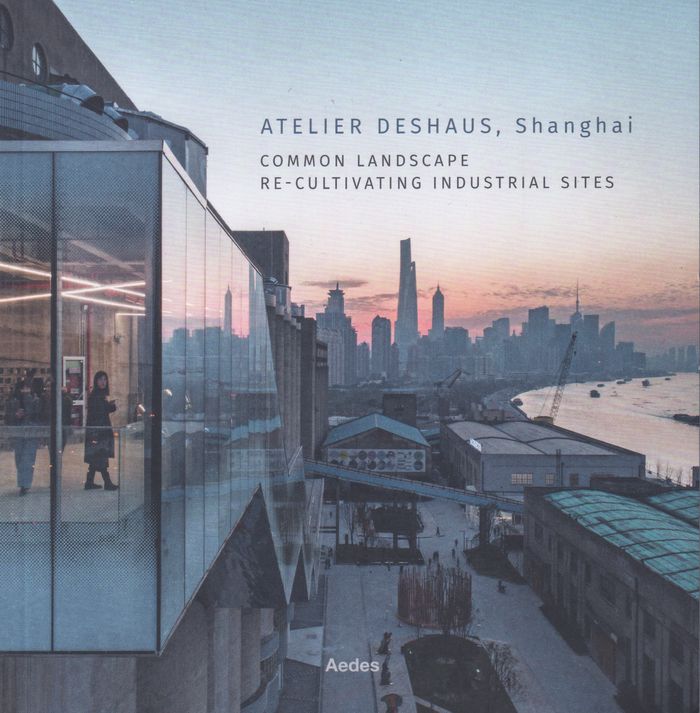
Atelier Deshaus, Shanghai: Common Landscape, Re-Cultivating Industrial Sites
Actions:
Prix:
$24.50
(disponible sur commande)
Résumé:
The successful conversion and expansion of abandoned buildings and relics from the industrial past have been the mission of Atelier Deshaus from Shanghai since 2001. The question of how formerly closed industrial complexes can be transformed into new, attractive places for the public is the core theme of this exhibition. It focuses on the transformation along the Huangpu River in Shanghai, whose seamless accessibility as a public space was heralded by Expo 2010 Better City - Better Life. Aedes is showing seven projects that have used the potential of former industrial sites to bring new functions to the riverbank and to which the residents attach both emotional and cultural significance. Abandoned production sites and relics of inner-city heavy industry, warehouses, and port facilities can be a huge burden on the sustainable development of a city, especially if they are seen as waste to be disposed of. With its projects, Atelier Deshaus shows how the grey energy used in them can be preserved, at least in parts, through conversion and reconstruction, and how new functions can be assigned. In the face of climate change and the generally far too energy-hungry construction industry, it is also an obvious necessity in China to take an unbiased look at existing buildings. Nevertheless, demolition is still often the priority. Atelier Deshaus counters this with a strategy of minimal intervention that sensitively heralds the transformation of the existing buildings without destroying the historical reminders.
Atelier Deshaus, Shanghai: Common Landscape, Re-Cultivating Industrial Sites
Actions:
Prix:
$24.50
(disponible sur commande)
Résumé:
The successful conversion and expansion of abandoned buildings and relics from the industrial past have been the mission of Atelier Deshaus from Shanghai since 2001. The question of how formerly closed industrial complexes can be transformed into new, attractive places for the public is the core theme of this exhibition. It focuses on the transformation along the Huangpu River in Shanghai, whose seamless accessibility as a public space was heralded by Expo 2010 Better City - Better Life. Aedes is showing seven projects that have used the potential of former industrial sites to bring new functions to the riverbank and to which the residents attach both emotional and cultural significance. Abandoned production sites and relics of inner-city heavy industry, warehouses, and port facilities can be a huge burden on the sustainable development of a city, especially if they are seen as waste to be disposed of. With its projects, Atelier Deshaus shows how the grey energy used in them can be preserved, at least in parts, through conversion and reconstruction, and how new functions can be assigned. In the face of climate change and the generally far too energy-hungry construction industry, it is also an obvious necessity in China to take an unbiased look at existing buildings. Nevertheless, demolition is still often the priority. Atelier Deshaus counters this with a strategy of minimal intervention that sensitively heralds the transformation of the existing buildings without destroying the historical reminders.
Classification:
livres
livres
Publication:
avril 2023
avril 2023
Sujet:
Architecture, monographies
Architecture, monographies
Classification:
livres
livres
Titre:
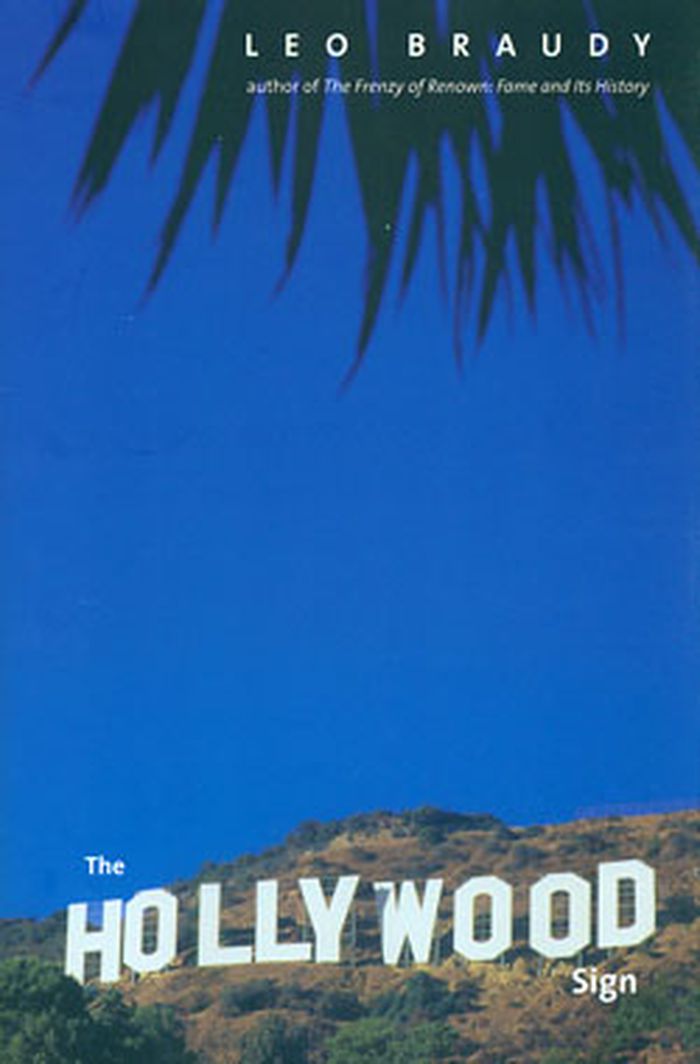
The Hollywood sign
The Hollywood sign
Actions:
Prix:
$27.95
(disponible sur commande)
Résumé:
Hollywood's famous sign, constructed of massive white block letters set into a steep hillside, is an emblem of the movie capital it looms over and an international symbol of glamour and star power. To so many who see its image, the sign represents the earthly home of that otherwise ethereal world of fame, stardom, and celebrity -the goal of American and worldwide(...)
$27.95
(disponible sur commande)
Résumé:
Hollywood's famous sign, constructed of massive white block letters set into a steep hillside, is an emblem of the movie capital it looms over and an international symbol of glamour and star power. To so many who see its image, the sign represents the earthly home of that otherwise ethereal world of fame, stardom, and celebrity -the goal of American and worldwide(...)
Titre:
The Hollywood sign
Actions:
Prix:
$27.95
(disponible sur commande)
Résumé:
Hollywood's famous sign, constructed of massive white block letters set into a steep hillside, is an emblem of the movie capital it looms over and an international symbol of glamour and star power. To so many who see its image, the sign represents the earthly home of that otherwise ethereal world of fame, stardom, and celebrity -the goal of American and worldwide aspiration to be in the limelight, to be, like the Hollywood sign itself, instantly recognizable. How an advertisement erected in 1923, touting the real estate development Hollywoodland, took on a life of its own is a story worthy of the entertainment world that is its focus. Leo Braudy traces the remarkable history of this distinctly American landmark, which has been saved over the years by a disparate group of fans and supporters, among them Alice Cooper and Hugh Hefner, who spearheaded its reconstruction in the 1970s. He also uses the sign's history to offer an intriguing look at the rise of the movie business from its earliest, silent days through the development of the studio system that helped define modern Hollywood. Mixing social history, urban studies, literature, and film, along with forays into such topics as the lure of Hollywood for utopian communities and the development of domestic architecture in Los Angeles, The Hollywood Sign is a fascinating account of how a temporary structure has become a permanent icon of American culture.
The Hollywood sign
Actions:
Prix:
$27.95
(disponible sur commande)
Résumé:
Hollywood's famous sign, constructed of massive white block letters set into a steep hillside, is an emblem of the movie capital it looms over and an international symbol of glamour and star power. To so many who see its image, the sign represents the earthly home of that otherwise ethereal world of fame, stardom, and celebrity -the goal of American and worldwide aspiration to be in the limelight, to be, like the Hollywood sign itself, instantly recognizable. How an advertisement erected in 1923, touting the real estate development Hollywoodland, took on a life of its own is a story worthy of the entertainment world that is its focus. Leo Braudy traces the remarkable history of this distinctly American landmark, which has been saved over the years by a disparate group of fans and supporters, among them Alice Cooper and Hugh Hefner, who spearheaded its reconstruction in the 1970s. He also uses the sign's history to offer an intriguing look at the rise of the movie business from its earliest, silent days through the development of the studio system that helped define modern Hollywood. Mixing social history, urban studies, literature, and film, along with forays into such topics as the lure of Hollywood for utopian communities and the development of domestic architecture in Los Angeles, The Hollywood Sign is a fascinating account of how a temporary structure has become a permanent icon of American culture.
Classification:
livres
livres
Publication:
mars 2011
mars 2011
Sujet:
Signalétique
Signalétique
Classification:
livres
livres
Prix:
$9.95
(disponible sur commande)
Résumé:
Le pamphlet répond à deux préoccupations : rappeler vers quelle impasse la dictature de la rentabilité est en train de mener les hommes en dévastant les ressources planétaires. Montrer que la contestation se condamnera à l'impuissance tant qu'elle n'aura pas misé - avec l'intention de la dépasser - sur la seule et véritable nouvelle économie, celle qu'instaurent le mode(...)
$9.95
(disponible sur commande)
Résumé:
Le pamphlet répond à deux préoccupations : rappeler vers quelle impasse la dictature de la rentabilité est en train de mener les hommes en dévastant les ressources planétaires. Montrer que la contestation se condamnera à l'impuissance tant qu'elle n'aura pas misé - avec l'intention de la dépasser - sur la seule et véritable nouvelle économie, celle qu'instaurent le mode(...)
Titre:
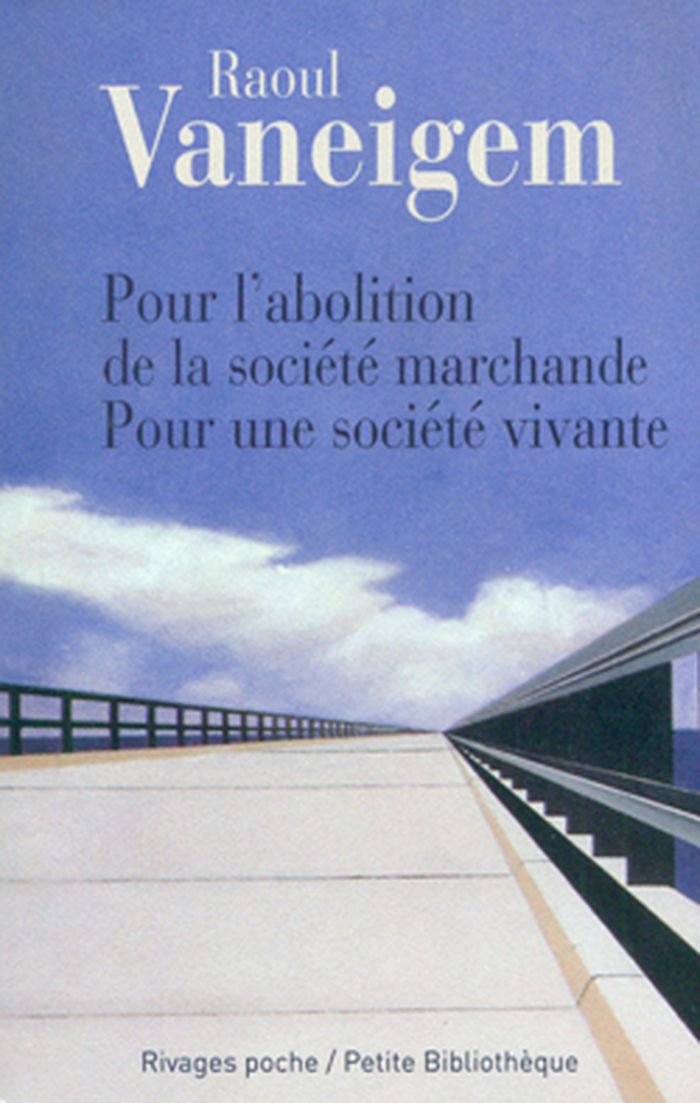
Pour l'abolition de la société marchande; pour une société vivante
Actions:
Prix:
$9.95
(disponible sur commande)
Résumé:
Le pamphlet répond à deux préoccupations : rappeler vers quelle impasse la dictature de la rentabilité est en train de mener les hommes en dévastant les ressources planétaires. Montrer que la contestation se condamnera à l'impuissance tant qu'elle n'aura pas misé - avec l'intention de la dépasser - sur la seule et véritable nouvelle économie, celle qu'instaurent le mode de production d'énergies naturelles gratuites, l'agriculture «biologique», le retour à la valeur d’usage et à la qualité des produits, la reconstruction d’un environnement en accord avec l’aspiration individuelle à une destinée moins navrante. Nous assistons avec une passivité navrante, à une mise en coupe réglée de la planète par des associations d’intérêts, qui accroissent leur puissance financière en démantelant partout les secteurs utiles à la société et en attisant des conflits locaux qui s’apparentent à des guerres de gangs. Des organismes bureaucratiques tels que le FMI ou l’OMC prêtent un semblant d’honorabilité à une politique mafieuse puisant dans les dernières ressources des populations du globe l’argent désormais investi dans les circuits fermés de la spéculation boursière. Nous sommes confrontés à un système autodestructeur qui court à la faillite financière parce qu’il tourne sur lui-même, dévaste la terre, perturbe le climat, accroît cette misère qui, alliée au désespoir, multiplie les comportements suicidaires - dont le terrorisme n’est que l’épiphénomène -, contamine, à travers le cycle de la délinquance et de la répression policière, une existence quotidienne exposée aux lois aléatoires du marché.
Pour l'abolition de la société marchande; pour une société vivante
Actions:
Prix:
$9.95
(disponible sur commande)
Résumé:
Le pamphlet répond à deux préoccupations : rappeler vers quelle impasse la dictature de la rentabilité est en train de mener les hommes en dévastant les ressources planétaires. Montrer que la contestation se condamnera à l'impuissance tant qu'elle n'aura pas misé - avec l'intention de la dépasser - sur la seule et véritable nouvelle économie, celle qu'instaurent le mode de production d'énergies naturelles gratuites, l'agriculture «biologique», le retour à la valeur d’usage et à la qualité des produits, la reconstruction d’un environnement en accord avec l’aspiration individuelle à une destinée moins navrante. Nous assistons avec une passivité navrante, à une mise en coupe réglée de la planète par des associations d’intérêts, qui accroissent leur puissance financière en démantelant partout les secteurs utiles à la société et en attisant des conflits locaux qui s’apparentent à des guerres de gangs. Des organismes bureaucratiques tels que le FMI ou l’OMC prêtent un semblant d’honorabilité à une politique mafieuse puisant dans les dernières ressources des populations du globe l’argent désormais investi dans les circuits fermés de la spéculation boursière. Nous sommes confrontés à un système autodestructeur qui court à la faillite financière parce qu’il tourne sur lui-même, dévaste la terre, perturbe le climat, accroît cette misère qui, alliée au désespoir, multiplie les comportements suicidaires - dont le terrorisme n’est que l’épiphénomène -, contamine, à travers le cycle de la délinquance et de la répression policière, une existence quotidienne exposée aux lois aléatoires du marché.
Classification:
livres
livres
Publication:
décembre 2012
décembre 2012
Sujet:
Théorie/ philosophie
Théorie/ philosophie
Classification:
livres
livres
Prix:
$72.50
(disponible en magasin)
Résumé:
This publication introduces the untold story of German artist and poet Anneliese Hager. Active from the 1930s to the 1960s, Hager began her photographic experimentation in Germany during the Nazi censure of modern art. Her preferred medium was the cameraless photograph, or photogram—an image made by placing objects directly on (or in close proximity to) a light-sensitive(...)
$72.50
(disponible en magasin)
Résumé:
This publication introduces the untold story of German artist and poet Anneliese Hager. Active from the 1930s to the 1960s, Hager began her photographic experimentation in Germany during the Nazi censure of modern art. Her preferred medium was the cameraless photograph, or photogram—an image made by placing objects directly on (or in close proximity to) a light-sensitive(...)
Titre:
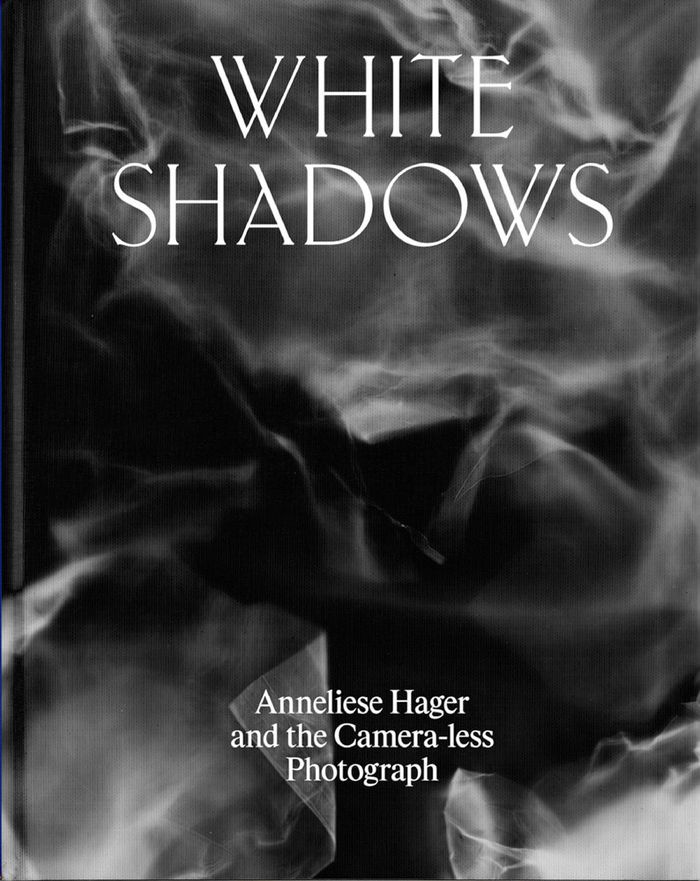
White shadows: Anneliese Hager and the camera-less photograph
Actions:
Prix:
$72.50
(disponible en magasin)
Résumé:
This publication introduces the untold story of German artist and poet Anneliese Hager. Active from the 1930s to the 1960s, Hager began her photographic experimentation in Germany during the Nazi censure of modern art. Her preferred medium was the cameraless photograph, or photogram—an image made by placing objects directly on (or in close proximity to) a light-sensitive surface and exposing the assembled material to light. In its final form, a photogram is a one-of-a-kind work that reverses light and dark: the longer the paper is covered, and hence unexposed, the brighter the covered parts will be, and vice versa. Hager called these bright areas "white shadows." Hager’s photograms offer a more inclusive history of the medium, synthesizing the technique’s 20th-century avant-garde trajectory (best known in the work of László Moholy-Nagy and Man Ray) and its 19th-century prehistories in the realm of science and in practices such as the making of silhouettes, collage and textile arts—pursuits often coded feminine. In 1945, all Hager’s existing artwork was destroyed in the bombing of Dresden during World War II. This book offers an unprecedented reconstruction of her development and postwar creation of otherworldly, Surrealist visions in photograms and poems, a selection of which appear here in English for the first time. For Hager, the photogram was significant for its provocative tonal inversions and surprising chance effects, but also for what emerges from the dark.
White shadows: Anneliese Hager and the camera-less photograph
Actions:
Prix:
$72.50
(disponible en magasin)
Résumé:
This publication introduces the untold story of German artist and poet Anneliese Hager. Active from the 1930s to the 1960s, Hager began her photographic experimentation in Germany during the Nazi censure of modern art. Her preferred medium was the cameraless photograph, or photogram—an image made by placing objects directly on (or in close proximity to) a light-sensitive surface and exposing the assembled material to light. In its final form, a photogram is a one-of-a-kind work that reverses light and dark: the longer the paper is covered, and hence unexposed, the brighter the covered parts will be, and vice versa. Hager called these bright areas "white shadows." Hager’s photograms offer a more inclusive history of the medium, synthesizing the technique’s 20th-century avant-garde trajectory (best known in the work of László Moholy-Nagy and Man Ray) and its 19th-century prehistories in the realm of science and in practices such as the making of silhouettes, collage and textile arts—pursuits often coded feminine. In 1945, all Hager’s existing artwork was destroyed in the bombing of Dresden during World War II. This book offers an unprecedented reconstruction of her development and postwar creation of otherworldly, Surrealist visions in photograms and poems, a selection of which appear here in English for the first time. For Hager, the photogram was significant for its provocative tonal inversions and surprising chance effects, but also for what emerges from the dark.
Classification:
livres
livres
Publication:
novembre 2023
novembre 2023
Sujet:
Monographies photo
Monographies photo
Classification:
livres
livres
Actions:
Prix:
$58.95
(disponible en magasin)
Résumé:
Objet de rêve, la villa balnéaire formalise une invitation au voyage où, depuis la fin du XVIIIe, architectes et entrepreneurs rivalisent d'invention et multiplient les solutions d'articulation entre l'intérieur et l'extérieur où se déroule une grande part de la vie estivale. Entre 1945 et 1980, la villégiature devient tourisme de masse et les maîtres d'oeuvre doivent(...)
$58.95
(disponible en magasin)
Résumé:
Objet de rêve, la villa balnéaire formalise une invitation au voyage où, depuis la fin du XVIIIe, architectes et entrepreneurs rivalisent d'invention et multiplient les solutions d'articulation entre l'intérieur et l'extérieur où se déroule une grande part de la vie estivale. Entre 1945 et 1980, la villégiature devient tourisme de masse et les maîtres d'oeuvre doivent(...)
Titre:
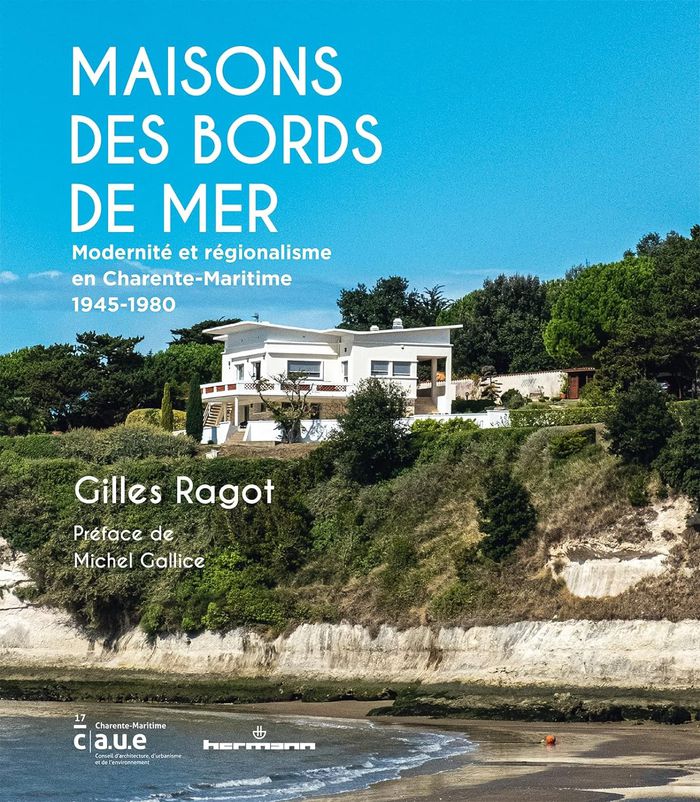
Maisons des bords de mer : Modernité et régionalisme en Charente-Maritime 1945-1980
Actions:
Prix:
$58.95
(disponible en magasin)
Résumé:
Objet de rêve, la villa balnéaire formalise une invitation au voyage où, depuis la fin du XVIIIe, architectes et entrepreneurs rivalisent d'invention et multiplient les solutions d'articulation entre l'intérieur et l'extérieur où se déroule une grande part de la vie estivale. Entre 1945 et 1980, la villégiature devient tourisme de masse et les maîtres d'oeuvre doivent s'adapter à ce changement d'échelle. Le marché de la maison individuelle et celui de la maison balnéaire dont elle n'est qu'un aspect en sont bouleversés. La créativité foisonnante qui prévaut encore dans le contexte de la Reconstruction s'essouffle devant les réalités économiques et sociologiques d'une aspiration légitime du plus grand nombre à jouir d'une petite place au soleil en bord de mer. S'appuyant sur le corpus des 12000 maisons individuelles construites entre 1945 et 1980 sur le littoral de Charente-Maritime, à Saint-Georges-de-Didonne, Royan, Ronce-les-Bains, Fouras, Châtelaillon-Plage, La Rochelle, mais aussi dans les iles d'Aix, d'Oléron ou de Ré, l'ouvrage propose, pour la première fois à l'échelle d'un département, un panorama complet de la production des maisons du littoral, des villas modernes les plus inventives à la production de maisons ordinaires qui dessinent le paysage côtier contemporain. L'ouvrage questionne les façons d'être modernes et la place qu'y occupent les architectes et les entrepreneurs concepteurs, la notion de régionalisme au moment de son abandon et de sa renaissance à l'aube des années 1980 sous la forme d'un post-modernisme vernaculaire inventif.
Maisons des bords de mer : Modernité et régionalisme en Charente-Maritime 1945-1980
Actions:
Prix:
$58.95
(disponible en magasin)
Résumé:
Objet de rêve, la villa balnéaire formalise une invitation au voyage où, depuis la fin du XVIIIe, architectes et entrepreneurs rivalisent d'invention et multiplient les solutions d'articulation entre l'intérieur et l'extérieur où se déroule une grande part de la vie estivale. Entre 1945 et 1980, la villégiature devient tourisme de masse et les maîtres d'oeuvre doivent s'adapter à ce changement d'échelle. Le marché de la maison individuelle et celui de la maison balnéaire dont elle n'est qu'un aspect en sont bouleversés. La créativité foisonnante qui prévaut encore dans le contexte de la Reconstruction s'essouffle devant les réalités économiques et sociologiques d'une aspiration légitime du plus grand nombre à jouir d'une petite place au soleil en bord de mer. S'appuyant sur le corpus des 12000 maisons individuelles construites entre 1945 et 1980 sur le littoral de Charente-Maritime, à Saint-Georges-de-Didonne, Royan, Ronce-les-Bains, Fouras, Châtelaillon-Plage, La Rochelle, mais aussi dans les iles d'Aix, d'Oléron ou de Ré, l'ouvrage propose, pour la première fois à l'échelle d'un département, un panorama complet de la production des maisons du littoral, des villas modernes les plus inventives à la production de maisons ordinaires qui dessinent le paysage côtier contemporain. L'ouvrage questionne les façons d'être modernes et la place qu'y occupent les architectes et les entrepreneurs concepteurs, la notion de régionalisme au moment de son abandon et de sa renaissance à l'aube des années 1980 sous la forme d'un post-modernisme vernaculaire inventif.
Classification:
livres
livres
Publication:
avril 2023
avril 2023
Sujet:
Architecture résidentielle
Architecture résidentielle
Classification:
livres
livres
Titre:
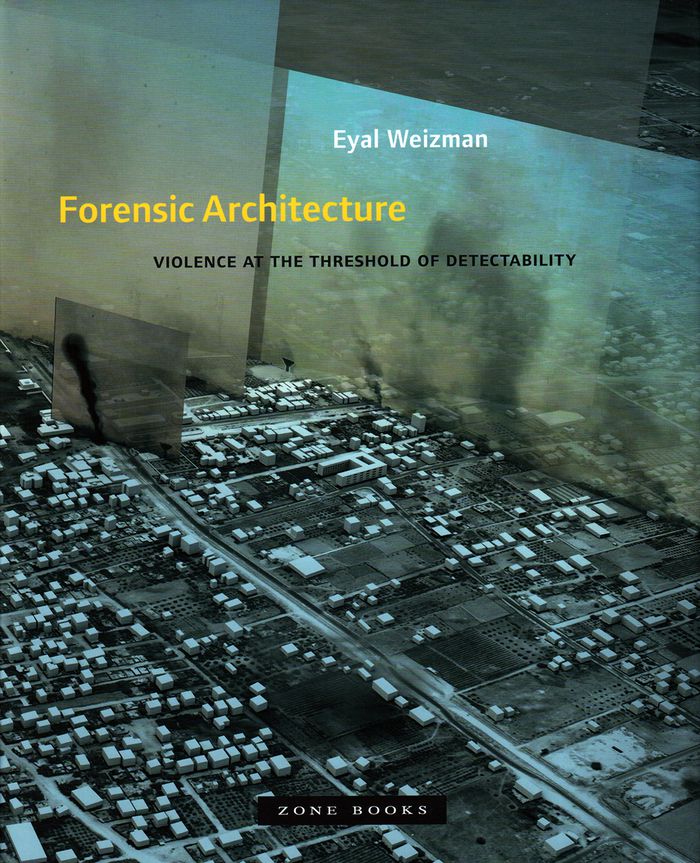
Forensic architecture
Forensic architecture
Actions:
Prix:
$49.95
(disponible sur commande)
Résumé:
In recent years, the group Forensic Architecture began using novel research methods to undertake a series of investigations into human rights abuses. Today, the group provides crucial evidence for international courts and works with a wide range of activist groups, NGOs, Amnesty International, and the UN. Forensic Architecture has not only shed new light on human rights(...)
$49.95
(disponible sur commande)
Résumé:
In recent years, the group Forensic Architecture began using novel research methods to undertake a series of investigations into human rights abuses. Today, the group provides crucial evidence for international courts and works with a wide range of activist groups, NGOs, Amnesty International, and the UN. Forensic Architecture has not only shed new light on human rights(...)
Titre:
Forensic architecture
Actions:
Prix:
$49.95
(disponible sur commande)
Résumé:
In recent years, the group Forensic Architecture began using novel research methods to undertake a series of investigations into human rights abuses. Today, the group provides crucial evidence for international courts and works with a wide range of activist groups, NGOs, Amnesty International, and the UN. Forensic Architecture has not only shed new light on human rights violations and state crimes across the globe, but has also created a new form of investigative practice that bears its name. The group uses architecture as an optical device to investigate armed conflicts and environmental destruction, as well as to cross-reference a variety of evidence sources, such as new media, remote sensing, material analysis, witness testimony, and crowd-sourcing. In "Forensic architecture", Eyal Weizman, the group’s founder, provides, for the first time, an in-depth introduction to the history, practice, assumptions, potentials, and double binds of this practice. The book includes an extensive array of images, maps, and detailed documentation that records the intricate work the group has performed. Traversing multiple scales and durations, the case studies in this volume include the analysis of the shrapnel fragments in a room struck by drones in Pakistan, the reconstruction of a contested shooting in the West Bank, the architectural recreation of a secret Syrian detention center from the memory of its survivors, a blow-by-blow account of a day-long battle in Gaza, and an investigation of environmental violence and climate change in the Guatemalan highlands and elsewhere.
Forensic architecture
Actions:
Prix:
$49.95
(disponible sur commande)
Résumé:
In recent years, the group Forensic Architecture began using novel research methods to undertake a series of investigations into human rights abuses. Today, the group provides crucial evidence for international courts and works with a wide range of activist groups, NGOs, Amnesty International, and the UN. Forensic Architecture has not only shed new light on human rights violations and state crimes across the globe, but has also created a new form of investigative practice that bears its name. The group uses architecture as an optical device to investigate armed conflicts and environmental destruction, as well as to cross-reference a variety of evidence sources, such as new media, remote sensing, material analysis, witness testimony, and crowd-sourcing. In "Forensic architecture", Eyal Weizman, the group’s founder, provides, for the first time, an in-depth introduction to the history, practice, assumptions, potentials, and double binds of this practice. The book includes an extensive array of images, maps, and detailed documentation that records the intricate work the group has performed. Traversing multiple scales and durations, the case studies in this volume include the analysis of the shrapnel fragments in a room struck by drones in Pakistan, the reconstruction of a contested shooting in the West Bank, the architectural recreation of a secret Syrian detention center from the memory of its survivors, a blow-by-blow account of a day-long battle in Gaza, and an investigation of environmental violence and climate change in the Guatemalan highlands and elsewhere.
Classification:
livres
livres
Publication:
avril 2017
avril 2017
Sujet:
Théorie de l’architecture
Théorie de l’architecture


