


240 Résultats
Classification:
livres
livres
Prix:
$23.00
(disponible en magasin)
Résumé:
Montgomery reports from such exciting and dysfunctional places as Bogotá, once a dangerous, car-obsessed city, now a bike-loving model of civic excellence; California's San Joaquin Valley in the apocalyptic aftermath of the housing crisis; and a suburb of Vancouver, where a power company gathers energy from sewage to provide its citizens with heat and hot water. Full of(...)
$23.00
(disponible en magasin)
Résumé:
Montgomery reports from such exciting and dysfunctional places as Bogotá, once a dangerous, car-obsessed city, now a bike-loving model of civic excellence; California's San Joaquin Valley in the apocalyptic aftermath of the housing crisis; and a suburb of Vancouver, where a power company gathers energy from sewage to provide its citizens with heat and hot water. Full of(...)
Titre:
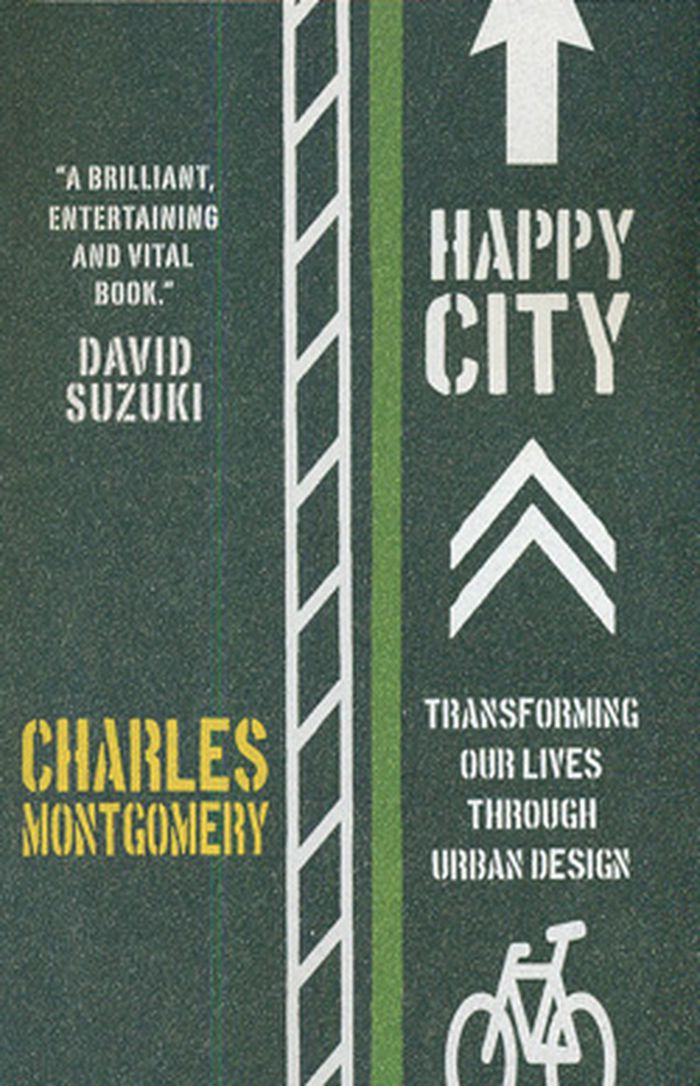
Happy city: transforming our lives through urban design
Actions:
Prix:
$23.00
(disponible en magasin)
Résumé:
Montgomery reports from such exciting and dysfunctional places as Bogotá, once a dangerous, car-obsessed city, now a bike-loving model of civic excellence; California's San Joaquin Valley in the apocalyptic aftermath of the housing crisis; and a suburb of Vancouver, where a power company gathers energy from sewage to provide its citizens with heat and hot water. Full of insights from behavioral economists and urban thinkers, Happy City offers a completely new way to examine city life, showing us how small innovations can radically improve our experiences.
Happy city: transforming our lives through urban design
Actions:
Prix:
$23.00
(disponible en magasin)
Résumé:
Montgomery reports from such exciting and dysfunctional places as Bogotá, once a dangerous, car-obsessed city, now a bike-loving model of civic excellence; California's San Joaquin Valley in the apocalyptic aftermath of the housing crisis; and a suburb of Vancouver, where a power company gathers energy from sewage to provide its citizens with heat and hot water. Full of insights from behavioral economists and urban thinkers, Happy City offers a completely new way to examine city life, showing us how small innovations can radically improve our experiences.
Classification:
livres
livres
Publication:
novembre 2014
novembre 2014
Sujet:
Théorie de l’urbanisme
Théorie de l’urbanisme
Classification:
livres
livres
Actions:
Prix:
$102.00
(disponible en magasin)
Résumé:
This selection of 24 buildings offers a sample of the architectural panorama of Spain. It includes not only built works within Spain but also projects situated in other countries by Spanish architects. The issue is organised across several themes: Civic Gathering, Urban Sutures, Selective Memory, Educational Exercises, Functional Facades, and Efficient Housing. It(...)
$102.00
(disponible en magasin)
Résumé:
This selection of 24 buildings offers a sample of the architectural panorama of Spain. It includes not only built works within Spain but also projects situated in other countries by Spanish architects. The issue is organised across several themes: Civic Gathering, Urban Sutures, Selective Memory, Educational Exercises, Functional Facades, and Efficient Housing. It(...)
Titre:
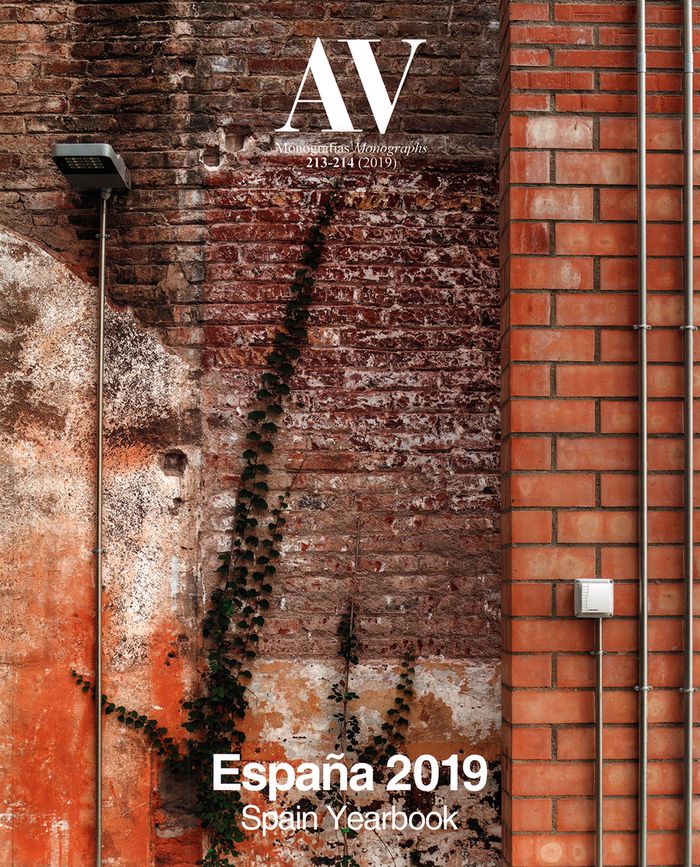
AV Monographs 213-214 : Spain yearbook 2019
Actions:
Prix:
$102.00
(disponible en magasin)
Résumé:
This selection of 24 buildings offers a sample of the architectural panorama of Spain. It includes not only built works within Spain but also projects situated in other countries by Spanish architects. The issue is organised across several themes: Civic Gathering, Urban Sutures, Selective Memory, Educational Exercises, Functional Facades, and Efficient Housing. It considers how a year marked by economic recovery but also political tension, with corruption scandals and the crisis in Catalonia, has formed the backdrop for Spanish architecture. Notable projects include an exhibition hall in Leon by Dominique Perrault Architecture and a civic centre in Barcelona by Harquitectes.
AV Monographs 213-214 : Spain yearbook 2019
Actions:
Prix:
$102.00
(disponible en magasin)
Résumé:
This selection of 24 buildings offers a sample of the architectural panorama of Spain. It includes not only built works within Spain but also projects situated in other countries by Spanish architects. The issue is organised across several themes: Civic Gathering, Urban Sutures, Selective Memory, Educational Exercises, Functional Facades, and Efficient Housing. It considers how a year marked by economic recovery but also political tension, with corruption scandals and the crisis in Catalonia, has formed the backdrop for Spanish architecture. Notable projects include an exhibition hall in Leon by Dominique Perrault Architecture and a civic centre in Barcelona by Harquitectes.
Classification:
livres
livres
Publication:
juillet 2019
juillet 2019
Sujet:
Revues
Revues
Classification:
livres
livres
Actions:
Prix:
$84.00
(disponible sur commande)
Résumé:
"New standards" examines the conditions that affect standard, industrial, and manufactured buildings by revisiting a forgotten chapter of wood construction in post-war Finland. Puutalo Oy (Timber Houses Ltd.) was established in 1940 as part of Finland’s response to the war refugee crisis. The company quickly became one of the largest manufacturers of prefabricated wooden(...)
$84.00
(disponible sur commande)
Résumé:
"New standards" examines the conditions that affect standard, industrial, and manufactured buildings by revisiting a forgotten chapter of wood construction in post-war Finland. Puutalo Oy (Timber Houses Ltd.) was established in 1940 as part of Finland’s response to the war refugee crisis. The company quickly became one of the largest manufacturers of prefabricated wooden(...)
Titre:
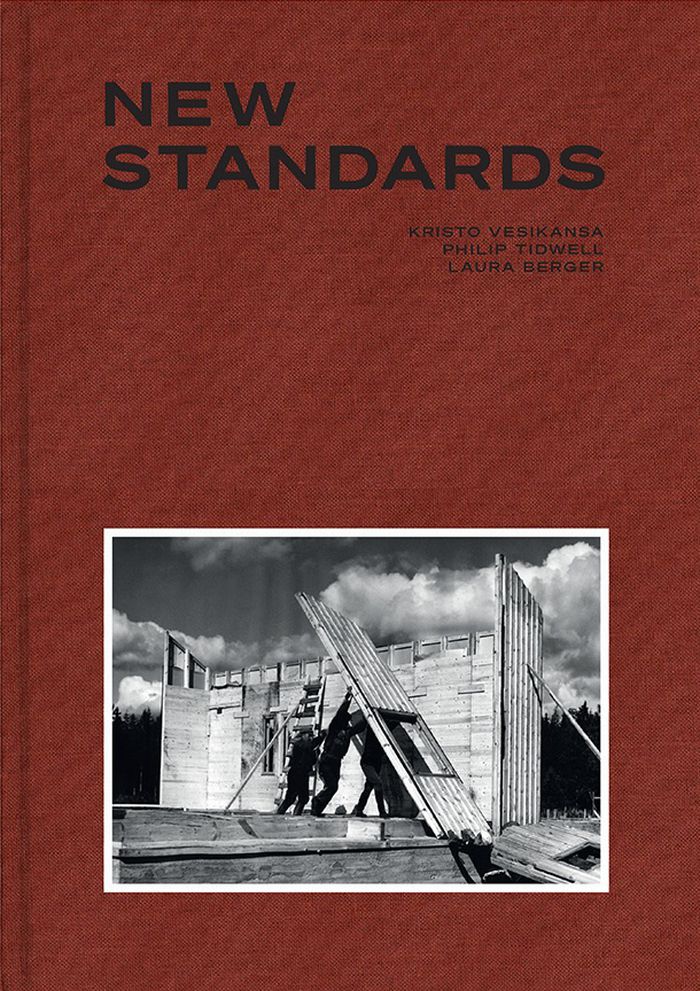
New standards: Timber Houses Ltd. 1940-1945
Actions:
Prix:
$84.00
(disponible sur commande)
Résumé:
"New standards" examines the conditions that affect standard, industrial, and manufactured buildings by revisiting a forgotten chapter of wood construction in post-war Finland. Puutalo Oy (Timber Houses Ltd.) was established in 1940 as part of Finland’s response to the war refugee crisis. The company quickly became one of the largest manufacturers of prefabricated wooden buildings – tens of thousands were shipped from Finland to every inhabited continent, constructing a largely overlooked legacy of housing and urbanisation. A new perspective on this legacy is given through careful analysis of these buildings and projects as they emerged from a rapidly changing political landscape.
New standards: Timber Houses Ltd. 1940-1945
Actions:
Prix:
$84.00
(disponible sur commande)
Résumé:
"New standards" examines the conditions that affect standard, industrial, and manufactured buildings by revisiting a forgotten chapter of wood construction in post-war Finland. Puutalo Oy (Timber Houses Ltd.) was established in 1940 as part of Finland’s response to the war refugee crisis. The company quickly became one of the largest manufacturers of prefabricated wooden buildings – tens of thousands were shipped from Finland to every inhabited continent, constructing a largely overlooked legacy of housing and urbanisation. A new perspective on this legacy is given through careful analysis of these buildings and projects as they emerged from a rapidly changing political landscape.
Classification:
livres
livres
Publication:
août 2021
août 2021
Sujet:
Constructions en bois
Constructions en bois
Classification:
livres
livres
Prix:
$29.95
(disponible sur commande)
Résumé:
In this publication, outreach worker Greg Cook and street nurse Cathy Crowe present the stories of frontline workers, advocates, and people living without homes during the pandemic. The book uses prose, poetry, and photography to document lived experiences of homelessness, responses to the housing crisis, efforts to fight back for homes, and possible solutions to move(...)
$29.95
(disponible sur commande)
Résumé:
In this publication, outreach worker Greg Cook and street nurse Cathy Crowe present the stories of frontline workers, advocates, and people living without homes during the pandemic. The book uses prose, poetry, and photography to document lived experiences of homelessness, responses to the housing crisis, efforts to fight back for homes, and possible solutions to move(...)
Titre:
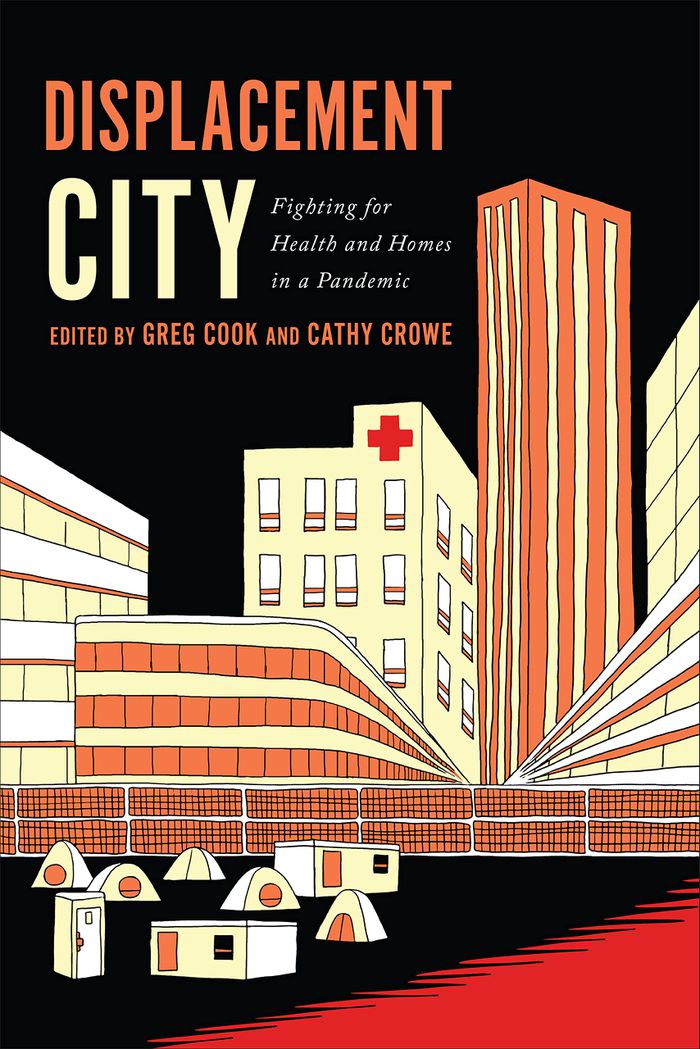
Displacement city: Fighting for health and home in a pandemic
Actions:
Prix:
$29.95
(disponible sur commande)
Résumé:
In this publication, outreach worker Greg Cook and street nurse Cathy Crowe present the stories of frontline workers, advocates, and people living without homes during the pandemic. The book uses prose, poetry, and photography to document lived experiences of homelessness, responses to the housing crisis, efforts to fight back for homes, and possible solutions to move Toronto forward. Contributors provide particular insight into policies affecting Indigenous peoples and how the legacy of colonialism and displacement reached a critical point during the pandemic. Offering rich stories of care, mutual aid, and solidarity, it provides a vivid account of a humanitarian disaster.
Displacement city: Fighting for health and home in a pandemic
Actions:
Prix:
$29.95
(disponible sur commande)
Résumé:
In this publication, outreach worker Greg Cook and street nurse Cathy Crowe present the stories of frontline workers, advocates, and people living without homes during the pandemic. The book uses prose, poetry, and photography to document lived experiences of homelessness, responses to the housing crisis, efforts to fight back for homes, and possible solutions to move Toronto forward. Contributors provide particular insight into policies affecting Indigenous peoples and how the legacy of colonialism and displacement reached a critical point during the pandemic. Offering rich stories of care, mutual aid, and solidarity, it provides a vivid account of a humanitarian disaster.
Classification:
livres
livres
Publication:
novembre 2022
novembre 2022
Sujet:
Théorie de l’urbanisme
Théorie de l’urbanisme
Classification:
périodiques
périodiques

Actions:
Prix:
$52.95
(disponible sur commande)
Résumé:
Facing economic, cultural and political crisis, Europe must seek sustainable urban solutions. Living together in collective housing, compact cities and well-integrated countries on a shared continent is the best course for future survival. Thus the importance of building types and urban models for better energy use is tantamount. Editor Luis Fernández-Galiano contributes(...)
$52.95
(disponible sur commande)
Résumé:
Facing economic, cultural and political crisis, Europe must seek sustainable urban solutions. Living together in collective housing, compact cities and well-integrated countries on a shared continent is the best course for future survival. Thus the importance of building types and urban models for better energy use is tantamount. Editor Luis Fernández-Galiano contributes(...)
Titre:
AV 156: Europe, living together
Actions:
Prix:
$52.95
(disponible sur commande)
Résumé:
Facing economic, cultural and political crisis, Europe must seek sustainable urban solutions. Living together in collective housing, compact cities and well-integrated countries on a shared continent is the best course for future survival. Thus the importance of building types and urban models for better energy use is tantamount. Editor Luis Fernández-Galiano contributes two essays on the topic – “Living Together” and “In Praise of the Compact City” – and illustrates these with twenty works in ten countries, from Norway to Portugal and the United Kingdom to Germany. Featured architects include Dominique Perrault, Hild und K Architekten and AH Asociados, among others.
AV 156: Europe, living together
Actions:
Prix:
$52.95
(disponible sur commande)
Résumé:
Facing economic, cultural and political crisis, Europe must seek sustainable urban solutions. Living together in collective housing, compact cities and well-integrated countries on a shared continent is the best course for future survival. Thus the importance of building types and urban models for better energy use is tantamount. Editor Luis Fernández-Galiano contributes two essays on the topic – “Living Together” and “In Praise of the Compact City” – and illustrates these with twenty works in ten countries, from Norway to Portugal and the United Kingdom to Germany. Featured architects include Dominique Perrault, Hild und K Architekten and AH Asociados, among others.
Classification:
périodiques
périodiques
Publication:
octobre 2012
octobre 2012
Sujet:
Revues
Revues
Classification:
périodiques
périodiques
Actions:
Prix:
$86.95
(disponible en magasin)
Résumé:
Since they set up their studio in 2006 – a time marked by the impact of the financial crisis – Arquitectura-G has completed a considerable number of projects while continuing their research and dissemination work in the field. Almost two decades later, AV Monographs collects twenty works that take stock of the polyphonic creativity and international expansion of the(...)
$86.95
(disponible en magasin)
Résumé:
Since they set up their studio in 2006 – a time marked by the impact of the financial crisis – Arquitectura-G has completed a considerable number of projects while continuing their research and dissemination work in the field. Almost two decades later, AV Monographs collects twenty works that take stock of the polyphonic creativity and international expansion of the(...)
Titre:
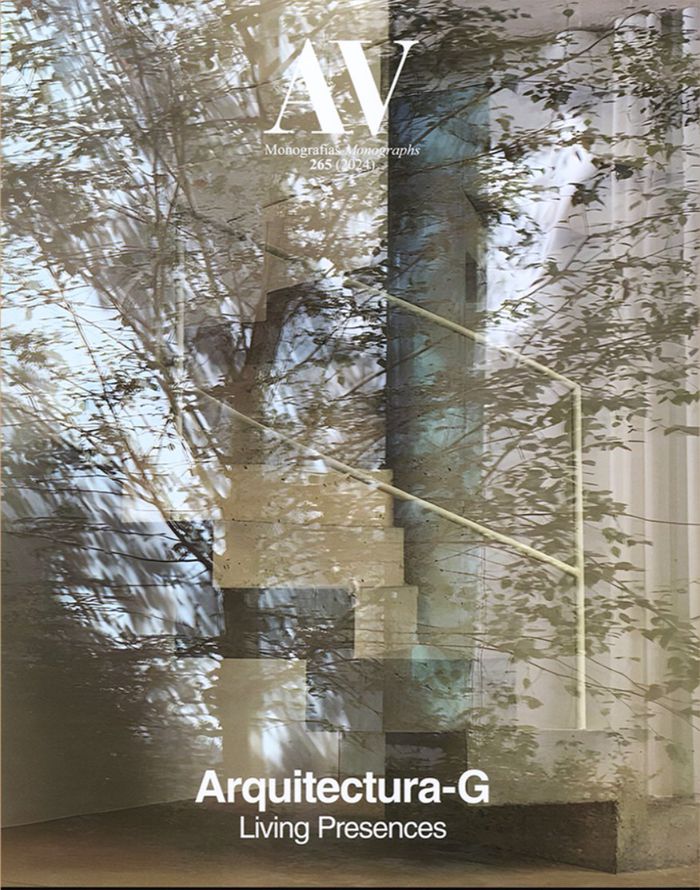
AV Monographs 265: Arquitectura-G
Actions:
Prix:
$86.95
(disponible en magasin)
Résumé:
Since they set up their studio in 2006 – a time marked by the impact of the financial crisis – Arquitectura-G has completed a considerable number of projects while continuing their research and dissemination work in the field. Almost two decades later, AV Monographs collects twenty works that take stock of the polyphonic creativity and international expansion of the studio: from exemplary interventions on existing structures to lucid new-build housing projects, via experimental spaces for retail or transformations of historical complexes. All this is accompanied by a foreword signed by Harquitectes, who propose an impressionistic analysis of their work; and an epilogue written by the architects themselves, in which they unravel the office’s internal work process.
AV Monographs 265: Arquitectura-G
Actions:
Prix:
$86.95
(disponible en magasin)
Résumé:
Since they set up their studio in 2006 – a time marked by the impact of the financial crisis – Arquitectura-G has completed a considerable number of projects while continuing their research and dissemination work in the field. Almost two decades later, AV Monographs collects twenty works that take stock of the polyphonic creativity and international expansion of the studio: from exemplary interventions on existing structures to lucid new-build housing projects, via experimental spaces for retail or transformations of historical complexes. All this is accompanied by a foreword signed by Harquitectes, who propose an impressionistic analysis of their work; and an epilogue written by the architects themselves, in which they unravel the office’s internal work process.
Classification:
périodiques
périodiques
Publication:
août 2024
août 2024
Sujet:
Revues
Revues
Classification:
livres
livres
Titre:
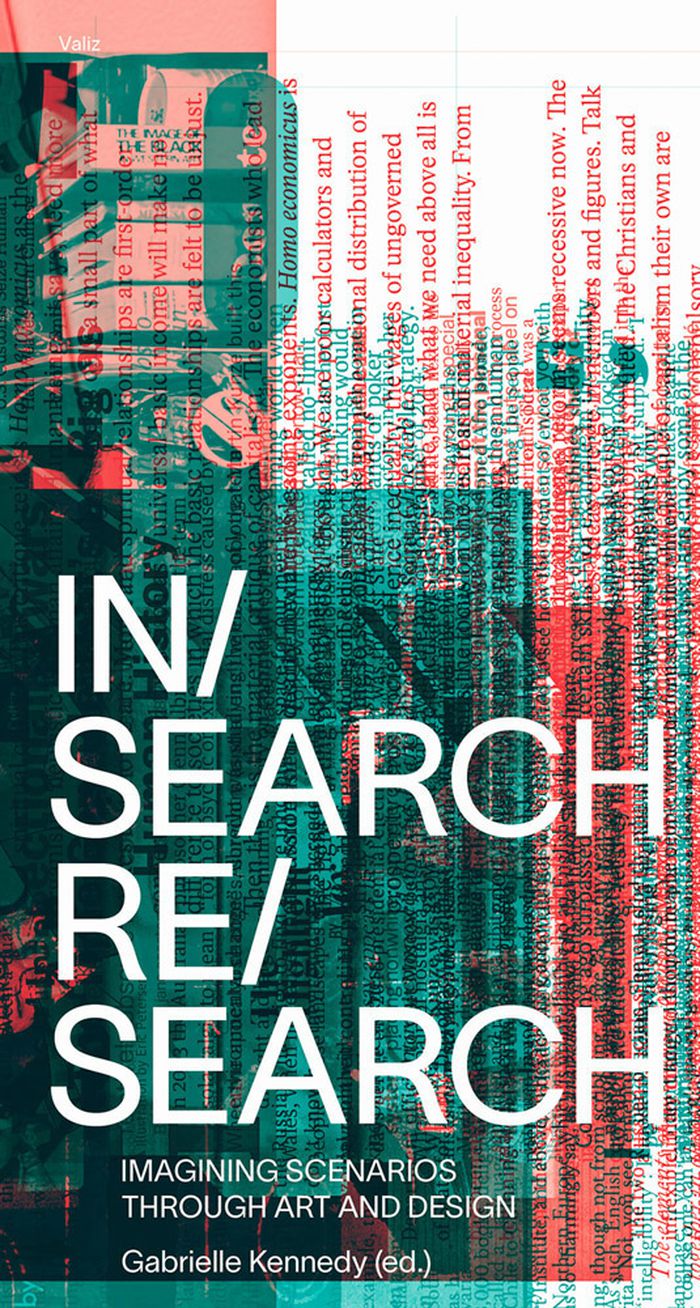
IN/Search RE/Search
IN/Search RE/Search
Actions:
Prix:
$38.95
(disponible sur commande)
Résumé:
Art-school students learn that research skills are essential if they are to contribute alternative ways of thinking, not least to counter the neoliberal forces influencing the globe. How can these research skills unique to art academies find wider application? The essays and projects presented here look at art-school research practices that can inform the worlds of(...)
$38.95
(disponible sur commande)
Résumé:
Art-school students learn that research skills are essential if they are to contribute alternative ways of thinking, not least to counter the neoliberal forces influencing the globe. How can these research skills unique to art academies find wider application? The essays and projects presented here look at art-school research practices that can inform the worlds of(...)
Titre:
IN/Search RE/Search
Actions:
Prix:
$38.95
(disponible sur commande)
Résumé:
Art-school students learn that research skills are essential if they are to contribute alternative ways of thinking, not least to counter the neoliberal forces influencing the globe. How can these research skills unique to art academies find wider application? The essays and projects presented here look at art-school research practices that can inform the worlds of culture, industry, housing, education, politics, public space, advertising and science. The projects are structured into 12 themes ranging from ''The climate crisis'' to ''Politics of public space.'' Each is embedded in a recent news story that positions how that topic is discussed in the press. Each chapter ends with a response from an academic.
IN/Search RE/Search
Actions:
Prix:
$38.95
(disponible sur commande)
Résumé:
Art-school students learn that research skills are essential if they are to contribute alternative ways of thinking, not least to counter the neoliberal forces influencing the globe. How can these research skills unique to art academies find wider application? The essays and projects presented here look at art-school research practices that can inform the worlds of culture, industry, housing, education, politics, public space, advertising and science. The projects are structured into 12 themes ranging from ''The climate crisis'' to ''Politics of public space.'' Each is embedded in a recent news story that positions how that topic is discussed in the press. Each chapter ends with a response from an academic.
Classification:
livres
livres
Publication:
février 2021
février 2021
Sujet:
Muséologie
Muséologie
Classification:
livres
livres
Titre:
Don't build, rebuild
Don't build, rebuild
Actions:
Prix:
$43.95
(disponible sur commande)
Résumé:
As climate change has escalated into a crisis, the reuse of existing structures is the only way to even begin to preserve our wood, sand, silicon, and iron, let alone stop belching carbon monoxide into the air. Our housing crisis means that we need usable buildings now more than ever, but architect and critic Aaron Betsky shows that new construction—often seeking to(...)
$43.95
(disponible sur commande)
Résumé:
As climate change has escalated into a crisis, the reuse of existing structures is the only way to even begin to preserve our wood, sand, silicon, and iron, let alone stop belching carbon monoxide into the air. Our housing crisis means that we need usable buildings now more than ever, but architect and critic Aaron Betsky shows that new construction—often seeking to(...)
Titre:
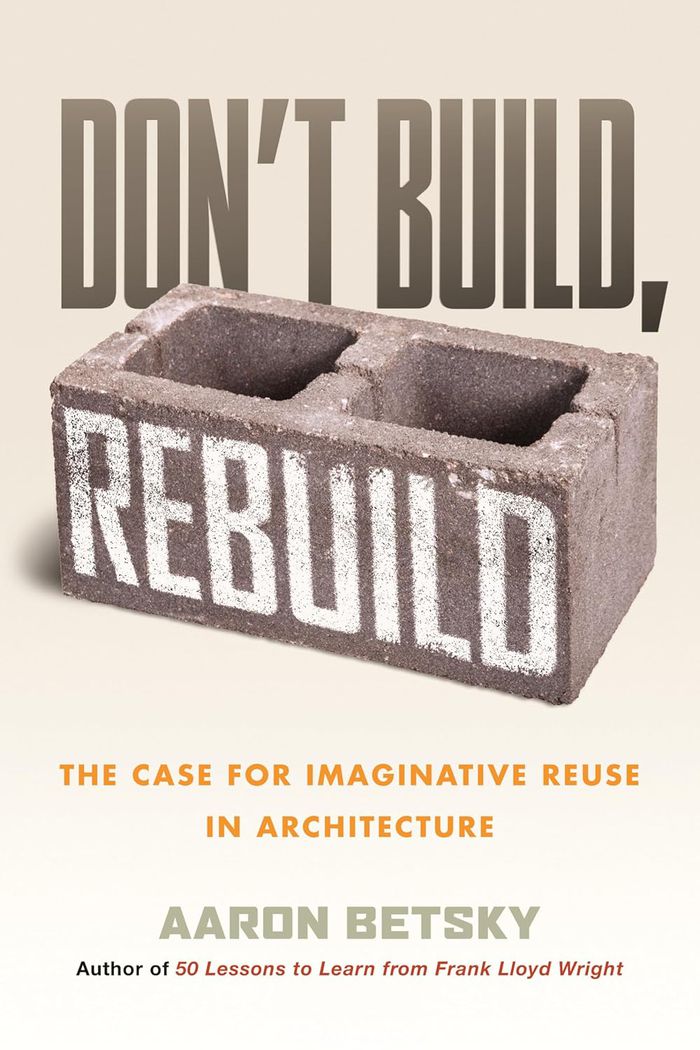
Don't build, rebuild
Actions:
Prix:
$43.95
(disponible sur commande)
Résumé:
As climate change has escalated into a crisis, the reuse of existing structures is the only way to even begin to preserve our wood, sand, silicon, and iron, let alone stop belching carbon monoxide into the air. Our housing crisis means that we need usable buildings now more than ever, but architect and critic Aaron Betsky shows that new construction—often seeking to maximize profits rather than resources, often soulless in its feel—is not the answer. Whenever possible, it is better to repair, recycle, renovate, and reuse—not only from an environmental perspective, but culturally and artistically as well. Architectural reuse is as old as civilization itself. In the streets of Europe, you can find fragments from the Roman Empire. More recently, marginalized communities from New York to Detroit—queer people looking for places to gather or cruise, punks looking to make loud music, artists and displaced people looking for space to work and live—have taken over industrial spaces created then abandoned by capitalism, forging a unique style in the process. Their methods—from urban mining to dumpster diving—now inform architects transforming old structures today.
Don't build, rebuild
Actions:
Prix:
$43.95
(disponible sur commande)
Résumé:
As climate change has escalated into a crisis, the reuse of existing structures is the only way to even begin to preserve our wood, sand, silicon, and iron, let alone stop belching carbon monoxide into the air. Our housing crisis means that we need usable buildings now more than ever, but architect and critic Aaron Betsky shows that new construction—often seeking to maximize profits rather than resources, often soulless in its feel—is not the answer. Whenever possible, it is better to repair, recycle, renovate, and reuse—not only from an environmental perspective, but culturally and artistically as well. Architectural reuse is as old as civilization itself. In the streets of Europe, you can find fragments from the Roman Empire. More recently, marginalized communities from New York to Detroit—queer people looking for places to gather or cruise, punks looking to make loud music, artists and displaced people looking for space to work and live—have taken over industrial spaces created then abandoned by capitalism, forging a unique style in the process. Their methods—from urban mining to dumpster diving—now inform architects transforming old structures today.
Classification:
livres
livres
Publication:
novembre 2024
novembre 2024
Sujet:
Théorie de l’architecture
Théorie de l’architecture
Classification:
livres
livres
Actions:
Prix:
$35.00
(disponible en magasin)
Résumé:
Today, tourism is rooted in a model of environmental and cultural degradation. 'AV Proyectos' presents seven alternatives that anticipate a hopeful shift towards community-based rural life, from C733's Jaguar Park in Mexico to Ryue Nishizawa's Shishi-Iwa House in Japan. As Gonzalo Pardo and Andrés Rubio point out in the article accompanying this section, its harmful(...)
$35.00
(disponible en magasin)
Résumé:
Today, tourism is rooted in a model of environmental and cultural degradation. 'AV Proyectos' presents seven alternatives that anticipate a hopeful shift towards community-based rural life, from C733's Jaguar Park in Mexico to Ryue Nishizawa's Shishi-Iwa House in Japan. As Gonzalo Pardo and Andrés Rubio point out in the article accompanying this section, its harmful(...)
Titre:
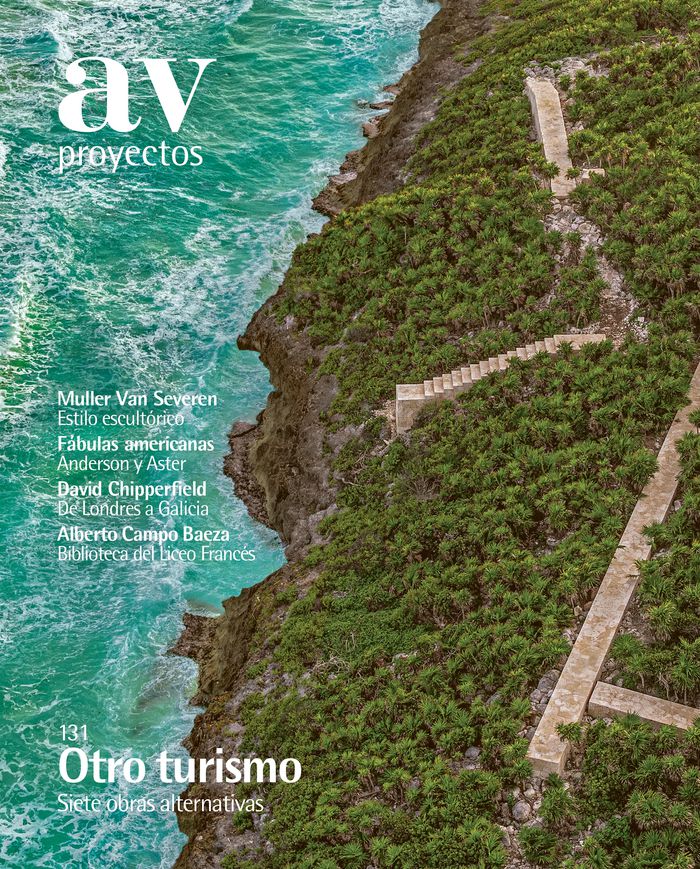
AV Proyectos 131 : Otro turismo
Actions:
Prix:
$35.00
(disponible en magasin)
Résumé:
Today, tourism is rooted in a model of environmental and cultural degradation. 'AV Proyectos' presents seven alternatives that anticipate a hopeful shift towards community-based rural life, from C733's Jaguar Park in Mexico to Ryue Nishizawa's Shishi-Iwa House in Japan. As Gonzalo Pardo and Andrés Rubio point out in the article accompanying this section, its harmful impact must be confronted by defending local tradition and identity. David Chipperfield has shared his experience and also highlighted the growing difficulty of accessing housing, which has created a social crisis in London and is now surfacing in Galicia. The issue continues with the construction of the French Lycée Library in Madrid by Alberto Campo Baeza, and an introduction to the creative process of designers Muller Van Severen.
AV Proyectos 131 : Otro turismo
Actions:
Prix:
$35.00
(disponible en magasin)
Résumé:
Today, tourism is rooted in a model of environmental and cultural degradation. 'AV Proyectos' presents seven alternatives that anticipate a hopeful shift towards community-based rural life, from C733's Jaguar Park in Mexico to Ryue Nishizawa's Shishi-Iwa House in Japan. As Gonzalo Pardo and Andrés Rubio point out in the article accompanying this section, its harmful impact must be confronted by defending local tradition and identity. David Chipperfield has shared his experience and also highlighted the growing difficulty of accessing housing, which has created a social crisis in London and is now surfacing in Galicia. The issue continues with the construction of the French Lycée Library in Madrid by Alberto Campo Baeza, and an introduction to the creative process of designers Muller Van Severen.
Classification:
livres
livres
Publication:
octobre 2025
octobre 2025
Sujet:
Revues
Revues
Classification:
livres
livres
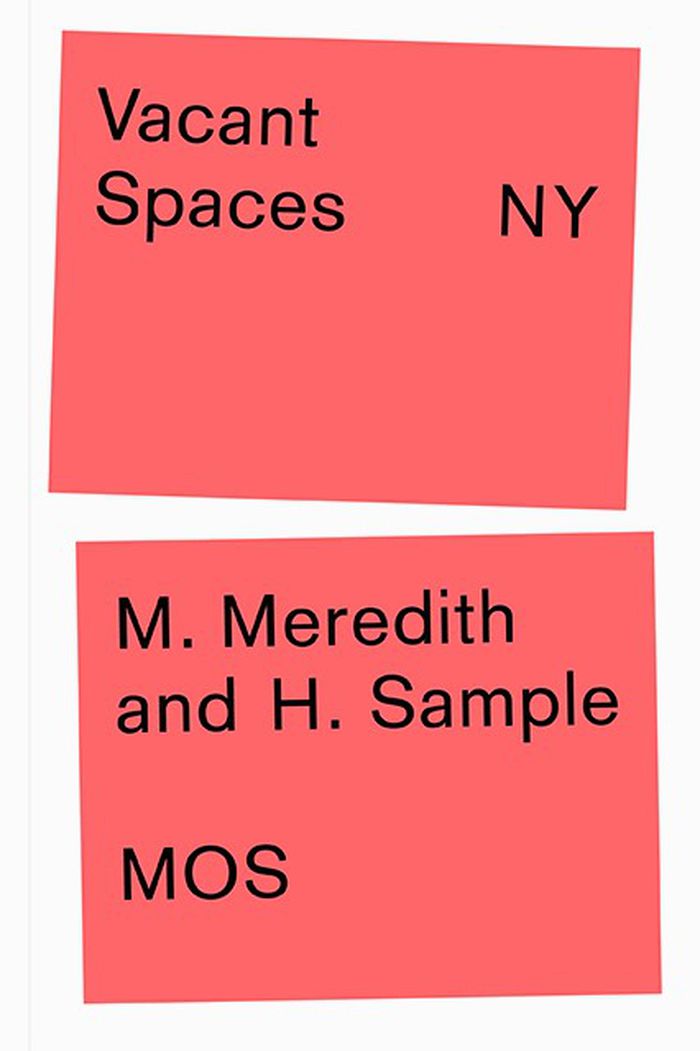
Titre:
Vacant Spaces NY
Vacant Spaces NY
Actions:
Prix:
$80.00
(disponible sur commande)
Résumé:
This project began by walking around our neighborhood noticing empty storefronts. Once we saw them, they were everywhere. They followed us, appearing quietly throughout New York City. Many with no signage, no “for rent,” no “coming soon.” Usually empty, sometimes dusty, sometimes with brown paper covering the glass. Now, vacancy has only increased. In the densest city in(...)
$80.00
(disponible sur commande)
Résumé:
This project began by walking around our neighborhood noticing empty storefronts. Once we saw them, they were everywhere. They followed us, appearing quietly throughout New York City. Many with no signage, no “for rent,” no “coming soon.” Usually empty, sometimes dusty, sometimes with brown paper covering the glass. Now, vacancy has only increased. In the densest city in(...)
Sujet:
Architecture, monographies
Architecture, monographies
Publication:
octobre 2021
octobre 2021
Titre:
Vacant Spaces NY
Actions:
Prix:
$80.00
(disponible sur commande)
Résumé:
This project began by walking around our neighborhood noticing empty storefronts. Once we saw them, they were everywhere. They followed us, appearing quietly throughout New York City. Many with no signage, no “for rent,” no “coming soon.” Usually empty, sometimes dusty, sometimes with brown paper covering the glass. Now, vacancy has only increased. In the densest city in the United States. During a housing crisis. Throughout a pandemic. The quantity of vacant spaces is anyone’s best guess. It’s only partially documented. They hide in plain sight. This volume is organized from large to small, general to specific. It begins by looking at vacancy within the United States and continues down to each Manhattan neighborhood, where we zoom into specific vacant spaces, where we have provided as case studies that imagine some possibilities for transforming current vacant spaces into housing or social services. There is also a section on Covid 19, which infiltrated New York during our research. As a whole, this document is not meant to provide specific solutions. The data is incomplete. Case studies are limited. We are not policy experts or data analysts or urban planners. Instead, it is simply meant to show something we have taken for granted, vacant spaces, taking part in a collective process of imagining a better city.
Vacant Spaces NY
Actions:
Prix:
$80.00
(disponible sur commande)
Résumé:
This project began by walking around our neighborhood noticing empty storefronts. Once we saw them, they were everywhere. They followed us, appearing quietly throughout New York City. Many with no signage, no “for rent,” no “coming soon.” Usually empty, sometimes dusty, sometimes with brown paper covering the glass. Now, vacancy has only increased. In the densest city in the United States. During a housing crisis. Throughout a pandemic. The quantity of vacant spaces is anyone’s best guess. It’s only partially documented. They hide in plain sight. This volume is organized from large to small, general to specific. It begins by looking at vacancy within the United States and continues down to each Manhattan neighborhood, where we zoom into specific vacant spaces, where we have provided as case studies that imagine some possibilities for transforming current vacant spaces into housing or social services. There is also a section on Covid 19, which infiltrated New York during our research. As a whole, this document is not meant to provide specific solutions. The data is incomplete. Case studies are limited. We are not policy experts or data analysts or urban planners. Instead, it is simply meant to show something we have taken for granted, vacant spaces, taking part in a collective process of imagining a better city.
Classification:
livres
livres
Publication:
octobre 2021
octobre 2021
Sujet:
Architecture, monographies
Architecture, monographies


