


2310 Résultats
Classification:
livres
livres
Actions:
Prix:
$65.95
(disponible sur commande)
Résumé:
Buildings tell stories. Castles, country homes, churches, and monasteries are "documents" of the people who built them, owned them, lived and died in them, inherited and saved or destroyed them, and recorded their histories. Literature and Architecture in Early Modern England examines the relationship between sixteenth and seventeenth-century architectural and literary(...)
$65.95
(disponible sur commande)
Résumé:
Buildings tell stories. Castles, country homes, churches, and monasteries are "documents" of the people who built them, owned them, lived and died in them, inherited and saved or destroyed them, and recorded their histories. Literature and Architecture in Early Modern England examines the relationship between sixteenth and seventeenth-century architectural and literary(...)
Titre:
Literature and architecture in early Modern England
Actions:
Prix:
$65.95
(disponible sur commande)
Résumé:
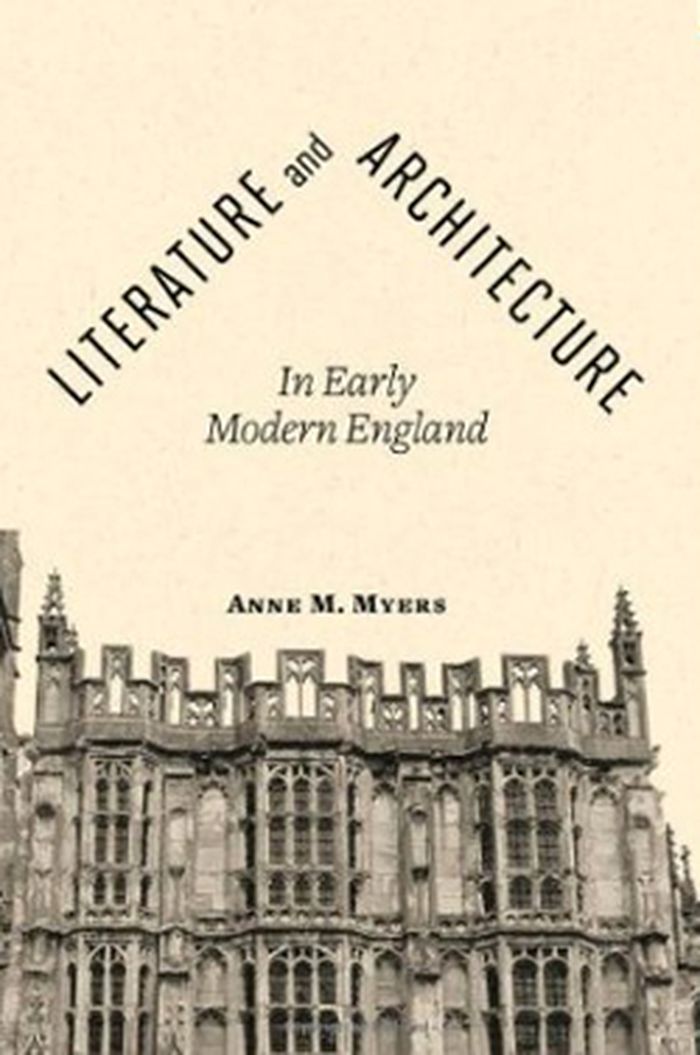
Buildings tell stories. Castles, country homes, churches, and monasteries are "documents" of the people who built them, owned them, lived and died in them, inherited and saved or destroyed them, and recorded their histories. Literature and Architecture in Early Modern England examines the relationship between sixteenth and seventeenth-century architectural and literary works. By becoming more sensitive to the narrative functions of architecture, Anne M. Myers argues, we begin to understand how a range of writers viewed and made use of the material built environment that surrounded the production of early modern texts in England. Scholars have long found themselves in the position of excusing or explaining England's failure to achieve the equivalent of the Italian Renaissance in the visual arts. Myers proposes that architecture inspired an unusual amount of historiographic and literary production, including poetry, drama, architectural treatises, and diaries. Works by William Camden, Henry Wotton, Ben Jonson, Andrew Marvell, George Herbert, Anne Clifford, and John Evelyn, when considered as a group, are texts that overturn the engrained critical notion that a Protestant fear of idolatry sentenced the visual arts and architecture in England to a state of suspicion and neglect.
Literature and architecture in early Modern England
Actions:
Prix:
$65.95
(disponible sur commande)
Résumé:
Buildings tell stories. Castles, country homes, churches, and monasteries are "documents" of the people who built them, owned them, lived and died in them, inherited and saved or destroyed them, and recorded their histories. Literature and Architecture in Early Modern England examines the relationship between sixteenth and seventeenth-century architectural and literary works. By becoming more sensitive to the narrative functions of architecture, Anne M. Myers argues, we begin to understand how a range of writers viewed and made use of the material built environment that surrounded the production of early modern texts in England. Scholars have long found themselves in the position of excusing or explaining England's failure to achieve the equivalent of the Italian Renaissance in the visual arts. Myers proposes that architecture inspired an unusual amount of historiographic and literary production, including poetry, drama, architectural treatises, and diaries. Works by William Camden, Henry Wotton, Ben Jonson, Andrew Marvell, George Herbert, Anne Clifford, and John Evelyn, when considered as a group, are texts that overturn the engrained critical notion that a Protestant fear of idolatry sentenced the visual arts and architecture in England to a state of suspicion and neglect.
Classification:
livres
livres
Publication:
août 2012
août 2012
Sujet:
Théorie de l’architecture
Théorie de l’architecture
Classification:
livres
livres
Actions:
Prix:
$69.95
(disponible sur commande)
Résumé:
"Margaret Kilgallen: that’s where the beauty is". is published on the occasion of Kilgallen’s first posthumous museum exhibition, and the largest presentation of her work in more than a decade. Using the artist’s exhibition history as a chronological tool, "that’s where the beauty is". examines Kilgallen’s roots in histories of printmaking, American and non-Western folk(...)
$69.95
(disponible sur commande)
Résumé:
"Margaret Kilgallen: that’s where the beauty is". is published on the occasion of Kilgallen’s first posthumous museum exhibition, and the largest presentation of her work in more than a decade. Using the artist’s exhibition history as a chronological tool, "that’s where the beauty is". examines Kilgallen’s roots in histories of printmaking, American and non-Western folk(...)
Publication:
décembre 2019
décembre 2019
Titre:
Margaret Kilgallen: that's where the beauty is
Actions:
Prix:
$69.95
(disponible sur commande)
Résumé:
"Margaret Kilgallen: that’s where the beauty is". is published on the occasion of Kilgallen’s first posthumous museum exhibition, and the largest presentation of her work in more than a decade. Using the artist’s exhibition history as a chronological tool, "that’s where the beauty is". examines Kilgallen’s roots in histories of printmaking, American and non-Western folk history and folklore, and feminist strategies of representation, expanding the narrative around her work beyond her association with the Bay Area Mission School and the "Beautiful Losers" artists. Kilgallen’s graphic, schematic style came from a deep engagement with the handmade in wildly divergent forms—from folk art to letterpress printing to freight train graffiti, among many other sources. “I like things that are handmade and I like to see people's hand in the world anywhere in the world,” she said, embracing the idiosyncrasies and imperfections that come from hand craft. “I think that’s where the beauty is.” Kilgallen’s work, in form and content, celebrates the handmade, making heroes and heroines of those who live and work in the margins and challenging traditional gender roles, hierarchies and mainstream culture.
Margaret Kilgallen: that's where the beauty is
Actions:
Prix:
$69.95
(disponible sur commande)
Résumé:
"Margaret Kilgallen: that’s where the beauty is". is published on the occasion of Kilgallen’s first posthumous museum exhibition, and the largest presentation of her work in more than a decade. Using the artist’s exhibition history as a chronological tool, "that’s where the beauty is". examines Kilgallen’s roots in histories of printmaking, American and non-Western folk history and folklore, and feminist strategies of representation, expanding the narrative around her work beyond her association with the Bay Area Mission School and the "Beautiful Losers" artists. Kilgallen’s graphic, schematic style came from a deep engagement with the handmade in wildly divergent forms—from folk art to letterpress printing to freight train graffiti, among many other sources. “I like things that are handmade and I like to see people's hand in the world anywhere in the world,” she said, embracing the idiosyncrasies and imperfections that come from hand craft. “I think that’s where the beauty is.” Kilgallen’s work, in form and content, celebrates the handmade, making heroes and heroines of those who live and work in the margins and challenging traditional gender roles, hierarchies and mainstream culture.
Classification:
livres
livres
Publication:
décembre 2019
décembre 2019
Classification:
livres
livres
Actions:
Prix:
$78.95
(disponible sur commande)
Résumé:
Depuis des siècles, l'architecture fait l'objet de très nombreux débats impliquant non seulement les architectes et les usagers des édifices qu'ils construisent, mais également critiques, théoriciens, historiens et écrivains. Choisir l'architecture se propose d'ouvrir une large fenêtre sur ces réflexions au sein du monde occidental à travers quatre trajectoires(...)
$78.95
(disponible sur commande)
Résumé:
Depuis des siècles, l'architecture fait l'objet de très nombreux débats impliquant non seulement les architectes et les usagers des édifices qu'ils construisent, mais également critiques, théoriciens, historiens et écrivains. Choisir l'architecture se propose d'ouvrir une large fenêtre sur ces réflexions au sein du monde occidental à travers quatre trajectoires(...)
Titre:
Choisir l'architecture : critique, histoire et théorie depuis le 19e siècle
Actions:
Prix:
$78.95
(disponible sur commande)
Résumé:
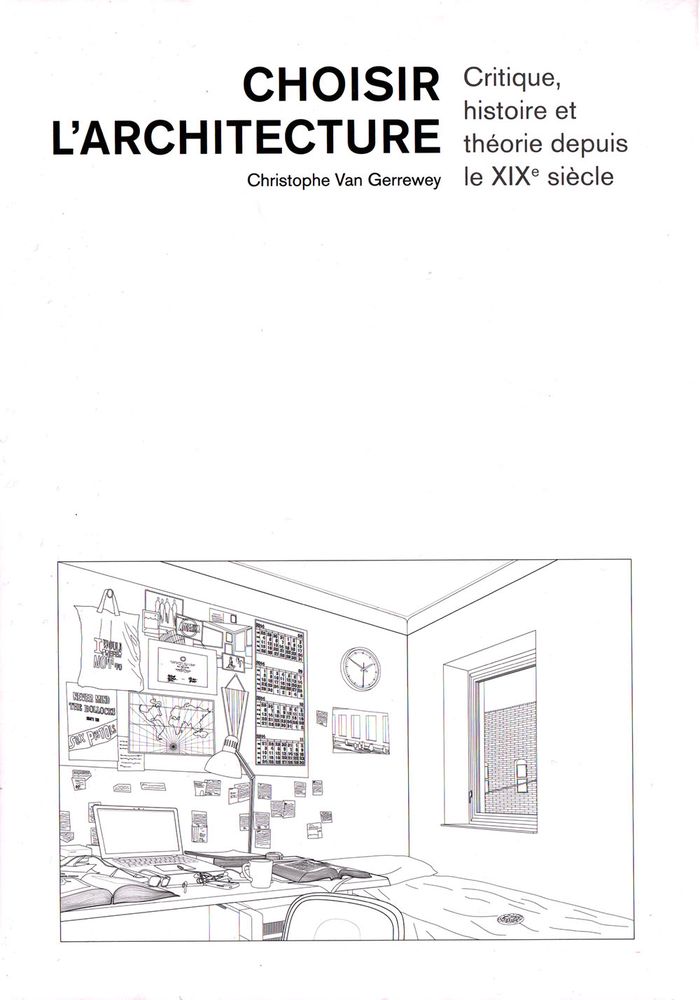
Depuis des siècles, l'architecture fait l'objet de très nombreux débats impliquant non seulement les architectes et les usagers des édifices qu'ils construisent, mais également critiques, théoriciens, historiens et écrivains. Choisir l'architecture se propose d'ouvrir une large fenêtre sur ces réflexions au sein du monde occidental à travers quatre trajectoires thématiques axées sur le logement, la société, l'histoire et l'art. Chacun de ces parcours prend sa source au XIXe siècle, traverse le XXe siècle et s'achève aussi près que possible du temps présent. Les essais, articles de journaux ou de magazines, livres ou extraits de livres qui forment les briques de cette construction narrative sont tous soigneusement interrogés, illustrés, comparés, analysés et critiqués. L'objectif de cet ouvrage est de démontrer que l'architecture demeure un sujet d'étude essentiel pour quiconque s'intéresse au monde actuel et à son histoire récente. Lecture, prise d'informations et réflexion forment des préalables nécessaires à toute prise de décision concrète, en particulier dans le domaine de l'architecture. Les écrits réunis dans ce livre s'apparentent à des perles de connaissance enfilées sur une cordelette jusqu'à former une sorte de collier, un talisman permettant de mieux faire face à la condition présente.
Choisir l'architecture : critique, histoire et théorie depuis le 19e siècle
Actions:
Prix:
$78.95
(disponible sur commande)
Résumé:
Depuis des siècles, l'architecture fait l'objet de très nombreux débats impliquant non seulement les architectes et les usagers des édifices qu'ils construisent, mais également critiques, théoriciens, historiens et écrivains. Choisir l'architecture se propose d'ouvrir une large fenêtre sur ces réflexions au sein du monde occidental à travers quatre trajectoires thématiques axées sur le logement, la société, l'histoire et l'art. Chacun de ces parcours prend sa source au XIXe siècle, traverse le XXe siècle et s'achève aussi près que possible du temps présent. Les essais, articles de journaux ou de magazines, livres ou extraits de livres qui forment les briques de cette construction narrative sont tous soigneusement interrogés, illustrés, comparés, analysés et critiqués. L'objectif de cet ouvrage est de démontrer que l'architecture demeure un sujet d'étude essentiel pour quiconque s'intéresse au monde actuel et à son histoire récente. Lecture, prise d'informations et réflexion forment des préalables nécessaires à toute prise de décision concrète, en particulier dans le domaine de l'architecture. Les écrits réunis dans ce livre s'apparentent à des perles de connaissance enfilées sur une cordelette jusqu'à former une sorte de collier, un talisman permettant de mieux faire face à la condition présente.
Classification:
livres
livres
Publication:
septembre 2019
septembre 2019
Sujet:
Théorie de l’architecture
Théorie de l’architecture
Classification:
livres
livres
Actions:
Prix:
$41.99
(disponible en magasin)
Résumé:
Digital and social media have transformed how much and how fast we communicate, but they have also altered the palette of expressive strategies: the cultural forms that shape how citizens, activists, and artists speak and interact. Most familiar among these strategies are storytelling and representation. In A Theory of Assembly, Kyle Parry argues that one of the most(...)
$41.99
(disponible en magasin)
Résumé:
Digital and social media have transformed how much and how fast we communicate, but they have also altered the palette of expressive strategies: the cultural forms that shape how citizens, activists, and artists speak and interact. Most familiar among these strategies are storytelling and representation. In A Theory of Assembly, Kyle Parry argues that one of the most(...)
Publication:
janvier 2023
janvier 2023
Titre:
A theory of assembly: From museums to memes
Actions:
Prix:
$41.99
(disponible en magasin)
Résumé:
Digital and social media have transformed how much and how fast we communicate, but they have also altered the palette of expressive strategies: the cultural forms that shape how citizens, activists, and artists speak and interact. Most familiar among these strategies are storytelling and representation. In A Theory of Assembly, Kyle Parry argues that one of the most powerful and pervasive cultural forms in the digital era is assembly. Whether as subtle photographic sequences, satirical Venn diagrams, or networked archives, projects based in assembly do not so much narrate or represent the world as rearrange it. This work of rearranging can take place at any scale, from a simple pairing of images, undertaken by one person, to the entire history of internet memes, undertaken by millions. With examples ranging from GIFs and paintings to museum exhibitions and social movement hashtags, Parry shows how, in the internet age, assembly has come to equal narrative and representation in its reach and influence, particularly as a response to ecological and social violence. He also emphasizes the ambivalence of assembly—the way it can be both emancipatory and antidemocratic.
A theory of assembly: From museums to memes
Actions:
Prix:
$41.99
(disponible en magasin)
Résumé:
Digital and social media have transformed how much and how fast we communicate, but they have also altered the palette of expressive strategies: the cultural forms that shape how citizens, activists, and artists speak and interact. Most familiar among these strategies are storytelling and representation. In A Theory of Assembly, Kyle Parry argues that one of the most powerful and pervasive cultural forms in the digital era is assembly. Whether as subtle photographic sequences, satirical Venn diagrams, or networked archives, projects based in assembly do not so much narrate or represent the world as rearrange it. This work of rearranging can take place at any scale, from a simple pairing of images, undertaken by one person, to the entire history of internet memes, undertaken by millions. With examples ranging from GIFs and paintings to museum exhibitions and social movement hashtags, Parry shows how, in the internet age, assembly has come to equal narrative and representation in its reach and influence, particularly as a response to ecological and social violence. He also emphasizes the ambivalence of assembly—the way it can be both emancipatory and antidemocratic.
Classification:
livres
livres
Publication:
janvier 2023
janvier 2023
Classification:
livres
livres
Actions:
Prix:
$64.95
(disponible sur commande)
Résumé:
Ecological Urbanism: The Nature of the City asks the questions that are important inside and outside the built environment professions: what are climate change, urbanisation and ecology doing to the theory and practice of urban design? How does Ecological Urbanism figure in this change? What is Ecological Urbanism? In answer, this book is neither definitive – impossible(...)
$64.95
(disponible sur commande)
Résumé:
Ecological Urbanism: The Nature of the City asks the questions that are important inside and outside the built environment professions: what are climate change, urbanisation and ecology doing to the theory and practice of urban design? How does Ecological Urbanism figure in this change? What is Ecological Urbanism? In answer, this book is neither definitive – impossible(...)
Titre:
Ecological urbanism: the nature of the city
Actions:
Prix:
$64.95
(disponible sur commande)
Résumé:
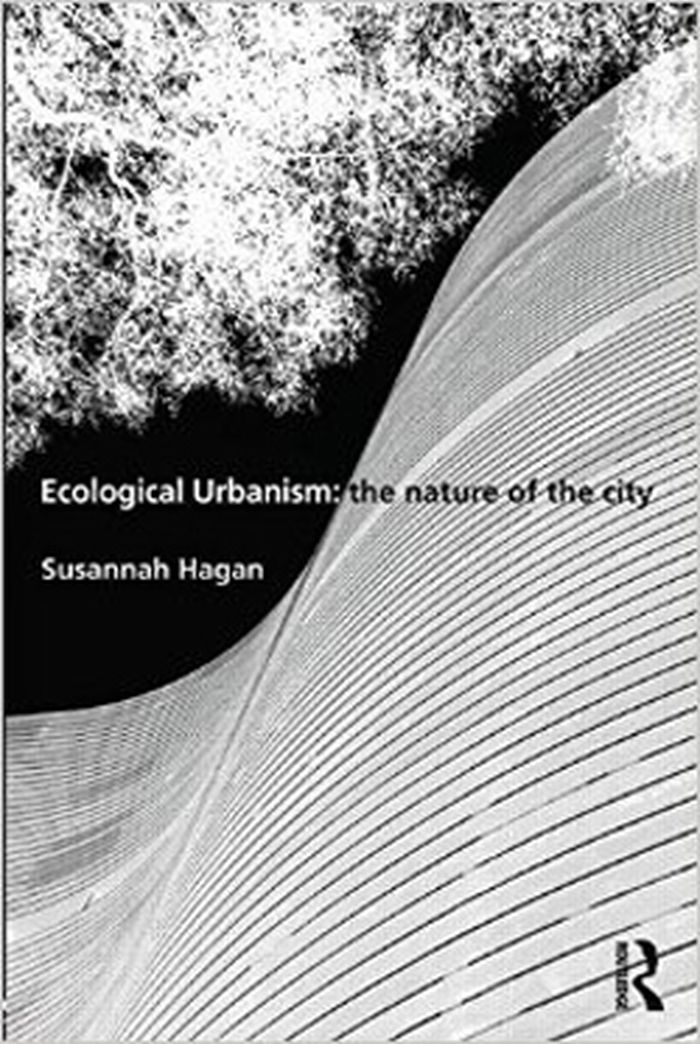
Ecological Urbanism: The Nature of the City asks the questions that are important inside and outside the built environment professions: what are climate change, urbanisation and ecology doing to the theory and practice of urban design? How does Ecological Urbanism figure in this change? What is Ecological Urbanism? In answer, this book is neither definitive – impossible when a subject is still in motion – nor encyclopaedic – equally impossible when so much has been written on almost every aspect of these essays. Instead, it seeks to rebalance the ecological narrative and its embryonic modes of practice with the narratives of urbanism and its older, deeply embedded modes of practice. It examines the implications for cities and the designers of cities now we are required to again address their metabolic as well as social and formal dimensions, and it explores the extent to which environmental engineering and natural systems design can and should become drivers for the remaking of cities in the 21st century. Above all, it argues that sooner rather than later, urbanism needs to become environmentally literate, and environmental design needs to become culturally literate.
Ecological urbanism: the nature of the city
Actions:
Prix:
$64.95
(disponible sur commande)
Résumé:
Ecological Urbanism: The Nature of the City asks the questions that are important inside and outside the built environment professions: what are climate change, urbanisation and ecology doing to the theory and practice of urban design? How does Ecological Urbanism figure in this change? What is Ecological Urbanism? In answer, this book is neither definitive – impossible when a subject is still in motion – nor encyclopaedic – equally impossible when so much has been written on almost every aspect of these essays. Instead, it seeks to rebalance the ecological narrative and its embryonic modes of practice with the narratives of urbanism and its older, deeply embedded modes of practice. It examines the implications for cities and the designers of cities now we are required to again address their metabolic as well as social and formal dimensions, and it explores the extent to which environmental engineering and natural systems design can and should become drivers for the remaking of cities in the 21st century. Above all, it argues that sooner rather than later, urbanism needs to become environmentally literate, and environmental design needs to become culturally literate.
Classification:
livres
livres
Publication:
novembre 2014
novembre 2014
Sujet:
Paysages urbains
Paysages urbains
Classification:
livres
livres
Actions:
Prix:
$67.95
(disponible en magasin)
Résumé:
For a small country that generally keeps a low profile on the stage of world events, Denmark has played a disproportionately prominent role in the history of 20th Century architecture and design. Today in the early 21st Century, known for its anything-goes attitude towards design, Denmark also has its share of provocative architects surfing waves of fashionable trends,(...)
$67.95
(disponible en magasin)
Résumé:
For a small country that generally keeps a low profile on the stage of world events, Denmark has played a disproportionately prominent role in the history of 20th Century architecture and design. Today in the early 21st Century, known for its anything-goes attitude towards design, Denmark also has its share of provocative architects surfing waves of fashionable trends,(...)
Titre:
En levende tradition / A living tradition
Actions:
Prix:
$67.95
(disponible en magasin)
Résumé:
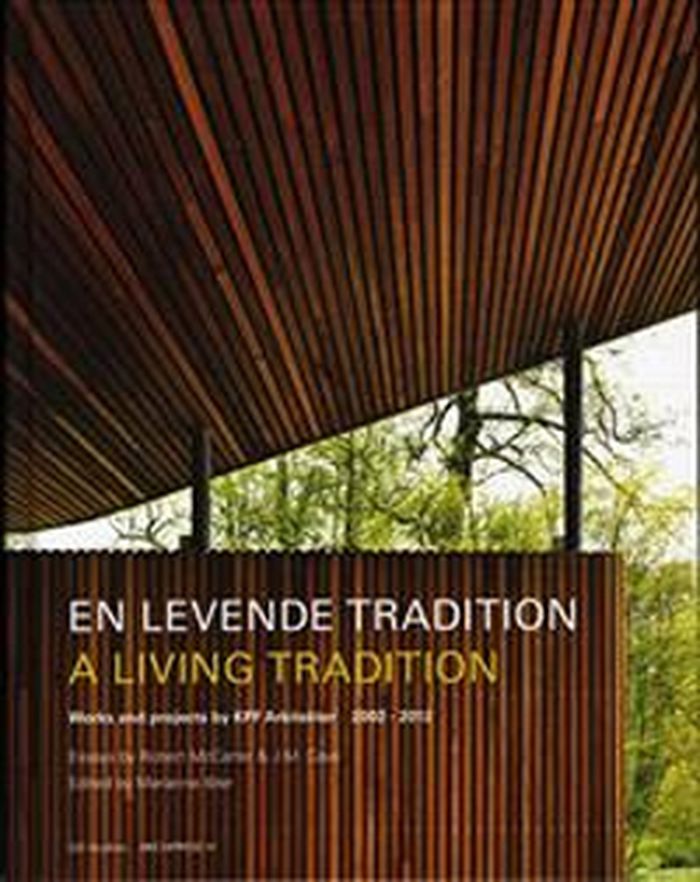
For a small country that generally keeps a low profile on the stage of world events, Denmark has played a disproportionately prominent role in the history of 20th Century architecture and design. Today in the early 21st Century, known for its anything-goes attitude towards design, Denmark also has its share of provocative architects surfing waves of fashionable trends, yet a few firms maintain a more grounded and centered approach to their work. Prominent among this group is KPF Architects (Kjelgaard, Pedersen & Fællestegnestuen), whose philosophy and work is a prime example of design rooted in a specific regional narrative while globally pursuing new ideas, new concepts and new materials that elevate their projects to the highest levels of architectural discourse, without sacrificing either usefulness or pleasure for the client. Even their most ordinary functional projects like banks, office buildings, and medical facilities embody a sensitivity that is uplifting. Kenneth Frampton states: One cannot help but be reminded of the tradition of Arne Jacobsen when looking at KPF Arkitekters work and thus of the commonsense functional, but ludic, character of the still vital Danish modern movement as it has consistently evolved over the past sixty years
En levende tradition / A living tradition
Actions:
Prix:
$67.95
(disponible en magasin)
Résumé:
For a small country that generally keeps a low profile on the stage of world events, Denmark has played a disproportionately prominent role in the history of 20th Century architecture and design. Today in the early 21st Century, known for its anything-goes attitude towards design, Denmark also has its share of provocative architects surfing waves of fashionable trends, yet a few firms maintain a more grounded and centered approach to their work. Prominent among this group is KPF Architects (Kjelgaard, Pedersen & Fællestegnestuen), whose philosophy and work is a prime example of design rooted in a specific regional narrative while globally pursuing new ideas, new concepts and new materials that elevate their projects to the highest levels of architectural discourse, without sacrificing either usefulness or pleasure for the client. Even their most ordinary functional projects like banks, office buildings, and medical facilities embody a sensitivity that is uplifting. Kenneth Frampton states: One cannot help but be reminded of the tradition of Arne Jacobsen when looking at KPF Arkitekters work and thus of the commonsense functional, but ludic, character of the still vital Danish modern movement as it has consistently evolved over the past sixty years
Classification:
livres
livres
Publication:
novembre 2013
novembre 2013
Sujet:
Architecture, monographies
Architecture, monographies
Classification:
livres
livres
Prix:
$85.00
(disponible sur commande)
Résumé:
From Egypt and Classical Greece and Rome through the building booms of the Gothic era and the Renaissance, and from the Industrial Revolution to the present era of digital modeling, "Building : 3,000 Years of Design, Engineering, and Construction", charts centuries of innovations in engineering and building construction. This comprehensive and heavily illustrated volume,(...)
$85.00
(disponible sur commande)
Résumé:
From Egypt and Classical Greece and Rome through the building booms of the Gothic era and the Renaissance, and from the Industrial Revolution to the present era of digital modeling, "Building : 3,000 Years of Design, Engineering, and Construction", charts centuries of innovations in engineering and building construction. This comprehensive and heavily illustrated volume,(...)
Titre:
Building : 3000 years of design engineering and construction
Actions:
Prix:
$85.00
(disponible sur commande)
Résumé:
From Egypt and Classical Greece and Rome through the building booms of the Gothic era and the Renaissance, and from the Industrial Revolution to the present era of digital modeling, "Building : 3,000 Years of Design, Engineering, and Construction", charts centuries of innovations in engineering and building construction. This comprehensive and heavily illustrated volume, aimed at students and young professionals as well as general readers, explores the materials, classic texts, instruments, and theories that have propelled modern engineering, and the famous and not-so-famous buildings designed through the ages, from the Parthenon to Chartes Cathedral and the dome of St. Peter's, from eighteenth-century silk mills in England to the Crystal Palace, and on to the first Chicago high-rises, the Sydney Opera House, and the latest "green" skyscrapers. The book concentrates on developments since the industrial and scientific revolutions of the seventeenth and eighteenth centuries. Incorporated within the continuous narrative are sidebars with short biographies of eminent engineers, excerpts from classic texts, stories of individual projects of major importance, and brief histories of key concepts such as calculus. Also included are extensive reference materials: appendices, a glossary, bibliography, and index.
Building : 3000 years of design engineering and construction
Actions:
Prix:
$85.00
(disponible sur commande)
Résumé:
From Egypt and Classical Greece and Rome through the building booms of the Gothic era and the Renaissance, and from the Industrial Revolution to the present era of digital modeling, "Building : 3,000 Years of Design, Engineering, and Construction", charts centuries of innovations in engineering and building construction. This comprehensive and heavily illustrated volume, aimed at students and young professionals as well as general readers, explores the materials, classic texts, instruments, and theories that have propelled modern engineering, and the famous and not-so-famous buildings designed through the ages, from the Parthenon to Chartes Cathedral and the dome of St. Peter's, from eighteenth-century silk mills in England to the Crystal Palace, and on to the first Chicago high-rises, the Sydney Opera House, and the latest "green" skyscrapers. The book concentrates on developments since the industrial and scientific revolutions of the seventeenth and eighteenth centuries. Incorporated within the continuous narrative are sidebars with short biographies of eminent engineers, excerpts from classic texts, stories of individual projects of major importance, and brief histories of key concepts such as calculus. Also included are extensive reference materials: appendices, a glossary, bibliography, and index.
Classification:
livres
livres
Publication:
mars 2007, London, New York
mars 2007, London, New York
Sujet:
Structures d’ingénierie
Structures d’ingénierie
Classification:
livres
livres
Titre:
Cartographic cinema
Cartographic cinema
Actions:
Prix:
$31.50
(disponible sur commande)
Résumé:
Cartography and cinema are what might be called locational machinery. Maps and movies tell their viewers where they are situated, what they are doing, and, to a strong degree, who they are. In this work,scholar Tom Conley establishes the ideological power of maps in classic, contemporary, and avant-garde cinema to shape the imaginary and mediated relations we hold with(...)
$31.50
(disponible sur commande)
Résumé:
Cartography and cinema are what might be called locational machinery. Maps and movies tell their viewers where they are situated, what they are doing, and, to a strong degree, who they are. In this work,scholar Tom Conley establishes the ideological power of maps in classic, contemporary, and avant-garde cinema to shape the imaginary and mediated relations we hold with(...)
Titre:
Cartographic cinema
Actions:
Prix:
$31.50
(disponible sur commande)
Résumé:
Cartography and cinema are what might be called locational machinery. Maps and movies tell their viewers where they are situated, what they are doing, and, to a strong degree, who they are. In this work,scholar Tom Conley establishes the ideological power of maps in classic, contemporary, and avant-garde cinema to shape the imaginary and mediated relations we hold with the world. "Cartographic cinema" examines the affinities of maps and movies through comparative theory and close analysis of films from the silent era to the French New Wave to Hollywood blockbusters. In doing so, Conley reveals that most of the movies we see contain maps of various kinds and almost invariably constitute a projective apparatus similar to cartography. In addition, he demonstrates that spatial signs in film foster a critical relation with the prevailing narrative and mimetic registers of cinema. Conley convincingly argues that the very act of watching films, and cinema itself, is actually a form of cartography. Unlike its function in an atlas, a map in a movie often causes the spectator to entertain broader questions—not only about cinema but also of the nature of space and being.
Cartographic cinema
Actions:
Prix:
$31.50
(disponible sur commande)
Résumé:
Cartography and cinema are what might be called locational machinery. Maps and movies tell their viewers where they are situated, what they are doing, and, to a strong degree, who they are. In this work,scholar Tom Conley establishes the ideological power of maps in classic, contemporary, and avant-garde cinema to shape the imaginary and mediated relations we hold with the world. "Cartographic cinema" examines the affinities of maps and movies through comparative theory and close analysis of films from the silent era to the French New Wave to Hollywood blockbusters. In doing so, Conley reveals that most of the movies we see contain maps of various kinds and almost invariably constitute a projective apparatus similar to cartography. In addition, he demonstrates that spatial signs in film foster a critical relation with the prevailing narrative and mimetic registers of cinema. Conley convincingly argues that the very act of watching films, and cinema itself, is actually a form of cartography. Unlike its function in an atlas, a map in a movie often causes the spectator to entertain broader questions—not only about cinema but also of the nature of space and being.
Classification:
livres
livres
Publication:
décembre 2006, Minneapolis, London
décembre 2006, Minneapolis, London
Sujet:
Théorie de l’architecture
Théorie de l’architecture
Classification:
livres
livres
Actions:
Prix:
$43.95
(disponible sur commande)
Résumé:
From Athens and Arcadia on one side of the Aegean Sea and from Ionia, Lycia, and Karia on the other, this book brings together some of the great monuments of classical antiquity --among them two of the seven wonders of the ancient world, the later temple of Artemis at Ephesos and the Mausoleum at Halikarnassos. Drawing on the Greek and Lycian architecture and(...)
$43.95
(disponible sur commande)
Résumé:
From Athens and Arcadia on one side of the Aegean Sea and from Ionia, Lycia, and Karia on the other, this book brings together some of the great monuments of classical antiquity --among them two of the seven wonders of the ancient world, the later temple of Artemis at Ephesos and the Mausoleum at Halikarnassos. Drawing on the Greek and Lycian architecture and(...)
Titre:
Greek architecture and its sculpture
Actions:
Prix:
$43.95
(disponible sur commande)
Résumé:
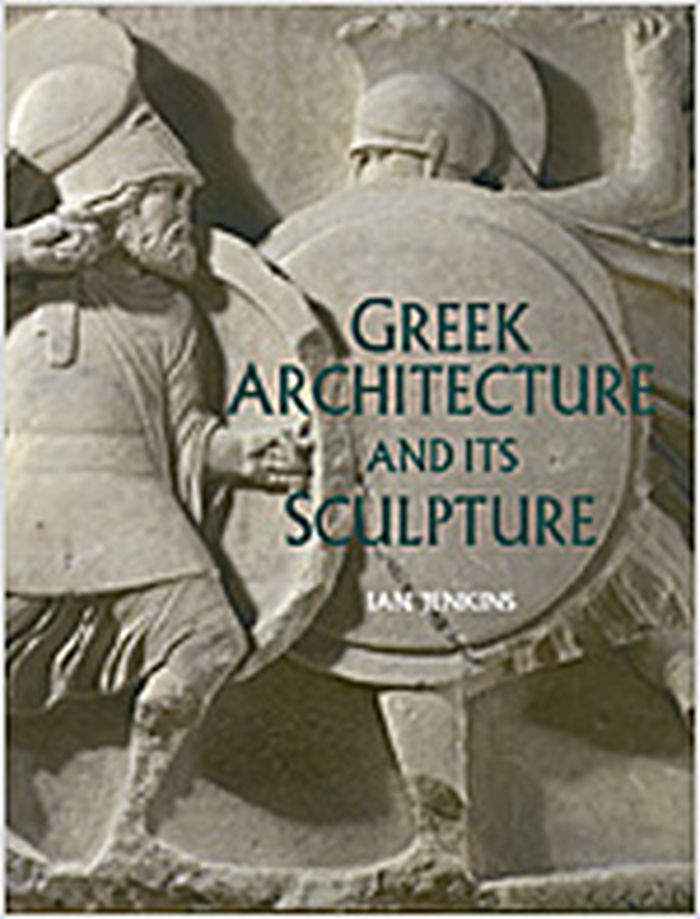
From Athens and Arcadia on one side of the Aegean Sea and from Ionia, Lycia, and Karia on the other, this book brings together some of the great monuments of classical antiquity --among them two of the seven wonders of the ancient world, the later temple of Artemis at Ephesos and the Mausoleum at Halikarnassos. Drawing on the Greek and Lycian architecture and sculpture in the British Museum--a collection second to none in quality, quantity, and geographical and chronological range--this lavishly illustrated volume tells a remarkable story reaching from the archaic temple of Artemis, the Parthenon, and other temples of the Athenian Acropolis to the temple of Apollo at Bassai, the sculptured tombs of Lycia, the Mausoleum, and the temple of Athena Polias at Priene. Ian Jenkins explains each as a work of art and as a historical phenomenon, revealing how the complex personality of these buildings is bound up with the people who funded, designed, built, used, destroyed, discovered, and studied them. With 250 photographs and specially commissioned line drawings, the book comprises a monumental narrative of the art and architecture that gave form, direction, and meaning to much of Western culture.
Greek architecture and its sculpture
Actions:
Prix:
$43.95
(disponible sur commande)
Résumé:
From Athens and Arcadia on one side of the Aegean Sea and from Ionia, Lycia, and Karia on the other, this book brings together some of the great monuments of classical antiquity --among them two of the seven wonders of the ancient world, the later temple of Artemis at Ephesos and the Mausoleum at Halikarnassos. Drawing on the Greek and Lycian architecture and sculpture in the British Museum--a collection second to none in quality, quantity, and geographical and chronological range--this lavishly illustrated volume tells a remarkable story reaching from the archaic temple of Artemis, the Parthenon, and other temples of the Athenian Acropolis to the temple of Apollo at Bassai, the sculptured tombs of Lycia, the Mausoleum, and the temple of Athena Polias at Priene. Ian Jenkins explains each as a work of art and as a historical phenomenon, revealing how the complex personality of these buildings is bound up with the people who funded, designed, built, used, destroyed, discovered, and studied them. With 250 photographs and specially commissioned line drawings, the book comprises a monumental narrative of the art and architecture that gave form, direction, and meaning to much of Western culture.
Classification:
livres
livres
Publication:
octobre 2006, Cambridge
octobre 2006, Cambridge
Sujet:
Histoire jusqu'à 1900, Grèce
Histoire jusqu'à 1900, Grèce
Classification:
livres
livres
Actions:
Prix:
$20.95
(disponible sur commande)
Résumé:
The great Gothic cathedrals of Europe are among the most astonishing achievements of Western culture. Evoking feelings of awe and humility, they make us want to understand what inspired the people who had the audacity to build them. This engrossing book surveys an era that has fired the historical imagination for centuries. In it Robert A. Scott explores why medieval(...)
$20.95
(disponible sur commande)
Résumé:
The great Gothic cathedrals of Europe are among the most astonishing achievements of Western culture. Evoking feelings of awe and humility, they make us want to understand what inspired the people who had the audacity to build them. This engrossing book surveys an era that has fired the historical imagination for centuries. In it Robert A. Scott explores why medieval(...)
Titre:
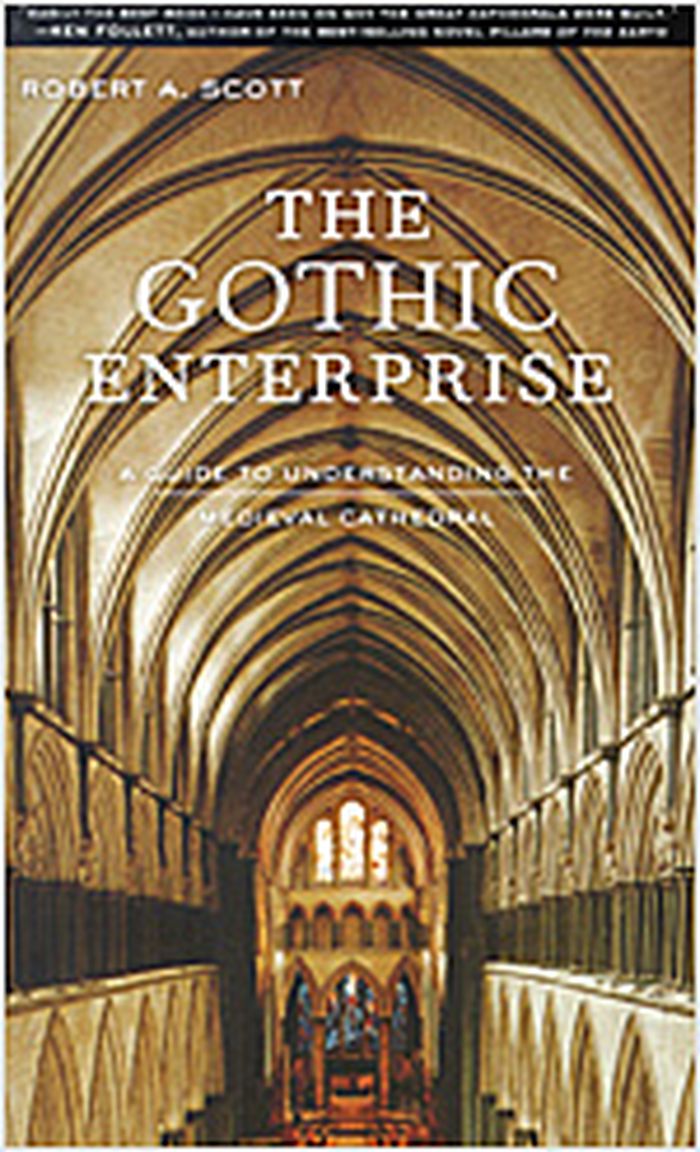
The Gothic enterprise : a guide to understanding the medieval cathedral
Actions:
Prix:
$20.95
(disponible sur commande)
Résumé:
The great Gothic cathedrals of Europe are among the most astonishing achievements of Western culture. Evoking feelings of awe and humility, they make us want to understand what inspired the people who had the audacity to build them. This engrossing book surveys an era that has fired the historical imagination for centuries. In it Robert A. Scott explores why medieval people built Gothic cathedrals, how they built them, what conception of the divine lay behind their creation, and how religious and secular leaders used cathedrals for social and political purposes. While most books about Gothic cathedrals focus on a particular building or on the cathedrals of a specific region, 'The Gothic Enterprise' considers the idea of the cathedral as a humanly created space. Scott discusses why an impoverished people would commit so many social and personal resources to building something so physically stupendous and what this says about their ideas of the sacred, especially the vital role they ascribed to the divine as a protector against the dangers of everyday life. Scott's narrative offers a wealth of fascinating details concerning daily life during medieval times.
The Gothic enterprise : a guide to understanding the medieval cathedral
Actions:
Prix:
$20.95
(disponible sur commande)
Résumé:
The great Gothic cathedrals of Europe are among the most astonishing achievements of Western culture. Evoking feelings of awe and humility, they make us want to understand what inspired the people who had the audacity to build them. This engrossing book surveys an era that has fired the historical imagination for centuries. In it Robert A. Scott explores why medieval people built Gothic cathedrals, how they built them, what conception of the divine lay behind their creation, and how religious and secular leaders used cathedrals for social and political purposes. While most books about Gothic cathedrals focus on a particular building or on the cathedrals of a specific region, 'The Gothic Enterprise' considers the idea of the cathedral as a humanly created space. Scott discusses why an impoverished people would commit so many social and personal resources to building something so physically stupendous and what this says about their ideas of the sacred, especially the vital role they ascribed to the divine as a protector against the dangers of everyday life. Scott's narrative offers a wealth of fascinating details concerning daily life during medieval times.
Classification:
livres
livres
Publication:
janvier 2006, Berkeley
janvier 2006, Berkeley
Sujet:
Histoire jusqu’à 1900
Histoire jusqu’à 1900


