


2314 Résultats
Classification:
livres
livres
Actions:
Exemplaires:
Description:
122 pages : illustrations ; 17 cm.
Description:
122 pages : illustrations ; 17 cm.
Auteur:
Sujet:
Publication:
Eindhoven, Netherlands : Onomatopee Projects, 2024.
Eindhoven, Netherlands : Onomatopee Projects, 2024.
Titre:
A tree, a reader on arboreal kinship / edited by Marjolein van der Loo ; with written contributions by Joss Allen, Céline Baumann, Bárbara Sánchez Barroso, Jorge Menna Barreto, Renée Bus, Lucy Davis, Amirio Freeman, Manjot Kaur, Marjolein van der Loo, Karen Lofgren, Anne Richter, Jerrold Saija, Oscar Salguero, Jonmar van Vlijmen and Müge Yilmaz ; with visual contributions by Gerbrand Burger, Chihiro Geuzenbroek, Femke Habets, Roderick Hietbrink, Ingela Ihrman, Mari Keski-Korsu, Alice Ladenburg, Hira Nabi, Frank Resseler, Sanne Vaassen.
Actions:
Exemplaires:
Description:
122 pages : illustrations ; 17 cm.
A tree, a reader on arboreal kinship / edited by Marjolein van der Loo ; with written contributions by Joss Allen, Céline Baumann, Bárbara Sánchez Barroso, Jorge Menna Barreto, Renée Bus, Lucy Davis, Amirio Freeman, Manjot Kaur, Marjolein van der Loo, Karen Lofgren, Anne Richter, Jerrold Saija, Oscar Salguero, Jonmar van Vlijmen and Müge Yilmaz ; with visual contributions by Gerbrand Burger, Chihiro Geuzenbroek, Femke Habets, Roderick Hietbrink, Ingela Ihrman, Mari Keski-Korsu, Alice Ladenburg, Hira Nabi, Frank Resseler, Sanne Vaassen.
Actions:
Exemplaires:
Description:
122 pages : illustrations ; 17 cm.
Classification:
livres
livres
Publication:
Eindhoven, Netherlands : Onomatopee Projects, 2024.
Eindhoven, Netherlands : Onomatopee Projects, 2024.
Auteur:
Sujet:
Classification:
livres
livres
Prix:
$22.95
(disponible sur commande)
Résumé:
The dominant architectures in our culture of development consist of generic protocols for building offices, airports, houses, and highways. For Keller Easterling these organizational formats are not merely the context of design efforts. They are the design. Bridging the gap between architecture and infrastructure, Easterling views architecture as part of an ecology of(...)
$22.95
(disponible sur commande)
Résumé:
The dominant architectures in our culture of development consist of generic protocols for building offices, airports, houses, and highways. For Keller Easterling these organizational formats are not merely the context of design efforts. They are the design. Bridging the gap between architecture and infrastructure, Easterling views architecture as part of an ecology of(...)
Titre:
Organization space : landscapes, highways, and houses in America
Actions:
Prix:
$22.95
(disponible sur commande)
Résumé:
The dominant architectures in our culture of development consist of generic protocols for building offices, airports, houses, and highways. For Keller Easterling these organizational formats are not merely the context of design efforts. They are the design. Bridging the gap between architecture and infrastructure, Easterling views architecture as part of an ecology of interrelationships and linkages, and she treats the expression of organizational character as part of the architectural endeavor. Easterling also makes the case that these organizational formats are improvisational and responsive to circumstantial change, to mistakes, anomalies, and seemingly illogical market forces. By treating these irregularities opportunistically, she offers architects working within the customary development protocols new sites for making and altering space. By showing the reciprocal relations between systems of thinking and modes of designing, Easterling establishes unexpected congruencies between natural and built environments, virtual and physical systems, highway and communication networks, and corporate and spatial organizations. She frames her unconventional notion of site not in terms of singular entities, but in terms of relationships between multiple sites that are both individually and collectively adjustable.
Organization space : landscapes, highways, and houses in America
Actions:
Prix:
$22.95
(disponible sur commande)
Résumé:
The dominant architectures in our culture of development consist of generic protocols for building offices, airports, houses, and highways. For Keller Easterling these organizational formats are not merely the context of design efforts. They are the design. Bridging the gap between architecture and infrastructure, Easterling views architecture as part of an ecology of interrelationships and linkages, and she treats the expression of organizational character as part of the architectural endeavor. Easterling also makes the case that these organizational formats are improvisational and responsive to circumstantial change, to mistakes, anomalies, and seemingly illogical market forces. By treating these irregularities opportunistically, she offers architects working within the customary development protocols new sites for making and altering space. By showing the reciprocal relations between systems of thinking and modes of designing, Easterling establishes unexpected congruencies between natural and built environments, virtual and physical systems, highway and communication networks, and corporate and spatial organizations. She frames her unconventional notion of site not in terms of singular entities, but in terms of relationships between multiple sites that are both individually and collectively adjustable.
Classification:
livres
livres
Publication:
octobre 2001, Cambridge, Mass.
octobre 2001, Cambridge, Mass.
Sujet:
Théorie de l’urbanisme
Théorie de l’urbanisme
Classification:
livres
livres
Prix:
$94.00
(disponible sur commande)
Résumé:
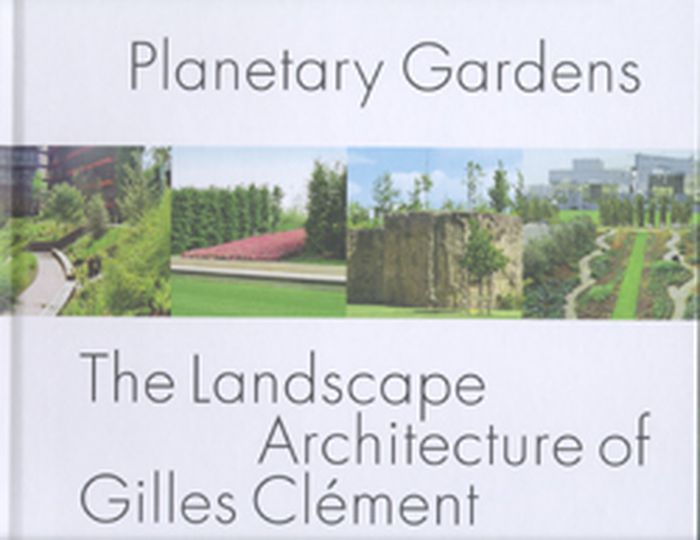
Gilles Clément confronts the homogenizing effects of globalization with the diversity of life. As a trained gardener, he places our current knowledge of plant utilization and ecology in the service of the "planetary garden," in which plant species from a tremendous variety of cultures are collected, composed, and carefully overseen in their development by the landscape(...)
$94.00
(disponible sur commande)
Résumé:
Gilles Clément confronts the homogenizing effects of globalization with the diversity of life. As a trained gardener, he places our current knowledge of plant utilization and ecology in the service of the "planetary garden," in which plant species from a tremendous variety of cultures are collected, composed, and carefully overseen in their development by the landscape(...)
Publication:
octobre 2008, Basel, Boston, Berlin
octobre 2008, Basel, Boston, Berlin
Titre:
Planetary gardens: the landscape architecture of Gilles Clément
Actions:
Prix:
$94.00
(disponible sur commande)
Résumé:
Gilles Clément confronts the homogenizing effects of globalization with the diversity of life. As a trained gardener, he places our current knowledge of plant utilization and ecology in the service of the "planetary garden," in which plant species from a tremendous variety of cultures are collected, composed, and carefully overseen in their development by the landscape designer. Clément has taken this approach, which was developed for private gardens, and worked with celebrated architects – most recently, Jean Nouvel – to apply it in his large city parks, including Parc Citroën, the park at the Grande Arche de La Défense, and the museum park at the Musée du Quai Branly in Paris. The high artistic caliber of his designs is attested by exhibitions and installations at the Canadian Centre for Architecture CCA in Montreal and the Centre Pompidou, where they stand beside the work of Daniel Buren, Nan Goldin, and others. Gilles Clément has been presenting his contribution to landscape architecture for decades in more than thirty publications and numerous lectures throughout the world. This is the first comprehensive English-language monograph on his work.
Planetary gardens: the landscape architecture of Gilles Clément
Actions:
Prix:
$94.00
(disponible sur commande)
Résumé:
Gilles Clément confronts the homogenizing effects of globalization with the diversity of life. As a trained gardener, he places our current knowledge of plant utilization and ecology in the service of the "planetary garden," in which plant species from a tremendous variety of cultures are collected, composed, and carefully overseen in their development by the landscape designer. Clément has taken this approach, which was developed for private gardens, and worked with celebrated architects – most recently, Jean Nouvel – to apply it in his large city parks, including Parc Citroën, the park at the Grande Arche de La Défense, and the museum park at the Musée du Quai Branly in Paris. The high artistic caliber of his designs is attested by exhibitions and installations at the Canadian Centre for Architecture CCA in Montreal and the Centre Pompidou, where they stand beside the work of Daniel Buren, Nan Goldin, and others. Gilles Clément has been presenting his contribution to landscape architecture for decades in more than thirty publications and numerous lectures throughout the world. This is the first comprehensive English-language monograph on his work.
Classification:
livres
livres
Publication:
octobre 2008, Basel, Boston, Berlin
octobre 2008, Basel, Boston, Berlin
Classification:
livres
livres
Prix:
$52.50
(disponible sur commande)
Résumé:
The dominant architectures in our culture of development consist of generic protocols for building offices, airports, houses, and highways. For Keller Easterling these organizational formats are not merely the context of design efforts. They are the design. Bridging the gap between architecture and infrastructure, Easterling views architecture as part of an ecology of(...)
$52.50
(disponible sur commande)
Résumé:
The dominant architectures in our culture of development consist of generic protocols for building offices, airports, houses, and highways. For Keller Easterling these organizational formats are not merely the context of design efforts. They are the design. Bridging the gap between architecture and infrastructure, Easterling views architecture as part of an ecology of(...)
Titre:
Organization space : landscapes, highways, and houses in America
Actions:
Prix:
$52.50
(disponible sur commande)
Résumé:
The dominant architectures in our culture of development consist of generic protocols for building offices, airports, houses, and highways. For Keller Easterling these organizational formats are not merely the context of design efforts. They are the design. Bridging the gap between architecture and infrastructure, Easterling views architecture as part of an ecology of interrelationships and linkages, and she treats the expression of organizational character as part of the architectural endeavor. Easterling also makes the case that these organizational formats are improvisational and responsive to circumstantial change, to mistakes, anomalies, and seemingly illogical market forces. By treating these irregularities opportunistically, she offers architects working within the customary development protocols new sites for making and altering space. By showing the reciprocal relations between systems of thinking and modes of designing, Easterling establishes unexpected congruencies between natural and built environments, virtual and physical systems, highway and communication networks, and corporate and spatial organizations. She frames her unconventional notion of site not in terms of singular entities, but in terms of relationships between multiple sites that are both individually and collectively adjustable.
Organization space : landscapes, highways, and houses in America
Actions:
Prix:
$52.50
(disponible sur commande)
Résumé:
The dominant architectures in our culture of development consist of generic protocols for building offices, airports, houses, and highways. For Keller Easterling these organizational formats are not merely the context of design efforts. They are the design. Bridging the gap between architecture and infrastructure, Easterling views architecture as part of an ecology of interrelationships and linkages, and she treats the expression of organizational character as part of the architectural endeavor. Easterling also makes the case that these organizational formats are improvisational and responsive to circumstantial change, to mistakes, anomalies, and seemingly illogical market forces. By treating these irregularities opportunistically, she offers architects working within the customary development protocols new sites for making and altering space. By showing the reciprocal relations between systems of thinking and modes of designing, Easterling establishes unexpected congruencies between natural and built environments, virtual and physical systems, highway and communication networks, and corporate and spatial organizations. She frames her unconventional notion of site not in terms of singular entities, but in terms of relationships between multiple sites that are both individually and collectively adjustable.
Classification:
livres
livres
Publication:
novembre 1999, Cambridge
novembre 1999, Cambridge
Sujet:
Théorie de l’architecture
Théorie de l’architecture
Classification:
livres
livres
Prix:
$94.00
(disponible sur commande)
Résumé:
During the 1960s, as Western notions of endless progress and growth gave way to concerns over industrial pollution, resource depletion and ecological limits, attitudes toward the environment became social, political and ideological. Published to accompany the first expansive survey of the history of environmental thinking in architecture, ''Emerging ecologies:(...)
$94.00
(disponible sur commande)
Résumé:
During the 1960s, as Western notions of endless progress and growth gave way to concerns over industrial pollution, resource depletion and ecological limits, attitudes toward the environment became social, political and ideological. Published to accompany the first expansive survey of the history of environmental thinking in architecture, ''Emerging ecologies:(...)
Titre:
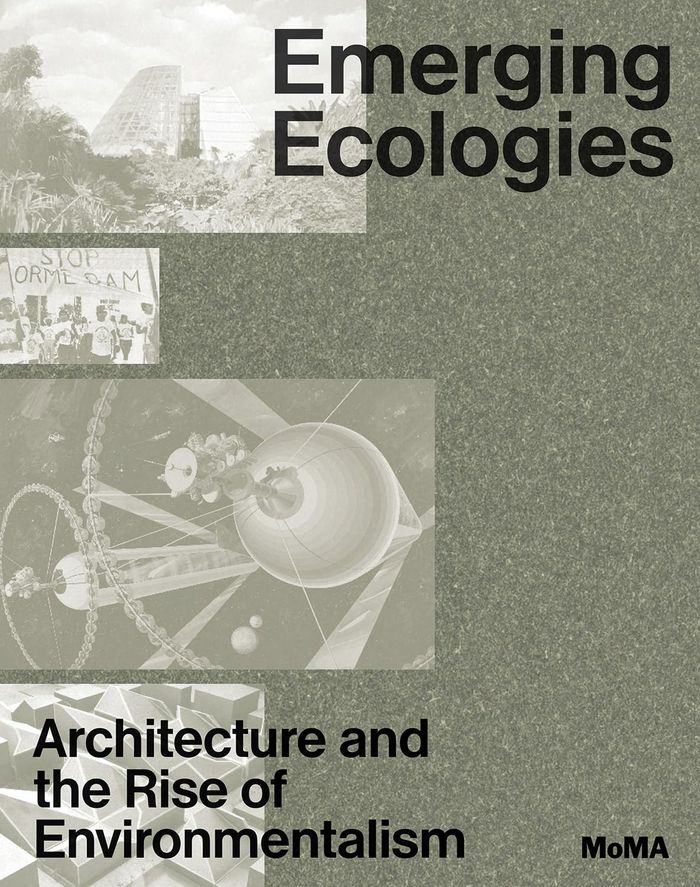
Emerging ecologies: Architecture and the rise of environmentalism
Actions:
Prix:
$94.00
(disponible sur commande)
Résumé:
During the 1960s, as Western notions of endless progress and growth gave way to concerns over industrial pollution, resource depletion and ecological limits, attitudes toward the environment became social, political and ideological. Published to accompany the first expansive survey of the history of environmental thinking in architecture, ''Emerging ecologies: Architecture and the rise of environmentalism'' looks at the role architects have played in defining our understanding of ''nature'' and the ''environment,'' specifically during the rise of environmental discourse. The illustrated publication presents over 45 architectural contributions—from Eleanor Raymond and Mária Telkes’ groundbreaking work on solar houses to Buckminster Fuller’s world resource management system and the environmental symbolism of Emilio Ambasz—to explore the role designers played in both promoting ecological concerns and in outlining the very terms of this nascent field. Through an introductory essay by curator Carson Chan and brief texts on each of the featured projects, ''Emerging ecologies'' documents the proximity between ecology, design and statecraft, allowing readers to take stock of historic milestones as architecture confronts today’s climate emergencies.
Emerging ecologies: Architecture and the rise of environmentalism
Actions:
Prix:
$94.00
(disponible sur commande)
Résumé:
During the 1960s, as Western notions of endless progress and growth gave way to concerns over industrial pollution, resource depletion and ecological limits, attitudes toward the environment became social, political and ideological. Published to accompany the first expansive survey of the history of environmental thinking in architecture, ''Emerging ecologies: Architecture and the rise of environmentalism'' looks at the role architects have played in defining our understanding of ''nature'' and the ''environment,'' specifically during the rise of environmental discourse. The illustrated publication presents over 45 architectural contributions—from Eleanor Raymond and Mária Telkes’ groundbreaking work on solar houses to Buckminster Fuller’s world resource management system and the environmental symbolism of Emilio Ambasz—to explore the role designers played in both promoting ecological concerns and in outlining the very terms of this nascent field. Through an introductory essay by curator Carson Chan and brief texts on each of the featured projects, ''Emerging ecologies'' documents the proximity between ecology, design and statecraft, allowing readers to take stock of historic milestones as architecture confronts today’s climate emergencies.
Classification:
livres
livres
Publication:
septembre 2023
septembre 2023
Classification:
livres
livres
Prix:
$68.00
(disponible sur commande)
Résumé:
For the past decade, photographer Mark Ruwedel has been compiling an epic photographic account of the natural environment of his home city of Los Angeles. From the stark Californian coast to the vast expanses of the interior – many of which have been further lain bare by wildfires – Ruwedel tracks a unique ecology in constant, if subtle, dialogue with the human life that(...)
$68.00
(disponible sur commande)
Résumé:
For the past decade, photographer Mark Ruwedel has been compiling an epic photographic account of the natural environment of his home city of Los Angeles. From the stark Californian coast to the vast expanses of the interior – many of which have been further lain bare by wildfires – Ruwedel tracks a unique ecology in constant, if subtle, dialogue with the human life that(...)
Titre:
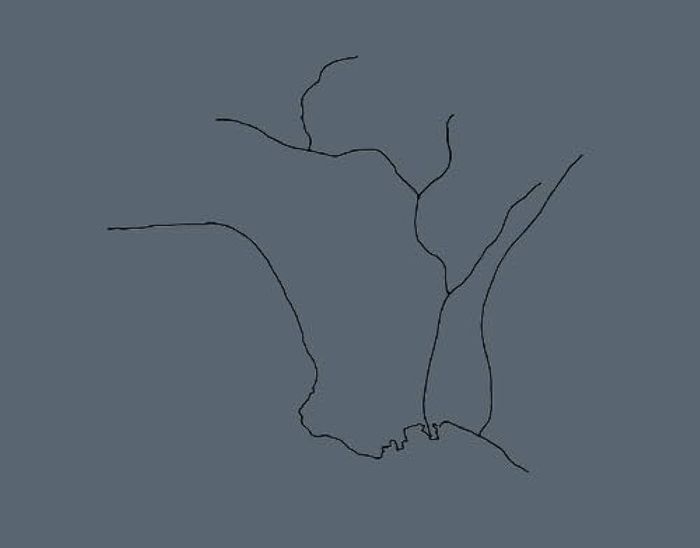
Mark Ruwedel: Rivers run through it. Landscape of Four Ecologies I
Actions:
Prix:
$68.00
(disponible sur commande)
Résumé:
For the past decade, photographer Mark Ruwedel has been compiling an epic photographic account of the natural environment of his home city of Los Angeles. From the stark Californian coast to the vast expanses of the interior – many of which have been further lain bare by wildfires – Ruwedel tracks a unique ecology in constant, if subtle, dialogue with the human life that surrounds it: one where wildness is designed, contested, permitted, or resisted to varying degrees of success. In this first of four volumes, Ruwedel follows the Los Angeles River from Big Tujunga Wash to the Pacific Ocean. Using patient, forensic large- and medium-format photography in black and white, Ruwedel recalls the legacy of nineteenth-century photographer-cartographers such as Carleton Watkins and Timothy O’Sullivan, as well as land artists and New Topographics photographers of the 1970s, while forging his own elucidating relationship with the landscape. The series title "Landscapes of four ecologies" recalls architectural critic Reyner Baynam classic study "Los Angeles: The architecture of four ecologies," which describes the city as "one of the ecological wonders of the modern world."
Mark Ruwedel: Rivers run through it. Landscape of Four Ecologies I
Actions:
Prix:
$68.00
(disponible sur commande)
Résumé:
For the past decade, photographer Mark Ruwedel has been compiling an epic photographic account of the natural environment of his home city of Los Angeles. From the stark Californian coast to the vast expanses of the interior – many of which have been further lain bare by wildfires – Ruwedel tracks a unique ecology in constant, if subtle, dialogue with the human life that surrounds it: one where wildness is designed, contested, permitted, or resisted to varying degrees of success. In this first of four volumes, Ruwedel follows the Los Angeles River from Big Tujunga Wash to the Pacific Ocean. Using patient, forensic large- and medium-format photography in black and white, Ruwedel recalls the legacy of nineteenth-century photographer-cartographers such as Carleton Watkins and Timothy O’Sullivan, as well as land artists and New Topographics photographers of the 1970s, while forging his own elucidating relationship with the landscape. The series title "Landscapes of four ecologies" recalls architectural critic Reyner Baynam classic study "Los Angeles: The architecture of four ecologies," which describes the city as "one of the ecological wonders of the modern world."
Classification:
livres
livres
Publication:
novembre 2023
novembre 2023
Sujet:
Monographies photo
Monographies photo
Classification:
livres
livres
Prix:
$27.95
(disponible sur commande)
Résumé:
As early as the end of the 19th century, anarchists such as Peter Kropotkin and Élisée Reclus became interested in indigenous peoples, many of whom they saw as societies without a state or private property, living a form of communism. Thinkers such as David Graeber and John Holloway have continued this tradition of engagement with the practices of indigenous societies and(...)
$27.95
(disponible sur commande)
Résumé:
As early as the end of the 19th century, anarchists such as Peter Kropotkin and Élisée Reclus became interested in indigenous peoples, many of whom they saw as societies without a state or private property, living a form of communism. Thinkers such as David Graeber and John Holloway have continued this tradition of engagement with the practices of indigenous societies and(...)
Titre:
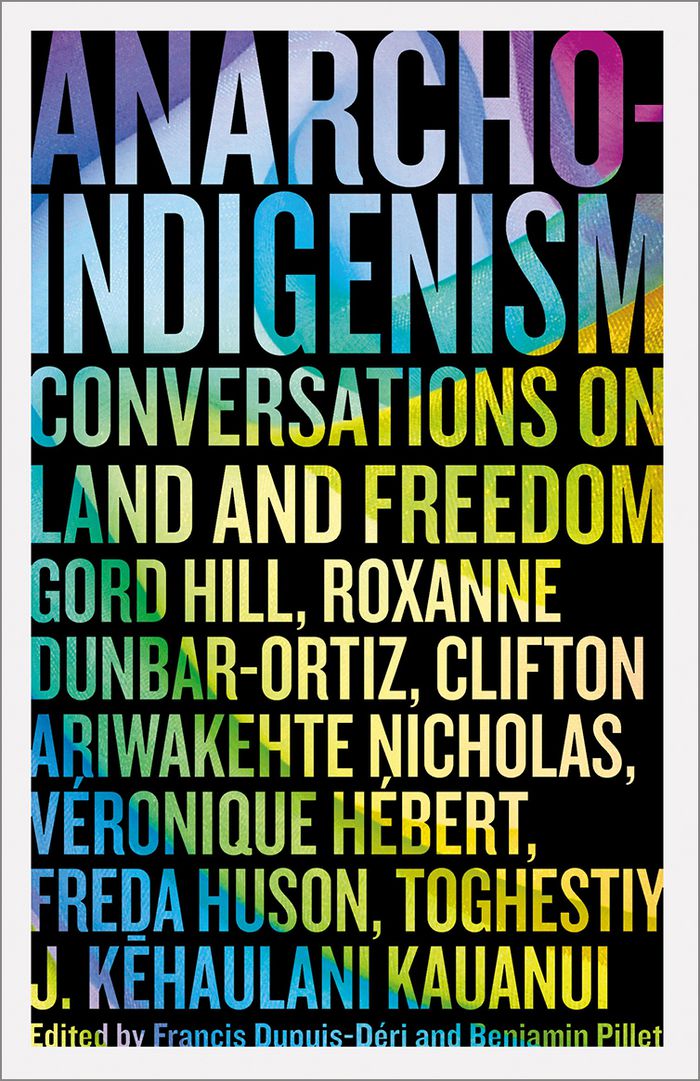
Anarcho-Indigenism: Conversations on land and freedom
Actions:
Prix:
$27.95
(disponible sur commande)
Résumé:
As early as the end of the 19th century, anarchists such as Peter Kropotkin and Élisée Reclus became interested in indigenous peoples, many of whom they saw as societies without a state or private property, living a form of communism. Thinkers such as David Graeber and John Holloway have continued this tradition of engagement with the practices of indigenous societies and their politics. There has also been a long history of (often imperfect) collaboration between anarchists and indigenous activists, over land rights and environmental issues, including recent high-profile anti-pipeline campaigns. ''Anarcho-Indigenism'' is a dialogue between anarchism and indigenous politics, featuring interviews from indigenous contributors Véronique Hébert, Gord Hill, Freda Huson, J. Kehaulani Kauanui, Clifton Ariwakehte Nicholas and Toghestiy, as well as the Marxist scholar specialist in indigenous people’s history and politics, Roxanne Dunbar-Ortiz. The contributors reveal what indigenous thought and traditions and anarchism have in common, without denying the scars left by colonialism even within this anti-authoritarian movement. They ultimately offer a vision of the world that combines anti-colonialism, feminism, ecology, anti-capitalism and anti-statism.
Anarcho-Indigenism: Conversations on land and freedom
Actions:
Prix:
$27.95
(disponible sur commande)
Résumé:
As early as the end of the 19th century, anarchists such as Peter Kropotkin and Élisée Reclus became interested in indigenous peoples, many of whom they saw as societies without a state or private property, living a form of communism. Thinkers such as David Graeber and John Holloway have continued this tradition of engagement with the practices of indigenous societies and their politics. There has also been a long history of (often imperfect) collaboration between anarchists and indigenous activists, over land rights and environmental issues, including recent high-profile anti-pipeline campaigns. ''Anarcho-Indigenism'' is a dialogue between anarchism and indigenous politics, featuring interviews from indigenous contributors Véronique Hébert, Gord Hill, Freda Huson, J. Kehaulani Kauanui, Clifton Ariwakehte Nicholas and Toghestiy, as well as the Marxist scholar specialist in indigenous people’s history and politics, Roxanne Dunbar-Ortiz. The contributors reveal what indigenous thought and traditions and anarchism have in common, without denying the scars left by colonialism even within this anti-authoritarian movement. They ultimately offer a vision of the world that combines anti-colonialism, feminism, ecology, anti-capitalism and anti-statism.
Classification:
livres
livres
Publication:
septembre 2023
septembre 2023
Sujet:
Autochtone
Autochtone
Classification:
livres
livres

Prix:
$37.95
(disponible sur commande)
Résumé:
In ''Beyond the World's End,'' T. J. Demos explores cultural practices that provide radical propositions for living in a world beset by environmental and political crises. Rethinking relationships between aesthetics and an expanded political ecology that foregrounds just futurity, Demos examines how contemporary artists are diversely addressing urgent themes, including(...)
$37.95
(disponible sur commande)
Résumé:
In ''Beyond the World's End,'' T. J. Demos explores cultural practices that provide radical propositions for living in a world beset by environmental and political crises. Rethinking relationships between aesthetics and an expanded political ecology that foregrounds just futurity, Demos examines how contemporary artists are diversely addressing urgent themes, including(...)
Titre:
Beyond the world's end: arts of living at the crossing
Actions:
Prix:
$37.95
(disponible sur commande)
Résumé:
In ''Beyond the World's End,'' T. J. Demos explores cultural practices that provide radical propositions for living in a world beset by environmental and political crises. Rethinking relationships between aesthetics and an expanded political ecology that foregrounds just futurity, Demos examines how contemporary artists are diversely addressing urgent themes, including John Akomfrah's cinematic entanglements of racial capitalism with current environmental threats, the visual politics of climate refugees in work by Forensic Architecture and Teddy Cruz and Fonna Forman, and moving images of Afrofuturist climate justice in projects by Arthur Jafa and Martine Syms. Demos considers video and mixed-media art that responds to resource extraction in works by Angela Melitopoulos, Allora & Calzadilla, and Ursula Biemann, as well as the multispecies ecologies of Terike Haapoja and Public Studio. Throughout Demos contends that contemporary intersections of aesthetics and politics, as exemplified in the Standing Rock #NoDAPL campaign and the Zad's autonomous zone in France, are creating the imaginaries that will be crucial to building a socially just and flourishing future.
Beyond the world's end: arts of living at the crossing
Actions:
Prix:
$37.95
(disponible sur commande)
Résumé:
In ''Beyond the World's End,'' T. J. Demos explores cultural practices that provide radical propositions for living in a world beset by environmental and political crises. Rethinking relationships between aesthetics and an expanded political ecology that foregrounds just futurity, Demos examines how contemporary artists are diversely addressing urgent themes, including John Akomfrah's cinematic entanglements of racial capitalism with current environmental threats, the visual politics of climate refugees in work by Forensic Architecture and Teddy Cruz and Fonna Forman, and moving images of Afrofuturist climate justice in projects by Arthur Jafa and Martine Syms. Demos considers video and mixed-media art that responds to resource extraction in works by Angela Melitopoulos, Allora & Calzadilla, and Ursula Biemann, as well as the multispecies ecologies of Terike Haapoja and Public Studio. Throughout Demos contends that contemporary intersections of aesthetics and politics, as exemplified in the Standing Rock #NoDAPL campaign and the Zad's autonomous zone in France, are creating the imaginaries that will be crucial to building a socially just and flourishing future.
Classification:
livres
livres
Publication:
septembre 2020
septembre 2020
Classification:
livres
livres
Actions:
Prix:
$59.95
(disponible sur commande)
Résumé:
Since its inception, T.O.P. office has boosted architecture as an uncompromising social tool to persistently question the terrestrial scale and the delicate balance with mankind. Whichever way you turn it, Earth – the orb – is the undeniable alpha and omega for any future stance, action or intervention. An insight Luc Deleu & T.O.P. office have never failed to underscore(...)
$59.95
(disponible sur commande)
Résumé:
Since its inception, T.O.P. office has boosted architecture as an uncompromising social tool to persistently question the terrestrial scale and the delicate balance with mankind. Whichever way you turn it, Earth – the orb – is the undeniable alpha and omega for any future stance, action or intervention. An insight Luc Deleu & T.O.P. office have never failed to underscore(...)
Titre:
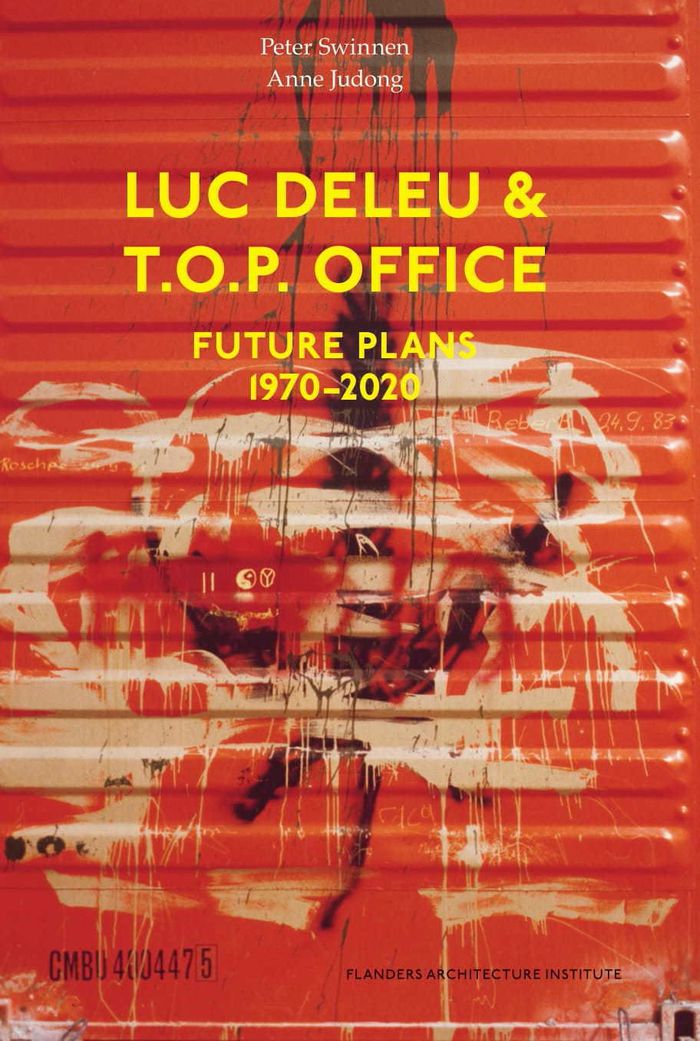
Luc Deleu & T.O.P. office. Future Plans 1970-2020
Actions:
Prix:
$59.95
(disponible sur commande)
Résumé:
Since its inception, T.O.P. office has boosted architecture as an uncompromising social tool to persistently question the terrestrial scale and the delicate balance with mankind. Whichever way you turn it, Earth – the orb – is the undeniable alpha and omega for any future stance, action or intervention. An insight Luc Deleu & T.O.P. office have never failed to underscore – or challenge. Armed with an unsparing but humorous logic, a firm belief in the freedom of the individual, and a persistent commitment to ecology, T.O.P. office continues to hold up a mirror to society. Always unsolicited. Simply because they have to. For this publication, editors Peter Swinnen and Anne Judong were given unlimited access to the archives of T.O.P. office. The title is also the filter through which to examine the living archive. Which projects – whether conceived in the 1970s or 2000s – retain the intelligent promise of a future plan? And how can they enlighten designers, architects, urban planners, ecologists, cultural workers, administrations and policymakers of today and tomorrow? A future plan in itself.
Luc Deleu & T.O.P. office. Future Plans 1970-2020
Actions:
Prix:
$59.95
(disponible sur commande)
Résumé:
Since its inception, T.O.P. office has boosted architecture as an uncompromising social tool to persistently question the terrestrial scale and the delicate balance with mankind. Whichever way you turn it, Earth – the orb – is the undeniable alpha and omega for any future stance, action or intervention. An insight Luc Deleu & T.O.P. office have never failed to underscore – or challenge. Armed with an unsparing but humorous logic, a firm belief in the freedom of the individual, and a persistent commitment to ecology, T.O.P. office continues to hold up a mirror to society. Always unsolicited. Simply because they have to. For this publication, editors Peter Swinnen and Anne Judong were given unlimited access to the archives of T.O.P. office. The title is also the filter through which to examine the living archive. Which projects – whether conceived in the 1970s or 2000s – retain the intelligent promise of a future plan? And how can they enlighten designers, architects, urban planners, ecologists, cultural workers, administrations and policymakers of today and tomorrow? A future plan in itself.
Classification:
livres
livres
Publication:
janvier 2020
janvier 2020
Sujet:
Architecture, monographies
Architecture, monographies
Classification:
livres
livres
Titre:
Bay lexicon
Bay lexicon
Actions:
Prix:
$32.95
(disponible sur commande)
Résumé:
'Bay Lexicon', a field guide to San Francisco's shoreline, is a case study in establishing a working language for hybrid landscapes. Centred on a walk along the edge of the iconic San Francisco Bay, it documents, deciphers, and classifies the places and phenomena a person encounters - and the forces, histories, and interactions that underlie what is visible. In a unique(...)
$32.95
(disponible sur commande)
Résumé:
'Bay Lexicon', a field guide to San Francisco's shoreline, is a case study in establishing a working language for hybrid landscapes. Centred on a walk along the edge of the iconic San Francisco Bay, it documents, deciphers, and classifies the places and phenomena a person encounters - and the forces, histories, and interactions that underlie what is visible. In a unique(...)
Titre:
Bay lexicon
Actions:
Prix:
$32.95
(disponible sur commande)
Résumé:
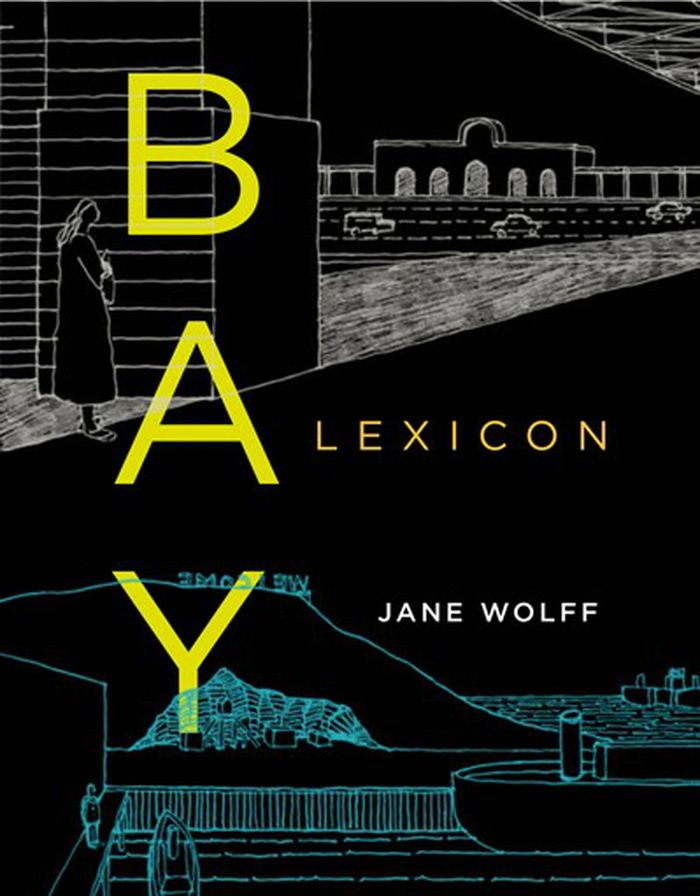
'Bay Lexicon', a field guide to San Francisco's shoreline, is a case study in establishing a working language for hybrid landscapes. Centred on a walk along the edge of the iconic San Francisco Bay, it documents, deciphers, and classifies the places and phenomena a person encounters - and the forces, histories, and interactions that underlie what is visible. In a unique synthesis of text and drawing, Jane Wolff applies analytical and representational tools based in design and documentary work to findings from the fields of geography, environmental and cultural history, public policy, urban ecology, and landscape studies. As our cities face increasing pressure caused by climate change, we will need to reimagine them in terms that do justice to their complexity. This publications's methods for building landscape literacy are meant for translation, adaptation, and use far beyond San Francisco Bay. Through activist scholarship that cuts across disciplinary boundaries and levels of expertise, this book examines how the landscape at the water's edge works, documents its historical evolution, brings its citizens' values to light, and frames conversations about how and why it might change.
Bay lexicon
Actions:
Prix:
$32.95
(disponible sur commande)
Résumé:
'Bay Lexicon', a field guide to San Francisco's shoreline, is a case study in establishing a working language for hybrid landscapes. Centred on a walk along the edge of the iconic San Francisco Bay, it documents, deciphers, and classifies the places and phenomena a person encounters - and the forces, histories, and interactions that underlie what is visible. In a unique synthesis of text and drawing, Jane Wolff applies analytical and representational tools based in design and documentary work to findings from the fields of geography, environmental and cultural history, public policy, urban ecology, and landscape studies. As our cities face increasing pressure caused by climate change, we will need to reimagine them in terms that do justice to their complexity. This publications's methods for building landscape literacy are meant for translation, adaptation, and use far beyond San Francisco Bay. Through activist scholarship that cuts across disciplinary boundaries and levels of expertise, this book examines how the landscape at the water's edge works, documents its historical evolution, brings its citizens' values to light, and frames conversations about how and why it might change.
Classification:
livres
livres
Publication:
août 2021
août 2021
Sujet:
Théorie du paysage
Théorie du paysage


