


3001 Résultats
Classification:
livres
livres

Actions:
Prix:
$58.95
(disponible en magasin)
Résumé:
Photographer Laura McPhee, noted for her stunning large-scale landscapes and portraits of the people who live and work in them, has been traveling to eastern India for over a decade. There she has devoted her perceptive vision to picturing layers of history, culture, religion, and class as they appear in private heritage homes and public markets, in lively street(...)
$58.95
(disponible en magasin)
Résumé:
Photographer Laura McPhee, noted for her stunning large-scale landscapes and portraits of the people who live and work in them, has been traveling to eastern India for over a decade. There she has devoted her perceptive vision to picturing layers of history, culture, religion, and class as they appear in private heritage homes and public markets, in lively street(...)
Titre:
The home and the world: a view of Calcutta
Actions:
Prix:
$58.95
(disponible en magasin)
Résumé:
Photographer Laura McPhee, noted for her stunning large-scale landscapes and portraits of the people who live and work in them, has been traveling to eastern India for over a decade. There she has devoted her perceptive vision to picturing layers of history, culture, religion, and class as they appear in private heritage homes and public markets, in lively street festivals, and in the faces of city dwellers in Calcutta (also known as Kolkata).
The home and the world: a view of Calcutta
Actions:
Prix:
$58.95
(disponible en magasin)
Résumé:
Photographer Laura McPhee, noted for her stunning large-scale landscapes and portraits of the people who live and work in them, has been traveling to eastern India for over a decade. There she has devoted her perceptive vision to picturing layers of history, culture, religion, and class as they appear in private heritage homes and public markets, in lively street festivals, and in the faces of city dwellers in Calcutta (also known as Kolkata).
Classification:
livres
livres
Publication:
décembre 2014
décembre 2014
Sujet:
Monographies photo
Monographies photo
Classification:
livres
livres
Titre:
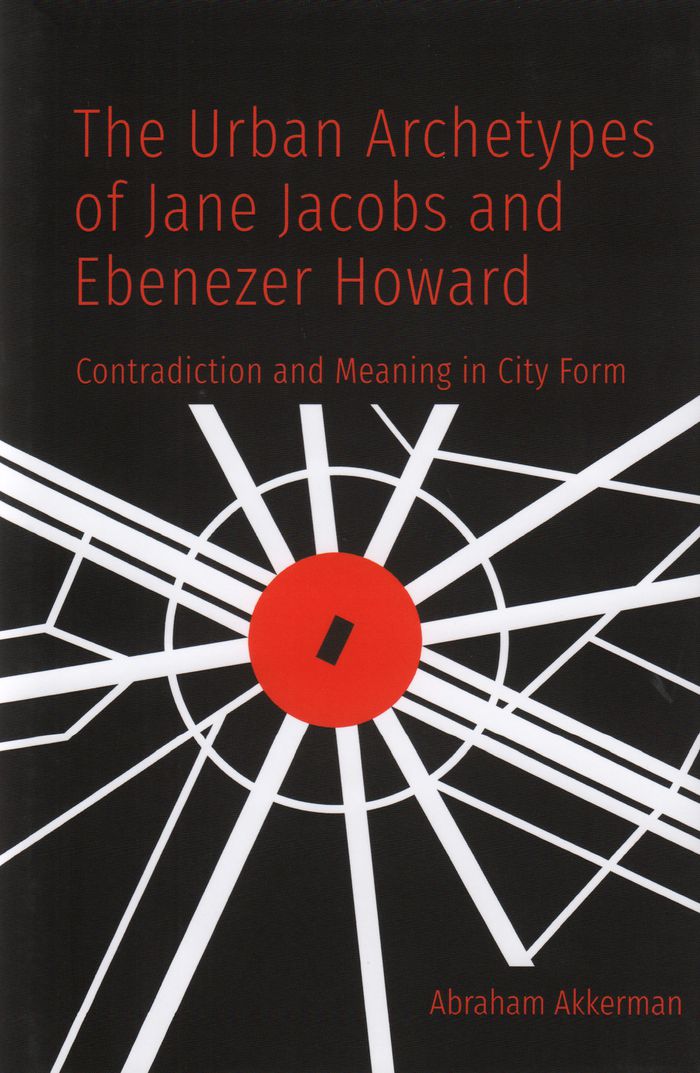
The Urban Archetypes of Jane Jacobs and Ebenezer Howard: Contradiction and meaning in city form
The Urban Archetypes of Jane Jacobs and Ebenezer Howard: Contradiction and meaning in city form
Actions:
Prix:
$80.00
(disponible sur commande)
Résumé:
Ebenezer Howard, an Englishman, and Jane Jacobs, a naturalized Canadian, personify the twentieth century’s opposing outlooks on cities. Howard had envisaged small towns, newly built from scratch, fashioned on single family homes with small gardens. Jacobs embraced existing inner-city neighbourhoods emphasizing the verve of the living street. From Howard’s idea, the(...)
$80.00
(disponible sur commande)
Résumé:
Ebenezer Howard, an Englishman, and Jane Jacobs, a naturalized Canadian, personify the twentieth century’s opposing outlooks on cities. Howard had envisaged small towns, newly built from scratch, fashioned on single family homes with small gardens. Jacobs embraced existing inner-city neighbourhoods emphasizing the verve of the living street. From Howard’s idea, the(...)
Titre:
The Urban Archetypes of Jane Jacobs and Ebenezer Howard: Contradiction and meaning in city form
Actions:
Prix:
$80.00
(disponible sur commande)
Résumé:
Ebenezer Howard, an Englishman, and Jane Jacobs, a naturalized Canadian, personify the twentieth century’s opposing outlooks on cities. Howard had envisaged small towns, newly built from scratch, fashioned on single family homes with small gardens. Jacobs embraced existing inner-city neighbourhoods emphasizing the verve of the living street. From Howard’s idea, the American Dream of garden suburbs had emerged, yet his conceptualization of a modern city received criticism for being uniform and alienated from the rest of the city. Similarly, at the turn of the new century, Jacobs’ inner-city neighbourhoods came to be recognized as the result of commodification, vacillating between poverty and newly discovered hubs of urban authenticity. Presenting Howard and Jacobs within a psychocultural context, ''The urban archetypes of Jane Jacobs and Ebenezer Howard'' addresses our urban crisis in the recognition that ''city form'' is a gendered, allegorical medium expressing femininity and masculinity within two founding features of the built environment: void and volume. Both founding contrasts bring tensions, but also the opportunities of fusion between pairs of urban polarities: human scale against superscale, gait against speed, and spontaneity against surveillance. Jacobs and Howard, in their respective attitudes, have come to embrace the two ancient archetypes, the Garden and the Citadel, leaving it to future generations to blend their two contrarian stances.
The Urban Archetypes of Jane Jacobs and Ebenezer Howard: Contradiction and meaning in city form
Actions:
Prix:
$80.00
(disponible sur commande)
Résumé:
Ebenezer Howard, an Englishman, and Jane Jacobs, a naturalized Canadian, personify the twentieth century’s opposing outlooks on cities. Howard had envisaged small towns, newly built from scratch, fashioned on single family homes with small gardens. Jacobs embraced existing inner-city neighbourhoods emphasizing the verve of the living street. From Howard’s idea, the American Dream of garden suburbs had emerged, yet his conceptualization of a modern city received criticism for being uniform and alienated from the rest of the city. Similarly, at the turn of the new century, Jacobs’ inner-city neighbourhoods came to be recognized as the result of commodification, vacillating between poverty and newly discovered hubs of urban authenticity. Presenting Howard and Jacobs within a psychocultural context, ''The urban archetypes of Jane Jacobs and Ebenezer Howard'' addresses our urban crisis in the recognition that ''city form'' is a gendered, allegorical medium expressing femininity and masculinity within two founding features of the built environment: void and volume. Both founding contrasts bring tensions, but also the opportunities of fusion between pairs of urban polarities: human scale against superscale, gait against speed, and spontaneity against surveillance. Jacobs and Howard, in their respective attitudes, have come to embrace the two ancient archetypes, the Garden and the Citadel, leaving it to future generations to blend their two contrarian stances.
Classification:
livres
livres
Publication:
janvier 2020
janvier 2020
Sujet:
Théorie de l’urbanisme
Théorie de l’urbanisme
Classification:
livres
livres
Actions:
Prix:
$42.00
(disponible en magasin)
Résumé:
Lighting and city - a necessary, yet sometimes difficult, relationship. Four public, historical sites, in the heart of Milan, were "occupied" by well-known lighting designers and hosted a few small-scale projects, ephemeral lighting installations introduced and explored for everyday urban life. Squares, streets, and gardens that, lit in most unusual ways, lived under a(...)
$42.00
(disponible en magasin)
Résumé:
Lighting and city - a necessary, yet sometimes difficult, relationship. Four public, historical sites, in the heart of Milan, were "occupied" by well-known lighting designers and hosted a few small-scale projects, ephemeral lighting installations introduced and explored for everyday urban life. Squares, streets, and gardens that, lit in most unusual ways, lived under a(...)
Titre:
Milano : lights in the blue / luci a cielo aperto
Actions:
Prix:
$42.00
(disponible en magasin)
Résumé:
Lighting and city - a necessary, yet sometimes difficult, relationship. Four public, historical sites, in the heart of Milan, were "occupied" by well-known lighting designers and hosted a few small-scale projects, ephemeral lighting installations introduced and explored for everyday urban life. Squares, streets, and gardens that, lit in most unusual ways, lived under a different light for four days, then photographed by masters of contemporary photography.
Milano : lights in the blue / luci a cielo aperto
Actions:
Prix:
$42.00
(disponible en magasin)
Résumé:
Lighting and city - a necessary, yet sometimes difficult, relationship. Four public, historical sites, in the heart of Milan, were "occupied" by well-known lighting designers and hosted a few small-scale projects, ephemeral lighting installations introduced and explored for everyday urban life. Squares, streets, and gardens that, lit in most unusual ways, lived under a different light for four days, then photographed by masters of contemporary photography.
Classification:
livres
livres
Publication:
avril 2006, Milan
avril 2006, Milan
Sujet:
Matériaux et éclairage
Matériaux et éclairage
Classification:
livres
livres
Prix:
$29.95
(disponible sur commande)
Résumé:
Once considered a mere caretaker for collections, the curator is now widely viewed as a globally connected auteur. Over the last twenty-five years, as international group exhibitions and biennials have become the dominant mode of presenting contemporary art to the public, curatorship has begun to be perceived as a constellation of creative activities not unlike artistic(...)
$29.95
(disponible sur commande)
Résumé:
Once considered a mere caretaker for collections, the curator is now widely viewed as a globally connected auteur. Over the last twenty-five years, as international group exhibitions and biennials have become the dominant mode of presenting contemporary art to the public, curatorship has begun to be perceived as a constellation of creative activities not unlike artistic(...)
Titre:
The culture of curating and the curating of culture(s)
Actions:
Prix:
$29.95
(disponible sur commande)
Résumé:
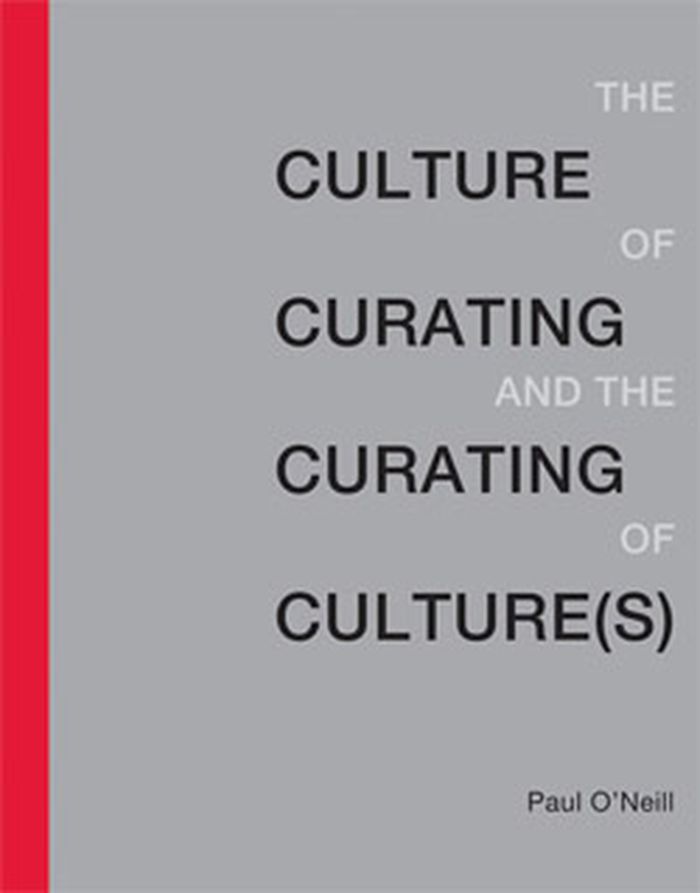
Once considered a mere caretaker for collections, the curator is now widely viewed as a globally connected auteur. Over the last twenty-five years, as international group exhibitions and biennials have become the dominant mode of presenting contemporary art to the public, curatorship has begun to be perceived as a constellation of creative activities not unlike artistic praxis. The curator has gone from being a behind-the-scenes organizer and selector to a visible, centrally important cultural producer. In The Culture of Curating and the Curating of Culture(s), Paul O’Neill examines the emergence of independent curatorship and the discourse that helped to establish it. O’Neill describes how, by the 1980s, curated group exhibitions - large-scale, temporary projects with artworks cast as illustrative fragments - came to be understood as the creative work of curator-auteurs. The proliferation of new biennials and other large international exhibitions in the 1990s created a cohort of high-profile, globally mobile curators, moving from Venice to Paris to Kassel. In the 1990s, curatorial and artistic practice converged, blurring the distinction between artist and curator. O’Neill argues that this change in the understanding of curatorship was shaped by a curator-centered discourse that effectively advocated - and authorized - the new independent curatorial practice. Drawing on the extensive curatorial literature and his own interviews with leading curators, critics, art historians, and artists, O’Neill traces the development of the curator-as-artist model and the ways it has been contested. The Culture of Curating and the Curating of Culture(s) documents the many ways in which our perception of art has been transformed by curating and the discourses surrounding it.
The culture of curating and the curating of culture(s)
Actions:
Prix:
$29.95
(disponible sur commande)
Résumé:
Once considered a mere caretaker for collections, the curator is now widely viewed as a globally connected auteur. Over the last twenty-five years, as international group exhibitions and biennials have become the dominant mode of presenting contemporary art to the public, curatorship has begun to be perceived as a constellation of creative activities not unlike artistic praxis. The curator has gone from being a behind-the-scenes organizer and selector to a visible, centrally important cultural producer. In The Culture of Curating and the Curating of Culture(s), Paul O’Neill examines the emergence of independent curatorship and the discourse that helped to establish it. O’Neill describes how, by the 1980s, curated group exhibitions - large-scale, temporary projects with artworks cast as illustrative fragments - came to be understood as the creative work of curator-auteurs. The proliferation of new biennials and other large international exhibitions in the 1990s created a cohort of high-profile, globally mobile curators, moving from Venice to Paris to Kassel. In the 1990s, curatorial and artistic practice converged, blurring the distinction between artist and curator. O’Neill argues that this change in the understanding of curatorship was shaped by a curator-centered discourse that effectively advocated - and authorized - the new independent curatorial practice. Drawing on the extensive curatorial literature and his own interviews with leading curators, critics, art historians, and artists, O’Neill traces the development of the curator-as-artist model and the ways it has been contested. The Culture of Curating and the Curating of Culture(s) documents the many ways in which our perception of art has been transformed by curating and the discourses surrounding it.
Classification:
livres
livres
Publication:
septembre 2012
septembre 2012
Sujet:
Muséologie
Muséologie
Classification:
livres
livres

Actions:
Prix:
$60.00
(disponible sur commande)
Résumé:
In the late 1960s, Polaroid Corporation founder Edwin Land initiated a project to invite more than 800 artists around the world to shoot on Polaroid film, supplying them with the company's latest products. Over the ensuing decades, more than 4,500 works, by photographers ranging from Ansel Adams to Andy Warhol, were presented to the company and found their way into(...)
$60.00
(disponible sur commande)
Résumé:
In the late 1960s, Polaroid Corporation founder Edwin Land initiated a project to invite more than 800 artists around the world to shoot on Polaroid film, supplying them with the company's latest products. Over the ensuing decades, more than 4,500 works, by photographers ranging from Ansel Adams to Andy Warhol, were presented to the company and found their way into(...)
Titre:
From polaroid to impossible: masterpieces of instant photography, the Westlicht collection
Actions:
Prix:
$60.00
(disponible sur commande)
Résumé:
In the late 1960s, Polaroid Corporation founder Edwin Land initiated a project to invite more than 800 artists around the world to shoot on Polaroid film, supplying them with the company's latest products. Over the ensuing decades, more than 4,500 works, by photographers ranging from Ansel Adams to Andy Warhol, were presented to the company and found their way into Polaroid's International Collection at their European headquarters near Frankfurt am Main. In 2008 Polaroid went bankrupt. The company was bought by the Impossible Project (who promptly invented a new kind of instant film at the Polaroid factory in Enschede) and its legendary collection was acquired by the Westlicht Schauplatz museum in Vienna. From Polaroid to Impossible celebrates both this acquisition and the launch of a new Polaroid collection spearheaded by Westlicht and the Impossible Project. It offers the first overview of the European Polaroid Collection, and includes selected Polaroid masterpieces by figures such as Ansel Adams, Barbara Crane, Giselle Freund, Gottfried Helnwein, Sally Mann, Robert Mapplethorpe, Helmut Newton, Stephen Shore, Aaron Siskind, Andy Warhol, William Wegman and Minor White; artists like Miyako Ishiuchi, Andreas Mahl and Catherine Wagner, who made specialties of the medium; plus newly commissioned Impossible instant photography by contemporary artists such as Nobuyoshi Araki, David Leventhal, Mary Ellen Mark and Stefanie Schneider. Numerous images are reproduced in full color at 1:1 scale, making this volume a luscious and giftworthy celebration of the charm of the Polaroid photograph.
From polaroid to impossible: masterpieces of instant photography, the Westlicht collection
Actions:
Prix:
$60.00
(disponible sur commande)
Résumé:
In the late 1960s, Polaroid Corporation founder Edwin Land initiated a project to invite more than 800 artists around the world to shoot on Polaroid film, supplying them with the company's latest products. Over the ensuing decades, more than 4,500 works, by photographers ranging from Ansel Adams to Andy Warhol, were presented to the company and found their way into Polaroid's International Collection at their European headquarters near Frankfurt am Main. In 2008 Polaroid went bankrupt. The company was bought by the Impossible Project (who promptly invented a new kind of instant film at the Polaroid factory in Enschede) and its legendary collection was acquired by the Westlicht Schauplatz museum in Vienna. From Polaroid to Impossible celebrates both this acquisition and the launch of a new Polaroid collection spearheaded by Westlicht and the Impossible Project. It offers the first overview of the European Polaroid Collection, and includes selected Polaroid masterpieces by figures such as Ansel Adams, Barbara Crane, Giselle Freund, Gottfried Helnwein, Sally Mann, Robert Mapplethorpe, Helmut Newton, Stephen Shore, Aaron Siskind, Andy Warhol, William Wegman and Minor White; artists like Miyako Ishiuchi, Andreas Mahl and Catherine Wagner, who made specialties of the medium; plus newly commissioned Impossible instant photography by contemporary artists such as Nobuyoshi Araki, David Leventhal, Mary Ellen Mark and Stefanie Schneider. Numerous images are reproduced in full color at 1:1 scale, making this volume a luscious and giftworthy celebration of the charm of the Polaroid photograph.
Classification:
livres
livres
Publication:
juillet 2011
juillet 2011
Sujet:
Théorie de la photographie
Théorie de la photographie
Classification:
livres
livres
Actions:
Prix:
$45.00
(disponible sur commande)
Résumé:
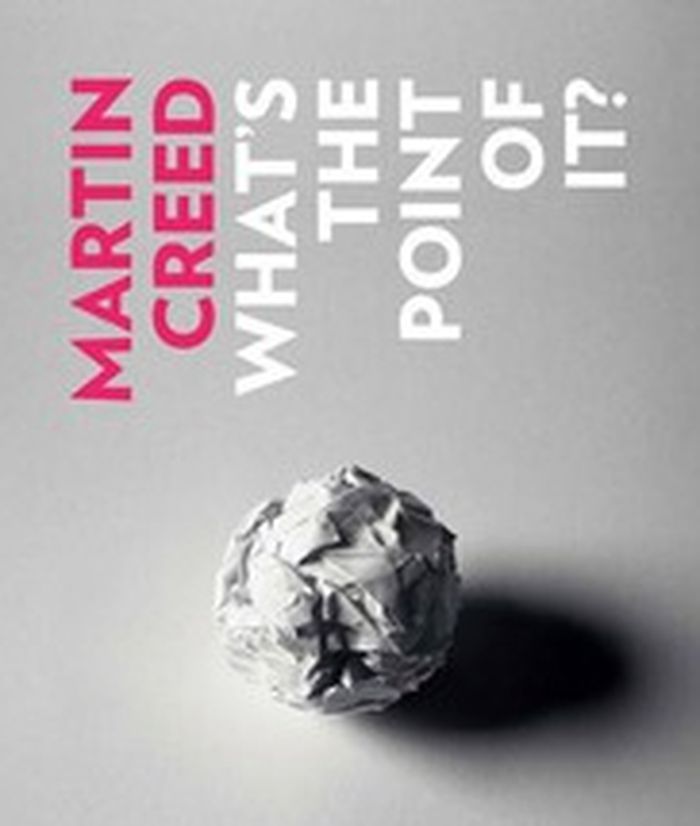
Martin Creed: What’s the Point of It? is a large-format, illustrated publication accompanying the first major survey of Creed’s work at the Hayward Gallery in London. Encompassing the full range and scale of Creed’s work, this comprehensive monograph spans its most minimal moments to extravagant room-sized installations, neon signs, video projections and performances.
$45.00
(disponible sur commande)
Résumé:
Martin Creed: What’s the Point of It? is a large-format, illustrated publication accompanying the first major survey of Creed’s work at the Hayward Gallery in London. Encompassing the full range and scale of Creed’s work, this comprehensive monograph spans its most minimal moments to extravagant room-sized installations, neon signs, video projections and performances.
Titre:
Martin Creed: what's the point of it?
Actions:
Prix:
$45.00
(disponible sur commande)
Résumé:
Martin Creed: What’s the Point of It? is a large-format, illustrated publication accompanying the first major survey of Creed’s work at the Hayward Gallery in London. Encompassing the full range and scale of Creed’s work, this comprehensive monograph spans its most minimal moments to extravagant room-sized installations, neon signs, video projections and performances.
Martin Creed: what's the point of it?
Actions:
Prix:
$45.00
(disponible sur commande)
Résumé:
Martin Creed: What’s the Point of It? is a large-format, illustrated publication accompanying the first major survey of Creed’s work at the Hayward Gallery in London. Encompassing the full range and scale of Creed’s work, this comprehensive monograph spans its most minimal moments to extravagant room-sized installations, neon signs, video projections and performances.
Classification:
livres
livres
Publication:
février 2014
février 2014
Classification:
livres
livres
Actions:
Prix:
$39.95
(disponible sur commande)
Résumé:
Miniature books, eighteenth-century novels, Tom Thumb weddings, tall tales, and objects of tourism and nostalgia: this diverse group of cultural forms is the subject of On Longing, a fascinating analysis of the ways in which everyday objects are narrated to animate or realize certain versions of the world. Originally published in 1984 (Johns Hopkins University Press), and(...)
$39.95
(disponible sur commande)
Résumé:
Miniature books, eighteenth-century novels, Tom Thumb weddings, tall tales, and objects of tourism and nostalgia: this diverse group of cultural forms is the subject of On Longing, a fascinating analysis of the ways in which everyday objects are narrated to animate or realize certain versions of the world. Originally published in 1984 (Johns Hopkins University Press), and(...)
Publication:
janvier 1993, Durham
janvier 1993, Durham
Titre:
On longing : Narratives of the miniature, the gigantic, the souvenir, the collection
Actions:
Prix:
$39.95
(disponible sur commande)
Résumé:
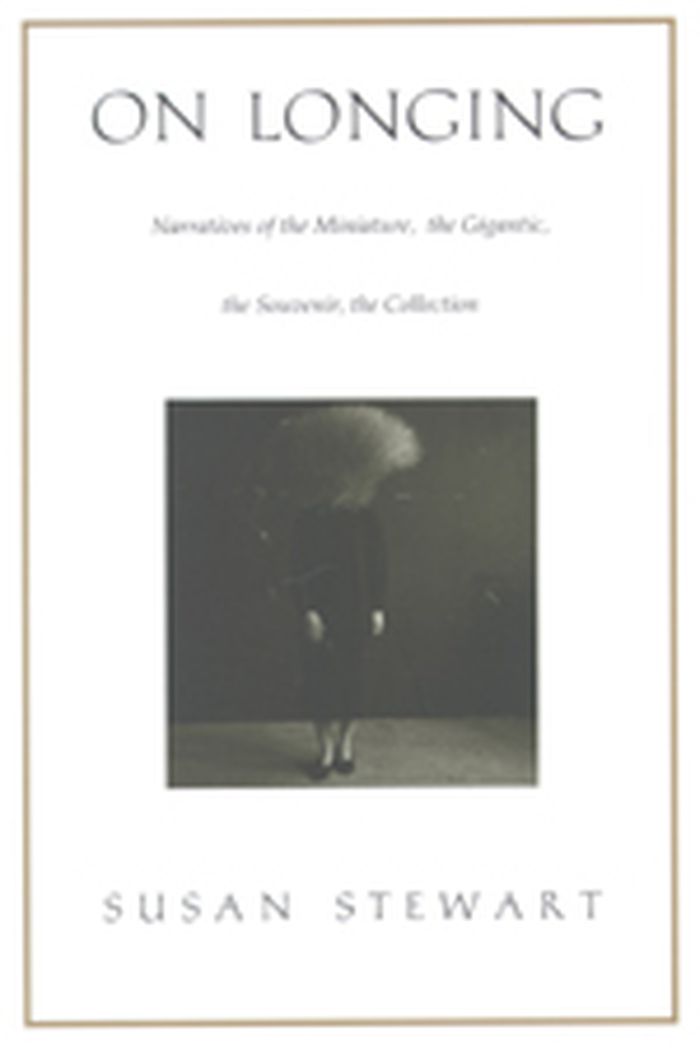
Miniature books, eighteenth-century novels, Tom Thumb weddings, tall tales, and objects of tourism and nostalgia: this diverse group of cultural forms is the subject of On Longing, a fascinating analysis of the ways in which everyday objects are narrated to animate or realize certain versions of the world. Originally published in 1984 (Johns Hopkins University Press), and now available in paperback for the first time, this highly original book draws on insights from semiotics and from psychoanalytic, feminist, and marxist criticism. Addressing the relations of language to experience, the body to scale, and narratives to objects, Susan Stewart looks at the "miniature" as a metaphor for interiority and at the "gigantic" as an exaggeration of aspects of the exterior. In the final part of her essay Stewart examines the ways in which the "souvenir" and the "collection" are objects mediating experience in time and space.
On longing : Narratives of the miniature, the gigantic, the souvenir, the collection
Actions:
Prix:
$39.95
(disponible sur commande)
Résumé:
Miniature books, eighteenth-century novels, Tom Thumb weddings, tall tales, and objects of tourism and nostalgia: this diverse group of cultural forms is the subject of On Longing, a fascinating analysis of the ways in which everyday objects are narrated to animate or realize certain versions of the world. Originally published in 1984 (Johns Hopkins University Press), and now available in paperback for the first time, this highly original book draws on insights from semiotics and from psychoanalytic, feminist, and marxist criticism. Addressing the relations of language to experience, the body to scale, and narratives to objects, Susan Stewart looks at the "miniature" as a metaphor for interiority and at the "gigantic" as an exaggeration of aspects of the exterior. In the final part of her essay Stewart examines the ways in which the "souvenir" and the "collection" are objects mediating experience in time and space.
Classification:
livres
livres
Publication:
janvier 1993, Durham
janvier 1993, Durham
Classification:
livres
livres
Actions:
Prix:
$61.50
(disponible en magasin)
Résumé:
''How will we live together?'' The extensive publication for the exhibition of the Slovenian Pavilion at the 17th International Architecture Biennale seeks to answer this question through research on community centres in Slovenia. By unearthing and presenting the large-scale project of building more than 350 cooperative centres that began 70 years ago, it reveals how(...)
$61.50
(disponible en magasin)
Résumé:
''How will we live together?'' The extensive publication for the exhibition of the Slovenian Pavilion at the 17th International Architecture Biennale seeks to answer this question through research on community centres in Slovenia. By unearthing and presenting the large-scale project of building more than 350 cooperative centres that began 70 years ago, it reveals how(...)
Titre:
The common in community: Slovenian pavilion 17th Architecture Biennale
Actions:
Prix:
$61.50
(disponible en magasin)
Résumé:
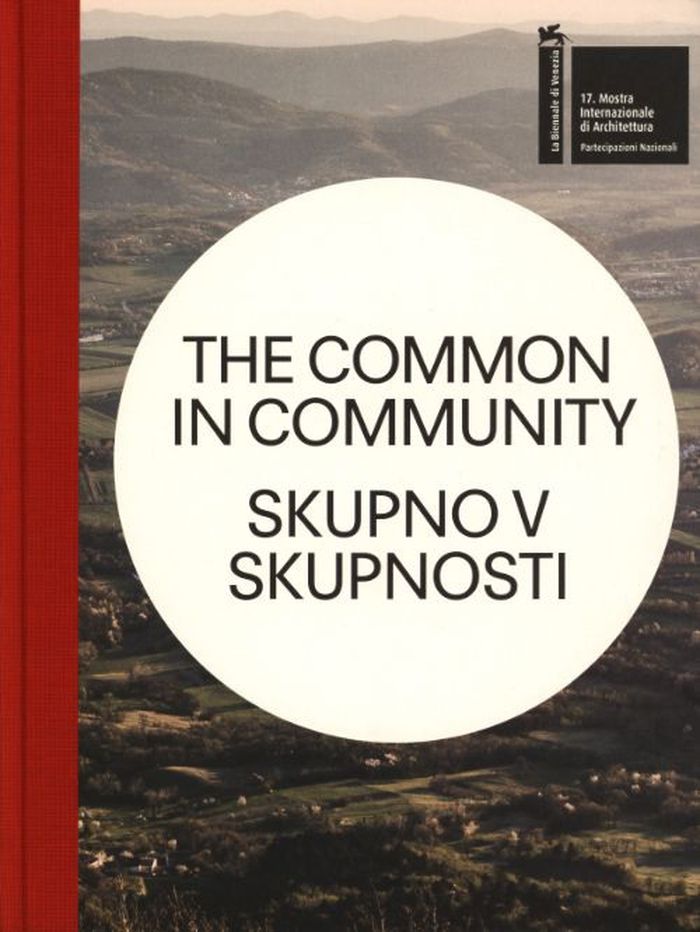
''How will we live together?'' The extensive publication for the exhibition of the Slovenian Pavilion at the 17th International Architecture Biennale seeks to answer this question through research on community centres in Slovenia. By unearthing and presenting the large-scale project of building more than 350 cooperative centres that began 70 years ago, it reveals how these centres have seen changes in the political and economic system, taken on new uses, shaped local communities, and remain relevant today. A closer look at this history provides a better understanding of indoor public spaces as social infrastructure that fosters interaction, communication, and empowerment.
The common in community: Slovenian pavilion 17th Architecture Biennale
Actions:
Prix:
$61.50
(disponible en magasin)
Résumé:
''How will we live together?'' The extensive publication for the exhibition of the Slovenian Pavilion at the 17th International Architecture Biennale seeks to answer this question through research on community centres in Slovenia. By unearthing and presenting the large-scale project of building more than 350 cooperative centres that began 70 years ago, it reveals how these centres have seen changes in the political and economic system, taken on new uses, shaped local communities, and remain relevant today. A closer look at this history provides a better understanding of indoor public spaces as social infrastructure that fosters interaction, communication, and empowerment.
Classification:
livres
livres
Publication:
janvier 2021
janvier 2021
Sujet:
Biennale
Biennale
Classification:
livres
livres
Titre:
The dissolution of buildings
The dissolution of buildings
Actions:
Prix:
$27.95
(disponible sur commande)
Résumé:
Advocating an architecture that is "the opposite of global action," architect Angelo Bucci's work responds to the topography of the city and to its urban environment. In a lecture delivered at Columbia University's Graduate School of Architecture, Planning and Preservation, Bucci discusses work designed with his firm SPBR, projects that span from the scale of the house to(...)
$27.95
(disponible sur commande)
Résumé:
Advocating an architecture that is "the opposite of global action," architect Angelo Bucci's work responds to the topography of the city and to its urban environment. In a lecture delivered at Columbia University's Graduate School of Architecture, Planning and Preservation, Bucci discusses work designed with his firm SPBR, projects that span from the scale of the house to(...)
Titre:
The dissolution of buildings
Actions:
Prix:
$27.95
(disponible sur commande)
Résumé:
Advocating an architecture that is "the opposite of global action," architect Angelo Bucci's work responds to the topography of the city and to its urban environment. In a lecture delivered at Columbia University's Graduate School of Architecture, Planning and Preservation, Bucci discusses work designed with his firm SPBR, projects that span from the scale of the house to the city. His built work is here accompanied by an excerpt from his doctoral dissertation, which explores how the devices available to architecture—and the sectional manipulation of groundplanes in particular—can mitigate some of the inequities and exclusions built in to the fabric of the contemporary city. An essay by Kenneth Frampton frames these projects within the rich lineage of Brazilian house design and members of the Paulista school such as Paulo Mendes da Rocha and João Batista Vilanova Artigas.
The dissolution of buildings
Actions:
Prix:
$27.95
(disponible sur commande)
Résumé:
Advocating an architecture that is "the opposite of global action," architect Angelo Bucci's work responds to the topography of the city and to its urban environment. In a lecture delivered at Columbia University's Graduate School of Architecture, Planning and Preservation, Bucci discusses work designed with his firm SPBR, projects that span from the scale of the house to the city. His built work is here accompanied by an excerpt from his doctoral dissertation, which explores how the devices available to architecture—and the sectional manipulation of groundplanes in particular—can mitigate some of the inequities and exclusions built in to the fabric of the contemporary city. An essay by Kenneth Frampton frames these projects within the rich lineage of Brazilian house design and members of the Paulista school such as Paulo Mendes da Rocha and João Batista Vilanova Artigas.
Classification:
livres
livres
Publication:
janvier 2016
janvier 2016
Sujet:
Théorie de l’architecture
Théorie de l’architecture
Classification:
livres
livres
Actions:
Prix:
$79.00
(disponible en magasin)
Résumé:
Inspired and guided by Bernd and Hiller Becher, themselves pioneers in the area of documentary photography, the artists of Germany’s Düsseldorf School not only pushed the boundaries of their teachers’ practice, but also ushered in three generations of technical and compositional achievement that is rivalled in importance only by the arrival of colour photography. This(...)
$79.00
(disponible en magasin)
Résumé:
Inspired and guided by Bernd and Hiller Becher, themselves pioneers in the area of documentary photography, the artists of Germany’s Düsseldorf School not only pushed the boundaries of their teachers’ practice, but also ushered in three generations of technical and compositional achievement that is rivalled in importance only by the arrival of colour photography. This(...)
Titre:
The Düsseldorf School of Photography
Actions:
Prix:
$79.00
(disponible en magasin)
Résumé:
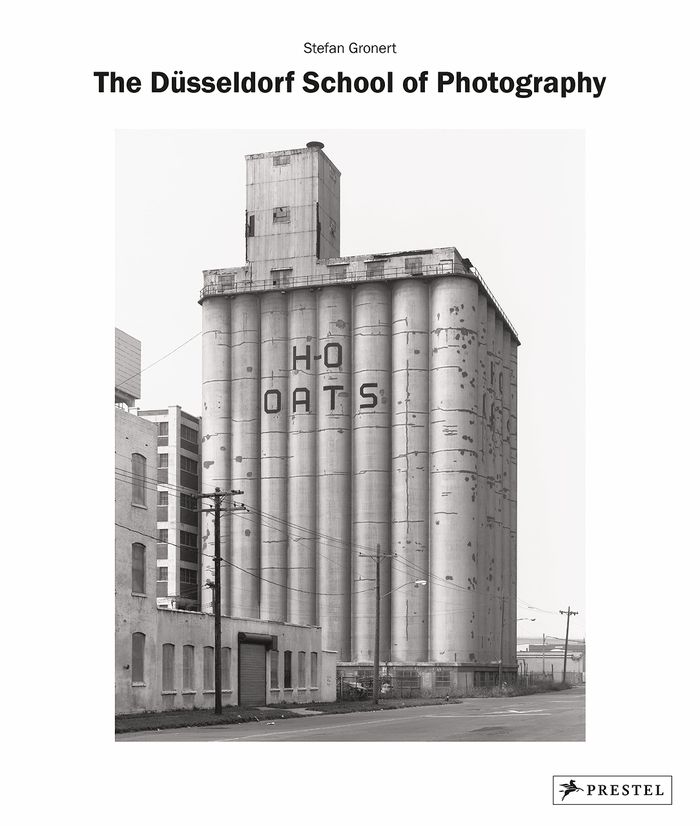
Inspired and guided by Bernd and Hiller Becher, themselves pioneers in the area of documentary photography, the artists of Germany’s Düsseldorf School not only pushed the boundaries of their teachers’ practice, but also ushered in three generations of technical and compositional achievement that is rivalled in importance only by the arrival of colour photography. This book introduces readers to the historic, cultural, and scientific environments in which the Bechers’ practice thrived. It explores the teaching philosophies with which they encouraged their students, and considers the qualities that highlight the Düsseldorf School: intricate detail, large scale, painterly distance combined with an immersive quality. The plate section, organized by artist, features 160 images by Andreas Gursky, Thomas Struth, Thomas Ruff, Candida Höfer, Axel Hütte, Laurenz Berges, Elger Esser, Simone Nieweg, Jörg Sasse, and Petra Wunderlich.
The Düsseldorf School of Photography
Actions:
Prix:
$79.00
(disponible en magasin)
Résumé:
Inspired and guided by Bernd and Hiller Becher, themselves pioneers in the area of documentary photography, the artists of Germany’s Düsseldorf School not only pushed the boundaries of their teachers’ practice, but also ushered in three generations of technical and compositional achievement that is rivalled in importance only by the arrival of colour photography. This book introduces readers to the historic, cultural, and scientific environments in which the Bechers’ practice thrived. It explores the teaching philosophies with which they encouraged their students, and considers the qualities that highlight the Düsseldorf School: intricate detail, large scale, painterly distance combined with an immersive quality. The plate section, organized by artist, features 160 images by Andreas Gursky, Thomas Struth, Thomas Ruff, Candida Höfer, Axel Hütte, Laurenz Berges, Elger Esser, Simone Nieweg, Jörg Sasse, and Petra Wunderlich.
Classification:
livres
livres
Publication:
février 2022
février 2022
Sujet:
Photographie- collections
Photographie- collections


