


2285 Résultats
Classification:
livres
livres
Actions:
Prix:
$44.95
(disponible sur commande)
Résumé:
New ideas and concepts for urban architecture and landscape architecture from the Netherlands: this survey takes stock of the current situation. In any discussion on contemporary landscape architecture, visionary urban development or revolutionary building, it is impossible to overlook the Netherlands. The experts look to this small, flat country which constantly(...)
$44.95
(disponible sur commande)
Résumé:
New ideas and concepts for urban architecture and landscape architecture from the Netherlands: this survey takes stock of the current situation. In any discussion on contemporary landscape architecture, visionary urban development or revolutionary building, it is impossible to overlook the Netherlands. The experts look to this small, flat country which constantly(...)
Titre:
The Netherlands in focus : exemplary ideas and concepts for town and landscape
Actions:
Prix:
$44.95
(disponible sur commande)
Résumé:
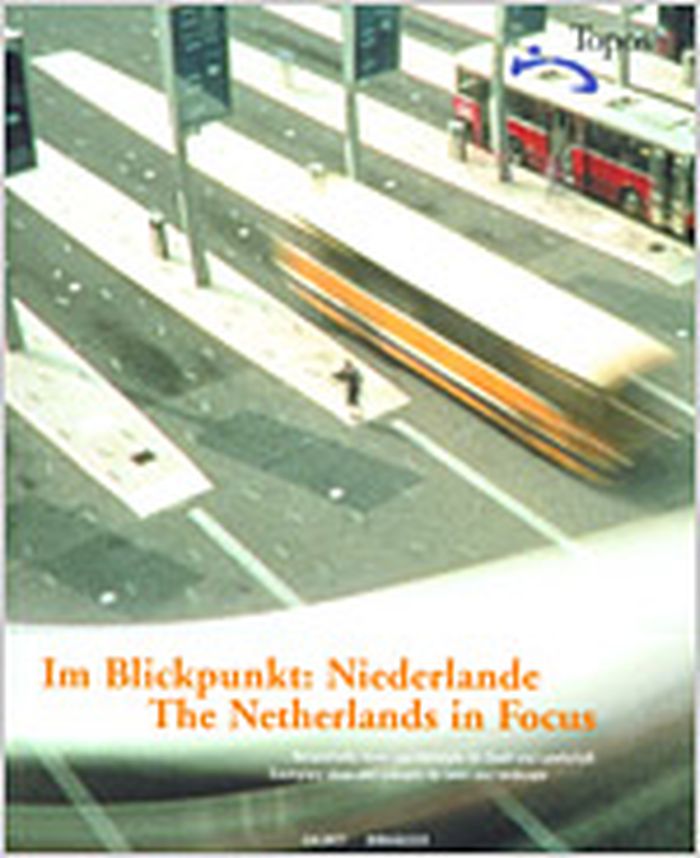
New ideas and concepts for urban architecture and landscape architecture from the Netherlands: this survey takes stock of the current situation. In any discussion on contemporary landscape architecture, visionary urban development or revolutionary building, it is impossible to overlook the Netherlands. The experts look to this small, flat country which constantly seeks to exceed its narrow boundaries by creating new space. The Netherlands is crowded and so it is hardly surprising that architects endeavour to "stack" landscapes and functions as the Dutch pavilion in the Expo 2000, designed by MVRDV demonstrated. Here, new ideas and concepts in architecture and landscape design fall on the fertile ground. Rem Koolhaas had prepared the way: nothing must stay as it is, even the open countryside and the towns can be changed, moulded, shaped. The Dutch are experts at building in the sea, on polders, on man-made islands, and on former harbour areas as in Rotterdam Kop van Zuid. Architecture and landscape architecture are not only a matter of public interest but they are ongoing processes in the Netherlands, and this is reflected in many of the projects in this book which include the gardens and squares of West 8, the Museumsplein in Amsterdam, the town planning in Zutphen or Apeldoorn. The examples have all been published in different contexts in Topos, but this is the first time that they have been collated to provide an illuminating overview of contemporary Dutch landscape architecture.
The Netherlands in focus : exemplary ideas and concepts for town and landscape
Actions:
Prix:
$44.95
(disponible sur commande)
Résumé:
New ideas and concepts for urban architecture and landscape architecture from the Netherlands: this survey takes stock of the current situation. In any discussion on contemporary landscape architecture, visionary urban development or revolutionary building, it is impossible to overlook the Netherlands. The experts look to this small, flat country which constantly seeks to exceed its narrow boundaries by creating new space. The Netherlands is crowded and so it is hardly surprising that architects endeavour to "stack" landscapes and functions as the Dutch pavilion in the Expo 2000, designed by MVRDV demonstrated. Here, new ideas and concepts in architecture and landscape design fall on the fertile ground. Rem Koolhaas had prepared the way: nothing must stay as it is, even the open countryside and the towns can be changed, moulded, shaped. The Dutch are experts at building in the sea, on polders, on man-made islands, and on former harbour areas as in Rotterdam Kop van Zuid. Architecture and landscape architecture are not only a matter of public interest but they are ongoing processes in the Netherlands, and this is reflected in many of the projects in this book which include the gardens and squares of West 8, the Museumsplein in Amsterdam, the town planning in Zutphen or Apeldoorn. The examples have all been published in different contexts in Topos, but this is the first time that they have been collated to provide an illuminating overview of contemporary Dutch landscape architecture.
Classification:
livres
livres
Publication:
mars 2002, Munich / Basel
mars 2002, Munich / Basel
Sujet:
Jardins
Jardins
Classification:
livres
livres
Actions:
Prix:
$13.95
(disponible en magasin)
Résumé:
Sellafield, Europe's largest nuclear site, began being decommissioned in 2022. Its primary purpose was to produce weapons-grade plutonium for the UK's nuclear weapons programme, but they also generated electrical power for the National Grid from 1956-2003 and reprocessed nuclear fuel from 1952 to 2022. In 1985, Barry Lewis photographed part of the plant for The Sunday(...)
$13.95
(disponible en magasin)
Résumé:
Sellafield, Europe's largest nuclear site, began being decommissioned in 2022. Its primary purpose was to produce weapons-grade plutonium for the UK's nuclear weapons programme, but they also generated electrical power for the National Grid from 1956-2003 and reprocessed nuclear fuel from 1952 to 2022. In 1985, Barry Lewis photographed part of the plant for The Sunday(...)
Titre:
Barry Lewis: Sellafield Nuclear Site 1985
Actions:
Prix:
$13.95
(disponible en magasin)
Résumé:
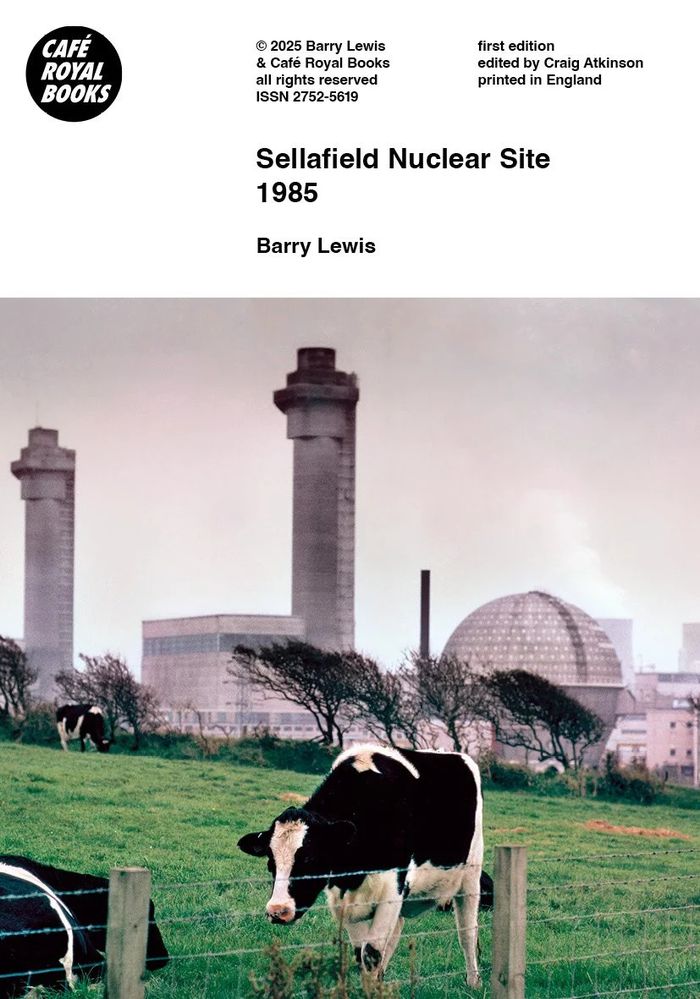
Sellafield, Europe's largest nuclear site, began being decommissioned in 2022. Its primary purpose was to produce weapons-grade plutonium for the UK's nuclear weapons programme, but they also generated electrical power for the National Grid from 1956-2003 and reprocessed nuclear fuel from 1952 to 2022. In 1985, Barry Lewis photographed part of the plant for The Sunday Times Magazine after reports found an increased incidence of leukaemia and non-Hodgkin lymphoma in children and young adults under 25 years of age living in Seascale, a village near Sellafield on the west coast of Cumbria. A government report suggested that these spikes were unlikely to have been caused by radiation exposure though the causes of these clusters of leukaemia around Sellafield was still not clear. 100Kg of plutonium had been pumped out of Sellafield into the Irish sea during the previous 40 years and 60Kg was unaccounted for. Any plutonium dust that is washed inshore, and when the tide goes out, could dry and blow inland. A single speck of plutonium inhaled is enough to trigger cancer. Sellafield is now a sprawling rubbish dump on the Cumbrian coast, with the world's largest store of plutonium that stores and treats decades of nuclear waste from atomic power generation and weapons programmes.The buildings are expected to be finally torn down by 2125 at a cost of approaching £100 billion and have its nuclear waste buried deep underground at a location still undecided.
Barry Lewis: Sellafield Nuclear Site 1985
Actions:
Prix:
$13.95
(disponible en magasin)
Résumé:
Sellafield, Europe's largest nuclear site, began being decommissioned in 2022. Its primary purpose was to produce weapons-grade plutonium for the UK's nuclear weapons programme, but they also generated electrical power for the National Grid from 1956-2003 and reprocessed nuclear fuel from 1952 to 2022. In 1985, Barry Lewis photographed part of the plant for The Sunday Times Magazine after reports found an increased incidence of leukaemia and non-Hodgkin lymphoma in children and young adults under 25 years of age living in Seascale, a village near Sellafield on the west coast of Cumbria. A government report suggested that these spikes were unlikely to have been caused by radiation exposure though the causes of these clusters of leukaemia around Sellafield was still not clear. 100Kg of plutonium had been pumped out of Sellafield into the Irish sea during the previous 40 years and 60Kg was unaccounted for. Any plutonium dust that is washed inshore, and when the tide goes out, could dry and blow inland. A single speck of plutonium inhaled is enough to trigger cancer. Sellafield is now a sprawling rubbish dump on the Cumbrian coast, with the world's largest store of plutonium that stores and treats decades of nuclear waste from atomic power generation and weapons programmes.The buildings are expected to be finally torn down by 2125 at a cost of approaching £100 billion and have its nuclear waste buried deep underground at a location still undecided.
Classification:
livres
livres
Publication:
avril 2026
avril 2026
Sujet:
Monographies photo
Monographies photo
Classification:
livres
livres
Titre:
Lost architectures
Lost architectures
Actions:
Prix:
$55.50
(disponible sur commande)
Résumé:
This book stands in opposition to the popular notion that the best architecture is built on compromise. Rather, Neil Spiller argues, the most original and brave products of the architectural mind are often to be found in those projects which, for whatever reason, never came to fruition. (...)
$55.50
(disponible sur commande)
Résumé:
This book stands in opposition to the popular notion that the best architecture is built on compromise. Rather, Neil Spiller argues, the most original and brave products of the architectural mind are often to be found in those projects which, for whatever reason, never came to fruition. (...)
Publication:
janvier 2001, Great Britain
janvier 2001, Great Britain
Titre:
Lost architectures
Actions:
Prix:
$55.50
(disponible sur commande)
Résumé:
This book stands in opposition to the popular notion that the best architecture is built on compromise. Rather, Neil Spiller argues, the most original and brave products of the architectural mind are often to be found in those projects which, for whatever reason, never came to fruition. "Lost Architectures" presents an array of such projects from the last decades of the twentieth century, consituting the unrealised dreams of some of the most inspirational architects working in the period. Most of the projects featured here have seldom, if ever, been published before, and some represent the last hand-drawn work of their creators before the age of the computer finally came into full force. Whilst they do not follow any specific style, these projects embody a spirit defined by Spiller as New Romanticism - a spirit which combines elements of aesthetic decadence and a certain camp mannerism with a love of angularity and mechanised ritual. Some of the architects in question are still in practice, with a great deal of high-profile built work behind them; others have never been recognised as they perhaps should have been. In both cases, this book is an invaluable resource of information and inspiration for students of architecture, as well as for theorists, historians and lay readers. It provides essential exposure for a range of work of great vitality which might otherwise risk being lost in the course of time.
Lost architectures
Actions:
Prix:
$55.50
(disponible sur commande)
Résumé:
This book stands in opposition to the popular notion that the best architecture is built on compromise. Rather, Neil Spiller argues, the most original and brave products of the architectural mind are often to be found in those projects which, for whatever reason, never came to fruition. "Lost Architectures" presents an array of such projects from the last decades of the twentieth century, consituting the unrealised dreams of some of the most inspirational architects working in the period. Most of the projects featured here have seldom, if ever, been published before, and some represent the last hand-drawn work of their creators before the age of the computer finally came into full force. Whilst they do not follow any specific style, these projects embody a spirit defined by Spiller as New Romanticism - a spirit which combines elements of aesthetic decadence and a certain camp mannerism with a love of angularity and mechanised ritual. Some of the architects in question are still in practice, with a great deal of high-profile built work behind them; others have never been recognised as they perhaps should have been. In both cases, this book is an invaluable resource of information and inspiration for students of architecture, as well as for theorists, historians and lay readers. It provides essential exposure for a range of work of great vitality which might otherwise risk being lost in the course of time.
Classification:
livres
livres
Publication:
janvier 2001, Great Britain
janvier 2001, Great Britain
Classification:
livres
livres
Titre:
Zero yen houses
Zero yen houses
Actions:
Prix:
$75.00
(disponible sur commande)
Résumé:
A lean-to in an urban park, featuring a blue tarpaulin roof, a hinged door, and a bamboo blind. A car-shaped cardboard hut, lashed together with rope and sitting on a dolly. Temporary lodging under a bridge, incorporating a piece of playground equipment into its design. Each of these structures is an example of what Japanese artist and architect Kyohei Sakaguchi calls a(...)
$75.00
(disponible sur commande)
Résumé:
A lean-to in an urban park, featuring a blue tarpaulin roof, a hinged door, and a bamboo blind. A car-shaped cardboard hut, lashed together with rope and sitting on a dolly. Temporary lodging under a bridge, incorporating a piece of playground equipment into its design. Each of these structures is an example of what Japanese artist and architect Kyohei Sakaguchi calls a(...)
Titre:
Zero yen houses
Actions:
Prix:
$75.00
(disponible sur commande)
Résumé:
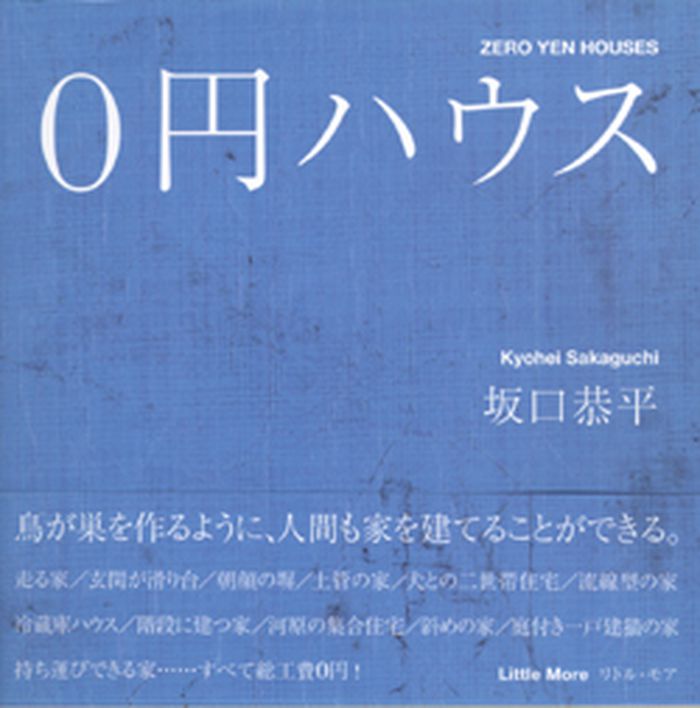
A lean-to in an urban park, featuring a blue tarpaulin roof, a hinged door, and a bamboo blind. A car-shaped cardboard hut, lashed together with rope and sitting on a dolly. Temporary lodging under a bridge, incorporating a piece of playground equipment into its design. Each of these structures is an example of what Japanese artist and architect Kyohei Sakaguchi calls a "zero-yen house".Built by the homeless of Tokyo, Osaka, and Nagoya, zero-yen houses employ discarded and found materials, including pieces of wood and corrugated roofing, temple ornaments, blankets, shipping pallets, an umbrella, and those ubiquitous blue tarps. They also incorporate into their assembly the imminence of their disassembly: at any moment, they may have to be taken apart and moved.Since his days as a university student at the turn of the millennium, Sakaguchi has been studying the kinds of shelters that street people have created for themselves in Japan's three largest cities. Based in Tokyo, he appears to be obsessed with this peculiar and transient form of "vernacular architecture". Sakaguchi uses images, descriptions, and even facsimiles of the improvised homes of the homeless as a way of celebrating human resourcefulness and ingenuity. These dwellings, he tells us, are worthy of our interest and admiration rather than our indifference, our scorn, or even our pity. They can instruct us on an approach to architecture that is the reverse of overconsumption and resource depletion.
Zero yen houses
Actions:
Prix:
$75.00
(disponible sur commande)
Résumé:
A lean-to in an urban park, featuring a blue tarpaulin roof, a hinged door, and a bamboo blind. A car-shaped cardboard hut, lashed together with rope and sitting on a dolly. Temporary lodging under a bridge, incorporating a piece of playground equipment into its design. Each of these structures is an example of what Japanese artist and architect Kyohei Sakaguchi calls a "zero-yen house".Built by the homeless of Tokyo, Osaka, and Nagoya, zero-yen houses employ discarded and found materials, including pieces of wood and corrugated roofing, temple ornaments, blankets, shipping pallets, an umbrella, and those ubiquitous blue tarps. They also incorporate into their assembly the imminence of their disassembly: at any moment, they may have to be taken apart and moved.Since his days as a university student at the turn of the millennium, Sakaguchi has been studying the kinds of shelters that street people have created for themselves in Japan's three largest cities. Based in Tokyo, he appears to be obsessed with this peculiar and transient form of "vernacular architecture". Sakaguchi uses images, descriptions, and even facsimiles of the improvised homes of the homeless as a way of celebrating human resourcefulness and ingenuity. These dwellings, he tells us, are worthy of our interest and admiration rather than our indifference, our scorn, or even our pity. They can instruct us on an approach to architecture that is the reverse of overconsumption and resource depletion.
Classification:
livres
livres
Publication:
janvier 2004, Tokyo
janvier 2004, Tokyo
Sujet:
Architecture résidentielle
Architecture résidentielle
Classification:
livres
livres

Actions:
Prix:
$115.00
(disponible en magasin)
Résumé:
With the publication of his serialized photo-essay Hikari to Kage (Light and Shadow) in the first issues of the magazine, Shashin Jidai, Daido Moriyama announced his return to photography after nearly a decade. Moriyama had been mired in an acute creative slump from his mid thirties, since the publication of his seminal book, Shashin yo Sayonara (Farewell Photography) in(...)
$115.00
(disponible en magasin)
Résumé:
With the publication of his serialized photo-essay Hikari to Kage (Light and Shadow) in the first issues of the magazine, Shashin Jidai, Daido Moriyama announced his return to photography after nearly a decade. Moriyama had been mired in an acute creative slump from his mid thirties, since the publication of his seminal book, Shashin yo Sayonara (Farewell Photography) in(...)
Titre:
Daido Moriyama Shashin Jidai 1981-1988
Actions:
Prix:
$115.00
(disponible en magasin)
Résumé:
With the publication of his serialized photo-essay Hikari to Kage (Light and Shadow) in the first issues of the magazine, Shashin Jidai, Daido Moriyama announced his return to photography after nearly a decade. Moriyama had been mired in an acute creative slump from his mid thirties, since the publication of his seminal book, Shashin yo Sayonara (Farewell Photography) in 1972. Unable to take nearly any photos for a prolonged period, he turned to illicit drugs, ultimately wasting away to little more than 40 kgs before he hit physical and emotional rock bottom. Lured back by Akira Hasegawa, Shashin Jidai’s editor, he was invited to contribute photographs for each issue. This began a long relationship between Moriyama and Shashin Jidai. He would ultimately make a total of six serialized essays that appeared through sixty-three issues (in every issue but one) until its’ demise in April 1988. During this period Moriyama worked almost exclusively for Shasin Jidai and was given a free hand to explore and experiment and in the process evolved a new aesthetic that still informs his photography today. Tragically, more than eighty percent of his negatives were lost from this pivotal body of work. In Daido Moriyama Shashin Jidai 1981–1988 the complete run of essays or chapters that appeared concurrently in Shashin Jidai are brought together for the first time, representing the only way to appreciate them without acquiring the original magazines themselves.
Daido Moriyama Shashin Jidai 1981-1988
Actions:
Prix:
$115.00
(disponible en magasin)
Résumé:
With the publication of his serialized photo-essay Hikari to Kage (Light and Shadow) in the first issues of the magazine, Shashin Jidai, Daido Moriyama announced his return to photography after nearly a decade. Moriyama had been mired in an acute creative slump from his mid thirties, since the publication of his seminal book, Shashin yo Sayonara (Farewell Photography) in 1972. Unable to take nearly any photos for a prolonged period, he turned to illicit drugs, ultimately wasting away to little more than 40 kgs before he hit physical and emotional rock bottom. Lured back by Akira Hasegawa, Shashin Jidai’s editor, he was invited to contribute photographs for each issue. This began a long relationship between Moriyama and Shashin Jidai. He would ultimately make a total of six serialized essays that appeared through sixty-three issues (in every issue but one) until its’ demise in April 1988. During this period Moriyama worked almost exclusively for Shasin Jidai and was given a free hand to explore and experiment and in the process evolved a new aesthetic that still informs his photography today. Tragically, more than eighty percent of his negatives were lost from this pivotal body of work. In Daido Moriyama Shashin Jidai 1981–1988 the complete run of essays or chapters that appeared concurrently in Shashin Jidai are brought together for the first time, representing the only way to appreciate them without acquiring the original magazines themselves.
Classification:
livres
livres
Publication:
novembre 2023
novembre 2023
Sujet:
Monographies photo
Monographies photo
Classification:
livres
livres
Prix:
$27.00
(disponible sur commande)
Résumé:
Imagine a world without things. There would be nothing to describe, nothing to explain, remark, interpret, or complain about. Without things, we would stop speaking; we would become as mute as things are alleged to be. In nine original essays, internationally renowned historians of art and of science seek to understand how objects become charged with significance without(...)
$27.00
(disponible sur commande)
Résumé:
Imagine a world without things. There would be nothing to describe, nothing to explain, remark, interpret, or complain about. Without things, we would stop speaking; we would become as mute as things are alleged to be. In nine original essays, internationally renowned historians of art and of science seek to understand how objects become charged with significance without(...)
Titre:
Things that talk : Object lessons from art and science
Actions:
Prix:
$27.00
(disponible sur commande)
Résumé:
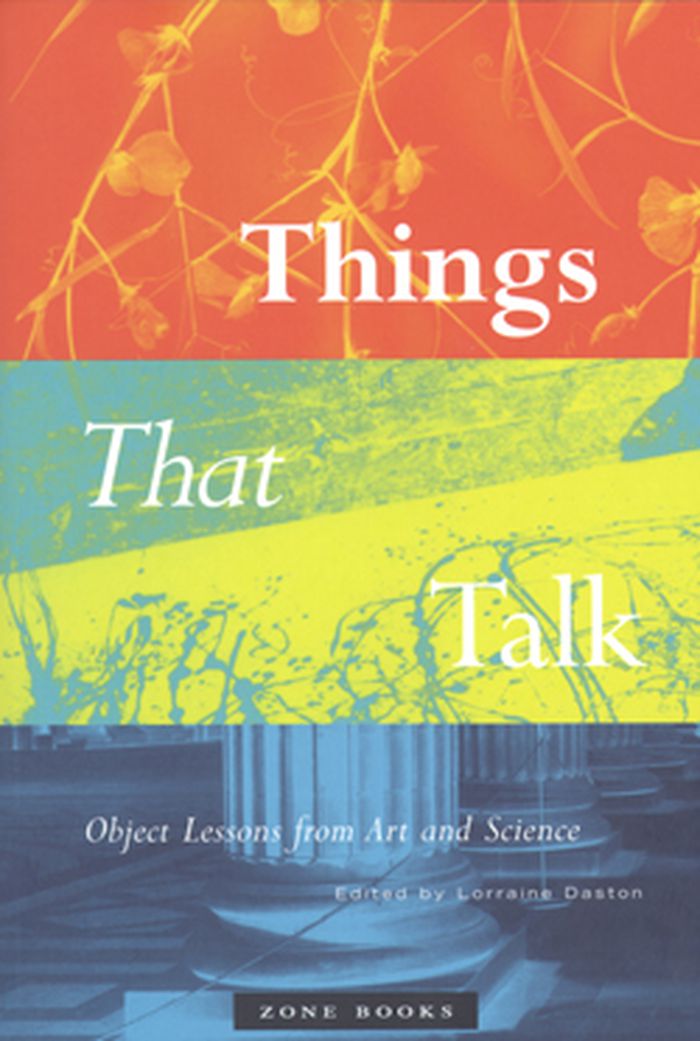
Imagine a world without things. There would be nothing to describe, nothing to explain, remark, interpret, or complain about. Without things, we would stop speaking; we would become as mute as things are alleged to be. In nine original essays, internationally renowned historians of art and of science seek to understand how objects become charged with significance without losing their gritty materiality. True to the particularity of things, each of the essays singles out one object for close attention: a Bosch drawing, the freestanding column, a Prussian island, soap bubbles, early photographs, glass flowers, Rorschach blots, newspaper clippings, paintings by Jackson Pollock. Each is revealed to be a node around which meanings accrete thickly. But not just any meanings: what these things are made of and how they are made shape what they can mean. Neither the pure texts of semiotics nor the brute objects of positivism, these things are saturated with cultural significance. Things become talkative when they fuse matter and meaning; they lapse into speechlessness when their matter and meanings no longer mesh. Each of the nine objects examined in this book had its historical moment, when the match of this thing to that thought seemed irresistible. At these junctures, certain things become objects of fascination, association, and endless consideration; they begin to talk. Things that talk fleetingly realize the dream of a perfect language, in which words and world merge.
Things that talk : Object lessons from art and science
Actions:
Prix:
$27.00
(disponible sur commande)
Résumé:
Imagine a world without things. There would be nothing to describe, nothing to explain, remark, interpret, or complain about. Without things, we would stop speaking; we would become as mute as things are alleged to be. In nine original essays, internationally renowned historians of art and of science seek to understand how objects become charged with significance without losing their gritty materiality. True to the particularity of things, each of the essays singles out one object for close attention: a Bosch drawing, the freestanding column, a Prussian island, soap bubbles, early photographs, glass flowers, Rorschach blots, newspaper clippings, paintings by Jackson Pollock. Each is revealed to be a node around which meanings accrete thickly. But not just any meanings: what these things are made of and how they are made shape what they can mean. Neither the pure texts of semiotics nor the brute objects of positivism, these things are saturated with cultural significance. Things become talkative when they fuse matter and meaning; they lapse into speechlessness when their matter and meanings no longer mesh. Each of the nine objects examined in this book had its historical moment, when the match of this thing to that thought seemed irresistible. At these junctures, certain things become objects of fascination, association, and endless consideration; they begin to talk. Things that talk fleetingly realize the dream of a perfect language, in which words and world merge.
Classification:
livres
livres
Publication:
novembre 2007, New York
novembre 2007, New York
Sujet:
Théorie/ philosophie
Théorie/ philosophie
Classification:
livres
livres
Prix:
$60.00
(disponible en magasin)
Résumé:
The new volume in the series “from the Collection”, by André Tavares and Susanne Cotter, presents the documentary spectrum that makes up the Álvaro Siza Archive, recently integrated into the Serralves Collection. Taken as raw material to build knowledge and generate a new understanding of Siza's work, the Archive reveals the incessant use of drawing as a working tool,(...)
$60.00
(disponible en magasin)
Résumé:
The new volume in the series “from the Collection”, by André Tavares and Susanne Cotter, presents the documentary spectrum that makes up the Álvaro Siza Archive, recently integrated into the Serralves Collection. Taken as raw material to build knowledge and generate a new understanding of Siza's work, the Archive reveals the incessant use of drawing as a working tool,(...)
Publication:
janvier 2018
janvier 2018
Titre:
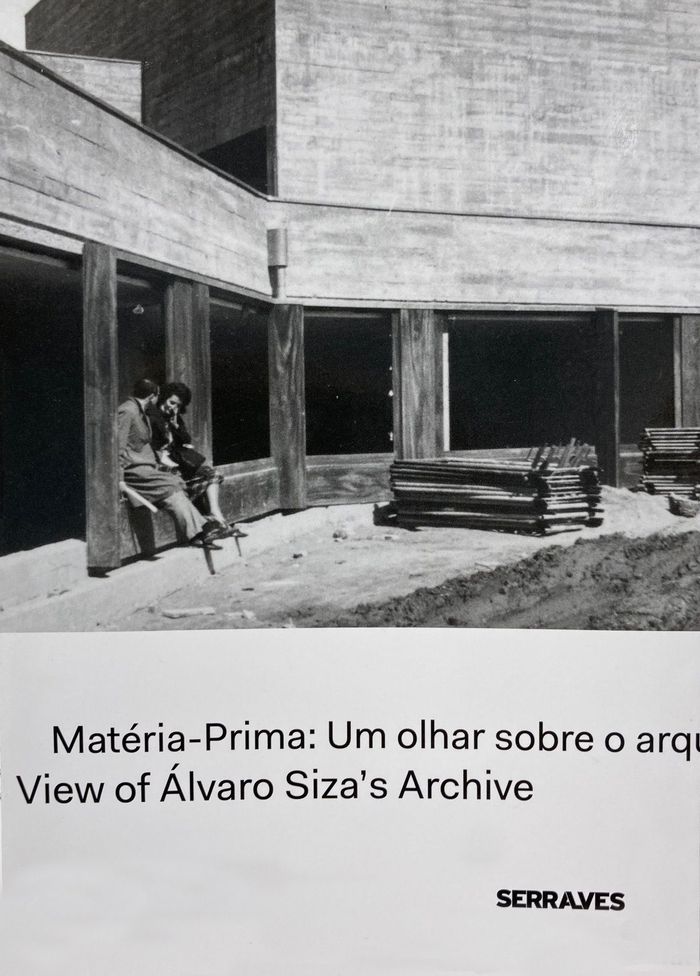
Materia-prima / Raw material : a view of Álvaro Siza's archive
Actions:
Prix:
$60.00
(disponible en magasin)
Résumé:
The new volume in the series “from the Collection”, by André Tavares and Susanne Cotter, presents the documentary spectrum that makes up the Álvaro Siza Archive, recently integrated into the Serralves Collection. Taken as raw material to build knowledge and generate a new understanding of Siza's work, the Archive reveals the incessant use of drawing as a working tool, the prefiguration of forms and spaces through sketch and technical drawing in a process of successive approximation to the desired result. But it also reveals various documentation — correspondence with clients, photographic records of places waiting for the works, opinions of the multiple actors involved in the construction processes, minutes of meetings and reports of tensions in the construction sites — which testify to an infinity of episodes that, despite invisible in the constructed work, contribute to the definition of a unique practice. Álvaro Siza is one of the most emblematic architects of the 20th century, and one of the names with which Portugal is associated in any part of the world, winner of the Pritzker Prize in 1992. It was in 1991 that Álvaro Siza was invited to design the Museum of Art Contemporary by Serralves, which opened in 1999. In 2019, he completed the architectural project for the Casa do Cinema Manoel de Oliveira and in 2021 the restoration and adaptation of the Casa de Serralves. Maintaining, until today, a collaborative relationship with the institution and its programming.
Materia-prima / Raw material : a view of Álvaro Siza's archive
Actions:
Prix:
$60.00
(disponible en magasin)
Résumé:
The new volume in the series “from the Collection”, by André Tavares and Susanne Cotter, presents the documentary spectrum that makes up the Álvaro Siza Archive, recently integrated into the Serralves Collection. Taken as raw material to build knowledge and generate a new understanding of Siza's work, the Archive reveals the incessant use of drawing as a working tool, the prefiguration of forms and spaces through sketch and technical drawing in a process of successive approximation to the desired result. But it also reveals various documentation — correspondence with clients, photographic records of places waiting for the works, opinions of the multiple actors involved in the construction processes, minutes of meetings and reports of tensions in the construction sites — which testify to an infinity of episodes that, despite invisible in the constructed work, contribute to the definition of a unique practice. Álvaro Siza is one of the most emblematic architects of the 20th century, and one of the names with which Portugal is associated in any part of the world, winner of the Pritzker Prize in 1992. It was in 1991 that Álvaro Siza was invited to design the Museum of Art Contemporary by Serralves, which opened in 1999. In 2019, he completed the architectural project for the Casa do Cinema Manoel de Oliveira and in 2021 the restoration and adaptation of the Casa de Serralves. Maintaining, until today, a collaborative relationship with the institution and its programming.
Classification:
livres
livres
Publication:
janvier 2018
janvier 2018
Classification:
livres
livres
Actions:
Prix:
$26.95
(disponible en magasin)
Résumé:
In 2006, even though he could barely type, China's most famous artist started blogging. For more than three years, Ai Weiwei turned out a steady stream of scathing social commentary, criticism of government policy, thoughts on art and architecture, and autobiographical writings. He wrote about the Sichuan earthquake (and posted a list of the schoolchildren who died(...)
$26.95
(disponible en magasin)
Résumé:
In 2006, even though he could barely type, China's most famous artist started blogging. For more than three years, Ai Weiwei turned out a steady stream of scathing social commentary, criticism of government policy, thoughts on art and architecture, and autobiographical writings. He wrote about the Sichuan earthquake (and posted a list of the schoolchildren who died(...)
Titre:
Ai Weiwei's blog : writings, interviews, and digital rants, 2006-2009
Actions:
Prix:
$26.95
(disponible en magasin)
Résumé:
In 2006, even though he could barely type, China's most famous artist started blogging. For more than three years, Ai Weiwei turned out a steady stream of scathing social commentary, criticism of government policy, thoughts on art and architecture, and autobiographical writings. He wrote about the Sichuan earthquake (and posted a list of the schoolchildren who died because of the government’s "tofu-dregs engineering"), reminisced about Andy Warhol and the East Village art scene, described the irony of being investigated for "fraud" by the Ministry of Public Security, made a modest proposal for tax collection. Then, on June 1, 2009, Chinese authorities shut down the blog. This book offers a collection of Ai's online writings translated into English - the most complete, public documentation of the original Chinese blog available in any language. The New York Times has called Ai "a figure of Warholian celebrity." He is a leading figure on the international art scene, a regular in museums and biennials, but in China he is a manifold and controversial presence : artist, architect, curator, social critic, justice-seeker. He was a consultant on the design of the famous "Bird’s Nest" stadium but called for an Olympic boycott; he received a Chinese Contemporary Art "lifetime achievement award" in 2008 but was beaten by the police in connection with his "citizen investigation" of earthquake casualties in 2009. This publication documents Ai's passion, his genius, his hubris, his righteous anger, and his vision for China.
Ai Weiwei's blog : writings, interviews, and digital rants, 2006-2009
Actions:
Prix:
$26.95
(disponible en magasin)
Résumé:
In 2006, even though he could barely type, China's most famous artist started blogging. For more than three years, Ai Weiwei turned out a steady stream of scathing social commentary, criticism of government policy, thoughts on art and architecture, and autobiographical writings. He wrote about the Sichuan earthquake (and posted a list of the schoolchildren who died because of the government’s "tofu-dregs engineering"), reminisced about Andy Warhol and the East Village art scene, described the irony of being investigated for "fraud" by the Ministry of Public Security, made a modest proposal for tax collection. Then, on June 1, 2009, Chinese authorities shut down the blog. This book offers a collection of Ai's online writings translated into English - the most complete, public documentation of the original Chinese blog available in any language. The New York Times has called Ai "a figure of Warholian celebrity." He is a leading figure on the international art scene, a regular in museums and biennials, but in China he is a manifold and controversial presence : artist, architect, curator, social critic, justice-seeker. He was a consultant on the design of the famous "Bird’s Nest" stadium but called for an Olympic boycott; he received a Chinese Contemporary Art "lifetime achievement award" in 2008 but was beaten by the police in connection with his "citizen investigation" of earthquake casualties in 2009. This publication documents Ai's passion, his genius, his hubris, his righteous anger, and his vision for China.
Classification:
livres
livres
Publication:
mars 2011
mars 2011
Classification:
livres
livres
Prix:
$13.95
(disponible sur commande)
Résumé:
In 1975, when political scientist Benedict Anderson reached Wat Phai Rong Wua, a massive temple complex in rural Thailand conceived by Buddhist monk Luang Phor Khom, he felt he had wandered into a demented Disneyland. One of the world's most bizarre tourist attractions, Wat Phai Rong Wua was designed as a cautionary museum of sorts; its gruesome statues depict violent and(...)
$13.95
(disponible sur commande)
Résumé:
In 1975, when political scientist Benedict Anderson reached Wat Phai Rong Wua, a massive temple complex in rural Thailand conceived by Buddhist monk Luang Phor Khom, he felt he had wandered into a demented Disneyland. One of the world's most bizarre tourist attractions, Wat Phai Rong Wua was designed as a cautionary museum of sorts; its gruesome statues depict violent and(...)
Titre:
The fate of rural hell : ascetism and desire in buddhist Thailand
Actions:
Prix:
$13.95
(disponible sur commande)
Résumé:
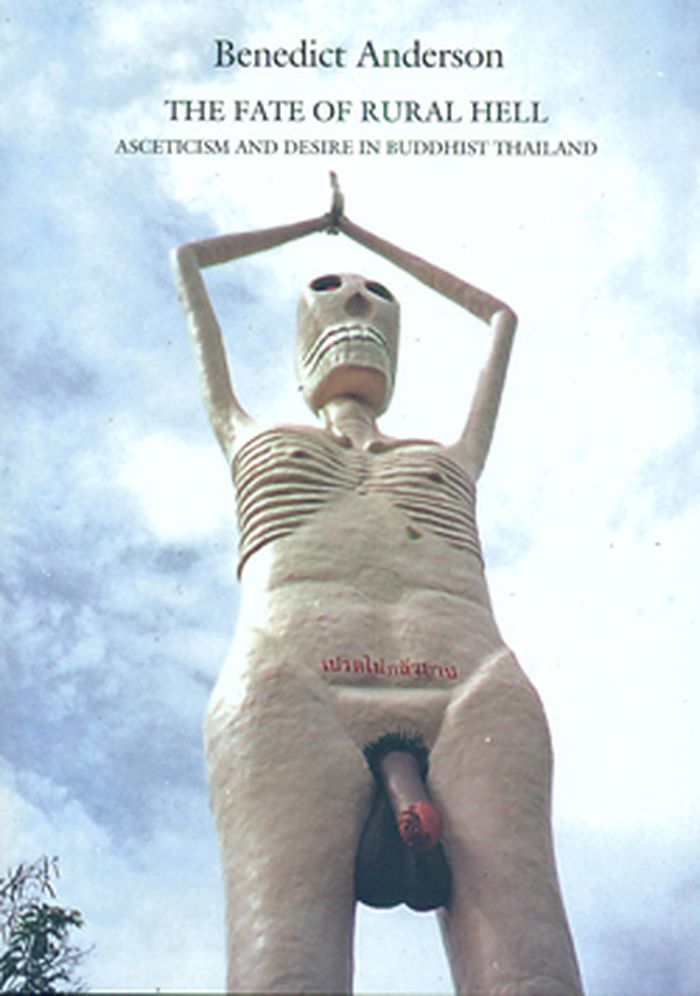
In 1975, when political scientist Benedict Anderson reached Wat Phai Rong Wua, a massive temple complex in rural Thailand conceived by Buddhist monk Luang Phor Khom, he felt he had wandered into a demented Disneyland. One of the world's most bizarre tourist attractions, Wat Phai Rong Wua was designed as a cautionary museum of sorts; its gruesome statues depict violent and torturous scenes that showcase what hell may be like. Over the next few decades, Anderson found himself transfixed by this unusual amalgamation of objects, returning several times to see attractions like the largest metal-cast Buddha figure in the world and the Palace of a Hundred Spires. The concrete statuaries and perverse art in Luang Phor Khom's personal museum of hell included, 'side by side, an upright human skeleton in a glass cabinet and a life-size replica of Michelangelo's gigantic nude David, wearing fashionable red underpants from the top of which poked part of a swollen, un-Florentine penis,' alongside dozens of statues of evildoers being ferociously punished in their afterlife. In The Fate of Rural Hell, Anderson unravels the intrigue of this strange setting, trying to discover what compels so many Thai visitors to travel to this popular spectacle and what order, if any, inspired its creation. At the same time, he notes the unexpected effects of the gradual advance of capitalism into the far reaches of rural Asia.
The fate of rural hell : ascetism and desire in buddhist Thailand
Actions:
Prix:
$13.95
(disponible sur commande)
Résumé:
In 1975, when political scientist Benedict Anderson reached Wat Phai Rong Wua, a massive temple complex in rural Thailand conceived by Buddhist monk Luang Phor Khom, he felt he had wandered into a demented Disneyland. One of the world's most bizarre tourist attractions, Wat Phai Rong Wua was designed as a cautionary museum of sorts; its gruesome statues depict violent and torturous scenes that showcase what hell may be like. Over the next few decades, Anderson found himself transfixed by this unusual amalgamation of objects, returning several times to see attractions like the largest metal-cast Buddha figure in the world and the Palace of a Hundred Spires. The concrete statuaries and perverse art in Luang Phor Khom's personal museum of hell included, 'side by side, an upright human skeleton in a glass cabinet and a life-size replica of Michelangelo's gigantic nude David, wearing fashionable red underpants from the top of which poked part of a swollen, un-Florentine penis,' alongside dozens of statues of evildoers being ferociously punished in their afterlife. In The Fate of Rural Hell, Anderson unravels the intrigue of this strange setting, trying to discover what compels so many Thai visitors to travel to this popular spectacle and what order, if any, inspired its creation. At the same time, he notes the unexpected effects of the gradual advance of capitalism into the far reaches of rural Asia.
Classification:
livres
livres
Publication:
avril 2012
avril 2012
Sujet:
Théorie de l’art
Théorie de l’art
Classification:
livres
livres
Actions:
Prix:
$75.00
(disponible sur commande)
Résumé:
Working across an unusually broad range of media, including painting, photography, film, drawing and sculpture, Sigmar Polke is widely regarded as one of the most influential and experimental artists of the post-war generation. His irreverent wit and promiscuous intelligence, coupled with his exceptional grasp of the properties of his materials, provided the foundation(...)
$75.00
(disponible sur commande)
Résumé:
Working across an unusually broad range of media, including painting, photography, film, drawing and sculpture, Sigmar Polke is widely regarded as one of the most influential and experimental artists of the post-war generation. His irreverent wit and promiscuous intelligence, coupled with his exceptional grasp of the properties of his materials, provided the foundation(...)
Titre:
Alibis Sigmar Polke 1963-2010
Actions:
Prix:
$75.00
(disponible sur commande)
Résumé:
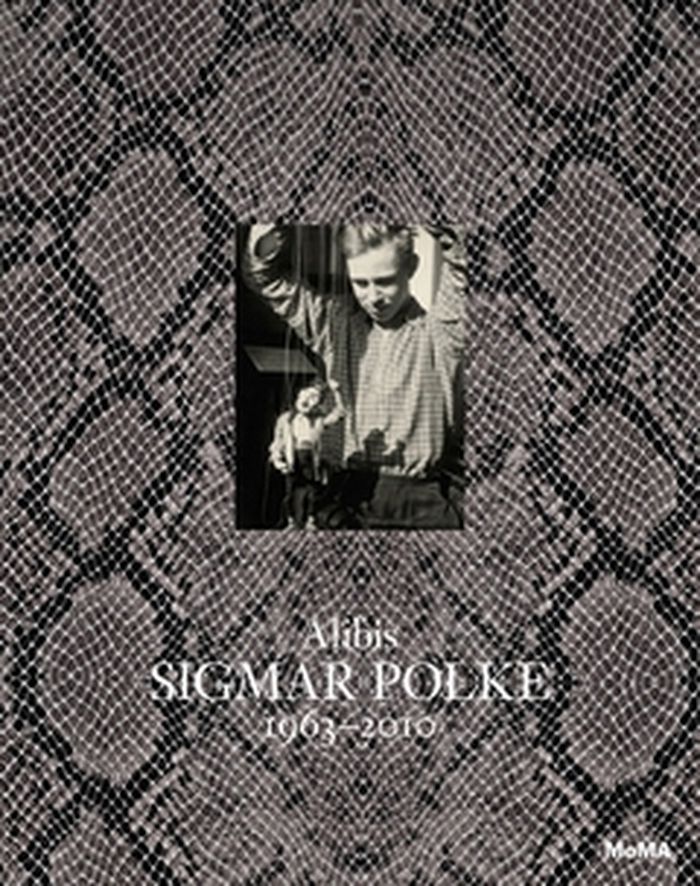
Working across an unusually broad range of media, including painting, photography, film, drawing and sculpture, Sigmar Polke is widely regarded as one of the most influential and experimental artists of the post-war generation. His irreverent wit and promiscuous intelligence, coupled with his exceptional grasp of the properties of his materials, provided the foundation for his punishing critiques of the conventions of art history and social behavior. Experimenting wildly with materials and tools as varied as meteor dust and the xerox machine, Polke made work of both an intimate and monumental scale, drawn from sources as diverse as newspaper headlines and Durer prints. Polke avoided any one signature style, a fluid method best defined by the word "alibi," which means "in or at another place." This also is a reminder of the deflection of responsibility which shaped German behavior during the Nazi period, compelling Polke's generation to reinvent the role of the artist. Published in conjunction with "Alibis: Sigmar Polke 1963-2010," the first exhibition to encompass the artist's work across all media, this richly illustrated publication provides an overview of his cross-disciplinary innovations and career. Essays by Kathy Halbreich, Associate Director of The Museum of Modern Art; Mark Godfrey, Curator of International Art, Tate Modern; and a range of scholars and artists examine the full range of Polke's exceptionally inventive oeuvre and place his enormous skepticism of all social, political and artistic conventions against German history.
Alibis Sigmar Polke 1963-2010
Actions:
Prix:
$75.00
(disponible sur commande)
Résumé:
Working across an unusually broad range of media, including painting, photography, film, drawing and sculpture, Sigmar Polke is widely regarded as one of the most influential and experimental artists of the post-war generation. His irreverent wit and promiscuous intelligence, coupled with his exceptional grasp of the properties of his materials, provided the foundation for his punishing critiques of the conventions of art history and social behavior. Experimenting wildly with materials and tools as varied as meteor dust and the xerox machine, Polke made work of both an intimate and monumental scale, drawn from sources as diverse as newspaper headlines and Durer prints. Polke avoided any one signature style, a fluid method best defined by the word "alibi," which means "in or at another place." This also is a reminder of the deflection of responsibility which shaped German behavior during the Nazi period, compelling Polke's generation to reinvent the role of the artist. Published in conjunction with "Alibis: Sigmar Polke 1963-2010," the first exhibition to encompass the artist's work across all media, this richly illustrated publication provides an overview of his cross-disciplinary innovations and career. Essays by Kathy Halbreich, Associate Director of The Museum of Modern Art; Mark Godfrey, Curator of International Art, Tate Modern; and a range of scholars and artists examine the full range of Polke's exceptionally inventive oeuvre and place his enormous skepticism of all social, political and artistic conventions against German history.
Classification:
livres
livres
Publication:
avril 2014
avril 2014


