


2314 Résultats
Classification:
livres
livres
Prix:
$58.00
(disponible sur commande)
Résumé:
Mobility shapes society in countless ways. Looking at society from the perspective of mobility reveals that its key moments of development coincide with the removal of obstacles to human flow—in the physical movement of people, goods, ideas, and spoken and written language. This book explores mobility in various essayistic modes, from visual essays to scientific essay to(...)
$58.00
(disponible sur commande)
Résumé:
Mobility shapes society in countless ways. Looking at society from the perspective of mobility reveals that its key moments of development coincide with the removal of obstacles to human flow—in the physical movement of people, goods, ideas, and spoken and written language. This book explores mobility in various essayistic modes, from visual essays to scientific essay to(...)
Sujet:
L'écologie de l'architecure
L'écologie de l'architecure
Publication:
décembre 2023
décembre 2023
Titre:
Mobility society: Society seen through the lens of mobilities
Actions:
Prix:
$58.00
(disponible sur commande)
Résumé:
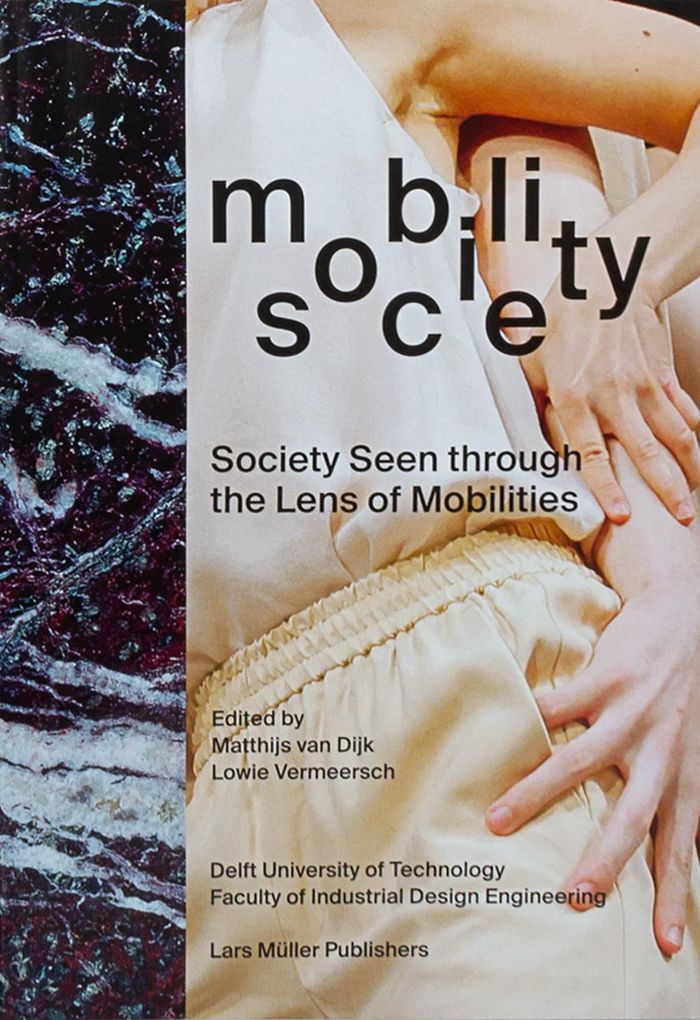
Mobility shapes society in countless ways. Looking at society from the perspective of mobility reveals that its key moments of development coincide with the removal of obstacles to human flow—in the physical movement of people, goods, ideas, and spoken and written language. This book explores mobility in various essayistic modes, from visual essays to scientific essay to broad cultural speculations. ''Mobility | Society'' addresses, among other topics, energy politics and oil’s grip on everyday life; urban transportation policy; the restrictions placed upon differently abled bodies; patterns of data flow; human mobility and Blackness; the politics of speed; concepts of "freedom" in relation to mobility; the appearance and experience of permanence in architectural and other objects; geological movement; and the politics of mobile phones. The design of the book encourages the reader to discover and explore unsuspected relations between mobilities and aspects of our evolving society.
Mobility society: Society seen through the lens of mobilities
Actions:
Prix:
$58.00
(disponible sur commande)
Résumé:
Mobility shapes society in countless ways. Looking at society from the perspective of mobility reveals that its key moments of development coincide with the removal of obstacles to human flow—in the physical movement of people, goods, ideas, and spoken and written language. This book explores mobility in various essayistic modes, from visual essays to scientific essay to broad cultural speculations. ''Mobility | Society'' addresses, among other topics, energy politics and oil’s grip on everyday life; urban transportation policy; the restrictions placed upon differently abled bodies; patterns of data flow; human mobility and Blackness; the politics of speed; concepts of "freedom" in relation to mobility; the appearance and experience of permanence in architectural and other objects; geological movement; and the politics of mobile phones. The design of the book encourages the reader to discover and explore unsuspected relations between mobilities and aspects of our evolving society.
Classification:
livres
livres
Publication:
décembre 2023
décembre 2023
Sujet:
L'écologie de l'architecure
L'écologie de l'architecure
Classification:
livres
livres
Titre:
Climate inheritance
Climate inheritance
Actions:
Prix:
$45.00
(disponible sur commande)
Résumé:
Climate Inheritance is a speculative design research publication that reckons with the complexity of world and heritage in the Anthropocene. The impacts of climate change on heritage sites—from Venice flooding to extinction in the Galápagos Islands—have garnered empathetic media attention in a landscape that has otherwise failed to communicate the urgency of the climate(...)
$45.00
(disponible sur commande)
Résumé:
Climate Inheritance is a speculative design research publication that reckons with the complexity of world and heritage in the Anthropocene. The impacts of climate change on heritage sites—from Venice flooding to extinction in the Galápagos Islands—have garnered empathetic media attention in a landscape that has otherwise failed to communicate the urgency of the climate(...)
Sujet:
L'écologie de l'architecure
L'écologie de l'architecure
Publication:
septembre 2023
septembre 2023
Titre:
Climate inheritance
Actions:
Prix:
$45.00
(disponible sur commande)
Résumé:
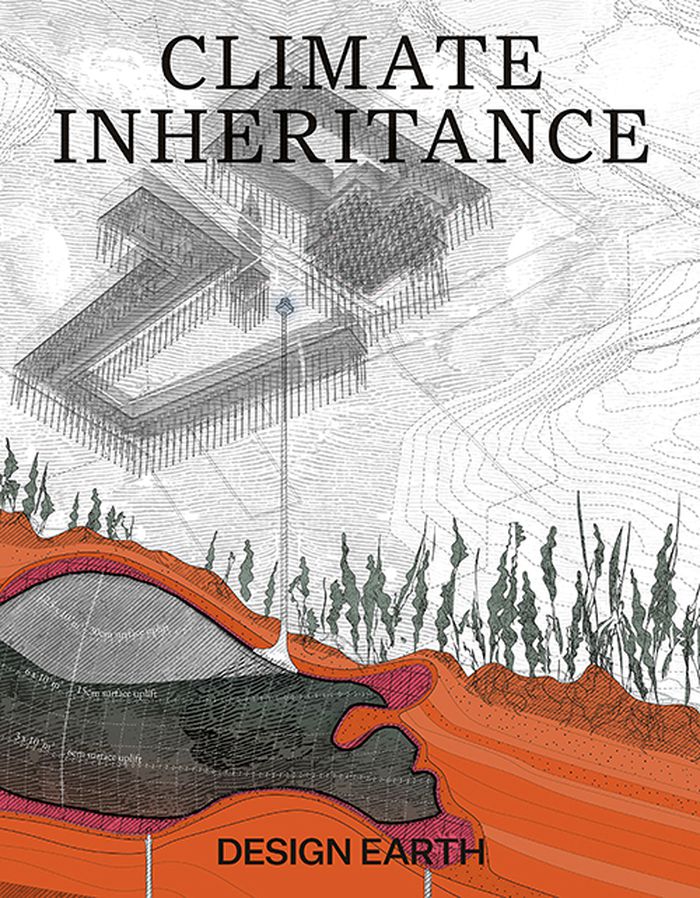
Climate Inheritance is a speculative design research publication that reckons with the complexity of world and heritage in the Anthropocene. The impacts of climate change on heritage sites—from Venice flooding to extinction in the Galápagos Islands—have garnered empathetic media attention in a landscape that has otherwise failed to communicate the urgency of the climate crisis. In a strategic subversion of the media aura of heritage, DESIGN EARTH casts ten World Heritage sites as narrative figures to visualize pervasive climate risks—rising sea levels, extinction, droughts, air pollution, melting glaciers, material vulnerability, unchecked tourism, and the massive displacement of communities and cultural artifacts—all while situating the present emergency within the wreckages of other ends of world, replete with the salvages of extractivism, racism, and settler colonialism. The possibilities of such climate inheritances are narrated in drawing triptychs and mythologies that bequeath other worlds and values.
Climate inheritance
Actions:
Prix:
$45.00
(disponible sur commande)
Résumé:
Climate Inheritance is a speculative design research publication that reckons with the complexity of world and heritage in the Anthropocene. The impacts of climate change on heritage sites—from Venice flooding to extinction in the Galápagos Islands—have garnered empathetic media attention in a landscape that has otherwise failed to communicate the urgency of the climate crisis. In a strategic subversion of the media aura of heritage, DESIGN EARTH casts ten World Heritage sites as narrative figures to visualize pervasive climate risks—rising sea levels, extinction, droughts, air pollution, melting glaciers, material vulnerability, unchecked tourism, and the massive displacement of communities and cultural artifacts—all while situating the present emergency within the wreckages of other ends of world, replete with the salvages of extractivism, racism, and settler colonialism. The possibilities of such climate inheritances are narrated in drawing triptychs and mythologies that bequeath other worlds and values.
Classification:
livres
livres
Publication:
septembre 2023
septembre 2023
Sujet:
L'écologie de l'architecure
L'écologie de l'architecure
Classification:
livres
livres
Prix:
$60.00
(disponible en magasin)
Résumé:
This book is an extended visual essay of ideas, images, drawings and projects that follows the work of Alper Derinbogaz over the past decade, framing an approach based on empathy with earth. Exploring architecture through the lens of evolution, ''Geospaces'' traces relationships between topography, geology, genetics, ecologies, and construction technologies, arguing that(...)
$60.00
(disponible en magasin)
Résumé:
This book is an extended visual essay of ideas, images, drawings and projects that follows the work of Alper Derinbogaz over the past decade, framing an approach based on empathy with earth. Exploring architecture through the lens of evolution, ''Geospaces'' traces relationships between topography, geology, genetics, ecologies, and construction technologies, arguing that(...)
Titre:
Geospaces: Continuities between humans, spaces, and the earth
Actions:
Prix:
$60.00
(disponible en magasin)
Résumé:
This book is an extended visual essay of ideas, images, drawings and projects that follows the work of Alper Derinbogaz over the past decade, framing an approach based on empathy with earth. Exploring architecture through the lens of evolution, ''Geospaces'' traces relationships between topography, geology, genetics, ecologies, and construction technologies, arguing that a hybrid approach to making will shape our future habitats.
Geospaces: Continuities between humans, spaces, and the earth
Actions:
Prix:
$60.00
(disponible en magasin)
Résumé:
This book is an extended visual essay of ideas, images, drawings and projects that follows the work of Alper Derinbogaz over the past decade, framing an approach based on empathy with earth. Exploring architecture through the lens of evolution, ''Geospaces'' traces relationships between topography, geology, genetics, ecologies, and construction technologies, arguing that a hybrid approach to making will shape our future habitats.
Classification:
livres
livres
Publication:
août 2023
août 2023
Sujet:
L'écologie de l'architecure
L'écologie de l'architecure
Classification:
livres
livres
Prix:
$54.95
(disponible sur commande)
Résumé:
This book presents conflicting definitions and concepts of architects and designers and the parallel histories of their intellectual positions toward environmental thought from the 19th century to today. It showcases that ecological design starts with the reconceptualization of the world as a complex system of flows rather than a discrete compilation of objects, which(...)
$54.95
(disponible sur commande)
Résumé:
This book presents conflicting definitions and concepts of architects and designers and the parallel histories of their intellectual positions toward environmental thought from the 19th century to today. It showcases that ecological design starts with the reconceptualization of the world as a complex system of flows rather than a discrete compilation of objects, which(...)
Titre:
Histories of ecological design: an unfinished encyclopedia
Actions:
Prix:
$54.95
(disponible sur commande)
Résumé:
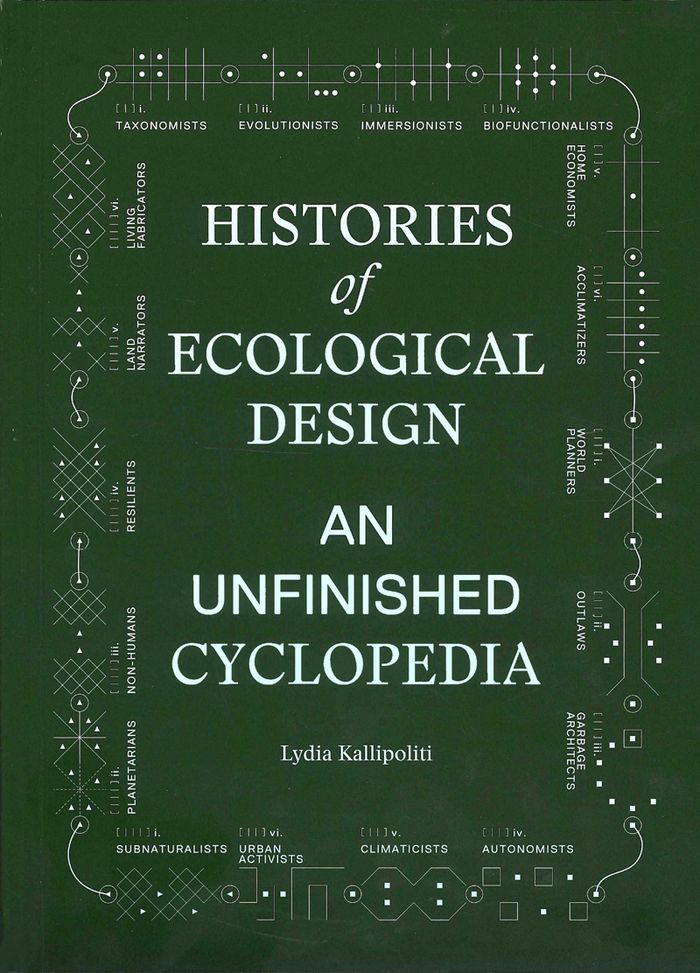
This book presents conflicting definitions and concepts of architects and designers and the parallel histories of their intellectual positions toward environmental thought from the 19th century to today. It showcases that ecological design starts with the reconceptualization of the world as a complex system of flows rather than a discrete compilation of objects, which visual artist and theorist György Kepes has described as one of the fundamental reorientations of the 20th century. To survey the formation of this field, the history of ecological design will not be exclusively examined chronologically, but also in connected worldviews, each rendering evolving perceptions of nature, its relation to culture, and the occupation of the natural world by human and non-human subjects.
Histories of ecological design: an unfinished encyclopedia
Actions:
Prix:
$54.95
(disponible sur commande)
Résumé:
This book presents conflicting definitions and concepts of architects and designers and the parallel histories of their intellectual positions toward environmental thought from the 19th century to today. It showcases that ecological design starts with the reconceptualization of the world as a complex system of flows rather than a discrete compilation of objects, which visual artist and theorist György Kepes has described as one of the fundamental reorientations of the 20th century. To survey the formation of this field, the history of ecological design will not be exclusively examined chronologically, but also in connected worldviews, each rendering evolving perceptions of nature, its relation to culture, and the occupation of the natural world by human and non-human subjects.
Classification:
livres
livres
Publication:
mars 2024
mars 2024
Sujet:
L'écologie de l'architecure
L'écologie de l'architecure
Classification:
livres
livres
Actions:
Prix:
$60.00
(disponible sur commande)
Résumé:
Archival power, silences, and absences profoundly shape and structure postcolonial landscapes, spaces, and urban environments by controlling bodies, histories, and interactions. This book explores pathways to dismantle these imperial entanglements by developing methodologies and plural epistemologies through an interdisciplinary dialog between history, memory politics,(...)
$60.00
(disponible sur commande)
Résumé:
Archival power, silences, and absences profoundly shape and structure postcolonial landscapes, spaces, and urban environments by controlling bodies, histories, and interactions. This book explores pathways to dismantle these imperial entanglements by developing methodologies and plural epistemologies through an interdisciplinary dialog between history, memory politics,(...)
Sujet:
L'écologie de l'architecure
L'écologie de l'architecure
Publication:
janvier 2024
janvier 2024
Titre:
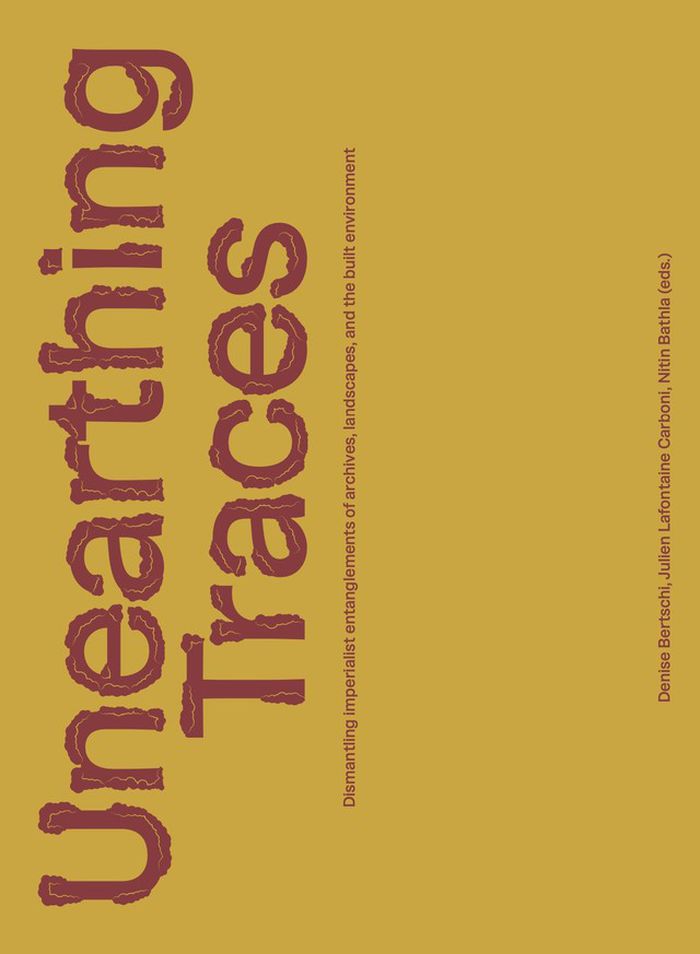
Unearthing traces: dismantling imperialist entanglements of archives, landscapes, and the built environment
Actions:
Prix:
$60.00
(disponible sur commande)
Résumé:
Archival power, silences, and absences profoundly shape and structure postcolonial landscapes, spaces, and urban environments by controlling bodies, histories, and interactions. This book explores pathways to dismantle these imperial entanglements by developing methodologies and plural epistemologies through an interdisciplinary dialog between history, memory politics, critical theory, and archival practice together with the fields of the built environment, landscape, urban studies, architecture, and the arts. Unearthing traces catalyzes critical discussions that not only challenge the objectivity and dismantle the neutrality surrounding current archival practices and archival institutions, but also question what constitutes the archive itself. The book unearths potential histories and minor narratives buried by the imperial production of pasts and silences. The diverse range of contributions in the book offers original research, discussions, positions, and tools and provides a critical resource for scholars, architects, artists, activists, and archivists who want to engage with landscapes and built environments in a critical and postcolonial perspective in relation to archival materials and practices.
Unearthing traces: dismantling imperialist entanglements of archives, landscapes, and the built environment
Actions:
Prix:
$60.00
(disponible sur commande)
Résumé:
Archival power, silences, and absences profoundly shape and structure postcolonial landscapes, spaces, and urban environments by controlling bodies, histories, and interactions. This book explores pathways to dismantle these imperial entanglements by developing methodologies and plural epistemologies through an interdisciplinary dialog between history, memory politics, critical theory, and archival practice together with the fields of the built environment, landscape, urban studies, architecture, and the arts. Unearthing traces catalyzes critical discussions that not only challenge the objectivity and dismantle the neutrality surrounding current archival practices and archival institutions, but also question what constitutes the archive itself. The book unearths potential histories and minor narratives buried by the imperial production of pasts and silences. The diverse range of contributions in the book offers original research, discussions, positions, and tools and provides a critical resource for scholars, architects, artists, activists, and archivists who want to engage with landscapes and built environments in a critical and postcolonial perspective in relation to archival materials and practices.
Classification:
livres
livres
Publication:
janvier 2024
janvier 2024
Sujet:
L'écologie de l'architecure
L'écologie de l'architecure
Classification:
livres
livres
Titre:
Conscious community
Conscious community
Actions:
Prix:
$49.95
(disponible sur commande)
Résumé:
"Conscious community" focuses on three Louis I. Kahn Visiting Assistant Professors’ architecture studios at Yale including that of Chirs Cornelius of the Oneida Nation of Wisconsin in "De-Colonizing Indigenous Housing," New York-based architect Rodney Leon in "National Slavery Memorial" and Jordanian-Palestinian architect and designer Abeer Seikaly in "Conscious(...)
$49.95
(disponible sur commande)
Résumé:
"Conscious community" focuses on three Louis I. Kahn Visiting Assistant Professors’ architecture studios at Yale including that of Chirs Cornelius of the Oneida Nation of Wisconsin in "De-Colonizing Indigenous Housing," New York-based architect Rodney Leon in "National Slavery Memorial" and Jordanian-Palestinian architect and designer Abeer Seikaly in "Conscious(...)
Sujet:
L'écologie de l'architecure
L'écologie de l'architecure
Publication:
septembre 2025
septembre 2025
Titre:
Conscious community
Actions:
Prix:
$49.95
(disponible sur commande)
Résumé:
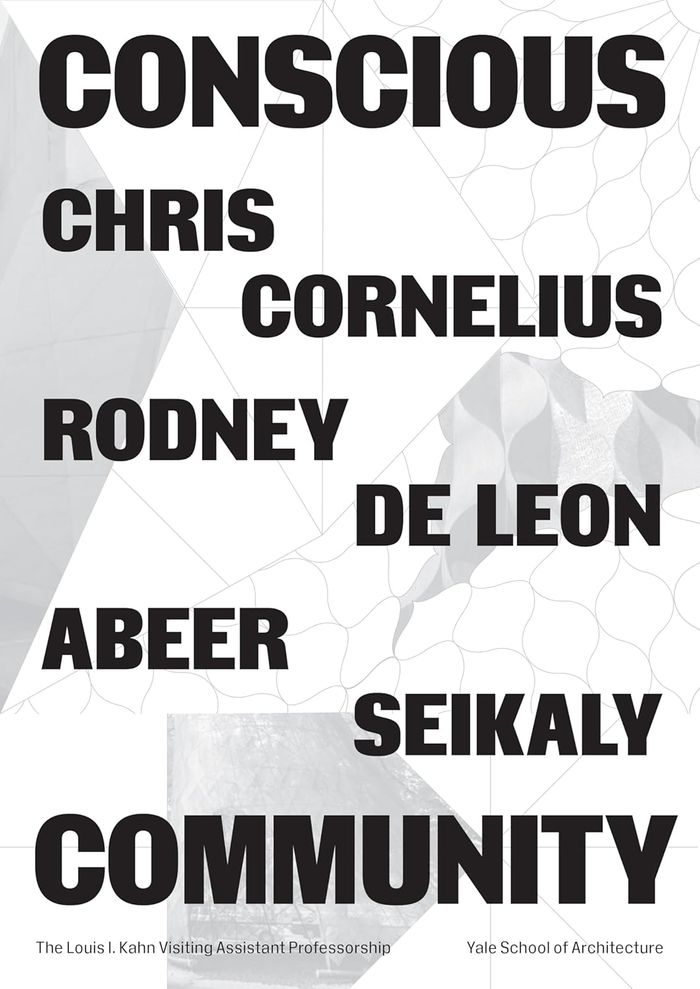
"Conscious community" focuses on three Louis I. Kahn Visiting Assistant Professors’ architecture studios at Yale including that of Chirs Cornelius of the Oneida Nation of Wisconsin in "De-Colonizing Indigenous Housing," New York-based architect Rodney Leon in "National Slavery Memorial" and Jordanian-Palestinian architect and designer Abeer Seikaly in "Conscious skins." The student projects exemplify a commitment to redefining the role of architecture in addressing societal and cultural complexities while redefining the architectural subject. These projects go beyond their proposed physical constructs; they are manifestations of a conversation about space, identity, and memory. This conversation challenges architectural norms, advocating for designs that view environmental, historical, and social aspects as interwoven elements of the architectural brief.
Conscious community
Actions:
Prix:
$49.95
(disponible sur commande)
Résumé:
"Conscious community" focuses on three Louis I. Kahn Visiting Assistant Professors’ architecture studios at Yale including that of Chirs Cornelius of the Oneida Nation of Wisconsin in "De-Colonizing Indigenous Housing," New York-based architect Rodney Leon in "National Slavery Memorial" and Jordanian-Palestinian architect and designer Abeer Seikaly in "Conscious skins." The student projects exemplify a commitment to redefining the role of architecture in addressing societal and cultural complexities while redefining the architectural subject. These projects go beyond their proposed physical constructs; they are manifestations of a conversation about space, identity, and memory. This conversation challenges architectural norms, advocating for designs that view environmental, historical, and social aspects as interwoven elements of the architectural brief.
Classification:
livres
livres
Publication:
septembre 2025
septembre 2025
Sujet:
L'écologie de l'architecure
L'écologie de l'architecure
Classification:
livres
livres
Prix:
$81.50
(disponible sur commande)
Résumé:
"Decolonising the built environment: process, product, and pedagogy" provides an important and much-needed comprehensive overview of how decolonisation is shaping the built environment in theory, in practice, and as a process/project today. The contributors provide an inclusive and trans-national conversation between a diverse set of academics, design practitioners and(...)
$81.50
(disponible sur commande)
Résumé:
"Decolonising the built environment: process, product, and pedagogy" provides an important and much-needed comprehensive overview of how decolonisation is shaping the built environment in theory, in practice, and as a process/project today. The contributors provide an inclusive and trans-national conversation between a diverse set of academics, design practitioners and(...)
Sujet:
L'écologie de l'architecure
L'écologie de l'architecure
Publication:
février 2025
février 2025
Titre:
Decolonising the built environment: Process, product, and pedagogy
Actions:
Prix:
$81.50
(disponible sur commande)
Résumé:
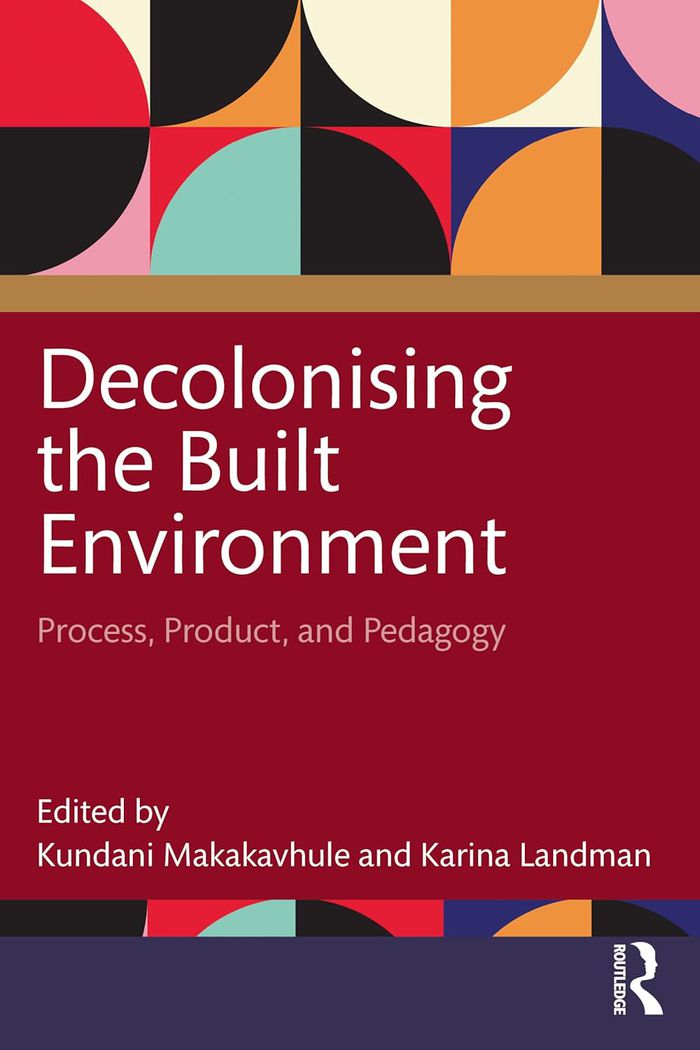
"Decolonising the built environment: process, product, and pedagogy" provides an important and much-needed comprehensive overview of how decolonisation is shaping the built environment in theory, in practice, and as a process/project today. The contributors provide an inclusive and trans-national conversation between a diverse set of academics, design practitioners and thinkers, and activists. This book is structured around three thematic and practical categories: Part 1 studies decolonisation conceptually; Part 2 studies decolonisation as a process; and Part 3 studies the products of decolonisation as materialised in the form of buildings, urban design, planning, policy, and social practices.
Decolonising the built environment: Process, product, and pedagogy
Actions:
Prix:
$81.50
(disponible sur commande)
Résumé:
"Decolonising the built environment: process, product, and pedagogy" provides an important and much-needed comprehensive overview of how decolonisation is shaping the built environment in theory, in practice, and as a process/project today. The contributors provide an inclusive and trans-national conversation between a diverse set of academics, design practitioners and thinkers, and activists. This book is structured around three thematic and practical categories: Part 1 studies decolonisation conceptually; Part 2 studies decolonisation as a process; and Part 3 studies the products of decolonisation as materialised in the form of buildings, urban design, planning, policy, and social practices.
Classification:
livres
livres
Publication:
février 2025
février 2025
Sujet:
L'écologie de l'architecure
L'écologie de l'architecure
Classification:
livres
livres
Actions:
Prix:
$69.95
(disponible en magasin)
Résumé:
What does it mean for architecture to be a truly collaborative venture where plants and other species also exercise their agency? This would mean to make architecture receptive—physically, premised on creating spaces for accommodating multispecies; and intellectually, premised on becoming aware of the needs of more-than-humans. Design-based approaches whether technocratic(...)
$69.95
(disponible en magasin)
Résumé:
What does it mean for architecture to be a truly collaborative venture where plants and other species also exercise their agency? This would mean to make architecture receptive—physically, premised on creating spaces for accommodating multispecies; and intellectually, premised on becoming aware of the needs of more-than-humans. Design-based approaches whether technocratic(...)
Titre:
Living Together: More-Than-Human Ecologies for Architectural Thinking
Actions:
Prix:
$69.95
(disponible en magasin)
Résumé:
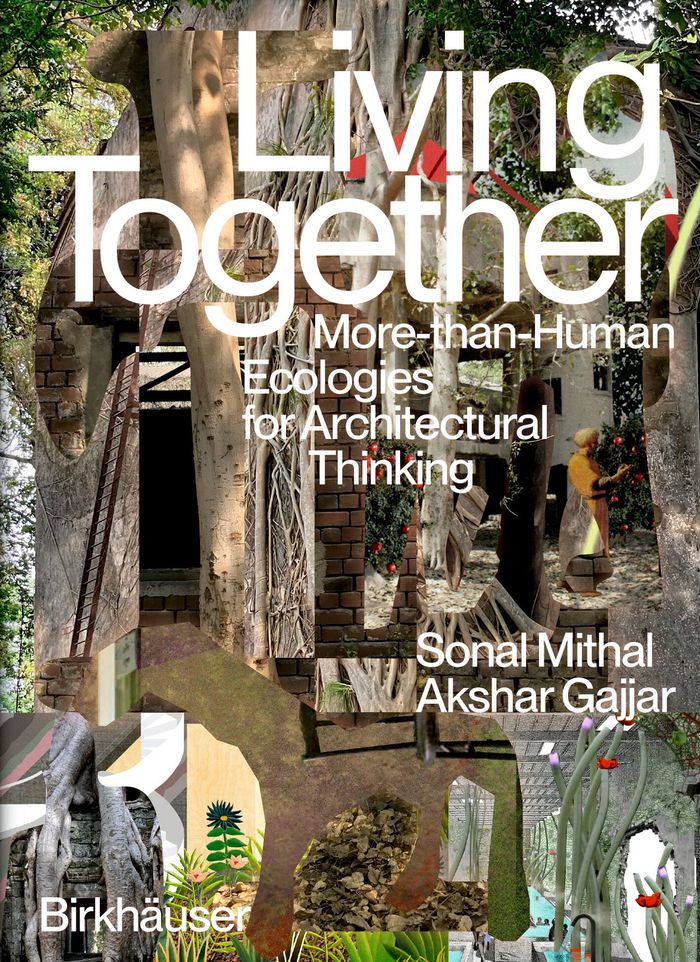
What does it mean for architecture to be a truly collaborative venture where plants and other species also exercise their agency? This would mean to make architecture receptive—physically, premised on creating spaces for accommodating multispecies; and intellectually, premised on becoming aware of the needs of more-than-humans. Design-based approaches whether technocratic or demonstrating a theoretical standpoint are fragmented today and demand a holistic approach. ''Living Together'' positions itself in that fragmentation. The book is an inquiry into an architecture which allows multispecies alliances to take place. It brings materialist and ecological inquiries to architectural design, practice, and thinking; acknowledging a necessity to go beyond established architectural ideals of progress, monumentality, longevity, and permanence.
Living Together: More-Than-Human Ecologies for Architectural Thinking
Actions:
Prix:
$69.95
(disponible en magasin)
Résumé:
What does it mean for architecture to be a truly collaborative venture where plants and other species also exercise their agency? This would mean to make architecture receptive—physically, premised on creating spaces for accommodating multispecies; and intellectually, premised on becoming aware of the needs of more-than-humans. Design-based approaches whether technocratic or demonstrating a theoretical standpoint are fragmented today and demand a holistic approach. ''Living Together'' positions itself in that fragmentation. The book is an inquiry into an architecture which allows multispecies alliances to take place. It brings materialist and ecological inquiries to architectural design, practice, and thinking; acknowledging a necessity to go beyond established architectural ideals of progress, monumentality, longevity, and permanence.
Classification:
livres
livres
Publication:
juillet 2025
juillet 2025
Sujet:
L'écologie de l'architecure
L'écologie de l'architecure
Classification:
livres
livres
Titre:
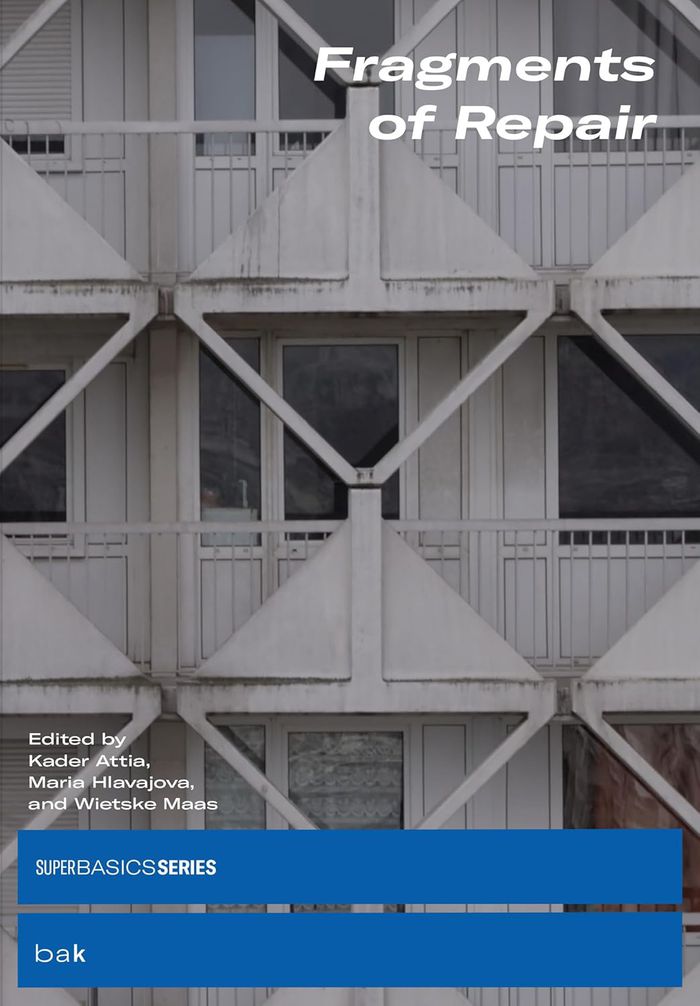
Fragments of repair
Fragments of repair
Actions:
Prix:
$44.00
(disponible en magasin)
Résumé:
'Fragments of Repair' is the fourth publication in BAK’s publishing series BASICS which revisits fundamental questions and urgencies of our time—the “basics”—and seeks to develop afresh the building blocks of lexicons, tactics, scenarios, and relations that enable action in contemporary conditions. Today’s entwined crises reveal deep-seated wounds that issue from(...)
$44.00
(disponible en magasin)
Résumé:
'Fragments of Repair' is the fourth publication in BAK’s publishing series BASICS which revisits fundamental questions and urgencies of our time—the “basics”—and seeks to develop afresh the building blocks of lexicons, tactics, scenarios, and relations that enable action in contemporary conditions. Today’s entwined crises reveal deep-seated wounds that issue from(...)
Sujet:
L'écologie de l'architecure
L'écologie de l'architecure
Publication:
mai 2025
mai 2025
Titre:
Fragments of repair
Actions:
Prix:
$44.00
(disponible en magasin)
Résumé:
'Fragments of Repair' is the fourth publication in BAK’s publishing series BASICS which revisits fundamental questions and urgencies of our time—the “basics”—and seeks to develop afresh the building blocks of lexicons, tactics, scenarios, and relations that enable action in contemporary conditions. Today’s entwined crises reveal deep-seated wounds that issue from historical colonialisms and present-day authoritarianisms, economic disparity and growing racial violence, and the abuses inflicted on vulnerable populations and the planet. To address this disquieting chaos, this book, co-conceptualized by artist Kader Attia with curators Maria Hlavajova and Wietske Maas, offers a collection of long- and short-form essays, visual essays, and conversations on decolonial repair as both a tool and a tactic of engagement with the current state of the world.
Fragments of repair
Actions:
Prix:
$44.00
(disponible en magasin)
Résumé:
'Fragments of Repair' is the fourth publication in BAK’s publishing series BASICS which revisits fundamental questions and urgencies of our time—the “basics”—and seeks to develop afresh the building blocks of lexicons, tactics, scenarios, and relations that enable action in contemporary conditions. Today’s entwined crises reveal deep-seated wounds that issue from historical colonialisms and present-day authoritarianisms, economic disparity and growing racial violence, and the abuses inflicted on vulnerable populations and the planet. To address this disquieting chaos, this book, co-conceptualized by artist Kader Attia with curators Maria Hlavajova and Wietske Maas, offers a collection of long- and short-form essays, visual essays, and conversations on decolonial repair as both a tool and a tactic of engagement with the current state of the world.
Classification:
livres
livres
Publication:
mai 2025
mai 2025
Sujet:
L'écologie de l'architecure
L'écologie de l'architecure
Classification:
livres
livres
Actions:
Prix:
$54.00
(disponible sur commande)
Résumé:
To think through soil is to engage with some of the most critical issues of our time. In addition to its agricultural role in feeding eight billion people, soil has become the primary agent of carbon storage in global climate models, and it is crucial for biodiversity, flood control, and freshwater resources. Perhaps no other material is asked to do so much for the human(...)
$54.00
(disponible sur commande)
Résumé:
To think through soil is to engage with some of the most critical issues of our time. In addition to its agricultural role in feeding eight billion people, soil has become the primary agent of carbon storage in global climate models, and it is crucial for biodiversity, flood control, and freshwater resources. Perhaps no other material is asked to do so much for the human(...)
Sujet:
L'écologie de l'architecure
L'écologie de l'architecure
Publication:
juin 2025
juin 2025
Titre:
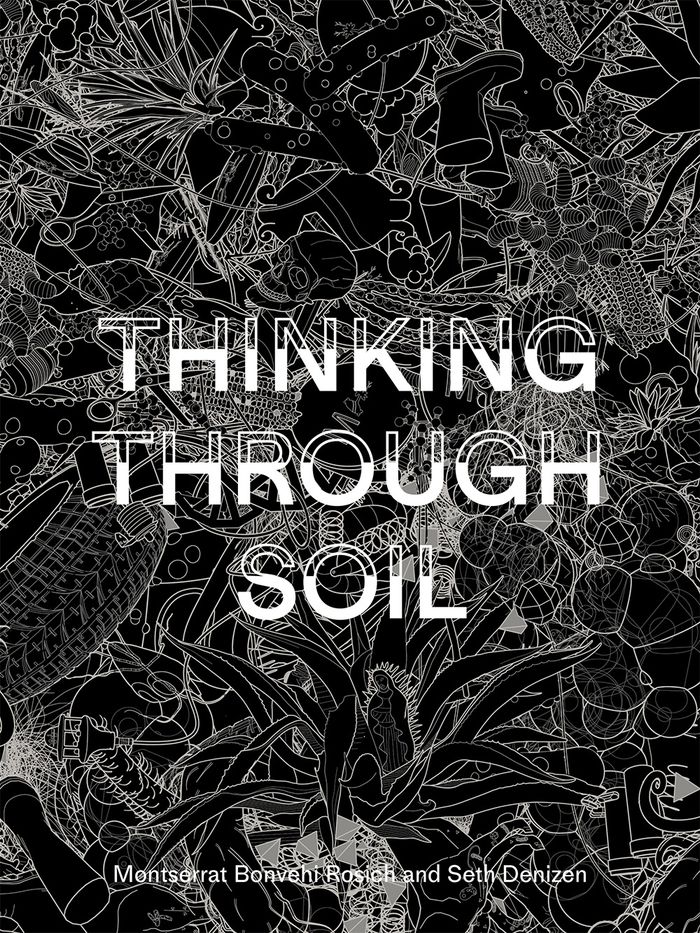
Thinking through soil: Wastewater agriculture in the Mezquital Valley
Actions:
Prix:
$54.00
(disponible sur commande)
Résumé:
To think through soil is to engage with some of the most critical issues of our time. In addition to its agricultural role in feeding eight billion people, soil has become the primary agent of carbon storage in global climate models, and it is crucial for biodiversity, flood control, and freshwater resources. Perhaps no other material is asked to do so much for the human environment, and yet our basic conceptual model of what soil is and how it works remains surprisingly vague. In cities, soil occupies a blurry category whose boundaries are both empirically uncertain and politically contested. Soil functions as a nexus for environmental processes through which the planet’s most fundamental material transformations occur, but conjuring what it actually is serves as a useful exercise in reframing environmental thought, design thinking, and city and regional planning toward a healthier, more ethical, and more sustainable future. Through a sustained analysis of the world’s largest wastewater agricultural system, located in the Mexico City–Mezquital hydrological region, ''Thinking Through Soil'' imagines what a better environmental future might look like in central Mexico. More broadly, this case study offers a new image of soil that captures its shifting identity, explains its profound importance to rural and urban life, and argues for its capacity to save our planet.
Thinking through soil: Wastewater agriculture in the Mezquital Valley
Actions:
Prix:
$54.00
(disponible sur commande)
Résumé:
To think through soil is to engage with some of the most critical issues of our time. In addition to its agricultural role in feeding eight billion people, soil has become the primary agent of carbon storage in global climate models, and it is crucial for biodiversity, flood control, and freshwater resources. Perhaps no other material is asked to do so much for the human environment, and yet our basic conceptual model of what soil is and how it works remains surprisingly vague. In cities, soil occupies a blurry category whose boundaries are both empirically uncertain and politically contested. Soil functions as a nexus for environmental processes through which the planet’s most fundamental material transformations occur, but conjuring what it actually is serves as a useful exercise in reframing environmental thought, design thinking, and city and regional planning toward a healthier, more ethical, and more sustainable future. Through a sustained analysis of the world’s largest wastewater agricultural system, located in the Mexico City–Mezquital hydrological region, ''Thinking Through Soil'' imagines what a better environmental future might look like in central Mexico. More broadly, this case study offers a new image of soil that captures its shifting identity, explains its profound importance to rural and urban life, and argues for its capacity to save our planet.
Classification:
livres
livres
Publication:
juin 2025
juin 2025
Sujet:
L'écologie de l'architecure
L'écologie de l'architecure


