


2309 Résultats
Classification:
livres
livres
Actions:
Prix:
$118.00
(disponible sur commande)
Résumé:
La relation entre photographie et architecture est aussi ancienne que l’invention de la photographie elle-même. La toute première image photographique jamais réalisée, en 1826 ou 1827, par Joseph Nicéphore Niépce, représente les édifices présents dans la cour de la demeure familiale. Au fil du temps, ces liens se sont développés, instituant progressivement la photographie(...)
$118.00
(disponible sur commande)
Résumé:
La relation entre photographie et architecture est aussi ancienne que l’invention de la photographie elle-même. La toute première image photographique jamais réalisée, en 1826 ou 1827, par Joseph Nicéphore Niépce, représente les édifices présents dans la cour de la demeure familiale. Au fil du temps, ces liens se sont développés, instituant progressivement la photographie(...)
Titre:
Histoire de la photographie d'architecture
Actions:
Prix:
$118.00
(disponible sur commande)
Résumé:
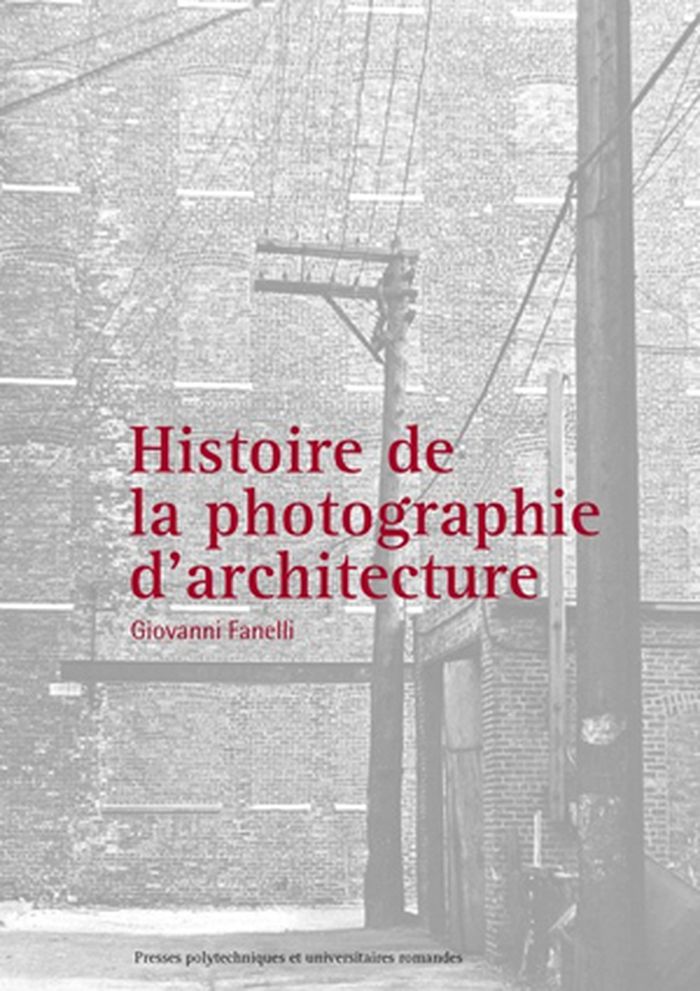
La relation entre photographie et architecture est aussi ancienne que l’invention de la photographie elle-même. La toute première image photographique jamais réalisée, en 1826 ou 1827, par Joseph Nicéphore Niépce, représente les édifices présents dans la cour de la demeure familiale. Au fil du temps, ces liens se sont développés, instituant progressivement la photographie comme l’outil privilégié des architectes contemporains pour documenter les phases d’un projet ou le résultat final de son exécution. Sur la base d’une interaction forte entre texte et images, l’auteur retrace ici l’évolution de la photographie d’architecture, depuis sa conception au XIXe siècle, entre art et source documentaire, et entre production amateur et proto-professionnelle, jusqu’au rôle essentiel qu’elle joue aujourd’hui. De Daguerre à Baldus, Moholy-Nagy ou Couturier, et de Viollet-le-Duc à Mies van der Rohe, Le Corbusier ou Pagano, cette référence constitue la première synthèse ample et structurée de l’histoire de l’iconographie photographique d’architecture, des origines à nos jours. Cette édition constitue une version révisée et augmentée de l’édition italienne originale.
Histoire de la photographie d'architecture
Actions:
Prix:
$118.00
(disponible sur commande)
Résumé:
La relation entre photographie et architecture est aussi ancienne que l’invention de la photographie elle-même. La toute première image photographique jamais réalisée, en 1826 ou 1827, par Joseph Nicéphore Niépce, représente les édifices présents dans la cour de la demeure familiale. Au fil du temps, ces liens se sont développés, instituant progressivement la photographie comme l’outil privilégié des architectes contemporains pour documenter les phases d’un projet ou le résultat final de son exécution. Sur la base d’une interaction forte entre texte et images, l’auteur retrace ici l’évolution de la photographie d’architecture, depuis sa conception au XIXe siècle, entre art et source documentaire, et entre production amateur et proto-professionnelle, jusqu’au rôle essentiel qu’elle joue aujourd’hui. De Daguerre à Baldus, Moholy-Nagy ou Couturier, et de Viollet-le-Duc à Mies van der Rohe, Le Corbusier ou Pagano, cette référence constitue la première synthèse ample et structurée de l’histoire de l’iconographie photographique d’architecture, des origines à nos jours. Cette édition constitue une version révisée et augmentée de l’édition italienne originale.
Classification:
livres
livres
Publication:
février 2016
février 2016
Sujet:
Théorie de la photographie
Théorie de la photographie
Classification:
livres
livres
Actions:
Prix:
$69.50
(disponible sur commande)
Résumé:
Real estate developers are integral to understanding the split narratives of twentieth-century American urban history. Rather than divide the decline of downtowns and the rise of suburbs into separate tales, Sara Stevens uses the figure of the real estate developer to explore how cities found new urban and architectural forms through both suburbanization and urban(...)
$69.50
(disponible sur commande)
Résumé:
Real estate developers are integral to understanding the split narratives of twentieth-century American urban history. Rather than divide the decline of downtowns and the rise of suburbs into separate tales, Sara Stevens uses the figure of the real estate developer to explore how cities found new urban and architectural forms through both suburbanization and urban(...)
Titre:
Developing expertise: architecture and real estate in metropolitan america
Actions:
Prix:
$69.50
(disponible sur commande)
Résumé:
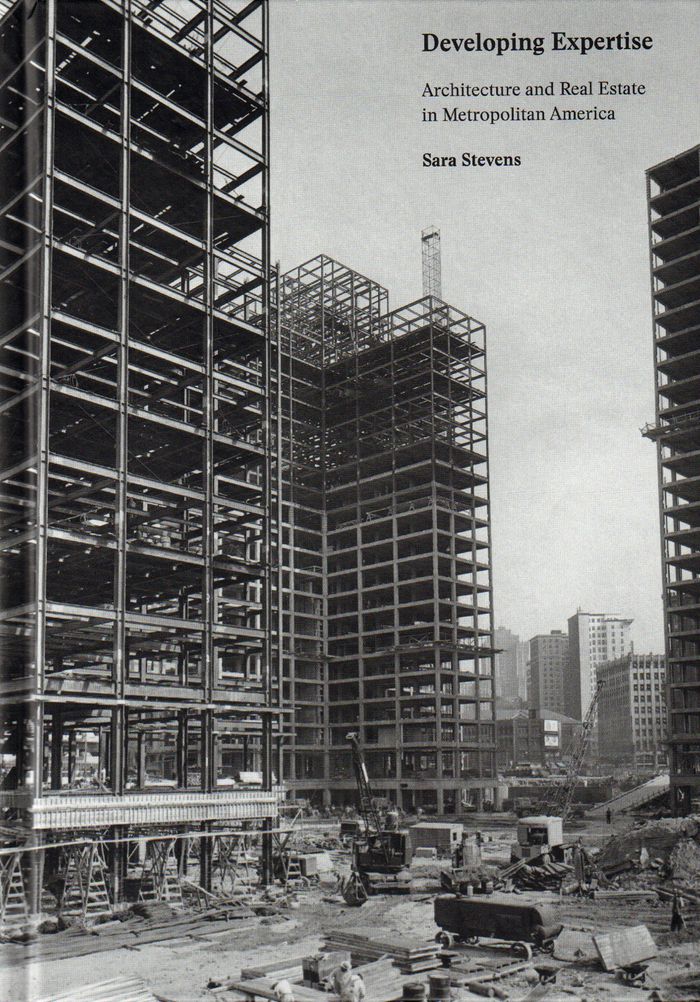
Real estate developers are integral to understanding the split narratives of twentieth-century American urban history. Rather than divide the decline of downtowns and the rise of suburbs into separate tales, Sara Stevens uses the figure of the real estate developer to explore how cities found new urban and architectural forms through both suburbanization and urban renewal. Through nuanced discussions of Chicago, Kansas City, Detroit, Pittsburgh, Denver, Washington, D.C., and New York, Stevens explains how real estate developers, though often maligned, have shaped public policy through professional organizations, promoted investment security through design, and brought suburban models to downtowns. In this timely book, she considers how developers partnered with prominent architects, including Ludwig Mies van der Rohe and I. M. Pei, to sell their modern urban visions to the public. By viewing real estate developers as a critical link between capital and construction in prewar suburban development and postwar urban renewal, Stevens offers an original and enlightening look at the complex connections among suburbs and downtowns, policy, finance, and architectural history.
Developing expertise: architecture and real estate in metropolitan america
Actions:
Prix:
$69.50
(disponible sur commande)
Résumé:
Real estate developers are integral to understanding the split narratives of twentieth-century American urban history. Rather than divide the decline of downtowns and the rise of suburbs into separate tales, Sara Stevens uses the figure of the real estate developer to explore how cities found new urban and architectural forms through both suburbanization and urban renewal. Through nuanced discussions of Chicago, Kansas City, Detroit, Pittsburgh, Denver, Washington, D.C., and New York, Stevens explains how real estate developers, though often maligned, have shaped public policy through professional organizations, promoted investment security through design, and brought suburban models to downtowns. In this timely book, she considers how developers partnered with prominent architects, including Ludwig Mies van der Rohe and I. M. Pei, to sell their modern urban visions to the public. By viewing real estate developers as a critical link between capital and construction in prewar suburban development and postwar urban renewal, Stevens offers an original and enlightening look at the complex connections among suburbs and downtowns, policy, finance, and architectural history.
Classification:
livres
livres
Publication:
novembre 2016
novembre 2016
Sujet:
Théorie de l’architecture
Théorie de l’architecture
Classification:
livres
livres
Prix:
$48.00
(disponible sur commande)
Résumé:
Paffard Keatinge-Clay was born near Stonehenge in England, studied in London and Zurich, worked in both Le Corbusier's studio in Paris and at Frank Lloyd Wright's Taliesin, and then settled in the American West, where he worked for Skidmore, Owings & Merrill before starting out on his own. While he remained in the U.S. until the mid-1970s, and practiced there, his work(...)
$48.00
(disponible sur commande)
Résumé:
Paffard Keatinge-Clay was born near Stonehenge in England, studied in London and Zurich, worked in both Le Corbusier's studio in Paris and at Frank Lloyd Wright's Taliesin, and then settled in the American West, where he worked for Skidmore, Owings & Merrill before starting out on his own. While he remained in the U.S. until the mid-1970s, and practiced there, his work(...)
Titre:
Paffard Keatinge-Clay : modern architect(ure) / modern master(s)
Actions:
Prix:
$48.00
(disponible sur commande)
Résumé:
Paffard Keatinge-Clay was born near Stonehenge in England, studied in London and Zurich, worked in both Le Corbusier's studio in Paris and at Frank Lloyd Wright's Taliesin, and then settled in the American West, where he worked for Skidmore, Owings & Merrill before starting out on his own. While he remained in the U.S. until the mid-1970s, and practiced there, his work remains largely unknown even in San Francisco, where he spent more than 20 years. His brand of orthodox Modernism was decidedly out of step with the prevailing Bay Area Modernism exemplified by figures like Moore, Wurster, McCue and Turnbull, who dominated both the academic and professional arenas of the period. Keatinge-Clay had to struggle to execute his own expressive, nonconformist architectural language, and when he did, he garnered minimal recognition. This book brings to light the importance of his work as representative of its time period and clarifies the influences his mentors - including Mies van der Rohe, Richard Neutra and Charles and Ray Eames--had upon it.
Paffard Keatinge-Clay : modern architect(ure) / modern master(s)
Actions:
Prix:
$48.00
(disponible sur commande)
Résumé:
Paffard Keatinge-Clay was born near Stonehenge in England, studied in London and Zurich, worked in both Le Corbusier's studio in Paris and at Frank Lloyd Wright's Taliesin, and then settled in the American West, where he worked for Skidmore, Owings & Merrill before starting out on his own. While he remained in the U.S. until the mid-1970s, and practiced there, his work remains largely unknown even in San Francisco, where he spent more than 20 years. His brand of orthodox Modernism was decidedly out of step with the prevailing Bay Area Modernism exemplified by figures like Moore, Wurster, McCue and Turnbull, who dominated both the academic and professional arenas of the period. Keatinge-Clay had to struggle to execute his own expressive, nonconformist architectural language, and when he did, he garnered minimal recognition. This book brings to light the importance of his work as representative of its time period and clarifies the influences his mentors - including Mies van der Rohe, Richard Neutra and Charles and Ray Eames--had upon it.
Classification:
livres
livres
Publication:
avril 2006, Los Angeles
avril 2006, Los Angeles
Sujet:
Architecture, monographies
Architecture, monographies
Classification:
livres
livres
Prix:
$77.00
(disponible sur commande)
Résumé:
explores how leading architects of the twentieth century incorporated climate-mediating strategies into their designs, and shows how regional approaches to climate adaptability were essential to the development of modern architecture. Focusing on the period surrounding World War II—before fossil-fuel powered air-conditioning became widely available—Daniel Barber brings to(...)
$77.00
(disponible sur commande)
Résumé:
explores how leading architects of the twentieth century incorporated climate-mediating strategies into their designs, and shows how regional approaches to climate adaptability were essential to the development of modern architecture. Focusing on the period surrounding World War II—before fossil-fuel powered air-conditioning became widely available—Daniel Barber brings to(...)
Titre:
Modern architecture and climate: design before air conditioning
Actions:
Prix:
$77.00
(disponible sur commande)
Résumé:
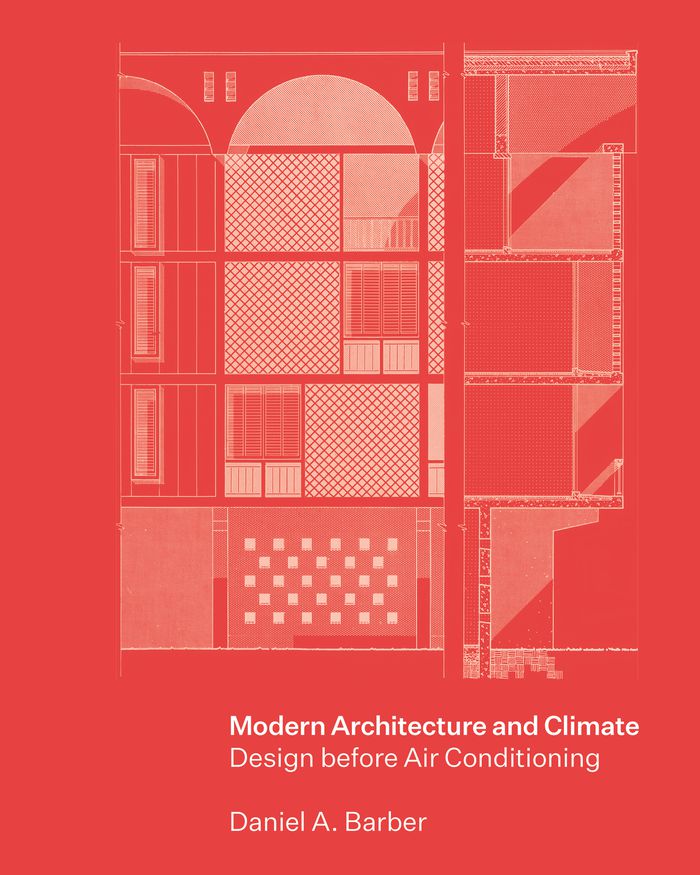
explores how leading architects of the twentieth century incorporated climate-mediating strategies into their designs, and shows how regional approaches to climate adaptability were essential to the development of modern architecture. Focusing on the period surrounding World War II—before fossil-fuel powered air-conditioning became widely available—Daniel Barber brings to light a vibrant and dynamic architectural discussion involving design, materials, and shading systems as means of interior climate control. He looks at projects by well-known architects such as Richard Neutra, Le Corbusier, Lúcio Costa, Mies van der Rohe, and Skidmore, Owings, and Merrill, and the work of climate-focused architects such as MMM Roberto, Olgyay and Olgyay, and Cliff May. Drawing on the editorial projects of James Marston Fitch, Elizabeth Gordon, and others, he demonstrates how images and diagrams produced by architects helped conceptualize climate knowledge, alongside the work of meteorologists, physicists, engineers, and social scientists. Barber describes how this novel type of environmental media catalyzed new ways of thinking about climate and architectural design.
Modern architecture and climate: design before air conditioning
Actions:
Prix:
$77.00
(disponible sur commande)
Résumé:
explores how leading architects of the twentieth century incorporated climate-mediating strategies into their designs, and shows how regional approaches to climate adaptability were essential to the development of modern architecture. Focusing on the period surrounding World War II—before fossil-fuel powered air-conditioning became widely available—Daniel Barber brings to light a vibrant and dynamic architectural discussion involving design, materials, and shading systems as means of interior climate control. He looks at projects by well-known architects such as Richard Neutra, Le Corbusier, Lúcio Costa, Mies van der Rohe, and Skidmore, Owings, and Merrill, and the work of climate-focused architects such as MMM Roberto, Olgyay and Olgyay, and Cliff May. Drawing on the editorial projects of James Marston Fitch, Elizabeth Gordon, and others, he demonstrates how images and diagrams produced by architects helped conceptualize climate knowledge, alongside the work of meteorologists, physicists, engineers, and social scientists. Barber describes how this novel type of environmental media catalyzed new ways of thinking about climate and architectural design.
Classification:
livres
livres
Publication:
avril 2020
avril 2020
Sujet:
Théorie de l’architecture
Théorie de l’architecture
Classification:
livres
livres
Actions:
Prix:
$42.95
(disponible sur commande)
Résumé:
Florence Knoll (1917–2019) was a leading force of modern design. She worked from 1945 to 1965 at Knoll Associates, first as business partner with her husband Hans Knoll, later as president after his death, and, finally, as design director. Her commissions became hallmarks of the modern era, including the Barcelona Chair by Mies van der Rohe, the Diamond Chair by Harry(...)
$42.95
(disponible sur commande)
Résumé:
Florence Knoll (1917–2019) was a leading force of modern design. She worked from 1945 to 1965 at Knoll Associates, first as business partner with her husband Hans Knoll, later as president after his death, and, finally, as design director. Her commissions became hallmarks of the modern era, including the Barcelona Chair by Mies van der Rohe, the Diamond Chair by Harry(...)
Titre:
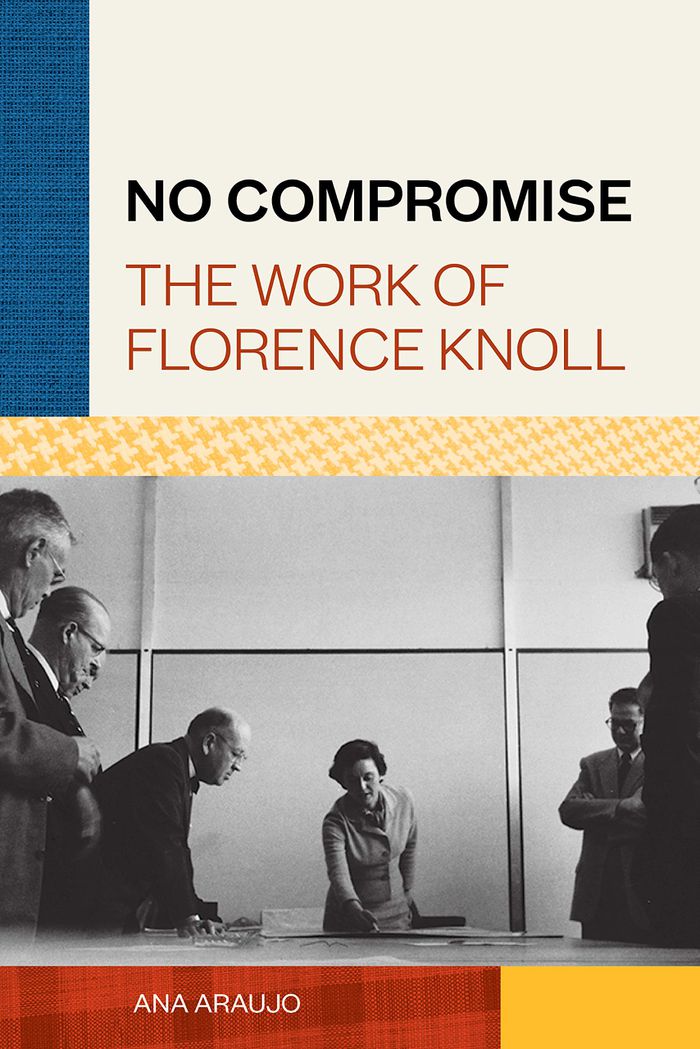
No compromise: the work of Florence Knoll
Actions:
Prix:
$42.95
(disponible sur commande)
Résumé:
Florence Knoll (1917–2019) was a leading force of modern design. She worked from 1945 to 1965 at Knoll Associates, first as business partner with her husband Hans Knoll, later as president after his death, and, finally, as design director. Her commissions became hallmarks of the modern era, including the Barcelona Chair by Mies van der Rohe, the Diamond Chair by Harry Bertoia, and the Platner Collection by Warren Platner. She created classics like the Parallel Bar Collection, still in production today. Knoll invented the visual language of the modern office through her groundbreaking interiors and the creation of the acclaimed "Knoll look," which remains a standard for interior design today. She reinvigorated the International Style through humanizing textiles, lighting, and accessories. Although Knoll's motto was "no compromise, ever," as a woman in a white, upper-middle-class, male-dominated environment, she often had to make accommodations to gain respect from her colleagues, clients, and collaborators."No compromise" looks at Knoll's extraordinary career in close-up, from her student days to her professional accomplishments.
No compromise: the work of Florence Knoll
Actions:
Prix:
$42.95
(disponible sur commande)
Résumé:
Florence Knoll (1917–2019) was a leading force of modern design. She worked from 1945 to 1965 at Knoll Associates, first as business partner with her husband Hans Knoll, later as president after his death, and, finally, as design director. Her commissions became hallmarks of the modern era, including the Barcelona Chair by Mies van der Rohe, the Diamond Chair by Harry Bertoia, and the Platner Collection by Warren Platner. She created classics like the Parallel Bar Collection, still in production today. Knoll invented the visual language of the modern office through her groundbreaking interiors and the creation of the acclaimed "Knoll look," which remains a standard for interior design today. She reinvigorated the International Style through humanizing textiles, lighting, and accessories. Although Knoll's motto was "no compromise, ever," as a woman in a white, upper-middle-class, male-dominated environment, she often had to make accommodations to gain respect from her colleagues, clients, and collaborators."No compromise" looks at Knoll's extraordinary career in close-up, from her student days to her professional accomplishments.
Classification:
livres
livres
Publication:
juin 2021
juin 2021
Sujet:
Design, monographies
Design, monographies
Classification:
livres
livres
Actions:
Prix:
$150.00
(disponible sur commande)
Résumé:
Large-size working drawings are the foundation of any architectural process and 'key' to practical construction of a building, yet very little has been written and published about the architect's quintessential tool. This new book bridges this gap, as it draws on a vast collection of working drawings from many centuries, held by the Department of Architecture at ETH(...)
$150.00
(disponible sur commande)
Résumé:
Large-size working drawings are the foundation of any architectural process and 'key' to practical construction of a building, yet very little has been written and published about the architect's quintessential tool. This new book bridges this gap, as it draws on a vast collection of working drawings from many centuries, held by the Department of Architecture at ETH(...)
Titre:
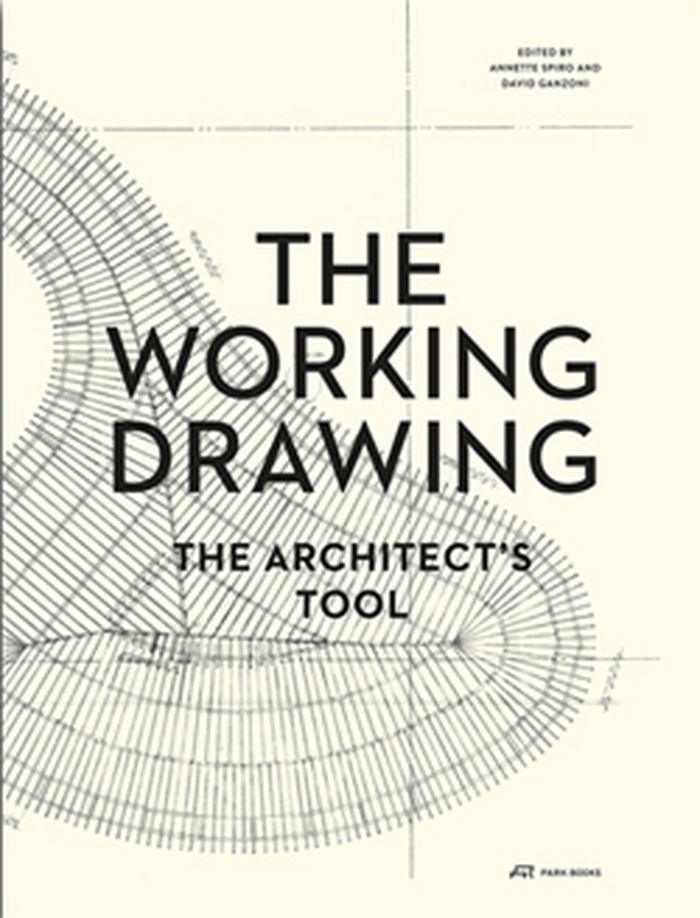
The working drawing: the architect's tool
Actions:
Prix:
$150.00
(disponible sur commande)
Résumé:
Large-size working drawings are the foundation of any architectural process and 'key' to practical construction of a building, yet very little has been written and published about the architect's quintessential tool. This new book bridges this gap, as it draws on a vast collection of working drawings from many centuries, held by the Department of Architecture at ETH Zurich. This is a collection of plans for a wide range of architectural projects and features many representational techniques. Providing a comprehensive record, around a hundred of the collection's highlights through five centuries, are arranged by category allowing for direct comparison. All plans are depicted entirely in colour on large-size spreads and fold-outs. Full catalogue details are provided for each drawing. Various topics are covered in essays by expert authors, which compliment the images. Featured architects include respected names such as Francesco Borromini, Gottfried Semper, Ludwig Mies van der Rohe, Le Corbusier, Eero Saarinen, Jorn Utzon, Alvaro Siza, Rafael Moneo, Herzog & de Meuron, Peter Zumthor, Diller Scofidio or Caruso St. John.
The working drawing: the architect's tool
Actions:
Prix:
$150.00
(disponible sur commande)
Résumé:
Large-size working drawings are the foundation of any architectural process and 'key' to practical construction of a building, yet very little has been written and published about the architect's quintessential tool. This new book bridges this gap, as it draws on a vast collection of working drawings from many centuries, held by the Department of Architecture at ETH Zurich. This is a collection of plans for a wide range of architectural projects and features many representational techniques. Providing a comprehensive record, around a hundred of the collection's highlights through five centuries, are arranged by category allowing for direct comparison. All plans are depicted entirely in colour on large-size spreads and fold-outs. Full catalogue details are provided for each drawing. Various topics are covered in essays by expert authors, which compliment the images. Featured architects include respected names such as Francesco Borromini, Gottfried Semper, Ludwig Mies van der Rohe, Le Corbusier, Eero Saarinen, Jorn Utzon, Alvaro Siza, Rafael Moneo, Herzog & de Meuron, Peter Zumthor, Diller Scofidio or Caruso St. John.
Classification:
livres
livres
Publication:
février 2014
février 2014
Sujet:
Dessin d’architecture
Dessin d’architecture
Classification:
livres
livres
Actions:
Prix:
$59.95
(disponible sur commande)
Résumé:
C'est la République de Weimar au cours des années 1918 à 1933 qui propulsa Berlin au zénith. Ainsi, le Berlin des années vingt a donné naissance à une culture qui a totalement vécu de la politisation. Il y germait des utopies qui, en cette époque de crise, traçaient des perspectives de progrès. La communication prenait son essor dans les sphères populaires par le biais(...)
$59.95
(disponible sur commande)
Résumé:
C'est la République de Weimar au cours des années 1918 à 1933 qui propulsa Berlin au zénith. Ainsi, le Berlin des années vingt a donné naissance à une culture qui a totalement vécu de la politisation. Il y germait des utopies qui, en cette époque de crise, traçaient des perspectives de progrès. La communication prenait son essor dans les sphères populaires par le biais(...)
Publication:
août 2006
août 2006
Titre:
Berlin, les années vingt: art et culture 1918-1933
Actions:
Prix:
$59.95
(disponible sur commande)
Résumé:
C'est la République de Weimar au cours des années 1918 à 1933 qui propulsa Berlin au zénith. Ainsi, le Berlin des années vingt a donné naissance à une culture qui a totalement vécu de la politisation. Il y germait des utopies qui, en cette époque de crise, traçaient des perspectives de progrès. La communication prenait son essor dans les sphères populaires par le biais de la photo, du cinéma, des affiches, de l'agit-prop, du cabaret et des variétés. Grâce à ces techniques, ces millions de Berlinois ne formaient plus une masse mais des citoyens : ils acquéraient à la fois un accès et une dignité à la culture. Ces évolutions venaient de la masse, mais il y avait une avant-garde pour les faire entrer dans les pratiques et les prémices des beaux-arts. Il suffit d'aligner quelques noms, George Grosz, Otto Dix, Raoul Hausmann, John Heartfield, Hannah Höch pour l'aventure Dada ; Fritz Lang, Ernst Lubitsch pour le cinéma et la photographie ; Mies van der Rohe, Moholy-Nagy, Lissitzky pour les grandes conquêtes utopistes ou fonctionnelles de l'architecture, du design et de l'oeuvre d'art totale, pour prendre la mesure de ces années de révolutions et de créations tous azimuts.
Berlin, les années vingt: art et culture 1918-1933
Actions:
Prix:
$59.95
(disponible sur commande)
Résumé:
C'est la République de Weimar au cours des années 1918 à 1933 qui propulsa Berlin au zénith. Ainsi, le Berlin des années vingt a donné naissance à une culture qui a totalement vécu de la politisation. Il y germait des utopies qui, en cette époque de crise, traçaient des perspectives de progrès. La communication prenait son essor dans les sphères populaires par le biais de la photo, du cinéma, des affiches, de l'agit-prop, du cabaret et des variétés. Grâce à ces techniques, ces millions de Berlinois ne formaient plus une masse mais des citoyens : ils acquéraient à la fois un accès et une dignité à la culture. Ces évolutions venaient de la masse, mais il y avait une avant-garde pour les faire entrer dans les pratiques et les prémices des beaux-arts. Il suffit d'aligner quelques noms, George Grosz, Otto Dix, Raoul Hausmann, John Heartfield, Hannah Höch pour l'aventure Dada ; Fritz Lang, Ernst Lubitsch pour le cinéma et la photographie ; Mies van der Rohe, Moholy-Nagy, Lissitzky pour les grandes conquêtes utopistes ou fonctionnelles de l'architecture, du design et de l'oeuvre d'art totale, pour prendre la mesure de ces années de révolutions et de créations tous azimuts.
Classification:
livres
livres
Publication:
août 2006
août 2006
Classification:
livres
livres
Titre:
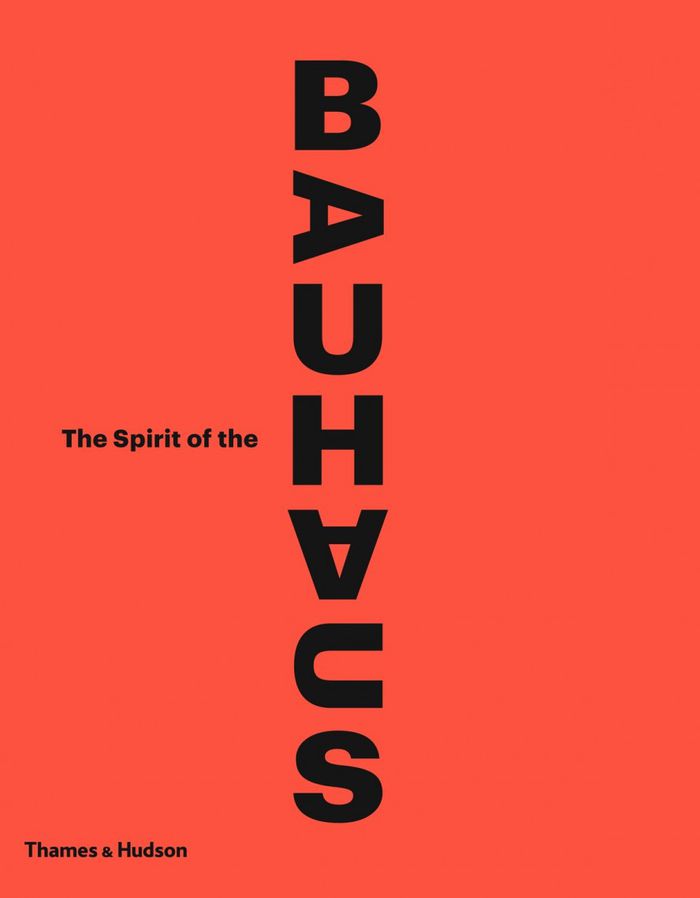
The spirit of the Bauhaus
The spirit of the Bauhaus
Actions:
Prix:
$66.00
(disponible sur commande)
Résumé:
“Architects, sculptors, painters, we all must return to the crafts!” declared architect Walter Gropius in his Bauhaus manifesto. Founded in 1919 as an art school in Weimar, the Bauhaus established itself as a major influence on twentieth- century art and design. Bauhaus students were taught by some of the most celebrated artists of the time, including Paul Klee, Lyonel(...)
$66.00
(disponible sur commande)
Résumé:
“Architects, sculptors, painters, we all must return to the crafts!” declared architect Walter Gropius in his Bauhaus manifesto. Founded in 1919 as an art school in Weimar, the Bauhaus established itself as a major influence on twentieth- century art and design. Bauhaus students were taught by some of the most celebrated artists of the time, including Paul Klee, Lyonel(...)
Titre:
The spirit of the Bauhaus
Actions:
Prix:
$66.00
(disponible sur commande)
Résumé:
“Architects, sculptors, painters, we all must return to the crafts!” declared architect Walter Gropius in his Bauhaus manifesto. Founded in 1919 as an art school in Weimar, the Bauhaus established itself as a major influence on twentieth- century art and design. Bauhaus students were taught by some of the most celebrated artists of the time, including Paul Klee, Lyonel Feininger, and Wassily Kandinsky. Having moved to Berlin in 1932 under architect Ludwig Mies van der Rohe, it was forced to close for good by the Gestapo in 1933. Uncovering the sources of inspiration that brought the Bauhaus into existence, from medieval cathedrals of Europe and Hokusai prints to William Morris and Arts and Crafts, The Spirit of the Bauhaus explores workshops and courses in detail, illustrating the extraordinary wealth of experimentation in every medium: ceramics, wood and metalwork, textiles, glass- painting, sculpture, mural, printing and binding, theater, architecture, and photography. This essential and accessible guide to the Bauhaus, published in time for the 100th anniversary of the school in 2019, celebrates a school that continues to be recognized as the most durable and influential source of modern ideas about art, design, and craft.
The spirit of the Bauhaus
Actions:
Prix:
$66.00
(disponible sur commande)
Résumé:
“Architects, sculptors, painters, we all must return to the crafts!” declared architect Walter Gropius in his Bauhaus manifesto. Founded in 1919 as an art school in Weimar, the Bauhaus established itself as a major influence on twentieth- century art and design. Bauhaus students were taught by some of the most celebrated artists of the time, including Paul Klee, Lyonel Feininger, and Wassily Kandinsky. Having moved to Berlin in 1932 under architect Ludwig Mies van der Rohe, it was forced to close for good by the Gestapo in 1933. Uncovering the sources of inspiration that brought the Bauhaus into existence, from medieval cathedrals of Europe and Hokusai prints to William Morris and Arts and Crafts, The Spirit of the Bauhaus explores workshops and courses in detail, illustrating the extraordinary wealth of experimentation in every medium: ceramics, wood and metalwork, textiles, glass- painting, sculpture, mural, printing and binding, theater, architecture, and photography. This essential and accessible guide to the Bauhaus, published in time for the 100th anniversary of the school in 2019, celebrates a school that continues to be recognized as the most durable and influential source of modern ideas about art, design, and craft.
Classification:
livres
livres
Publication:
mai 2018
mai 2018
Sujet:
Modernisme
Modernisme
Classification:
livres
livres
Prix:
$47.50
(disponible sur commande)
Résumé:
Architect, designer, and architectural critic, George Nelson (1908�1986) was a young and impressionable architect when he wrote a series of articles in 1935 and 1936 that eloquently introduced astonishing buildings and fascinating personalities from across the Atlantic to wider American audiences. Building a New Europe presents this important collection of writings(...)
$47.50
(disponible sur commande)
Résumé:
Architect, designer, and architectural critic, George Nelson (1908�1986) was a young and impressionable architect when he wrote a series of articles in 1935 and 1936 that eloquently introduced astonishing buildings and fascinating personalities from across the Atlantic to wider American audiences. Building a New Europe presents this important collection of writings(...)
Titre:
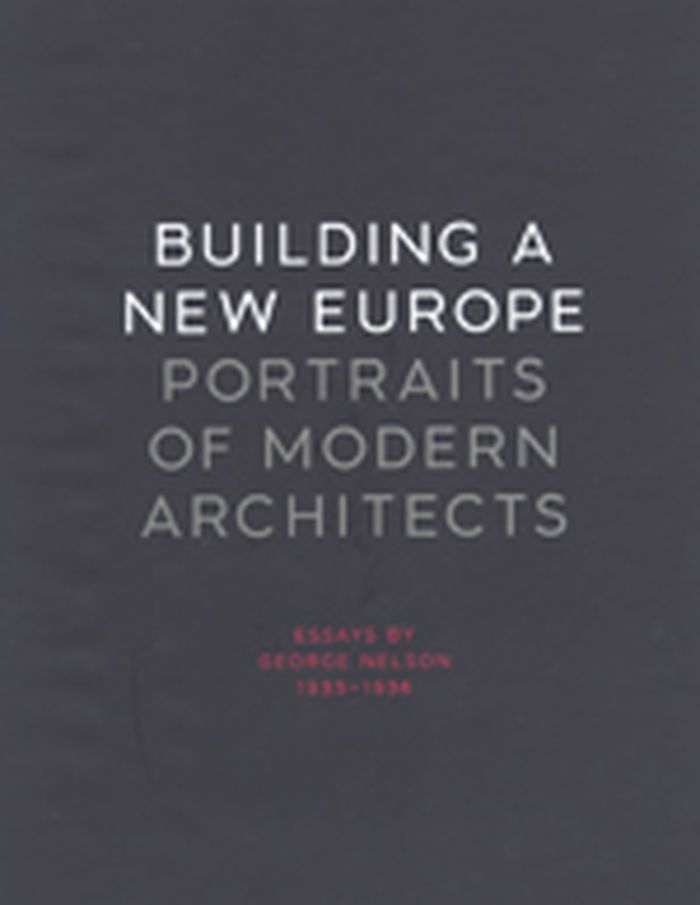
Building a new europe : Portraits of modern architects
Actions:
Prix:
$47.50
(disponible sur commande)
Résumé:
Architect, designer, and architectural critic, George Nelson (1908�1986) was a young and impressionable architect when he wrote a series of articles in 1935 and 1936 that eloquently introduced astonishing buildings and fascinating personalities from across the Atlantic to wider American audiences. Building a New Europe presents this important collection of writings together for the first time. The subjects of Nelson�s essays include figures both major (Mies van Der Rohe and Le Corbusier) and minor (Helweg-Moeller and Ivar Tengbom). All of these architects would soon be affected by World War II�they would be put out of work or seek new careers abroad. Nelson�s essays spark fascinating questions about the canon of modernism: how would circumstances in the pre-war years cause some architects to rise and others to fall? Accompanied by a comprehensive introduction and a wide selection of archival photographs, many never before published, this unique study is a significant contribution to the history of modern architecture. George Nelson served as the design director of Herman Miller from 1946 to 1972. His books include Chairs: 20th Century Landmarks in Design and Tomorrow�s House.
Building a new europe : Portraits of modern architects
Actions:
Prix:
$47.50
(disponible sur commande)
Résumé:
Architect, designer, and architectural critic, George Nelson (1908�1986) was a young and impressionable architect when he wrote a series of articles in 1935 and 1936 that eloquently introduced astonishing buildings and fascinating personalities from across the Atlantic to wider American audiences. Building a New Europe presents this important collection of writings together for the first time. The subjects of Nelson�s essays include figures both major (Mies van Der Rohe and Le Corbusier) and minor (Helweg-Moeller and Ivar Tengbom). All of these architects would soon be affected by World War II�they would be put out of work or seek new careers abroad. Nelson�s essays spark fascinating questions about the canon of modernism: how would circumstances in the pre-war years cause some architects to rise and others to fall? Accompanied by a comprehensive introduction and a wide selection of archival photographs, many never before published, this unique study is a significant contribution to the history of modern architecture. George Nelson served as the design director of Herman Miller from 1946 to 1972. His books include Chairs: 20th Century Landmarks in Design and Tomorrow�s House.
Classification:
livres
livres
Publication:
février 2007, New Haven, Londres
février 2007, New Haven, Londres
Sujet:
Modernisme
Modernisme
Classification:
livres
livres
![Five minutes city : architecture and [im]mobility](/img-bookstore/g-8fLW45kD9B9-2F56_gKQO180E=/700x1003/MIG-14543.jpg)
Actions:
Prix:
$42.95
(disponible sur commande)
Résumé:
FiveMinutesCity was an international forum and workshop for young architects organized by the Berlage Institute in collaboration with the Mies van der Rohe Foundation (Barcelona) and the Institut Français d'Architecture (Paris). The organizers invited Winy Maas, architect and partner in MVRDV from Rotterdam, as the workshop master. Winy Maas proposed a provocative and(...)
$42.95
(disponible sur commande)
Résumé:
FiveMinutesCity was an international forum and workshop for young architects organized by the Berlage Institute in collaboration with the Mies van der Rohe Foundation (Barcelona) and the Institut Français d'Architecture (Paris). The organizers invited Winy Maas, architect and partner in MVRDV from Rotterdam, as the workshop master. Winy Maas proposed a provocative and(...)
Titre:
Five minutes city : architecture and [im]mobility
Actions:
Prix:
$42.95
(disponible sur commande)
Résumé:
FiveMinutesCity was an international forum and workshop for young architects organized by the Berlage Institute in collaboration with the Mies van der Rohe Foundation (Barcelona) and the Institut Français d'Architecture (Paris). The organizers invited Winy Maas, architect and partner in MVRDV from Rotterdam, as the workshop master. Winy Maas proposed a provocative and inspiring brief; he asked participants to redesign the cities of Rotterdam and New York in a way that everything is reachable within five minutes. A series of serious questions arise from the challenging brief: 'What will such a city look like? What happens to such an hypothesis if cars are the only mode of transport? What will such a city look like when it is only accessed by public transport? Or by walking?' How one can extend the knowledge of compact or dense cities? How fast cities can be? Is increased speed an ideal concept for future cities? Is development of new infrastructure sustainable for cities in future? Can Rotterdam become such a city? Is it possible to upscale Manhattan? How does mobility affects the working and living qualities of the cities and how is mobility shaping cities?
Five minutes city : architecture and [im]mobility
Actions:
Prix:
$42.95
(disponible sur commande)
Résumé:
FiveMinutesCity was an international forum and workshop for young architects organized by the Berlage Institute in collaboration with the Mies van der Rohe Foundation (Barcelona) and the Institut Français d'Architecture (Paris). The organizers invited Winy Maas, architect and partner in MVRDV from Rotterdam, as the workshop master. Winy Maas proposed a provocative and inspiring brief; he asked participants to redesign the cities of Rotterdam and New York in a way that everything is reachable within five minutes. A series of serious questions arise from the challenging brief: 'What will such a city look like? What happens to such an hypothesis if cars are the only mode of transport? What will such a city look like when it is only accessed by public transport? Or by walking?' How one can extend the knowledge of compact or dense cities? How fast cities can be? Is increased speed an ideal concept for future cities? Is development of new infrastructure sustainable for cities in future? Can Rotterdam become such a city? Is it possible to upscale Manhattan? How does mobility affects the working and living qualities of the cities and how is mobility shaping cities?
Classification:
livres
livres
Publication:
octobre 2003, Rotterdam
octobre 2003, Rotterdam
Sujet:
Architecture, monographies
Architecture, monographies


