


2692 Résultats
Classification:
livres
livres
Actions:
Prix:
$49.95
(disponible en magasin)
Résumé:
"The Earth that modernism built" traces the rise of planetary design to an imperialist discourse about the influence of the earthly environment on humanity. Kenny Cupers argues that to understand how the earth became an object of design, we need to radically shift the terms of analysis. Rather than describing how new design ideas and practices traveled and transformed(...)
$49.95
(disponible en magasin)
Résumé:
"The Earth that modernism built" traces the rise of planetary design to an imperialist discourse about the influence of the earthly environment on humanity. Kenny Cupers argues that to understand how the earth became an object of design, we need to radically shift the terms of analysis. Rather than describing how new design ideas and practices traveled and transformed(...)
Titre:
The earth that modernism built: Empire and the rise of Planetary Design
Actions:
Prix:
$49.95
(disponible en magasin)
Résumé:
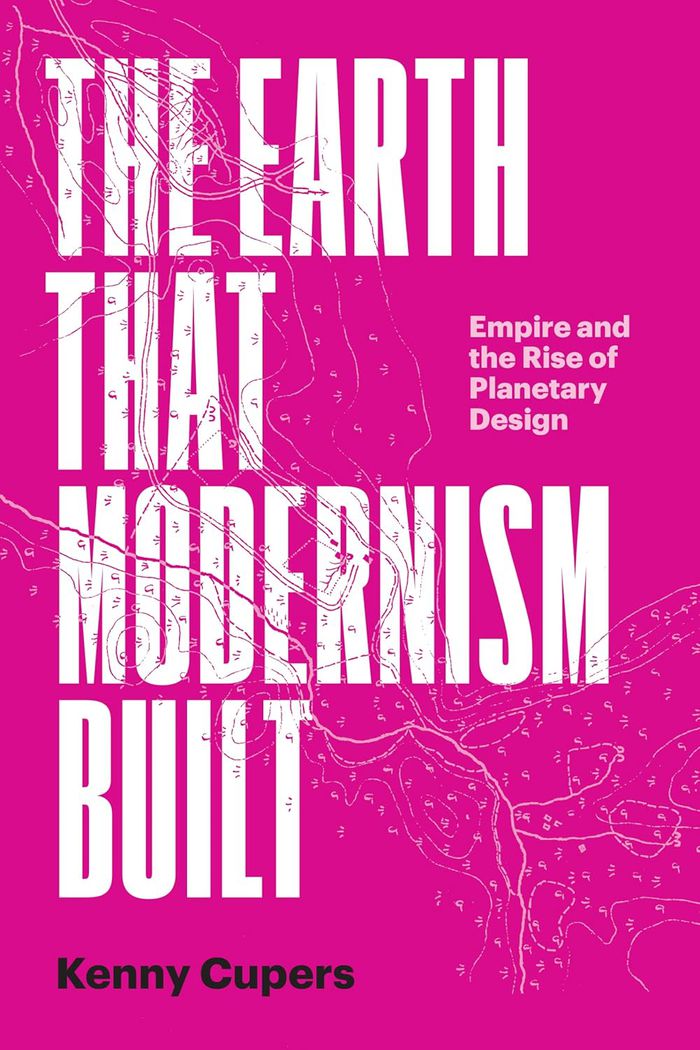
"The Earth that modernism built" traces the rise of planetary design to an imperialist discourse about the influence of the earthly environment on humanity. Kenny Cupers argues that to understand how the earth became an object of design, we need to radically shift the terms of analysis. Rather than describing how new design ideas and practices traveled and transformed people and places across the globe, this book interrogates the politics of life and earth underpinning this process. It demonstrates how approaches to modern housing, landscape design, and infrastructure planning are indebted to an understanding of planetary and human ecology fueled by settler colonialism and imperial ambition.
The earth that modernism built: Empire and the rise of Planetary Design
Actions:
Prix:
$49.95
(disponible en magasin)
Résumé:
"The Earth that modernism built" traces the rise of planetary design to an imperialist discourse about the influence of the earthly environment on humanity. Kenny Cupers argues that to understand how the earth became an object of design, we need to radically shift the terms of analysis. Rather than describing how new design ideas and practices traveled and transformed people and places across the globe, this book interrogates the politics of life and earth underpinning this process. It demonstrates how approaches to modern housing, landscape design, and infrastructure planning are indebted to an understanding of planetary and human ecology fueled by settler colonialism and imperial ambition.
Classification:
livres
livres
Publication:
décembre 2024
décembre 2024
Sujet:
Théorie de l’architecture
Théorie de l’architecture
Classification:
livres
livres
Actions:
Prix:
$55.95
(disponible sur commande)
Résumé:
This book argues, boredom shares an intimate relationship with architecture-one that has been seldom explored in architectural history and theory. Christian Parreno investigates that relationship, showing how an understanding of boredom affords us a new way of looking at and understanding the modern experience. The author reconstructs a series of episodes in architectural(...)
$55.95
(disponible sur commande)
Résumé:
This book argues, boredom shares an intimate relationship with architecture-one that has been seldom explored in architectural history and theory. Christian Parreno investigates that relationship, showing how an understanding of boredom affords us a new way of looking at and understanding the modern experience. The author reconstructs a series of episodes in architectural(...)
Titre:
Boredom, architecture and spatial experience
Actions:
Prix:
$55.95
(disponible sur commande)
Résumé:
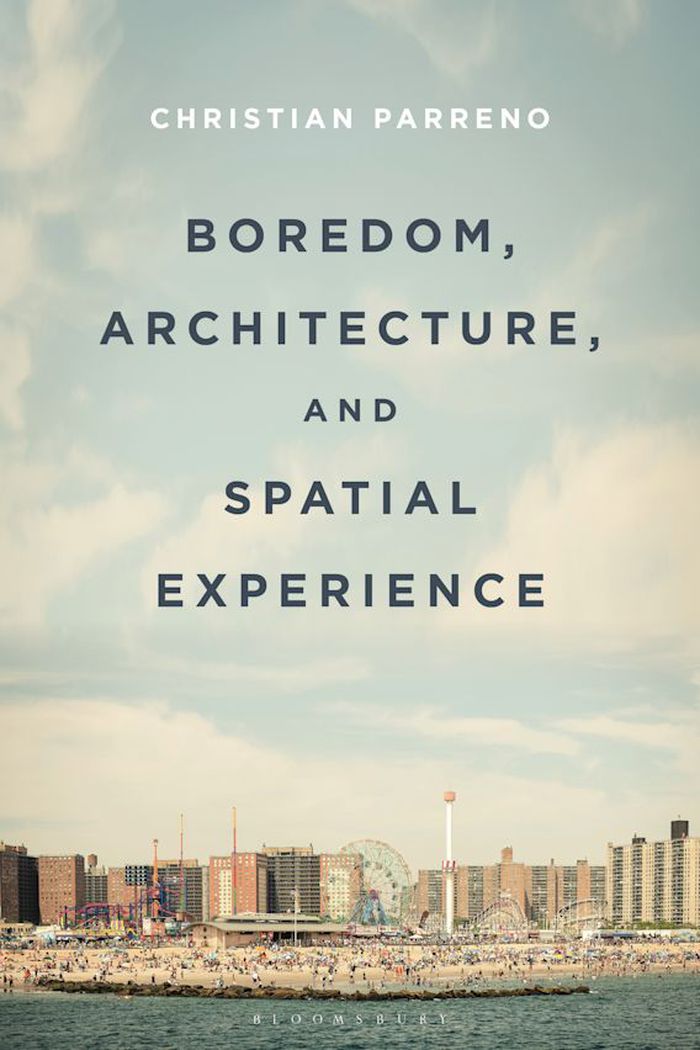
This book argues, boredom shares an intimate relationship with architecture-one that has been seldom explored in architectural history and theory. Christian Parreno investigates that relationship, showing how an understanding of boredom affords us a new way of looking at and understanding the modern experience. The author reconstructs a series of episodes in architectural history, from the 19th century to the present, to survey how boredom became a normalized component of the everyday, how it infiltrated into the production and reception of architecture, and how it serves to diagnose moments of crisis in the continuous transformations of the built environment. Erudite and innovative, the work moves deftly from architectural theory and philosophy to literature and psychology to make its case.
Boredom, architecture and spatial experience
Actions:
Prix:
$55.95
(disponible sur commande)
Résumé:
This book argues, boredom shares an intimate relationship with architecture-one that has been seldom explored in architectural history and theory. Christian Parreno investigates that relationship, showing how an understanding of boredom affords us a new way of looking at and understanding the modern experience. The author reconstructs a series of episodes in architectural history, from the 19th century to the present, to survey how boredom became a normalized component of the everyday, how it infiltrated into the production and reception of architecture, and how it serves to diagnose moments of crisis in the continuous transformations of the built environment. Erudite and innovative, the work moves deftly from architectural theory and philosophy to literature and psychology to make its case.
Classification:
livres
livres
Publication:
septembre 2022
septembre 2022
Sujet:
Théorie de l’architecture
Théorie de l’architecture
Classification:
périodiques
périodiques
Actions:
Prix:
$36.00
(disponible sur commande)
Résumé:
The modern design and perception of the public domain is to a large degree determined by the tension between different memories - individual and collective, old and new, indigenous and immigrant. This makes memory a topical theme in the public domain, and its content, management and place are in urgent need of renewed consideration. How can one actively make use of the(...)
$36.00
(disponible sur commande)
Résumé:
The modern design and perception of the public domain is to a large degree determined by the tension between different memories - individual and collective, old and new, indigenous and immigrant. This makes memory a topical theme in the public domain, and its content, management and place are in urgent need of renewed consideration. How can one actively make use of the(...)
Titre:
Open 7 (no)memory : storing and recalling in contemporary art and culture
Actions:
Prix:
$36.00
(disponible sur commande)
Résumé:
The modern design and perception of the public domain is to a large degree determined by the tension between different memories - individual and collective, old and new, indigenous and immigrant. This makes memory a topical theme in the public domain, and its content, management and place are in urgent need of renewed consideration. How can one actively make use of the information that is stored in modern-day 'places of memory'? What role does art play in this? Is collective memory even a possibility these days? How can cultural heritage be made accessible without transforming city and countryside into one big open-air museum? And what are the implications of new media and digital storage technologies for the social and historical processes of preserving and remembering? Rudi Laermans analyses the modern-day 'heritage regime'. Frank van Vree examines the role of the contemporary monument. Cor Wagenaar advocates the introduction of time as an instrument for the Belvedere Policy. Wolfgang Ernst considers how the archive becomes a literal metaphor in a digital culture. Nico Bick photographed various archives. Jorinde Seijdel takes a closer look at the visual archive of Bill Gates. Sven Lütticken writes about the conspiracy of openness that is apparently at work in the mass media. Geert Lovink interviews artist and archivist Tjebbe van Tijen. Artists' contributions from Joke Robaard, Nico Dockx, Hans Aarsman, Arnoud Holleman and Barbara Visser. Other contributions by Henk Oosterling, Brigitte van der Sande, Stef Scagliola, Jordan Crandall and Paul Meurs.
Open 7 (no)memory : storing and recalling in contemporary art and culture
Actions:
Prix:
$36.00
(disponible sur commande)
Résumé:
The modern design and perception of the public domain is to a large degree determined by the tension between different memories - individual and collective, old and new, indigenous and immigrant. This makes memory a topical theme in the public domain, and its content, management and place are in urgent need of renewed consideration. How can one actively make use of the information that is stored in modern-day 'places of memory'? What role does art play in this? Is collective memory even a possibility these days? How can cultural heritage be made accessible without transforming city and countryside into one big open-air museum? And what are the implications of new media and digital storage technologies for the social and historical processes of preserving and remembering? Rudi Laermans analyses the modern-day 'heritage regime'. Frank van Vree examines the role of the contemporary monument. Cor Wagenaar advocates the introduction of time as an instrument for the Belvedere Policy. Wolfgang Ernst considers how the archive becomes a literal metaphor in a digital culture. Nico Bick photographed various archives. Jorinde Seijdel takes a closer look at the visual archive of Bill Gates. Sven Lütticken writes about the conspiracy of openness that is apparently at work in the mass media. Geert Lovink interviews artist and archivist Tjebbe van Tijen. Artists' contributions from Joke Robaard, Nico Dockx, Hans Aarsman, Arnoud Holleman and Barbara Visser. Other contributions by Henk Oosterling, Brigitte van der Sande, Stef Scagliola, Jordan Crandall and Paul Meurs.
Classification:
périodiques
périodiques
Publication:
janvier 1900, Rotterdam
janvier 1900, Rotterdam
Sujet:
Revues
Revues
Classification:
livres
livres
Actions:
Prix:
$49.95
(disponible sur commande)
Résumé:
Modern urban planning has long promised to improve the quality of human life. But how is human life defined? "Displacing Blackness" develops a unique critique of urban planning by focusing, not on its subservience to economic or political elites, but on its efforts to improve people’s lives. While focused on twentieth-century Halifax, "Displacing Blackness" develops(...)
$49.95
(disponible sur commande)
Résumé:
Modern urban planning has long promised to improve the quality of human life. But how is human life defined? "Displacing Blackness" develops a unique critique of urban planning by focusing, not on its subservience to economic or political elites, but on its efforts to improve people’s lives. While focused on twentieth-century Halifax, "Displacing Blackness" develops(...)
Titre:
Displacing Blackness: Planning, power, and race in twentieth-century Halifax
Actions:
Prix:
$49.95
(disponible sur commande)
Résumé:
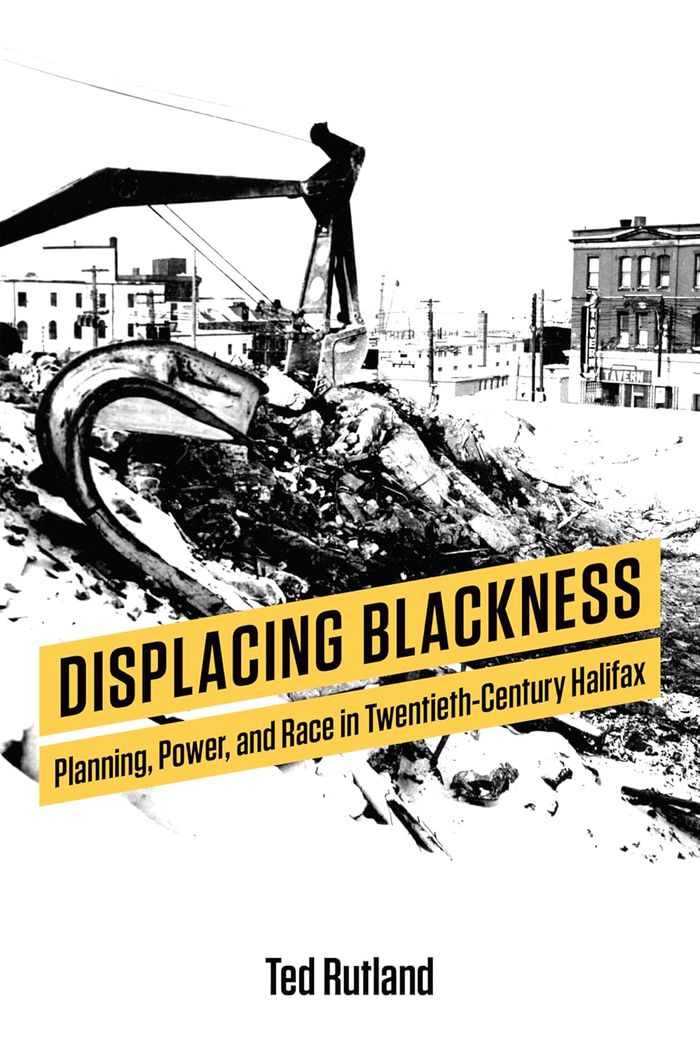
Modern urban planning has long promised to improve the quality of human life. But how is human life defined? "Displacing Blackness" develops a unique critique of urban planning by focusing, not on its subservience to economic or political elites, but on its efforts to improve people’s lives. While focused on twentieth-century Halifax, "Displacing Blackness" develops broad insights about the possibilities and limitations of modern planning. Drawing connections between the history of planning and emerging scholarship in Black Studies, Ted Rutland positions anti-blackness at the heart of contemporary city-making. Moving through a series of important planning initiatives, from a social housing project concerned with the moral and physical health of working-class residents to a sustainability-focused regional plan, Displacing Blackness shows how race – specifically blackness – has defined the boundaries of the human being and guided urban planning, with grave consequences for the city’s Black residents.
Displacing Blackness: Planning, power, and race in twentieth-century Halifax
Actions:
Prix:
$49.95
(disponible sur commande)
Résumé:
Modern urban planning has long promised to improve the quality of human life. But how is human life defined? "Displacing Blackness" develops a unique critique of urban planning by focusing, not on its subservience to economic or political elites, but on its efforts to improve people’s lives. While focused on twentieth-century Halifax, "Displacing Blackness" develops broad insights about the possibilities and limitations of modern planning. Drawing connections between the history of planning and emerging scholarship in Black Studies, Ted Rutland positions anti-blackness at the heart of contemporary city-making. Moving through a series of important planning initiatives, from a social housing project concerned with the moral and physical health of working-class residents to a sustainability-focused regional plan, Displacing Blackness shows how race – specifically blackness – has defined the boundaries of the human being and guided urban planning, with grave consequences for the city’s Black residents.
Classification:
livres
livres
Publication:
mai 2018
mai 2018
Sujet:
Architecture du Canada
Architecture du Canada
Classification:
livres
livres
Actions:
Prix:
$40.95
(disponible sur commande)
Résumé:
The story of the development of artificial light in the 19th century is not only a history of its technology but a revelation of how that technology helped forge modern consciousness. The range of subjects includes the political symbolism of streetlamps, the rise of nightlife and the shop window, and the importance of the salon in the bourgeois culture.
$40.95
(disponible sur commande)
Résumé:
The story of the development of artificial light in the 19th century is not only a history of its technology but a revelation of how that technology helped forge modern consciousness. The range of subjects includes the political symbolism of streetlamps, the rise of nightlife and the shop window, and the importance of the salon in the bourgeois culture.
Titre:
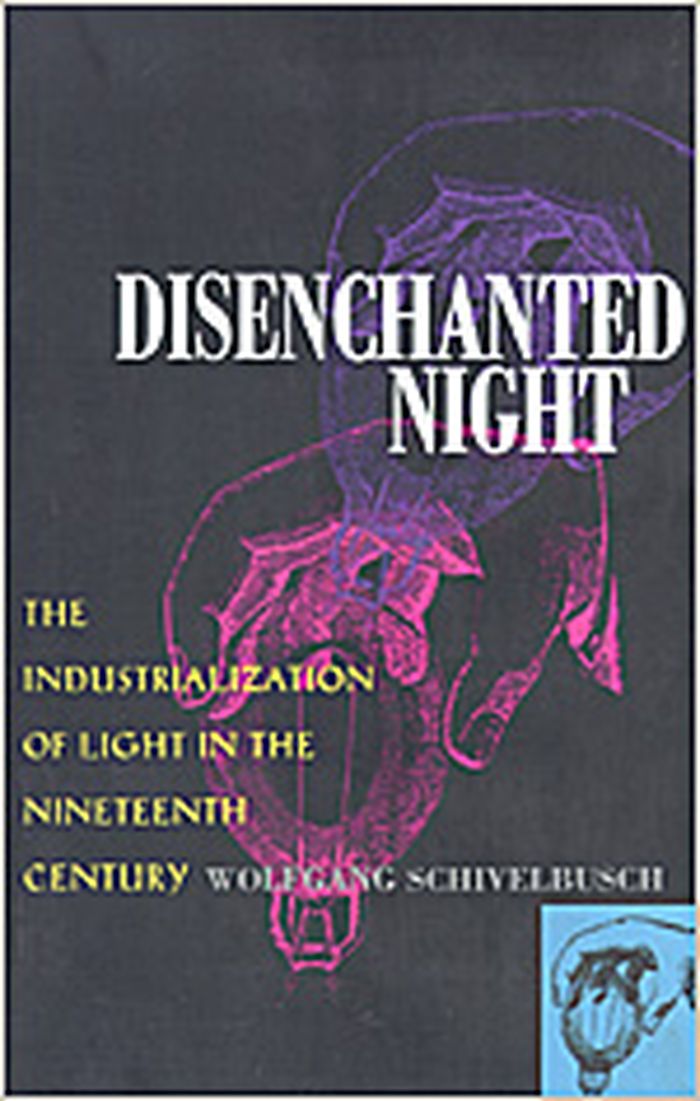
Disenchanted night : the industrialization of light in the nineteenth century
Actions:
Prix:
$40.95
(disponible sur commande)
Résumé:
The story of the development of artificial light in the 19th century is not only a history of its technology but a revelation of how that technology helped forge modern consciousness. The range of subjects includes the political symbolism of streetlamps, the rise of nightlife and the shop window, and the importance of the salon in the bourgeois culture.
Disenchanted night : the industrialization of light in the nineteenth century
Actions:
Prix:
$40.95
(disponible sur commande)
Résumé:
The story of the development of artificial light in the 19th century is not only a history of its technology but a revelation of how that technology helped forge modern consciousness. The range of subjects includes the political symbolism of streetlamps, the rise of nightlife and the shop window, and the importance of the salon in the bourgeois culture.
Classification:
livres
livres
Publication:
janvier 1995, Berkeley
janvier 1995, Berkeley
Sujet:
Théorie de l’architecture
Théorie de l’architecture
Classification:
livres
livres
Titre:
On the body
On the body
Actions:
Prix:
$22.95
(disponible sur commande)
Résumé:
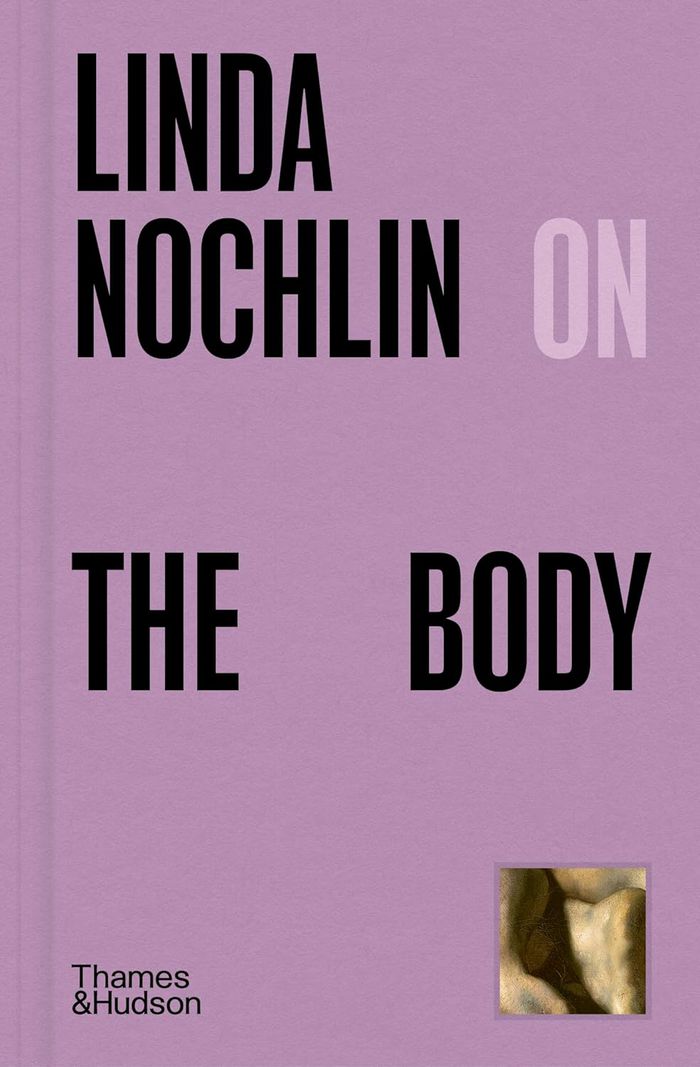
In this classic essay, renowned art historian and pioneering feminist Linda Nochlin explores how, from the late 18th century, fragmented, mutilated and fetishized representations of the human body came to constitute a distinctively modern view of the world. The work of an original thinker at the height of her powers, it remains a thought-provoking and compelling read.
$22.95
(disponible sur commande)
Résumé:
In this classic essay, renowned art historian and pioneering feminist Linda Nochlin explores how, from the late 18th century, fragmented, mutilated and fetishized representations of the human body came to constitute a distinctively modern view of the world. The work of an original thinker at the height of her powers, it remains a thought-provoking and compelling read.
Titre:
On the body
Actions:
Prix:
$22.95
(disponible sur commande)
Résumé:
In this classic essay, renowned art historian and pioneering feminist Linda Nochlin explores how, from the late 18th century, fragmented, mutilated and fetishized representations of the human body came to constitute a distinctively modern view of the world. The work of an original thinker at the height of her powers, it remains a thought-provoking and compelling read.
On the body
Actions:
Prix:
$22.95
(disponible sur commande)
Résumé:
In this classic essay, renowned art historian and pioneering feminist Linda Nochlin explores how, from the late 18th century, fragmented, mutilated and fetishized representations of the human body came to constitute a distinctively modern view of the world. The work of an original thinker at the height of her powers, it remains a thought-provoking and compelling read.
Classification:
livres
livres
Publication:
juin 2024
juin 2024
Sujet:
Théorie de l’art
Théorie de l’art
Classification:
livres
livres
Actions:
Prix:
$31.95
(disponible sur commande)
Résumé:
As 21st-century companies realize they'll need to be green to compete, sustainable ideas are spreading like wildfire throughout all fields of modern business. In The Green Workplace, Leigh Stringer shows companies on the cusp of radically transforming their practices how to bring together diverse teams and establish new organizational governance for creative(...)
$31.95
(disponible sur commande)
Résumé:
As 21st-century companies realize they'll need to be green to compete, sustainable ideas are spreading like wildfire throughout all fields of modern business. In The Green Workplace, Leigh Stringer shows companies on the cusp of radically transforming their practices how to bring together diverse teams and establish new organizational governance for creative(...)
Publication:
août 2009
août 2009
Titre:
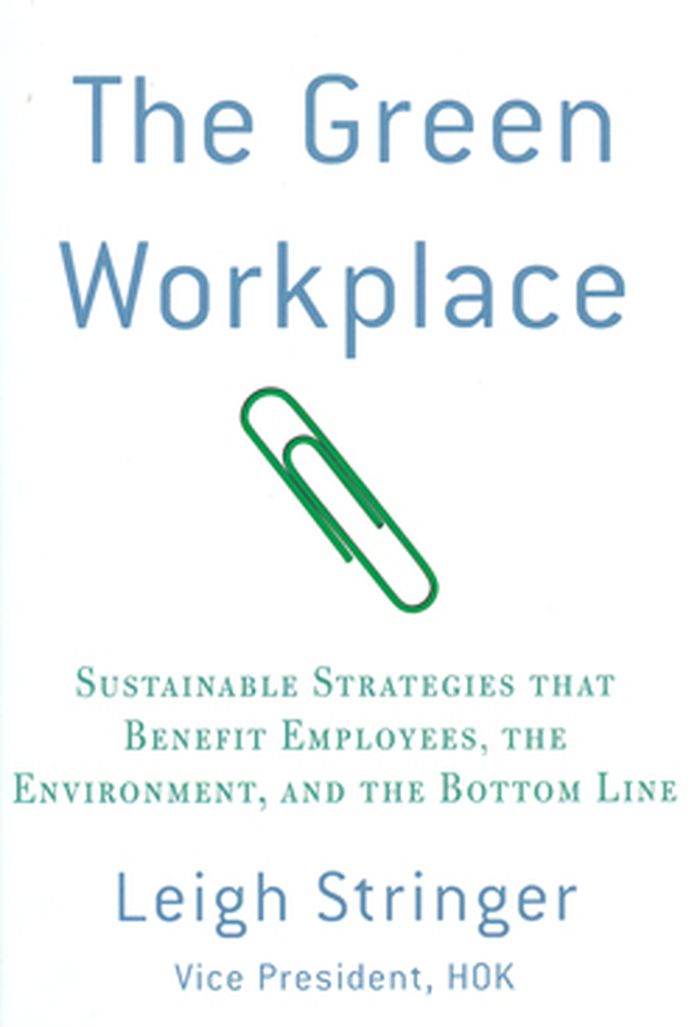
The green workplace: sustainable strategies that benefit employees, the environment, and the bottom line
Actions:
Prix:
$31.95
(disponible sur commande)
Résumé:
As 21st-century companies realize they'll need to be green to compete, sustainable ideas are spreading like wildfire throughout all fields of modern business. In The Green Workplace, Leigh Stringer shows companies on the cusp of radically transforming their practices how to bring together diverse teams and establish new organizational governance for creative problem-solving in greening their workplace.
The green workplace: sustainable strategies that benefit employees, the environment, and the bottom line
Actions:
Prix:
$31.95
(disponible sur commande)
Résumé:
As 21st-century companies realize they'll need to be green to compete, sustainable ideas are spreading like wildfire throughout all fields of modern business. In The Green Workplace, Leigh Stringer shows companies on the cusp of radically transforming their practices how to bring together diverse teams and establish new organizational governance for creative problem-solving in greening their workplace.
Classification:
livres
livres
Publication:
août 2009
août 2009
Classification:
périodiques
périodiques
Titre:
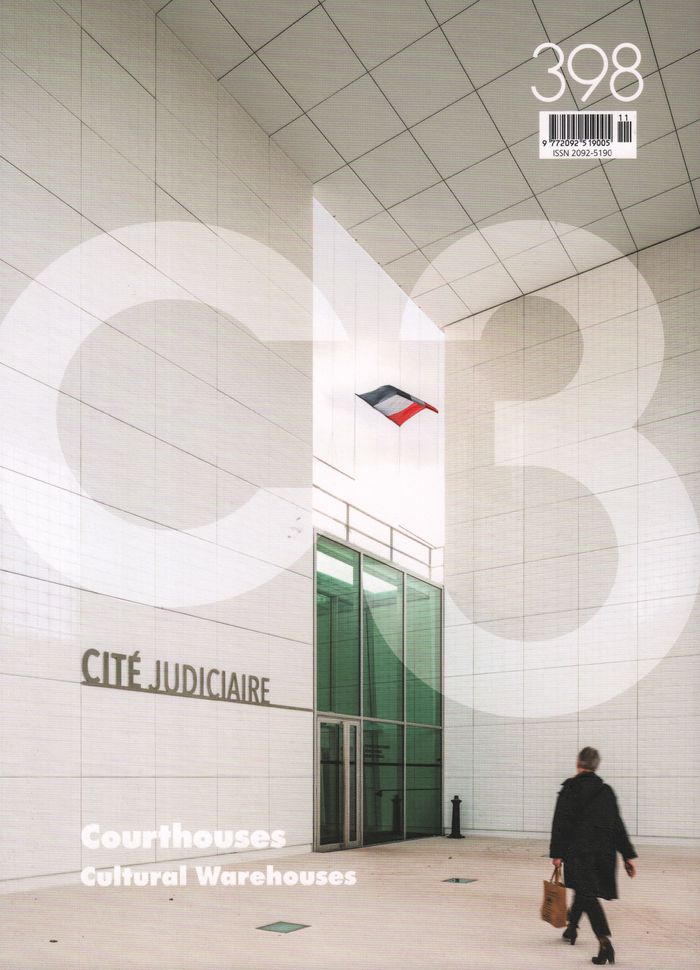
c3 398 : courthouses
c3 398 : courthouses
Actions:
Prix:
$55.95
(disponible sur commande)
Résumé:
Courts of law are projections of civic power into the built environment. States have traditionally expressed themselves with monumentality, with its implications of permanence, but modern government aspires to transparency, which society also expects. Five projects demonstrate how architects address these tensions, among them the Paris Courthouse by Renzo Piano Building(...)
$55.95
(disponible sur commande)
Résumé:
Courts of law are projections of civic power into the built environment. States have traditionally expressed themselves with monumentality, with its implications of permanence, but modern government aspires to transparency, which society also expects. Five projects demonstrate how architects address these tensions, among them the Paris Courthouse by Renzo Piano Building(...)
Titre:
c3 398 : courthouses
Actions:
Prix:
$55.95
(disponible sur commande)
Résumé:
Courts of law are projections of civic power into the built environment. States have traditionally expressed themselves with monumentality, with its implications of permanence, but modern government aspires to transparency, which society also expects. Five projects demonstrate how architects address these tensions, among them the Paris Courthouse by Renzo Piano Building Workshop and the Palace of Justice in Córdoba by Mecanoo + AYESA. In addition, five recently completed cultural warehouses by KOKO Architects, Franklin Azzi, and others show how various design strategies can be implemented in the conversion of industrial buildings to other functions.
c3 398 : courthouses
Actions:
Prix:
$55.95
(disponible sur commande)
Résumé:
Courts of law are projections of civic power into the built environment. States have traditionally expressed themselves with monumentality, with its implications of permanence, but modern government aspires to transparency, which society also expects. Five projects demonstrate how architects address these tensions, among them the Paris Courthouse by Renzo Piano Building Workshop and the Palace of Justice in Córdoba by Mecanoo + AYESA. In addition, five recently completed cultural warehouses by KOKO Architects, Franklin Azzi, and others show how various design strategies can be implemented in the conversion of industrial buildings to other functions.
Classification:
périodiques
périodiques
Publication:
mars 2019
mars 2019
Sujet:
Revues
Revues
Classification:
livres
livres
Actions:
Prix:
$28.95
(disponible sur commande)
Résumé:
An array of contributors, including poets, journalists, teachers, historians, wanderers, drinkers, photographers, and foodies, offer a selection of personal and subjective readings of the city since the late ’70s. These essays chart a variety of literal and metaphorical explorations through modern and postmodern London, showing how it works, and how it fails to work; what(...)
$28.95
(disponible sur commande)
Résumé:
An array of contributors, including poets, journalists, teachers, historians, wanderers, drinkers, photographers, and foodies, offer a selection of personal and subjective readings of the city since the late ’70s. These essays chart a variety of literal and metaphorical explorations through modern and postmodern London, showing how it works, and how it fails to work; what(...)
Titre:
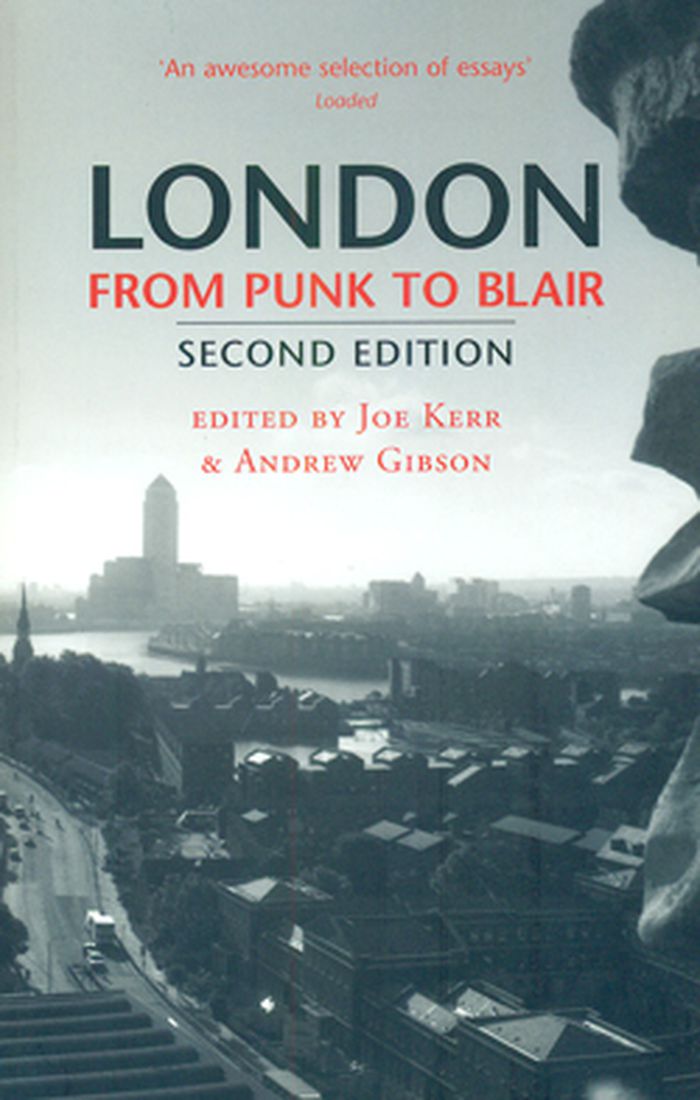
London from punk to Blair, second edition
Actions:
Prix:
$28.95
(disponible sur commande)
Résumé:
An array of contributors, including poets, journalists, teachers, historians, wanderers, drinkers, photographers, and foodies, offer a selection of personal and subjective readings of the city since the late ’70s. These essays chart a variety of literal and metaphorical explorations through modern and postmodern London, showing how it works, and how it fails to work; what makes it vibrant, and what makes it seedy. This revised edition includes a new introduction by editor Joe Kerr that brings the book up to date and gives the essays context for the post-recession world.
London from punk to Blair, second edition
Actions:
Prix:
$28.95
(disponible sur commande)
Résumé:
An array of contributors, including poets, journalists, teachers, historians, wanderers, drinkers, photographers, and foodies, offer a selection of personal and subjective readings of the city since the late ’70s. These essays chart a variety of literal and metaphorical explorations through modern and postmodern London, showing how it works, and how it fails to work; what makes it vibrant, and what makes it seedy. This revised edition includes a new introduction by editor Joe Kerr that brings the book up to date and gives the essays context for the post-recession world.
Classification:
livres
livres
Publication:
janvier 2013
janvier 2013
Classification:
livres
livres
Actions:
Prix:
$84.00
(disponible sur commande)
Résumé:
In 1936, Herman Miller Inc. founder D. J. De Pree committed Herman Miller to "modern" furniture. The rest is history: their continuing collaboration with some of the giants of modern design has made Herman Miller synonymous with quality in design. Herman Miller examines the company's powerful contributions by looking at the problems that design can solve and how creative(...)
$84.00
(disponible sur commande)
Résumé:
In 1936, Herman Miller Inc. founder D. J. De Pree committed Herman Miller to "modern" furniture. The rest is history: their continuing collaboration with some of the giants of modern design has made Herman Miller synonymous with quality in design. Herman Miller examines the company's powerful contributions by looking at the problems that design can solve and how creative(...)
Titre:
Herman Miller : the purpose of design
Actions:
Prix:
$84.00
(disponible sur commande)
Résumé:
In 1936, Herman Miller Inc. founder D. J. De Pree committed Herman Miller to "modern" furniture. The rest is history: their continuing collaboration with some of the giants of modern design has made Herman Miller synonymous with quality in design. Herman Miller examines the company's powerful contributions by looking at the problems that design can solve and how creative thinking can benefit the world. Aside from having produced icons of modern furniture, Herman Miller has revolutionized office systems and furniture in the workplace. A definitive history of design and the company’s work since its founding, Herman Miller features the legendary designs of Charles and Ray Eames, George Nelson, Isamu Noguchi, Gilbert Rohde, Bill Stumpf, Don Chadwick, and many more. It is a must-read for collectors, designers, professionals, students, and anyone with an interest in design.
Herman Miller : the purpose of design
Actions:
Prix:
$84.00
(disponible sur commande)
Résumé:
In 1936, Herman Miller Inc. founder D. J. De Pree committed Herman Miller to "modern" furniture. The rest is history: their continuing collaboration with some of the giants of modern design has made Herman Miller synonymous with quality in design. Herman Miller examines the company's powerful contributions by looking at the problems that design can solve and how creative thinking can benefit the world. Aside from having produced icons of modern furniture, Herman Miller has revolutionized office systems and furniture in the workplace. A definitive history of design and the company’s work since its founding, Herman Miller features the legendary designs of Charles and Ray Eames, George Nelson, Isamu Noguchi, Gilbert Rohde, Bill Stumpf, Don Chadwick, and many more. It is a must-read for collectors, designers, professionals, students, and anyone with an interest in design.
Classification:
livres
livres
Publication:
novembre 2004, New York
novembre 2004, New York
Sujet:
Design, monographies
Design, monographies


