


2314 Résultats
Classification:
livres
livres
Actions:
Prix:
$42.95
(disponible en magasin)
Résumé:
« Toxicité coloniale » revient sur les programmes d’essais nucléaires français menés entre 1960 et 1966 dans le Sahara algérien. Ce programme secret, qui s’est déroulé pendant et après la guerre d’indépendance algérienne (1954-1962), a permis au régime colonial français de mettre à feu quatre bombes atomiques atmosphériques, treize souterraines et mené d’autres(...)
$42.95
(disponible en magasin)
Résumé:
« Toxicité coloniale » revient sur les programmes d’essais nucléaires français menés entre 1960 et 1966 dans le Sahara algérien. Ce programme secret, qui s’est déroulé pendant et après la guerre d’indépendance algérienne (1954-1962), a permis au régime colonial français de mettre à feu quatre bombes atomiques atmosphériques, treize souterraines et mené d’autres(...)
Titre:
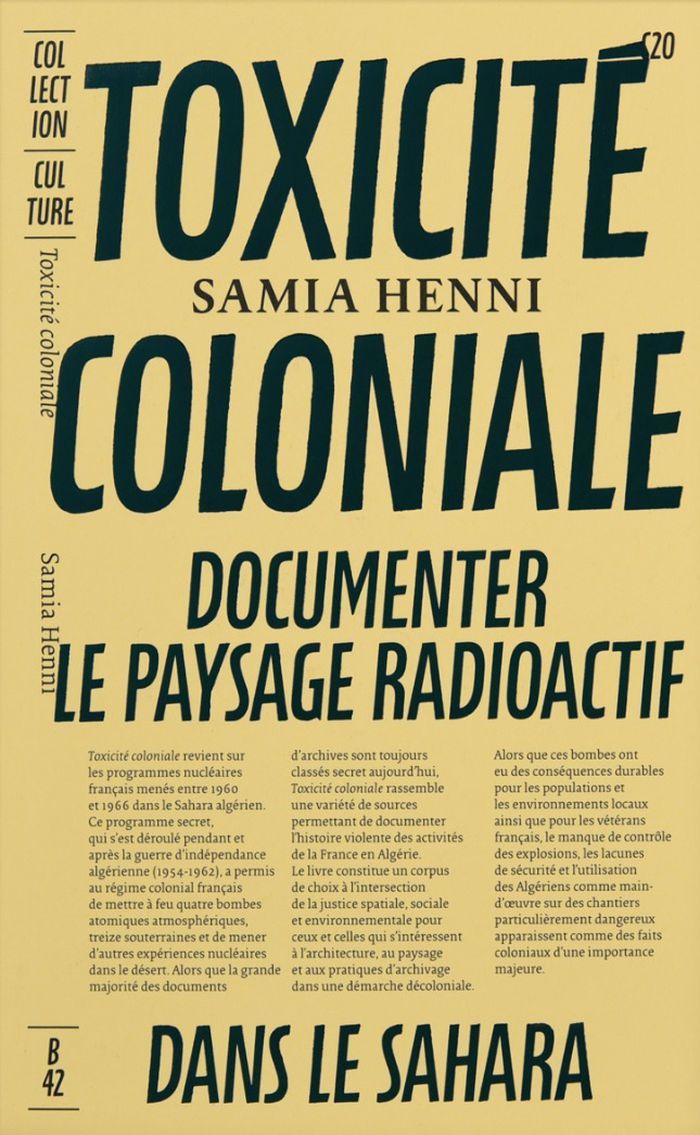
Toxicité coloniale : documenter le paysage radioactif dans le Sahara
Actions:
Prix:
$42.95
(disponible en magasin)
Résumé:
« Toxicité coloniale » revient sur les programmes d’essais nucléaires français menés entre 1960 et 1966 dans le Sahara algérien. Ce programme secret, qui s’est déroulé pendant et après la guerre d’indépendance algérienne (1954-1962), a permis au régime colonial français de mettre à feu quatre bombes atomiques atmosphériques, treize souterraines et mené d’autres expériences nucléaires dans le désert. Alors que la grande majorité des documents d’archives sont toujours classés secret aujourd’hui, « Toxicité coloniale » rassemble une variété de sources permettant de documenter l’histoire violente des activités de la France en Algérie. Le livre constitue un corpus de choix à l’intersection de la justice spatiale, sociale et environnementale pour ceux et celles qui s’intéressent à l’architecture, au paysage et aux pratiques d’archivage dans une démarche postcoloniale.
Toxicité coloniale : documenter le paysage radioactif dans le Sahara
Actions:
Prix:
$42.95
(disponible en magasin)
Résumé:
« Toxicité coloniale » revient sur les programmes d’essais nucléaires français menés entre 1960 et 1966 dans le Sahara algérien. Ce programme secret, qui s’est déroulé pendant et après la guerre d’indépendance algérienne (1954-1962), a permis au régime colonial français de mettre à feu quatre bombes atomiques atmosphériques, treize souterraines et mené d’autres expériences nucléaires dans le désert. Alors que la grande majorité des documents d’archives sont toujours classés secret aujourd’hui, « Toxicité coloniale » rassemble une variété de sources permettant de documenter l’histoire violente des activités de la France en Algérie. Le livre constitue un corpus de choix à l’intersection de la justice spatiale, sociale et environnementale pour ceux et celles qui s’intéressent à l’architecture, au paysage et aux pratiques d’archivage dans une démarche postcoloniale.
Classification:
livres
livres
Publication:
mars 2026
mars 2026
Sujet:
L'écologie de l'architecure
L'écologie de l'architecure
Classification:
livres
livres
Actions:
Prix:
$56.00
(disponible en magasin)
Résumé:
"Memoryscapes," the second volume in the "Architecture Connecting" series, co-published with the Louisiana Museum of Modern Art, examines the role of human narratives in shaping the spaces of tomorrow. Focusing on the intersections of architecture with anthropology, archaeology and geology, the book presents the work of two studios whose practices engage deeply with the(...)
$56.00
(disponible en magasin)
Résumé:
"Memoryscapes," the second volume in the "Architecture Connecting" series, co-published with the Louisiana Museum of Modern Art, examines the role of human narratives in shaping the spaces of tomorrow. Focusing on the intersections of architecture with anthropology, archaeology and geology, the book presents the work of two studios whose practices engage deeply with the(...)
Sujet:
L'écologie de l'architecure
L'écologie de l'architecure
Publication:
avril 2026
avril 2026
Titre:
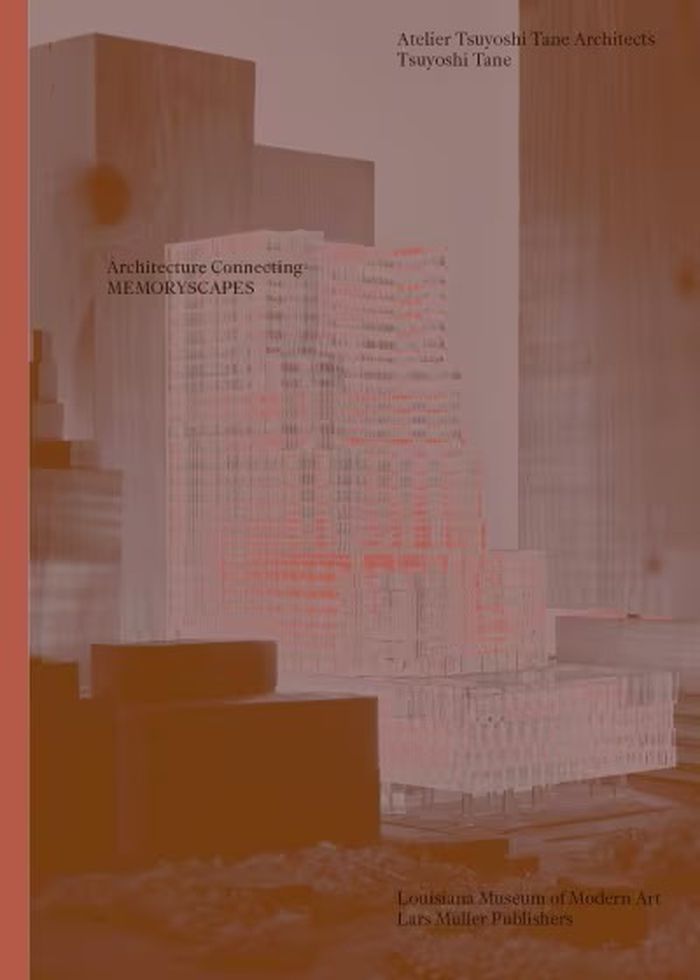
Architecture connecting: Xu Tiantian & Tsuyoshi Tane
Actions:
Prix:
$56.00
(disponible en magasin)
Résumé:
"Memoryscapes," the second volume in the "Architecture Connecting" series, co-published with the Louisiana Museum of Modern Art, examines the role of human narratives in shaping the spaces of tomorrow. Focusing on the intersections of architecture with anthropology, archaeology and geology, the book presents the work of two studios whose practices engage deeply with the past through both broad investigative research and precise architectural responses. Bound back-to-back, the publication comprises two volumes presenting the distinct approaches of DnA Architecture and Design (Beijing) and Atelier Tsuyoshi Tane Architects (ATTA, Tokyo and Paris). DnA’s practice of "architectural acupuncture" focuses on the social and economic regeneration of rural Chinese communities through targeted interventions that revive long-standing cultural practices, while ATTA’s "Archaeology of the Future" draws on the layered memories of places to create future possibilities across architecture, urban planning and exhibition design, in an international context. Led by Xu Tiantian and Tsuyoshi Tane, respectively, the two studios share an approach that connects social traditions, cultural heritage, craftsmanship and production conditions within complex, site-specific frameworks. Through illustrated essays and project dossiers, the publication traces how these practices draw on lived histories and place-based knowledge to generate new architectural narratives, bridging the past and the future in response to contemporary needs.
Architecture connecting: Xu Tiantian & Tsuyoshi Tane
Actions:
Prix:
$56.00
(disponible en magasin)
Résumé:
"Memoryscapes," the second volume in the "Architecture Connecting" series, co-published with the Louisiana Museum of Modern Art, examines the role of human narratives in shaping the spaces of tomorrow. Focusing on the intersections of architecture with anthropology, archaeology and geology, the book presents the work of two studios whose practices engage deeply with the past through both broad investigative research and precise architectural responses. Bound back-to-back, the publication comprises two volumes presenting the distinct approaches of DnA Architecture and Design (Beijing) and Atelier Tsuyoshi Tane Architects (ATTA, Tokyo and Paris). DnA’s practice of "architectural acupuncture" focuses on the social and economic regeneration of rural Chinese communities through targeted interventions that revive long-standing cultural practices, while ATTA’s "Archaeology of the Future" draws on the layered memories of places to create future possibilities across architecture, urban planning and exhibition design, in an international context. Led by Xu Tiantian and Tsuyoshi Tane, respectively, the two studios share an approach that connects social traditions, cultural heritage, craftsmanship and production conditions within complex, site-specific frameworks. Through illustrated essays and project dossiers, the publication traces how these practices draw on lived histories and place-based knowledge to generate new architectural narratives, bridging the past and the future in response to contemporary needs.
Classification:
livres
livres
Publication:
avril 2026
avril 2026
Sujet:
L'écologie de l'architecure
L'écologie de l'architecure
Classification:
livres
livres
Actions:
Prix:
$69.95
(disponible en magasin)
Résumé:
Conventional representations reinforce its reading as an urban condition resulting from neoliberal capitalism. These forces have expanded the city grid and extruded its architectures as a laboratory of urban ideas. Yet, like many other coastal and insular conditions, twenty-first century Manhattan faces adverse Anthropogenic climate change. Stronger storm surges and sea(...)
$69.95
(disponible en magasin)
Résumé:
Conventional representations reinforce its reading as an urban condition resulting from neoliberal capitalism. These forces have expanded the city grid and extruded its architectures as a laboratory of urban ideas. Yet, like many other coastal and insular conditions, twenty-first century Manhattan faces adverse Anthropogenic climate change. Stronger storm surges and sea(...)
Titre:
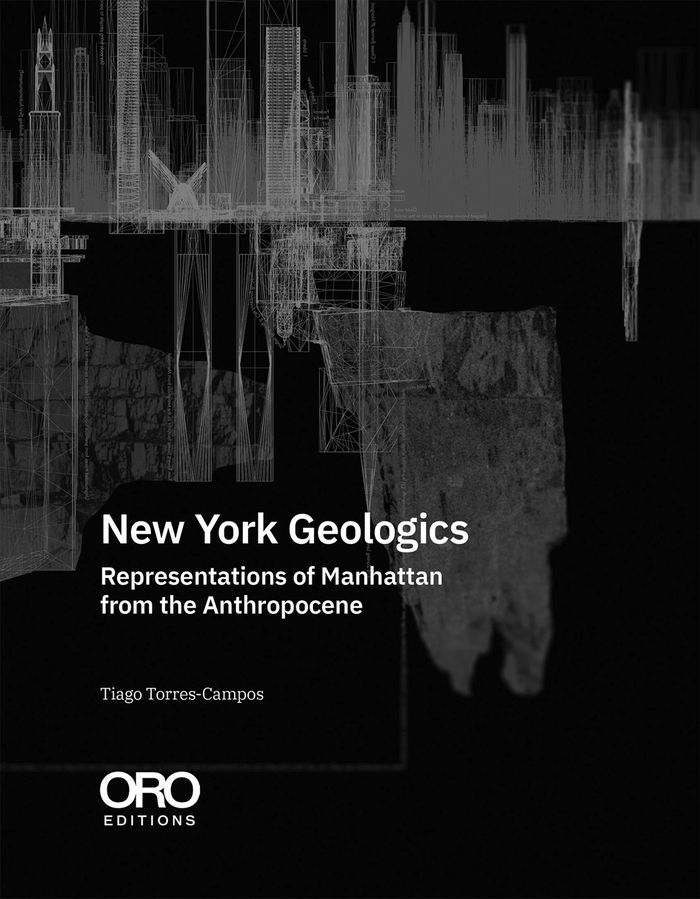
New York geologics: Representations of Manhattan from the anthropocene
Actions:
Prix:
$69.95
(disponible en magasin)
Résumé:
Conventional representations reinforce its reading as an urban condition resulting from neoliberal capitalism. These forces have expanded the city grid and extruded its architectures as a laboratory of urban ideas. Yet, like many other coastal and insular conditions, twenty-first century Manhattan faces adverse Anthropogenic climate change. Stronger storm surges and sea level rise now demand that the island recalibrates its social and environmental positions. The city needs to consider once again its fluid archipelagic conditions inherited from glacial dynamics. With a focus on iconic city representations, the book examines distinct logics that try to make capitalist progress compatible with its territorial conditions. Even though these logics of land, water and ground – here called geologics – are perhaps less dominant than the dense urban culture and, therefore, less predominant in the representation of the city, they are still important to explain why Manhattan evolved to its current condition.
New York geologics: Representations of Manhattan from the anthropocene
Actions:
Prix:
$69.95
(disponible en magasin)
Résumé:
Conventional representations reinforce its reading as an urban condition resulting from neoliberal capitalism. These forces have expanded the city grid and extruded its architectures as a laboratory of urban ideas. Yet, like many other coastal and insular conditions, twenty-first century Manhattan faces adverse Anthropogenic climate change. Stronger storm surges and sea level rise now demand that the island recalibrates its social and environmental positions. The city needs to consider once again its fluid archipelagic conditions inherited from glacial dynamics. With a focus on iconic city representations, the book examines distinct logics that try to make capitalist progress compatible with its territorial conditions. Even though these logics of land, water and ground – here called geologics – are perhaps less dominant than the dense urban culture and, therefore, less predominant in the representation of the city, they are still important to explain why Manhattan evolved to its current condition.
Classification:
livres
livres
Publication:
mars 2026
mars 2026
Sujet:
L'écologie de l'architecure
L'écologie de l'architecure
Classification:
livres
livres
Actions:
Prix:
$65.95
(disponible en magasin)
Résumé:
''Granular Configurations: Sand, Materiality, and Planetary Urbanization'' explores the world’s most used—yet often overlooked—building material: sand. Bringing together voices from geography, geology, social sciences, art, and the humanities, the book traces how sand moves and transforms, resisting easy capture by political and ecological systems. From extractive(...)
$65.95
(disponible en magasin)
Résumé:
''Granular Configurations: Sand, Materiality, and Planetary Urbanization'' explores the world’s most used—yet often overlooked—building material: sand. Bringing together voices from geography, geology, social sciences, art, and the humanities, the book traces how sand moves and transforms, resisting easy capture by political and ecological systems. From extractive(...)
Titre:
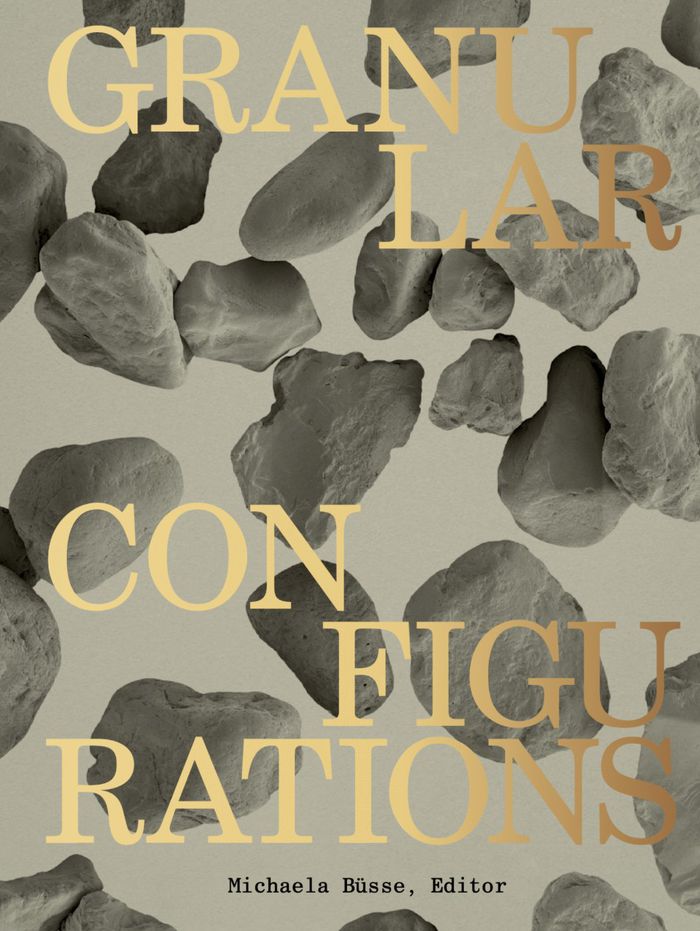
Granular Configurations : Sand, Materiality, and Planetary Urbanization
Actions:
Prix:
$65.95
(disponible en magasin)
Résumé:
''Granular Configurations: Sand, Materiality, and Planetary Urbanization'' explores the world’s most used—yet often overlooked—building material: sand. Bringing together voices from geography, geology, social sciences, art, and the humanities, the book traces how sand moves and transforms, resisting easy capture by political and ecological systems. From extractive practices and colonial legacies to fragile infrastructures and grassroots struggles, sand emerges here not just as a resource, but as an unstable force shaping the planetary urban condition.
Granular Configurations : Sand, Materiality, and Planetary Urbanization
Actions:
Prix:
$65.95
(disponible en magasin)
Résumé:
''Granular Configurations: Sand, Materiality, and Planetary Urbanization'' explores the world’s most used—yet often overlooked—building material: sand. Bringing together voices from geography, geology, social sciences, art, and the humanities, the book traces how sand moves and transforms, resisting easy capture by political and ecological systems. From extractive practices and colonial legacies to fragile infrastructures and grassroots struggles, sand emerges here not just as a resource, but as an unstable force shaping the planetary urban condition.
Classification:
livres
livres
Publication:
février 2026
février 2026
Sujet:
L'écologie de l'architecure
L'écologie de l'architecure
Classification:
livres
livres
Prix:
$39.95
(disponible sur commande)
Résumé:
Debrisphere is a yet-unnamed stratum of Earth's crust, a supra-stratum of the Lithosphere. It contains the worldwide man-made landscapes: the artificial mountains of Germany, the “blooming deserts” of Israel, the military coral reefs of China and the United States, and other similar constructions around the world resulted from, or still serving, conflict and war. The(...)
$39.95
(disponible sur commande)
Résumé:
Debrisphere is a yet-unnamed stratum of Earth's crust, a supra-stratum of the Lithosphere. It contains the worldwide man-made landscapes: the artificial mountains of Germany, the “blooming deserts” of Israel, the military coral reefs of China and the United States, and other similar constructions around the world resulted from, or still serving, conflict and war. The(...)
Titre:
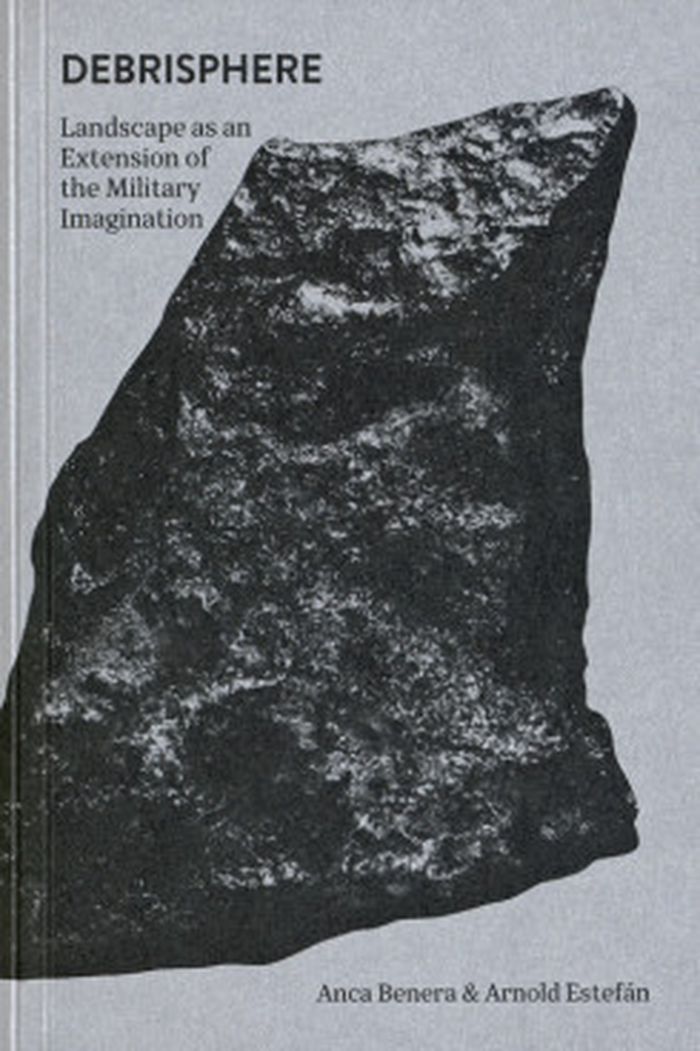
Debrisphere: Landscape as an extension of the military imagination
Actions:
Prix:
$39.95
(disponible sur commande)
Résumé:
Debrisphere is a yet-unnamed stratum of Earth's crust, a supra-stratum of the Lithosphere. It contains the worldwide man-made landscapes: the artificial mountains of Germany, the “blooming deserts” of Israel, the military coral reefs of China and the United States, and other similar constructions around the world resulted from, or still serving, conflict and war. The artist's book by Anca Benera and Arnold Estefan is published as an extension to their eponymous installation, presented for the first time in the frame of “Natural Histories. Traces of the Political” exhibition at MUMOK Vienna in 2017. Alongside the artists' case studies, which include Ariel Sharon Park, Teuflesberg, Diego Garcia, Johnston Atoll and the Spartly Islands, the publication includes four republished texts by Andrew Chubb, Hito Steyerl and Eyal Weizman, and newly commissioned texts by Noit Banai, Maja & Reuben Fowkes and Raluca Voinea.
Debrisphere: Landscape as an extension of the military imagination
Actions:
Prix:
$39.95
(disponible sur commande)
Résumé:
Debrisphere is a yet-unnamed stratum of Earth's crust, a supra-stratum of the Lithosphere. It contains the worldwide man-made landscapes: the artificial mountains of Germany, the “blooming deserts” of Israel, the military coral reefs of China and the United States, and other similar constructions around the world resulted from, or still serving, conflict and war. The artist's book by Anca Benera and Arnold Estefan is published as an extension to their eponymous installation, presented for the first time in the frame of “Natural Histories. Traces of the Political” exhibition at MUMOK Vienna in 2017. Alongside the artists' case studies, which include Ariel Sharon Park, Teuflesberg, Diego Garcia, Johnston Atoll and the Spartly Islands, the publication includes four republished texts by Andrew Chubb, Hito Steyerl and Eyal Weizman, and newly commissioned texts by Noit Banai, Maja & Reuben Fowkes and Raluca Voinea.
Classification:
livres
livres
Publication:
février 2020
février 2020
Sujet:
L'écologie de l'architecure
L'écologie de l'architecure
Classification:
livres
livres
Actions:
Prix:
$32.00
(disponible en magasin)
Résumé:
Architecture is a constant presence in the study of human interaction- acting as both the ground on which human social behavior is performed and a means of shaping subjectivity itself. ''Proxemics'' was an attempt to visualize and instrumentalize these dynamics, appealing to both the social sciences and the emerging field of environmental design. Founded by anthropologist(...)
$32.00
(disponible en magasin)
Résumé:
Architecture is a constant presence in the study of human interaction- acting as both the ground on which human social behavior is performed and a means of shaping subjectivity itself. ''Proxemics'' was an attempt to visualize and instrumentalize these dynamics, appealing to both the social sciences and the emerging field of environmental design. Founded by anthropologist(...)
Titre:
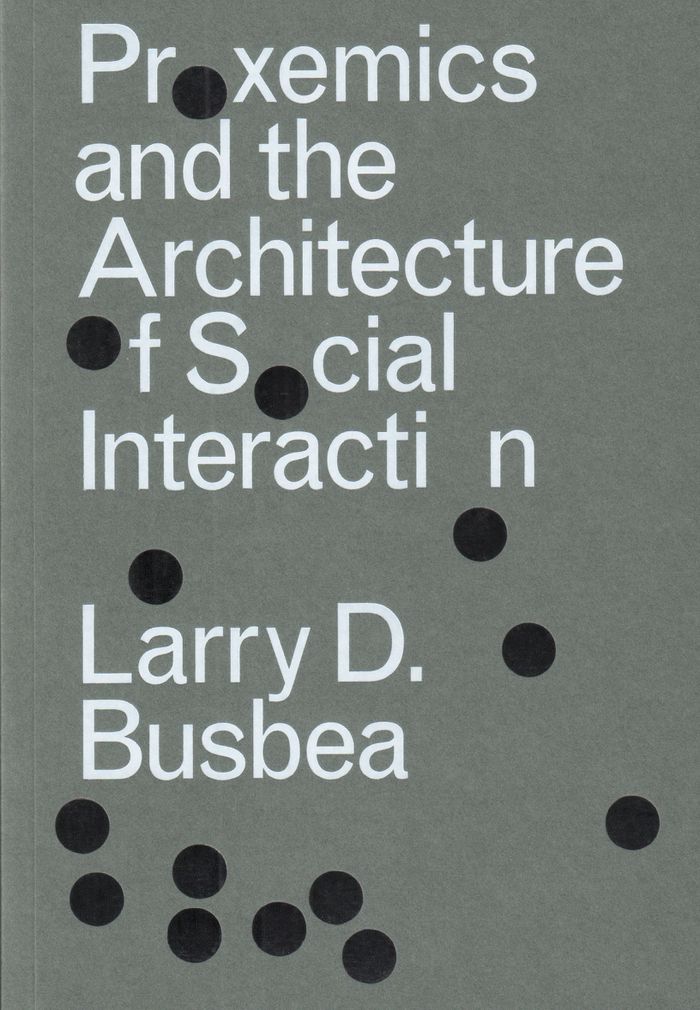
Proxemics and the architecture of social interaction
Actions:
Prix:
$32.00
(disponible en magasin)
Résumé:
Architecture is a constant presence in the study of human interaction- acting as both the ground on which human social behavior is performed and a means of shaping subjectivity itself. ''Proxemics'' was an attempt to visualize and instrumentalize these dynamics, appealing to both the social sciences and the emerging field of environmental design. Founded by anthropologist Edward T. Hall and taking shape between the departments of architecture and anthropology at the Illinois Institute of Technology, proxemics developed amidst cold war political tensions and intense social and civil unrest. ''Proxemics and the Architecture of Social Interaction'' presents selections from Hall’s extensive archive of visual materials alongside a critical analysis that traces transformations in the fields of design and science. Together these materials illuminate a moment in American history when new spatial practices arose to challenge the environmental conditions of cultural, political, and racial identity.
Proxemics and the architecture of social interaction
Actions:
Prix:
$32.00
(disponible en magasin)
Résumé:
Architecture is a constant presence in the study of human interaction- acting as both the ground on which human social behavior is performed and a means of shaping subjectivity itself. ''Proxemics'' was an attempt to visualize and instrumentalize these dynamics, appealing to both the social sciences and the emerging field of environmental design. Founded by anthropologist Edward T. Hall and taking shape between the departments of architecture and anthropology at the Illinois Institute of Technology, proxemics developed amidst cold war political tensions and intense social and civil unrest. ''Proxemics and the Architecture of Social Interaction'' presents selections from Hall’s extensive archive of visual materials alongside a critical analysis that traces transformations in the fields of design and science. Together these materials illuminate a moment in American history when new spatial practices arose to challenge the environmental conditions of cultural, political, and racial identity.
Classification:
livres
livres
Publication:
janvier 2021
janvier 2021
Sujet:
L'écologie de l'architecure
L'écologie de l'architecure
Classification:
livres
livres
Actions:
Prix:
$33.95
(disponible en magasin)
Résumé:
There is widespread consensus that we are living at the end—of democracy, of liberalism, of capitalism, of a healthy planet, of the Holocene, of civilization as we know it. In this book, drawing on radical futurisms and visions of justice-to-come emerging from the traditions of the oppressed—Indigenous, African-American, multispecies, anti-capitalist—as materialized in(...)
$33.95
(disponible en magasin)
Résumé:
There is widespread consensus that we are living at the end—of democracy, of liberalism, of capitalism, of a healthy planet, of the Holocene, of civilization as we know it. In this book, drawing on radical futurisms and visions of justice-to-come emerging from the traditions of the oppressed—Indigenous, African-American, multispecies, anti-capitalist—as materialized in(...)
Titre:
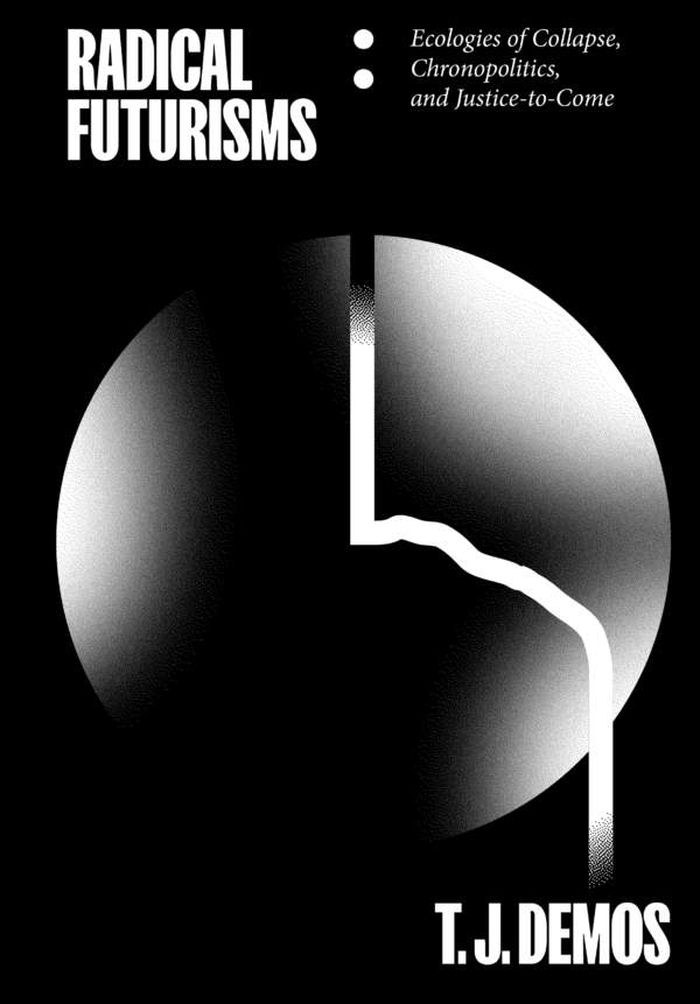
Radical futurisms: Ecologies of collapse/chronopolitics/justice to come
Actions:
Prix:
$33.95
(disponible en magasin)
Résumé:
There is widespread consensus that we are living at the end—of democracy, of liberalism, of capitalism, of a healthy planet, of the Holocene, of civilization as we know it. In this book, drawing on radical futurisms and visions of justice-to-come emerging from the traditions of the oppressed—Indigenous, African-American, multispecies, anti-capitalist—as materialized in experimental visual cultural, new media, aesthetic practices, and social movements, T. J. Demos poses speculative questions about what comes after end-of-world narratives. He argues that it's as vital to defeat fatalistic nihilism as it is to defeat the false solutions of green capitalism and algorithmic governance. How might we decolonize the future, and cultivate an emancipated chronopolitics in relation to an undetermined not-yet? If we are to avoid climate emergency's cooptation by technofixes, and the defuturing of multitudes by xenophobic eco-fascism, Demos argues, we must cultivate visions of just futurity and multispecies flourishing.
Radical futurisms: Ecologies of collapse/chronopolitics/justice to come
Actions:
Prix:
$33.95
(disponible en magasin)
Résumé:
There is widespread consensus that we are living at the end—of democracy, of liberalism, of capitalism, of a healthy planet, of the Holocene, of civilization as we know it. In this book, drawing on radical futurisms and visions of justice-to-come emerging from the traditions of the oppressed—Indigenous, African-American, multispecies, anti-capitalist—as materialized in experimental visual cultural, new media, aesthetic practices, and social movements, T. J. Demos poses speculative questions about what comes after end-of-world narratives. He argues that it's as vital to defeat fatalistic nihilism as it is to defeat the false solutions of green capitalism and algorithmic governance. How might we decolonize the future, and cultivate an emancipated chronopolitics in relation to an undetermined not-yet? If we are to avoid climate emergency's cooptation by technofixes, and the defuturing of multitudes by xenophobic eco-fascism, Demos argues, we must cultivate visions of just futurity and multispecies flourishing.
Classification:
livres
livres
Publication:
mai 2023
mai 2023
Sujet:
L'écologie de l'architecure
L'écologie de l'architecure
Classification:
livres
livres
Actions:
Prix:
$35.95
(disponible en magasin)
Résumé:
From the late nineteenth through most of the twentieth century, the evangelical Protestant Grenfell Mission in Newfoundland and Labrador, Canada, created a network of hospitals, schools, orphanages, stores, and industries with the goal of bringing health and organized society to settler fisherfolk and Indigenous populations. This infrastructure also served to support(...)
$35.95
(disponible en magasin)
Résumé:
From the late nineteenth through most of the twentieth century, the evangelical Protestant Grenfell Mission in Newfoundland and Labrador, Canada, created a network of hospitals, schools, orphanages, stores, and industries with the goal of bringing health and organized society to settler fisherfolk and Indigenous populations. This infrastructure also served to support(...)
Titre:
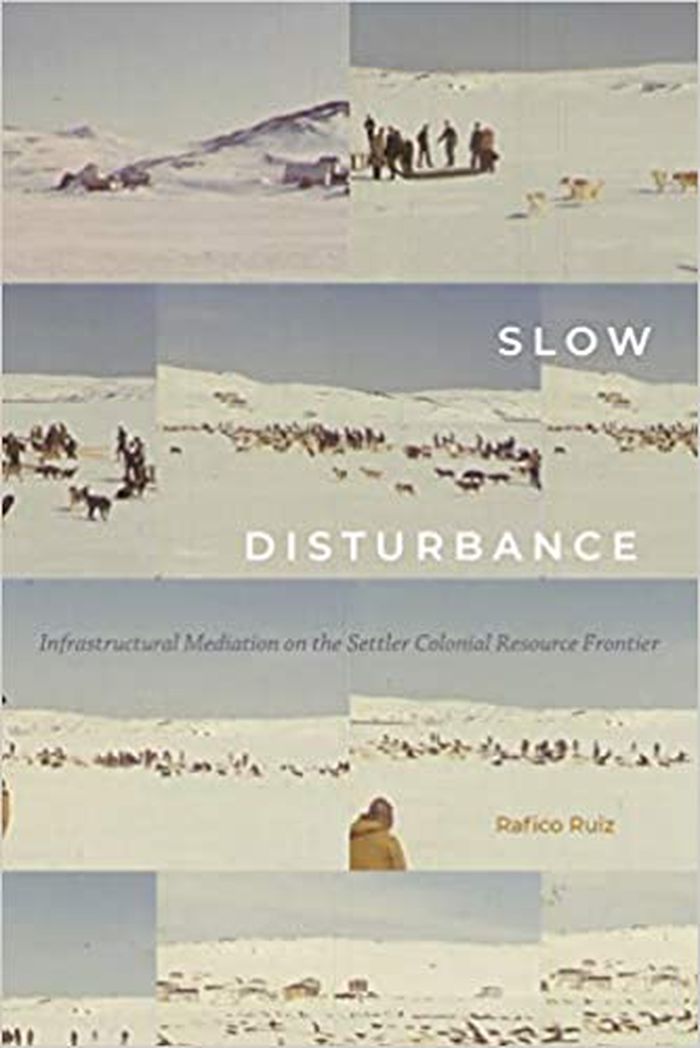
Slow disturbance: infrastructural mediation on the settler colonial resource frontier
Actions:
Prix:
$35.95
(disponible en magasin)
Résumé:
From the late nineteenth through most of the twentieth century, the evangelical Protestant Grenfell Mission in Newfoundland and Labrador, Canada, created a network of hospitals, schools, orphanages, stores, and industries with the goal of bringing health and organized society to settler fisherfolk and Indigenous populations. This infrastructure also served to support resource extraction of fisheries off Labrador's coast. In 'Slow Disturbance' Rafico Ruiz engages with the Grenfell Mission to theorize how settler colonialism establishes itself through what he calls infrastructural mediation—the ways in which colonial lifeworlds, subjectivities, and affects come into being through the creation and maintenance of infrastructures. Drawing on archival documents, maps, interviews with municipal officials, teachers, and residents, as well as his field photography, Ruiz shows how the mission's infrastructural mediation—from its attempts to restructure the local economy to the aerial surveying and mapping of the coastline—responded to the colony's environmental conditions in ways that expanded the bounds of the settler frontier. By tracing the mission's history and the mechanisms that enabled its functioning, Ruiz complicates understandings of mediation and infrastructure while expanding current debates surrounding settler colonialism and extractive capitalism.
Slow disturbance: infrastructural mediation on the settler colonial resource frontier
Actions:
Prix:
$35.95
(disponible en magasin)
Résumé:
From the late nineteenth through most of the twentieth century, the evangelical Protestant Grenfell Mission in Newfoundland and Labrador, Canada, created a network of hospitals, schools, orphanages, stores, and industries with the goal of bringing health and organized society to settler fisherfolk and Indigenous populations. This infrastructure also served to support resource extraction of fisheries off Labrador's coast. In 'Slow Disturbance' Rafico Ruiz engages with the Grenfell Mission to theorize how settler colonialism establishes itself through what he calls infrastructural mediation—the ways in which colonial lifeworlds, subjectivities, and affects come into being through the creation and maintenance of infrastructures. Drawing on archival documents, maps, interviews with municipal officials, teachers, and residents, as well as his field photography, Ruiz shows how the mission's infrastructural mediation—from its attempts to restructure the local economy to the aerial surveying and mapping of the coastline—responded to the colony's environmental conditions in ways that expanded the bounds of the settler frontier. By tracing the mission's history and the mechanisms that enabled its functioning, Ruiz complicates understandings of mediation and infrastructure while expanding current debates surrounding settler colonialism and extractive capitalism.
Classification:
livres
livres
Publication:
avril 2021
avril 2021
Sujet:
L'écologie de l'architecure
L'écologie de l'architecure
Classification:
livres
livres
Actions:
Prix:
$36.95
(disponible sur commande)
Résumé:
In this book, Brenna Bhandar examines how modern property law contributes to the formation of racial subjects in settler colonies and to the development of racial capitalism. Examining both historical cases and ongoing processes of settler colonialism in Canada, Australia, and Israel and Palestine, Bhandar shows how the colonial appropriation of indigenous lands depends(...)
$36.95
(disponible sur commande)
Résumé:
In this book, Brenna Bhandar examines how modern property law contributes to the formation of racial subjects in settler colonies and to the development of racial capitalism. Examining both historical cases and ongoing processes of settler colonialism in Canada, Australia, and Israel and Palestine, Bhandar shows how the colonial appropriation of indigenous lands depends(...)
Titre:
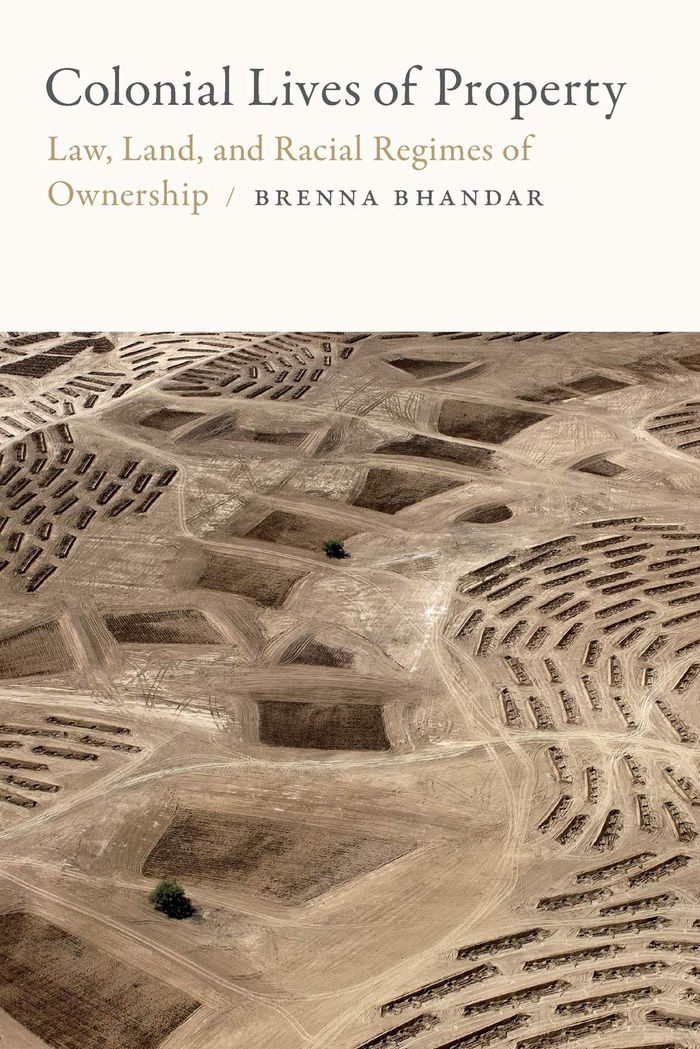
Colonial lives of property: law, land, and racial regimes of ownership
Actions:
Prix:
$36.95
(disponible sur commande)
Résumé:
In this book, Brenna Bhandar examines how modern property law contributes to the formation of racial subjects in settler colonies and to the development of racial capitalism. Examining both historical cases and ongoing processes of settler colonialism in Canada, Australia, and Israel and Palestine, Bhandar shows how the colonial appropriation of indigenous lands depends upon ideologies of European racial superiority as well as upon legal narratives that equate civilized life with English concepts of property. In this way, property law legitimates and rationalizes settler colonial practices while it racializes those deemed unfit to own property. The solution to these enduring racial and economic inequities, Bhandar demonstrates, requires developing a new political imaginary of property in which freedom is connected to shared practices of use and community rather than individual possession.
Colonial lives of property: law, land, and racial regimes of ownership
Actions:
Prix:
$36.95
(disponible sur commande)
Résumé:
In this book, Brenna Bhandar examines how modern property law contributes to the formation of racial subjects in settler colonies and to the development of racial capitalism. Examining both historical cases and ongoing processes of settler colonialism in Canada, Australia, and Israel and Palestine, Bhandar shows how the colonial appropriation of indigenous lands depends upon ideologies of European racial superiority as well as upon legal narratives that equate civilized life with English concepts of property. In this way, property law legitimates and rationalizes settler colonial practices while it racializes those deemed unfit to own property. The solution to these enduring racial and economic inequities, Bhandar demonstrates, requires developing a new political imaginary of property in which freedom is connected to shared practices of use and community rather than individual possession.
Classification:
livres
livres
Publication:
mai 2018
mai 2018
Sujet:
L'écologie de l'architecure
L'écologie de l'architecure
Classification:
livres
livres
Titre:
Deserts are not empty
Deserts are not empty
Actions:
Prix:
$31.00
(disponible en magasin)
Résumé:
Colonial and imperial powers have often portrayed arid lands as “empty” spaces ready to be occupied, exploited, extracted, and polluted. Despite the undeniable presence of human and nonhuman lives and forces in desert territories, the “regime of emptiness” has inhabited, and is still inhabiting, many imaginaries. This volume challenges this colonial tendency, questions(...)
$31.00
(disponible en magasin)
Résumé:
Colonial and imperial powers have often portrayed arid lands as “empty” spaces ready to be occupied, exploited, extracted, and polluted. Despite the undeniable presence of human and nonhuman lives and forces in desert territories, the “regime of emptiness” has inhabited, and is still inhabiting, many imaginaries. This volume challenges this colonial tendency, questions(...)
Titre:
Deserts are not empty
Actions:
Prix:
$31.00
(disponible en magasin)
Résumé:
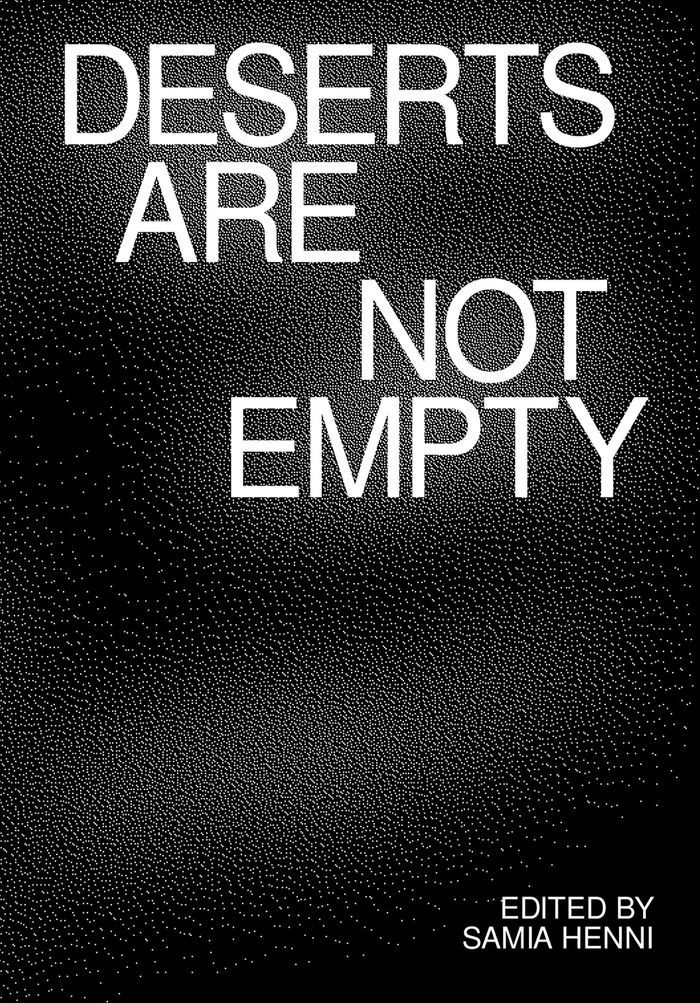
Colonial and imperial powers have often portrayed arid lands as “empty” spaces ready to be occupied, exploited, extracted, and polluted. Despite the undeniable presence of human and nonhuman lives and forces in desert territories, the “regime of emptiness” has inhabited, and is still inhabiting, many imaginaries. This volume challenges this colonial tendency, questions its roots and ramifications, and remaps the representations, theories, histories, and stories of arid lands—which comprise approximately one-third of the Earth’s land surface. It brings together poems in original languages, conversations with collectives, and essays by scholars and professionals from the fields of architecture, architectural history and theory, curatorial studies, comparative literature, film studies, landscape architecture, and photography. These different approaches and diverse voices draw on a framework of decoloniality to unsettle and unlearn the desert, opening up possibilities to see, think, imagine it otherwise.
Deserts are not empty
Actions:
Prix:
$31.00
(disponible en magasin)
Résumé:
Colonial and imperial powers have often portrayed arid lands as “empty” spaces ready to be occupied, exploited, extracted, and polluted. Despite the undeniable presence of human and nonhuman lives and forces in desert territories, the “regime of emptiness” has inhabited, and is still inhabiting, many imaginaries. This volume challenges this colonial tendency, questions its roots and ramifications, and remaps the representations, theories, histories, and stories of arid lands—which comprise approximately one-third of the Earth’s land surface. It brings together poems in original languages, conversations with collectives, and essays by scholars and professionals from the fields of architecture, architectural history and theory, curatorial studies, comparative literature, film studies, landscape architecture, and photography. These different approaches and diverse voices draw on a framework of decoloniality to unsettle and unlearn the desert, opening up possibilities to see, think, imagine it otherwise.
Classification:
livres
livres
Publication:
octobre 2022
octobre 2022
Sujet:
L'écologie de l'architecure
L'écologie de l'architecure


