


245 Résultats
Classification:
livres
livres
Actions:
Prix:
$66.00
(disponible sur commande)
Résumé:
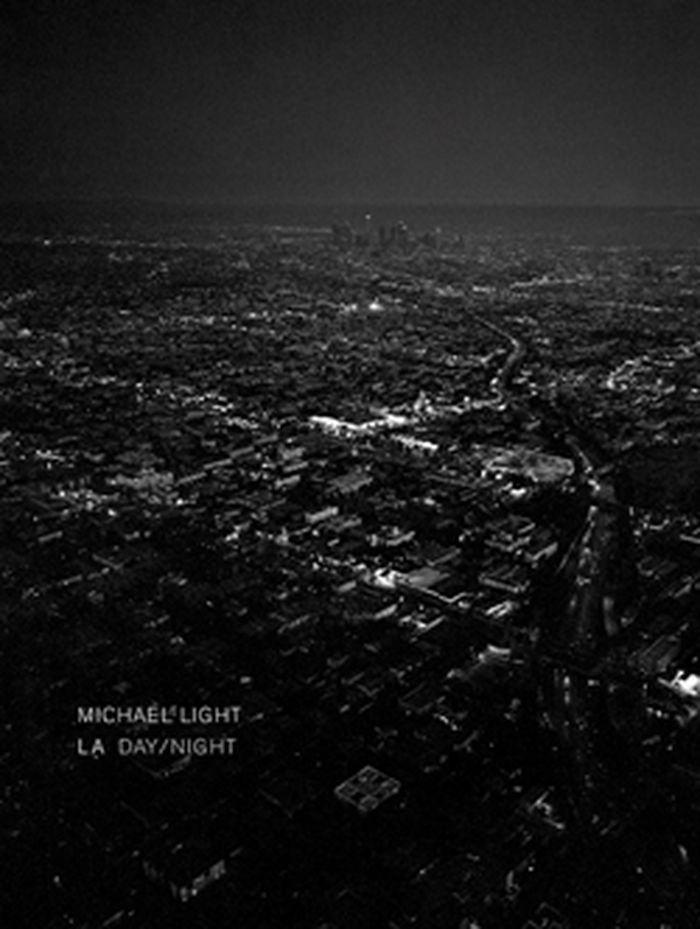
With LA Day/LA Night, photographer Michael Light continues his aerial examination of the arid American West by bringing together two opposing views of the city in a double-volume set. LA Day stares directly into the sun, which blasts the metropolis in a relentless and specific light. LA Night drifts over the city as it grows darker, and begins to resemble the starry sky(...)
$66.00
(disponible sur commande)
Résumé:
With LA Day/LA Night, photographer Michael Light continues his aerial examination of the arid American West by bringing together two opposing views of the city in a double-volume set. LA Day stares directly into the sun, which blasts the metropolis in a relentless and specific light. LA Night drifts over the city as it grows darker, and begins to resemble the starry sky(...)
Titre:
Michael Light: LA day, LA night
Actions:
Prix:
$66.00
(disponible sur commande)
Résumé:
With LA Day/LA Night, photographer Michael Light continues his aerial examination of the arid American West by bringing together two opposing views of the city in a double-volume set. LA Day stares directly into the sun, which blasts the metropolis in a relentless and specific light. LA Night drifts over the city as it grows darker, and begins to resemble the starry sky vaulted above. Referencing Ed Ruscha, Peter Alexander, Julius Schulman and writers from Philip K. Dick to Raymond Chandler, LA Day/LA Night continues Los Angeles’s rich cultural legacy of examining its favorite schizophrenic subject--itself.
Michael Light: LA day, LA night
Actions:
Prix:
$66.00
(disponible sur commande)
Résumé:
With LA Day/LA Night, photographer Michael Light continues his aerial examination of the arid American West by bringing together two opposing views of the city in a double-volume set. LA Day stares directly into the sun, which blasts the metropolis in a relentless and specific light. LA Night drifts over the city as it grows darker, and begins to resemble the starry sky vaulted above. Referencing Ed Ruscha, Peter Alexander, Julius Schulman and writers from Philip K. Dick to Raymond Chandler, LA Day/LA Night continues Los Angeles’s rich cultural legacy of examining its favorite schizophrenic subject--itself.
Classification:
livres
livres
Publication:
octobre 2010
octobre 2010
Sujet:
Monographies photo
Monographies photo
Classification:
livres
livres
Actions:
Prix:
$51.95
(disponible sur commande)
Résumé:
eter Davidson takes readers through our culture’s long engagement with the concept of twilight—from the melancholy of smoky English autumn evenings to the midnight sun of northern European summers and beyond. Taking in poets and painters, Victorians and Romans, city and countryside, and deftly combining memoir, literature, philosophy, and art history, Davidson shows how(...)
$51.95
(disponible sur commande)
Résumé:
eter Davidson takes readers through our culture’s long engagement with the concept of twilight—from the melancholy of smoky English autumn evenings to the midnight sun of northern European summers and beyond. Taking in poets and painters, Victorians and Romans, city and countryside, and deftly combining memoir, literature, philosophy, and art history, Davidson shows how(...)
Titre:
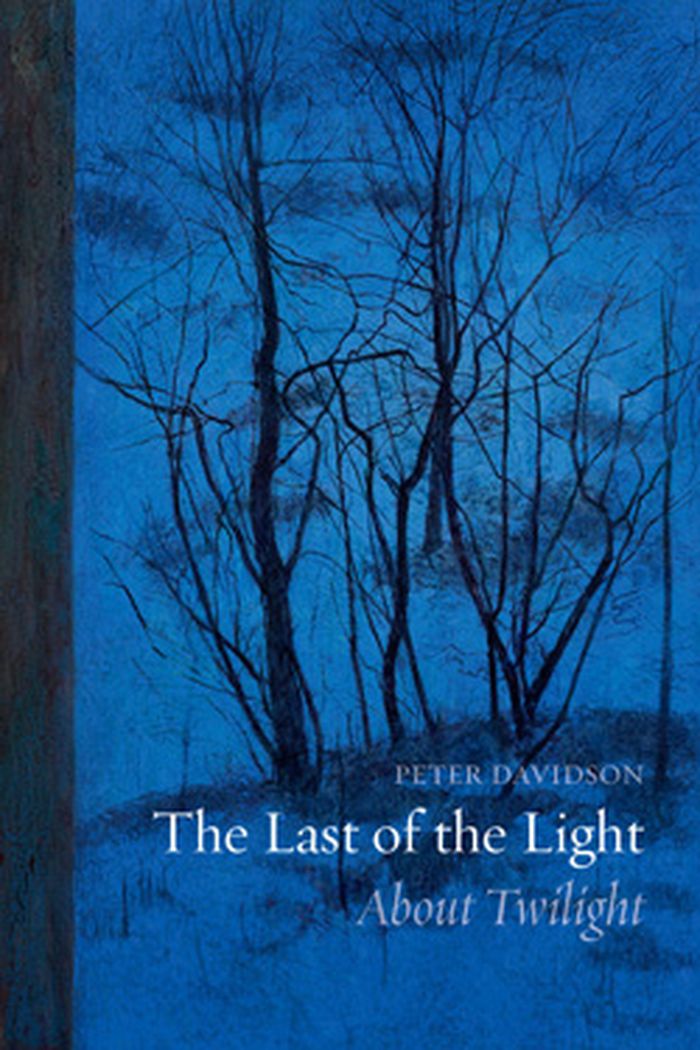
The last of the light: about twilight
Actions:
Prix:
$51.95
(disponible sur commande)
Résumé:
eter Davidson takes readers through our culture’s long engagement with the concept of twilight—from the melancholy of smoky English autumn evenings to the midnight sun of northern European summers and beyond. Taking in poets and painters, Victorians and Romans, city and countryside, and deftly combining memoir, literature, philosophy, and art history, Davidson shows how the atmospheric shadows and the in-between nature of twilight has fired the imagination and generated works of incredible beauty, mystery, and romance.
The last of the light: about twilight
Actions:
Prix:
$51.95
(disponible sur commande)
Résumé:
eter Davidson takes readers through our culture’s long engagement with the concept of twilight—from the melancholy of smoky English autumn evenings to the midnight sun of northern European summers and beyond. Taking in poets and painters, Victorians and Romans, city and countryside, and deftly combining memoir, literature, philosophy, and art history, Davidson shows how the atmospheric shadows and the in-between nature of twilight has fired the imagination and generated works of incredible beauty, mystery, and romance.
Classification:
livres
livres
Publication:
octobre 2015
octobre 2015
Sujet:
Théorie/ philosophie
Théorie/ philosophie
Classification:
livres
livres
Titre:
Sambuichi and the Inland Sea
Sambuichi and the Inland Sea
Actions:
Prix:
$53.00
(disponible sur commande)
Résumé:
Hiroshi Sambuichi deciphers the relationships between moving materials (wind, air, water, sun) and topography in an effort to derive the optimal building for a specific site. With his very local approach to architecture, the Hiroshima-based architect has gained a reputation for painstaking investigations into site and context before beginning the design process on each of(...)
$53.00
(disponible sur commande)
Résumé:
Hiroshi Sambuichi deciphers the relationships between moving materials (wind, air, water, sun) and topography in an effort to derive the optimal building for a specific site. With his very local approach to architecture, the Hiroshima-based architect has gained a reputation for painstaking investigations into site and context before beginning the design process on each of(...)
Titre:
Sambuichi and the Inland Sea
Actions:
Prix:
$53.00
(disponible sur commande)
Résumé:
Hiroshi Sambuichi deciphers the relationships between moving materials (wind, air, water, sun) and topography in an effort to derive the optimal building for a specific site. With his very local approach to architecture, the Hiroshima-based architect has gained a reputation for painstaking investigations into site and context before beginning the design process on each of his projects. He believes it is the appropriate strategy, even if one pursues answers to global concerns. Recently, he has focused particular energy on works related to the Japanese city of Setouchi, featured in this book, which coincides with his exhibition at the Setouchi Triennale 2016.
Sambuichi and the Inland Sea
Actions:
Prix:
$53.00
(disponible sur commande)
Résumé:
Hiroshi Sambuichi deciphers the relationships between moving materials (wind, air, water, sun) and topography in an effort to derive the optimal building for a specific site. With his very local approach to architecture, the Hiroshima-based architect has gained a reputation for painstaking investigations into site and context before beginning the design process on each of his projects. He believes it is the appropriate strategy, even if one pursues answers to global concerns. Recently, he has focused particular energy on works related to the Japanese city of Setouchi, featured in this book, which coincides with his exhibition at the Setouchi Triennale 2016.
Classification:
livres
livres
Publication:
juin 2016
juin 2016
Sujet:
Monographies photo
Monographies photo
Classification:
livres
livres
Prix:
$20.00
(disponible sur commande)
Résumé:
A critically acclaimed history of Chicago at mid-century, featuring many of the incredible personalities that shaped American culture Before air travel overtook trains, nearly every coast-to-coast journey included a stop in Chicago, and this flow of people and commodities made it the crucible for American culture and innovation. In luminous prose, Chicago native Thomas(...)
$20.00
(disponible sur commande)
Résumé:
A critically acclaimed history of Chicago at mid-century, featuring many of the incredible personalities that shaped American culture Before air travel overtook trains, nearly every coast-to-coast journey included a stop in Chicago, and this flow of people and commodities made it the crucible for American culture and innovation. In luminous prose, Chicago native Thomas(...)
Titre:
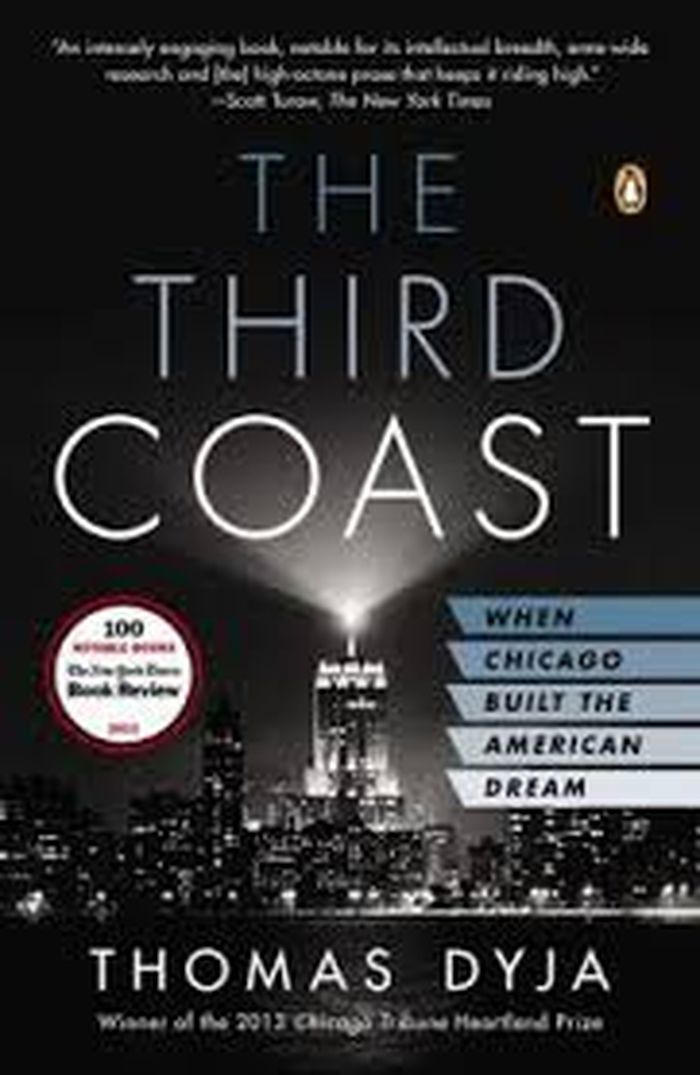
The third coast: when Chicago built the American dream
Actions:
Prix:
$20.00
(disponible sur commande)
Résumé:
A critically acclaimed history of Chicago at mid-century, featuring many of the incredible personalities that shaped American culture Before air travel overtook trains, nearly every coast-to-coast journey included a stop in Chicago, and this flow of people and commodities made it the crucible for American culture and innovation. In luminous prose, Chicago native Thomas Dyja re-creates the story of the city in its postwar prime and explains its profound impact on modern America--from Chess Records to "Playboy," McDonald's to the University of Chicago. Populated with an incredible cast of characters, including Mahalia Jackson, Muddy Waters, Howlin' Wolf, Chuck Berry, Sun Ra, Simone de Beauvoir, Nelson Algren, Gwendolyn Brooks, Studs Turkel, and Mayor Richard J. Daley, "The Third Coast" recalls the prominence of the Windy City in all its grandeur.
The third coast: when Chicago built the American dream
Actions:
Prix:
$20.00
(disponible sur commande)
Résumé:
A critically acclaimed history of Chicago at mid-century, featuring many of the incredible personalities that shaped American culture Before air travel overtook trains, nearly every coast-to-coast journey included a stop in Chicago, and this flow of people and commodities made it the crucible for American culture and innovation. In luminous prose, Chicago native Thomas Dyja re-creates the story of the city in its postwar prime and explains its profound impact on modern America--from Chess Records to "Playboy," McDonald's to the University of Chicago. Populated with an incredible cast of characters, including Mahalia Jackson, Muddy Waters, Howlin' Wolf, Chuck Berry, Sun Ra, Simone de Beauvoir, Nelson Algren, Gwendolyn Brooks, Studs Turkel, and Mayor Richard J. Daley, "The Third Coast" recalls the prominence of the Windy City in all its grandeur.
Classification:
livres
livres
Publication:
mars 2014
mars 2014
Classification:
livres
livres
Titre:
TTP
TTP
Actions:
Prix:
$48.95
(disponible sur commande)
Résumé:
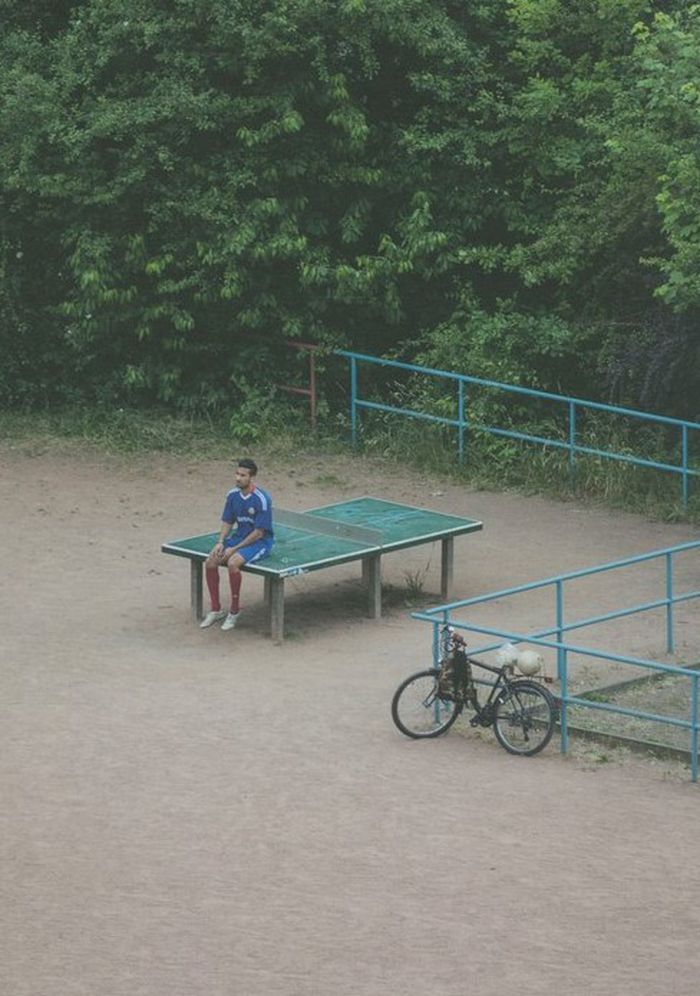
'TTP' is a series of photographs made by Hayahisa Tomiyasu from the window of his former student apartment in the German city of Leipzig. From his south-facing view we see a 'tischtennisplatte' or ping pong table used for a plethora of purposes – including a sun bed, a laundry counter, a kids' climbing frame, an exercise site, a family lunch spot, a refuge from busy(...)
$48.95
(disponible sur commande)
Résumé:
'TTP' is a series of photographs made by Hayahisa Tomiyasu from the window of his former student apartment in the German city of Leipzig. From his south-facing view we see a 'tischtennisplatte' or ping pong table used for a plethora of purposes – including a sun bed, a laundry counter, a kids' climbing frame, an exercise site, a family lunch spot, a refuge from busy(...)
Titre:
TTP
Actions:
Prix:
$48.95
(disponible sur commande)
Résumé:
'TTP' is a series of photographs made by Hayahisa Tomiyasu from the window of his former student apartment in the German city of Leipzig. From his south-facing view we see a 'tischtennisplatte' or ping pong table used for a plethora of purposes – including a sun bed, a laundry counter, a kids' climbing frame, an exercise site, a family lunch spot, a refuge from busy streets, among various other uses – except from table tennis. Tomiyasu spent five years documenting the humble table and thanks to his sustained curiosity we observe the idiosyncrasies of human behaviour and social habits, as seasons change, scenes mutate and people come and go.
TTP
Actions:
Prix:
$48.95
(disponible sur commande)
Résumé:
'TTP' is a series of photographs made by Hayahisa Tomiyasu from the window of his former student apartment in the German city of Leipzig. From his south-facing view we see a 'tischtennisplatte' or ping pong table used for a plethora of purposes – including a sun bed, a laundry counter, a kids' climbing frame, an exercise site, a family lunch spot, a refuge from busy streets, among various other uses – except from table tennis. Tomiyasu spent five years documenting the humble table and thanks to his sustained curiosity we observe the idiosyncrasies of human behaviour and social habits, as seasons change, scenes mutate and people come and go.
Classification:
livres
livres
Publication:
mai 2018
mai 2018
Sujet:
Monographies photo
Monographies photo
Classification:
livres
livres
Prix:
$54.95
(disponible sur commande)
Résumé:
The projects featured in this issue are presented under three themes: “The habitable wall”, “Cities of the dead”, and “Down to earth”. The first considers two new linear projects in Italy – Herzong & de Meuron’s Feltrinelli Porta Volta in Milan and City of Sun by Labics in Rome – both of which interject a modern palisade along the edge of well-defined urban district. The(...)
$54.95
(disponible sur commande)
Résumé:
The projects featured in this issue are presented under three themes: “The habitable wall”, “Cities of the dead”, and “Down to earth”. The first considers two new linear projects in Italy – Herzong & de Meuron’s Feltrinelli Porta Volta in Milan and City of Sun by Labics in Rome – both of which interject a modern palisade along the edge of well-defined urban district. The(...)
Titre:
C3 389 : The habitable wall, cities of the dead, down to earth
Actions:
Prix:
$54.95
(disponible sur commande)
Résumé:
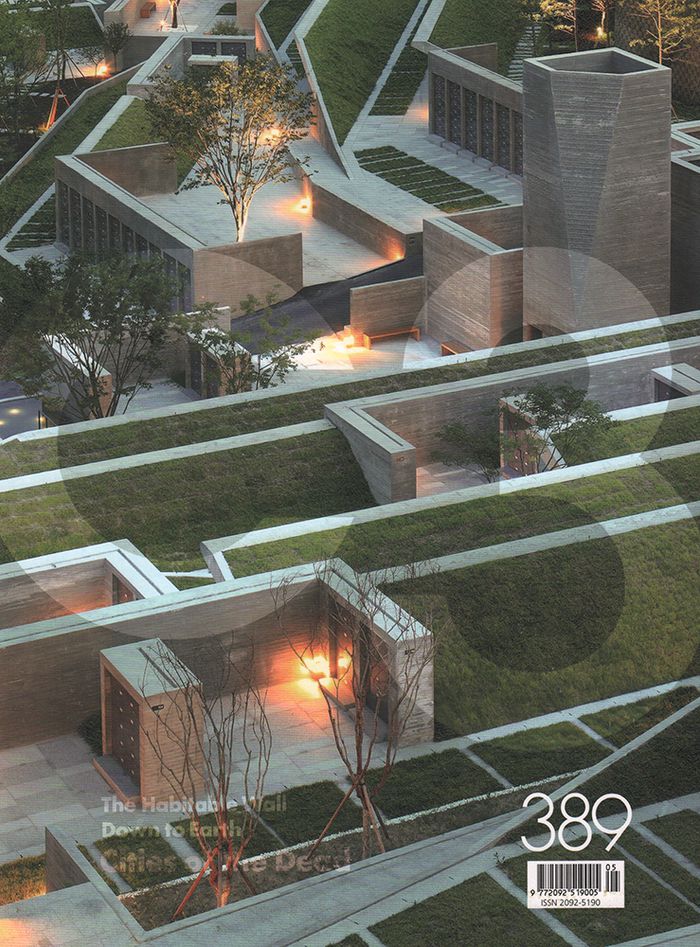
The projects featured in this issue are presented under three themes: “The habitable wall”, “Cities of the dead”, and “Down to earth”. The first considers two new linear projects in Italy – Herzong & de Meuron’s Feltrinelli Porta Volta in Milan and City of Sun by Labics in Rome – both of which interject a modern palisade along the edge of well-defined urban district. The second theme looks at the fascinating challenge of building for the dead through four new projects in Taiwan, Korea, Japan, and the Netherlands. The final section takes rammed earth as its subject, highlighting five architects who show that this ancient material can still be used to produce exciting modern architecture.
C3 389 : The habitable wall, cities of the dead, down to earth
Actions:
Prix:
$54.95
(disponible sur commande)
Résumé:
The projects featured in this issue are presented under three themes: “The habitable wall”, “Cities of the dead”, and “Down to earth”. The first considers two new linear projects in Italy – Herzong & de Meuron’s Feltrinelli Porta Volta in Milan and City of Sun by Labics in Rome – both of which interject a modern palisade along the edge of well-defined urban district. The second theme looks at the fascinating challenge of building for the dead through four new projects in Taiwan, Korea, Japan, and the Netherlands. The final section takes rammed earth as its subject, highlighting five architects who show that this ancient material can still be used to produce exciting modern architecture.
Classification:
livres
livres
Publication:
juillet 2017
juillet 2017
Sujet:
Revues
Revues
Classification:
livres
livres
Actions:
Prix:
$74.95
(disponible en magasin)
Résumé:
Itsuro Yoshiba is one of the world's most talented architects and one of few not to be affected by the authoritarian attitudes that came out of the Japanese construction boom during the last half of the 20th Century. If we look in any of Yoshiba's works it is patently clear that he understands the city as an organism and accordingly his buildings are filled with vitality.(...)
$74.95
(disponible en magasin)
Résumé:
Itsuro Yoshiba is one of the world's most talented architects and one of few not to be affected by the authoritarian attitudes that came out of the Japanese construction boom during the last half of the 20th Century. If we look in any of Yoshiba's works it is patently clear that he understands the city as an organism and accordingly his buildings are filled with vitality.(...)
Titre:
Itsuro Yoshiba : modern architect
Actions:
Prix:
$74.95
(disponible en magasin)
Résumé:
Itsuro Yoshiba is one of the world's most talented architects and one of few not to be affected by the authoritarian attitudes that came out of the Japanese construction boom during the last half of the 20th Century. If we look in any of Yoshiba's works it is patently clear that he understands the city as an organism and accordingly his buildings are filled with vitality. They are flexible, in line with his philosophy that all buildings should allow for future modifications, and they create harmony with the surrounding natural environment. Works include: Ikegamisone Yayoi Museum, University of Osaka Conference Hall, Sun Palace Hirakata, Amagasaki Housing, Kema Housing, and more. Text in English / Korean
Itsuro Yoshiba : modern architect
Actions:
Prix:
$74.95
(disponible en magasin)
Résumé:
Itsuro Yoshiba is one of the world's most talented architects and one of few not to be affected by the authoritarian attitudes that came out of the Japanese construction boom during the last half of the 20th Century. If we look in any of Yoshiba's works it is patently clear that he understands the city as an organism and accordingly his buildings are filled with vitality. They are flexible, in line with his philosophy that all buildings should allow for future modifications, and they create harmony with the surrounding natural environment. Works include: Ikegamisone Yayoi Museum, University of Osaka Conference Hall, Sun Palace Hirakata, Amagasaki Housing, Kema Housing, and more. Text in English / Korean
Classification:
livres
livres
Publication:
janvier 2006, Seoul
janvier 2006, Seoul
Sujet:
Architecture, monographies
Architecture, monographies
Classification:
livres
livres
Actions:
Prix:
$80.00
(disponible en magasin)
Résumé:
Modernism, characterized by geometric shapes and flat roofs, is one of the defining architectural styles of the twentieth century throughout the world. And nowhere is it more in abundance than in Faro, capital of Portugal’s Algarve region. There are over 500 Modernist buildings in Faro, the highest concentration of these types of buildings in Southern Europe. The city now(...)
$80.00
(disponible en magasin)
Résumé:
Modernism, characterized by geometric shapes and flat roofs, is one of the defining architectural styles of the twentieth century throughout the world. And nowhere is it more in abundance than in Faro, capital of Portugal’s Algarve region. There are over 500 Modernist buildings in Faro, the highest concentration of these types of buildings in Southern Europe. The city now(...)
Titre:
Faro Modernism: Buildings, heritage, culture
Actions:
Prix:
$80.00
(disponible en magasin)
Résumé:
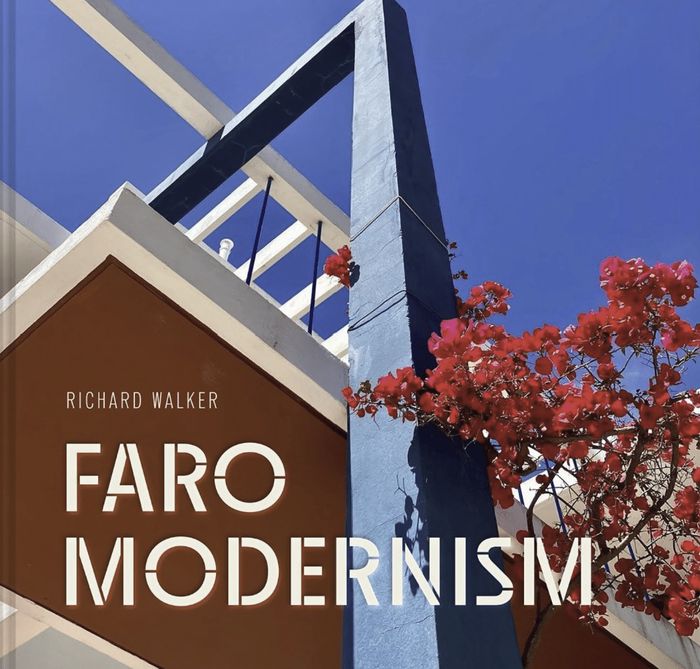
Modernism, characterized by geometric shapes and flat roofs, is one of the defining architectural styles of the twentieth century throughout the world. And nowhere is it more in abundance than in Faro, capital of Portugal’s Algarve region. There are over 500 Modernist buildings in Faro, the highest concentration of these types of buildings in Southern Europe. The city now has a specific Modernist buildings area, through which guided tours show the full range of detached and semidetached grand houses, large-scale apartment blocks, and little roads of terraced houses that are in fact cleverly disguised maisonettes. The architectural ringleader was Manuel Gomes da Costa, an Algarvian by birth, who had gone to South America in search of work but came back in the 1950s to transform the city. Inspired by the work of earlier architects, including Le Corbusier and Oscar Niemeyer, Costa and his colleagues set about creating a Modernist paradise in the southern sun. This book will give fans of inspirational architecture the first real opportunity to delve deep into Southern Europe’s "Palm Springs."
Faro Modernism: Buildings, heritage, culture
Actions:
Prix:
$80.00
(disponible en magasin)
Résumé:
Modernism, characterized by geometric shapes and flat roofs, is one of the defining architectural styles of the twentieth century throughout the world. And nowhere is it more in abundance than in Faro, capital of Portugal’s Algarve region. There are over 500 Modernist buildings in Faro, the highest concentration of these types of buildings in Southern Europe. The city now has a specific Modernist buildings area, through which guided tours show the full range of detached and semidetached grand houses, large-scale apartment blocks, and little roads of terraced houses that are in fact cleverly disguised maisonettes. The architectural ringleader was Manuel Gomes da Costa, an Algarvian by birth, who had gone to South America in search of work but came back in the 1950s to transform the city. Inspired by the work of earlier architects, including Le Corbusier and Oscar Niemeyer, Costa and his colleagues set about creating a Modernist paradise in the southern sun. This book will give fans of inspirational architecture the first real opportunity to delve deep into Southern Europe’s "Palm Springs."
Classification:
livres
livres
Publication:
mai 2026
mai 2026
Sujet:
Modernisme
Modernisme
Classification:
livres
livres
Actions:
Prix:
$60.00
(disponible sur commande)
Résumé:
Many people are not familiar with Kumbh Mela, and yet it is the largest celebration on earth: depending on the positions of Jupiter, the sun and the moon, Hindus travel to certain places along holy rivers, the Ganges for example, to bathe and cleanse themselves of sin. With a 2013 attendance of approximately 34 million, the triennial pilgrimage requires that the(...)
$60.00
(disponible sur commande)
Résumé:
Many people are not familiar with Kumbh Mela, and yet it is the largest celebration on earth: depending on the positions of Jupiter, the sun and the moon, Hindus travel to certain places along holy rivers, the Ganges for example, to bathe and cleanse themselves of sin. With a 2013 attendance of approximately 34 million, the triennial pilgrimage requires that the(...)
Titre:
Kumbh Mela: mapping the ephemeral Megacity
Actions:
Prix:
$60.00
(disponible sur commande)
Résumé:
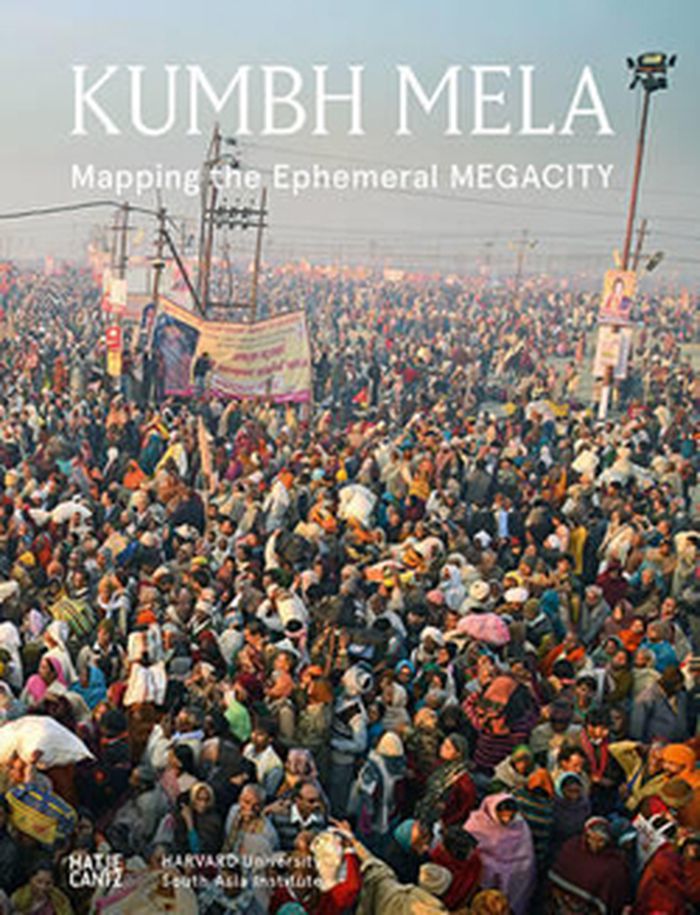
Many people are not familiar with Kumbh Mela, and yet it is the largest celebration on earth: depending on the positions of Jupiter, the sun and the moon, Hindus travel to certain places along holy rivers, the Ganges for example, to bathe and cleanse themselves of sin. With a 2013 attendance of approximately 34 million, the triennial pilgrimage requires that the communities hosting the gatherings create functioning temporary structures to transport, house and feed enormous crowds of people. In 2013, a team from Harvard University monitored the large-scale event from its preparation through to the actual celebration, investigating and documenting the prototypes for flexible urban planning and offering organizers advice on issues around environmental protection. This substantial hardcover presents their comprehensive research findings along with city maps, aerial images and photographs of this most fascinating feat of urban planning.
Kumbh Mela: mapping the ephemeral Megacity
Actions:
Prix:
$60.00
(disponible sur commande)
Résumé:
Many people are not familiar with Kumbh Mela, and yet it is the largest celebration on earth: depending on the positions of Jupiter, the sun and the moon, Hindus travel to certain places along holy rivers, the Ganges for example, to bathe and cleanse themselves of sin. With a 2013 attendance of approximately 34 million, the triennial pilgrimage requires that the communities hosting the gatherings create functioning temporary structures to transport, house and feed enormous crowds of people. In 2013, a team from Harvard University monitored the large-scale event from its preparation through to the actual celebration, investigating and documenting the prototypes for flexible urban planning and offering organizers advice on issues around environmental protection. This substantial hardcover presents their comprehensive research findings along with city maps, aerial images and photographs of this most fascinating feat of urban planning.
Classification:
livres
livres
Publication:
août 2015
août 2015
Sujet:
Théorie de l’architecture
Théorie de l’architecture
Classification:
audio
audio
Description:
1 online resource.
Auteur:
Sujet:
Publication:
[Place of publication not identified] : Lateral Addition, 2018.
[Place of publication not identified] : Lateral Addition, 2018.
Titre:
June 21, 2018 : Listening for Southwest Key in San Diego.
Actions:
Description:
1 online resource.
June 21, 2018 : Listening for Southwest Key in San Diego.
Actions:
Description:
1 online resource.
Classification:
audio
audio
Publication:
[Place of publication not identified] : Lateral Addition, 2018.
[Place of publication not identified] : Lateral Addition, 2018.
Auteur:
Sujet:


