


2577 Résultats
Classification:
périodiques
périodiques
Titre:
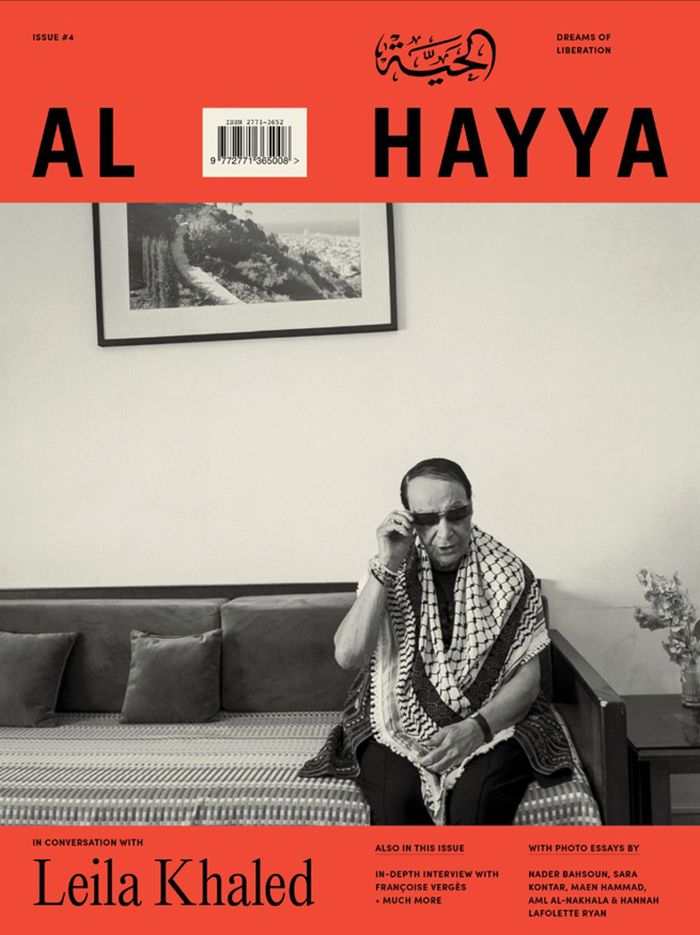
Al Hayya issue 4
Al Hayya issue 4
Actions:
Prix:
$32.00
(disponible sur commande)
Résumé:
The free people of the world are organizing, moving toward what many refer to today as the global revolution. In Gaza, the genocide pins the infinity of time, trapping it within the loneliness of each minute. This fight, and how we wage it, will determine whether we are worthy of the land’s forgiveness, and whether she will grant us passage into the future or consume us(...)
Titre:
Al Hayya issue 4
Actions:
Prix:
$32.00
(disponible sur commande)
Résumé:
The free people of the world are organizing, moving toward what many refer to today as the global revolution. In Gaza, the genocide pins the infinity of time, trapping it within the loneliness of each minute. This fight, and how we wage it, will determine whether we are worthy of the land’s forgiveness, and whether she will grant us passage into the future or consume us all, once and forever. The fourth issue of Al Hayya focuses on Dreams of Liberation. It traces resistance as it takes shape inside the home, in the streets, across borders, and within the self. It examines how art, memory, and the rituals of everyday life carry defiance. It documents the weight and texture of struggle as both personal and collective. This issue features a rare interview with Palestinian revolutionary and PFLP member Leila Khaled. It also includes an in-depth conversation with Françoise Vergès on decolonial feminism and cultural resistance. Photo essays by Maen Hammad, Amal Al-Nakhala, Nader Bahsoun, Sarah Kontar, and Hannah La Follette Ryan document life under pressure, grief, exile, and survival.
Classification:
périodiques
périodiques
Publication:
novembre 2025
novembre 2025
Sujet:
Revues
Revues
Classification:
livres
livres
Actions:
Prix:
$30.00
(disponible en magasin)
Résumé:
Rome is not only enriched by the works that have led it to be known as the "eternal city", or with those monuments that still preserve the stories of a strong people, such as the Colosseum, the Roman Forum or Castel Sant'Angelo. It is not only the symbolic center of Christianity thanks to St. Peter's Basilica, or the central and figurative hub of the Italian Republic(...)
Titre:
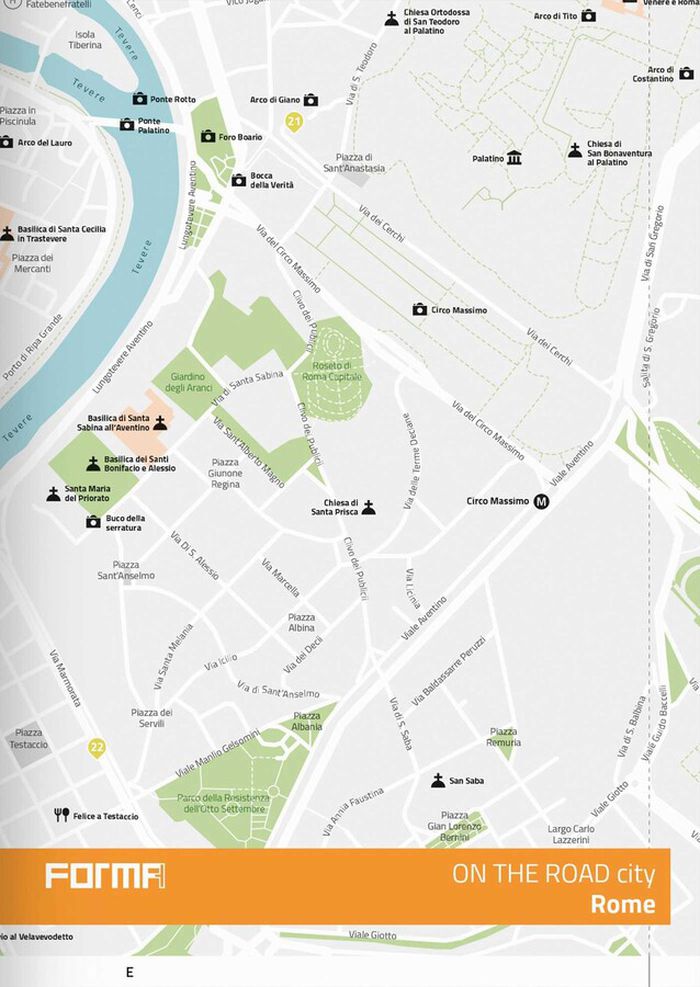
Rome: on the road architecture guide
Actions:
Prix:
$30.00
(disponible en magasin)
Résumé:
Rome is not only enriched by the works that have led it to be known as the "eternal city", or with those monuments that still preserve the stories of a strong people, such as the Colosseum, the Roman Forum or Castel Sant'Angelo. It is not only the symbolic center of Christianity thanks to St. Peter's Basilica, or the central and figurative hub of the Italian Republic because of the Palazzo del Quirinale. The history, art, and culture of Rome tell the story of a process of restoration and innovation that sees the participation of some timeless places and the birth of other contemporary community services that join those already known to the public. During 1930s, the social and cultural revolution and call for functionality and practicality are represented by impressive modern public and residential works, as well as by major operations from architectural protagonists in the urban change of the capital. Works such as the university city of Sapienza and its institutes, or the EUR district tell the story of the formal transition between modernity and contemporaneity.
Classification:
livres
livres
Publication:
novembre 2025
novembre 2025
Sujet:
Guides des villes
Guides des villes
Classification:
périodiques
périodiques
Actions:
Prix:
$54.00
(disponible en magasin)
Résumé:
The intersection of architecture and the machine has a history that stretches back to the Industrial Revolution, however the machine has recently begun to appear in new ways in speculative architectural drawing and modelling. This issue of AD considers the influence of the machine as an allegorical device for exploring alternative architectural practices, and includes a(...)
Titre:
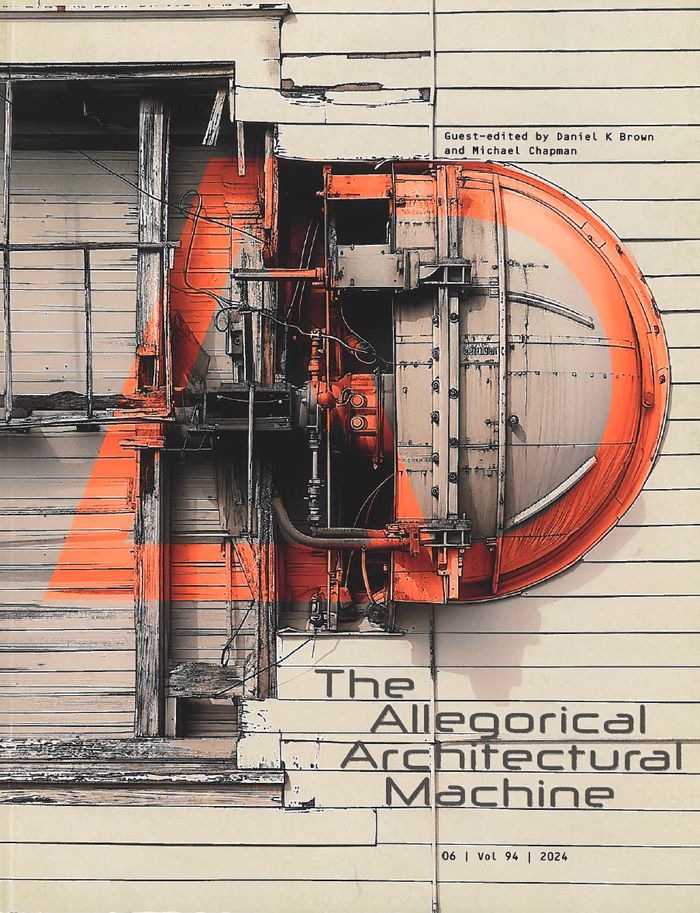
AD 94:6 The allegorical architectural machine
Actions:
Prix:
$54.00
(disponible en magasin)
Résumé:
The intersection of architecture and the machine has a history that stretches back to the Industrial Revolution, however the machine has recently begun to appear in new ways in speculative architectural drawing and modelling. This issue of AD considers the influence of the machine as an allegorical device for exploring alternative architectural practices, and includes a cross-section of viewpoints from emerging and established international practitioners and academics. Allegory, a technique native to literature, provides a critical method through which machine typologies can contribute to deeper architectural narratives, offering new lenses for challenging or reassembling conventional modes of thought. An allegorical architectural project can unveil a story that enhances our awareness of something important. This AD reveals how engagement with the machine as an allegorical device in architectural discourse provides an avenue for architecture to provoke new ideas in response to current environmental, political, economic, cultural and social issues. At the forefront of this discussion, it extends the criticality of the topic within the broader spectrum of history, theory, philosophy, allegory and new technologies.
Classification:
périodiques
périodiques
Publication:
décembre 2024
décembre 2024
Sujet:
Revues
Revues
Classification:
livres
livres
Titre:
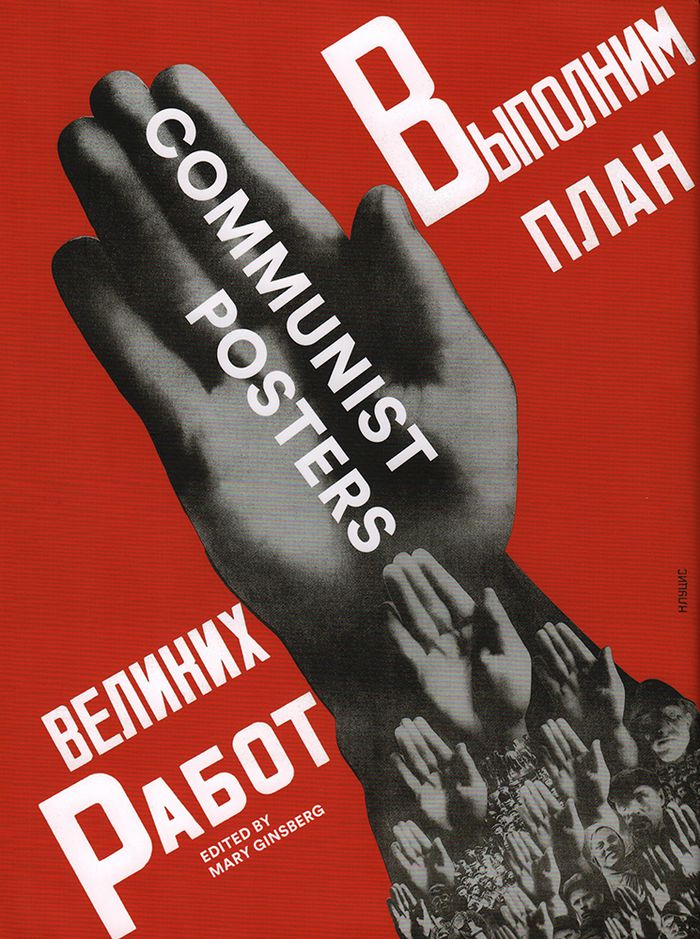
Communist posters
Communist posters
Actions:
Prix:
$79.95
(disponible sur commande)
Résumé:
One of the common features of communist regimes is the use of art for revolutionary means. Posters in particular have served as beacons of propaganda – vehicles of coercion, instruction, censure and debate – in every communist nation. They have promoted the authority of state and revolution, but have also been used as an effective means of protest. By their nature posters(...)
Titre:
Communist posters
Actions:
Prix:
$79.95
(disponible sur commande)
Résumé:
One of the common features of communist regimes is the use of art for revolutionary means. Posters in particular have served as beacons of propaganda – vehicles of coercion, instruction, censure and debate – in every communist nation. They have promoted the authority of state and revolution, but have also been used as an effective means of protest. By their nature posters are ephemeral, tied to time and place, but many have had far-reaching, long-lasting impact. They are imbued with both artistic integrity and personal conviction – Bolshevik posters, for example, are among the most vibrant, passionate graphics in art history. This is the first truly global survey of the history and variety of communist poster art. Each chapter is written by an expert in the field, and examines a different region of the world: Russia, China, Mongolia, Eastern Europe, North Korea, Vietnam and Cuba. This beautifully illustrated, comprehensive survey examines the broad range of political and visual cultures of communist posters, and will appeal to a wide audience interested in art, history and politics.
Classification:
livres
livres
Publication:
mai 2017
mai 2017
Sujet:
Arts graphiques imprimés
Arts graphiques imprimés
Classification:
livres
livres
Actions:
Prix:
$25.00
(disponible sur commande)
Résumé:
Translates by Thomas Goddard Bergin and Max Harold Fisch. A bold new translation of a masterpiece of early social science that has found enthusiasts among such artists and scholars as James Joyce and Harold Bloom. Although Vico lived his whole life as an obscure academic in Naples, his New Science is an astonishingly ambitious attempt to provide a comprehensive(...)
Titre:
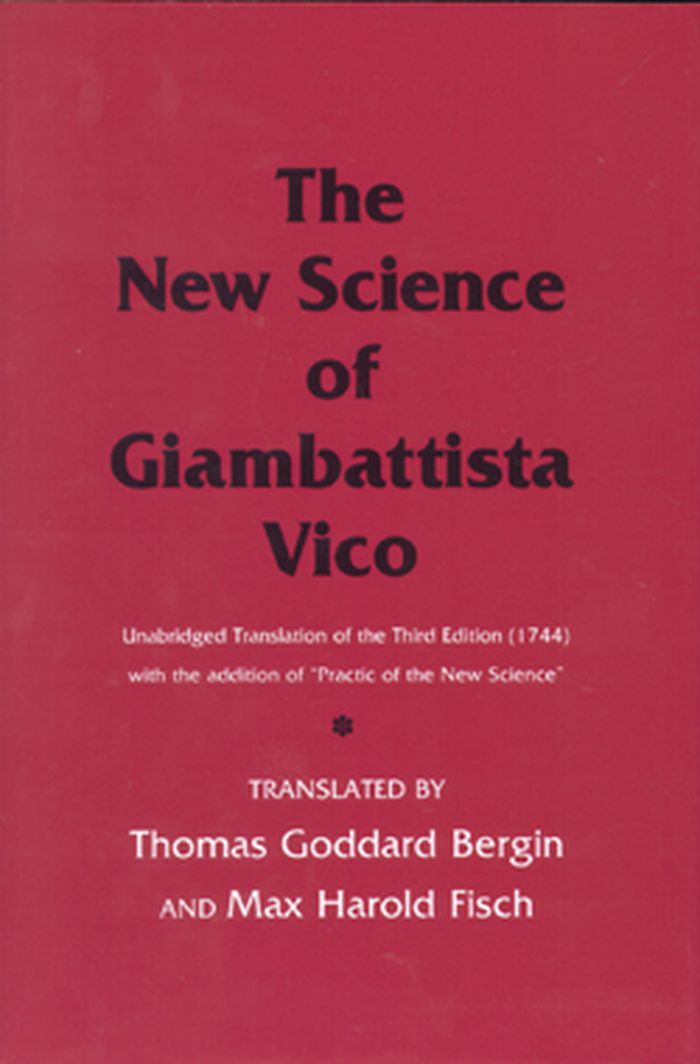
The new science of Giambattista Vico
Actions:
Prix:
$25.00
(disponible sur commande)
Résumé:
Translates by Thomas Goddard Bergin and Max Harold Fisch. A bold new translation of a masterpiece of early social science that has found enthusiasts among such artists and scholars as James Joyce and Harold Bloom. Although Vico lived his whole life as an obscure academic in Naples, his New Science is an astonishingly ambitious attempt to provide a comprehensive science of all human society by decoding the history, mythology, and law of the ancient world. It argues that the key to true understanding lies in accepting that the customs and emotional lives of the Greeks and Romans, Egyptians, Jews, and Babylonians were utterly different from our own. In examining these huge themes, Vico offers countless fresh insights into topics ranging from physics to politics, money to monsters, and family structures to the Flood. Deeply influential since the dawn of Romanticism, the New Science even inspired the framework for Joyce's Finnegans Wake. This powerful new translation makes it clear why this work marked a turning-point in humanist thinking as significant as Newton's contemporary revolution in physics.
Classification:
livres
livres
Publication:
janvier 1984, Ithaca, London
janvier 1984, Ithaca, London
Sujet:
Théorie/ philosophie
Théorie/ philosophie
Classification:
livres
livres
Prix:
$67.50
(disponible sur commande)
Résumé:
In '''Architecture unbound,'' noted architecture critic Joseph Giovannini proposes that our current architectural landscape ultimately emerged from transgressive and progressive art movements that had roiled Europe before and after World War I. By the 1960s, social unrest and cultural disruption opened the way for investigations into an inventive, antiauthoritarian(...)
Titre:
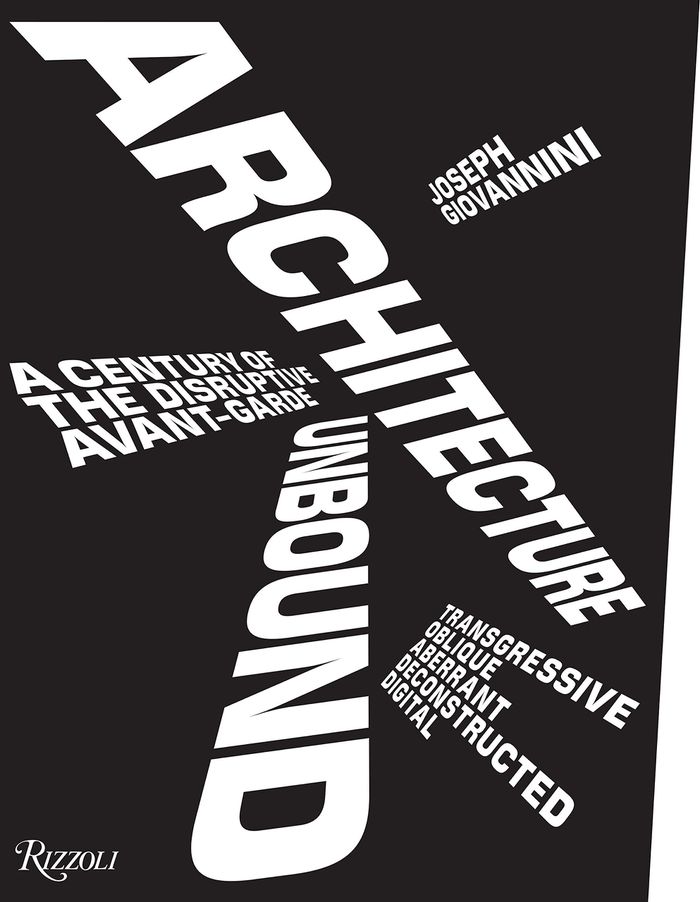
Architecture unbound: A century of the disruptive avant-garde
Actions:
Prix:
$67.50
(disponible sur commande)
Résumé:
In '''Architecture unbound,'' noted architecture critic Joseph Giovannini proposes that our current architectural landscape ultimately emerged from transgressive and progressive art movements that had roiled Europe before and after World War I. By the 1960s, social unrest and cultural disruption opened the way for investigations into an inventive, antiauthoritarian architecture. Explorations emerged in the 1970s, and built projects surfaced in the 1980s, taking digital form in the 1990s, with large-scale projects finally landing on the far side of the millennium. '''Architecture unbound'' traces all of these developments and influences, presenting an authoritative and illuminating history not only of the sources of contemporary currents in architecture but also of the twentieth-century avant-garde and the twenty-first-century digital revolution in form-making, and profiling the most influential practitioners and their most notable projects, including Frank Gehry’s Guggenheim Bilbao and Walt Disney Concert Hall, Zaha Hadid’s Guangzhou Opera House, Daniel Libeskind’s master plan for the World Trade Center, Rem Koolhaas’s CCTV Tower, and Herzog and de Meuron’s Bird’s Nest Olympic Stadium in Beijing.
Classification:
livres
livres
Publication:
novembre 2021
novembre 2021
Sujet:
Architecture contemporaine
Architecture contemporaine
Classification:
livres
livres
Prix:
$64.00
(disponible sur commande)
Résumé:
From the mid-eighteenth century to the nineteen-twenties, from the birth of the Industrial Revolution to the height of Manchester’s global significance and the beginning of its decline, ''Shock city'' challenges the idea that Paris was the ''capital of the nineteenth century.'' Mark Crinson reorients this issue around the development of industrial production, particularly(...)
Titre:
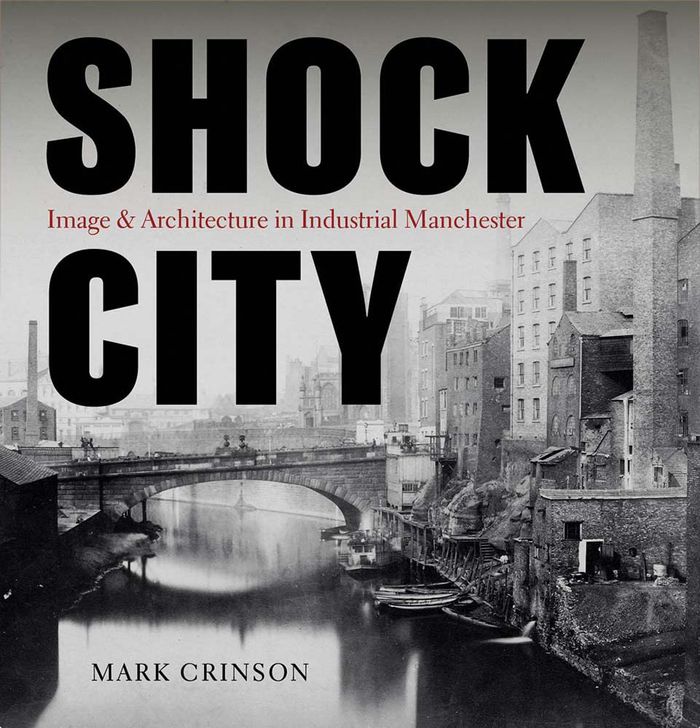
Shock city: Image and architecture in industrial Manchester
Actions:
Prix:
$64.00
(disponible sur commande)
Résumé:
From the mid-eighteenth century to the nineteen-twenties, from the birth of the Industrial Revolution to the height of Manchester’s global significance and the beginning of its decline, ''Shock city'' challenges the idea that Paris was the ''capital of the nineteenth century.'' Mark Crinson reorients this issue around the development of industrial production, particularly cotton and its manufacture by means of steam power, offering a fascinating and accessibly written account of how new relations in the industrial economy were manifested through the spaces and representations of the first industrial city. Focusing on Manchester’s mills and warehouses, its main trading institution (the Royal Exchange), its magnificent Gothic Revival Town Hall, and its late Gothic Revival Rylands Library, this book explores these iconic buildings alongside paintings, prints, maps, and photographs of the city throughout the period. Crinson interweaves analysis of buildings and images, urban spaces and new institutions, technology and industrial pollution to show how these were all the products of Manchester’s newly emergent industrial middle classes, who remade the city in their image.
Classification:
livres
livres
Publication:
septembre 2022
septembre 2022
Classification:
livres
livres
Actions:
Prix:
$45.95
(disponible sur commande)
Résumé:
Dials, knobs, microphones, clocks; heads, hands, breath, voices. Ernst Schoen joined Frankfurt Radio in the 1920s as programmer and accelerated the potentials of this collision of bodies and technologies. As with others of his generation, Schoen experienced crisis after crisis, from the violence of war, the suicide of friends, economic collapse, and a brief episode of(...)
Titre:
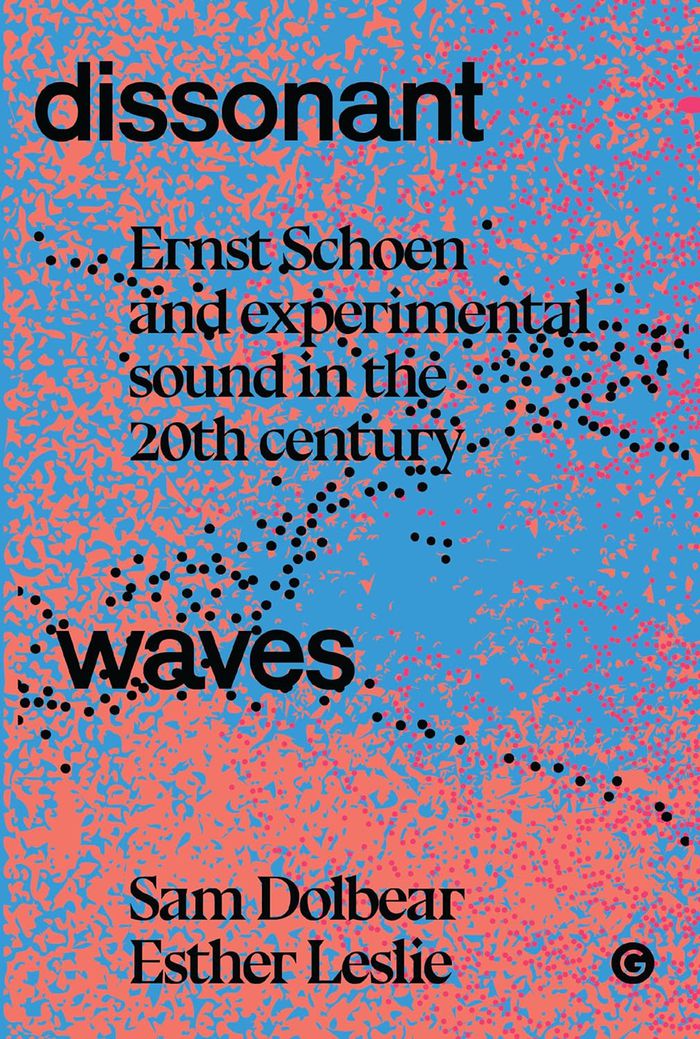
Dissonant waves: Ernst Schoen and experimental sound in the 20th century
Actions:
Prix:
$45.95
(disponible sur commande)
Résumé:
Dials, knobs, microphones, clocks; heads, hands, breath, voices. Ernst Schoen joined Frankfurt Radio in the 1920s as programmer and accelerated the potentials of this collision of bodies and technologies. As with others of his generation, Schoen experienced crisis after crisis, from the violence of war, the suicide of friends, economic collapse, and a brief episode of permitted experimentalism under the Weimar Republic for those who would foster aesthetic, technical, and political revolution. The counterreaction was Nazism—and Schoen and his milieux fell victim to it, found ways out of it, or hit against it with all their might. ''Dissonant waves'' tracks the life of Ernst Schoen—poet, composer, radio programmer, theorist, and best friend of Walter Benjamin from childhood—as he moves between Frankfurt, Berlin, Paris, and London. It casts radio history and practice into concrete spaces, into networks of friends and institutions, into political exigencies and domestic plights, and into broader aesthetic discussions of the politicization of art and the aestheticization of politics. Through friendship and comradeship, a position in state-backed radio, imprisonment, exile, networking in a new country, re-emigration, ill-treatment, neglect, Schoen suffers the century and articulates its broken promises.
Classification:
livres
livres
Publication:
septembre 2023
septembre 2023
Sujet:
Acoustique
Acoustique
Classification:
livres
livres
Actions:
Prix:
$67.50
(disponible en magasin)
Résumé:
Founded by Alexander the Great in 332 BC, Alexandria was for a long time the largest city in the ancient world. Flattened by a tsunami in 365 AD, it was little more than a fishing village when captured by Napoleon in 1798. The 19th century saw it become the center of the Egyptian cotton trade, bringing prosperity and an influx of European merchants. Then came the(...)
Titre:
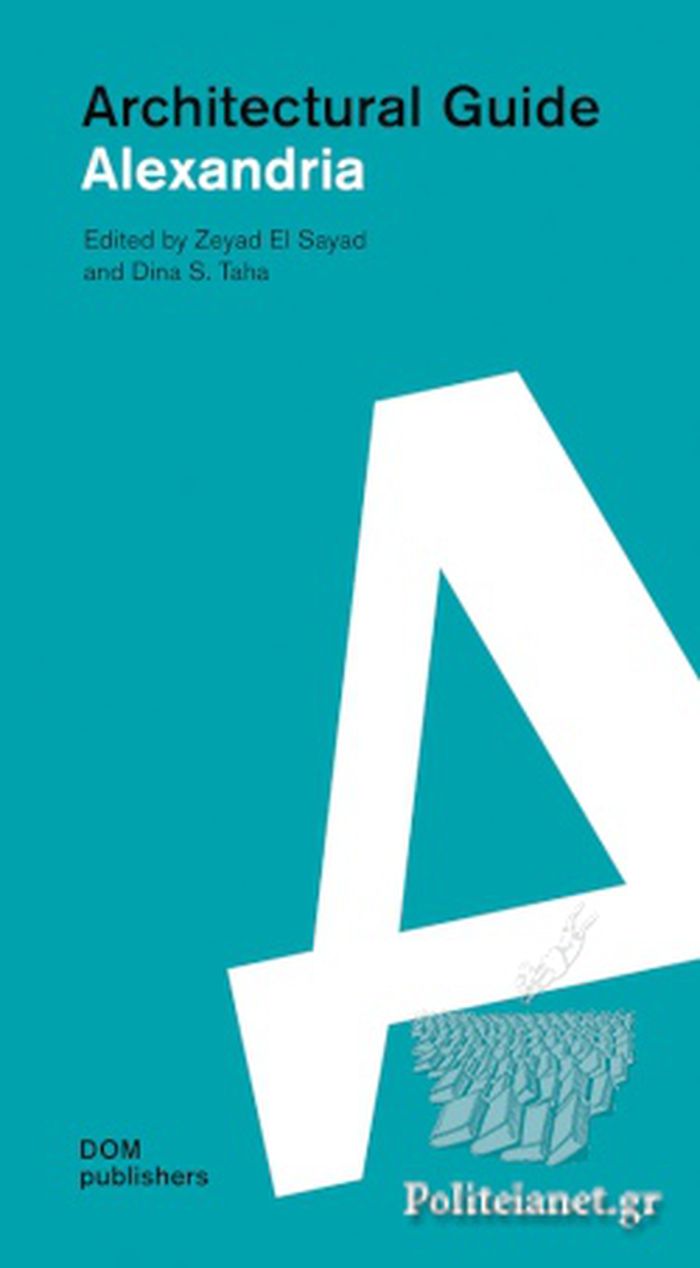
Alexandria architectural guide
Actions:
Prix:
$67.50
(disponible en magasin)
Résumé:
Founded by Alexander the Great in 332 BC, Alexandria was for a long time the largest city in the ancient world. Flattened by a tsunami in 365 AD, it was little more than a fishing village when captured by Napoleon in 1798. The 19th century saw it become the center of the Egyptian cotton trade, bringing prosperity and an influx of European merchants. Then came the bombardment by the English in 1882, which almost flattened the city a second time, and the revolution of 1952, which in effect condemned many of its residential buildings to slow but picturesque decay. The ebbs and flows of history and different cultures (especially Arabic, Muslim, Greek, Italian, English, and, not least, Jewish) have all left their marks on Alexandria's architecture. There are classical ruins; Ottoman fortifications; Egyptian okelles (medieval merchants' buildings); a colorful fishing port; mosques, shrines, churches, and synagogues; mansions and apartment buildings in the neo-Renaissance, art deco, and international styles; brutalist post-revolutionary institutions. And then are oddities such as the Cotton Palace Tower, a skyscraper intended for use as the headquarters of the country s cotton industry but inexplicably abandoned before completion.
Classification:
livres
livres
Publication:
juillet 2021
juillet 2021
Sujet:
Guides des villes
Guides des villes
Classification:
livres
livres
Actions:
Prix:
$35.00
(disponible sur commande)
Résumé:
Benjamin Franklin secretly loved London more than Philadelphia: it was simply the most exciting place to be in the British Empire. And in the decade before the outbreak of the American Revolution, thousands of his fellow colonists flocked to the Georgian city in its first big wave of American visitors. At the very point of political rupture, mother country and colonies(...)
Titre:
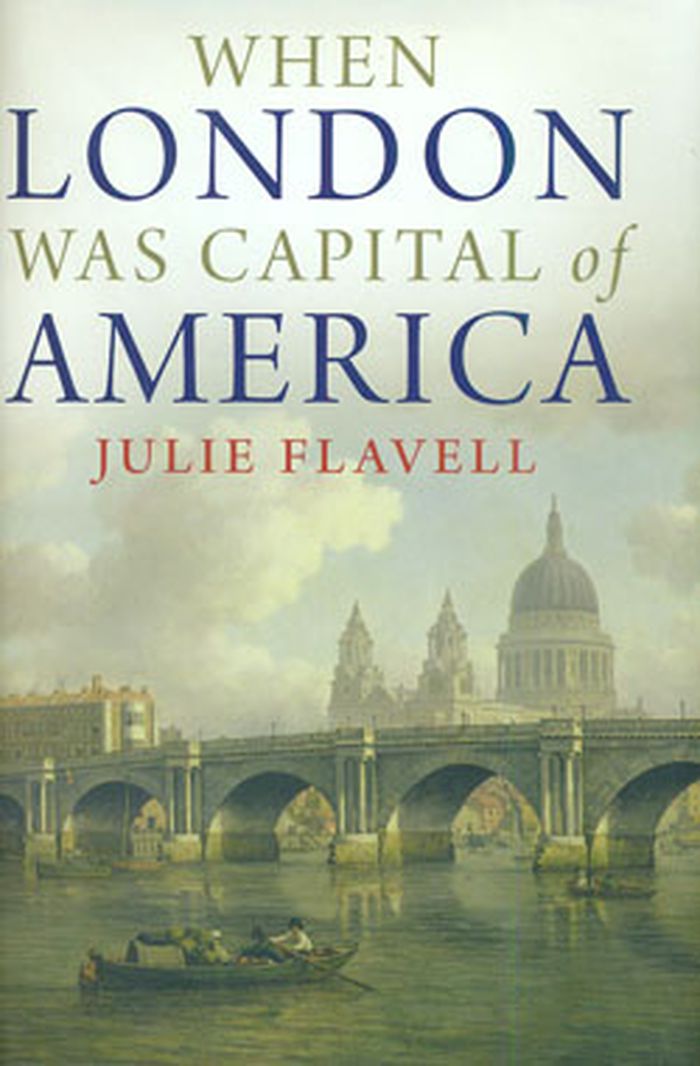
When London was capital of America
Actions:
Prix:
$35.00
(disponible sur commande)
Résumé:
Benjamin Franklin secretly loved London more than Philadelphia: it was simply the most exciting place to be in the British Empire. And in the decade before the outbreak of the American Revolution, thousands of his fellow colonists flocked to the Georgian city in its first big wave of American visitors. At the very point of political rupture, mother country and colonies were socially and culturally closer than ever before. In this first-ever portrait of eighteenth-century London as the capital of America, Julie Flavell recreates the famous city's heyday as the centre of an empire that encompassed North America and the West Indies. The momentous years before independence saw more colonial Americans than ever on London's streets: wealthy Southern plantation owners in quest of culture, slaves hoping for a chance of freedom, Yankee businessmen looking for opportunities in the city, even Ben Franklin seeking a second, more distinguished career. The stories of the colonials, no innocents abroad, vividly recreate a time when Americans saw London as their own and remind us of the complex, multiracial - at times even decadent - nature of America's colonial British heritage.
Classification:
livres
livres
Publication:
juin 2010
juin 2010


