


2389 Résultats
Classification:
livres
livres
Actions:
Prix:
$40.95
(disponible en magasin)
Résumé:
Charles-Édouard Jeanneret, dit Le Corbusier (1887-1965), est sans conteste l’un des architectes les plus importants du xxe siècle. De la villa Savoye, à Poissy, à la Cité radieuse de Marseille, de son cabanon au bord de la Méditerranée à la ville de Chandigarh en Inde, en passant par des immeubles d’habitation, une chapelle et même un couvent, il a réalisé sa vie durant(...)
$40.95
(disponible en magasin)
Résumé:
Charles-Édouard Jeanneret, dit Le Corbusier (1887-1965), est sans conteste l’un des architectes les plus importants du xxe siècle. De la villa Savoye, à Poissy, à la Cité radieuse de Marseille, de son cabanon au bord de la Méditerranée à la ville de Chandigarh en Inde, en passant par des immeubles d’habitation, une chapelle et même un couvent, il a réalisé sa vie durant(...)
Titre:
La bibliothèque de l'amateur : Le Corbusier
Actions:
Prix:
$40.95
(disponible en magasin)
Résumé:
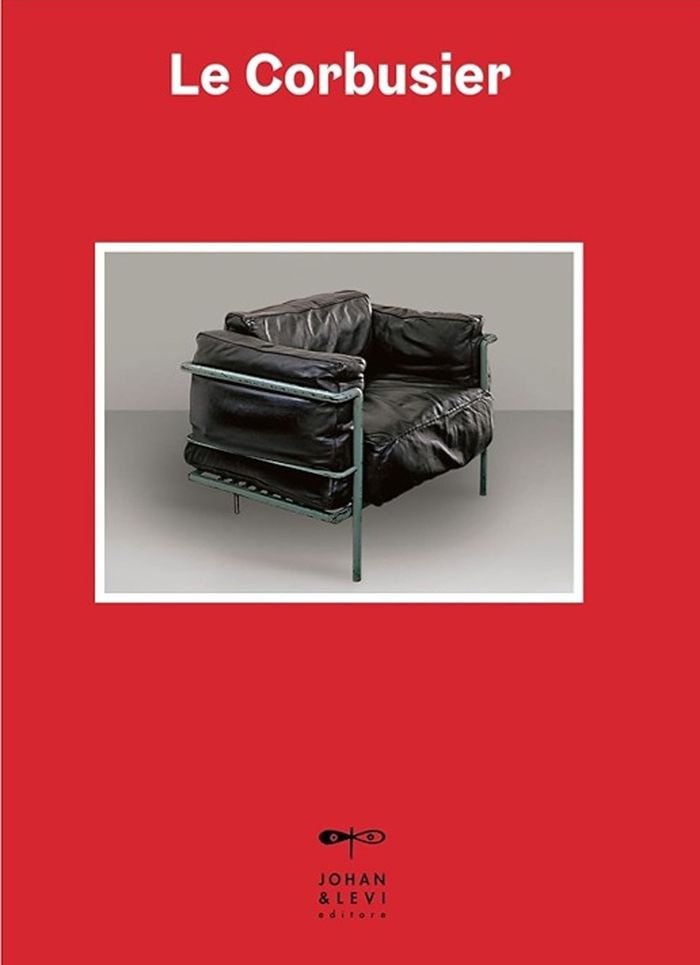
Charles-Édouard Jeanneret, dit Le Corbusier (1887-1965), est sans conteste l’un des architectes les plus importants du xxe siècle. De la villa Savoye, à Poissy, à la Cité radieuse de Marseille, de son cabanon au bord de la Méditerranée à la ville de Chandigarh en Inde, en passant par des immeubles d’habitation, une chapelle et même un couvent, il a réalisé sa vie durant des bâtiments devenus des icônes du Mouvement moderne que les amateurs du monde entier viennent visiter. Cet architecte, parfois provocateur, a aussi consacré son temps au dessin, à la peinture et à l’écriture. Théoricien, il a publié une quarantaine de livres qui restent des références. « L’architecture est le jeu savant, correct et magnifique des volumes assemblés sous la lumière », écrivait celui qui a durablement marqué cette discipline.
La bibliothèque de l'amateur : Le Corbusier
Actions:
Prix:
$40.95
(disponible en magasin)
Résumé:
Charles-Édouard Jeanneret, dit Le Corbusier (1887-1965), est sans conteste l’un des architectes les plus importants du xxe siècle. De la villa Savoye, à Poissy, à la Cité radieuse de Marseille, de son cabanon au bord de la Méditerranée à la ville de Chandigarh en Inde, en passant par des immeubles d’habitation, une chapelle et même un couvent, il a réalisé sa vie durant des bâtiments devenus des icônes du Mouvement moderne que les amateurs du monde entier viennent visiter. Cet architecte, parfois provocateur, a aussi consacré son temps au dessin, à la peinture et à l’écriture. Théoricien, il a publié une quarantaine de livres qui restent des références. « L’architecture est le jeu savant, correct et magnifique des volumes assemblés sous la lumière », écrivait celui qui a durablement marqué cette discipline.
Classification:
livres
livres
Publication:
mars 2026
mars 2026
Sujet:
Architecture, monographies
Architecture, monographies
Classification:
livres
livres
Prix:
$50.00
(disponible sur commande)
Résumé:
Takashi Homma first encountered the work of Le Corbusier and Pierre Jeanneret in Chandigarh in 2013, while producing photographs commissioned by the CCA, some of which are included in this book. Following that experience, he decided to research and photograph the spatial and perceptual richness of windows in other works by Le Corbusier across the world. His research is(...)
$50.00
(disponible sur commande)
Résumé:
Takashi Homma first encountered the work of Le Corbusier and Pierre Jeanneret in Chandigarh in 2013, while producing photographs commissioned by the CCA, some of which are included in this book. Following that experience, he decided to research and photograph the spatial and perceptual richness of windows in other works by Le Corbusier across the world. His research is(...)
Titre:
Looking Through Le Corbusier Windows by Takashi Homma
Actions:
Prix:
$50.00
(disponible sur commande)
Résumé:
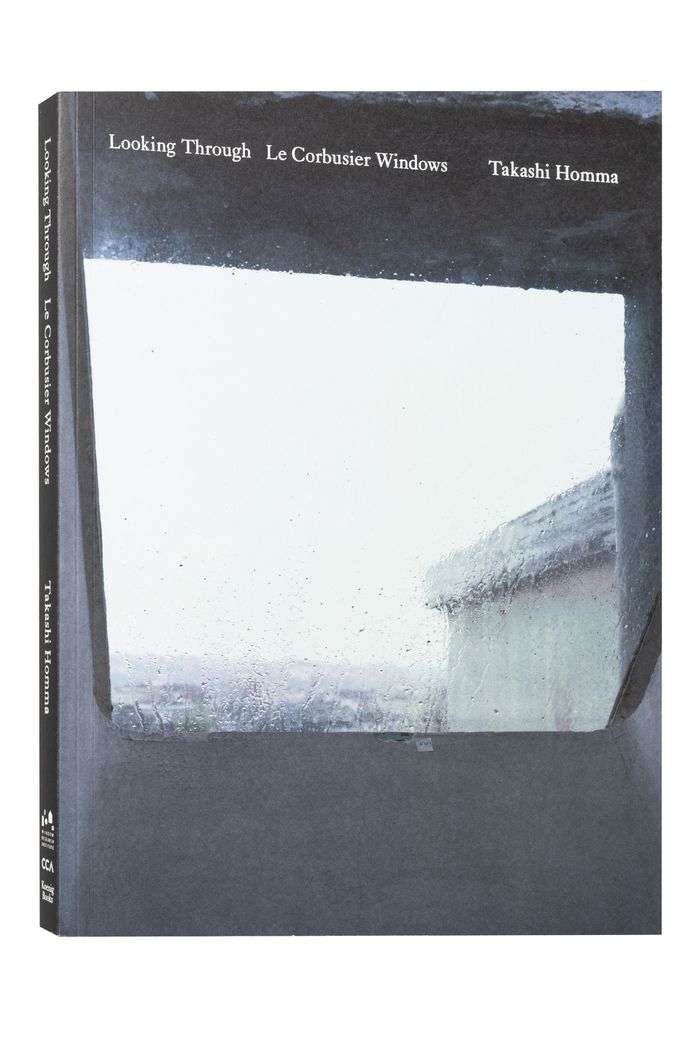
Takashi Homma first encountered the work of Le Corbusier and Pierre Jeanneret in Chandigarh in 2013, while producing photographs commissioned by the CCA, some of which are included in this book. Following that experience, he decided to research and photograph the spatial and perceptual richness of windows in other works by Le Corbusier across the world. His research is part of the Windowology program initiated by the Window Research Institute, which aims to define the position of windows in the history of architecture across cultures—in this particular case, their role as spaces, rather than surfaces, that connect the interior of a building and the surrounding landscape, or the private and the public. An essay by Tim Benton complements Homma’s photographs by tracing the evolution of the concept of windows in Le Corbusier’s work.
Looking Through Le Corbusier Windows by Takashi Homma
Actions:
Prix:
$50.00
(disponible sur commande)
Résumé:
Takashi Homma first encountered the work of Le Corbusier and Pierre Jeanneret in Chandigarh in 2013, while producing photographs commissioned by the CCA, some of which are included in this book. Following that experience, he decided to research and photograph the spatial and perceptual richness of windows in other works by Le Corbusier across the world. His research is part of the Windowology program initiated by the Window Research Institute, which aims to define the position of windows in the history of architecture across cultures—in this particular case, their role as spaces, rather than surfaces, that connect the interior of a building and the surrounding landscape, or the private and the public. An essay by Tim Benton complements Homma’s photographs by tracing the evolution of the concept of windows in Le Corbusier’s work.
Classification:
livres
livres
Publication:
novembre 2019
novembre 2019
Sujet:
Publications du CCA
Publications du CCA
Classification:
livres
livres
Titre:
Contemporary house India
Contemporary house India
Actions:
Prix:
$99.00
(disponible sur commande)
Résumé:
India has a long, diverse history of remarkable architecture. This stunning overview of contemporary residential architecture in India features over twenty houses from across the country, designed by leading firms such as Samira Rathod Design Associates and Architecture Brio, as well as emerging architects such as Martand Khosla. Beginning with a helpful essay,(...)
$99.00
(disponible sur commande)
Résumé:
India has a long, diverse history of remarkable architecture. This stunning overview of contemporary residential architecture in India features over twenty houses from across the country, designed by leading firms such as Samira Rathod Design Associates and Architecture Brio, as well as emerging architects such as Martand Khosla. Beginning with a helpful essay,(...)
Titre:
Contemporary house India
Actions:
Prix:
$99.00
(disponible sur commande)
Résumé:
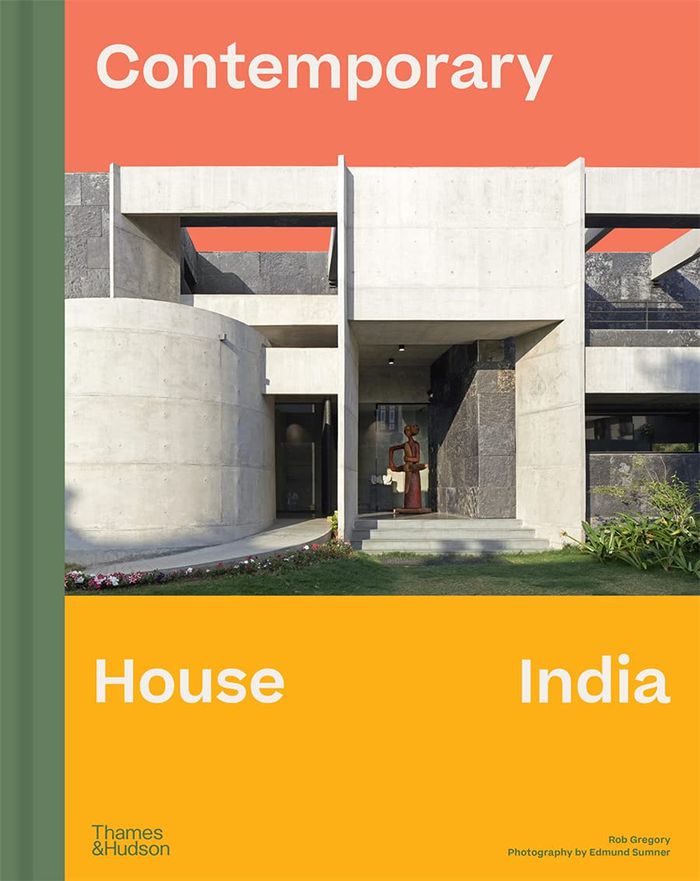
India has a long, diverse history of remarkable architecture. This stunning overview of contemporary residential architecture in India features over twenty houses from across the country, designed by leading firms such as Samira Rathod Design Associates and Architecture Brio, as well as emerging architects such as Martand Khosla. Beginning with a helpful essay, ''Contemporary house India'' is divided into four thematic chapters, each opening with a contextual introduction. Included with each featured home are detailed drawings and plans, specially commissioned photographs of the interiors and exteriors by leading architectural photographer Edmund Sumner, and accompanying text based on interviews with the architects by author Rob Gregory. Gregory places the selected homes in a global context, including the fascinating legacy of major modern architects such as Le Corbusier’s work in Chandigarh, India.
Contemporary house India
Actions:
Prix:
$99.00
(disponible sur commande)
Résumé:
India has a long, diverse history of remarkable architecture. This stunning overview of contemporary residential architecture in India features over twenty houses from across the country, designed by leading firms such as Samira Rathod Design Associates and Architecture Brio, as well as emerging architects such as Martand Khosla. Beginning with a helpful essay, ''Contemporary house India'' is divided into four thematic chapters, each opening with a contextual introduction. Included with each featured home are detailed drawings and plans, specially commissioned photographs of the interiors and exteriors by leading architectural photographer Edmund Sumner, and accompanying text based on interviews with the architects by author Rob Gregory. Gregory places the selected homes in a global context, including the fascinating legacy of major modern architects such as Le Corbusier’s work in Chandigarh, India.
Classification:
livres
livres
Publication:
novembre 2021
novembre 2021
Sujet:
Architecture résidentielle
Architecture résidentielle
Classification:
livres
livres
Titre:
Le Corbusier
Le Corbusier
Actions:
Prix:
$22.99
(disponible sur commande)
Résumé:
Le Corbusier is probably the most famous and certainly the most controversial architect of the twentieth century. His impact on the urban fabric around us and on the way we live has been gigantic because of the richness and variety of his work and his(...)
$22.99
(disponible sur commande)
Résumé:
Le Corbusier is probably the most famous and certainly the most controversial architect of the twentieth century. His impact on the urban fabric around us and on the way we live has been gigantic because of the richness and variety of his work and his(...)
Titre:
Le Corbusier
Actions:
Prix:
$22.99
(disponible sur commande)
Résumé:
Le Corbusier is probably the most famous and certainly the most controversial architect of the twentieth century. His impact on the urban fabric around us and on the way we live has been gigantic because of the richness and variety of his work and his passionately expressed philosophy of architecture. Weaving through his long and prolific life are certain recurrent themes — his perennial drive toward new types of dwelling, from the early white villas to the U'ité d'Habitation at Marseille; his evolving concepts of urban form, including the Plan Voisin of 1925 with its cruciform towers imposed on the city of Paris and his work at Chandigarh in India; and his belief in a new technocratic order. The distinguished critic and historian Kenneth Frampton reexamines all these facets of his artistic and philosophical worldview in the light of recent discoveries, and presents us with a Le Corbusier for the twenty-first century.
Le Corbusier
Actions:
Prix:
$22.99
(disponible sur commande)
Résumé:
Le Corbusier is probably the most famous and certainly the most controversial architect of the twentieth century. His impact on the urban fabric around us and on the way we live has been gigantic because of the richness and variety of his work and his passionately expressed philosophy of architecture. Weaving through his long and prolific life are certain recurrent themes — his perennial drive toward new types of dwelling, from the early white villas to the U'ité d'Habitation at Marseille; his evolving concepts of urban form, including the Plan Voisin of 1925 with its cruciform towers imposed on the city of Paris and his work at Chandigarh in India; and his belief in a new technocratic order. The distinguished critic and historian Kenneth Frampton reexamines all these facets of his artistic and philosophical worldview in the light of recent discoveries, and presents us with a Le Corbusier for the twenty-first century.
Classification:
livres
livres
Publication:
juin 2001, London
juin 2001, London
Sujet:
Architecture, monographies
Architecture, monographies
Classification:
livres
livres
Prix:
$40.00
(disponible sur commande)
Résumé:
A protocol drawn up long ago in 1945 by Otto Koenigsberger, adopted in nearly one hundred instances in India and in more than half the world, provides the framework and rules for the planning of the prototypes of planned cities, and tells us that the so-called "participative architecture" aimed at intercultural inclusion, originated in the post-colonial territories(...)
$40.00
(disponible sur commande)
Résumé:
A protocol drawn up long ago in 1945 by Otto Koenigsberger, adopted in nearly one hundred instances in India and in more than half the world, provides the framework and rules for the planning of the prototypes of planned cities, and tells us that the so-called "participative architecture" aimed at intercultural inclusion, originated in the post-colonial territories(...)
Titre:
Warm modernity: Indian architecture building democracy
Actions:
Prix:
$40.00
(disponible sur commande)
Résumé:
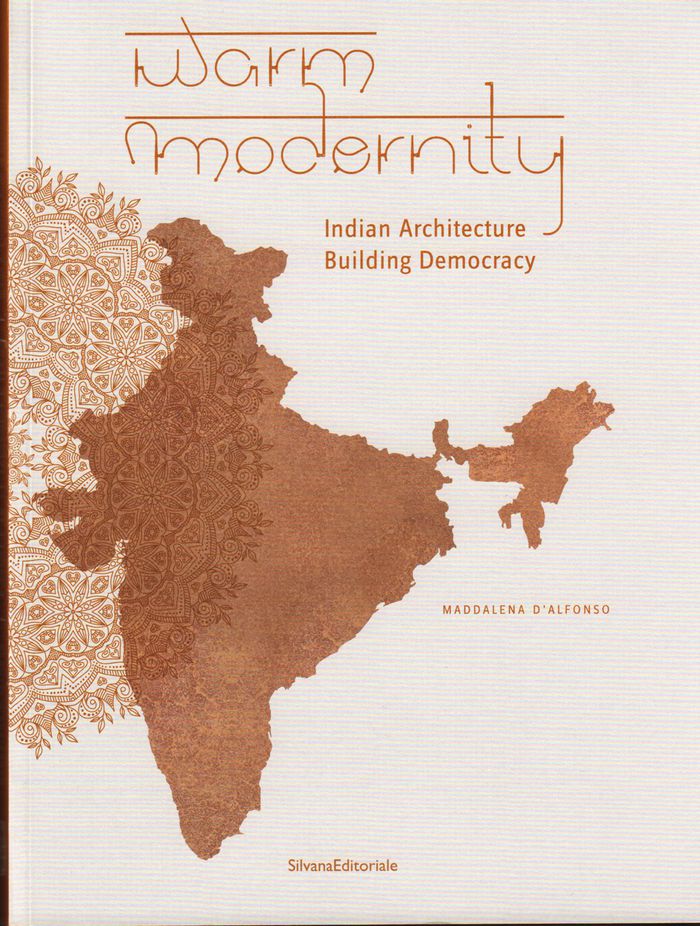
A protocol drawn up long ago in 1945 by Otto Koenigsberger, adopted in nearly one hundred instances in India and in more than half the world, provides the framework and rules for the planning of the prototypes of planned cities, and tells us that the so-called "participative architecture" aimed at intercultural inclusion, originated in the post-colonial territories between India and Africa. The catalogue, the fruition of a 5-year long Italian-Indian research, illustrates the consequences of democratic choice in independent India, its factual existence and its globalized outcomes, present even today. Presented in the installation, are four examples of Democratic New Towns – Jamshedpur, Bhubaneswar, Faridabad and Chandigarh- outcomes of the interface between the experiences of Frey, Drew and Le Corbusier and the ideas of their Indian counterparts, Varma, Doshi, Correa, Rewal. The cities are analytically described and documented through photographs of their present condition, preserved as the modern protected areas in Europe.
Warm modernity: Indian architecture building democracy
Actions:
Prix:
$40.00
(disponible sur commande)
Résumé:
A protocol drawn up long ago in 1945 by Otto Koenigsberger, adopted in nearly one hundred instances in India and in more than half the world, provides the framework and rules for the planning of the prototypes of planned cities, and tells us that the so-called "participative architecture" aimed at intercultural inclusion, originated in the post-colonial territories between India and Africa. The catalogue, the fruition of a 5-year long Italian-Indian research, illustrates the consequences of democratic choice in independent India, its factual existence and its globalized outcomes, present even today. Presented in the installation, are four examples of Democratic New Towns – Jamshedpur, Bhubaneswar, Faridabad and Chandigarh- outcomes of the interface between the experiences of Frey, Drew and Le Corbusier and the ideas of their Indian counterparts, Varma, Doshi, Correa, Rewal. The cities are analytically described and documented through photographs of their present condition, preserved as the modern protected areas in Europe.
Classification:
livres
livres
Publication:
février 2017
février 2017
Sujet:
Arch Moyen-Orient
Arch Moyen-Orient
Classification:
livres
livres
Titre:
le Corbusier le Grand
le Corbusier le Grand
Actions:
Prix:
$220.00
(disponible sur commande)
Résumé:
Le Corbusier (1887-1965) was born Charles-Edouard Jeanneret in La Chaux-de-Fonds, Switzerland. The self-named Le Corbusier was not only the creator of some of the most important and impressive buildings of the last century--Villa Savoye at Poissy, the Chapel of Notre-Dame-du-Haut at Ronchamp, the capitol complex in Chandigarh, India--he was also an accomplished painter,(...)
$220.00
(disponible sur commande)
Résumé:
Le Corbusier (1887-1965) was born Charles-Edouard Jeanneret in La Chaux-de-Fonds, Switzerland. The self-named Le Corbusier was not only the creator of some of the most important and impressive buildings of the last century--Villa Savoye at Poissy, the Chapel of Notre-Dame-du-Haut at Ronchamp, the capitol complex in Chandigarh, India--he was also an accomplished painter,(...)
Sujet:
Architecture, monographies
Architecture, monographies
Publication:
mai 2008, New York
mai 2008, New York
Titre:
le Corbusier le Grand
Actions:
Prix:
$220.00
(disponible sur commande)
Résumé:
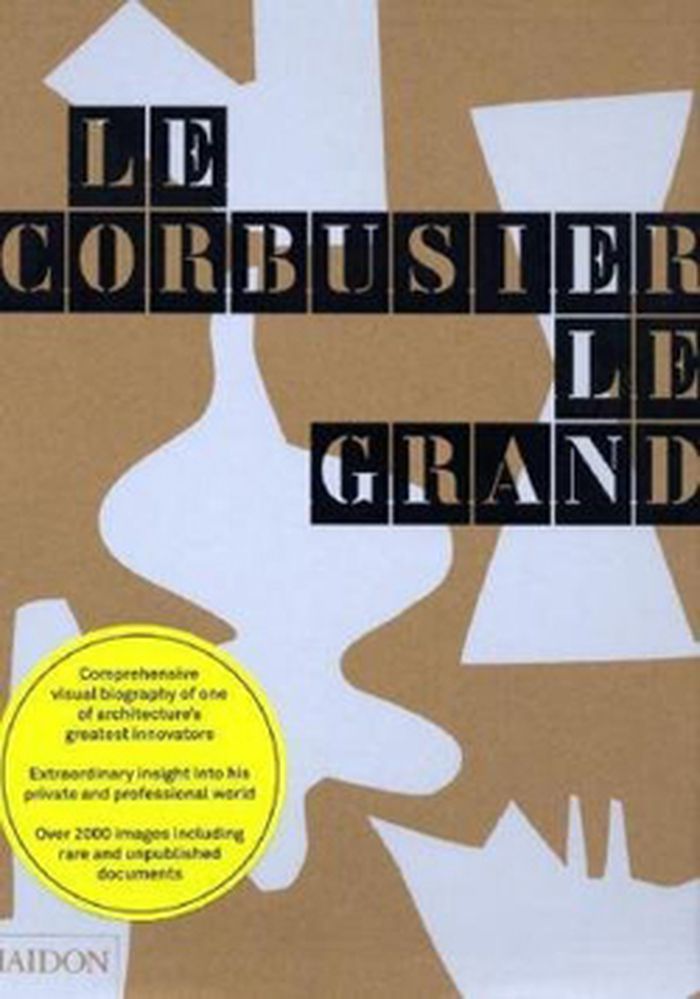
Le Corbusier (1887-1965) was born Charles-Edouard Jeanneret in La Chaux-de-Fonds, Switzerland. The self-named Le Corbusier was not only the creator of some of the most important and impressive buildings of the last century--Villa Savoye at Poissy, the Chapel of Notre-Dame-du-Haut at Ronchamp, the capitol complex in Chandigarh, India--he was also an accomplished painter, sculptor, furniture designer, urbanist, and author. His work and social theories continue to be a dominant force in the world of architecture and design, while his elegant bearing, bow tie, and round black eyeglasses are still today a signature look for architects around the world. Le Corbusier Le Grand’s oversized format and luxurious binding reflect the legendary status of this “giant” of twentieth-century architecture and design. The book includes an insightful introductory essay by France’s most authoritative architectural historian and critic, Jean-Louis Cohen, and incisive chapter introductions by highly regarded Le Corbusier scholar Tim Benton. A separate booklet includes translations of documents, many of which have never been translated into English before.
le Corbusier le Grand
Actions:
Prix:
$220.00
(disponible sur commande)
Résumé:
Le Corbusier (1887-1965) was born Charles-Edouard Jeanneret in La Chaux-de-Fonds, Switzerland. The self-named Le Corbusier was not only the creator of some of the most important and impressive buildings of the last century--Villa Savoye at Poissy, the Chapel of Notre-Dame-du-Haut at Ronchamp, the capitol complex in Chandigarh, India--he was also an accomplished painter, sculptor, furniture designer, urbanist, and author. His work and social theories continue to be a dominant force in the world of architecture and design, while his elegant bearing, bow tie, and round black eyeglasses are still today a signature look for architects around the world. Le Corbusier Le Grand’s oversized format and luxurious binding reflect the legendary status of this “giant” of twentieth-century architecture and design. The book includes an insightful introductory essay by France’s most authoritative architectural historian and critic, Jean-Louis Cohen, and incisive chapter introductions by highly regarded Le Corbusier scholar Tim Benton. A separate booklet includes translations of documents, many of which have never been translated into English before.
Classification:
livres
livres
Publication:
mai 2008, New York
mai 2008, New York
Sujet:
Architecture, monographies
Architecture, monographies
Classification:
livres
livres
Prix:
$72.00
(disponible sur commande)
Résumé:
Un espace intime fait de matériaux chauds et de surfaces murales colorées, couvert par des voûtes en brique et illuminé par des baies vitrées judicieusement placées, une belle cheminée entourée de niches pour accueillir des objets d'art et d'artisanat, amoureusement choisis - ce n'est pas l'image habituelle de la machine à habiter. L'idée reçue d'un Le Corbusier froid,(...)
$72.00
(disponible sur commande)
Résumé:
Un espace intime fait de matériaux chauds et de surfaces murales colorées, couvert par des voûtes en brique et illuminé par des baies vitrées judicieusement placées, une belle cheminée entourée de niches pour accueillir des objets d'art et d'artisanat, amoureusement choisis - ce n'est pas l'image habituelle de la machine à habiter. L'idée reçue d'un Le Corbusier froid,(...)
Titre:
Le Corbusier et les maisons Jaoul : projets et fabrique
Actions:
Prix:
$72.00
(disponible sur commande)
Résumé:
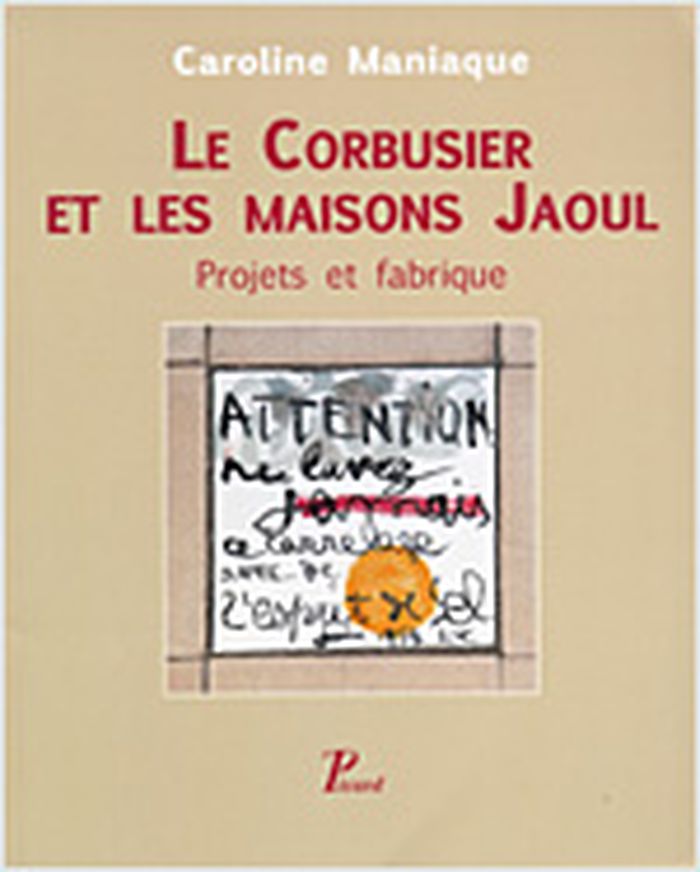
Un espace intime fait de matériaux chauds et de surfaces murales colorées, couvert par des voûtes en brique et illuminé par des baies vitrées judicieusement placées, une belle cheminée entourée de niches pour accueillir des objets d'art et d'artisanat, amoureusement choisis - ce n'est pas l'image habituelle de la machine à habiter. L'idée reçue d'un Le Corbusier froid, austère et puritain doit être révisée lorsque l'on a visité et observé les maisons que l'architecte a bâties pour la famille Jaoul, à Neuilly, à quelques pas de la place de l'Étoile. L'historiographie corbuséenne a bien noté la richesse formelle du Le Corbusier de l'après-guerre - celui de la chapelle de Ronchamp, du couvent de la Tourette, ou encore des grands édifices projetés pour Chandigarh - mais a peu mentionné les Maisons Jaoul qui peuvent pourtant être célébrées comme un des chefs-d'œuvre de la maturité corbuséenne. Cette monographie relate l'histoire de ce projet auquel Le Corbusier a consacré quatre ans de travail intensif de 1951 à 1955, en amicale collaboration avec la famille Jaoul. Leurs témoignages rassemblés dans cet ouvrage, ainsi que les documents d'archives et les photographies du chantier, donnent un éclairage original à l'histoire des maisons.
Le Corbusier et les maisons Jaoul : projets et fabrique
Actions:
Prix:
$72.00
(disponible sur commande)
Résumé:
Un espace intime fait de matériaux chauds et de surfaces murales colorées, couvert par des voûtes en brique et illuminé par des baies vitrées judicieusement placées, une belle cheminée entourée de niches pour accueillir des objets d'art et d'artisanat, amoureusement choisis - ce n'est pas l'image habituelle de la machine à habiter. L'idée reçue d'un Le Corbusier froid, austère et puritain doit être révisée lorsque l'on a visité et observé les maisons que l'architecte a bâties pour la famille Jaoul, à Neuilly, à quelques pas de la place de l'Étoile. L'historiographie corbuséenne a bien noté la richesse formelle du Le Corbusier de l'après-guerre - celui de la chapelle de Ronchamp, du couvent de la Tourette, ou encore des grands édifices projetés pour Chandigarh - mais a peu mentionné les Maisons Jaoul qui peuvent pourtant être célébrées comme un des chefs-d'œuvre de la maturité corbuséenne. Cette monographie relate l'histoire de ce projet auquel Le Corbusier a consacré quatre ans de travail intensif de 1951 à 1955, en amicale collaboration avec la famille Jaoul. Leurs témoignages rassemblés dans cet ouvrage, ainsi que les documents d'archives et les photographies du chantier, donnent un éclairage original à l'histoire des maisons.
Classification:
livres
livres
Publication:
octobre 2005, Paris
octobre 2005, Paris
Sujet:
Architecture, monographies
Architecture, monographies
Classification:
livres
livres
Titre:
Le Corbusier le grand
Le Corbusier le grand
Actions:
Prix:
$65.95
(disponible sur commande)
Résumé:
Le Corbusier (1887-1965) is one of the giants of twentieth-century architecture and design. Born Charles Edouard Jeanneret in La Chaux-de-Fonds, Switzerland, the self-named Le Corbusier was not only the creator of some of the most important and impressive buildings of the last century--Villa Savoye at Poissy, the Chapel of Notre Dame du Haut at Ronchamp, the Parliament(...)
$65.95
(disponible sur commande)
Résumé:
Le Corbusier (1887-1965) is one of the giants of twentieth-century architecture and design. Born Charles Edouard Jeanneret in La Chaux-de-Fonds, Switzerland, the self-named Le Corbusier was not only the creator of some of the most important and impressive buildings of the last century--Villa Savoye at Poissy, the Chapel of Notre Dame du Haut at Ronchamp, the Parliament(...)
Titre:
Le Corbusier le grand
Actions:
Prix:
$65.95
(disponible sur commande)
Résumé:
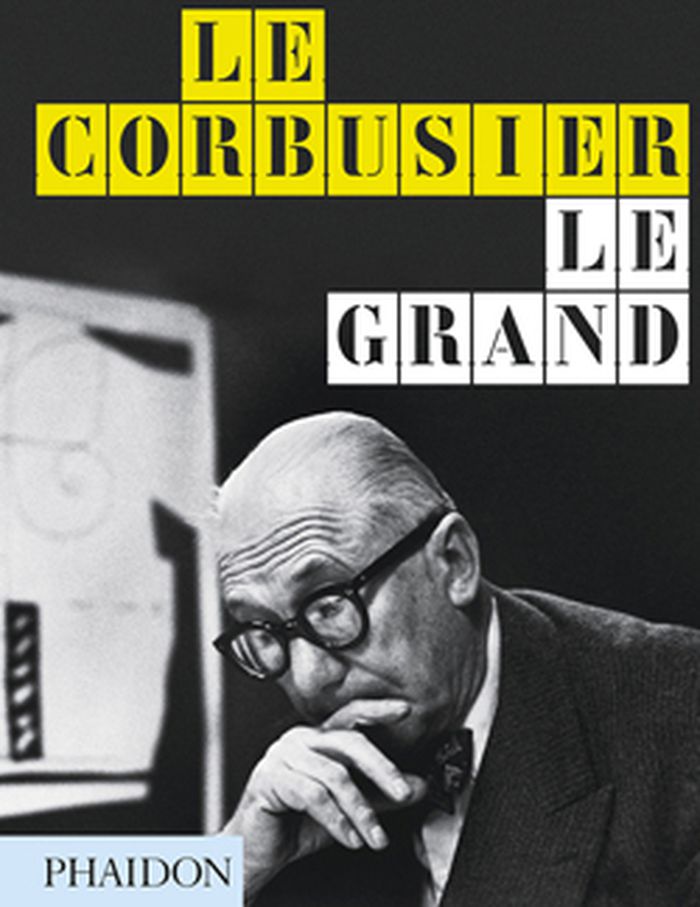
Le Corbusier (1887-1965) is one of the giants of twentieth-century architecture and design. Born Charles Edouard Jeanneret in La Chaux-de-Fonds, Switzerland, the self-named Le Corbusier was not only the creator of some of the most important and impressive buildings of the last century--Villa Savoye at Poissy, the Chapel of Notre Dame du Haut at Ronchamp, the Parliament Building in Chandigarh, India--he was also an accomplished painter, sculptor, furniture designer, urbanist, and author. His work and social theories continue to be a dominant force in the world of architecture and design, while his elegant bearing, typified by his round black eyeglasses, which are still today a signature look for architects around the world, helped cast him as an heroic figure out of Ayn Rand's novel The Fountainhead. Drawing on an array of archival material, including sketches, photographs, and correspondences, Le Corbusier Le Grand depicts in roughly chronological order not only the vast and varied output of Le Corbusier, but also the major events, people, and forces that shaped the life of an artist who continues to fascinate those in and outside the architectural world.
Le Corbusier le grand
Actions:
Prix:
$65.95
(disponible sur commande)
Résumé:
Le Corbusier (1887-1965) is one of the giants of twentieth-century architecture and design. Born Charles Edouard Jeanneret in La Chaux-de-Fonds, Switzerland, the self-named Le Corbusier was not only the creator of some of the most important and impressive buildings of the last century--Villa Savoye at Poissy, the Chapel of Notre Dame du Haut at Ronchamp, the Parliament Building in Chandigarh, India--he was also an accomplished painter, sculptor, furniture designer, urbanist, and author. His work and social theories continue to be a dominant force in the world of architecture and design, while his elegant bearing, typified by his round black eyeglasses, which are still today a signature look for architects around the world, helped cast him as an heroic figure out of Ayn Rand's novel The Fountainhead. Drawing on an array of archival material, including sketches, photographs, and correspondences, Le Corbusier Le Grand depicts in roughly chronological order not only the vast and varied output of Le Corbusier, but also the major events, people, and forces that shaped the life of an artist who continues to fascinate those in and outside the architectural world.
Classification:
livres
livres
Publication:
novembre 2014
novembre 2014
Sujet:
Architecture, monographies
Architecture, monographies
Classification:
livres
livres
Actions:
Prix:
$37.99
(disponible sur commande)
Résumé:
How, in a turbulent century, was Le Corbusier able to reinvent himself at least five times? How was he able to become the Picasso (or Duchamp) of architecture? How was he able to produce work in a regional Art Nouveau mode, then become a leader of the Modern Movement and International Style, then switch to primitive materials and Brutalism before pre-empting(...)
$37.99
(disponible sur commande)
Résumé:
How, in a turbulent century, was Le Corbusier able to reinvent himself at least five times? How was he able to become the Picasso (or Duchamp) of architecture? How was he able to produce work in a regional Art Nouveau mode, then become a leader of the Modern Movement and International Style, then switch to primitive materials and Brutalism before pre-empting(...)
Titre:
Architecture landscape urbanisme 9 : Le Corbusier & the architecture of reinvention
Actions:
Prix:
$37.99
(disponible sur commande)
Résumé:
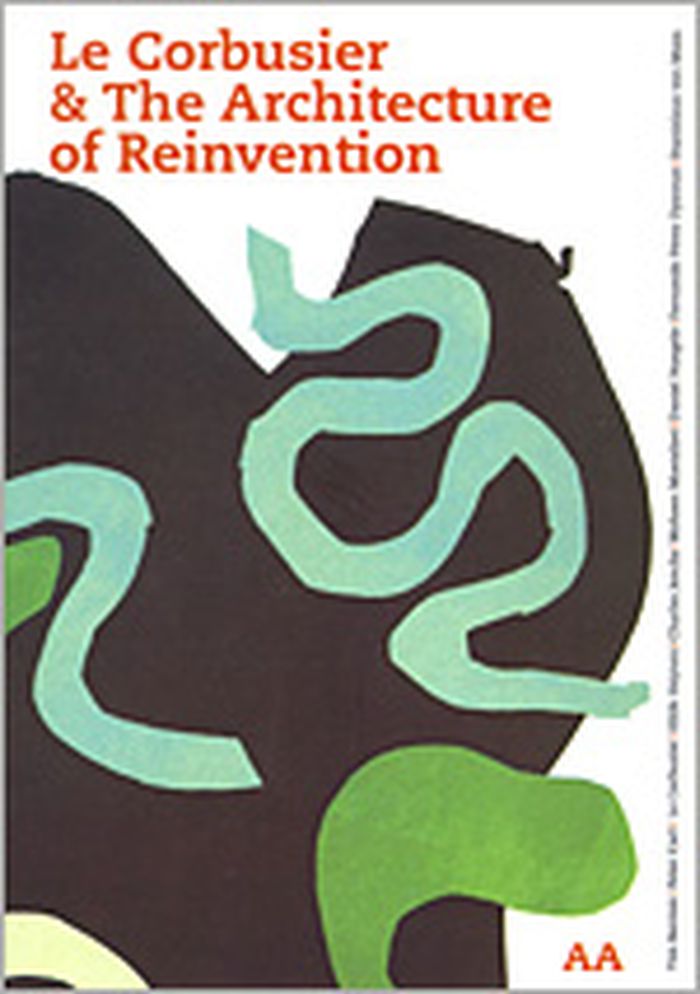
How, in a turbulent century, was Le Corbusier able to reinvent himself at least five times? How was he able to become the Picasso (or Duchamp) of architecture? How was he able to produce work in a regional Art Nouveau mode, then become a leader of the Modern Movement and International Style, then switch to primitive materials and Brutalism before pre-empting Post-Modernism through Ronchamp and Chandigarh, and pre-empting High-Tech and Complexity Architecture through the Centre Le Corbusier and the Philips Pavilion? How?’ These transformations were helped along by the way Le Corbusier was able to cross ideas from one medium to another. A work of architecture could be considered as a written text, a drawing, a model, a photograph, a sculpture, a painting or a detailed set of plans. Each medium challenged, clarified and refined the idea from different viewpoints. Each medium made use of different neurons, of different parts of his mind. The result? Continuous creation from different perspectives, a continual reinvention of architecture. This book brings together leading scholars to explore Le Corbusier’s tactics of self-reinvention, his relationship to the artistic avant-garde and his work as a multimedia practitioner. It also contains an English-language edition of Le Corbusier's 'Poème de l’Angle Droit', complete with beautiful colour lithographs. Authors include Tim Benton, Peter Carl, Hilde Heynen, Charles Jencks, Mohsen Mostafavi, Daniel Naegele, Fernando Pérez Oyarzun, and Stanislaus von Moos.
Architecture landscape urbanisme 9 : Le Corbusier & the architecture of reinvention
Actions:
Prix:
$37.99
(disponible sur commande)
Résumé:
How, in a turbulent century, was Le Corbusier able to reinvent himself at least five times? How was he able to become the Picasso (or Duchamp) of architecture? How was he able to produce work in a regional Art Nouveau mode, then become a leader of the Modern Movement and International Style, then switch to primitive materials and Brutalism before pre-empting Post-Modernism through Ronchamp and Chandigarh, and pre-empting High-Tech and Complexity Architecture through the Centre Le Corbusier and the Philips Pavilion? How?’ These transformations were helped along by the way Le Corbusier was able to cross ideas from one medium to another. A work of architecture could be considered as a written text, a drawing, a model, a photograph, a sculpture, a painting or a detailed set of plans. Each medium challenged, clarified and refined the idea from different viewpoints. Each medium made use of different neurons, of different parts of his mind. The result? Continuous creation from different perspectives, a continual reinvention of architecture. This book brings together leading scholars to explore Le Corbusier’s tactics of self-reinvention, his relationship to the artistic avant-garde and his work as a multimedia practitioner. It also contains an English-language edition of Le Corbusier's 'Poème de l’Angle Droit', complete with beautiful colour lithographs. Authors include Tim Benton, Peter Carl, Hilde Heynen, Charles Jencks, Mohsen Mostafavi, Daniel Naegele, Fernando Pérez Oyarzun, and Stanislaus von Moos.
Classification:
livres
livres
Publication:
mars 2003, London
mars 2003, London
Sujet:
Architecture, monographies
Architecture, monographies


