


250 Résultats
Classification:
livres
livres
Actions:
Prix:
$69.95
(disponible en magasin)
Résumé:
Embracing one's own traditions is not a backward turn. Instead, it represents the chance to obtain a European identity, which after the erratic attemps at finding form in past decades can now be developed further in a new continuity. The works of Ortner & Ortner exhibit this clearly. Following their Primer of Architecture, Ortner & Ortner new provide a compendium of(...)
$69.95
(disponible en magasin)
Résumé:
Embracing one's own traditions is not a backward turn. Instead, it represents the chance to obtain a European identity, which after the erratic attemps at finding form in past decades can now be developed further in a new continuity. The works of Ortner & Ortner exhibit this clearly. Following their Primer of Architecture, Ortner & Ortner new provide a compendium of(...)
Sujet:
Architecture, monographies
Architecture, monographies
Publication:
janvier 2008, Basel Boston, Berlin
janvier 2008, Basel Boston, Berlin
Titre:
Ortner & Ortner: buildings for European culture
Actions:
Prix:
$69.95
(disponible en magasin)
Résumé:
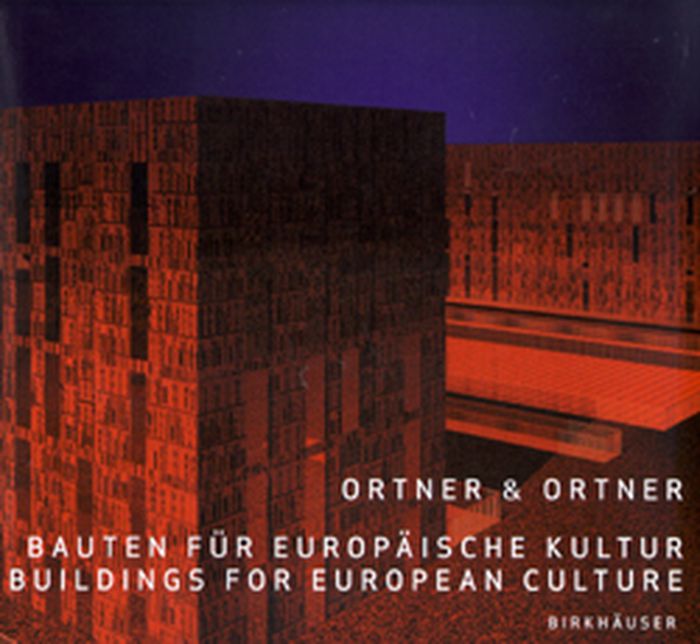
Embracing one's own traditions is not a backward turn. Instead, it represents the chance to obtain a European identity, which after the erratic attemps at finding form in past decades can now be developed further in a new continuity. The works of Ortner & Ortner exhibit this clearly. Following their Primer of Architecture, Ortner & Ortner new provide a compendium of their buildings and designs for 'European culture'. Presented are projects in three areas: theaters, museums, and libraries. The projects begin with the experimental ventures from the Haus-Rucker-Co era and end cultural buildings that are among the most significant internationally. 'European culture' is an exemplary situation in which the old and new concur in an unparalleled wealth of features and are then reunited in a new blend. A comprehensive text section with contributions by Manuela Hötzl, Ernst Hubeli, Bart Lootsma, Sophie Lovell, and Laurids Ortner focuses on selected projects, grasping the ingredients of this European blend.
Ortner & Ortner: buildings for European culture
Actions:
Prix:
$69.95
(disponible en magasin)
Résumé:
Embracing one's own traditions is not a backward turn. Instead, it represents the chance to obtain a European identity, which after the erratic attemps at finding form in past decades can now be developed further in a new continuity. The works of Ortner & Ortner exhibit this clearly. Following their Primer of Architecture, Ortner & Ortner new provide a compendium of their buildings and designs for 'European culture'. Presented are projects in three areas: theaters, museums, and libraries. The projects begin with the experimental ventures from the Haus-Rucker-Co era and end cultural buildings that are among the most significant internationally. 'European culture' is an exemplary situation in which the old and new concur in an unparalleled wealth of features and are then reunited in a new blend. A comprehensive text section with contributions by Manuela Hötzl, Ernst Hubeli, Bart Lootsma, Sophie Lovell, and Laurids Ortner focuses on selected projects, grasping the ingredients of this European blend.
Classification:
livres
livres
Publication:
janvier 2008, Basel Boston, Berlin
janvier 2008, Basel Boston, Berlin
Sujet:
Architecture, monographies
Architecture, monographies
Classification:
livres
livres
Prix:
$95.00
(disponible sur commande)
Résumé:
This book object combines two volumes and covers the sweep and depth of Lewis Baltz’s influential oeuvre. Rule Without Exception is a re-issue of Baltz’s award-winning mid-career retrospective book which accompanied a travelling exhibition of the same name in 1991. The book surveys Baltz’s work from The Prototype Works of 1967 through to Sites of Technology of 1991,(...)
$95.00
(disponible sur commande)
Résumé:
This book object combines two volumes and covers the sweep and depth of Lewis Baltz’s influential oeuvre. Rule Without Exception is a re-issue of Baltz’s award-winning mid-career retrospective book which accompanied a travelling exhibition of the same name in 1991. The book surveys Baltz’s work from The Prototype Works of 1967 through to Sites of Technology of 1991,(...)
Titre:
Lewis Baltz: rule without exception / only Exceptions
Actions:
Prix:
$95.00
(disponible sur commande)
Résumé:
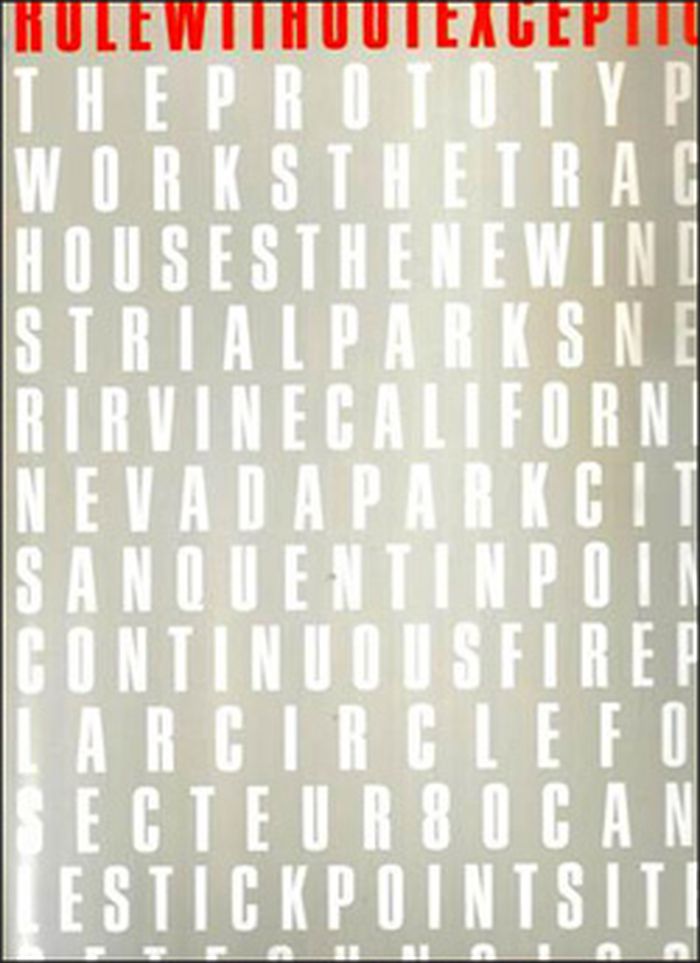
This book object combines two volumes and covers the sweep and depth of Lewis Baltz’s influential oeuvre. Rule Without Exception is a re-issue of Baltz’s award-winning mid-career retrospective book which accompanied a travelling exhibition of the same name in 1991. The book surveys Baltz’s work from The Prototype Works of 1967 through to Sites of Technology of 1991, showing the range of his images of industrialised landscapes and technological sites. Each section of the book is accompanied by installation views as well as texts by distinguished writers, some newly commissioned for this edition. Only Exceptions is a new book chronicling Baltz’s work – now usually site-generated commissioned works – from 1992 to the present and is published on the occasion of an exhibition organized by the Kunstmuseum, Bonn. Only Exceptions includes Baltz’s work in California, Leipzig’s “Black Triangle”, Reggio Emilia, Groningen, Rome, Venice, and two projects with Jean Nouvel in France and Italy.
Lewis Baltz: rule without exception / only Exceptions
Actions:
Prix:
$95.00
(disponible sur commande)
Résumé:
This book object combines two volumes and covers the sweep and depth of Lewis Baltz’s influential oeuvre. Rule Without Exception is a re-issue of Baltz’s award-winning mid-career retrospective book which accompanied a travelling exhibition of the same name in 1991. The book surveys Baltz’s work from The Prototype Works of 1967 through to Sites of Technology of 1991, showing the range of his images of industrialised landscapes and technological sites. Each section of the book is accompanied by installation views as well as texts by distinguished writers, some newly commissioned for this edition. Only Exceptions is a new book chronicling Baltz’s work – now usually site-generated commissioned works – from 1992 to the present and is published on the occasion of an exhibition organized by the Kunstmuseum, Bonn. Only Exceptions includes Baltz’s work in California, Leipzig’s “Black Triangle”, Reggio Emilia, Groningen, Rome, Venice, and two projects with Jean Nouvel in France and Italy.
Classification:
livres
livres
Publication:
avril 2012
avril 2012
Classification:
livres
livres

Actions:
Prix:
$32.95
(disponible sur commande)
Résumé:
Inscribed with the quote, “It is only with the heart that one can see rightly / what is essential is invisible to the eye,” by writer and pilot Antoine de Saint-Exupéry, Robert Frank's handcrafted 1952 book, Black White and Things, was made in an edition of three identical copies designed by Werner Zryd, each with a spiral binding containing original photographs of(...)
$32.95
(disponible sur commande)
Résumé:
Inscribed with the quote, “It is only with the heart that one can see rightly / what is essential is invisible to the eye,” by writer and pilot Antoine de Saint-Exupéry, Robert Frank's handcrafted 1952 book, Black White and Things, was made in an edition of three identical copies designed by Werner Zryd, each with a spiral binding containing original photographs of(...)
Titre:
Robert Frank: Black, white and things
Actions:
Prix:
$32.95
(disponible sur commande)
Résumé:
Inscribed with the quote, “It is only with the heart that one can see rightly / what is essential is invisible to the eye,” by writer and pilot Antoine de Saint-Exupéry, Robert Frank's handcrafted 1952 book, Black White and Things, was made in an edition of three identical copies designed by Werner Zryd, each with a spiral binding containing original photographs of Frank's travels to cities including Paris, New York, Valencia and St. Louis. First reprinted for an exhibition at the National Gallery in Washington, D.C., in 1994, this edition has now been designed in a smaller format by Frank. The three categories “black,” “white” and “things,” are shaped more by mood than subject matter: vastly different images—Frank's first wife reclining with their newborn baby, peasants squatting against a flaking wall in Peru and a business man strolling past a snow-filled tree in London—are all gathered in the “white” section, for example.
Robert Frank: Black, white and things
Actions:
Prix:
$32.95
(disponible sur commande)
Résumé:
Inscribed with the quote, “It is only with the heart that one can see rightly / what is essential is invisible to the eye,” by writer and pilot Antoine de Saint-Exupéry, Robert Frank's handcrafted 1952 book, Black White and Things, was made in an edition of three identical copies designed by Werner Zryd, each with a spiral binding containing original photographs of Frank's travels to cities including Paris, New York, Valencia and St. Louis. First reprinted for an exhibition at the National Gallery in Washington, D.C., in 1994, this edition has now been designed in a smaller format by Frank. The three categories “black,” “white” and “things,” are shaped more by mood than subject matter: vastly different images—Frank's first wife reclining with their newborn baby, peasants squatting against a flaking wall in Peru and a business man strolling past a snow-filled tree in London—are all gathered in the “white” section, for example.
Classification:
livres
livres
Publication:
février 2010
février 2010
Sujet:
Monographies photo
Monographies photo
Classification:
livres
livres
Prix:
$74.95
(disponible sur commande)
Résumé:
Constant change is what marks the history of the European city. Over centuries, architecture’s reactions to social disruptions?natural disaster, plague, or war?have fashioned the city into an engine of civilization. And bound up with this has been the promise of economic independence, social cohesion, and individual freedom. Now fundamental challenges, such as climate(...)
$74.95
(disponible sur commande)
Résumé:
Constant change is what marks the history of the European city. Over centuries, architecture’s reactions to social disruptions?natural disaster, plague, or war?have fashioned the city into an engine of civilization. And bound up with this has been the promise of economic independence, social cohesion, and individual freedom. Now fundamental challenges, such as climate(...)
Sujet:
Expositions en cours
Expositions en cours
Publication:
novembre 2020
novembre 2020
Titre:
Urbainable: Positions on the european city for the 21st century
Actions:
Prix:
$74.95
(disponible sur commande)
Résumé:
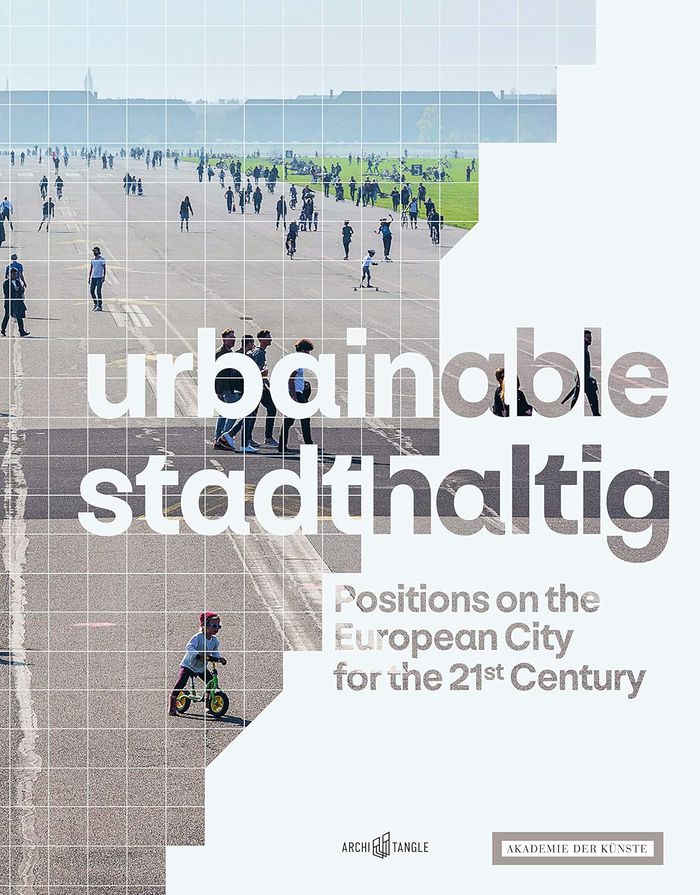
Constant change is what marks the history of the European city. Over centuries, architecture’s reactions to social disruptions?natural disaster, plague, or war?have fashioned the city into an engine of civilization. And bound up with this has been the promise of economic independence, social cohesion, and individual freedom. Now fundamental challenges, such as climate change, are bringing cities face to face with new transformations that call into question the continuity and sustainability of the ethical foundations underpinning urban ways of life. Bold and decisive steps are needed. How far can urban planning, landscape planning, and architecture foster the vital processes of change? How can the city offset possible losses caused by altered lifestyles, integrate new technologies, or rehearse new forms of behaviour and ultimately sublimate them into a functioning culture? In this volume, the members of the Architecture Section of the Akademie der Künste Berlin and their invited guests from all over Europe introduce their positions by means of projects, visions, and manifestos.
Urbainable: Positions on the european city for the 21st century
Actions:
Prix:
$74.95
(disponible sur commande)
Résumé:
Constant change is what marks the history of the European city. Over centuries, architecture’s reactions to social disruptions?natural disaster, plague, or war?have fashioned the city into an engine of civilization. And bound up with this has been the promise of economic independence, social cohesion, and individual freedom. Now fundamental challenges, such as climate change, are bringing cities face to face with new transformations that call into question the continuity and sustainability of the ethical foundations underpinning urban ways of life. Bold and decisive steps are needed. How far can urban planning, landscape planning, and architecture foster the vital processes of change? How can the city offset possible losses caused by altered lifestyles, integrate new technologies, or rehearse new forms of behaviour and ultimately sublimate them into a functioning culture? In this volume, the members of the Architecture Section of the Akademie der Künste Berlin and their invited guests from all over Europe introduce their positions by means of projects, visions, and manifestos.
Classification:
livres
livres
Publication:
novembre 2020
novembre 2020
Sujet:
Expositions en cours
Expositions en cours
Classification:
livres
livres
Titre:
Font. the sourcebook
Font. the sourcebook
Actions:
Prix:
$50.00
(disponible sur commande)
Résumé:
Font: The Sourcebook is a resource for those interested in the story of type and with that visual communication. The first section of Font: The Sourcebook gives a thorough history of the public word, back to its roots in Egyptian hieroglyphs, describing the mechanics of early printing right up until the digital methods now in use. This comprehensive account includes(...)
$50.00
(disponible sur commande)
Résumé:
Font: The Sourcebook is a resource for those interested in the story of type and with that visual communication. The first section of Font: The Sourcebook gives a thorough history of the public word, back to its roots in Egyptian hieroglyphs, describing the mechanics of early printing right up until the digital methods now in use. This comprehensive account includes(...)
Titre:
Font. the sourcebook
Actions:
Prix:
$50.00
(disponible sur commande)
Résumé:
Font: The Sourcebook is a resource for those interested in the story of type and with that visual communication. The first section of Font: The Sourcebook gives a thorough history of the public word, back to its roots in Egyptian hieroglyphs, describing the mechanics of early printing right up until the digital methods now in use. This comprehensive account includes comment and analysis by some of the world's leading typographers, graphic designers and critics. Contributors include Penguin's David Pearson, Chairman of the Type Directors Club Alex W White, Will Hill, Pentagram's Domenic Lippa, Ed Fella, Peter Bi'lak, Experimental Jetset and more. The second part of Font: The Sourcebook profiles 50 of the most innovative and inspiring fonts in use today, with a short history of their origin, their inspiration and the designer who brought them to life. Each typeface entry is illustrated with an extensive library and examples of the font in use. Font: The Sourcebook is a resource no designer, typographer, artist or aesthete will want to be without.
Font. the sourcebook
Actions:
Prix:
$50.00
(disponible sur commande)
Résumé:
Font: The Sourcebook is a resource for those interested in the story of type and with that visual communication. The first section of Font: The Sourcebook gives a thorough history of the public word, back to its roots in Egyptian hieroglyphs, describing the mechanics of early printing right up until the digital methods now in use. This comprehensive account includes comment and analysis by some of the world's leading typographers, graphic designers and critics. Contributors include Penguin's David Pearson, Chairman of the Type Directors Club Alex W White, Will Hill, Pentagram's Domenic Lippa, Ed Fella, Peter Bi'lak, Experimental Jetset and more. The second part of Font: The Sourcebook profiles 50 of the most innovative and inspiring fonts in use today, with a short history of their origin, their inspiration and the designer who brought them to life. Each typeface entry is illustrated with an extensive library and examples of the font in use. Font: The Sourcebook is a resource no designer, typographer, artist or aesthete will want to be without.
Classification:
livres
livres
Publication:
août 2008, London
août 2008, London
Classification:
livres
livres
Titre:
Fred Sandback: drawings
Fred Sandback: drawings
Actions:
Prix:
$60.00
(disponible sur commande)
Résumé:
The American Fred Sandback (1943–2003), regarded as one of the major sculptors of his generation, had from the beginning of his art career initially used drawings to formulate on paper his ideas of sculptural volumes. Soon he went from depicting isolated elements to thinking of sculpture in relationship to space and to exploring its possibilities on paper. In the 1980s,(...)
$60.00
(disponible sur commande)
Résumé:
The American Fred Sandback (1943–2003), regarded as one of the major sculptors of his generation, had from the beginning of his art career initially used drawings to formulate on paper his ideas of sculptural volumes. Soon he went from depicting isolated elements to thinking of sculpture in relationship to space and to exploring its possibilities on paper. In the 1980s,(...)
Titre:
Fred Sandback: drawings
Actions:
Prix:
$60.00
(disponible sur commande)
Résumé:
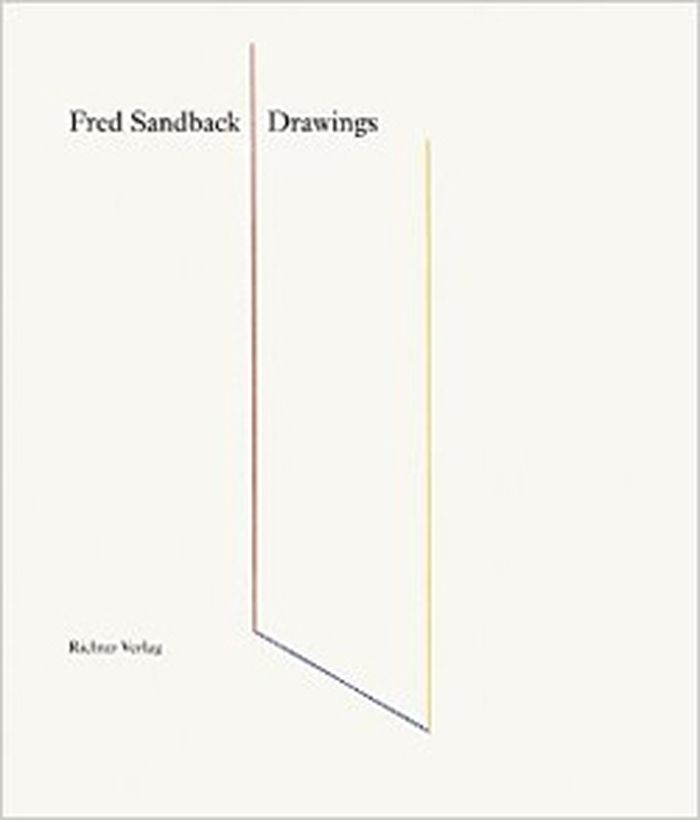
The American Fred Sandback (1943–2003), regarded as one of the major sculptors of his generation, had from the beginning of his art career initially used drawings to formulate on paper his ideas of sculptural volumes. Soon he went from depicting isolated elements to thinking of sculpture in relationship to space and to exploring its possibilities on paper. In the 1980s, Sandback expanded his drawing vocabulary to include work in acrylic, in the pochoir technique or in pastel, which look much more pictorial in contrast to his earlier works on paper. The issue was now less about conceiving sculptures and more about modulating space. As regards sculpture, Sandback no longer thought of it as a given spatial volume, but as a sensual phenomenon per se, which he explored in the drawing. In his late drawings, Sandback moved away from the conditions of a coherent space in order to conceive of sculptures that are boundless from all sides. Only a specific section of the whole is intimated in the drawing, for which Sandback invented unusual techniques: actual incisions instead of drawn lines, for instance, or painterly traces on transparent film. This publication of Sandback’s drawings assembles works from over thirty years, supplemented by sculpture.
Fred Sandback: drawings
Actions:
Prix:
$60.00
(disponible sur commande)
Résumé:
The American Fred Sandback (1943–2003), regarded as one of the major sculptors of his generation, had from the beginning of his art career initially used drawings to formulate on paper his ideas of sculptural volumes. Soon he went from depicting isolated elements to thinking of sculpture in relationship to space and to exploring its possibilities on paper. In the 1980s, Sandback expanded his drawing vocabulary to include work in acrylic, in the pochoir technique or in pastel, which look much more pictorial in contrast to his earlier works on paper. The issue was now less about conceiving sculptures and more about modulating space. As regards sculpture, Sandback no longer thought of it as a given spatial volume, but as a sensual phenomenon per se, which he explored in the drawing. In his late drawings, Sandback moved away from the conditions of a coherent space in order to conceive of sculptures that are boundless from all sides. Only a specific section of the whole is intimated in the drawing, for which Sandback invented unusual techniques: actual incisions instead of drawn lines, for instance, or painterly traces on transparent film. This publication of Sandback’s drawings assembles works from over thirty years, supplemented by sculpture.
Classification:
livres
livres
Publication:
août 2014
août 2014
Classification:
livres
livres
Titre:
2G 13 : Carlos Jimenez
2G 13 : Carlos Jimenez
Actions:
Prix:
$39.95
(disponible en magasin)
Résumé:
This issue of 2G is dedicated to the work of Texas-based architect Carlos Jiménez and includes unpublished projects such as the competition proposal for the Arrecife's waterfront in Lanzarote, Canary Islands and the Cummins Engine Distributorship Facility Prototypes. The architectural practice of Carlos Jiménez now spans almost twenty years, and yet it is(...)
$39.95
(disponible en magasin)
Résumé:
This issue of 2G is dedicated to the work of Texas-based architect Carlos Jiménez and includes unpublished projects such as the competition proposal for the Arrecife's waterfront in Lanzarote, Canary Islands and the Cummins Engine Distributorship Facility Prototypes. The architectural practice of Carlos Jiménez now spans almost twenty years, and yet it is(...)
Sujet:
Architecture, monographies
Architecture, monographies
Publication:
janvier 2000, Barcelona
janvier 2000, Barcelona
Titre:
2G 13 : Carlos Jimenez
Actions:
Prix:
$39.95
(disponible en magasin)
Résumé:
This issue of 2G is dedicated to the work of Texas-based architect Carlos Jiménez and includes unpublished projects such as the competition proposal for the Arrecife's waterfront in Lanzarote, Canary Islands and the Cummins Engine Distributorship Facility Prototypes. The architectural practice of Carlos Jiménez now spans almost twenty years, and yet it is still a young practice by a young architect. Jiménez began to build the moment he finished school; his buildings have gathered their meaning in use and simple presence. "Buildings bleed," says Jiménez; their meaning is evolutionary and they acquire content in every context they partake in. The introduction by Michael Bell titled "Houston, Texas and the Architecture of Carlos Jiménez", analyzes how the architect's practice has made use of given conditions, sites and intellectual histories, showing that the multi-faceted depth of Jiménez's practice is in large part due to his diligent and empathetic care for the milieu that he works within. This publication presents fourteen recent works and projects with abundant graphic and photographic documentation. The introduction by Luis Fernández-Galiano weaves biographical insights with Jiménez's lyrical and personal architectural language, emphasizing the importance of memory in his work. The 'Nexus' section includes a text by Carlos Jiménez titled "Memory, a City, and the Need for Poetry".
2G 13 : Carlos Jimenez
Actions:
Prix:
$39.95
(disponible en magasin)
Résumé:
This issue of 2G is dedicated to the work of Texas-based architect Carlos Jiménez and includes unpublished projects such as the competition proposal for the Arrecife's waterfront in Lanzarote, Canary Islands and the Cummins Engine Distributorship Facility Prototypes. The architectural practice of Carlos Jiménez now spans almost twenty years, and yet it is still a young practice by a young architect. Jiménez began to build the moment he finished school; his buildings have gathered their meaning in use and simple presence. "Buildings bleed," says Jiménez; their meaning is evolutionary and they acquire content in every context they partake in. The introduction by Michael Bell titled "Houston, Texas and the Architecture of Carlos Jiménez", analyzes how the architect's practice has made use of given conditions, sites and intellectual histories, showing that the multi-faceted depth of Jiménez's practice is in large part due to his diligent and empathetic care for the milieu that he works within. This publication presents fourteen recent works and projects with abundant graphic and photographic documentation. The introduction by Luis Fernández-Galiano weaves biographical insights with Jiménez's lyrical and personal architectural language, emphasizing the importance of memory in his work. The 'Nexus' section includes a text by Carlos Jiménez titled "Memory, a City, and the Need for Poetry".
Classification:
livres
livres
Publication:
janvier 2000, Barcelona
janvier 2000, Barcelona
Sujet:
Architecture, monographies
Architecture, monographies
Classification:
livres
livres
Titre:
Vacant Spaces NY
Vacant Spaces NY
Actions:
Prix:
$80.00
(disponible sur commande)
Résumé:
This project began by walking around our neighborhood noticing empty storefronts. Once we saw them, they were everywhere. They followed us, appearing quietly throughout New York City. Many with no signage, no “for rent,” no “coming soon.” Usually empty, sometimes dusty, sometimes with brown paper covering the glass. Now, vacancy has only increased. In the densest city in(...)
$80.00
(disponible sur commande)
Résumé:
This project began by walking around our neighborhood noticing empty storefronts. Once we saw them, they were everywhere. They followed us, appearing quietly throughout New York City. Many with no signage, no “for rent,” no “coming soon.” Usually empty, sometimes dusty, sometimes with brown paper covering the glass. Now, vacancy has only increased. In the densest city in(...)
Sujet:
Architecture, monographies
Architecture, monographies
Publication:
octobre 2021
octobre 2021
Titre:
Vacant Spaces NY
Actions:
Prix:
$80.00
(disponible sur commande)
Résumé:
This project began by walking around our neighborhood noticing empty storefronts. Once we saw them, they were everywhere. They followed us, appearing quietly throughout New York City. Many with no signage, no “for rent,” no “coming soon.” Usually empty, sometimes dusty, sometimes with brown paper covering the glass. Now, vacancy has only increased. In the densest city in the United States. During a housing crisis. Throughout a pandemic. The quantity of vacant spaces is anyone’s best guess. It’s only partially documented. They hide in plain sight. This volume is organized from large to small, general to specific. It begins by looking at vacancy within the United States and continues down to each Manhattan neighborhood, where we zoom into specific vacant spaces, where we have provided as case studies that imagine some possibilities for transforming current vacant spaces into housing or social services. There is also a section on Covid 19, which infiltrated New York during our research. As a whole, this document is not meant to provide specific solutions. The data is incomplete. Case studies are limited. We are not policy experts or data analysts or urban planners. Instead, it is simply meant to show something we have taken for granted, vacant spaces, taking part in a collective process of imagining a better city.
Vacant Spaces NY
Actions:
Prix:
$80.00
(disponible sur commande)
Résumé:
This project began by walking around our neighborhood noticing empty storefronts. Once we saw them, they were everywhere. They followed us, appearing quietly throughout New York City. Many with no signage, no “for rent,” no “coming soon.” Usually empty, sometimes dusty, sometimes with brown paper covering the glass. Now, vacancy has only increased. In the densest city in the United States. During a housing crisis. Throughout a pandemic. The quantity of vacant spaces is anyone’s best guess. It’s only partially documented. They hide in plain sight. This volume is organized from large to small, general to specific. It begins by looking at vacancy within the United States and continues down to each Manhattan neighborhood, where we zoom into specific vacant spaces, where we have provided as case studies that imagine some possibilities for transforming current vacant spaces into housing or social services. There is also a section on Covid 19, which infiltrated New York during our research. As a whole, this document is not meant to provide specific solutions. The data is incomplete. Case studies are limited. We are not policy experts or data analysts or urban planners. Instead, it is simply meant to show something we have taken for granted, vacant spaces, taking part in a collective process of imagining a better city.
Classification:
livres
livres
Publication:
octobre 2021
octobre 2021
Sujet:
Architecture, monographies
Architecture, monographies
Classification:
livres
livres
Actions:
Prix:
$43.95
(disponible sur commande)
Résumé:
More than twenty years ago, a New Jersey artist started a project for the Philadelphia Anti-Graffiti Network that encouraged young people to paint murals on a few buildings around the city. Jane Golden could not have known that the Mural Arts Program (MAP) would become the nation's largest public art program and a model for programs throughout the country. With more than(...)
$43.95
(disponible sur commande)
Résumé:
More than twenty years ago, a New Jersey artist started a project for the Philadelphia Anti-Graffiti Network that encouraged young people to paint murals on a few buildings around the city. Jane Golden could not have known that the Mural Arts Program (MAP) would become the nation's largest public art program and a model for programs throughout the country. With more than(...)
Sujet:
Espaces Public
Espaces Public
Publication:
octobre 2006, Philadelphia
octobre 2006, Philadelphia
Titre:
More Philadelphia murals and the story they tell
Actions:
Prix:
$43.95
(disponible sur commande)
Résumé:
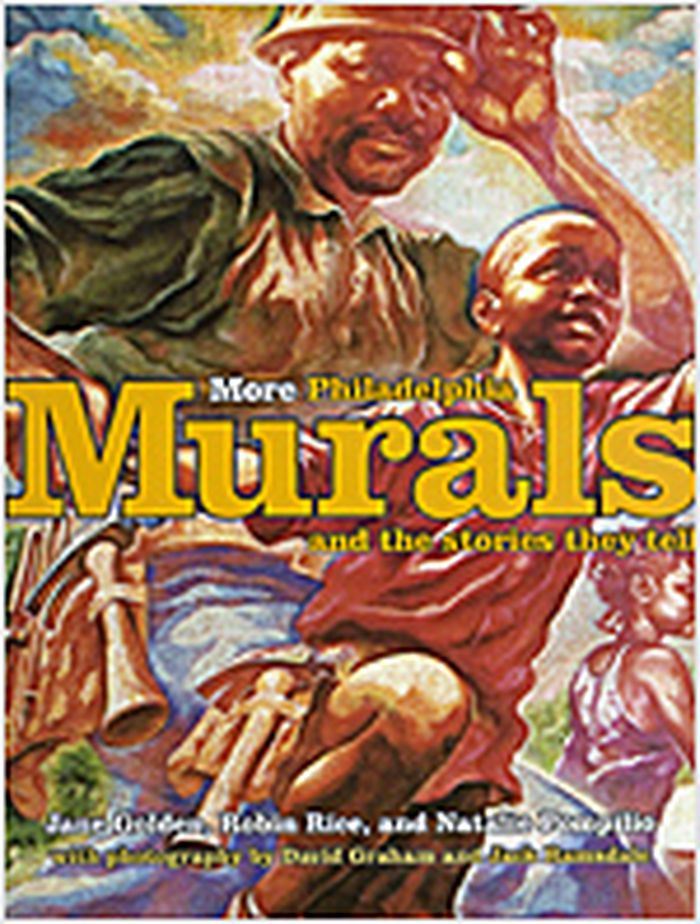
More than twenty years ago, a New Jersey artist started a project for the Philadelphia Anti-Graffiti Network that encouraged young people to paint murals on a few buildings around the city. Jane Golden could not have known that the Mural Arts Program (MAP) would become the nation's largest public art program and a model for programs throughout the country. With more than 2600 murals throughout Philadelphia, the program has brightened the lives of countless residents and tourists while providing a creative outlet for an astounding array of artists. MAP now works with more than 3000 students around the city, engaging them in a curriculum that teaches not only artistic skills but civic engagement and personal responsibility. "More Philadelphia murals and the stories they tell", a sequel to "Philadelphia murals and the stories they tell", shares with the earlier work its beautiful color photography, along with profiles of the artists. Featured here is the remarkable story of an unlikely artistic collaboration — between boys who live in a residential facility, a community in the Kensington section of Philadelphia, and men who are incarcerated in a maximum-security state correctional facility. The 1/8 of a mile long mural they created, about balanced and restorative justice, was intended to help the young men give something back to a community they had harmed and help the community wrestle with issues around crime and violence. In the process of creating the mural, it became a life-changing experience for all involved.
More Philadelphia murals and the story they tell
Actions:
Prix:
$43.95
(disponible sur commande)
Résumé:
More than twenty years ago, a New Jersey artist started a project for the Philadelphia Anti-Graffiti Network that encouraged young people to paint murals on a few buildings around the city. Jane Golden could not have known that the Mural Arts Program (MAP) would become the nation's largest public art program and a model for programs throughout the country. With more than 2600 murals throughout Philadelphia, the program has brightened the lives of countless residents and tourists while providing a creative outlet for an astounding array of artists. MAP now works with more than 3000 students around the city, engaging them in a curriculum that teaches not only artistic skills but civic engagement and personal responsibility. "More Philadelphia murals and the stories they tell", a sequel to "Philadelphia murals and the stories they tell", shares with the earlier work its beautiful color photography, along with profiles of the artists. Featured here is the remarkable story of an unlikely artistic collaboration — between boys who live in a residential facility, a community in the Kensington section of Philadelphia, and men who are incarcerated in a maximum-security state correctional facility. The 1/8 of a mile long mural they created, about balanced and restorative justice, was intended to help the young men give something back to a community they had harmed and help the community wrestle with issues around crime and violence. In the process of creating the mural, it became a life-changing experience for all involved.
Classification:
livres
livres
Publication:
octobre 2006, Philadelphia
octobre 2006, Philadelphia
Sujet:
Espaces Public
Espaces Public
Classification:
livres
livres
Titre:
Massive change
Massive change
Actions:
Prix:
$39.95
(disponible sur commande)
Résumé:
"Massive Change" is a modern illustrated primer on the new inventions, technologies, and events that are affecting the human race worldwide. The book is a part of a broader research project by Bruce Mau Design intended to provoke debate and discussion about the future of design culture, broadly defined as the “familiar objects and techniques that are transforming our(...)
$39.95
(disponible sur commande)
Résumé:
"Massive Change" is a modern illustrated primer on the new inventions, technologies, and events that are affecting the human race worldwide. The book is a part of a broader research project by Bruce Mau Design intended to provoke debate and discussion about the future of design culture, broadly defined as the “familiar objects and techniques that are transforming our(...)
Publication:
novembre 2004, New York
novembre 2004, New York
Titre:
Massive change
Actions:
Prix:
$39.95
(disponible sur commande)
Résumé:
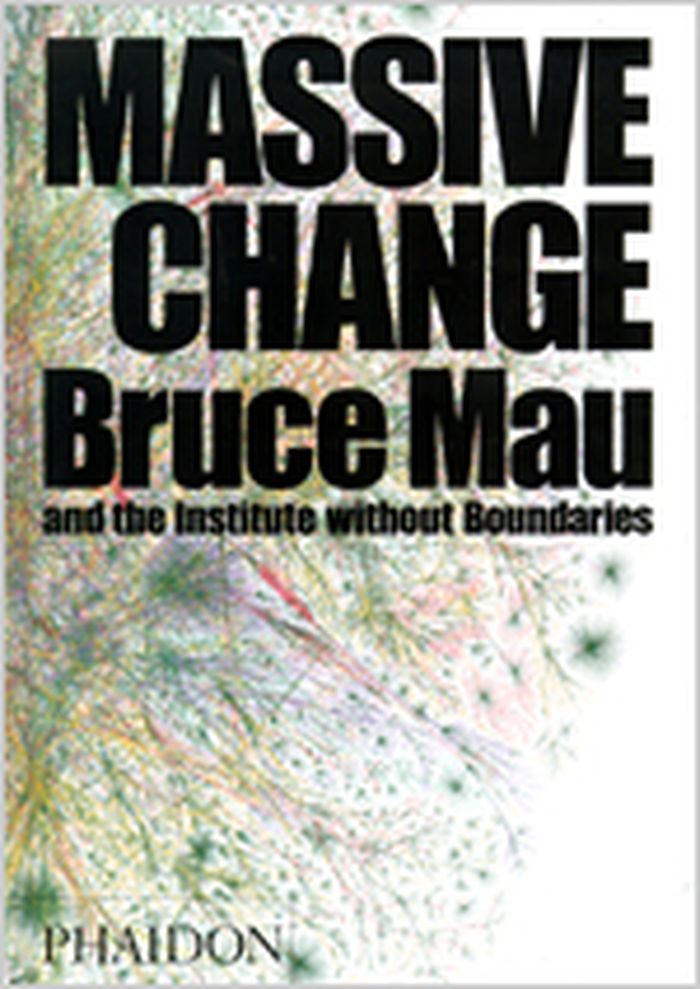
"Massive Change" is a modern illustrated primer on the new inventions, technologies, and events that are affecting the human race worldwide. The book is a part of a broader research project by Bruce Mau Design intended to provoke debate and discussion about the future of design culture, broadly defined as the “familiar objects and techniques that are transforming our lives.” In essays, interviews, and provocative imagery aimed at a broad audience, "Massive Change" explores the changing force of design in the contemporary world, and in doing so expands the definition of design to include the built environment, transportation technologies, revolutionary materials, energy and information systems, and living organisms. The book is divided into 11 heavily illustrated sections covering major areas of change in contemporary society — such as urbanism and architecture, the military, health and living, and wealth and politics. Each section intersperses intriguing documentary images with a general introductory essay, extended captions, and interviews with leading thinkers, including engineers, designers, philosophers, scientists, architects, artists, and writers. Concluding the book is a graphic timeline of significant inventions and world events from 10,000 B.C. to the present. "Massive Change" is a well designed, intelligent, visually provocative exploration of the myriad subjects percolating through popular culture: those we read about in magazines and on Web sites but rarely understand in any meaningful way. It poses the question: “Now that the human race can do almost anything, what will we do next?” Accompanies the internationally touring exhibition produced by Bruce Mau and his Institute without Borders.
Massive change
Actions:
Prix:
$39.95
(disponible sur commande)
Résumé:
"Massive Change" is a modern illustrated primer on the new inventions, technologies, and events that are affecting the human race worldwide. The book is a part of a broader research project by Bruce Mau Design intended to provoke debate and discussion about the future of design culture, broadly defined as the “familiar objects and techniques that are transforming our lives.” In essays, interviews, and provocative imagery aimed at a broad audience, "Massive Change" explores the changing force of design in the contemporary world, and in doing so expands the definition of design to include the built environment, transportation technologies, revolutionary materials, energy and information systems, and living organisms. The book is divided into 11 heavily illustrated sections covering major areas of change in contemporary society — such as urbanism and architecture, the military, health and living, and wealth and politics. Each section intersperses intriguing documentary images with a general introductory essay, extended captions, and interviews with leading thinkers, including engineers, designers, philosophers, scientists, architects, artists, and writers. Concluding the book is a graphic timeline of significant inventions and world events from 10,000 B.C. to the present. "Massive Change" is a well designed, intelligent, visually provocative exploration of the myriad subjects percolating through popular culture: those we read about in magazines and on Web sites but rarely understand in any meaningful way. It poses the question: “Now that the human race can do almost anything, what will we do next?” Accompanies the internationally touring exhibition produced by Bruce Mau and his Institute without Borders.
Classification:
livres
livres
Publication:
novembre 2004, New York
novembre 2004, New York


