


3001 Résultats
Classification:
livres
livres
Actions:
Prix:
$47.95
(disponible sur commande)
Résumé:
For thousands of years, architects have used models to invent, experiment and communicate. A world in miniature, such models are even more varied in their purposes and materials than their full-scale counterparts. This elegant book explores the fascinating nature of the architectural model through 26 illustrated essays, one for each letter of the alphabet. Unbound by the(...)
$47.95
(disponible sur commande)
Résumé:
For thousands of years, architects have used models to invent, experiment and communicate. A world in miniature, such models are even more varied in their purposes and materials than their full-scale counterparts. This elegant book explores the fascinating nature of the architectural model through 26 illustrated essays, one for each letter of the alphabet. Unbound by the(...)
Titre:
An alphabet of architectural models
Actions:
Prix:
$47.95
(disponible sur commande)
Résumé:
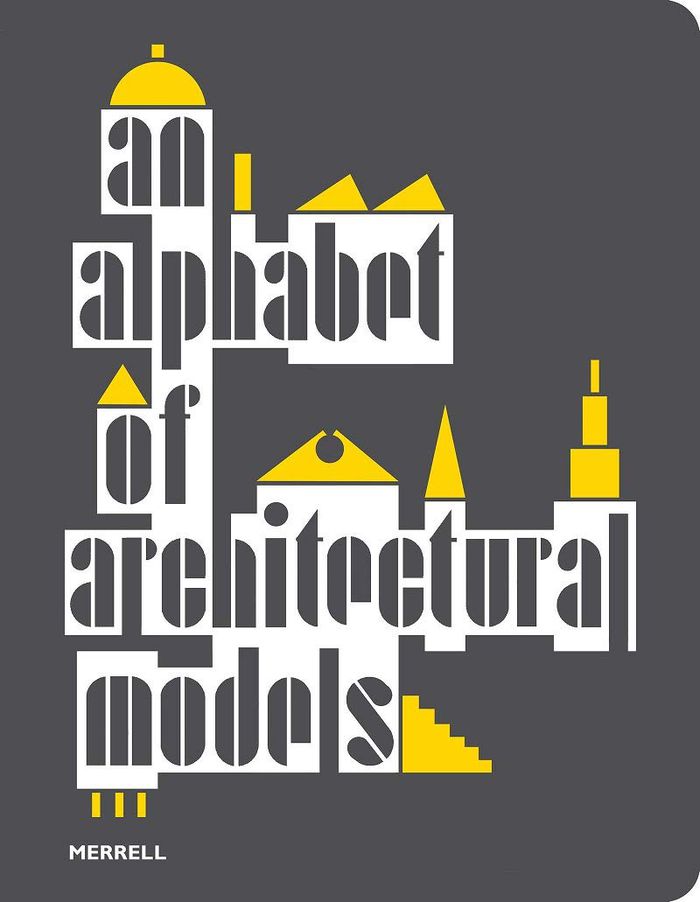
For thousands of years, architects have used models to invent, experiment and communicate. A world in miniature, such models are even more varied in their purposes and materials than their full-scale counterparts. This elegant book explores the fascinating nature of the architectural model through 26 illustrated essays, one for each letter of the alphabet. Unbound by the practicalities of life-size construction, models allow architects the flexibility and freedom to think in three dimensions. Whether made for purely speculative exercises or to solve a specific problem, they are aids to the imagination. Equally, they can be used as detailed representations of particular places, either built or as yet unrealized, in order to convey information to patrons or the public. Models also have a vibrant life outside the architect’s office, including as souvenirs, architectural fragments displayed in museums, and toys for children and adults alike. Written by architects, model-makers, curators, conservators and scholars, the texts in this absorbing ''Alphabet'' explore such fundamental issues as modelling materials and techniques, scale, and the role of the model in the design process. They also go beyond conventional accounts to look at models under the X-ray machine, their use in film, and edible models. The result is a wide-ranging, original account of the multiple lives of the architectural model.
An alphabet of architectural models
Actions:
Prix:
$47.95
(disponible sur commande)
Résumé:
For thousands of years, architects have used models to invent, experiment and communicate. A world in miniature, such models are even more varied in their purposes and materials than their full-scale counterparts. This elegant book explores the fascinating nature of the architectural model through 26 illustrated essays, one for each letter of the alphabet. Unbound by the practicalities of life-size construction, models allow architects the flexibility and freedom to think in three dimensions. Whether made for purely speculative exercises or to solve a specific problem, they are aids to the imagination. Equally, they can be used as detailed representations of particular places, either built or as yet unrealized, in order to convey information to patrons or the public. Models also have a vibrant life outside the architect’s office, including as souvenirs, architectural fragments displayed in museums, and toys for children and adults alike. Written by architects, model-makers, curators, conservators and scholars, the texts in this absorbing ''Alphabet'' explore such fundamental issues as modelling materials and techniques, scale, and the role of the model in the design process. They also go beyond conventional accounts to look at models under the X-ray machine, their use in film, and edible models. The result is a wide-ranging, original account of the multiple lives of the architectural model.
Classification:
livres
livres
Publication:
octobre 2019
octobre 2019
Sujet:
Maquettes
Maquettes
Classification:
livres
livres
Actions:
Prix:
$80.00
(disponible sur commande)
Résumé:
Architect Hugh Maaskant (1907-1977) played a major role in modern Dutch architecture. He designed revolutionary, complex, large-scale buildings with metropolitan allure, like the Groothandelsgebouw and the Euromast in Rotterdam and the Scheveningen Pier. In Maaskant: Architect of Progress architecture historian and Maaskant expert Michelle Provoost places Maaskant in an(...)
$80.00
(disponible sur commande)
Résumé:
Architect Hugh Maaskant (1907-1977) played a major role in modern Dutch architecture. He designed revolutionary, complex, large-scale buildings with metropolitan allure, like the Groothandelsgebouw and the Euromast in Rotterdam and the Scheveningen Pier. In Maaskant: Architect of Progress architecture historian and Maaskant expert Michelle Provoost places Maaskant in an(...)
Titre:
Hugh Maaskant: architect of progress
Actions:
Prix:
$80.00
(disponible sur commande)
Résumé:
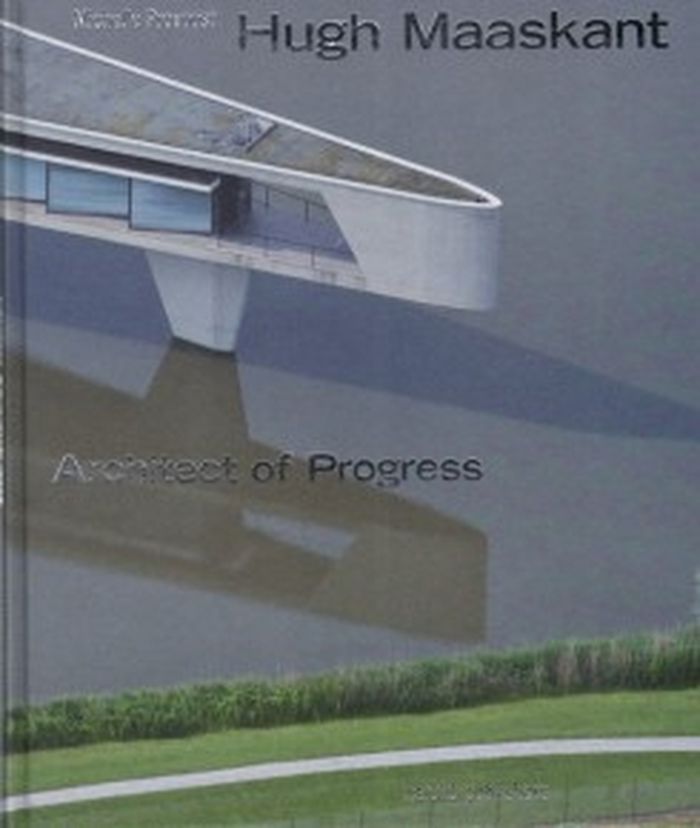
Architect Hugh Maaskant (1907-1977) played a major role in modern Dutch architecture. He designed revolutionary, complex, large-scale buildings with metropolitan allure, like the Groothandelsgebouw and the Euromast in Rotterdam and the Scheveningen Pier. In Maaskant: Architect of Progress architecture historian and Maaskant expert Michelle Provoost places Maaskant in an international and historical perspective. Hugh Maaskant is considered the godfather and forerunner of the generation of Winy Maas (MVRDV), Adriaan Geuze (West 8), Willem Jan Neutelings and Rem Koolhaas. Yet he was underappreciated for many years. Provoost describes Maaskant’s work as part of the optimistic, stimulating aspect of post-war reconstruction and the exciting world of the 1960s. She also places him in the context of Dutch architecture, both of his time and of later generations, particularly the ‘Super Dutch’.
Hugh Maaskant: architect of progress
Actions:
Prix:
$80.00
(disponible sur commande)
Résumé:
Architect Hugh Maaskant (1907-1977) played a major role in modern Dutch architecture. He designed revolutionary, complex, large-scale buildings with metropolitan allure, like the Groothandelsgebouw and the Euromast in Rotterdam and the Scheveningen Pier. In Maaskant: Architect of Progress architecture historian and Maaskant expert Michelle Provoost places Maaskant in an international and historical perspective. Hugh Maaskant is considered the godfather and forerunner of the generation of Winy Maas (MVRDV), Adriaan Geuze (West 8), Willem Jan Neutelings and Rem Koolhaas. Yet he was underappreciated for many years. Provoost describes Maaskant’s work as part of the optimistic, stimulating aspect of post-war reconstruction and the exciting world of the 1960s. She also places him in the context of Dutch architecture, both of his time and of later generations, particularly the ‘Super Dutch’.
Classification:
livres
livres
Publication:
septembre 2012
septembre 2012
Sujet:
Architecture, monographies
Architecture, monographies
Classification:
livres
livres
Titre:
Architecture of nature
Architecture of nature
Actions:
Prix:
$65.95
(disponible sur commande)
Résumé:
Based on documentation originating in the environmental sciences, history of science, philosophy and art, ''Architecture of Nature'' explores the materiality and the effects of the forces at play in the history of the earth through the architect's modes of seeing and techniques of representation. This book presents research work developed for the past eight years in the(...)
$65.95
(disponible sur commande)
Résumé:
Based on documentation originating in the environmental sciences, history of science, philosophy and art, ''Architecture of Nature'' explores the materiality and the effects of the forces at play in the history of the earth through the architect's modes of seeing and techniques of representation. This book presents research work developed for the past eight years in the(...)
Publication:
février 2019
février 2019
Titre:
Architecture of nature
Actions:
Prix:
$65.95
(disponible sur commande)
Résumé:
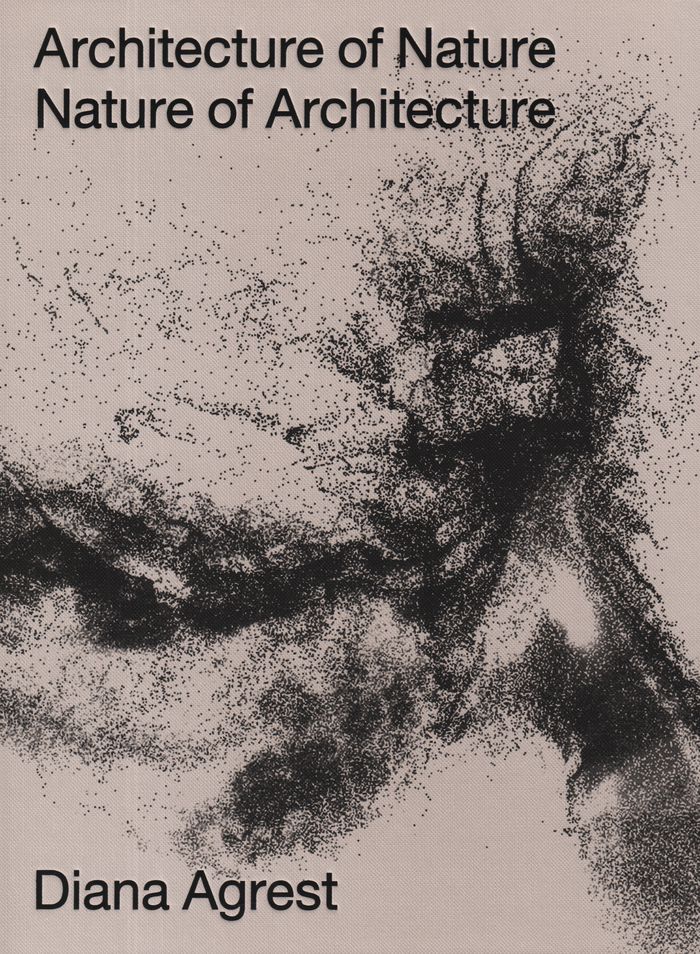
Based on documentation originating in the environmental sciences, history of science, philosophy and art, ''Architecture of Nature'' explores the materiality and the effects of the forces at play in the history of the earth through the architect's modes of seeing and techniques of representation. This book presents research work developed for the past eight years in the Advanced Research graduate studio 'Architecture of Nature/ Nature of Architecture', created and directed by Diana Agrest at the Irwin S. Chanin School of Architecture of the Cooper Union. ''Architecture of Nature'' departs from the traditional approach to nature as a referent for architecture and reframes it as its object of study. The complex processes of generation and transformations of extreme natural phenomena such as glaciers, volcanoes, permafrost, and clouds are explored through unique drawings and models, confronting a scale of space and time that expands and transcends the established boundaries of the architectural discipline.
Architecture of nature
Actions:
Prix:
$65.95
(disponible sur commande)
Résumé:
Based on documentation originating in the environmental sciences, history of science, philosophy and art, ''Architecture of Nature'' explores the materiality and the effects of the forces at play in the history of the earth through the architect's modes of seeing and techniques of representation. This book presents research work developed for the past eight years in the Advanced Research graduate studio 'Architecture of Nature/ Nature of Architecture', created and directed by Diana Agrest at the Irwin S. Chanin School of Architecture of the Cooper Union. ''Architecture of Nature'' departs from the traditional approach to nature as a referent for architecture and reframes it as its object of study. The complex processes of generation and transformations of extreme natural phenomena such as glaciers, volcanoes, permafrost, and clouds are explored through unique drawings and models, confronting a scale of space and time that expands and transcends the established boundaries of the architectural discipline.
Classification:
livres
livres
Publication:
février 2019
février 2019
Classification:
livres
livres
Actions:
Prix:
$60.00
(disponible sur commande)
Résumé:
The third volume in this exciting series presenting young architecture and design talents, ArchiLab's Earth Buildings turns its focus to building with the land. Projects from thirty of the most innovative young practices of today—including Field Operations, Tom Leader, NOX, Servo, Vicente Guallart, and Kengo Kuma—confront and offer proposals and solutions to issues such(...)
$60.00
(disponible sur commande)
Résumé:
The third volume in this exciting series presenting young architecture and design talents, ArchiLab's Earth Buildings turns its focus to building with the land. Projects from thirty of the most innovative young practices of today—including Field Operations, Tom Leader, NOX, Servo, Vicente Guallart, and Kengo Kuma—confront and offer proposals and solutions to issues such(...)
Publication:
mai 2003, London
mai 2003, London
Titre:
Archilab's earth buildings: radical experiments in land architecture
Actions:
Prix:
$60.00
(disponible sur commande)
Résumé:
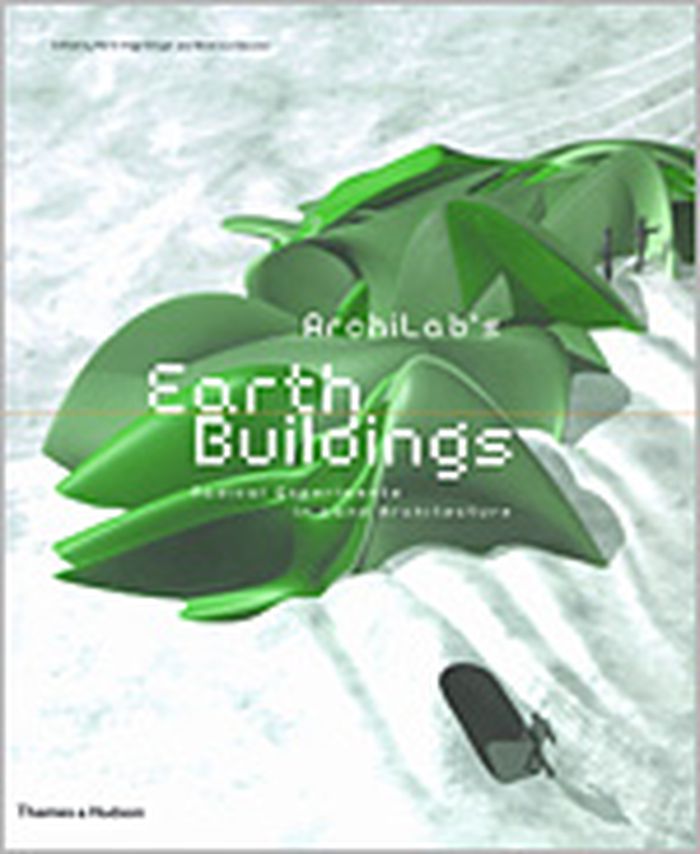
The third volume in this exciting series presenting young architecture and design talents, ArchiLab's Earth Buildings turns its focus to building with the land. Projects from thirty of the most innovative young practices of today—including Field Operations, Tom Leader, NOX, Servo, Vicente Guallart, and Kengo Kuma—confront and offer proposals and solutions to issues such as dwindling natural resources, land engineering, the city as ecosystem, and the sensitive development of brown sites. Presented through extensive plans, computer renderings, and photographs, buildings and large-scale schemes reveal an almost infinite array of breathtaking ideas for the future, an inspiration for a generation of designers, practitioners, and policymakers. Essays by international critics Frédéric Migayrou, Bart Lootsma, Manuel Gausa, and others consider the earth's economy and suggest how contemporary architects might best and most responsibly respond to our fragile planet in a technology-driven age.
Archilab's earth buildings: radical experiments in land architecture
Actions:
Prix:
$60.00
(disponible sur commande)
Résumé:
The third volume in this exciting series presenting young architecture and design talents, ArchiLab's Earth Buildings turns its focus to building with the land. Projects from thirty of the most innovative young practices of today—including Field Operations, Tom Leader, NOX, Servo, Vicente Guallart, and Kengo Kuma—confront and offer proposals and solutions to issues such as dwindling natural resources, land engineering, the city as ecosystem, and the sensitive development of brown sites. Presented through extensive plans, computer renderings, and photographs, buildings and large-scale schemes reveal an almost infinite array of breathtaking ideas for the future, an inspiration for a generation of designers, practitioners, and policymakers. Essays by international critics Frédéric Migayrou, Bart Lootsma, Manuel Gausa, and others consider the earth's economy and suggest how contemporary architects might best and most responsibly respond to our fragile planet in a technology-driven age.
Classification:
livres
livres
Publication:
mai 2003, London
mai 2003, London
Classification:
périodiques
périodiques
Titre:
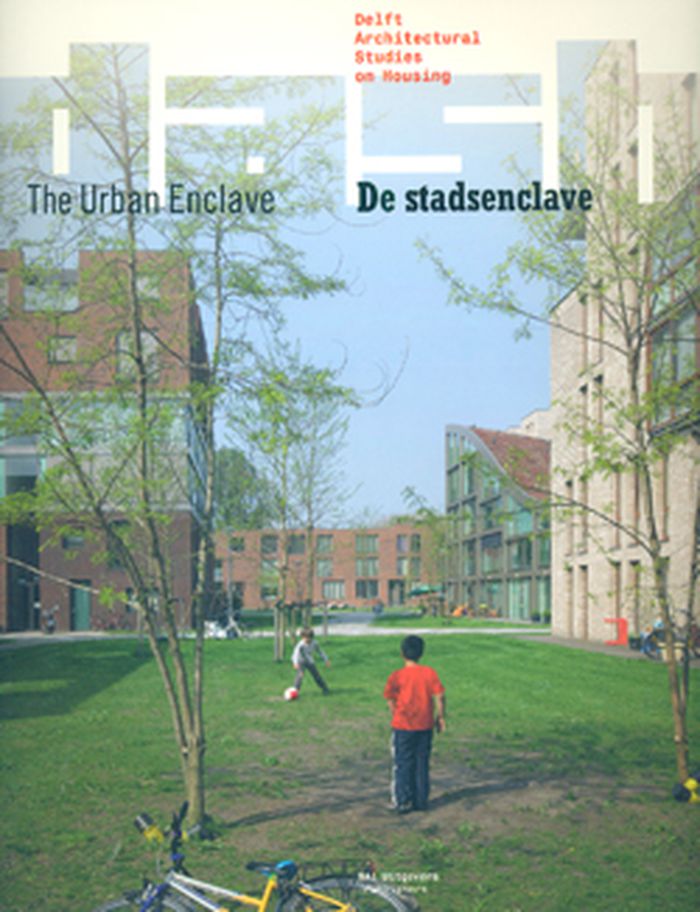
DASH 05 : the urban enclave
DASH 05 : the urban enclave
Actions:
Prix:
$50.00
(disponible sur commande)
Résumé:
The idea of the pluriform city seems more current than ever. Society was still homogeneous 50 years ago; today highly divergent modes of life and culture are all seeking a place within our cities. DASH 5. The Urban Enclave is the product of an investigation into large-scale housing projects in the inner city, both historical and contemporary. This calls for a city with(...)
$50.00
(disponible sur commande)
Résumé:
The idea of the pluriform city seems more current than ever. Society was still homogeneous 50 years ago; today highly divergent modes of life and culture are all seeking a place within our cities. DASH 5. The Urban Enclave is the product of an investigation into large-scale housing projects in the inner city, both historical and contemporary. This calls for a city with(...)
Titre:
DASH 05 : the urban enclave
Actions:
Prix:
$50.00
(disponible sur commande)
Résumé:
The idea of the pluriform city seems more current than ever. Society was still homogeneous 50 years ago; today highly divergent modes of life and culture are all seeking a place within our cities. DASH 5. The Urban Enclave is the product of an investigation into large-scale housing projects in the inner city, both historical and contemporary. This calls for a city with differences of its own, distinctive parts in which like-minded people can find one another, connected to the greater whole, but without imposing anything on others. The recent focus on regeneration within the existing city – especially on a mass scale – offers perspectives in this regard. In many cities in the Netherlands (and elsewhere) abandoned industrial and commercial premises or outmoded residential areas are being redeveloped. The usually sizable scale of these areas creates a (housing) construction challenge that can contribute to the needed differentiation within the city In DASH 5 The Urban Enclave Dirk van den Heuvel and Lara Schrijver examine divergent ideas related to large scales and the city in their essays, based on the work of Piet Blom and Oswald Matthias Ungers, respectively. Dick van Gameren and Pierijn van der Putt look into the underlying typologies of the urban enclave. Elain Harwood analyses the evolution of the notorious Barbican in London, and Christopher Woodward charts the creation, in the same city 200 years previously, of the Adelphi, often cited as the inspiration for the Barbican. In an interview, architect and urban designer Rob Krier expounds on the historical models he uses for his urban renewal projects. DASH stands for Delft Architectural Studies on Housing Design. The series aims to make an international contribution to residential design from a Dutch perspective. DASH is published twice a year in association with the Chair of Architecture and Dwelling at Delft University of Technology (TU Delft).
DASH 05 : the urban enclave
Actions:
Prix:
$50.00
(disponible sur commande)
Résumé:
The idea of the pluriform city seems more current than ever. Society was still homogeneous 50 years ago; today highly divergent modes of life and culture are all seeking a place within our cities. DASH 5. The Urban Enclave is the product of an investigation into large-scale housing projects in the inner city, both historical and contemporary. This calls for a city with differences of its own, distinctive parts in which like-minded people can find one another, connected to the greater whole, but without imposing anything on others. The recent focus on regeneration within the existing city – especially on a mass scale – offers perspectives in this regard. In many cities in the Netherlands (and elsewhere) abandoned industrial and commercial premises or outmoded residential areas are being redeveloped. The usually sizable scale of these areas creates a (housing) construction challenge that can contribute to the needed differentiation within the city In DASH 5 The Urban Enclave Dirk van den Heuvel and Lara Schrijver examine divergent ideas related to large scales and the city in their essays, based on the work of Piet Blom and Oswald Matthias Ungers, respectively. Dick van Gameren and Pierijn van der Putt look into the underlying typologies of the urban enclave. Elain Harwood analyses the evolution of the notorious Barbican in London, and Christopher Woodward charts the creation, in the same city 200 years previously, of the Adelphi, often cited as the inspiration for the Barbican. In an interview, architect and urban designer Rob Krier expounds on the historical models he uses for his urban renewal projects. DASH stands for Delft Architectural Studies on Housing Design. The series aims to make an international contribution to residential design from a Dutch perspective. DASH is published twice a year in association with the Chair of Architecture and Dwelling at Delft University of Technology (TU Delft).
Classification:
périodiques
périodiques
Publication:
août 2011
août 2011
Sujet:
Revues
Revues
Classification:
livres
livres
Actions:
Prix:
$12.99
(disponible sur commande)
Résumé:
The model is one of the oldest means of architectural representation and comes in an extravagant variety of forms, from miniaturizations of reality mesmerizing in their exactness to wildly energetic sculptural representations. "Modeling Messages: The Architect and the Model" is a study of the contemporary model, American and international, and its myriad uses in(...)
$12.99
(disponible sur commande)
Résumé:
The model is one of the oldest means of architectural representation and comes in an extravagant variety of forms, from miniaturizations of reality mesmerizing in their exactness to wildly energetic sculptural representations. "Modeling Messages: The Architect and the Model" is a study of the contemporary model, American and international, and its myriad uses in(...)
Titre:
Modeling messages : the architect and the model
Actions:
Prix:
$12.99
(disponible sur commande)
Résumé:
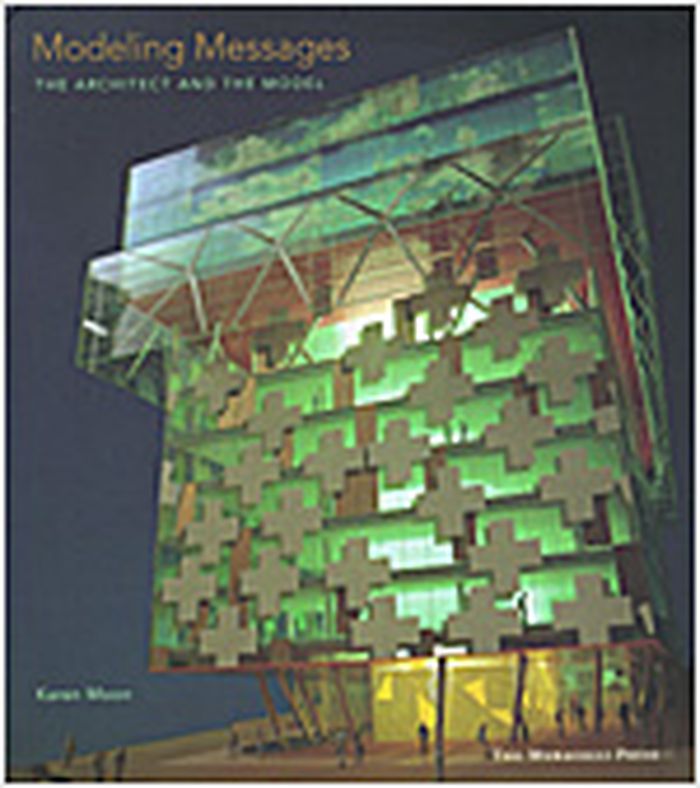
The model is one of the oldest means of architectural representation and comes in an extravagant variety of forms, from miniaturizations of reality mesmerizing in their exactness to wildly energetic sculptural representations. "Modeling Messages: The Architect and the Model" is a study of the contemporary model, American and international, and its myriad uses in architectural practice. Among the illustrations are inventive designs by architects Peter Eisenman, Frank Gehry, Zaha Hadid, and Rem Koolhaas. Author Karen Moon discusses the meaning of the model for the architect, the relationship between model and building, and the impact of scale. She also explores how architects use models for presentation and the creation of a public image. In addition, she focuses on the practice of model making: the relationship between the architect and the maker; the materials and new technologies that are transforming model making.
Modeling messages : the architect and the model
Actions:
Prix:
$12.99
(disponible sur commande)
Résumé:
The model is one of the oldest means of architectural representation and comes in an extravagant variety of forms, from miniaturizations of reality mesmerizing in their exactness to wildly energetic sculptural representations. "Modeling Messages: The Architect and the Model" is a study of the contemporary model, American and international, and its myriad uses in architectural practice. Among the illustrations are inventive designs by architects Peter Eisenman, Frank Gehry, Zaha Hadid, and Rem Koolhaas. Author Karen Moon discusses the meaning of the model for the architect, the relationship between model and building, and the impact of scale. She also explores how architects use models for presentation and the creation of a public image. In addition, she focuses on the practice of model making: the relationship between the architect and the maker; the materials and new technologies that are transforming model making.
Classification:
livres
livres
Publication:
juin 2004, New York
juin 2004, New York
Classification:
livres
livres
Actions:
Prix:
$67.50
(disponible sur commande)
Résumé:
Kazuo Shinohara (1925–2006) is one of the greatest and most influential architects of Japan's postwar generation.Shinohare himself divided his creative work into four styles. In placing his later, institutional scale works of his fourth style, which have been overlooked until now, alongside the iconic houses of his earlier career, this book establishes the architect’s(...)
$67.50
(disponible sur commande)
Résumé:
Kazuo Shinohara (1925–2006) is one of the greatest and most influential architects of Japan's postwar generation.Shinohare himself divided his creative work into four styles. In placing his later, institutional scale works of his fourth style, which have been overlooked until now, alongside the iconic houses of his earlier career, this book establishes the architect’s(...)
Titre:
Kazuo Shinohara: traversing the house and the city
Actions:
Prix:
$67.50
(disponible sur commande)
Résumé:
Kazuo Shinohara (1925–2006) is one of the greatest and most influential architects of Japan's postwar generation.Shinohare himself divided his creative work into four styles. In placing his later, institutional scale works of his fourth style, which have been overlooked until now, alongside the iconic houses of his earlier career, this book establishes the architect’s insistence on the equivalation between the house and the city. New scholarly essays, interviews with clients and collaborators, and translations of Shinohara’s key texts are complemented by previously unpublished archival drawings and personal travel photographs by Shinohara. The volume reframes his architectural achievements in terms of his oeuvre as a whole and situates them in the broader cultural and social context in Japan and globally.
Kazuo Shinohara: traversing the house and the city
Actions:
Prix:
$67.50
(disponible sur commande)
Résumé:
Kazuo Shinohara (1925–2006) is one of the greatest and most influential architects of Japan's postwar generation.Shinohare himself divided his creative work into four styles. In placing his later, institutional scale works of his fourth style, which have been overlooked until now, alongside the iconic houses of his earlier career, this book establishes the architect’s insistence on the equivalation between the house and the city. New scholarly essays, interviews with clients and collaborators, and translations of Shinohara’s key texts are complemented by previously unpublished archival drawings and personal travel photographs by Shinohara. The volume reframes his architectural achievements in terms of his oeuvre as a whole and situates them in the broader cultural and social context in Japan and globally.
Classification:
livres
livres
Publication:
mai 2021
mai 2021
Sujet:
Architecture, monographies
Architecture, monographies
Classification:
livres
livres
Actions:
Prix:
$58.95
(disponible sur commande)
Résumé:
This publication bridges architecture and textile by exploring fiber architectures from the micro scale of biological systems to the macro scale of textile and built structures. Selected case studies, essays, and interviews reflect on cultural practices and materials research through the lens of textile thinking. In the quest for sustainable and resilient approaches that(...)
$58.95
(disponible sur commande)
Résumé:
This publication bridges architecture and textile by exploring fiber architectures from the micro scale of biological systems to the macro scale of textile and built structures. Selected case studies, essays, and interviews reflect on cultural practices and materials research through the lens of textile thinking. In the quest for sustainable and resilient approaches that(...)
Titre:
Architectures of weaving: From fibers and yarns to scaffolds and skins
Actions:
Prix:
$58.95
(disponible sur commande)
Résumé:
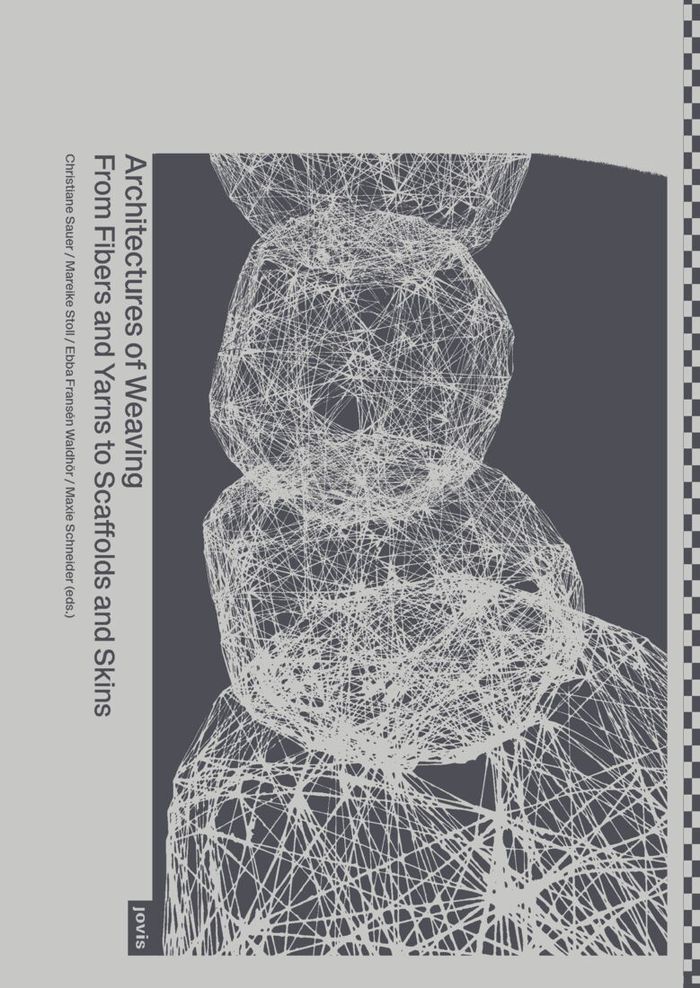
This publication bridges architecture and textile by exploring fiber architectures from the micro scale of biological systems to the macro scale of textile and built structures. Selected case studies, essays, and interviews reflect on cultural practices and materials research through the lens of textile thinking. In the quest for sustainable and resilient approaches that meet the challenges of our time, the book presents fascinating approaches heralding a paradigm shift by working with fibrous materiality: structures become flexible and adaptive, they interact with their environment. As a source of inspiration, the book assembles exceptional contributions from the fields of architecture, art, material science, cultural history, design, engineering, mathematics, microbiology, and textile technology.
Architectures of weaving: From fibers and yarns to scaffolds and skins
Actions:
Prix:
$58.95
(disponible sur commande)
Résumé:
This publication bridges architecture and textile by exploring fiber architectures from the micro scale of biological systems to the macro scale of textile and built structures. Selected case studies, essays, and interviews reflect on cultural practices and materials research through the lens of textile thinking. In the quest for sustainable and resilient approaches that meet the challenges of our time, the book presents fascinating approaches heralding a paradigm shift by working with fibrous materiality: structures become flexible and adaptive, they interact with their environment. As a source of inspiration, the book assembles exceptional contributions from the fields of architecture, art, material science, cultural history, design, engineering, mathematics, microbiology, and textile technology.
Classification:
livres
livres
Publication:
février 2023
février 2023
Sujet:
Matériaux et éclairage
Matériaux et éclairage
Classification:
livres
livres
Prix:
$60.00
(disponible sur commande)
Résumé:
In the 1950s, the figure of the arrow had a strange kind of ubiquity in architectural drawings, publications, and advertisements, symbolizing everything from the circulation of cold and warm air in a kitchen fridge to the flow of traffic in assorted New Towns. Twenty-five years earlier there were barely any arrows within architectural publications, and 15 years later they(...)
$60.00
(disponible sur commande)
Résumé:
In the 1950s, the figure of the arrow had a strange kind of ubiquity in architectural drawings, publications, and advertisements, symbolizing everything from the circulation of cold and warm air in a kitchen fridge to the flow of traffic in assorted New Towns. Twenty-five years earlier there were barely any arrows within architectural publications, and 15 years later they(...)
Titre:
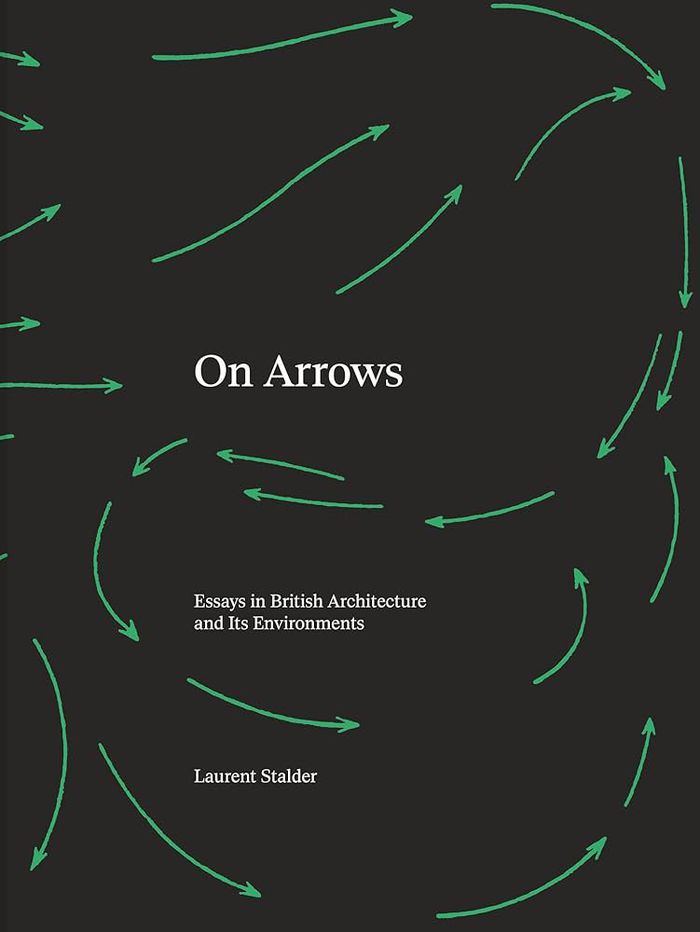
On arrows: Essays in British architecture and its environments
Actions:
Prix:
$60.00
(disponible sur commande)
Résumé:
In the 1950s, the figure of the arrow had a strange kind of ubiquity in architectural drawings, publications, and advertisements, symbolizing everything from the circulation of cold and warm air in a kitchen fridge to the flow of traffic in assorted New Towns. Twenty-five years earlier there were barely any arrows within architectural publications, and 15 years later they had all but disappeared. In ''On Arrows'', Laurent Stalder looks back at the near past to trace the idea of performance in architecture by following this pervasive yet relatively unnoticed figure within the history of British architecture. During its short, intense period of use, the arrow pointed beyond any one singular author, typology, or scale, to the operative dimension of architecture and its environments, working both as an appropriate representational technique and a concrete tool for design. Stalder uses the arrow to move through the different dimensions of performance, mapping out the changing set of constellations that made up postwar British architecture and its environments: the constructive aspects, structural properties, infrastructural innovations, spatial challenges as well as their aesthetic and practical consequences. It is the arrow, he writes, that brings together debates from within different disciplines—from building physics, to sociology, structural design, and historiography, inscribed as they are in the materials, spaces, and buildings that are all too often considered in isolation from one another.
On arrows: Essays in British architecture and its environments
Actions:
Prix:
$60.00
(disponible sur commande)
Résumé:
In the 1950s, the figure of the arrow had a strange kind of ubiquity in architectural drawings, publications, and advertisements, symbolizing everything from the circulation of cold and warm air in a kitchen fridge to the flow of traffic in assorted New Towns. Twenty-five years earlier there were barely any arrows within architectural publications, and 15 years later they had all but disappeared. In ''On Arrows'', Laurent Stalder looks back at the near past to trace the idea of performance in architecture by following this pervasive yet relatively unnoticed figure within the history of British architecture. During its short, intense period of use, the arrow pointed beyond any one singular author, typology, or scale, to the operative dimension of architecture and its environments, working both as an appropriate representational technique and a concrete tool for design. Stalder uses the arrow to move through the different dimensions of performance, mapping out the changing set of constellations that made up postwar British architecture and its environments: the constructive aspects, structural properties, infrastructural innovations, spatial challenges as well as their aesthetic and practical consequences. It is the arrow, he writes, that brings together debates from within different disciplines—from building physics, to sociology, structural design, and historiography, inscribed as they are in the materials, spaces, and buildings that are all too often considered in isolation from one another.
Classification:
livres
livres
Publication:
janvier 2025
janvier 2025
Sujet:
Théorie de l’architecture
Théorie de l’architecture
Classification:
livres
livres

Actions:
Prix:
$47.00
(disponible en magasin)
Résumé:
While he was working to complete the Allmannajuvet Zinc Mine Museum in southern Norway in 2016, Swiss architect Peter Zumthor asked Norwegian architectural historian Mari Lending to engage in a dialogue about the project. In meandering, impressionistic style, and drawing on their favorite writers, such as Johann Peter Hebel, Stendhal, Nabokov, and T. S. Eliot, their(...)
$47.00
(disponible en magasin)
Résumé:
While he was working to complete the Allmannajuvet Zinc Mine Museum in southern Norway in 2016, Swiss architect Peter Zumthor asked Norwegian architectural historian Mari Lending to engage in a dialogue about the project. In meandering, impressionistic style, and drawing on their favorite writers, such as Johann Peter Hebel, Stendhal, Nabokov, and T. S. Eliot, their(...)
Titre:
Zumthor: A feeling of history
Actions:
Prix:
$47.00
(disponible en magasin)
Résumé:
While he was working to complete the Allmannajuvet Zinc Mine Museum in southern Norway in 2016, Swiss architect Peter Zumthor asked Norwegian architectural historian Mari Lending to engage in a dialogue about the project. In meandering, impressionistic style, and drawing on their favorite writers, such as Johann Peter Hebel, Stendhal, Nabokov, and T. S. Eliot, their exchanges explore how history, time, and temporalities reverberate across Zumthor’s oeuvre. Looking back, Zumthor ponders on how a feeling of history has informed his attempts at emotional reconstruction by means of building, from architectural interventions in dramatic landscapes to his design for the redevelopment of the Los Angeles County Museum of Art, which conceived the building on a suitably grand urban scale.
Zumthor: A feeling of history
Actions:
Prix:
$47.00
(disponible en magasin)
Résumé:
While he was working to complete the Allmannajuvet Zinc Mine Museum in southern Norway in 2016, Swiss architect Peter Zumthor asked Norwegian architectural historian Mari Lending to engage in a dialogue about the project. In meandering, impressionistic style, and drawing on their favorite writers, such as Johann Peter Hebel, Stendhal, Nabokov, and T. S. Eliot, their exchanges explore how history, time, and temporalities reverberate across Zumthor’s oeuvre. Looking back, Zumthor ponders on how a feeling of history has informed his attempts at emotional reconstruction by means of building, from architectural interventions in dramatic landscapes to his design for the redevelopment of the Los Angeles County Museum of Art, which conceived the building on a suitably grand urban scale.
Classification:
livres
livres
Publication:
octobre 2018
octobre 2018
Sujet:
Architecture, monographies
Architecture, monographies


