


2467 Résultats
Classification:
livres
livres
Actions:
Prix:
$69.95
(disponible sur commande)
Résumé:
For almost thirty years, Claude Cormier et Associés has designed landscapes daring in scope while earnest in execution, courting controversy while inviting public accord. Produced under the leadership of Claude Cormier, the range of these projects has spanned the creation of parks and squares, the renovation of historical landscapes, and the conversion of industrial(...)
$69.95
(disponible sur commande)
Résumé:
For almost thirty years, Claude Cormier et Associés has designed landscapes daring in scope while earnest in execution, courting controversy while inviting public accord. Produced under the leadership of Claude Cormier, the range of these projects has spanned the creation of parks and squares, the renovation of historical landscapes, and the conversion of industrial(...)
Publication:
septembre 2021
septembre 2021
Titre:
Serious fun: the landscapes of Claude Cormier
Actions:
Prix:
$69.95
(disponible sur commande)
Résumé:
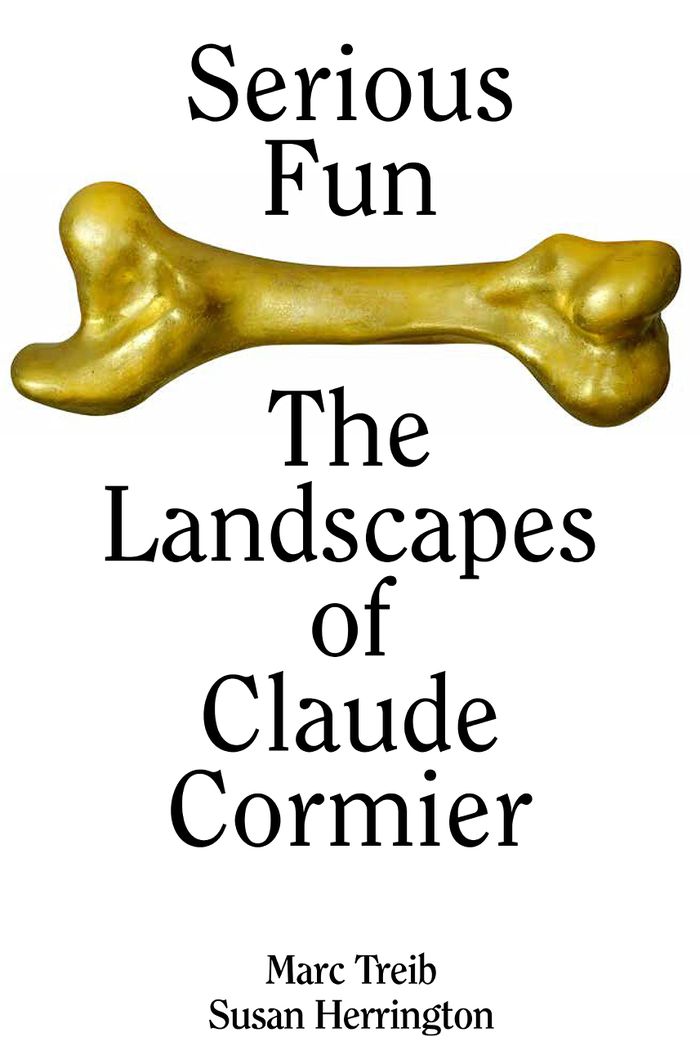
For almost thirty years, Claude Cormier et Associés has designed landscapes daring in scope while earnest in execution, courting controversy while inviting public accord. Produced under the leadership of Claude Cormier, the range of these projects has spanned the creation of parks and squares, the renovation of historical landscapes, and the conversion of industrial sites. While always serious in the address of function, their designs often display a touch of humor in both method and form- in all, these are works marked by "serious fun." It is a practice unique in Canada, arguably in the world. That people use, and may even love, these urban landscapes testifies to the pleasure afforded by their designs and the humanistic dimensions of the practice. This, the first book exclusively dedicated to the landscapes of Claude Cormier and his team, provides a broad overview of their ideas and methods with insightful discussions of selected projects and the thinking behind them.
Serious fun: the landscapes of Claude Cormier
Actions:
Prix:
$69.95
(disponible sur commande)
Résumé:
For almost thirty years, Claude Cormier et Associés has designed landscapes daring in scope while earnest in execution, courting controversy while inviting public accord. Produced under the leadership of Claude Cormier, the range of these projects has spanned the creation of parks and squares, the renovation of historical landscapes, and the conversion of industrial sites. While always serious in the address of function, their designs often display a touch of humor in both method and form- in all, these are works marked by "serious fun." It is a practice unique in Canada, arguably in the world. That people use, and may even love, these urban landscapes testifies to the pleasure afforded by their designs and the humanistic dimensions of the practice. This, the first book exclusively dedicated to the landscapes of Claude Cormier and his team, provides a broad overview of their ideas and methods with insightful discussions of selected projects and the thinking behind them.
Classification:
livres
livres
Publication:
septembre 2021
septembre 2021
Classification:
livres
livres
Actions:
Prix:
$44.95
(disponible sur commande)
Résumé:
Today, one in five homeowners in American cities and suburbs lives in a multifamily home rather than a single-family dwelling. As the American dream evolves, precipitated by declining real estate prices and a renewed interest in city living, many predict that condos will become the predominant form of housing in the 21st century. In this unprecedented study Matthew Gordon(...)
$44.95
(disponible sur commande)
Résumé:
Today, one in five homeowners in American cities and suburbs lives in a multifamily home rather than a single-family dwelling. As the American dream evolves, precipitated by declining real estate prices and a renewed interest in city living, many predict that condos will become the predominant form of housing in the 21st century. In this unprecedented study Matthew Gordon(...)
Titre:
High life : condo living in the suburban century
Actions:
Prix:
$44.95
(disponible sur commande)
Résumé:
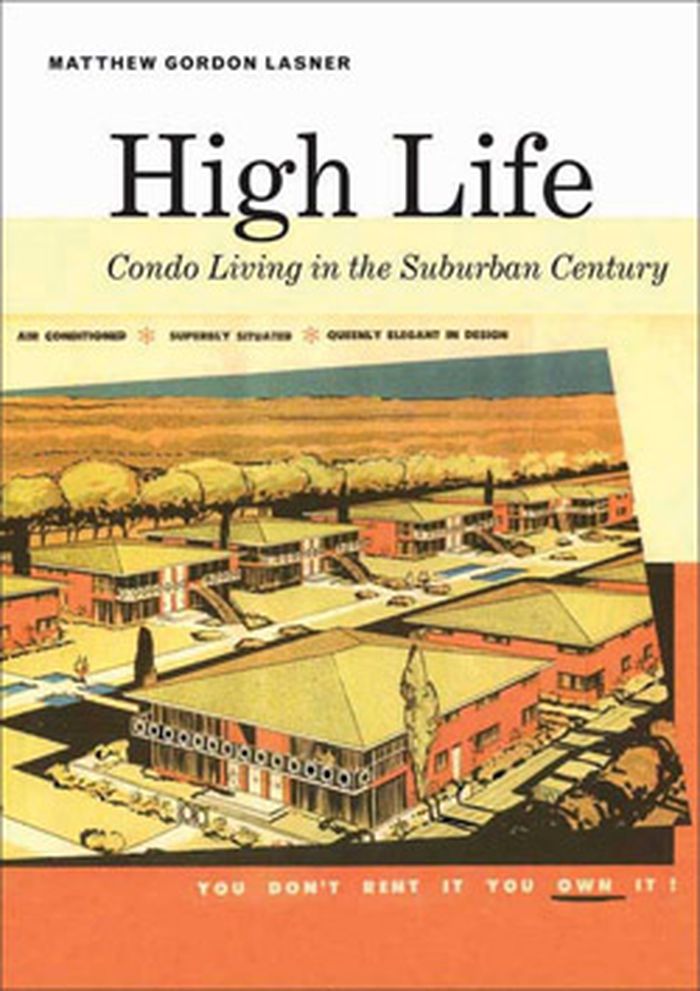
Today, one in five homeowners in American cities and suburbs lives in a multifamily home rather than a single-family dwelling. As the American dream evolves, precipitated by declining real estate prices and a renewed interest in city living, many predict that condos will become the predominant form of housing in the 21st century. In this unprecedented study Matthew Gordon Lasner explores the history of co-owned multifamily housing in the United States, from New York City's first co-op, in 1881, to contemporary condo and townhouse complexes coast to coast. Lasner explains the complicated social, economic, and political factors that have increased demand for this way of living, situating the trend within the larger housing market and broad shifts in residential architecture. He contrasts the prevalence and popularity of condos, townhouses, and other privately governed communities with their ambiguous economic, legal, and social standing, as well as their striking absence from urban and architectural history.
High life : condo living in the suburban century
Actions:
Prix:
$44.95
(disponible sur commande)
Résumé:
Today, one in five homeowners in American cities and suburbs lives in a multifamily home rather than a single-family dwelling. As the American dream evolves, precipitated by declining real estate prices and a renewed interest in city living, many predict that condos will become the predominant form of housing in the 21st century. In this unprecedented study Matthew Gordon Lasner explores the history of co-owned multifamily housing in the United States, from New York City's first co-op, in 1881, to contemporary condo and townhouse complexes coast to coast. Lasner explains the complicated social, economic, and political factors that have increased demand for this way of living, situating the trend within the larger housing market and broad shifts in residential architecture. He contrasts the prevalence and popularity of condos, townhouses, and other privately governed communities with their ambiguous economic, legal, and social standing, as well as their striking absence from urban and architectural history.
Classification:
livres
livres
Publication:
octobre 2012
octobre 2012
Sujet:
Théorie de l’architecture
Théorie de l’architecture
Classification:
livres
livres
Actions:
Prix:
$54.95
(disponible sur commande)
Résumé:
This thought-provoking collection of photographic landscapes explores the connection between land and national identity.Is Europe a union in name only? How does the land we live on contribute to our culture? How does it divide or unite a collection of cultures? These important questions are at the root of this pictorial examination of Europe’s heterogeneous landscape.(...)
$54.95
(disponible sur commande)
Résumé:
This thought-provoking collection of photographic landscapes explores the connection between land and national identity.Is Europe a union in name only? How does the land we live on contribute to our culture? How does it divide or unite a collection of cultures? These important questions are at the root of this pictorial examination of Europe’s heterogeneous landscape.(...)
Titre:
European landscape photography
Actions:
Prix:
$54.95
(disponible sur commande)
Résumé:
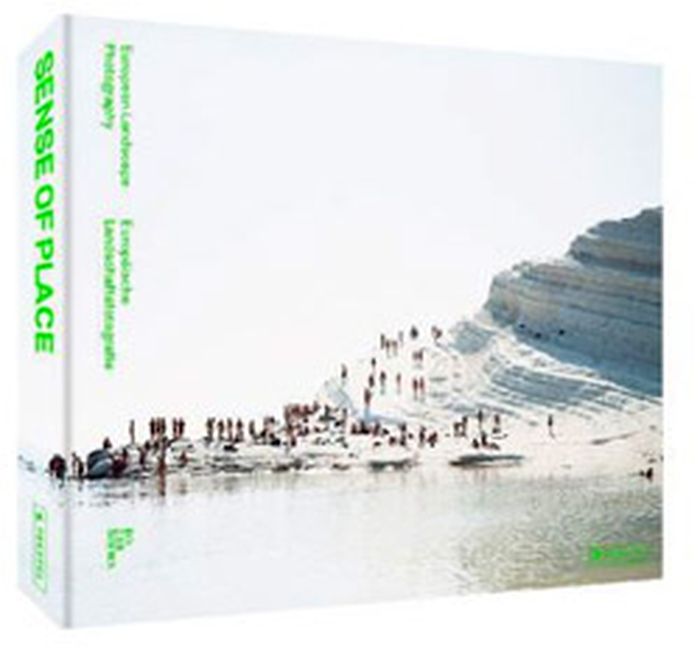
This thought-provoking collection of photographic landscapes explores the connection between land and national identity.Is Europe a union in name only? How does the land we live on contribute to our culture? How does it divide or unite a collection of cultures? These important questions are at the root of this pictorial examination of Europe’s heterogeneous landscape. This book brings together images from 27 European Union nations and from prominent artists such as Olafur Eliasson (Denmark), Andreas Gursky (Germany), Carl De Keyzer (Belgium), Massimo Vitali (Italy), and Celine Clanet (France). The book shows how landscape photography in particular offers critical insights into the characteristics of a place, inviting viewers, through a subjective lens, to form their own feelings toward that place. Organized into three broad geographic zones, it offers depictions of Europe’s wonderfully varied geography — shorelines and fjords, mountains and plains, farmland and urban centers — as it seeks to understand the source of the continent’s diversity and unity.
European landscape photography
Actions:
Prix:
$54.95
(disponible sur commande)
Résumé:
This thought-provoking collection of photographic landscapes explores the connection between land and national identity.Is Europe a union in name only? How does the land we live on contribute to our culture? How does it divide or unite a collection of cultures? These important questions are at the root of this pictorial examination of Europe’s heterogeneous landscape. This book brings together images from 27 European Union nations and from prominent artists such as Olafur Eliasson (Denmark), Andreas Gursky (Germany), Carl De Keyzer (Belgium), Massimo Vitali (Italy), and Celine Clanet (France). The book shows how landscape photography in particular offers critical insights into the characteristics of a place, inviting viewers, through a subjective lens, to form their own feelings toward that place. Organized into three broad geographic zones, it offers depictions of Europe’s wonderfully varied geography — shorelines and fjords, mountains and plains, farmland and urban centers — as it seeks to understand the source of the continent’s diversity and unity.
Classification:
livres
livres
Publication:
septembre 2012
septembre 2012
Sujet:
Photographie- collections
Photographie- collections
Classification:
livres
livres
Actions:
Prix:
$71.00
(disponible sur commande)
Résumé:
Shimmering images, inverted worlds: is the city moving or the viewer and - if both - who is quicker, more authentic, more fleeting? Catherine Gfeller’s photographic and video work, based on incessantly pulsating urban landscapes, is autobiographical insofar as it focuses on New York and Paris, but it is hardly private. Everything here is public, yet nothing can really be(...)
$71.00
(disponible sur commande)
Résumé:
Shimmering images, inverted worlds: is the city moving or the viewer and - if both - who is quicker, more authentic, more fleeting? Catherine Gfeller’s photographic and video work, based on incessantly pulsating urban landscapes, is autobiographical insofar as it focuses on New York and Paris, but it is hardly private. Everything here is public, yet nothing can really be(...)
Publication:
décembre 2010
décembre 2010
Titre:
Catherine Gfeller : pulsations
Actions:
Prix:
$71.00
(disponible sur commande)
Résumé:
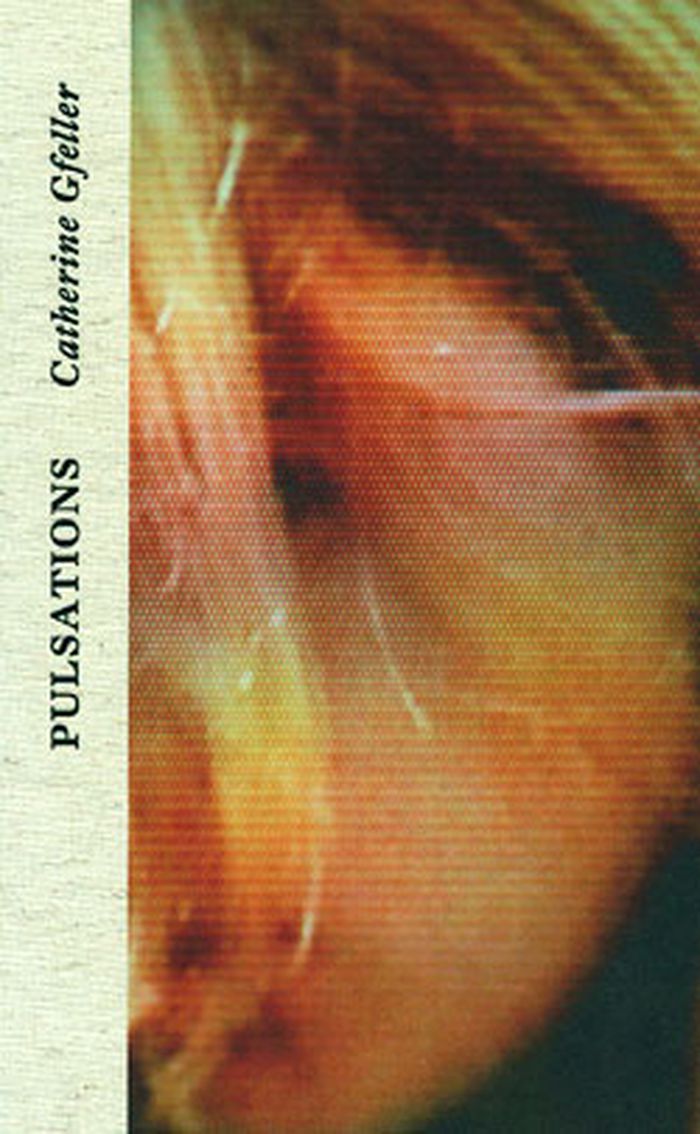
Shimmering images, inverted worlds: is the city moving or the viewer and - if both - who is quicker, more authentic, more fleeting? Catherine Gfeller’s photographic and video work, based on incessantly pulsating urban landscapes, is autobiographical insofar as it focuses on New York and Paris, but it is hardly private. Everything here is public, yet nothing can really be captured. In other groups of works, the artist takes a thoroughly different look at the symbiotic relationship between mankind and the environment, peering behind the anonymous façades of buildings and exposing intimate living spaces. Speed, exhileration and indulgence: "The only form of stability [can be found] in being ‘lulled by the loop’, as if caught up in the unfathomable delirium of repetition." This volume is being published to accompany three museum exhibitions to be held at the Musée des Beaux-art La Chaux-de-Fonds, the Kunstmuseum Luzern, and the Centre Régional d’Art Contemporain Languedoc-Roussillon Sète.
Catherine Gfeller : pulsations
Actions:
Prix:
$71.00
(disponible sur commande)
Résumé:
Shimmering images, inverted worlds: is the city moving or the viewer and - if both - who is quicker, more authentic, more fleeting? Catherine Gfeller’s photographic and video work, based on incessantly pulsating urban landscapes, is autobiographical insofar as it focuses on New York and Paris, but it is hardly private. Everything here is public, yet nothing can really be captured. In other groups of works, the artist takes a thoroughly different look at the symbiotic relationship between mankind and the environment, peering behind the anonymous façades of buildings and exposing intimate living spaces. Speed, exhileration and indulgence: "The only form of stability [can be found] in being ‘lulled by the loop’, as if caught up in the unfathomable delirium of repetition." This volume is being published to accompany three museum exhibitions to be held at the Musée des Beaux-art La Chaux-de-Fonds, the Kunstmuseum Luzern, and the Centre Régional d’Art Contemporain Languedoc-Roussillon Sète.
Classification:
livres
livres
Publication:
décembre 2010
décembre 2010
Classification:
livres
livres
Titre:
Building with water
Building with water
Actions:
Prix:
$94.95
(disponible sur commande)
Résumé:
Water has been an important topic in architecture and urban planning for years. The theme of this publication is the use of water in architecture. It presents buildings that explicitly refer to water in their design and form. It establishes a typology of building by the water: residential buildings, transportation and industrial buildings, buildings for culture and(...)
$94.95
(disponible sur commande)
Résumé:
Water has been an important topic in architecture and urban planning for years. The theme of this publication is the use of water in architecture. It presents buildings that explicitly refer to water in their design and form. It establishes a typology of building by the water: residential buildings, transportation and industrial buildings, buildings for culture and(...)
Titre:
Building with water
Actions:
Prix:
$94.95
(disponible sur commande)
Résumé:
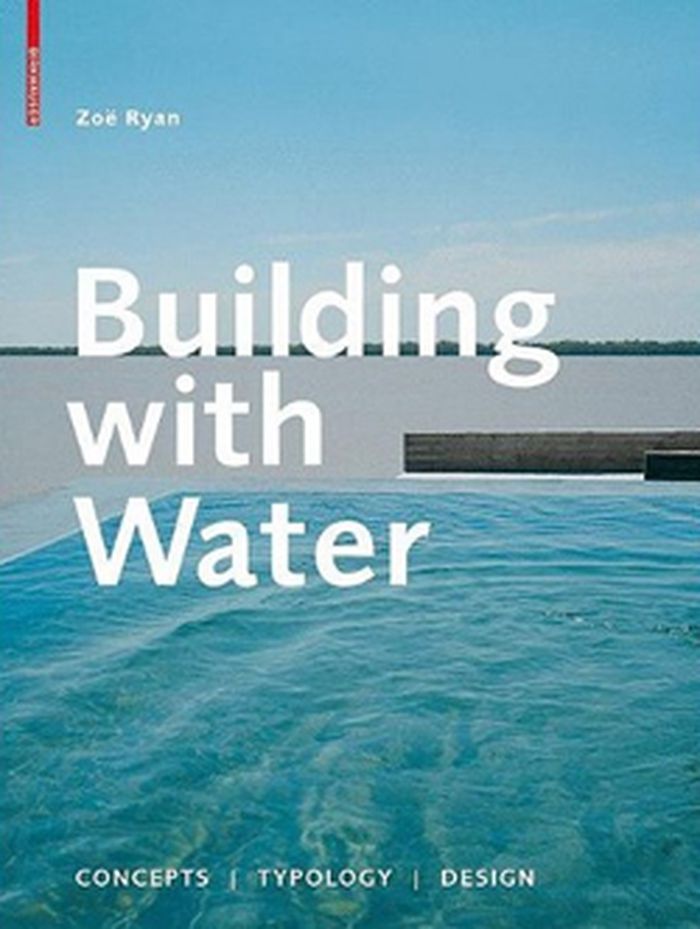
Water has been an important topic in architecture and urban planning for years. The theme of this publication is the use of water in architecture. It presents buildings that explicitly refer to water in their design and form. It establishes a typology of building by the water: residential buildings, transportation and industrial buildings, buildings for culture and leisure. Classic examples of building by, in, or on the water serve as introductions : for example, the Château de Chenonceaux on the Loire, Falling Water in Pennsylvania by Frank Lloyd Wright, and the Salk Institute in La Jolla, California, by Louis I. Kahn. Organized according to their locations by a river, lake, or the sea, some twenty international projects are presented. The authors’ concern is not showing luxurious buildings in privileged locations but rather presenting projects that seriously grapple with the main criterion of the location — namely, water — in an ecologically sustainable way and respond to it with their design.
Building with water
Actions:
Prix:
$94.95
(disponible sur commande)
Résumé:
Water has been an important topic in architecture and urban planning for years. The theme of this publication is the use of water in architecture. It presents buildings that explicitly refer to water in their design and form. It establishes a typology of building by the water: residential buildings, transportation and industrial buildings, buildings for culture and leisure. Classic examples of building by, in, or on the water serve as introductions : for example, the Château de Chenonceaux on the Loire, Falling Water in Pennsylvania by Frank Lloyd Wright, and the Salk Institute in La Jolla, California, by Louis I. Kahn. Organized according to their locations by a river, lake, or the sea, some twenty international projects are presented. The authors’ concern is not showing luxurious buildings in privileged locations but rather presenting projects that seriously grapple with the main criterion of the location — namely, water — in an ecologically sustainable way and respond to it with their design.
Classification:
livres
livres
Publication:
juin 2010
juin 2010
Sujet:
Architecture écologique
Architecture écologique
Classification:
livres
livres

Prix:
$58.95
(disponible sur commande)
Résumé:
After seizing Jerusalem's eastern precincts from Jordan at the conclusion of the Six-Day War in 1967, Israel unilaterally unified the city and plunged into an ambitious building program, eager to transform the very meaning of one of the world's most emotionally charged urban spaces. The goal was as simple as it was controversial: to both Judaize and modernize Jerusalem.(...)
$58.95
(disponible sur commande)
Résumé:
After seizing Jerusalem's eastern precincts from Jordan at the conclusion of the Six-Day War in 1967, Israel unilaterally unified the city and plunged into an ambitious building program, eager to transform the very meaning of one of the world's most emotionally charged urban spaces. The goal was as simple as it was controversial: to both Judaize and modernize Jerusalem.(...)
Titre:
Seizing Jerusalem: the architectures of unilateral unification
Actions:
Prix:
$58.95
(disponible sur commande)
Résumé:
After seizing Jerusalem's eastern precincts from Jordan at the conclusion of the Six-Day War in 1967, Israel unilaterally unified the city and plunged into an ambitious building program, eager to transform the very meaning of one of the world's most emotionally charged urban spaces. The goal was as simple as it was controversial: to both Judaize and modernize Jerusalem. Seizing Jerusalem, the first architectural history of "united Jerusalem," chronicles how numerous disciplines, including architecture, landscape design, and urban planning, as well as everyone from municipal politicians to state bureaucrats, from Israeli-born architects to international luminaries such as Louis Kahn, Buckminster Fuller, and Bruno Zevi, competed to create Jerusalem's new image. This decade-long competition happened with the Palestinian residents still living in the city, even as the new image was inspired by the city's Arab legacy. The politics of space in the Holy City, still contested today, were shaped in this post-1967 decade not only by the legacy of the war and the politics of dispossession, but curiously also by emerging trends in postwar architectural culture.Drawing on previously unexamined archival documents and in-depth interviews with architects, planners, and politicians, Alona Nitzan-Shiftan analyzes the cultural politics of the Israeli state and, in particular, of Jerusalem's influential mayor, Teddy Kollek, whose efforts to legitimate Israeli rule over Jerusalem provided architects a unique, real-world laboratory to explore the possibilities and limits of modernist design--as built form as well as political and social action. Seizing Jerusalem reveals architecture as an active agent in the formation of urban and national identity, and demonstrates how contemporary debates about Zionism, and the crisis within the discipline of architecture over postwar modernism, affected Jerusalem's built environment in ways that continue to resonate today.
Seizing Jerusalem: the architectures of unilateral unification
Actions:
Prix:
$58.95
(disponible sur commande)
Résumé:
After seizing Jerusalem's eastern precincts from Jordan at the conclusion of the Six-Day War in 1967, Israel unilaterally unified the city and plunged into an ambitious building program, eager to transform the very meaning of one of the world's most emotionally charged urban spaces. The goal was as simple as it was controversial: to both Judaize and modernize Jerusalem. Seizing Jerusalem, the first architectural history of "united Jerusalem," chronicles how numerous disciplines, including architecture, landscape design, and urban planning, as well as everyone from municipal politicians to state bureaucrats, from Israeli-born architects to international luminaries such as Louis Kahn, Buckminster Fuller, and Bruno Zevi, competed to create Jerusalem's new image. This decade-long competition happened with the Palestinian residents still living in the city, even as the new image was inspired by the city's Arab legacy. The politics of space in the Holy City, still contested today, were shaped in this post-1967 decade not only by the legacy of the war and the politics of dispossession, but curiously also by emerging trends in postwar architectural culture.Drawing on previously unexamined archival documents and in-depth interviews with architects, planners, and politicians, Alona Nitzan-Shiftan analyzes the cultural politics of the Israeli state and, in particular, of Jerusalem's influential mayor, Teddy Kollek, whose efforts to legitimate Israeli rule over Jerusalem provided architects a unique, real-world laboratory to explore the possibilities and limits of modernist design--as built form as well as political and social action. Seizing Jerusalem reveals architecture as an active agent in the formation of urban and national identity, and demonstrates how contemporary debates about Zionism, and the crisis within the discipline of architecture over postwar modernism, affected Jerusalem's built environment in ways that continue to resonate today.
Classification:
livres
livres
Publication:
juin 2017
juin 2017
Sujet:
Arch Moyen-Orient
Arch Moyen-Orient
Classification:
livres
livres

Prix:
$24.95
(disponible sur commande)
Résumé:
Industrialization created cities of Dickensian squalor that were crowded, smoky, dirty, and disease-ridden. By the beginning of the twentieth century, urban visionaries were looking for ways to improve living and working conditions in industrial cities. In "Invented Edens", Robert Kargon and Arthur Molella trace the arc of one form of urban design, which they term the(...)
$24.95
(disponible sur commande)
Résumé:
Industrialization created cities of Dickensian squalor that were crowded, smoky, dirty, and disease-ridden. By the beginning of the twentieth century, urban visionaries were looking for ways to improve living and working conditions in industrial cities. In "Invented Edens", Robert Kargon and Arthur Molella trace the arc of one form of urban design, which they term the(...)
Sujet:
Architecture écologique
Architecture écologique
Publication:
octobre 2005, Cambridge (MA), London
octobre 2005, Cambridge (MA), London
Titre:
Invented Edens : techno-cities of the twentieth century
Actions:
Prix:
$24.95
(disponible sur commande)
Résumé:
Industrialization created cities of Dickensian squalor that were crowded, smoky, dirty, and disease-ridden. By the beginning of the twentieth century, urban visionaries were looking for ways to improve living and working conditions in industrial cities. In "Invented Edens", Robert Kargon and Arthur Molella trace the arc of one form of urban design, which they term the techno-city : a planned city developed in conjunction with large industrial or technological enterprises, blending the technological and the pastoral, the mill town and the garden city. Techno-cities of the twentieth century range from factory towns in Mussolini's Italy to the Disney creation of Celebration, Florida. Kargon and Molella show that the techno-city represents an experiment in integrating modern technology into the world of ideal life. Techno-cities mirror society's understanding of current technologies and, at the same time, seek to regain the lost virtues of the edenic pre-industrial village. The idea of the techno-city transcended ideologies, crossed national borders, and spanned the entire twentieth century. Kargon and Molella map the concept through a series of exemplars. These include Norris, Tennessee, home to the Tennessee Valley Authority; Torviscosa, Italy, built by Italy's Fascist government to accommodate synthetic textile manufacturing (and featured in an early short by Michelangelo Antonioni); Ciudad Guayana, Venezuela, planned by a team from MIT and Harvard; and, finally, Disney's Celebration - perhaps the ultimate techno-city, a fantasy city reflecting an era in which virtual experiences are rapidly replacing actual ones.
Invented Edens : techno-cities of the twentieth century
Actions:
Prix:
$24.95
(disponible sur commande)
Résumé:
Industrialization created cities of Dickensian squalor that were crowded, smoky, dirty, and disease-ridden. By the beginning of the twentieth century, urban visionaries were looking for ways to improve living and working conditions in industrial cities. In "Invented Edens", Robert Kargon and Arthur Molella trace the arc of one form of urban design, which they term the techno-city : a planned city developed in conjunction with large industrial or technological enterprises, blending the technological and the pastoral, the mill town and the garden city. Techno-cities of the twentieth century range from factory towns in Mussolini's Italy to the Disney creation of Celebration, Florida. Kargon and Molella show that the techno-city represents an experiment in integrating modern technology into the world of ideal life. Techno-cities mirror society's understanding of current technologies and, at the same time, seek to regain the lost virtues of the edenic pre-industrial village. The idea of the techno-city transcended ideologies, crossed national borders, and spanned the entire twentieth century. Kargon and Molella map the concept through a series of exemplars. These include Norris, Tennessee, home to the Tennessee Valley Authority; Torviscosa, Italy, built by Italy's Fascist government to accommodate synthetic textile manufacturing (and featured in an early short by Michelangelo Antonioni); Ciudad Guayana, Venezuela, planned by a team from MIT and Harvard; and, finally, Disney's Celebration - perhaps the ultimate techno-city, a fantasy city reflecting an era in which virtual experiences are rapidly replacing actual ones.
Classification:
livres
livres
Publication:
octobre 2005, Cambridge (MA), London
octobre 2005, Cambridge (MA), London
Sujet:
Architecture écologique
Architecture écologique
Classification:
livres
livres
Actions:
Prix:
$40.00
(disponible sur commande)
Résumé:
The story behind Vancouver’s emerging urban form: the buildings, public spaces, extraordinary landscapes and cultural values that have turned the city into the poster-child of North American urbanism. Located at the edge of a continent and at the corresponding edge of national public consciousness, Vancouver has developed in unique and unanticipated ways. It is now(...)
$40.00
(disponible sur commande)
Résumé:
The story behind Vancouver’s emerging urban form: the buildings, public spaces, extraordinary landscapes and cultural values that have turned the city into the poster-child of North American urbanism. Located at the edge of a continent and at the corresponding edge of national public consciousness, Vancouver has developed in unique and unanticipated ways. It is now(...)
Sujet:
Architecture du Canada
Architecture du Canada
Publication:
avril 2005, Vancouver
avril 2005, Vancouver
Titre:
Dream city : Vancouver and the global imagination
Actions:
Prix:
$40.00
(disponible sur commande)
Résumé:
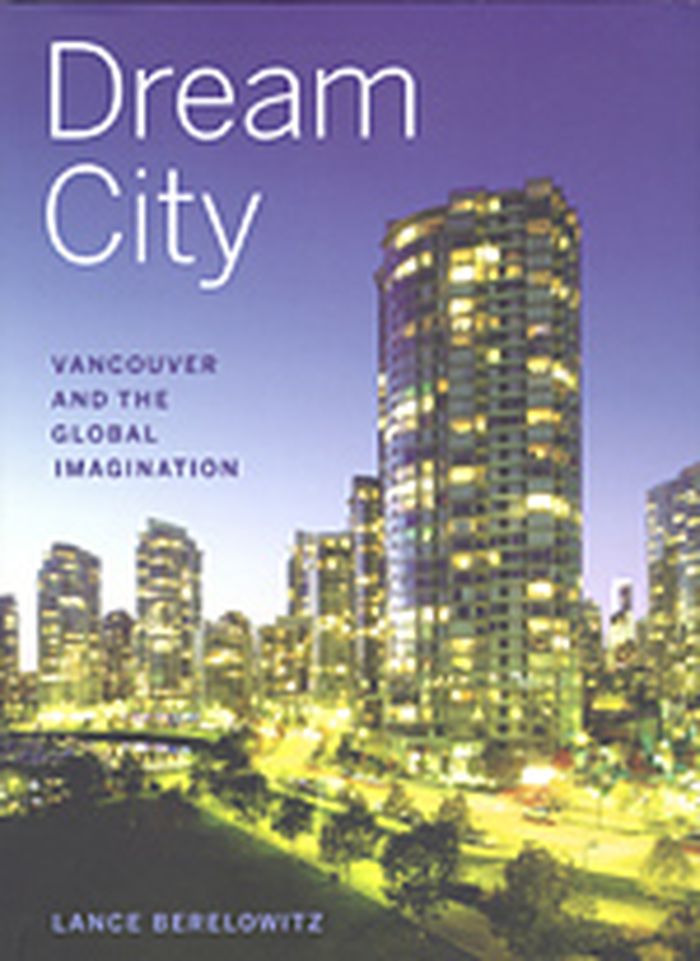
The story behind Vancouver’s emerging urban form: the buildings, public spaces, extraordinary landscapes and cultural values that have turned the city into the poster-child of North American urbanism. Located at the edge of a continent and at the corresponding edge of national public consciousness, Vancouver has developed in unique and unanticipated ways. It is now emerging as an experiment in contemporary city-making, with international interest in Vancouver as a model of post-industrial urbanism increasing exponentially. Lance Berelowitz explores the links between the city’s seductive natural setting, its turbulent political history and changing civic values, and its planning and design culture. He also makes the startling case that Vancouver is to Canada’s imagination what Los Angeles is to the American — a mythologized place of endless possibilities, while being grounded in an altogether more limited set of socio-economic and environmental limitations. Dream City is richly illustrated with both historical and contemporary photographs of many significant buildings and public spaces, as well as specially commissioned maps that reveal the underlying patterns of growth and change of Canada’s youngest metropolis.
Dream city : Vancouver and the global imagination
Actions:
Prix:
$40.00
(disponible sur commande)
Résumé:
The story behind Vancouver’s emerging urban form: the buildings, public spaces, extraordinary landscapes and cultural values that have turned the city into the poster-child of North American urbanism. Located at the edge of a continent and at the corresponding edge of national public consciousness, Vancouver has developed in unique and unanticipated ways. It is now emerging as an experiment in contemporary city-making, with international interest in Vancouver as a model of post-industrial urbanism increasing exponentially. Lance Berelowitz explores the links between the city’s seductive natural setting, its turbulent political history and changing civic values, and its planning and design culture. He also makes the startling case that Vancouver is to Canada’s imagination what Los Angeles is to the American — a mythologized place of endless possibilities, while being grounded in an altogether more limited set of socio-economic and environmental limitations. Dream City is richly illustrated with both historical and contemporary photographs of many significant buildings and public spaces, as well as specially commissioned maps that reveal the underlying patterns of growth and change of Canada’s youngest metropolis.
Classification:
livres
livres
Publication:
avril 2005, Vancouver
avril 2005, Vancouver
Sujet:
Architecture du Canada
Architecture du Canada
Classification:
livres
livres
Actions:
Prix:
$112.00
(disponible sur commande)
Résumé:
I. M. Pei (1917–2019) was one of the world's most influential architects. Born and raised in China, Pei trained and worked in the United States, establishing a practice that spanned seven decades and multiple continents. His legacy includes the realization of some of the most high-profile projects of the late twentieth and early twenty-first centuries, from the(...)
$112.00
(disponible sur commande)
Résumé:
I. M. Pei (1917–2019) was one of the world's most influential architects. Born and raised in China, Pei trained and worked in the United States, establishing a practice that spanned seven decades and multiple continents. His legacy includes the realization of some of the most high-profile projects of the late twentieth and early twenty-first centuries, from the(...)
Publication:
octobre 2024
octobre 2024
Titre:
I. M. Pei: Life is architecture
Actions:
Prix:
$112.00
(disponible sur commande)
Résumé:
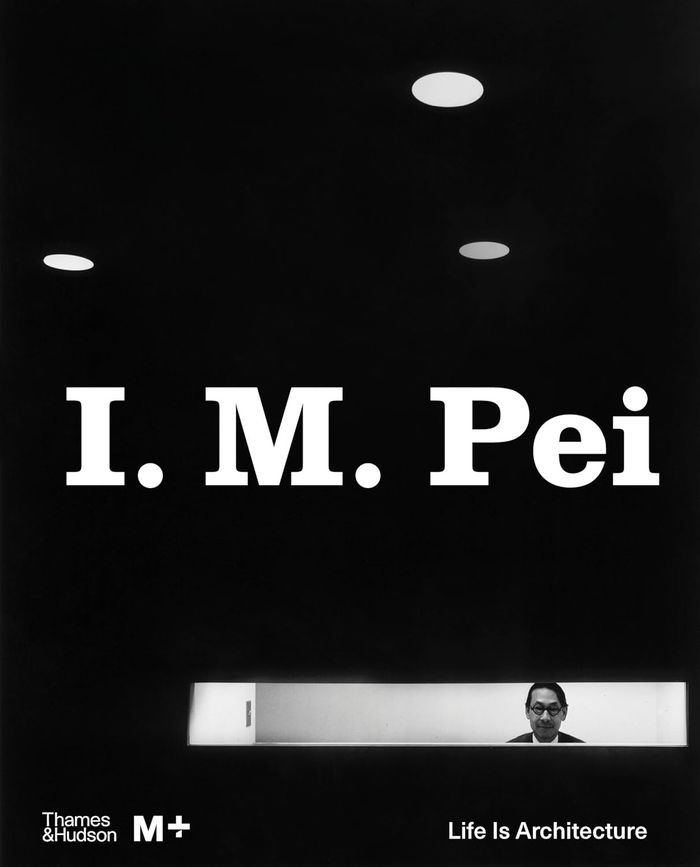
I. M. Pei (1917–2019) was one of the world's most influential architects. Born and raised in China, Pei trained and worked in the United States, establishing a practice that spanned seven decades and multiple continents. His legacy includes the realization of some of the most high-profile projects of the late twentieth and early twenty-first centuries, from the modernization of the Louvre in Paris to the design of the Museum of Islamic Art in Doha. Going beyond the usual building-by-building format of most architectural monographs, "I. M. Pei: Life is architecture" is organized thematically, exploring Pei's life and work through six topics that were central to his unique approach to architecture: transcultural identity, urban redevelopment, art and civic form, material and structural innovation, politics and patronage, and regenerating cultural and historical archetypes. Bringing together previously unpublished archival materials, specially commissioned essays, new photography, and personal contributions from those who knew and worked with Pei, this book presents both celebrated and lesser-known aspects of the architect's life and career while solidifying his position in architectural history and popular culture.
I. M. Pei: Life is architecture
Actions:
Prix:
$112.00
(disponible sur commande)
Résumé:
I. M. Pei (1917–2019) was one of the world's most influential architects. Born and raised in China, Pei trained and worked in the United States, establishing a practice that spanned seven decades and multiple continents. His legacy includes the realization of some of the most high-profile projects of the late twentieth and early twenty-first centuries, from the modernization of the Louvre in Paris to the design of the Museum of Islamic Art in Doha. Going beyond the usual building-by-building format of most architectural monographs, "I. M. Pei: Life is architecture" is organized thematically, exploring Pei's life and work through six topics that were central to his unique approach to architecture: transcultural identity, urban redevelopment, art and civic form, material and structural innovation, politics and patronage, and regenerating cultural and historical archetypes. Bringing together previously unpublished archival materials, specially commissioned essays, new photography, and personal contributions from those who knew and worked with Pei, this book presents both celebrated and lesser-known aspects of the architect's life and career while solidifying his position in architectural history and popular culture.
Classification:
livres
livres
Publication:
octobre 2024
octobre 2024
Classification:
livres
livres
Titre:
Against creativity
Against creativity
Actions:
Prix:
$22.95
(disponible en magasin)
Résumé:
Everything you have been told about creativity is wrong. From line managers, corporate CEOs, urban designers, teachers, politicians, mayors, advertisers and even our friends and family, the message is ‘be creative’. Creativity is heralded as the driving force of our contemporary society; celebrated as agile, progressive and liberating. It is the spring of the knowledge(...)
$22.95
(disponible en magasin)
Résumé:
Everything you have been told about creativity is wrong. From line managers, corporate CEOs, urban designers, teachers, politicians, mayors, advertisers and even our friends and family, the message is ‘be creative’. Creativity is heralded as the driving force of our contemporary society; celebrated as agile, progressive and liberating. It is the spring of the knowledge(...)
Titre:
Against creativity
Actions:
Prix:
$22.95
(disponible en magasin)
Résumé:
Everything you have been told about creativity is wrong. From line managers, corporate CEOs, urban designers, teachers, politicians, mayors, advertisers and even our friends and family, the message is ‘be creative’. Creativity is heralded as the driving force of our contemporary society; celebrated as agile, progressive and liberating. It is the spring of the knowledge economy and shapes the cities we inhabit. It even defines our politics. What could possibly be wrong with this? In this brilliant, counter intuitive blast Oli Mould demands that we rethink the story we are being sold. Behind the novelty, he shows that creativity is a barely hidden form of neoliberal appropriation. It is a regime that prioritizes individual success over collective flourishing. It refuses to recognise anything – job, place, person – that is not profitable. And it impacts on everything around us: the places where we work, the way we are managed, how we spend our leisure time. Is there an alternative? Mould offers a radical redefinition of creativity, one embedded in the idea of collective flourishing, outside the tyranny of profit.
Against creativity
Actions:
Prix:
$22.95
(disponible en magasin)
Résumé:
Everything you have been told about creativity is wrong. From line managers, corporate CEOs, urban designers, teachers, politicians, mayors, advertisers and even our friends and family, the message is ‘be creative’. Creativity is heralded as the driving force of our contemporary society; celebrated as agile, progressive and liberating. It is the spring of the knowledge economy and shapes the cities we inhabit. It even defines our politics. What could possibly be wrong with this? In this brilliant, counter intuitive blast Oli Mould demands that we rethink the story we are being sold. Behind the novelty, he shows that creativity is a barely hidden form of neoliberal appropriation. It is a regime that prioritizes individual success over collective flourishing. It refuses to recognise anything – job, place, person – that is not profitable. And it impacts on everything around us: the places where we work, the way we are managed, how we spend our leisure time. Is there an alternative? Mould offers a radical redefinition of creativity, one embedded in the idea of collective flourishing, outside the tyranny of profit.
Classification:
livres
livres
Publication:
mars 2020
mars 2020
Sujet:
Théorie/ philosophie
Théorie/ philosophie


