


2616 Résultats
Classification:
livres
livres
Titre:
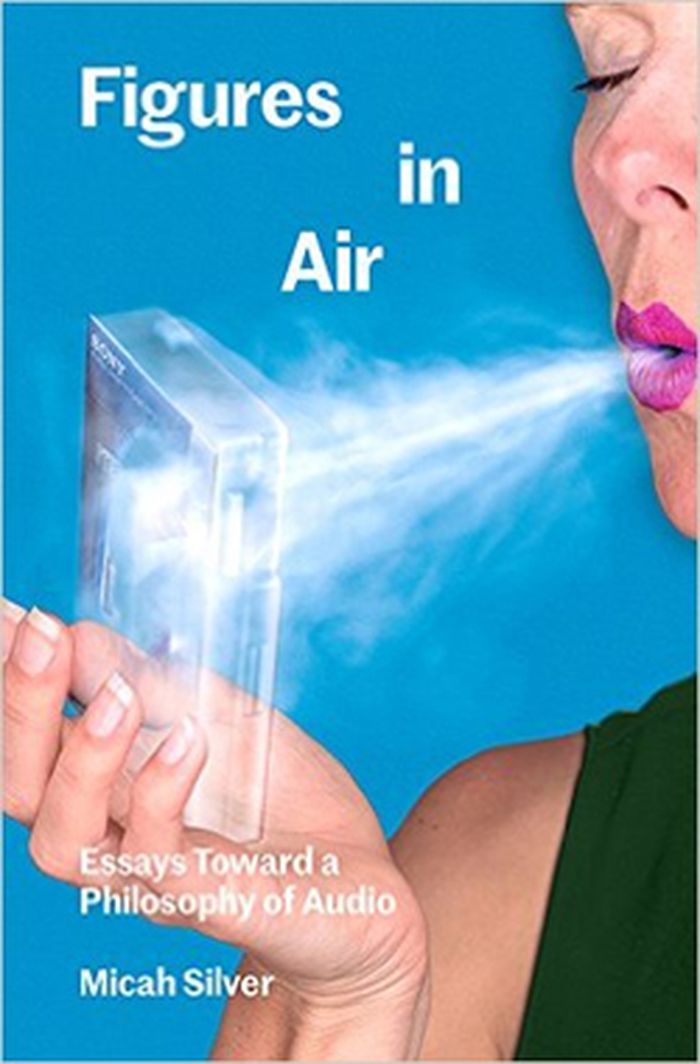
Figures in air
Figures in air
Actions:
Prix:
$34.95
(disponible sur commande)
Résumé:
Emerging artist and theorist Micah Silver elaborates on the impact of audio on human behavior and social space. Silver’s research ranges from Meillassoux and a triangulation of audio’s trans-substance, to Yves Klein’s Air Architecture, through La Monte Young’s Dream House, and culminates in a discussion of historically significant audio systems and their importance as(...)
$34.95
(disponible sur commande)
Résumé:
Emerging artist and theorist Micah Silver elaborates on the impact of audio on human behavior and social space. Silver’s research ranges from Meillassoux and a triangulation of audio’s trans-substance, to Yves Klein’s Air Architecture, through La Monte Young’s Dream House, and culminates in a discussion of historically significant audio systems and their importance as(...)
Titre:
Figures in air
Actions:
Prix:
$34.95
(disponible sur commande)
Résumé:
Emerging artist and theorist Micah Silver elaborates on the impact of audio on human behavior and social space. Silver’s research ranges from Meillassoux and a triangulation of audio’s trans-substance, to Yves Klein’s Air Architecture, through La Monte Young’s Dream House, and culminates in a discussion of historically significant audio systems and their importance as ephemeral social architectures made of air. Micah Silver is an artist and curator who studied music at Wesleyan and in MIT’s Art, Culture and Technology program. His work has been produced by Mass MoCA, Issue Project Room, Palais de Tokyo, and OK Zentrum, among other venues internationally.
Figures in air
Actions:
Prix:
$34.95
(disponible sur commande)
Résumé:
Emerging artist and theorist Micah Silver elaborates on the impact of audio on human behavior and social space. Silver’s research ranges from Meillassoux and a triangulation of audio’s trans-substance, to Yves Klein’s Air Architecture, through La Monte Young’s Dream House, and culminates in a discussion of historically significant audio systems and their importance as ephemeral social architectures made of air. Micah Silver is an artist and curator who studied music at Wesleyan and in MIT’s Art, Culture and Technology program. His work has been produced by Mass MoCA, Issue Project Room, Palais de Tokyo, and OK Zentrum, among other venues internationally.
Classification:
livres
livres
Publication:
octobre 2014
octobre 2014
Sujet:
Acoustique
Acoustique
Classification:
livres
livres
Titre:
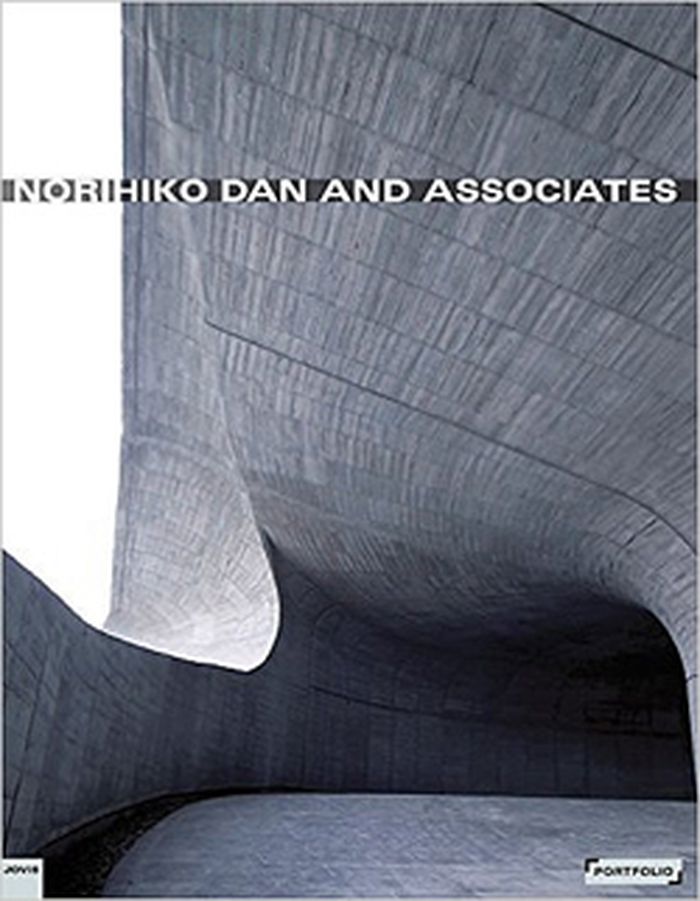
Norihiko Dan and associates
Norihiko Dan and associates
Actions:
Prix:
$50.00
(disponible sur commande)
Résumé:
A concrete tree trunk growing in the middle of a commercial street in Tokyo, an airport terminal that looks almost like a bird's wing, a skyscraper facade that seems to move like ocean waves, a visitors' center perfectly integrated into the landscape of Taiwan's largest lake - nature is everpresent in Japanese architect Norihiko Dan's buildings. His architecture never(...)
$50.00
(disponible sur commande)
Résumé:
A concrete tree trunk growing in the middle of a commercial street in Tokyo, an airport terminal that looks almost like a bird's wing, a skyscraper facade that seems to move like ocean waves, a visitors' center perfectly integrated into the landscape of Taiwan's largest lake - nature is everpresent in Japanese architect Norihiko Dan's buildings. His architecture never(...)
Titre:
Norihiko Dan and associates
Actions:
Prix:
$50.00
(disponible sur commande)
Résumé:
A concrete tree trunk growing in the middle of a commercial street in Tokyo, an airport terminal that looks almost like a bird's wing, a skyscraper facade that seems to move like ocean waves, a visitors' center perfectly integrated into the landscape of Taiwan's largest lake - nature is everpresent in Japanese architect Norihiko Dan's buildings. His architecture never stands alone, for Dan always seeks symbiosis; this appears in his combination of geometric-archetypical with organic forms, in his urban planning projects, which bring submerged historic and cultural identities back to light, as well as in the ecological orientation of his buildings.
Norihiko Dan and associates
Actions:
Prix:
$50.00
(disponible sur commande)
Résumé:
A concrete tree trunk growing in the middle of a commercial street in Tokyo, an airport terminal that looks almost like a bird's wing, a skyscraper facade that seems to move like ocean waves, a visitors' center perfectly integrated into the landscape of Taiwan's largest lake - nature is everpresent in Japanese architect Norihiko Dan's buildings. His architecture never stands alone, for Dan always seeks symbiosis; this appears in his combination of geometric-archetypical with organic forms, in his urban planning projects, which bring submerged historic and cultural identities back to light, as well as in the ecological orientation of his buildings.
Classification:
livres
livres
Publication:
novembre 2015
novembre 2015
Sujet:
Architecture, monographies
Architecture, monographies
Classification:
livres
livres
Titre:
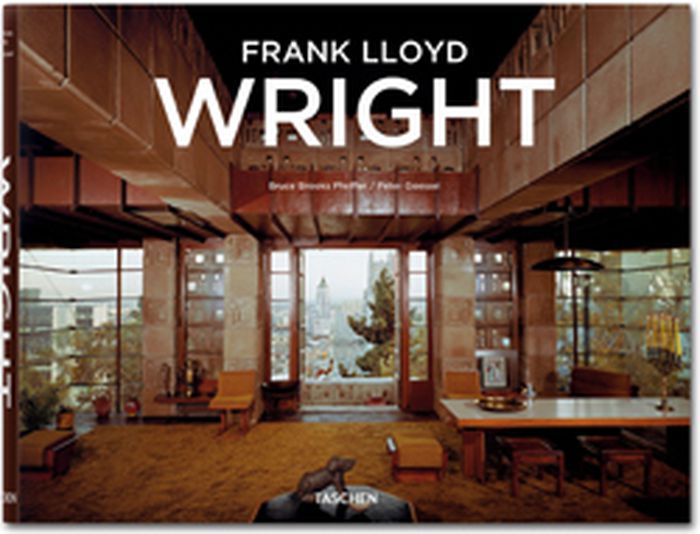
Frank Lloyd Wright
Frank Lloyd Wright
Actions:
Prix:
$79.95
(disponible sur commande)
Résumé:
Based on unlimited access to the Frank Lloyd Wright Archives in Taliesin, Arizona, the collection spans the length and breadth of Wright’s projects, both realized and unrealized, from his early Prairie Houses, through the Usonian concept home, epitomized by Fallingwater, the Tokyo years, his progressive “living architecture” buildings, right through to later schemes like(...)
$79.95
(disponible sur commande)
Résumé:
Based on unlimited access to the Frank Lloyd Wright Archives in Taliesin, Arizona, the collection spans the length and breadth of Wright’s projects, both realized and unrealized, from his early Prairie Houses, through the Usonian concept home, epitomized by Fallingwater, the Tokyo years, his progressive “living architecture” buildings, right through to later schemes like(...)
Sujet:
Architecture, monographies
Architecture, monographies
Publication:
août 2015
août 2015
Titre:
Frank Lloyd Wright
Actions:
Prix:
$79.95
(disponible sur commande)
Résumé:
Based on unlimited access to the Frank Lloyd Wright Archives in Taliesin, Arizona, the collection spans the length and breadth of Wright’s projects, both realized and unrealized, from his early Prairie Houses, through the Usonian concept home, epitomized by Fallingwater, the Tokyo years, his progressive “living architecture” buildings, right through to later schemes like the Guggenheim Museum, New York, and fantastic visions for a better tomorrow in the “living city.” Author Bruce Brooks Pfeiffer, who served as Wright’s apprentice during the 1950s, discusses recent research on Wright and gives his own insights on these game-changing buildings.
Frank Lloyd Wright
Actions:
Prix:
$79.95
(disponible sur commande)
Résumé:
Based on unlimited access to the Frank Lloyd Wright Archives in Taliesin, Arizona, the collection spans the length and breadth of Wright’s projects, both realized and unrealized, from his early Prairie Houses, through the Usonian concept home, epitomized by Fallingwater, the Tokyo years, his progressive “living architecture” buildings, right through to later schemes like the Guggenheim Museum, New York, and fantastic visions for a better tomorrow in the “living city.” Author Bruce Brooks Pfeiffer, who served as Wright’s apprentice during the 1950s, discusses recent research on Wright and gives his own insights on these game-changing buildings.
Classification:
livres
livres
Publication:
août 2015
août 2015
Sujet:
Architecture, monographies
Architecture, monographies
Classification:
livres
livres
Titre:
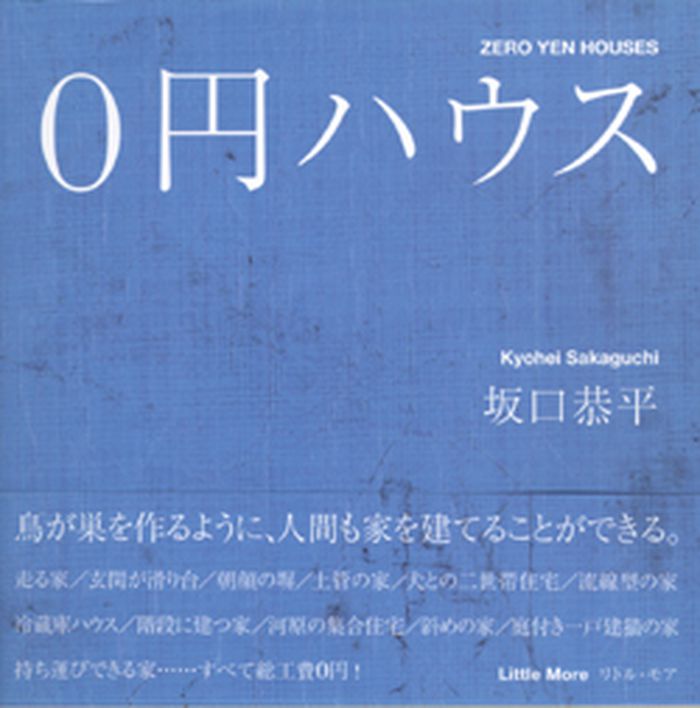
Zero yen houses
Zero yen houses
Actions:
Prix:
$75.00
(disponible sur commande)
Résumé:
A lean-to in an urban park, featuring a blue tarpaulin roof, a hinged door, and a bamboo blind. A car-shaped cardboard hut, lashed together with rope and sitting on a dolly. Temporary lodging under a bridge, incorporating a piece of playground equipment into its design. Each of these structures is an example of what Japanese artist and architect Kyohei Sakaguchi calls a(...)
$75.00
(disponible sur commande)
Résumé:
A lean-to in an urban park, featuring a blue tarpaulin roof, a hinged door, and a bamboo blind. A car-shaped cardboard hut, lashed together with rope and sitting on a dolly. Temporary lodging under a bridge, incorporating a piece of playground equipment into its design. Each of these structures is an example of what Japanese artist and architect Kyohei Sakaguchi calls a(...)
Titre:
Zero yen houses
Actions:
Prix:
$75.00
(disponible sur commande)
Résumé:
A lean-to in an urban park, featuring a blue tarpaulin roof, a hinged door, and a bamboo blind. A car-shaped cardboard hut, lashed together with rope and sitting on a dolly. Temporary lodging under a bridge, incorporating a piece of playground equipment into its design. Each of these structures is an example of what Japanese artist and architect Kyohei Sakaguchi calls a "zero-yen house".Built by the homeless of Tokyo, Osaka, and Nagoya, zero-yen houses employ discarded and found materials, including pieces of wood and corrugated roofing, temple ornaments, blankets, shipping pallets, an umbrella, and those ubiquitous blue tarps. They also incorporate into their assembly the imminence of their disassembly: at any moment, they may have to be taken apart and moved.Since his days as a university student at the turn of the millennium, Sakaguchi has been studying the kinds of shelters that street people have created for themselves in Japan's three largest cities. Based in Tokyo, he appears to be obsessed with this peculiar and transient form of "vernacular architecture". Sakaguchi uses images, descriptions, and even facsimiles of the improvised homes of the homeless as a way of celebrating human resourcefulness and ingenuity. These dwellings, he tells us, are worthy of our interest and admiration rather than our indifference, our scorn, or even our pity. They can instruct us on an approach to architecture that is the reverse of overconsumption and resource depletion.
Zero yen houses
Actions:
Prix:
$75.00
(disponible sur commande)
Résumé:
A lean-to in an urban park, featuring a blue tarpaulin roof, a hinged door, and a bamboo blind. A car-shaped cardboard hut, lashed together with rope and sitting on a dolly. Temporary lodging under a bridge, incorporating a piece of playground equipment into its design. Each of these structures is an example of what Japanese artist and architect Kyohei Sakaguchi calls a "zero-yen house".Built by the homeless of Tokyo, Osaka, and Nagoya, zero-yen houses employ discarded and found materials, including pieces of wood and corrugated roofing, temple ornaments, blankets, shipping pallets, an umbrella, and those ubiquitous blue tarps. They also incorporate into their assembly the imminence of their disassembly: at any moment, they may have to be taken apart and moved.Since his days as a university student at the turn of the millennium, Sakaguchi has been studying the kinds of shelters that street people have created for themselves in Japan's three largest cities. Based in Tokyo, he appears to be obsessed with this peculiar and transient form of "vernacular architecture". Sakaguchi uses images, descriptions, and even facsimiles of the improvised homes of the homeless as a way of celebrating human resourcefulness and ingenuity. These dwellings, he tells us, are worthy of our interest and admiration rather than our indifference, our scorn, or even our pity. They can instruct us on an approach to architecture that is the reverse of overconsumption and resource depletion.
Classification:
livres
livres
Publication:
janvier 2004, Tokyo
janvier 2004, Tokyo
Sujet:
Architecture résidentielle
Architecture résidentielle
Classification:
périodiques
périodiques
Actions:
Prix:
$54.00
(disponible sur commande)
Résumé:
Shohei Shigematsu, whose works include projects from educational facilities, art museums, and exhibition designs to high-rise commercial complexes, has been the lead at OMA New York since 2006. All his designs can be described as “open-ended” and able to “absorb and reflect society in the moment”. Through a curated selection of images, this issue captures architecture(...)
$54.00
(disponible sur commande)
Résumé:
Shohei Shigematsu, whose works include projects from educational facilities, art museums, and exhibition designs to high-rise commercial complexes, has been the lead at OMA New York since 2006. All his designs can be described as “open-ended” and able to “absorb and reflect society in the moment”. Through a curated selection of images, this issue captures architecture(...)
Titre:
A+U 647 : OMA Shohei Shigemats
Actions:
Prix:
$54.00
(disponible sur commande)
Résumé:
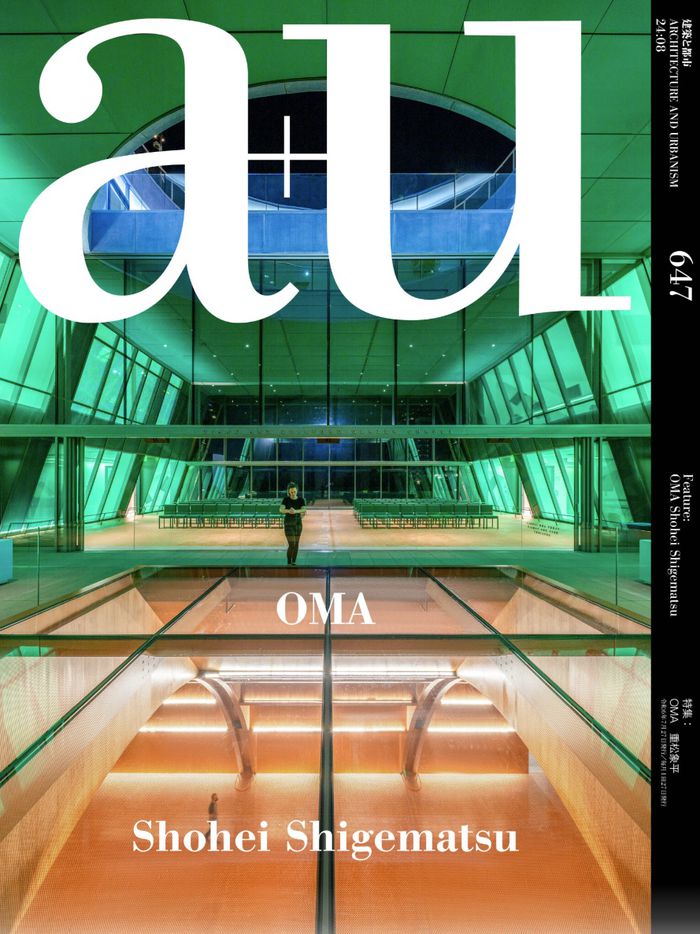
Shohei Shigematsu, whose works include projects from educational facilities, art museums, and exhibition designs to high-rise commercial complexes, has been the lead at OMA New York since 2006. All his designs can be described as “open-ended” and able to “absorb and reflect society in the moment”. Through a curated selection of images, this issue captures architecture that demonstrates how the rational box and soft form can coexist, as embodied in the contemporary public realm. A selection of 34 projects representing the architecture of both New York and Tokyo is expanded upon with essays by Shigematsu and others, plus two conversations with the architect.
A+U 647 : OMA Shohei Shigemats
Actions:
Prix:
$54.00
(disponible sur commande)
Résumé:
Shohei Shigematsu, whose works include projects from educational facilities, art museums, and exhibition designs to high-rise commercial complexes, has been the lead at OMA New York since 2006. All his designs can be described as “open-ended” and able to “absorb and reflect society in the moment”. Through a curated selection of images, this issue captures architecture that demonstrates how the rational box and soft form can coexist, as embodied in the contemporary public realm. A selection of 34 projects representing the architecture of both New York and Tokyo is expanded upon with essays by Shigematsu and others, plus two conversations with the architect.
Classification:
périodiques
périodiques
Publication:
août 2024
août 2024
Sujet:
Revues
Revues
Classification:
livres
livres
Actions:
Prix:
$79.50
(disponible sur commande)
Résumé:
The cultural economy forms a leading trajectory of urban development, and has emerged as a key facet of globalizing cities. Cultural industries include new media, digital arts, music and film, and the design industries and professions, as well as allied consumption and spectacle in the city. The cultural economy now represents the third-largest sector in metropolitan(...)
$79.50
(disponible sur commande)
Résumé:
The cultural economy forms a leading trajectory of urban development, and has emerged as a key facet of globalizing cities. Cultural industries include new media, digital arts, music and film, and the design industries and professions, as well as allied consumption and spectacle in the city. The cultural economy now represents the third-largest sector in metropolitan(...)
Titre:
Cities and the cultural economy
Actions:
Prix:
$79.50
(disponible sur commande)
Résumé:
The cultural economy forms a leading trajectory of urban development, and has emerged as a key facet of globalizing cities. Cultural industries include new media, digital arts, music and film, and the design industries and professions, as well as allied consumption and spectacle in the city. The cultural economy now represents the third-largest sector in metropolitan cities of the West (for example London, Berlin, New York, San Francisco, and Melbourne), but is also influential in the development of East Asian cities (Tokyo, Shanghai, Hong Kong and Singapore), as well as the mega-cities of the Global South (e.g. Mumbai, Capetown, and São Paulo).
Cities and the cultural economy
Actions:
Prix:
$79.50
(disponible sur commande)
Résumé:
The cultural economy forms a leading trajectory of urban development, and has emerged as a key facet of globalizing cities. Cultural industries include new media, digital arts, music and film, and the design industries and professions, as well as allied consumption and spectacle in the city. The cultural economy now represents the third-largest sector in metropolitan cities of the West (for example London, Berlin, New York, San Francisco, and Melbourne), but is also influential in the development of East Asian cities (Tokyo, Shanghai, Hong Kong and Singapore), as well as the mega-cities of the Global South (e.g. Mumbai, Capetown, and São Paulo).
Classification:
livres
livres
Publication:
juillet 2015
juillet 2015
Sujet:
Théorie de l’urbanisme
Théorie de l’urbanisme
Classification:
périodiques
périodiques
Actions:
Prix:
$54.00
(disponible en magasin)
Résumé:
A full issue dedicated to the Athens-based office for research, architecture, and urban design known as Point Supreme. Founded in Rotterdam in 2008 by Marianna Rentzou and Konstantinos Pantazis, after living and working in Athens, London, Brussels, Tokyo, and Rotterdam for offices such as OMA and MVRDV, Point Supreme is known for regularly publishing self-initiated(...)
$54.00
(disponible en magasin)
Résumé:
A full issue dedicated to the Athens-based office for research, architecture, and urban design known as Point Supreme. Founded in Rotterdam in 2008 by Marianna Rentzou and Konstantinos Pantazis, after living and working in Athens, London, Brussels, Tokyo, and Rotterdam for offices such as OMA and MVRDV, Point Supreme is known for regularly publishing self-initiated(...)
Titre:
A+U 632 05:2023 Point Supreme
Actions:
Prix:
$54.00
(disponible en magasin)
Résumé:
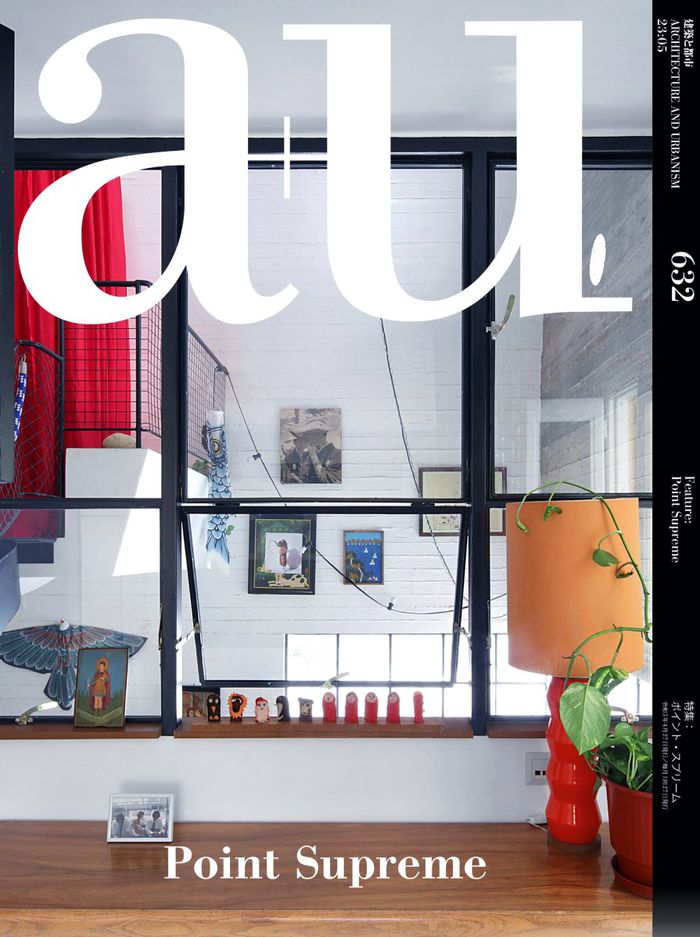
A full issue dedicated to the Athens-based office for research, architecture, and urban design known as Point Supreme. Founded in Rotterdam in 2008 by Marianna Rentzou and Konstantinos Pantazis, after living and working in Athens, London, Brussels, Tokyo, and Rotterdam for offices such as OMA and MVRDV, Point Supreme is known for regularly publishing self-initiated projects on a variety of scales, as well as conceiving and executing intimate interiors. The issue features a selection of works and projects, from houses, apartments, and a flower shop to cabinets, totems, and a fire station, along with essays by Pier Paolo Tamburelli, Eric Lappiere, and Freek Persyn.
A+U 632 05:2023 Point Supreme
Actions:
Prix:
$54.00
(disponible en magasin)
Résumé:
A full issue dedicated to the Athens-based office for research, architecture, and urban design known as Point Supreme. Founded in Rotterdam in 2008 by Marianna Rentzou and Konstantinos Pantazis, after living and working in Athens, London, Brussels, Tokyo, and Rotterdam for offices such as OMA and MVRDV, Point Supreme is known for regularly publishing self-initiated projects on a variety of scales, as well as conceiving and executing intimate interiors. The issue features a selection of works and projects, from houses, apartments, and a flower shop to cabinets, totems, and a fire station, along with essays by Pier Paolo Tamburelli, Eric Lappiere, and Freek Persyn.
Classification:
périodiques
périodiques
Publication:
mai 2023
mai 2023
Sujet:
Revues
Revues
Classification:
livres
livres
Actions:
Prix:
$61.95
(disponible en magasin)
Résumé:
Photographs by Homma Takashi. Roppongi Hills is one of Japan's largest integrated property developments, located in the Roppongi district of Tokyo. Constructed by building tycoon Minoru Mori, the mega-complex incorporates office space, apartments, shops, restaurants, cafés, movie theaters, a museum, a hotel, a major TV studio, an outdoor amphitheater, and a few parks. The(...)
$61.95
(disponible en magasin)
Résumé:
Photographs by Homma Takashi. Roppongi Hills is one of Japan's largest integrated property developments, located in the Roppongi district of Tokyo. Constructed by building tycoon Minoru Mori, the mega-complex incorporates office space, apartments, shops, restaurants, cafés, movie theaters, a museum, a hotel, a major TV studio, an outdoor amphitheater, and a few parks. The(...)
Publication:
mars 2006, Tokyo
mars 2006, Tokyo
Titre:
Six strata : Roppongi Hills defined
Actions:
Prix:
$61.95
(disponible en magasin)
Résumé:
Photographs by Homma Takashi. Roppongi Hills is one of Japan's largest integrated property developments, located in the Roppongi district of Tokyo. Constructed by building tycoon Minoru Mori, the mega-complex incorporates office space, apartments, shops, restaurants, cafés, movie theaters, a museum, a hotel, a major TV studio, an outdoor amphitheater, and a few parks. The centerpiece is the 54-story eponymous Mori Tower. Mori's stated vision was to build an integrated development where high-rise inner-urban communities allow people to live, work, play, and shop in close proximity to eliminate commuting time. Seventeen years in the making, the complex opened to the public on april 23, 2003.
Six strata : Roppongi Hills defined
Actions:
Prix:
$61.95
(disponible en magasin)
Résumé:
Photographs by Homma Takashi. Roppongi Hills is one of Japan's largest integrated property developments, located in the Roppongi district of Tokyo. Constructed by building tycoon Minoru Mori, the mega-complex incorporates office space, apartments, shops, restaurants, cafés, movie theaters, a museum, a hotel, a major TV studio, an outdoor amphitheater, and a few parks. The centerpiece is the 54-story eponymous Mori Tower. Mori's stated vision was to build an integrated development where high-rise inner-urban communities allow people to live, work, play, and shop in close proximity to eliminate commuting time. Seventeen years in the making, the complex opened to the public on april 23, 2003.
Classification:
livres
livres
Publication:
mars 2006, Tokyo
mars 2006, Tokyo
Classification:
livres
livres
Actions:
Prix:
$54.95
(disponible en magasin)
Résumé:
''Small Practices : In Conversation with Malaysian and Japanese Architects'' provides an intimate look into how small practices find their niche and pursue their passion in a field that is often perceived as aggressive and vigorous. Noorul Fadzlee Khamis, a Malaysian architect, and educator, with the support of Japan Foundation Asia Centre speaks to small practices based(...)
$54.95
(disponible en magasin)
Résumé:
''Small Practices : In Conversation with Malaysian and Japanese Architects'' provides an intimate look into how small practices find their niche and pursue their passion in a field that is often perceived as aggressive and vigorous. Noorul Fadzlee Khamis, a Malaysian architect, and educator, with the support of Japan Foundation Asia Centre speaks to small practices based(...)
Titre:
Small Practices: In conversation with Malaysian & Japanese Architects
Actions:
Prix:
$54.95
(disponible en magasin)
Résumé:
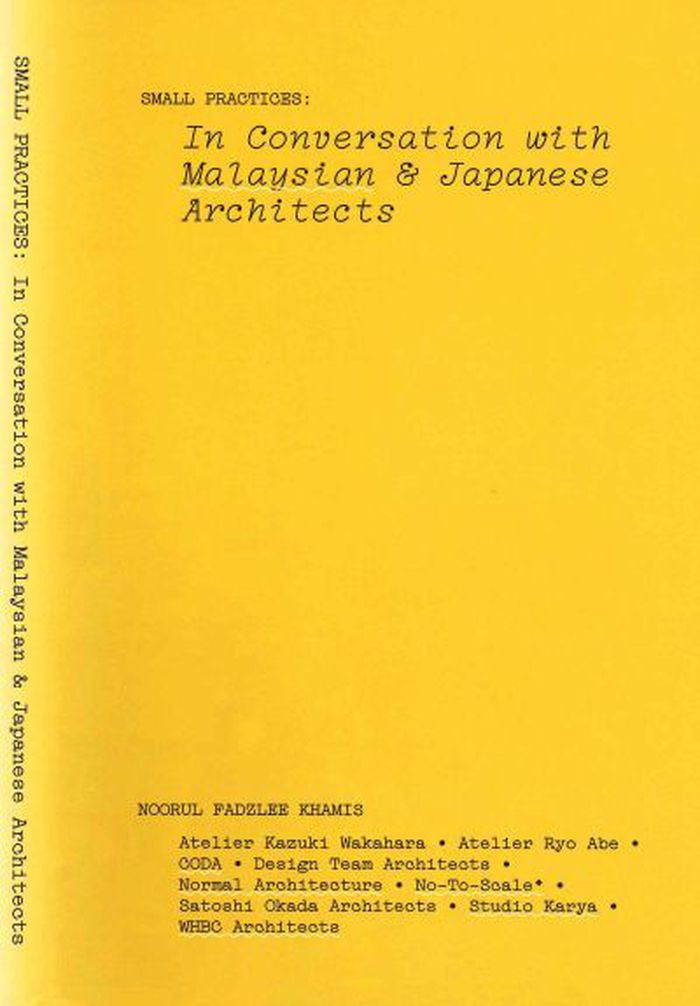
''Small Practices : In Conversation with Malaysian and Japanese Architects'' provides an intimate look into how small practices find their niche and pursue their passion in a field that is often perceived as aggressive and vigorous. Noorul Fadzlee Khamis, a Malaysian architect, and educator, with the support of Japan Foundation Asia Centre speaks to small practices based in both Kuala Lumpur and Tokyo, documenting their workplaces and thoughts on inspiration, quirks, irks, the future of small practices, and its relation to architecture education. Featuring interviews with, Atelier Kazuki Wakahara, Atelier Ryo Abe, Design Team Architects, Satoshi Okada Architects, CODA, Normal Architecture, No-to-Scale*, Studio Karya, and WHBC Architects.
Small Practices: In conversation with Malaysian & Japanese Architects
Actions:
Prix:
$54.95
(disponible en magasin)
Résumé:
''Small Practices : In Conversation with Malaysian and Japanese Architects'' provides an intimate look into how small practices find their niche and pursue their passion in a field that is often perceived as aggressive and vigorous. Noorul Fadzlee Khamis, a Malaysian architect, and educator, with the support of Japan Foundation Asia Centre speaks to small practices based in both Kuala Lumpur and Tokyo, documenting their workplaces and thoughts on inspiration, quirks, irks, the future of small practices, and its relation to architecture education. Featuring interviews with, Atelier Kazuki Wakahara, Atelier Ryo Abe, Design Team Architects, Satoshi Okada Architects, CODA, Normal Architecture, No-to-Scale*, Studio Karya, and WHBC Architects.
Classification:
livres
livres
Publication:
août 2022
août 2022
Classification:
vidéo
vidéo
Prix:
$49.95
(disponible sur commande)
Résumé:
Frank Lloyd Wright, one of the greatest architects of the 20th century, was deeply indebted to Japan for its aesthetic inspiration. This is the story of how he repaid that debt. Wright sought refuge in Japan when he faced public condemnation at home. For six tumultuous years, he struggled to complete the enormous commission of the Hotel Imperial in Tokyo, which helped(...)
$49.95
(disponible sur commande)
Résumé:
Frank Lloyd Wright, one of the greatest architects of the 20th century, was deeply indebted to Japan for its aesthetic inspiration. This is the story of how he repaid that debt. Wright sought refuge in Japan when he faced public condemnation at home. For six tumultuous years, he struggled to complete the enormous commission of the Hotel Imperial in Tokyo, which helped(...)
Titre:
Magnificent obscession : Frank Lloyd Wright's buildings in Japan
Actions:
Prix:
$49.95
(disponible sur commande)
Résumé:
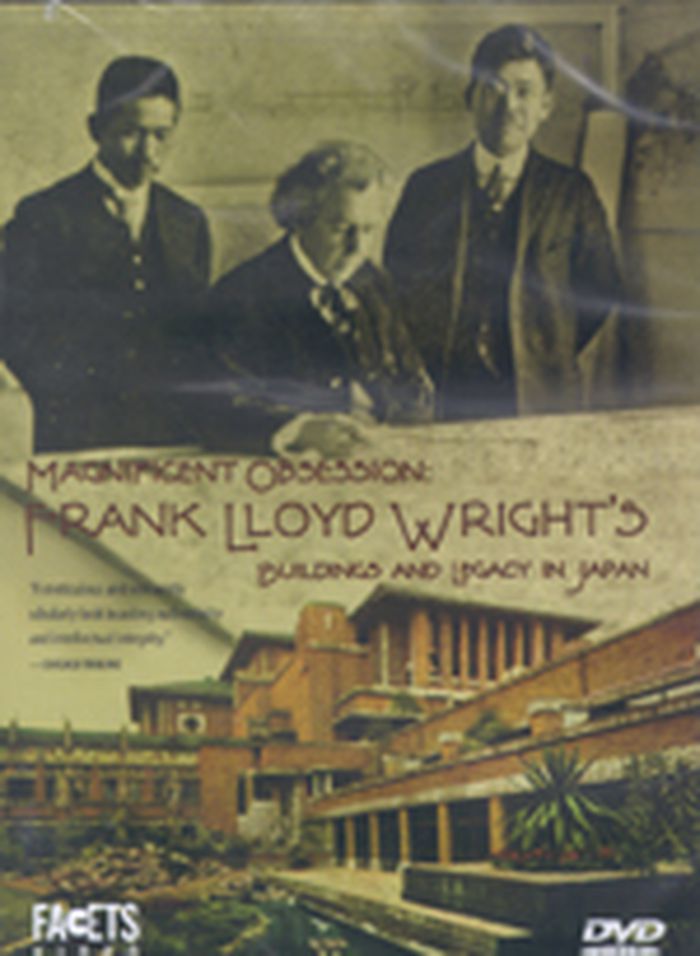
Frank Lloyd Wright, one of the greatest architects of the 20th century, was deeply indebted to Japan for its aesthetic inspiration. This is the story of how he repaid that debt. Wright sought refuge in Japan when he faced public condemnation at home. For six tumultuous years, he struggled to complete the enormous commission of the Hotel Imperial in Tokyo, which helped turn his career around. During the construction of the building, he forged several relationships with Japanese architects who went on to alter Japan's cityscapes and mentor a new generation of architects. Wright's obsession with Japan, and vice versa, vividly reminds us that the creative spirit knows no borders.
Magnificent obscession : Frank Lloyd Wright's buildings in Japan
Actions:
Prix:
$49.95
(disponible sur commande)
Résumé:
Frank Lloyd Wright, one of the greatest architects of the 20th century, was deeply indebted to Japan for its aesthetic inspiration. This is the story of how he repaid that debt. Wright sought refuge in Japan when he faced public condemnation at home. For six tumultuous years, he struggled to complete the enormous commission of the Hotel Imperial in Tokyo, which helped turn his career around. During the construction of the building, he forged several relationships with Japanese architects who went on to alter Japan's cityscapes and mentor a new generation of architects. Wright's obsession with Japan, and vice versa, vividly reminds us that the creative spirit knows no borders.
Classification:
vidéo
vidéo
Publication:
septembre 2007, Chicago
septembre 2007, Chicago
Sujet:
DVD vidéo
DVD vidéo


