


21400 Résultats
Niveau de description archivistique:
Projet
Projet
Numéro de référence:
AP178.S1.1988.PR07
Description:
This project series documents the Reconstrução do Chiado in Lisbon, Portugal. The office's archives identified this project as 58/80. The office assigned the dates 1988-1998 for this project. Chiado is a historic district in the center of Lisbon, Portugal, and a linchpin between the Baixa Pombalina and the Bairro Alto Hill. After a devastating earthquake in 1755, the city was rebuilt and reorganized by military architects and engineers. The Pombaline style, specific to Lisbon, includes pre-fabricated anti-seismic structure and sober style. On August 25, 1988, a fire started in one of the oldest department stores of Lisbon, the Grandella building, damaging partially or totally seventeen buildings, between the Rua Do Carmo, Rua Nova do Almada and Rua Garret. Álvaro Siza was selected by the mayor of Lisbon, Nuno Krus Abecasis, to reorganize and rebuild the district. After public consultations, it was decided to maintain the historic image of the Chiado by restoring the façades and ornamentations. Adjustments by Siza include introducing residential and cultural functions to the district, with the exception of the Grandes Armazéns building and the Grandella building, which had their own program. As Siza said himself: "It’s not about drawing a new section of the city, but rather just introducing corrections and adjustments, reinforce the whole city." Siza started to work on the layout plan in January 1989 and presented it to the municipal authorities of Lisbon in April 1990. The reconstruction of the Chiado had several goals, but there were two general concepts behind his plan. The aesthetic aspect of the program included restorations of buildings to reinstitute the historical spirit of the district. The spatial reorganization, in a really Siza way, focused on finding architectural solutions that would bring more functionality to the city. The idea was to think of the reconstruction in relation with the urban revitalization of the Baixa Pombalina and to maintain as much as possible the patrimonial value of the district. Siza's intentions were to stimulate the commercial and residential functions of the district, which was on the decline over the last years prior to the fire. Some of the measures taken were: improving the traffic fluidity; creating parking spaces for the future residents and shopkeepers, improving the access to stores and others facilities, creating a staired passageway between Rua do Crucifixo and Rua Nova do Almada, and a pedestrian passageway between the rear of those buildings giving onto Rua Garret and Rua Do Carmo. They also studied the integration of a subway station to the district. Municipal authorities decided to rebuild or restore the original facades, reorganize the interior and improve the safety of the buildings. The biggest challenge was to convert the Grandes Armazéns do Chiado into a hotel and rebuild the Grandella with its original 20th century façade, while rethinking the interior division(s?) in order to add different functions to the building, including offices and leisure and cultural facilities. The reconstruction plan was divided into six distinct blocks: Bloco A, Bloco B, Bloco C, Bloco D, Bloco E, and Bloco F. Each Block includes several buildings and each was individually numbered. The first three blocks (A, B, C) were the most damaged, and required massive work, stonework, technical and mechanical work, replacing doors and windows, as well as repainting, repaving, and restoring decorative elements. Reconstruction for Blocks D, E, and F, which are less documented in the fonds, focused on making changes that complemented the neighboring building. Siza also worked specifically on the Edifício Castro e Melo, Câmara Chaves, Edifício Leonel, Edifício Grandella, and Recuperaçäo do Edifício dos Grandes Armazéns. The rest of the buildings were restored by other architects and firms. "Chiado" is often referring to two different things: the districts between the Baixa Pombalina and the Bairro Alto Hill, as well as a building, also known as the Hotel do Chiado. To avoid confusion, in this finding aid the term "Chiado" is always referring to the district, and the Chiado building will be referred to as the Grandes Armazéns do Chiado building. To fully understand the nature of the project, it is important to comprehend the reconstruction of the Chiado as a whole project, rather than as individual components. Siza himself saw the Chiado as one big building. Bloco A (plots 7,8,9,10,11 and 20) Bloco B (plots 12, 13, 14/15 and 16) Bloco C (plots 2, 3 and 6) Bloco D (plots 4 and 5) Bloco E (plots 1,17,18 and 19) This project series includes eleven subseries : Subseries 1) AP178.S1.1988.PR07.SS1 Master plans and exterior spaces, Reconstruction of Chiado, 2) AP178.S1.1988.PR07.SS2 Bloco A, 3) AP178.S1.1988.PR07.SS3 Edificio Camara Chaves building, 4) AP178.S1.1988.PR07.SS4 Edifício Castro e Melo, 5) AP178.S1.1988.PR07.SS5 Bloco B, 6) AP178.S1.1988.PR07.SS6– Bloco, B Chiado, Edifício Leonel, Lisboa, Portugal (1988-1998), 7) AP178.S1.1988.PR07.SS7 Bloco C, 8) AP178.S1.1988.PR07.SS8 - Bloco C, Chiado, Recuperaçäo do Edifício Grandella, 9) AP178.S1.1988.PR07.SS9 - Bloco C, Chiado, Recuperaçäo do Edifício dos Grandes Armazéns, 10) AP178.S1.1988.PR07.SS10 Ligacao Pedonal do Patio B, 11) AP178.S1.1988.PR07.SS11 Chiado, Estação de Metropolitano Baixa Chiado. It is important to note that the project AP178.S1.1994.PR08 Renovação do Elevador de Santa Justa, Chiado, 1994 is also related to the Reconstruction of the Chiado. All documentation for this project series, including the project subseries, has been kept together to maintain the office's arrangement.
AP178.S1.1988.PR07
Description:
This project series documents the Reconstrução do Chiado in Lisbon, Portugal. The office's archives identified this project as 58/80. The office assigned the dates 1988-1998 for this project. Chiado is a historic district in the center of Lisbon, Portugal, and a linchpin between the Baixa Pombalina and the Bairro Alto Hill. After a devastating earthquake in 1755, the city was rebuilt and reorganized by military architects and engineers. The Pombaline style, specific to Lisbon, includes pre-fabricated anti-seismic structure and sober style. On August 25, 1988, a fire started in one of the oldest department stores of Lisbon, the Grandella building, damaging partially or totally seventeen buildings, between the Rua Do Carmo, Rua Nova do Almada and Rua Garret. Álvaro Siza was selected by the mayor of Lisbon, Nuno Krus Abecasis, to reorganize and rebuild the district. After public consultations, it was decided to maintain the historic image of the Chiado by restoring the façades and ornamentations. Adjustments by Siza include introducing residential and cultural functions to the district, with the exception of the Grandes Armazéns building and the Grandella building, which had their own program. As Siza said himself: "It’s not about drawing a new section of the city, but rather just introducing corrections and adjustments, reinforce the whole city." Siza started to work on the layout plan in January 1989 and presented it to the municipal authorities of Lisbon in April 1990. The reconstruction of the Chiado had several goals, but there were two general concepts behind his plan. The aesthetic aspect of the program included restorations of buildings to reinstitute the historical spirit of the district. The spatial reorganization, in a really Siza way, focused on finding architectural solutions that would bring more functionality to the city. The idea was to think of the reconstruction in relation with the urban revitalization of the Baixa Pombalina and to maintain as much as possible the patrimonial value of the district. Siza's intentions were to stimulate the commercial and residential functions of the district, which was on the decline over the last years prior to the fire. Some of the measures taken were: improving the traffic fluidity; creating parking spaces for the future residents and shopkeepers, improving the access to stores and others facilities, creating a staired passageway between Rua do Crucifixo and Rua Nova do Almada, and a pedestrian passageway between the rear of those buildings giving onto Rua Garret and Rua Do Carmo. They also studied the integration of a subway station to the district. Municipal authorities decided to rebuild or restore the original facades, reorganize the interior and improve the safety of the buildings. The biggest challenge was to convert the Grandes Armazéns do Chiado into a hotel and rebuild the Grandella with its original 20th century façade, while rethinking the interior division(s?) in order to add different functions to the building, including offices and leisure and cultural facilities. The reconstruction plan was divided into six distinct blocks: Bloco A, Bloco B, Bloco C, Bloco D, Bloco E, and Bloco F. Each Block includes several buildings and each was individually numbered. The first three blocks (A, B, C) were the most damaged, and required massive work, stonework, technical and mechanical work, replacing doors and windows, as well as repainting, repaving, and restoring decorative elements. Reconstruction for Blocks D, E, and F, which are less documented in the fonds, focused on making changes that complemented the neighboring building. Siza also worked specifically on the Edifício Castro e Melo, Câmara Chaves, Edifício Leonel, Edifício Grandella, and Recuperaçäo do Edifício dos Grandes Armazéns. The rest of the buildings were restored by other architects and firms. "Chiado" is often referring to two different things: the districts between the Baixa Pombalina and the Bairro Alto Hill, as well as a building, also known as the Hotel do Chiado. To avoid confusion, in this finding aid the term "Chiado" is always referring to the district, and the Chiado building will be referred to as the Grandes Armazéns do Chiado building. To fully understand the nature of the project, it is important to comprehend the reconstruction of the Chiado as a whole project, rather than as individual components. Siza himself saw the Chiado as one big building. Bloco A (plots 7,8,9,10,11 and 20) Bloco B (plots 12, 13, 14/15 and 16) Bloco C (plots 2, 3 and 6) Bloco D (plots 4 and 5) Bloco E (plots 1,17,18 and 19) This project series includes eleven subseries : Subseries 1) AP178.S1.1988.PR07.SS1 Master plans and exterior spaces, Reconstruction of Chiado, 2) AP178.S1.1988.PR07.SS2 Bloco A, 3) AP178.S1.1988.PR07.SS3 Edificio Camara Chaves building, 4) AP178.S1.1988.PR07.SS4 Edifício Castro e Melo, 5) AP178.S1.1988.PR07.SS5 Bloco B, 6) AP178.S1.1988.PR07.SS6– Bloco, B Chiado, Edifício Leonel, Lisboa, Portugal (1988-1998), 7) AP178.S1.1988.PR07.SS7 Bloco C, 8) AP178.S1.1988.PR07.SS8 - Bloco C, Chiado, Recuperaçäo do Edifício Grandella, 9) AP178.S1.1988.PR07.SS9 - Bloco C, Chiado, Recuperaçäo do Edifício dos Grandes Armazéns, 10) AP178.S1.1988.PR07.SS10 Ligacao Pedonal do Patio B, 11) AP178.S1.1988.PR07.SS11 Chiado, Estação de Metropolitano Baixa Chiado. It is important to note that the project AP178.S1.1994.PR08 Renovação do Elevador de Santa Justa, Chiado, 1994 is also related to the Reconstruction of the Chiado. All documentation for this project series, including the project subseries, has been kept together to maintain the office's arrangement.
Personnes et institutions:
Date:
1942-2012
1942-2012
Titre:
Reconstrução do Chiado [Reconstruction of the Chiado area], Lisbon, Portugal (1988-1998)
Actions:
AP178.S1.1988.PR07
Description:
This project series documents the Reconstrução do Chiado in Lisbon, Portugal. The office's archives identified this project as 58/80. The office assigned the dates 1988-1998 for this project. Chiado is a historic district in the center of Lisbon, Portugal, and a linchpin between the Baixa Pombalina and the Bairro Alto Hill. After a devastating earthquake in 1755, the city was rebuilt and reorganized by military architects and engineers. The Pombaline style, specific to Lisbon, includes pre-fabricated anti-seismic structure and sober style. On August 25, 1988, a fire started in one of the oldest department stores of Lisbon, the Grandella building, damaging partially or totally seventeen buildings, between the Rua Do Carmo, Rua Nova do Almada and Rua Garret. Álvaro Siza was selected by the mayor of Lisbon, Nuno Krus Abecasis, to reorganize and rebuild the district. After public consultations, it was decided to maintain the historic image of the Chiado by restoring the façades and ornamentations. Adjustments by Siza include introducing residential and cultural functions to the district, with the exception of the Grandes Armazéns building and the Grandella building, which had their own program. As Siza said himself: "It’s not about drawing a new section of the city, but rather just introducing corrections and adjustments, reinforce the whole city." Siza started to work on the layout plan in January 1989 and presented it to the municipal authorities of Lisbon in April 1990. The reconstruction of the Chiado had several goals, but there were two general concepts behind his plan. The aesthetic aspect of the program included restorations of buildings to reinstitute the historical spirit of the district. The spatial reorganization, in a really Siza way, focused on finding architectural solutions that would bring more functionality to the city. The idea was to think of the reconstruction in relation with the urban revitalization of the Baixa Pombalina and to maintain as much as possible the patrimonial value of the district. Siza's intentions were to stimulate the commercial and residential functions of the district, which was on the decline over the last years prior to the fire. Some of the measures taken were: improving the traffic fluidity; creating parking spaces for the future residents and shopkeepers, improving the access to stores and others facilities, creating a staired passageway between Rua do Crucifixo and Rua Nova do Almada, and a pedestrian passageway between the rear of those buildings giving onto Rua Garret and Rua Do Carmo. They also studied the integration of a subway station to the district. Municipal authorities decided to rebuild or restore the original facades, reorganize the interior and improve the safety of the buildings. The biggest challenge was to convert the Grandes Armazéns do Chiado into a hotel and rebuild the Grandella with its original 20th century façade, while rethinking the interior division(s?) in order to add different functions to the building, including offices and leisure and cultural facilities. The reconstruction plan was divided into six distinct blocks: Bloco A, Bloco B, Bloco C, Bloco D, Bloco E, and Bloco F. Each Block includes several buildings and each was individually numbered. The first three blocks (A, B, C) were the most damaged, and required massive work, stonework, technical and mechanical work, replacing doors and windows, as well as repainting, repaving, and restoring decorative elements. Reconstruction for Blocks D, E, and F, which are less documented in the fonds, focused on making changes that complemented the neighboring building. Siza also worked specifically on the Edifício Castro e Melo, Câmara Chaves, Edifício Leonel, Edifício Grandella, and Recuperaçäo do Edifício dos Grandes Armazéns. The rest of the buildings were restored by other architects and firms. "Chiado" is often referring to two different things: the districts between the Baixa Pombalina and the Bairro Alto Hill, as well as a building, also known as the Hotel do Chiado. To avoid confusion, in this finding aid the term "Chiado" is always referring to the district, and the Chiado building will be referred to as the Grandes Armazéns do Chiado building. To fully understand the nature of the project, it is important to comprehend the reconstruction of the Chiado as a whole project, rather than as individual components. Siza himself saw the Chiado as one big building. Bloco A (plots 7,8,9,10,11 and 20) Bloco B (plots 12, 13, 14/15 and 16) Bloco C (plots 2, 3 and 6) Bloco D (plots 4 and 5) Bloco E (plots 1,17,18 and 19) This project series includes eleven subseries : Subseries 1) AP178.S1.1988.PR07.SS1 Master plans and exterior spaces, Reconstruction of Chiado, 2) AP178.S1.1988.PR07.SS2 Bloco A, 3) AP178.S1.1988.PR07.SS3 Edificio Camara Chaves building, 4) AP178.S1.1988.PR07.SS4 Edifício Castro e Melo, 5) AP178.S1.1988.PR07.SS5 Bloco B, 6) AP178.S1.1988.PR07.SS6– Bloco, B Chiado, Edifício Leonel, Lisboa, Portugal (1988-1998), 7) AP178.S1.1988.PR07.SS7 Bloco C, 8) AP178.S1.1988.PR07.SS8 - Bloco C, Chiado, Recuperaçäo do Edifício Grandella, 9) AP178.S1.1988.PR07.SS9 - Bloco C, Chiado, Recuperaçäo do Edifício dos Grandes Armazéns, 10) AP178.S1.1988.PR07.SS10 Ligacao Pedonal do Patio B, 11) AP178.S1.1988.PR07.SS11 Chiado, Estação de Metropolitano Baixa Chiado. It is important to note that the project AP178.S1.1994.PR08 Renovação do Elevador de Santa Justa, Chiado, 1994 is also related to the Reconstruction of the Chiado. All documentation for this project series, including the project subseries, has been kept together to maintain the office's arrangement.
Reconstrução do Chiado [Reconstruction of the Chiado area], Lisbon, Portugal (1988-1998)
Actions:
AP178.S1.1988.PR07
Description:
This project series documents the Reconstrução do Chiado in Lisbon, Portugal. The office's archives identified this project as 58/80. The office assigned the dates 1988-1998 for this project. Chiado is a historic district in the center of Lisbon, Portugal, and a linchpin between the Baixa Pombalina and the Bairro Alto Hill. After a devastating earthquake in 1755, the city was rebuilt and reorganized by military architects and engineers. The Pombaline style, specific to Lisbon, includes pre-fabricated anti-seismic structure and sober style. On August 25, 1988, a fire started in one of the oldest department stores of Lisbon, the Grandella building, damaging partially or totally seventeen buildings, between the Rua Do Carmo, Rua Nova do Almada and Rua Garret. Álvaro Siza was selected by the mayor of Lisbon, Nuno Krus Abecasis, to reorganize and rebuild the district. After public consultations, it was decided to maintain the historic image of the Chiado by restoring the façades and ornamentations. Adjustments by Siza include introducing residential and cultural functions to the district, with the exception of the Grandes Armazéns building and the Grandella building, which had their own program. As Siza said himself: "It’s not about drawing a new section of the city, but rather just introducing corrections and adjustments, reinforce the whole city." Siza started to work on the layout plan in January 1989 and presented it to the municipal authorities of Lisbon in April 1990. The reconstruction of the Chiado had several goals, but there were two general concepts behind his plan. The aesthetic aspect of the program included restorations of buildings to reinstitute the historical spirit of the district. The spatial reorganization, in a really Siza way, focused on finding architectural solutions that would bring more functionality to the city. The idea was to think of the reconstruction in relation with the urban revitalization of the Baixa Pombalina and to maintain as much as possible the patrimonial value of the district. Siza's intentions were to stimulate the commercial and residential functions of the district, which was on the decline over the last years prior to the fire. Some of the measures taken were: improving the traffic fluidity; creating parking spaces for the future residents and shopkeepers, improving the access to stores and others facilities, creating a staired passageway between Rua do Crucifixo and Rua Nova do Almada, and a pedestrian passageway between the rear of those buildings giving onto Rua Garret and Rua Do Carmo. They also studied the integration of a subway station to the district. Municipal authorities decided to rebuild or restore the original facades, reorganize the interior and improve the safety of the buildings. The biggest challenge was to convert the Grandes Armazéns do Chiado into a hotel and rebuild the Grandella with its original 20th century façade, while rethinking the interior division(s?) in order to add different functions to the building, including offices and leisure and cultural facilities. The reconstruction plan was divided into six distinct blocks: Bloco A, Bloco B, Bloco C, Bloco D, Bloco E, and Bloco F. Each Block includes several buildings and each was individually numbered. The first three blocks (A, B, C) were the most damaged, and required massive work, stonework, technical and mechanical work, replacing doors and windows, as well as repainting, repaving, and restoring decorative elements. Reconstruction for Blocks D, E, and F, which are less documented in the fonds, focused on making changes that complemented the neighboring building. Siza also worked specifically on the Edifício Castro e Melo, Câmara Chaves, Edifício Leonel, Edifício Grandella, and Recuperaçäo do Edifício dos Grandes Armazéns. The rest of the buildings were restored by other architects and firms. "Chiado" is often referring to two different things: the districts between the Baixa Pombalina and the Bairro Alto Hill, as well as a building, also known as the Hotel do Chiado. To avoid confusion, in this finding aid the term "Chiado" is always referring to the district, and the Chiado building will be referred to as the Grandes Armazéns do Chiado building. To fully understand the nature of the project, it is important to comprehend the reconstruction of the Chiado as a whole project, rather than as individual components. Siza himself saw the Chiado as one big building. Bloco A (plots 7,8,9,10,11 and 20) Bloco B (plots 12, 13, 14/15 and 16) Bloco C (plots 2, 3 and 6) Bloco D (plots 4 and 5) Bloco E (plots 1,17,18 and 19) This project series includes eleven subseries : Subseries 1) AP178.S1.1988.PR07.SS1 Master plans and exterior spaces, Reconstruction of Chiado, 2) AP178.S1.1988.PR07.SS2 Bloco A, 3) AP178.S1.1988.PR07.SS3 Edificio Camara Chaves building, 4) AP178.S1.1988.PR07.SS4 Edifício Castro e Melo, 5) AP178.S1.1988.PR07.SS5 Bloco B, 6) AP178.S1.1988.PR07.SS6– Bloco, B Chiado, Edifício Leonel, Lisboa, Portugal (1988-1998), 7) AP178.S1.1988.PR07.SS7 Bloco C, 8) AP178.S1.1988.PR07.SS8 - Bloco C, Chiado, Recuperaçäo do Edifício Grandella, 9) AP178.S1.1988.PR07.SS9 - Bloco C, Chiado, Recuperaçäo do Edifício dos Grandes Armazéns, 10) AP178.S1.1988.PR07.SS10 Ligacao Pedonal do Patio B, 11) AP178.S1.1988.PR07.SS11 Chiado, Estação de Metropolitano Baixa Chiado. It is important to note that the project AP178.S1.1994.PR08 Renovação do Elevador de Santa Justa, Chiado, 1994 is also related to the Reconstruction of the Chiado. All documentation for this project series, including the project subseries, has been kept together to maintain the office's arrangement.
Niveau de description archivistique:
Project
Project
Date:
1942-2012
1942-2012
Personnes et institutions:
Classification:
événements
événements
Titre:
Le rôle élargi: SITU
Le rôle élargi: SITU
Actions:
Description:
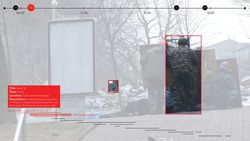
Bradley Samuels présente le travail récent de SITU Research et le rôle joué par la recherche au sein de la pratique de SITU dans son ensemble. Une série d’études de cas sera présentée, explorant le rôle élargi de la pratique architecturale et spatiale à travers un éventail de domaines, des droits humains à la politique publique, de la science de la terre au design(...)
Bradley Samuels présente le travail récent de SITU Research et le rôle joué par la recherche au sein de la pratique de SITU dans son ensemble. Une série d’études de cas sera présentée, explorant le rôle élargi de la pratique architecturale et spatiale à travers un éventail de domaines, des droits humains à la politique publique, de la science de la terre au design(...)
Localisation:
Théâtre Paul-Desmarais
Théâtre Paul-Desmarais
Date:
14 janvier 2016
14 janvier 2016
Titre:
Le rôle élargi: SITU
Actions:
Description:
Bradley Samuels présente le travail récent de SITU Research et le rôle joué par la recherche au sein de la pratique de SITU dans son ensemble. Une série d’études de cas sera présentée, explorant le rôle élargi de la pratique architecturale et spatiale à travers un éventail de domaines, des droits humains à la politique publique, de la science de la terre au design(...)
Le rôle élargi: SITU
Actions:
Description:
Bradley Samuels présente le travail récent de SITU Research et le rôle joué par la recherche au sein de la pratique de SITU dans son ensemble. Une série d’études de cas sera présentée, explorant le rôle élargi de la pratique architecturale et spatiale à travers un éventail de domaines, des droits humains à la politique publique, de la science de la terre au design(...)
Classification:
événements
événements
Date:
14 janvier 2016
14 janvier 2016
Localisation:
Théâtre Paul-Desmarais
Théâtre Paul-Desmarais
Classification:
événements
événements

Titre:
L’enseignement… d’Ordos
L’enseignement… d’Ordos
Actions:
Description:
Dans le nord de la Chine, la ville d’Ordos, riche en ressources charbonnières et gazières, possède un nouveau quartier central dépourvu de résidants. On a dépensé plus de 161 milliards de dollars pour bâtir entièrement à neuf ce nouveau centre-ville sur l’aride steppe mongolienne, et on espère y accueillir plus d’un million d’habitants. Le gouvernement a déclaré qu’à(...)
Dans le nord de la Chine, la ville d’Ordos, riche en ressources charbonnières et gazières, possède un nouveau quartier central dépourvu de résidants. On a dépensé plus de 161 milliards de dollars pour bâtir entièrement à neuf ce nouveau centre-ville sur l’aride steppe mongolienne, et on espère y accueillir plus d’un million d’habitants. Le gouvernement a déclaré qu’à(...)
Localisation:
Théâtre Paul-Desmarais
Théâtre Paul-Desmarais
Date:
8 novembre 2012 , 19h
8 novembre 2012 , 19h
Titre:
L’enseignement… d’Ordos
Actions:
Description:
Dans le nord de la Chine, la ville d’Ordos, riche en ressources charbonnières et gazières, possède un nouveau quartier central dépourvu de résidants. On a dépensé plus de 161 milliards de dollars pour bâtir entièrement à neuf ce nouveau centre-ville sur l’aride steppe mongolienne, et on espère y accueillir plus d’un million d’habitants. Le gouvernement a déclaré qu’à(...)
L’enseignement… d’Ordos
Actions:
Description:
Dans le nord de la Chine, la ville d’Ordos, riche en ressources charbonnières et gazières, possède un nouveau quartier central dépourvu de résidants. On a dépensé plus de 161 milliards de dollars pour bâtir entièrement à neuf ce nouveau centre-ville sur l’aride steppe mongolienne, et on espère y accueillir plus d’un million d’habitants. Le gouvernement a déclaré qu’à(...)
Classification:
événements
événements
Date:
8 novembre 2012
19h
8 novembre 2012
19h
Localisation:
Théâtre Paul-Desmarais
Théâtre Paul-Desmarais
Classification:
documents textuels
documents textuels
Numéro de référence:
ARCH260032
Description:
Proposals in the United States and Canada, including correspondence, concerning: Suffolk County Courthouse; North Carolina State University; Philadelphia World Forum Project (Harborplace Square); Pittsburgh evolving space project; Diker residence, Cannecticut; Rockville, Maryville Treatment Centres; Lincoln Performing Center for the Arts, New York; New York State Urban Development Corporation; 60 Wall Street, New York; New York Trump Tower; West Palm Beach, Florida, Center for the Performing Arts; Russell House, Tacoma Washington (includes colour photos); Tampa, Florida, University Library; Hotel, Vail, Colorado; Addition to Corcoran Gallery, Washington, DC; State Office Building, Columbus, Ohio. Canada: city of Oshawa interior design review; General Motors Head office, Oshawa; Robert McLaughlin Gallery, Oshawa; Roy Thompson Hall; Bank of Canada, Ottawa; National Museum of Man, Ottawa; Saudi Arabian Embassy, Ottawa; Saint Peter's Lutheran Church, Ottawa; Mosque (Saudi Embassy), Ottawa.
ARCH260032
Description:
Proposals in the United States and Canada, including correspondence, concerning: Suffolk County Courthouse; North Carolina State University; Philadelphia World Forum Project (Harborplace Square); Pittsburgh evolving space project; Diker residence, Cannecticut; Rockville, Maryville Treatment Centres; Lincoln Performing Center for the Arts, New York; New York State Urban Development Corporation; 60 Wall Street, New York; New York Trump Tower; West Palm Beach, Florida, Center for the Performing Arts; Russell House, Tacoma Washington (includes colour photos); Tampa, Florida, University Library; Hotel, Vail, Colorado; Addition to Corcoran Gallery, Washington, DC; State Office Building, Columbus, Ohio. Canada: city of Oshawa interior design review; General Motors Head office, Oshawa; Robert McLaughlin Gallery, Oshawa; Roy Thompson Hall; Bank of Canada, Ottawa; National Museum of Man, Ottawa; Saudi Arabian Embassy, Ottawa; Saint Peter's Lutheran Church, Ottawa; Mosque (Saudi Embassy), Ottawa.
Personnes et institutions:
Date:
1980-1986
1980-1986
Titre:
Proposals in the United States and Canada, including correspondence
Actions:
ARCH260032
Description:
Proposals in the United States and Canada, including correspondence, concerning: Suffolk County Courthouse; North Carolina State University; Philadelphia World Forum Project (Harborplace Square); Pittsburgh evolving space project; Diker residence, Cannecticut; Rockville, Maryville Treatment Centres; Lincoln Performing Center for the Arts, New York; New York State Urban Development Corporation; 60 Wall Street, New York; New York Trump Tower; West Palm Beach, Florida, Center for the Performing Arts; Russell House, Tacoma Washington (includes colour photos); Tampa, Florida, University Library; Hotel, Vail, Colorado; Addition to Corcoran Gallery, Washington, DC; State Office Building, Columbus, Ohio. Canada: city of Oshawa interior design review; General Motors Head office, Oshawa; Robert McLaughlin Gallery, Oshawa; Roy Thompson Hall; Bank of Canada, Ottawa; National Museum of Man, Ottawa; Saudi Arabian Embassy, Ottawa; Saint Peter's Lutheran Church, Ottawa; Mosque (Saudi Embassy), Ottawa.
Proposals in the United States and Canada, including correspondence
Actions:
ARCH260032
Description:
Proposals in the United States and Canada, including correspondence, concerning: Suffolk County Courthouse; North Carolina State University; Philadelphia World Forum Project (Harborplace Square); Pittsburgh evolving space project; Diker residence, Cannecticut; Rockville, Maryville Treatment Centres; Lincoln Performing Center for the Arts, New York; New York State Urban Development Corporation; 60 Wall Street, New York; New York Trump Tower; West Palm Beach, Florida, Center for the Performing Arts; Russell House, Tacoma Washington (includes colour photos); Tampa, Florida, University Library; Hotel, Vail, Colorado; Addition to Corcoran Gallery, Washington, DC; State Office Building, Columbus, Ohio. Canada: city of Oshawa interior design review; General Motors Head office, Oshawa; Robert McLaughlin Gallery, Oshawa; Roy Thompson Hall; Bank of Canada, Ottawa; National Museum of Man, Ottawa; Saudi Arabian Embassy, Ottawa; Saint Peter's Lutheran Church, Ottawa; Mosque (Saudi Embassy), Ottawa.
Classification:
documents textuels
documents textuels
Date:
1980-1986
1980-1986
Personnes et institutions:
Classification:
dessins, oeuvres d'art
Quantité:
4 portfolio(s)
dessins, oeuvres d'art
Quantité:
4 portfolio(s)
Actions:
Numéro de référence:
DR1974:0002:030:001-065
Description:
The four portfolios of drawings and prints in this group are entitled: Croquis à placer en papier; Croquis divers; Vues d'Italie; and Croquis arrangement de boutiques, de meubles, et de decorations (DR1974:0002:030:001 - DR1974:0002:030:008; DR1974:0002:030:009 - DR1974:0002:030:030; DR1974:0002:030:031 - DR1974:0002:030:050; DR1974:0002:030:051 - DR1974:0002:030:065. -- Porfolio Croquis à placer en papier, comprises three unidentified topographical views in graphite, a drawing of furnishings from the Palais Matteï, Italy [?], a still life of fruit, and a drawing of an elephant. -- Portfolio Croquis divers, comprises both record and design drawings - ranging from sketches to renderings - of varied subject matter. The record drawings include a rendering of the Hôtel de ville, Brussels, and line drawings of a baldachin and an urban square. The design drawings for buildings and interiors in Classical, Gothic and Exotic Revival styles are probably by Hubert Rohault de Fleury and include: line and finished drawings for a dairy after Jean François Joseph LeCointre; an imaginary church, perhaps inspired by Pugin; and a hôtel on rue de Varennes, Paris. Several drawings and prints depict military subject matter: fortifications after Louis de Cormontaigne, a battery, a cannon, and revolutionary battle scenes, some in Paris. Also included are several drawings of non-architectural subject matter - a coat of arms, perhaps of the Bougainville family, cossack soldiers, a boar hunt, a rock formation and lithographic maps of Istria and Rhodes. -- Portfolio Vues d'Italie, consists of mostly freehand drawings of Italian views and buildings in Paestum, Arezzo, Naples, Rome, Caprarola, Florence, Fidenza, Genoa, and Tivoli. The buildings and urban spaces include: Villa Belvedere, Naples; the Cathedral of Borgo S. Donino; the Temple of Vesta, Tivoli; the Campidoglio, Piazza del Popolo, Palais Maccarani, Arc de Septimus Severus, Ste. Pudenziana, and Baslica of Constantine, all in Rome. The presence of preparatory drawings for some of these views suggests they were intended to be published, either as individual prints or in a book. -- Portfolio Croquis arrangement de boutiques, de meuble et de decorations, comprises mostly finished watercolour drawings for Empire style interiors and furniture, probably designed by Hubert Rohault de Fleury. Also included are an elevation for a storefront for Batton Magasin de Fleurs Fines, drawings for two garden structures, and elevations for classical interiors and mouldings.
DR1974:0002:030:001-065
Description:
The four portfolios of drawings and prints in this group are entitled: Croquis à placer en papier; Croquis divers; Vues d'Italie; and Croquis arrangement de boutiques, de meubles, et de decorations (DR1974:0002:030:001 - DR1974:0002:030:008; DR1974:0002:030:009 - DR1974:0002:030:030; DR1974:0002:030:031 - DR1974:0002:030:050; DR1974:0002:030:051 - DR1974:0002:030:065. -- Porfolio Croquis à placer en papier, comprises three unidentified topographical views in graphite, a drawing of furnishings from the Palais Matteï, Italy [?], a still life of fruit, and a drawing of an elephant. -- Portfolio Croquis divers, comprises both record and design drawings - ranging from sketches to renderings - of varied subject matter. The record drawings include a rendering of the Hôtel de ville, Brussels, and line drawings of a baldachin and an urban square. The design drawings for buildings and interiors in Classical, Gothic and Exotic Revival styles are probably by Hubert Rohault de Fleury and include: line and finished drawings for a dairy after Jean François Joseph LeCointre; an imaginary church, perhaps inspired by Pugin; and a hôtel on rue de Varennes, Paris. Several drawings and prints depict military subject matter: fortifications after Louis de Cormontaigne, a battery, a cannon, and revolutionary battle scenes, some in Paris. Also included are several drawings of non-architectural subject matter - a coat of arms, perhaps of the Bougainville family, cossack soldiers, a boar hunt, a rock formation and lithographic maps of Istria and Rhodes. -- Portfolio Vues d'Italie, consists of mostly freehand drawings of Italian views and buildings in Paestum, Arezzo, Naples, Rome, Caprarola, Florence, Fidenza, Genoa, and Tivoli. The buildings and urban spaces include: Villa Belvedere, Naples; the Cathedral of Borgo S. Donino; the Temple of Vesta, Tivoli; the Campidoglio, Piazza del Popolo, Palais Maccarani, Arc de Septimus Severus, Ste. Pudenziana, and Baslica of Constantine, all in Rome. The presence of preparatory drawings for some of these views suggests they were intended to be published, either as individual prints or in a book. -- Portfolio Croquis arrangement de boutiques, de meuble et de decorations, comprises mostly finished watercolour drawings for Empire style interiors and furniture, probably designed by Hubert Rohault de Fleury. Also included are an elevation for a storefront for Batton Magasin de Fleurs Fines, drawings for two garden structures, and elevations for classical interiors and mouldings.
Personnes et institutions:
Sujet:
architecture, design d'intérieur, ingénierie, militaire, sculpture, topographique, urbanisme
architecture, design d'intérieur, ingénierie, militaire, sculpture, topographique, urbanisme
Date:
printed first half of the 19th century
printed first half of the 19th century
Titre:
Four portfolios of drawings of Italian views, interior designs, Empire style furniture, military subjects, and other diverse subject matter
Actions:
DR1974:0002:030:001-065
Description:
The four portfolios of drawings and prints in this group are entitled: Croquis à placer en papier; Croquis divers; Vues d'Italie; and Croquis arrangement de boutiques, de meubles, et de decorations (DR1974:0002:030:001 - DR1974:0002:030:008; DR1974:0002:030:009 - DR1974:0002:030:030; DR1974:0002:030:031 - DR1974:0002:030:050; DR1974:0002:030:051 - DR1974:0002:030:065. -- Porfolio Croquis à placer en papier, comprises three unidentified topographical views in graphite, a drawing of furnishings from the Palais Matteï, Italy [?], a still life of fruit, and a drawing of an elephant. -- Portfolio Croquis divers, comprises both record and design drawings - ranging from sketches to renderings - of varied subject matter. The record drawings include a rendering of the Hôtel de ville, Brussels, and line drawings of a baldachin and an urban square. The design drawings for buildings and interiors in Classical, Gothic and Exotic Revival styles are probably by Hubert Rohault de Fleury and include: line and finished drawings for a dairy after Jean François Joseph LeCointre; an imaginary church, perhaps inspired by Pugin; and a hôtel on rue de Varennes, Paris. Several drawings and prints depict military subject matter: fortifications after Louis de Cormontaigne, a battery, a cannon, and revolutionary battle scenes, some in Paris. Also included are several drawings of non-architectural subject matter - a coat of arms, perhaps of the Bougainville family, cossack soldiers, a boar hunt, a rock formation and lithographic maps of Istria and Rhodes. -- Portfolio Vues d'Italie, consists of mostly freehand drawings of Italian views and buildings in Paestum, Arezzo, Naples, Rome, Caprarola, Florence, Fidenza, Genoa, and Tivoli. The buildings and urban spaces include: Villa Belvedere, Naples; the Cathedral of Borgo S. Donino; the Temple of Vesta, Tivoli; the Campidoglio, Piazza del Popolo, Palais Maccarani, Arc de Septimus Severus, Ste. Pudenziana, and Baslica of Constantine, all in Rome. The presence of preparatory drawings for some of these views suggests they were intended to be published, either as individual prints or in a book. -- Portfolio Croquis arrangement de boutiques, de meuble et de decorations, comprises mostly finished watercolour drawings for Empire style interiors and furniture, probably designed by Hubert Rohault de Fleury. Also included are an elevation for a storefront for Batton Magasin de Fleurs Fines, drawings for two garden structures, and elevations for classical interiors and mouldings.
Four portfolios of drawings of Italian views, interior designs, Empire style furniture, military subjects, and other diverse subject matter
Actions:
DR1974:0002:030:001-065
Description:
The four portfolios of drawings and prints in this group are entitled: Croquis à placer en papier; Croquis divers; Vues d'Italie; and Croquis arrangement de boutiques, de meubles, et de decorations (DR1974:0002:030:001 - DR1974:0002:030:008; DR1974:0002:030:009 - DR1974:0002:030:030; DR1974:0002:030:031 - DR1974:0002:030:050; DR1974:0002:030:051 - DR1974:0002:030:065. -- Porfolio Croquis à placer en papier, comprises three unidentified topographical views in graphite, a drawing of furnishings from the Palais Matteï, Italy [?], a still life of fruit, and a drawing of an elephant. -- Portfolio Croquis divers, comprises both record and design drawings - ranging from sketches to renderings - of varied subject matter. The record drawings include a rendering of the Hôtel de ville, Brussels, and line drawings of a baldachin and an urban square. The design drawings for buildings and interiors in Classical, Gothic and Exotic Revival styles are probably by Hubert Rohault de Fleury and include: line and finished drawings for a dairy after Jean François Joseph LeCointre; an imaginary church, perhaps inspired by Pugin; and a hôtel on rue de Varennes, Paris. Several drawings and prints depict military subject matter: fortifications after Louis de Cormontaigne, a battery, a cannon, and revolutionary battle scenes, some in Paris. Also included are several drawings of non-architectural subject matter - a coat of arms, perhaps of the Bougainville family, cossack soldiers, a boar hunt, a rock formation and lithographic maps of Istria and Rhodes. -- Portfolio Vues d'Italie, consists of mostly freehand drawings of Italian views and buildings in Paestum, Arezzo, Naples, Rome, Caprarola, Florence, Fidenza, Genoa, and Tivoli. The buildings and urban spaces include: Villa Belvedere, Naples; the Cathedral of Borgo S. Donino; the Temple of Vesta, Tivoli; the Campidoglio, Piazza del Popolo, Palais Maccarani, Arc de Septimus Severus, Ste. Pudenziana, and Baslica of Constantine, all in Rome. The presence of preparatory drawings for some of these views suggests they were intended to be published, either as individual prints or in a book. -- Portfolio Croquis arrangement de boutiques, de meuble et de decorations, comprises mostly finished watercolour drawings for Empire style interiors and furniture, probably designed by Hubert Rohault de Fleury. Also included are an elevation for a storefront for Batton Magasin de Fleurs Fines, drawings for two garden structures, and elevations for classical interiors and mouldings.
Classification:
dessins, oeuvres d'art
Quantité:
4 portfolio(s)
dessins, oeuvres d'art
Quantité:
4 portfolio(s)
Date:
printed first half of the 19th century
printed first half of the 19th century
Personnes et institutions:
Sujet:
architecture, design d'intérieur, ingénierie, militaire, sculpture, topographique, urbanisme
architecture, design d'intérieur, ingénierie, militaire, sculpture, topographique, urbanisme
Niveau de description archivistique:
Série(s)
Série(s)
Numéro de référence:
AP144.S2
Description:
Series documents Cedric Price's projects from his early work in the late 1950s to work dating from the time he founded his own practice in 1960 until 2000. Material includes numerous competition entries, planning and building projects, transportation-related projects, exhibitions, conceptual projects, furniture and interior designs, and monuments, follies, and decorations. Some projects also reflect his teaching, research, lecture and publication activities. Price also worked on several competition juries (see projects Musique, Elephant). Many of Cedric Price's projects in the series are unexecuted. Significant unrealized projects from the 1960s and 1970s include Fun Palace (1961-1974), Potteries Thinkbelt (1963-1967), Oxford Corner House (1965-1966), and Generator (1976-1980). Significant built projects from the same period include the New Aviary (1960-1966), his first major realized project (with Lord Snowdon and Frank Newby), and Inter-Action Centre (1971-1979). Other realized projects include an office building (BTDB Computer, 1968-1973) and restaurant (Blackpool Project, 1971-1975). Planning projects from the 1960s and 1970s include Potteries Thinkbelt, Detroit Think Grid (1969-1971) and Rice University's design charette, Atom (1967). In the 1980s and 1990s, Cedric Price worked on several building proposals including greenhouses (Serre, Serre (2)), museums, galleries, and pavilions (Trafalgar, Pertpavs, Snake), a railway station (Strate (2)), a cultural centre (Tiff), houses (Perthut, Castel), a bus station (Walsall), an aviary (CP Aviary) and office buildings (Domain, Berlin). Planning projects from the same time include parks and cultural complexes, (Parc, South Bank), urban areas, (Strate, Stratton, IFPRI, Haven, Mills), university campuses (Frankfurt, Unibad, Bedford), and rural areas (Stark, Arkage). Transportation-related projects include railways (Strate, Control, Rink), roadways (Stratton) and pedestrian links (Magnet, Halmag, South Bank). Only a few of his projects from that period were executed and those include the renovation projects Congress and SAS 29; a mobile market stall design for Westminster City Council (Westal) for which prototypes were built; a coffee cup design (Crowbar); and building conversion projects Gatard and Juke. Exhibition projects in the series include some devoted to Cedric Price's works (AA Exhibition, Aedes, AFX, Afella), some designed by him (Strike, Food for the Future, Topolski/Waterloo, Ashmole, Mean, AFX), as well as projects designed for exhibition (Citlin, Castel). The series also contains self-financed research and client-less projects, which form a significant part of Cedric Price's practice. Undertaken in anticipation of future clients or new planning needs, they include research into air structures and lightweight enclosures as well as integrated construction and transportation solutions (Trucksafe Air Portable Dock Ahoy), and housing research. South Bank, Magnet, and Duck Land represent a few of the client-less projects. The material in this series documents Cedric Price's work in the United Kingdom, in particular England (the Greater London area, and other areas) and Scotland, Germany, France, Austria, Australia, Japan, the United Arab Emirates, and the United States and other locations such as Canada, Nigeria, and Norway. Major clients include J. Lyons & Co. (Oxford Corner House), David Keddie (Two Tree Island, Southend Roof), Howard Gilman (Generator), British Railways (Strate and Strate (2), and others), the McAlpine family , particularly Alistair McAlpine, and their company Sir Robert McAlpine & Sons Ltd. (McAppy, Perthut, Trafalgar, Pertpavs, Ashmole, Perth, Obeliq, McVance); Établissement Public du Parc de la Villette (Parc, Serre, Serre (2), Musique) and the Canadian Centre for Architecture (IFPRI, Mean). He collaborated with several architects and engineers during the course of his career, his closest association being with engineer Frank Newby and quantity surveyor Douglas Smith. Some of his other collaborators include engineer Max Fordham (Strate (2), Tiff, Berlin), engineering firms Scott Wilson Kirkpatrick and Partners (Stratton, Rink, Control), and Sir Frederick Snow & Partners (South Bank), cybernetician Gordon Pask (Kawasaki/Japnet), architectural firm YRM/Yorke Rosenberg Mardall (Unibad), and architect Richard Rogers (Marman). He also collaborated with members of Archigram on the Trondheim Competition, (1972-1974), and with John and Julia Frazer who provided the computer modelling for Generator. David Price, Cedric Price's brother was the model maker for several projects. The series contains conceptual drawings, design development drawings, reference drawings and maps, presentation drawings (particularly for competitions), and working drawings. A significant amount of textual records are included, especially for projects involving a large amount of research or publicity (Air Structures, Lightweight Enclosures, South Bank, CP Aviary, Stratton), for executed projects, and for the larger unrealized projects like Fun Palace and Generator. Also includes photographic materials of project sites and models. Some models included in the series are made from durable materials (wood, metal, plastic), while others are in-office constructions made out of paper, cardboard and Fome-Cor (TM). Of particular note are the 11 models for Magnet, and a full-size prototype of a market stall for Westal. Series also contains publication layouts, including material for the "Cedric Price Supplement", 'Architectural Design' vols. 40- 42 (1970-1972). Changes in office practice are noted around 1971, evident in the Blackpool Project and later, including the adoption of the metric system, and the creation of working and detail drawings on A4 size paper and filed with textual records (e.g. approximately 300 such drawings are included in the textual records for Blackpool Project). At the same time fewer preamble drawings that relate to site sensing, progress and life-cycle graphs and tables are created for the projects (a common feature from the 1960s), although project progress tables are still used. Of particular interest is material in the Early Work and Miscellaneous Records file (AP144.S2.D1) that relates to office work methods and programmes.
AP144.S2
Description:
Series documents Cedric Price's projects from his early work in the late 1950s to work dating from the time he founded his own practice in 1960 until 2000. Material includes numerous competition entries, planning and building projects, transportation-related projects, exhibitions, conceptual projects, furniture and interior designs, and monuments, follies, and decorations. Some projects also reflect his teaching, research, lecture and publication activities. Price also worked on several competition juries (see projects Musique, Elephant). Many of Cedric Price's projects in the series are unexecuted. Significant unrealized projects from the 1960s and 1970s include Fun Palace (1961-1974), Potteries Thinkbelt (1963-1967), Oxford Corner House (1965-1966), and Generator (1976-1980). Significant built projects from the same period include the New Aviary (1960-1966), his first major realized project (with Lord Snowdon and Frank Newby), and Inter-Action Centre (1971-1979). Other realized projects include an office building (BTDB Computer, 1968-1973) and restaurant (Blackpool Project, 1971-1975). Planning projects from the 1960s and 1970s include Potteries Thinkbelt, Detroit Think Grid (1969-1971) and Rice University's design charette, Atom (1967). In the 1980s and 1990s, Cedric Price worked on several building proposals including greenhouses (Serre, Serre (2)), museums, galleries, and pavilions (Trafalgar, Pertpavs, Snake), a railway station (Strate (2)), a cultural centre (Tiff), houses (Perthut, Castel), a bus station (Walsall), an aviary (CP Aviary) and office buildings (Domain, Berlin). Planning projects from the same time include parks and cultural complexes, (Parc, South Bank), urban areas, (Strate, Stratton, IFPRI, Haven, Mills), university campuses (Frankfurt, Unibad, Bedford), and rural areas (Stark, Arkage). Transportation-related projects include railways (Strate, Control, Rink), roadways (Stratton) and pedestrian links (Magnet, Halmag, South Bank). Only a few of his projects from that period were executed and those include the renovation projects Congress and SAS 29; a mobile market stall design for Westminster City Council (Westal) for which prototypes were built; a coffee cup design (Crowbar); and building conversion projects Gatard and Juke. Exhibition projects in the series include some devoted to Cedric Price's works (AA Exhibition, Aedes, AFX, Afella), some designed by him (Strike, Food for the Future, Topolski/Waterloo, Ashmole, Mean, AFX), as well as projects designed for exhibition (Citlin, Castel). The series also contains self-financed research and client-less projects, which form a significant part of Cedric Price's practice. Undertaken in anticipation of future clients or new planning needs, they include research into air structures and lightweight enclosures as well as integrated construction and transportation solutions (Trucksafe Air Portable Dock Ahoy), and housing research. South Bank, Magnet, and Duck Land represent a few of the client-less projects. The material in this series documents Cedric Price's work in the United Kingdom, in particular England (the Greater London area, and other areas) and Scotland, Germany, France, Austria, Australia, Japan, the United Arab Emirates, and the United States and other locations such as Canada, Nigeria, and Norway. Major clients include J. Lyons & Co. (Oxford Corner House), David Keddie (Two Tree Island, Southend Roof), Howard Gilman (Generator), British Railways (Strate and Strate (2), and others), the McAlpine family , particularly Alistair McAlpine, and their company Sir Robert McAlpine & Sons Ltd. (McAppy, Perthut, Trafalgar, Pertpavs, Ashmole, Perth, Obeliq, McVance); Établissement Public du Parc de la Villette (Parc, Serre, Serre (2), Musique) and the Canadian Centre for Architecture (IFPRI, Mean). He collaborated with several architects and engineers during the course of his career, his closest association being with engineer Frank Newby and quantity surveyor Douglas Smith. Some of his other collaborators include engineer Max Fordham (Strate (2), Tiff, Berlin), engineering firms Scott Wilson Kirkpatrick and Partners (Stratton, Rink, Control), and Sir Frederick Snow & Partners (South Bank), cybernetician Gordon Pask (Kawasaki/Japnet), architectural firm YRM/Yorke Rosenberg Mardall (Unibad), and architect Richard Rogers (Marman). He also collaborated with members of Archigram on the Trondheim Competition, (1972-1974), and with John and Julia Frazer who provided the computer modelling for Generator. David Price, Cedric Price's brother was the model maker for several projects. The series contains conceptual drawings, design development drawings, reference drawings and maps, presentation drawings (particularly for competitions), and working drawings. A significant amount of textual records are included, especially for projects involving a large amount of research or publicity (Air Structures, Lightweight Enclosures, South Bank, CP Aviary, Stratton), for executed projects, and for the larger unrealized projects like Fun Palace and Generator. Also includes photographic materials of project sites and models. Some models included in the series are made from durable materials (wood, metal, plastic), while others are in-office constructions made out of paper, cardboard and Fome-Cor (TM). Of particular note are the 11 models for Magnet, and a full-size prototype of a market stall for Westal. Series also contains publication layouts, including material for the "Cedric Price Supplement", 'Architectural Design' vols. 40- 42 (1970-1972). Changes in office practice are noted around 1971, evident in the Blackpool Project and later, including the adoption of the metric system, and the creation of working and detail drawings on A4 size paper and filed with textual records (e.g. approximately 300 such drawings are included in the textual records for Blackpool Project). At the same time fewer preamble drawings that relate to site sensing, progress and life-cycle graphs and tables are created for the projects (a common feature from the 1960s), although project progress tables are still used. Of particular interest is material in the Early Work and Miscellaneous Records file (AP144.S2.D1) that relates to office work methods and programmes.
Personnes et institutions:
Date:
1903-2003, predominant 1960-2000
1903-2003, predominant 1960-2000
Titre:
Projects
Actions:
AP144.S2
Description:
Series documents Cedric Price's projects from his early work in the late 1950s to work dating from the time he founded his own practice in 1960 until 2000. Material includes numerous competition entries, planning and building projects, transportation-related projects, exhibitions, conceptual projects, furniture and interior designs, and monuments, follies, and decorations. Some projects also reflect his teaching, research, lecture and publication activities. Price also worked on several competition juries (see projects Musique, Elephant). Many of Cedric Price's projects in the series are unexecuted. Significant unrealized projects from the 1960s and 1970s include Fun Palace (1961-1974), Potteries Thinkbelt (1963-1967), Oxford Corner House (1965-1966), and Generator (1976-1980). Significant built projects from the same period include the New Aviary (1960-1966), his first major realized project (with Lord Snowdon and Frank Newby), and Inter-Action Centre (1971-1979). Other realized projects include an office building (BTDB Computer, 1968-1973) and restaurant (Blackpool Project, 1971-1975). Planning projects from the 1960s and 1970s include Potteries Thinkbelt, Detroit Think Grid (1969-1971) and Rice University's design charette, Atom (1967). In the 1980s and 1990s, Cedric Price worked on several building proposals including greenhouses (Serre, Serre (2)), museums, galleries, and pavilions (Trafalgar, Pertpavs, Snake), a railway station (Strate (2)), a cultural centre (Tiff), houses (Perthut, Castel), a bus station (Walsall), an aviary (CP Aviary) and office buildings (Domain, Berlin). Planning projects from the same time include parks and cultural complexes, (Parc, South Bank), urban areas, (Strate, Stratton, IFPRI, Haven, Mills), university campuses (Frankfurt, Unibad, Bedford), and rural areas (Stark, Arkage). Transportation-related projects include railways (Strate, Control, Rink), roadways (Stratton) and pedestrian links (Magnet, Halmag, South Bank). Only a few of his projects from that period were executed and those include the renovation projects Congress and SAS 29; a mobile market stall design for Westminster City Council (Westal) for which prototypes were built; a coffee cup design (Crowbar); and building conversion projects Gatard and Juke. Exhibition projects in the series include some devoted to Cedric Price's works (AA Exhibition, Aedes, AFX, Afella), some designed by him (Strike, Food for the Future, Topolski/Waterloo, Ashmole, Mean, AFX), as well as projects designed for exhibition (Citlin, Castel). The series also contains self-financed research and client-less projects, which form a significant part of Cedric Price's practice. Undertaken in anticipation of future clients or new planning needs, they include research into air structures and lightweight enclosures as well as integrated construction and transportation solutions (Trucksafe Air Portable Dock Ahoy), and housing research. South Bank, Magnet, and Duck Land represent a few of the client-less projects. The material in this series documents Cedric Price's work in the United Kingdom, in particular England (the Greater London area, and other areas) and Scotland, Germany, France, Austria, Australia, Japan, the United Arab Emirates, and the United States and other locations such as Canada, Nigeria, and Norway. Major clients include J. Lyons & Co. (Oxford Corner House), David Keddie (Two Tree Island, Southend Roof), Howard Gilman (Generator), British Railways (Strate and Strate (2), and others), the McAlpine family , particularly Alistair McAlpine, and their company Sir Robert McAlpine & Sons Ltd. (McAppy, Perthut, Trafalgar, Pertpavs, Ashmole, Perth, Obeliq, McVance); Établissement Public du Parc de la Villette (Parc, Serre, Serre (2), Musique) and the Canadian Centre for Architecture (IFPRI, Mean). He collaborated with several architects and engineers during the course of his career, his closest association being with engineer Frank Newby and quantity surveyor Douglas Smith. Some of his other collaborators include engineer Max Fordham (Strate (2), Tiff, Berlin), engineering firms Scott Wilson Kirkpatrick and Partners (Stratton, Rink, Control), and Sir Frederick Snow & Partners (South Bank), cybernetician Gordon Pask (Kawasaki/Japnet), architectural firm YRM/Yorke Rosenberg Mardall (Unibad), and architect Richard Rogers (Marman). He also collaborated with members of Archigram on the Trondheim Competition, (1972-1974), and with John and Julia Frazer who provided the computer modelling for Generator. David Price, Cedric Price's brother was the model maker for several projects. The series contains conceptual drawings, design development drawings, reference drawings and maps, presentation drawings (particularly for competitions), and working drawings. A significant amount of textual records are included, especially for projects involving a large amount of research or publicity (Air Structures, Lightweight Enclosures, South Bank, CP Aviary, Stratton), for executed projects, and for the larger unrealized projects like Fun Palace and Generator. Also includes photographic materials of project sites and models. Some models included in the series are made from durable materials (wood, metal, plastic), while others are in-office constructions made out of paper, cardboard and Fome-Cor (TM). Of particular note are the 11 models for Magnet, and a full-size prototype of a market stall for Westal. Series also contains publication layouts, including material for the "Cedric Price Supplement", 'Architectural Design' vols. 40- 42 (1970-1972). Changes in office practice are noted around 1971, evident in the Blackpool Project and later, including the adoption of the metric system, and the creation of working and detail drawings on A4 size paper and filed with textual records (e.g. approximately 300 such drawings are included in the textual records for Blackpool Project). At the same time fewer preamble drawings that relate to site sensing, progress and life-cycle graphs and tables are created for the projects (a common feature from the 1960s), although project progress tables are still used. Of particular interest is material in the Early Work and Miscellaneous Records file (AP144.S2.D1) that relates to office work methods and programmes.
Projects
Actions:
AP144.S2
Description:
Series documents Cedric Price's projects from his early work in the late 1950s to work dating from the time he founded his own practice in 1960 until 2000. Material includes numerous competition entries, planning and building projects, transportation-related projects, exhibitions, conceptual projects, furniture and interior designs, and monuments, follies, and decorations. Some projects also reflect his teaching, research, lecture and publication activities. Price also worked on several competition juries (see projects Musique, Elephant). Many of Cedric Price's projects in the series are unexecuted. Significant unrealized projects from the 1960s and 1970s include Fun Palace (1961-1974), Potteries Thinkbelt (1963-1967), Oxford Corner House (1965-1966), and Generator (1976-1980). Significant built projects from the same period include the New Aviary (1960-1966), his first major realized project (with Lord Snowdon and Frank Newby), and Inter-Action Centre (1971-1979). Other realized projects include an office building (BTDB Computer, 1968-1973) and restaurant (Blackpool Project, 1971-1975). Planning projects from the 1960s and 1970s include Potteries Thinkbelt, Detroit Think Grid (1969-1971) and Rice University's design charette, Atom (1967). In the 1980s and 1990s, Cedric Price worked on several building proposals including greenhouses (Serre, Serre (2)), museums, galleries, and pavilions (Trafalgar, Pertpavs, Snake), a railway station (Strate (2)), a cultural centre (Tiff), houses (Perthut, Castel), a bus station (Walsall), an aviary (CP Aviary) and office buildings (Domain, Berlin). Planning projects from the same time include parks and cultural complexes, (Parc, South Bank), urban areas, (Strate, Stratton, IFPRI, Haven, Mills), university campuses (Frankfurt, Unibad, Bedford), and rural areas (Stark, Arkage). Transportation-related projects include railways (Strate, Control, Rink), roadways (Stratton) and pedestrian links (Magnet, Halmag, South Bank). Only a few of his projects from that period were executed and those include the renovation projects Congress and SAS 29; a mobile market stall design for Westminster City Council (Westal) for which prototypes were built; a coffee cup design (Crowbar); and building conversion projects Gatard and Juke. Exhibition projects in the series include some devoted to Cedric Price's works (AA Exhibition, Aedes, AFX, Afella), some designed by him (Strike, Food for the Future, Topolski/Waterloo, Ashmole, Mean, AFX), as well as projects designed for exhibition (Citlin, Castel). The series also contains self-financed research and client-less projects, which form a significant part of Cedric Price's practice. Undertaken in anticipation of future clients or new planning needs, they include research into air structures and lightweight enclosures as well as integrated construction and transportation solutions (Trucksafe Air Portable Dock Ahoy), and housing research. South Bank, Magnet, and Duck Land represent a few of the client-less projects. The material in this series documents Cedric Price's work in the United Kingdom, in particular England (the Greater London area, and other areas) and Scotland, Germany, France, Austria, Australia, Japan, the United Arab Emirates, and the United States and other locations such as Canada, Nigeria, and Norway. Major clients include J. Lyons & Co. (Oxford Corner House), David Keddie (Two Tree Island, Southend Roof), Howard Gilman (Generator), British Railways (Strate and Strate (2), and others), the McAlpine family , particularly Alistair McAlpine, and their company Sir Robert McAlpine & Sons Ltd. (McAppy, Perthut, Trafalgar, Pertpavs, Ashmole, Perth, Obeliq, McVance); Établissement Public du Parc de la Villette (Parc, Serre, Serre (2), Musique) and the Canadian Centre for Architecture (IFPRI, Mean). He collaborated with several architects and engineers during the course of his career, his closest association being with engineer Frank Newby and quantity surveyor Douglas Smith. Some of his other collaborators include engineer Max Fordham (Strate (2), Tiff, Berlin), engineering firms Scott Wilson Kirkpatrick and Partners (Stratton, Rink, Control), and Sir Frederick Snow & Partners (South Bank), cybernetician Gordon Pask (Kawasaki/Japnet), architectural firm YRM/Yorke Rosenberg Mardall (Unibad), and architect Richard Rogers (Marman). He also collaborated with members of Archigram on the Trondheim Competition, (1972-1974), and with John and Julia Frazer who provided the computer modelling for Generator. David Price, Cedric Price's brother was the model maker for several projects. The series contains conceptual drawings, design development drawings, reference drawings and maps, presentation drawings (particularly for competitions), and working drawings. A significant amount of textual records are included, especially for projects involving a large amount of research or publicity (Air Structures, Lightweight Enclosures, South Bank, CP Aviary, Stratton), for executed projects, and for the larger unrealized projects like Fun Palace and Generator. Also includes photographic materials of project sites and models. Some models included in the series are made from durable materials (wood, metal, plastic), while others are in-office constructions made out of paper, cardboard and Fome-Cor (TM). Of particular note are the 11 models for Magnet, and a full-size prototype of a market stall for Westal. Series also contains publication layouts, including material for the "Cedric Price Supplement", 'Architectural Design' vols. 40- 42 (1970-1972). Changes in office practice are noted around 1971, evident in the Blackpool Project and later, including the adoption of the metric system, and the creation of working and detail drawings on A4 size paper and filed with textual records (e.g. approximately 300 such drawings are included in the textual records for Blackpool Project). At the same time fewer preamble drawings that relate to site sensing, progress and life-cycle graphs and tables are created for the projects (a common feature from the 1960s), although project progress tables are still used. Of particular interest is material in the Early Work and Miscellaneous Records file (AP144.S2.D1) that relates to office work methods and programmes.
Niveau de description archivistique:
Series
Series
Date:
1903-2003, predominant 1960-2000
1903-2003, predominant 1960-2000
Personnes et institutions:
Classification:
événements
événements
Titre:
À bas les parcs?
À bas les parcs?
Actions:
Description:
Les parcs sont-ils néfastes ? Ces bouts de terrain et maigres plans d’eau que nous séquestrons répondent à un besoin confus de « nature ». Ils contribuent sans doute à notre bonne santé, mais ne servent-ils pas aussi à excuser nos mauvaises habitudes? Les parcs ne sont pas anodins. Dans les villes, les parcs sont des actifs immobiliers et des « commodités » urbaines(...)
Les parcs sont-ils néfastes ? Ces bouts de terrain et maigres plans d’eau que nous séquestrons répondent à un besoin confus de « nature ». Ils contribuent sans doute à notre bonne santé, mais ne servent-ils pas aussi à excuser nos mauvaises habitudes? Les parcs ne sont pas anodins. Dans les villes, les parcs sont des actifs immobiliers et des « commodités » urbaines(...)
Date:
25 mai 2017
25 mai 2017
Titre:
À bas les parcs?
Actions:
Description:
Les parcs sont-ils néfastes ? Ces bouts de terrain et maigres plans d’eau que nous séquestrons répondent à un besoin confus de « nature ». Ils contribuent sans doute à notre bonne santé, mais ne servent-ils pas aussi à excuser nos mauvaises habitudes? Les parcs ne sont pas anodins. Dans les villes, les parcs sont des actifs immobiliers et des « commodités » urbaines(...)
À bas les parcs?
Actions:
Description:
Les parcs sont-ils néfastes ? Ces bouts de terrain et maigres plans d’eau que nous séquestrons répondent à un besoin confus de « nature ». Ils contribuent sans doute à notre bonne santé, mais ne servent-ils pas aussi à excuser nos mauvaises habitudes? Les parcs ne sont pas anodins. Dans les villes, les parcs sont des actifs immobiliers et des « commodités » urbaines(...)
Classification:
événements
événements
Date:
25 mai 2017
25 mai 2017
Classification:
archives
Niveau de description archivistique:
Fonds
archives
Niveau de description archivistique:
Fonds
Titre:
Bernard Tschumi fonds
Bernard Tschumi fonds
Numéro de référence:
AP214
Résumé:
The Bernard Tschumi fonds, dating from approximately 1965-2015, documents the professional activities of Bernard Tschumi including Tschumi’s career in academia and his professional practice as an architect through approximately 75 projects dating from the late 1980s to 2012.
AP214
Résumé:
The Bernard Tschumi fonds, dating from approximately 1965-2015, documents the professional activities of Bernard Tschumi including Tschumi’s career in academia and his professional practice as an architect through approximately 75 projects dating from the late 1980s to 2012.
Personnes et institutions:
Date:
circa 1964-2015
circa 1964-2015
Titre:
Bernard Tschumi fonds
Actions:
AP214
Résumé:
The Bernard Tschumi fonds, dating from approximately 1965-2015, documents the professional activities of Bernard Tschumi including Tschumi’s career in academia and his professional practice as an architect through approximately 75 projects dating from the late 1980s to 2012.
Bernard Tschumi fonds
Actions:
AP214
Résumé:
The Bernard Tschumi fonds, dating from approximately 1965-2015, documents the professional activities of Bernard Tschumi including Tschumi’s career in academia and his professional practice as an architect through approximately 75 projects dating from the late 1980s to 2012.
Classification:
archives
Niveau de description archivistique:
Fonds
archives
Niveau de description archivistique:
Fonds
Date:
circa 1964-2015
circa 1964-2015
Personnes et institutions:
Classification:
événements
événements
Actions:
Description:
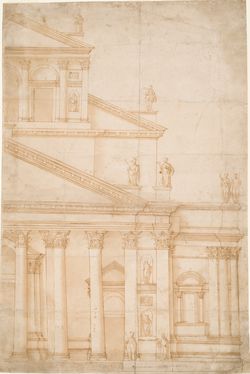
L’histoire de l’architecture traite des relations entre espace, bâtiment, géométrie urbaine et pratiques sociales – elle exprime comment l’expérience de l’espace correspond à une expérience du monde. Cette conférence présentera une analyse du débat qui, au XVIe siècle, a entouré l’achèvement de la façade de la basilique San Petronio à Bologne, construite en partie dans un(...)
L’histoire de l’architecture traite des relations entre espace, bâtiment, géométrie urbaine et pratiques sociales – elle exprime comment l’expérience de l’espace correspond à une expérience du monde. Cette conférence présentera une analyse du débat qui, au XVIe siècle, a entouré l’achèvement de la façade de la basilique San Petronio à Bologne, construite en partie dans un(...)
Localisation:
Théâtre Paul-Desmarais Mot(s)-clé(s):
Guido Beltramini, basilique San Petronio, Bologne, Andrea Palladio, Baldassare Peruzzi, Giacomo da Vignola
Théâtre Paul-Desmarais Mot(s)-clé(s):
Guido Beltramini, basilique San Petronio, Bologne, Andrea Palladio, Baldassare Peruzzi, Giacomo da Vignola
Date:
5 octobre 2017, 18h30
5 octobre 2017, 18h30
Titre:
Guido Beltramini, quel sens avait l’histoire pour les architectes et leurs mécènes à Bologne, en 1579?
Actions:
Description:
L’histoire de l’architecture traite des relations entre espace, bâtiment, géométrie urbaine et pratiques sociales – elle exprime comment l’expérience de l’espace correspond à une expérience du monde. Cette conférence présentera une analyse du débat qui, au XVIe siècle, a entouré l’achèvement de la façade de la basilique San Petronio à Bologne, construite en partie dans un(...)
Guido Beltramini, quel sens avait l’histoire pour les architectes et leurs mécènes à Bologne, en 1579?
Actions:
Description:
L’histoire de l’architecture traite des relations entre espace, bâtiment, géométrie urbaine et pratiques sociales – elle exprime comment l’expérience de l’espace correspond à une expérience du monde. Cette conférence présentera une analyse du débat qui, au XVIe siècle, a entouré l’achèvement de la façade de la basilique San Petronio à Bologne, construite en partie dans un(...)
Classification:
événements
événements
Date:
5 octobre 2017
18h30
5 octobre 2017
18h30
Localisation:
Théâtre Paul-Desmarais Mot(s)-clé(s):
Guido Beltramini, basilique San Petronio, Bologne, Andrea Palladio, Baldassare Peruzzi, Giacomo da Vignola
Théâtre Paul-Desmarais Mot(s)-clé(s):
Guido Beltramini, basilique San Petronio, Bologne, Andrea Palladio, Baldassare Peruzzi, Giacomo da Vignola
Classification:
événements
événements
Titre:
La non-école
La non-école
Actions:
Description:
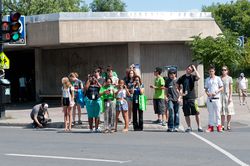
À quoi pourrait ressembler l’école? C’est la question qu’a posée aux étudiants notre conservatrice invitée, Monica Nouwens, au cours du cinquième Camp de jour. Pendant une semaine durant l’été de 2012, les étudiants de La non-école ont exploré les espaces intérieurs et environnants de quelques écoles, et ils ont repoussé les limites de l’appareil photo utilisé comme(...)
À quoi pourrait ressembler l’école? C’est la question qu’a posée aux étudiants notre conservatrice invitée, Monica Nouwens, au cours du cinquième Camp de jour. Pendant une semaine durant l’été de 2012, les étudiants de La non-école ont exploré les espaces intérieurs et environnants de quelques écoles, et ils ont repoussé les limites de l’appareil photo utilisé comme(...)
Date:
30 juillet 2012 au 3 août 2012
30 juillet 2012 au 3 août 2012
Titre:
La non-école
Actions:
Description:
À quoi pourrait ressembler l’école? C’est la question qu’a posée aux étudiants notre conservatrice invitée, Monica Nouwens, au cours du cinquième Camp de jour. Pendant une semaine durant l’été de 2012, les étudiants de La non-école ont exploré les espaces intérieurs et environnants de quelques écoles, et ils ont repoussé les limites de l’appareil photo utilisé comme(...)
La non-école
Actions:
Description:
À quoi pourrait ressembler l’école? C’est la question qu’a posée aux étudiants notre conservatrice invitée, Monica Nouwens, au cours du cinquième Camp de jour. Pendant une semaine durant l’été de 2012, les étudiants de La non-école ont exploré les espaces intérieurs et environnants de quelques écoles, et ils ont repoussé les limites de l’appareil photo utilisé comme(...)
Classification:
événements
événements
Date:
30 juillet 2012 au
3 août 2012
30 juillet 2012 au
3 août 2012


