


2654 Résultats
Classification:
livres
livres
Actions:
Exemplaires:
Description:
701 pages : illustrations (some color) ; 30 cm
Description:
701 pages : illustrations (some color) ; 30 cm
Auteur:
Sujet:
Publication:
Bologna : MAST ; Milano : Electa, [2015], ©2015
Bologna : MAST ; Milano : Electa, [2015], ©2015
Titre:
Masterworks of industrial photography : exhibitions 2013-2014 Mast Foundation = Capolavori della fotografia industriale : mostre 2013-2014 Fondazione Mast / redazione, Federica Tommasi.
Actions:
Exemplaires:
Description:
701 pages : illustrations (some color) ; 30 cm
Masterworks of industrial photography : exhibitions 2013-2014 Mast Foundation = Capolavori della fotografia industriale : mostre 2013-2014 Fondazione Mast / redazione, Federica Tommasi.
Actions:
Exemplaires:
Description:
701 pages : illustrations (some color) ; 30 cm
Classification:
livres
livres
Publication:
Bologna : MAST ; Milano : Electa, [2015], ©2015
Bologna : MAST ; Milano : Electa, [2015], ©2015
Auteur:
Sujet:
Classification:
livres
livres
Exemplaires:
Description:
xxviii, 1139 pages : illustrations ; 25 cm
Description:
xxviii, 1139 pages : illustrations ; 25 cm
Auteur:
Sujet:
Publication:
New York : Carroll & Graf, 1998.
New York : Carroll & Graf, 1998.
Titre:
Faust's metropolis : a history of Berlin / Alexandra Richie.
Actions:
Exemplaires:
Description:
xxviii, 1139 pages : illustrations ; 25 cm
Faust's metropolis : a history of Berlin / Alexandra Richie.
Actions:
Exemplaires:
Description:
xxviii, 1139 pages : illustrations ; 25 cm
Classification:
livres
livres
Publication:
New York : Carroll & Graf, 1998.
New York : Carroll & Graf, 1998.
Auteur:
Sujet:
Classification:
livres
livres
Titre:
Art lessons : learning from the rise and fall of public arts funding / Alice Goldfarb Marquis.
Art lessons : learning from the rise and fall of public arts funding / Alice Goldfarb Marquis.
Actions:
Exemplaires:
Description:
x, 304 pages ; 24 cm
Description:
x, 304 pages ; 24 cm
Auteur:
Sujet:
Publication:
New York : BasicBooks, ©1995.
New York : BasicBooks, ©1995.
Titre:
Art lessons : learning from the rise and fall of public arts funding / Alice Goldfarb Marquis.
Actions:
Exemplaires:
Description:
x, 304 pages ; 24 cm
Art lessons : learning from the rise and fall of public arts funding / Alice Goldfarb Marquis.
Actions:
Exemplaires:
Description:
x, 304 pages ; 24 cm
Classification:
livres
livres
Publication:
New York : BasicBooks, ©1995.
New York : BasicBooks, ©1995.
Auteur:
Sujet:
Classification:
livres
livres
Actions:
Prix:
$68.95
(disponible sur commande)
Résumé:
Ambitious and interdisciplinary, "Moscow vanguard art: 1922-1992 tells the story of generations of artists who resisted Soviet dictates on aesthetics, spanning the Russian avant-garde, socialist realism, and Soviet postwar art in one volume. Drawing on art history, criticism, and political theory, Margarita Tupitsyn unites these three epochs, mapping their differences and(...)
$68.95
(disponible sur commande)
Résumé:
Ambitious and interdisciplinary, "Moscow vanguard art: 1922-1992 tells the story of generations of artists who resisted Soviet dictates on aesthetics, spanning the Russian avant-garde, socialist realism, and Soviet postwar art in one volume. Drawing on art history, criticism, and political theory, Margarita Tupitsyn unites these three epochs, mapping their differences and(...)
Publication:
août 2017
août 2017
Titre:
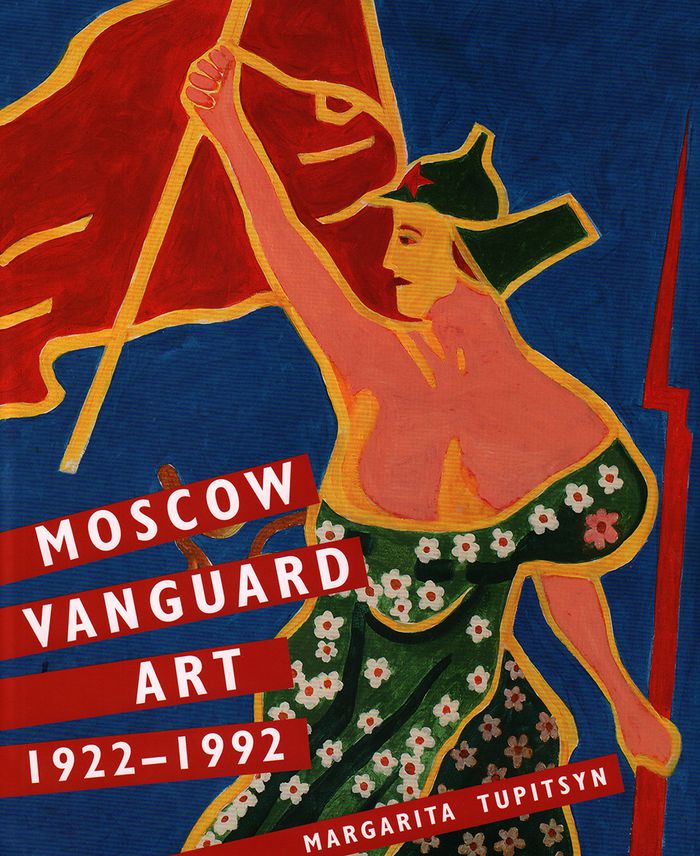
Moscow vanguard art : 1922-1992
Actions:
Prix:
$68.95
(disponible sur commande)
Résumé:
Ambitious and interdisciplinary, "Moscow vanguard art: 1922-1992 tells the story of generations of artists who resisted Soviet dictates on aesthetics, spanning the Russian avant-garde, socialist realism, and Soviet postwar art in one volume. Drawing on art history, criticism, and political theory, Margarita Tupitsyn unites these three epochs, mapping their differences and commonalities, ultimately reconnecting the postwar vanguard with the historical avant-garde. With a focus on Moscow artists, the book chronicles how this milieu achieved institutional and financial independence, and reflects on the theoretical and visual models it generated in various media, including painting, photography, conceptual, performance, and installation art. Generously illustrated, this ground-breaking volume, published in the year that marks the centennial of the October Revolution, demonstrates that, regardless of political repression, the spirit of artistic experiment never ceased to exist in the Soviet Union.
Moscow vanguard art : 1922-1992
Actions:
Prix:
$68.95
(disponible sur commande)
Résumé:
Ambitious and interdisciplinary, "Moscow vanguard art: 1922-1992 tells the story of generations of artists who resisted Soviet dictates on aesthetics, spanning the Russian avant-garde, socialist realism, and Soviet postwar art in one volume. Drawing on art history, criticism, and political theory, Margarita Tupitsyn unites these three epochs, mapping their differences and commonalities, ultimately reconnecting the postwar vanguard with the historical avant-garde. With a focus on Moscow artists, the book chronicles how this milieu achieved institutional and financial independence, and reflects on the theoretical and visual models it generated in various media, including painting, photography, conceptual, performance, and installation art. Generously illustrated, this ground-breaking volume, published in the year that marks the centennial of the October Revolution, demonstrates that, regardless of political repression, the spirit of artistic experiment never ceased to exist in the Soviet Union.
Classification:
livres
livres
Publication:
août 2017
août 2017
Classification:
livres
livres
Titre:
Eco/structure Red Dwellings
Eco/structure Red Dwellings
Actions:
Prix:
$60.00
(disponible sur commande)
Résumé:
This volume comprises the latest photography of musician and photographer Wang Di, best known for his photo-documentation of punk rock in China in the 1990s. In this series, the approach is the same, raw photographic documents of 'red dwellings' - remnants from a Soviet past. Wang Di's photography focuses on the distinctive Soviet style of architecture in Beijing from the(...)
$60.00
(disponible sur commande)
Résumé:
This volume comprises the latest photography of musician and photographer Wang Di, best known for his photo-documentation of punk rock in China in the 1990s. In this series, the approach is the same, raw photographic documents of 'red dwellings' - remnants from a Soviet past. Wang Di's photography focuses on the distinctive Soviet style of architecture in Beijing from the(...)
Titre:
Eco/structure Red Dwellings
Actions:
Prix:
$60.00
(disponible sur commande)
Résumé:
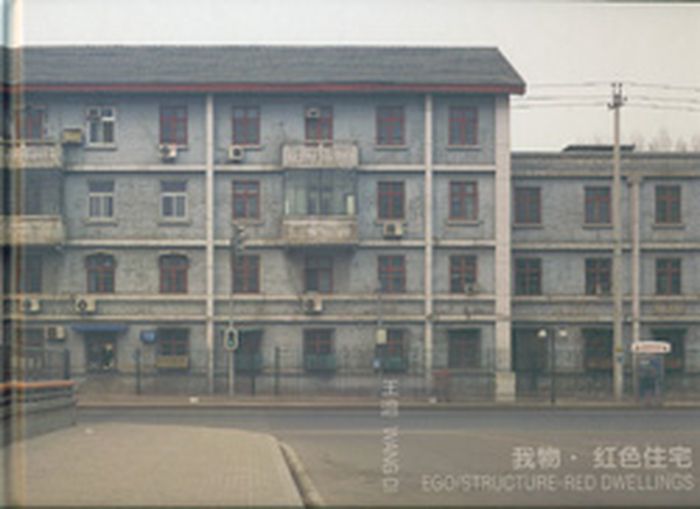
This volume comprises the latest photography of musician and photographer Wang Di, best known for his photo-documentation of punk rock in China in the 1990s. In this series, the approach is the same, raw photographic documents of 'red dwellings' - remnants from a Soviet past. Wang Di's photography focuses on the distinctive Soviet style of architecture in Beijing from the 50's to the 70's, both interiors and exteriors. The Russian style architecture reflects the particular social condition of the period.
Eco/structure Red Dwellings
Actions:
Prix:
$60.00
(disponible sur commande)
Résumé:
This volume comprises the latest photography of musician and photographer Wang Di, best known for his photo-documentation of punk rock in China in the 1990s. In this series, the approach is the same, raw photographic documents of 'red dwellings' - remnants from a Soviet past. Wang Di's photography focuses on the distinctive Soviet style of architecture in Beijing from the 50's to the 70's, both interiors and exteriors. The Russian style architecture reflects the particular social condition of the period.
Classification:
livres
livres
Publication:
juillet 2009, Beijing
juillet 2009, Beijing
Sujet:
Théorie de la photographie
Théorie de la photographie
Classification:
livres
livres
Titre:
The golden calf
The golden calf
Actions:
Prix:
$23.95
(disponible sur commande)
Résumé:
Ostap Bender, the "grand strategist," is a con man on the make in the Soviet Union during the New Economic Policy (NEP) period. He's obsessed with getting one last big score—a few hundred thousand will do—and heading for Rio de Janeiro, where there are "a million and a half people, all of them wearing white pants, without exception." When Bender hears the story of(...)
$23.95
(disponible sur commande)
Résumé:
Ostap Bender, the "grand strategist," is a con man on the make in the Soviet Union during the New Economic Policy (NEP) period. He's obsessed with getting one last big score—a few hundred thousand will do—and heading for Rio de Janeiro, where there are "a million and a half people, all of them wearing white pants, without exception." When Bender hears the story of(...)
Titre:
The golden calf
Actions:
Prix:
$23.95
(disponible sur commande)
Résumé:
Ostap Bender, the "grand strategist," is a con man on the make in the Soviet Union during the New Economic Policy (NEP) period. He's obsessed with getting one last big score—a few hundred thousand will do—and heading for Rio de Janeiro, where there are "a million and a half people, all of them wearing white pants, without exception." When Bender hears the story of Alexandr Koreiko, an "undercover millionaire"—no Soviet citizen was allowed to openly hoard so much capital—the chase is on. Koreiko has made his millions by taking advantage of the wide-spread corruption and utter chaos of the NEP, all while serving quietly as an accountant at a government office and living on 46 rubles a month. He's just waiting for the Soviet regime to collapse so he can make use of his stash, which he keeps hidden away in a suitcase.
The golden calf
Actions:
Prix:
$23.95
(disponible sur commande)
Résumé:
Ostap Bender, the "grand strategist," is a con man on the make in the Soviet Union during the New Economic Policy (NEP) period. He's obsessed with getting one last big score—a few hundred thousand will do—and heading for Rio de Janeiro, where there are "a million and a half people, all of them wearing white pants, without exception." When Bender hears the story of Alexandr Koreiko, an "undercover millionaire"—no Soviet citizen was allowed to openly hoard so much capital—the chase is on. Koreiko has made his millions by taking advantage of the wide-spread corruption and utter chaos of the NEP, all while serving quietly as an accountant at a government office and living on 46 rubles a month. He's just waiting for the Soviet regime to collapse so he can make use of his stash, which he keeps hidden away in a suitcase.
Classification:
livres
livres
Publication:
décembre 2009
décembre 2009
Sujet:
Expositions en cours
Expositions en cours
Classification:
livres
livres
Actions:
Prix:
$69.95
(disponible sur commande)
Résumé:
An extraordinary double world of Soviet drudgery Juxtaposed with sex and beauty, created by Boris Mikhailov, one of the most Influential photographers from the former Soviet Union Previously unpublished due to artistic restrictions imposed during the Communist era, this is a unique and highly collectible object, formed of 52 colour tableaux printed on separate unbound(...)
$69.95
(disponible sur commande)
Résumé:
An extraordinary double world of Soviet drudgery Juxtaposed with sex and beauty, created by Boris Mikhailov, one of the most Influential photographers from the former Soviet Union Previously unpublished due to artistic restrictions imposed during the Communist era, this is a unique and highly collectible object, formed of 52 colour tableaux printed on separate unbound(...)
Titre:
Boris Mikhailov: yesterday's sandwich
Actions:
Prix:
$69.95
(disponible sur commande)
Résumé:
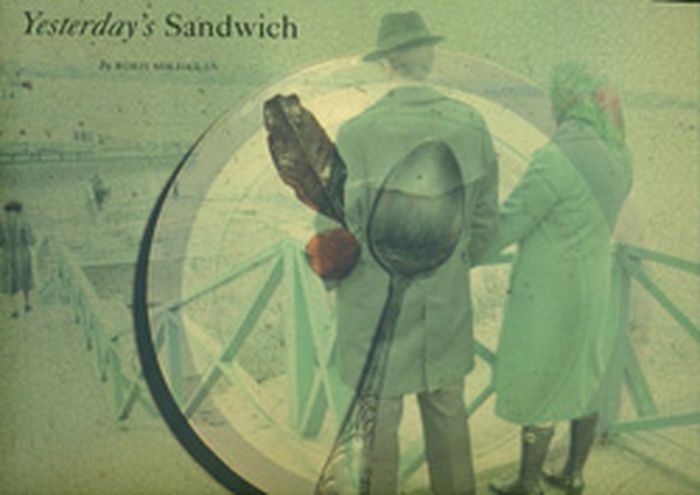
An extraordinary double world of Soviet drudgery Juxtaposed with sex and beauty, created by Boris Mikhailov, one of the most Influential photographers from the former Soviet Union Previously unpublished due to artistic restrictions imposed during the Communist era, this is a unique and highly collectible object, formed of 52 colour tableaux printed on separate unbound boards and enclosed within a specially created folder and slip case Yesterday's Sandwich embodies Mikhailov's role as artist, documentary photographer and social observer demonstrating his rich imagination and practical solutions for survival in an unstable society
Boris Mikhailov: yesterday's sandwich
Actions:
Prix:
$69.95
(disponible sur commande)
Résumé:
An extraordinary double world of Soviet drudgery Juxtaposed with sex and beauty, created by Boris Mikhailov, one of the most Influential photographers from the former Soviet Union Previously unpublished due to artistic restrictions imposed during the Communist era, this is a unique and highly collectible object, formed of 52 colour tableaux printed on separate unbound boards and enclosed within a specially created folder and slip case Yesterday's Sandwich embodies Mikhailov's role as artist, documentary photographer and social observer demonstrating his rich imagination and practical solutions for survival in an unstable society
Classification:
livres
livres
Publication:
février 2009
février 2009
Classification:
livres
livres
Actions:
Prix:
$62.50
(disponible sur commande)
Résumé:
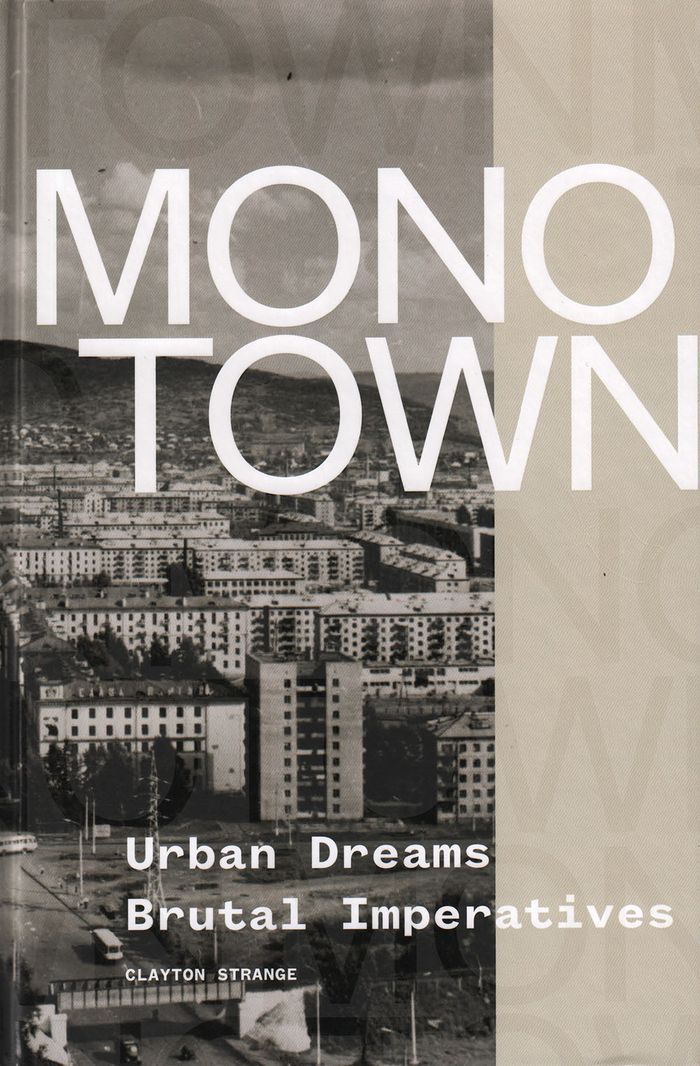
'Monotown: Urban Dreams Brutal Imperatives' examines the post-industrial transformation and transnational legacy of planned single-industry towns which emerged as a distinctive sociopolitical project of urbanization in the Soviet Union during the 1920s.
$62.50
(disponible sur commande)
Résumé:
'Monotown: Urban Dreams Brutal Imperatives' examines the post-industrial transformation and transnational legacy of planned single-industry towns which emerged as a distinctive sociopolitical project of urbanization in the Soviet Union during the 1920s.
Publication:
octobre 2019
octobre 2019
Titre:
Monotown: Urban dreams, brutal imperatives
Actions:
Prix:
$62.50
(disponible sur commande)
Résumé:
'Monotown: Urban Dreams Brutal Imperatives' examines the post-industrial transformation and transnational legacy of planned single-industry towns which emerged as a distinctive sociopolitical project of urbanization in the Soviet Union during the 1920s.
Monotown: Urban dreams, brutal imperatives
Actions:
Prix:
$62.50
(disponible sur commande)
Résumé:
'Monotown: Urban Dreams Brutal Imperatives' examines the post-industrial transformation and transnational legacy of planned single-industry towns which emerged as a distinctive sociopolitical project of urbanization in the Soviet Union during the 1920s.
Classification:
livres
livres
Publication:
octobre 2019
octobre 2019
Classification:
livres
livres
Actions:
Prix:
$44.95
(disponible en magasin)
Résumé:
In 1935, well into the era of Soviet communism, Russian satirical writers Ilya Ilf and Evgeny Petrov came to the U.S as special correspondents for the Russian newspaper ''Pravda.'' They drove cross-country and back on a ten-week trip, recording images of American life through humerous texts and the lens of a Leica camera. When they returned home, they published their work(...)
$44.95
(disponible en magasin)
Résumé:
In 1935, well into the era of Soviet communism, Russian satirical writers Ilya Ilf and Evgeny Petrov came to the U.S as special correspondents for the Russian newspaper ''Pravda.'' They drove cross-country and back on a ten-week trip, recording images of American life through humerous texts and the lens of a Leica camera. When they returned home, they published their work(...)
Titre:
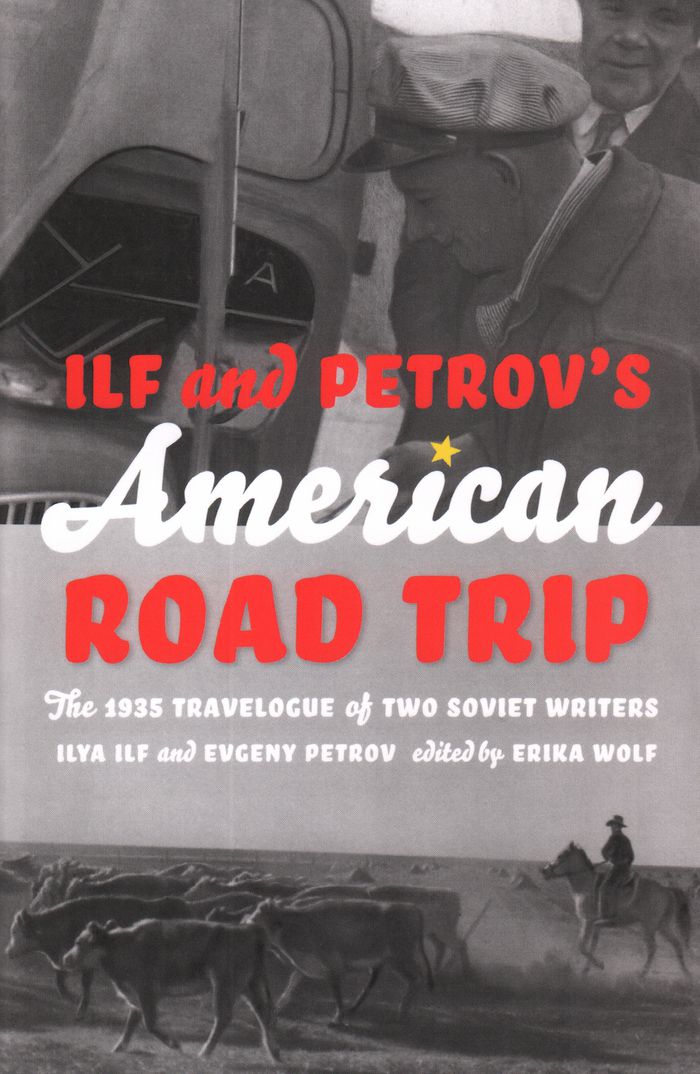
Ilf and Petrov's American road trip
Actions:
Prix:
$44.95
(disponible en magasin)
Résumé:
In 1935, well into the era of Soviet communism, Russian satirical writers Ilya Ilf and Evgeny Petrov came to the U.S as special correspondents for the Russian newspaper ''Pravda.'' They drove cross-country and back on a ten-week trip, recording images of American life through humerous texts and the lens of a Leica camera. When they returned home, they published their work in ''Ogonek,'' the Soviet equivalent of ''Time'' magazine, and later in the book ''Odnoetazhnaia Amerika'' (''Single-Storied America''). This wonderful lost workfilled with wry observations, biting opinions, and telling photographsis now collected in ''Ilf and Petrov's American Road Trip,'' the first English translation.
Ilf and Petrov's American road trip
Actions:
Prix:
$44.95
(disponible en magasin)
Résumé:
In 1935, well into the era of Soviet communism, Russian satirical writers Ilya Ilf and Evgeny Petrov came to the U.S as special correspondents for the Russian newspaper ''Pravda.'' They drove cross-country and back on a ten-week trip, recording images of American life through humerous texts and the lens of a Leica camera. When they returned home, they published their work in ''Ogonek,'' the Soviet equivalent of ''Time'' magazine, and later in the book ''Odnoetazhnaia Amerika'' (''Single-Storied America''). This wonderful lost workfilled with wry observations, biting opinions, and telling photographsis now collected in ''Ilf and Petrov's American Road Trip,'' the first English translation.
Classification:
livres
livres
Publication:
août 2013
août 2013
Sujet:
Trajets
Trajets
Classification:
livres
livres
Prix:
$77.95
(disponible sur commande)
Résumé:
Built in 1969, Metsamor, Armenia (then the Armenian Soviet Socialist Republic), was intended as a settlement for employees of a nearby nuclear power plant to be completed between 1976 and 1980. But the power plant would never realize the ambitions of its creators. In 1988, an earthquake caused the facility to be shut down. In 1989, the collapse of the Soviet Union(...)
$77.95
(disponible sur commande)
Résumé:
Built in 1969, Metsamor, Armenia (then the Armenian Soviet Socialist Republic), was intended as a settlement for employees of a nearby nuclear power plant to be completed between 1976 and 1980. But the power plant would never realize the ambitions of its creators. In 1988, an earthquake caused the facility to be shut down. In 1989, the collapse of the Soviet Union(...)
Sujet:
Théorie de l’architecture
Théorie de l’architecture
Publication:
septembre 2018
septembre 2018
Titre:
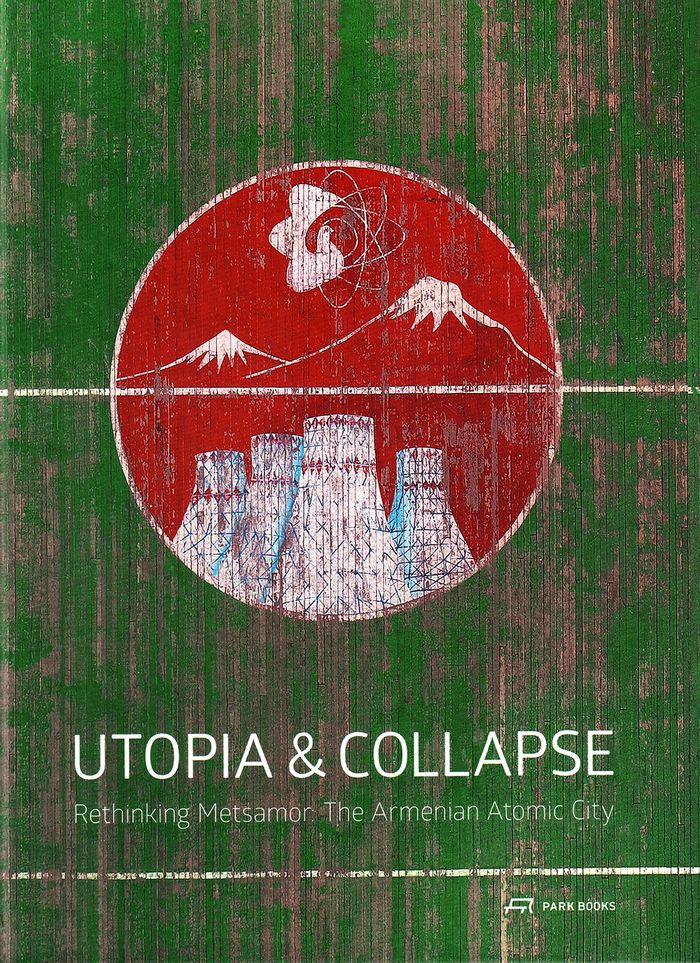
Utopia and collapse: rethinking Metsamor, the Armenian atomic city
Actions:
Prix:
$77.95
(disponible sur commande)
Résumé:
Built in 1969, Metsamor, Armenia (then the Armenian Soviet Socialist Republic), was intended as a settlement for employees of a nearby nuclear power plant to be completed between 1976 and 1980. But the power plant would never realize the ambitions of its creators. In 1988, an earthquake caused the facility to be shut down. In 1989, the collapse of the Soviet Union prompted a complete construction freeze. The symbol of the dream of a technologically advanced nation, Metsamor remained incomplete and fell into decay undiminished by the recommissioning of the power plant in 1995. "Utopia and Collapse" documents the rise and fall of Metsamor.
Utopia and collapse: rethinking Metsamor, the Armenian atomic city
Actions:
Prix:
$77.95
(disponible sur commande)
Résumé:
Built in 1969, Metsamor, Armenia (then the Armenian Soviet Socialist Republic), was intended as a settlement for employees of a nearby nuclear power plant to be completed between 1976 and 1980. But the power plant would never realize the ambitions of its creators. In 1988, an earthquake caused the facility to be shut down. In 1989, the collapse of the Soviet Union prompted a complete construction freeze. The symbol of the dream of a technologically advanced nation, Metsamor remained incomplete and fell into decay undiminished by the recommissioning of the power plant in 1995. "Utopia and Collapse" documents the rise and fall of Metsamor.
Classification:
livres
livres
Publication:
septembre 2018
septembre 2018
Sujet:
Théorie de l’architecture
Théorie de l’architecture


