


2692 Résultats
Classification:
livres
livres
Actions:
Prix:
$54.00
(disponible sur commande)
Résumé:
Scandinavia is famous for its design culture, and for its pioneering efforts toward a sustainable future. In this volume, Kjetil Fallan shows how these two forces came together in the late 1960s and early 1970s, when Scandinavian designers began to question the endless cycle in which designed objects are produced, consumed, discarded, and replaced in quick succession. The(...)
$54.00
(disponible sur commande)
Résumé:
Scandinavia is famous for its design culture, and for its pioneering efforts toward a sustainable future. In this volume, Kjetil Fallan shows how these two forces came together in the late 1960s and early 1970s, when Scandinavian designers began to question the endless cycle in which designed objects are produced, consumed, discarded, and replaced in quick succession. The(...)
Titre:
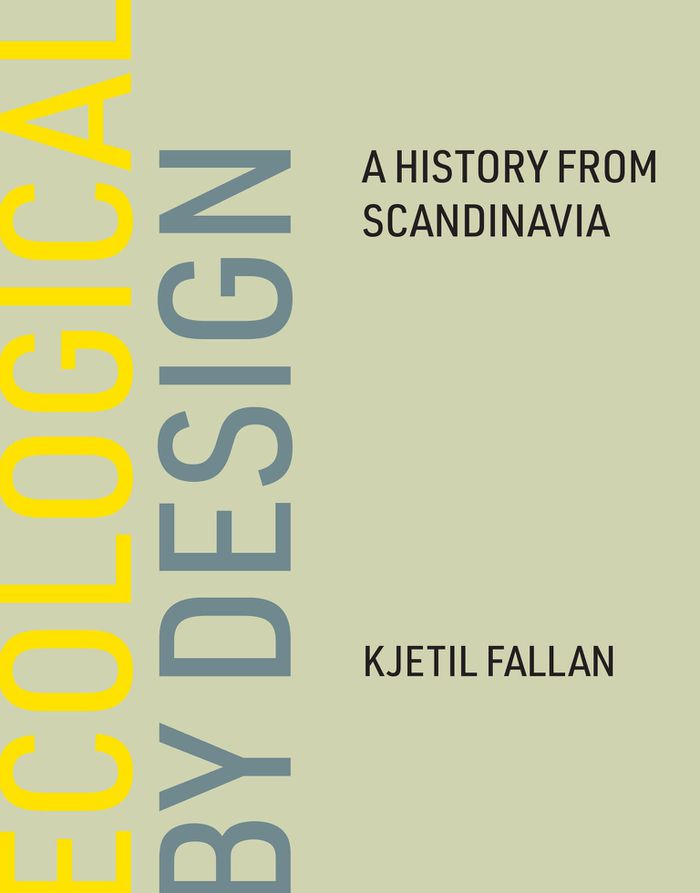
Ecological by design: A history from Scandinavia
Actions:
Prix:
$54.00
(disponible sur commande)
Résumé:
Scandinavia is famous for its design culture, and for its pioneering efforts toward a sustainable future. In this volume, Kjetil Fallan shows how these two forces came together in the late 1960s and early 1970s, when Scandinavian designers began to question the endless cycle in which designed objects are produced, consumed, discarded, and replaced in quick succession. The emergence of ecological design in Scandinavia at the height of the popular environmental movement, Fallan suggests, illuminates a little-known reciprocity between environmentalism and design: not only did design play a role in the rise of modern environmentalism, but ecological thinking influenced the transformation in design culture in Scandinavia and beyond that began as the modernist faith in progress and prosperity waned.
Ecological by design: A history from Scandinavia
Actions:
Prix:
$54.00
(disponible sur commande)
Résumé:
Scandinavia is famous for its design culture, and for its pioneering efforts toward a sustainable future. In this volume, Kjetil Fallan shows how these two forces came together in the late 1960s and early 1970s, when Scandinavian designers began to question the endless cycle in which designed objects are produced, consumed, discarded, and replaced in quick succession. The emergence of ecological design in Scandinavia at the height of the popular environmental movement, Fallan suggests, illuminates a little-known reciprocity between environmentalism and design: not only did design play a role in the rise of modern environmentalism, but ecological thinking influenced the transformation in design culture in Scandinavia and beyond that began as the modernist faith in progress and prosperity waned.
Classification:
livres
livres
Publication:
novembre 2022
novembre 2022
Sujet:
Théorie du design
Théorie du design
Classification:
livres
livres
Titre:
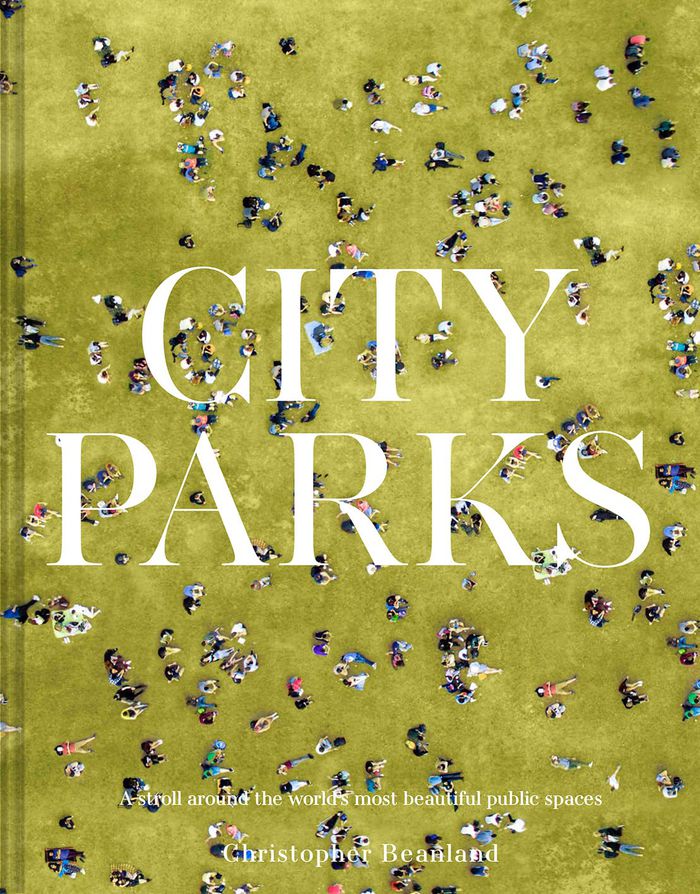
City parks
City parks
Actions:
Prix:
$47.00
(disponible sur commande)
Résumé:
This illustrated book tells the fascinating stories of fifty of the world’s most interesting and innovative parks and the people who use them. The pandemic brought into sharp relief what city dwellers already realized: parks are an absolutely essential part of modern life. Featured here are the storied greats such as Central Park in New York and Hyde Park in London (and(...)
$47.00
(disponible sur commande)
Résumé:
This illustrated book tells the fascinating stories of fifty of the world’s most interesting and innovative parks and the people who use them. The pandemic brought into sharp relief what city dwellers already realized: parks are an absolutely essential part of modern life. Featured here are the storied greats such as Central Park in New York and Hyde Park in London (and(...)
Titre:
City parks
Actions:
Prix:
$47.00
(disponible sur commande)
Résumé:
This illustrated book tells the fascinating stories of fifty of the world’s most interesting and innovative parks and the people who use them. The pandemic brought into sharp relief what city dwellers already realized: parks are an absolutely essential part of modern life. Featured here are the storied greats such as Central Park in New York and Hyde Park in London (and Sydney!). But the book also takes us to the Philippines and Australia and around the world to showcase the most historic and most interesting, the newest and most cutting-edge parks that mix the best of nature and architecture.The book explores what can be found in the parks, why they are important, and how parks respond to their environments.
City parks
Actions:
Prix:
$47.00
(disponible sur commande)
Résumé:
This illustrated book tells the fascinating stories of fifty of the world’s most interesting and innovative parks and the people who use them. The pandemic brought into sharp relief what city dwellers already realized: parks are an absolutely essential part of modern life. Featured here are the storied greats such as Central Park in New York and Hyde Park in London (and Sydney!). But the book also takes us to the Philippines and Australia and around the world to showcase the most historic and most interesting, the newest and most cutting-edge parks that mix the best of nature and architecture.The book explores what can be found in the parks, why they are important, and how parks respond to their environments.
Classification:
livres
livres
Publication:
avril 2023
avril 2023
Sujet:
Paysages urbains
Paysages urbains
Classification:
livres
livres
Titre:
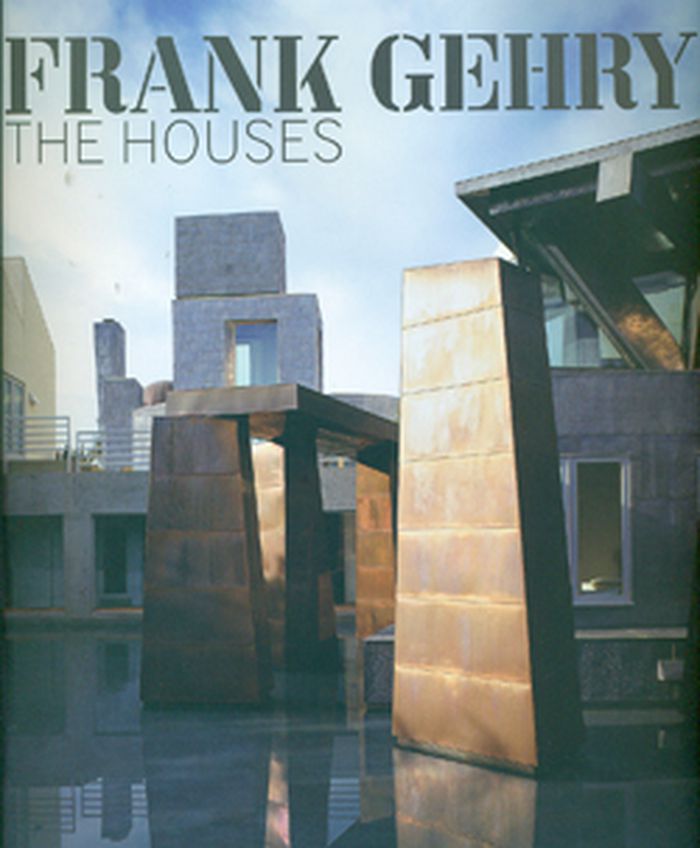
Frank Gehry: the houses
Frank Gehry: the houses
Actions:
Prix:
$104.00
(disponible sur commande)
Résumé:
Frank Gehry has revolutionized the use of materials in design and redefined how architects use computers as a design tool to advance form-making as we know it. He has achieved worldwide fame for such large-scale public projects as the Guggenheim Museum in Bilbao, Spain, and the Walt Disney Concert Hall in Los Angeles, California, but it was in private houses that Gehry(...)
$104.00
(disponible sur commande)
Résumé:
Frank Gehry has revolutionized the use of materials in design and redefined how architects use computers as a design tool to advance form-making as we know it. He has achieved worldwide fame for such large-scale public projects as the Guggenheim Museum in Bilbao, Spain, and the Walt Disney Concert Hall in Los Angeles, California, but it was in private houses that Gehry(...)
Titre:
Frank Gehry: the houses
Actions:
Prix:
$104.00
(disponible sur commande)
Résumé:
Frank Gehry has revolutionized the use of materials in design and redefined how architects use computers as a design tool to advance form-making as we know it. He has achieved worldwide fame for such large-scale public projects as the Guggenheim Museum in Bilbao, Spain, and the Walt Disney Concert Hall in Los Angeles, California, but it was in private houses that Gehry first explored and interrogated the principles of modern architecture. In these houses—most notably his own, in Santa Monica, Gehry distorted, expanded, and collapsed the modernist box, exploring everyday materials experimenting with color, and challenging accepted notions about geometry and structure. Color photographs, sketches, and plans create an illuminating visual record of some of the most groundbreaking, seminal projects of Gehry’s oeuvre.
Frank Gehry: the houses
Actions:
Prix:
$104.00
(disponible sur commande)
Résumé:
Frank Gehry has revolutionized the use of materials in design and redefined how architects use computers as a design tool to advance form-making as we know it. He has achieved worldwide fame for such large-scale public projects as the Guggenheim Museum in Bilbao, Spain, and the Walt Disney Concert Hall in Los Angeles, California, but it was in private houses that Gehry first explored and interrogated the principles of modern architecture. In these houses—most notably his own, in Santa Monica, Gehry distorted, expanded, and collapsed the modernist box, exploring everyday materials experimenting with color, and challenging accepted notions about geometry and structure. Color photographs, sketches, and plans create an illuminating visual record of some of the most groundbreaking, seminal projects of Gehry’s oeuvre.
Classification:
livres
livres
Publication:
octobre 2009
octobre 2009
Sujet:
Architecture, monographies
Architecture, monographies
Classification:
livres
livres
Prix:
$58.95
(disponible sur commande)
Résumé:
In the years of reconstruction and economic boom that followed the Second World War, the domestic sphere encountered new expectations regarding social behaviour, modes of living, and forms of dwelling. This book brings together an international group of scholars from architecture, design, urban planning, and interior design to reappraise mid-twentieth century modern life,(...)
$58.95
(disponible sur commande)
Résumé:
In the years of reconstruction and economic boom that followed the Second World War, the domestic sphere encountered new expectations regarding social behaviour, modes of living, and forms of dwelling. This book brings together an international group of scholars from architecture, design, urban planning, and interior design to reappraise mid-twentieth century modern life,(...)
Titre:
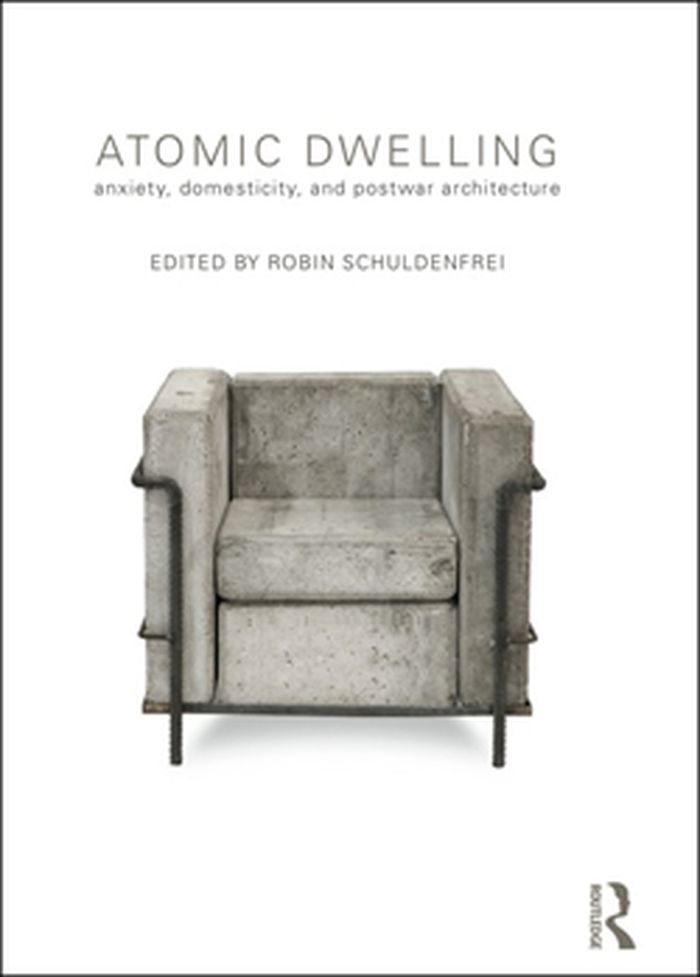
Atomic dwelling: anxiety, domesticity, and postwar architecture
Actions:
Prix:
$58.95
(disponible sur commande)
Résumé:
In the years of reconstruction and economic boom that followed the Second World War, the domestic sphere encountered new expectations regarding social behaviour, modes of living, and forms of dwelling. This book brings together an international group of scholars from architecture, design, urban planning, and interior design to reappraise mid-twentieth century modern life, offering a timely reassessment of culture and the economic and political effects on civilian life. This collection contains essays that examine the material of art, objects, and spaces in the context of practices of dwelling over the long span of the postwar period. It asks what role material objects, interior spaces, and architecture played in quelling or fanning the anxieties of modernism’s ordinary denizens, and how this role informs their legacy today.
Atomic dwelling: anxiety, domesticity, and postwar architecture
Actions:
Prix:
$58.95
(disponible sur commande)
Résumé:
In the years of reconstruction and economic boom that followed the Second World War, the domestic sphere encountered new expectations regarding social behaviour, modes of living, and forms of dwelling. This book brings together an international group of scholars from architecture, design, urban planning, and interior design to reappraise mid-twentieth century modern life, offering a timely reassessment of culture and the economic and political effects on civilian life. This collection contains essays that examine the material of art, objects, and spaces in the context of practices of dwelling over the long span of the postwar period. It asks what role material objects, interior spaces, and architecture played in quelling or fanning the anxieties of modernism’s ordinary denizens, and how this role informs their legacy today.
Classification:
livres
livres
Publication:
mai 2012
mai 2012
Sujet:
Théorie de l’architecture
Théorie de l’architecture
Classification:
livres
livres
Titre:
From cliché to archetype
From cliché to archetype
Actions:
Prix:
$27.95
(disponible sur commande)
Résumé:
In this publication, readers learn how to look at stale clichés with fresh eyes, as artists do, and discover that clichés provide the key to understanding Modernism, from the puns of James Joyce to Ionesco’s Theater of the Absurd. McLuhan mines the greats of modern literature, such as Yeats, Eliot, and Pound, and points the way to richer understanding of their work.(...)
$27.95
(disponible sur commande)
Résumé:
In this publication, readers learn how to look at stale clichés with fresh eyes, as artists do, and discover that clichés provide the key to understanding Modernism, from the puns of James Joyce to Ionesco’s Theater of the Absurd. McLuhan mines the greats of modern literature, such as Yeats, Eliot, and Pound, and points the way to richer understanding of their work.(...)
Titre:
From cliché to archetype
Actions:
Prix:
$27.95
(disponible sur commande)
Résumé:
In this publication, readers learn how to look at stale clichés with fresh eyes, as artists do, and discover that clichés provide the key to understanding Modernism, from the puns of James Joyce to Ionesco’s Theater of the Absurd. McLuhan mines the greats of modern literature, such as Yeats, Eliot, and Pound, and points the way to richer understanding of their work. Discussion ranges over conventional topics of literary analysis such as genres, esthetics, rhetoric, paradox, mimesis, and parody, though never in conventional fashion, because McLuhan deliberately stakes his turf in a manner that draws technology and culture together. As a result, the key terms cliché and archetype are not confined to language but are shown to have counterparts in the non-linguistic world.
From cliché to archetype
Actions:
Prix:
$27.95
(disponible sur commande)
Résumé:
In this publication, readers learn how to look at stale clichés with fresh eyes, as artists do, and discover that clichés provide the key to understanding Modernism, from the puns of James Joyce to Ionesco’s Theater of the Absurd. McLuhan mines the greats of modern literature, such as Yeats, Eliot, and Pound, and points the way to richer understanding of their work. Discussion ranges over conventional topics of literary analysis such as genres, esthetics, rhetoric, paradox, mimesis, and parody, though never in conventional fashion, because McLuhan deliberately stakes his turf in a manner that draws technology and culture together. As a result, the key terms cliché and archetype are not confined to language but are shown to have counterparts in the non-linguistic world.
Classification:
livres
livres
Publication:
janvier 2012
janvier 2012
Sujet:
Théorie/ philosophie
Théorie/ philosophie
Classification:
livres
livres
Actions:
Prix:
$49.95
(disponible sur commande)
Résumé:
Louis Kahn' National Assembly building in Dhaka, the capital of Bangladesh, is regarded by many as his greatest masterpiece and one of the wonders of modern architecture.The octagonal main Parliament building is framed by eight hostel blocks--all built in local red brick, lawns and an artificial lake symbolizing the significance of water in Bangladesh.The striking(...)
$49.95
(disponible sur commande)
Résumé:
Louis Kahn' National Assembly building in Dhaka, the capital of Bangladesh, is regarded by many as his greatest masterpiece and one of the wonders of modern architecture.The octagonal main Parliament building is framed by eight hostel blocks--all built in local red brick, lawns and an artificial lake symbolizing the significance of water in Bangladesh.The striking(...)
Sujet:
Architecture, monographies
Architecture, monographies
Publication:
juin 2014
juin 2014
Titre:
Louis Kahn: house of the nation
Actions:
Prix:
$49.95
(disponible sur commande)
Résumé:
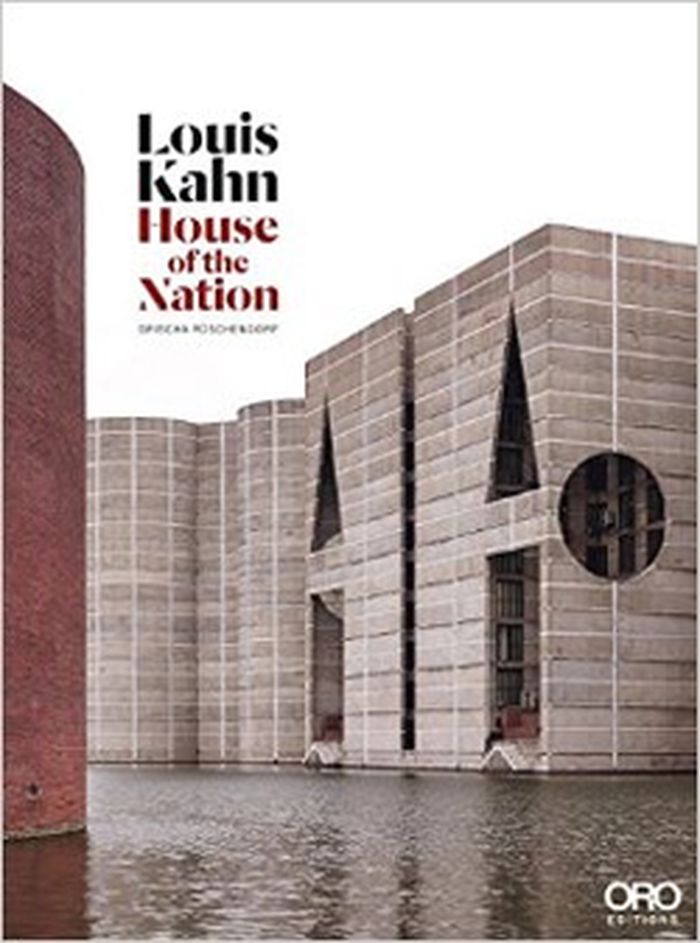
Louis Kahn' National Assembly building in Dhaka, the capital of Bangladesh, is regarded by many as his greatest masterpiece and one of the wonders of modern architecture.The octagonal main Parliament building is framed by eight hostel blocks--all built in local red brick, lawns and an artificial lake symbolizing the significance of water in Bangladesh.The striking simplicity of the exterior, consisting of only concrete and bands of inlaid marble, is broken up by a variety of recessed geometric shapes which create hollow spaces to allow for sunlight and air to circulate the entire building complex. Grischa Rüschendorf’s stunning architectural photos, some depicting so far unseen areas, invite you to explore the rarely visited building, and how this timeless masterpiece has stood the test of time.
Louis Kahn: house of the nation
Actions:
Prix:
$49.95
(disponible sur commande)
Résumé:
Louis Kahn' National Assembly building in Dhaka, the capital of Bangladesh, is regarded by many as his greatest masterpiece and one of the wonders of modern architecture.The octagonal main Parliament building is framed by eight hostel blocks--all built in local red brick, lawns and an artificial lake symbolizing the significance of water in Bangladesh.The striking simplicity of the exterior, consisting of only concrete and bands of inlaid marble, is broken up by a variety of recessed geometric shapes which create hollow spaces to allow for sunlight and air to circulate the entire building complex. Grischa Rüschendorf’s stunning architectural photos, some depicting so far unseen areas, invite you to explore the rarely visited building, and how this timeless masterpiece has stood the test of time.
Classification:
livres
livres
Publication:
juin 2014
juin 2014
Sujet:
Architecture, monographies
Architecture, monographies
Classification:
livres
livres
Actions:
Prix:
$56.95
(disponible sur commande)
Résumé:
Film noir remains one of the most enduring legacies of 1940's and 1950's Hollywood. Populated by double-crossing, unsavory characters, this pioneering film style explored a shadow side of American life during a period of tremendous prosperity and optimism. Edward Dimendberg compellingly demonstrates how film noir is preoccupied with modernity, particularly the urban(...)
$56.95
(disponible sur commande)
Résumé:
Film noir remains one of the most enduring legacies of 1940's and 1950's Hollywood. Populated by double-crossing, unsavory characters, this pioneering film style explored a shadow side of American life during a period of tremendous prosperity and optimism. Edward Dimendberg compellingly demonstrates how film noir is preoccupied with modernity, particularly the urban(...)
Publication:
avril 2004, Cambridge, Mass.
avril 2004, Cambridge, Mass.
Titre:
Film noir and the spaces of modernity
Actions:
Prix:
$56.95
(disponible sur commande)
Résumé:
Film noir remains one of the most enduring legacies of 1940's and 1950's Hollywood. Populated by double-crossing, unsavory characters, this pioneering film style explored a shadow side of American life during a period of tremendous prosperity and optimism. Edward Dimendberg compellingly demonstrates how film noir is preoccupied with modernity, particularly the urban landscape. The originality of Dimendberg's approach lies in his examining these films in tandem with historical developments in architecture, city planning, and modern communications systems. He confirms that noir is not simply a reflection of modernity but a virtual continuation of the spaces of the metropolis. He convincingly shows that Hollywood's dark thrillers of the postwar decades were determined by the same forces that shaped the city itself. Exploring classic examples of film noir such as "The Asphalt Jungle", "Double Indemnity", "Kiss Me Deadly", and "The Naked City" alongside many lesser-known works, Dimendberg masterfully interweaves film history and urban history while perceptively analyzing works by Raymond Chandler, Edward Hopper, Siegfried Kracauer, and Henri Lefebvre. A bold intervention in cultural studies and a major contribution to film history, Film Noir and the Spaces of Modernity will provoke debate by cinema scholars, urban historians, and students of modern culture - and will captivate admirers of a vital period in American cinema.
Film noir and the spaces of modernity
Actions:
Prix:
$56.95
(disponible sur commande)
Résumé:
Film noir remains one of the most enduring legacies of 1940's and 1950's Hollywood. Populated by double-crossing, unsavory characters, this pioneering film style explored a shadow side of American life during a period of tremendous prosperity and optimism. Edward Dimendberg compellingly demonstrates how film noir is preoccupied with modernity, particularly the urban landscape. The originality of Dimendberg's approach lies in his examining these films in tandem with historical developments in architecture, city planning, and modern communications systems. He confirms that noir is not simply a reflection of modernity but a virtual continuation of the spaces of the metropolis. He convincingly shows that Hollywood's dark thrillers of the postwar decades were determined by the same forces that shaped the city itself. Exploring classic examples of film noir such as "The Asphalt Jungle", "Double Indemnity", "Kiss Me Deadly", and "The Naked City" alongside many lesser-known works, Dimendberg masterfully interweaves film history and urban history while perceptively analyzing works by Raymond Chandler, Edward Hopper, Siegfried Kracauer, and Henri Lefebvre. A bold intervention in cultural studies and a major contribution to film history, Film Noir and the Spaces of Modernity will provoke debate by cinema scholars, urban historians, and students of modern culture - and will captivate admirers of a vital period in American cinema.
Classification:
livres
livres
Publication:
avril 2004, Cambridge, Mass.
avril 2004, Cambridge, Mass.
Classification:
livres
livres
Actions:
Prix:
$45.00
(disponible sur commande)
Résumé:
In this book, Richard Hill examines the many-faceted relationship between aesthetic theory and architecture. Grounding his arguments in the practical issues related to building - the demands of site, materials, labor force, the nature of the commission - Hill expands our understanding and enjoyment of architecture. The book opens with an analysis of the relationship(...)
$45.00
(disponible sur commande)
Résumé:
In this book, Richard Hill examines the many-faceted relationship between aesthetic theory and architecture. Grounding his arguments in the practical issues related to building - the demands of site, materials, labor force, the nature of the commission - Hill expands our understanding and enjoyment of architecture. The book opens with an analysis of the relationship(...)
Titre:
Designs and their consequences
Actions:
Prix:
$45.00
(disponible sur commande)
Résumé:
In this book, Richard Hill examines the many-faceted relationship between aesthetic theory and architecture. Grounding his arguments in the practical issues related to building - the demands of site, materials, labor force, the nature of the commission - Hill expands our understanding and enjoyment of architecture. The book opens with an analysis of the relationship between buildings, drawings, and designs. Hill suggests that architectural drawings are essentially pictures of physical objects, although initially they may be imagined ones, and he considers the implications of this for architects and builders. He discusses the notion of "architectural experience" that has been important in the development of modern architecture, and the notion of "seeing as" that has been developed for other visual arts and that illuminates a range of architectural meaning. Asking how architecture can be expressive of a range of human states and qualities, Hill tests the idea that our ability to see the expressive aspects of buildings relates to our ability to see meaning in the faces and demeanor of other people. In the final section of the book, the author focuses on modern architecture's central aim to deepen the connection between usefulness and design, explores recent intense criticism of this outlook, and assesses the strengths and weaknesses of this body of criticism.
Designs and their consequences
Actions:
Prix:
$45.00
(disponible sur commande)
Résumé:
In this book, Richard Hill examines the many-faceted relationship between aesthetic theory and architecture. Grounding his arguments in the practical issues related to building - the demands of site, materials, labor force, the nature of the commission - Hill expands our understanding and enjoyment of architecture. The book opens with an analysis of the relationship between buildings, drawings, and designs. Hill suggests that architectural drawings are essentially pictures of physical objects, although initially they may be imagined ones, and he considers the implications of this for architects and builders. He discusses the notion of "architectural experience" that has been important in the development of modern architecture, and the notion of "seeing as" that has been developed for other visual arts and that illuminates a range of architectural meaning. Asking how architecture can be expressive of a range of human states and qualities, Hill tests the idea that our ability to see the expressive aspects of buildings relates to our ability to see meaning in the faces and demeanor of other people. In the final section of the book, the author focuses on modern architecture's central aim to deepen the connection between usefulness and design, explores recent intense criticism of this outlook, and assesses the strengths and weaknesses of this body of criticism.
Classification:
livres
livres
Publication:
août 1999, New Haven
août 1999, New Haven
Sujet:
Théorie de l’architecture
Théorie de l’architecture
Classification:
livres
livres
Prix:
$49.95
(disponible sur commande)
Résumé:
"Last Landscapes" is an exploration of the cult and celebration of death, loss and memory. It traces the history and design of burial places throughout Europe and the USA, ranging from the picturesque tradition of the village churchyard to tightly packed ‘cities of the dead’, such as the Jewish Cemetery in Prague and Père Lachaise in Paris. Other landscapes that feature(...)
$49.95
(disponible sur commande)
Résumé:
"Last Landscapes" is an exploration of the cult and celebration of death, loss and memory. It traces the history and design of burial places throughout Europe and the USA, ranging from the picturesque tradition of the village churchyard to tightly packed ‘cities of the dead’, such as the Jewish Cemetery in Prague and Père Lachaise in Paris. Other landscapes that feature(...)
Titre:
Last landscapes : the architecture of the cemetery in the west
Actions:
Prix:
$49.95
(disponible sur commande)
Résumé:
"Last Landscapes" is an exploration of the cult and celebration of death, loss and memory. It traces the history and design of burial places throughout Europe and the USA, ranging from the picturesque tradition of the village churchyard to tightly packed ‘cities of the dead’, such as the Jewish Cemetery in Prague and Père Lachaise in Paris. Other landscapes that feature in this book include the war cemeteries of northern France, Viking burial islands in central Sweden, Etruscan tombs and early Christian catacombs in Italy, the 17th-century Portuguese–Jewish cemetery 'Beth Haim' at Ouderkerk in the Netherlands, Forest Lawns in California, Derek Jarman’s garden in Kent and the Stockholm Woodland Cemetery. It is a fact that architecture ‘began with the tomb', yet, as Ken Worpole shows us in Last Landscapes, many historic cemeteries have been demolished or abandoned in recent times (notably the case with Jewish cemeteries in Eastern Europe), and there has been an increasing loss of inscription and memorialization in the modern urban cemetery. Too often cemeteries today are both poorly designed and physically and culturally marginalized. Worse, cremation denies a full architectural response to the mystery and solemnity of death. The author explores how modes of disposal – burial, cremation, inhumation in mausoleums and wall tombs – vary across Europe and North America, according to religious and other cultural influences. And Last Landscapes raises profound questions as to how, in an age of mass cremation, architects and landscape designers might create meaningful structures and settings in the absence of a body, since for most of history the human body itself has provided the fundamental structural scale. This evocative book also contemplates other forms of memorialization within modern societies, from sculptures to parks, most notably the extraordinary Duisberg Park, set in a former giant steelworks in Germany’s Ruhr Valley.
Last landscapes : the architecture of the cemetery in the west
Actions:
Prix:
$49.95
(disponible sur commande)
Résumé:
"Last Landscapes" is an exploration of the cult and celebration of death, loss and memory. It traces the history and design of burial places throughout Europe and the USA, ranging from the picturesque tradition of the village churchyard to tightly packed ‘cities of the dead’, such as the Jewish Cemetery in Prague and Père Lachaise in Paris. Other landscapes that feature in this book include the war cemeteries of northern France, Viking burial islands in central Sweden, Etruscan tombs and early Christian catacombs in Italy, the 17th-century Portuguese–Jewish cemetery 'Beth Haim' at Ouderkerk in the Netherlands, Forest Lawns in California, Derek Jarman’s garden in Kent and the Stockholm Woodland Cemetery. It is a fact that architecture ‘began with the tomb', yet, as Ken Worpole shows us in Last Landscapes, many historic cemeteries have been demolished or abandoned in recent times (notably the case with Jewish cemeteries in Eastern Europe), and there has been an increasing loss of inscription and memorialization in the modern urban cemetery. Too often cemeteries today are both poorly designed and physically and culturally marginalized. Worse, cremation denies a full architectural response to the mystery and solemnity of death. The author explores how modes of disposal – burial, cremation, inhumation in mausoleums and wall tombs – vary across Europe and North America, according to religious and other cultural influences. And Last Landscapes raises profound questions as to how, in an age of mass cremation, architects and landscape designers might create meaningful structures and settings in the absence of a body, since for most of history the human body itself has provided the fundamental structural scale. This evocative book also contemplates other forms of memorialization within modern societies, from sculptures to parks, most notably the extraordinary Duisberg Park, set in a former giant steelworks in Germany’s Ruhr Valley.
Classification:
livres
livres
Publication:
juin 2003, London
juin 2003, London
Sujet:
Jardins
Jardins
Classification:
livres
livres
Actions:
Prix:
$45.00
(disponible sur commande)
Résumé:
From the summer of 1933 to the fall of 1934, more than 38 million fairgoers visited a 3-mile stretch along Lake Michigan, home to Chicago’s second World’s Fair. Millions more experienced the Century of Progress International Exposition through newspaper and magazine articles, newsreels, and souvenirs. Together, all marveled at the industrial, scientific, consumer, and(...)
$45.00
(disponible sur commande)
Résumé:
From the summer of 1933 to the fall of 1934, more than 38 million fairgoers visited a 3-mile stretch along Lake Michigan, home to Chicago’s second World’s Fair. Millions more experienced the Century of Progress International Exposition through newspaper and magazine articles, newsreels, and souvenirs. Together, all marveled at the industrial, scientific, consumer, and(...)
Publication:
août 2007, Minneapolis, London
août 2007, Minneapolis, London
Titre:
Building a century of progress : the architecture of Chicago's 1933-34 World's Fair
Actions:
Prix:
$45.00
(disponible sur commande)
Résumé:
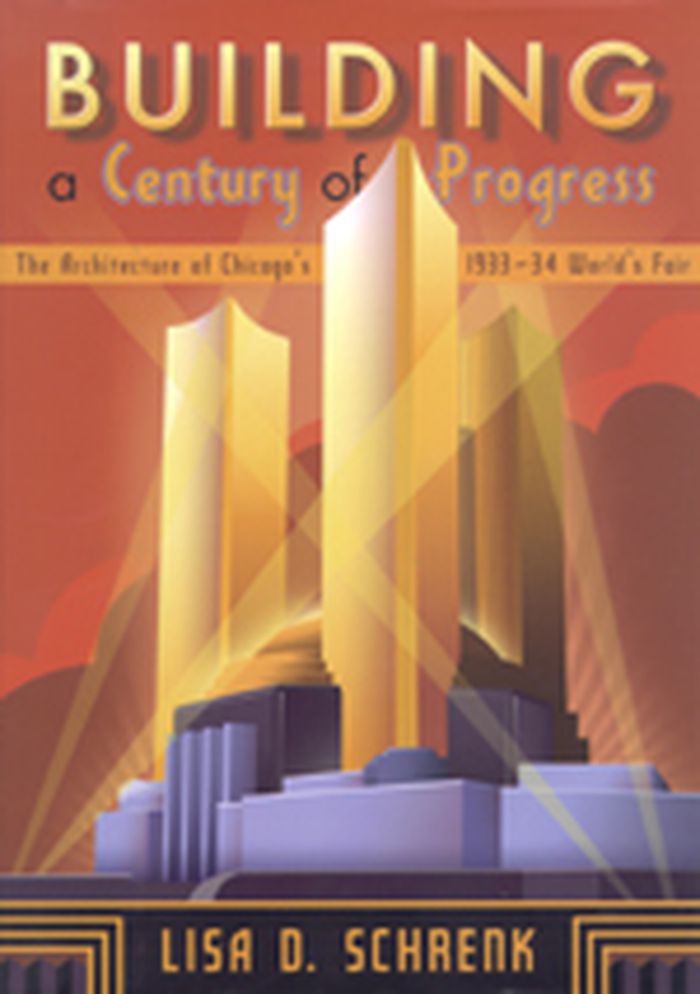
From the summer of 1933 to the fall of 1934, more than 38 million fairgoers visited a 3-mile stretch along Lake Michigan, home to Chicago’s second World’s Fair. Millions more experienced the Century of Progress International Exposition through newspaper and magazine articles, newsreels, and souvenirs. Together, all marveled at the industrial, scientific, consumer, and cultural displays, many of which were housed in fifty massive and colorful exhibition halls, the largest architectural project realized in the United States during the Great Depression. In the richly illustrated "Building a century of progress", Lisa D. Schrenk explores the pivotal role of the 1933 Chicago World’s Fair in modern American architecture. She recounts how the exposition’s architectural commission promoted a broad definition of modern architecture, not relying on purely aesthetic characteristics but instead focusing on new design solutions. The fair’s pavilions incorporated recently introduced building materials such as masonite and gypsum board; structural innovations (for example, the first thin-shell concrete roof and the first suspended roof structures built in the United States); and new construction processes, most notably the use of prefabrication. They also featured curiosities like the giant, constantly operating mayonnaise maker and the glass-walled House of Tomorrow, which had no operable windows. Schrenk shows how the halls’ designs reflected cultural and political developments of the period, including the expanding relationships between science, industry, and government; the rise of a corporate consumer culture; and the impact of the Great Depression. Many of the designs provoked intense responses from critics and other prominent architects, including Frank Lloyd Wright and Ralph Adams Cram, fueling heated debates over the appropriate direction for architecture in the United States. Demonstrating the rich diversity of progressive American building design seen at the fair, this book captures a crucial moment in American modernism.
Building a century of progress : the architecture of Chicago's 1933-34 World's Fair
Actions:
Prix:
$45.00
(disponible sur commande)
Résumé:
From the summer of 1933 to the fall of 1934, more than 38 million fairgoers visited a 3-mile stretch along Lake Michigan, home to Chicago’s second World’s Fair. Millions more experienced the Century of Progress International Exposition through newspaper and magazine articles, newsreels, and souvenirs. Together, all marveled at the industrial, scientific, consumer, and cultural displays, many of which were housed in fifty massive and colorful exhibition halls, the largest architectural project realized in the United States during the Great Depression. In the richly illustrated "Building a century of progress", Lisa D. Schrenk explores the pivotal role of the 1933 Chicago World’s Fair in modern American architecture. She recounts how the exposition’s architectural commission promoted a broad definition of modern architecture, not relying on purely aesthetic characteristics but instead focusing on new design solutions. The fair’s pavilions incorporated recently introduced building materials such as masonite and gypsum board; structural innovations (for example, the first thin-shell concrete roof and the first suspended roof structures built in the United States); and new construction processes, most notably the use of prefabrication. They also featured curiosities like the giant, constantly operating mayonnaise maker and the glass-walled House of Tomorrow, which had no operable windows. Schrenk shows how the halls’ designs reflected cultural and political developments of the period, including the expanding relationships between science, industry, and government; the rise of a corporate consumer culture; and the impact of the Great Depression. Many of the designs provoked intense responses from critics and other prominent architects, including Frank Lloyd Wright and Ralph Adams Cram, fueling heated debates over the appropriate direction for architecture in the United States. Demonstrating the rich diversity of progressive American building design seen at the fair, this book captures a crucial moment in American modernism.
Classification:
livres
livres
Publication:
août 2007, Minneapolis, London
août 2007, Minneapolis, London


