


2576 Résultats
Classification:
livres
livres
Prix:
$47.00
(disponible sur commande)
Résumé:
Roads to Power tells the story of how Britain built the first nation connected by infrastructure, how a libertarian revolution destroyed a national economy, and how technology caused strangers to stop speaking. In early eighteenth-century Britain, nothing but dirt track ran between most towns. By 1848 the primitive roads were transformed into a network of highways(...)
$47.00
(disponible sur commande)
Résumé:
Roads to Power tells the story of how Britain built the first nation connected by infrastructure, how a libertarian revolution destroyed a national economy, and how technology caused strangers to stop speaking. In early eighteenth-century Britain, nothing but dirt track ran between most towns. By 1848 the primitive roads were transformed into a network of highways(...)
Titre:
Roads to power: Britain invents the infrastructure state
Actions:
Prix:
$47.00
(disponible sur commande)
Résumé:
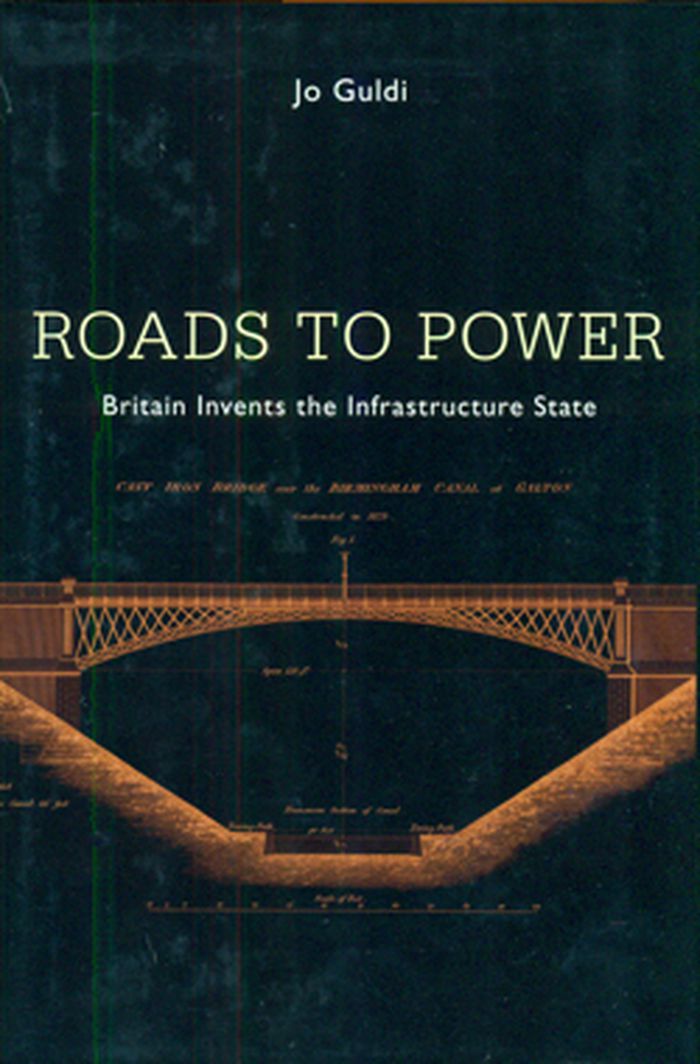
Roads to Power tells the story of how Britain built the first nation connected by infrastructure, how a libertarian revolution destroyed a national economy, and how technology caused strangers to stop speaking. In early eighteenth-century Britain, nothing but dirt track ran between most towns. By 1848 the primitive roads were transformed into a network of highways connecting every village and island in the nation—and also dividing them in unforeseen ways. The highway network led to contests for control over everything from road management to market access. Peripheries like the Highlands demanded that centralized government pay for roads they could not afford, while English counties wanted to be spared the cost of underwriting roads to Scotland. The new network also transformed social relationships. Although travelers moved along the same routes, they occupied increasingly isolated spheres. The roads were the product of a new form of government, the infrastructure state, marked by the unprecedented control bureaucrats wielded over decisions relating to everyday life.
Roads to power: Britain invents the infrastructure state
Actions:
Prix:
$47.00
(disponible sur commande)
Résumé:
Roads to Power tells the story of how Britain built the first nation connected by infrastructure, how a libertarian revolution destroyed a national economy, and how technology caused strangers to stop speaking. In early eighteenth-century Britain, nothing but dirt track ran between most towns. By 1848 the primitive roads were transformed into a network of highways connecting every village and island in the nation—and also dividing them in unforeseen ways. The highway network led to contests for control over everything from road management to market access. Peripheries like the Highlands demanded that centralized government pay for roads they could not afford, while English counties wanted to be spared the cost of underwriting roads to Scotland. The new network also transformed social relationships. Although travelers moved along the same routes, they occupied increasingly isolated spheres. The roads were the product of a new form of government, the infrastructure state, marked by the unprecedented control bureaucrats wielded over decisions relating to everyday life.
Classification:
livres
livres
Publication:
janvier 2012
janvier 2012
Sujet:
Théorie de l’architecture
Théorie de l’architecture
Classification:
livres
livres
Titre:
Love of worker bees
Love of worker bees
Actions:
Prix:
$18.95
(disponible sur commande)
Résumé:
'' Love of worker bees,'' written by one of the most famous and gifted Russian authors of the twentieth century, was greeted on publication in 1923 as too sexually explicit. The book collects three works of fiction, ''Vasilisa Malygina,'' ''Three Generations,'' and ''Sisters,'' creating a powerful love story with a graphic and a rare portrayal of Russian life in the(...)
$18.95
(disponible sur commande)
Résumé:
'' Love of worker bees,'' written by one of the most famous and gifted Russian authors of the twentieth century, was greeted on publication in 1923 as too sexually explicit. The book collects three works of fiction, ''Vasilisa Malygina,'' ''Three Generations,'' and ''Sisters,'' creating a powerful love story with a graphic and a rare portrayal of Russian life in the(...)
Titre:
Love of worker bees
Actions:
Prix:
$18.95
(disponible sur commande)
Résumé:
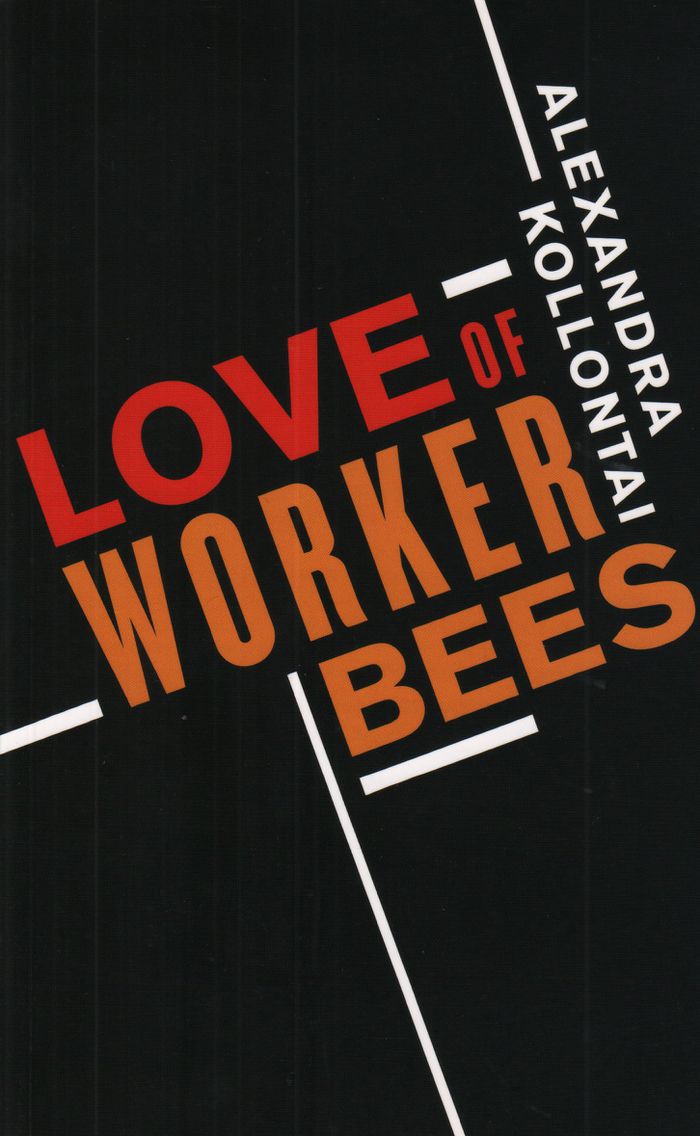
'' Love of worker bees,'' written by one of the most famous and gifted Russian authors of the twentieth century, was greeted on publication in 1923 as too sexually explicit. The book collects three works of fiction, ''Vasilisa Malygina,'' ''Three Generations,'' and ''Sisters,'' creating a powerful love story with a graphic and a rare portrayal of Russian life in the 1920s. The first piece is set in Russia after the October Revolution and the Civil War, The heroine Vasya struggles to come to terms with her husband and the demands of the new world in which she lives. The second story depicts the way in which three generations of women differ in their attitudes and expectations; and ''Sisters'' is a story of a deserted wife and a prostitute who find a common bond. Each story unfolds against a backdrop populated by the ''ordinary'' Russian people of the time- Party workers, entrepreneurs, prostitutes, manipulators, and idealists.
Love of worker bees
Actions:
Prix:
$18.95
(disponible sur commande)
Résumé:
'' Love of worker bees,'' written by one of the most famous and gifted Russian authors of the twentieth century, was greeted on publication in 1923 as too sexually explicit. The book collects three works of fiction, ''Vasilisa Malygina,'' ''Three Generations,'' and ''Sisters,'' creating a powerful love story with a graphic and a rare portrayal of Russian life in the 1920s. The first piece is set in Russia after the October Revolution and the Civil War, The heroine Vasya struggles to come to terms with her husband and the demands of the new world in which she lives. The second story depicts the way in which three generations of women differ in their attitudes and expectations; and ''Sisters'' is a story of a deserted wife and a prostitute who find a common bond. Each story unfolds against a backdrop populated by the ''ordinary'' Russian people of the time- Party workers, entrepreneurs, prostitutes, manipulators, and idealists.
Classification:
livres
livres
Publication:
octobre 2005
octobre 2005
Sujet:
Expositions en cours
Expositions en cours
Classification:
livres
livres
Prix:
$31.95
(disponible sur commande)
Résumé:
Since the middle of the eighteenth century, political thinkers of all kinds--radical and reactionary, professional and amateur--have been complaining about “bureaucracy.” But what, exactly, are they complaining about? In The Demon of Writing, Ben Kafka offers a critical history and theory of one of the most ubiquitous, least understood forms of media: paperwork.(...)
$31.95
(disponible sur commande)
Résumé:
Since the middle of the eighteenth century, political thinkers of all kinds--radical and reactionary, professional and amateur--have been complaining about “bureaucracy.” But what, exactly, are they complaining about? In The Demon of Writing, Ben Kafka offers a critical history and theory of one of the most ubiquitous, least understood forms of media: paperwork.(...)
Titre:
The demon of writing: powers and failures of paperwork
Actions:
Prix:
$31.95
(disponible sur commande)
Résumé:
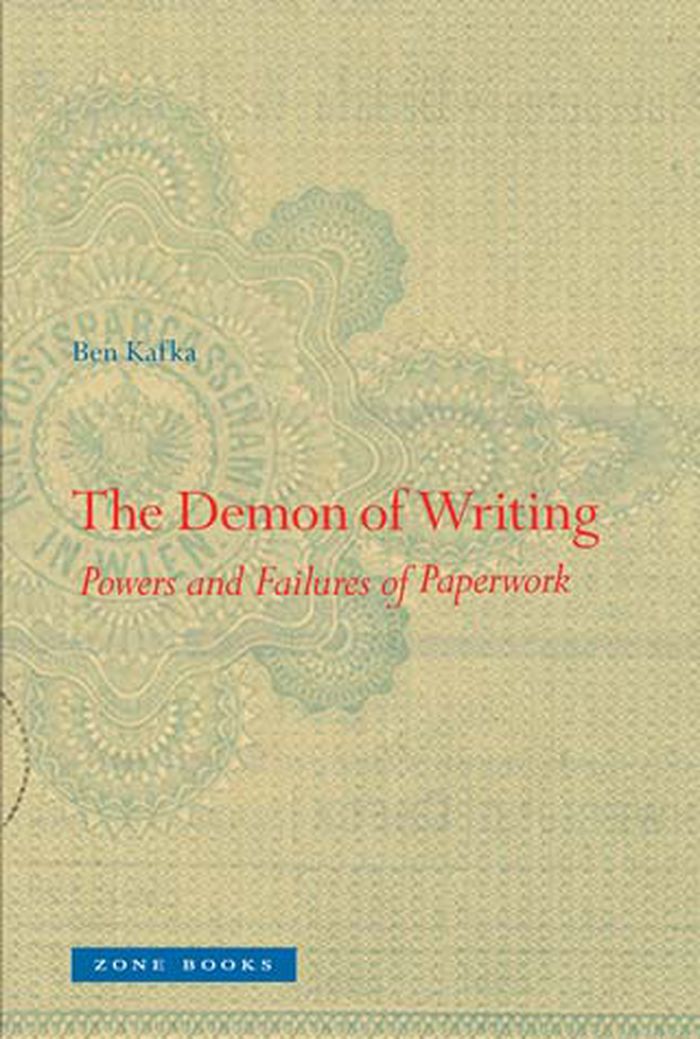
Since the middle of the eighteenth century, political thinkers of all kinds--radical and reactionary, professional and amateur--have been complaining about “bureaucracy.” But what, exactly, are they complaining about? In The Demon of Writing, Ben Kafka offers a critical history and theory of one of the most ubiquitous, least understood forms of media: paperwork. States rely on records to tax and spend, protect and serve, discipline and punish. But time and again, this paperwork proves to be unreliable. Examining episodes that range from the story of a clerk who lost his job and then his mind in the French Revolution to an account of Roland Barthes’s brief stint as a university administrator, Kafka reveals the powers, the failures, and even the pleasures of paperwork. Many of its complexities, he argues, have been obscured by the comic-paranoid style that characterizes much of our criticism of bureaucracy. Kafka proposes a new theory of what Karl Marx called the “bureaucratic medium.”
The demon of writing: powers and failures of paperwork
Actions:
Prix:
$31.95
(disponible sur commande)
Résumé:
Since the middle of the eighteenth century, political thinkers of all kinds--radical and reactionary, professional and amateur--have been complaining about “bureaucracy.” But what, exactly, are they complaining about? In The Demon of Writing, Ben Kafka offers a critical history and theory of one of the most ubiquitous, least understood forms of media: paperwork. States rely on records to tax and spend, protect and serve, discipline and punish. But time and again, this paperwork proves to be unreliable. Examining episodes that range from the story of a clerk who lost his job and then his mind in the French Revolution to an account of Roland Barthes’s brief stint as a university administrator, Kafka reveals the powers, the failures, and even the pleasures of paperwork. Many of its complexities, he argues, have been obscured by the comic-paranoid style that characterizes much of our criticism of bureaucracy. Kafka proposes a new theory of what Karl Marx called the “bureaucratic medium.”
Classification:
livres
livres
Publication:
novembre 2012
novembre 2012
Sujet:
Théorie de l’architecture
Théorie de l’architecture
Classification:
livres
livres
Actions:
Prix:
$66.00
(disponible sur commande)
Résumé:
Newtown Creek is a tributary of New York's East River that forms part of the border between the boroughs of Brooklyn and Queens. During the Industrial Revolution, when its volume of commercial shipping traffic exceeded that of the Mississippi River, the creek was widened, deepened, and bulkheaded to accommodate bigger barges, destroying all its freshwater sources. As one(...)
$66.00
(disponible sur commande)
Résumé:
Newtown Creek is a tributary of New York's East River that forms part of the border between the boroughs of Brooklyn and Queens. During the Industrial Revolution, when its volume of commercial shipping traffic exceeded that of the Mississippi River, the creek was widened, deepened, and bulkheaded to accommodate bigger barges, destroying all its freshwater sources. As one(...)
Titre:
Newtown Creek: a photographic survey of New York's industrial waterway
Actions:
Prix:
$66.00
(disponible sur commande)
Résumé:
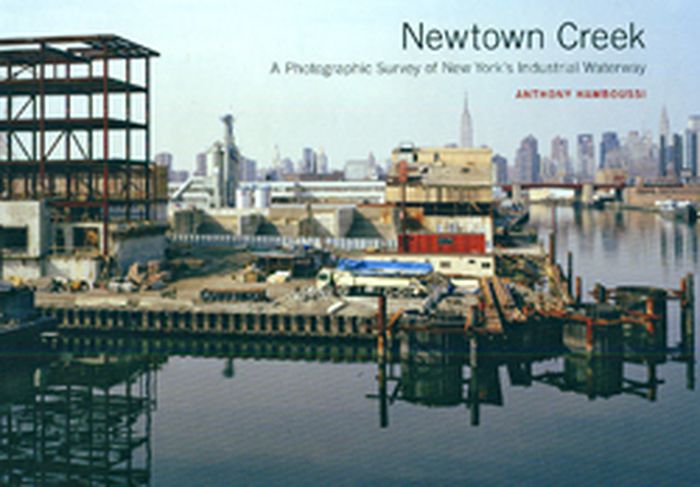
Newtown Creek is a tributary of New York's East River that forms part of the border between the boroughs of Brooklyn and Queens. During the Industrial Revolution, when its volume of commercial shipping traffic exceeded that of the Mississippi River, the creek was widened, deepened, and bulkheaded to accommodate bigger barges, destroying all its freshwater sources. As one of the oldest continuous industrial areas in the nation, it is now one of the most polluted. Newtown Creek is the first extensive documentation of this forgotten landscape. Anthony Hamboussi's five-year photographic survey captures the creek at a critical moment when gentrification and revitalization are just starting to change the area. From the ruins of Morgan Oil Company and the Newtown Metal Corporation to the footprints of the former Maspeth gasholders, Newtown Creek is a lost chapter in the visual history of industrial New York framed at the moment of its disappearance and transformation.
Newtown Creek: a photographic survey of New York's industrial waterway
Actions:
Prix:
$66.00
(disponible sur commande)
Résumé:
Newtown Creek is a tributary of New York's East River that forms part of the border between the boroughs of Brooklyn and Queens. During the Industrial Revolution, when its volume of commercial shipping traffic exceeded that of the Mississippi River, the creek was widened, deepened, and bulkheaded to accommodate bigger barges, destroying all its freshwater sources. As one of the oldest continuous industrial areas in the nation, it is now one of the most polluted. Newtown Creek is the first extensive documentation of this forgotten landscape. Anthony Hamboussi's five-year photographic survey captures the creek at a critical moment when gentrification and revitalization are just starting to change the area. From the ruins of Morgan Oil Company and the Newtown Metal Corporation to the footprints of the former Maspeth gasholders, Newtown Creek is a lost chapter in the visual history of industrial New York framed at the moment of its disappearance and transformation.
Classification:
livres
livres
Publication:
mars 2010
mars 2010
Sujet:
Photographie- collections
Photographie- collections
Classification:
livres
livres
Actions:
Prix:
$49.95
(disponible sur commande)
Résumé:
"Making Modernism Soviet " provides a new understanding of the ideological engagement of Russian modern artists such as Kazimir Malevich, Alexander Rodchenko, and Vera Ermolaeva with the political and social agenda of the Bolsheviks in the chaotic years immediately following the Russian Revolution. Focusing on the relationship between power brokers and cultural(...)
$49.95
(disponible sur commande)
Résumé:
"Making Modernism Soviet " provides a new understanding of the ideological engagement of Russian modern artists such as Kazimir Malevich, Alexander Rodchenko, and Vera Ermolaeva with the political and social agenda of the Bolsheviks in the chaotic years immediately following the Russian Revolution. Focusing on the relationship between power brokers and cultural(...)
Titre:
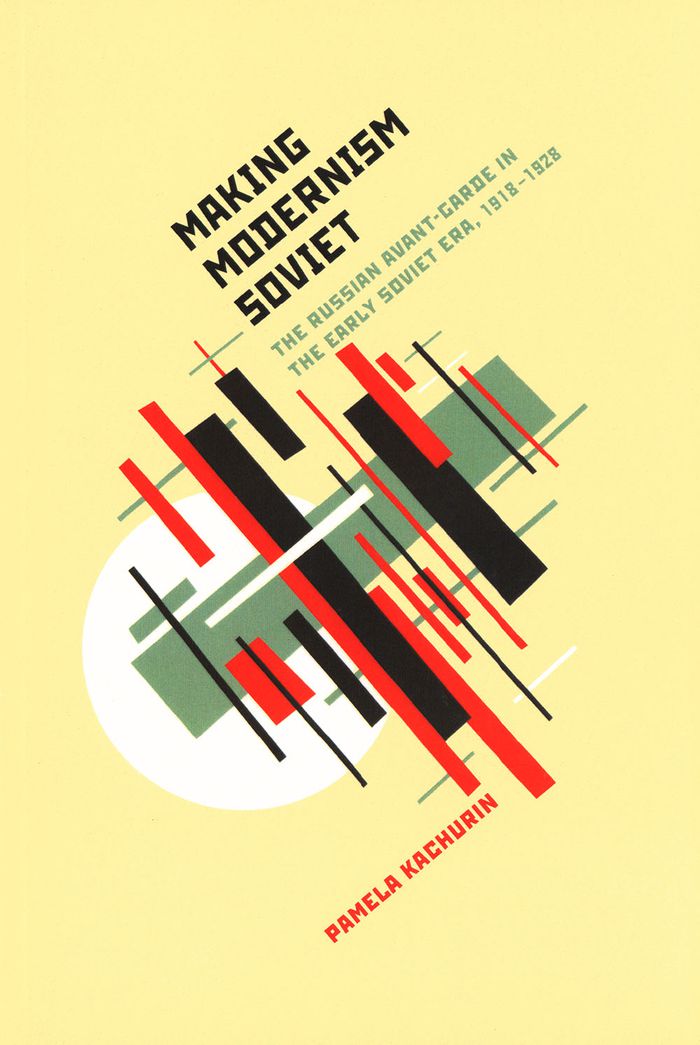
Making modernism Soviet: the Russian avant-garde in the early Soviet era 1918-1928
Actions:
Prix:
$49.95
(disponible sur commande)
Résumé:
"Making Modernism Soviet " provides a new understanding of the ideological engagement of Russian modern artists such as Kazimir Malevich, Alexander Rodchenko, and Vera Ermolaeva with the political and social agenda of the Bolsheviks in the chaotic years immediately following the Russian Revolution. Focusing on the relationship between power brokers and cultural institutions under conditions of state patronage, Pamela Kachurin lays to rest the myth of the imposition of control from above upon a victimized artistic community. Drawing on extensive archival research, she shows that Russian modernists used their positions within the expanding Soviet arts bureaucracy to build up networks of like-minded colleagues. Their commitment to one another and to the task of creating a socially transformative visual language for the new Soviet context allowed them to produce some of their most famous works of art. But it also contributed to the "Sovietization" of the art world that eventually sealed their fate.
Making modernism Soviet: the Russian avant-garde in the early Soviet era 1918-1928
Actions:
Prix:
$49.95
(disponible sur commande)
Résumé:
"Making Modernism Soviet " provides a new understanding of the ideological engagement of Russian modern artists such as Kazimir Malevich, Alexander Rodchenko, and Vera Ermolaeva with the political and social agenda of the Bolsheviks in the chaotic years immediately following the Russian Revolution. Focusing on the relationship between power brokers and cultural institutions under conditions of state patronage, Pamela Kachurin lays to rest the myth of the imposition of control from above upon a victimized artistic community. Drawing on extensive archival research, she shows that Russian modernists used their positions within the expanding Soviet arts bureaucracy to build up networks of like-minded colleagues. Their commitment to one another and to the task of creating a socially transformative visual language for the new Soviet context allowed them to produce some of their most famous works of art. But it also contributed to the "Sovietization" of the art world that eventually sealed their fate.
Classification:
livres
livres
Publication:
octobre 2013
octobre 2013
Sujet:
Expositions en cours
Expositions en cours
Classification:
livres
livres
Prix:
$45.95
(disponible sur commande)
Résumé:
A road map for product design professionals and students to ten “Big Ideas” in material innovation. Drawing from a worldwide community of designers who are pushing boundaries with innovative works that go beyond the notion of “sustainable design,” Radical Matter demonstrates how holistic systems of design, production, and consumption will benefit our world(...)
$45.95
(disponible sur commande)
Résumé:
A road map for product design professionals and students to ten “Big Ideas” in material innovation. Drawing from a worldwide community of designers who are pushing boundaries with innovative works that go beyond the notion of “sustainable design,” Radical Matter demonstrates how holistic systems of design, production, and consumption will benefit our world(...)
Titre:
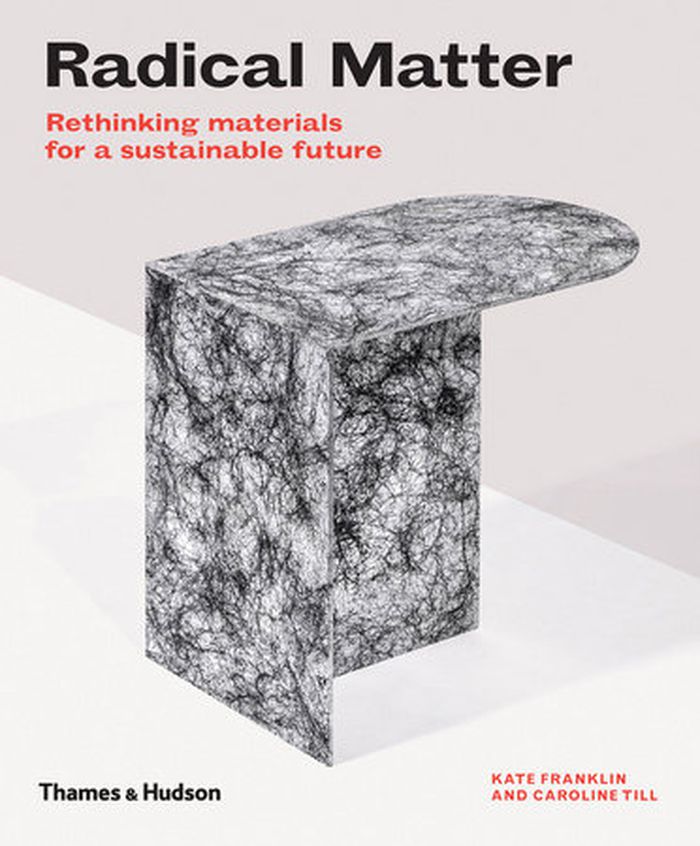
Radical matter: rethinking materials for a sustainable future
Actions:
Prix:
$45.95
(disponible sur commande)
Résumé:
A road map for product design professionals and students to ten “Big Ideas” in material innovation. Drawing from a worldwide community of designers who are pushing boundaries with innovative works that go beyond the notion of “sustainable design,” Radical Matter demonstrates how holistic systems of design, production, and consumption will benefit our world environmentally, socially, and economically. The ten “Big Ideas” unpack the themes that are impacting our material world through cutting-edge case studies and expert opinions: Repair Is Beautiful; Today’s Trash, Tomorrow’s Raw Material; Natural Assets; The Waste Revolution; Lessons from the Past; Co-Creation; Material Connections; Short Life Materials; Living Materials; and Future Mining. The book includes an invaluable directory of resources for cutting-edge materials and a definitive list of global research centers, innovation hubs, academic courses, and material libraries. Radical Matter contains a wealth of information to help design professionals and students turn revolutionary concepts into reality.
Radical matter: rethinking materials for a sustainable future
Actions:
Prix:
$45.95
(disponible sur commande)
Résumé:
A road map for product design professionals and students to ten “Big Ideas” in material innovation. Drawing from a worldwide community of designers who are pushing boundaries with innovative works that go beyond the notion of “sustainable design,” Radical Matter demonstrates how holistic systems of design, production, and consumption will benefit our world environmentally, socially, and economically. The ten “Big Ideas” unpack the themes that are impacting our material world through cutting-edge case studies and expert opinions: Repair Is Beautiful; Today’s Trash, Tomorrow’s Raw Material; Natural Assets; The Waste Revolution; Lessons from the Past; Co-Creation; Material Connections; Short Life Materials; Living Materials; and Future Mining. The book includes an invaluable directory of resources for cutting-edge materials and a definitive list of global research centers, innovation hubs, academic courses, and material libraries. Radical Matter contains a wealth of information to help design professionals and students turn revolutionary concepts into reality.
Classification:
livres
livres
Publication:
mars 2020
mars 2020
Sujet:
Matériaux et éclairage
Matériaux et éclairage
Classification:
livres
livres
Actions:
Prix:
$35.95
(disponible en magasin)
Résumé:
No other art movement has so profoundly influenced radical politics as the Situationist International. But beyond the clichés about its purported leader Guy Debord, the "society of the spectacle," détournement and dérive, lies a more complex story about key historical shifts in the composition of capital, work, labor, art, and revolutionary theory during the 1950s and(...)
$35.95
(disponible en magasin)
Résumé:
No other art movement has so profoundly influenced radical politics as the Situationist International. But beyond the clichés about its purported leader Guy Debord, the "society of the spectacle," détournement and dérive, lies a more complex story about key historical shifts in the composition of capital, work, labor, art, and revolutionary theory during the 1950s and(...)
Titre:
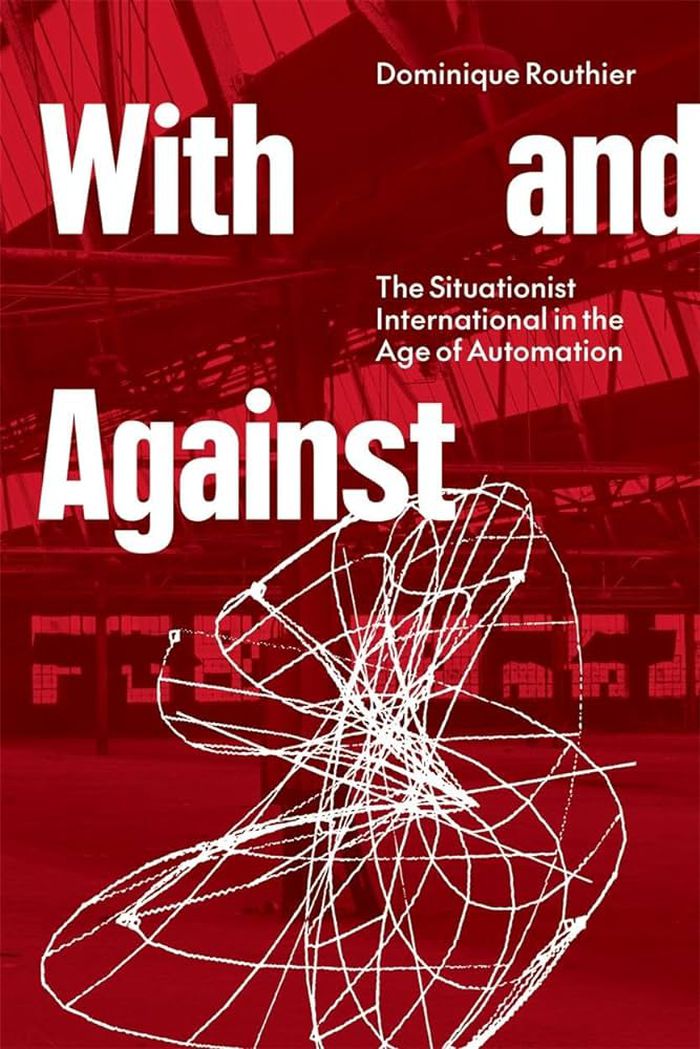
With and against: TheSituationist International in the age of automation
Actions:
Prix:
$35.95
(disponible en magasin)
Résumé:
No other art movement has so profoundly influenced radical politics as the Situationist International. But beyond the clichés about its purported leader Guy Debord, the "society of the spectacle," détournement and dérive, lies a more complex story about key historical shifts in the composition of capital, work, labor, art, and revolutionary theory during the 1950s and 60s. ''With and Against'' reframes the history of the Situationist International as a struggle to come to terms with the then-emerging ideologies of cybernetics and automation. Through each of the book's four chapters, Dominique Routhier dissects Situationist pamphlets, documents, artworks, and objects that refract elements of a "cybernetic hypothesis": the theoretically hyperbolic belief that technological progress, computers and automation make class struggle and the idea of revolution obsolete. With equal attention to aesthetic detail and to the broader contours of political economy, this book serves as a critical intervention in art history as well a call to reconsider, more broadly, the contemporary lessons of the most political of all artistic avantgardes.
With and against: TheSituationist International in the age of automation
Actions:
Prix:
$35.95
(disponible en magasin)
Résumé:
No other art movement has so profoundly influenced radical politics as the Situationist International. But beyond the clichés about its purported leader Guy Debord, the "society of the spectacle," détournement and dérive, lies a more complex story about key historical shifts in the composition of capital, work, labor, art, and revolutionary theory during the 1950s and 60s. ''With and Against'' reframes the history of the Situationist International as a struggle to come to terms with the then-emerging ideologies of cybernetics and automation. Through each of the book's four chapters, Dominique Routhier dissects Situationist pamphlets, documents, artworks, and objects that refract elements of a "cybernetic hypothesis": the theoretically hyperbolic belief that technological progress, computers and automation make class struggle and the idea of revolution obsolete. With equal attention to aesthetic detail and to the broader contours of political economy, this book serves as a critical intervention in art history as well a call to reconsider, more broadly, the contemporary lessons of the most political of all artistic avantgardes.
Classification:
livres
livres
Publication:
octobre 2023
octobre 2023
Sujet:
Théorie/ philosophie
Théorie/ philosophie
Classification:
livres
livres
Actions:
Prix:
$42.00
(disponible sur commande)
Résumé:
In ''The Terrible Children of Modernity'', Sloterdijk offers a magisterial and profound investigation into the vicissitudes of historical change and the nature of modernity. For Sloterdijk, modernity is defined by its need to break with the past. Moderns are perpetual rebels who seek to sever the ties of tradition and forms of inheritance that bind generations and eras(...)
$42.00
(disponible sur commande)
Résumé:
In ''The Terrible Children of Modernity'', Sloterdijk offers a magisterial and profound investigation into the vicissitudes of historical change and the nature of modernity. For Sloterdijk, modernity is defined by its need to break with the past. Moderns are perpetual rebels who seek to sever the ties of tradition and forms of inheritance that bind generations and eras(...)
Titre:
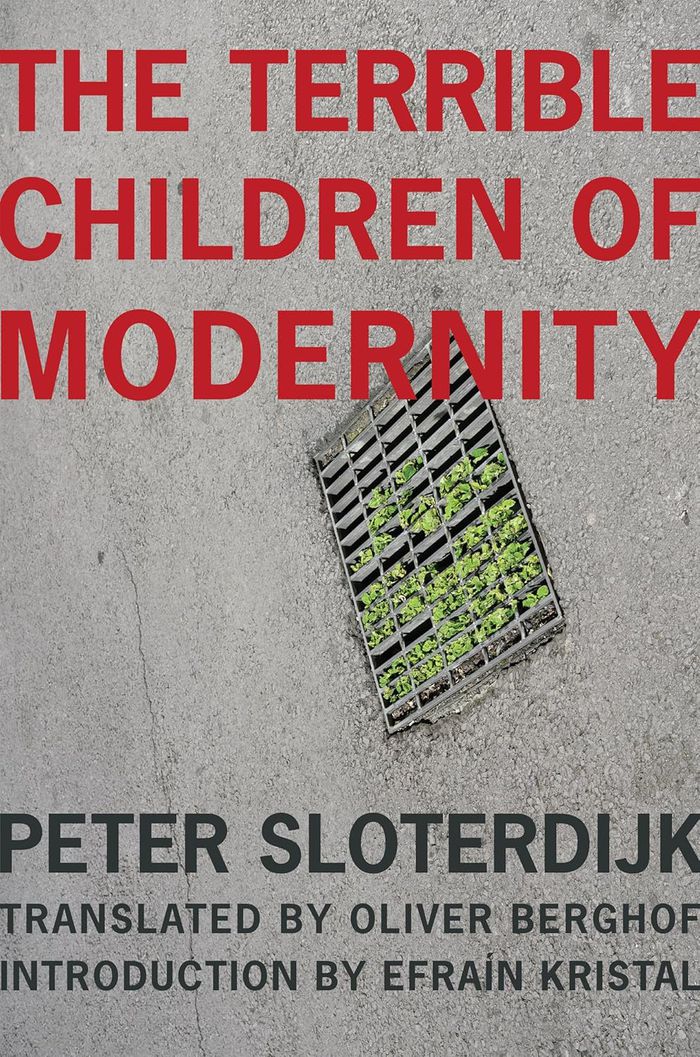
The terrible children of modernity
Actions:
Prix:
$42.00
(disponible sur commande)
Résumé:
In ''The Terrible Children of Modernity'', Sloterdijk offers a magisterial and profound investigation into the vicissitudes of historical change and the nature of modernity. For Sloterdijk, modernity is defined by its need to break with the past. Moderns are perpetual rebels who seek to sever the ties of tradition and forms of inheritance that bind generations and eras together. With deep philosophical, historical, and literary range, he traces this antigenealogical experiment from the French Revolution onward, from Madame de Pompadour and Napoleon through Nietzsche, Marx, Wagner, the Dadaists, and Deleuze. Acutely aware of the destructive potential of cultural discontinuities, Sloterdijk is no less critical of the “fathers” who condemn change than the “terrible children” who seek a drastic rupture with their predecessors. Equally concerned with the grand sweep of history and our current predicaments, he instead calls for new ways to live together in the intersubjectivity of the human condition. Incisive and daring, breathtaking in its scope, this account of youthful rebellion against tradition asks us to reimagine the ethics of genealogy.
The terrible children of modernity
Actions:
Prix:
$42.00
(disponible sur commande)
Résumé:
In ''The Terrible Children of Modernity'', Sloterdijk offers a magisterial and profound investigation into the vicissitudes of historical change and the nature of modernity. For Sloterdijk, modernity is defined by its need to break with the past. Moderns are perpetual rebels who seek to sever the ties of tradition and forms of inheritance that bind generations and eras together. With deep philosophical, historical, and literary range, he traces this antigenealogical experiment from the French Revolution onward, from Madame de Pompadour and Napoleon through Nietzsche, Marx, Wagner, the Dadaists, and Deleuze. Acutely aware of the destructive potential of cultural discontinuities, Sloterdijk is no less critical of the “fathers” who condemn change than the “terrible children” who seek a drastic rupture with their predecessors. Equally concerned with the grand sweep of history and our current predicaments, he instead calls for new ways to live together in the intersubjectivity of the human condition. Incisive and daring, breathtaking in its scope, this account of youthful rebellion against tradition asks us to reimagine the ethics of genealogy.
Classification:
livres
livres
Publication:
octobre 2023
octobre 2023
Sujet:
Théorie/ philosophie
Théorie/ philosophie
Classification:
livres
livres

Titre:
The lost vanguard
The lost vanguard
Actions:
Prix:
$98.00
(disponible sur commande)
Résumé:
The Lost Vanguard documents the work of modernist architects in the Soviet Union during the years following the 1917 revolution and civil war. In little more than a decade, some of the most radical buildings of the twentieth century were completed by a small group of architects who developed a new architectural language in support of new social goals of communal life.(...)
$98.00
(disponible sur commande)
Résumé:
The Lost Vanguard documents the work of modernist architects in the Soviet Union during the years following the 1917 revolution and civil war. In little more than a decade, some of the most radical buildings of the twentieth century were completed by a small group of architects who developed a new architectural language in support of new social goals of communal life.(...)
Sujet:
Modernisme
Modernisme
Publication:
juin 2007, New York
juin 2007, New York
Titre:
The lost vanguard
Actions:
Prix:
$98.00
(disponible sur commande)
Résumé:
The Lost Vanguard documents the work of modernist architects in the Soviet Union during the years following the 1917 revolution and civil war. In little more than a decade, some of the most radical buildings of the twentieth century were completed by a small group of architects who developed a new architectural language in support of new social goals of communal life. Rarely published and virtually inaccessible until the collapse of the Soviet regime, these important buildings have remained unknown and unappreciated. Richard Pare's photographs reveal the powerful forms of these structures, some still in use but many now abandoned and decayed. Massive industrial complexes like the Dnieper River Dam and MoGES, which supplies electricity to the city of Moscow; vast communal houses for workers, including Ginzburg's Narkomfin; commercial buildings and government offices; and smaller clubs and theaters were all built in this brief period. In an incisive essay, architectural historian Jean-Louis Cohen surveys the history of the period, providing a context for the emergence of this startling new architecture in parallel to contemporary experiments in Europe.
The lost vanguard
Actions:
Prix:
$98.00
(disponible sur commande)
Résumé:
The Lost Vanguard documents the work of modernist architects in the Soviet Union during the years following the 1917 revolution and civil war. In little more than a decade, some of the most radical buildings of the twentieth century were completed by a small group of architects who developed a new architectural language in support of new social goals of communal life. Rarely published and virtually inaccessible until the collapse of the Soviet regime, these important buildings have remained unknown and unappreciated. Richard Pare's photographs reveal the powerful forms of these structures, some still in use but many now abandoned and decayed. Massive industrial complexes like the Dnieper River Dam and MoGES, which supplies electricity to the city of Moscow; vast communal houses for workers, including Ginzburg's Narkomfin; commercial buildings and government offices; and smaller clubs and theaters were all built in this brief period. In an incisive essay, architectural historian Jean-Louis Cohen surveys the history of the period, providing a context for the emergence of this startling new architecture in parallel to contemporary experiments in Europe.
Classification:
livres
livres
Publication:
juin 2007, New York
juin 2007, New York
Sujet:
Modernisme
Modernisme
Classification:
livres
livres
Actions:
Prix:
$46.95
(disponible sur commande)
Résumé:
Hester argues that it is only by combining the powerful forces of ecology and democracy that the needed revolution in design will take place. Democracy bestows freedom; ecology creates responsible freedom by explaining our interconnectedness with all creatures. Hester's new design principles are founded on three fundamental issues that integrate democracy and ecology:(...)
$46.95
(disponible sur commande)
Résumé:
Hester argues that it is only by combining the powerful forces of ecology and democracy that the needed revolution in design will take place. Democracy bestows freedom; ecology creates responsible freedom by explaining our interconnectedness with all creatures. Hester's new design principles are founded on three fundamental issues that integrate democracy and ecology:(...)
Titre:
Design for ecological democracy
Actions:
Prix:
$46.95
(disponible sur commande)
Résumé:
Hester argues that it is only by combining the powerful forces of ecology and democracy that the needed revolution in design will take place. Democracy bestows freedom; ecology creates responsible freedom by explaining our interconnectedness with all creatures. Hester's new design principles are founded on three fundamental issues that integrate democracy and ecology: enabling form, resilient form, and impelling form. Urban design must enable us to be communities rather than zoning-segregated enclaves and to function as informed democracies. A simple bench at a centrally located post office, for example, provides an opportunity for connection and shared experience. Cities must be ecologically resilient rather than ecologically imperiled, adaptable to the surrounding ecology rather than dependent on technological fixes. Resilient form turns increased urban density, for example, into an advantage. And cities should impel us by joy rather than compel us by fear; good cities enrich us rather than limit us. Design for Ecological Democracy is essential reading for designers, planners, environmentalists, community activists, and anyone else who wants to improve a local community.
Design for ecological democracy
Actions:
Prix:
$46.95
(disponible sur commande)
Résumé:
Hester argues that it is only by combining the powerful forces of ecology and democracy that the needed revolution in design will take place. Democracy bestows freedom; ecology creates responsible freedom by explaining our interconnectedness with all creatures. Hester's new design principles are founded on three fundamental issues that integrate democracy and ecology: enabling form, resilient form, and impelling form. Urban design must enable us to be communities rather than zoning-segregated enclaves and to function as informed democracies. A simple bench at a centrally located post office, for example, provides an opportunity for connection and shared experience. Cities must be ecologically resilient rather than ecologically imperiled, adaptable to the surrounding ecology rather than dependent on technological fixes. Resilient form turns increased urban density, for example, into an advantage. And cities should impel us by joy rather than compel us by fear; good cities enrich us rather than limit us. Design for Ecological Democracy is essential reading for designers, planners, environmentalists, community activists, and anyone else who wants to improve a local community.
Classification:
livres
livres
Publication:
septembre 2006, Cambridge, Mass.
septembre 2006, Cambridge, Mass.
Sujet:
Paysages urbains
Paysages urbains


