


2576 Résultats
Classification:
livres
livres
Prix:
$67.50
(disponible sur commande)
Résumé:
In '''Architecture unbound,'' noted architecture critic Joseph Giovannini proposes that our current architectural landscape ultimately emerged from transgressive and progressive art movements that had roiled Europe before and after World War I. By the 1960s, social unrest and cultural disruption opened the way for investigations into an inventive, antiauthoritarian(...)
$67.50
(disponible sur commande)
Résumé:
In '''Architecture unbound,'' noted architecture critic Joseph Giovannini proposes that our current architectural landscape ultimately emerged from transgressive and progressive art movements that had roiled Europe before and after World War I. By the 1960s, social unrest and cultural disruption opened the way for investigations into an inventive, antiauthoritarian(...)
Titre:
Architecture unbound: A century of the disruptive avant-garde
Actions:
Prix:
$67.50
(disponible sur commande)
Résumé:
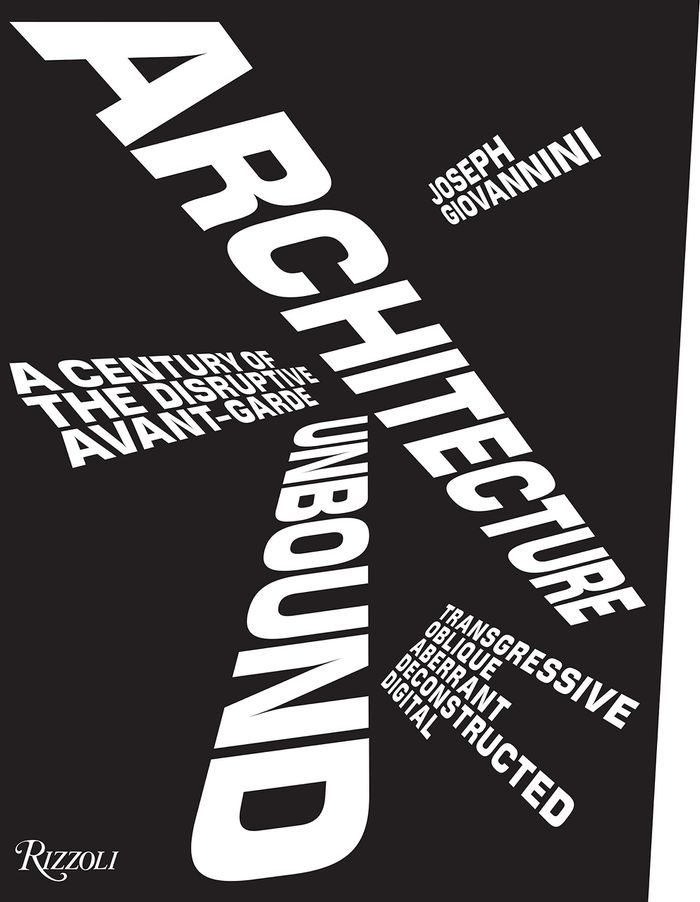
In '''Architecture unbound,'' noted architecture critic Joseph Giovannini proposes that our current architectural landscape ultimately emerged from transgressive and progressive art movements that had roiled Europe before and after World War I. By the 1960s, social unrest and cultural disruption opened the way for investigations into an inventive, antiauthoritarian architecture. Explorations emerged in the 1970s, and built projects surfaced in the 1980s, taking digital form in the 1990s, with large-scale projects finally landing on the far side of the millennium. '''Architecture unbound'' traces all of these developments and influences, presenting an authoritative and illuminating history not only of the sources of contemporary currents in architecture but also of the twentieth-century avant-garde and the twenty-first-century digital revolution in form-making, and profiling the most influential practitioners and their most notable projects, including Frank Gehry’s Guggenheim Bilbao and Walt Disney Concert Hall, Zaha Hadid’s Guangzhou Opera House, Daniel Libeskind’s master plan for the World Trade Center, Rem Koolhaas’s CCTV Tower, and Herzog and de Meuron’s Bird’s Nest Olympic Stadium in Beijing.
Architecture unbound: A century of the disruptive avant-garde
Actions:
Prix:
$67.50
(disponible sur commande)
Résumé:
In '''Architecture unbound,'' noted architecture critic Joseph Giovannini proposes that our current architectural landscape ultimately emerged from transgressive and progressive art movements that had roiled Europe before and after World War I. By the 1960s, social unrest and cultural disruption opened the way for investigations into an inventive, antiauthoritarian architecture. Explorations emerged in the 1970s, and built projects surfaced in the 1980s, taking digital form in the 1990s, with large-scale projects finally landing on the far side of the millennium. '''Architecture unbound'' traces all of these developments and influences, presenting an authoritative and illuminating history not only of the sources of contemporary currents in architecture but also of the twentieth-century avant-garde and the twenty-first-century digital revolution in form-making, and profiling the most influential practitioners and their most notable projects, including Frank Gehry’s Guggenheim Bilbao and Walt Disney Concert Hall, Zaha Hadid’s Guangzhou Opera House, Daniel Libeskind’s master plan for the World Trade Center, Rem Koolhaas’s CCTV Tower, and Herzog and de Meuron’s Bird’s Nest Olympic Stadium in Beijing.
Classification:
livres
livres
Publication:
novembre 2021
novembre 2021
Sujet:
Architecture contemporaine
Architecture contemporaine
Classification:
livres
livres

Actions:
Prix:
$45.95
(disponible sur commande)
Résumé:
Dials, knobs, microphones, clocks; heads, hands, breath, voices. Ernst Schoen joined Frankfurt Radio in the 1920s as programmer and accelerated the potentials of this collision of bodies and technologies. As with others of his generation, Schoen experienced crisis after crisis, from the violence of war, the suicide of friends, economic collapse, and a brief episode of(...)
$45.95
(disponible sur commande)
Résumé:
Dials, knobs, microphones, clocks; heads, hands, breath, voices. Ernst Schoen joined Frankfurt Radio in the 1920s as programmer and accelerated the potentials of this collision of bodies and technologies. As with others of his generation, Schoen experienced crisis after crisis, from the violence of war, the suicide of friends, economic collapse, and a brief episode of(...)
Titre:
Dissonant waves: Ernst Schoen and experimental sound in the 20th century
Actions:
Prix:
$45.95
(disponible sur commande)
Résumé:
Dials, knobs, microphones, clocks; heads, hands, breath, voices. Ernst Schoen joined Frankfurt Radio in the 1920s as programmer and accelerated the potentials of this collision of bodies and technologies. As with others of his generation, Schoen experienced crisis after crisis, from the violence of war, the suicide of friends, economic collapse, and a brief episode of permitted experimentalism under the Weimar Republic for those who would foster aesthetic, technical, and political revolution. The counterreaction was Nazism—and Schoen and his milieux fell victim to it, found ways out of it, or hit against it with all their might. ''Dissonant waves'' tracks the life of Ernst Schoen—poet, composer, radio programmer, theorist, and best friend of Walter Benjamin from childhood—as he moves between Frankfurt, Berlin, Paris, and London. It casts radio history and practice into concrete spaces, into networks of friends and institutions, into political exigencies and domestic plights, and into broader aesthetic discussions of the politicization of art and the aestheticization of politics. Through friendship and comradeship, a position in state-backed radio, imprisonment, exile, networking in a new country, re-emigration, ill-treatment, neglect, Schoen suffers the century and articulates its broken promises.
Dissonant waves: Ernst Schoen and experimental sound in the 20th century
Actions:
Prix:
$45.95
(disponible sur commande)
Résumé:
Dials, knobs, microphones, clocks; heads, hands, breath, voices. Ernst Schoen joined Frankfurt Radio in the 1920s as programmer and accelerated the potentials of this collision of bodies and technologies. As with others of his generation, Schoen experienced crisis after crisis, from the violence of war, the suicide of friends, economic collapse, and a brief episode of permitted experimentalism under the Weimar Republic for those who would foster aesthetic, technical, and political revolution. The counterreaction was Nazism—and Schoen and his milieux fell victim to it, found ways out of it, or hit against it with all their might. ''Dissonant waves'' tracks the life of Ernst Schoen—poet, composer, radio programmer, theorist, and best friend of Walter Benjamin from childhood—as he moves between Frankfurt, Berlin, Paris, and London. It casts radio history and practice into concrete spaces, into networks of friends and institutions, into political exigencies and domestic plights, and into broader aesthetic discussions of the politicization of art and the aestheticization of politics. Through friendship and comradeship, a position in state-backed radio, imprisonment, exile, networking in a new country, re-emigration, ill-treatment, neglect, Schoen suffers the century and articulates its broken promises.
Classification:
livres
livres
Publication:
septembre 2023
septembre 2023
Sujet:
Acoustique
Acoustique
Classification:
livres
livres

Actions:
Prix:
$67.50
(disponible en magasin)
Résumé:
Founded by Alexander the Great in 332 BC, Alexandria was for a long time the largest city in the ancient world. Flattened by a tsunami in 365 AD, it was little more than a fishing village when captured by Napoleon in 1798. The 19th century saw it become the center of the Egyptian cotton trade, bringing prosperity and an influx of European merchants. Then came the(...)
$67.50
(disponible en magasin)
Résumé:
Founded by Alexander the Great in 332 BC, Alexandria was for a long time the largest city in the ancient world. Flattened by a tsunami in 365 AD, it was little more than a fishing village when captured by Napoleon in 1798. The 19th century saw it become the center of the Egyptian cotton trade, bringing prosperity and an influx of European merchants. Then came the(...)
Titre:
Alexandria architectural guide
Actions:
Prix:
$67.50
(disponible en magasin)
Résumé:
Founded by Alexander the Great in 332 BC, Alexandria was for a long time the largest city in the ancient world. Flattened by a tsunami in 365 AD, it was little more than a fishing village when captured by Napoleon in 1798. The 19th century saw it become the center of the Egyptian cotton trade, bringing prosperity and an influx of European merchants. Then came the bombardment by the English in 1882, which almost flattened the city a second time, and the revolution of 1952, which in effect condemned many of its residential buildings to slow but picturesque decay. The ebbs and flows of history and different cultures (especially Arabic, Muslim, Greek, Italian, English, and, not least, Jewish) have all left their marks on Alexandria's architecture. There are classical ruins; Ottoman fortifications; Egyptian okelles (medieval merchants' buildings); a colorful fishing port; mosques, shrines, churches, and synagogues; mansions and apartment buildings in the neo-Renaissance, art deco, and international styles; brutalist post-revolutionary institutions. And then are oddities such as the Cotton Palace Tower, a skyscraper intended for use as the headquarters of the country s cotton industry but inexplicably abandoned before completion.
Alexandria architectural guide
Actions:
Prix:
$67.50
(disponible en magasin)
Résumé:
Founded by Alexander the Great in 332 BC, Alexandria was for a long time the largest city in the ancient world. Flattened by a tsunami in 365 AD, it was little more than a fishing village when captured by Napoleon in 1798. The 19th century saw it become the center of the Egyptian cotton trade, bringing prosperity and an influx of European merchants. Then came the bombardment by the English in 1882, which almost flattened the city a second time, and the revolution of 1952, which in effect condemned many of its residential buildings to slow but picturesque decay. The ebbs and flows of history and different cultures (especially Arabic, Muslim, Greek, Italian, English, and, not least, Jewish) have all left their marks on Alexandria's architecture. There are classical ruins; Ottoman fortifications; Egyptian okelles (medieval merchants' buildings); a colorful fishing port; mosques, shrines, churches, and synagogues; mansions and apartment buildings in the neo-Renaissance, art deco, and international styles; brutalist post-revolutionary institutions. And then are oddities such as the Cotton Palace Tower, a skyscraper intended for use as the headquarters of the country s cotton industry but inexplicably abandoned before completion.
Classification:
livres
livres
Publication:
juillet 2021
juillet 2021
Sujet:
Guides des villes
Guides des villes
Classification:
livres
livres
Prix:
$50.50
(disponible en magasin)
Résumé:
In the decades after World War II, from just prior to the revolution and into the mid-1980s, modernist architecture blossomed in Cuba, attracting both native talent and leading international architects from Europe. Havana Modern examines Cuban modernism’s highlights with a wealth of archival materials, photos and new scholarship. Edited by Rubén Gallo—author of Mexican(...)
$50.50
(disponible en magasin)
Résumé:
In the decades after World War II, from just prior to the revolution and into the mid-1980s, modernist architecture blossomed in Cuba, attracting both native talent and leading international architects from Europe. Havana Modern examines Cuban modernism’s highlights with a wealth of archival materials, photos and new scholarship. Edited by Rubén Gallo—author of Mexican(...)
Titre:
Havana modern: Critical readings in Cuban architecture
Actions:
Prix:
$50.50
(disponible en magasin)
Résumé:
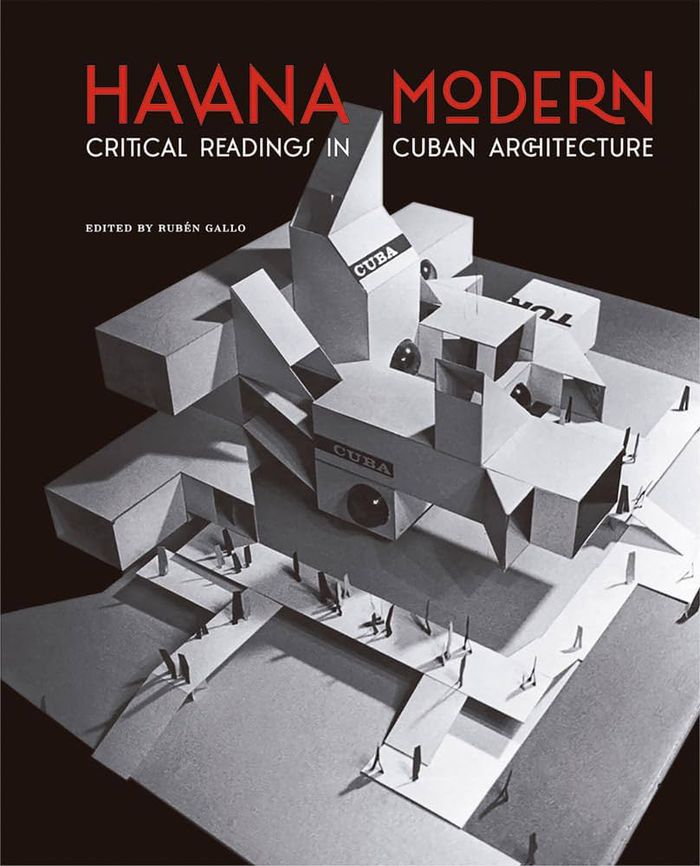
In the decades after World War II, from just prior to the revolution and into the mid-1980s, modernist architecture blossomed in Cuba, attracting both native talent and leading international architects from Europe. Havana Modern examines Cuban modernism’s highlights with a wealth of archival materials, photos and new scholarship. Edited by Rubén Gallo—author of Mexican Modernity (2005), Freud’s Mexico (2010) and Proust’s Latin Americans (2014)—the volume is arranged in 10 chapters authored by current and former Princeton faculty members and graduate students. These essays, which arose from seminars organized by Gallo and historian Beatriz Colomina, examine Max Abramovitz’s American Embassy; Richard Neutra’s De Schultess House; Martín Domínguez Esteban, Miguel Gastón and Emilio del Junco’s Radiocentro; Mies van Der Rohe’s office building for Ron Barcardí S.A.; Vittorio Garatti, Roberto Gottardi and Ricardo Porro’s National Art Schools for Havana; Mario Girona’s Coppelia Ice-cream parlor and park; Vittorio Garatti, Hugo D’Acosta and Sergio Baroni’s Cuban Pavilion at Expo 67; Antonio Quintana and Alberto Rodriguez’s "Edificio Experimental"; and Aleksandr Grigorievich Rochegov’s USRR Embassy. Havana Modern draws on history, politics, culture, literature and film to elucidate this outstandingly rich era in architectural history.
Havana modern: Critical readings in Cuban architecture
Actions:
Prix:
$50.50
(disponible en magasin)
Résumé:
In the decades after World War II, from just prior to the revolution and into the mid-1980s, modernist architecture blossomed in Cuba, attracting both native talent and leading international architects from Europe. Havana Modern examines Cuban modernism’s highlights with a wealth of archival materials, photos and new scholarship. Edited by Rubén Gallo—author of Mexican Modernity (2005), Freud’s Mexico (2010) and Proust’s Latin Americans (2014)—the volume is arranged in 10 chapters authored by current and former Princeton faculty members and graduate students. These essays, which arose from seminars organized by Gallo and historian Beatriz Colomina, examine Max Abramovitz’s American Embassy; Richard Neutra’s De Schultess House; Martín Domínguez Esteban, Miguel Gastón and Emilio del Junco’s Radiocentro; Mies van Der Rohe’s office building for Ron Barcardí S.A.; Vittorio Garatti, Roberto Gottardi and Ricardo Porro’s National Art Schools for Havana; Mario Girona’s Coppelia Ice-cream parlor and park; Vittorio Garatti, Hugo D’Acosta and Sergio Baroni’s Cuban Pavilion at Expo 67; Antonio Quintana and Alberto Rodriguez’s "Edificio Experimental"; and Aleksandr Grigorievich Rochegov’s USRR Embassy. Havana Modern draws on history, politics, culture, literature and film to elucidate this outstandingly rich era in architectural history.
Classification:
livres
livres
Publication:
septembre 2023
septembre 2023
Classification:
livres
livres
Prix:
$85.00
(disponible sur commande)
Résumé:
From Egypt and Classical Greece and Rome through the building booms of the Gothic era and the Renaissance, and from the Industrial Revolution to the present era of digital modeling, "Building : 3,000 Years of Design, Engineering, and Construction", charts centuries of innovations in engineering and building construction. This comprehensive and heavily illustrated volume,(...)
$85.00
(disponible sur commande)
Résumé:
From Egypt and Classical Greece and Rome through the building booms of the Gothic era and the Renaissance, and from the Industrial Revolution to the present era of digital modeling, "Building : 3,000 Years of Design, Engineering, and Construction", charts centuries of innovations in engineering and building construction. This comprehensive and heavily illustrated volume,(...)
Titre:
Building : 3000 years of design engineering and construction
Actions:
Prix:
$85.00
(disponible sur commande)
Résumé:
From Egypt and Classical Greece and Rome through the building booms of the Gothic era and the Renaissance, and from the Industrial Revolution to the present era of digital modeling, "Building : 3,000 Years of Design, Engineering, and Construction", charts centuries of innovations in engineering and building construction. This comprehensive and heavily illustrated volume, aimed at students and young professionals as well as general readers, explores the materials, classic texts, instruments, and theories that have propelled modern engineering, and the famous and not-so-famous buildings designed through the ages, from the Parthenon to Chartes Cathedral and the dome of St. Peter's, from eighteenth-century silk mills in England to the Crystal Palace, and on to the first Chicago high-rises, the Sydney Opera House, and the latest "green" skyscrapers. The book concentrates on developments since the industrial and scientific revolutions of the seventeenth and eighteenth centuries. Incorporated within the continuous narrative are sidebars with short biographies of eminent engineers, excerpts from classic texts, stories of individual projects of major importance, and brief histories of key concepts such as calculus. Also included are extensive reference materials: appendices, a glossary, bibliography, and index.
Building : 3000 years of design engineering and construction
Actions:
Prix:
$85.00
(disponible sur commande)
Résumé:
From Egypt and Classical Greece and Rome through the building booms of the Gothic era and the Renaissance, and from the Industrial Revolution to the present era of digital modeling, "Building : 3,000 Years of Design, Engineering, and Construction", charts centuries of innovations in engineering and building construction. This comprehensive and heavily illustrated volume, aimed at students and young professionals as well as general readers, explores the materials, classic texts, instruments, and theories that have propelled modern engineering, and the famous and not-so-famous buildings designed through the ages, from the Parthenon to Chartes Cathedral and the dome of St. Peter's, from eighteenth-century silk mills in England to the Crystal Palace, and on to the first Chicago high-rises, the Sydney Opera House, and the latest "green" skyscrapers. The book concentrates on developments since the industrial and scientific revolutions of the seventeenth and eighteenth centuries. Incorporated within the continuous narrative are sidebars with short biographies of eminent engineers, excerpts from classic texts, stories of individual projects of major importance, and brief histories of key concepts such as calculus. Also included are extensive reference materials: appendices, a glossary, bibliography, and index.
Classification:
livres
livres
Publication:
mars 2007, London, New York
mars 2007, London, New York
Sujet:
Structures d’ingénierie
Structures d’ingénierie
Classification:
livres
livres
Titre:
The Gothic Revival
The Gothic Revival
Actions:
Prix:
$22.99
(disponible sur commande)
Résumé:
‘The Gothic Revival’, writes Michael Lewis, ‘is more than a fashion craze for pointed arches and pinnacles. During its years of greatest influence, it subjected every aspect of art, belief, society, and labour to intense intellectual scrutiny, using the Middle Ages as a platform from which to judge the modern world.’ It is the unique merit of "The Gothic Revival"(...)
$22.99
(disponible sur commande)
Résumé:
‘The Gothic Revival’, writes Michael Lewis, ‘is more than a fashion craze for pointed arches and pinnacles. During its years of greatest influence, it subjected every aspect of art, belief, society, and labour to intense intellectual scrutiny, using the Middle Ages as a platform from which to judge the modern world.’ It is the unique merit of "The Gothic Revival"(...)
Titre:
The Gothic Revival
Actions:
Prix:
$22.99
(disponible sur commande)
Résumé:
‘The Gothic Revival’, writes Michael Lewis, ‘is more than a fashion craze for pointed arches and pinnacles. During its years of greatest influence, it subjected every aspect of art, belief, society, and labour to intense intellectual scrutiny, using the Middle Ages as a platform from which to judge the modern world.’ It is the unique merit of "The Gothic Revival" that it gives as much attention to the ideas that gave Gothic architecture its emotional and intellectual power as it does to its great monuments. The eighteenth century admired the Gothic for its sense of decay and melancholy; the nineteenth century first cherished its religious piety, then its superb engineering. In the course of the Revival the Gothic was attached to social movements of every sort – from political liberalism to patriotic nationalism to labour reform. Like Marxism, which also drew lessons from medieval society, the Gothic Revival seemed to offer a comprehensive response to the dislocations and traumas of the Industrial Revolution. By the early twentieth century, the Gothic Revival had outlived its ideals. In recent years, however, the climate of opinion has changed, and we are ready to understand, appreciate and learn from it.
The Gothic Revival
Actions:
Prix:
$22.99
(disponible sur commande)
Résumé:
‘The Gothic Revival’, writes Michael Lewis, ‘is more than a fashion craze for pointed arches and pinnacles. During its years of greatest influence, it subjected every aspect of art, belief, society, and labour to intense intellectual scrutiny, using the Middle Ages as a platform from which to judge the modern world.’ It is the unique merit of "The Gothic Revival" that it gives as much attention to the ideas that gave Gothic architecture its emotional and intellectual power as it does to its great monuments. The eighteenth century admired the Gothic for its sense of decay and melancholy; the nineteenth century first cherished its religious piety, then its superb engineering. In the course of the Revival the Gothic was attached to social movements of every sort – from political liberalism to patriotic nationalism to labour reform. Like Marxism, which also drew lessons from medieval society, the Gothic Revival seemed to offer a comprehensive response to the dislocations and traumas of the Industrial Revolution. By the early twentieth century, the Gothic Revival had outlived its ideals. In recent years, however, the climate of opinion has changed, and we are ready to understand, appreciate and learn from it.
Classification:
livres
livres
Publication:
juin 2002, London
juin 2002, London
Sujet:
Histoire jusqu’à 1900
Histoire jusqu’à 1900
Classification:
livres
livres
Actions:
Prix:
$55.00
(disponible en magasin)
Résumé:
Described as "the closest thing to a rock star" in graphic design today (USA Today), Chip Kidd is universally recognized as an American master of contemporary book design. At the forefront of a revolution in publishing, Kidd's iconic covers, with their inventive marriage of type and found images, have influenced an entire generation of design practitioners in many(...)
$55.00
(disponible en magasin)
Résumé:
Described as "the closest thing to a rock star" in graphic design today (USA Today), Chip Kidd is universally recognized as an American master of contemporary book design. At the forefront of a revolution in publishing, Kidd's iconic covers, with their inventive marriage of type and found images, have influenced an entire generation of design practitioners in many(...)
Publication:
octobre 2005, New York
octobre 2005, New York
Titre:
Chip Kidd : work : 1986-2006, book one
Actions:
Prix:
$55.00
(disponible en magasin)
Résumé:
Described as "the closest thing to a rock star" in graphic design today (USA Today), Chip Kidd is universally recognized as an American master of contemporary book design. At the forefront of a revolution in publishing, Kidd's iconic covers, with their inventive marriage of type and found images, have influenced an entire generation of design practitioners in many fields.Chip Kidd: Book One collects all of his book covers and designs for the first time, as well as hundreds of developmental sketches and concepts-annotated by Kidd and by many of the best-selling authors he's worked with over the years. The result is an important contribution to the design canon today as well as a visually dazzling (and often hilarious) insider's look at the design and publishing process.The book also showcases Kidd's work with comics and graphic novels, including his collaborations with leading artists and writers in the field. Featured are projects for DC Comics, including Batman and Superman, as well as Kidd's award-winning exploration of the art of Charles M. Schulz. Chip Kidd: Book One is sure to enthrall design aficionados, book lovers, pop-culture fanatics, comics fans, and design students.
Chip Kidd : work : 1986-2006, book one
Actions:
Prix:
$55.00
(disponible en magasin)
Résumé:
Described as "the closest thing to a rock star" in graphic design today (USA Today), Chip Kidd is universally recognized as an American master of contemporary book design. At the forefront of a revolution in publishing, Kidd's iconic covers, with their inventive marriage of type and found images, have influenced an entire generation of design practitioners in many fields.Chip Kidd: Book One collects all of his book covers and designs for the first time, as well as hundreds of developmental sketches and concepts-annotated by Kidd and by many of the best-selling authors he's worked with over the years. The result is an important contribution to the design canon today as well as a visually dazzling (and often hilarious) insider's look at the design and publishing process.The book also showcases Kidd's work with comics and graphic novels, including his collaborations with leading artists and writers in the field. Featured are projects for DC Comics, including Batman and Superman, as well as Kidd's award-winning exploration of the art of Charles M. Schulz. Chip Kidd: Book One is sure to enthrall design aficionados, book lovers, pop-culture fanatics, comics fans, and design students.
Classification:
livres
livres
Publication:
octobre 2005, New York
octobre 2005, New York
Classification:
livres
livres
Actions:
Prix:
$45.00
(disponible sur commande)
Résumé:
As the world’s population swells and the need for sustainable ways of living grows ever more urgent and obvious, prefabricated architecture has taken center stage. Even before our current predicaments, the mass-produced, factory-made home had a distinguished history, having served as a vital precept in the development of Modern architecture. Today, with the digital(...)
$45.00
(disponible sur commande)
Résumé:
As the world’s population swells and the need for sustainable ways of living grows ever more urgent and obvious, prefabricated architecture has taken center stage. Even before our current predicaments, the mass-produced, factory-made home had a distinguished history, having served as a vital precept in the development of Modern architecture. Today, with the digital(...)
Sujet:
Architecture préfabriquée
Architecture préfabriquée
Publication:
août 2008, New York
août 2008, New York
Titre:
Home delivery, fabricating the modern dwelling
Actions:
Prix:
$45.00
(disponible sur commande)
Résumé:
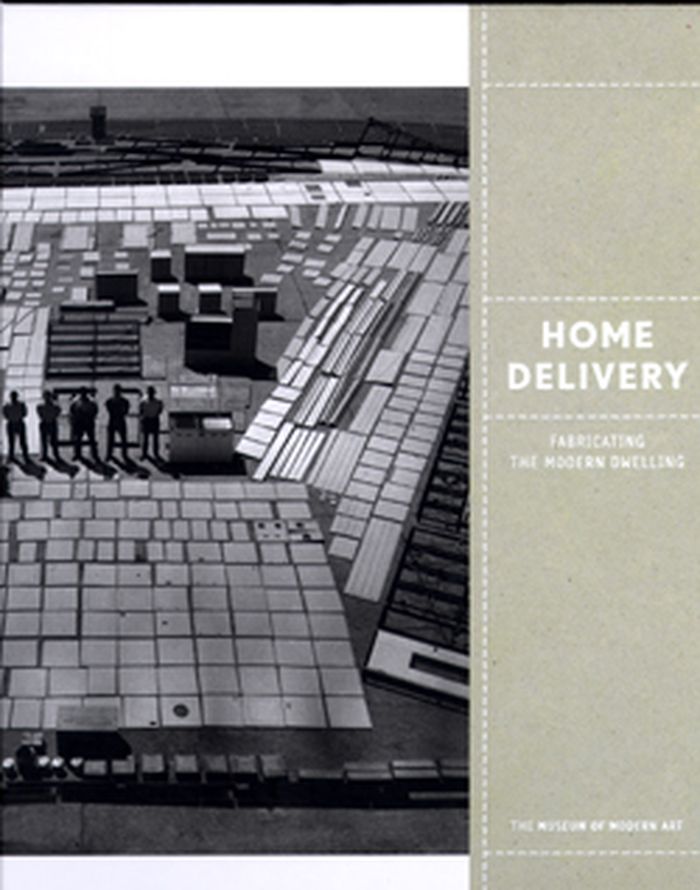
As the world’s population swells and the need for sustainable ways of living grows ever more urgent and obvious, prefabricated architecture has taken center stage. Even before our current predicaments, the mass-produced, factory-made home had a distinguished history, having served as a vital precept in the development of Modern architecture. Today, with the digital revolution reorganizing the relationship between drafting board and factory, it continues to spur innovative manufacturing and design, and its potential has clearly not yet come to fruition. Home Delivery traces the history of prefabrication in architecture, from its early roots in colonial cottages though the work of such figures as Jean Prouvé and Buckminster Fuller, and mass-produced variants such as the Lustron house, to a group of full-scale contemporary houses commissioned specifically for the MoMA exhibition that this book accompanies. In addition to an introductory essay by Barry Bergdoll, Chief Curator in the Museum’s Department of Architecture and Design, this volume contains essays on prefabricated housing in Japan and in Nordic countries by Ken Tadashi Oshima and Rasmus Waern, respectively. It also includes focused texts on approximately 40 historical projects and five commissions, as well as a bibliography.
Home delivery, fabricating the modern dwelling
Actions:
Prix:
$45.00
(disponible sur commande)
Résumé:
As the world’s population swells and the need for sustainable ways of living grows ever more urgent and obvious, prefabricated architecture has taken center stage. Even before our current predicaments, the mass-produced, factory-made home had a distinguished history, having served as a vital precept in the development of Modern architecture. Today, with the digital revolution reorganizing the relationship between drafting board and factory, it continues to spur innovative manufacturing and design, and its potential has clearly not yet come to fruition. Home Delivery traces the history of prefabrication in architecture, from its early roots in colonial cottages though the work of such figures as Jean Prouvé and Buckminster Fuller, and mass-produced variants such as the Lustron house, to a group of full-scale contemporary houses commissioned specifically for the MoMA exhibition that this book accompanies. In addition to an introductory essay by Barry Bergdoll, Chief Curator in the Museum’s Department of Architecture and Design, this volume contains essays on prefabricated housing in Japan and in Nordic countries by Ken Tadashi Oshima and Rasmus Waern, respectively. It also includes focused texts on approximately 40 historical projects and five commissions, as well as a bibliography.
Classification:
livres
livres
Publication:
août 2008, New York
août 2008, New York
Sujet:
Architecture préfabriquée
Architecture préfabriquée
Classification:
livres
livres
Actions:
Prix:
$38.95
(disponible sur commande)
Résumé:
No building better embodies the ineffable qualities of rural France than the lavoir, the communal washhouse that, until a few decades ago, was the central gathering place for women in many small villages across the French countryside—as much a part of communal life as the market. These open-air laundry rooms first appeared for the private use of the social elite in(...)
$38.95
(disponible sur commande)
Résumé:
No building better embodies the ineffable qualities of rural France than the lavoir, the communal washhouse that, until a few decades ago, was the central gathering place for women in many small villages across the French countryside—as much a part of communal life as the market. These open-air laundry rooms first appeared for the private use of the social elite in(...)
Titre:
Lavoirs : washhouses of rural France
Actions:
Prix:
$38.95
(disponible sur commande)
Résumé:
No building better embodies the ineffable qualities of rural France than the lavoir, the communal washhouse that, until a few decades ago, was the central gathering place for women in many small villages across the French countryside—as much a part of communal life as the market. These open-air laundry rooms first appeared for the private use of the social elite in the seventeenth century, but flourished as public spaces after the Revolution. Later, they became architectural monuments of regional styles and local materials, often hand-cut stone and hewn timbers, revealing centuries of masonry and woodworking tradition. As running water and modern appliances became standard in French homes after World War II, the lavoirs were abandoned, and with them three hundred years of women's gathering and conversation. In spite of the efforts of preservationists, hundreds of them have faced abandonment, vandalism, and decay. Through duotone photographs, thoughtful sketches, and detailed watercolors, Mireille Roddier safeguards these places. Her text outlines the history, politics, health, water technology, and social background of the buildings and unveils them as an important architectural type worthy of our study, admiration, and protection.
Lavoirs : washhouses of rural France
Actions:
Prix:
$38.95
(disponible sur commande)
Résumé:
No building better embodies the ineffable qualities of rural France than the lavoir, the communal washhouse that, until a few decades ago, was the central gathering place for women in many small villages across the French countryside—as much a part of communal life as the market. These open-air laundry rooms first appeared for the private use of the social elite in the seventeenth century, but flourished as public spaces after the Revolution. Later, they became architectural monuments of regional styles and local materials, often hand-cut stone and hewn timbers, revealing centuries of masonry and woodworking tradition. As running water and modern appliances became standard in French homes after World War II, the lavoirs were abandoned, and with them three hundred years of women's gathering and conversation. In spite of the efforts of preservationists, hundreds of them have faced abandonment, vandalism, and decay. Through duotone photographs, thoughtful sketches, and detailed watercolors, Mireille Roddier safeguards these places. Her text outlines the history, politics, health, water technology, and social background of the buildings and unveils them as an important architectural type worthy of our study, admiration, and protection.
Classification:
livres
livres
Publication:
juillet 2003, New York
juillet 2003, New York
Classification:
livres
livres

Actions:
Prix:
$35.00
(disponible sur commande)
Résumé:
Benjamin Franklin secretly loved London more than Philadelphia: it was simply the most exciting place to be in the British Empire. And in the decade before the outbreak of the American Revolution, thousands of his fellow colonists flocked to the Georgian city in its first big wave of American visitors. At the very point of political rupture, mother country and colonies(...)
$35.00
(disponible sur commande)
Résumé:
Benjamin Franklin secretly loved London more than Philadelphia: it was simply the most exciting place to be in the British Empire. And in the decade before the outbreak of the American Revolution, thousands of his fellow colonists flocked to the Georgian city in its first big wave of American visitors. At the very point of political rupture, mother country and colonies(...)
Titre:
When London was capital of America
Actions:
Prix:
$35.00
(disponible sur commande)
Résumé:
Benjamin Franklin secretly loved London more than Philadelphia: it was simply the most exciting place to be in the British Empire. And in the decade before the outbreak of the American Revolution, thousands of his fellow colonists flocked to the Georgian city in its first big wave of American visitors. At the very point of political rupture, mother country and colonies were socially and culturally closer than ever before. In this first-ever portrait of eighteenth-century London as the capital of America, Julie Flavell recreates the famous city's heyday as the centre of an empire that encompassed North America and the West Indies. The momentous years before independence saw more colonial Americans than ever on London's streets: wealthy Southern plantation owners in quest of culture, slaves hoping for a chance of freedom, Yankee businessmen looking for opportunities in the city, even Ben Franklin seeking a second, more distinguished career. The stories of the colonials, no innocents abroad, vividly recreate a time when Americans saw London as their own and remind us of the complex, multiracial - at times even decadent - nature of America's colonial British heritage.
When London was capital of America
Actions:
Prix:
$35.00
(disponible sur commande)
Résumé:
Benjamin Franklin secretly loved London more than Philadelphia: it was simply the most exciting place to be in the British Empire. And in the decade before the outbreak of the American Revolution, thousands of his fellow colonists flocked to the Georgian city in its first big wave of American visitors. At the very point of political rupture, mother country and colonies were socially and culturally closer than ever before. In this first-ever portrait of eighteenth-century London as the capital of America, Julie Flavell recreates the famous city's heyday as the centre of an empire that encompassed North America and the West Indies. The momentous years before independence saw more colonial Americans than ever on London's streets: wealthy Southern plantation owners in quest of culture, slaves hoping for a chance of freedom, Yankee businessmen looking for opportunities in the city, even Ben Franklin seeking a second, more distinguished career. The stories of the colonials, no innocents abroad, vividly recreate a time when Americans saw London as their own and remind us of the complex, multiracial - at times even decadent - nature of America's colonial British heritage.
Classification:
livres
livres
Publication:
juin 2010
juin 2010


